General-Purpose Communication Cabling Near-Infrared Quartz Optical Fiber
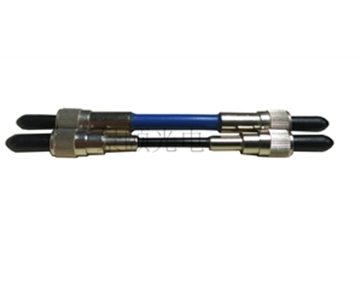
When people think of optical fibers, their first association is typically with broadband and data transmission in telecommunications networks—rarely do they realize that fiber applications extend far beyond communications. In spectral analysis, sensing, and industrial temperature measurement, customized near-infrared quartz optical fibers—each engineered for specific performance requirements—are critical components determining the overall accuracy of entire systems. The optical cables we commonly see are finished products comprising multiple near-infrared quartz optical fibers bundled together with buffering layers and armored protective sheaths. Bare near-infrared quartz fiber cores are inherently brittle and must be coated or jacketed to withstand demanding cabling environments. Today’s commercially available near-infrared quartz optical fibers fall into two primary categories—general-purpose communication cabling near-infrared quartz optical fibers and specialty-function near-infrared quartz optical fibers—with distinctly different application scenarios and performance characteristics.
These near-infrared quartz optical fibers are specifically optimized for stable, long-distance optical signal transmission. Four common types exist:
1. **Standard Quartz Near-Infrared Optical Fiber**: Fabricated using ultra-high-purity silica as the core material, this fiber achieves controlled refractive index differences between core and cladding through precise dopant incorporation. This enables total internal reflection within the core for efficient long-haul transmission. With exceptionally low attenuation—only 0.2 dB/km at 1.55 μm across the standard telecom band (1.0–1.7 μm)—it remains the most widely deployed fiber type in communication cabling, extensively used in broadcast transmission and telecom backbone networks.
2. **Polymer-Clad Near-Infrared Quartz Optical Fiber**: A niche variant in communication cabling, it retains a high-purity quartz core but replaces the conventional silica cladding with a lower-refractive-index silicone-based polymer. Its significantly higher numerical aperture improves coupling efficiency with LED light sources, enabling robust transmission without complex alignment procedures. It is ideally suited for short-distance local-area networking (e.g., within buildings or campuses) over distances up to ~100 meters.
3. **Single-Mode Near-Infrared Quartz Optical Fiber**: Featuring a typical core diameter of ~10 μm, this fiber supports only one propagation mode when the normalized frequency falls below the critical threshold of 2.4 at the operating wavelength—thereby eliminating modal dispersion inherent in multimode fibers. By fine-tuning fabrication parameters to balance material dispersion and waveguide dispersion, zero-dispersion transmission can be achieved within targeted wavelength bands, delivering substantially higher bandwidth than multimode variants. Single-mode near-infrared quartz optical fibers form the backbone of long-haul telecom infrastructure and cable television distribution networks.
4. **Multimode Near-Infrared Quartz Optical Fiber**: With core diameters commonly set at 50 μm or 62.5 μm, this fiber supports simultaneous propagation of hundreds of optical modes. Though historically employed for short-distance communication links, it is now predominantly utilized for intra-data-center rack-to-rack interconnects. Its relaxed alignment tolerances eliminate the need for high-precision fusion splicing equipment, resulting in significantly lower installation costs compared to single-mode alternatives.
Specialty-Function Near-Infrared Quartz Optical Fiber
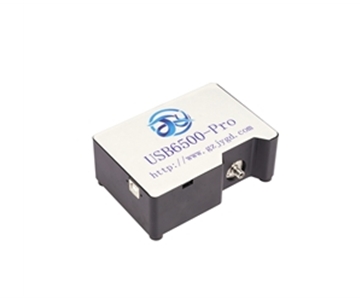
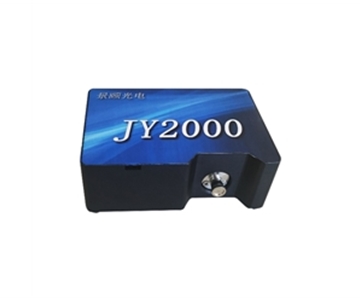
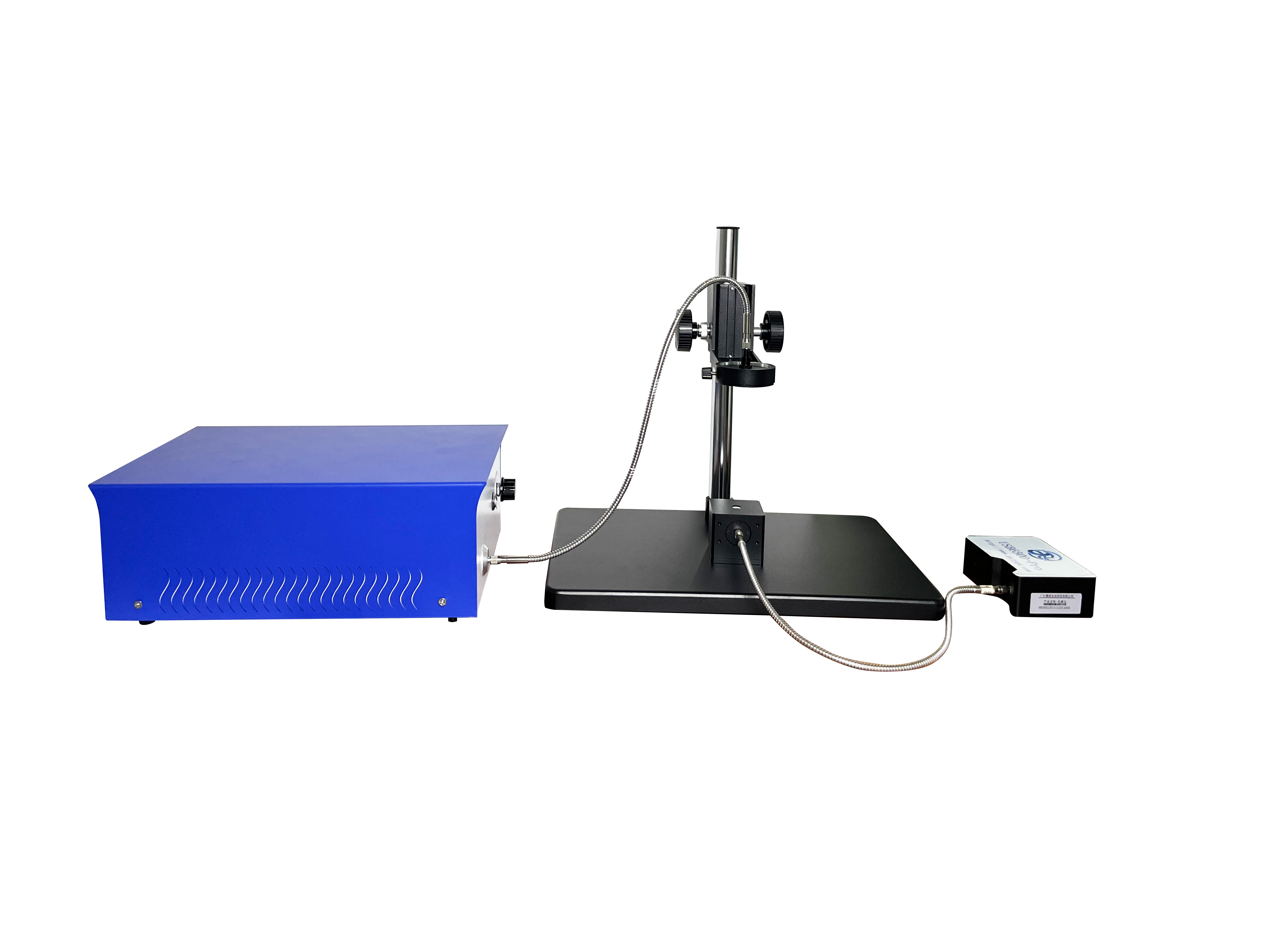
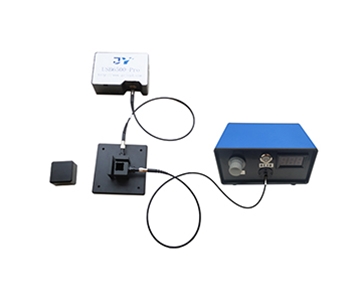
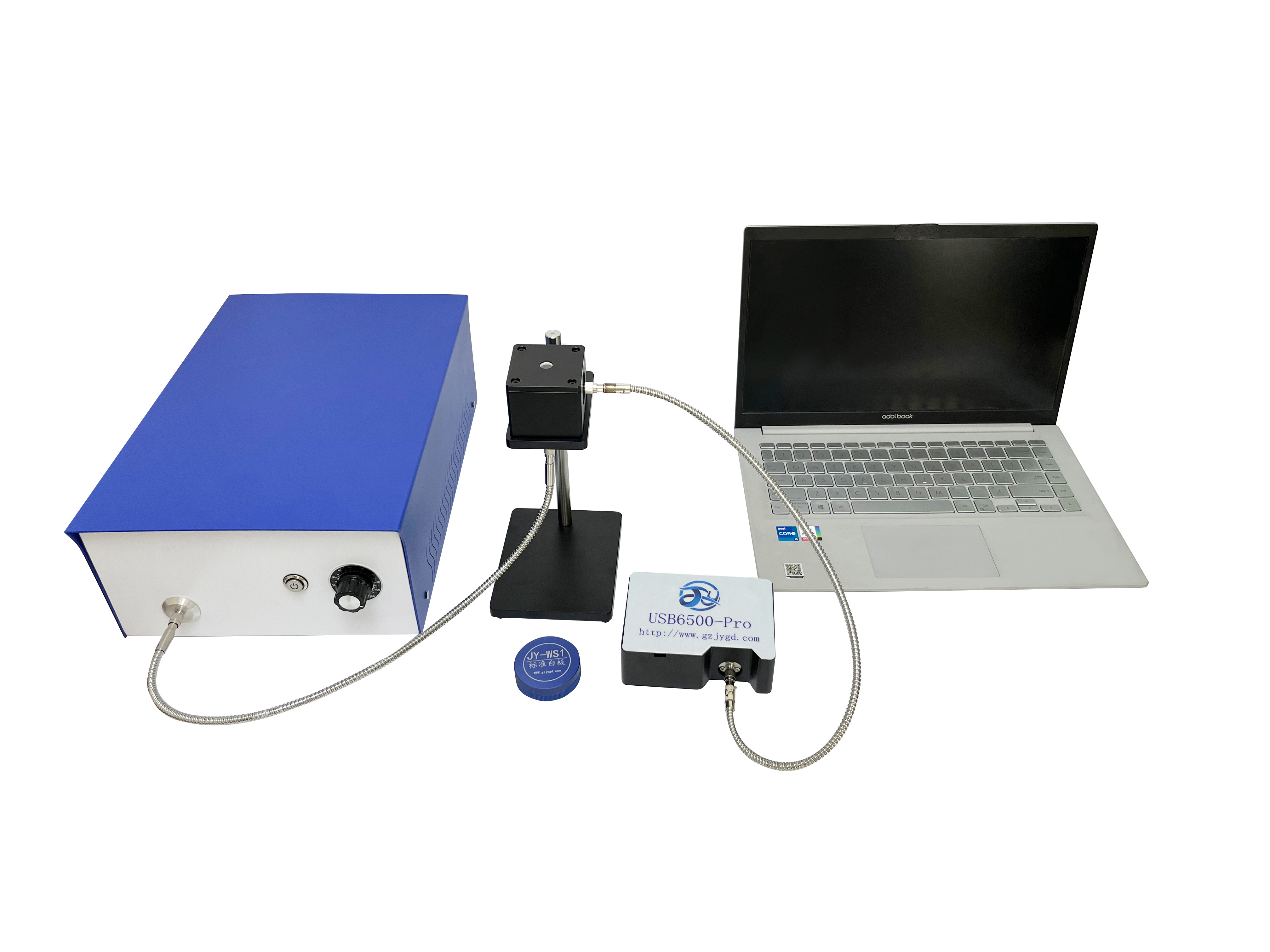
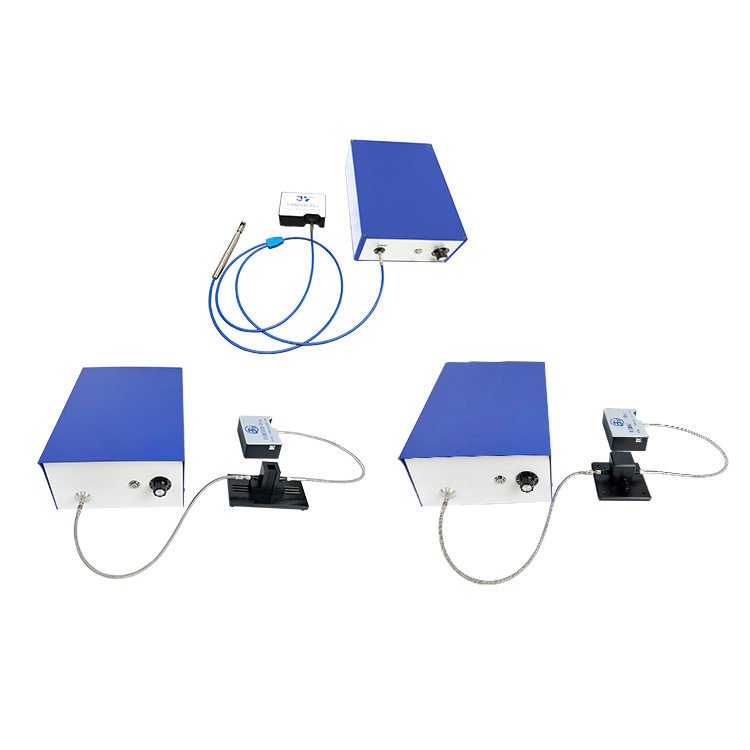
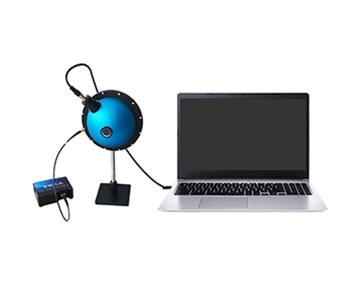
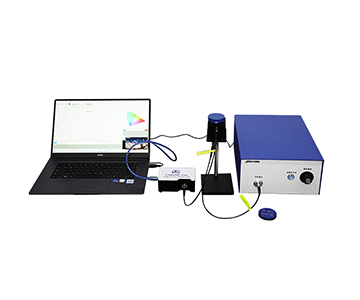
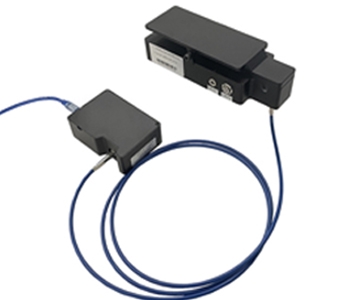
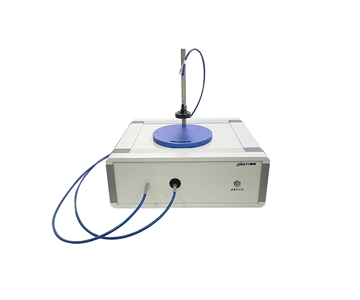
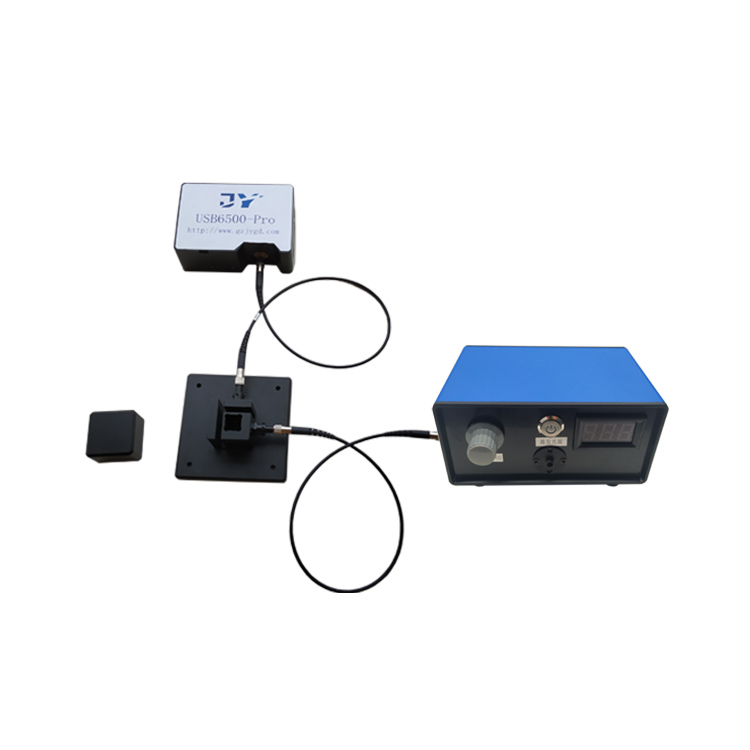
Compared with standardized communication-cabling near-infrared quartz optical fibers, specialty-function variants designed for highly specific operational environments face considerably higher technical barriers. A leading domestic manufacturer in optical inspection has developed a comprehensive quartz near-infrared optical fiber product line covering the full spectral range—tailored precisely to diverse optical path requirements. Unlike general-purpose telecom fibers—whose design focuses exclusively on minimizing attenuation at standard communication wavelengths (1310 nm and 1550 nm)—this manufacturer’s specialty fibers break traditional wavelength limitations. Through advanced doping processes optimized for deep-ultraviolet (DUV), visible, near-infrared (NIR), and mid-infrared (MIR) detection bands, these fibers achieve peak broadband transmittance exceeding 95%. Furthermore, custom performance enhancements—including radiation resistance, extreme temperature tolerance (both high and low), and enhanced bend resilience—can be engineered per application. When integrated with the same manufacturer’s miniature spectrometers and calibration light sources, these fibers enable rapid deployment of versatile spectral measurement systems.
Whereas general-purpose telecom fibers prioritize signal transmission stability alone, specialty-function near-infrared quartz optical fibers must meet far more complex and stringent operational demands. For example, in deep-ultraviolet detection applications, conventional quartz optical fibers suffer rapid transmittance degradation (“solarization”) under prolonged UV exposure. The manufacturer’s UV-resistant quartz optical fiber resolves this issue via proprietary doping technology, exhibiting less than 2% transmittance loss after extended operation in ultraviolet environments. Today, its customized near-infrared quartz optical fibers are widely deployed in high-energy light delivery, minimally invasive sensing, and real-time industrial temperature monitoring—effectively addressing numerous application challenges unmet by standard telecom-grade fibers.
With accelerating growth in industrial inspection, life sciences, and other advanced fields, demand for customized specialty near-infrared quartz optical fibers continues to rise. Moving forward, near-infrared quartz optical fibers will transcend their traditional identity as mere communication cabling materials—and instead assume pivotal roles across increasingly diverse and specialized application domains.
#NearInfraredQuartzFiber #MultiCoreQuartzFiber #LowOHQuartzFiber #1x3QuartzFiber #DeepUltravioletFiber #OpticalFiber #GeneralPurposeCommunicationFiber #SpecialtyFunctionFiber