The Importance of Laser Power Metrology
Laser technology has long permeated every facet of modern production and daily life: laser cutting and welding in the new-energy sector; fractional laser therapy systems in aesthetic clinics; optical research platforms in university laboratories; and laser transmission modules in telecommunications networks—all rely on stable, controllable laser output. Accurate measurement of laser power is thus the foundational prerequisite for ensuring reliable operation across all laser applications. Insufficient power fails to meet process requirements; excessive power risks damaging workpieces or creating safety hazards. Numerous industries have already suffered operational setbacks due to inaccurate laser power metrology. Today’s market offers diverse high-power laser power measurement solutions—each with distinct strengths. Clarifying the optimal application scenarios for each solution before selection can help avoid costly missteps.
Photodiode-Based Detection Solutions
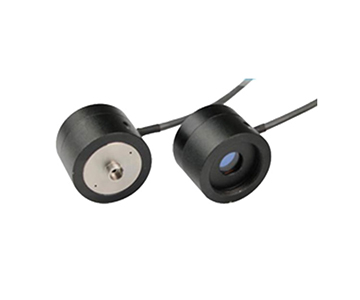
First are photodiode-based detection solutions, which leverage the photoelectric response characteristics of semiconductor photosensitive elements—effectively capturing “instant snapshots” of optical signals. Capable of delivering readings within microseconds, they are especially well-suited for low-power calibration tasks demanding ultra-fast response. However, this approach has notable limitations: narrow spectral coverage of photosensitive materials necessitates expensive InGaAs or germanium detectors for near-infrared wavelengths; moreover, the photosensitive surface is prone to optical saturation and overload, rendering such sensors completely inoperable under high-power laser exposure. Forcing the integration of attenuation modules to extend the measurable range not only increases procurement costs but also introduces additional measurement uncertainty.
Thermopile-Based Detection Solutions
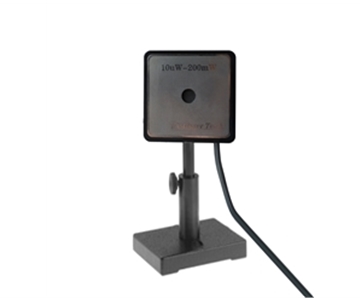
Second are thermopile-based detection solutions—widely adopted for high-power applications today. These function by first converting incident laser energy into heat (“thermal traceability”): an absorption coating on the probe surface fully converts the laser beam into thermal energy, and the resulting temperature gradient across multiple thermocouples is then translated into corresponding power values. Their dynamic range spans from milliwatts to tens of kilowatts—making them compatible with the vast majority of industrial and scientific high-power applications. Yet, due to the inherent physical properties of heat transfer, response times for such solutions typically fall within the millisecond-to-second range, precluding accurate capture of transient laser power fluctuations and limiting suitability for dynamic measurement requirements.
Customized Detection Solutions
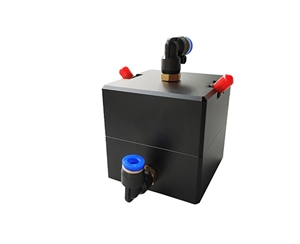
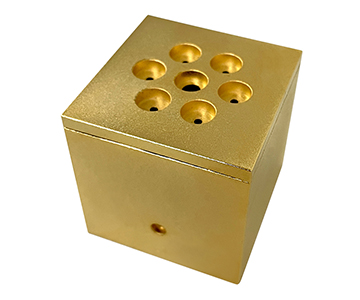
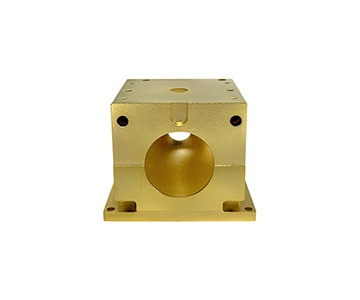
Beyond these mainstream approaches, specialized customized solutions address extreme or niche scenarios—for instance, radiometer-type instruments designed specifically for optical radiation intensity calibration; bulk-absorption configurations tailored for ultra-high-power applications; and water-cooled flow-through systems that dissipate heat via circulating coolant. Each is engineered to satisfy highly specific demands across distinct application domains.
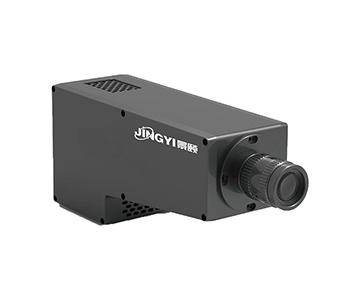
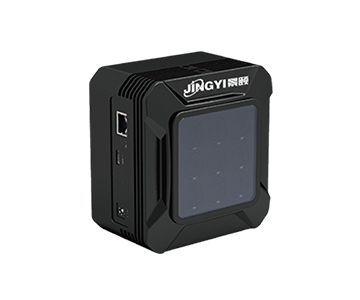
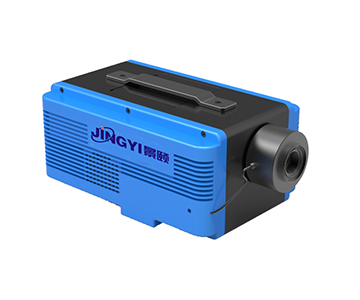
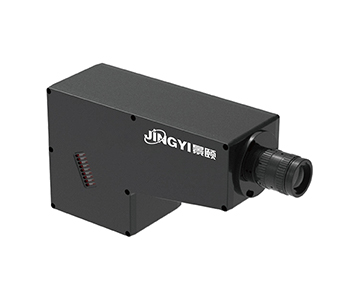
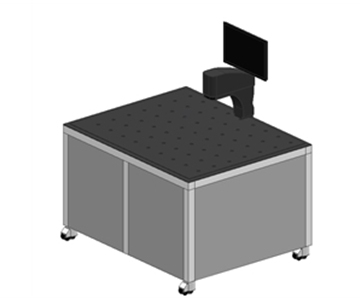
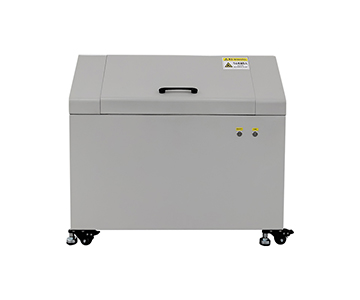
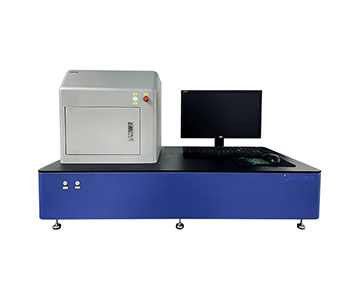
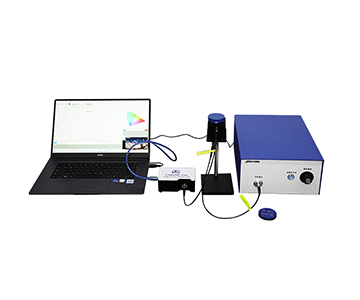
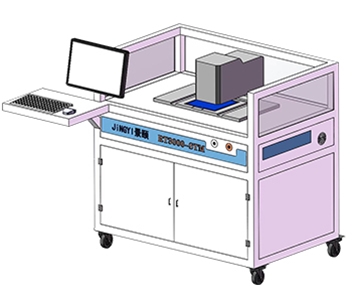
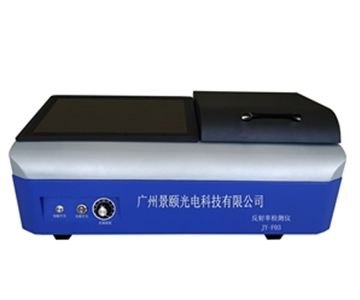
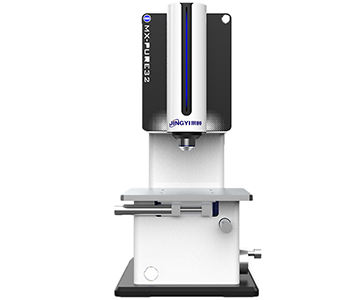
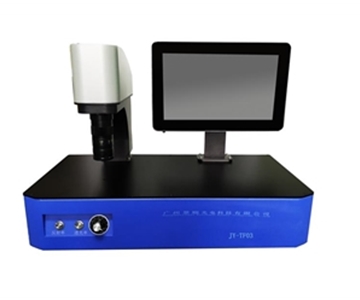
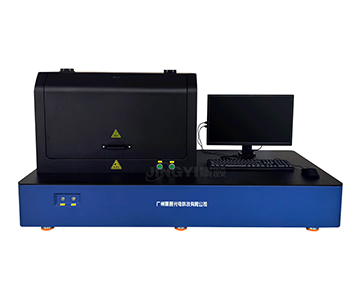
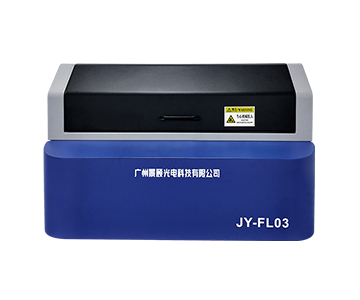
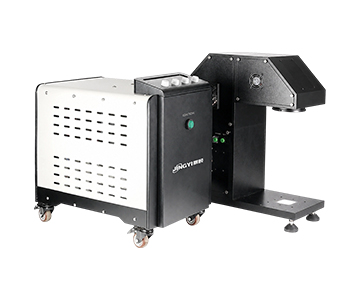
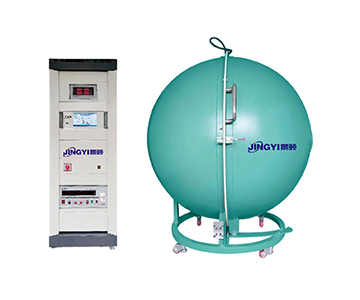
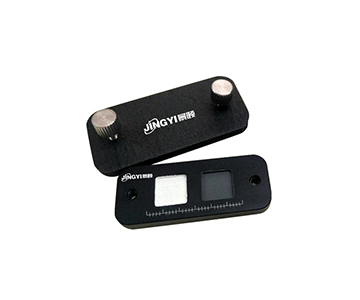
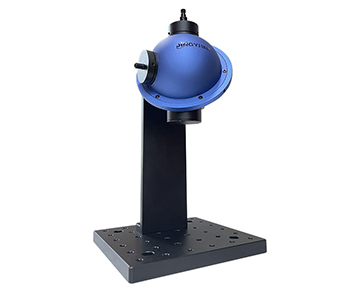
Jingyi Optoelectronics Integrating Sphere Laser Power Analyzer
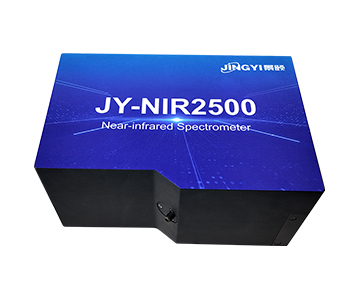
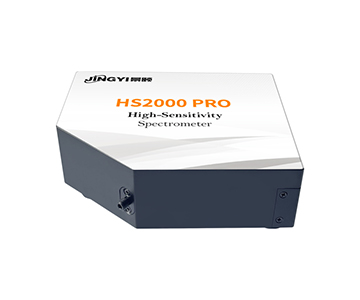
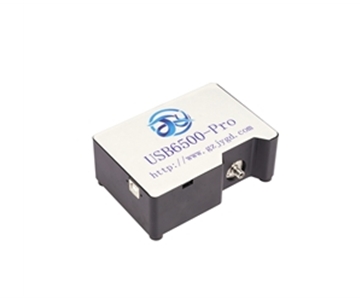
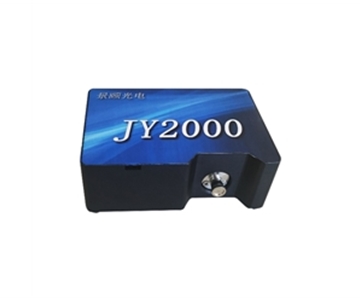
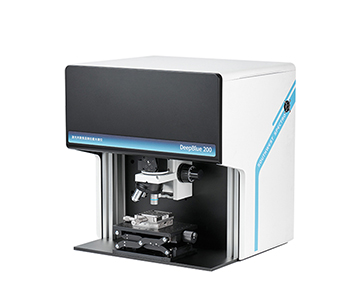
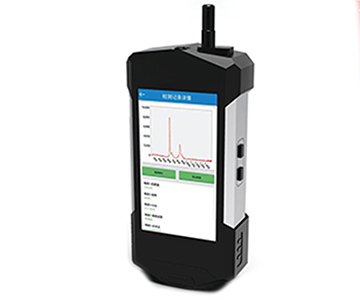
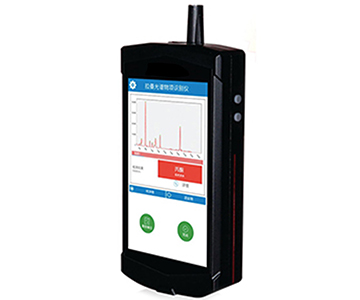
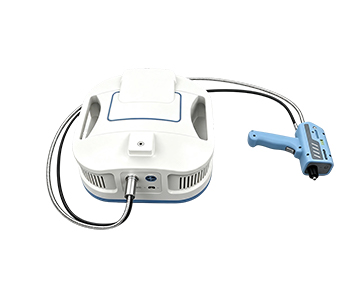
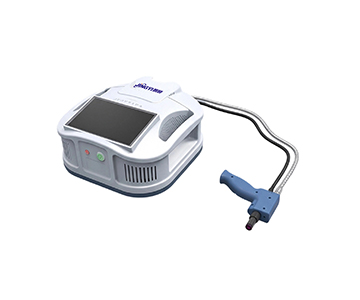
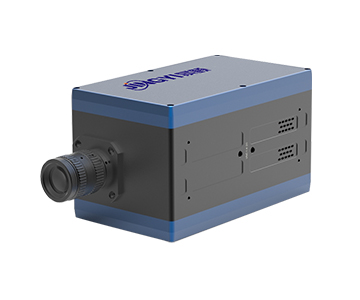
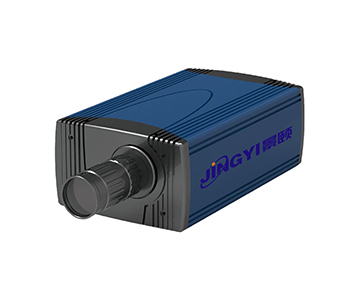
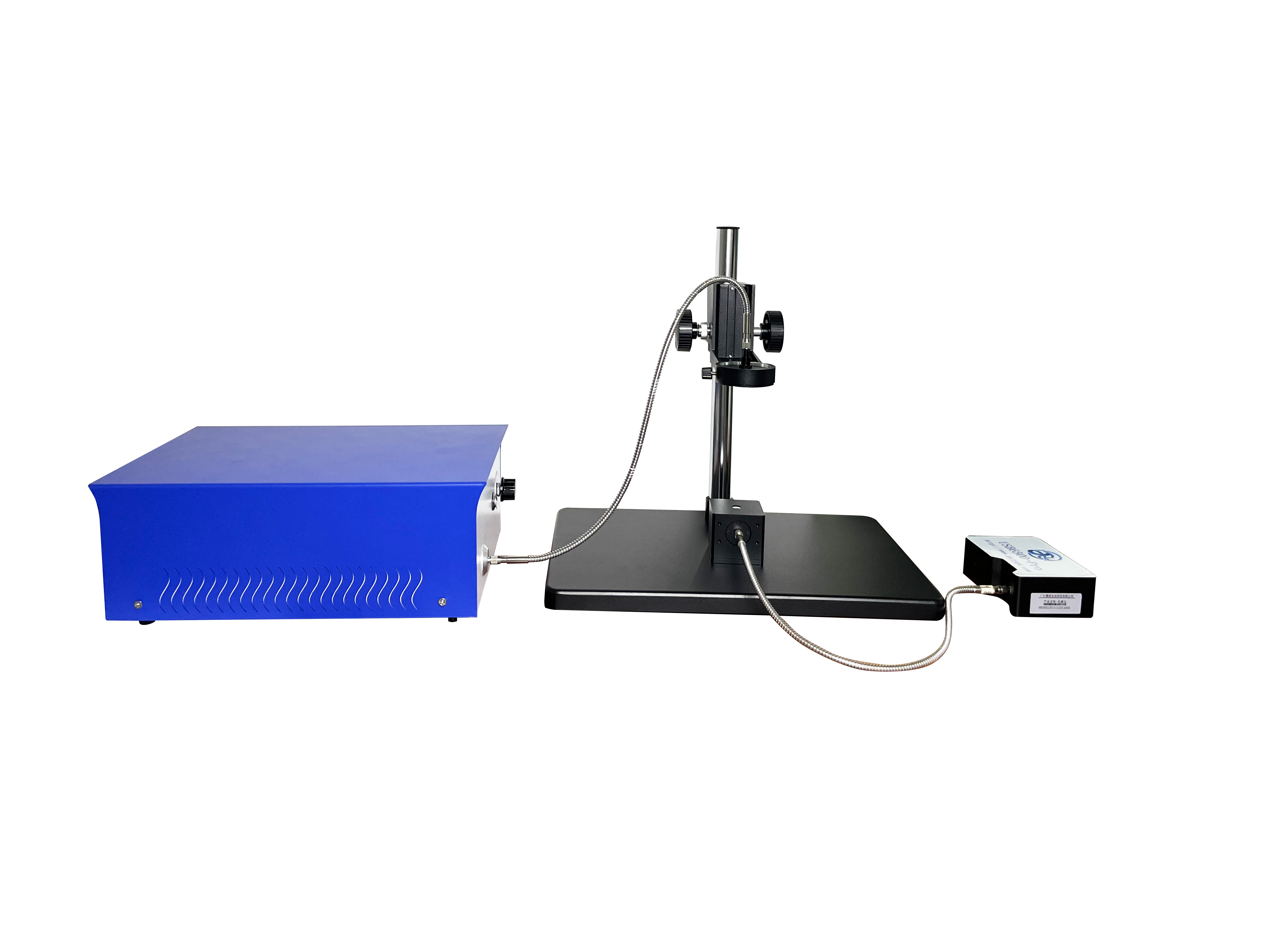
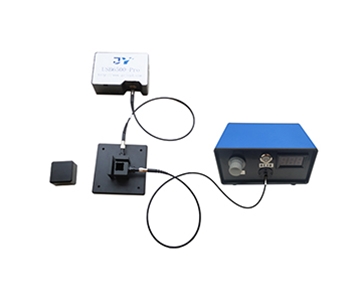
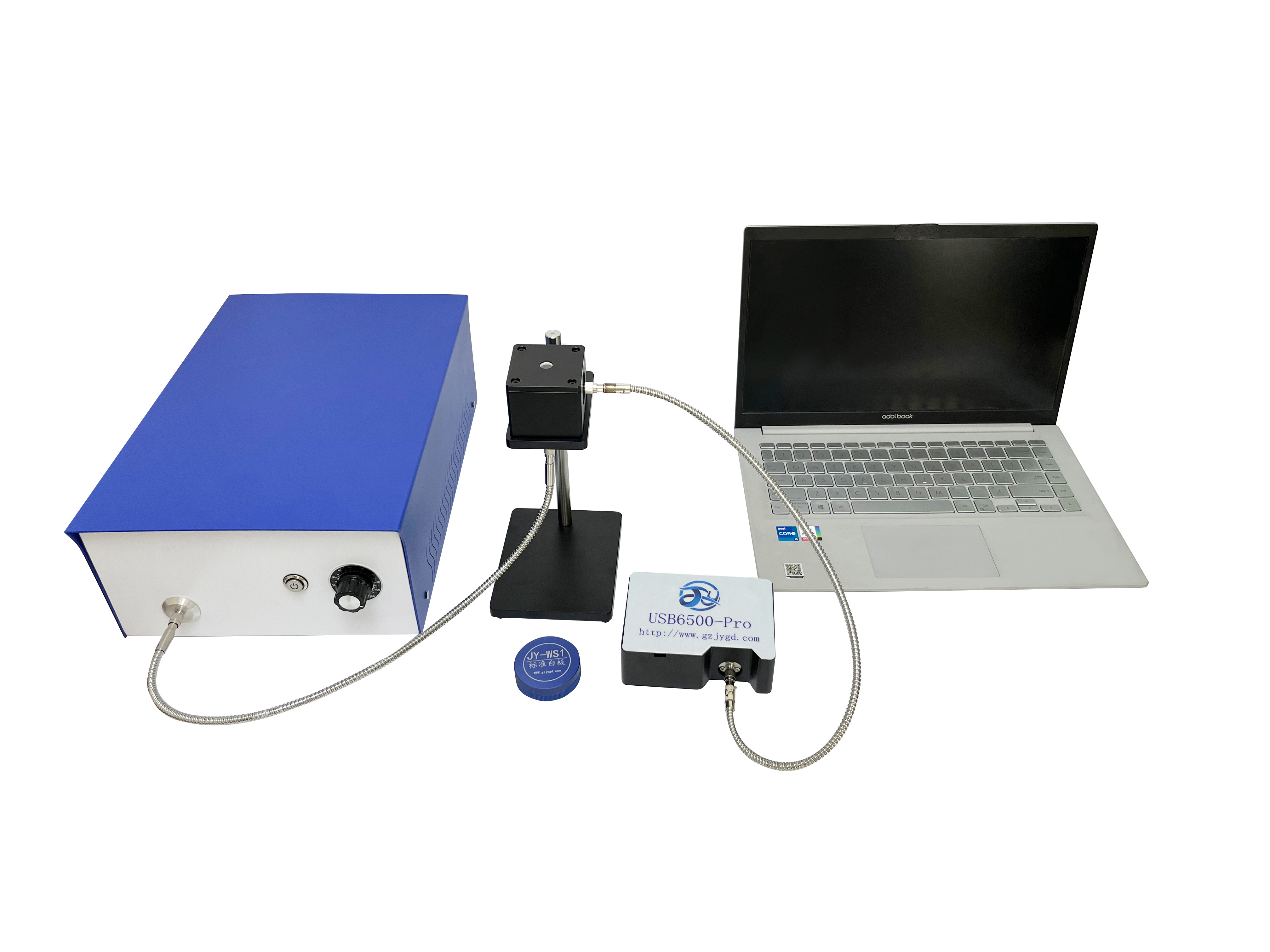
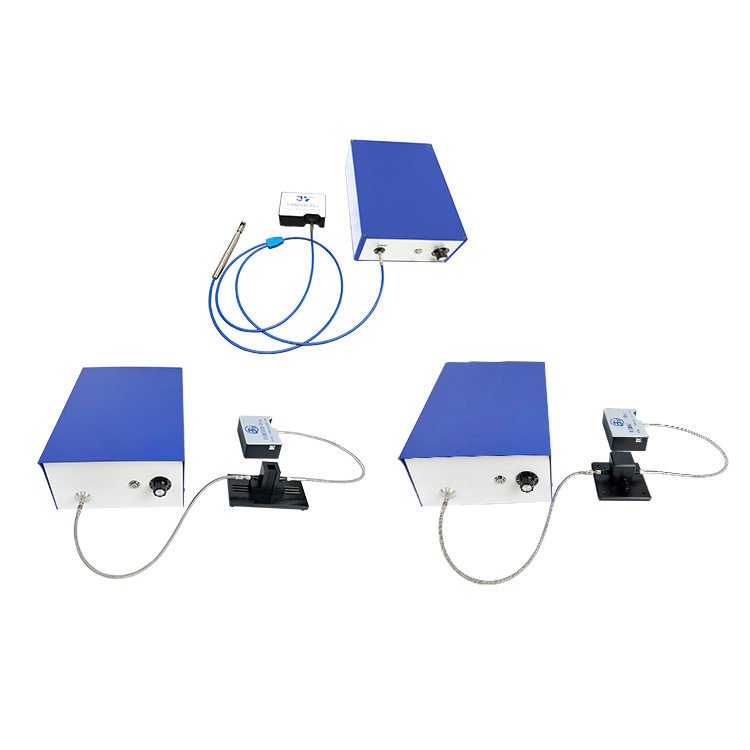
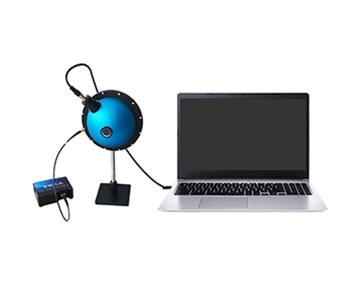
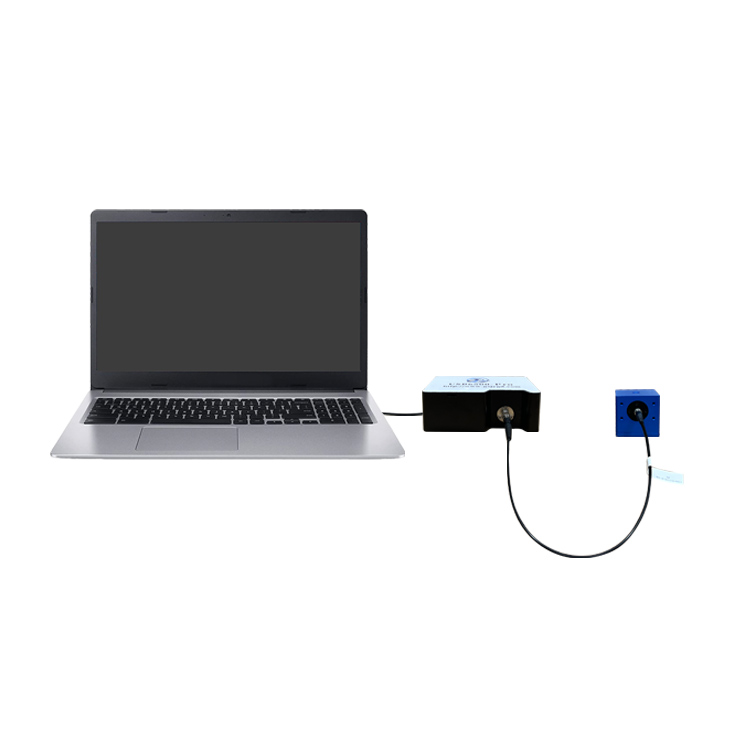
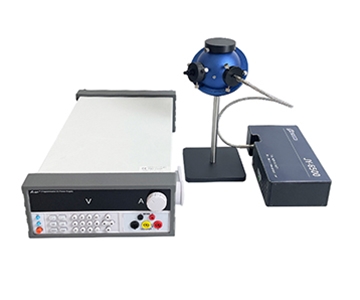
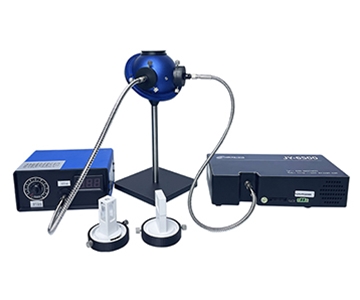
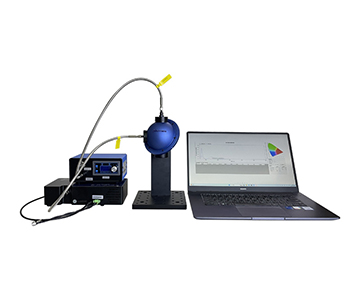
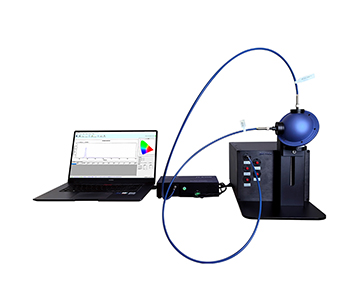
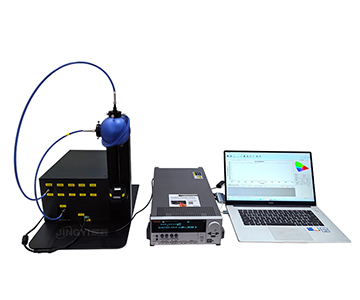
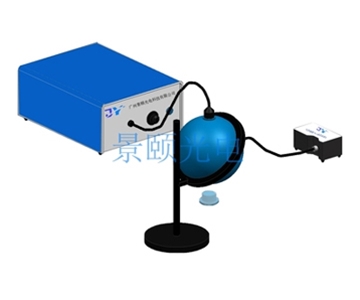
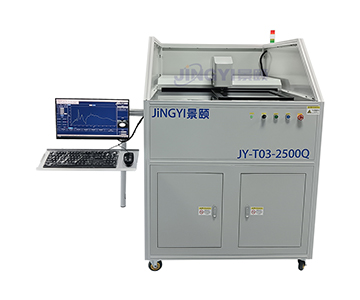
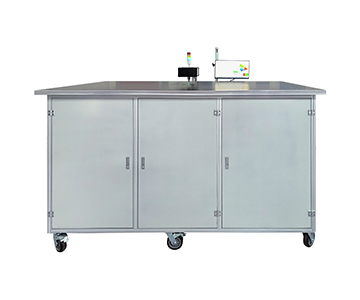
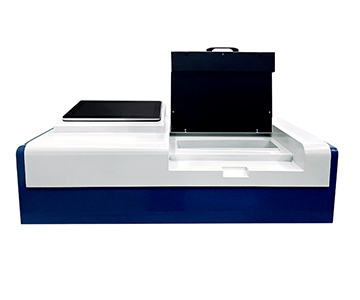
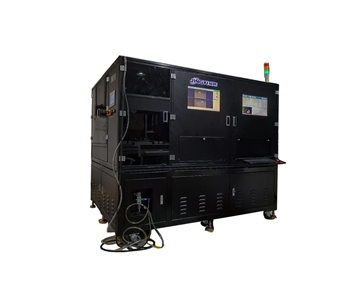
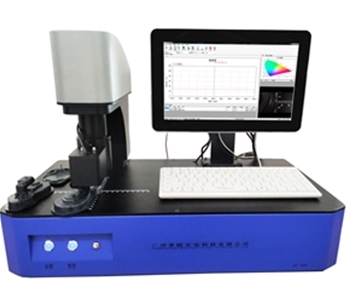
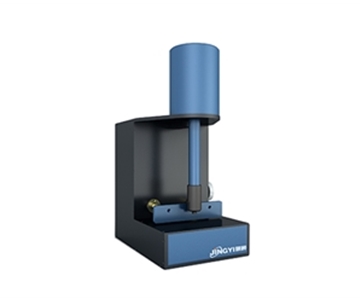
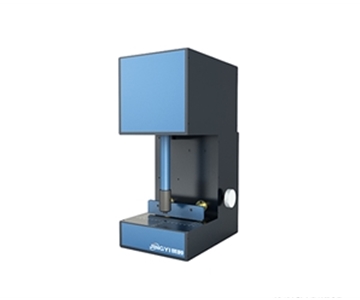
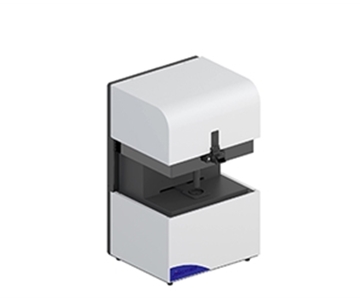
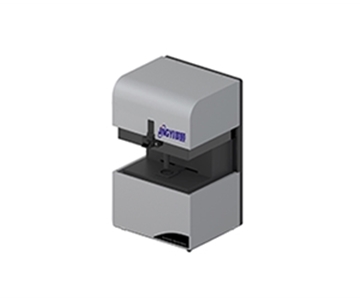
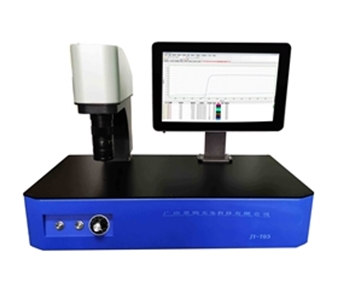
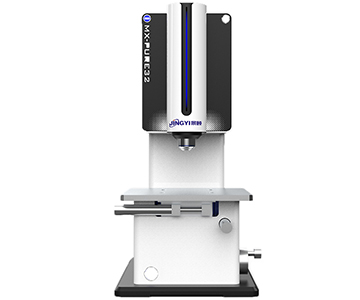
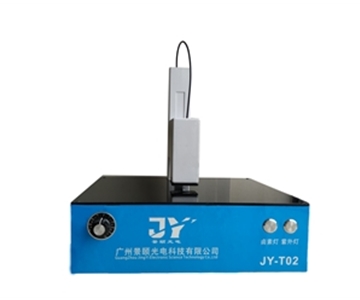
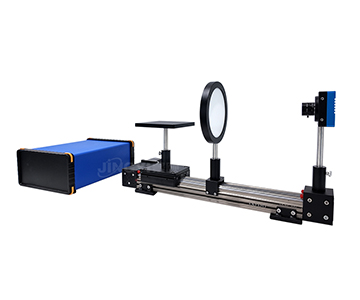
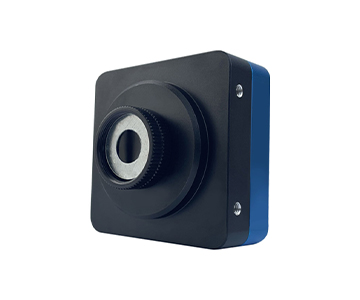
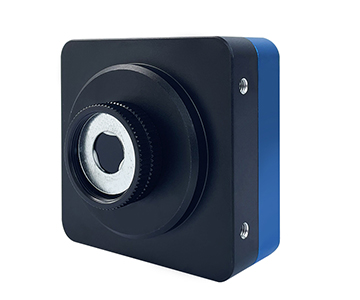
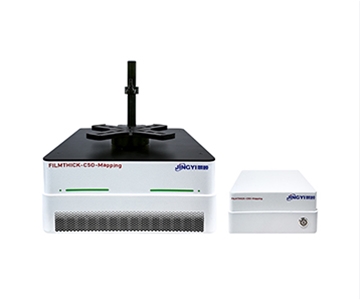
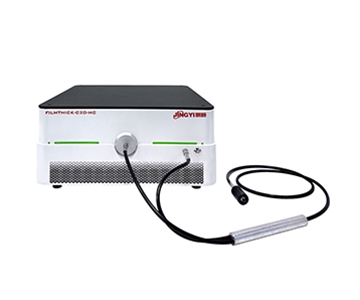
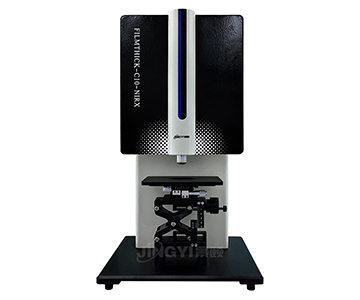
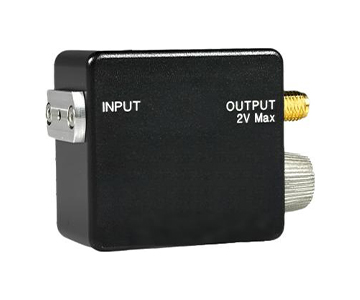
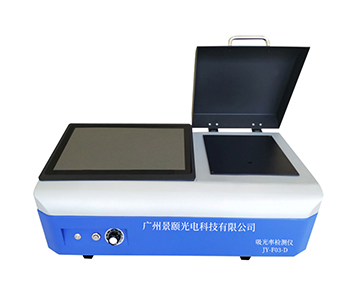
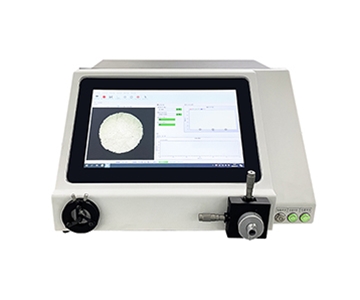
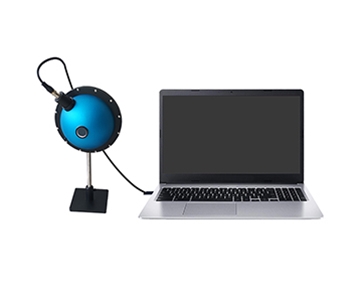
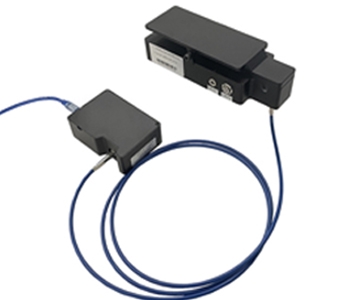
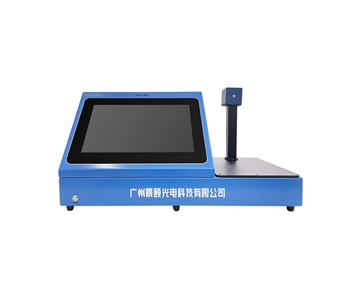
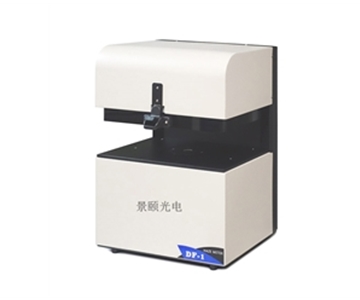
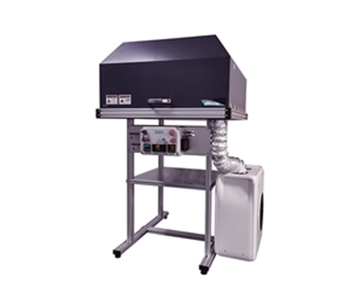
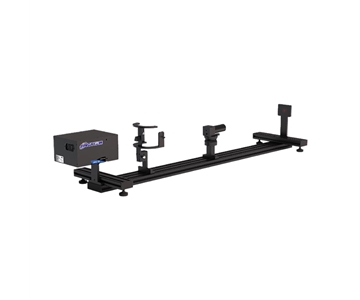
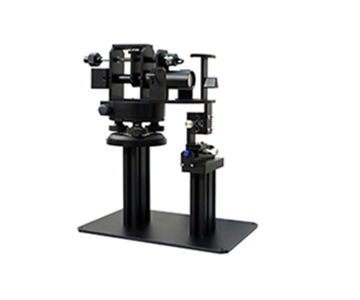
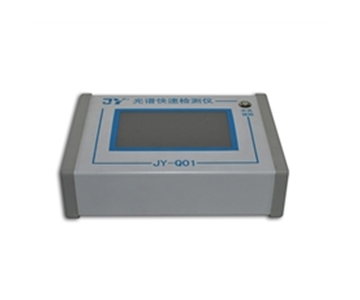
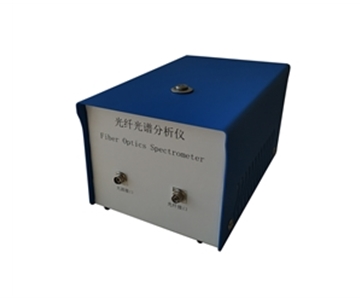
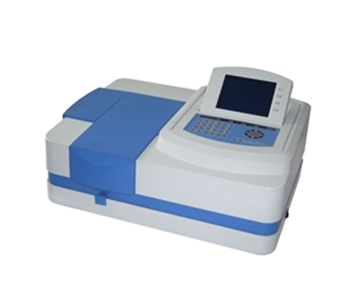
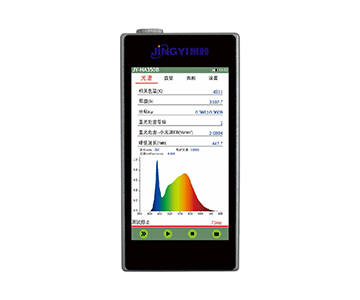
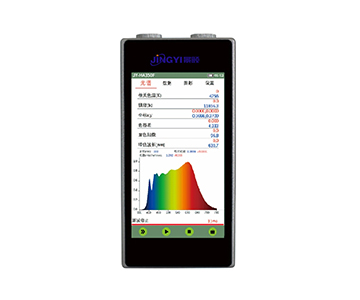
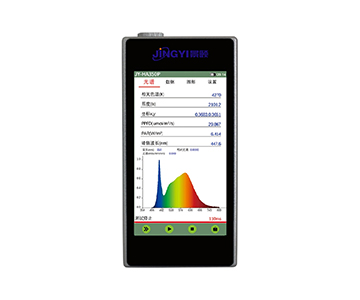
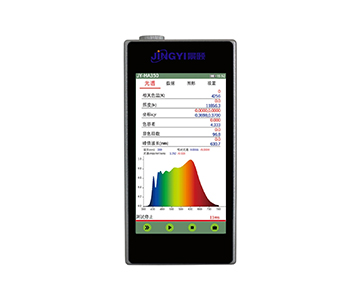
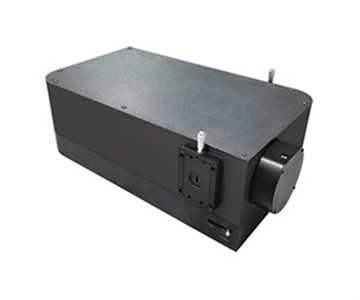
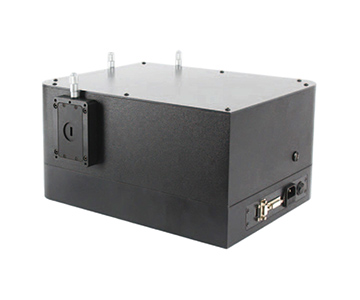
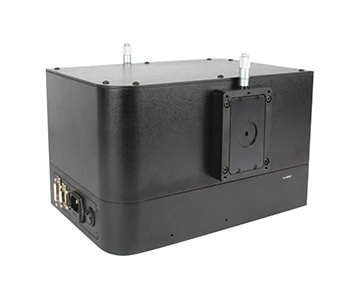
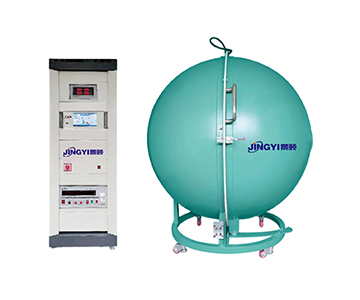
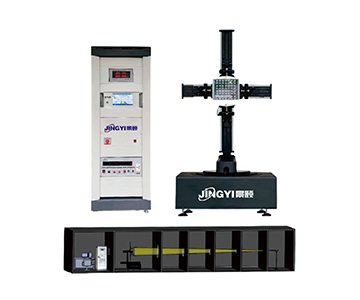
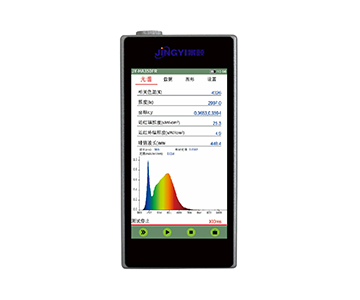
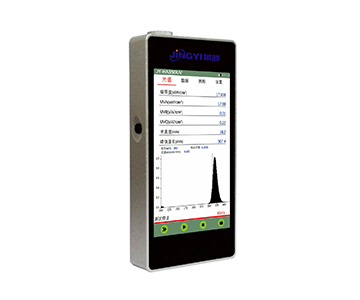
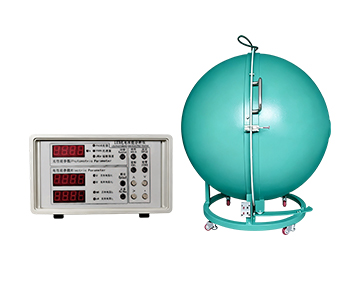
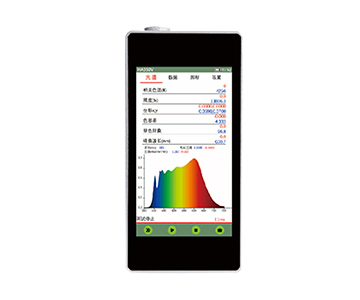
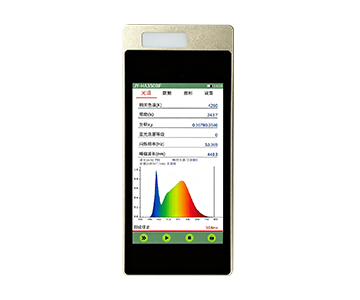
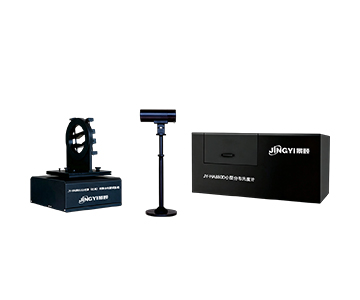
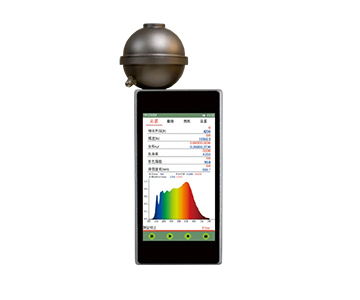
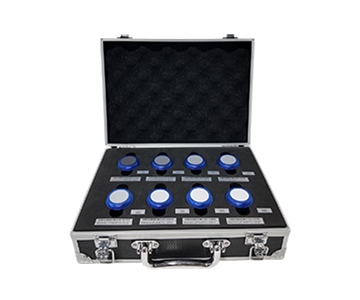
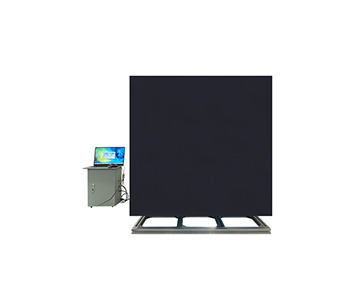
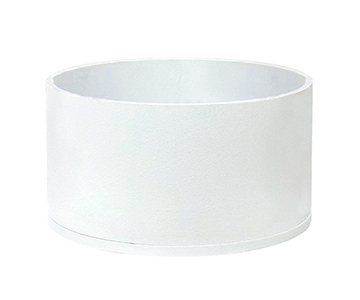
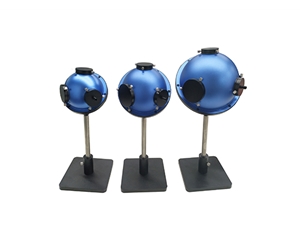
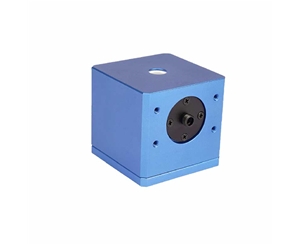
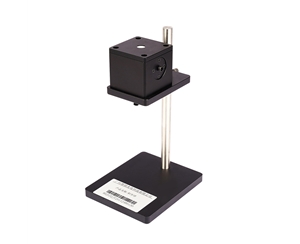
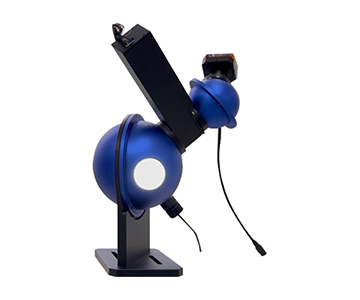
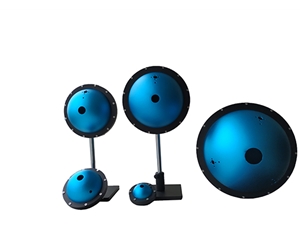
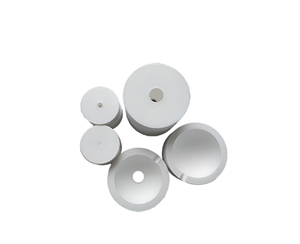
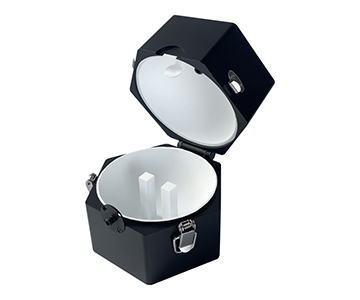
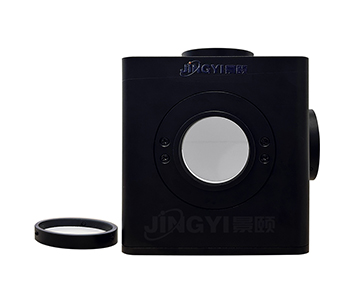
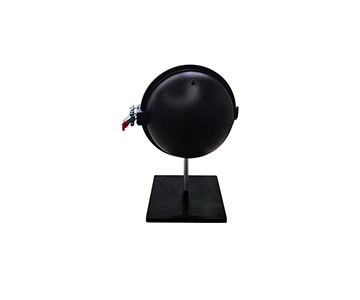
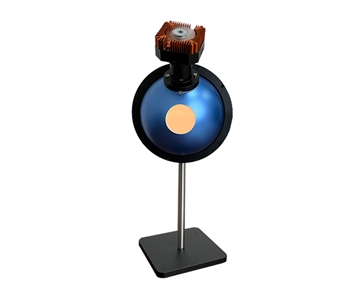
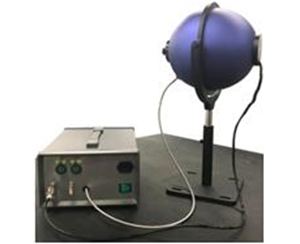
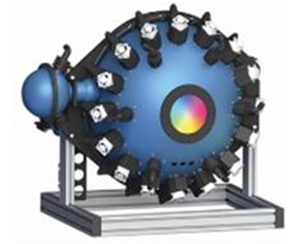
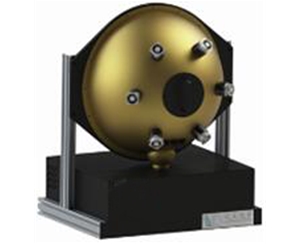
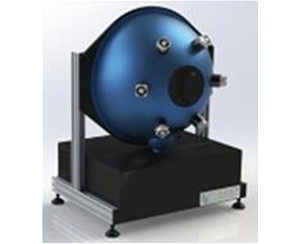
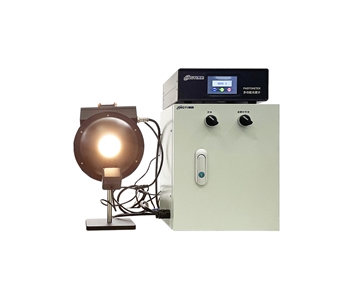
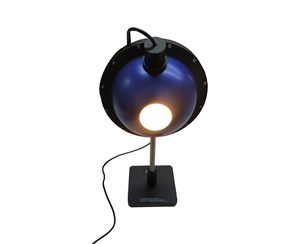
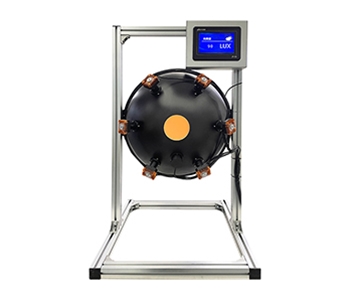
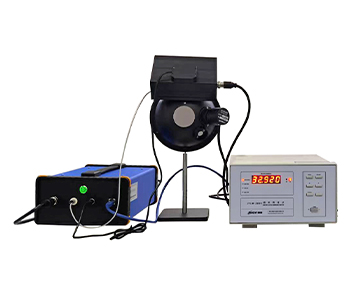
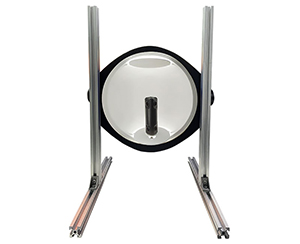
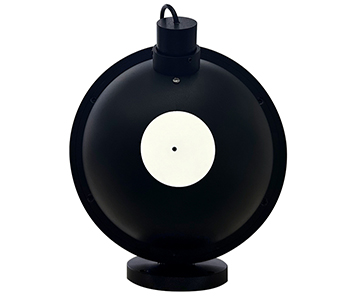
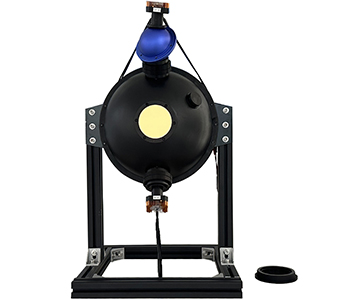
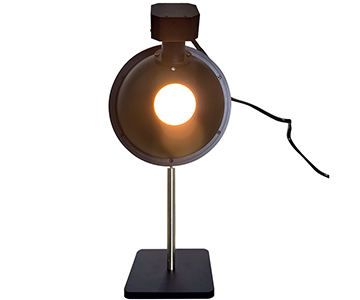
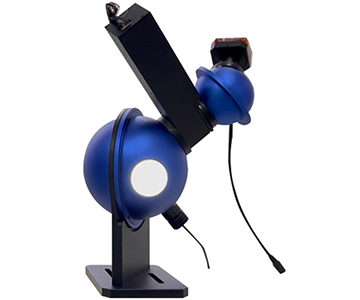
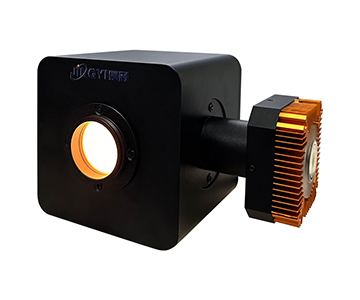
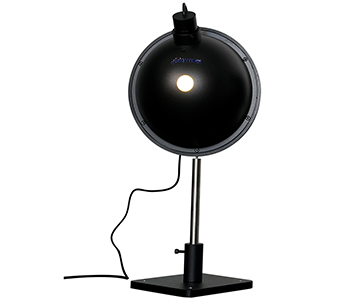
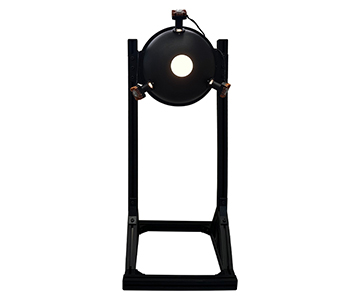
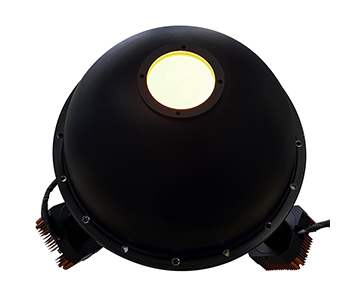
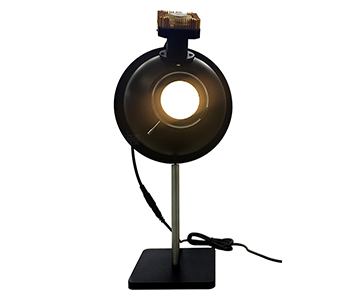
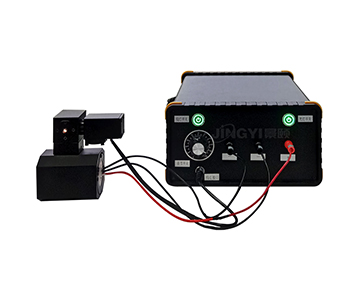
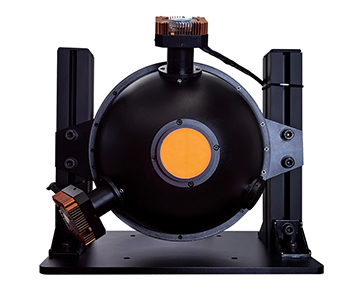
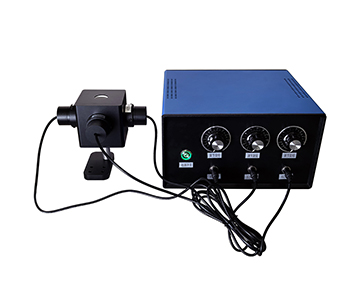
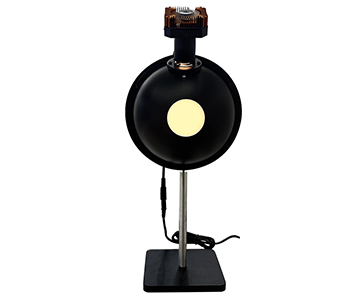
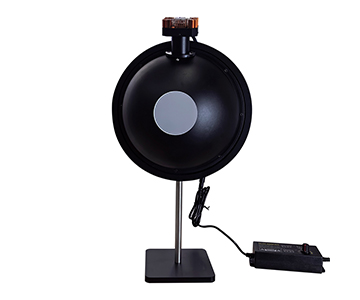
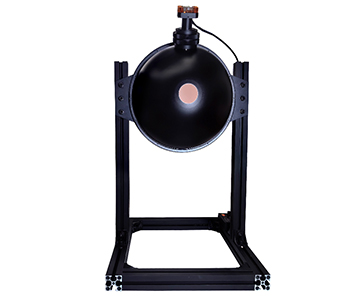
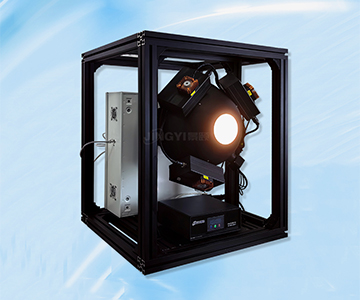
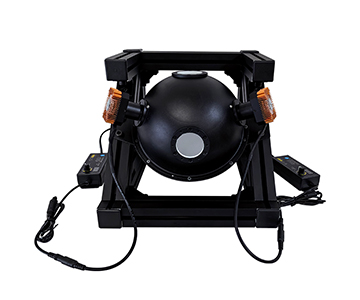
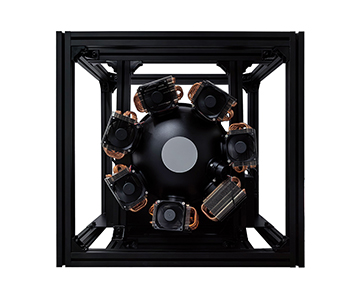
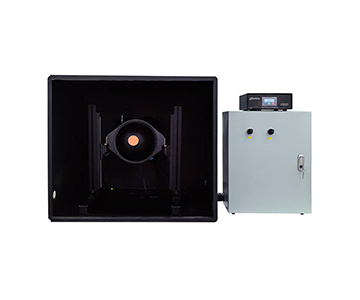
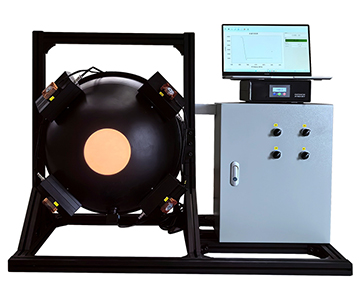
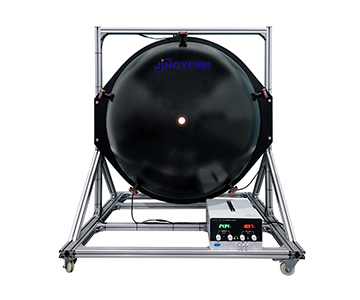
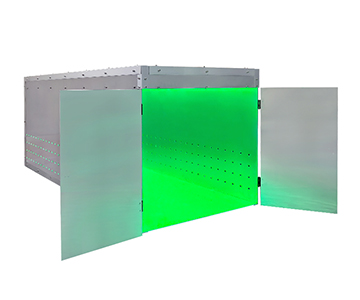
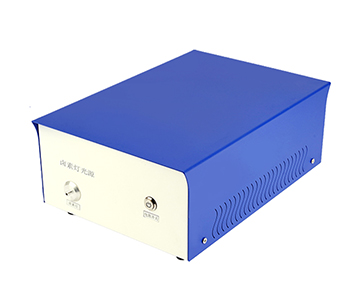
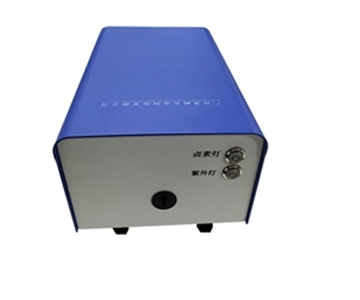
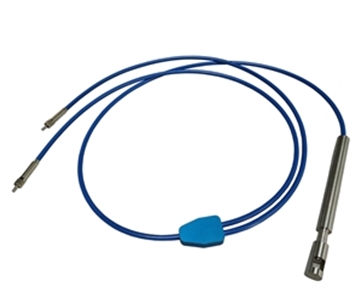
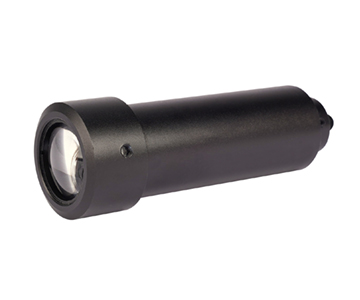
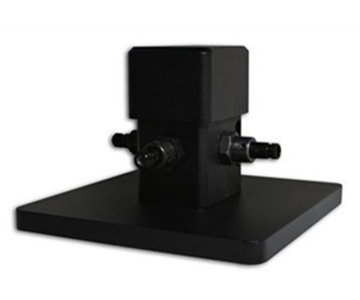
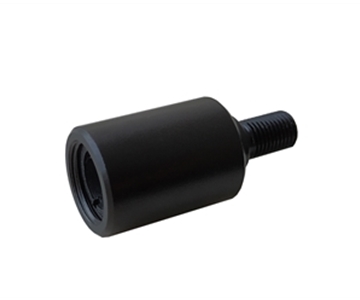
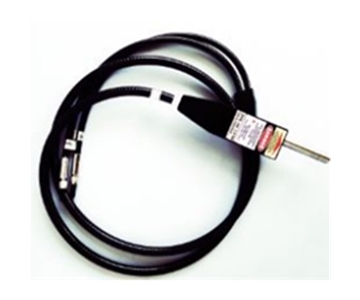
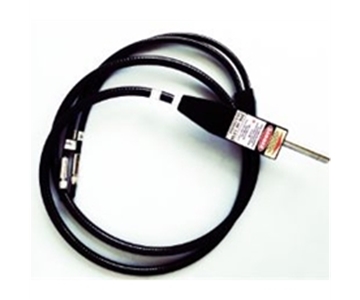
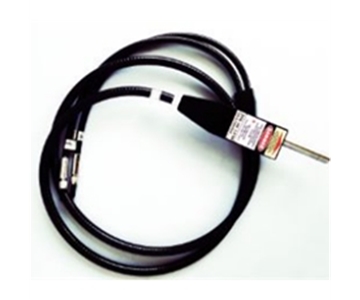
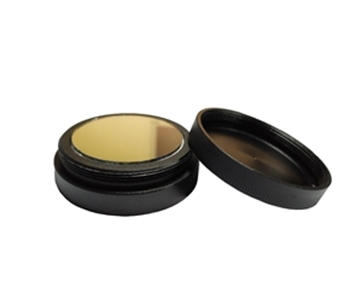
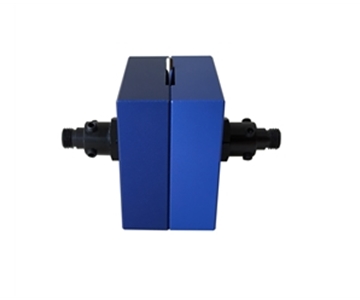
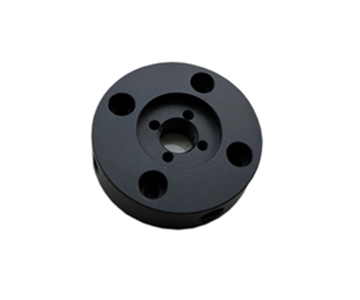
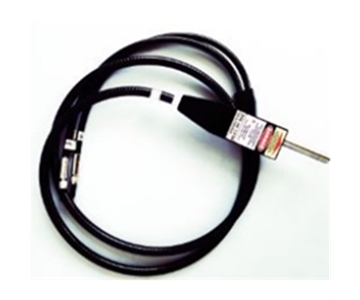
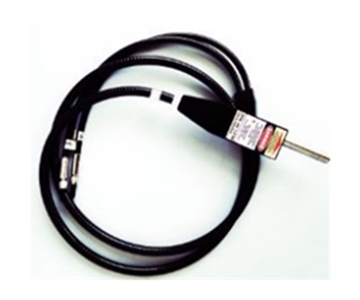
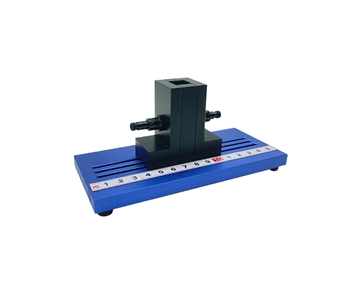
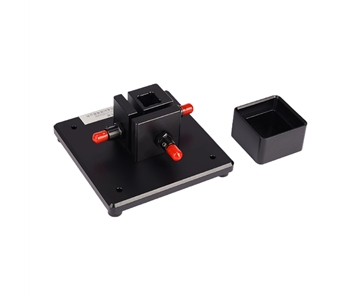
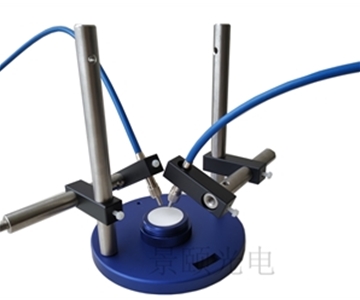
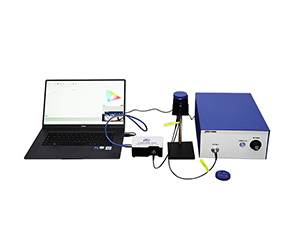
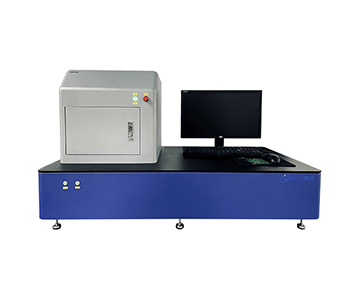
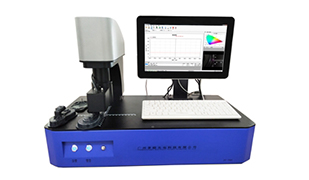
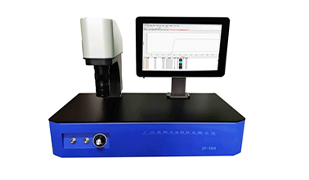
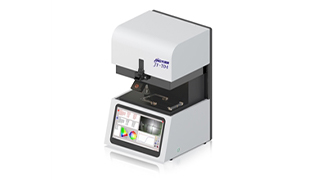
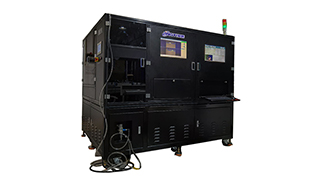
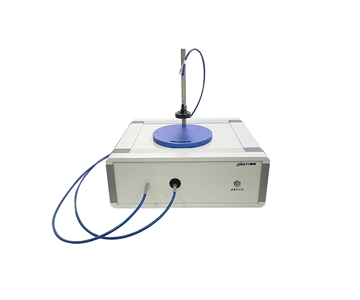
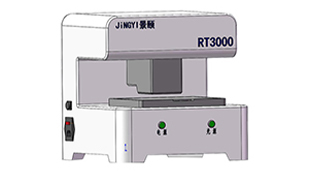
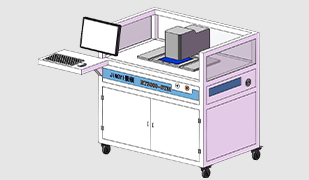
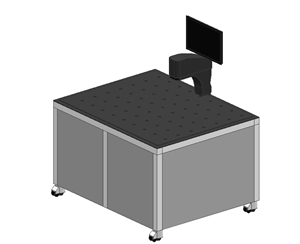
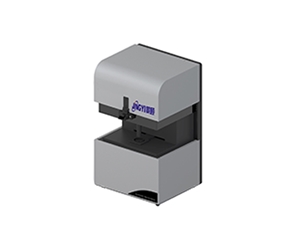
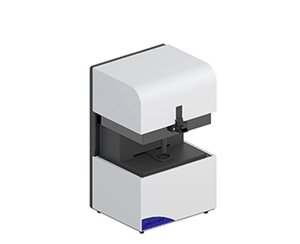
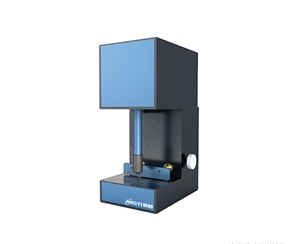
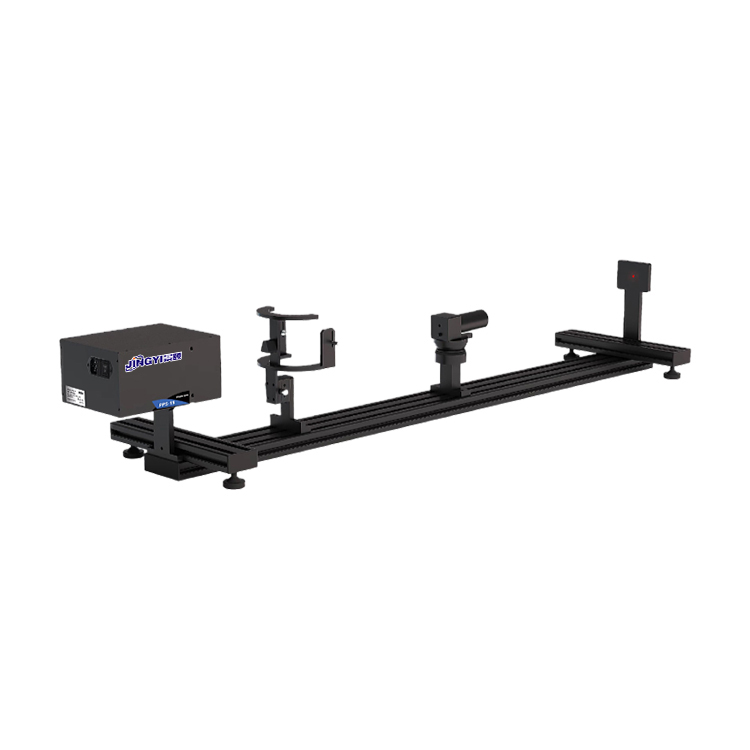
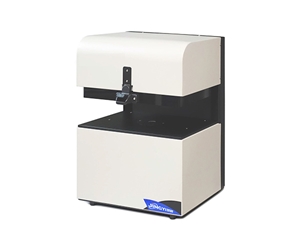
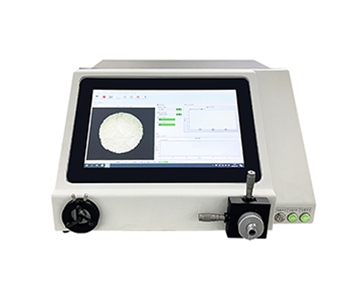
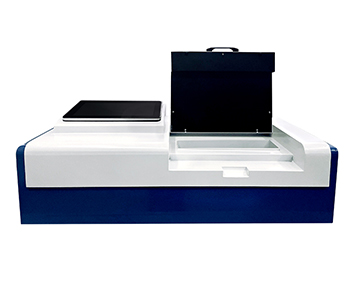
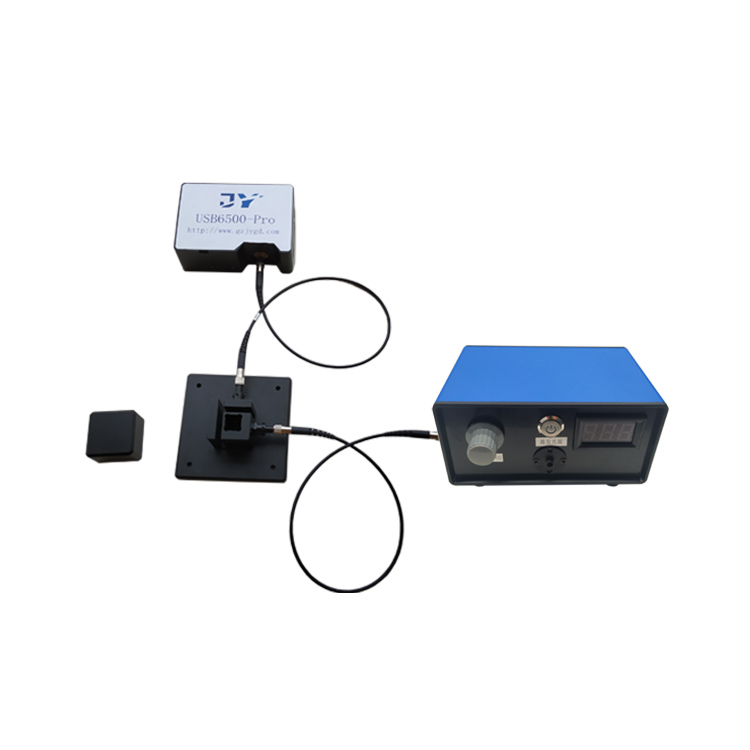
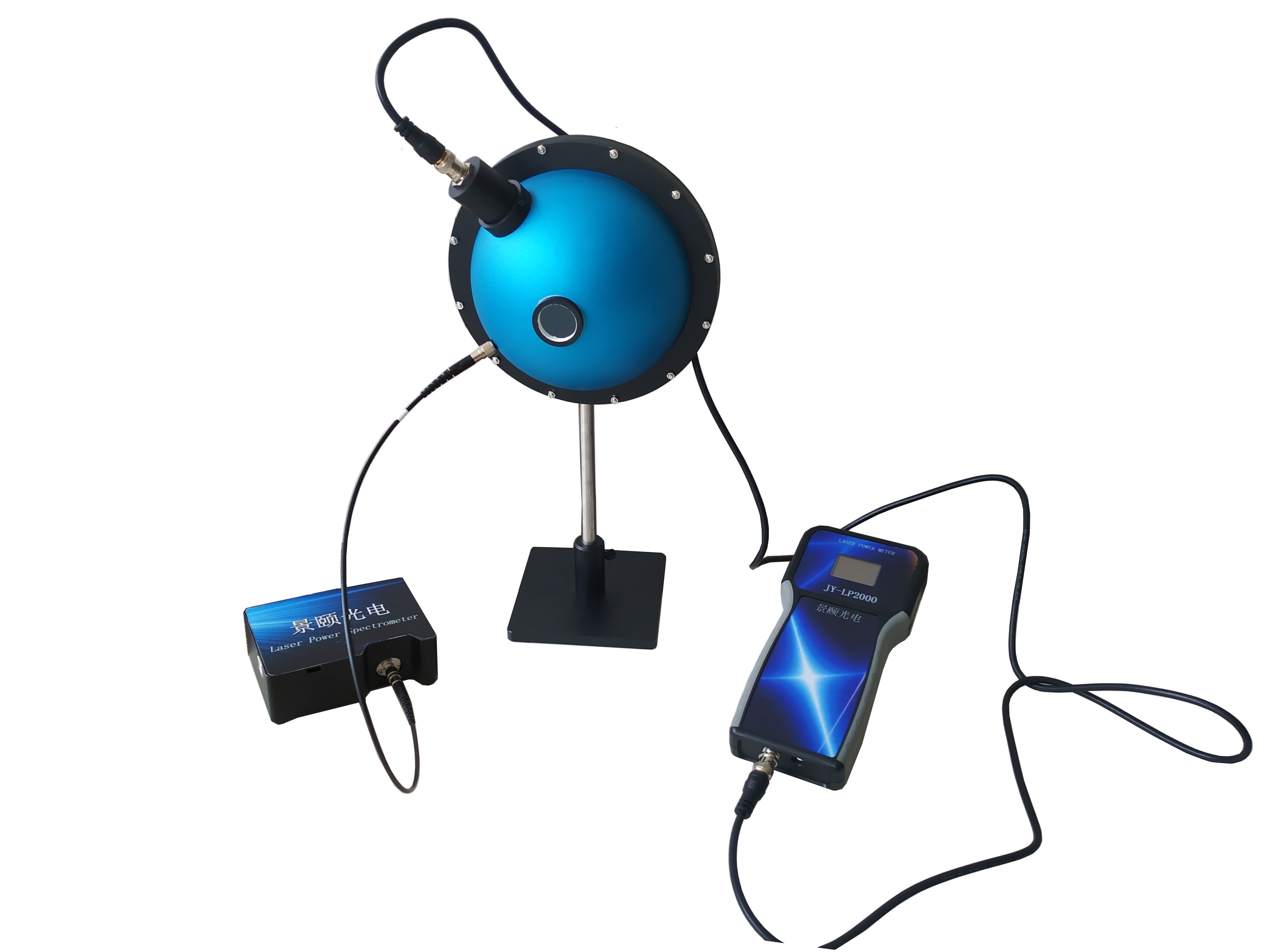
Many users face a classic trade-off during equipment selection: fast response comes at the cost of limited power range, while high-power capability sacrifices speed—and persistent concerns remain regarding polarization- and angle-dependent measurement errors. To resolve this industry-wide challenge, Jingyi Optoelectronics has introduced its integrating sphere laser power analyzer—a comprehensive technical upgrade addressing all key dimensions. It features a proprietary PTFE-based high-diffuse-reflectance integrating sphere with a uniquely optimized geometric design, eliminating interference from laser polarization state and incident angle at the structural level. Whether handling collimated high-power laser beams or divergent laser diode outputs, it achieves lossless, uniform light collection. The system supports flexible integration with optical power meters and fiber-optic spectrometers of varying ranges, and optional attenuation modules further extend its upper power limit. Coupled with proprietary analytical software, it delivers synchronized real-time outputs of wavelength and power data—traceable to standards established by the U.S. National Institute of Standards and Technology (NIST). This breakthrough harmonizes three core performance pillars: measurement speed, dynamic range, and metrological accuracy.
Selection Guidance by Application Scenario & Future Trends
Power metrology requirements vary dramatically across laser application contexts: for high-speed production-line inspection, photodiode-based solutions prioritizing rapid response are preferred; for multi-kilowatt laser processing, thermopile-based or customized solutions matched to the required power range are ideal; and for research or advanced manufacturing environments demanding simultaneous multi-parameter characterization and NIST-traceable precision, Jingyi Optoelectronics’ integrated spectral power measurement system represents the optimal choice. Looking ahead, as laser applications evolve toward ever-higher powers and finer control, power metrology instrumentation will progressively advance toward greater integration and intelligence. Solutions capable of synchronously measuring multiple parameters and uploading data seamlessly into networked systems are poised to become the industry standard.
#IntegratingSphereOpticalPowerMeter #IntegratingSphereSpectralPowerAnalyzer #IntegratingSphereLaserPowerAnalyzer #IntegratingSphereOpticalPowerAnalyzer #OpticalPowerMeter #IntegratingSphereSpectralPowerTestSystem