—
Have you ever encountered issues such as significantly reduced corner brightness when using a newly purchased professional camera? Do satellite remote-sensing images of the same geographical area exhibit noticeable color inconsistencies? Does night-vision equipment show unstable target recognition accuracy under low-light conditions? Ninety percent of these problems originate from inadequate optical calibration during manufacturing—specifically, the absence of a sufficiently stable and uniform reference light field. Fluorescent integrating sphere light sources are precisely engineered to resolve this critical calibration challenge.
—
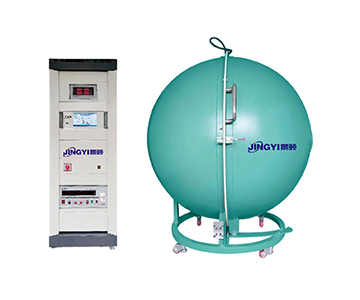
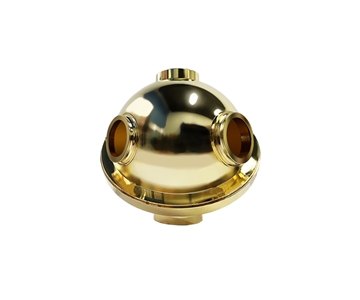
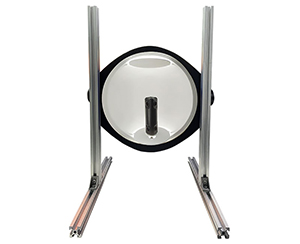
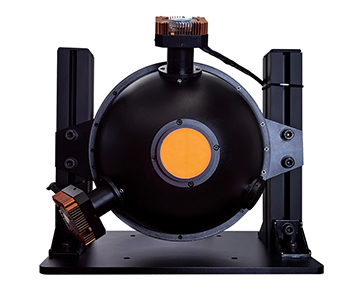
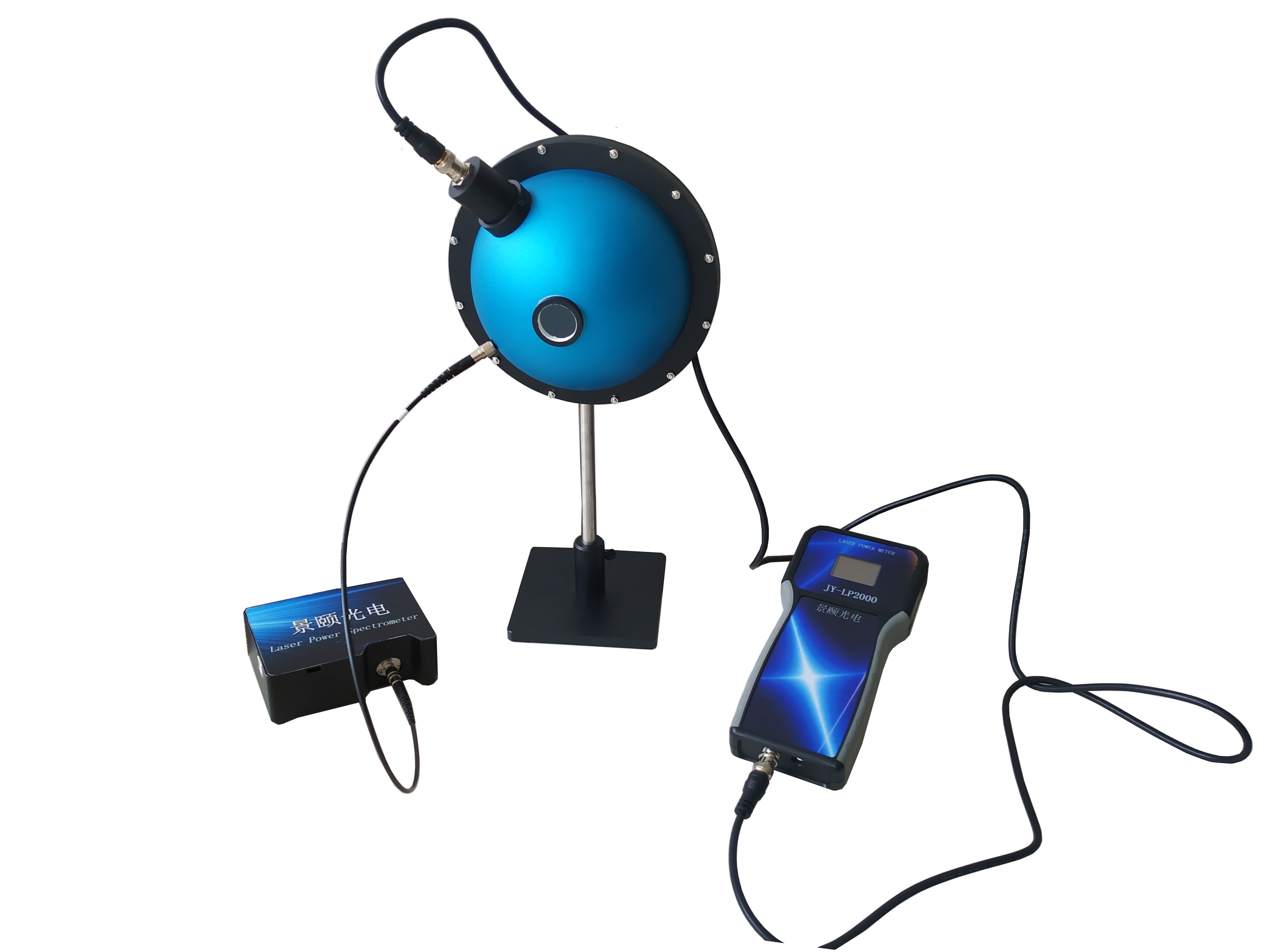
Historically, conventional planar light sources widely used in industry achieved uniformity of only about 80%, with luminance differences between center and corners reaching up to 20%. Using such a source as a calibration reference inevitably introduces uncontrollable errors into the final imaging parameters of the device. The core principle of fluorescent integrating sphere light sources is to address light-field uniformity at its root: the main body is a hollow spherical cavity coated internally with a high-reflectance, diffuse-reflecting material. Incident light entering the sphere undergoes dozens—or even hundreds—of random diffuse reflections; light rays from all directions are thoroughly randomized and recombined, ultimately eliminating the original non-uniformity of the incident beam at the output port. This yields uniformity levels far beyond those attainable with standard planar sources.
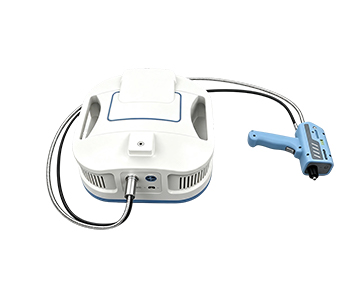
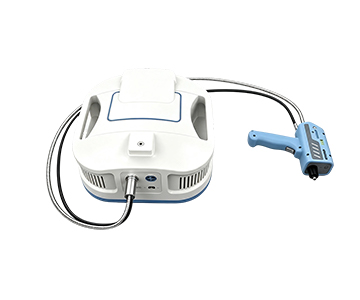
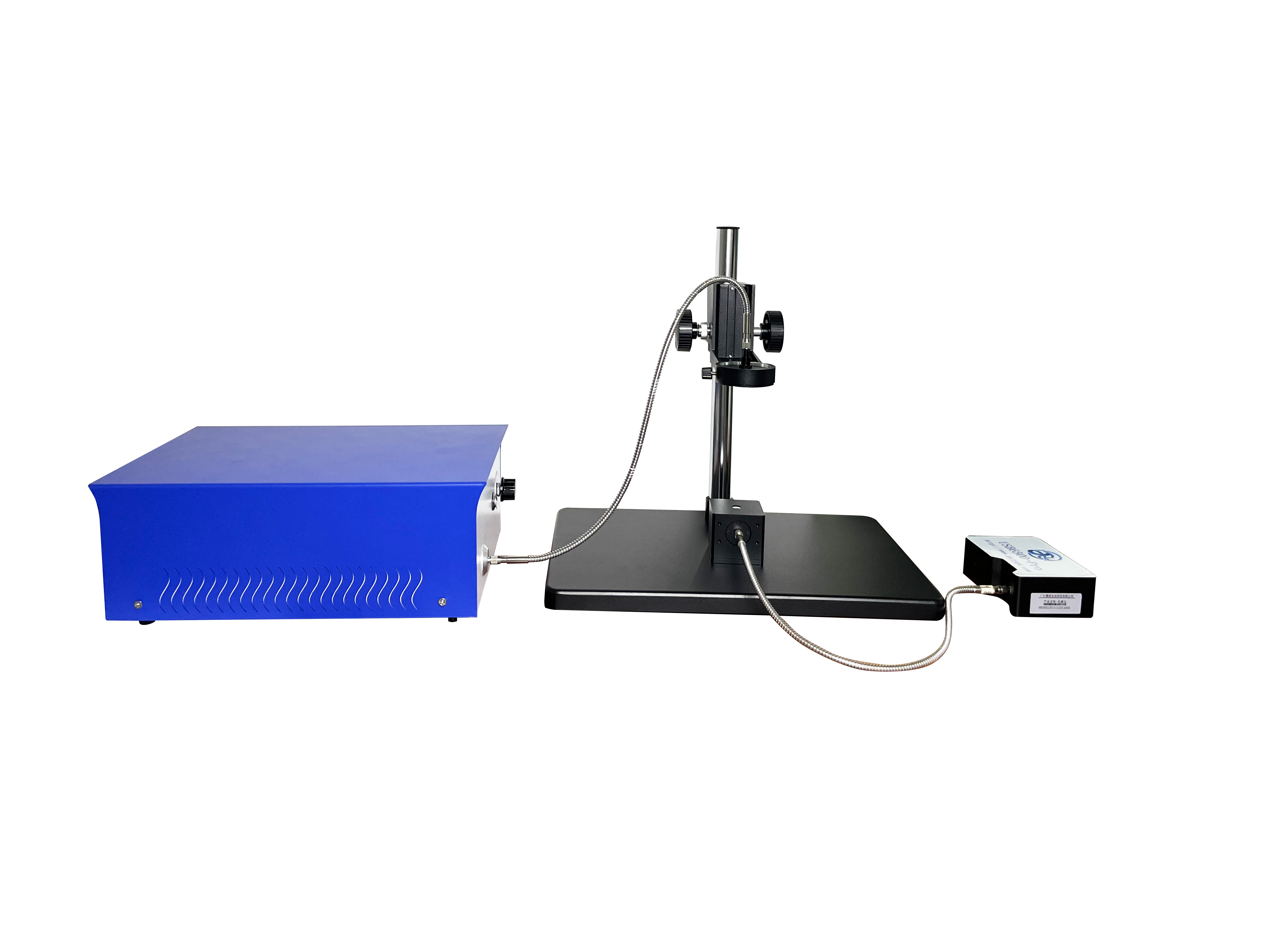
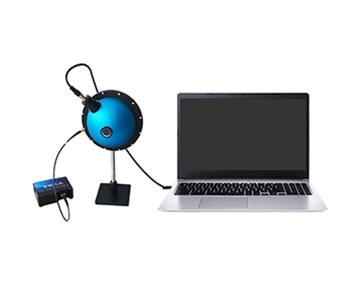
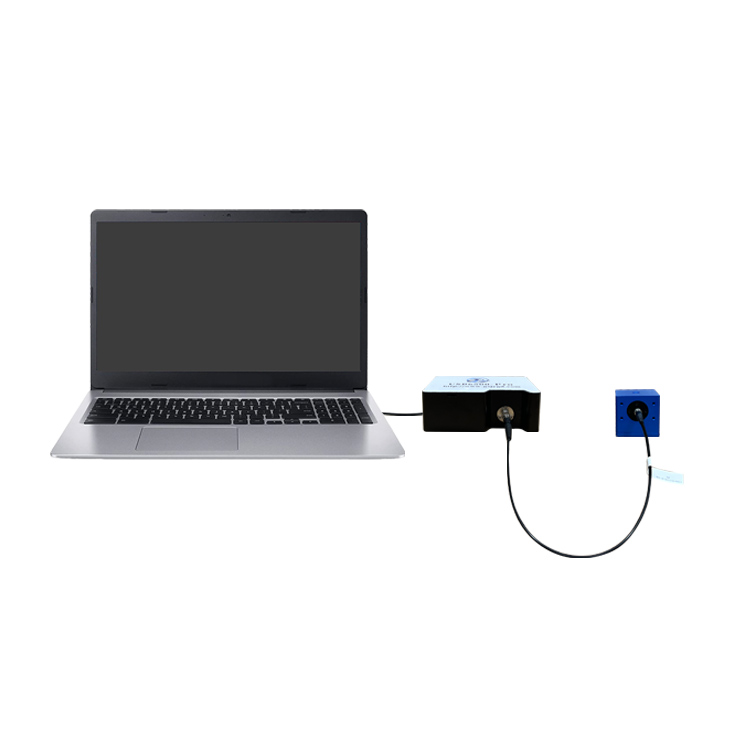
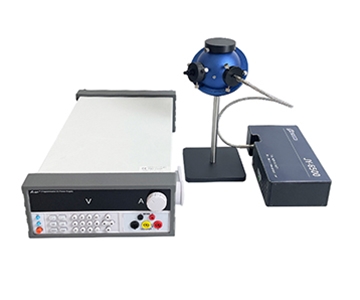
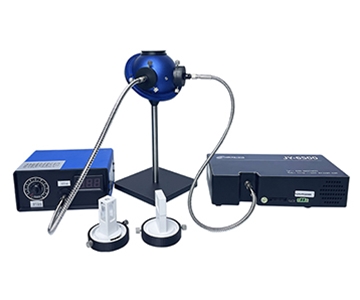
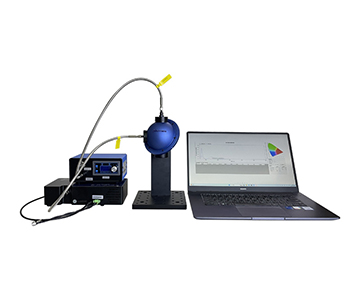
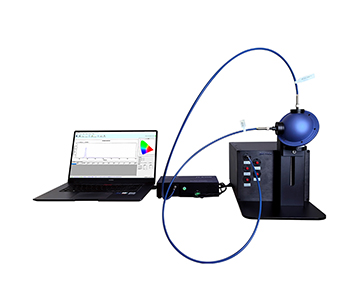
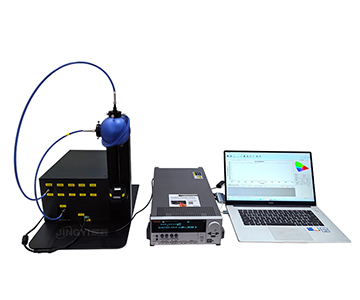
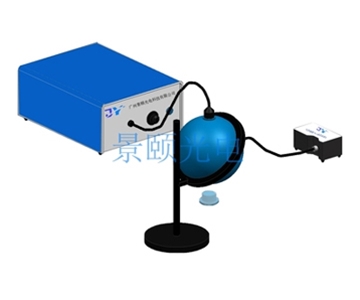
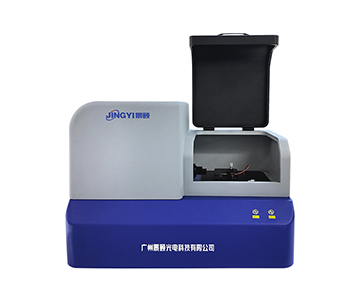
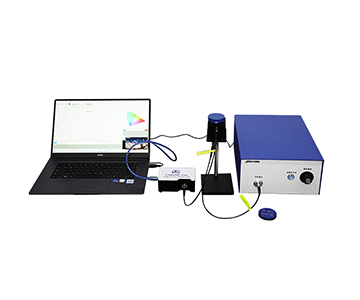
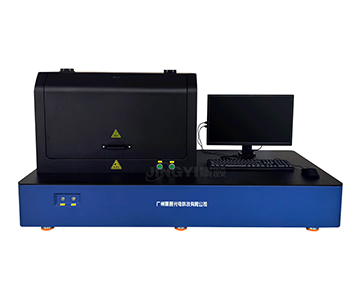
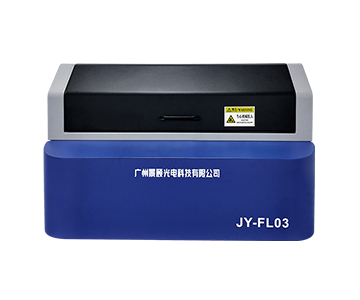
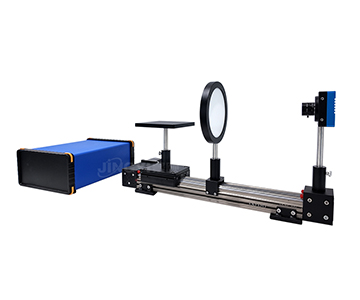
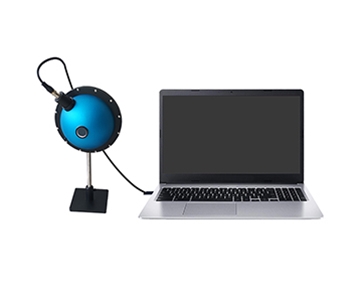
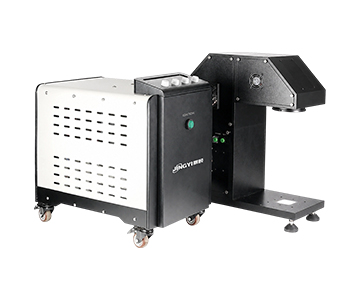
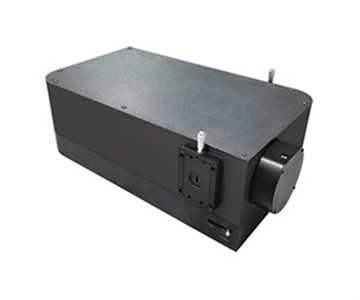
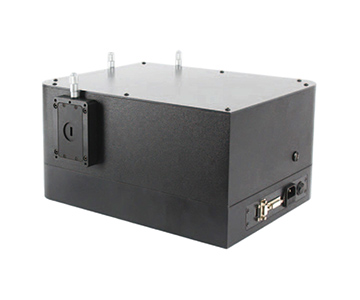
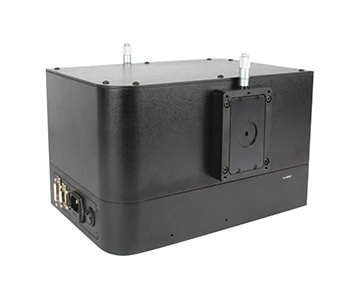
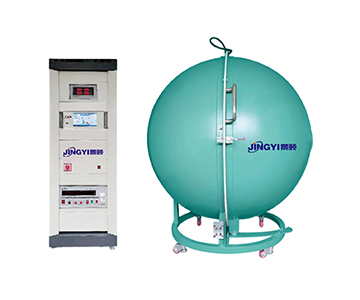
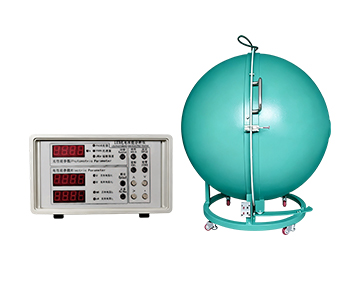
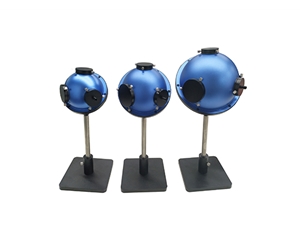
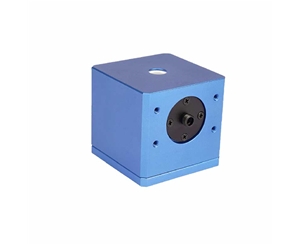
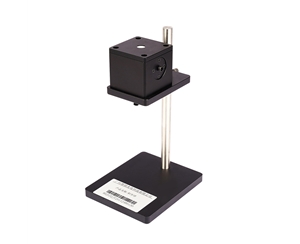
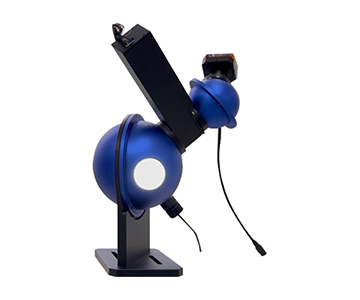
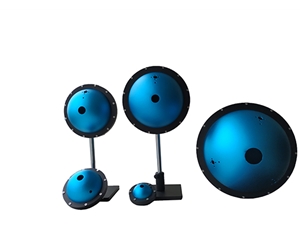
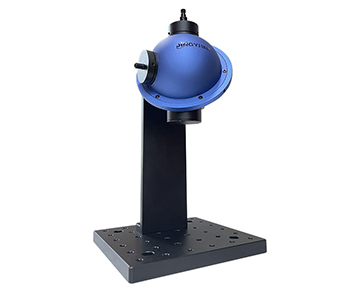
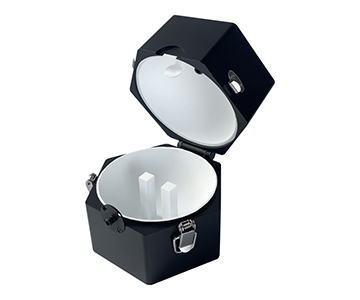
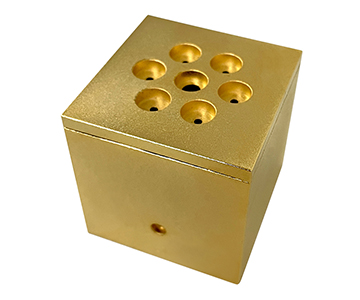
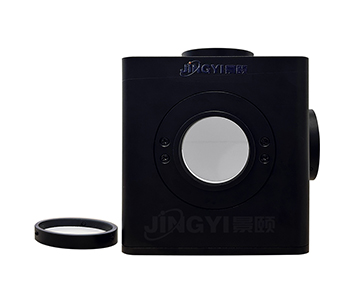
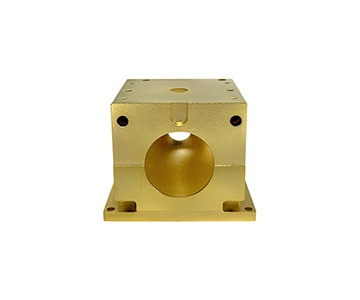
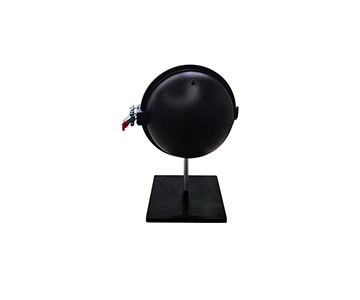
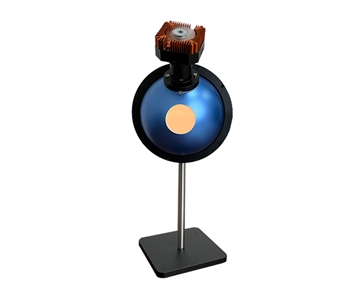
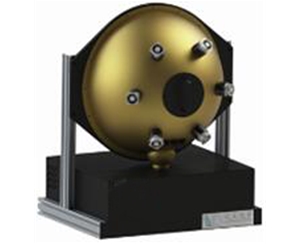
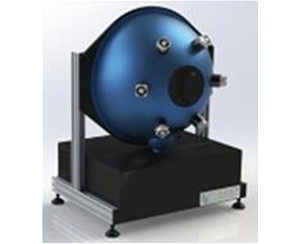
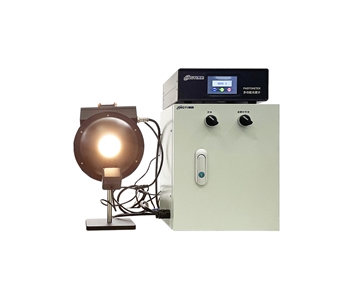
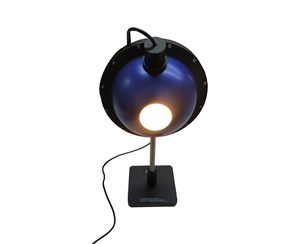
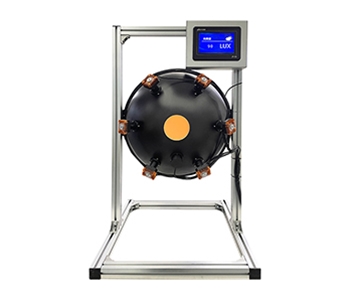
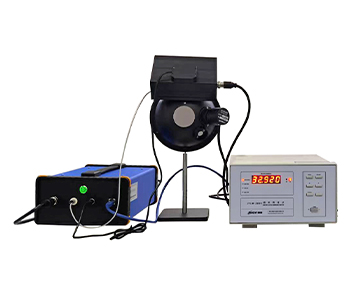
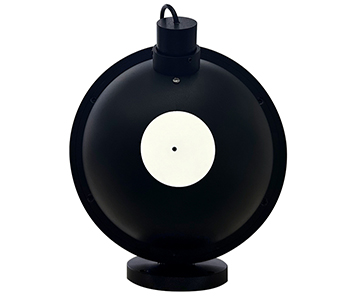
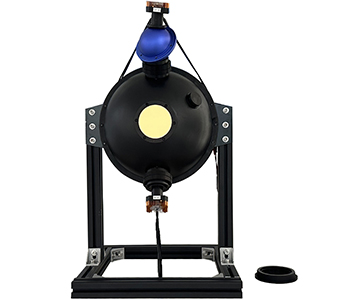
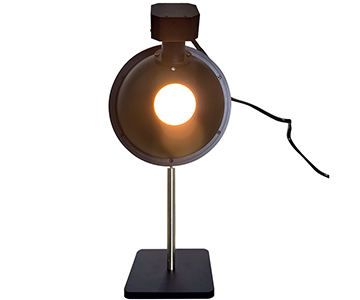
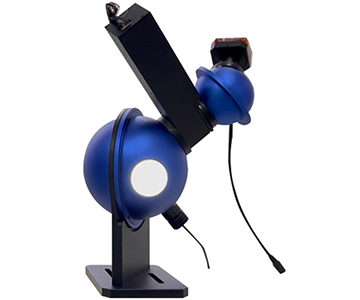
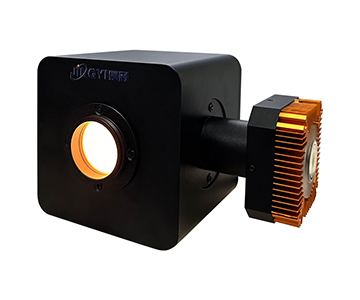
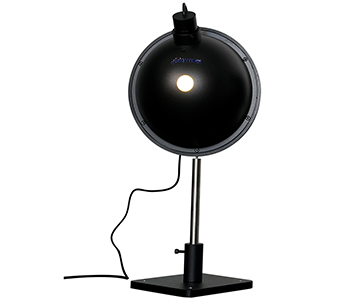
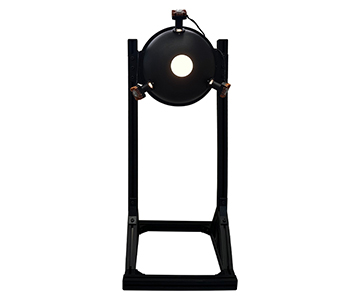
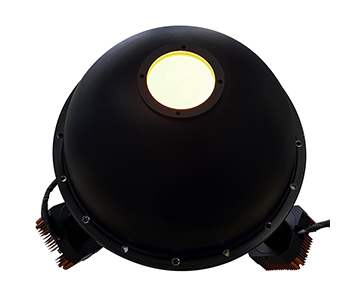
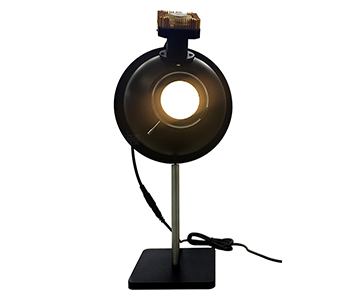
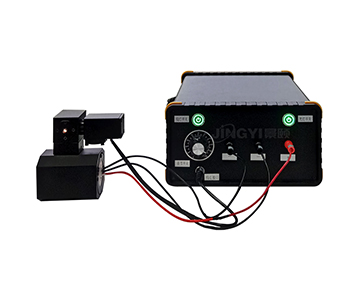
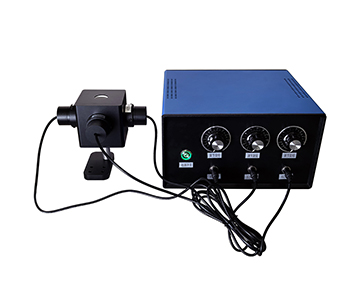
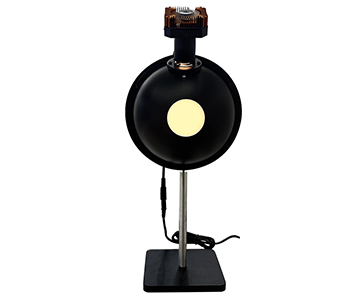
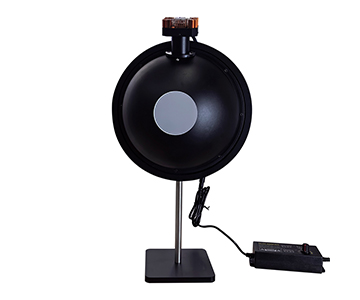
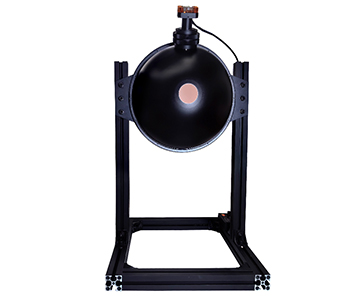
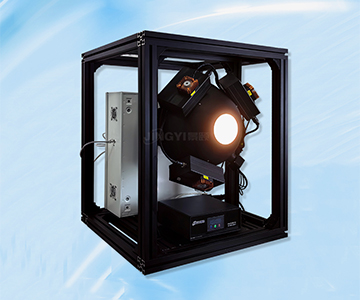
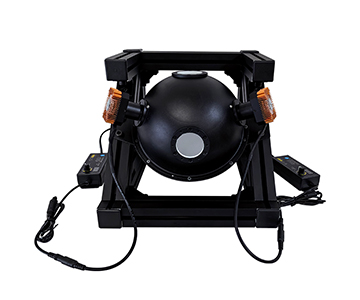
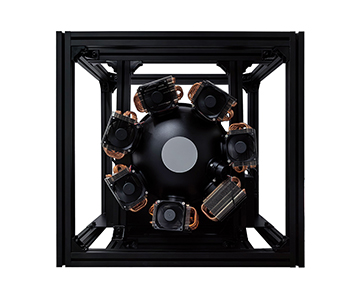
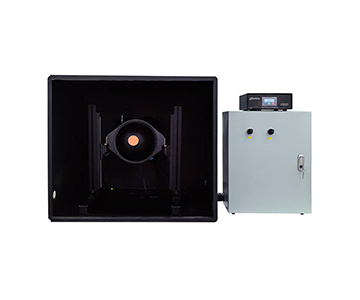
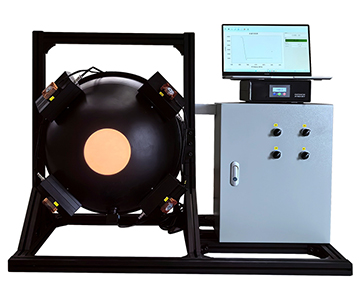
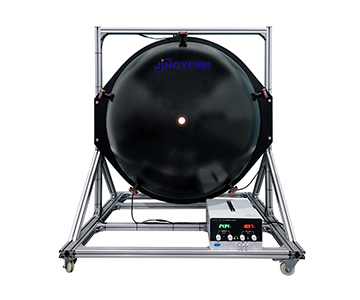
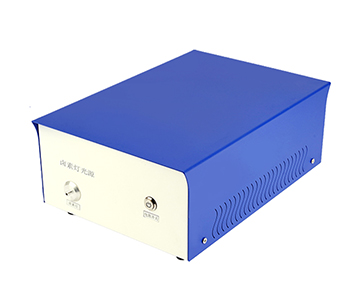
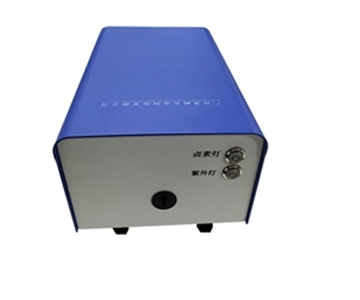
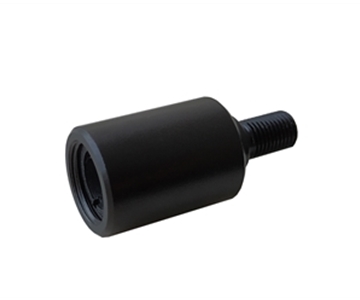
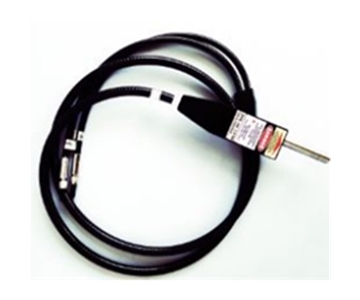
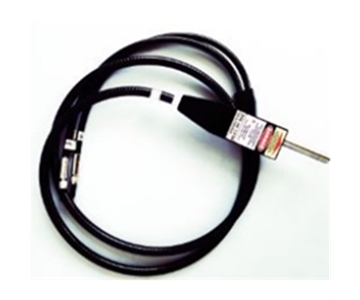
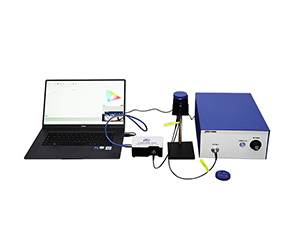
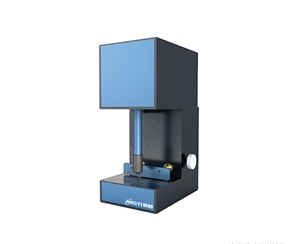
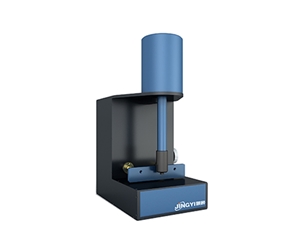
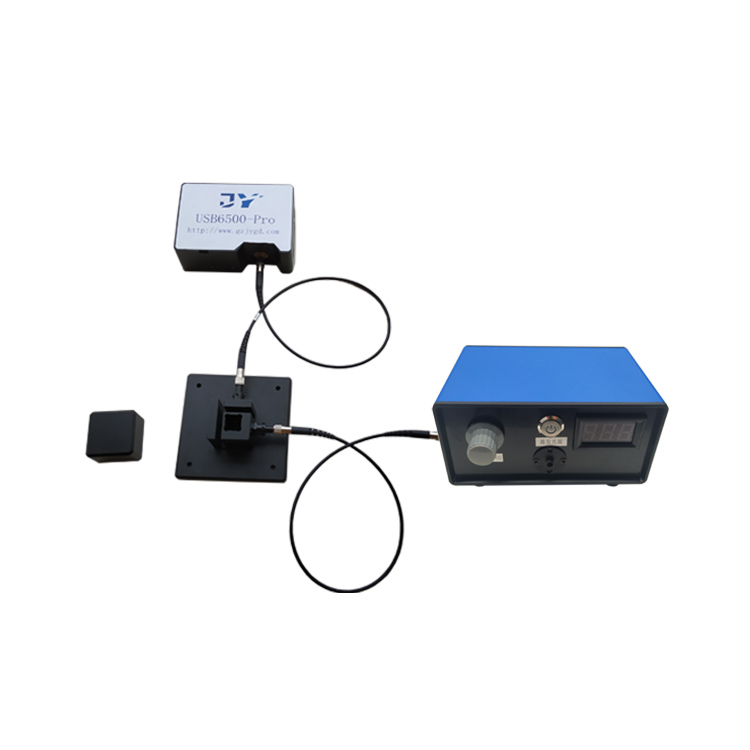
To meet calibration requirements for small- to medium-sized optical components, Jingyi Optoelectronics has developed the JY-JFIOS150 Series General-Purpose Fluorescent Integrating Sphere Uniform Light Source. Its output port achieves uniformity exceeding 98%—significantly surpassing industry norms. With a compact 5-mm output aperture, it is ideally suited for calibrating miniature sensors and small-format imaging devices. A standard configuration featuring a 55-W halogen lamp covers full visible-spectrum calibration needs. For users requiring ultraviolet (UV), infrared (IR), or specific wavelength-band calibration, customized light-source options are available upon request. The output port is horizontally aligned along the sphere’s central axis and supports customizable flange interfaces to accommodate diverse calibration devices—ensuring compatibility across the vast majority of routine calibration applications.
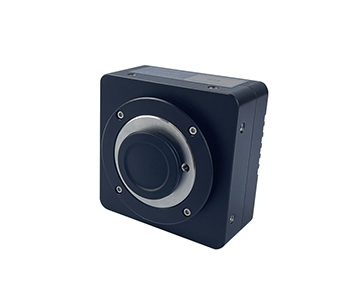
High-uniformity fluorescent integrating sphere light sources find application across virtually all optoelectronic fields. In consumer electronics, they enable spectral response calibration, flat-field correction, and dark-noise testing for smartphone cameras and CMOS/CCD sensors in security surveillance systems—ensuring consistent image quality across mass-produced units. In aerospace remote sensing, they serve as the primary reference standard for calibrating satellite payload optical systems, keeping color and brightness deviations in remote-sensing imagery within acceptable limits. In specialized equipment, they are indispensable for low-light response calibration of night-vision systems and high-sensitivity imagers—effectively enhancing target recognition accuracy under complex lighting conditions. Furthermore, professional photographic equipment and optical measurement instruments rely on such fluorescent integrating sphere sources for radiance and irradiance calibration.
As a standard light source for calibration, the output parameters of a fluorescent integrating sphere must strictly comply with internationally recognized industry standards to ensure validity and traceability. The JY-JFIOS150 fluorescent integrating sphere light source from Jingyi Optoelectronics adheres fully to major domestic and international photometric testing standards—including LM-79, GB/T 24824, and IEC 61612—throughout its design and testing processes. Calibration data generated by this source can be directly accepted as third-party verification evidence, eliminating the need for additional parameter validation and substantially reducing time costs in testing workflows.
The ultimate performance ceiling of an integrating sphere is fundamentally governed by the diffuse-reflective coating applied to its inner surface. Industry-standard polytetrafluoroethylene (PTFE) coatings typically offer reflectance around 95%, yet tend to yellow and degrade in reflectance over extended use. Jingyi’s proprietary optimized high-diffuse-reflectance coating delivers stable reflectance exceeding 98%, with dramatically improved resistance to aging—extending service life by approximately 40% compared to conventional alternatives.
With the rapid growth of emerging fields—including AI vision, automotive ADAS cameras, and miniaturized commercial satellites—the demand for compact, highly uniform, and customizable fluorescent integrating sphere light sources continues to rise steadily. Jingyi Optoelectronics is actively advancing related technologies and plans to introduce further calibration light-source solutions tailored to niche applications—addressing core optical calibration challenges across diverse industries.
#ReflectanceIntegratingSphere #FluorescentIntegratingSphere #UVIntegratingSphere #IRIntegratingSphere #GoldPlatedIntegratingSphere #IntegratingSphereLightSource #HighUniformityIntegratingSphere