What Are the Key Differences Among Three Types of Spectral Detection Technologies? A Comprehensive Guide to Technical Distinctions—from Basic Detection to Fine-Scale Identification
In everyday consumption and industrial production, we frequently face challenges that “the naked eye cannot resolve”:
- Does this seemingly fresh vegetable contain pesticide residues?
- Which of two visually identical plastic pieces is biodegradable?
- Is the sugar distribution inside this freshly picked fruit uniform?
Answers to all these questions can be obtained using spectral detection technologies. As a core subfield of optical sensing, spectral detection fundamentally exploits characteristic interactions between light and matter—converting imperceptible differences in material properties into quantifiable digital outputs. Today’s three mainstream approaches—point (single-point) spectroscopy, multispectral imaging, and hyperspectral imaging—each address distinct requirements in terms of precision, scalability, and application context.
**Point (Single-Point) Spectroscopy: The Foundation of Rapid, Targeted Analysis**
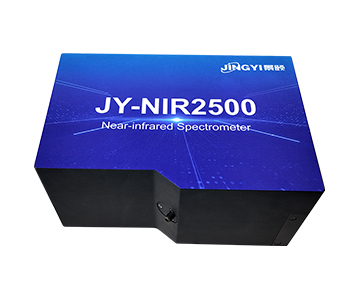
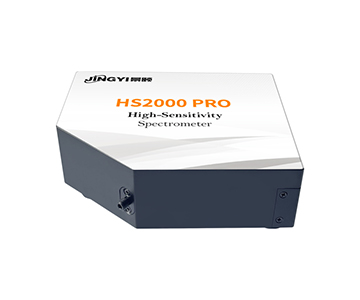
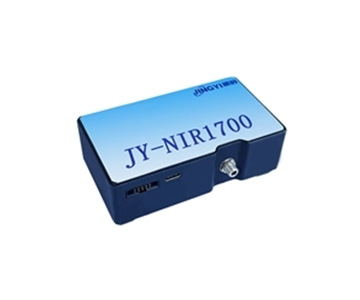
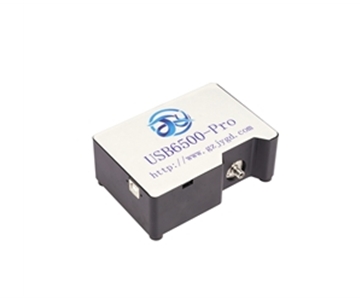
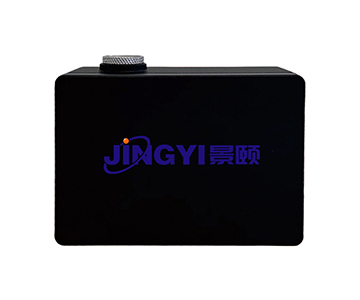
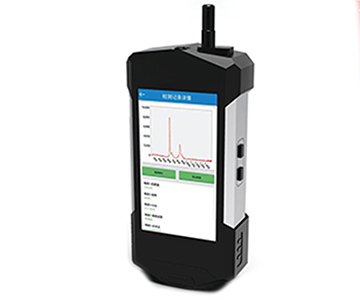
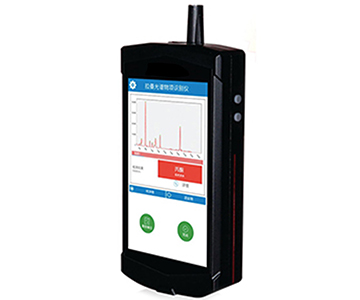
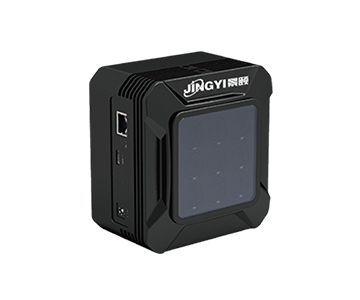
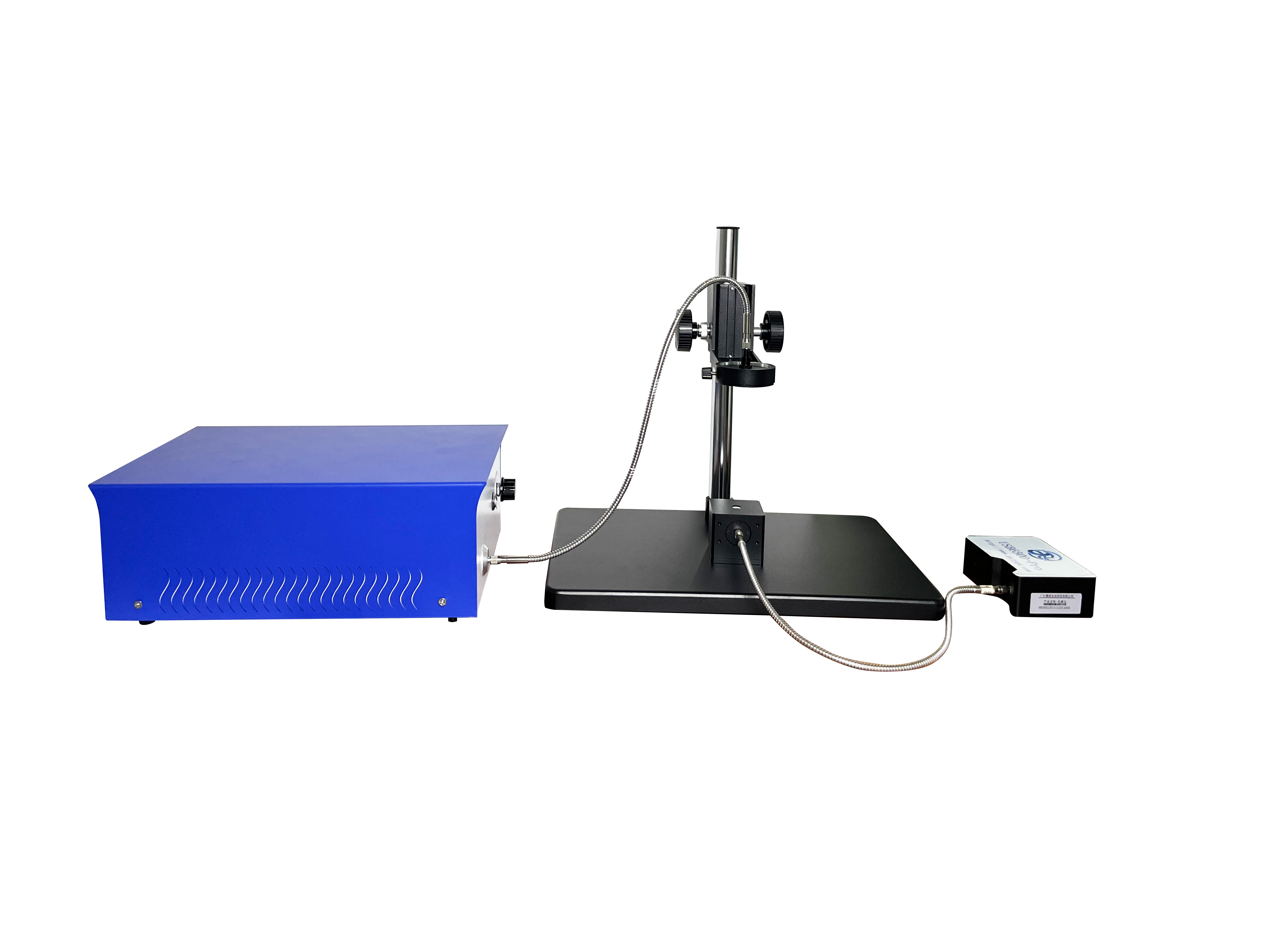
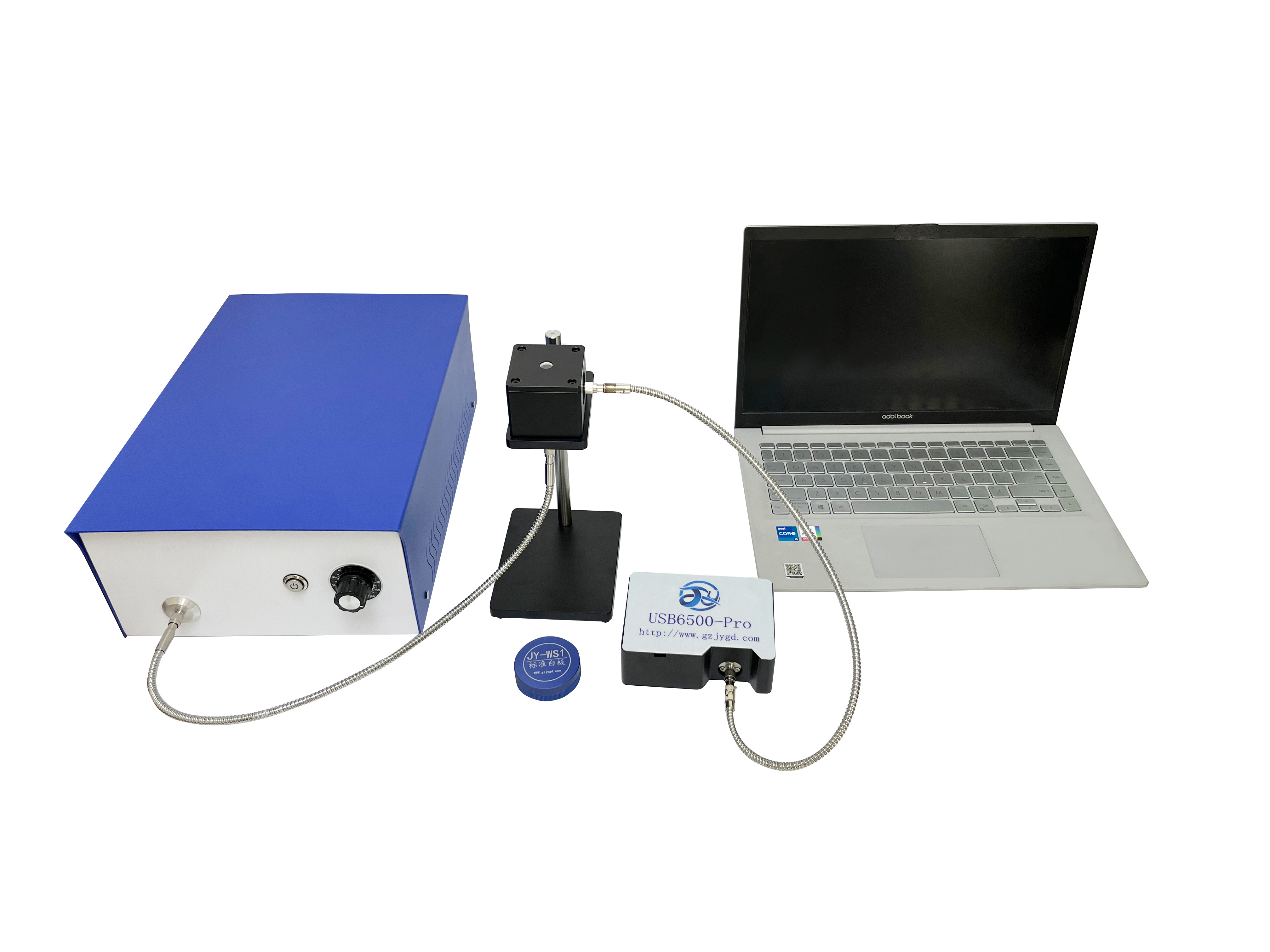
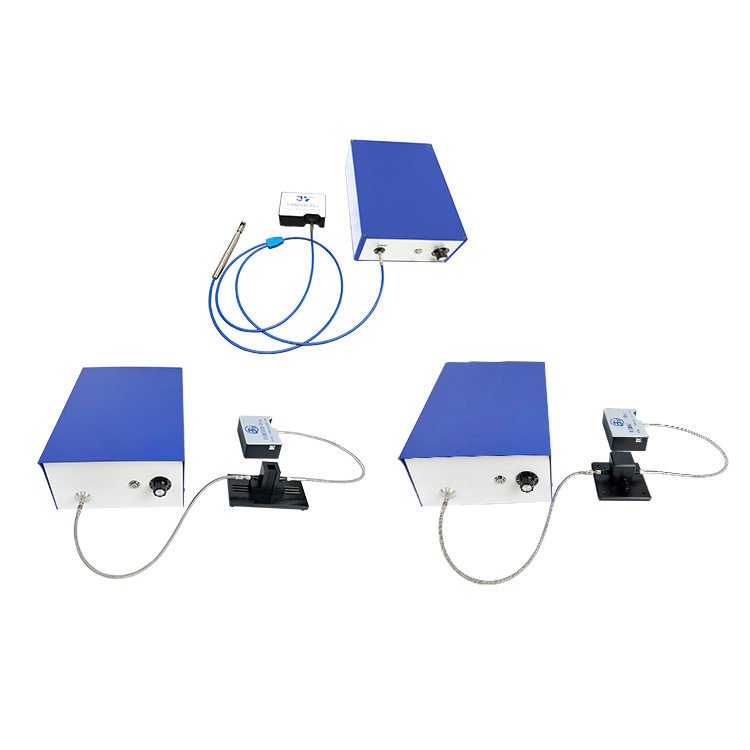
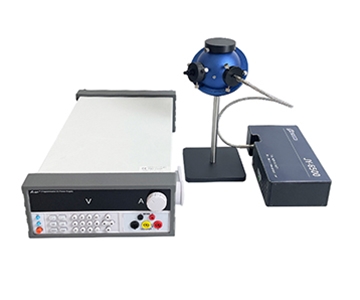
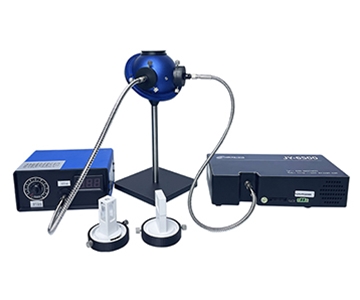
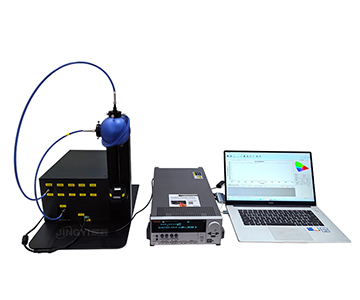
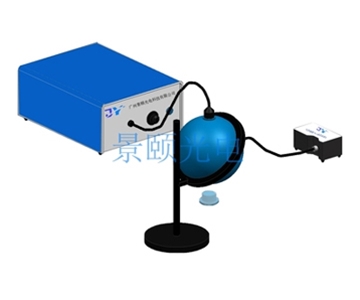
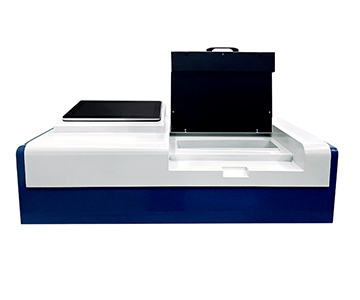
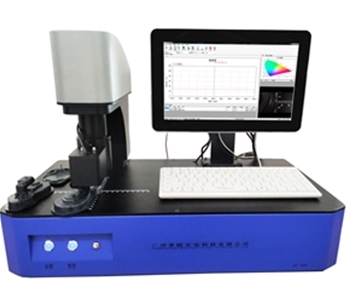
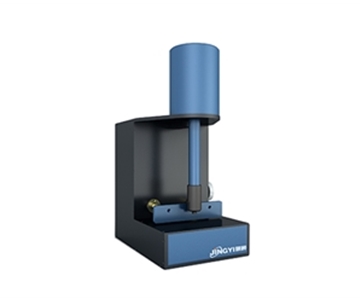
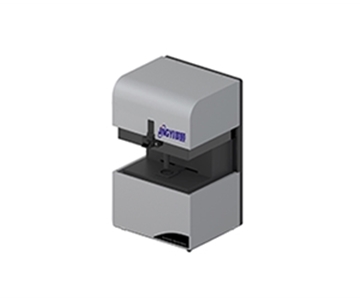
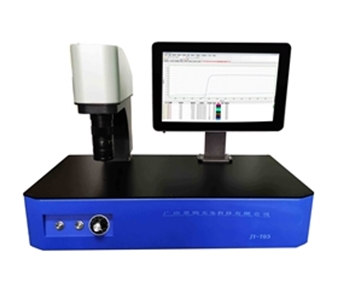
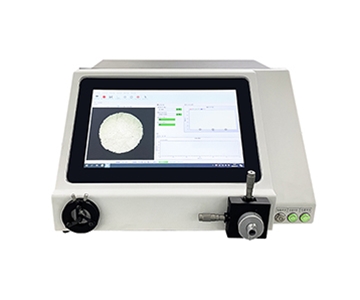
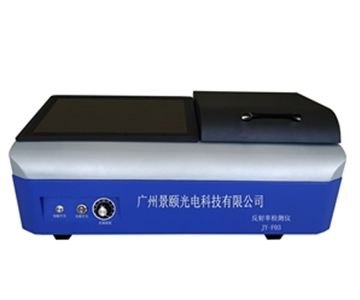
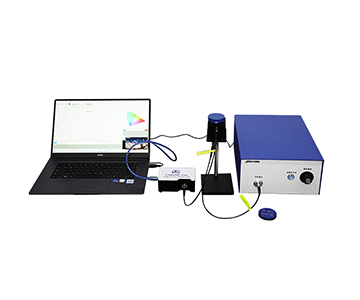
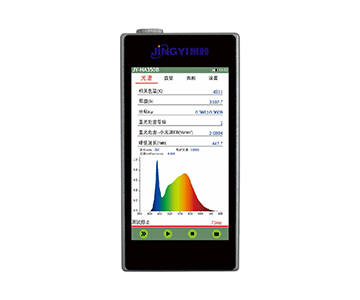
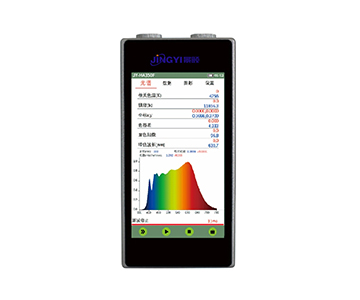
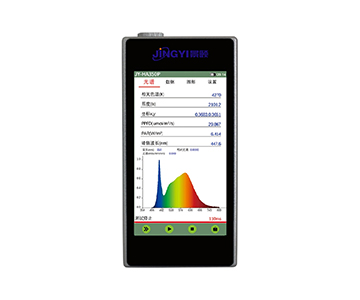
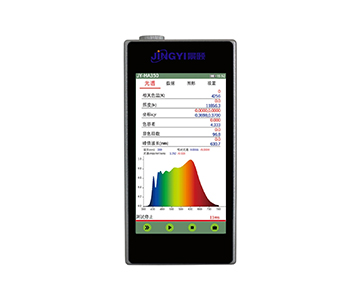
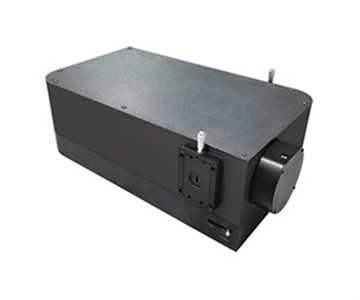
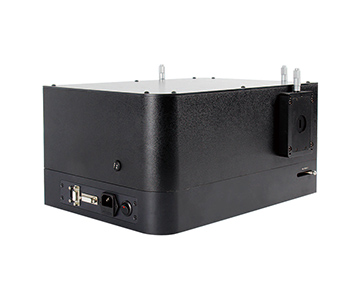
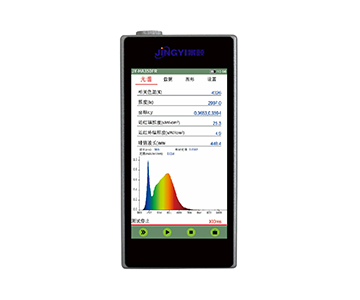
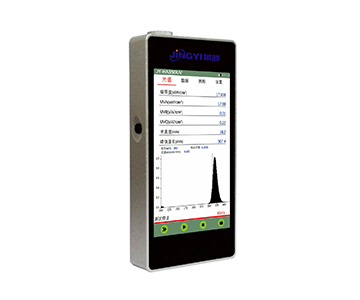
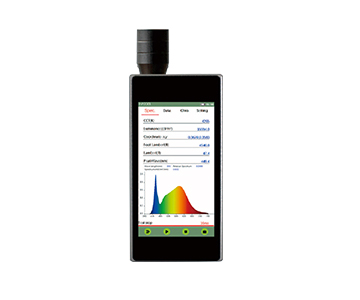
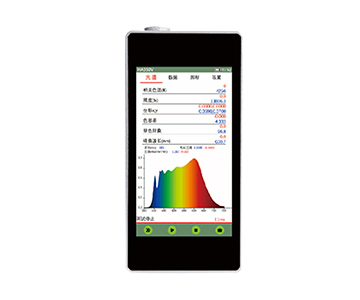
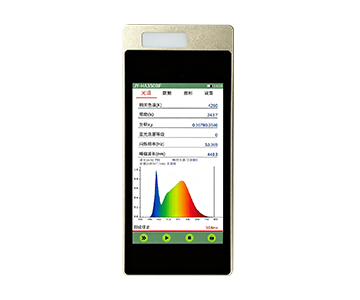
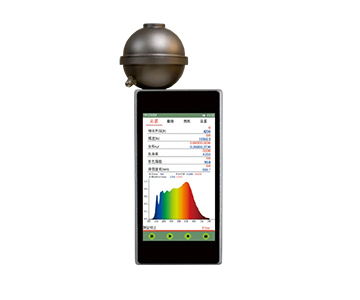
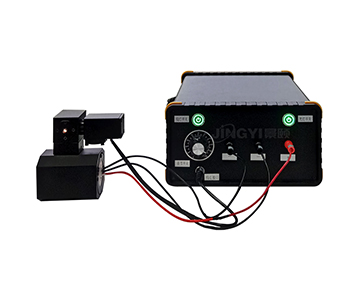
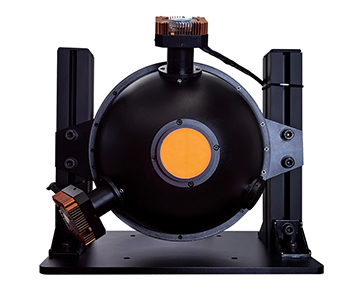
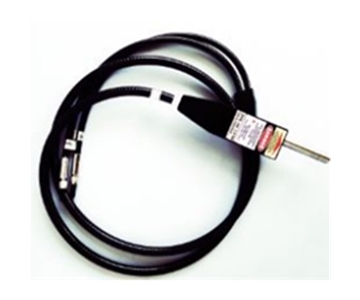
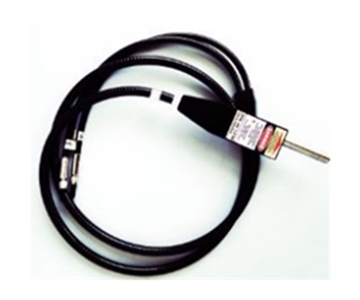
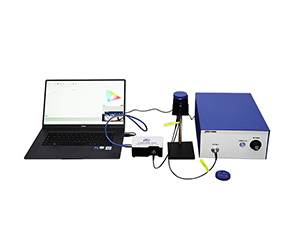
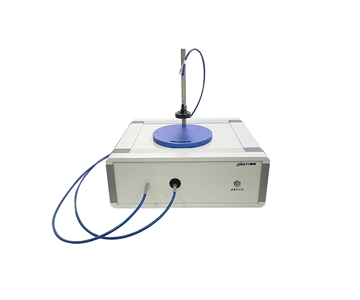
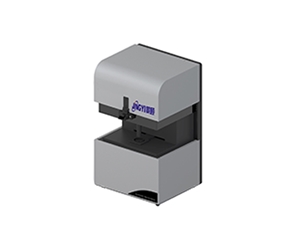
Commonly referred to as “basic” spectral detection, point spectroscopy relies on dispersive elements—such as gratings or prisms—to separate broadband light into discrete monochromatic components. A detector then measures intensity across individual wavelengths, generating a wavelength-ordered spectral curve: each material’s unique “optical fingerprint.” Conventional spectrometers capture only the *average* spectral response over the entire measurement area—yielding no spatial information. This makes them ideal for rapid, localized compositional analysis—for instance, determining solution concentration or coating thickness on solid materials. Jingyi Optoelectronics’ portable point spectrometer exemplifies optimization for field use: weighing under 300 g, achieving a spectral resolution of **0.5 nm**, and delivering results in **1 second**. It is widely deployed in environmental emergency monitoring and on-site gemstone authentication.
**Multispectral Imaging: Bridging Spectral and Spatial Awareness at Scale**
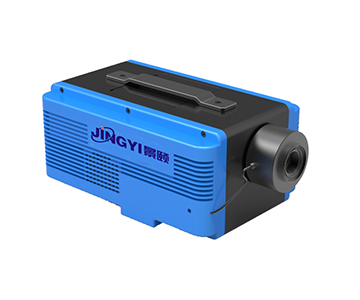
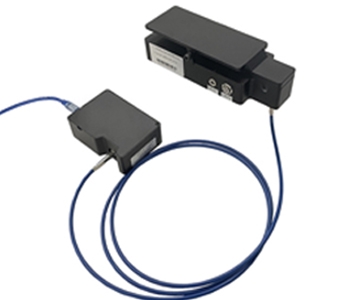
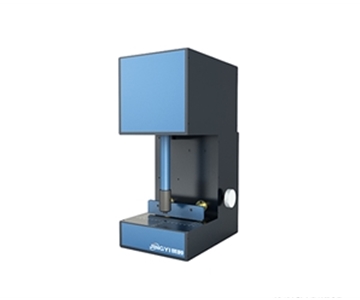
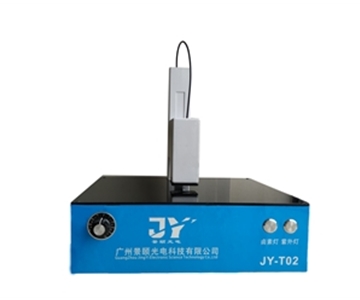
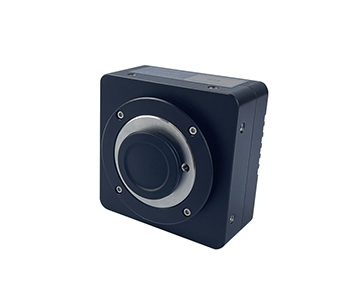
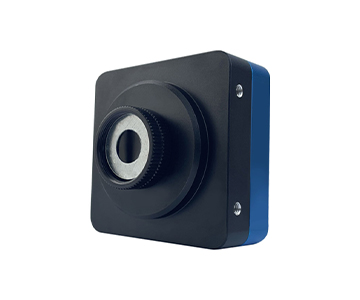
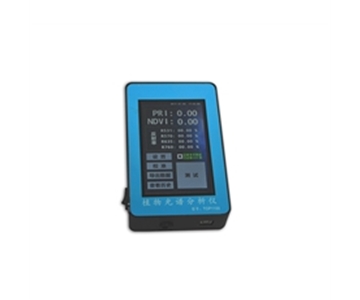
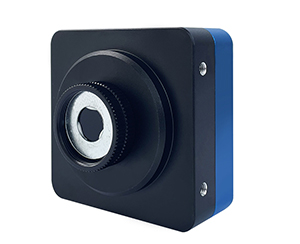
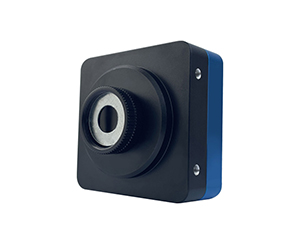
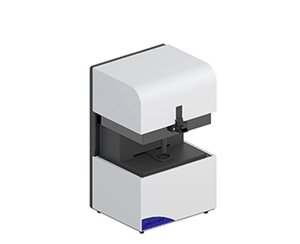
When spectral detection integrates imaging capability—and retains only a few strategically selected wavelength bands—it becomes multispectral imaging. Think of a multispectral system as a camera equipped with multiple custom-designed optical filters: each filter transmits light only within a narrow, predefined wavelength window. Typical commercial multispectral devices feature **3–15 independent spectral channels**, spanning ultraviolet (UV) to near-infrared (NIR) ranges. They simultaneously acquire both spatial imagery (X–Y plane) and discrete-band spectral data—enabling rapid, area-based screening. Compared with conventional spectrometers, multispectral systems offer lower cost, smaller form factors, and higher throughput—making them well-suited for applications where extreme precision is unnecessary but speed, affordability, and compactness are critical. Jingyi Optoelectronics’ proprietary miniature multispectral sensor module leverages vacuum-deposited custom-filter technology to integrate **12 independent spectral channels onto a single 1 cm² chip**, consuming less than **0.5 W**. Mass-produced for consumer electronics, handheld pesticide-residue detectors, and smart home appliances, it meets stringent demands on size and power efficiency.
**Hyperspectral Imaging: Unprecedented Precision Through Continuous Spectral Coverage**
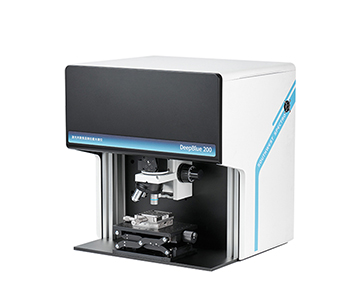
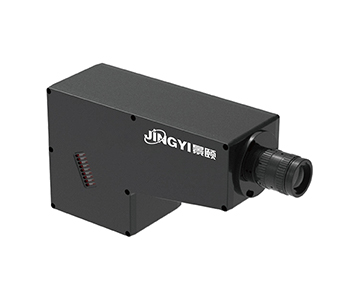
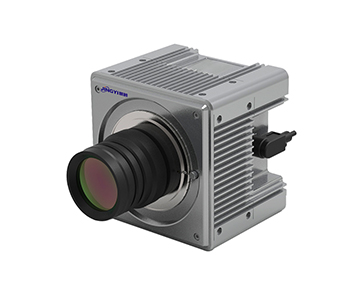
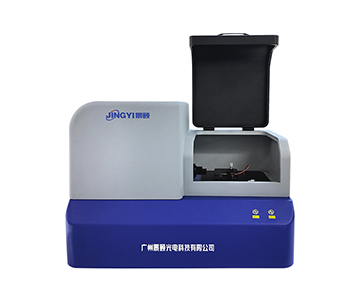
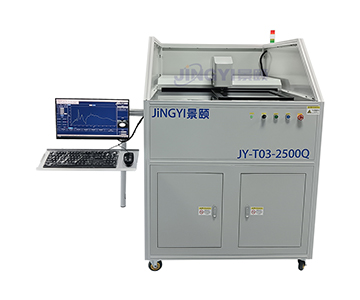
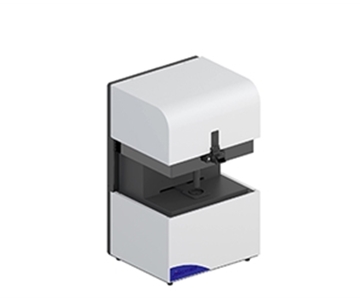
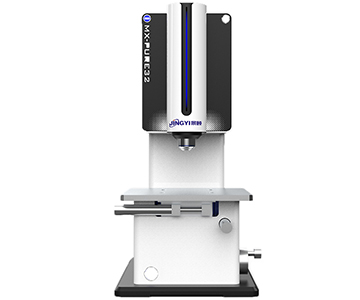
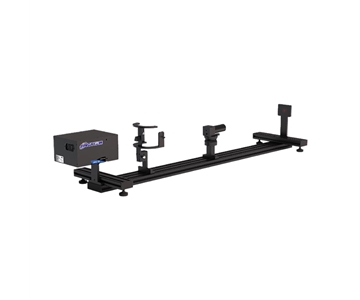
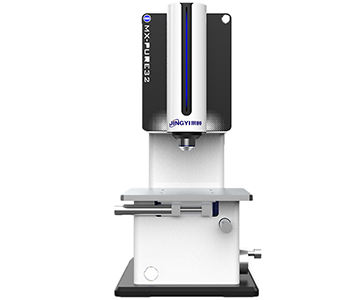
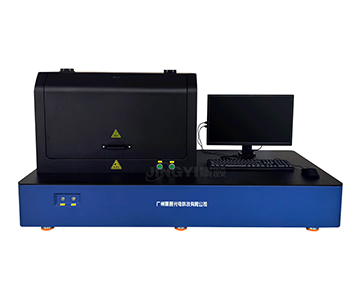
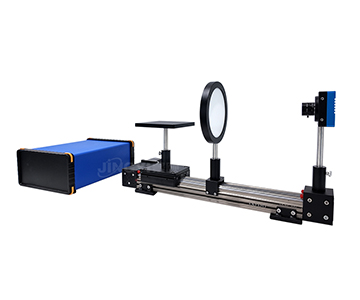
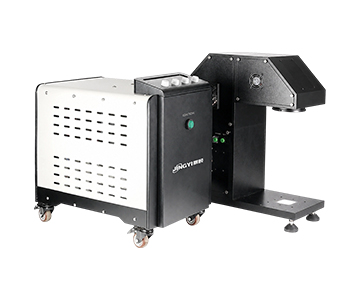
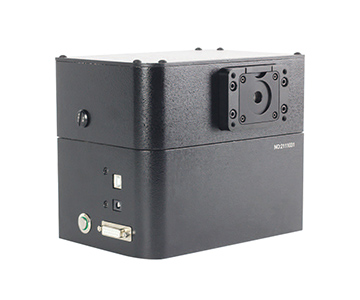
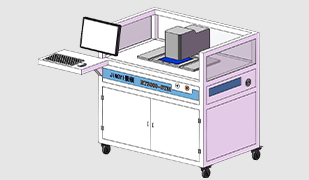
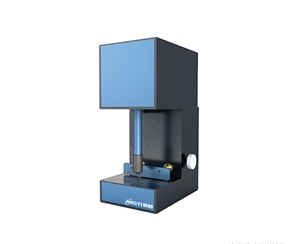
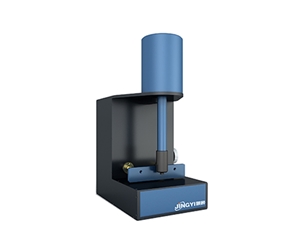
For applications demanding ultra-high spectral resolution and fine-grained material discrimination, hyperspectral imaging is essential. Unlike multispectral systems—which sample only a handful of discrete bands—hyperspectral instruments capture *continuous* spectral data across broad wavelength ranges. Typical spectral resolution reaches **10–20 nm**, with high-end systems achieving as fine as **3 nm**, and channel counts ranging from dozens to over a thousand. Conceptually, a hyperspectral imager equips *every pixel* in its field of view with a miniature, independent spectrometer. The output is a full 3D “spectral data cube” comprising two spatial dimensions (X, Y) plus one spectral dimension (wavelength). Each pixel thus corresponds to a complete, continuous spectral curve—enabling unambiguous identification of substances that appear visually identical but differ minutely at the molecular level. For example, two yellow pigments—one natural mineral-based, the other synthetic—may be indistinguishable to both human vision and multispectral systems. Yet hyperspectral imaging captures subtle differences in their reflectance curves, enabling **100% accurate classification**. Jingyi Optoelectronics’ push-broom hyperspectral imager covers the full **200–2500 nm** range with **3 nm spectral resolution**, complemented by an in-house spectral feature database and AI-driven recognition algorithms. It reliably detects microscopic mold spots in food processing, trace adulterants in traditional Chinese medicinal herbs, and subsurface micro-cracks in electronic components—with a false-detection rate below **0.1%**. It is already operational in food quality control, TCM authentication, and industrial non-destructive testing.
**Summary: Three Dimensions of Differentiation**
The distinctions among these three technologies can be systematically understood across three key dimensions:
1. **Spectral Resolution**:
- Point spectrometers achieve high resolution (e.g., 0.5 nm), but lack spatial information.
- Multispectral systems typically operate at ≥50 nm resolution.
- Hyperspectral systems reach resolutions down to **a few nanometers**.
2. **Data Dimensionality**:
- Point spectroscopy yields a **1D** spectrum (intensity vs. wavelength).
- Multispectral imaging produces **3D data** (X, Y, discrete λ-channels).
- Hyperspectral imaging delivers a full **4D data cube** (X, Y, continuous λ, intensity).
3. **Application Scope**:
- Point spectroscopy excels at fast, targeted compositional analysis at a single location.
- Multispectral imaging suits large-area, cost-sensitive, high-throughput screening.
- Hyperspectral imaging addresses complex scenarios requiring fine-scale identification, trace-level detection, or molecular-level discrimination.
As optical component costs decline and analytical algorithms mature, spectral detection is rapidly transitioning from research laboratories into mainstream consumer and industrial applications. In the near future, multispectral sensors may become standard features in smartphones and smart home appliances—enabling consumers to perform rapid at-home testing for pesticide residues in food or ingredient verification in cosmetics. Meanwhile, hyperspectral systems will expand into autonomous vehicle perception (e.g., identifying road surface materials, detecting icy patches or standing water), precision agriculture (assessing crop health and pest/disease types), and biomedical diagnostics (high-speed histopathological tissue screening).
#NearInfraredSpectrometer #CooledSpectrometer #PortableHyperspectralImager #Spectrometer #SpectralQualityAnalyzer #SpectroscopyInstrument