Proactive Core Risk Management: A Dynamic Humidity Adjustment Protocol
In numerous scientific research and industrial testing applications, Fourier Transform Spectrometers (FTS) serve as high-precision optical measurement instruments—yet their procurement cost is generally high. Industry data indicate, however, that nearly 70% of optical path failures are not attributable to inherent hardware defects but rather to inadequate routine maintenance leading to irreversible component damage. Among these, humidity-related failures—especially those causing degradation or failure of beam splitters and detectors—are the most prevalent.
The mid-infrared optical path in FTS systems commonly employs potassium bromide (KBr)-based beam splitters and DTGS detector windows. These materials exhibit strong hygroscopicity; excessive humidity induces crystal lattice swelling, surface deliquescence, and fogging—causing optical misalignment, distorted spectral data, and even permanent component failure. During environmental adaptability R&D for an in-house spectrometer, one enterprise conducted extensive simulation validation on such optical components’ deliquescence risks. Results confirmed that prolonged exposure to relative humidity (RH) above 45% reduces the service life of KBr-based beam splitters by over 60%.
Under standard operating conditions, laboratory ambient temperature should be stably maintained between 15–28°C, with RH not exceeding 60%. For high-precision measurement applications, RH is recommended to remain below 45%. Facility configuration should include air conditioning, industrial-grade dehumidifiers, and high-accuracy temperature/humidity loggers. Laboratory area should not exceed 20 m² to minimize RH fluctuations; ventilation must avoid direct airflow onto the instrument body. The built-in color-changing silica gel humidity indicator card provides a visual assessment of internal humidity: deep blue indicates acceptable conditions; transition to light pink or grayish white signals RH excursion and mandates immediate corrective action. After analyzing halogenated hydrocarbons or highly volatile acidic/basic samples, purge the sample chamber for ≥3 minutes using high-purity nitrogen at 0.2 MPa to prevent volatile residues from infiltrating the sealed optical chamber and corroding critical components.
Standardized Consumable Replacement Protocol: Desiccant Replacement and Regeneration Guidelines
Desiccant constitutes the primary consumable ensuring internal dryness. Its replacement interval need not follow rigid schedules but should be dynamically adjusted based on usage frequency:
- In high-frequency operation (>8 hours/day), inspect the humidity card every two weeks; replace desiccant immediately upon color fading.
- In low-frequency use, maximum replacement interval shall not exceed four weeks.
Moisture-saturated desiccant can be regenerated via thermal drying: place it in a sealed glass container and bake at 110°C for exactly three hours. Upon removal, cool rapidly in a desiccator to ambient temperature, then verify full restoration to deep blue using the humidity card before reuse. Avoid exposing freshly baked desiccant to ambient air—this would reinitiate moisture adsorption. Desiccant replacement must occur in environments with RH ≤40%; operators must wear powder-free nitrile gloves throughout to prevent skin oils or perspiration from contaminating the desiccant housing’s sealing gasket and compromising airtightness. On mainstream commercial models, the desiccant cartridge is typically located at the rear panel: rotate and open the sealed cap to extract the spent unit; after installation of the new desiccant, ensure the cap is fully tightened to prevent external moisture ingress.
Non-Operational Protection Protocol: Comprehensive Maintenance for Extended Downtime
If equipment will remain idle for ≥1 week, implement the following pre-shutdown preparations:
- Remove all residual samples and consumables from the sample chamber.
- Wipe the sample stage and interior chamber walls with lint-free chamois leather to eliminate trace particulates whose volatilization could corrode optical components.
- Place a dedicated breathable dust cover inside the chamber.
- Disconnect all external power and signal cables, then install another dedicated breathable dust cover. Do *not* use non-permeable plastic sheeting—condensation may form due to thermal gradients, risking moisture accumulation.
Maintenance during downtime must satisfy two core requirements:
1. Replace the internal desiccant every two weeks; power on the instrument for ≥2 hours weekly. Upon startup, the integrated thermal control system activates automatically, efficiently dispersing accumulated internal moisture—providing superior moisture protection compared to passive desiccant alone. During monsoon seasons, extend runtime to ≥3 hours, and operate dehumidifiers continuously to stabilize RH below 40%.
2. Avoid positioning the instrument near air vents, corridors, or other high-dust zones to minimize particle deposition on optical surfaces.
Pre-Startup Verification Prior to Re-Commissioning
Before resuming operations:
- First confirm the internal humidity card displays uniform deep blue; only then connect power.
- Allow ≥1-hour warm-up period post-power-on.
- Perform wavenumber calibration using a polystyrene reference standard; confirm baseline noise ≤10⁻⁵ AU and wavenumber accuracy within specified tolerance before operational deployment.
- During annual restarts, apply perfluoropolyether (PFPE) lubricant—specifically formulated for optical instrumentation—to mechanical transmission components (e.g., guide rails, gears) to prevent outgassing and contamination of optical paths common with conventional lubricants.
Preventive Maintenance System Development: A Sustainable Framework to Reduce Failure Incidence
We recommend establishing a “one-instrument, one-file” maintenance log for each spectrometer, meticulously documenting: desiccant replacement dates, humidity card status, duration of powered maintenance cycles, and calibration records. When delivering customized spectral analysis solutions across diverse industries, certain enterprises also provide clients with tailored maintenance log templates—streamlining workflows and reducing total cost of ownership.
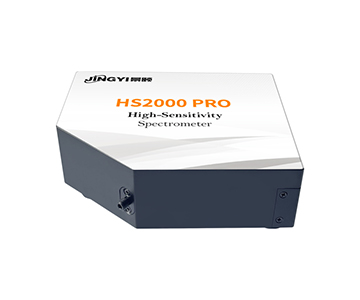
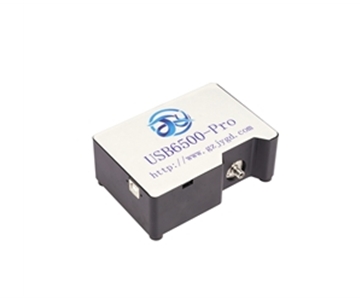
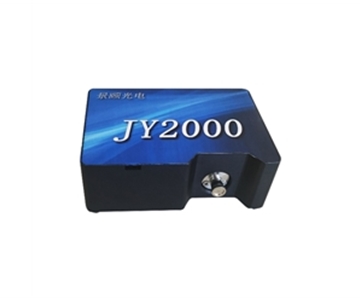
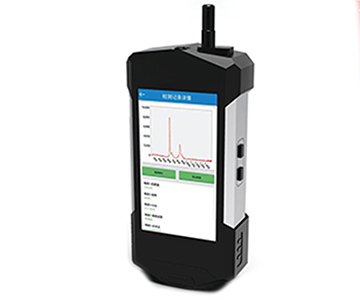
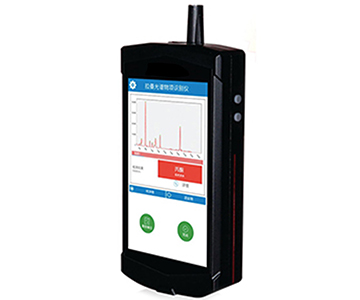
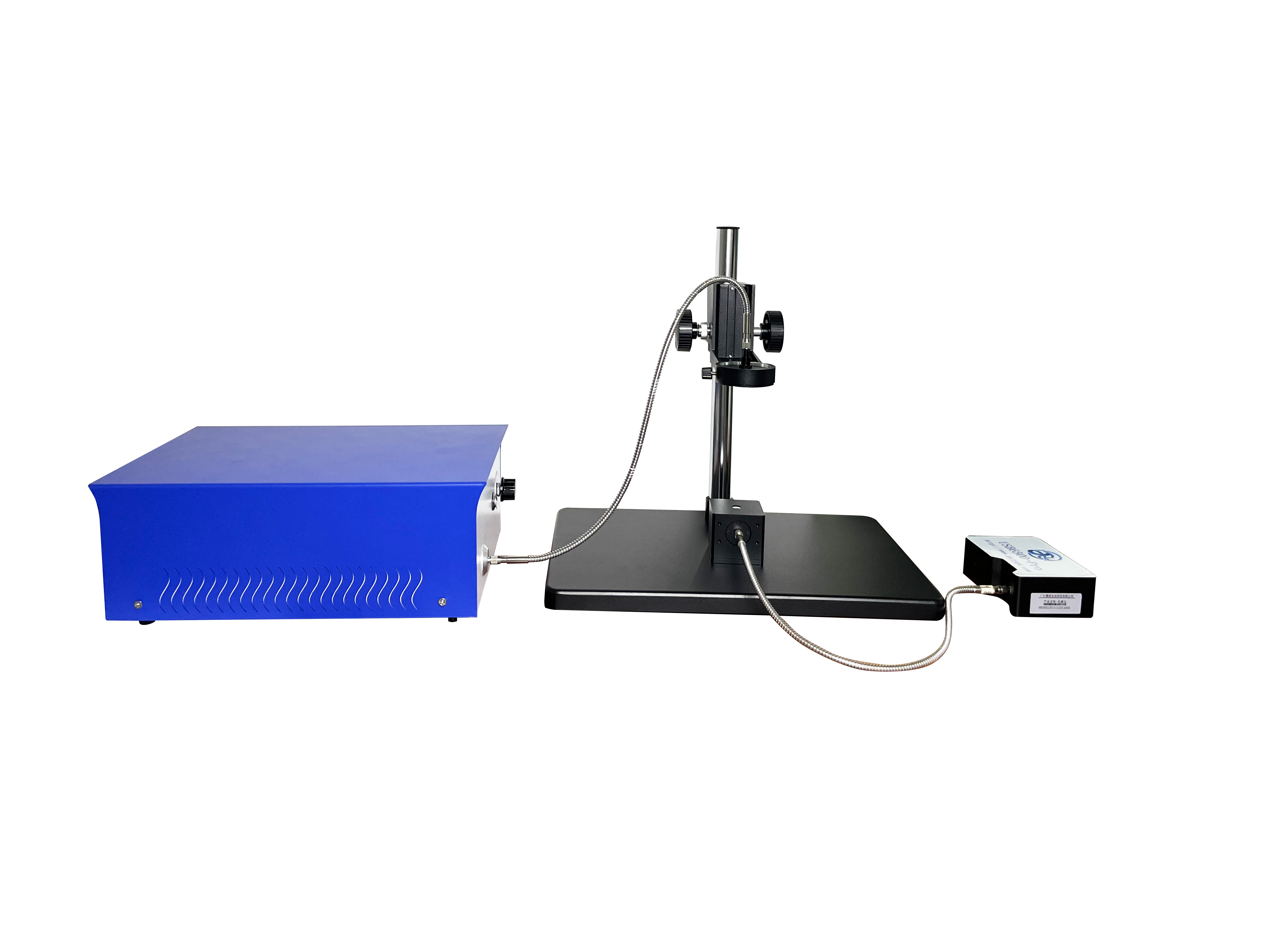
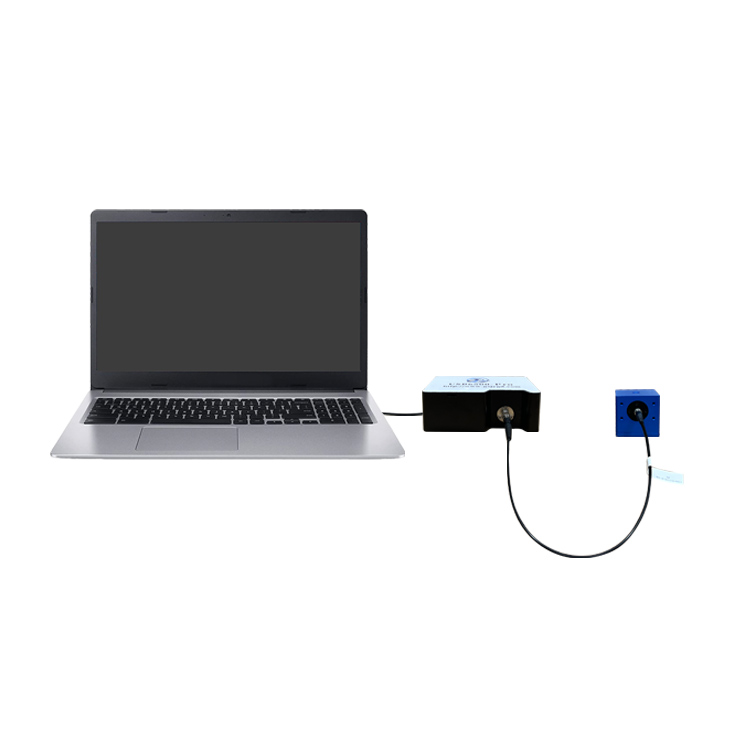
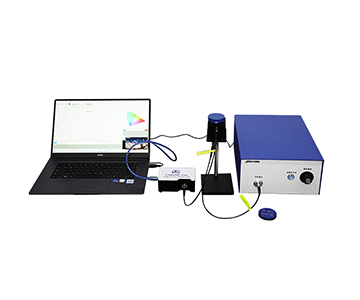
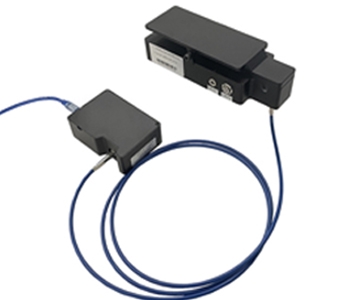
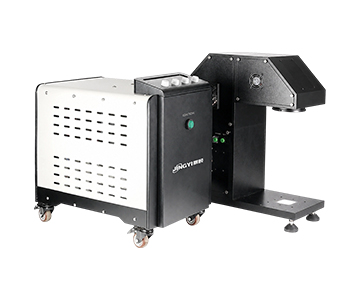
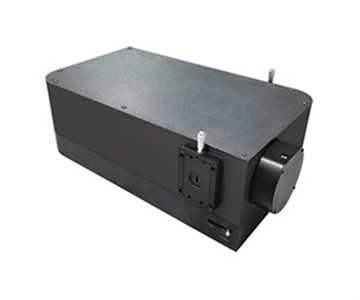
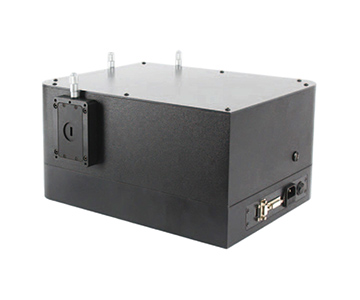
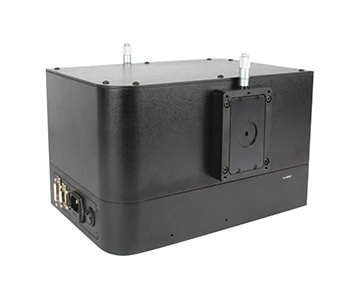
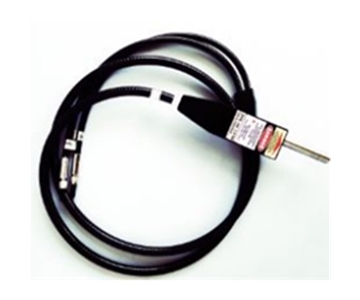
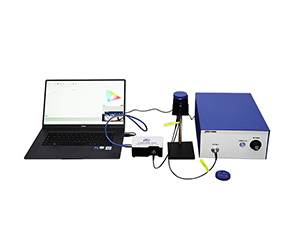
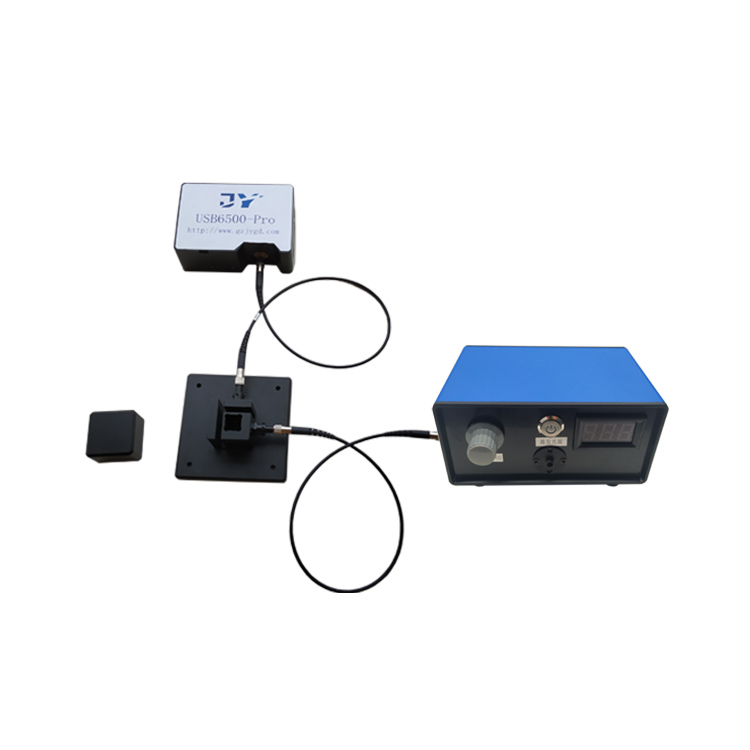
Many newer-generation instruments now integrate embedded temperature/humidity monitoring modules that trigger automatic alerts upon parameter excursions—significantly reducing manual inspection burden. For instance, the HS2000PRO series fiber-optic spectrometer incorporates real-time environmental sensing alongside a highly stable optical architecture. It supports multi-scenario applications—including weak-light detection, fluorescence analysis, and transmittance measurement—across the full 200–1100 nm spectral range, while continuously feeding back internal environmental parameters. This hardware-level intelligence substantially simplifies maintenance protocols and enhances suitability for long-term, unattended online monitoring deployments.
#FourierTransformSpectrometer #Spectrometer #FiberOpticSpectrometer #CooledSpectrometer #SpectralQualityAnalyzer #SpectralAnalyzer