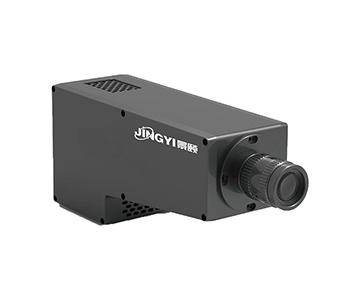
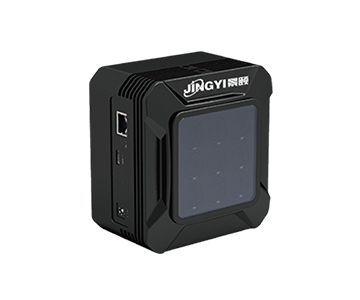
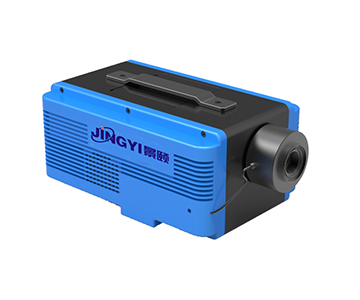
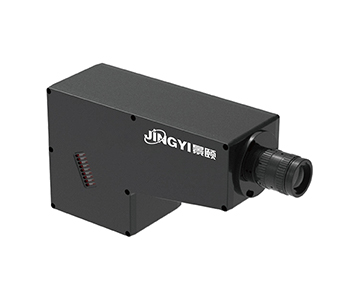
Have you ever experienced any of the following?
- The edges of white walls appear dark when photographed with a newly purchased smartphone camera;
- Satellite-borne remote sensing images exhibit significant color block deviations;
- Night-vision devices deliver inconsistent image clarity—even under identical illumination conditions?
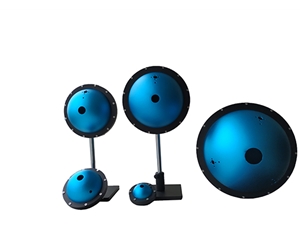
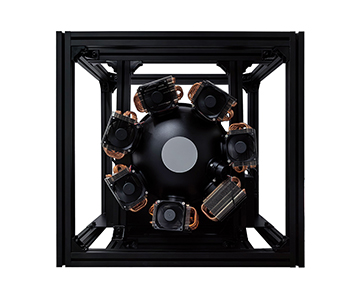
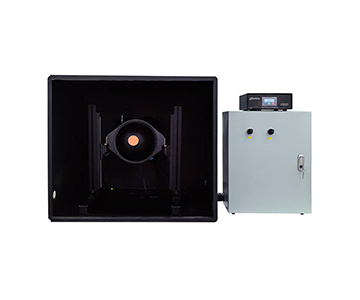
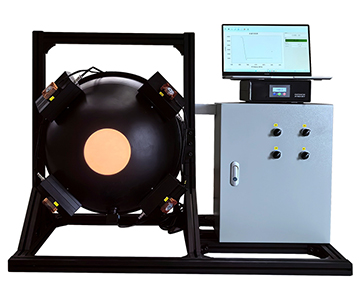
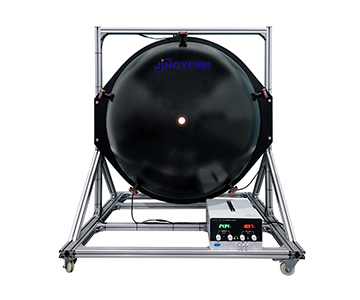
The root cause behind most such issues lies in the calibration stage prior to imaging device manufacturing: without a sufficiently uniform reference light field, all performance tests inevitably suffer from measurement bias. At the heart of generating such near-perfectly uniform light fields is the **universal integrating sphere**.
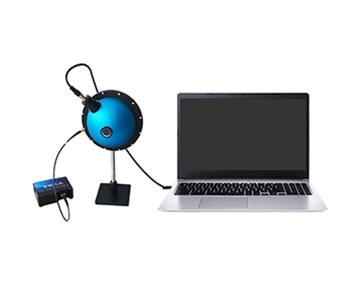
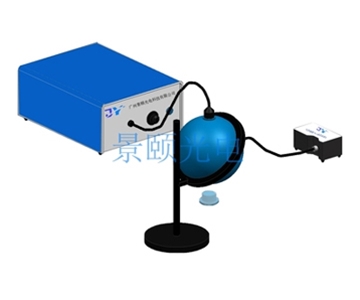
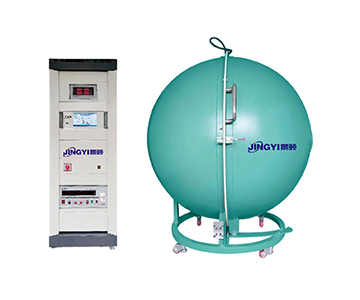
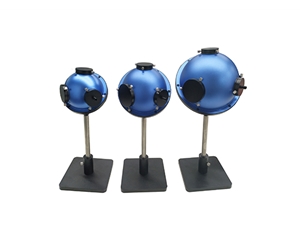
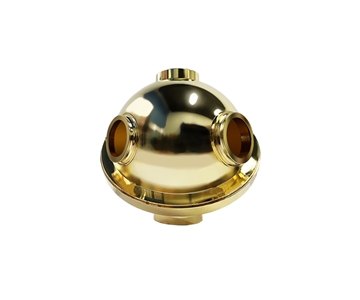
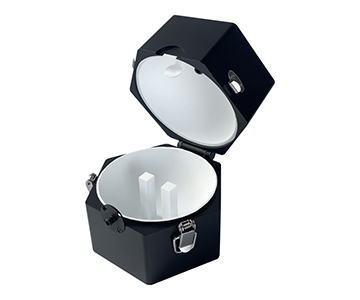
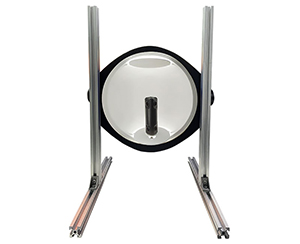
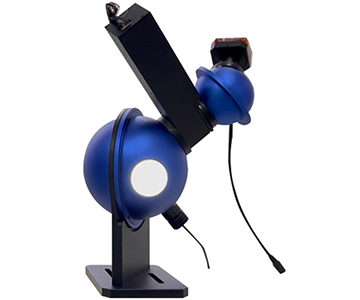
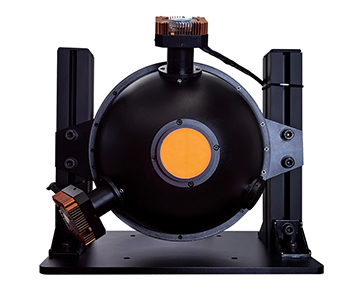
Unlike conventional directional light sources, the core value of a universal integrating sphere lies in its ability to “scramble” any incident light—eliminating directional and intensity variations—to produce a highly uniform light field. Its cavity is a hollow sphere internally coated with high-reflectance, diffuse-reflective material. Upon entering the cavity, incident light undergoes dozens—or even hundreds—of random, diffuse reflections off the inner spherical wall. Ultimately, the entire interior becomes filled with a uniformly distributed “light fog.” As a result, light extracted from *any* output port exhibits exceptional consistency in both luminance and correlated color temperature (CCT), making it an ideal calibration reference for diverse optoelectronic measurements. Moreover, because light naturally attenuates during successive reflections, the universal integrating sphere also functions as a controllable optical attenuator: the ratio of output-to-input irradiance closely correlates with the ratio of the output port’s area to the sphere’s total internal surface area. Simply adjusting the output port’s dimensions allows precise control over output intensity—achieving far higher resolution and stability than conventional dimming circuits.
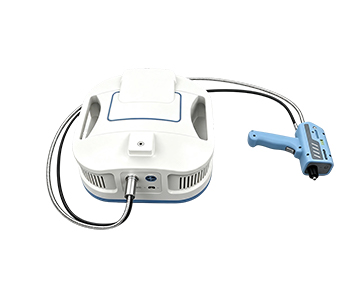
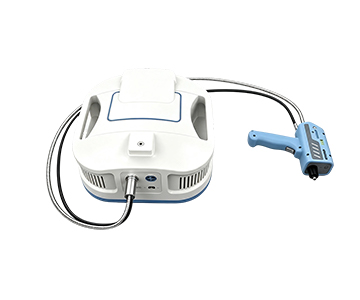
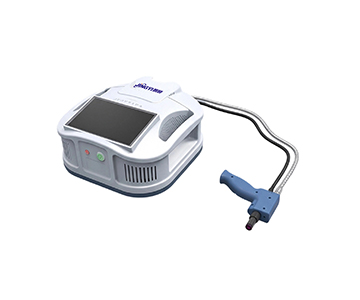
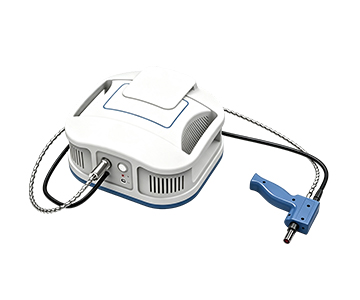
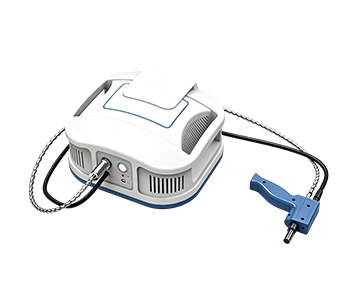
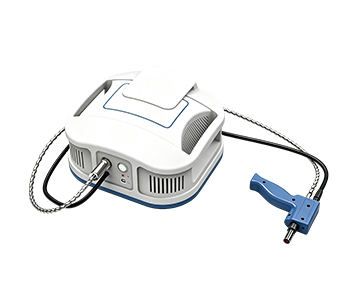
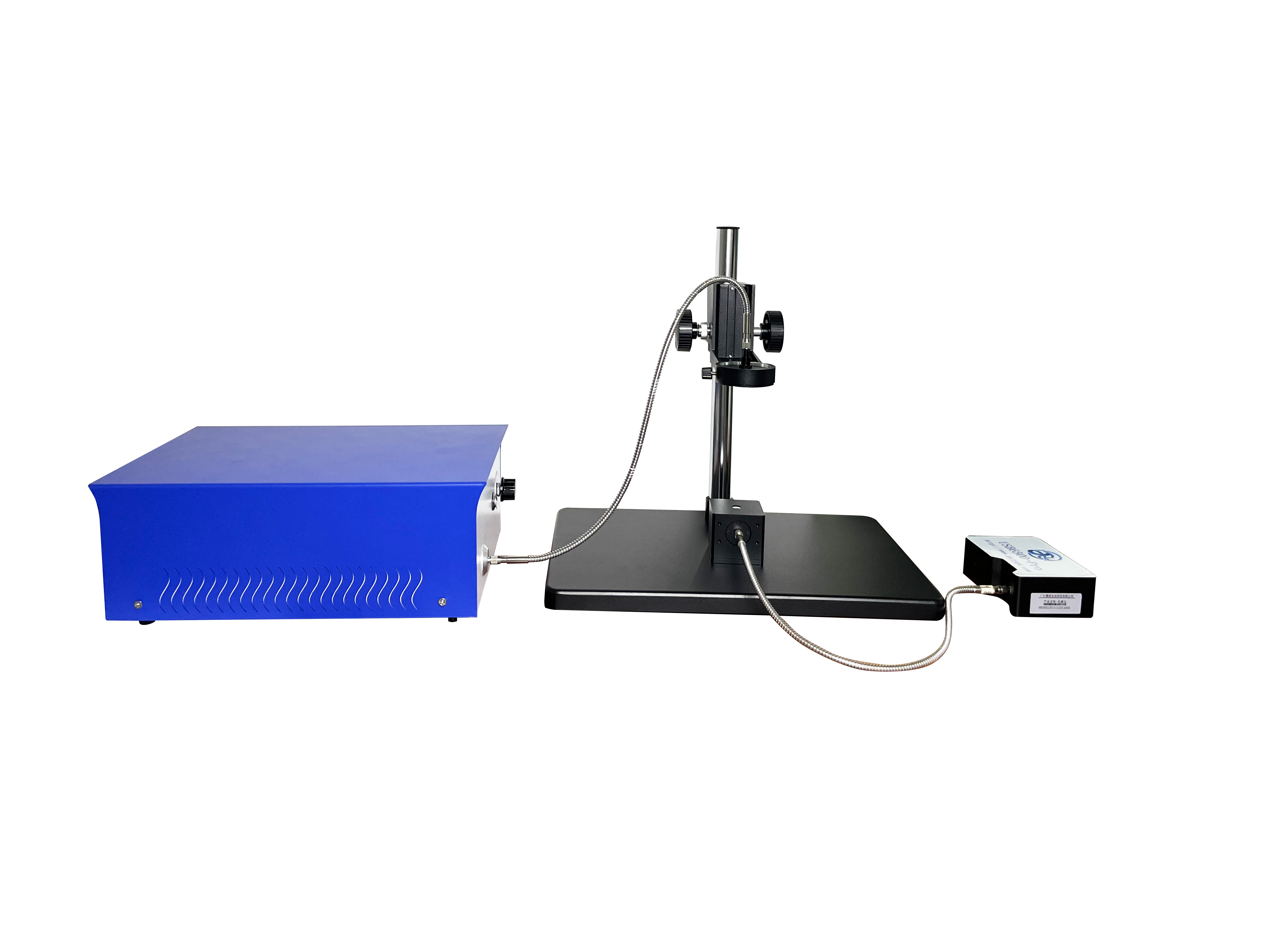
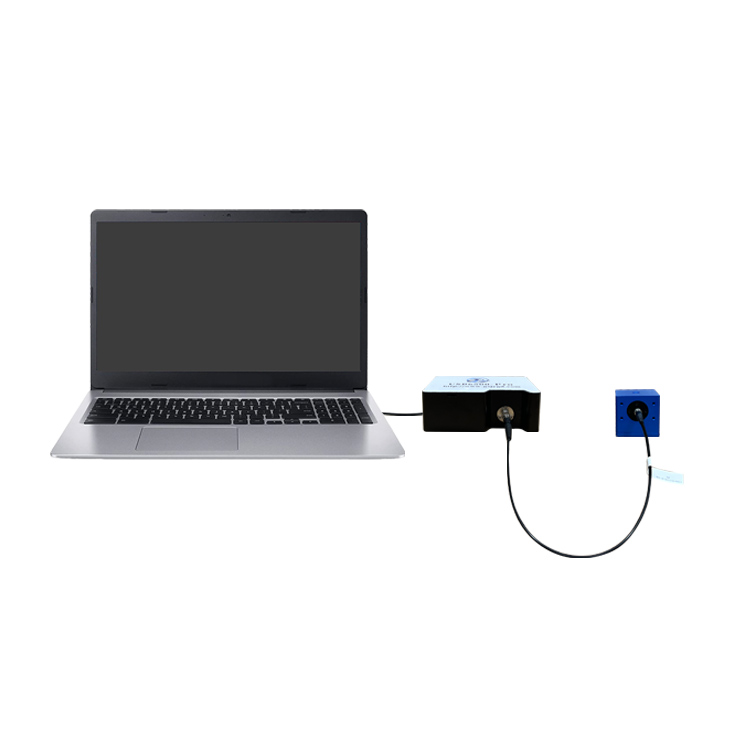
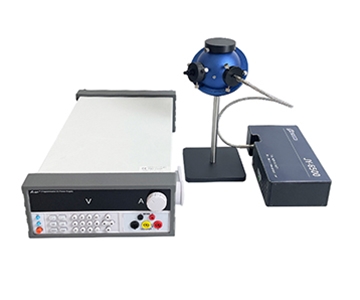
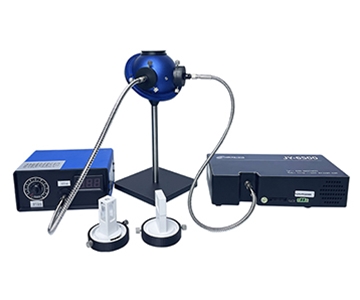
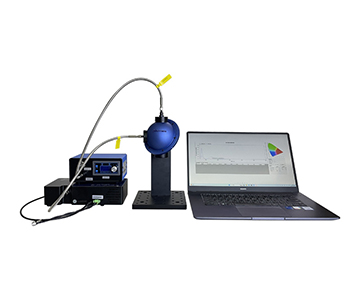
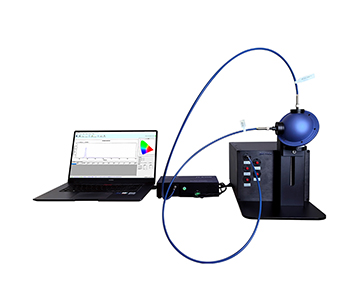
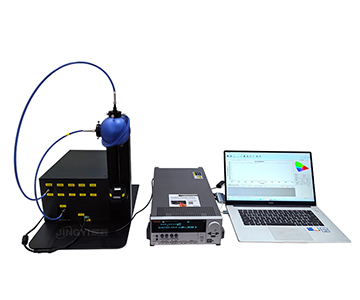
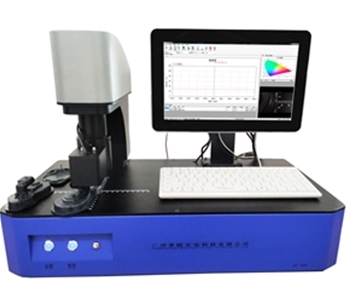
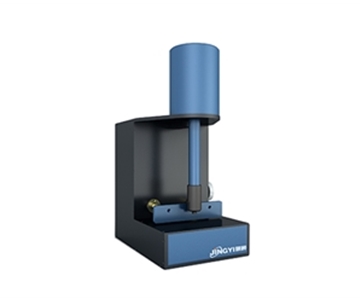
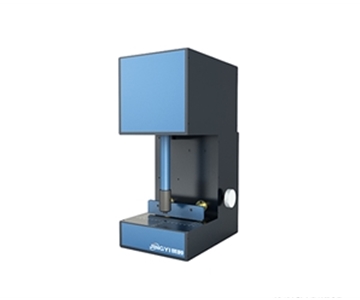
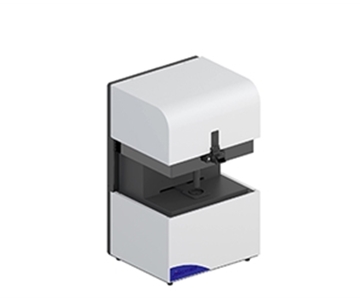
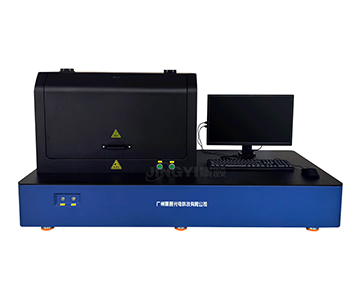
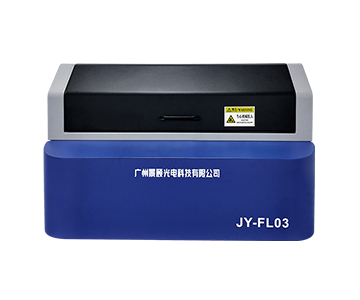
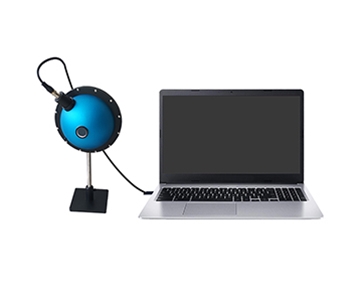
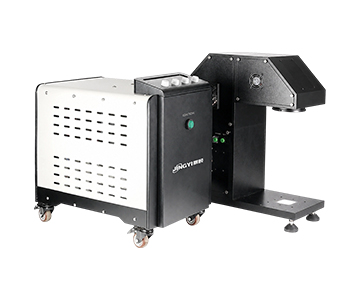
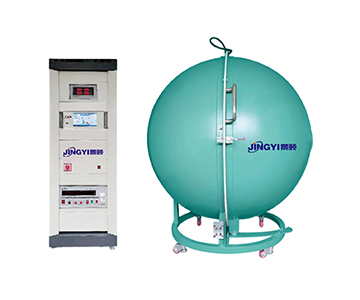
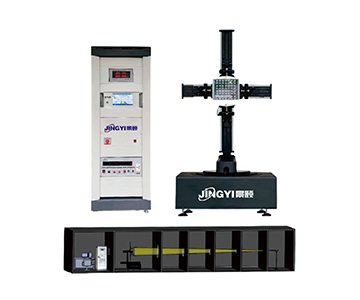
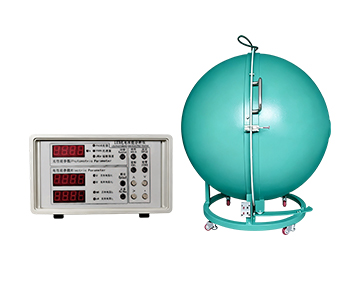
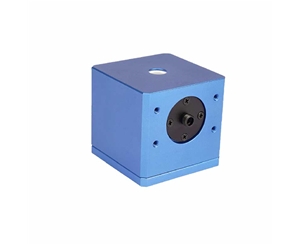
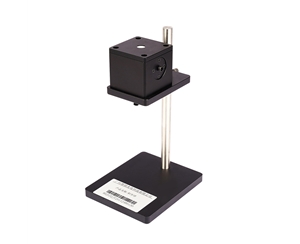
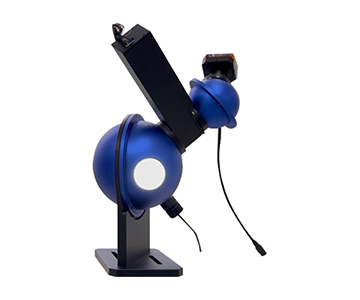
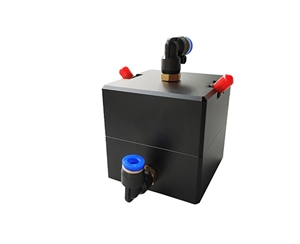
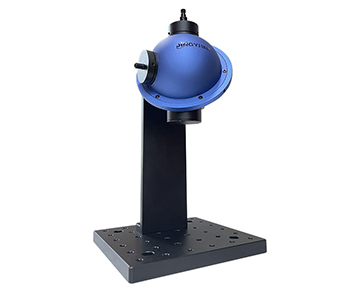
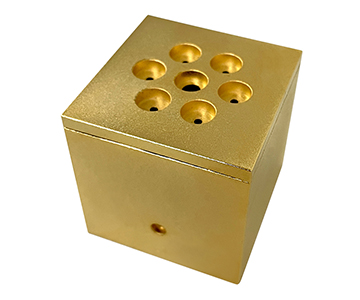
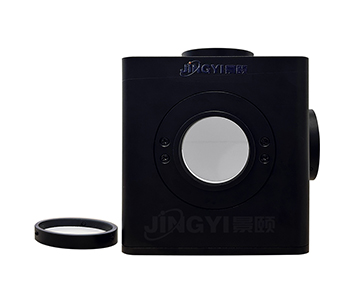
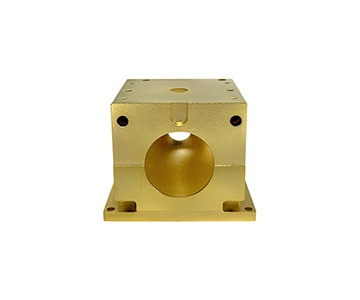
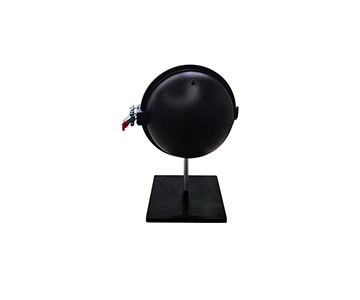
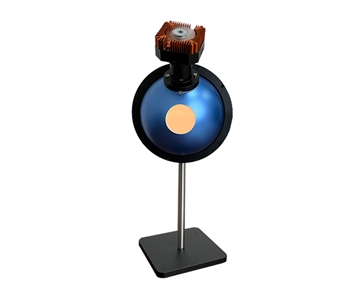
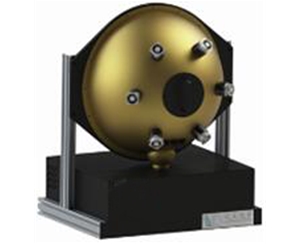
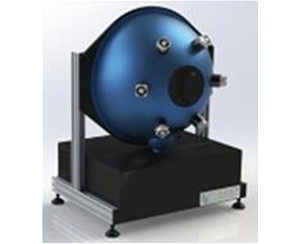
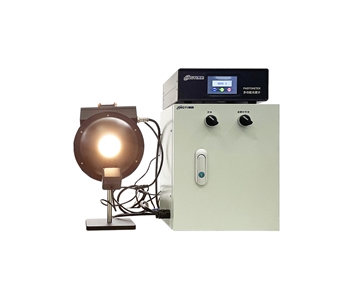
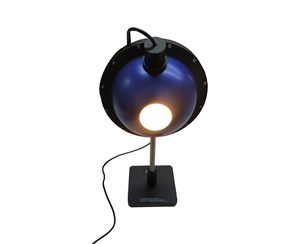
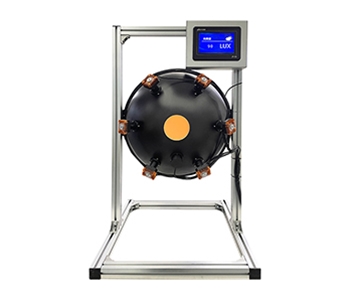
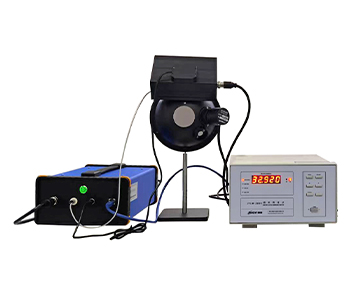
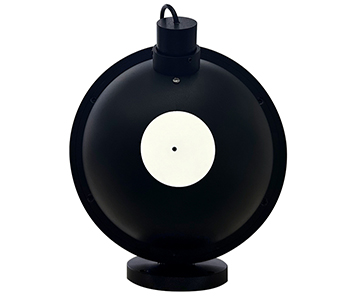
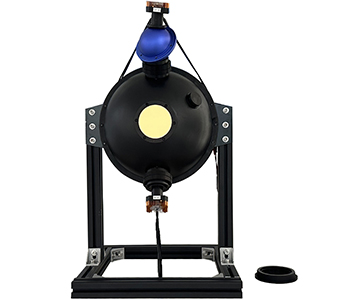
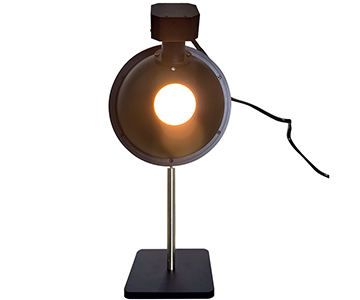
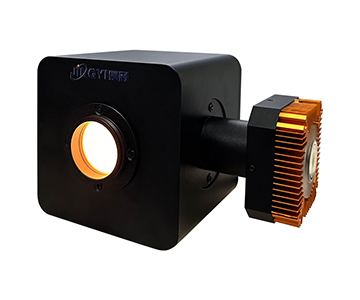
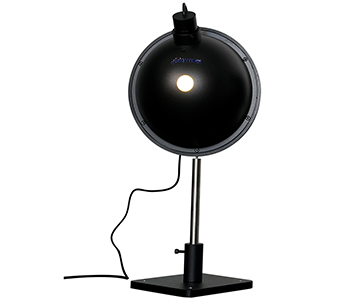
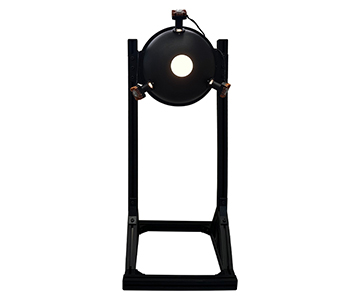
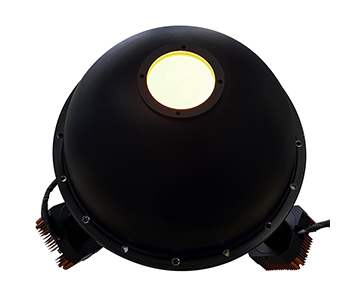
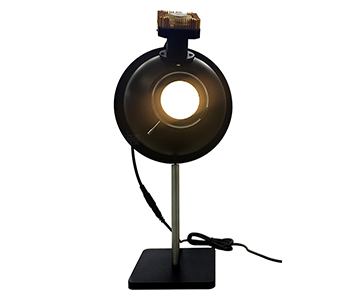
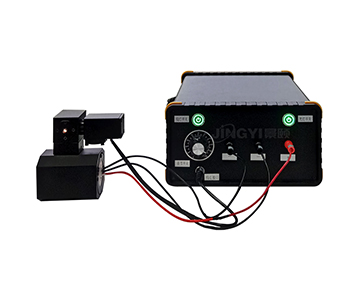
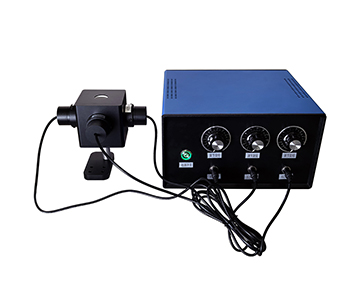
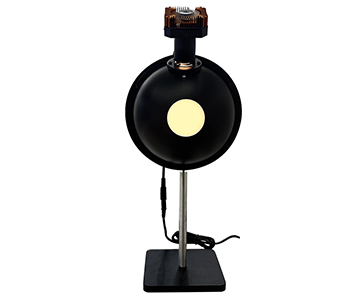
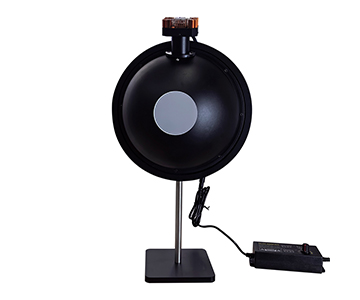
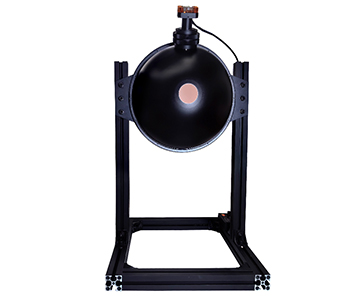
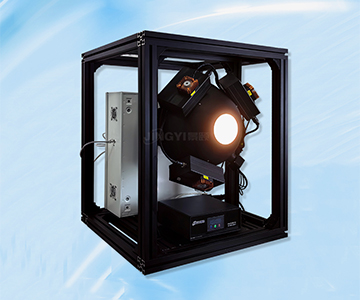
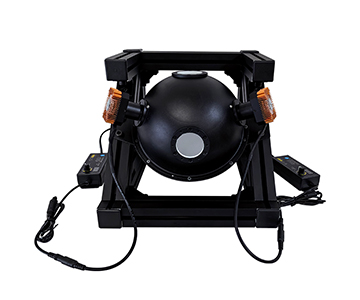
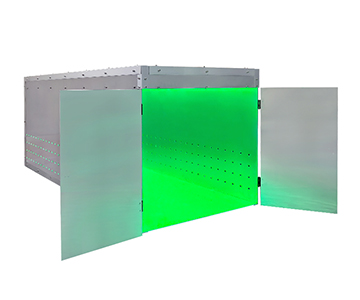
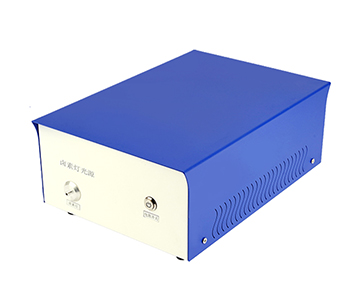
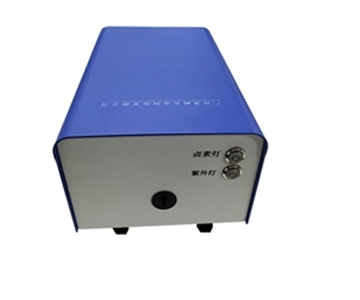
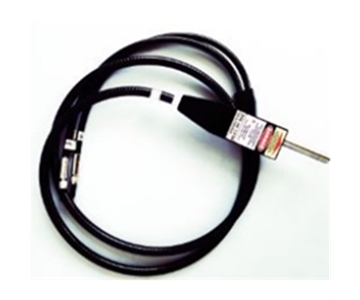
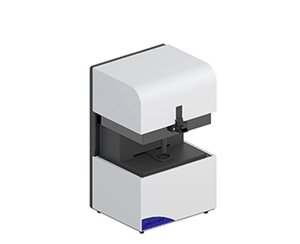
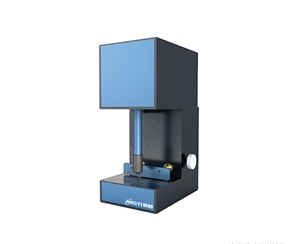
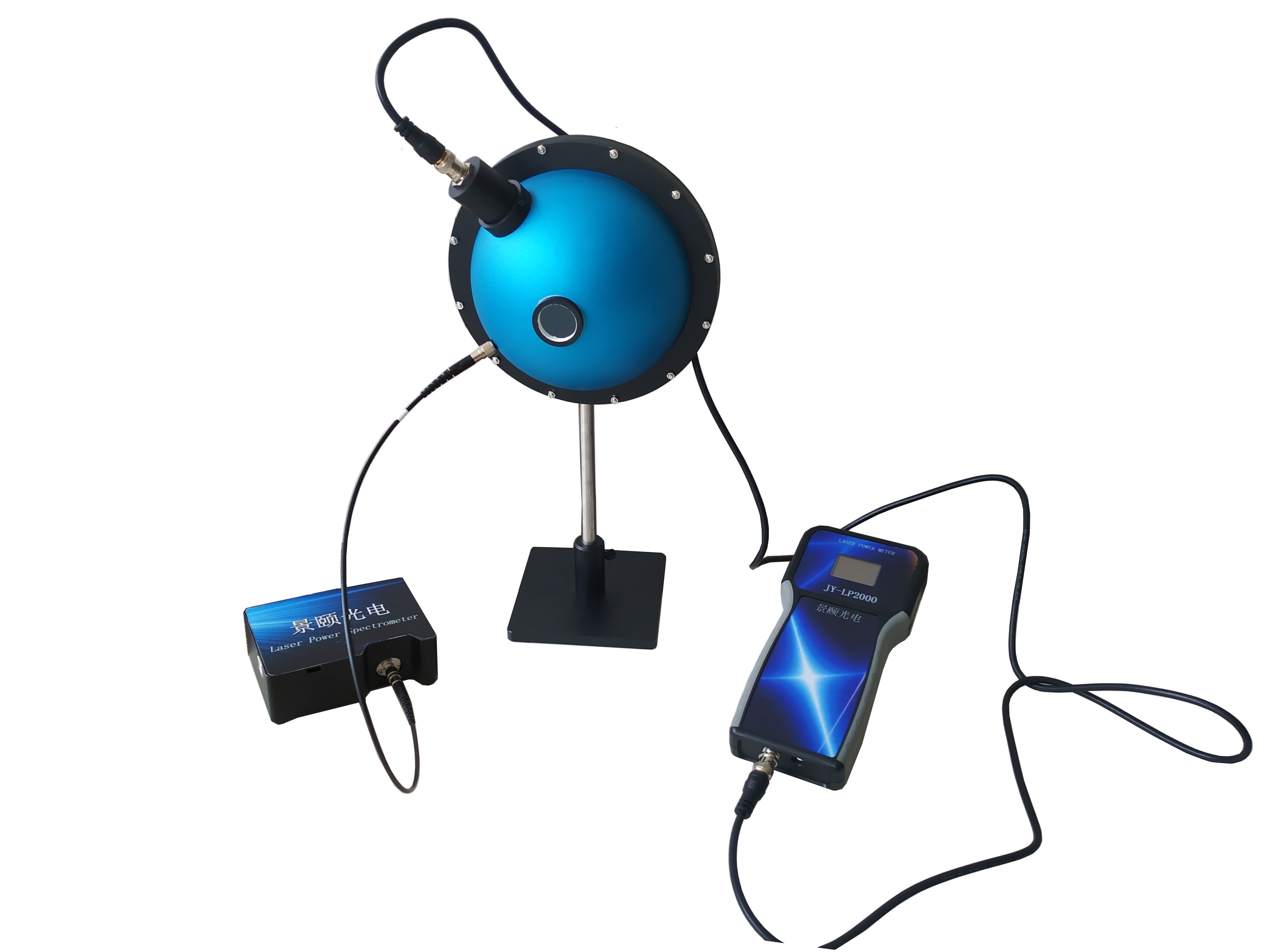
As a leading domestic supplier in the optoelectronic testing equipment sector, Jingyi Optoelectronics’ **JY-JFIOS150 Universal Integrating Sphere** achieves industry-leading spatial uniformity exceeding **98%**. This model comes standard with a 55 W halogen lamp source and features a 5 mm-diameter output port positioned horizontally along the sphere’s central axis—ensuring excellent angular stability of the output beam. It further supports full customization—including alternative light sources, flange-mounting configurations, and dedicated calibration accessories—to meet specialized calibration requirements across diverse application domains.
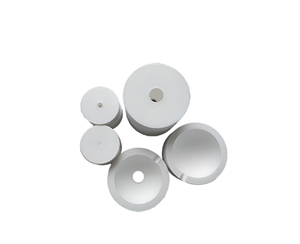
The product’s key competitive advantages also stem from proprietary coating technology and rigorous standards compliance. The theoretical upper limit of integrating sphere uniformity is dictated by both the reflectance level and spatial consistency of its internal diffuse coating. While industry-standard polytetrafluoroethylene (PTFE) coatings typically achieve reflectance between **95% and 98%**, Jingyi Optoelectronics’ self-developed coating curing process stabilizes reflectance consistently **above 98%**, with no yellowing or degradation-induced delamination—even after prolonged illumination. As a result, calibration accuracy retention exceeds that of comparable products by **over 30%**. Furthermore, the JY-JFIOS150 conforms fully to major international and domestic optoelectronic testing standards—including **LM-79, GB/T 24824, IEC 61612, and GB/T 24908**—enabling direct acceptance of test results across regulatory frameworks without requiring secondary verification.
Today, high-uniformity universal integrating sphere light sources are deployed across virtually every optoelectronics-related field:
- In aerospace, satellite remote-sensing payloads must be calibrated against an integrating sphere’s spectral response before launch—ensuring the fidelity of Earth- and ocean-monitoring data used for agricultural yield estimation and disaster early-warning systems;
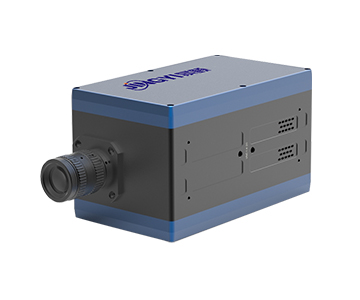
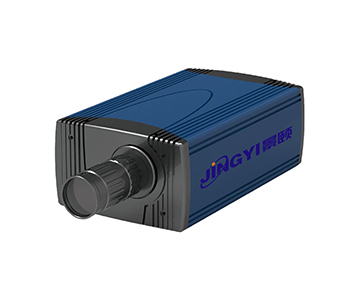
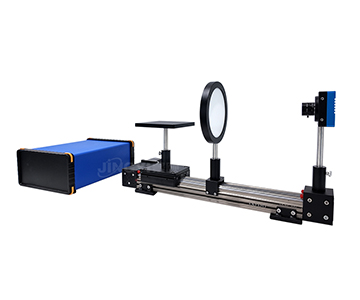
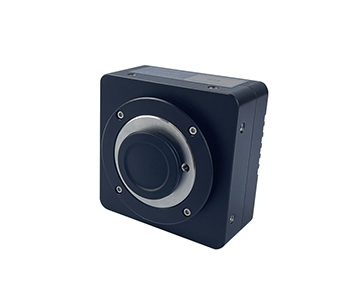
- In consumer electronics, CMOS/CCD image sensors for smartphones and security cameras undergo flat-field correction, linearity testing, and dark-noise evaluation using integrating spheres prior to shipment—guaranteeing consistent imaging performance across production batches;
- Night-vision systems, ultra-sensitive imaging instruments, and research-grade spectrometers likewise rely on the stable, standardized light field delivered by integrating spheres to fulfill calibration needs spanning the **ultraviolet, visible, and infrared** spectral ranges.
With rapid advances in emerging fields—including AI-powered computer vision, autonomous-vehicle onboard cameras, and quantum-level low-light detection—the industry’s demands for integrating sphere light sources continue to evolve: higher uniformity, broader spectral tunability, and deeper customization capabilities. In response, Jingyi Optoelectronics is actively advancing R&D efforts toward **multi-band integrated solutions** and **stepless CCT-adjustable universal integrating spheres**, delivering reliable, traceable calibration references tailored to next-generation optoelectronic testing applications.
#PTFEIntegratingSphere #FluorescenceQuantumYieldIntegratingSphere #MiniatureIntegratingSphere #UniversalIntegratingSphere #WaterQualityIntegratingSphere #UniformIntegratingSphereLightSource