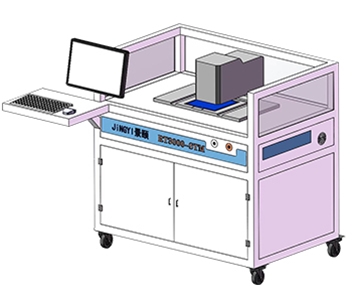
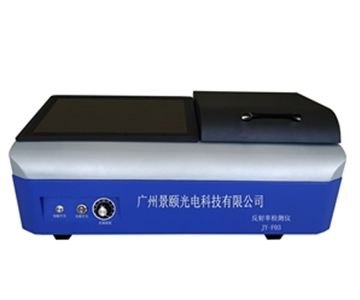
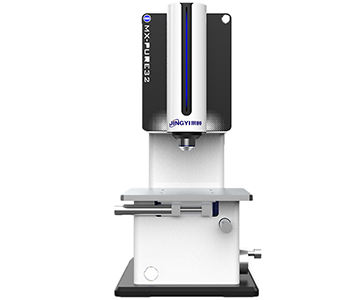
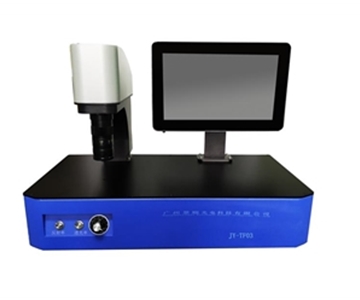
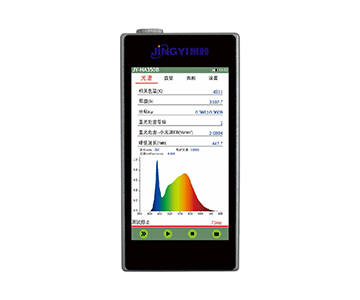
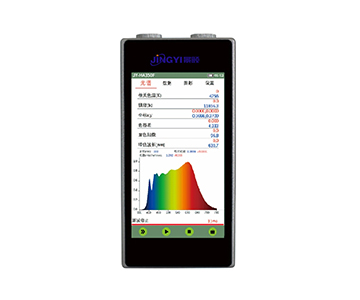
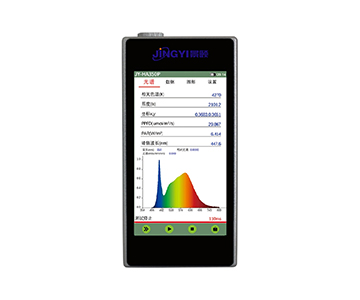
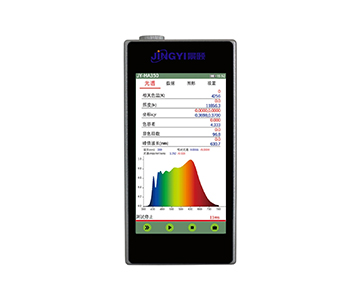
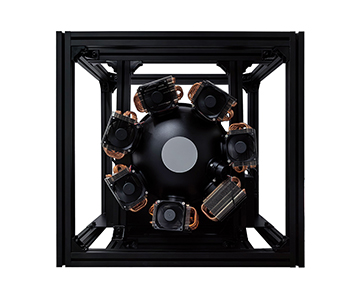
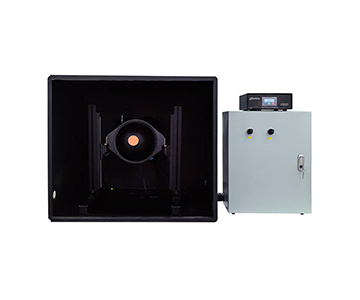
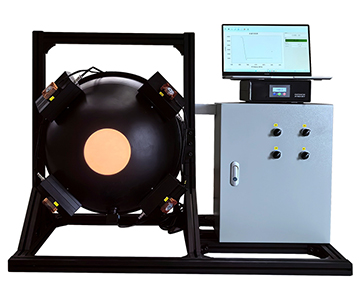
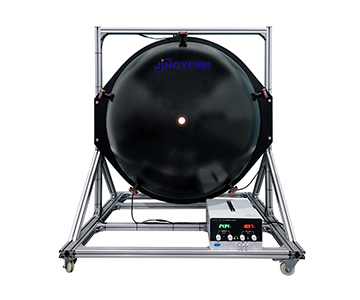
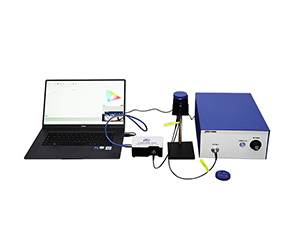
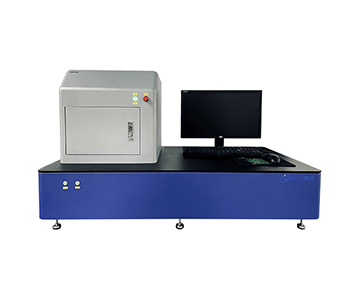
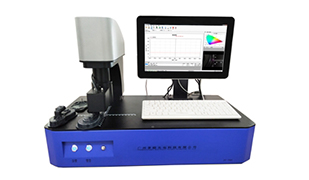
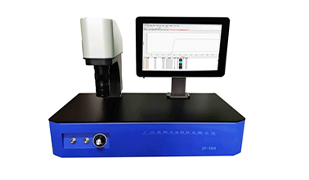
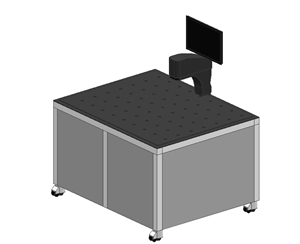
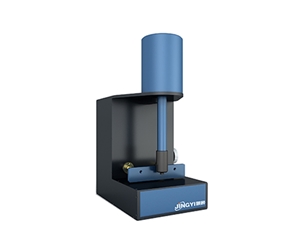
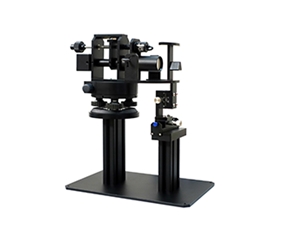
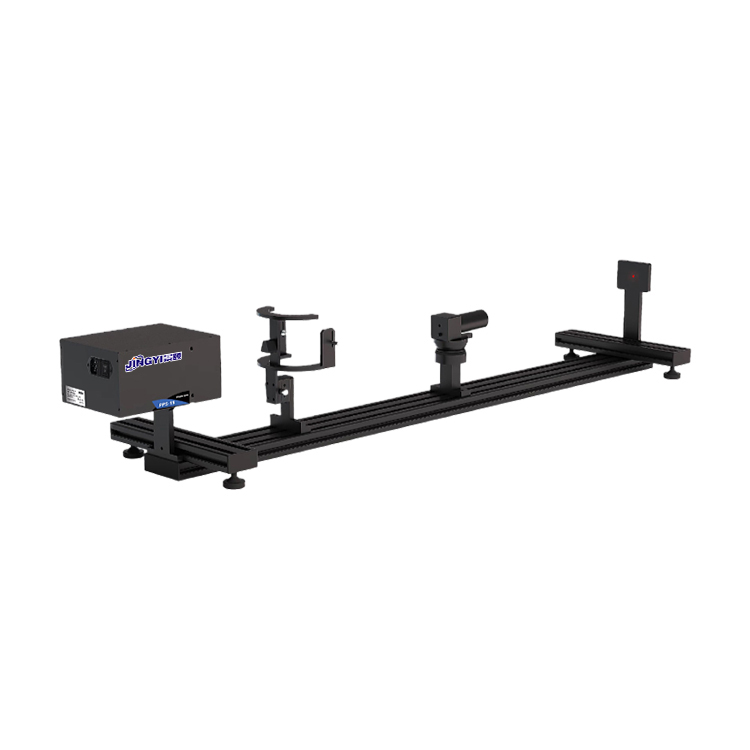
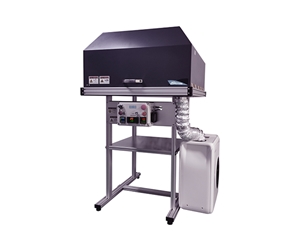
In multiple fields—including optoelectronic material R&D, public safety screening, and livelihood-related testing—a persistent, shared challenge has long existed: “Benchtop high-precision instruments rely heavily on laboratory environments and yield results only after lengthy turnaround times; portable rapid-testing devices, meanwhile, lack sufficient accuracy to meet research-grade quantitative requirements.” In many operational contexts, personnel are thus forced to compromise between detection speed and detection accuracy—severely hampering workflow efficiency across these domains.
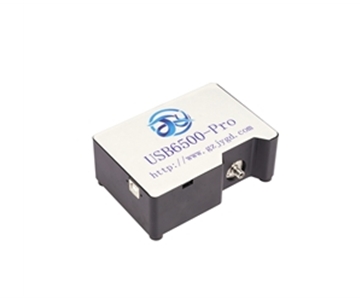
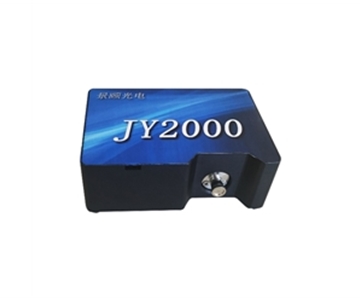
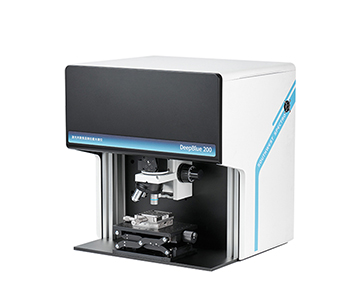
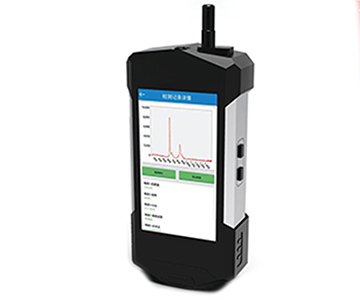
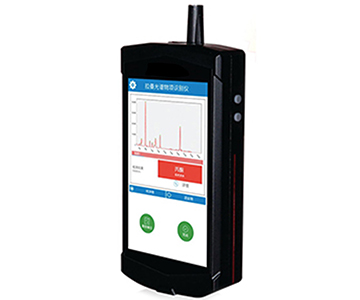
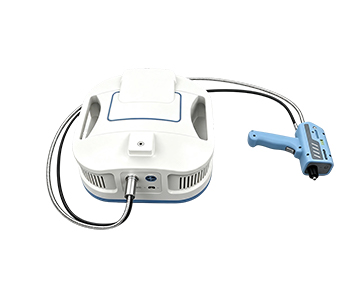
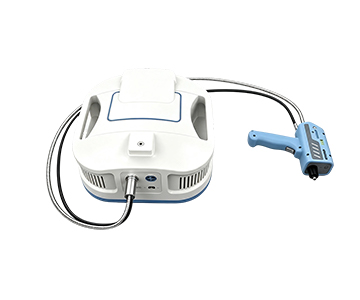
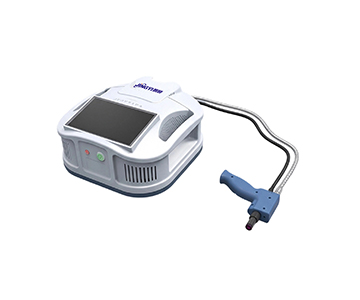
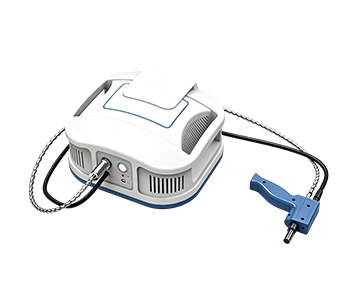
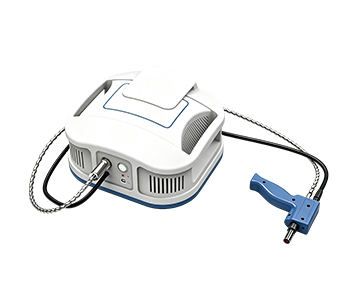
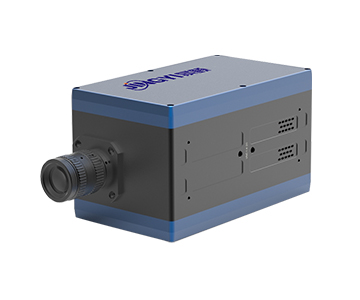
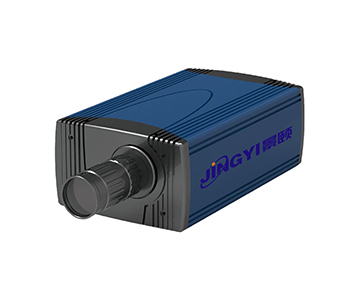
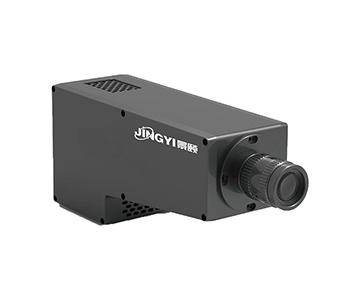
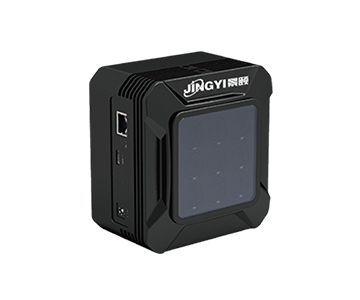
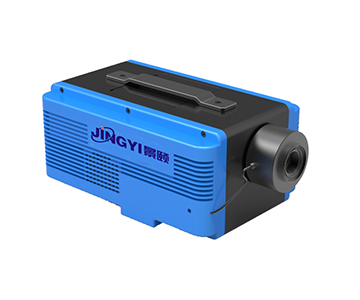
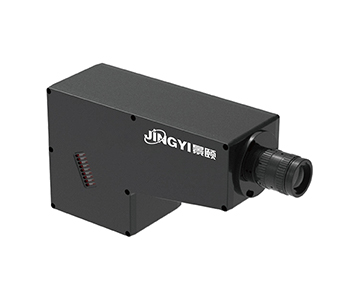
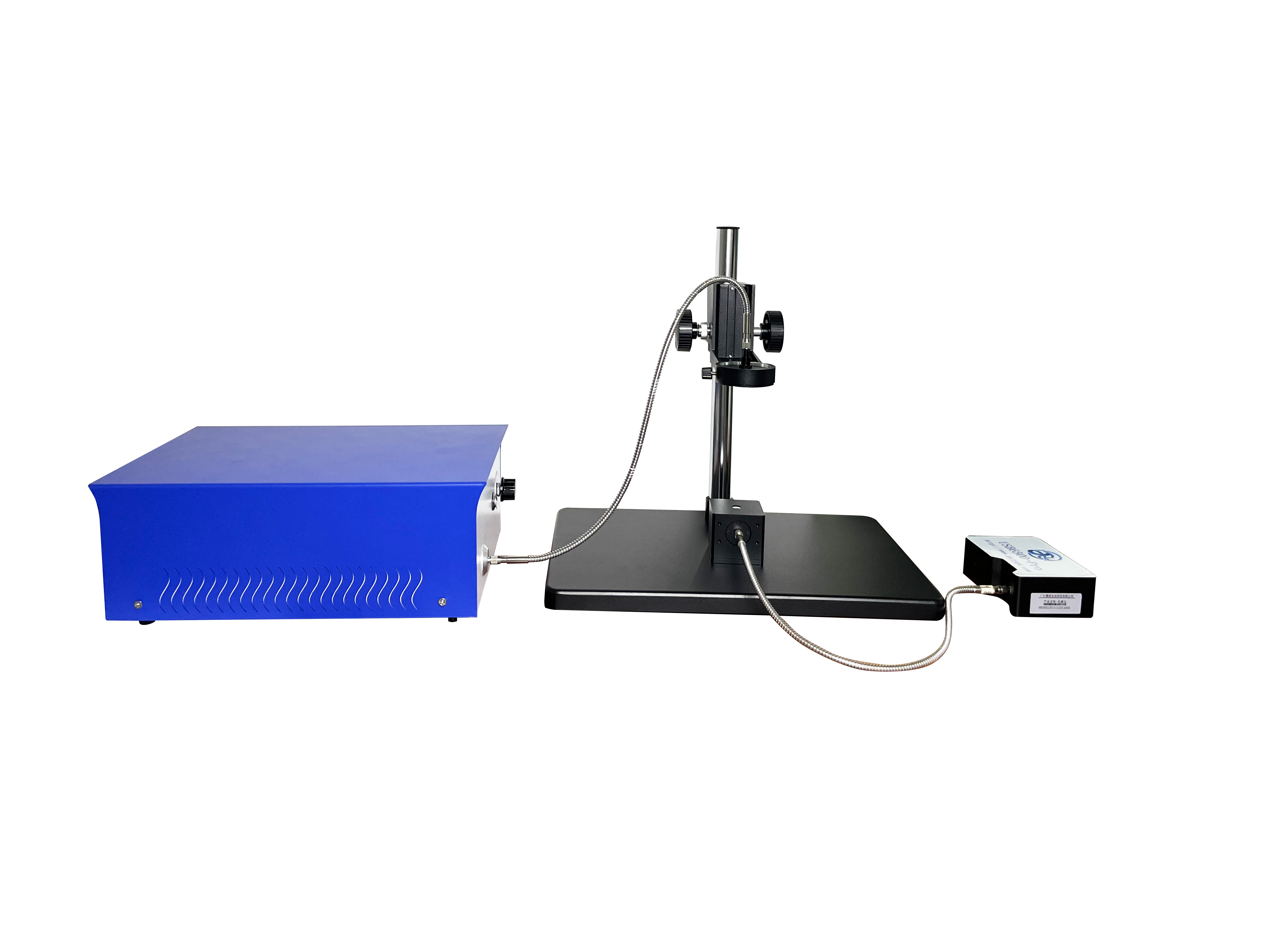
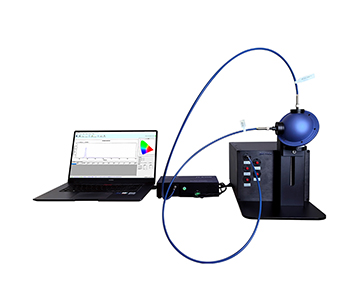
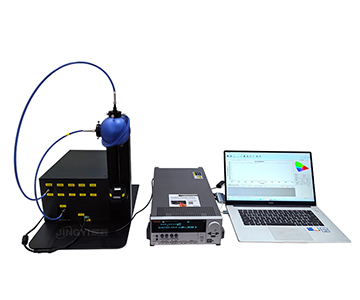
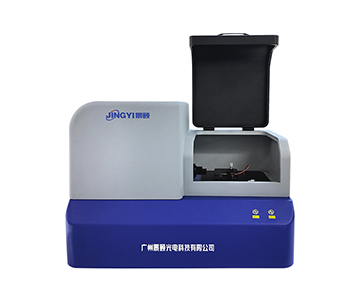
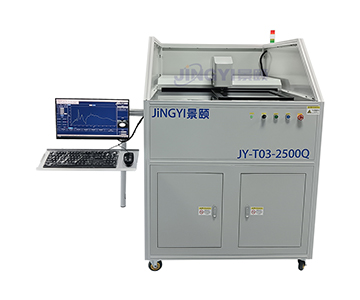
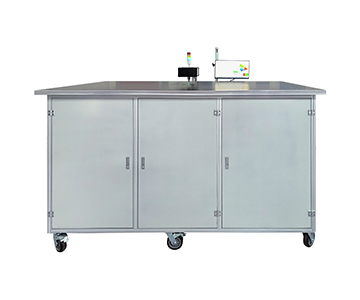
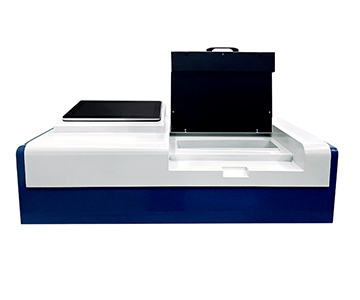
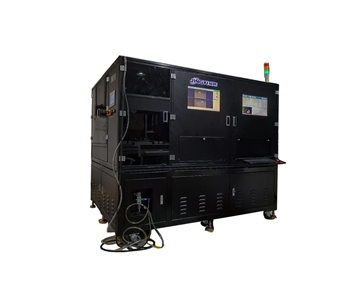
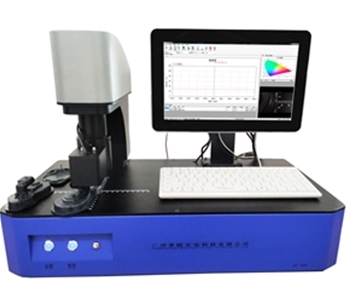
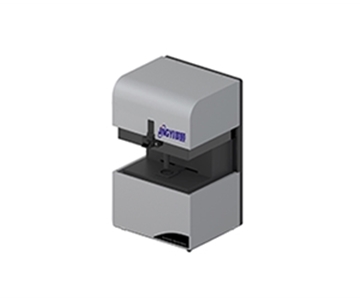
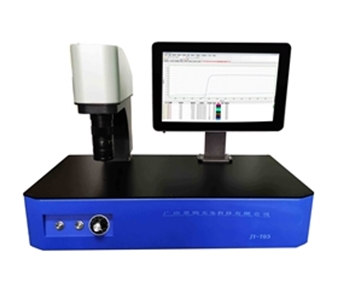
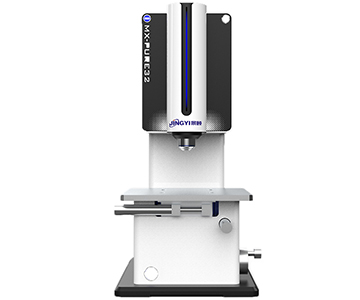
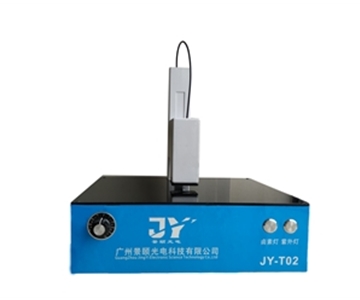
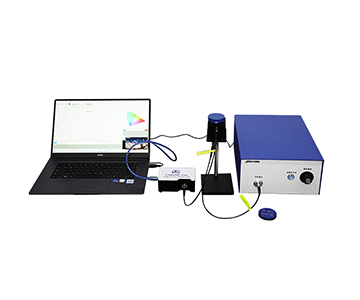
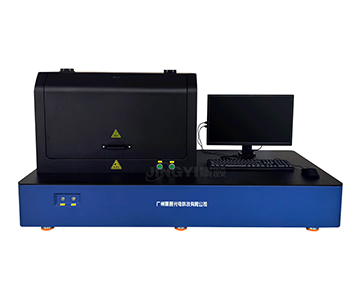
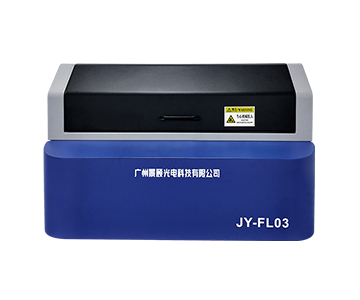
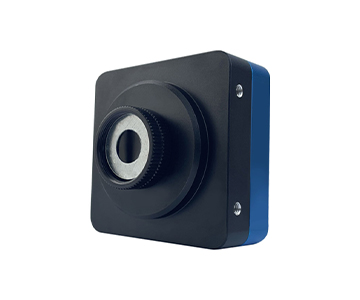
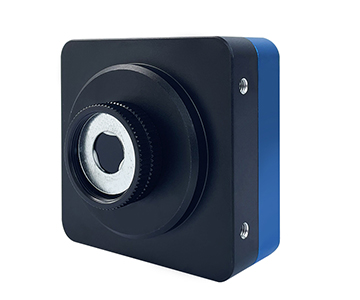
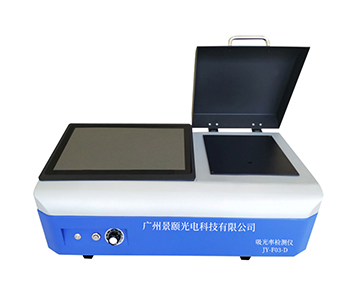
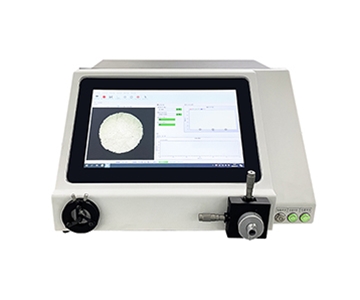
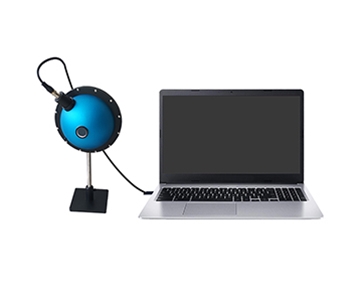
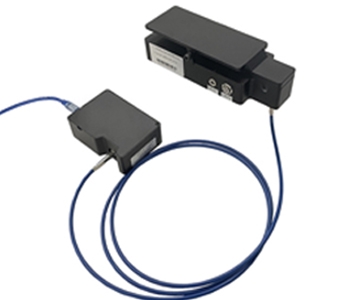
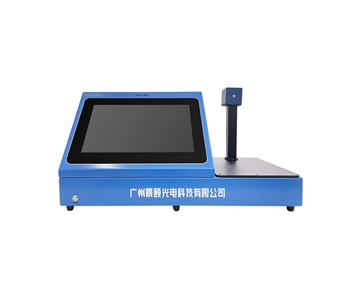
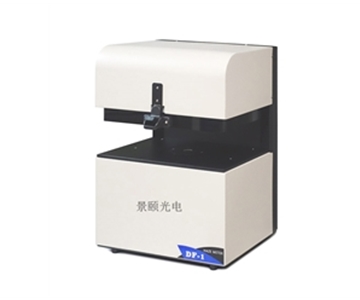
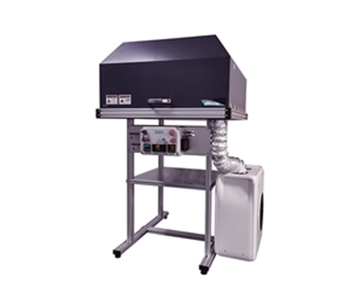
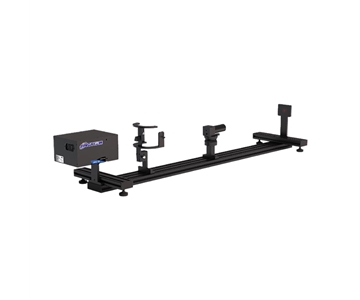
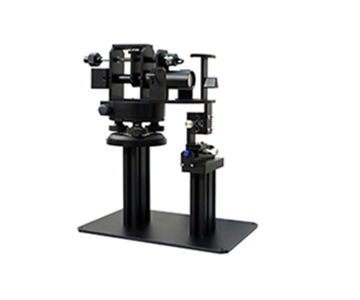
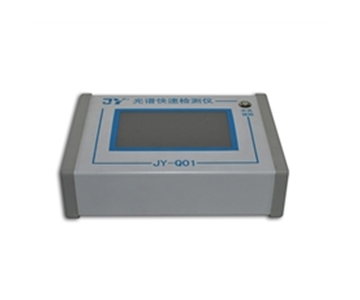
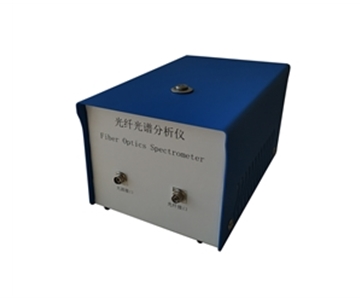
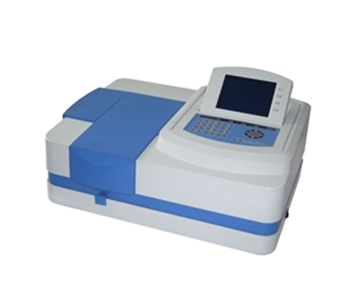
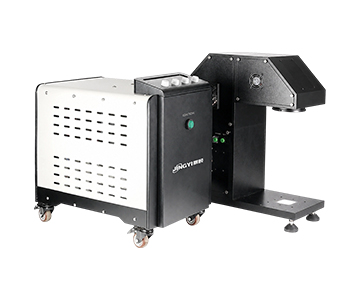
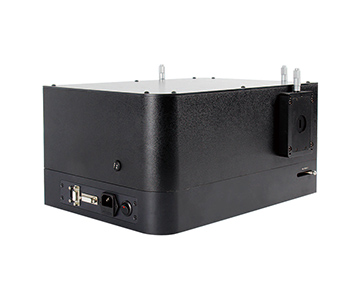
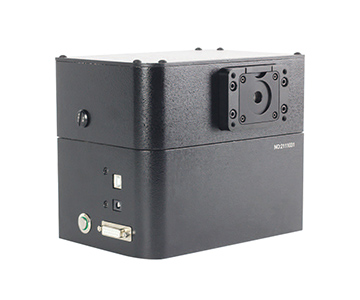
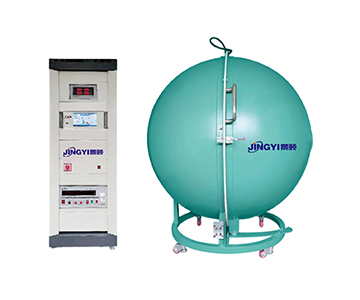
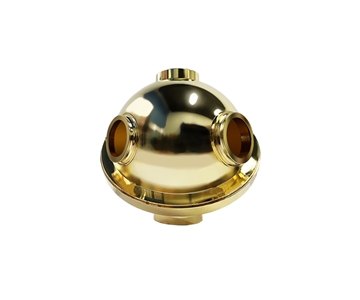
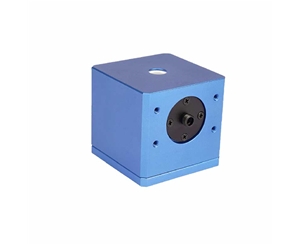
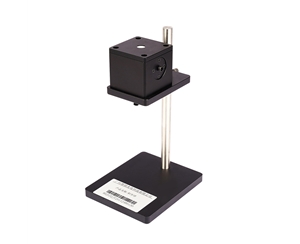
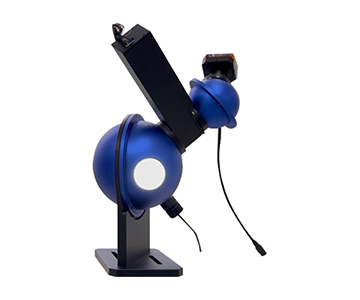
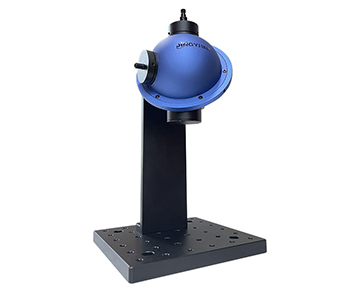
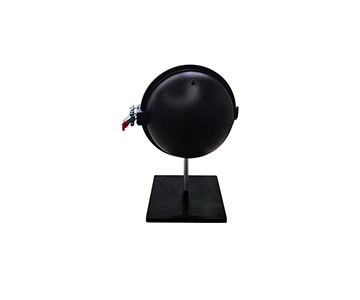
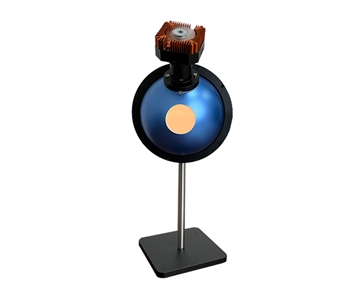
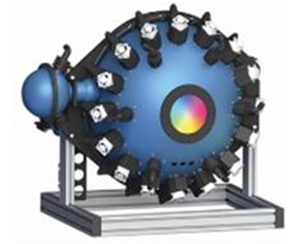
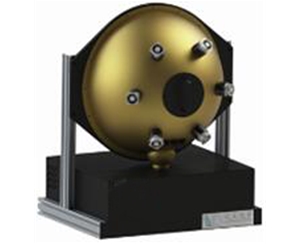
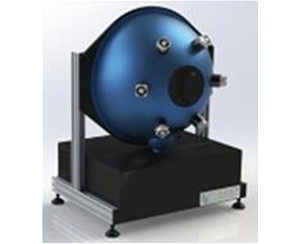
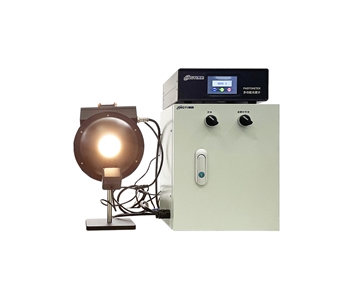
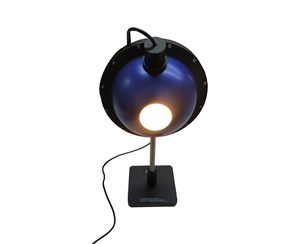
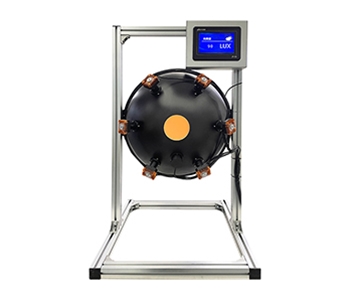
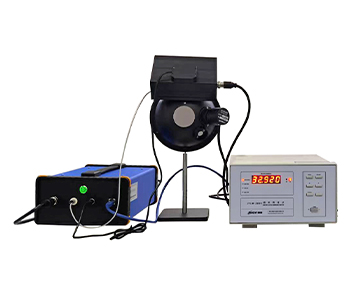
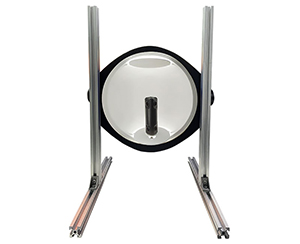
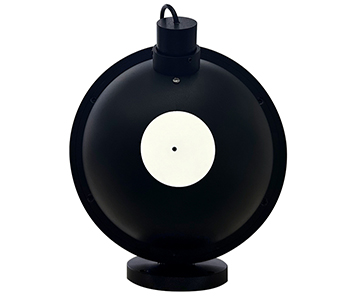
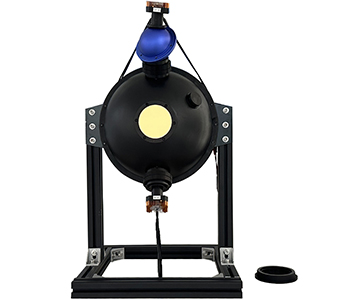
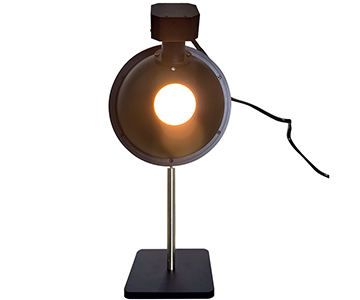
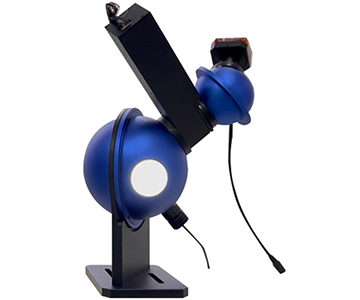
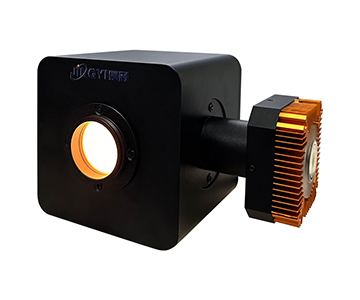
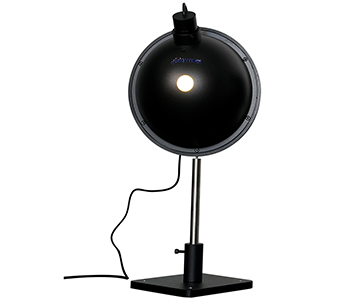
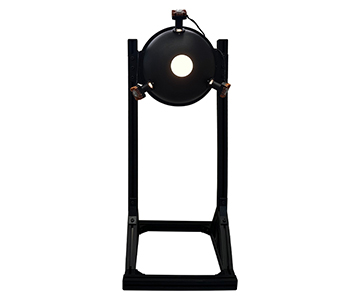
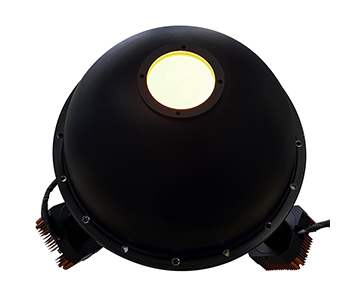
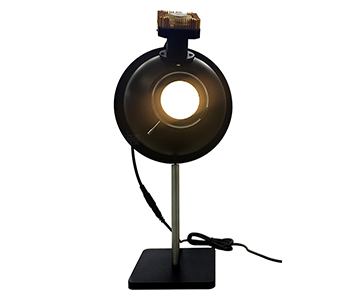
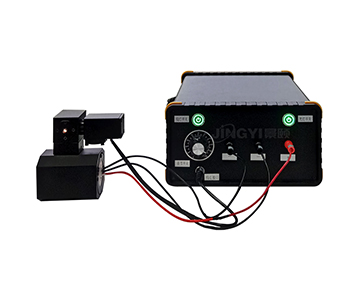
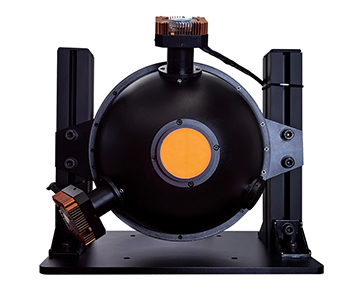
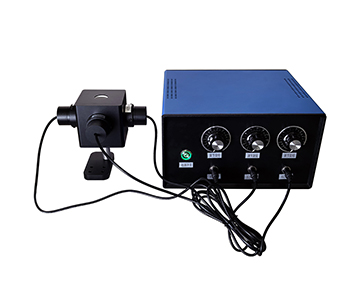
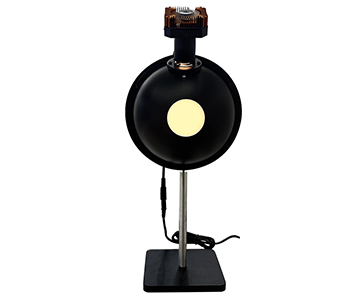
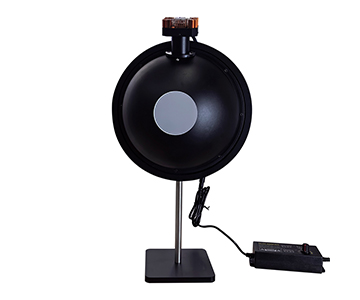
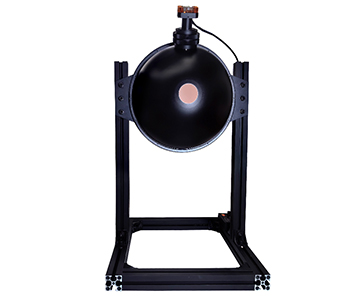
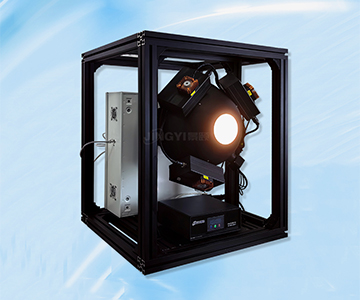
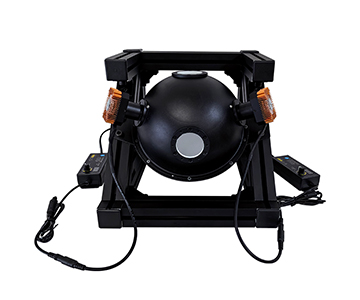
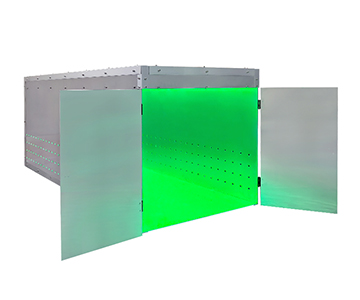
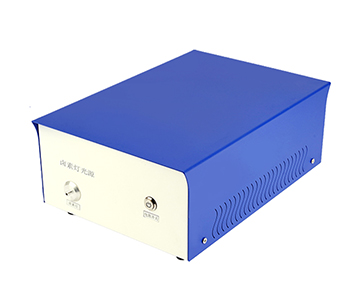
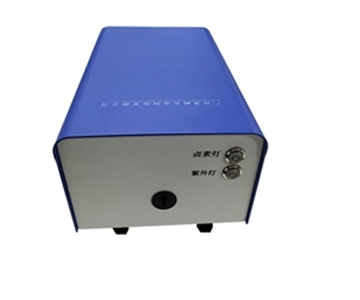
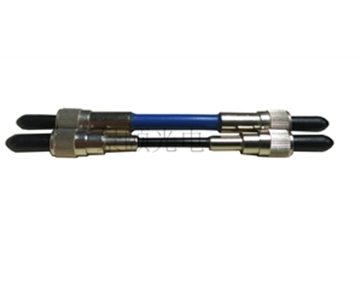
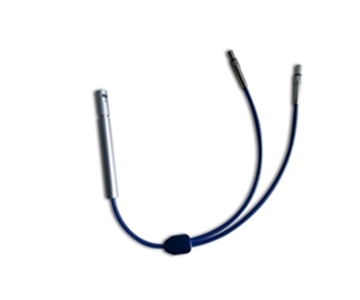
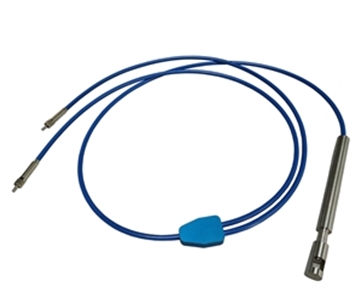
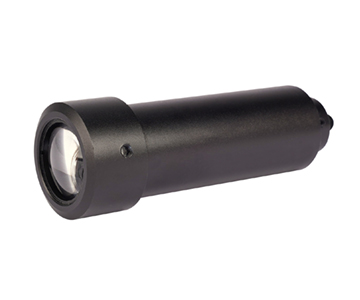
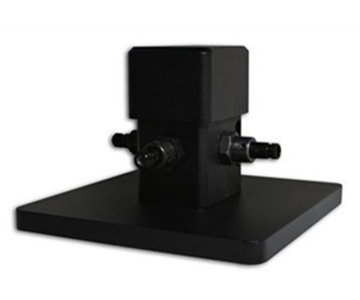
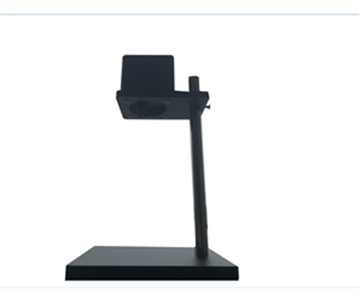
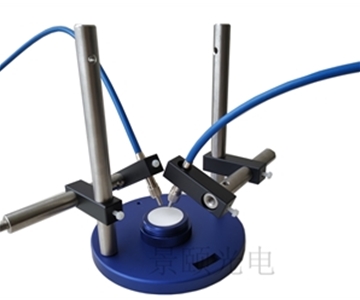
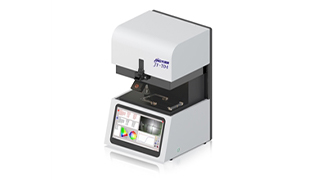
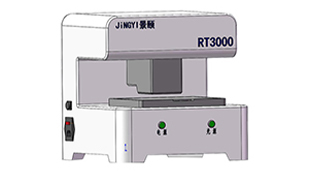
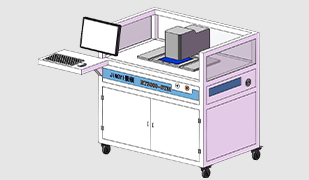
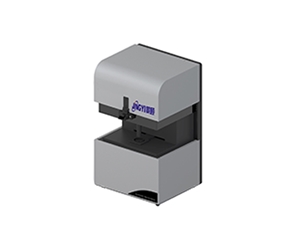
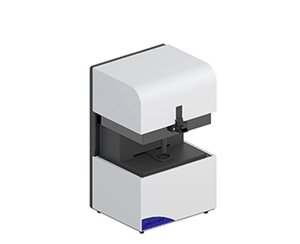
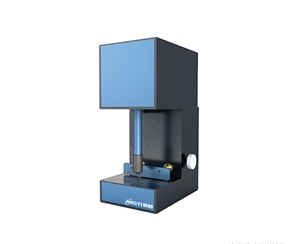
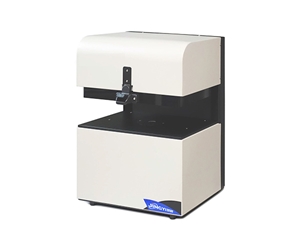
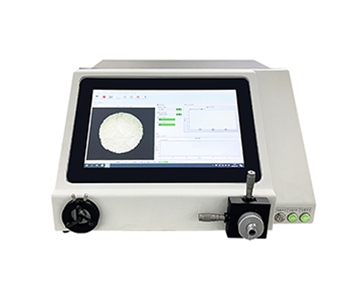
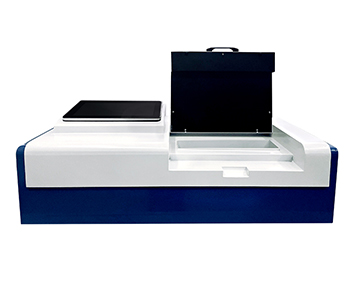
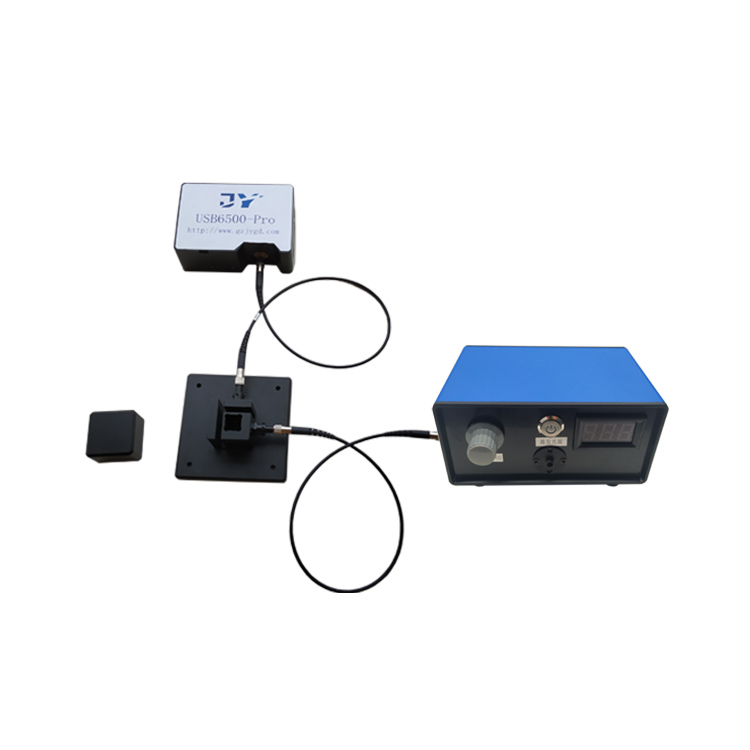
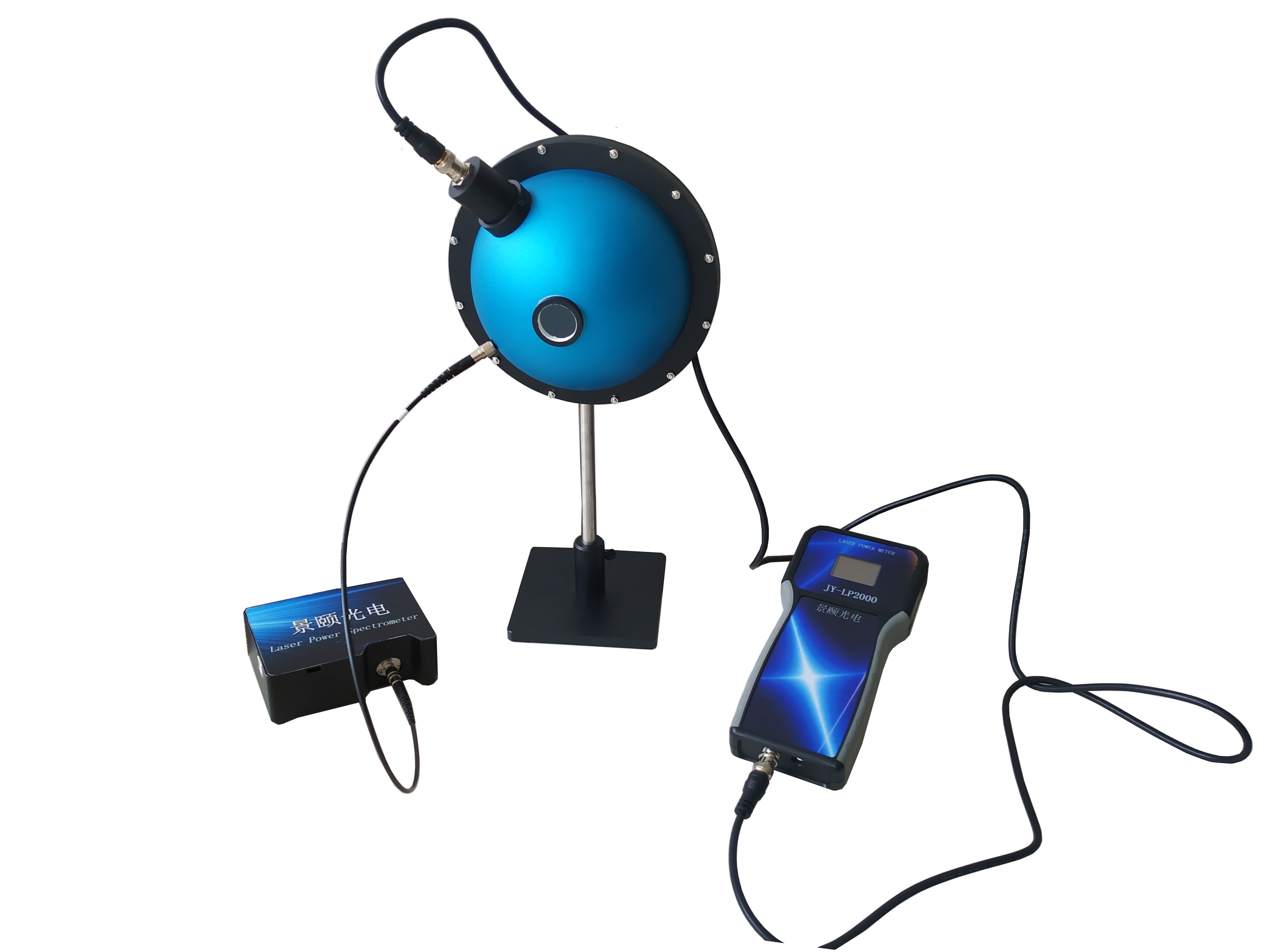
To address this industry-wide bottleneck, Jingyi Optoelectronics leveraged its extensive technical expertise in optical detection to independently develop and launch the JY-QEY6500-PL Fluorescence Quantum Efficiency Analyzer. This instrument breaks through traditional performance boundaries of fluorescence detection systems, achieving an optimal balance between research-grade precision and truly portable design.
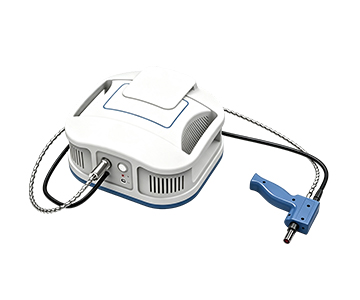
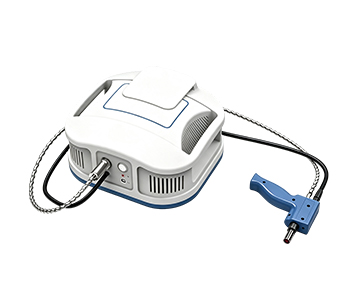
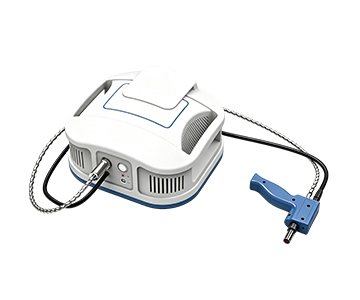
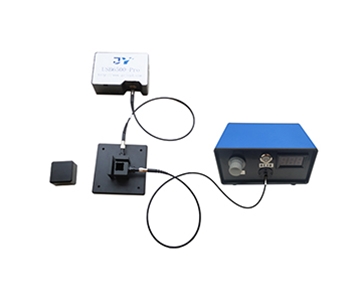
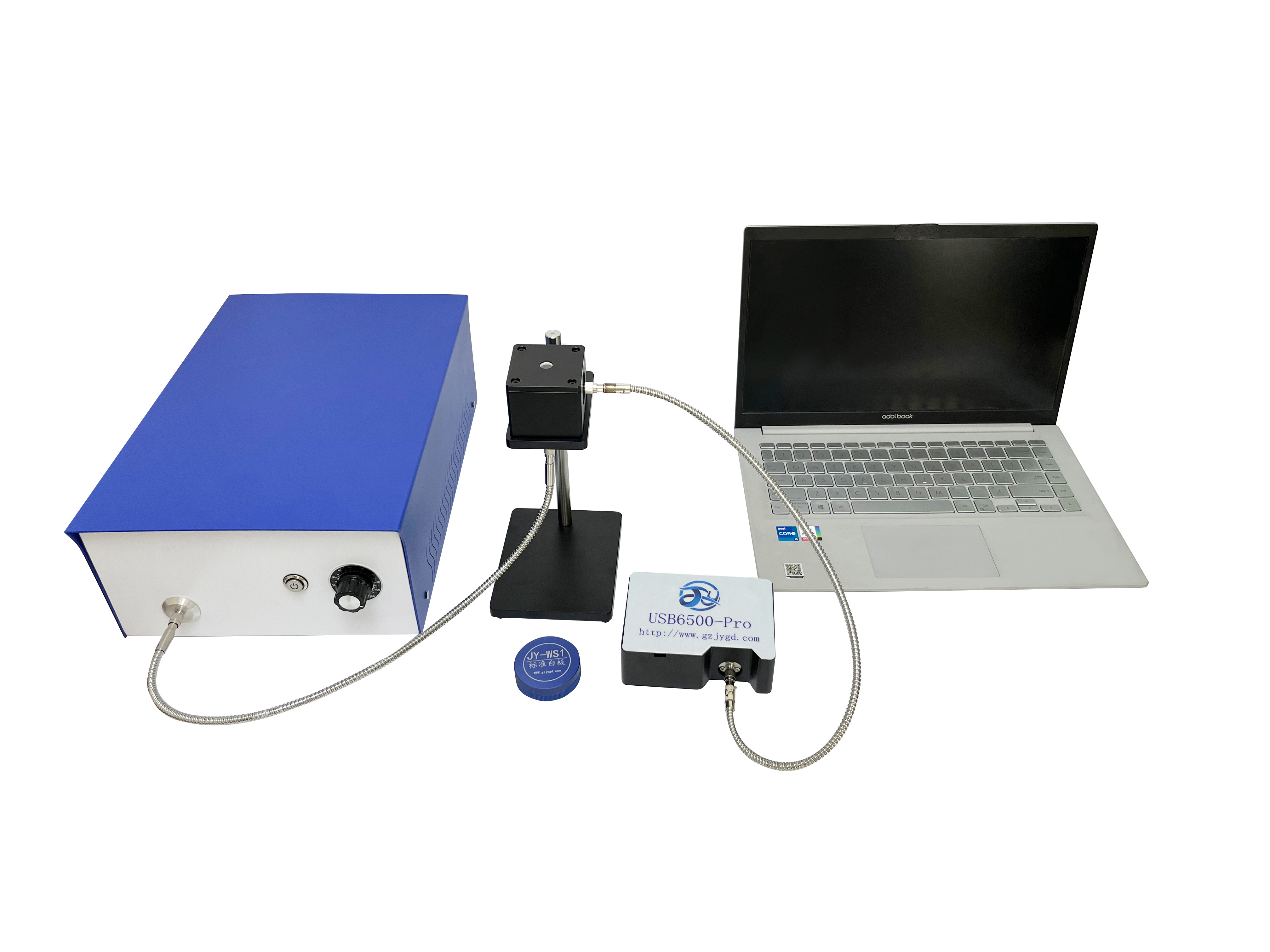
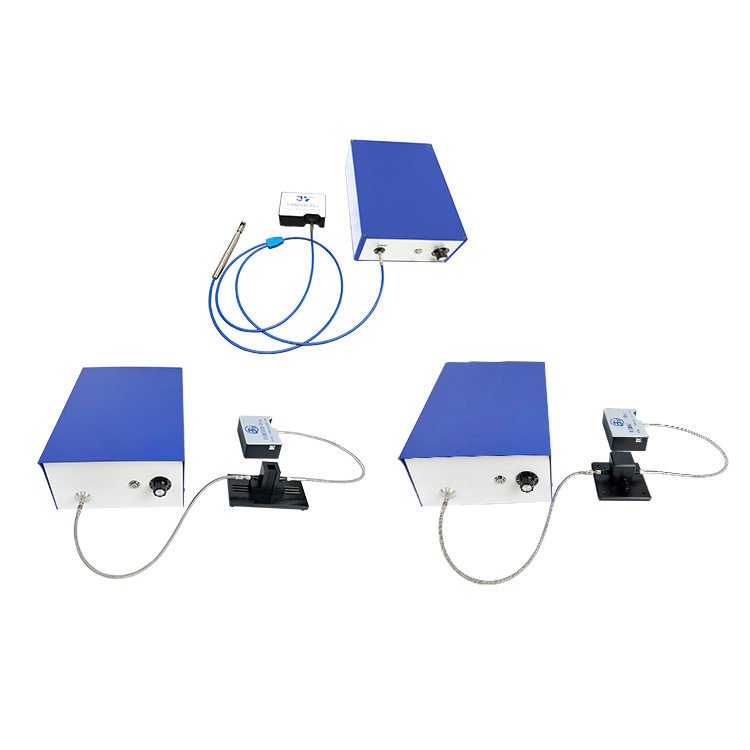
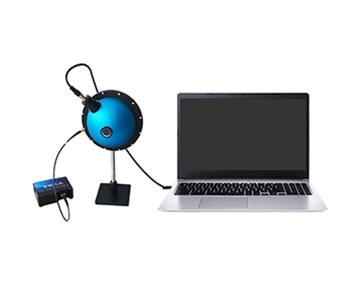
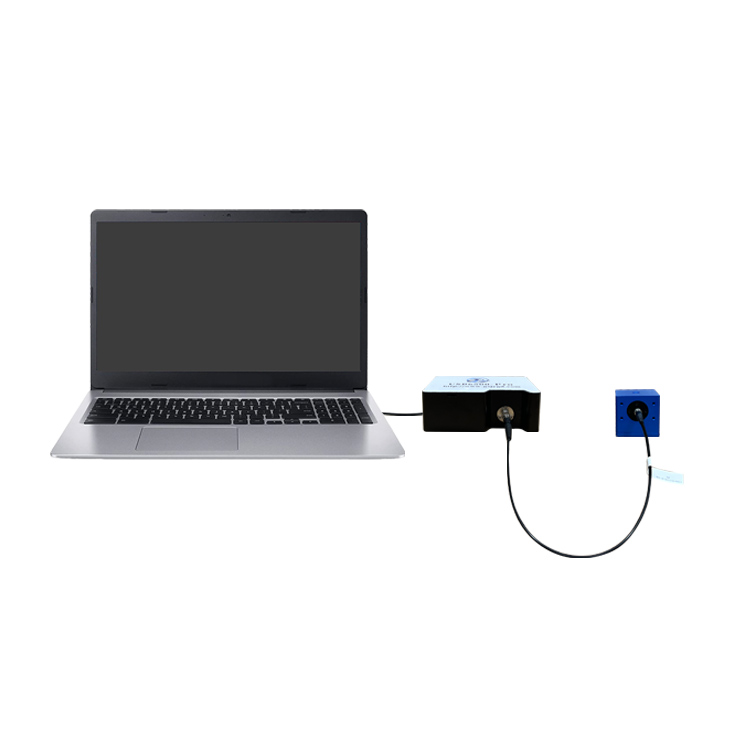
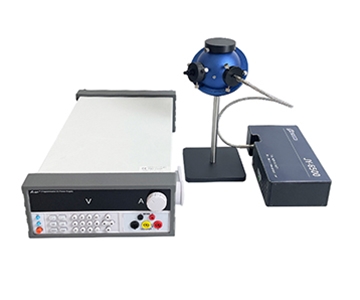
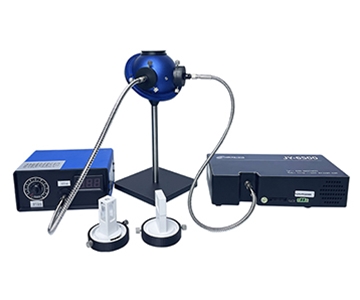
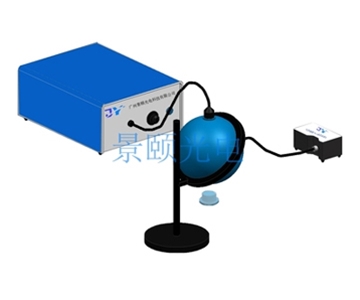
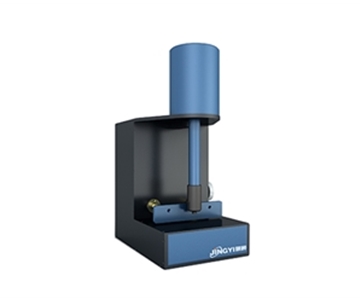
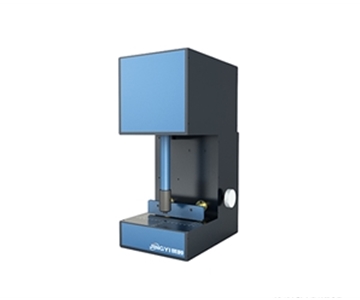
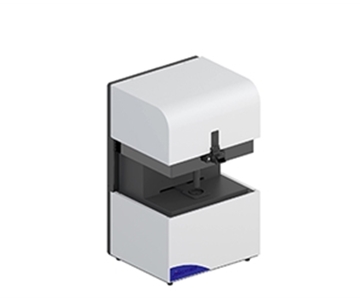
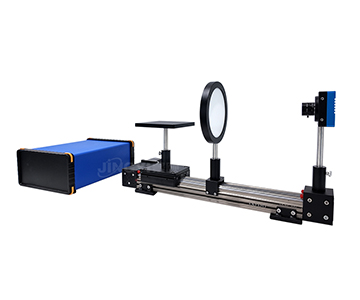
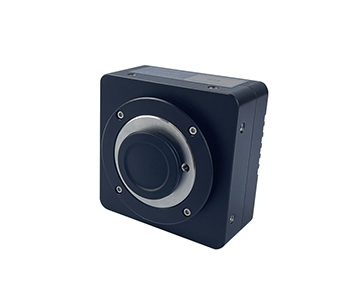
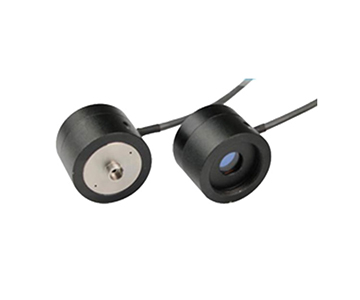
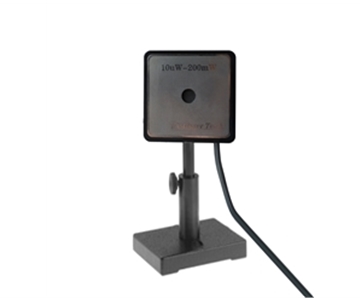
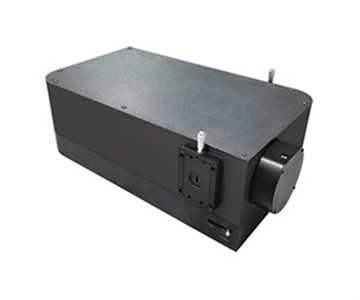
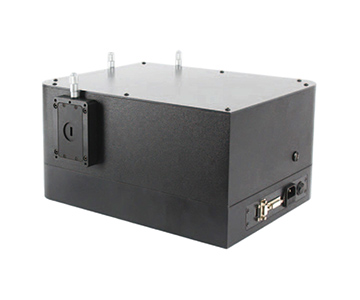
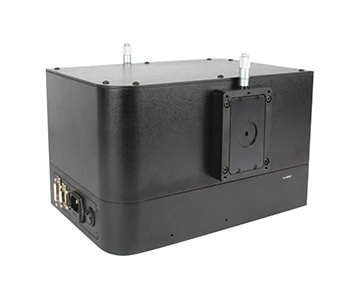
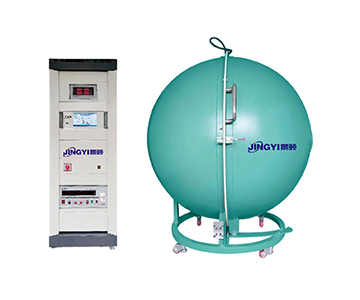
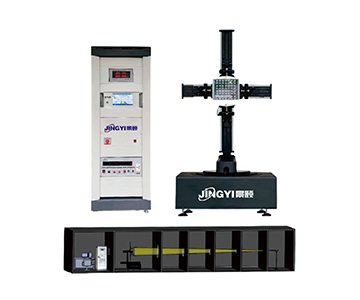
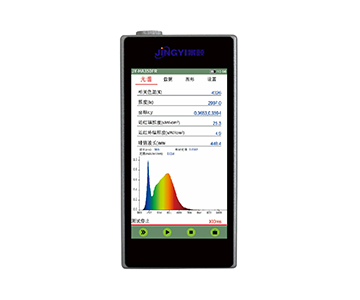
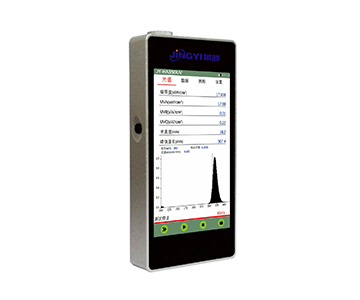
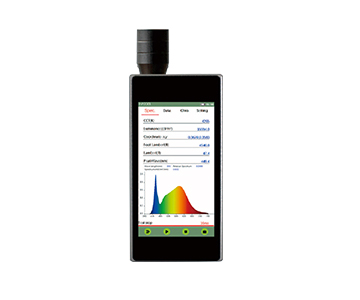
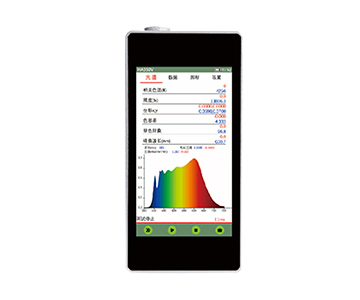
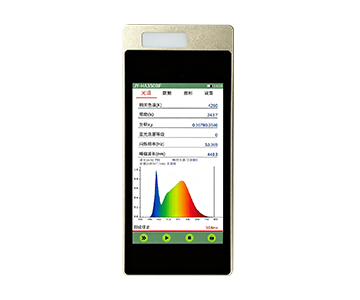
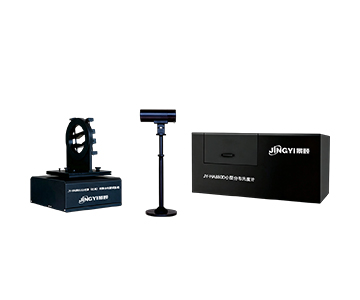
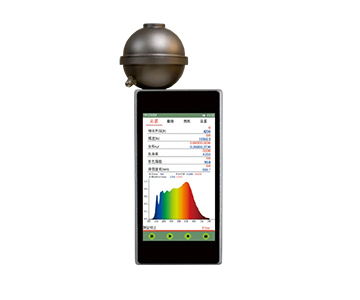
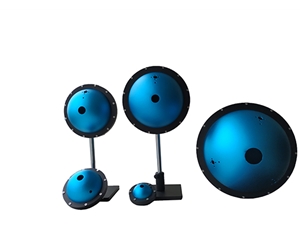
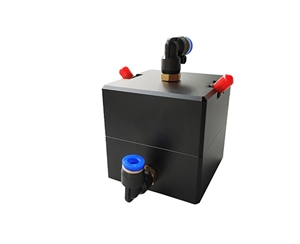
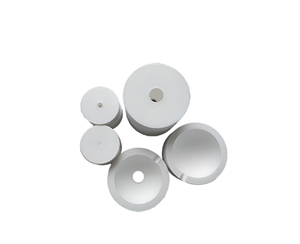
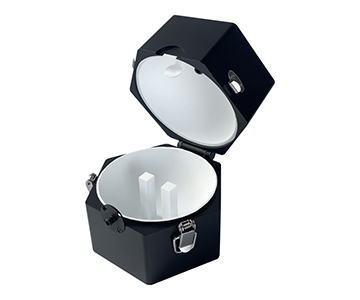
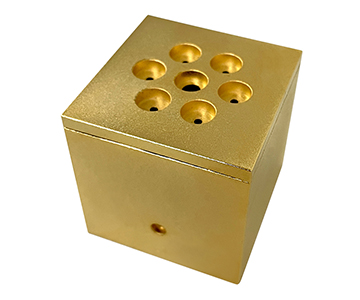
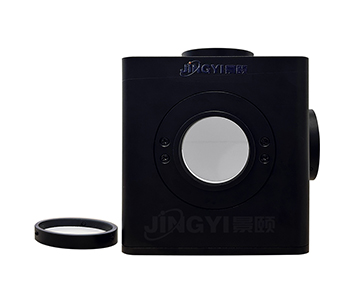
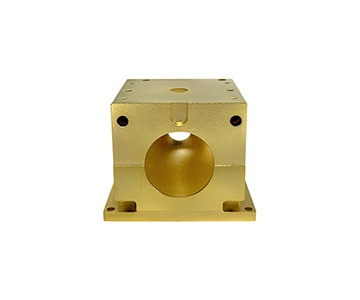
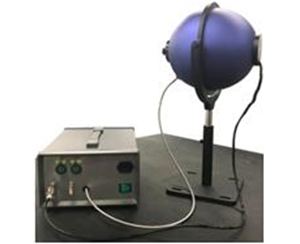
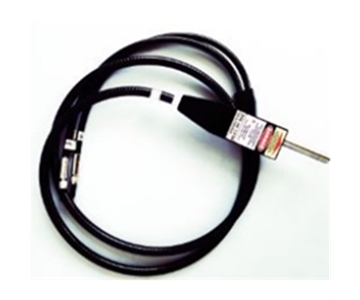
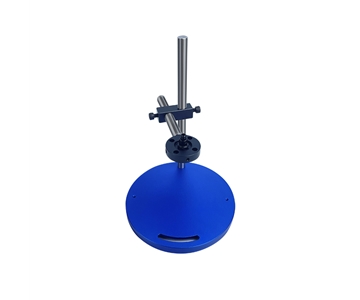
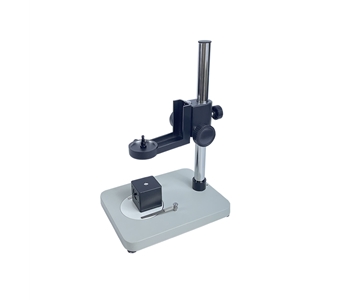
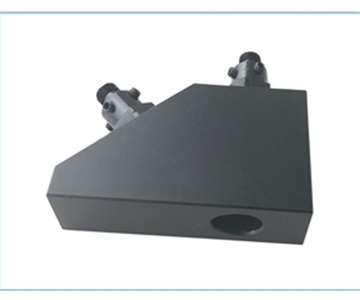
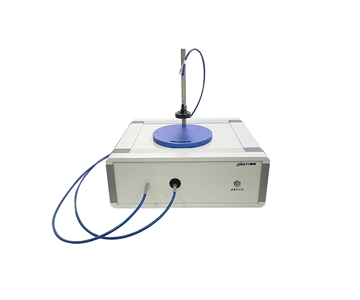
The system’s core advantage lies first and foremost in its end-to-end precision calibration architecture. All optical modules undergo multi-round calibration using certified standard light sources traceable to national metrological standards. As a result, it not only supports qualitative and quantitative analysis of conventional fluorescent materials but also enables accurate measurement of quantum yield and chromaticity parameters for diverse sample forms—including solutions, powders, and thin films. Furthermore, it supports real-time acquisition, automated archiving, and multi-format export of photoluminescence (PL) spectra—fully meeting the material characterization needs of universities and research institutes. Compared with conventional benchtop fluorescence spectrometers, Jingyi’s device integrates optical sensing, signal processing, and power supply modules into a highly compact architecture: total unit volume is reduced to just one-sixth, and weight is under 5 kg. It requires no temperature- or humidity-controlled lab environment and can be powered up and operational within seconds—even in demanding outdoor or field conditions.
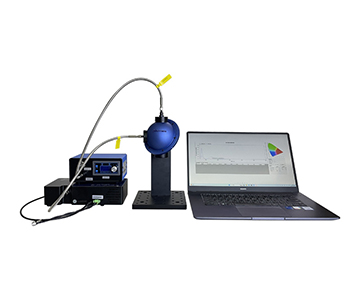
To lower the barrier to adoption, the system features full-process automation optimization. Aside from manual steps such as sample placement and light-source consumable replacement, all other operations—including parameter configuration, test protocol execution, data cleaning, and analysis—are completed via a single click in the accompanying visual software interface. Frontline operators without specialized spectroscopic training can perform end-to-end measurements independently after minimal instruction—eliminating dependence on dedicated analytical personnel. Moreover, the equipment’s procurement cost is approximately 30% of that of imported instruments offering comparable accuracy, delivering a high-value solution for fluorescence analysis and quantum efficiency measurement to small- and medium-sized research teams and grassroots testing institutions.
In clinical rapid-screening applications, the system can also perform fast, quantitative detection of health biomarkers—including tumor markers and blood glucose levels—providing timely data support for frontline medical diagnosis.
As optical detection technology converges increasingly with IoT and AI algorithms, Jingyi Optoelectronics continues to enhance the system’s functional capabilities. An upcoming AI-powered automatic pass/fail judgment module will soon be launched: it will intelligently match detection thresholds to standardized criteria for each application scenario and directly output “pass” or “fail” alerts—removing the need for manual parameter comparison. This further reduces operational burden on frontline users while providing robust, reliable technical support for an ever-broader range of testing applications.
#FluorescenceQuantumDotEfficiencyTestingSystem #FluorescenceQuantumEfficiencyAnalyzer #FluorescenceEfficiencyTestingSystem #FluorescenceQuantumEfficiencyTester #FluorescenceEfficiencyAnalyzer #FluorescenceQuantumEfficiencyDetectionSystem #FluorescenceSpectrometer