The R&D iteration speed of novel luminescent materials is continuously surpassing industry expectations.
The energy conversion efficiency of such materials—ranging from quantum dot display panels and perovskite photovoltaic cells to highly sensitive bio-fluorescent probes—directly determines the performance ceiling of end-user products. Fluorescence quantum yield (FQY), as the core parameter for evaluating this efficiency, has become one of the critical bottlenecks limiting R&D productivity—its measurement accuracy and operational convenience being paramount.
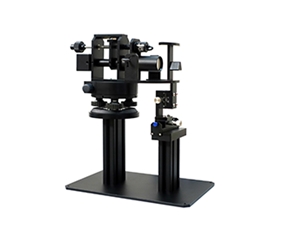
For a prolonged period, quantum yield testing solutions in the industry suffered from notable shortcomings. Comparative measurement methods relying on reference standards were highly susceptible to errors stemming from poor spectral or photophysical matching between samples and references. Calorimetric approaches demanded stringent temperature control and exceptional light-source stability—rendering them impractical for widespread adoption. Meanwhile, imported fully integrated testing systems carried procurement costs often exceeding hundreds of thousands of RMB, placing them out of reach for many small- to medium-sized research groups. Consequently, numerous R&D teams resorted to assembling custom test setups using multiple discrete instruments—an approach that compromised data consistency and introduced considerable operational complexity.
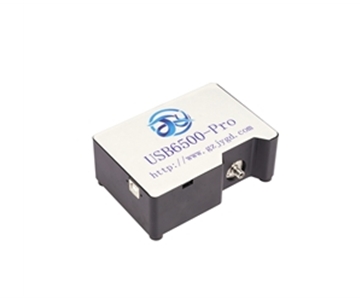
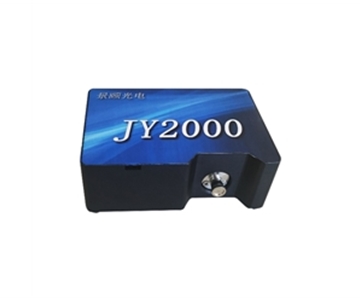
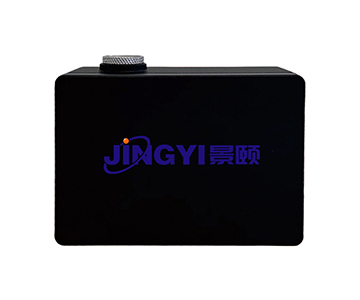
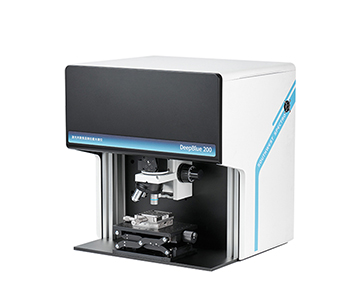
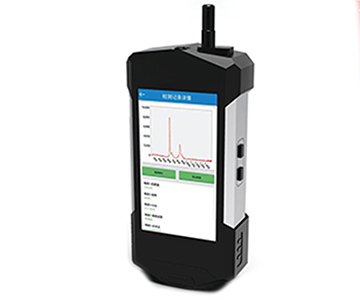
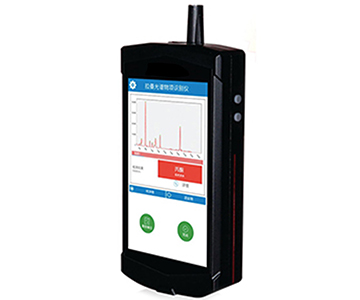
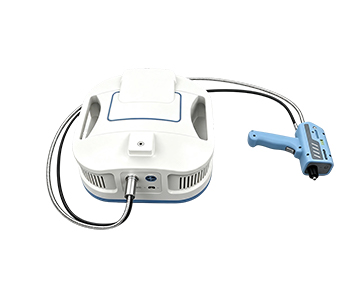
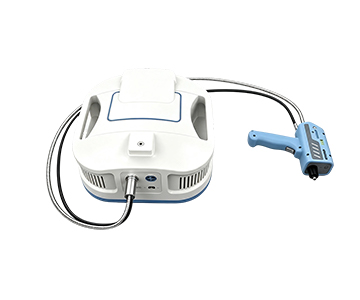
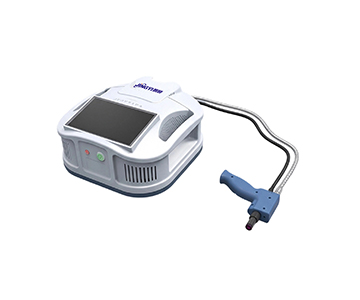
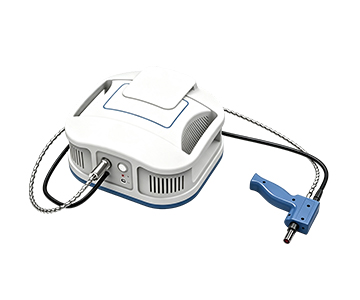
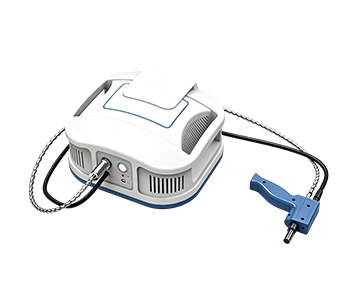
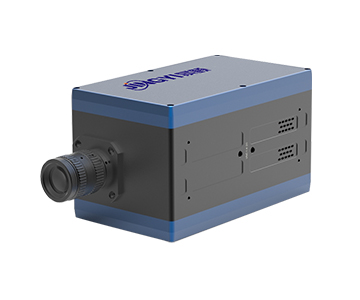
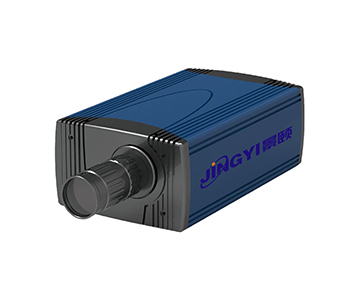
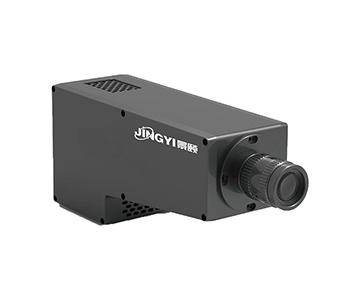
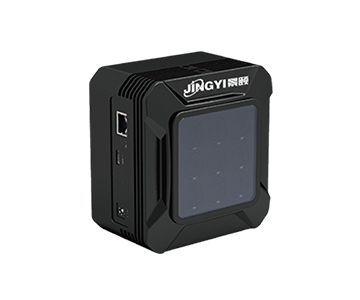
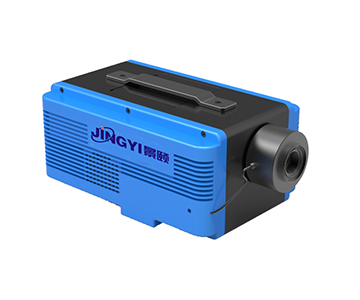
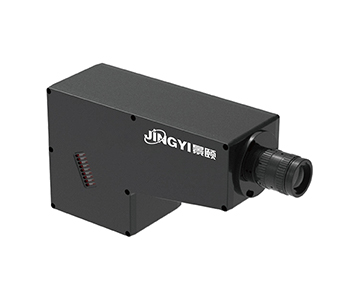
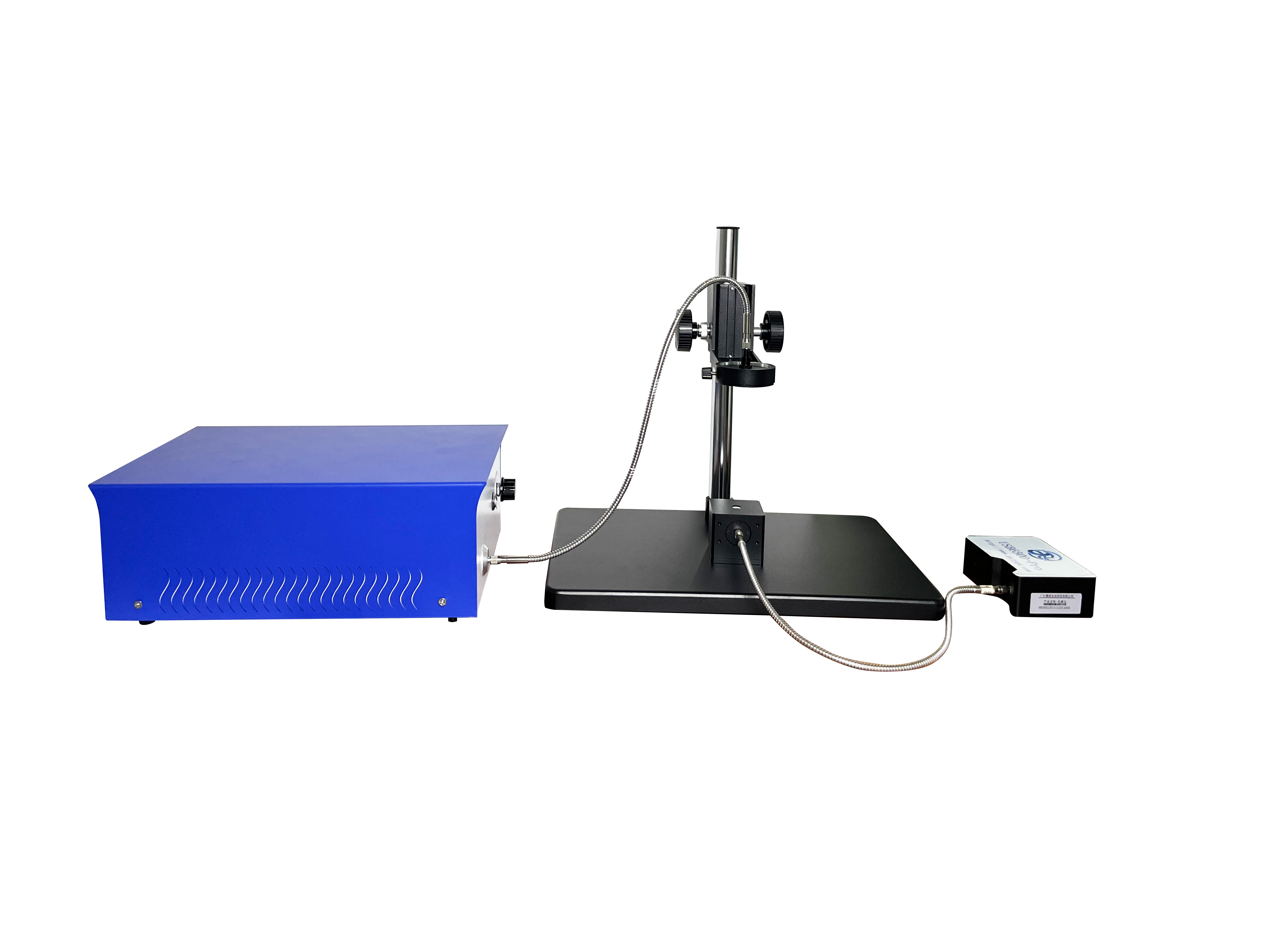
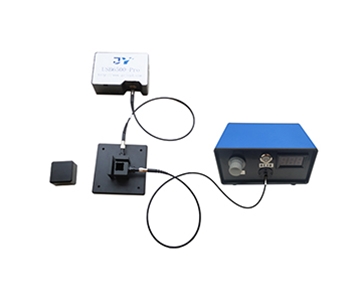
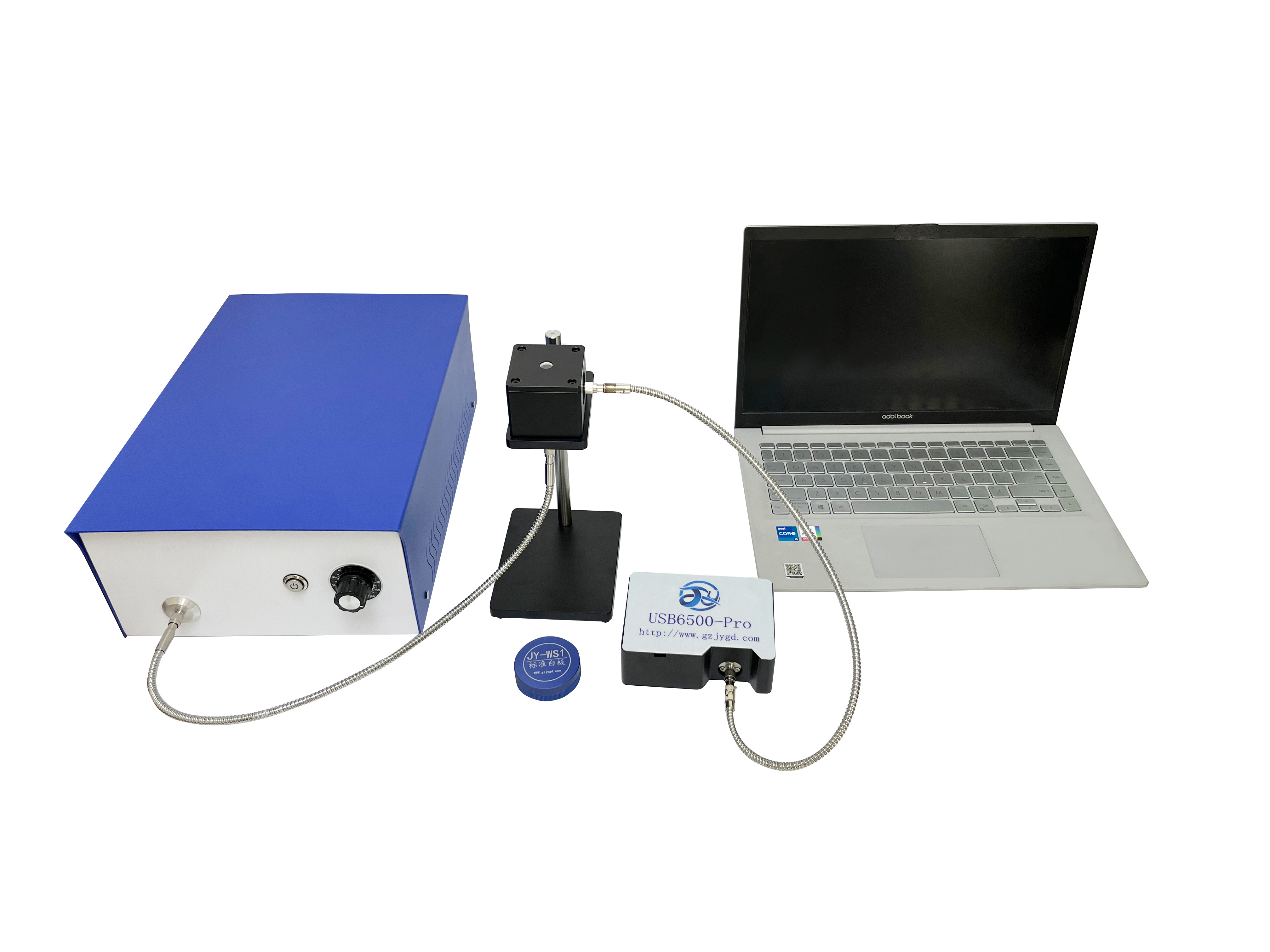
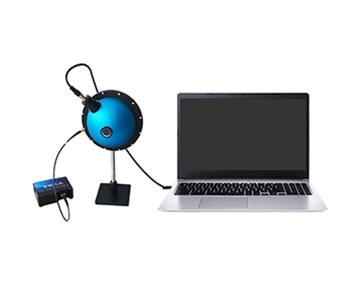
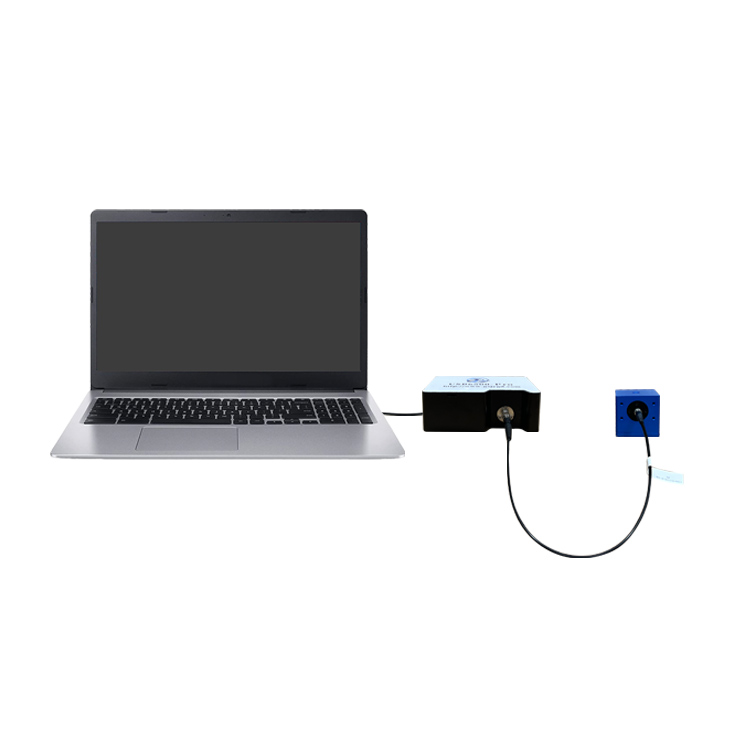
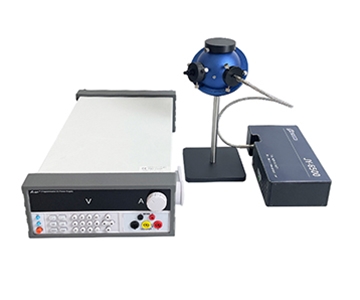
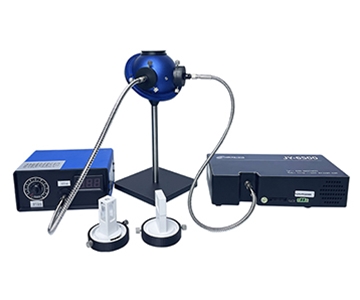
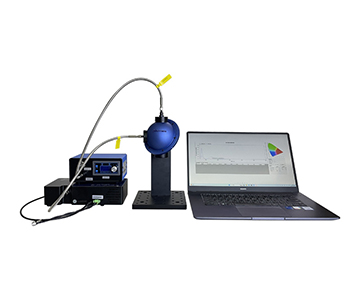
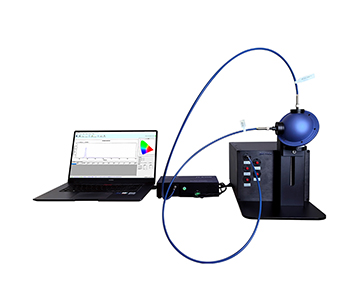
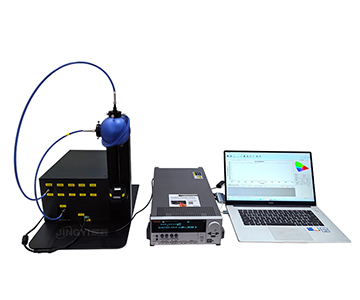
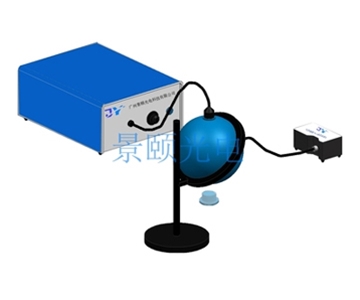
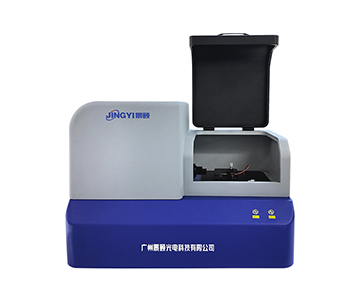
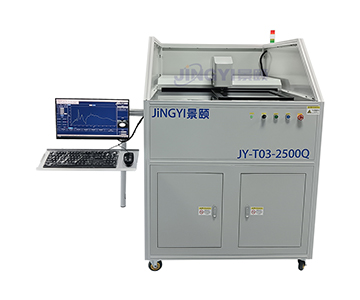
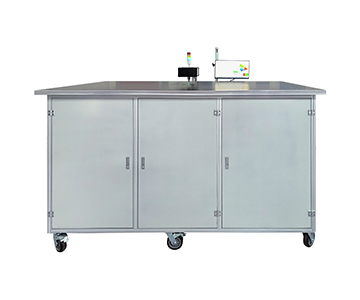
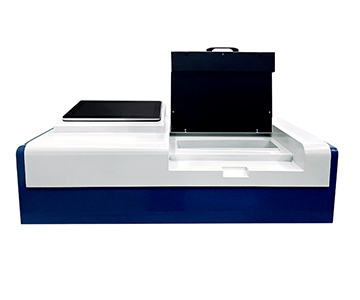
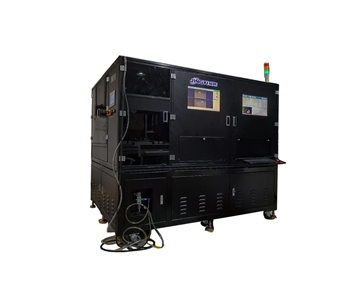
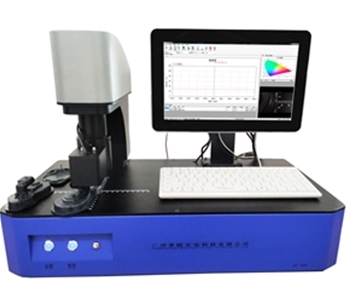
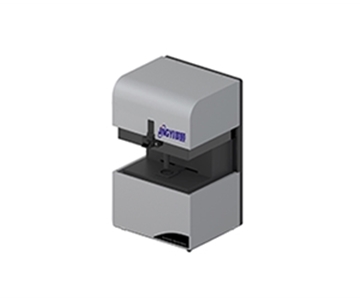
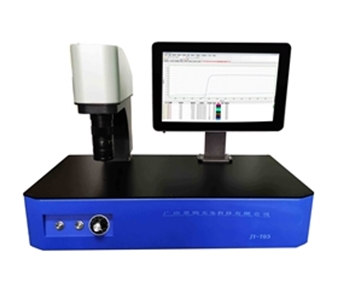
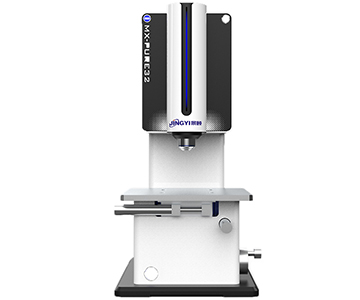
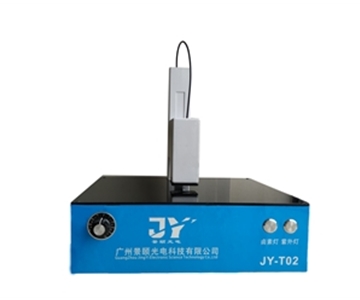
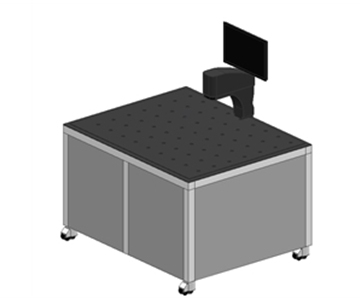
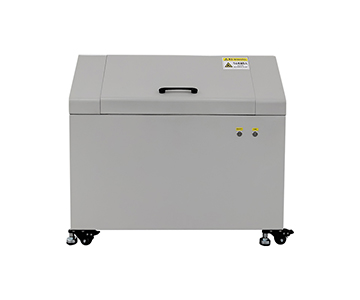
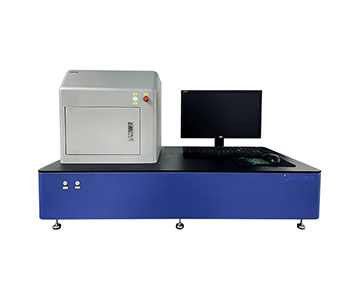
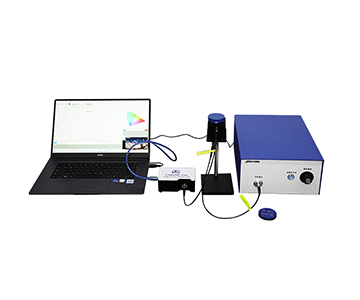
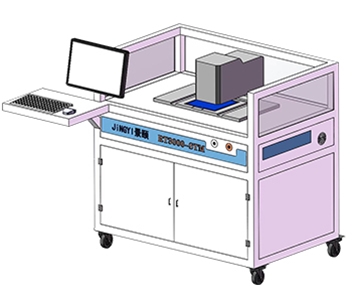
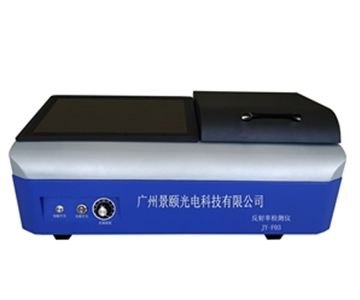
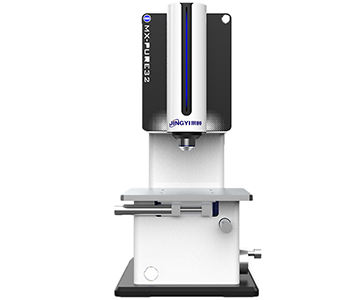
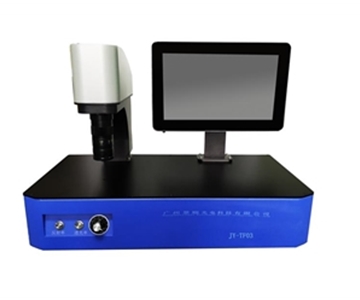
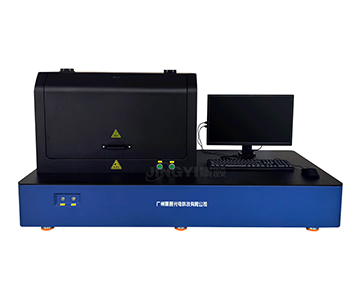
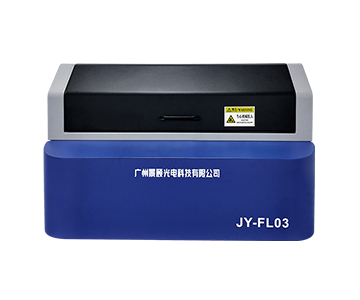
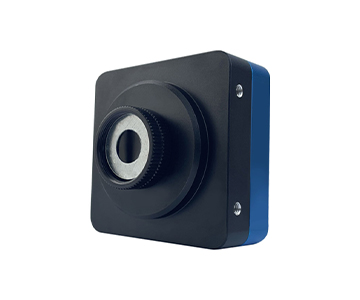
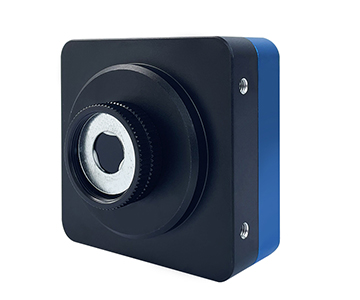
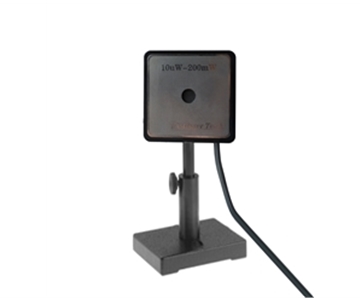
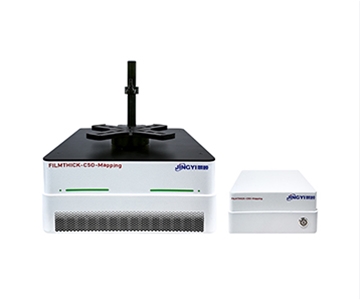
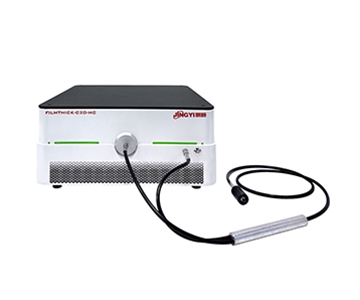
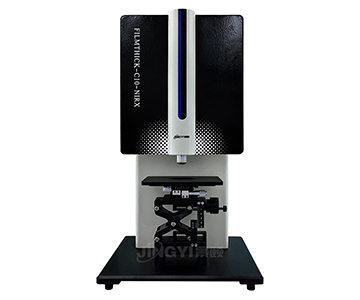
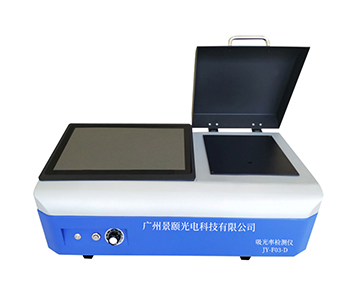
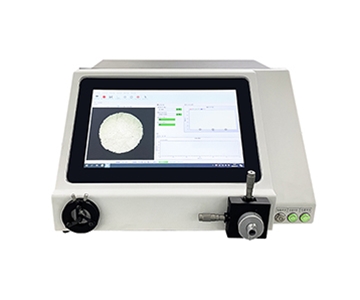
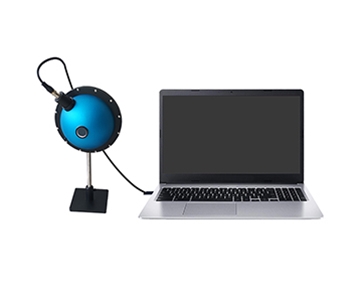
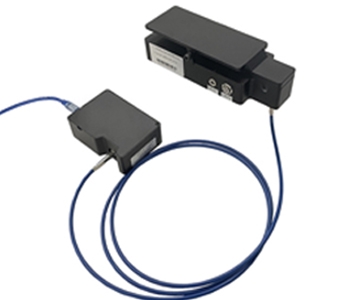
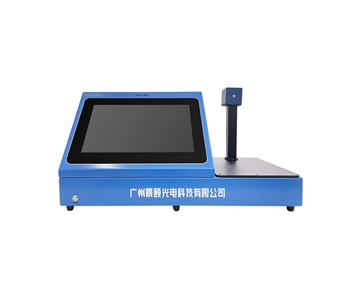
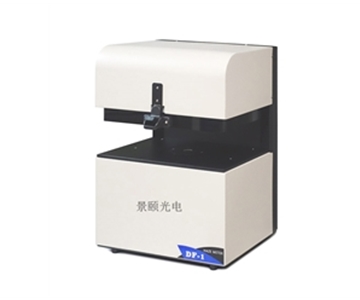
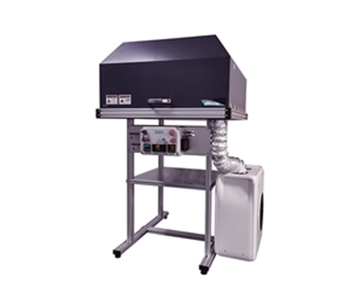
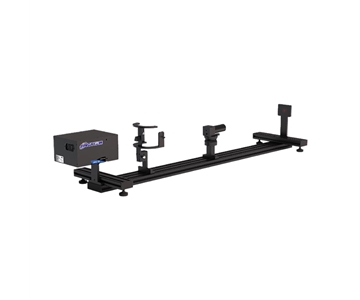
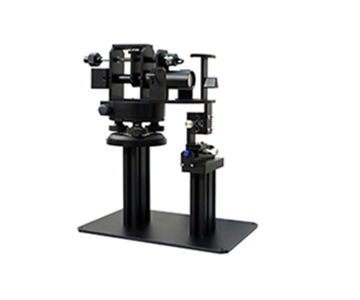
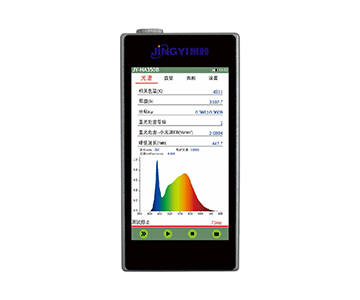
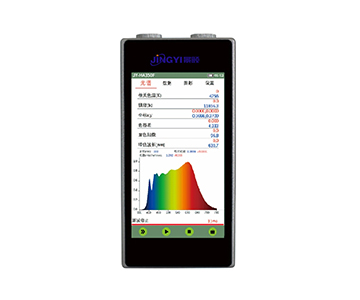
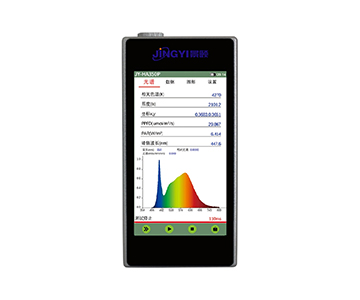
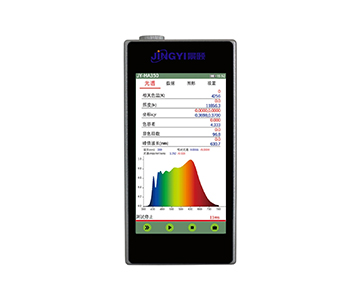
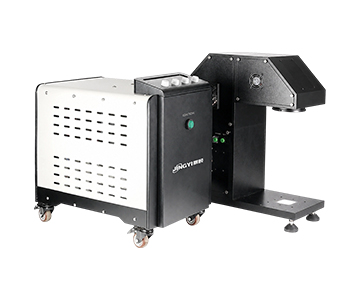
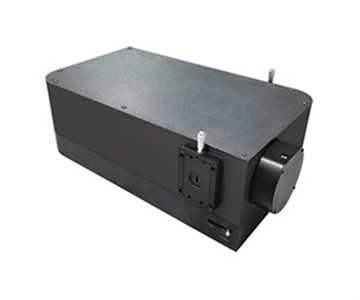
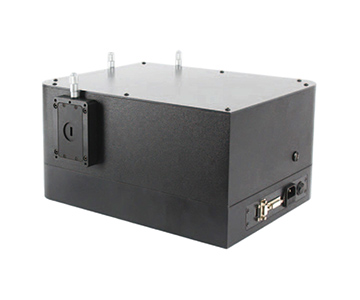
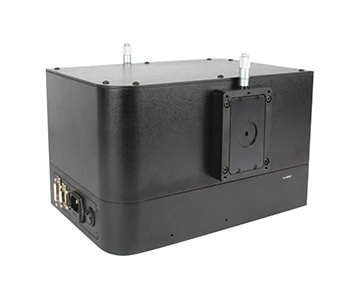
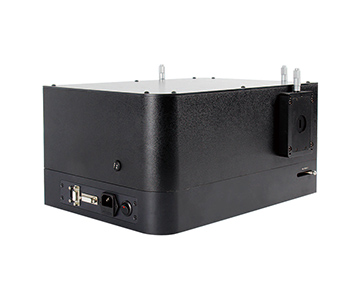
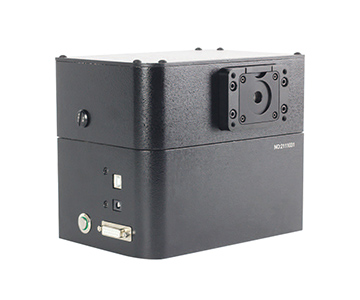
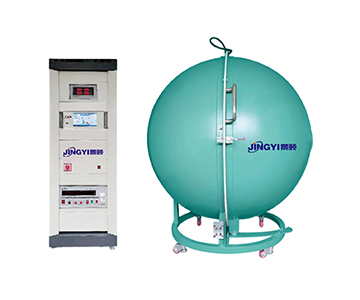
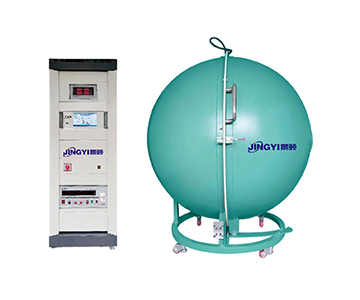
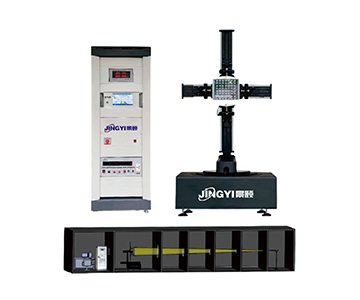
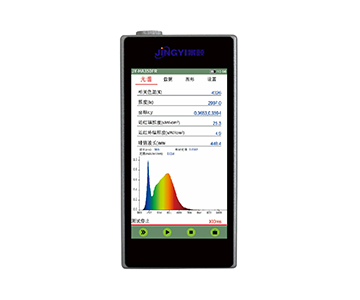
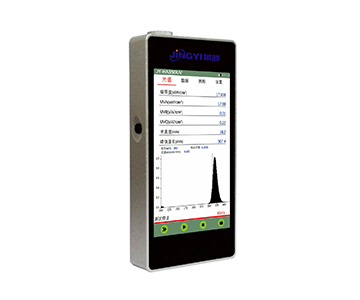
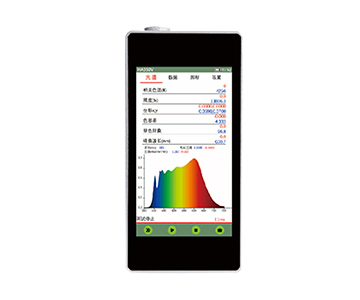
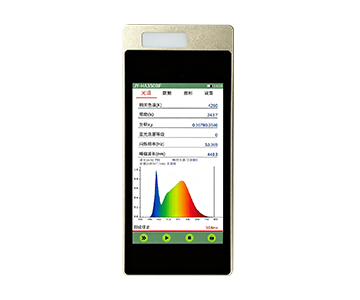
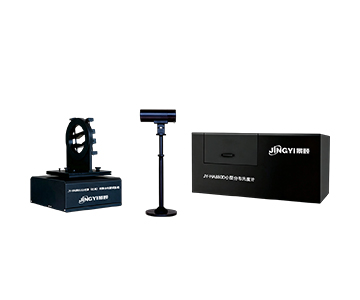
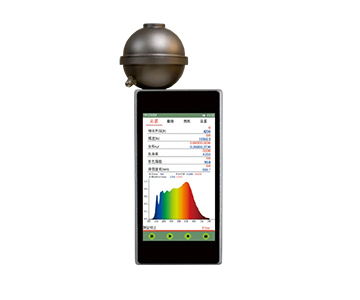
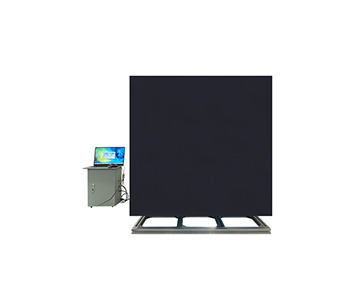
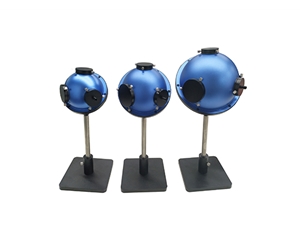
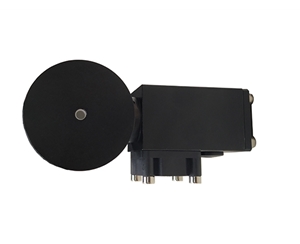
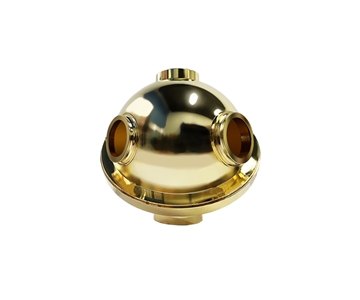
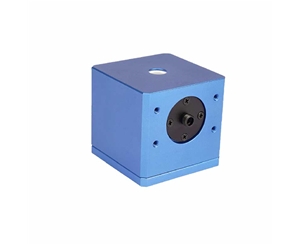
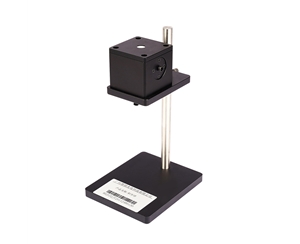
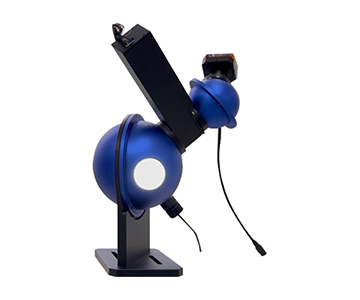
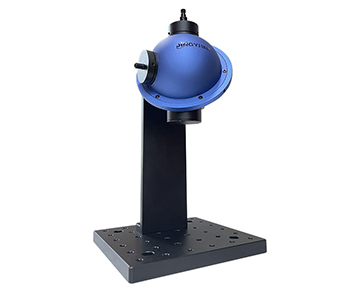
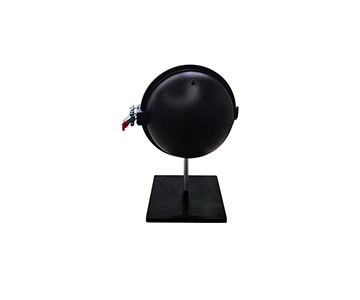
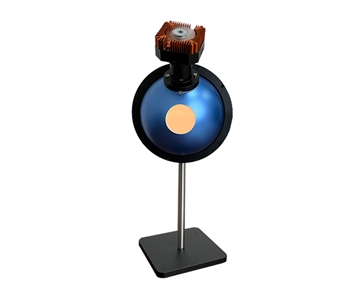
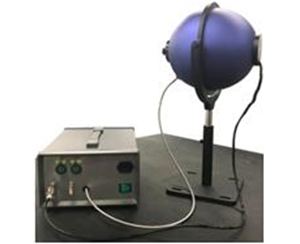
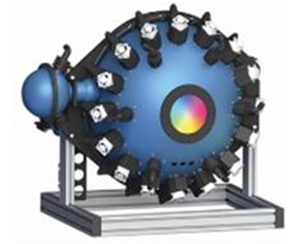
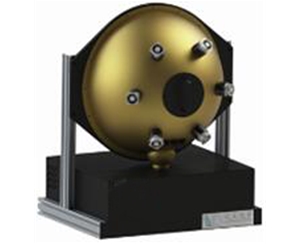
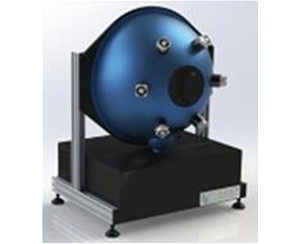
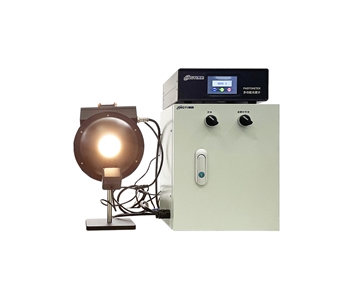
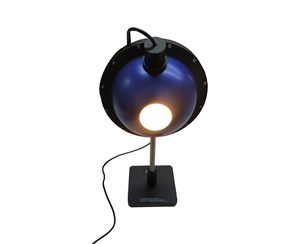
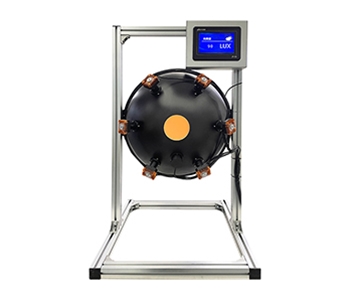
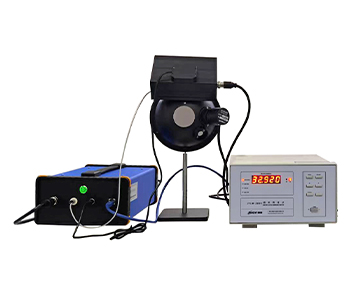
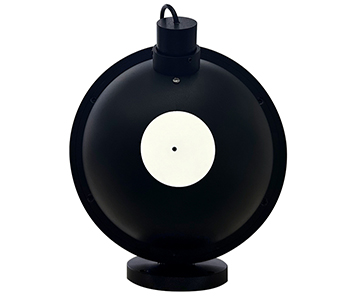
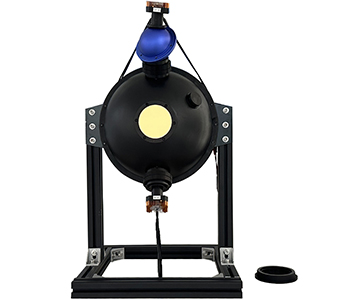
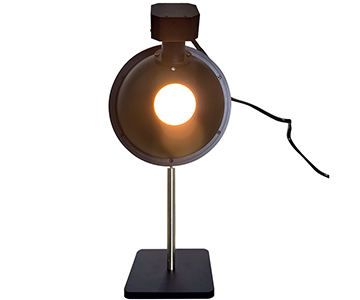
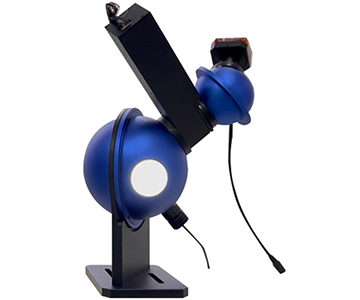
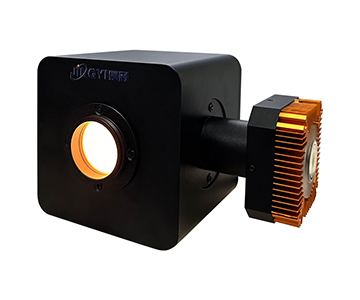
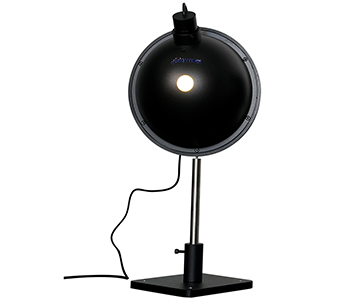
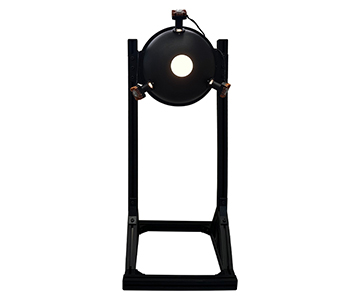
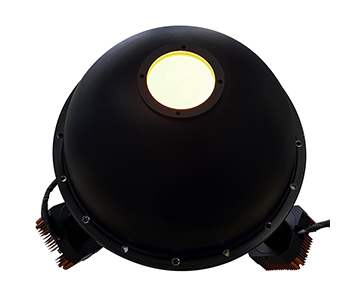
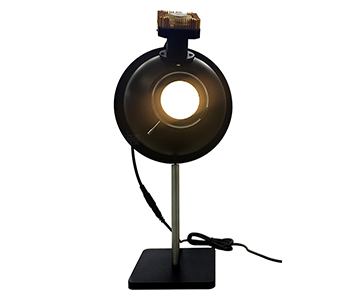
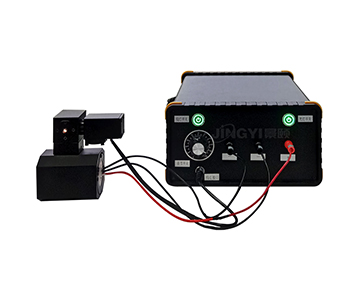
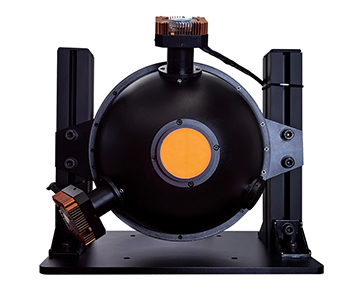
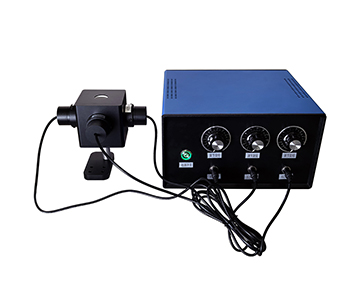
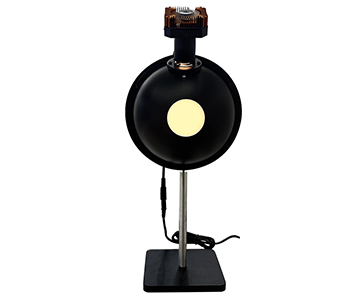
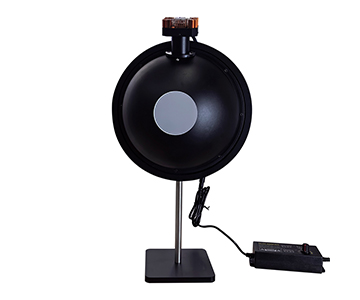
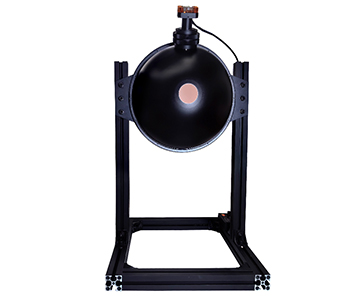
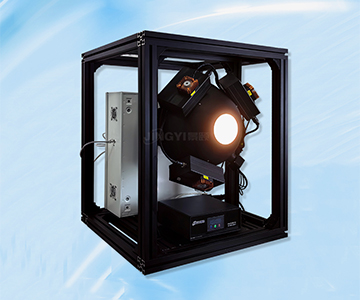
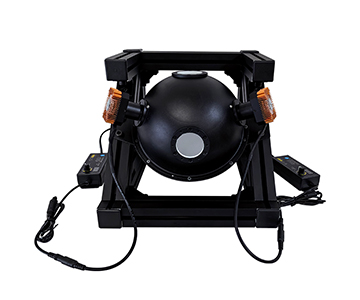
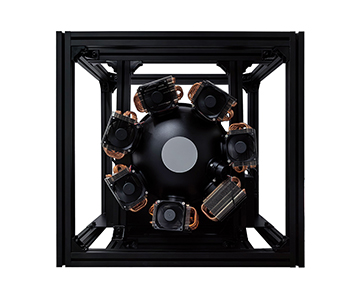
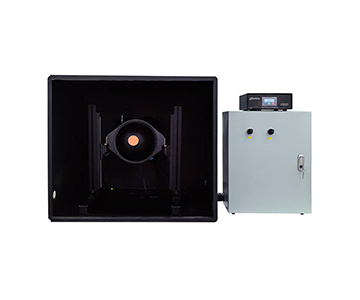
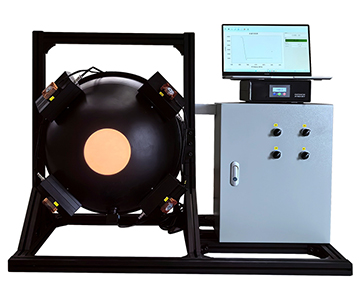
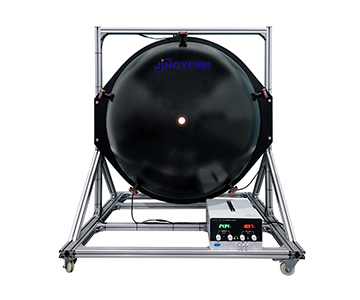
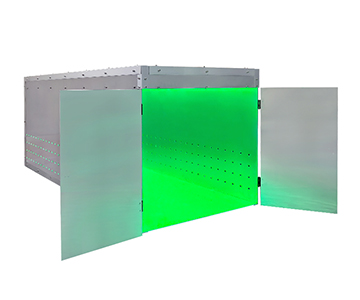
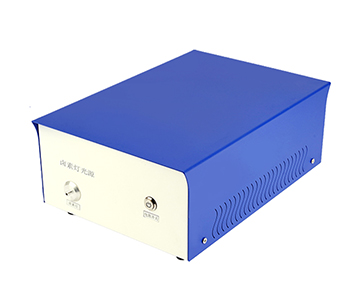
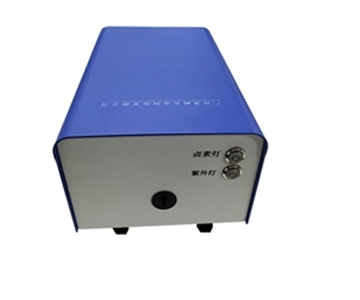
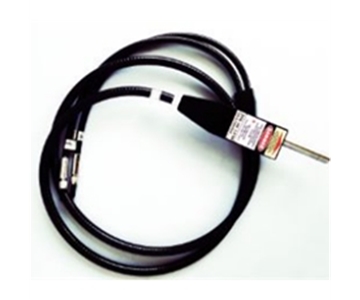
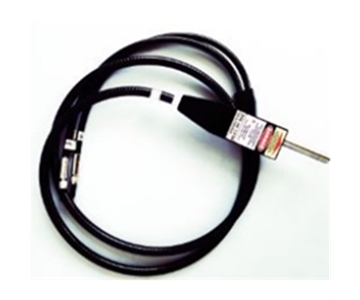
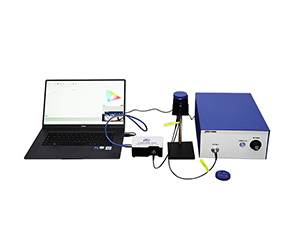
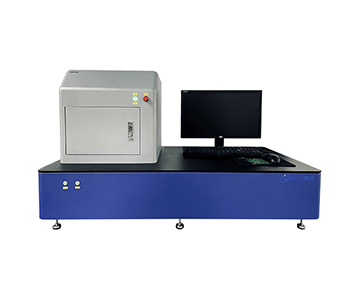
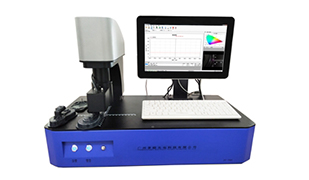
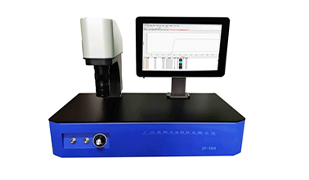
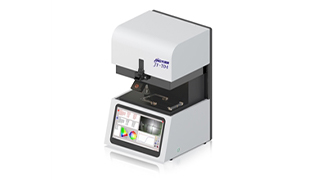
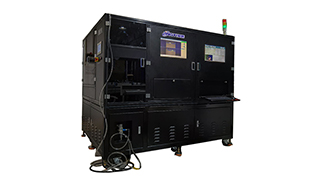
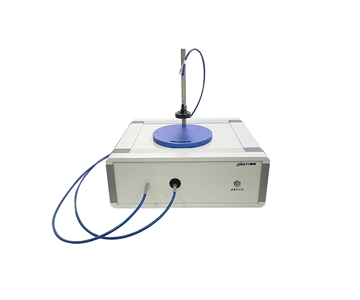
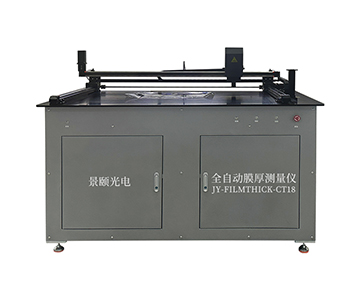
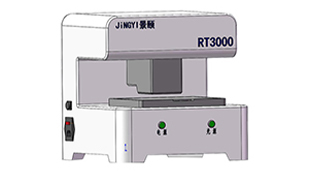
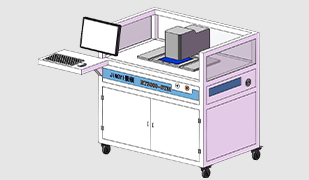
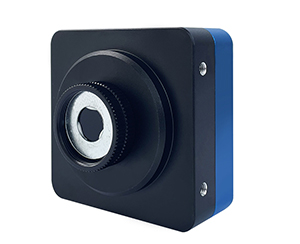
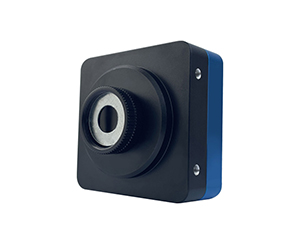
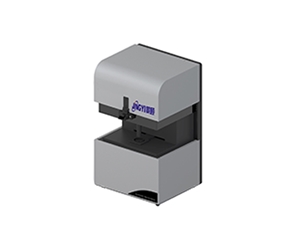
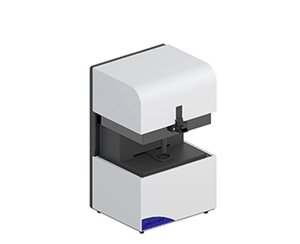
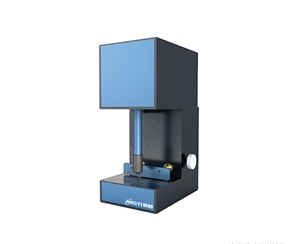
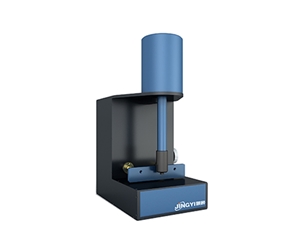
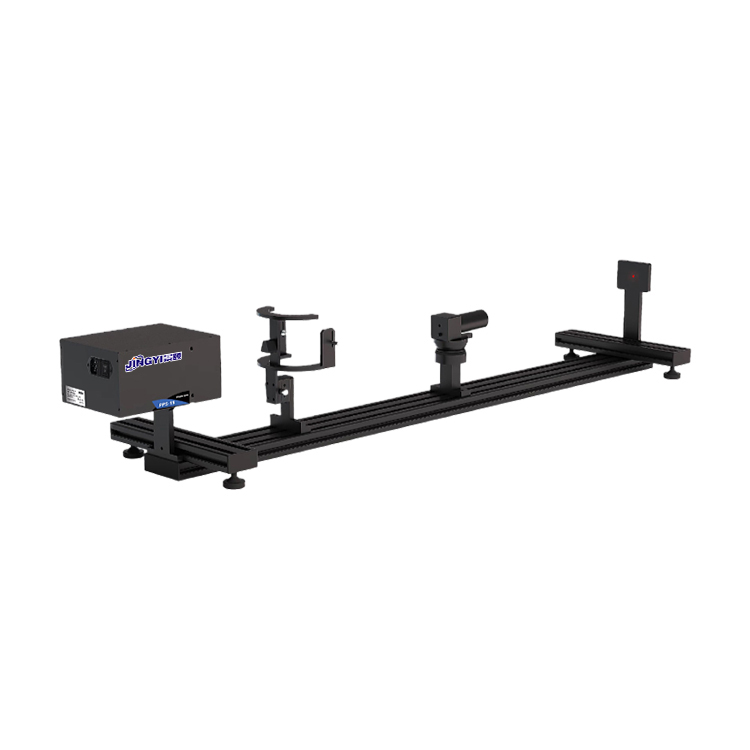
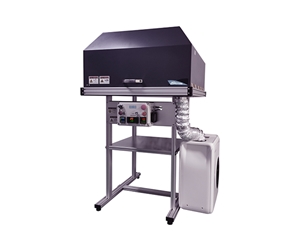
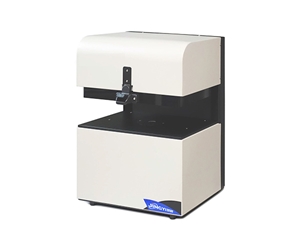
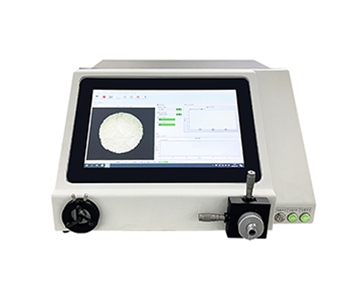
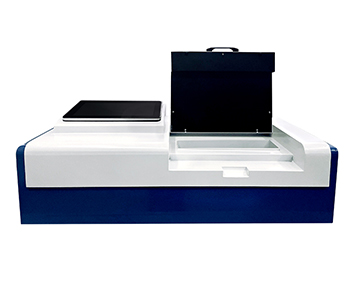
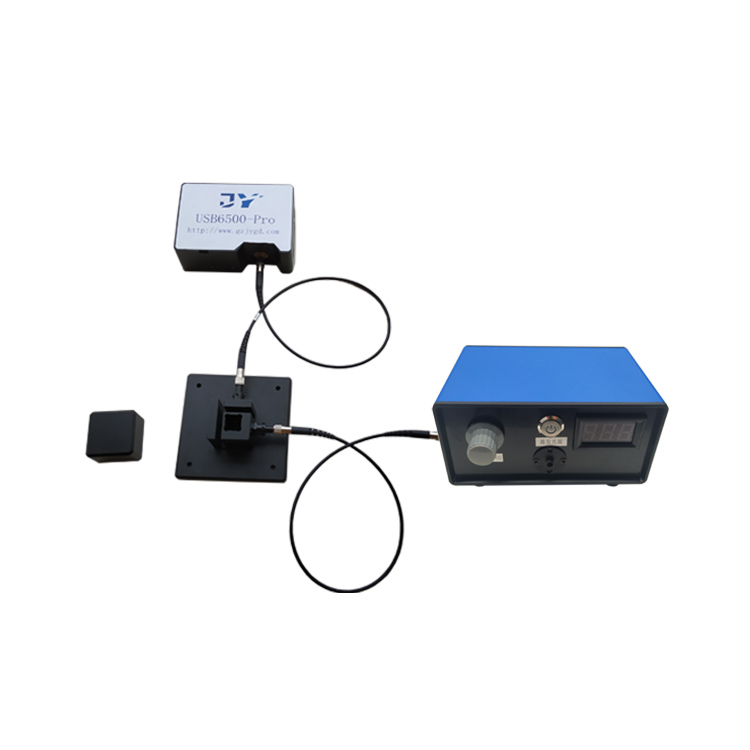
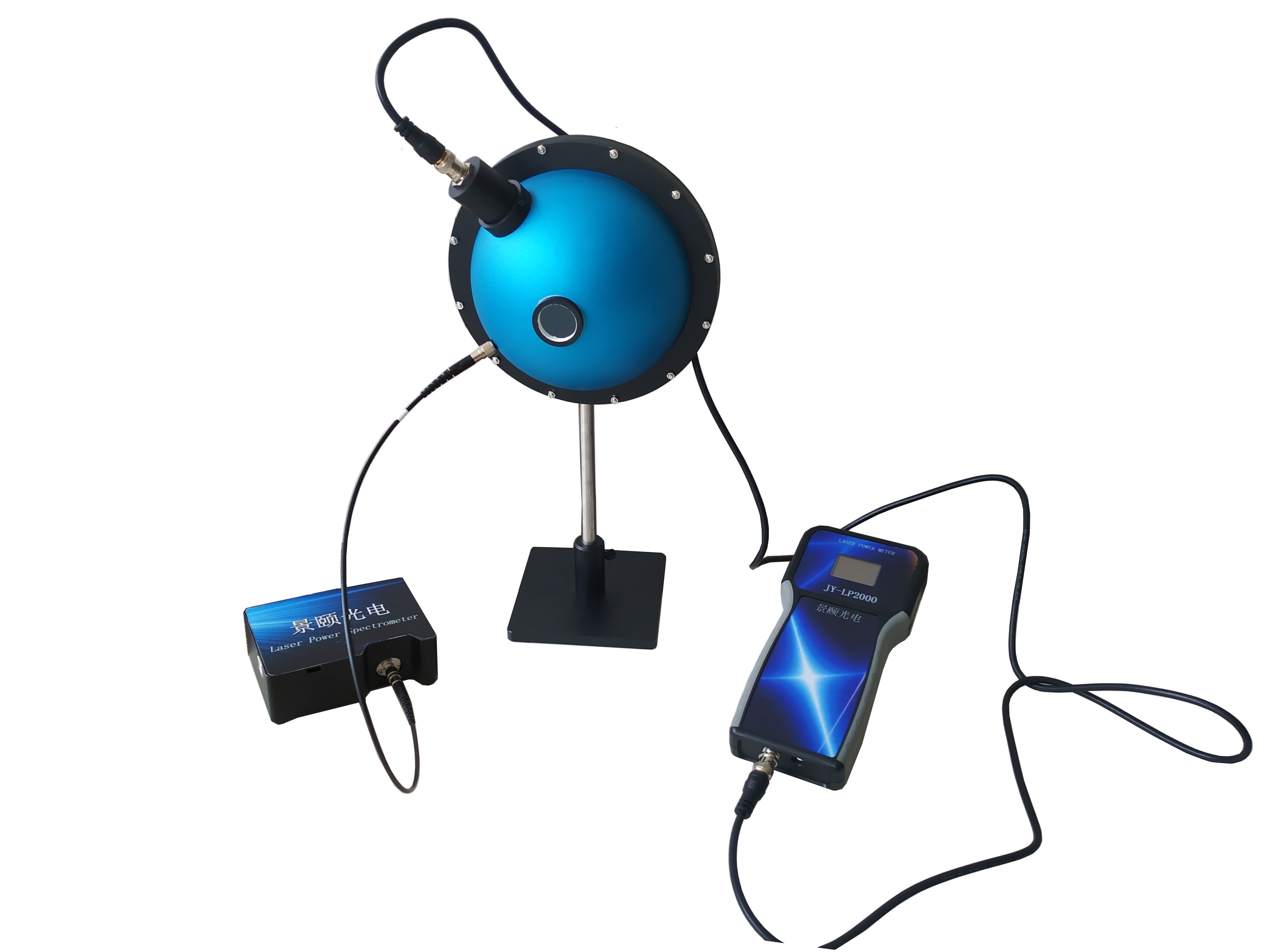
Addressing this industry-wide challenge, Jingyi Optoelectronics—drawing upon years of iterative breakthroughs in optical metrology—has launched its proprietary Fluorescence Quantum Yield Analyzer. This instrument delivers a high-performance, cost-effective, all-in-one testing solution tailored for both academic research and industrial applications. Its fully traceable calibration chain employs NIST-traceable standard light sources, enabling precise determination of absolute quantum yield, chromaticity coordinates, and other key parameters. Simultaneously, it captures and records photoluminescence (PL) spectra—eliminating the need for separate PL spectrometers and significantly reducing laboratory equipment investment.
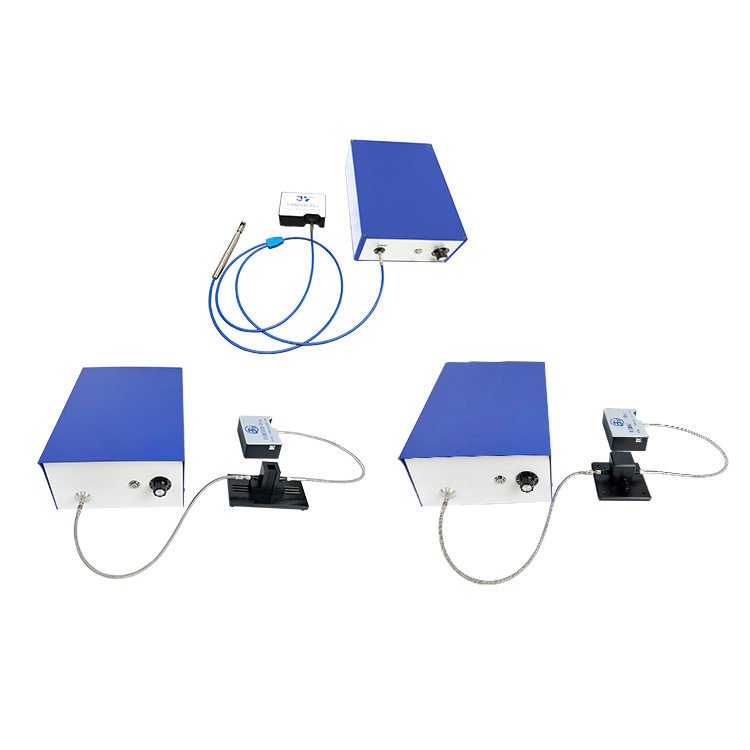
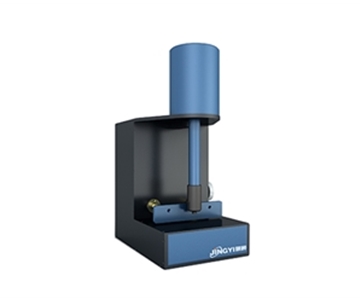
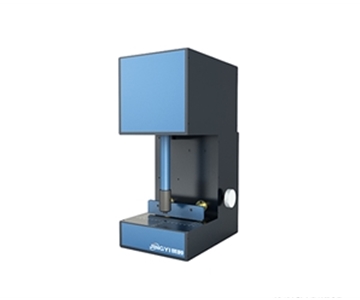
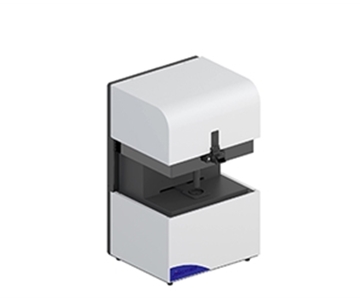
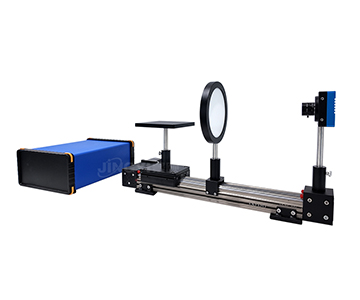
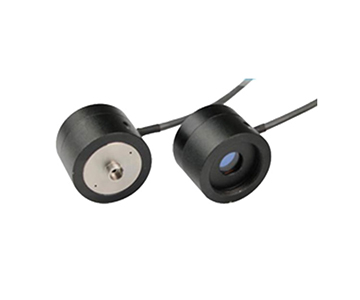
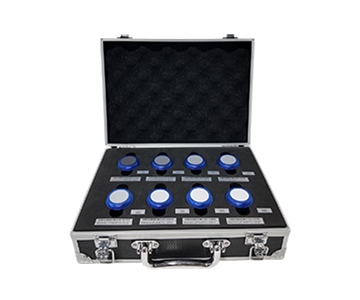
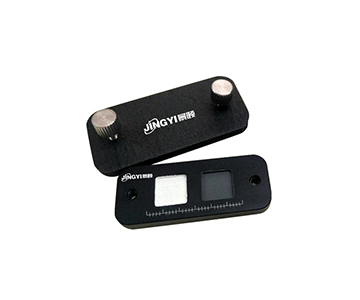
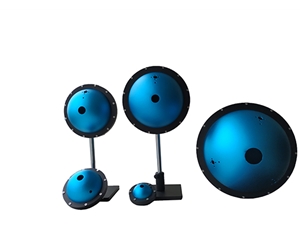
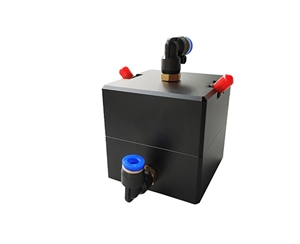
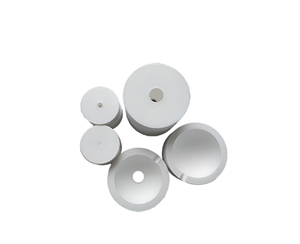
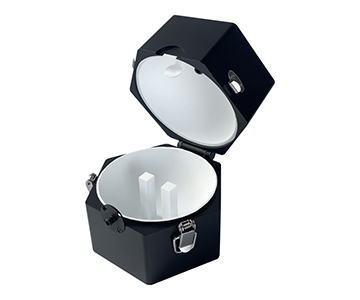
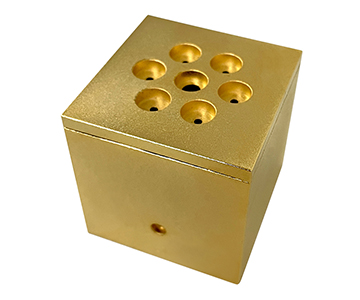
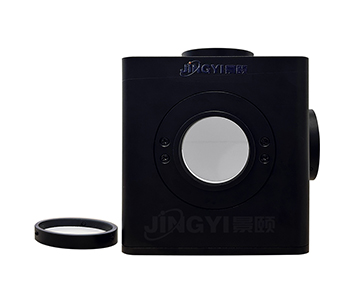
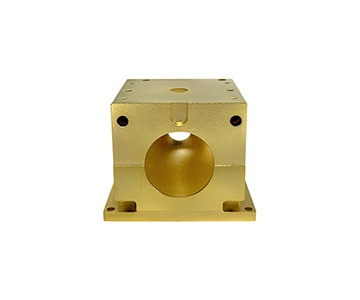
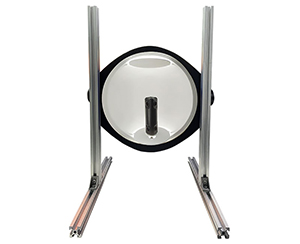
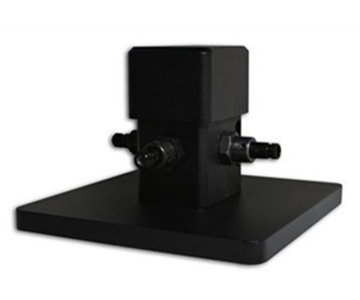
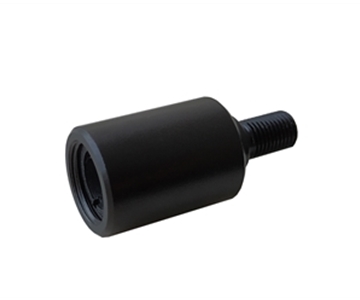
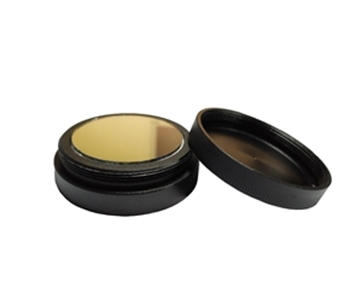
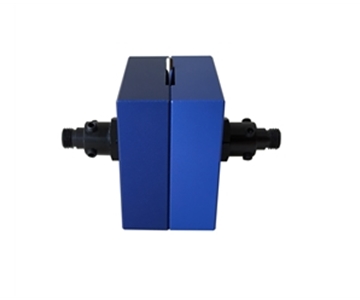
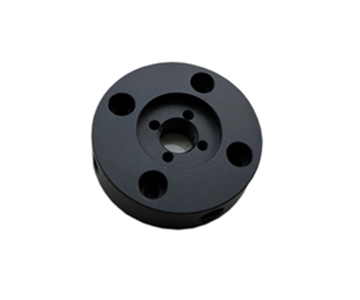
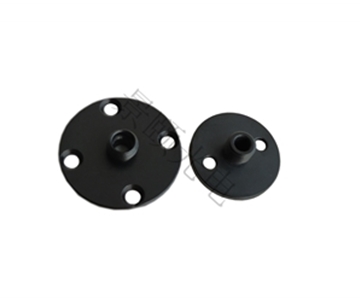
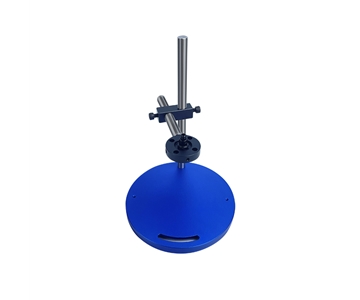
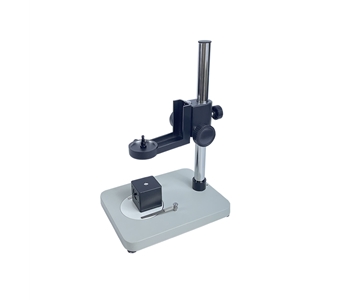
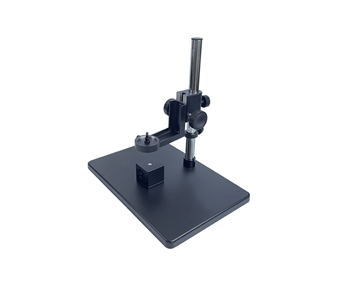
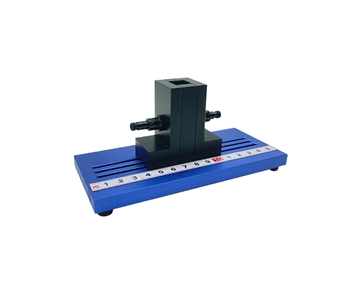
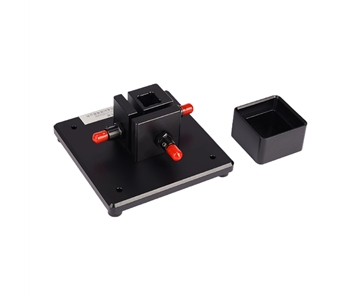
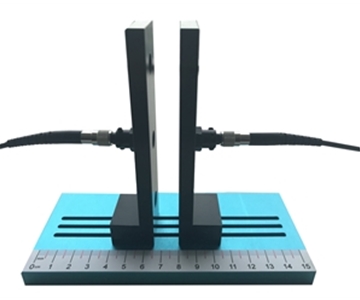
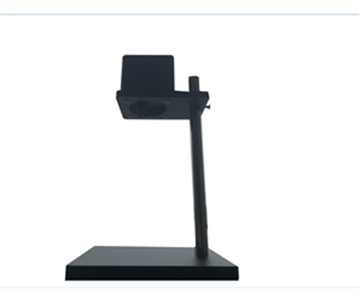
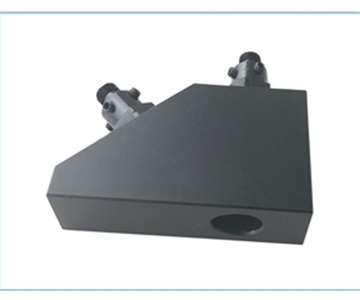
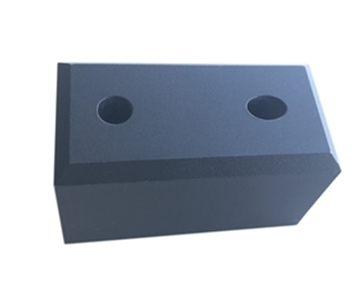
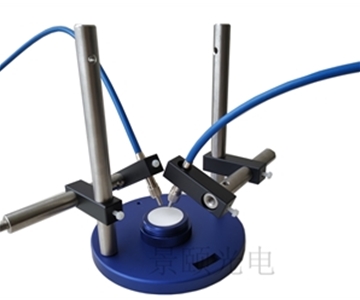
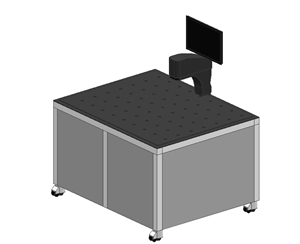
During development, Jingyi Optoelectronics deliberately optimized the system’s adaptability across diverse sample formats. Whether low-concentration quantum dot solutions, airborne phosphor powders, or rigid thin-film devices, each morphology is accommodated by a dedicated, pre-engineered sample stage—eliminating the need for user-modified fixtures and minimizing measurement errors caused by suboptimal sample handling. Compared with conventional benchtop fluorescence spectrometers, the Fluorescence Quantum Yield Analyzer reduces overall footprint by nearly 40%. Its compact design allows flexible placement across various lab workstations—and even enables on-site measurements inside gloveboxes, circumventing parameter drift induced by oxidation or contamination during sample transfer.
To lower the barrier to entry, Jingyi Optoelectronics provides an intuitive, fully Chinese-language graphical user interface (GUI). Beyond basic physical operations—such as sample loading/unloading and lamp replacement—all parameter configuration, test execution, and data export are accomplished with single-click actions within the software. Even undergraduate students new to the lab can rapidly achieve proficiency. Total test duration is reduced to just one-third of that required by traditional self-assembled systems, while data repeatability remains within ±0.5%—fully meeting the precision demands of cutting-edge research.
To date, the Fluorescence Quantum Yield Analyzer has been deployed in dozens of university and research institute material science laboratories across China. It also meets spot-check requirements for small-to-medium batch samples in display technology and new-energy sectors. With a procurement cost advantage of approximately 60% over comparable imported systems, it brings professional-grade testing capability within reach for broader R&D communities.
As application scenarios for novel luminescent materials continue to expand, Jingyi Optoelectronics will further iterate the system’s functional modules—enabling future upgrades including temperature-controlled stages and electroluminescent excitation units—to address increasingly specialized, domain-specific testing needs.
#FluorescenceQuantumYieldAnalyzer #FluorescenceQuantumYieldMeasurementSystem #FluorescenceQuantumDetectionSystem #FluorescenceQuantumMeasurementSystem #FluorescenceEfficiencyMeasurementSystem #AbsoluteQuantumYieldTester #FluorescenceQuantumYieldTester