Spectrometer Selection Guide: Avoid Common Pitfalls—Don’t Rely Solely on Spec Sheets Anymore
Infrared spectroscopy leverages the precise identification of molecular characteristic absorption bands to enable rapid qualitative and quantitative analysis of substances, as well as optical characterization of materials. Today, it is widely applied across pharmaceutical ingredient screening, industrial material quality control, environmental pollutant monitoring, and astronomical remote sensing. As a precision optical measurement instrument, the spectrometer’s performance directly determines the reliability of analytical results. Yet many users—lacking sufficient selection experience—fall into common traps such as “specification obsession” or “lowest-price bias,” ultimately acquiring instruments that fail to meet real-world operational requirements. Today, we’ll examine spectrometer selection from a practical application perspective—and clarify the core decision-making logic.
First, define your *core performance requirements* based on your specific detection scenario—don’t chase “maximum specs” blindly. Performance demands vary significantly across applications:
- For Raman spectroscopy or trace-level substance detection—where weak-signal capture is critical—prioritize signal-to-noise ratio (SNR) and thermal drift control;
- For inline production-line inspection, emphasize integration convenience and data transmission efficiency.
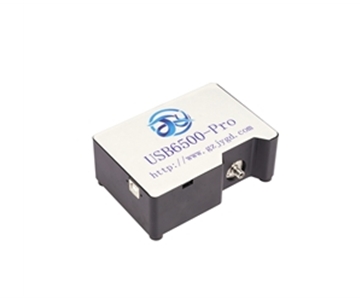
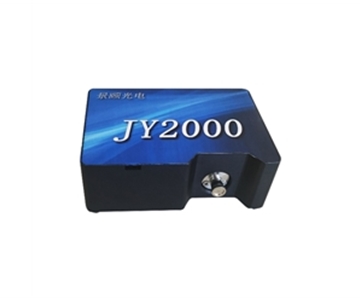
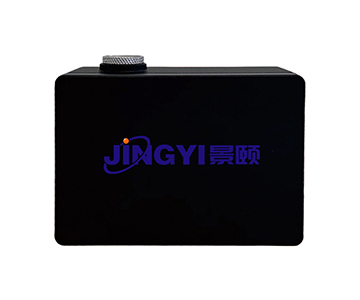
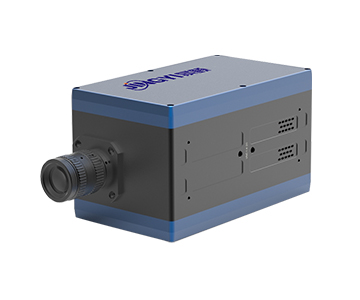
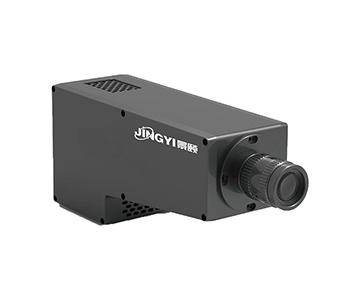
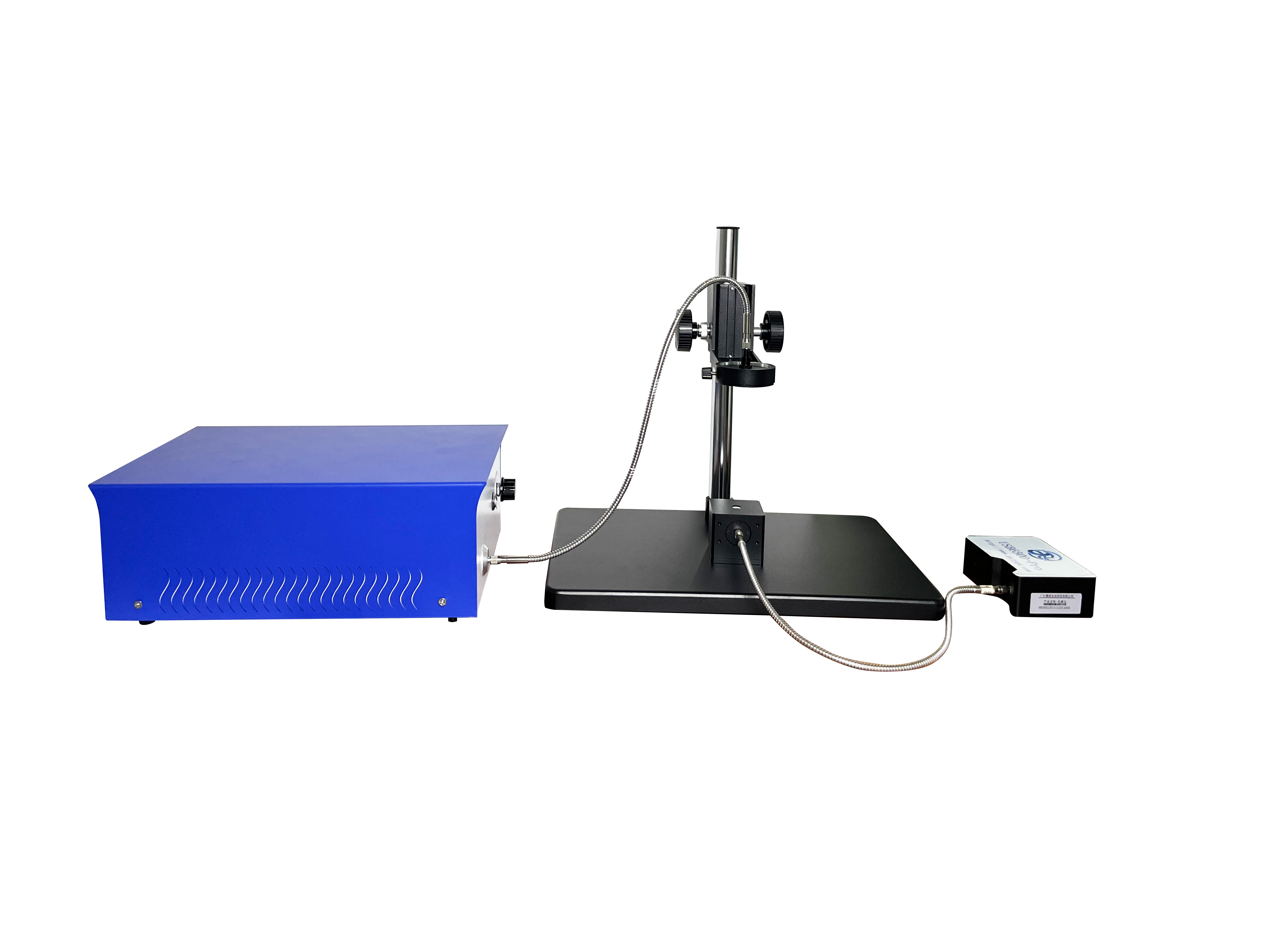
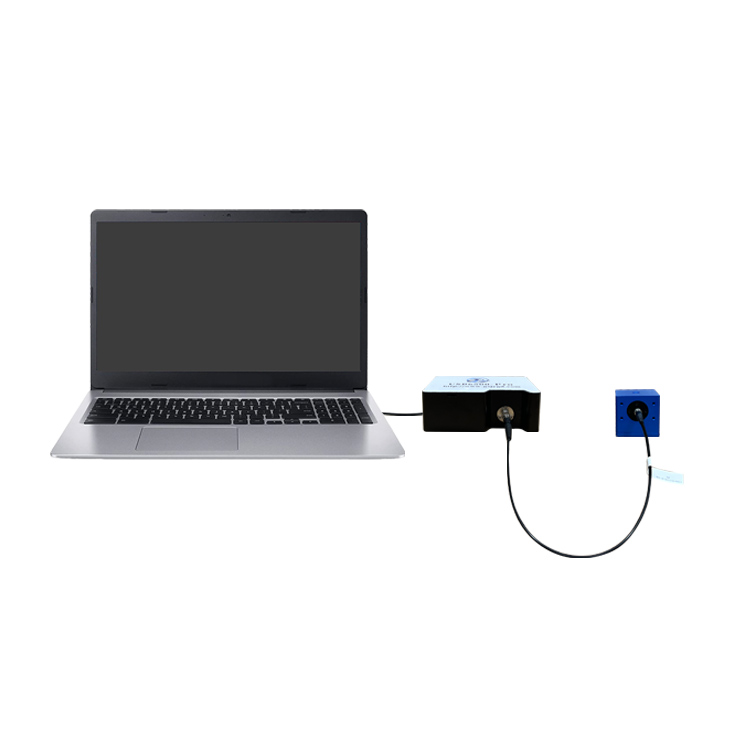
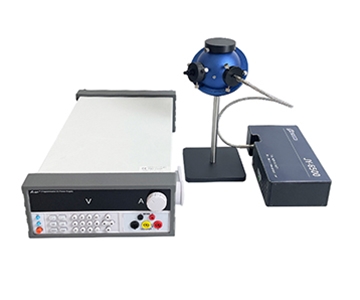
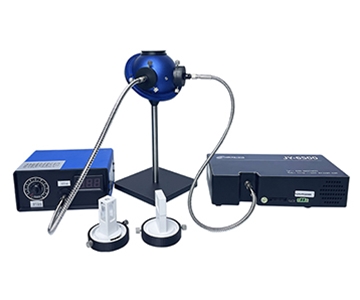
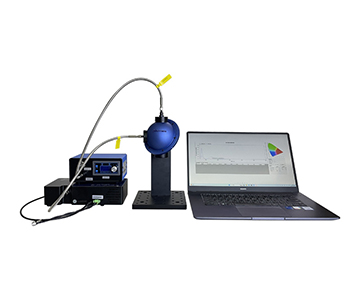
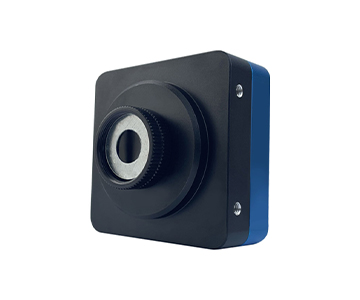
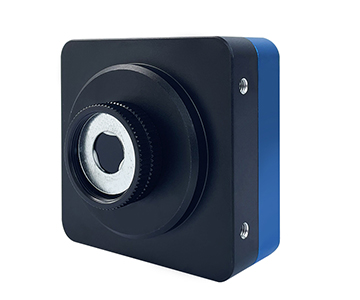
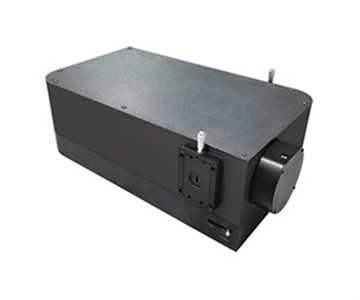
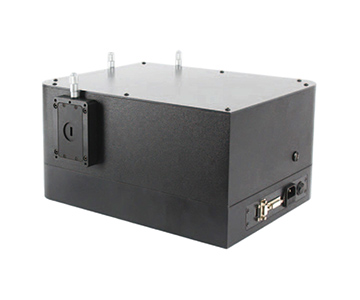
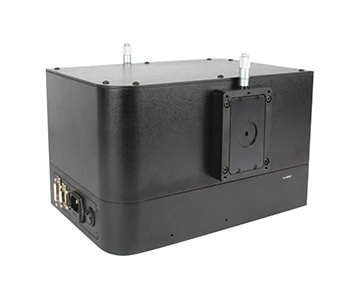
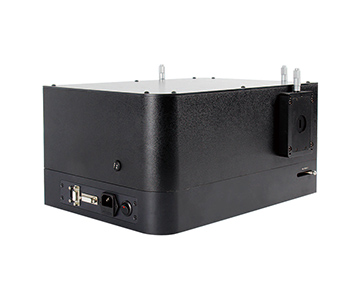
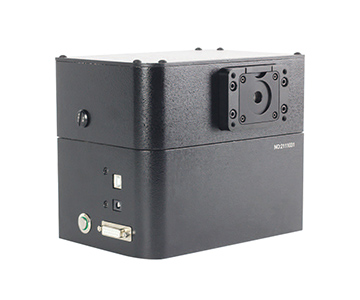
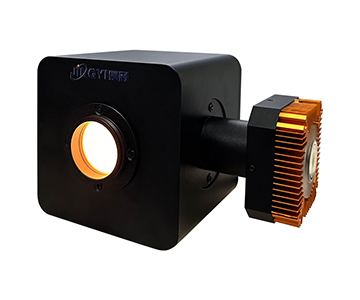
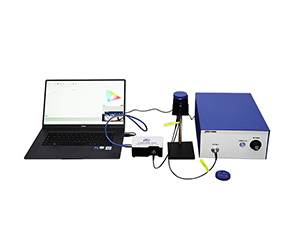
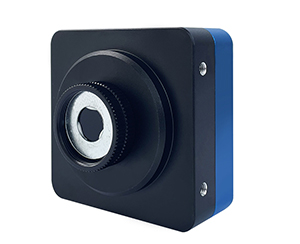
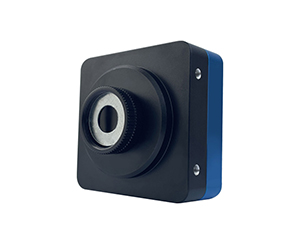
As a domestic manufacturer with deep expertise in spectrometer R&D, Jingyi Optoelectronics’ JY6500 cooled spectrometer covers a broad spectral range of 180–1100 nm—including the near-infrared (NIR) region—and offers adjustable spectral resolution (0.1–4 nm) via interchangeable slit widths, making it suitable for most routine infrared detection applications.
Second, critically assess the *real-world applicability* of key specifications—don’t be misled by idealized lab-measured values printed on spec sheets. Many manufacturers list parameters measured under highly controlled laboratory conditions; in practice, however, performance degrades noticeably due to ambient temperature fluctuations and electronic noise interference:
- Numerous users report severe spectral drift in uncooled spectrometers when ambient temperature changes—rendering them unsuitable for high-repeatability measurements;
- Others find excessive circuit noise completely overwhelms weak signals from trace samples, yielding no usable data.
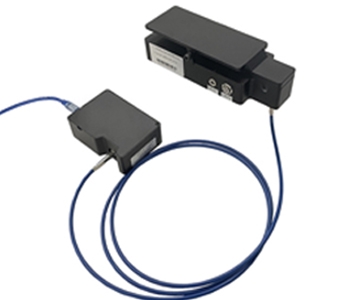
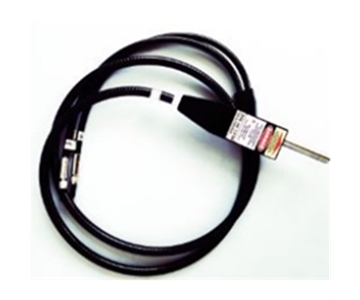
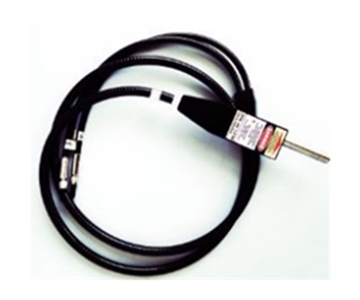
The JY6500 addresses these industry-wide pain points through targeted optimization: Its back-illuminated CCD sensor is actively cooled via thermoelectric (TEC) technology to a stable -15°C operating temperature, dramatically suppressing thermal noise at the sensor level—boosting overall SNR by up to 2× versus comparable non-cooled models, with minimal sensitivity to ambient temperature variations. Additionally, its proprietary ultra-low-noise CCD signal processing circuit limits quantization noise to <3 counts—among the best in the industry—ensuring robust, stable raw data even under low-light, trace-detection conditions. Furthermore, the instrument supports dual optical input modes (SMA905 fiber coupling and free-space coupling), features both USB 2.0 high-speed and UART interfaces, and operates on a single 5 V DC power supply—making it equally convenient for lab-based R&D and seamless integration into production-line inspection systems.
Third, evaluate the supplier’s *end-to-end technical service capability*—don’t focus only on initial purchase cost. Spectrometers are precision instruments requiring ongoing professional support for calibration, system commissioning, fault diagnosis, repair, and even custom adaptation. Many smaller vendors offer little beyond basic equipment sales; when issues arise, their response times may be slow—or they may lack the expertise entirely to handle customized requests—ultimately delaying project timelines. Jingyi Optoelectronics provides not only a comprehensive after-sales service system—including rapid calibration and troubleshooting—but also tailored spectral measurement solutions aligned with unique user requirements. For instance, in applications requiring external triggering or multi-device synchronization, the JY6500’s 20-pin double-row programmable expansion interface enables flexible hardware integration, while our engineering team collaborates closely with users during adaptation and commissioning—significantly reducing long-term operational costs.
In summary, selecting a spectrometer isn’t about choosing the *most expensive* option—it’s about choosing the *best-fit* solution. Beyond these three core principles, this same systematic approach—clarifying actual needs upfront, verifying real-world parameter validity, and partnering with a technically capable, reliable supplier—applies broadly to procurement decisions for other spectroscopic instruments. With disciplined planning, you can confidently avoid the vast majority of selection pitfalls.
#Spectrometer #FiberOpticSpectrometer #SpectralQualityAnalyzer #SpectroscopyInstrument #NIRSpectrometer #InfraredSpectrometer