Industry Pain Points
Laser technology has now permeated dozens of fields—including precision manufacturing, optical communications, medical aesthetics, and fundamental scientific research—yet the persistent challenge of wavelength calibration has emerged as a shared pain point across many industries: In optical communications, a mere 1-nm wavelength drift in wavelength-division multiplexing (WDM) systems can trigger signal crosstalk and cause widespread network outages; in medical aesthetics, a treatment laser wavelength deviation exceeding 5 nm may result in ineffective therapy—or even skin burns; and in laboratory-based cold-atom physics experiments, laser wavelength accuracy requirements reach the picometer (pm) level. Conventional wavelength measurement instruments suffer from a fundamental trade-off: high-precision devices are bulky and restricted to fixed laboratory use, whereas portable alternatives often fall short in detection accuracy and response speed—failing to meet the high-throughput demands of industrial batch testing. Moreover, imported equipment—with price tags routinely exceeding ¥100,000 (RMB) and lead times of three to six months—remains financially and logistically prohibitive for numerous domestic manufacturers and research teams.
Technical Approaches and Solutions
Currently, mainstream wavelength measurement technologies fall into two primary categories:
1. Interferometric approaches, which rely on counting interference fringes. Their strength lies in high measurement accuracy—but they are extremely sensitive to environmental vibrations and temperature fluctuations, limiting their use to stable laboratory settings.
2. Spectral-dispersion approaches, which offer superior environmental adaptability—but conventional spectrometer-based instruments frequently suffer from poor stray-light suppression and insufficient spectral resolution, making them ill-suited for measuring narrow-linewidth pulsed or continuous-wave lasers.
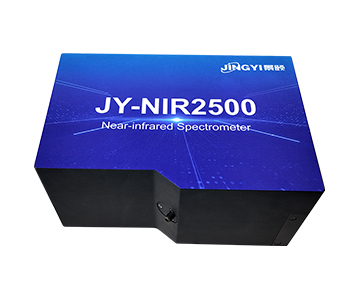
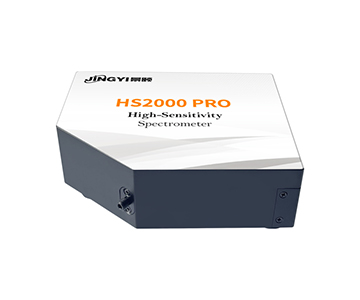
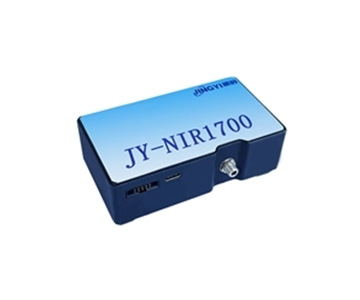
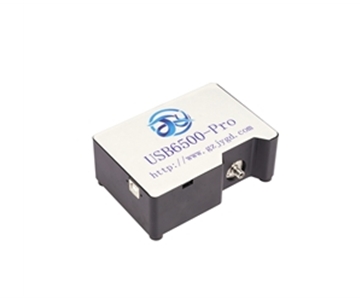
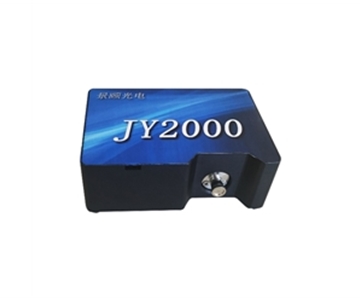
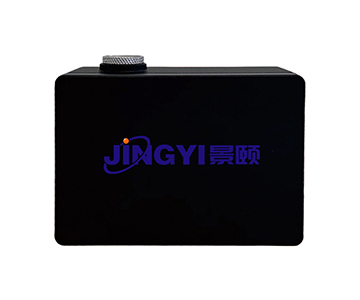
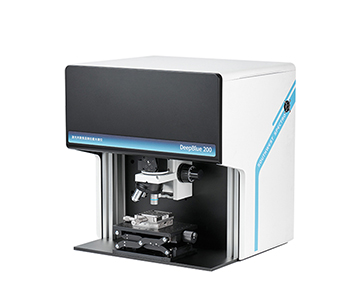
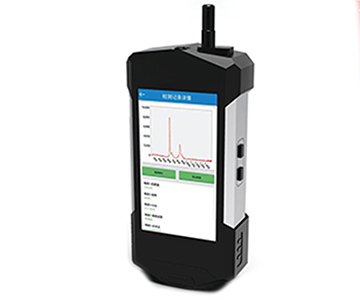
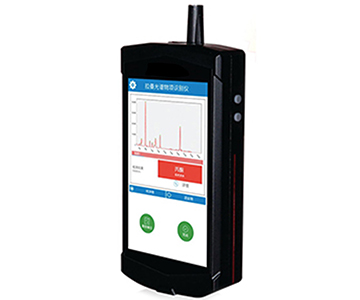
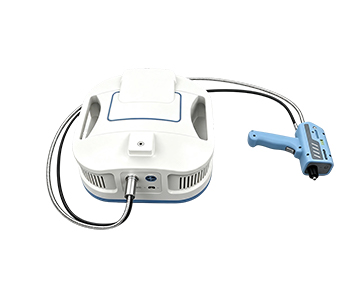
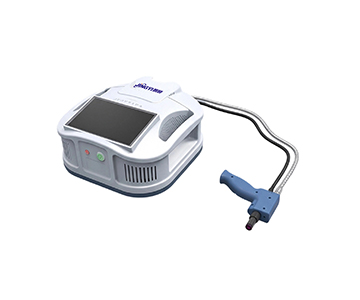
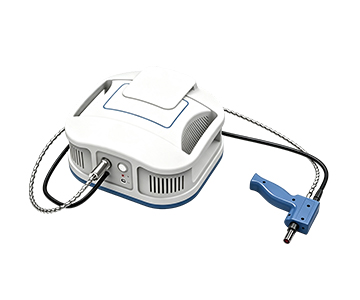
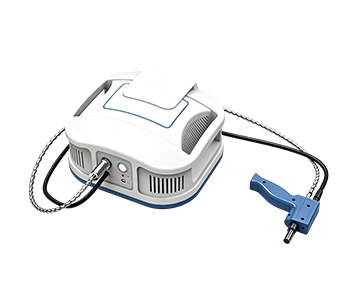
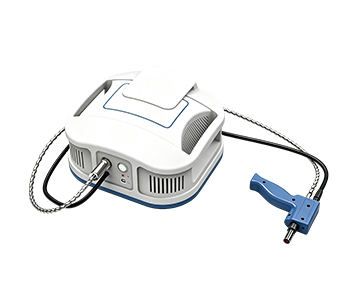
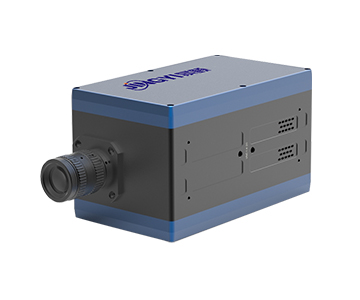
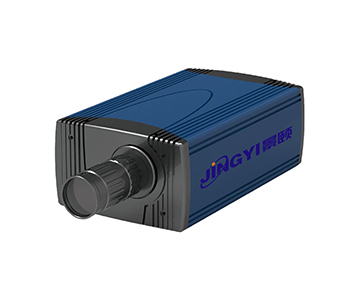
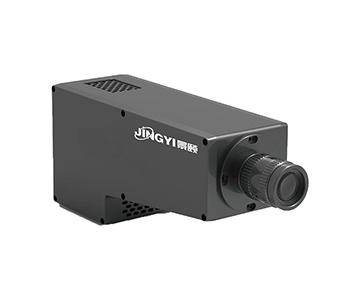
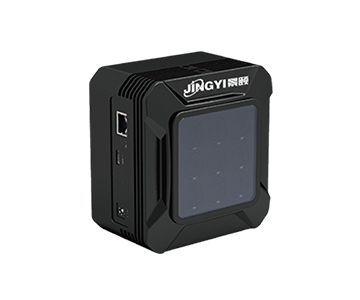
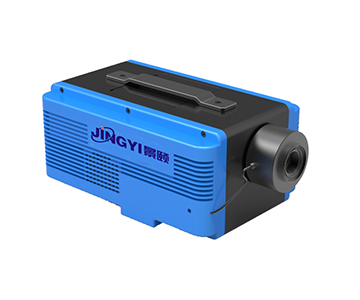
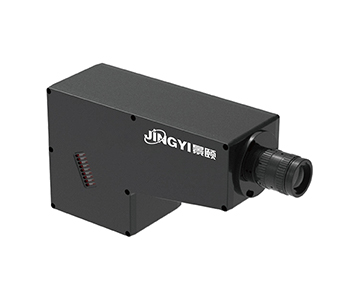
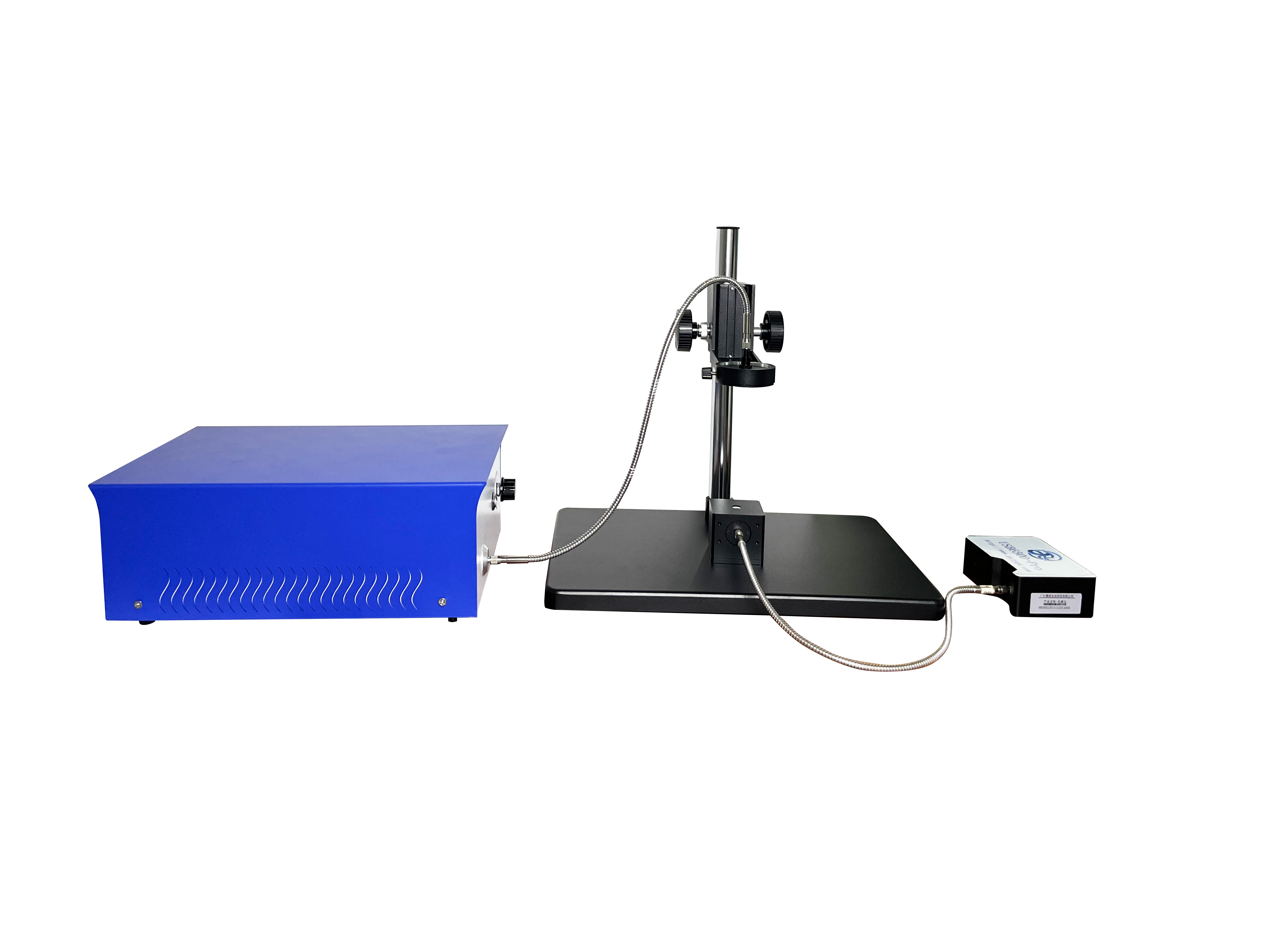
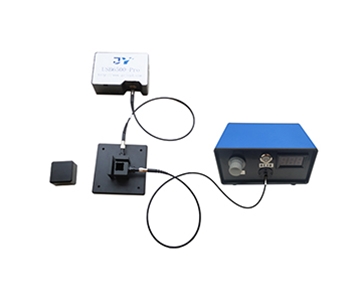
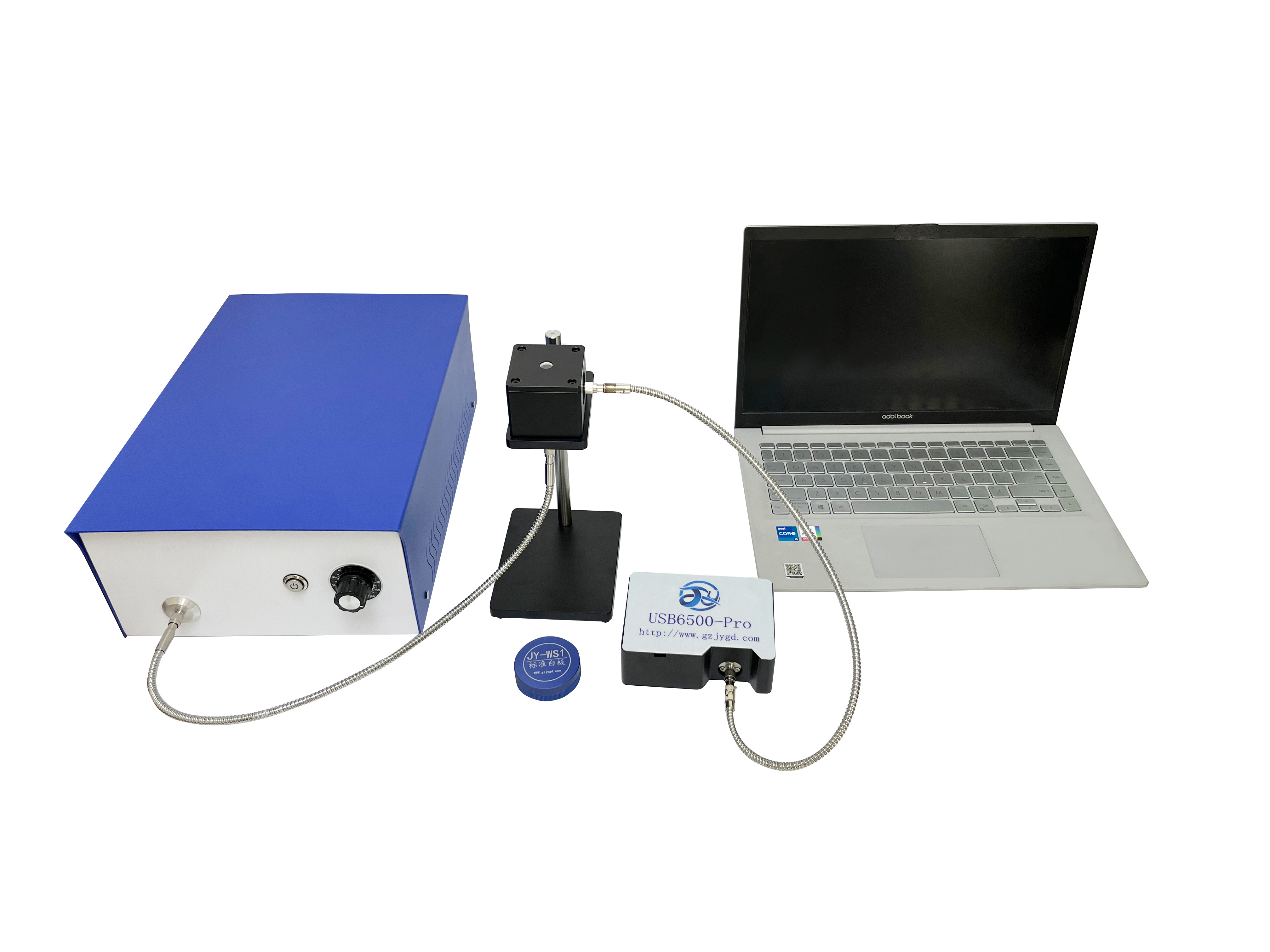
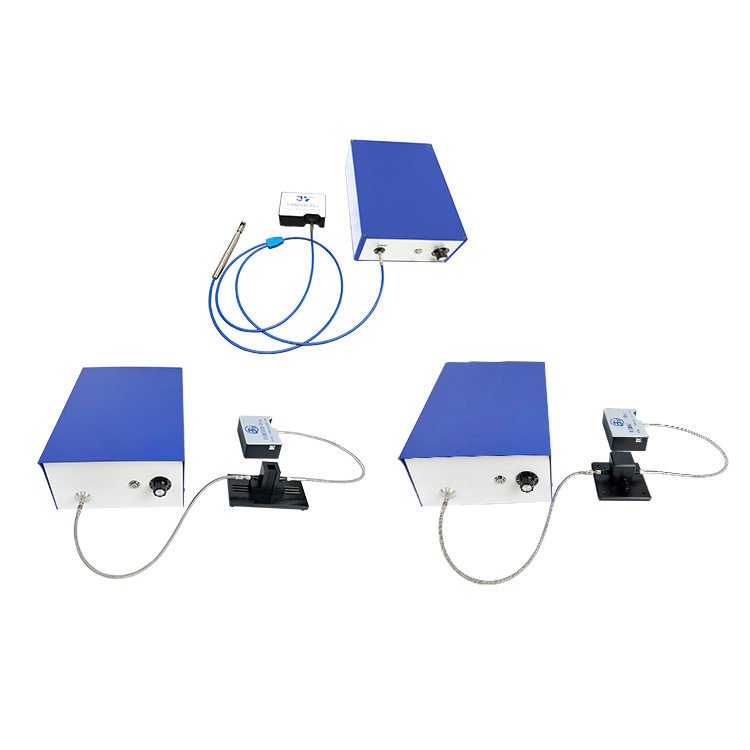
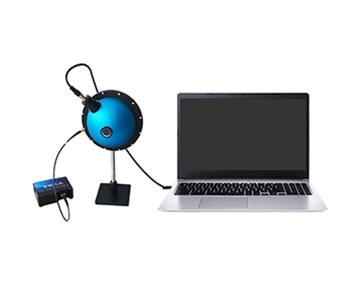
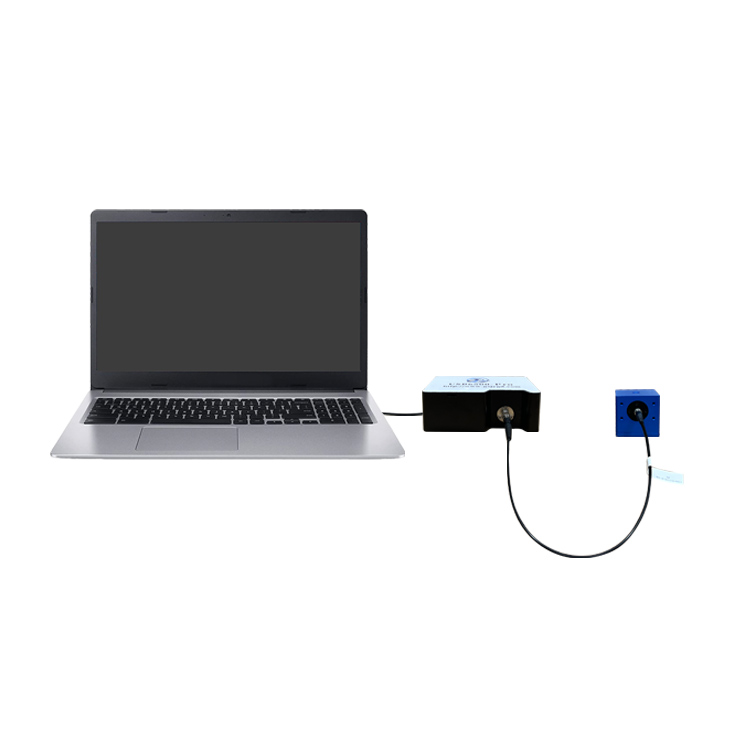
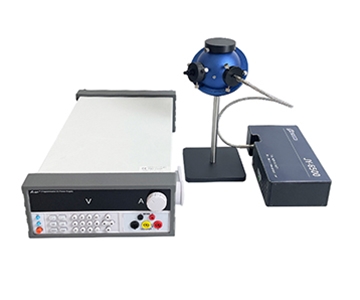
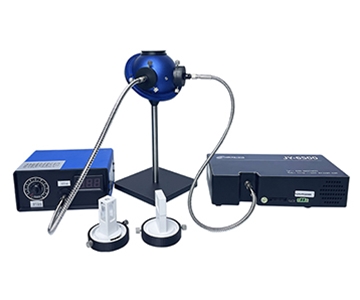
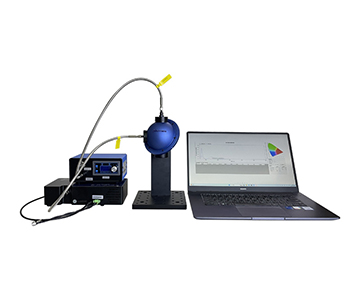
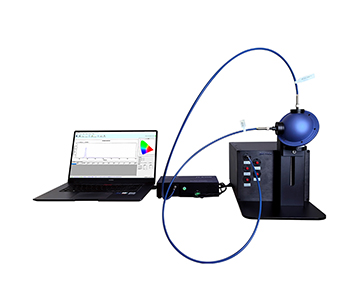
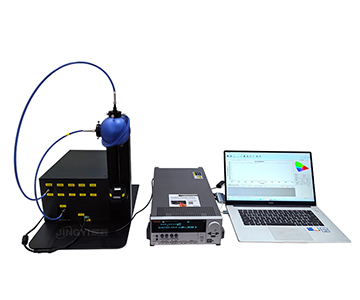
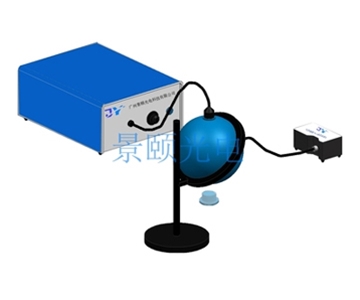
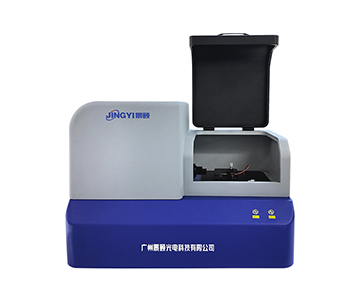
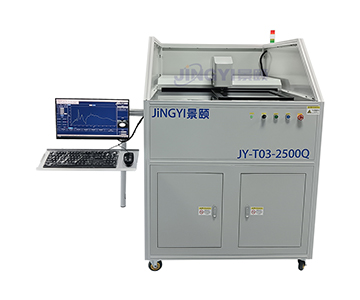
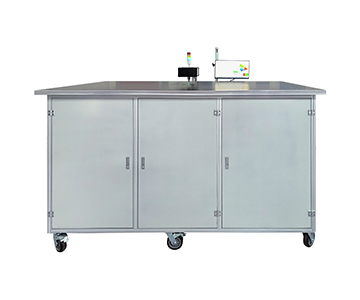
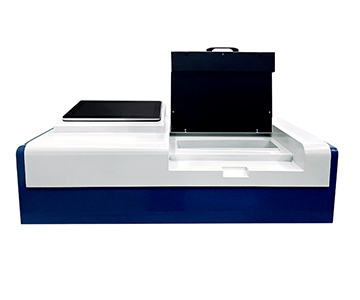
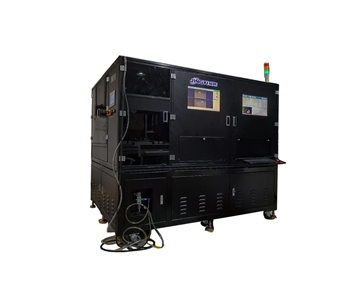
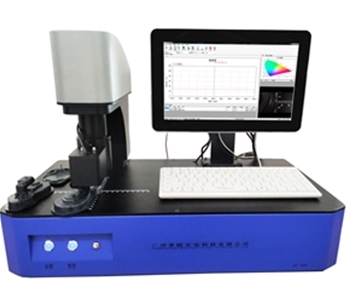
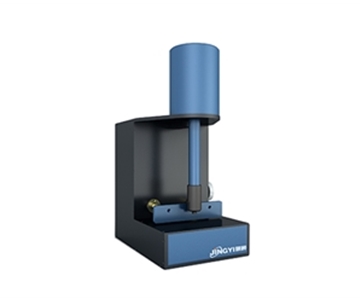
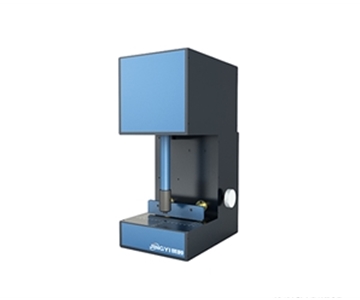
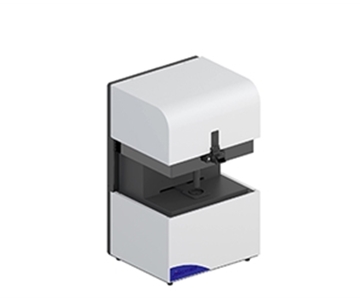
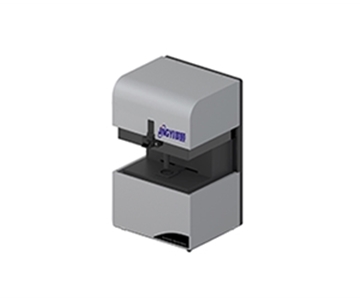
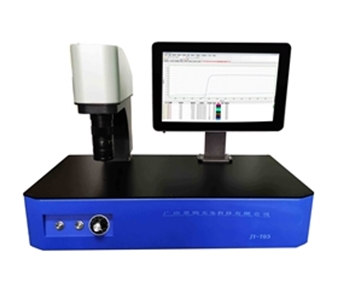
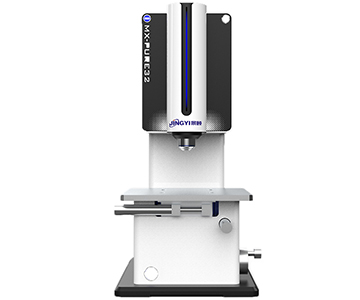
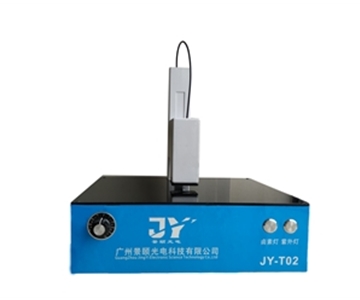
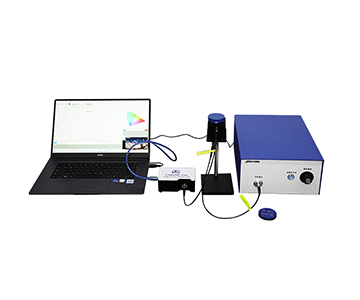
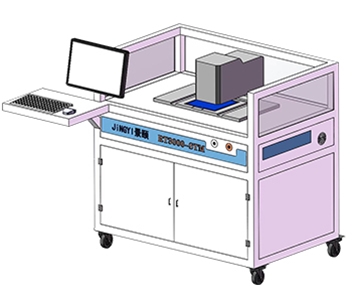
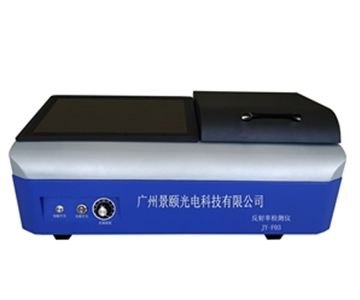
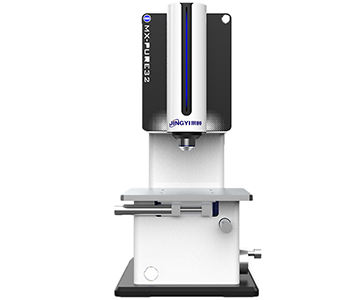
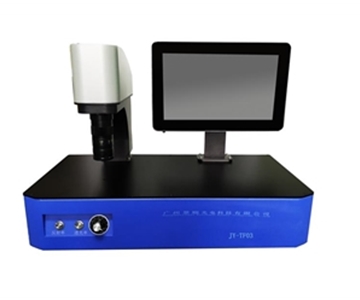
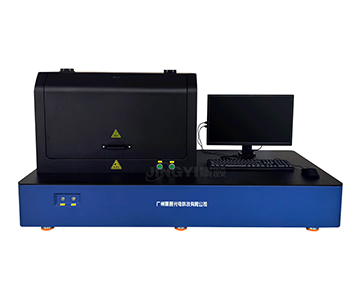
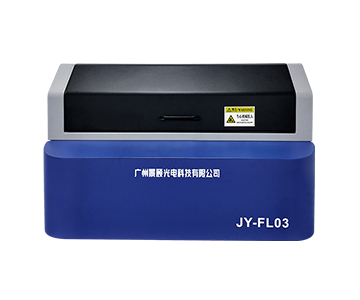
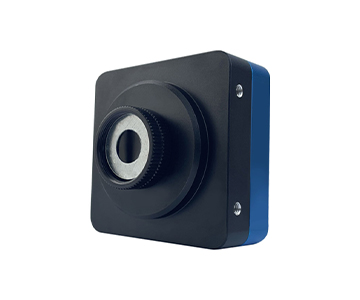
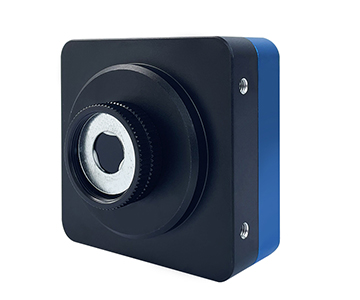
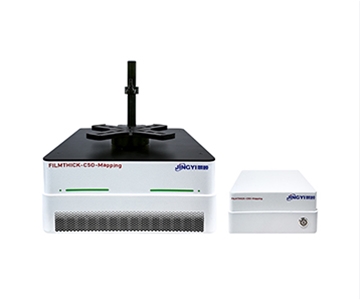
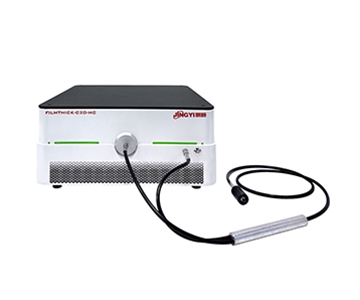
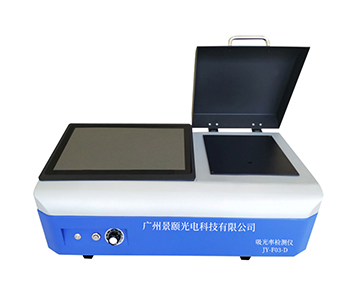
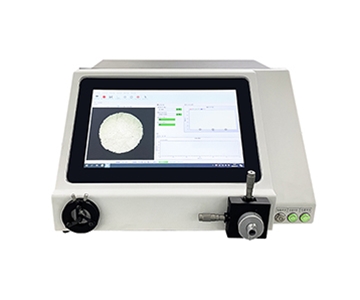
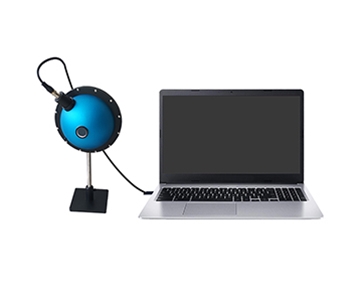
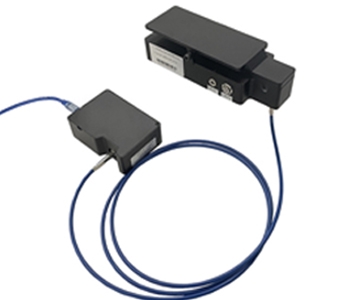
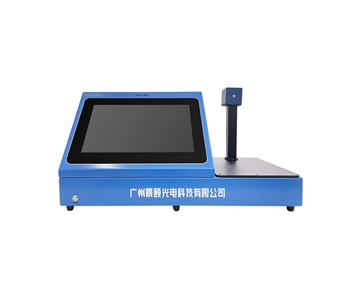
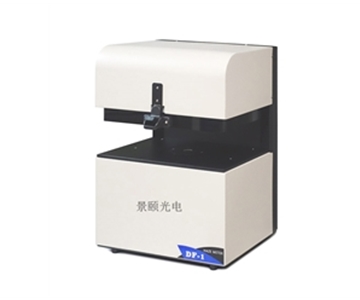
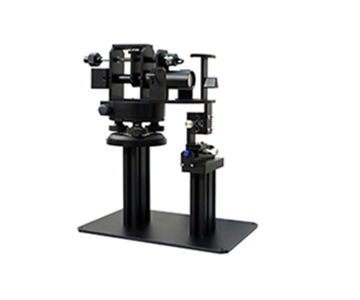
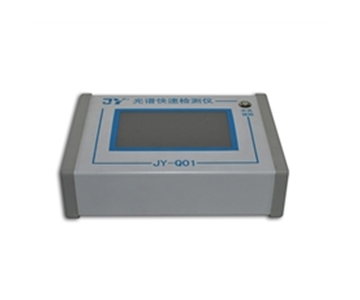
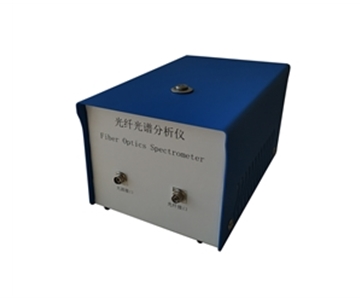
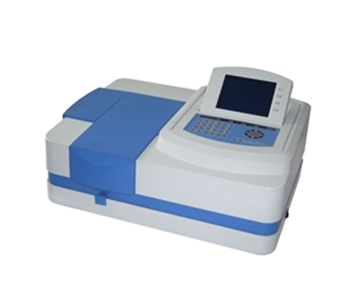
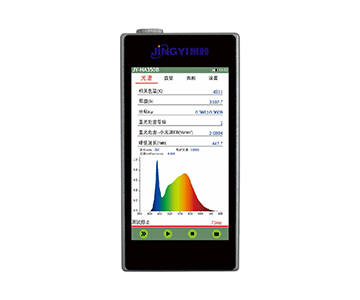
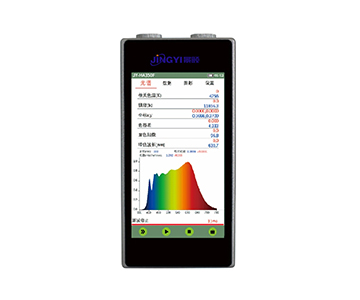
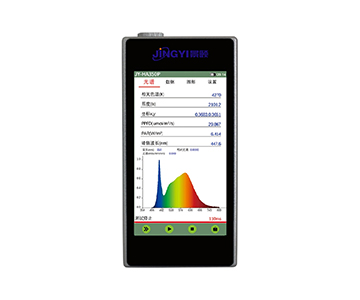
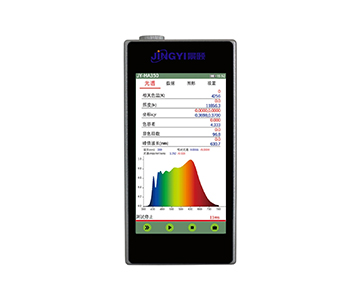
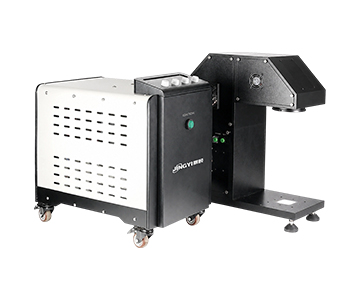
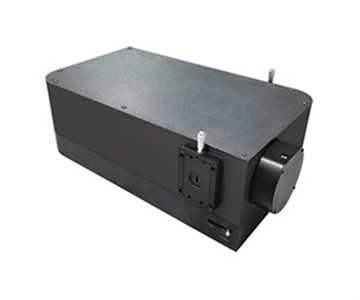
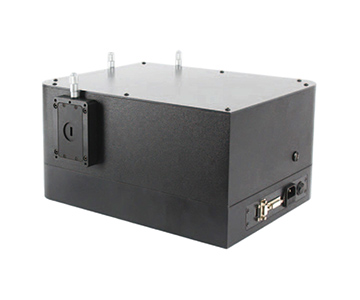
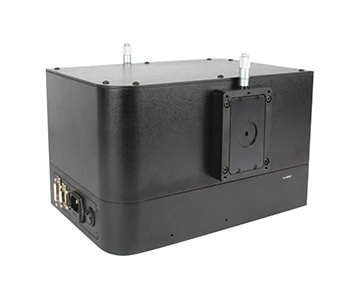
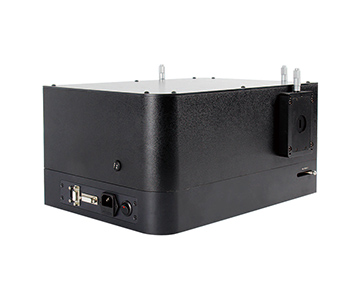
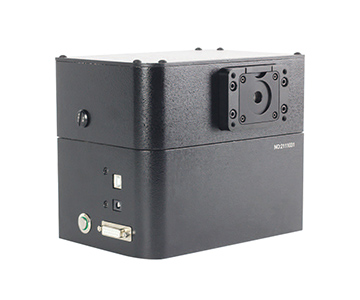
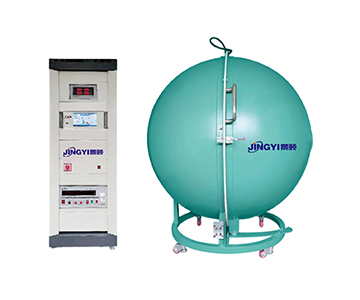
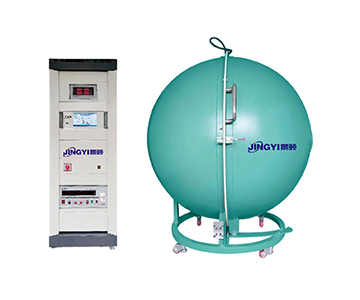
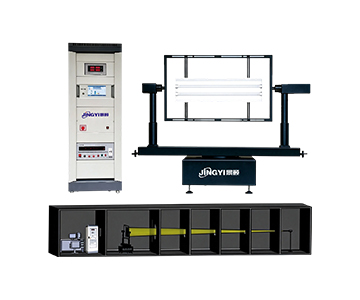
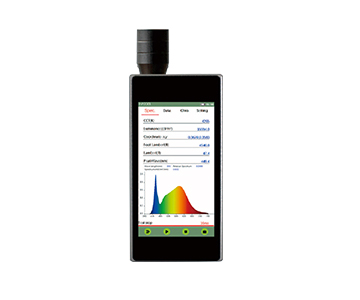
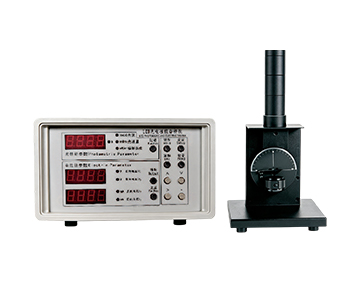
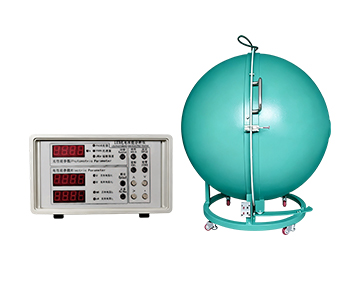
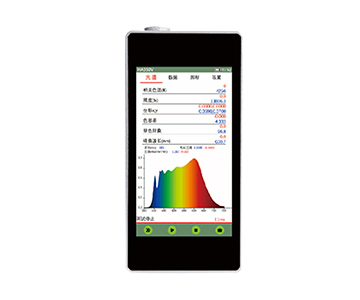
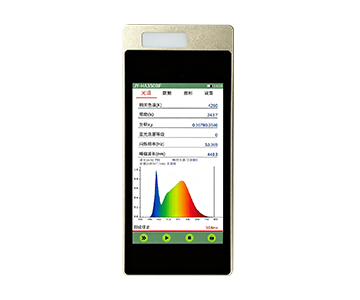
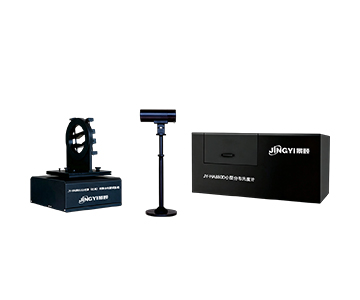
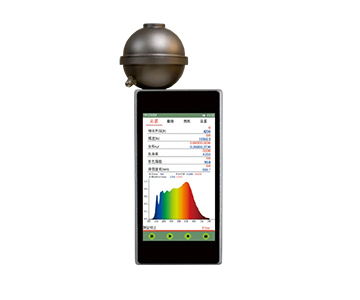
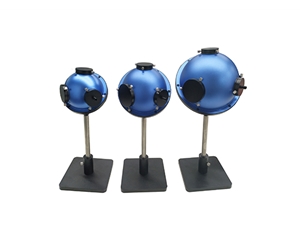
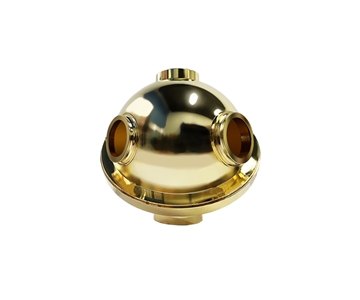
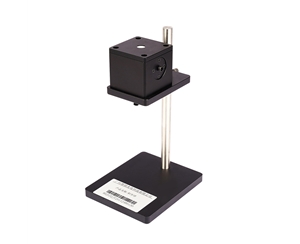
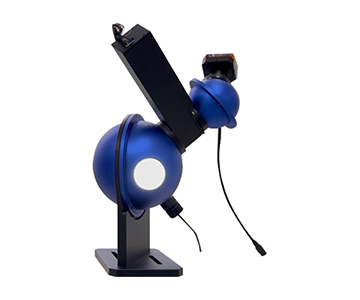
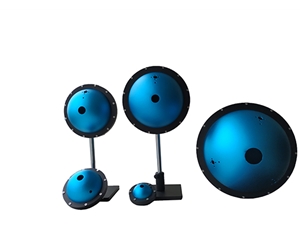
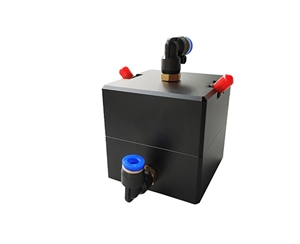
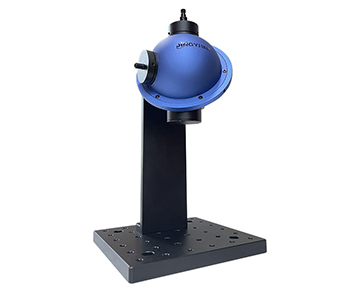
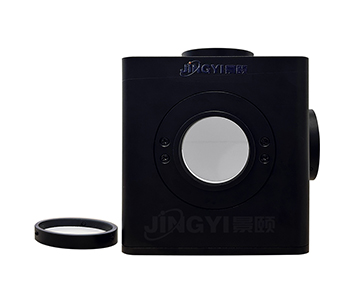
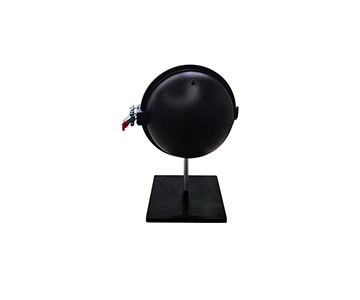
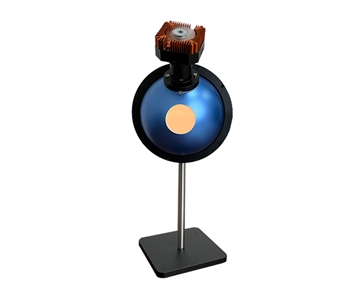
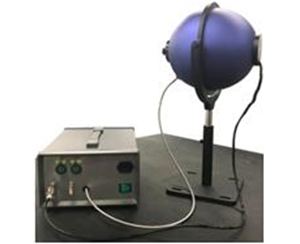
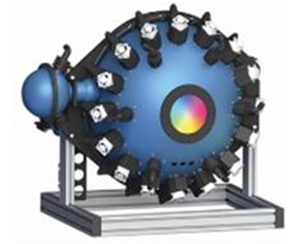
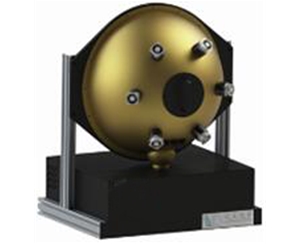
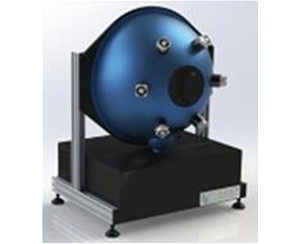
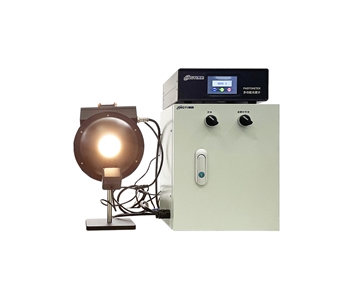
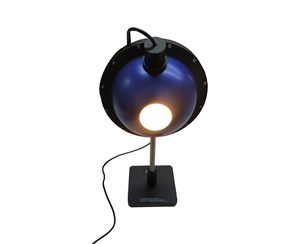
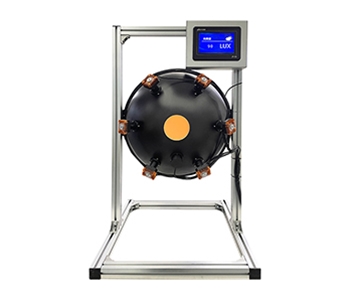
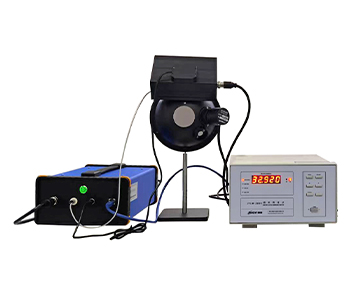
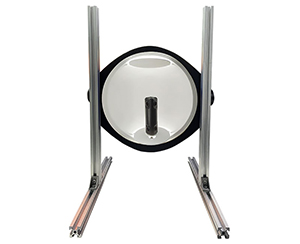
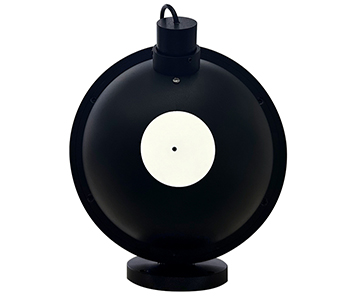
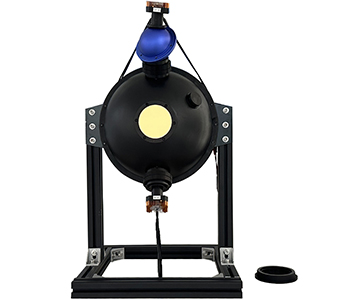
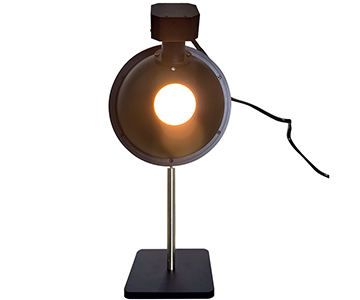
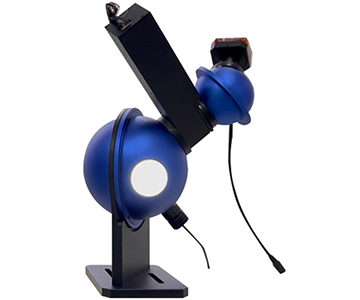
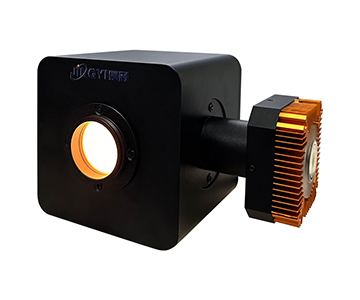
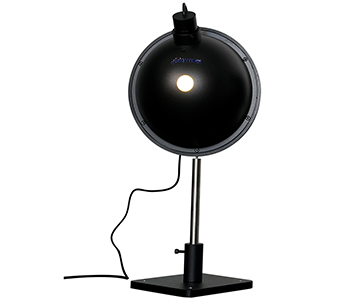
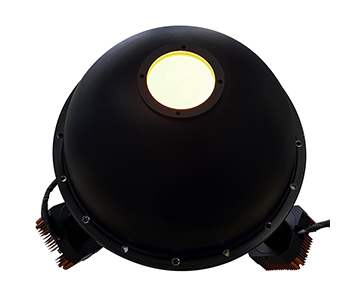
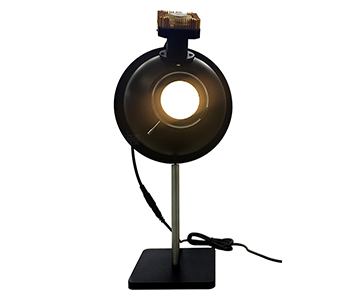
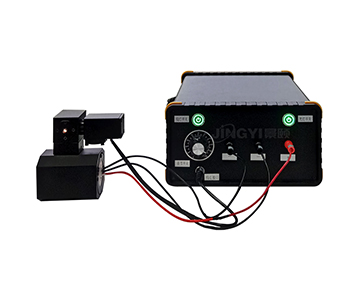
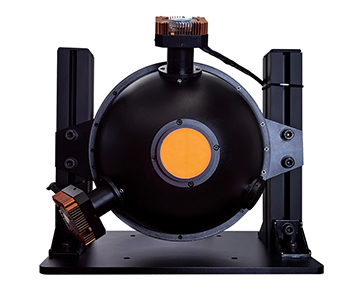
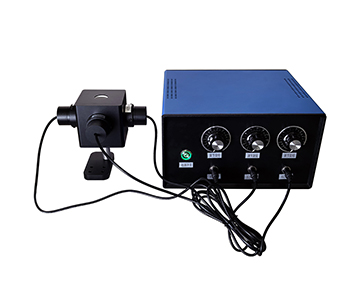
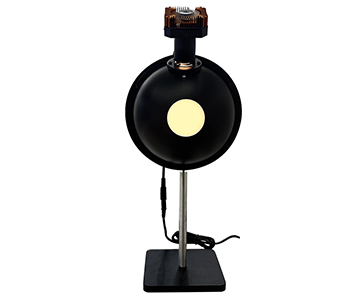
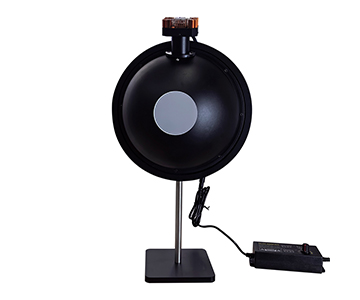
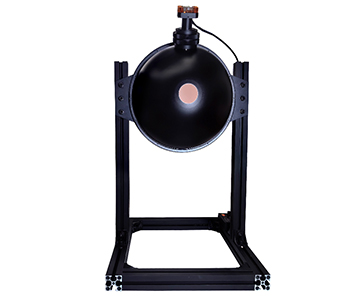
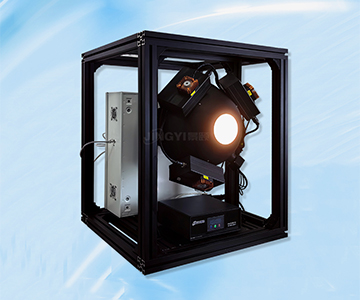
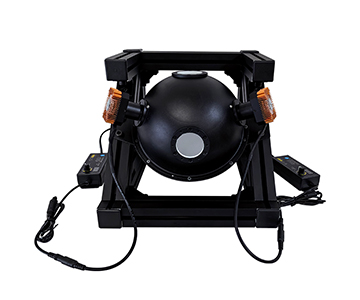
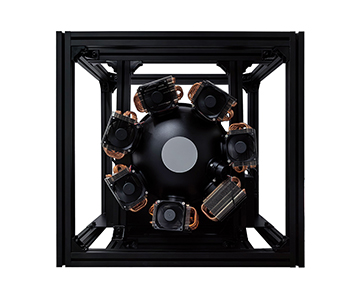
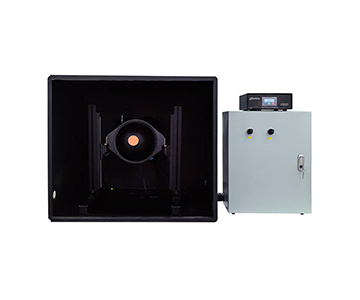
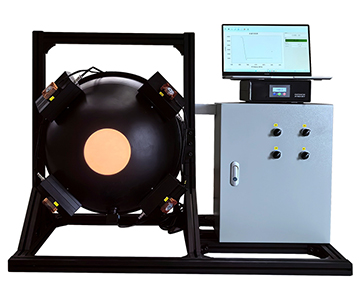
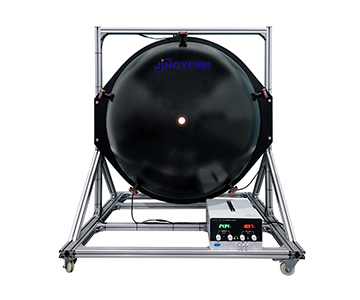
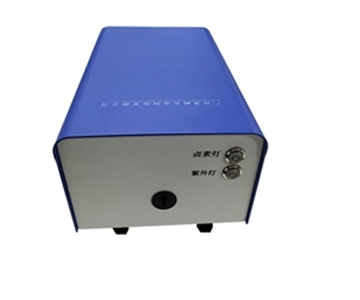
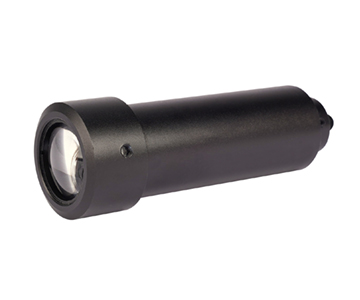
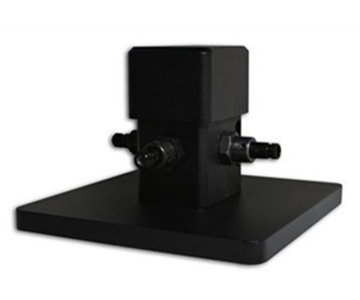
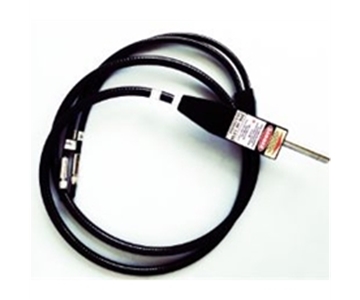
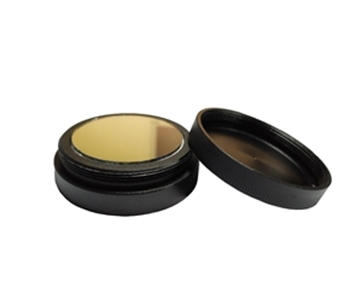
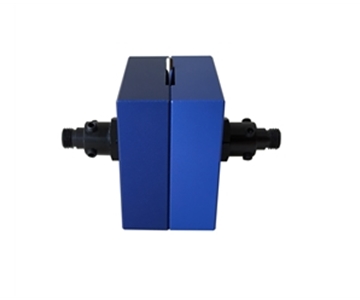
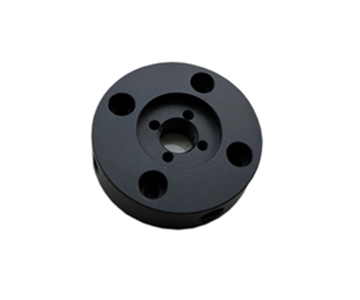
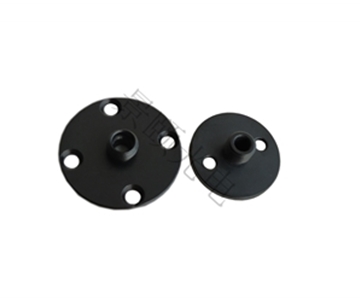
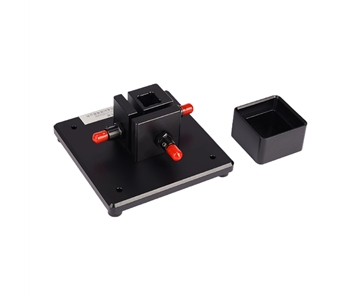
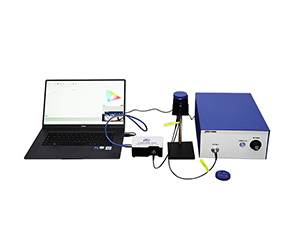
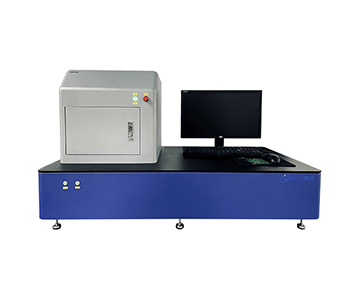
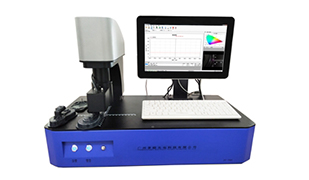
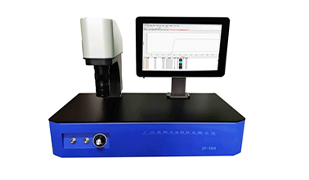
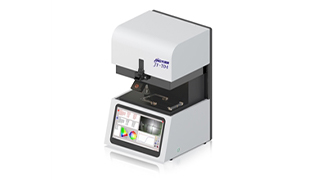
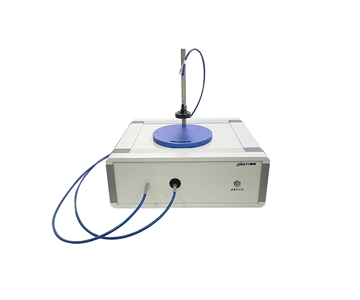
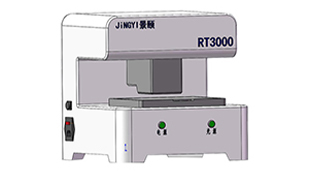
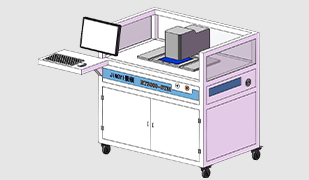
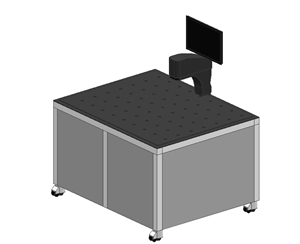
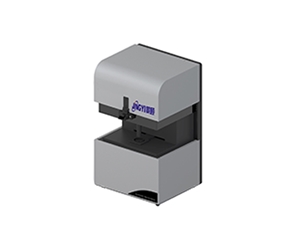
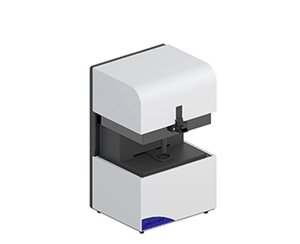
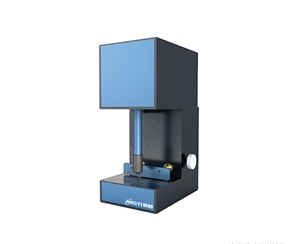
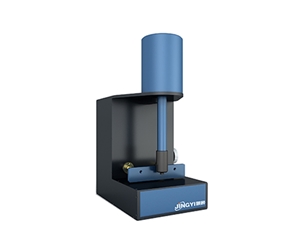
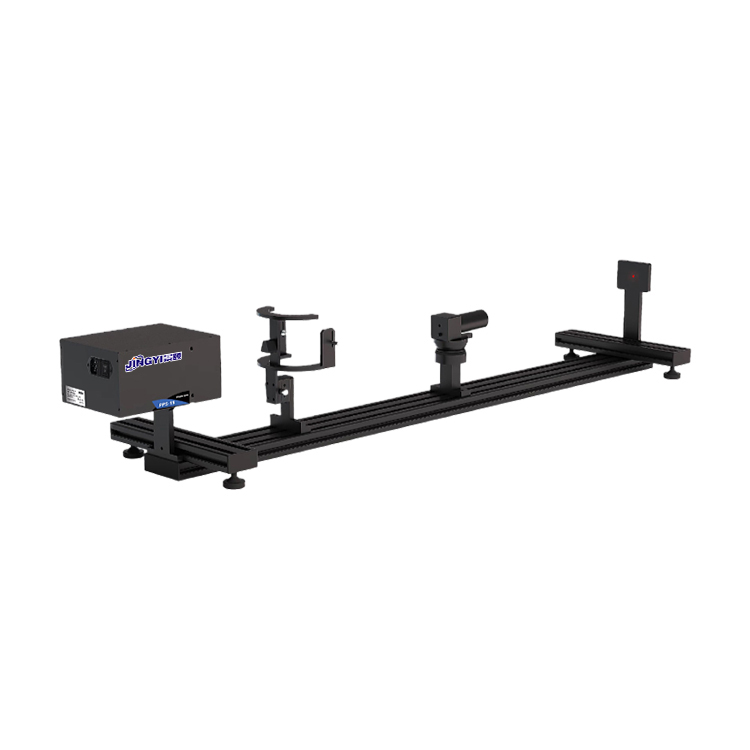
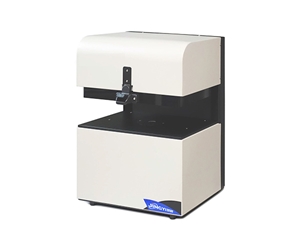
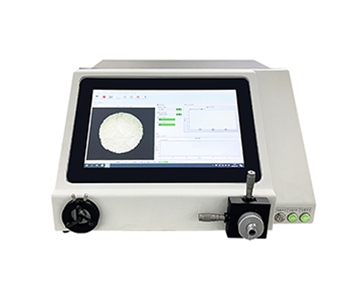
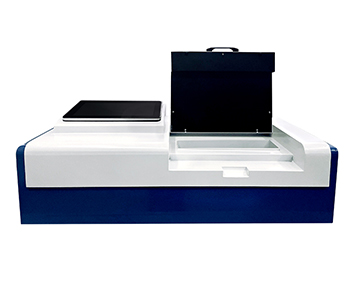
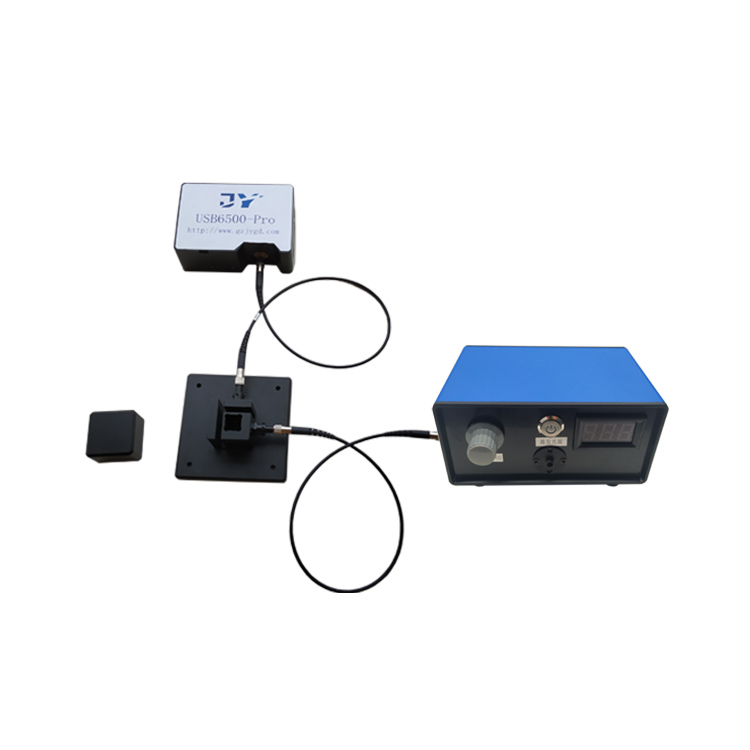
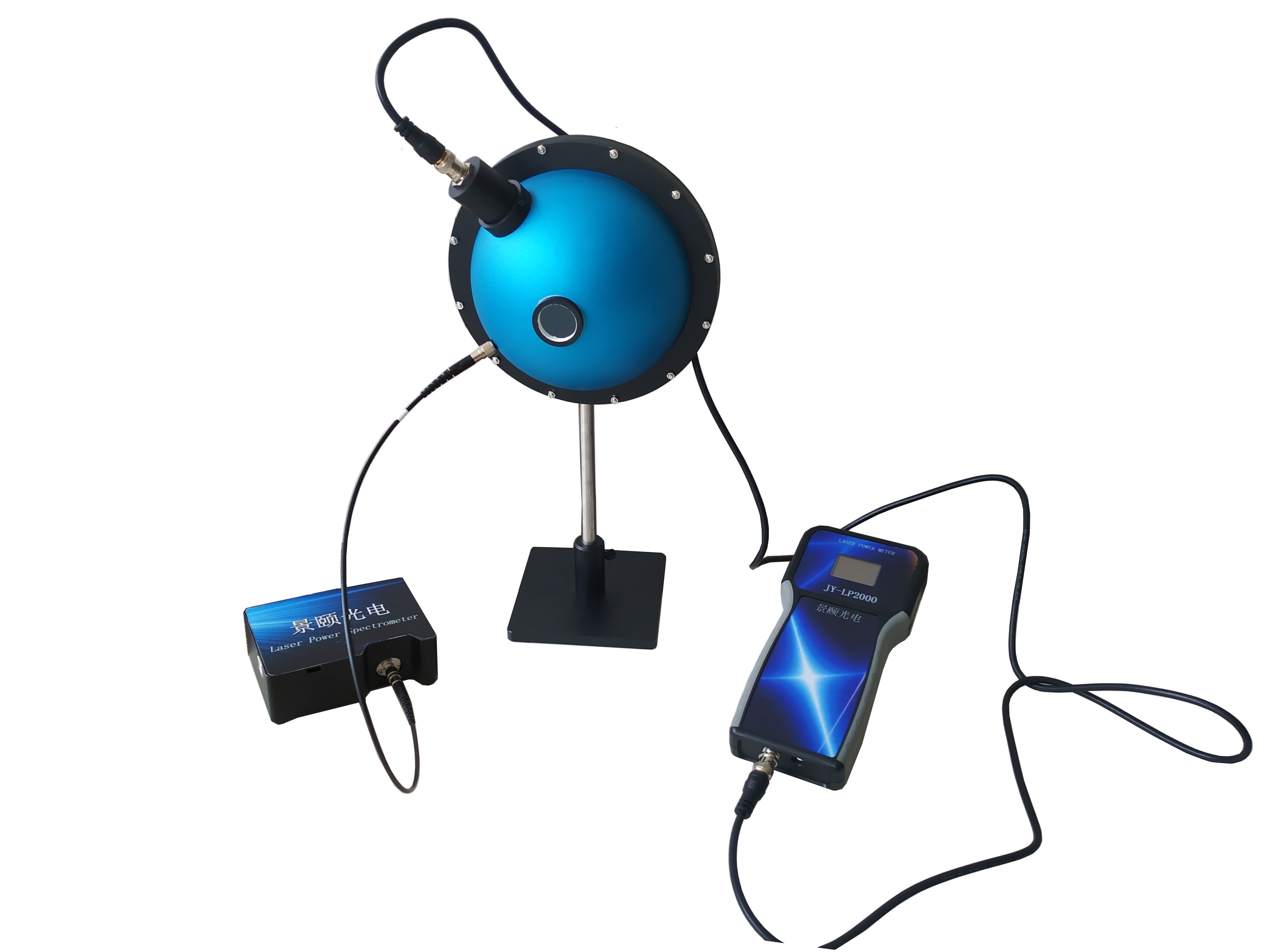
To address this industry-wide challenge, Jingyi Optoelectronics has launched an all-in-one integrating-sphere wavelength meter. Leveraging its proprietary low-stray-light optical-path optimization technology, the instrument preserves the strong anti-interference capability and operational simplicity of spectral-dispersion systems—while elevating spectral resolution to match that of interferometric systems at comparable price points. The result is an optimal balance of precision, portability, and cost-effectiveness—perfectly aligned with the practical needs of domestic industrial production and scientific research.
Operation and Advantages
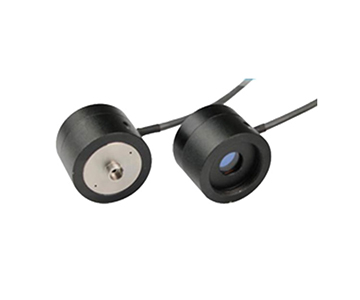
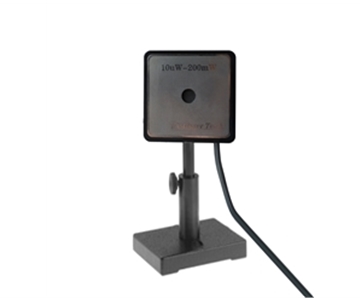
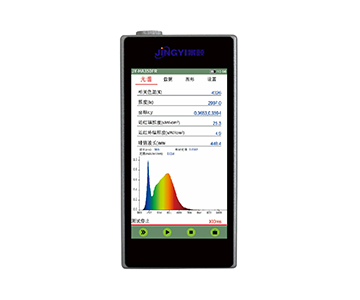
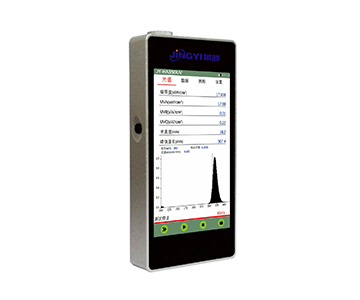
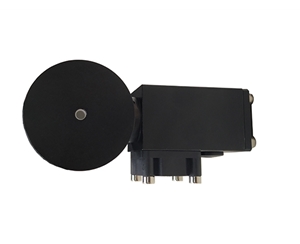
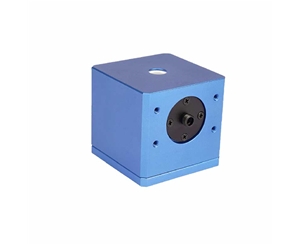
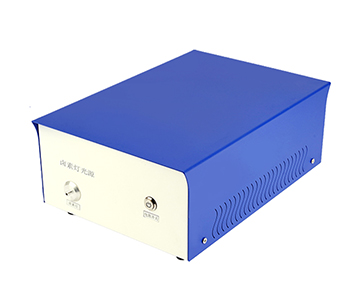
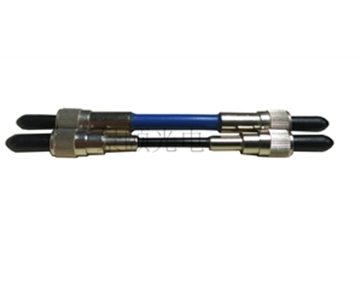
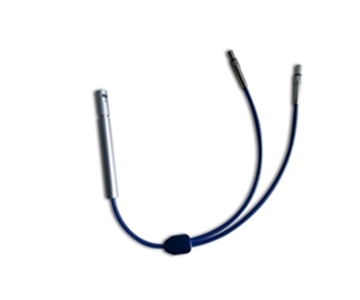
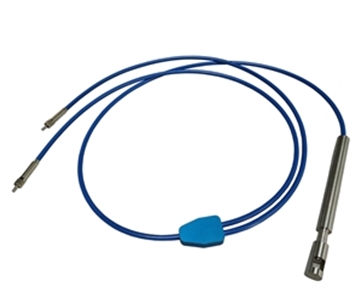
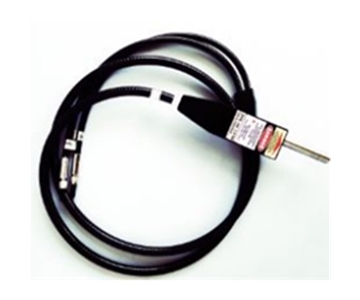
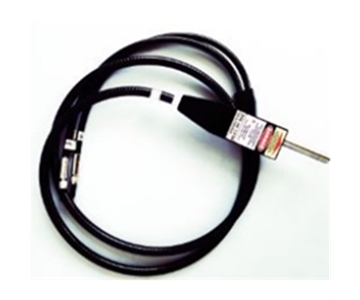
Unlike traditional wavemeters—which require complex optical alignment and sample tuning—Jingyi’s device features an ultra-intuitive operating logic. Users simply align the laser under test with the collection probe and press the “measure” button; within milliseconds, the system outputs a full suite of parameters—including peak wavelength, full width at half maximum (FWHM), and side-mode suppression ratio (SMSR). With virtually no learning curve, production-line technicians can operate it independently after just ten minutes of training. Weighing under 2 kg, the device is easily transportable across diverse inspection sites. Furthermore, its spectral range is modularly expandable to meet customized industry requirements—from visible to near-infrared—enabling on-demand full-band coverage without the exorbitant upgrade fees associated with imported instruments.
Application Scenarios and Results
Launched over two years ago, Jingyi’s all-in-one integrating-sphere wavelength meter has already been adopted by nearly 100 domestic optical-communications manufacturers and more than 30 university optical laboratories—and in select applications, has successfully replaced imported equipment. For instance, in tunable-laser calibration on optical-communications production lines, replacing legacy imported instruments with this device reduced per-unit calibration time from 15 seconds to under 1 second—boosting overall line throughput by 32%. Its acquisition cost is only one-third that of imported equivalents, while after-sales response time has shrunk from 15 days to under 48 hours.
Future Roadmap
As China’s laser industry accelerates, demand for wavelength measurement is expanding beyond laboratories into industrial production and on-site maintenance. Jingyi Optoelectronics is now developing next-generation embedded wavelength-detection modules—miniaturizing core functionality into a palm-sized unit. In the future, these modules will be directly integrated inside various laser systems, enabling automatic wavelength calibration at startup and real-time monitoring during operation. Coupled with AI-driven analytics and IoT connectivity, measurement data will upload automatically to enterprise production management systems—generating calibration reports without manual intervention. This holistic approach will further reduce industry-wide wavelength measurement costs and accelerate the independent, controllable advancement of China’s domestic laser industry.
#IntegratingSphereWavelengthMeter #PortableWavemeter #WavelengthAnalyzer #WavelengthMeter #LaserWavelengthMeasurementSystem #LaserWavelengthAnalyzer