Common Pain Points Facing China’s Optical Design Industry
Currently, China’s optical design industry faces a widespread and shared pain point: the deviation between simulated performance during the early-stage design phase and actual mass-production performance often exceeds 20%. A core reason lies in the fact that fundamental optical parameters—such as material reflectance and transmittance—used in modeling are typically drawn from theoretical values provided by manufacturers, which significantly differ from the real-world optical properties of production-grade materials. As precision requirements for optical systems continue to rise across rapidly expanding sectors—including automotive optics, AR/VR, consumer electronics, and photovoltaics—accurately measured optical parameters have become essential to boosting design success rates and shortening R&D cycles.
Core Dimensions for Evaluating Optical Material Properties
Assessing optical material characteristics generally involves two fundamental dimensions:
1. The angular distribution of scattered light upon illumination—directly determining whether stray light occurs or glare appears in displays;
2. The energy conversion ratio across all incident angles—i.e., the precise proportions of incident light that are reflected, transmitted, or absorbed by the material. The accuracy of these three values directly governs the reliability of optical system efficiency calculations. Historically, many design teams have attempted to indirectly derive reflectance and transmittance values from scattering distribution data. However, this method is limited by sampling resolution of measurement equipment, commonly introducing errors exceeding 5%—insufficient to meet stringent optical product design requirements.
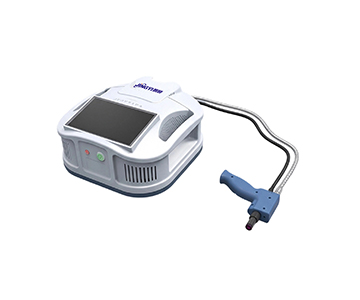
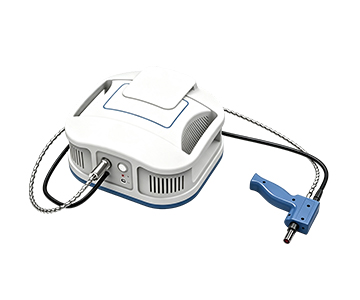
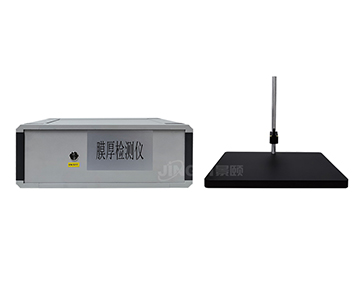
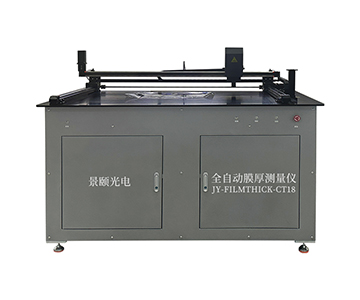
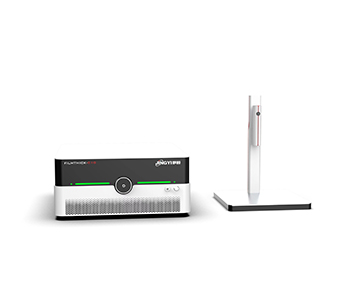
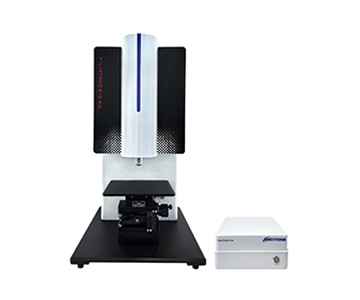
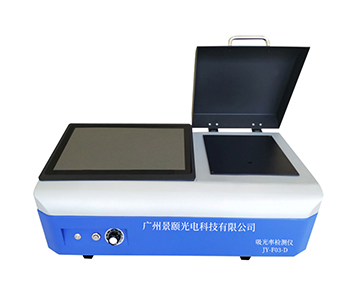
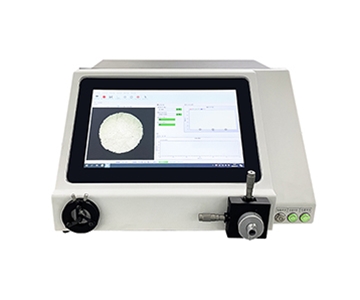
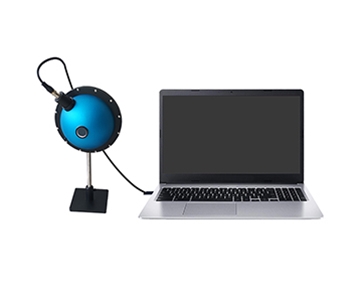
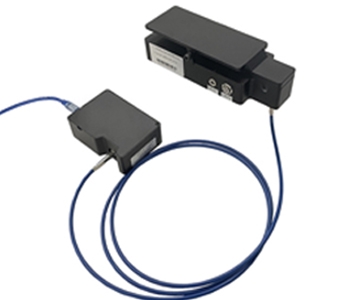
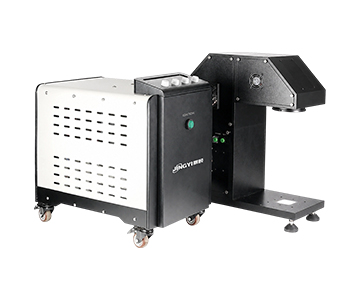
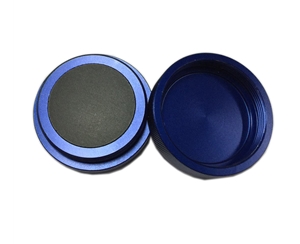
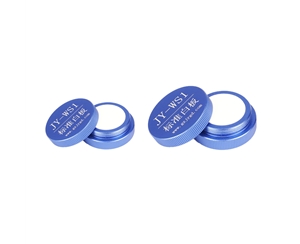
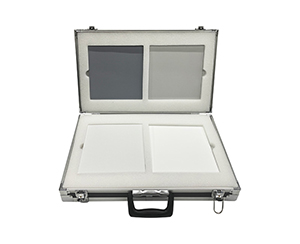
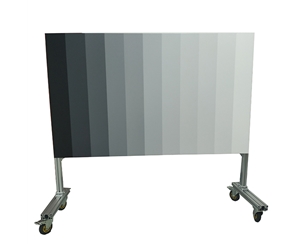
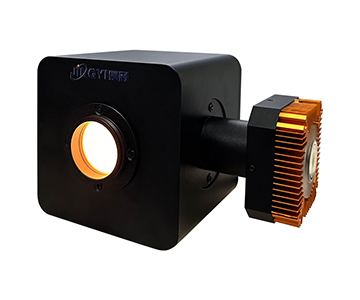
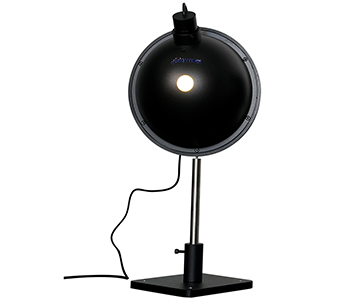
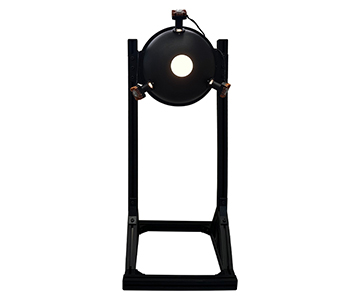
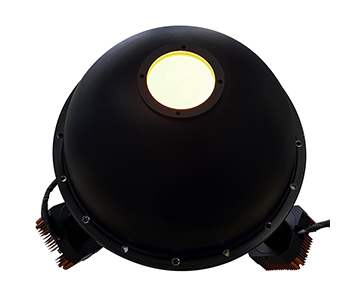
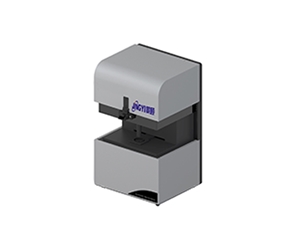
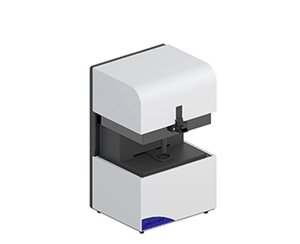
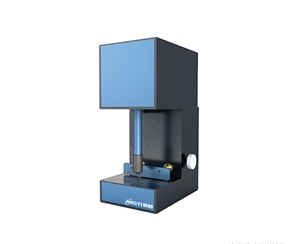
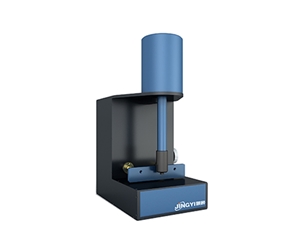
Jingyi Optoelectronics’ Reflectance Measurement Instrument
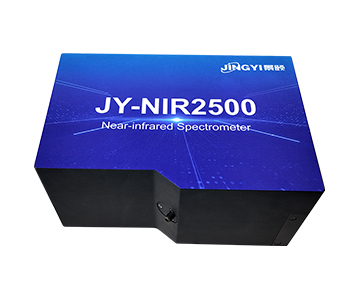
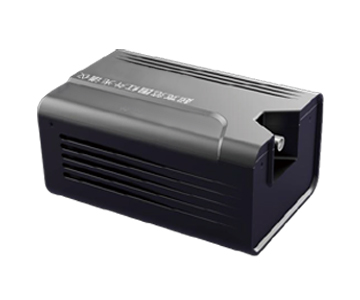
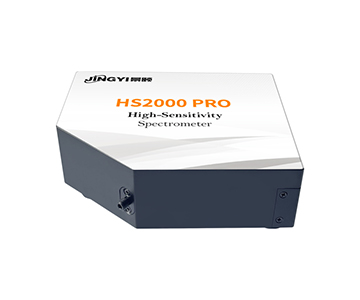
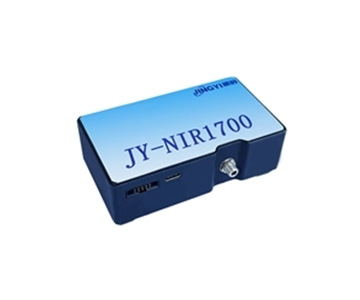
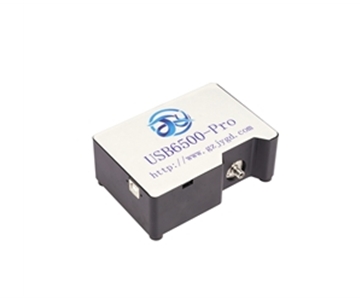
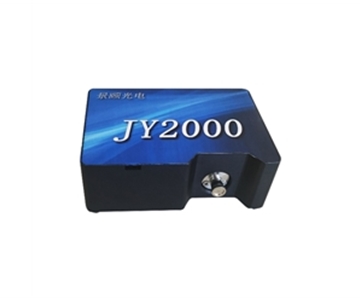
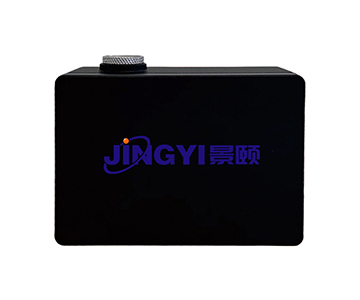
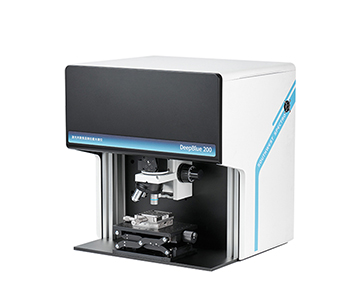
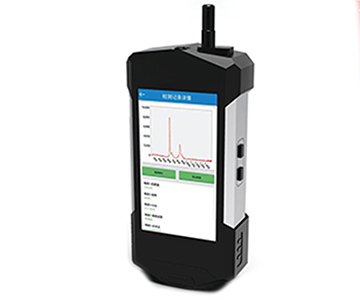
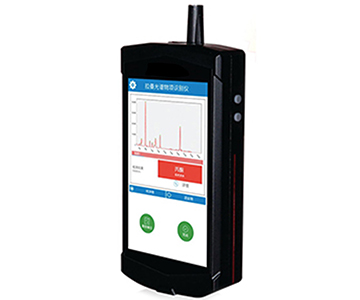
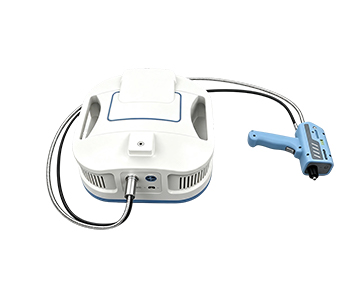
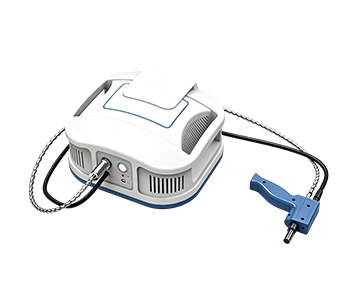
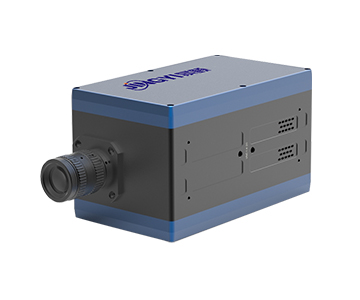
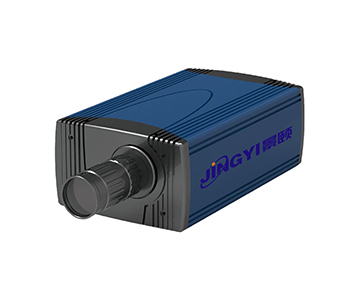
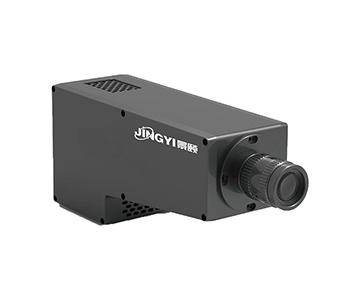
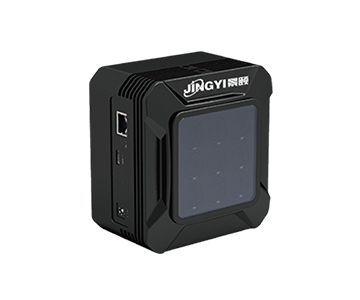
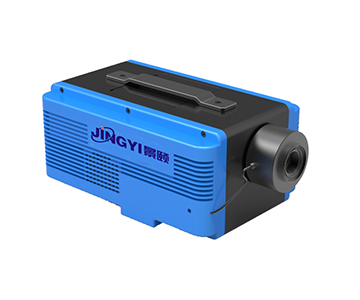
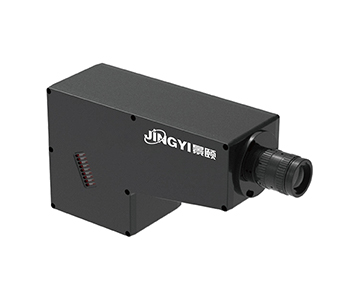
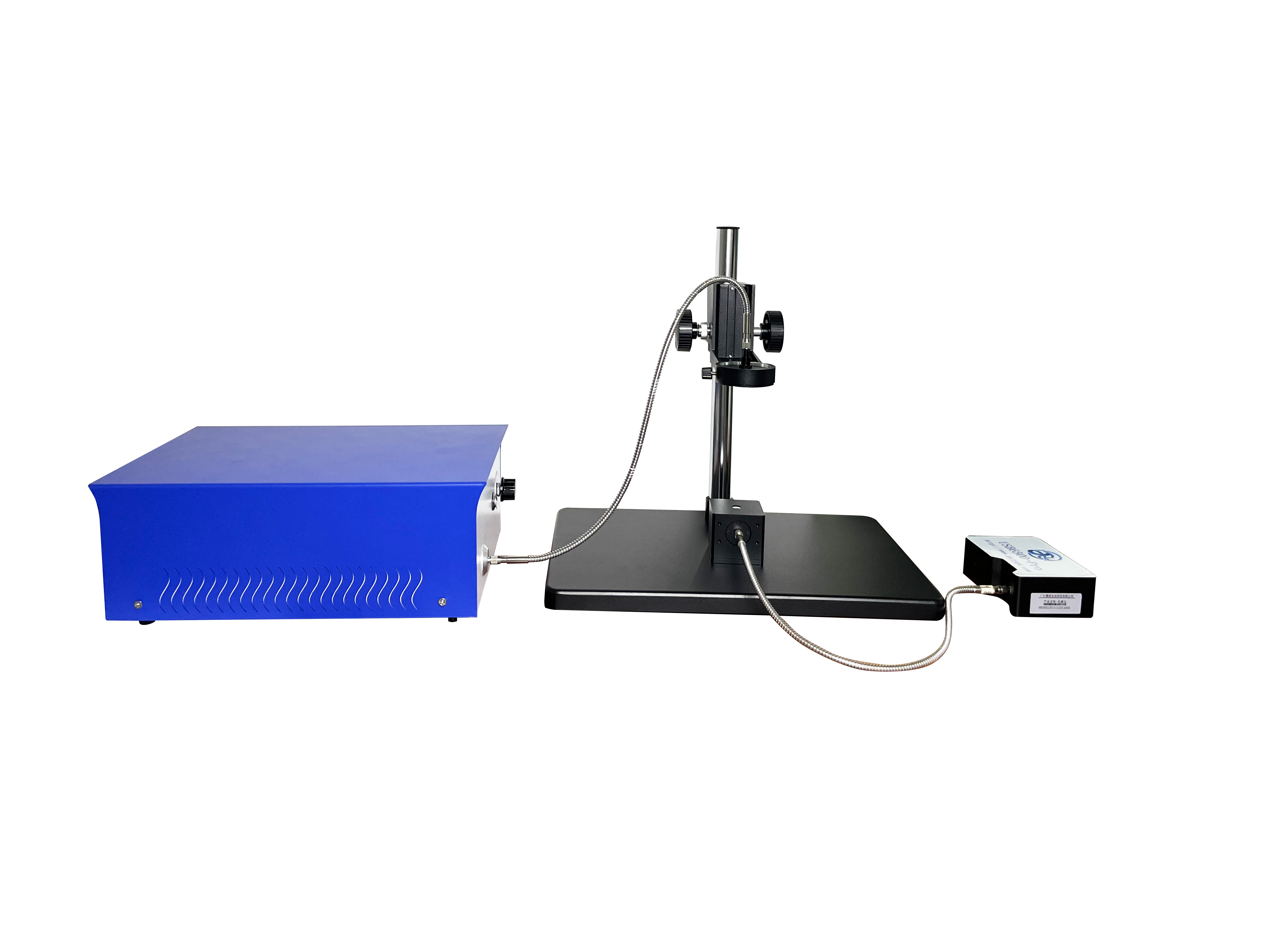
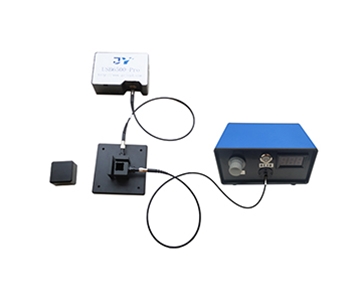
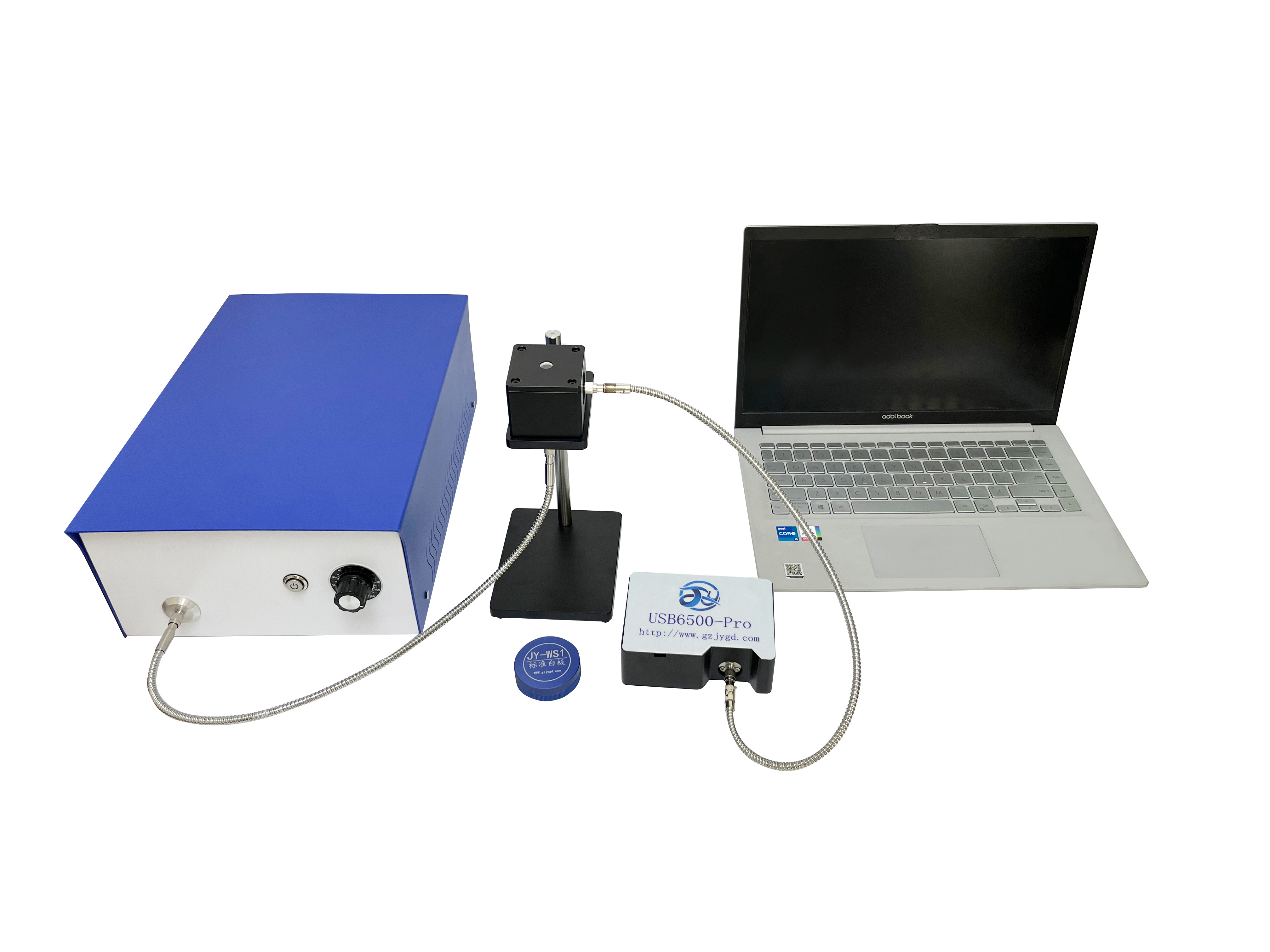
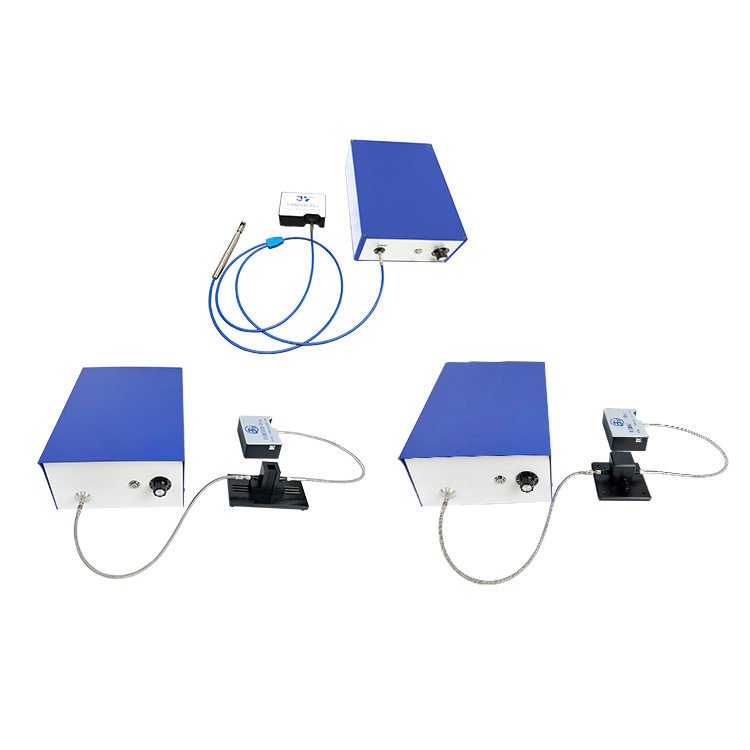
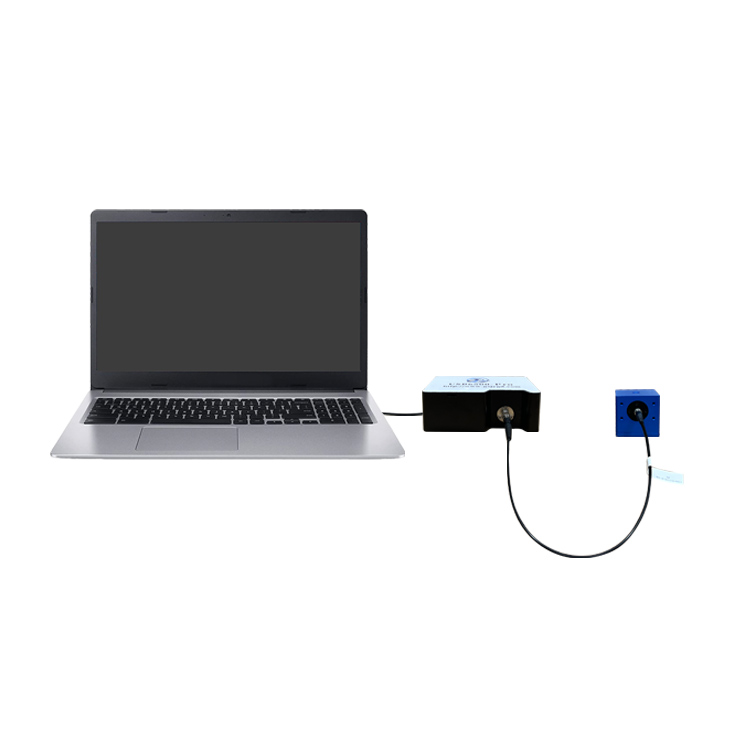
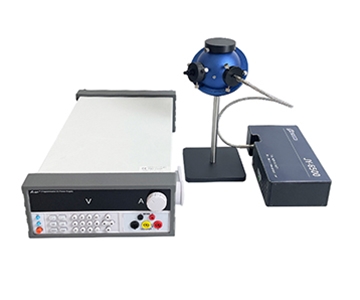
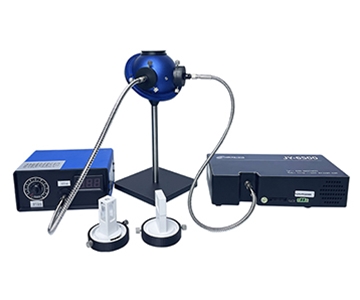
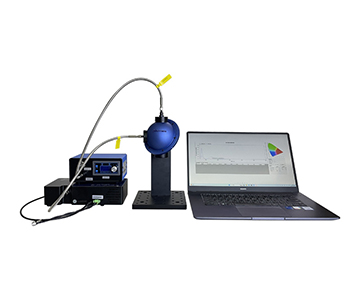
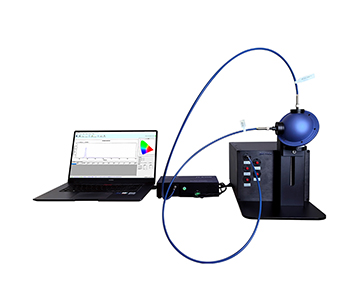
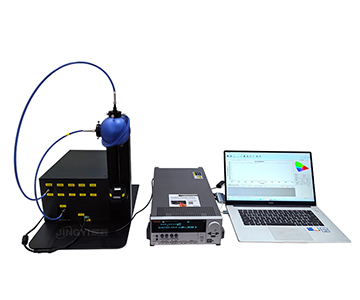
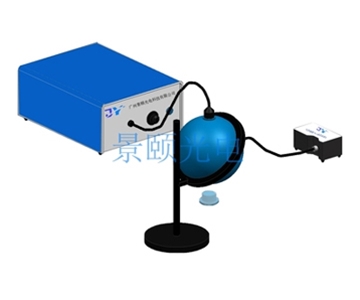
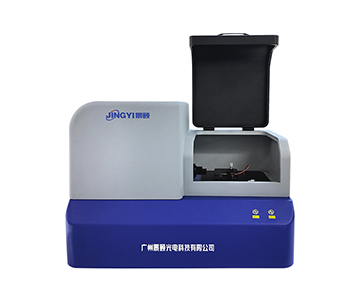
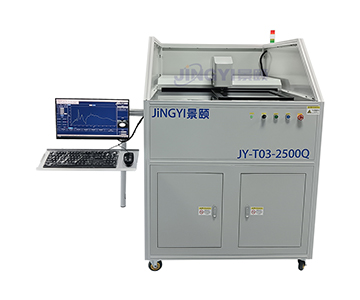
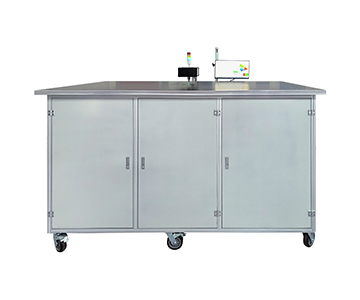
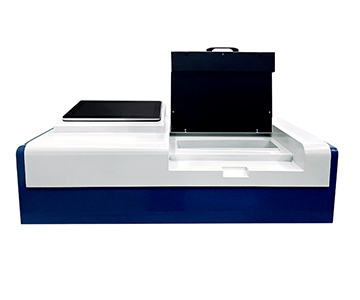
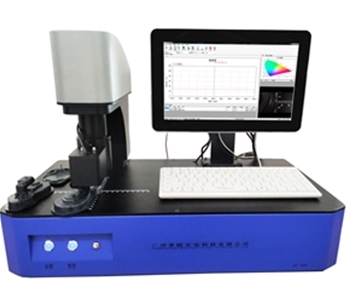
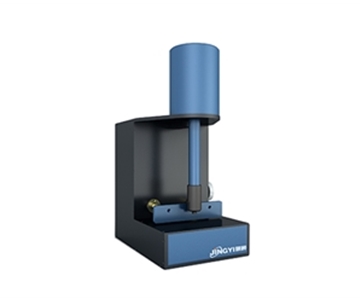
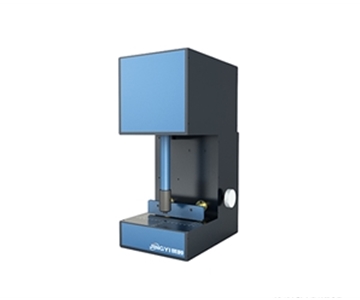
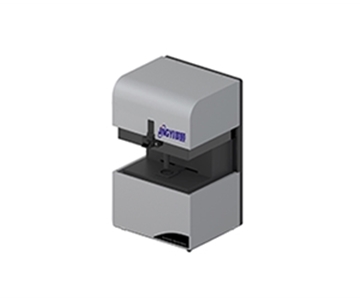
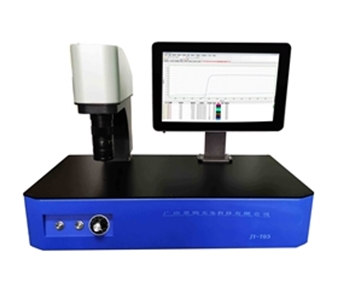
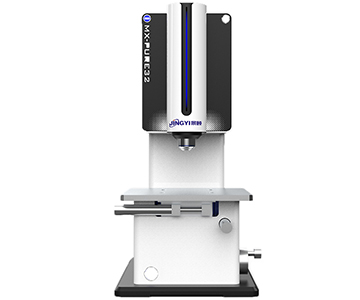
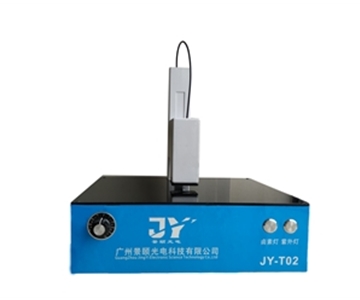
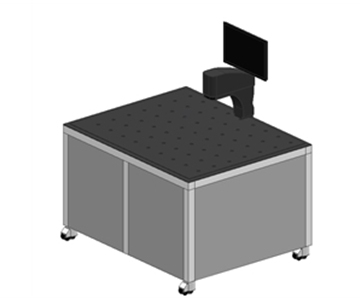
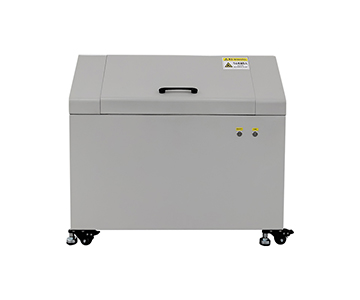
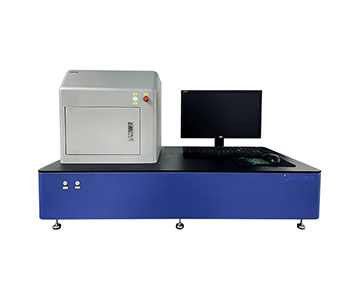
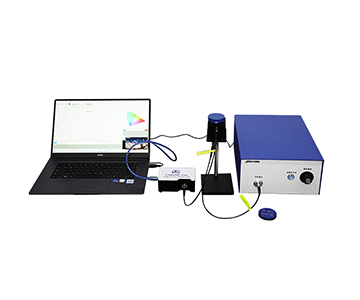
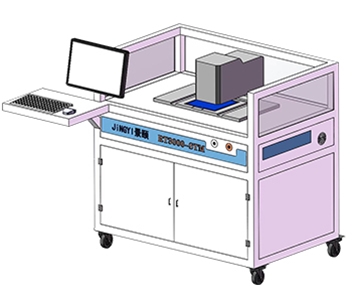
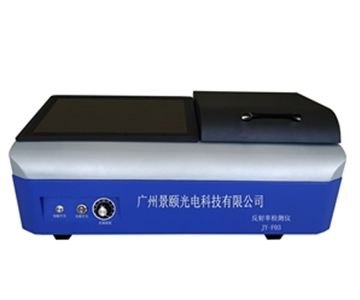
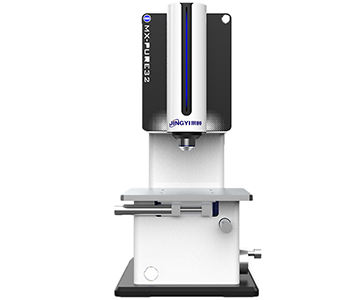
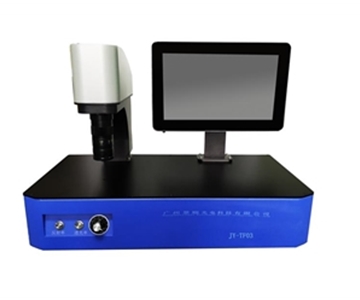
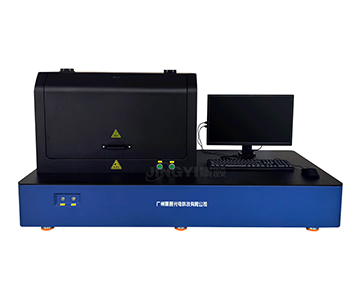
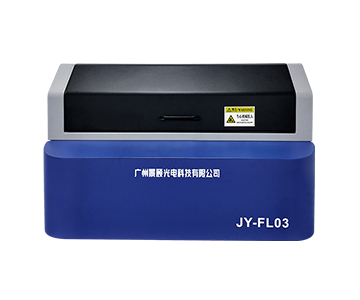
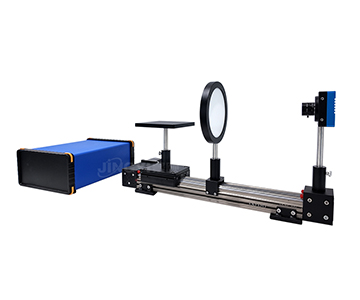
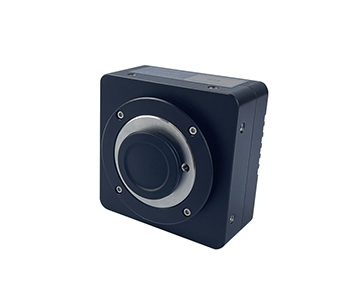
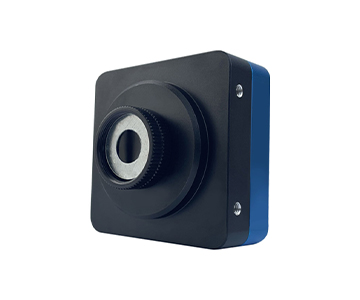
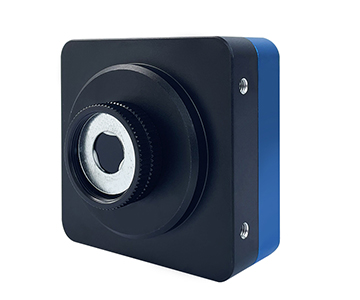
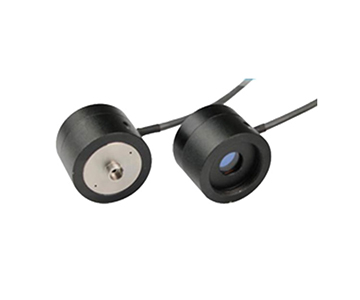
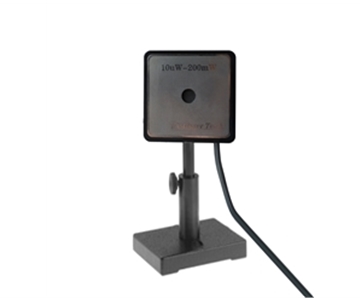
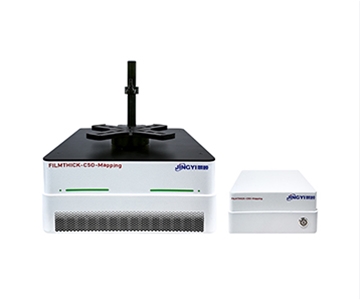
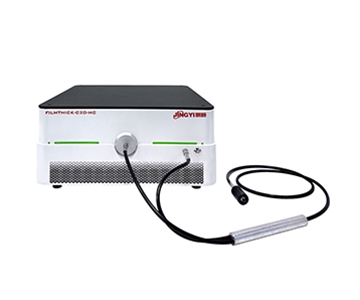
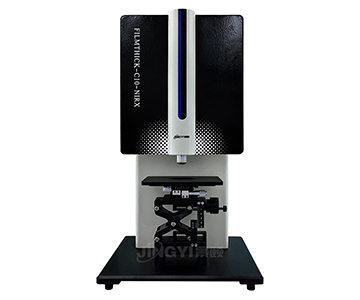
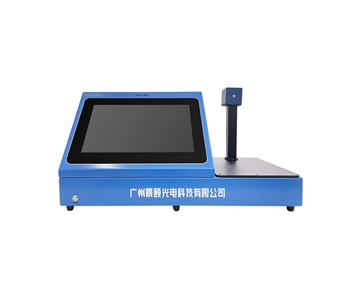
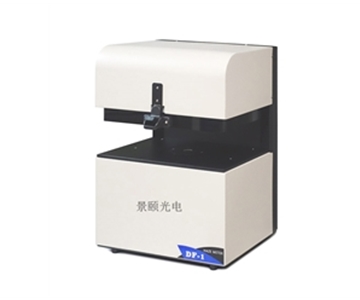
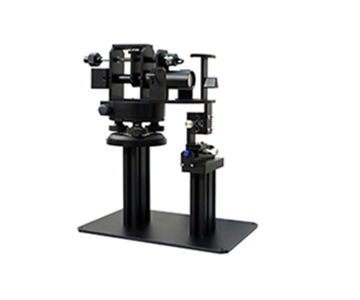
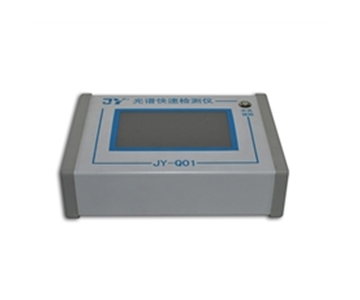
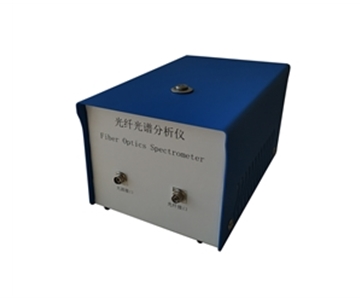
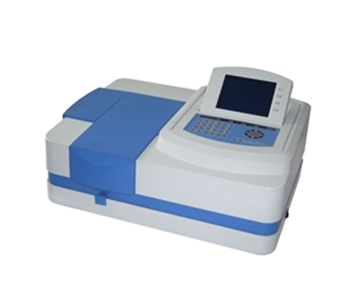
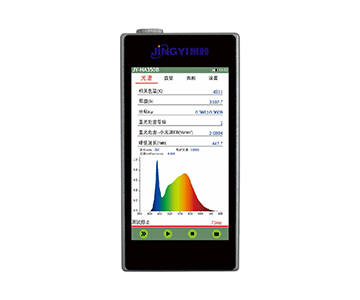
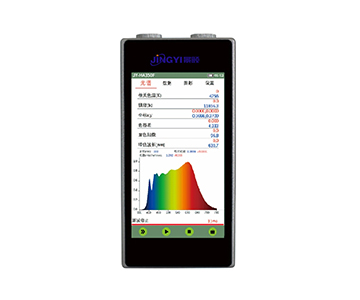
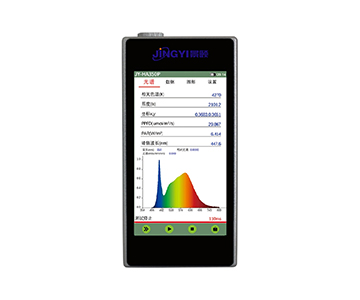
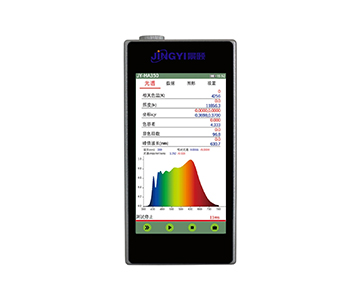
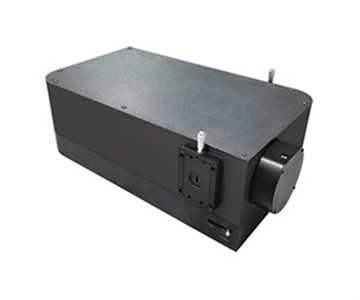
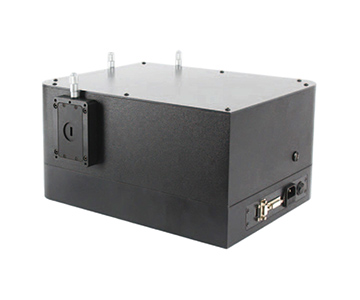
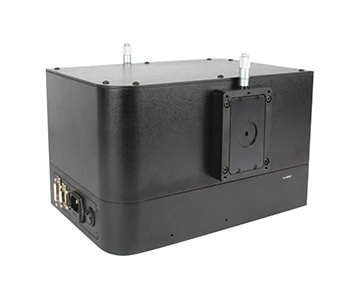
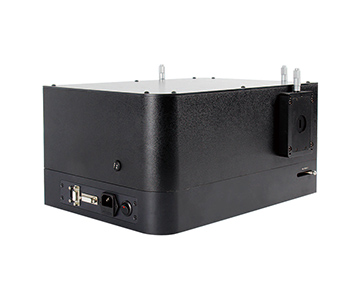
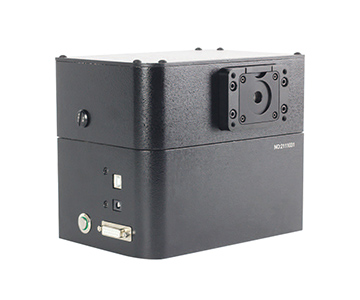
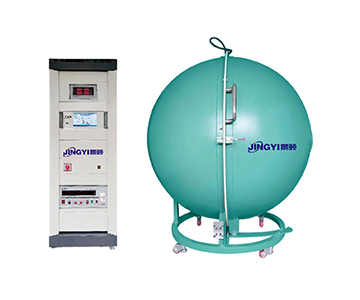
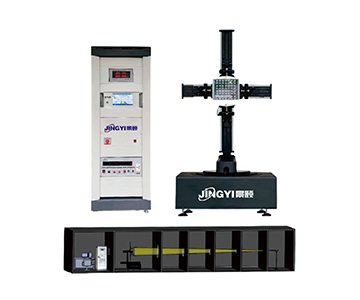
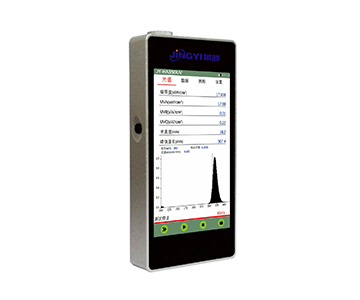
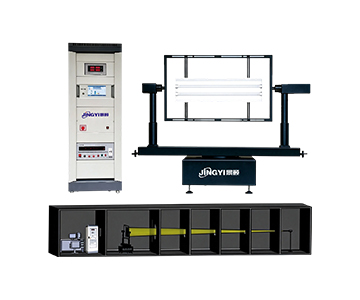
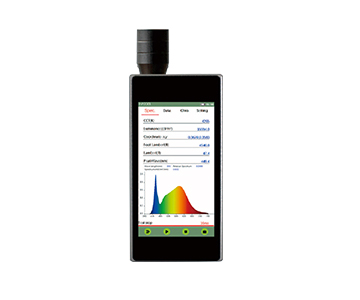
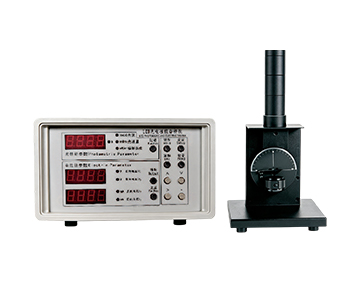
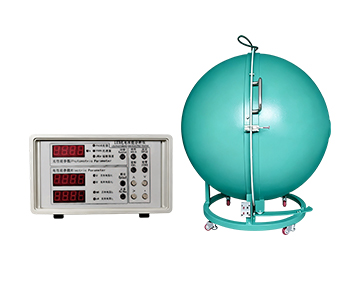
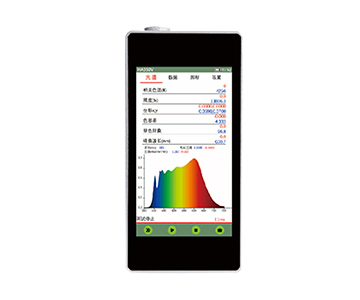
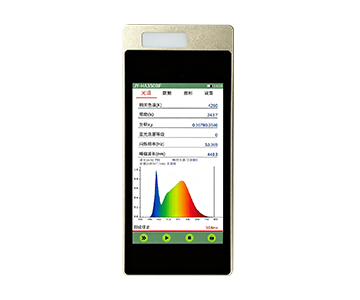
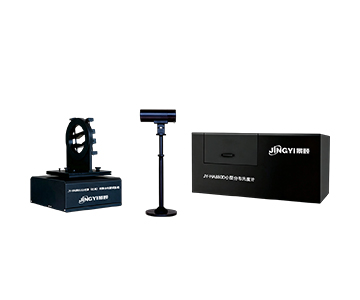
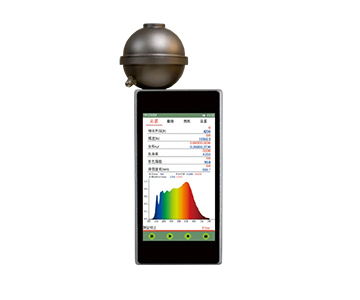
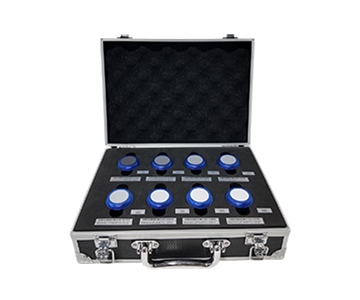
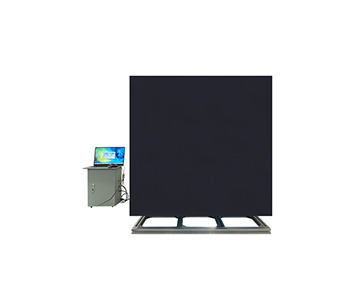
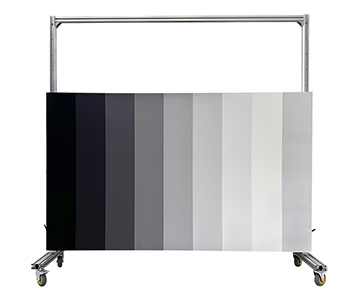
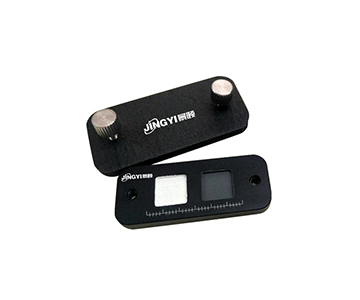
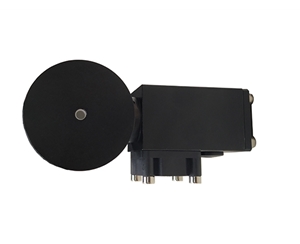
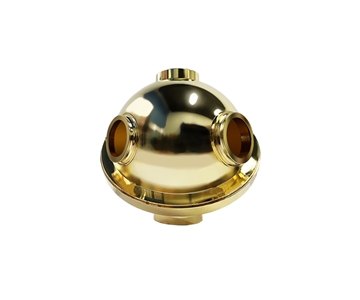
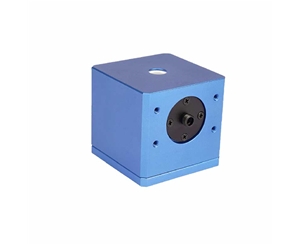
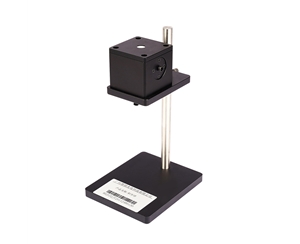
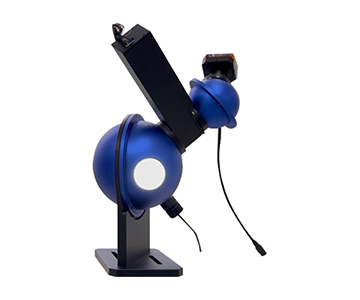
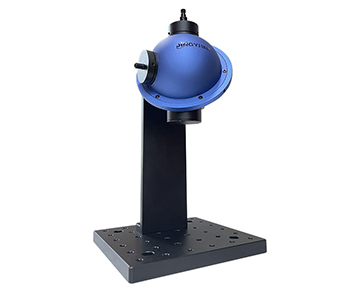
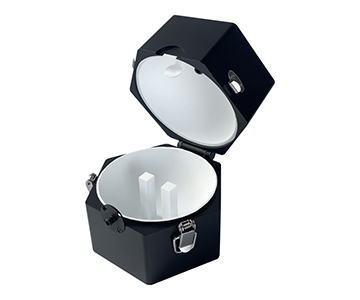
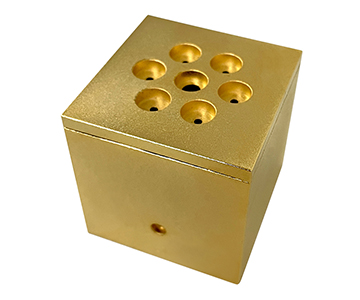
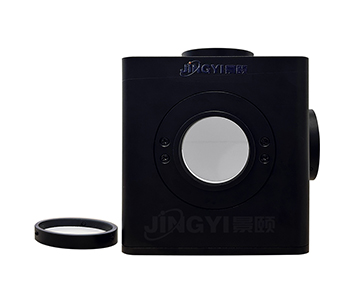
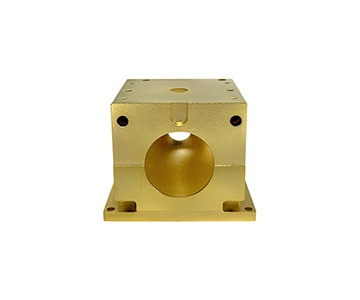
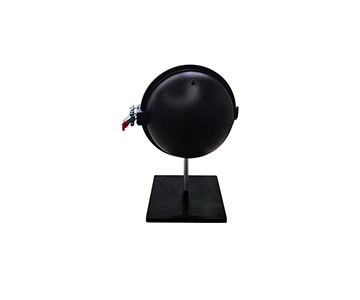
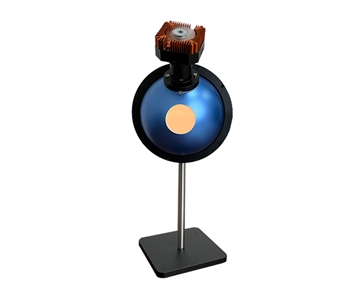
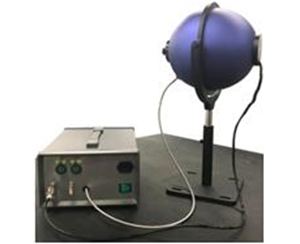
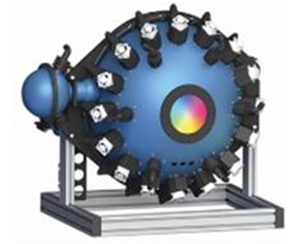
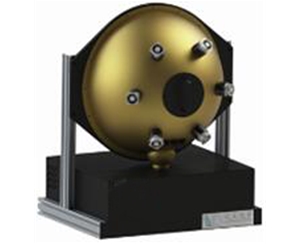
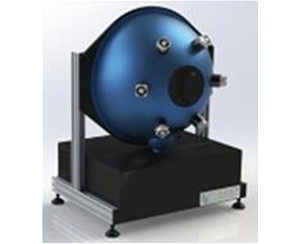
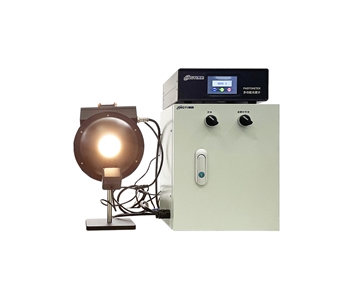
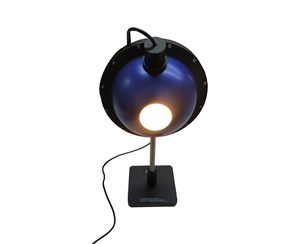
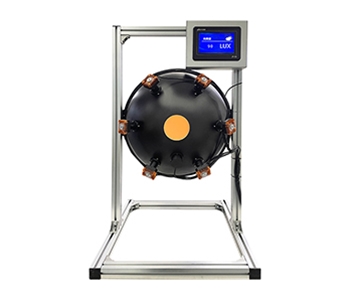
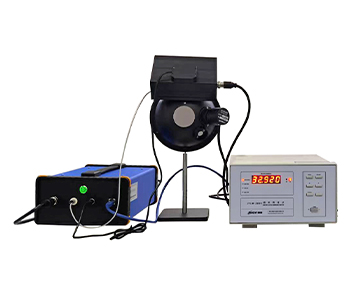
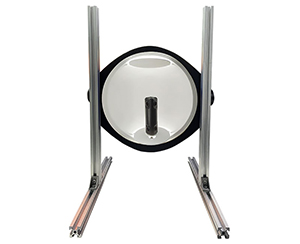
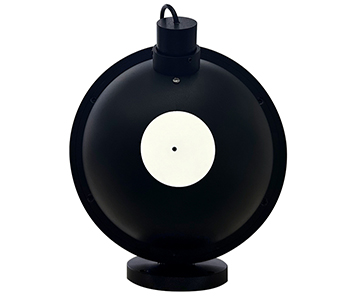
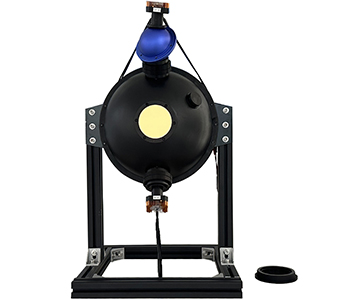
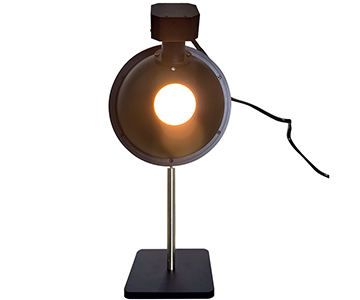
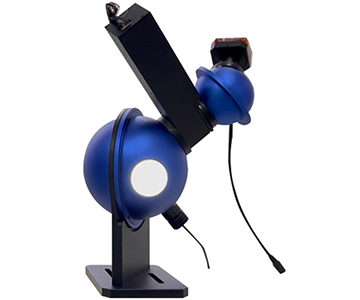
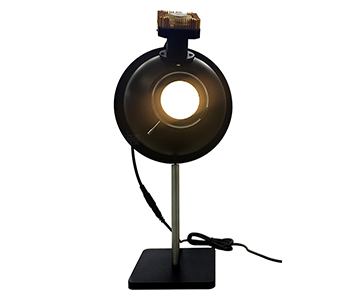
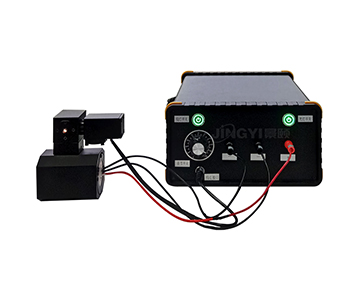
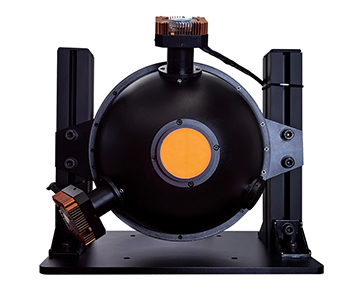
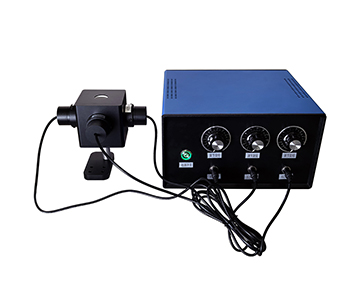
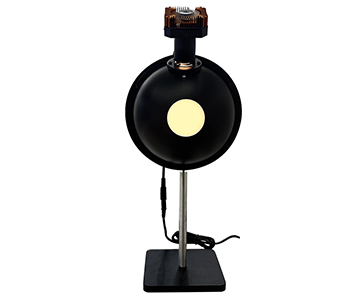
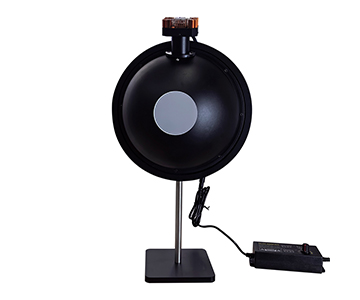
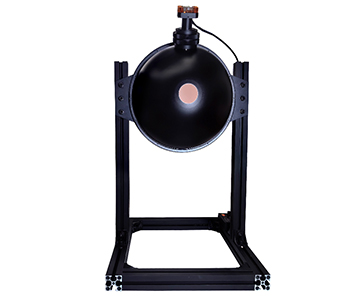
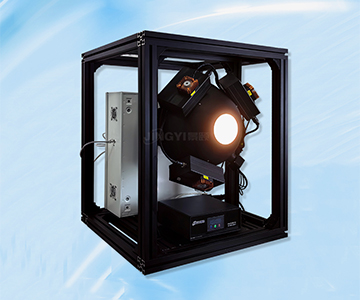
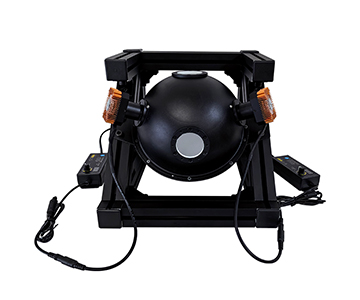
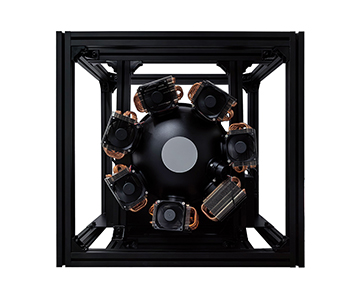
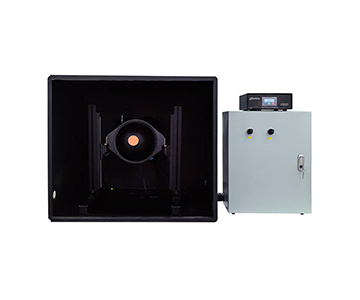
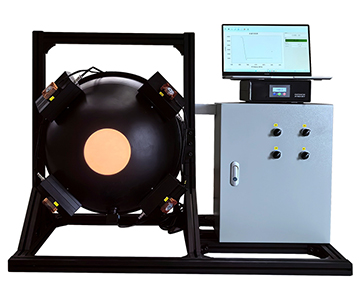
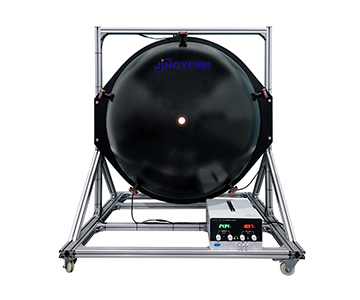
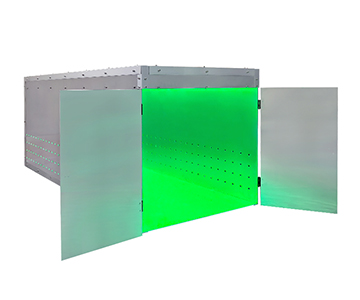
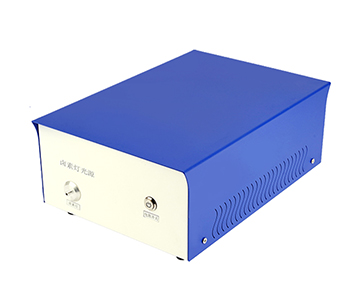
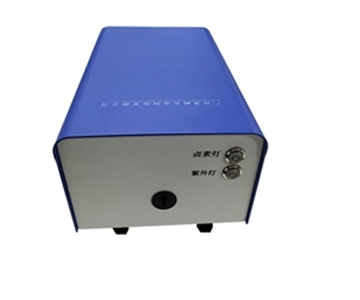
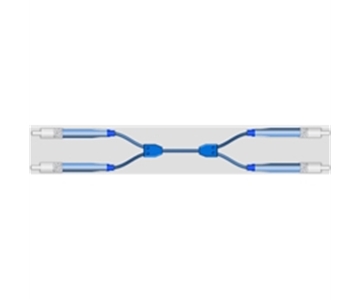
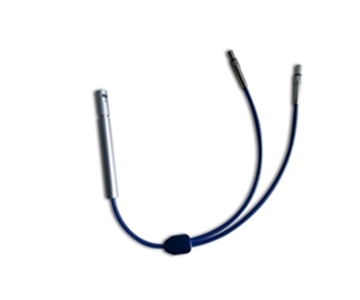
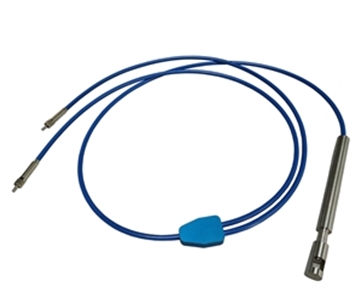
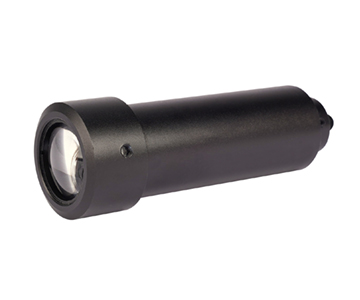
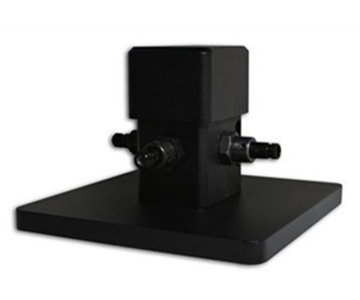
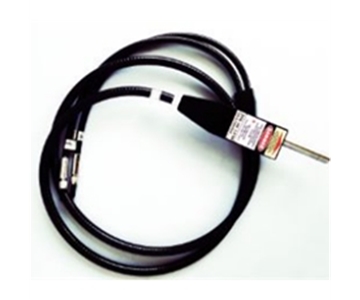
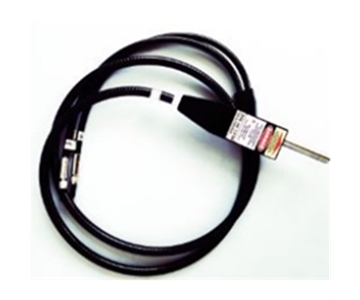
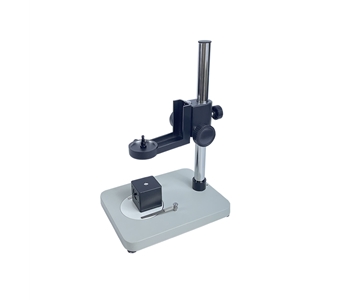
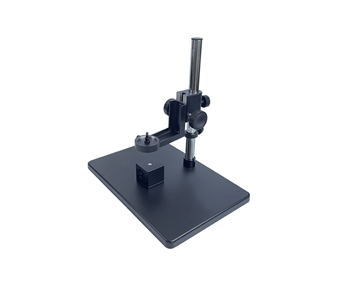
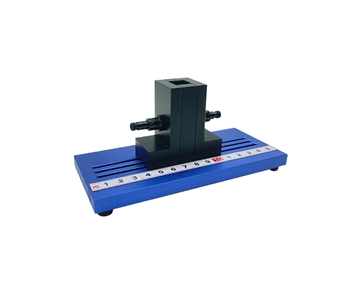
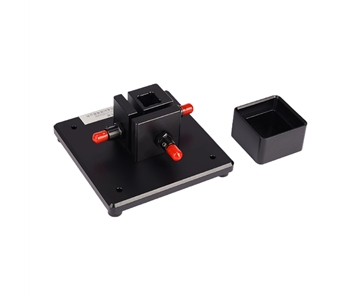
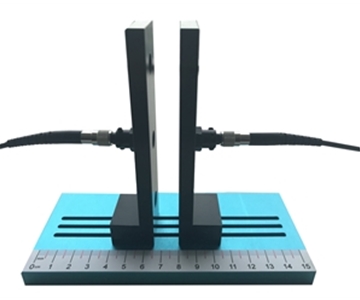
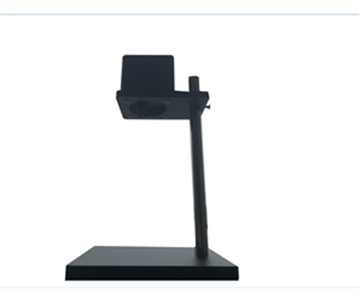
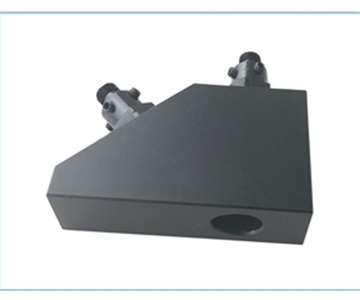
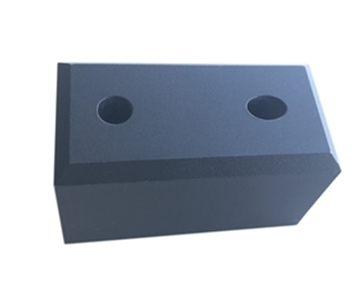
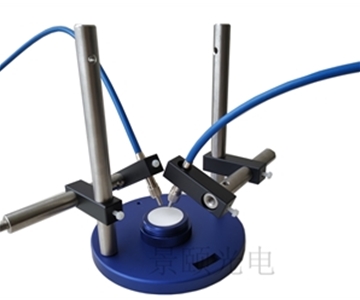
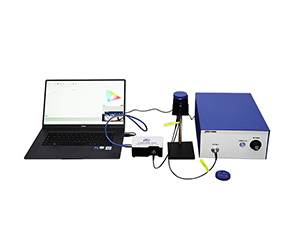
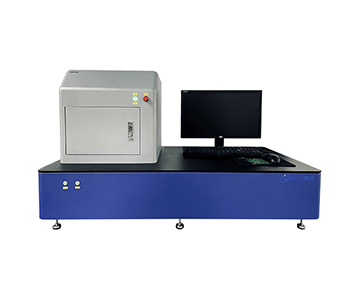
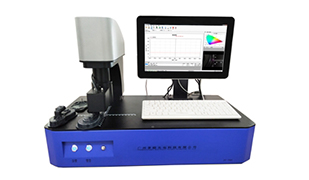
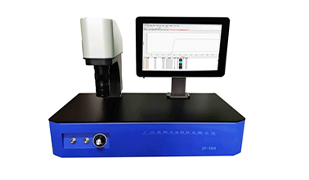
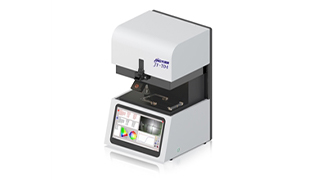
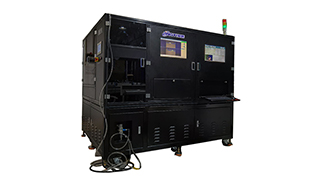
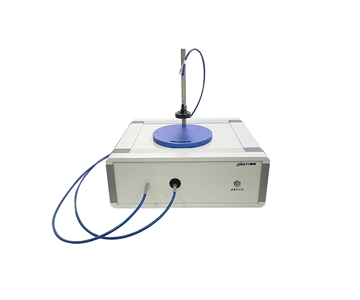
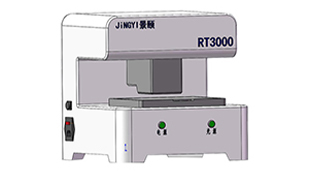
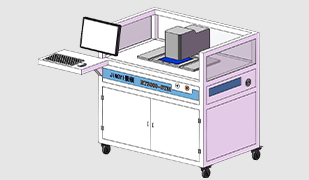
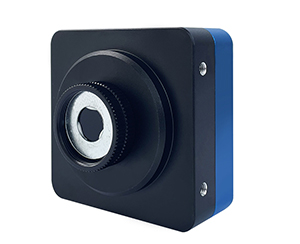
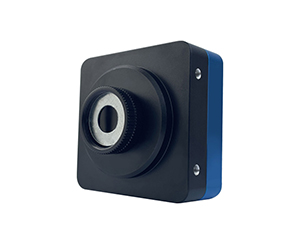
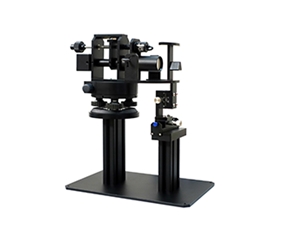
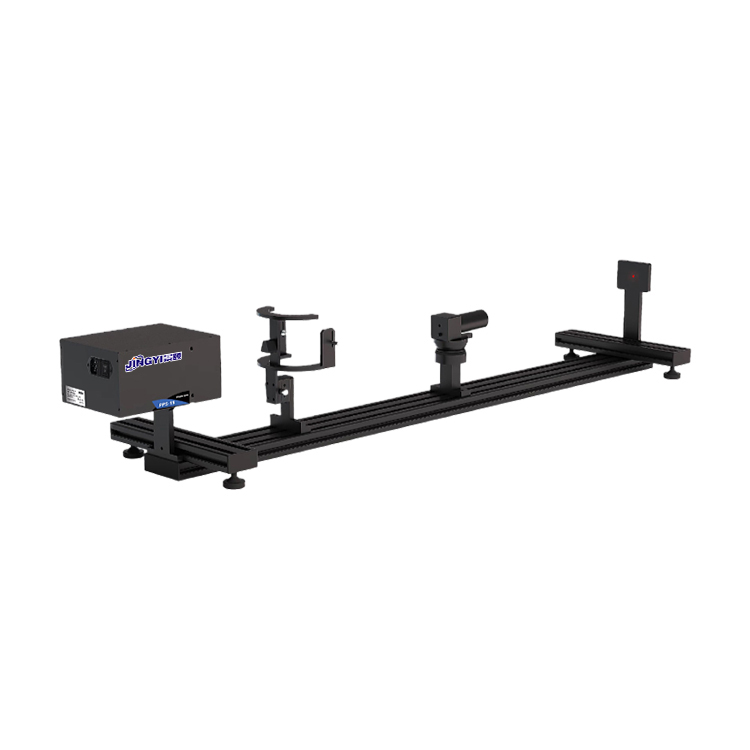
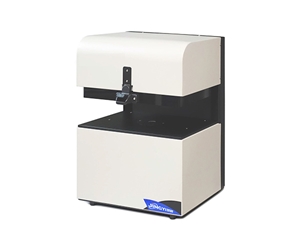
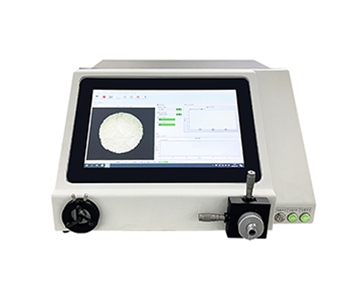
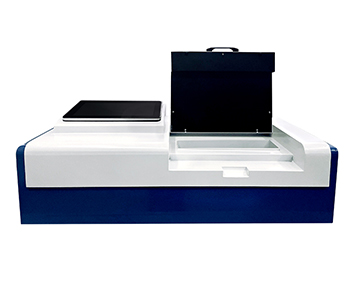
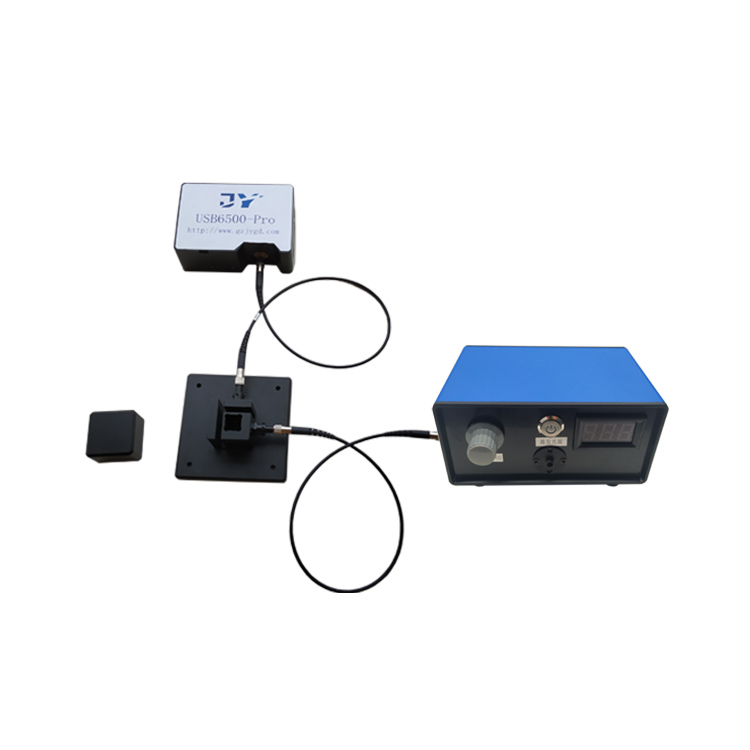
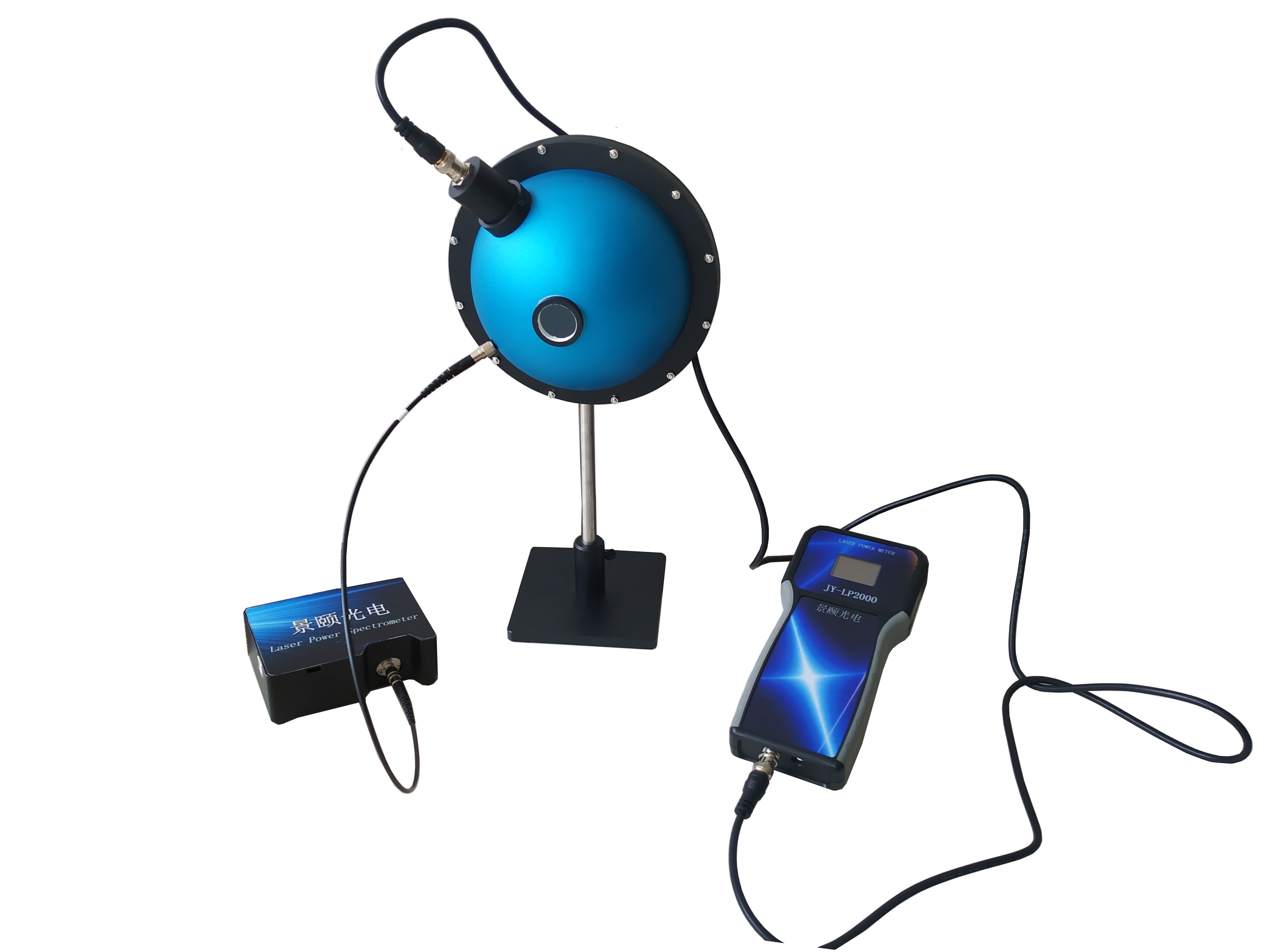
To address this industry-wide challenge, Jingyi Optoelectronics has independently developed a high-precision reflectance measurement instrument, delivering a wide-spectrum, highly accurate, and efficient solution for reflectance testing—and providing optical designers with a reliable source of empirically validated parameters. The instrument covers the standard detection wavelength range of 380–1000 nm, fully capturing spectral characteristics from visible to near-infrared light. Its data stability has been certified by an independent third-party metrology institution, and it issues formal calibration certificates. Measured values require no secondary correction and can be directly imported into mainstream optical simulation software. Equipped with a high-speed spectral acquisition module, the instrument delivers full-spectrum test results within milliseconds—ensuring no slowdown even in high-throughput production-line inspection scenarios.
Functional Capabilities and Testing Performance
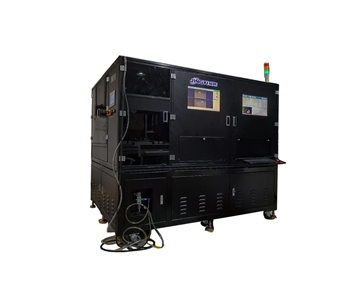
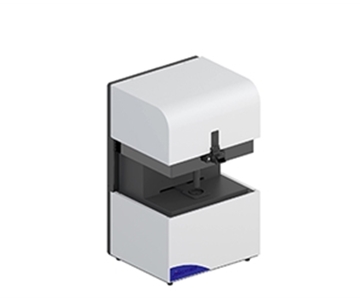
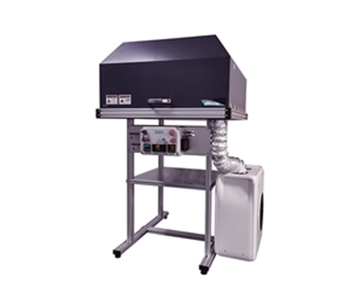
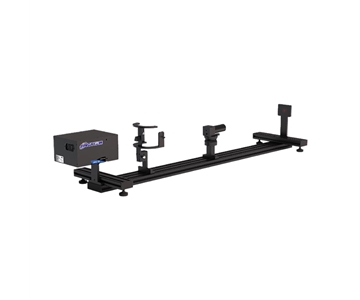
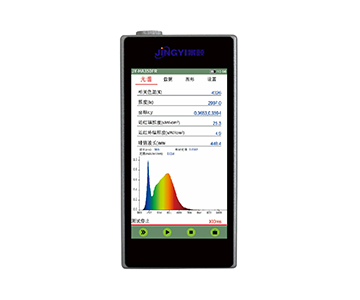
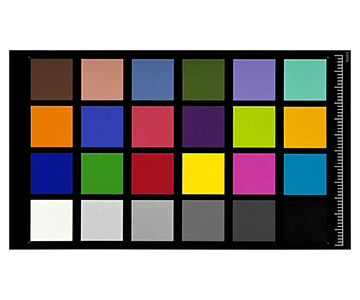
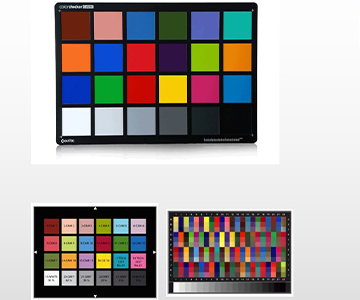
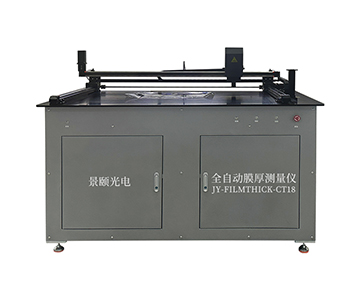
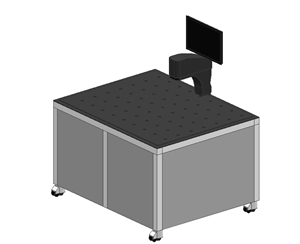
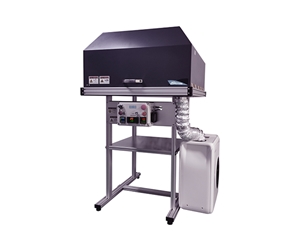
Unlike conventional single-function reflectance testers, this instrument also supports XY chromaticity diagram analysis and L·a·b color parameter measurement. Leveraging spectrophotometric colorimetry, it calculates the color appearance of samples directly from reflectance data. This capability proves especially valuable for products—such as consumer electronics cover glasses, paints/inks, and textiles—that demand concurrent optimization of both optical performance and visual appearance. Design teams now obtain both reflectance and color parameters in a single test, eliminating the need for separate instruments—and ensuring data consistency between optical and aesthetic metrics, thereby preventing situations where optical performance meets specifications but color deviates. Furthermore, Jingyi Optoelectronics offers customized solutions tailored to diverse application contexts: from small-batch R&D sample testing in laboratory environments, to fully automated, inline industrial inspection systems integrated seamlessly with production-line automation for 100% inspection.
Real-World Application Scenarios and Demonstrated Impact
In practical applications, this instrument has already delivered measurable cost savings and efficiency gains across multiple sectors:
- In consumer electronics, design teams use it to measure reflectance of smartphone cover glass under varying anti-glare coating thicknesses—enabling them to control glare values within industry standards at the simulation stage alone. This eliminates at least three rounds of mold trial-and-error iterations and shortens overall R&D cycles by over 40%.
- In automotive optics, its precise measurements support reflection-efficiency optimization for reflectors and rearview mirrors, as well as transmittance and scatter-angle matching for vehicle-display diffusion films—preventing post-mass-production issues such as distracting stray light or insufficient display brightness.
- In new-energy applications, solar silicon wafer teams leverage its full-spectrum reflectance data to optimize anti-reflective (AR) coating layer count and material selection—further enhancing photoelectric conversion efficiency.
Beyond these domains, the instrument also meets specialized testing needs in areas including mineral powder analysis, optical component coating verification, and gemstone authentication.
Optical Industry Development and Technological Evolution
As China’s optical industry continues rapid expansion, the pace of optical design iteration will accelerate further—demanding ever-higher levels of measurement accuracy and application adaptability from test instrumentation. Jingyi Optoelectronics remains committed to continuous innovation in reflectance measurement technology, launching industry-specific, customized testing solutions to support optical design teams across the entire value chain—from lab-based R&D to full-scale manufacturing. By doing so, the company helps narrow the technical gap between domestic optical design capabilities and world-leading international standards.
#ReflectanceMeasurementInstrument #ReflectanceTester #GlossMeter #GlossMeasuringInstrument #Reflectometer #GlossMeter #CHT-F03ReflectanceMeasurementInstrument