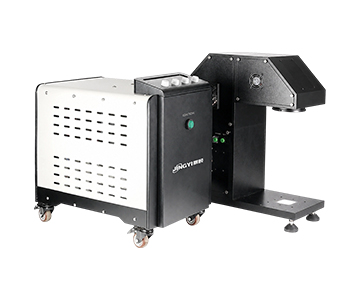
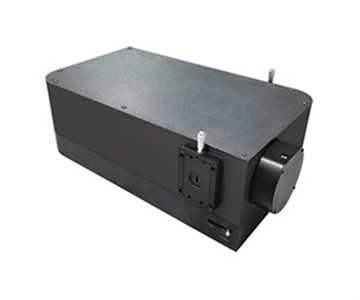
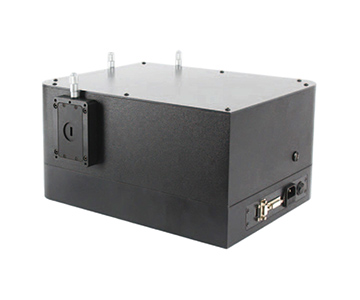
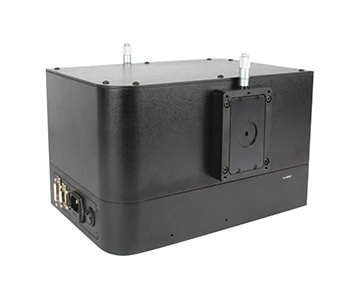
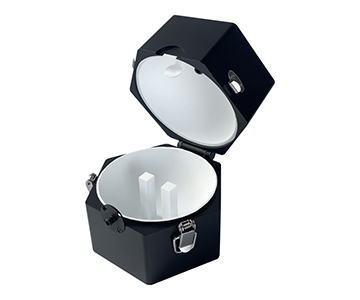
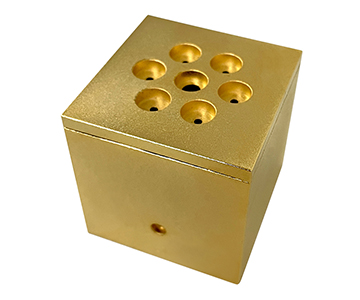
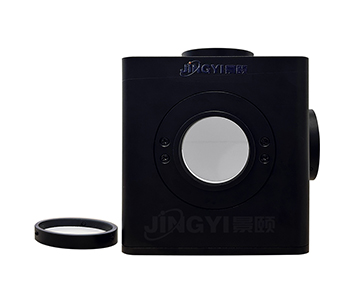
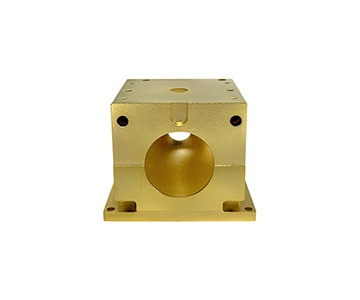
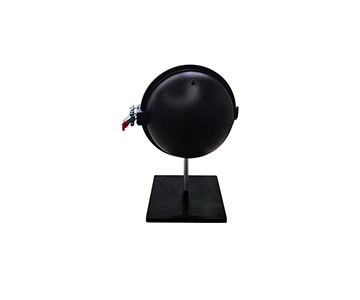
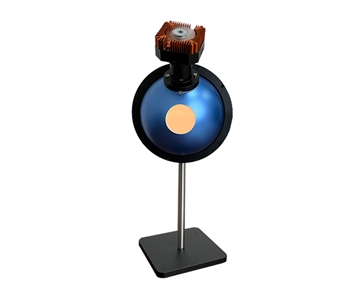
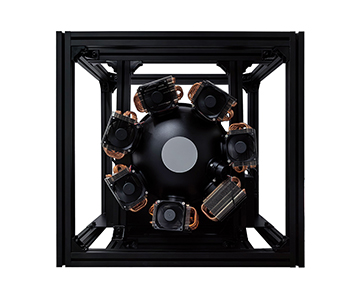
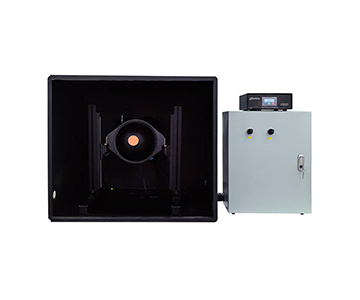
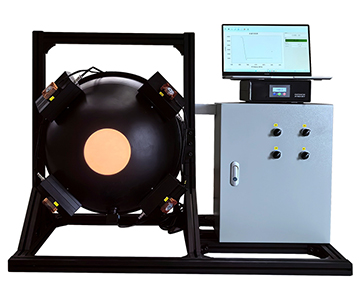
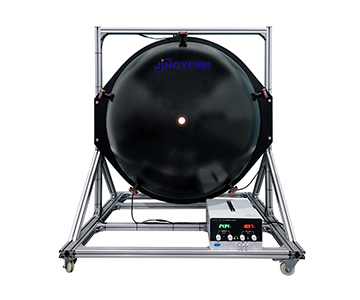
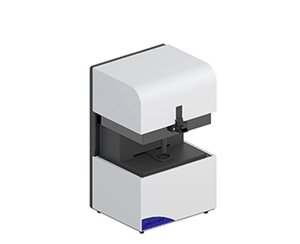
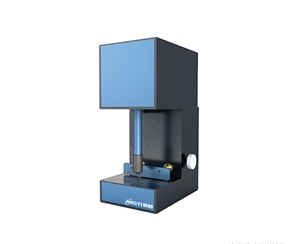
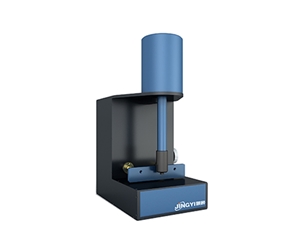
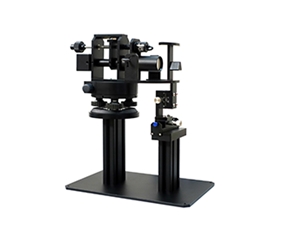
Systematic Error Factors in Fluorescence Quantum Yield Integrating Spheres and Jingyi Optoelectronics’ Solutions
Many professionals in the spectral measurement field have encountered the following conundrum: although the entire measurement system calibration strictly follows established protocols, measured values—such as luminous flux, transmittance, and reflectance—consistently deviate from certified reference standards. Repeated troubleshooting fails to pinpoint the root cause. In fact, such non-operator-induced systematic errors often stem from inherent imperfections in the fluorescence quantum yield integrating sphere itself. The primary contributing factors can be categorized into three dimensions: material properties, structural design, and size selection.
Performance Variability of Internal Diffuse-Reflective Coatings
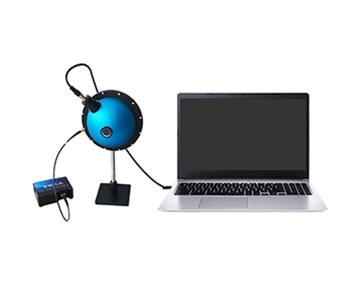
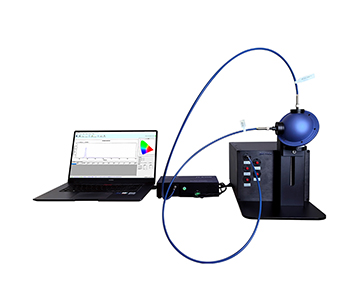
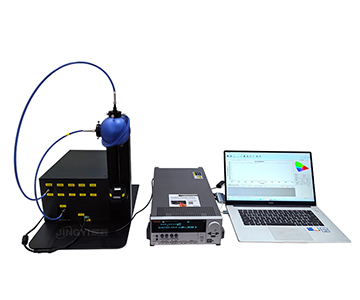
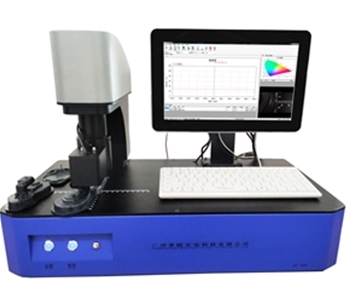
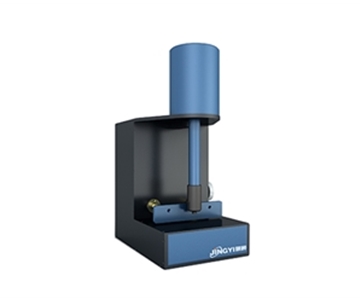
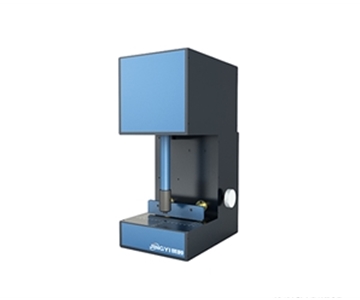
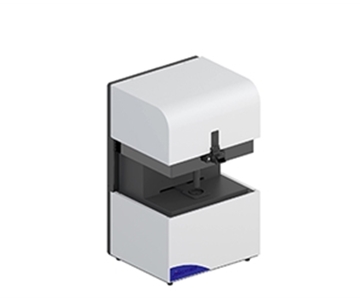
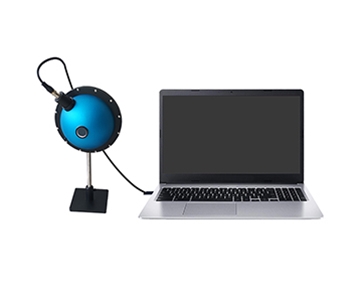
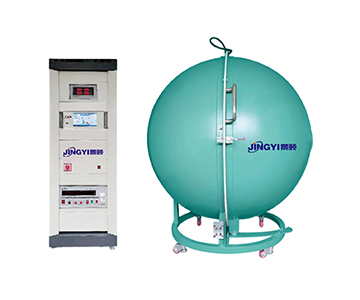
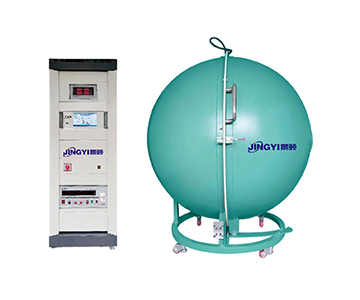
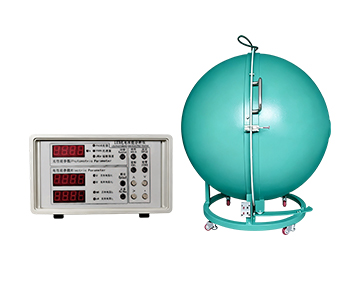
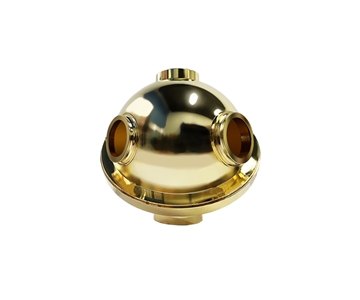
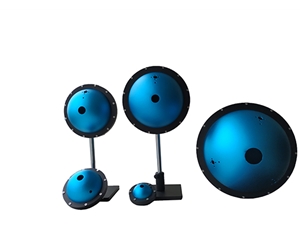
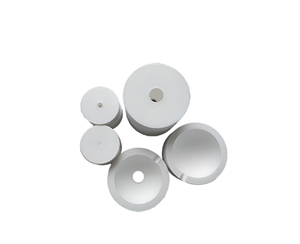
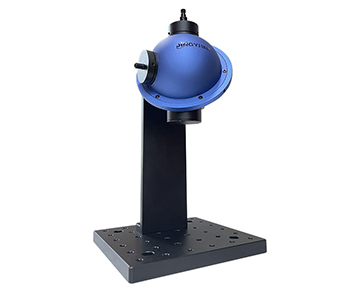
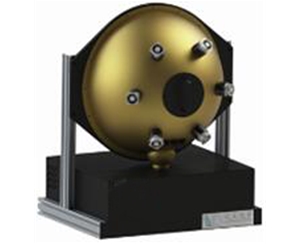
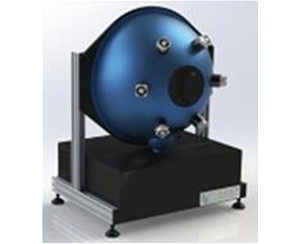
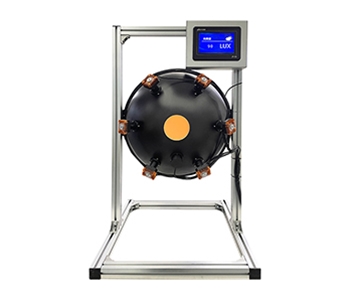
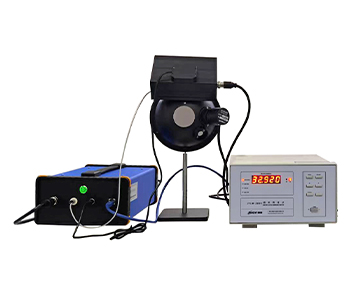
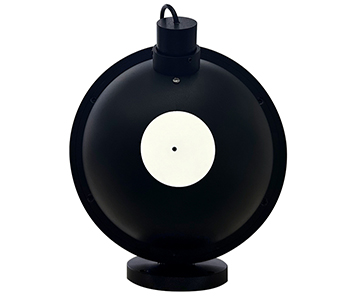
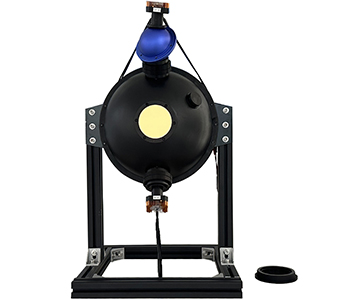
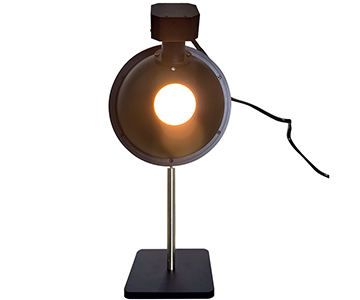
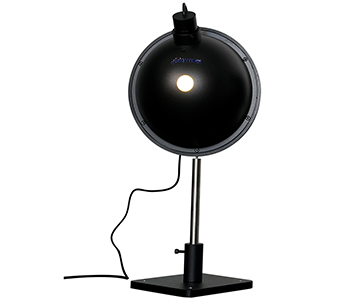
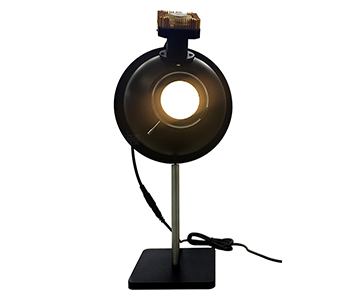
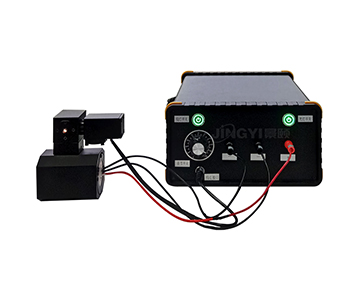
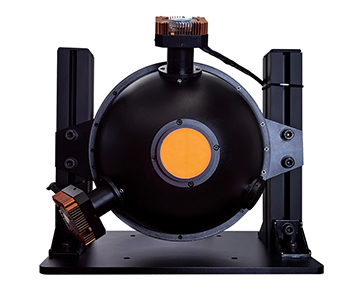
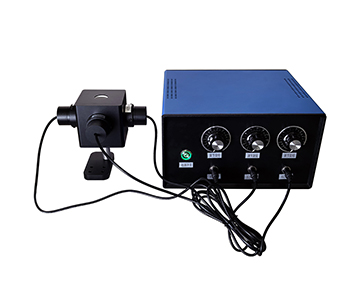
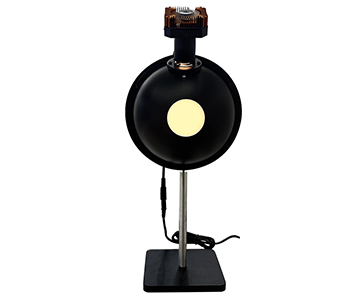
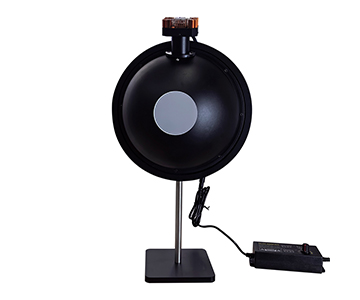
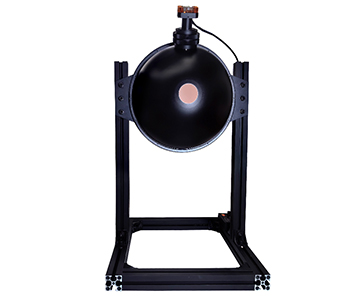
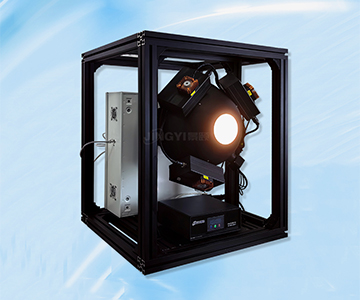
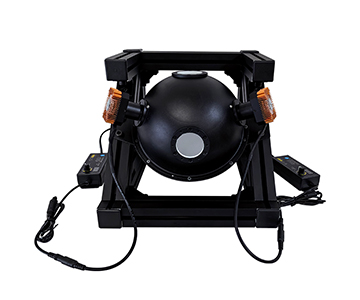
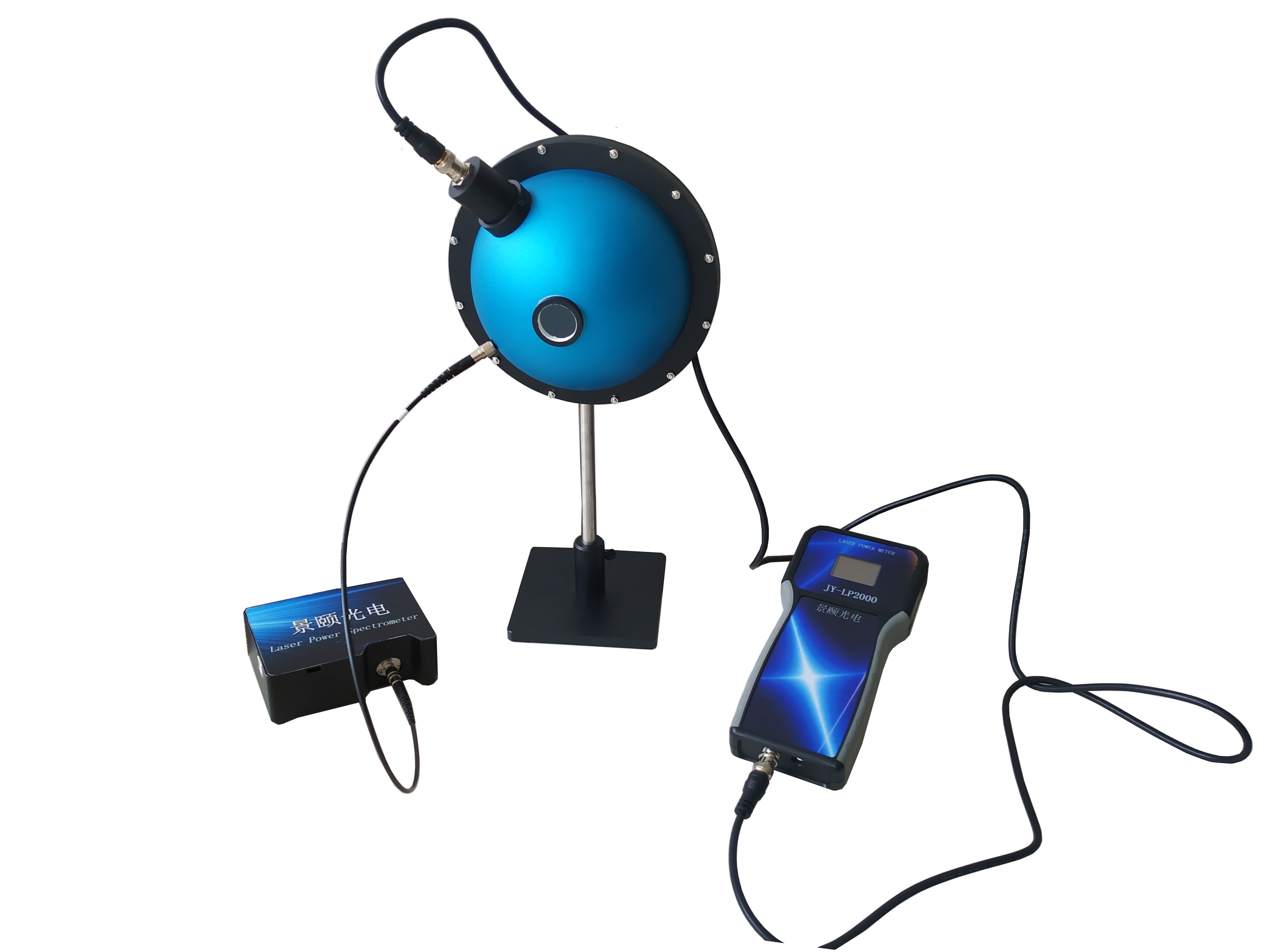
The measurement accuracy of a fluorescence quantum yield integrating sphere relies entirely on the uniformity and consistency of its inner-wall coating’s diffuse reflection. Conventional coatings exhibit significant wavelength-dependent reflectance fluctuations; across the full spectral range, reflectance variation can exceed 7%. When the coating’s average reflectance surpasses 95%, even a mere 1% fluctuation in reflectance can induce approximately a 10% deviation in output irradiance. Moreover, low-cost integrating spheres frequently employ coatings with poor adhesion—leading to yellowing or flaking after only six months to one year of use—further amplifying measurement errors. Jingyi Optoelectronics’ JY-FOIS-84 universal fluorescence quantum yield integrating sphere employs an in-house developed high-stability diffuse-reflective coating. This proprietary coating achieves near-ideal Lambertian behavior, maintains reflectance variation below 1% across the entire spectrum, and demonstrates exceptional resistance to aging and delamination. After extended operation, coating performance degradation remains under 0.3%, thereby minimizing error sources at the fundamental material level.
Design Trade-offs Between Apertures and Internal Shielding Structures
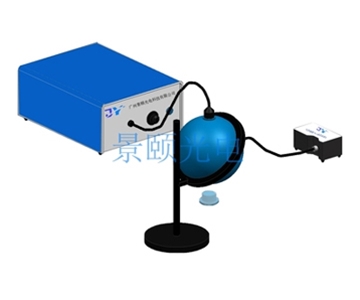
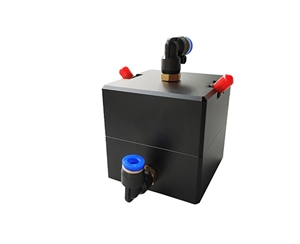
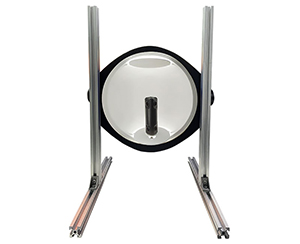
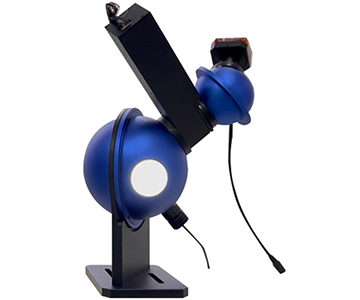
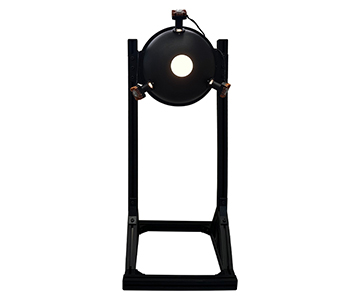
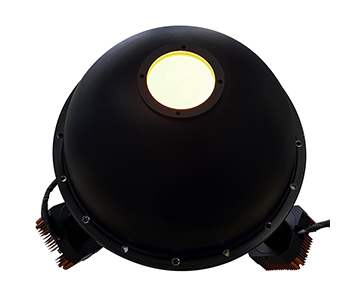
To prevent incident light from entering the detector port without undergoing diffuse reflection, conventional fluorescence quantum yield integrating spheres incorporate light-blocking structures between the light source and detection port. However, standard shielding components are rarely optimized via professional optical simulation—their dimensions and mounting angles often inadvertently obstruct portions of the diffuse-reflected light paths, degrading intra-sphere light-field uniformity by approximately 4%. Additionally, many fixed-aperture integrating spheres enlarge the exit port to accommodate diverse applications; once the exit-port diameter exceeds 1% of the sphere’s diameter, irradiance uniformity at the exit plane drops below 1%. Coupled with non-adjustable detector mounting positions, some diffusely reflected light is permanently excluded from detection—introducing a fixed systematic error. Jingyi’s JY-FOIS-84 adopts a customizable universal aperture design: users select the optimal aperture size according to their specific measurement scenario. By default, the aperture ratio is rigorously limited to ≤10% of the sphere diameter—ensuring stable, compliant exit-plane irradiance uniformity. Furthermore, its integrated light shield has undergone multiple rounds of optical ray-tracing optimization: it fully blocks direct (specular) illumination while limiting interference with the diffuse light field to <0.2%. A recessed detector mounting position is also provided—eliminating the need for additional blocking plates and effectively preventing stray direct light from reaching the sensor—thereby further narrowing structural error contributions.
Sphere Diameter Selection and Application Suitability
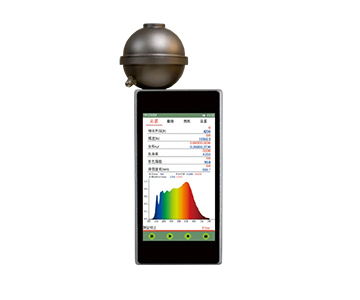
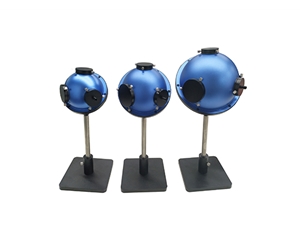
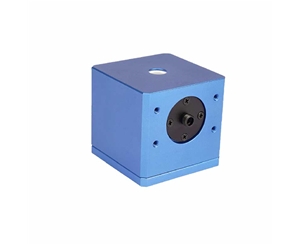
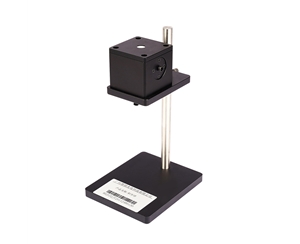
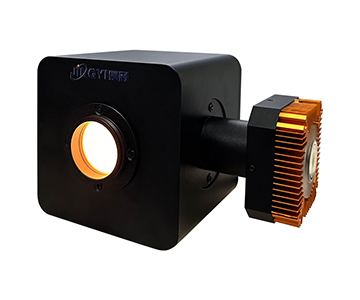
Many users assume that larger integrating spheres inherently deliver higher measurement accuracy. In reality, however, increasing sphere diameter elevates cumulative optical losses due to repeated internal diffuse reflections; output illuminance decreases inversely with the square of the sphere diameter—degrading signal-to-noise ratio (SNR) in low-light applications. Conversely, smaller spheres offer higher output illuminance but suffer from disproportionately large spatial occupancy by internal baffles and fixtures, making it difficult to achieve the light-field uniformity required for high-precision measurements. Jingyi’s JY-FOIS-84—with its 84 mm diameter—represents the empirically validated optimum, refined through testing across over one hundred application scenarios. This dimension optimally balances light-field uniformity and output illuminance: it satisfies stringent accuracy requirements for routine transmittance, reflectance, laser power, and spectral measurements—and seamlessly integrates into portable or miniaturized spectral measurement systems. Its cost-effectiveness and versatility significantly outperform functionally fixed integrating spheres at comparable price points.
Jingyi Optoelectronics:
• Factory pass rate: 99.8%
• Equipped with PTFE-based ultra-high-reflectance coating (average reflectance ≥99%)
• Offers multi-size and multi-interface customization
• Provides comprehensive pre-sales and after-sales technical support
Typical Applications: LED luminous flux testing, laser power measurement, display color calibration, environmental monitoring—any high-precision optical metrology scenario.
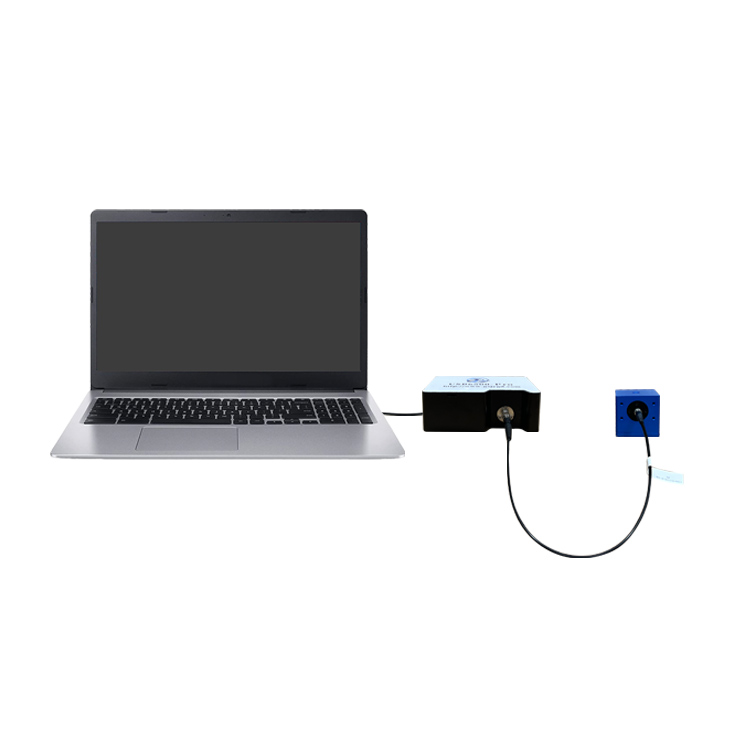
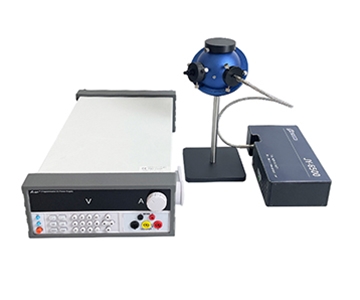
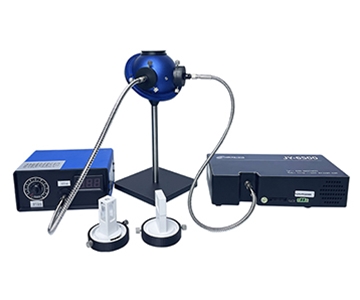
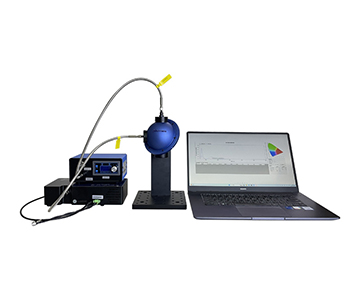
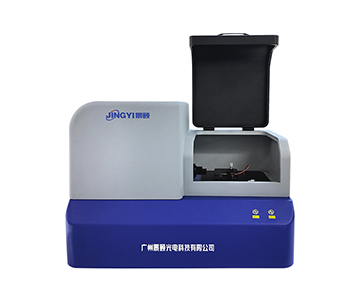
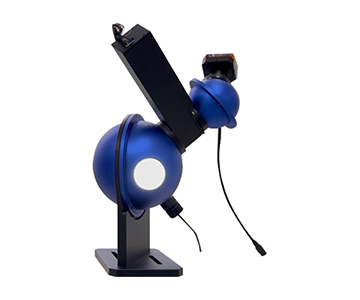
For most general-purpose spectral measurement applications, selecting an optimized fluorescence quantum yield integrating sphere—such as Jingyi’s JY-FOIS-84 series—enables systematic error control within ±0.5%, eliminating the need for costly custom-built instrumentation. Moreover, the JY-FOIS-84 supports user-specific customization of aperture size, position, and complementary accessories—truly enabling “one sphere, multiple uses” while maintaining precision across varied operational conditions. It stands out as a highly cost-effective solution for building versatile, high-performance spectral measurement systems.
#FluorescenceQuantumYieldIntegratingSphere #DiffuseReflectingIntegratingSphere #MiniatureIntegratingSphere #OpticalTestingIntegratingSphere #TransmittanceIntegratingSphere #IntegratingSphere