Precision Reflectance Measurement: The Key to Unlocking Optical Design Simulation Accuracy
The optical industry is evolving at an accelerating pace—from display cover glasses in consumer electronics and lighting systems in automotive applications, to spaceborne optical components for aerospace and silicon wafers for photovoltaic solar cells. Performance requirements for optical materials vary dramatically across these application scenarios: automotive lighting demands highly reflective surfaces to maximize luminous efficacy; aerospace optics require anti-reflective coatings that suppress reflections to minimize stray light; and consumer electronics cover glasses must simultaneously achieve precise reflectance control and consistent visual color appearance. Yet many optical design teams face the same recurring challenge: simulation results during early-stage design appear fully compliant with specifications—only for prototypes, post-tooling, to reveal critical shortcomings—such as insufficient luminous efficacy, excessive stray light, or unacceptable color deviation. These issues trigger costly mold revisions—often exceeding hundreds of thousands of RMB—and delay development timelines by weeks or even months, representing a hidden burden in the R&D pipeline.
The root cause of such discrepancies lies primarily in the over-idealization of material optical parameters used during simulation. The final light distribution of an optical system depends not only on geometric parameters—including surface curvature and manufacturing tolerances—but also critically on the intrinsic optical response of the material itself: upon illumination, what proportion of incident light is reflected, transmitted, or absorbed? What is the angular distribution of scattered light? The accuracy of experimentally measured data for these parameters directly determines the reliability of simulation outcomes.
Currently, industry-standard parameters characterizing material optical properties fall into two main categories:
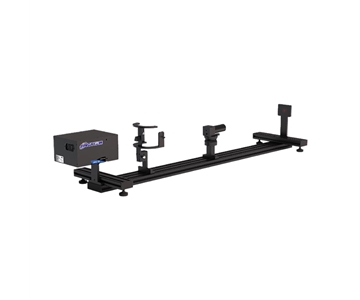
1. Angular scattering distribution parameters—commonly referred to as the Bidirectional Scattering Distribution Function (BSDF)—which fully describe the spatial energy distribution of reflected and transmitted light across all angles, forming the foundational basis for stray light analysis;
2. Integrated reflectance/transmittance ratios—the total reflected or transmitted optical power, summed over all angles, normalized against incident flux.
Many design teams estimate reflectance values indirectly from BSDF measurements. However, this approach is inherently limited by instrument resolution and sampling density, leading to relatively high uncertainty. Conducting dedicated, direct reflectance and transmittance measurements thus represents the most straightforward and effective path to improving simulation fidelity.
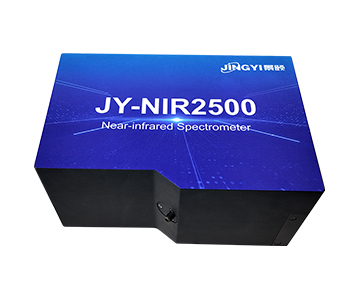
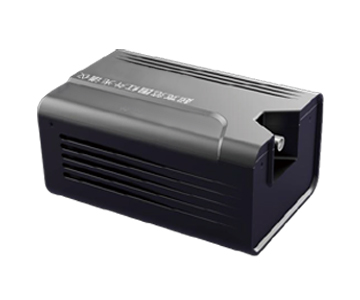
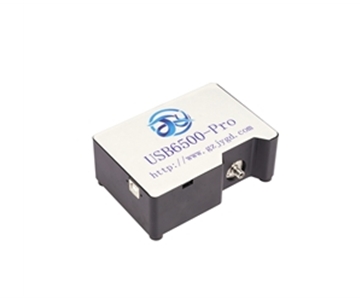
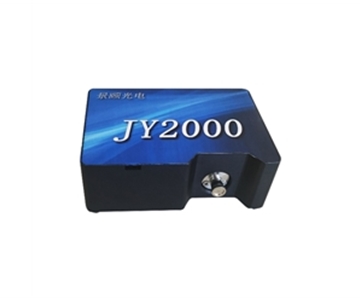
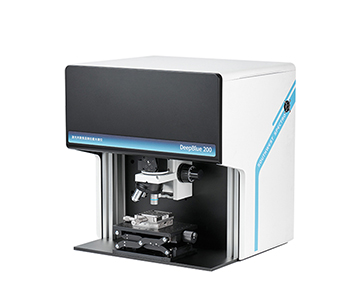
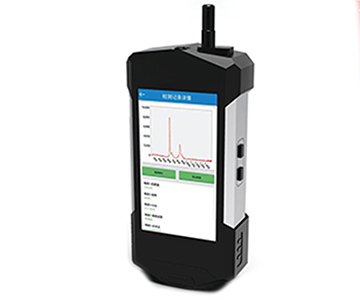
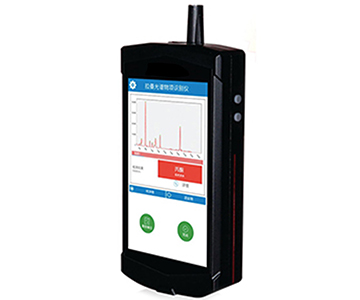
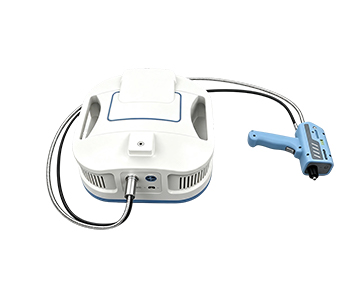
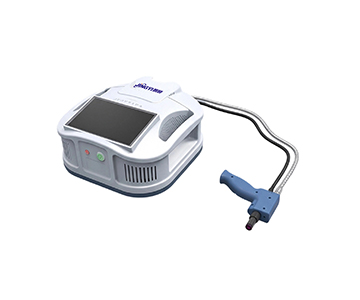
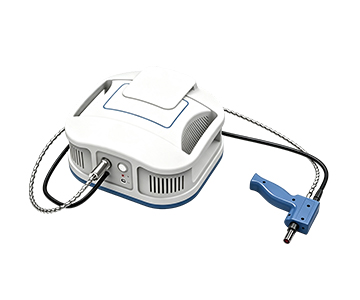
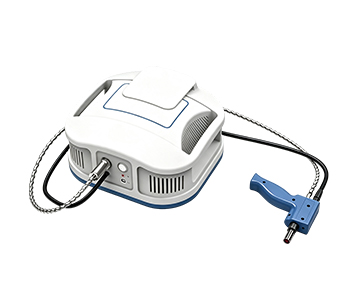
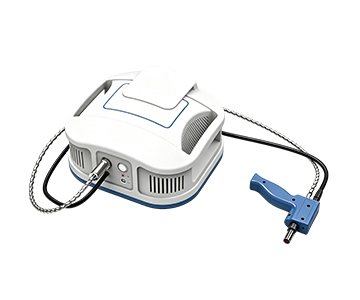
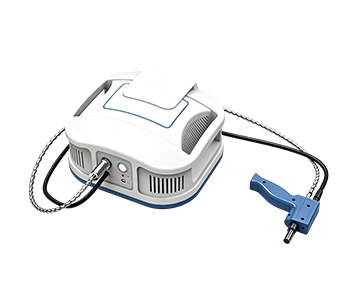
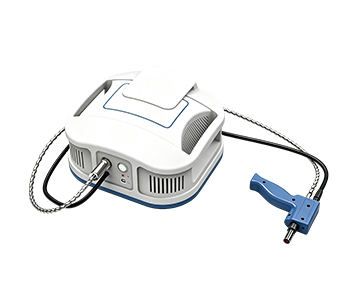
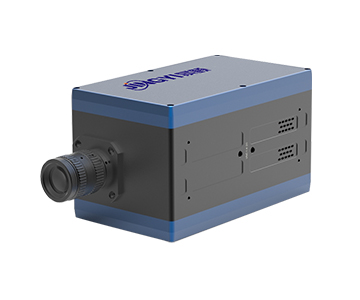
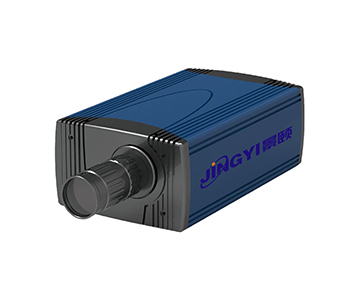
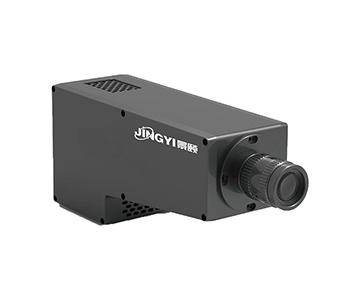
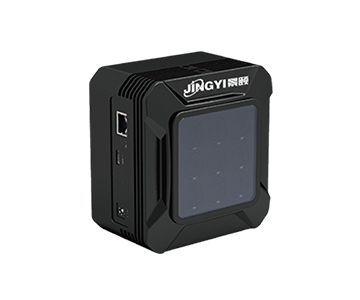
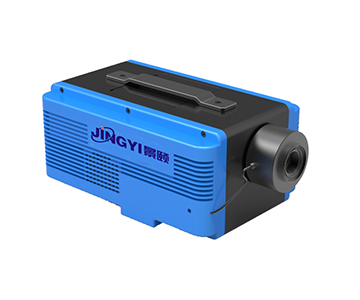
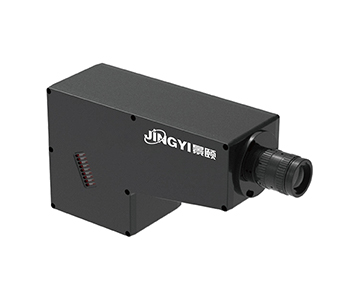
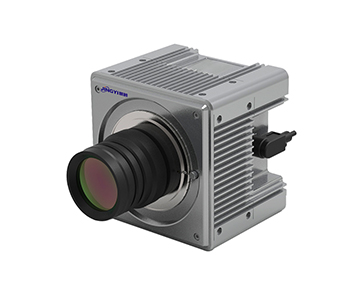
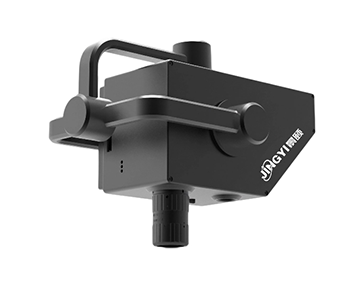
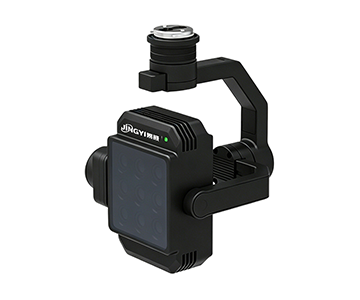
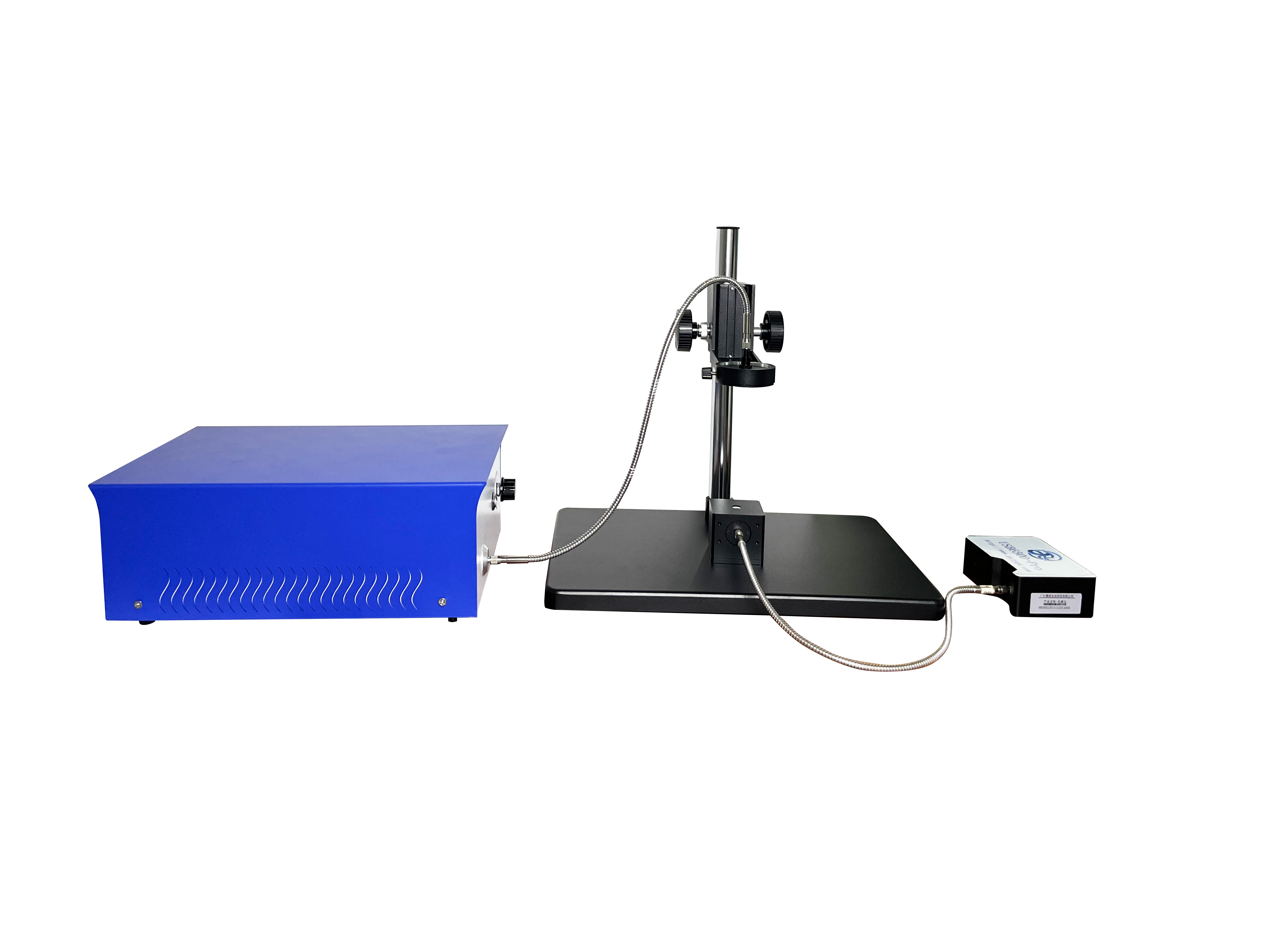
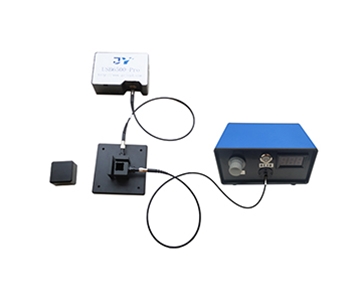
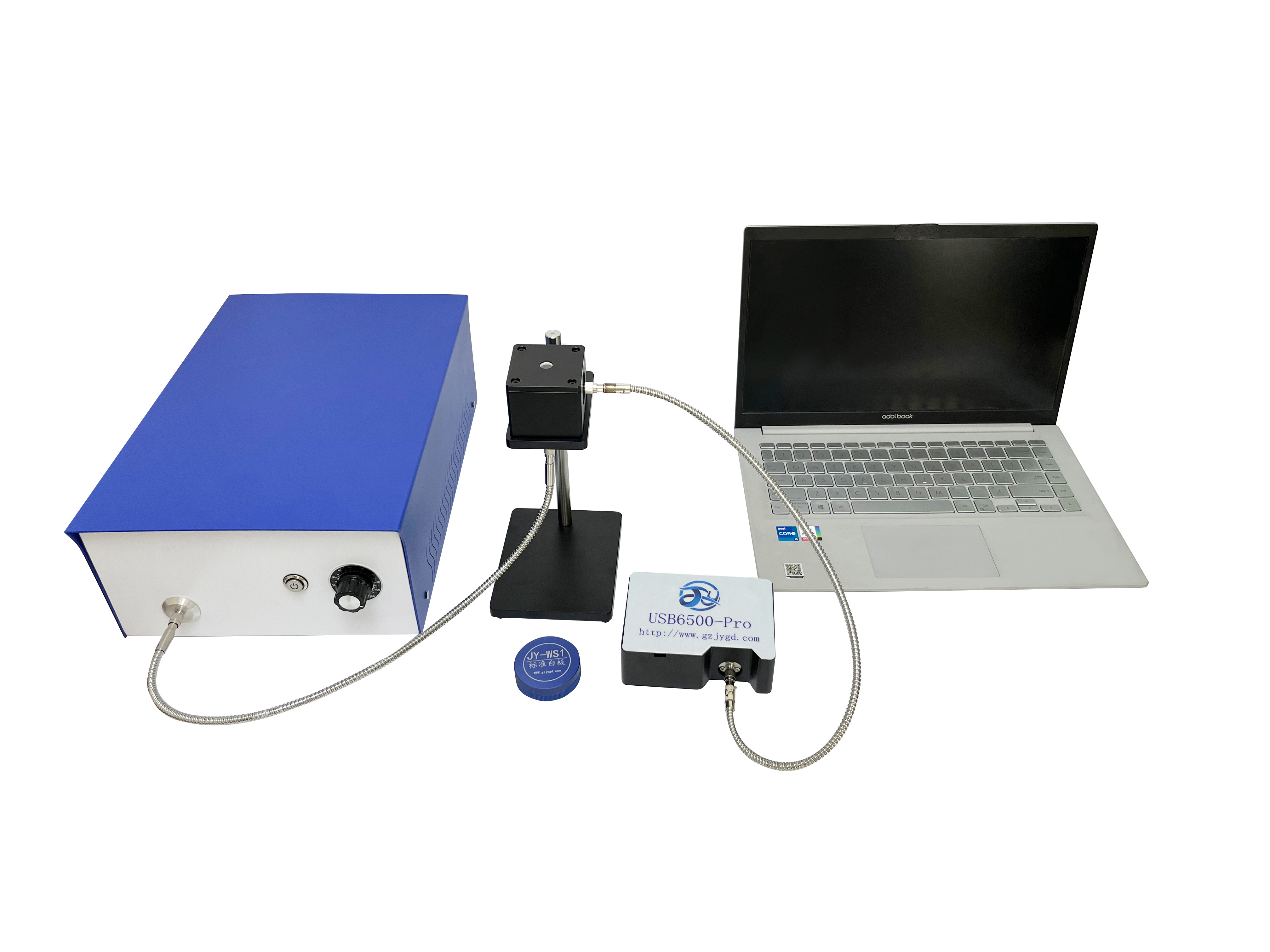
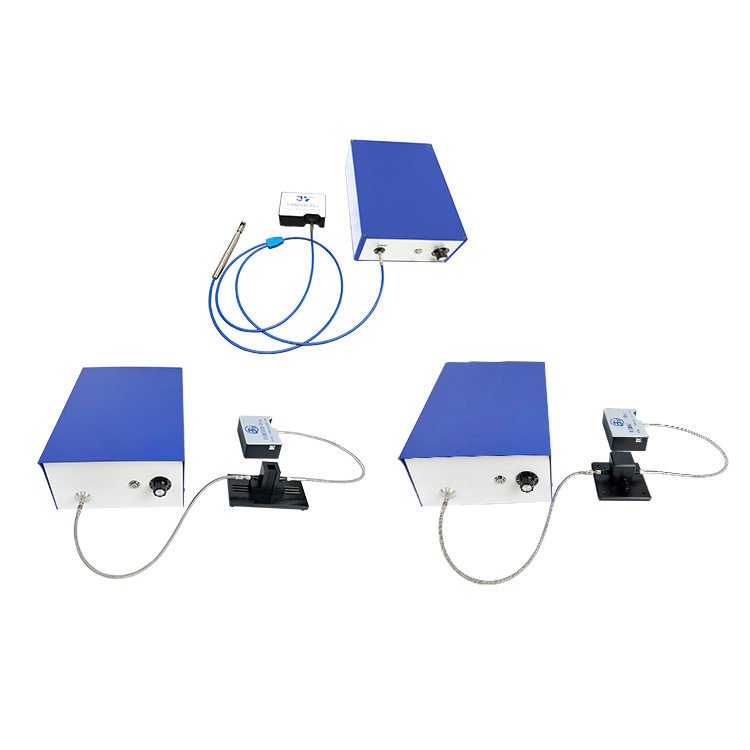
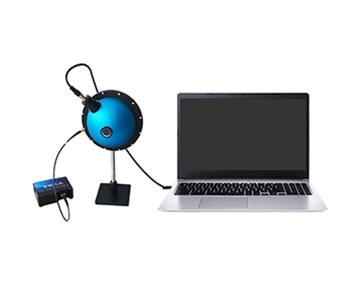
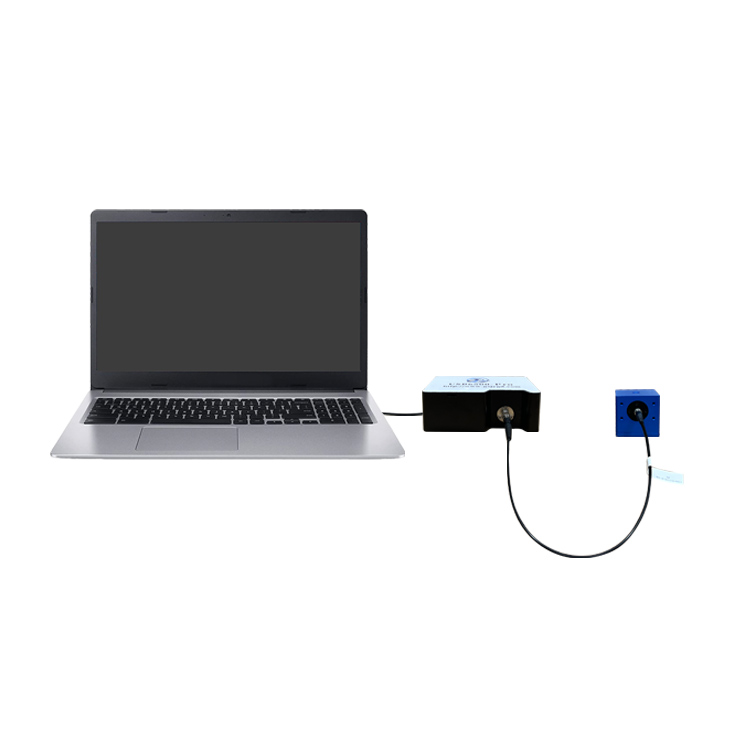
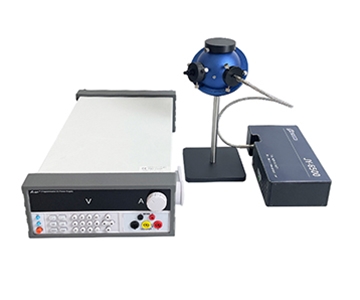
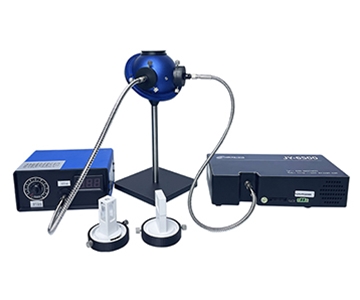
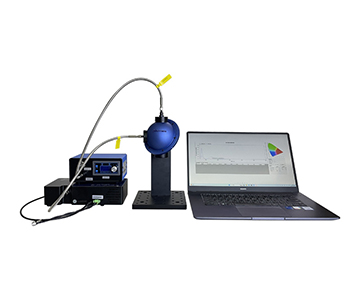
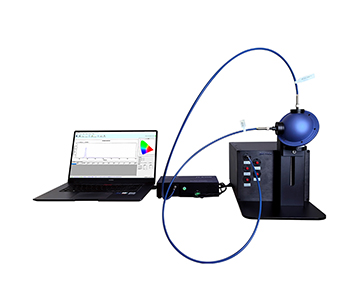
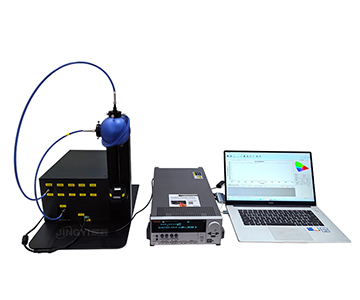
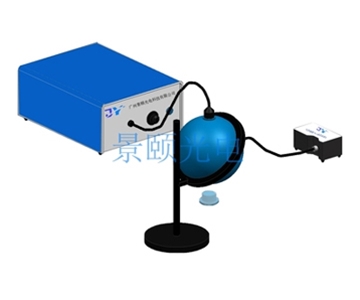
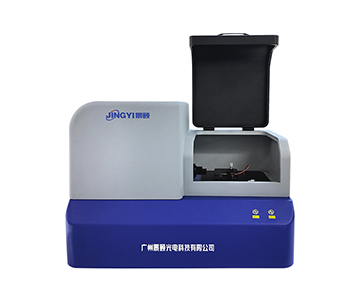
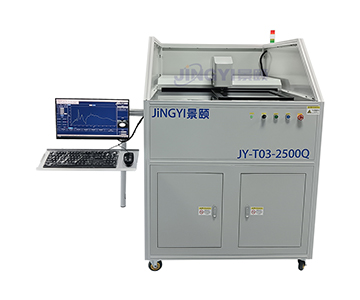
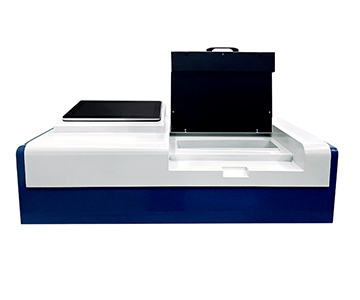
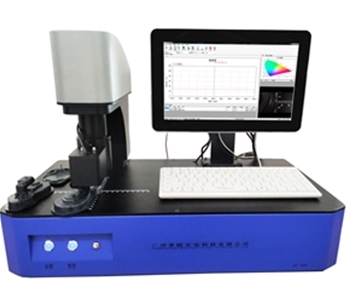
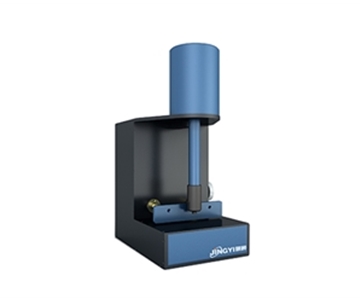
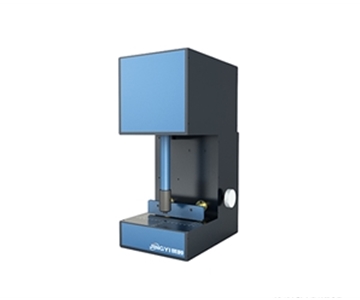
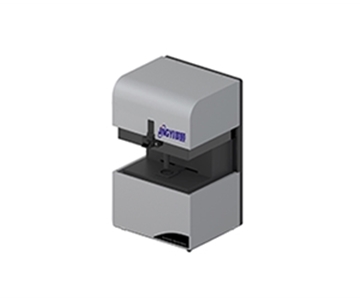
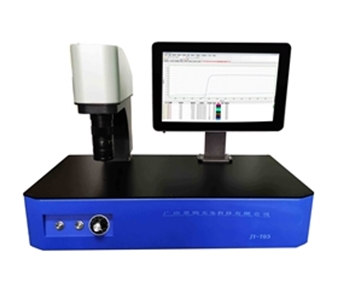
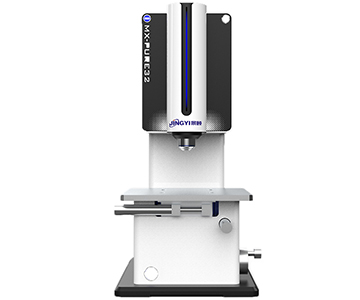
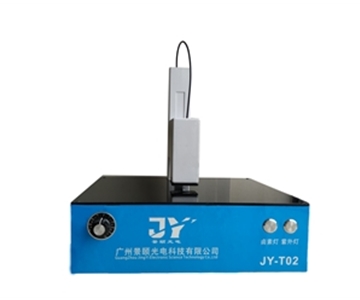
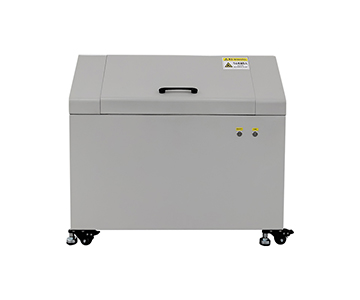
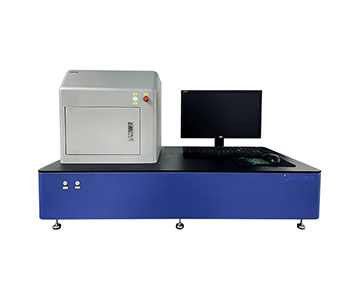
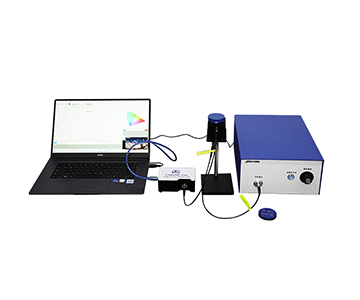
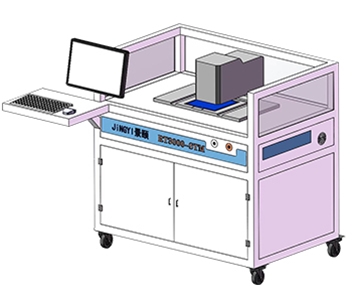
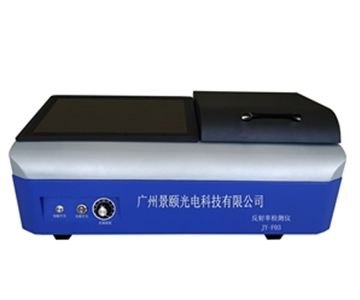
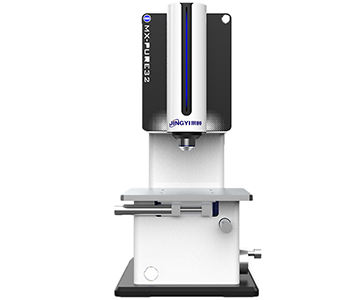
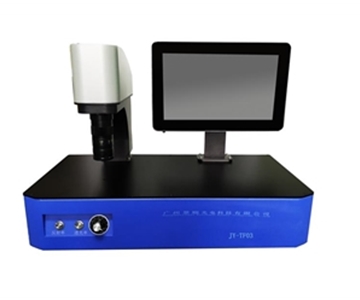
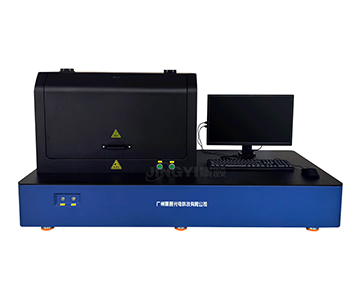
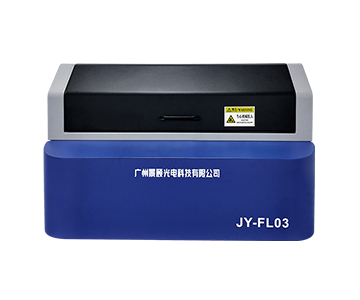
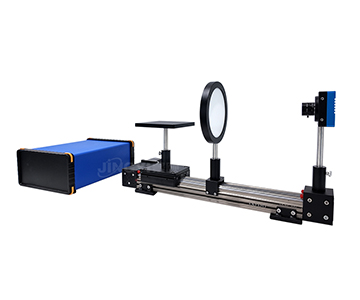
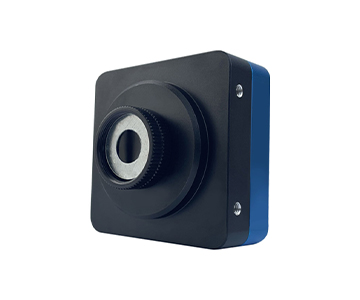
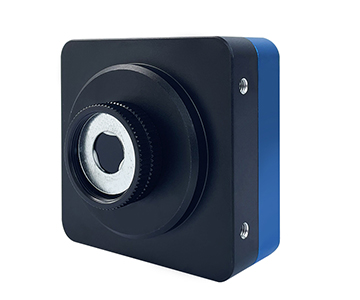
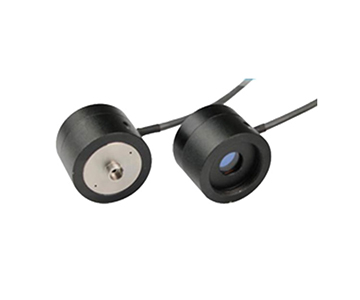
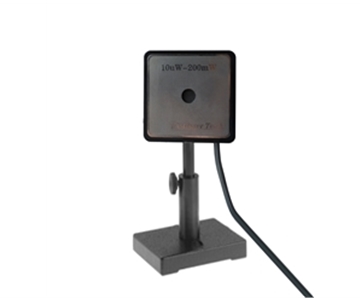
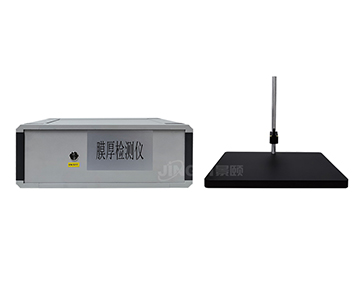
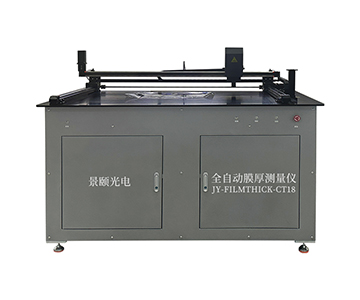
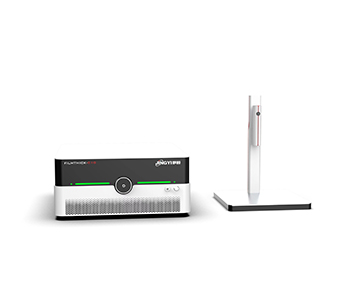
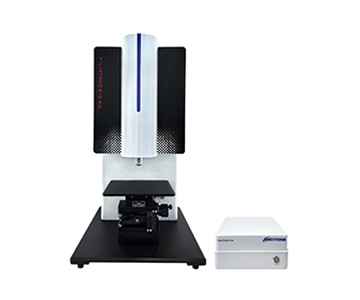
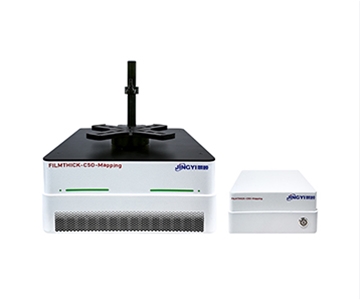
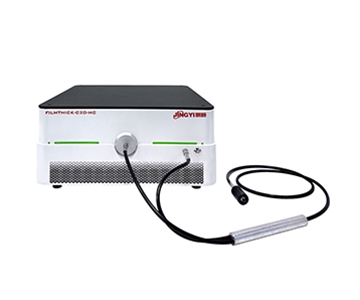
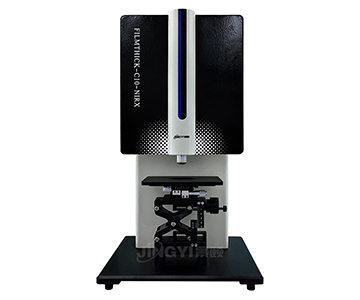
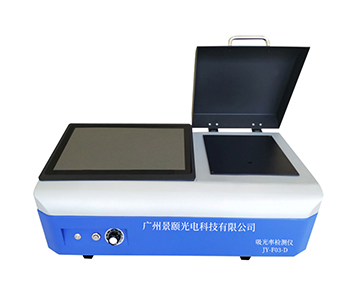
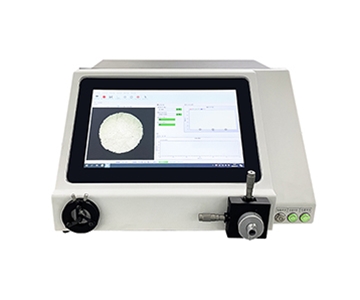
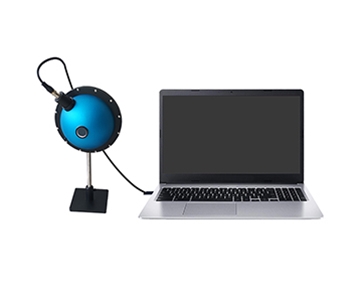
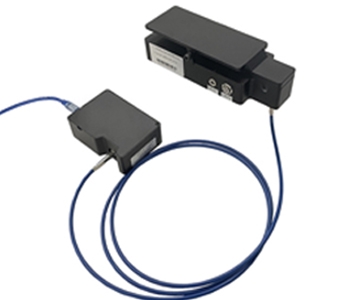
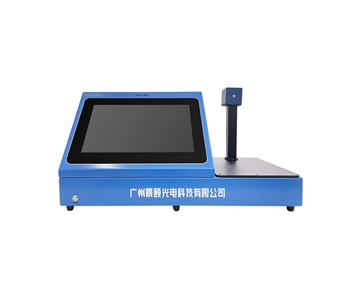
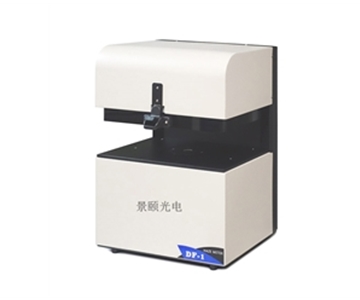
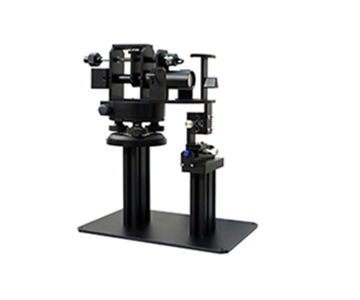
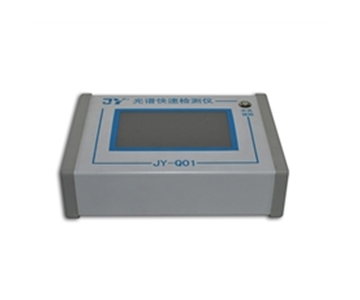
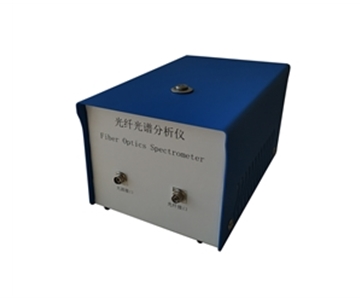
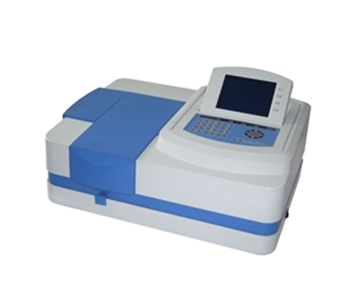
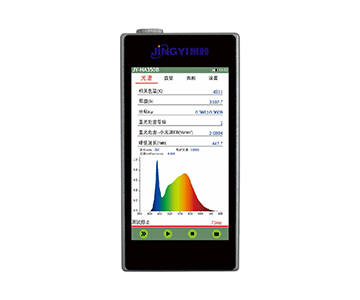
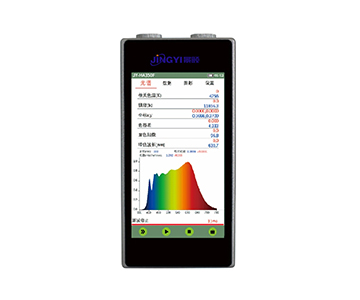
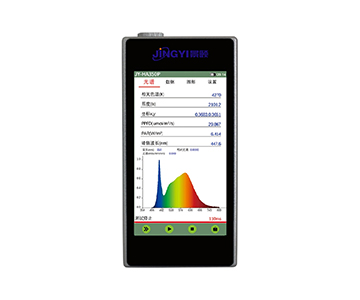
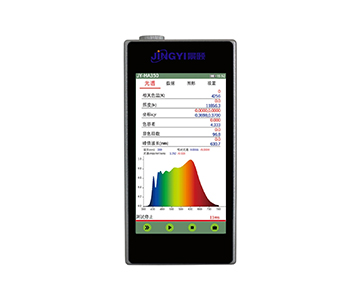
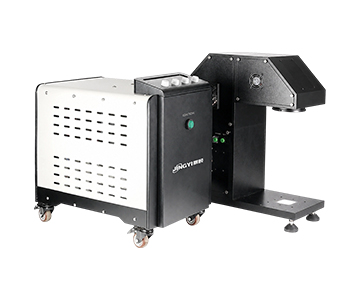
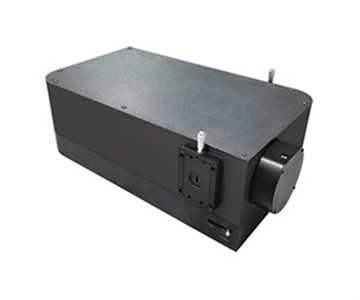
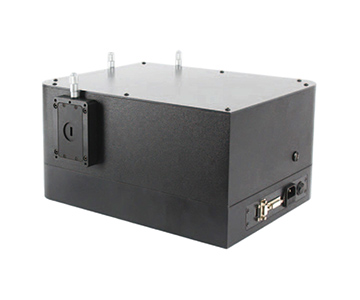
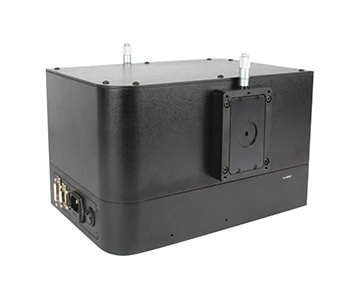
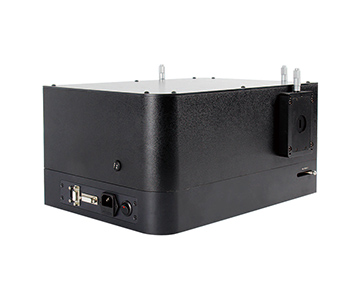
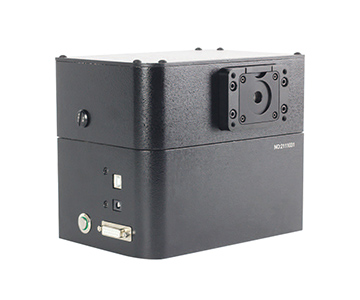
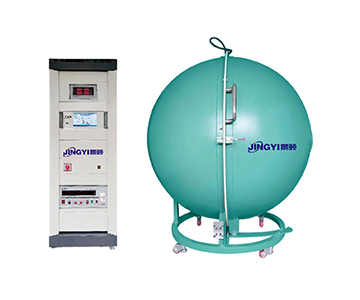
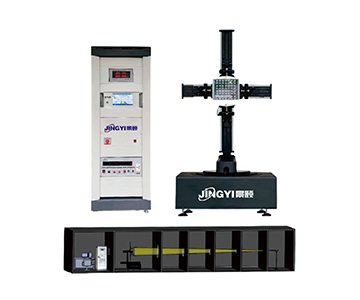
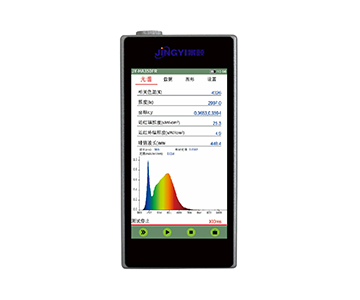
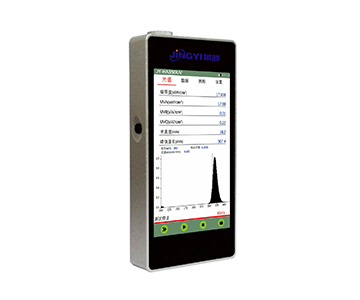
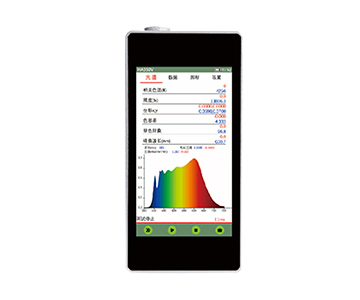
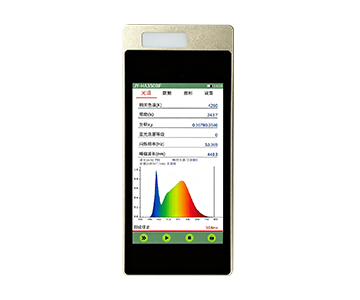
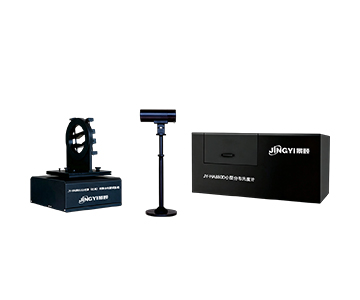
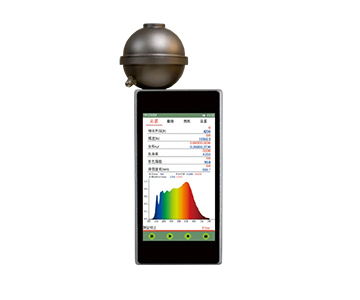
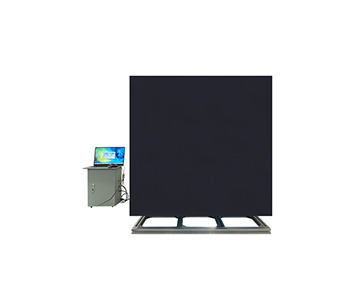
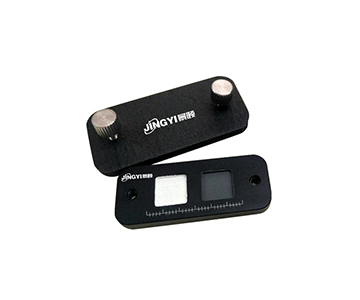
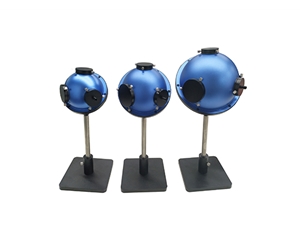
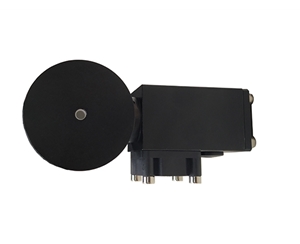
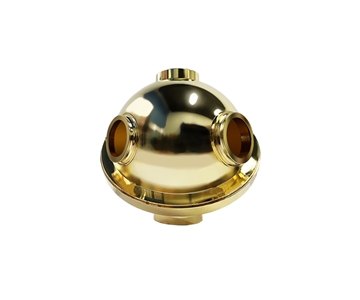
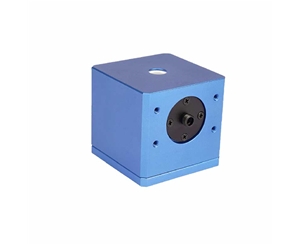
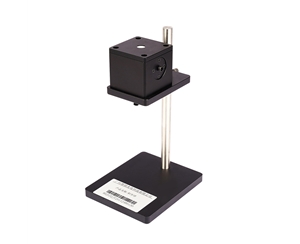
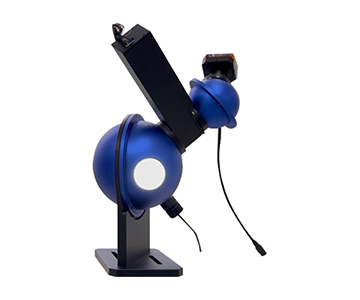
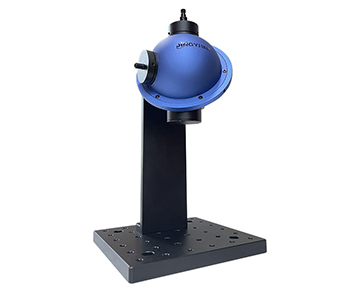
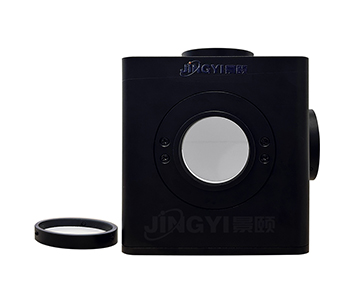
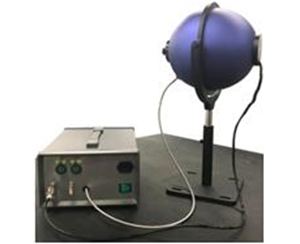
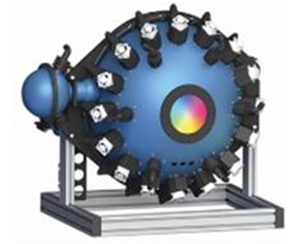
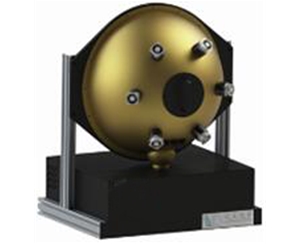
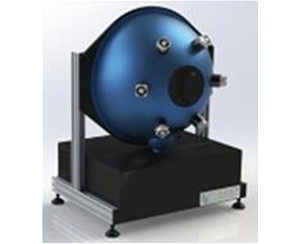
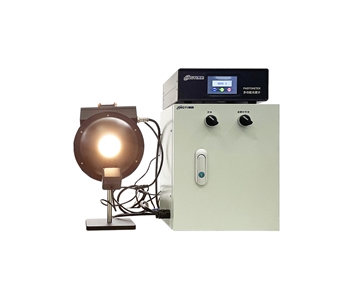
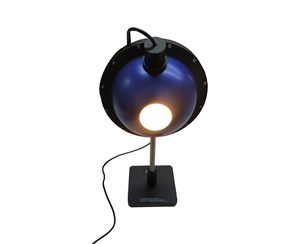
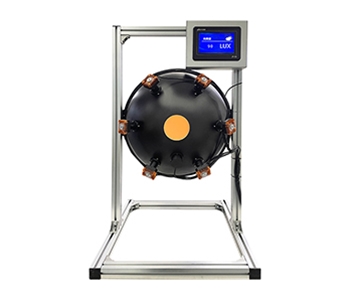
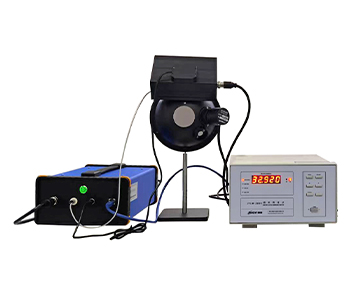
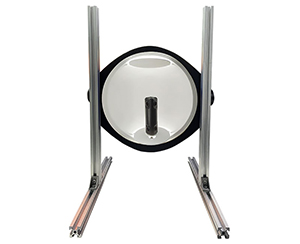
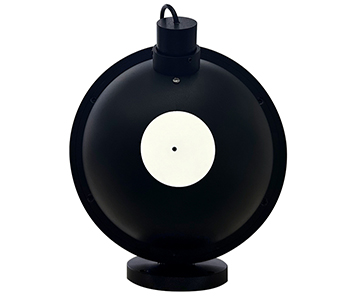
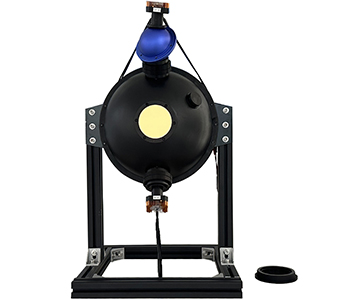
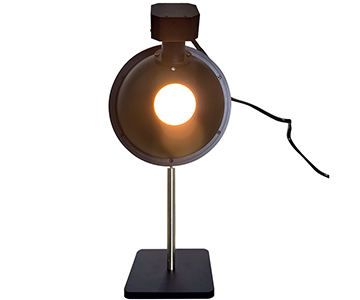
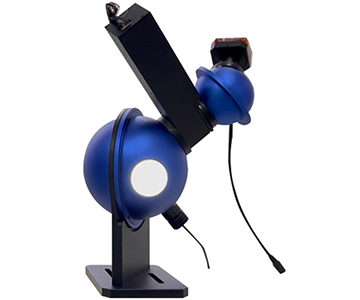
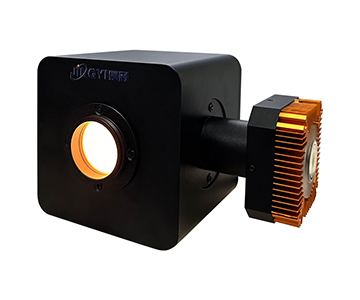
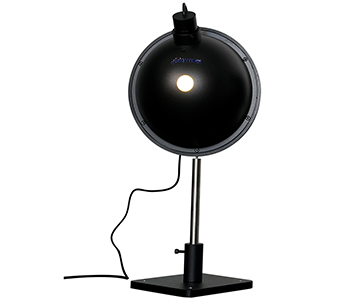
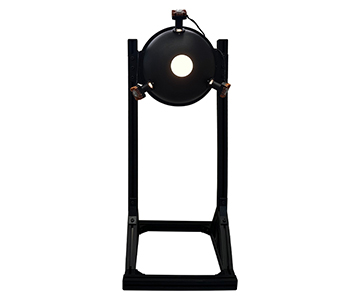
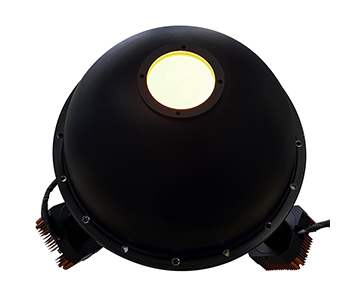
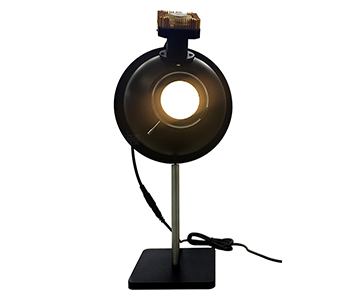
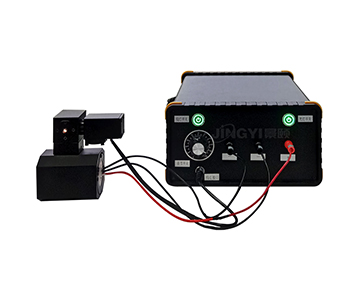
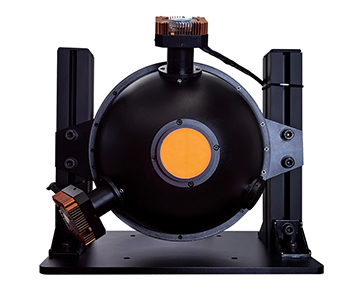
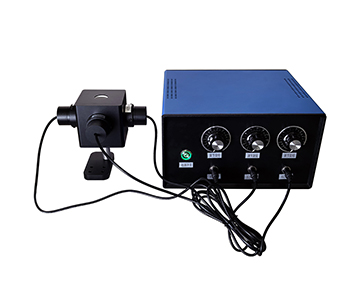
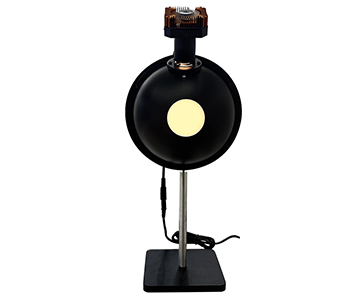
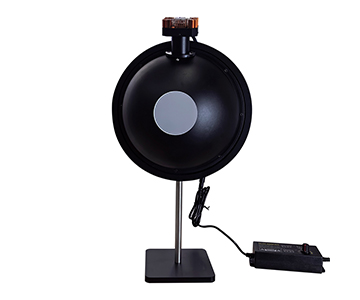
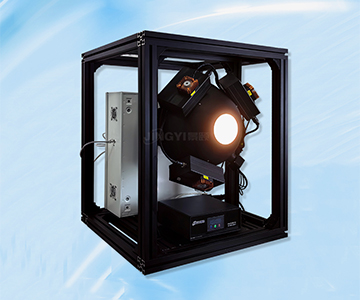
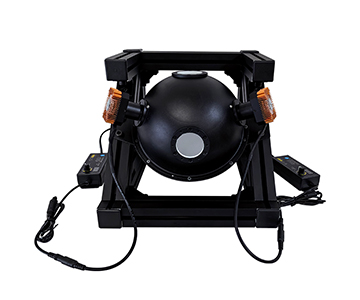
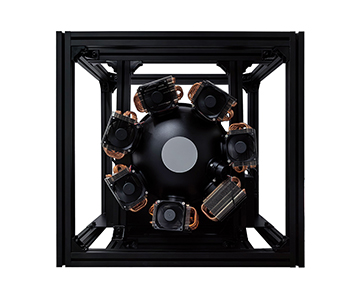
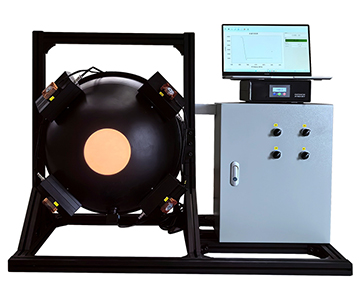
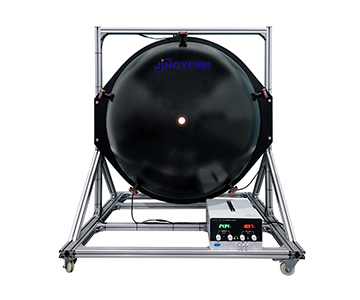
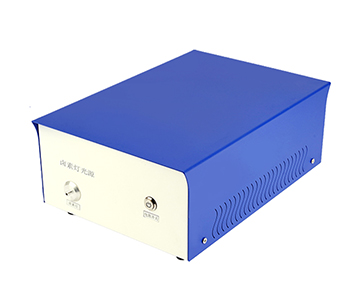
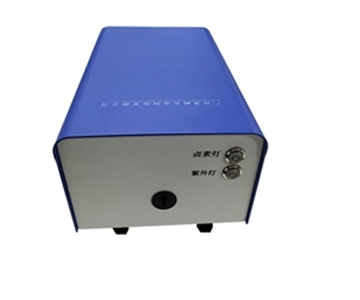
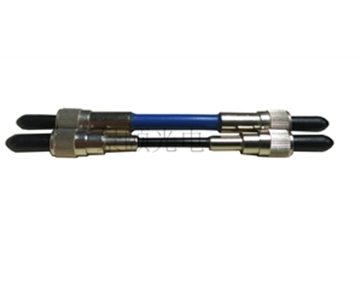
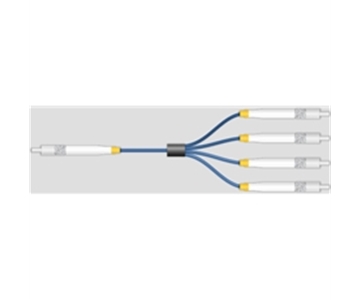
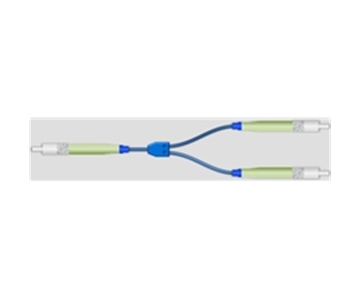
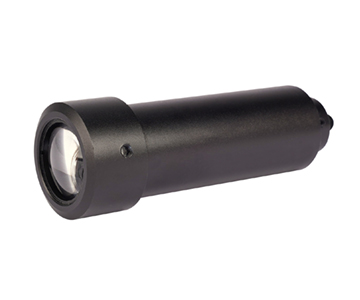
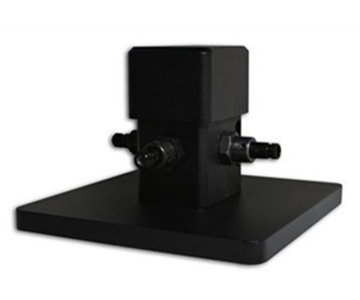
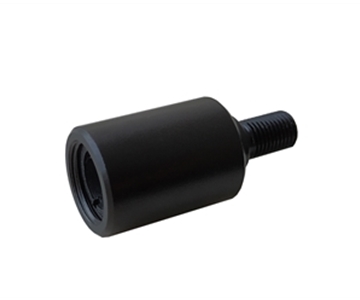
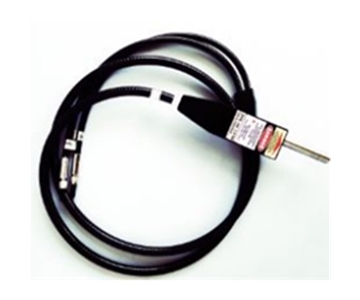
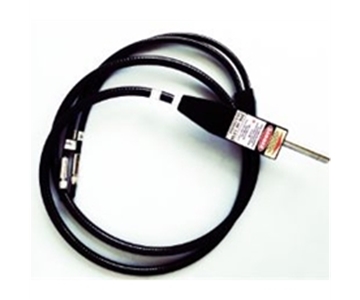
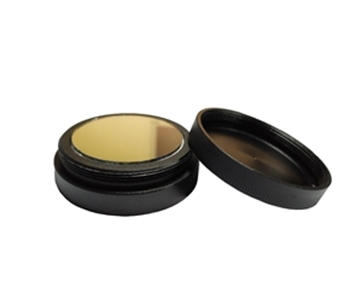
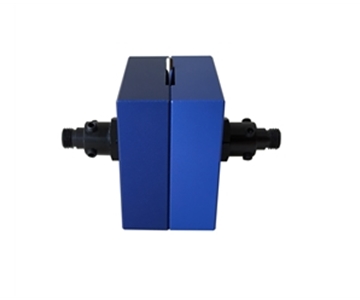
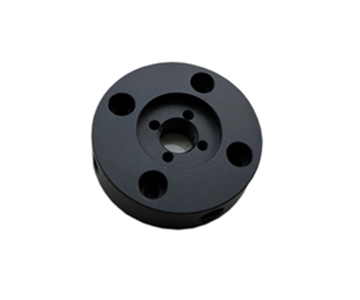
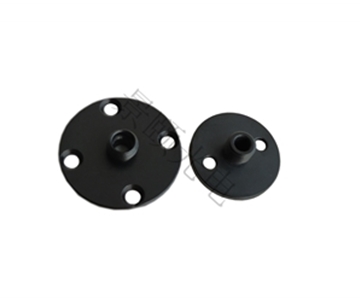
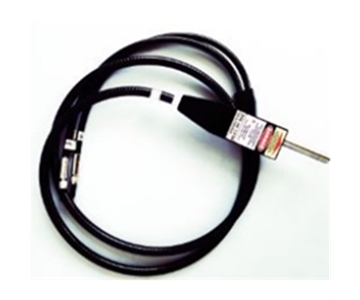
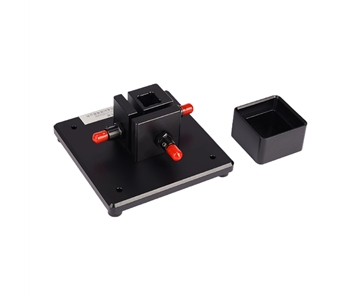
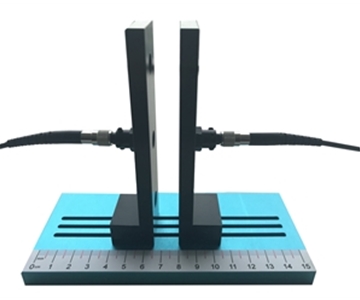
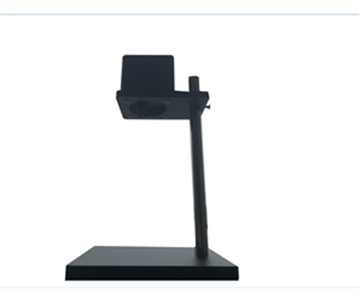
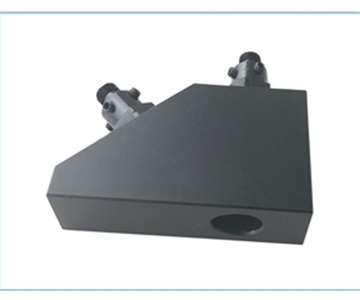
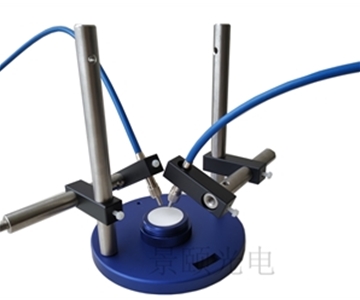
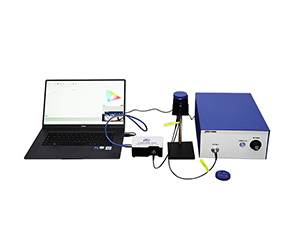
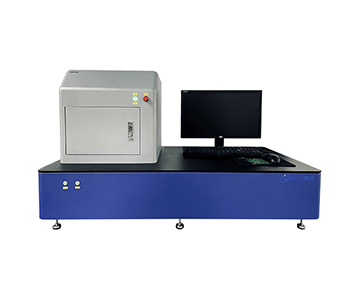
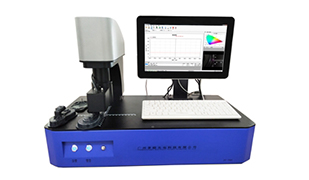
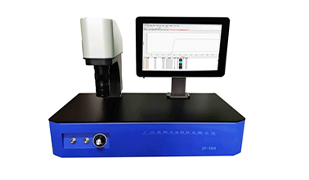
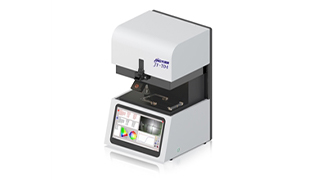
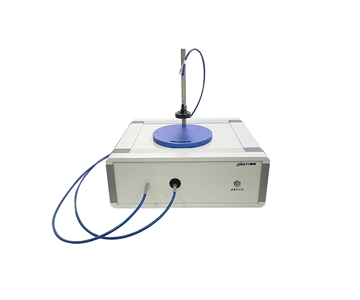
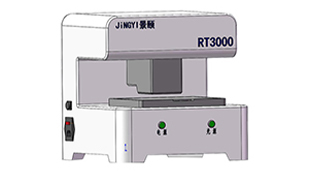
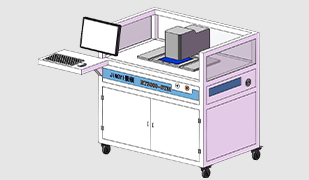
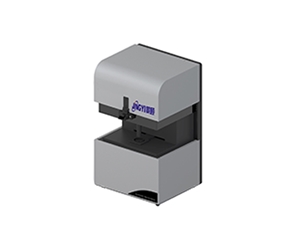
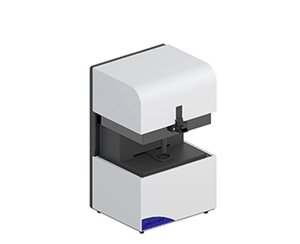
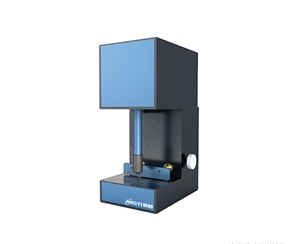
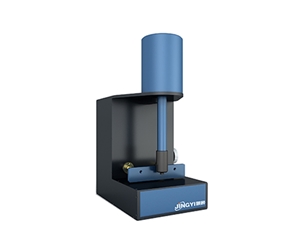
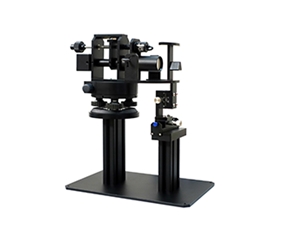
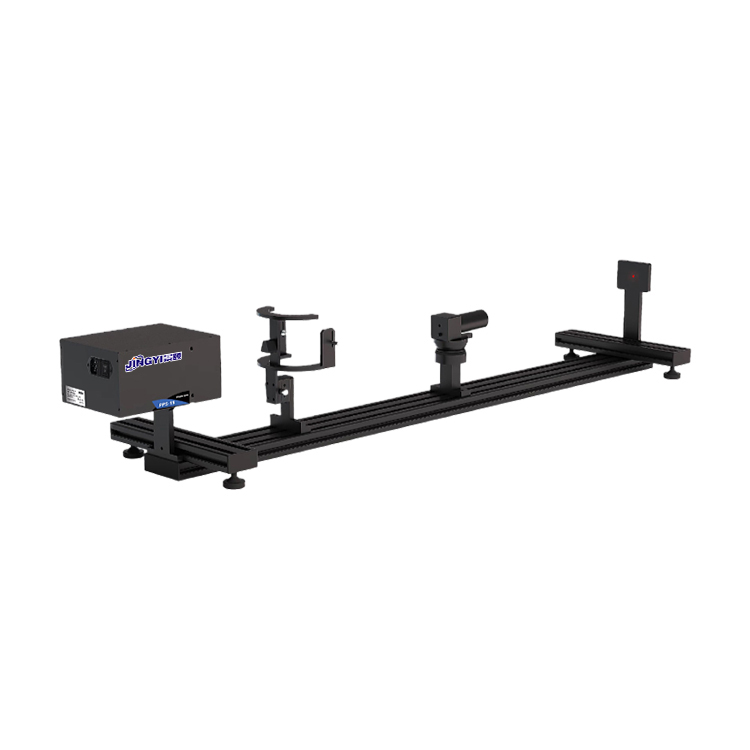
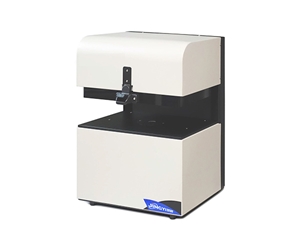
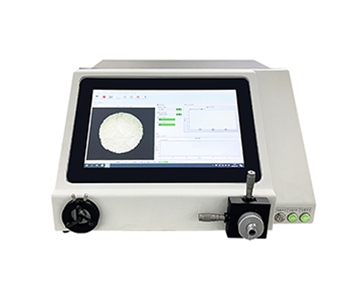
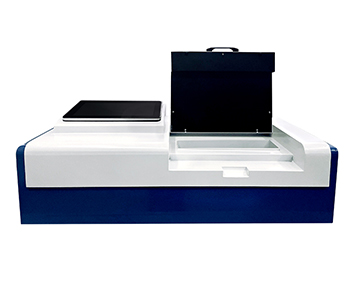
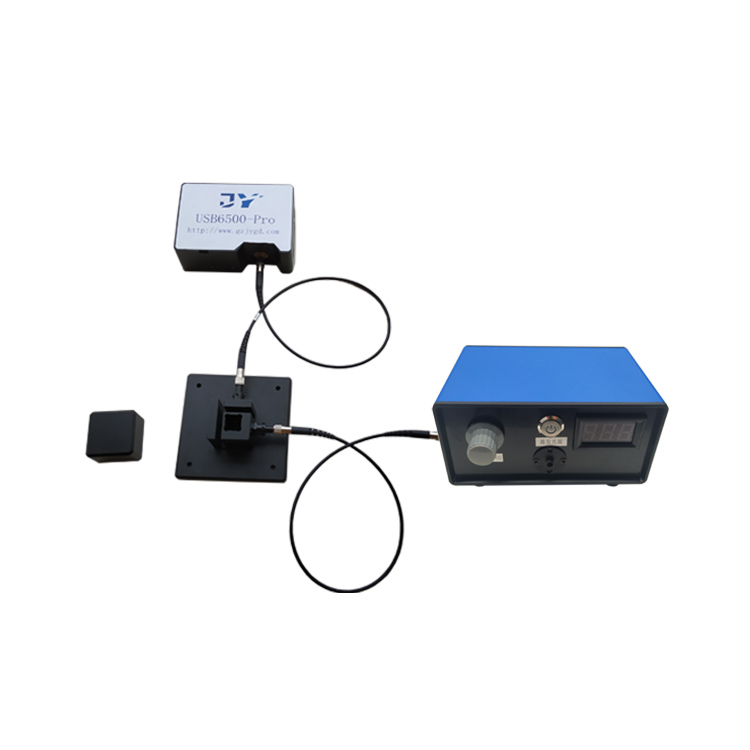
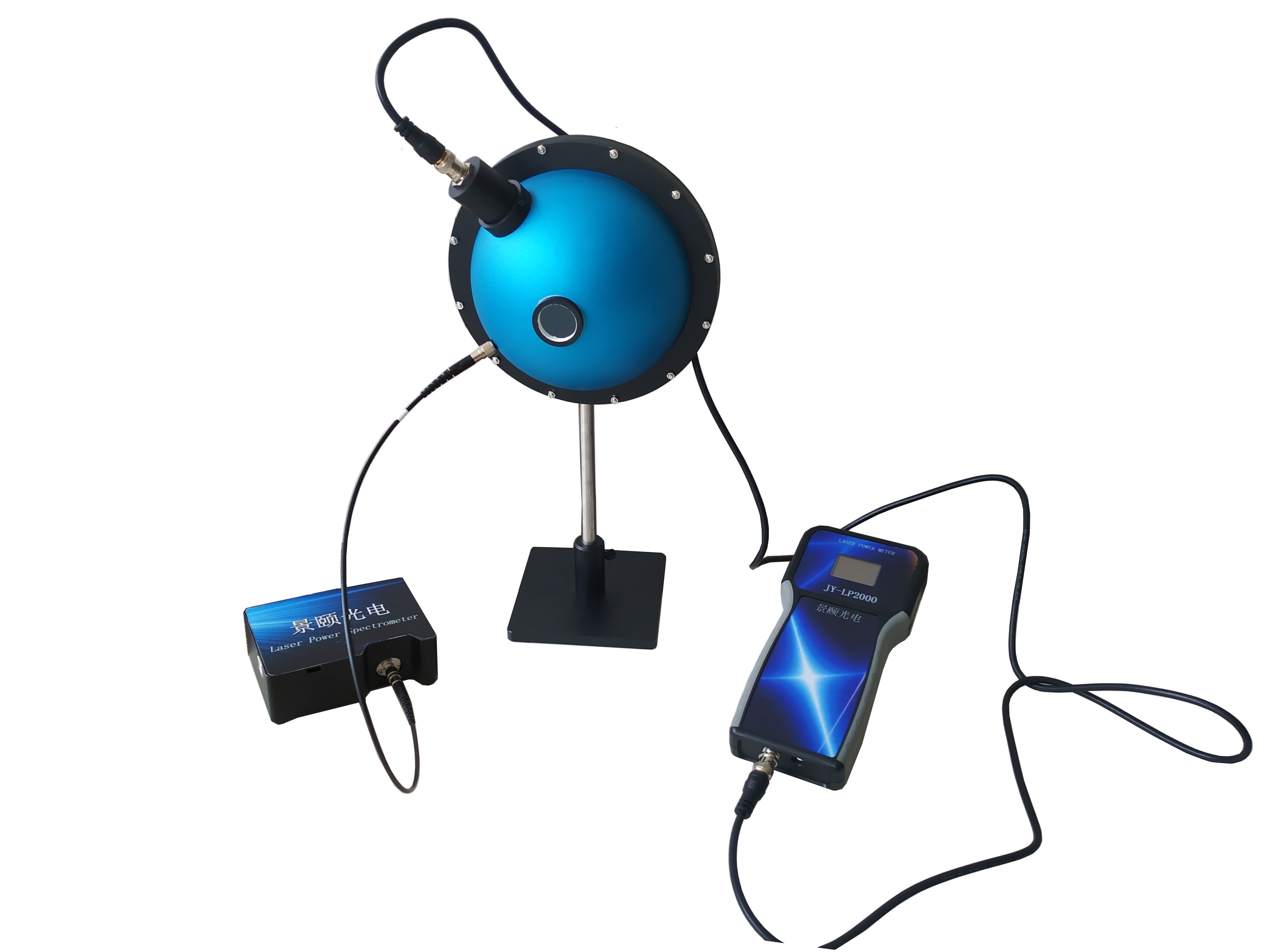
Jingyi Optoelectronics has developed an in-house reflectance meter specifically to address the parameter measurement pain points in optical design. Designed to meet demanding precision requirements across diverse application scenarios, this reflectance meter is a fully proprietary product—certified by third-party metrology institutions and capable of issuing formal calibration certificates. Its measurement compliance is widely recognized across the industry. The instrument supports full-spectrum detection from 380 nm to 1000 nm—covering the majority of common wavelength bands used in civilian optical applications—with measurement stability and accuracy ranking among the industry’s top tier. Unlike conventional testing equipment—where each measurement may take several seconds or even tens of seconds—this reflectance meter delivers millisecond-level measurement speed. Even when measuring reflectance across multiple incidence angles, full sampling can be completed within minutes, significantly accelerating parameter validation during R&D.
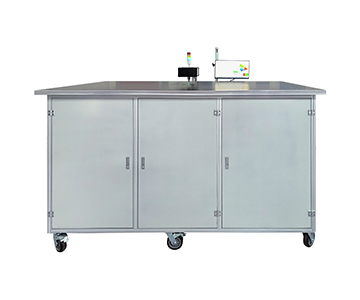
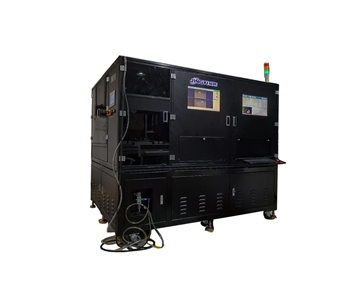
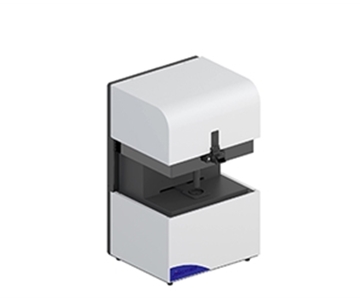
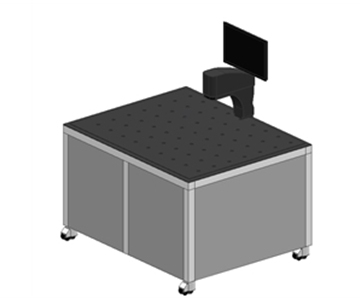
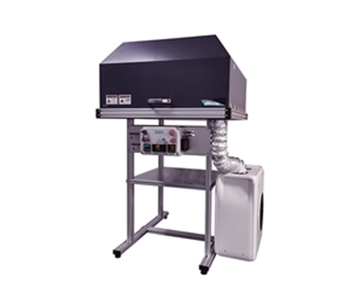
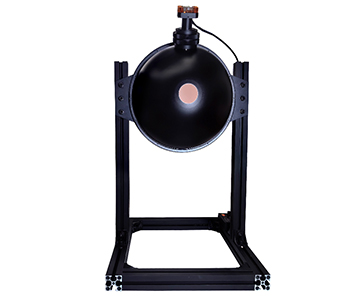
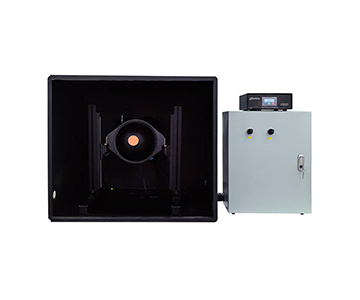
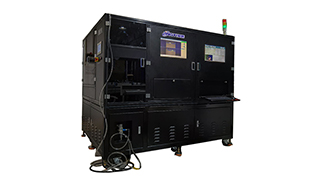
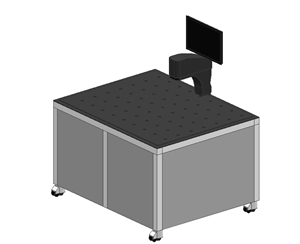
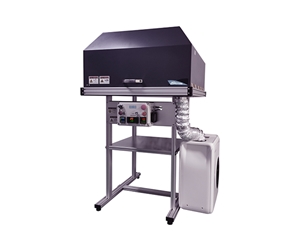
Beyond basic spectral reflectance measurement, the instrument also supports spectrophotometric colorimetry, enabling calculation of CIE xy chromaticity coordinates and CIELAB color parameters. With just one device, users obtain both optical performance metrics and visual appearance data—eliminating the need for separate color measurement instrumentation. This dual functionality is especially valuable for products requiring concurrent optimization of optical performance and aesthetic quality, such as smartphone cover glasses, paints and inks, and plastic components. For customers requiring inline production-line inspection, Jingyi Optoelectronics offers customized solutions built upon the core architecture of the reflectance meter—adaptable to varying installation footprints, inspection cycle time requirements, and specialized functional needs (e.g., customized spectral ranges or feature configurations), supporting seamless integration across the entire workflow—from lab-based R&D to high-volume manufacturing.
The reflectance meter is already deployed across numerous sectors:
- In consumer electronics, it enables reflectance testing of smartphone and tablet cover glasses—optimizing screen glare suppression while ensuring consistent color appearance;
- In the automotive sector, it verifies reflectance of headlamp lenses, reflector cups, and rearview mirrors—enhancing lighting efficiency without compromising driving safety;
- In photovoltaics, it measures silicon wafer reflectance to provide empirical data for anti-reflective coating design—directly supporting higher photoelectric conversion efficiency;
- Additional applications include gemstone authentication, mineral powder analysis, optical component coating verification, surface treatment evaluation of metal materials, and performance assessment of opaque thin films.
As optical simulation technologies converge increasingly with AI-driven design methodologies, accurate, empirically derived optical parameters have become a foundational enabler for boosting design efficiency and reducing R&D costs. Looking ahead, Jingyi Optoelectronics will continue enhancing the adaptability of its reflectance measurement technology—bridging format incompatibilities between test data and mainstream optical simulation software—to enable one-click import of measurement results directly into simulation models. This integration will further empower optical design teams to accelerate innovation and optimize resource utilization.
#ReflectanceMeter #ReflectanceTester #GlossMeter #GlossAnalyzer #GlossMeter #CHT-F03ReflectanceMeter