The Dilemma of Apple Harvest Timing
At the final stage of apple cultivation, growers often face a dilemma: harvesting early to capture premium prices in the early market results in apples with insufficient sugar content and excessive firmness—leading not only to poor consumer feedback but also to post-harvest spoilage rates rising by over 30%. Conversely, waiting until apples are fully mature risks missing the price premium associated with concentrated market supply; moreover, rainy or overcast weather may cause fruit drop or cracking, resulting in further losses. Historically, harvest timing has relied largely on growers’ experience-based estimation—or on labor-intensive sampling followed by laboratory testing for starch content and flesh firmness. Such approaches are time-consuming and require substantial sample consumption, making accurate, orchard-wide assessment impractical.
Limitations of Existing Detection Methods
Although numerous optical fruit inspection devices have entered the market, most capture only reflected spectra from the outermost few millimeters of the peel, enabling calculation of only basic parameters such as sugar content and chlorophyll concentration. Yet the Streif Index—the core agronomic reference for determining optimal harvest timing—requires integration of internal structural indicators including flesh firmness and starch degradation extent. Surface-level spectral data alone cannot fulfill this requirement. Additionally, annual variations in accumulated temperature, precipitation, and fertilization practices lead to year-on-year fluctuations of over 15% in chlorophyll and sugar thresholds—even within the same cultivar—rendering any single-parameter metric unsuitable as a universal harvest decision standard.
Key Insight for Solving the Problem
The crux lies in capturing the scattering characteristics of light penetrating into the apple flesh: during ripening, intercellular spaces gradually shrink and starch is progressively converted into soluble sugars. Consequently, light transmission through the flesh exhibits wavelength-dependent, systematic changes in scattering path and attenuation amplitude—features directly correlated with the Streif Index’s critical parameters (e.g., firmness and starch degradation). Accurately detecting these weak scattered-light signals thus enables non-destructive prediction of optimal harvest timing.
Jingyi Optoelectronics’ Solution
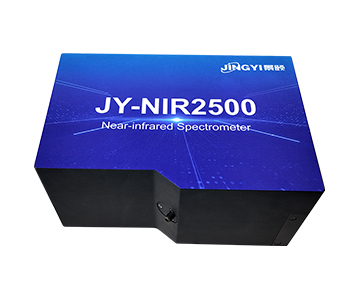
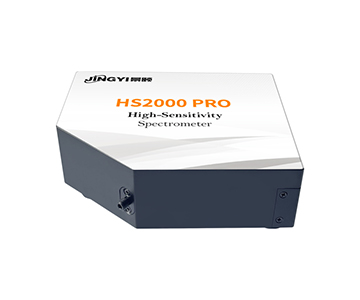
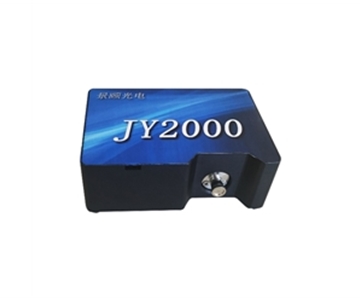
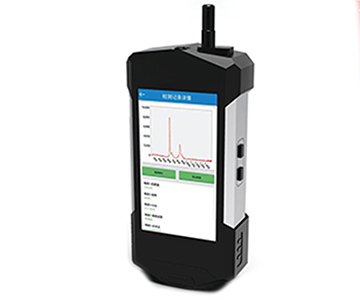
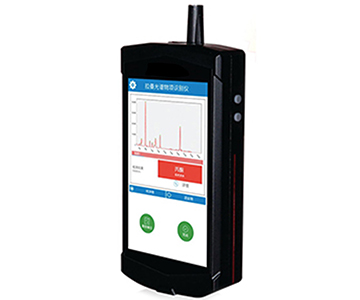
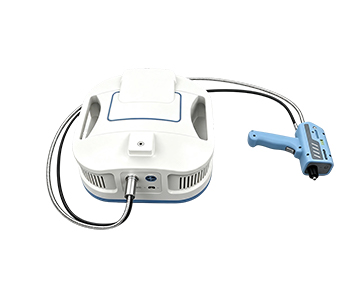
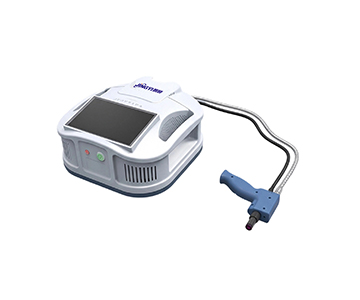
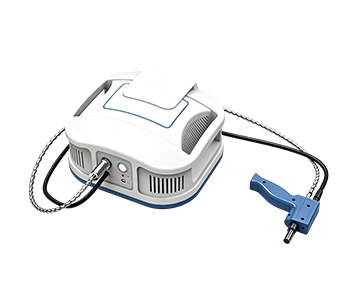
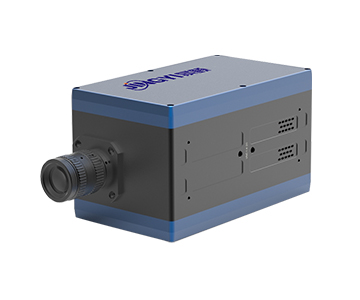
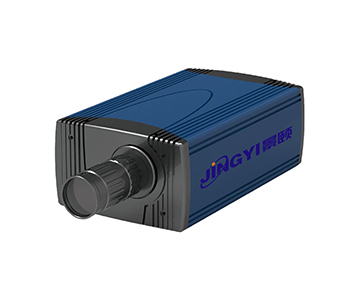
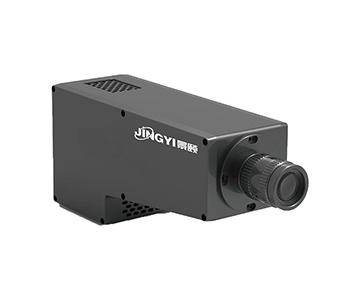
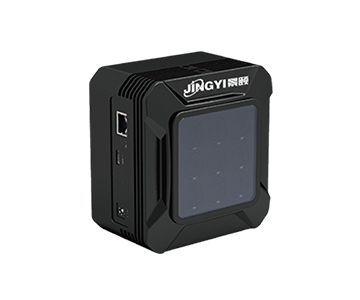
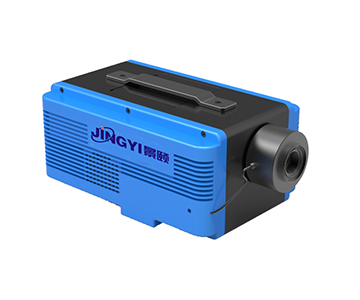
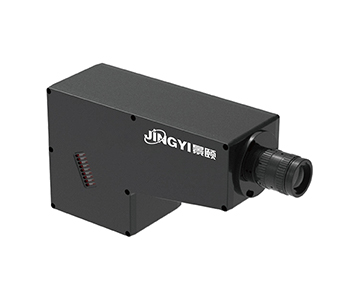
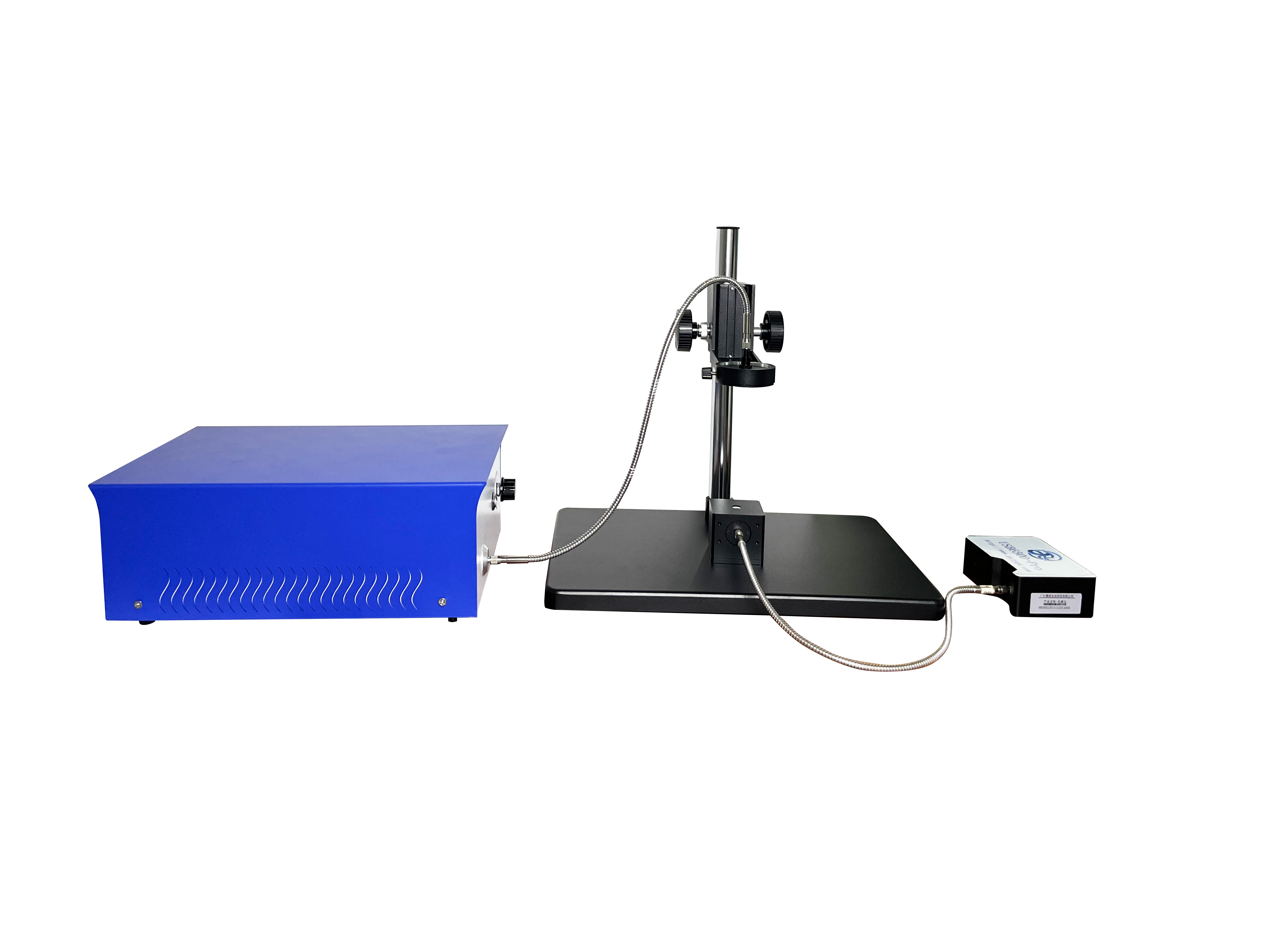
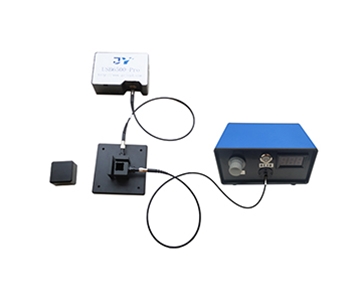
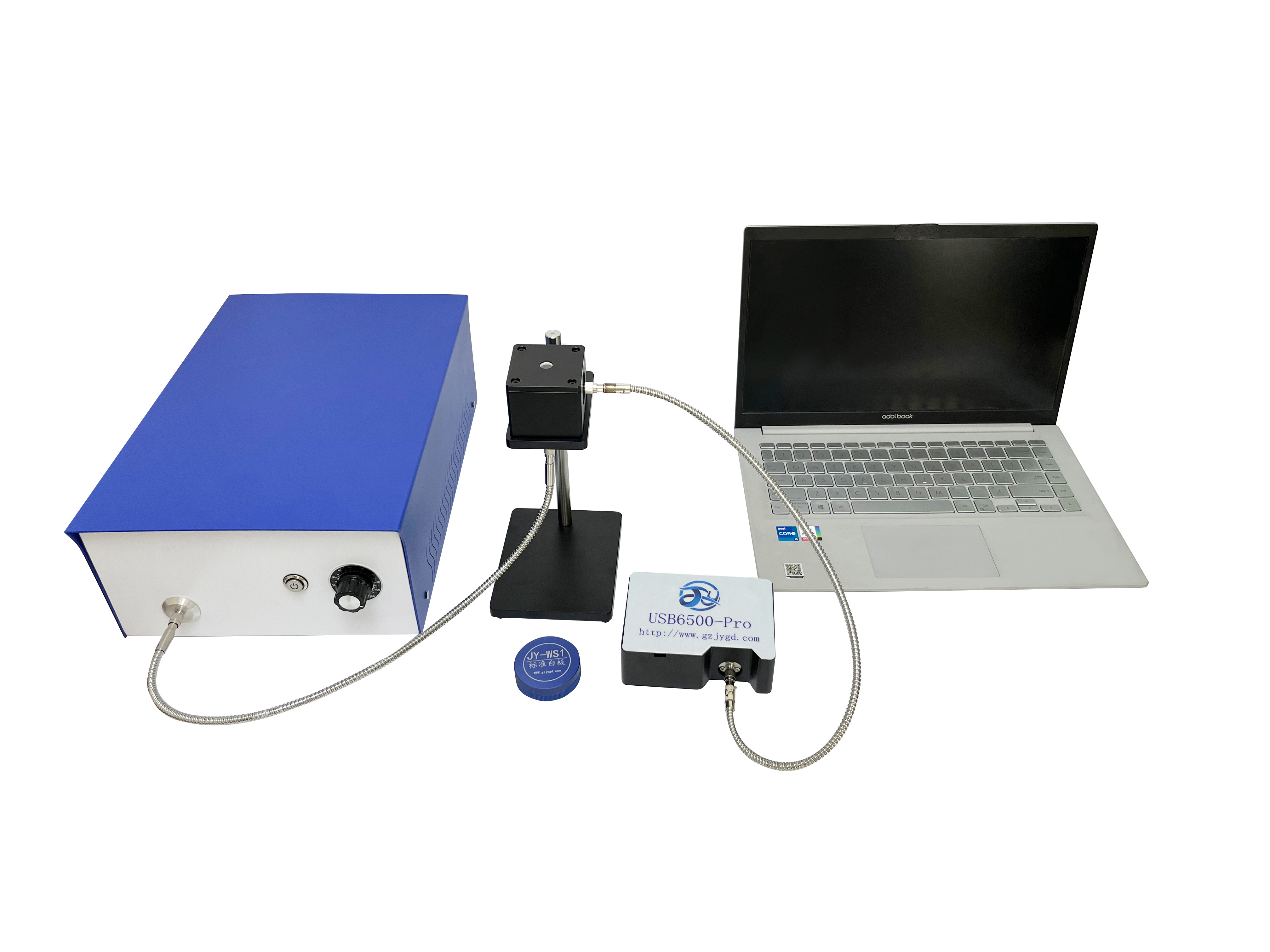
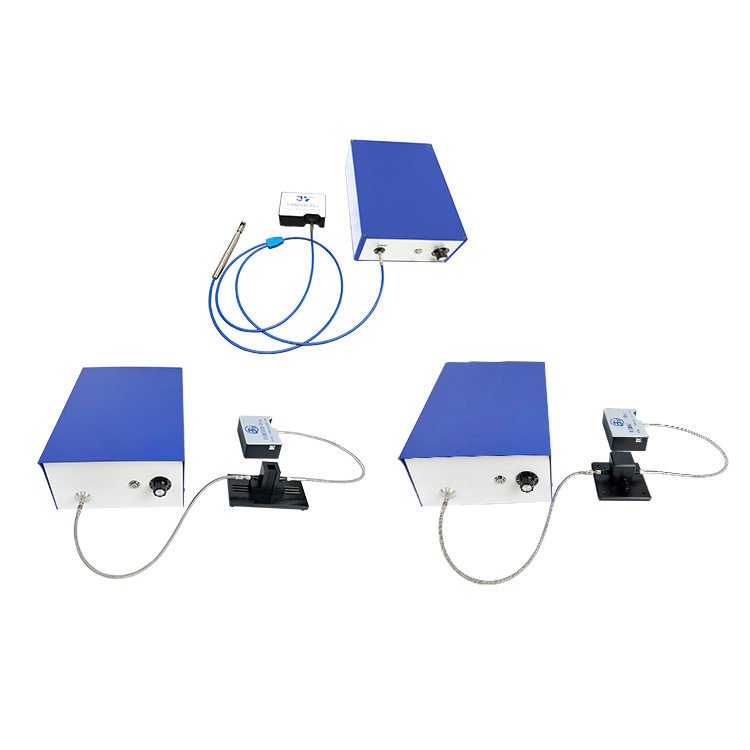
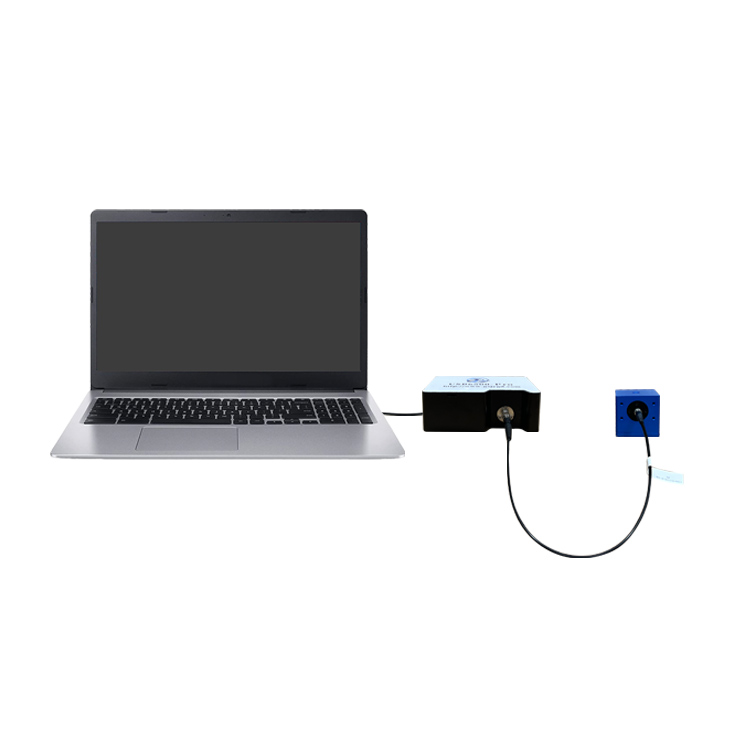
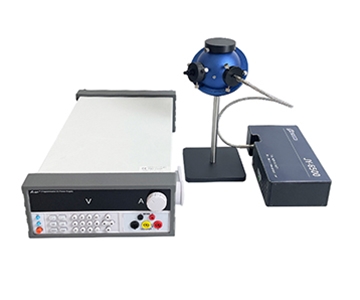
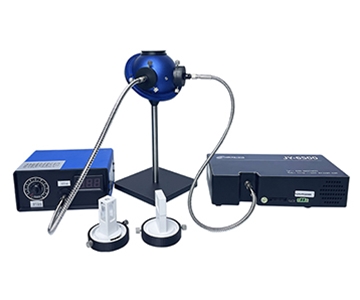
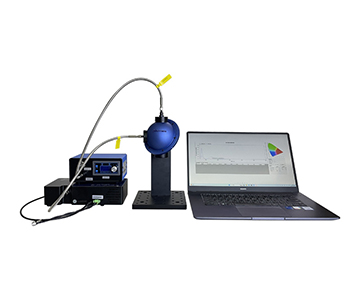
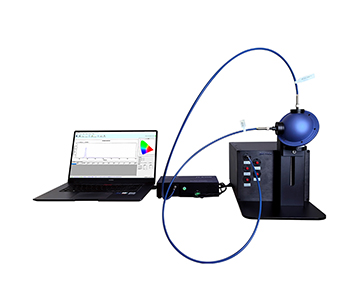
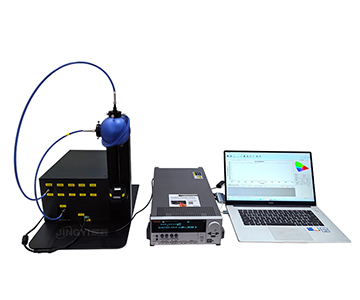
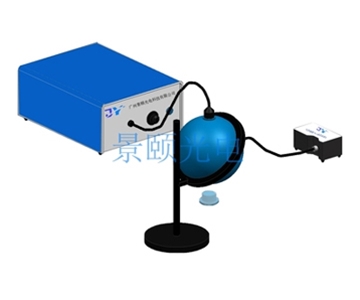
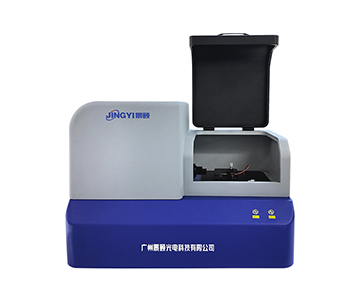
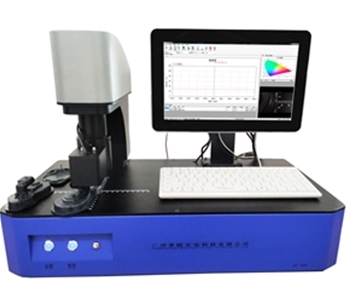
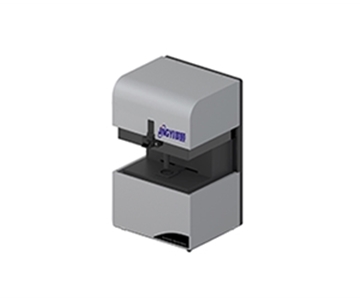
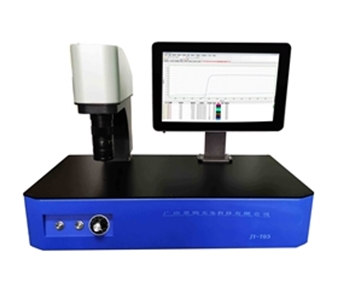
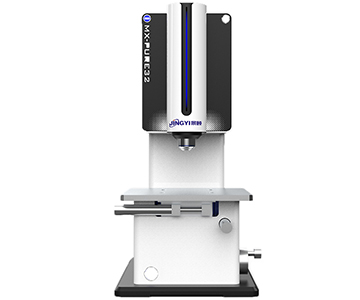
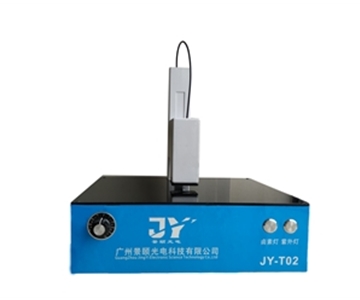
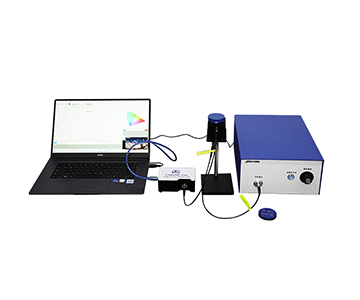
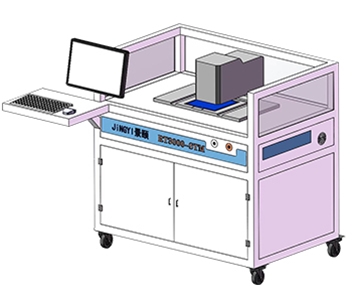
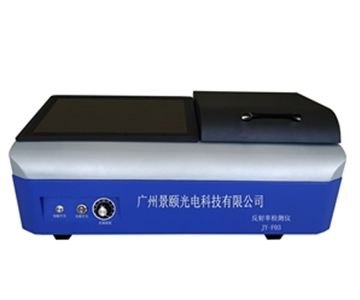
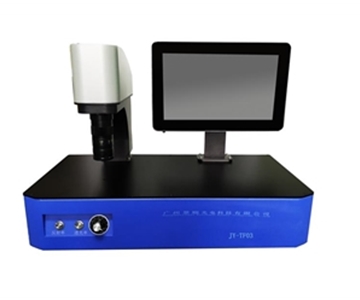
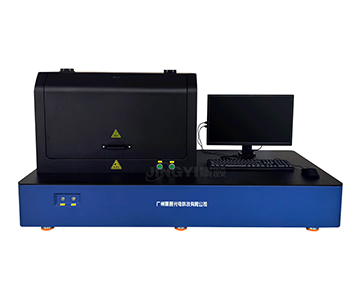
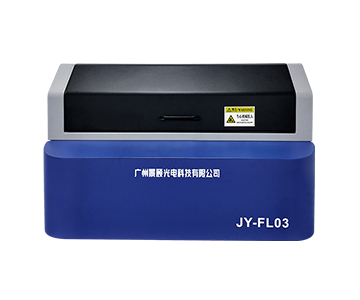
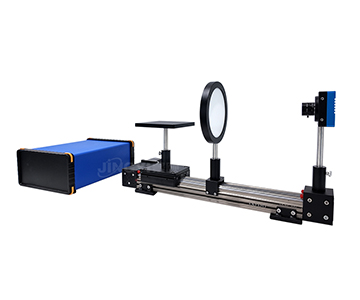
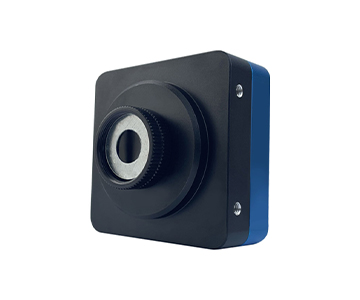
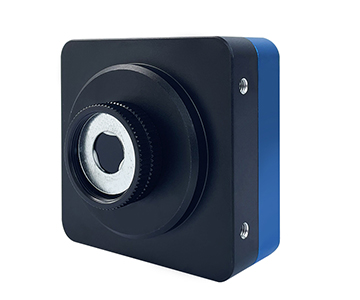
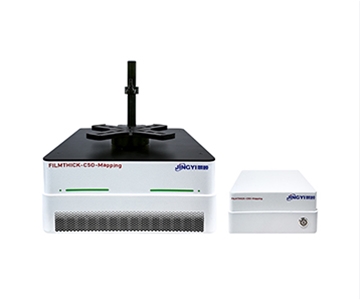
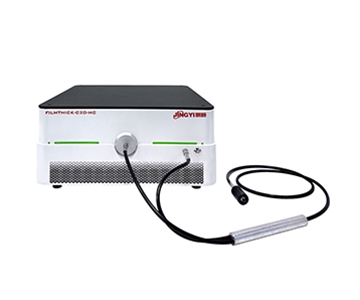
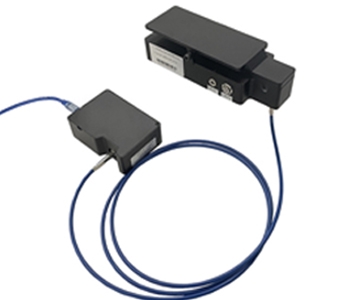
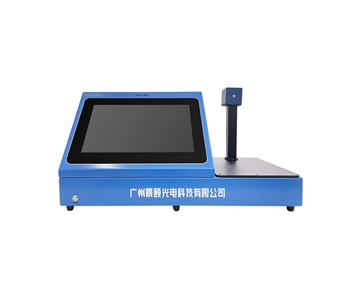
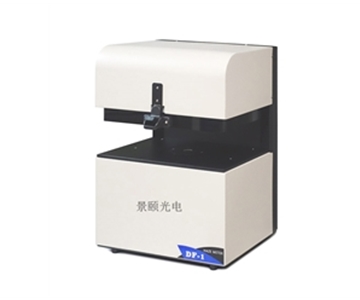
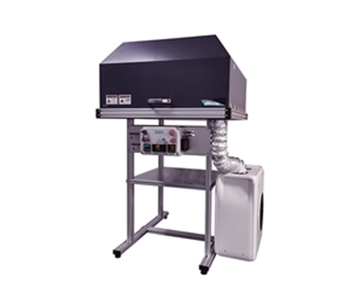
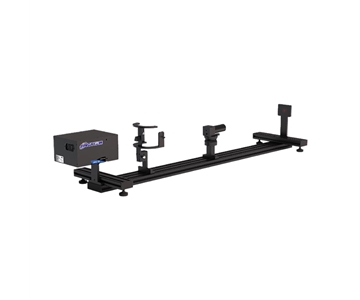
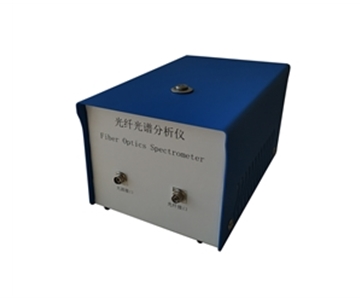
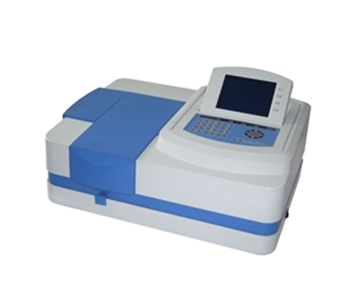
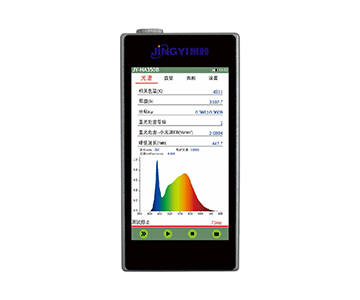
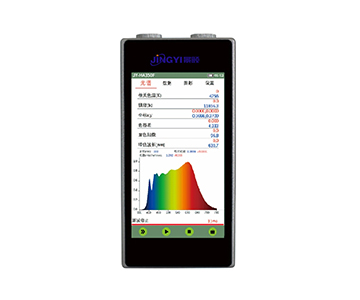
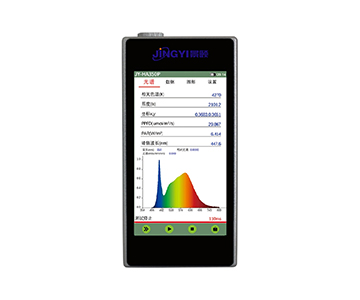
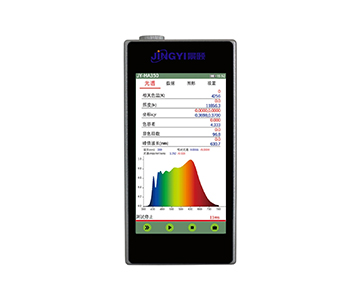
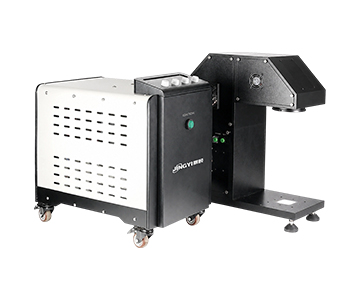
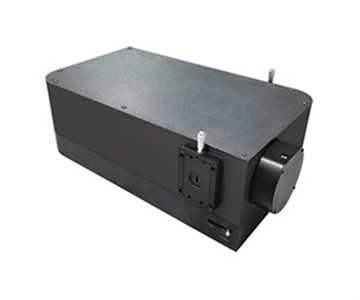
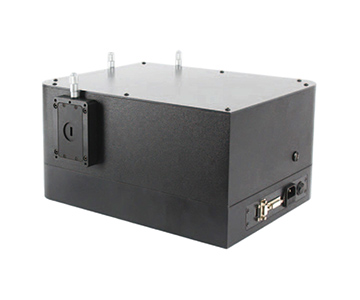
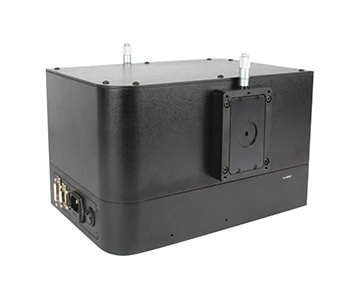
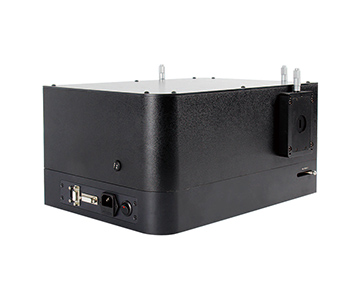
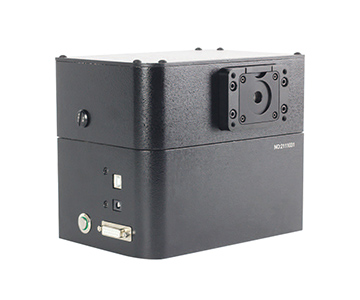
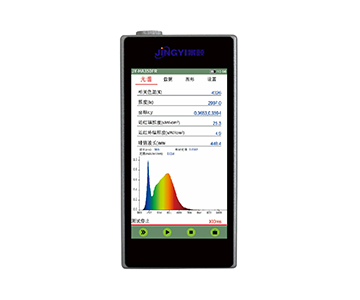
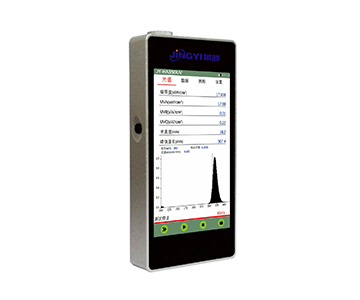
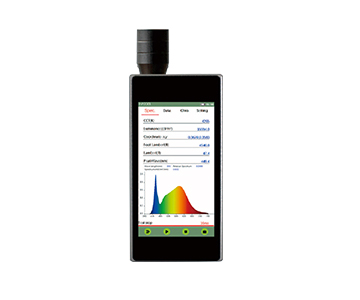
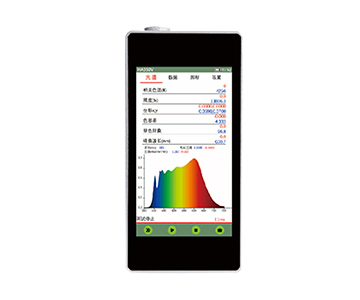
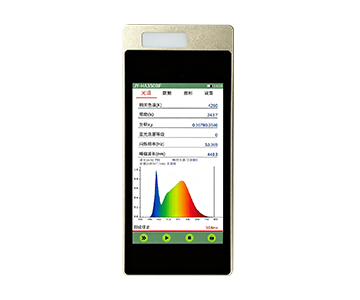
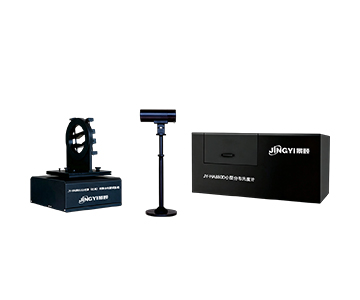
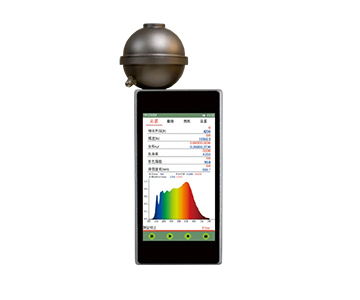
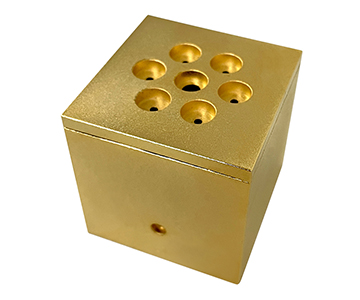
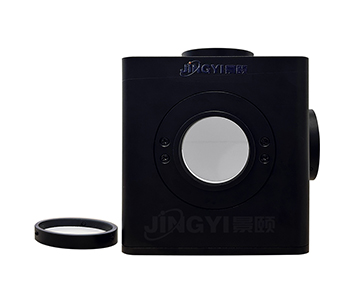
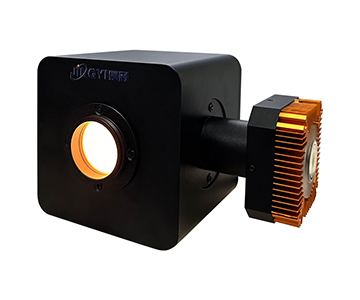
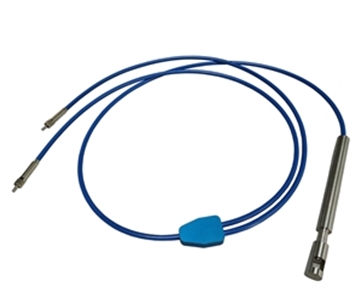
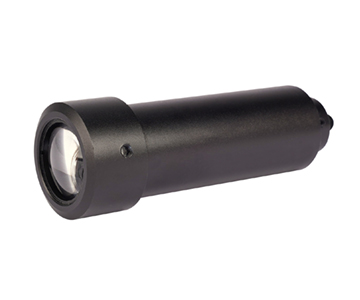
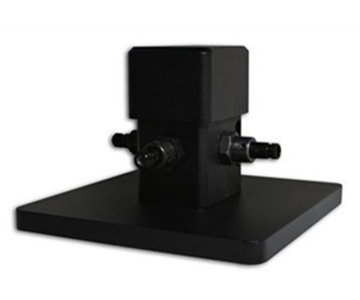
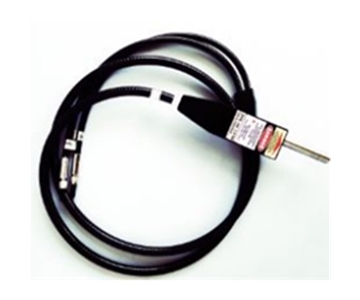
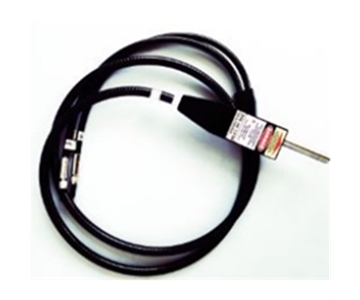
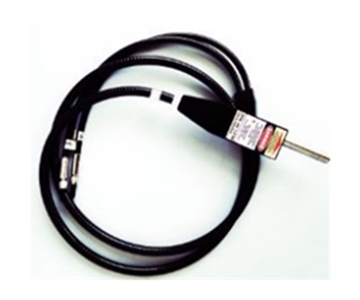
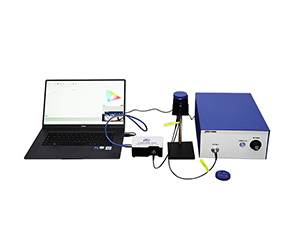
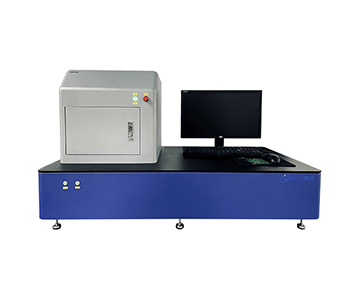
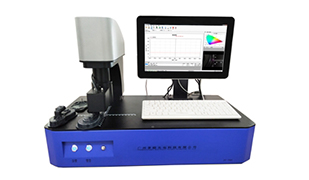
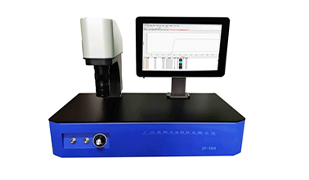
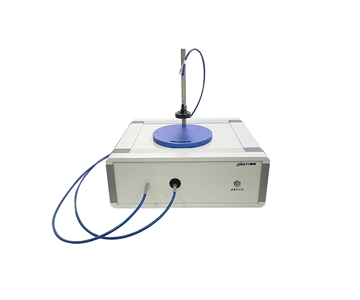
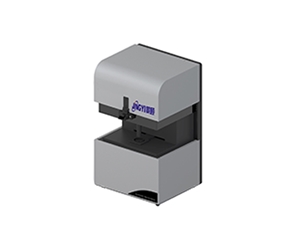
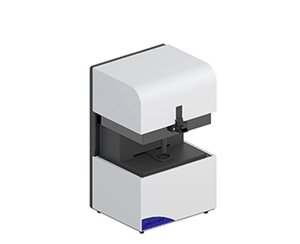
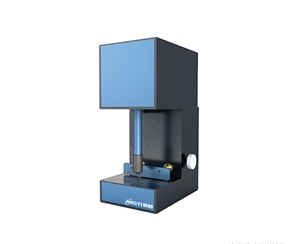
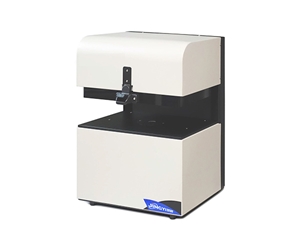
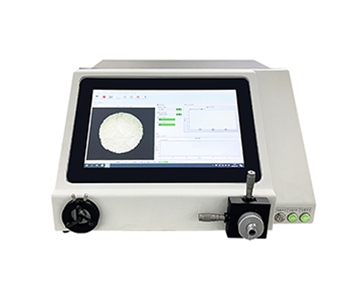
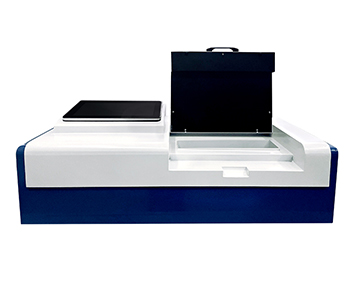
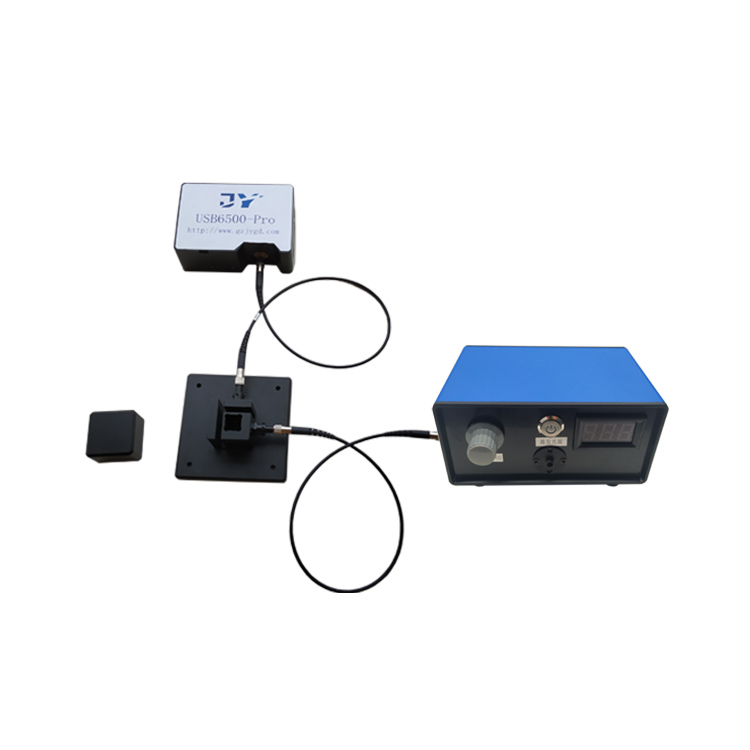
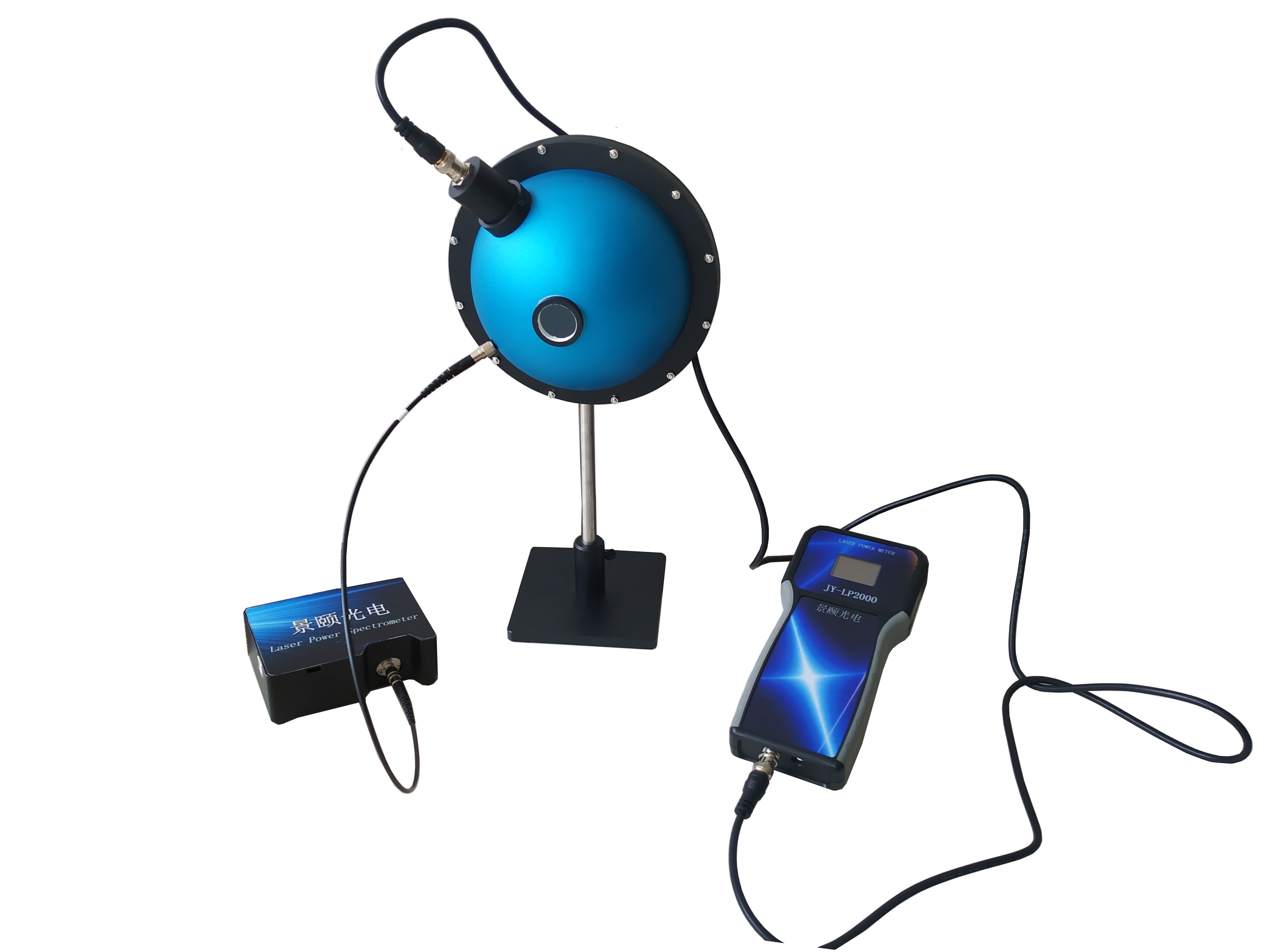
Tailored specifically for complex field conditions in agriculture, Jingyi Optoelectronics has optimized its JY2000-series spectrometer to meet precisely this need. Equipped with a high-quantum-efficiency linear CCD detector, programmable-gain amplification, and a high-speed 16-bit analog-to-digital conversion module, the instrument delivers a dynamic range 40% greater than comparable products at the same price point. It reliably captures both strong surface-reflected light and faint internally scattered light—eliminating signal saturation or loss of weak signals. Users can select either the 200–850 nm UV–visible or the 400–1100 nm visible–near-infrared spectral band, covering all characteristic wavelengths associated with apple pigments, sugar content, and cellular scattering. Its compact, lightweight design and exceptional cost-performance ratio make it ideal for mass deployment in handheld field inspection systems.
Collaboration and Performance Validation
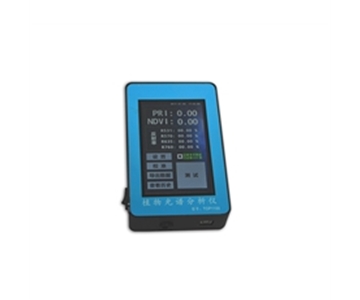
Jingyi Optoelectronics has partnered with multiple domestic fruit research institutes to build an apple harvest-timing detection system based on the JY2000 spectrometer. Over three years, field spectral data—totaling 120,000 datasets—have been collected across major domestic cultivars including Fuji, Gala, and Jonagold. By integrating dual-dimensional spectral features (reflection + scattering) with real-time agronomic parameters—including accumulated temperature, leaf-to-fruit ratio, and fertilization history—the algorithm achieves over 92% accuracy in predicting optimal harvest timing. Growers simply point the handheld device equipped with the JY2000 module at the apple surface for three seconds to obtain immediate results—no fruit removal required, no lab submission needed. A single operator can complete spectral sampling across nearly 100 mu (≈6.7 hectares) of orchard per day.
Real-World Impact and Future Outlook
In practice, apples harvested using this spectral method demonstrate an average 21% increase in premium-grade yield and extended cold-storage shelf life—up to 18 days longer. Per mu (≈667 m²), this translates into additional grower income of ¥800–¥1,300. Jingyi Optoelectronics is further refining its algorithm model and plans to integrate JY2000-collected spectral data with IoT cloud platforms. Beyond providing harvest recommendations to growers, the system will synchronize maturity data with buyers and cold-chain logistics providers—enabling end-to-end quality control from orchard to retail shelf—and significantly enhancing overall efficiency across the entire apple value chain.
#Spectrometer #NearInfraredSpectrometer #PortableHyperspectralImager #SpectroscopicAnalyzer #MicroSpectrometer