Applications and Underlying Principles of Raman Spectroscopy
Have you ever seen customs officers holding a portable device, scanning a suspicious chemical for just a few seconds to instantly identify it? Or gemologists determining a gemstone’s authenticity and type in seconds—without causing any damage whatsoever? The technology powering these scenarios is Raman spectroscopy. And the key breakthrough enabling accurate detection of highly fluorescent samples—a widespread industry challenge—lies in the adoption of 1064 nm long-wavelength excitation sources.
We can explain the fundamental principle of Raman detection through an accessible analogy: Imagine monochromatic excitation light as a group of ping-pong balls all moving at precisely the same speed. When they strike molecules with different structures, most balls simply bounce off unchanged—this is Rayleigh scattering. It confirms only that light encountered an obstacle, revealing nothing about the obstacle’s specific nature. Only a tiny fraction—between one part per billion and one part per million—of these “balls” undergo energy exchange upon collision: either transferring some energy to molecular vibrational modes or extracting additional energy from them before scattering away. This scattered light, whose speed (i.e., frequency/energy) has changed, constitutes Raman scattering.
The energy difference between this scattered light and the original incident light is termed the *Raman shift*. Crucially, the Raman shift bears no relation to the incident light’s frequency; instead, it is determined solely by the vibrational characteristics of a molecule’s chemical bonds and functional groups—functioning like a unique “molecular fingerprint.” Each substance produces a distinct Raman shift spectrum, forming the core scientific basis for qualitative material identification via Raman spectroscopy.
Pain Points of Conventional Raman Detection Systems
Most traditional Raman instruments rely on short-wavelength excitation sources. When analyzing highly fluorescent samples, such systems readily induce intense fluorescence background signals that completely overwhelm the inherently weak Raman signal—rendering effective identification impossible. This limitation has long hindered broader deployment of Raman detection across diverse application scenarios.
Jingyi Optoelectronics’ Solution
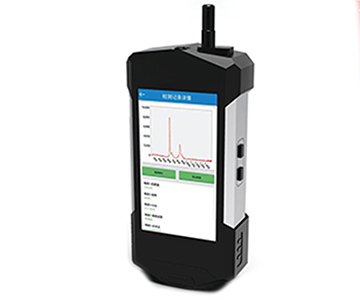
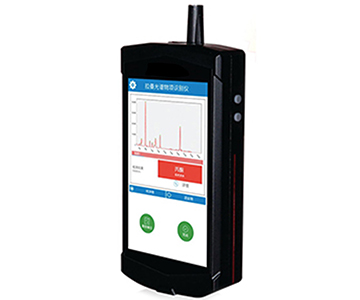
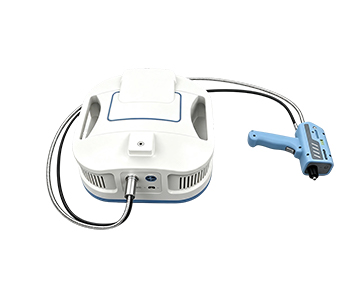
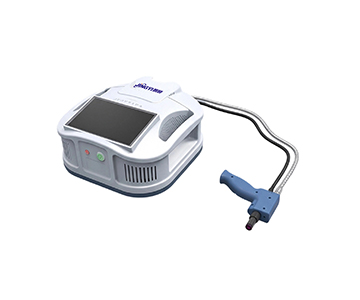
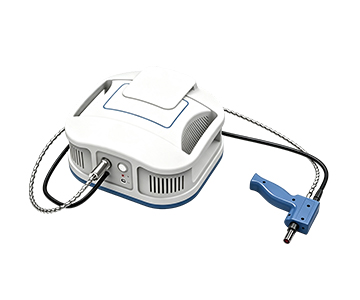
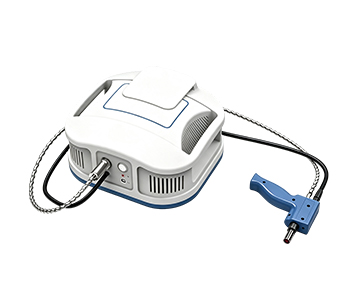
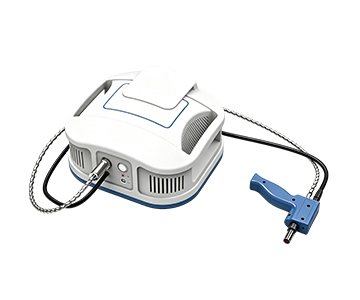
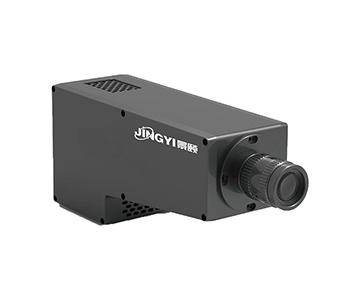
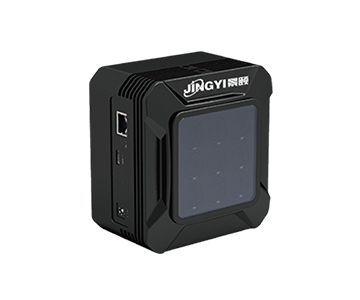
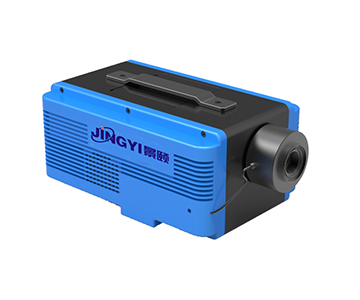
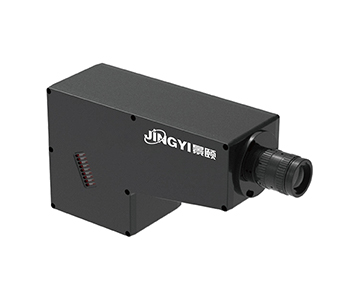
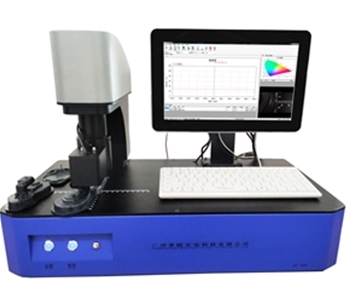
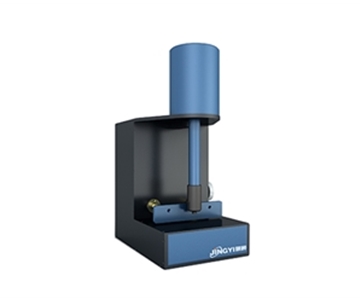
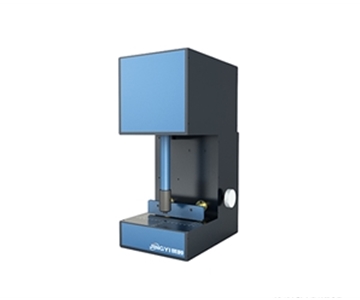
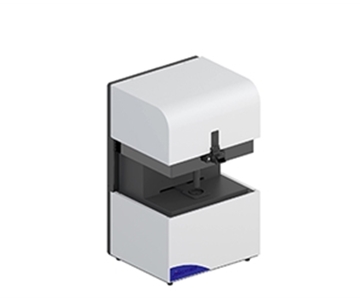
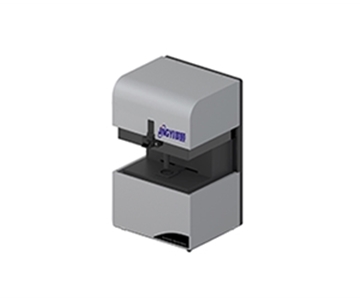
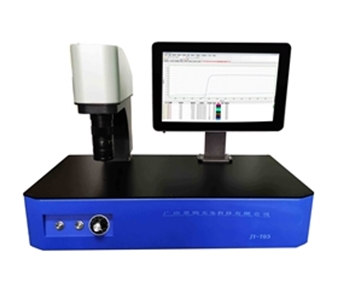
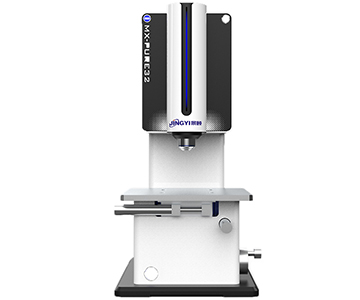
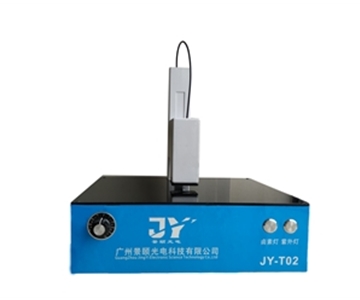
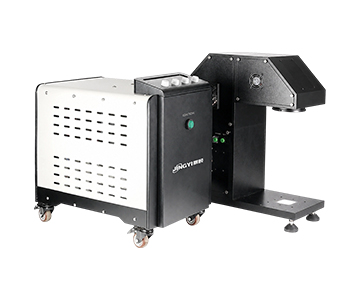
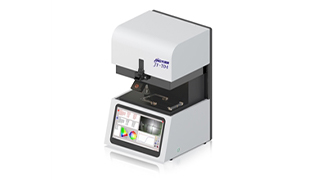
To address this industry-wide challenge, Jingyi Optoelectronics has developed a 1064 nm Raman spectrometer utilizing a 1064 nm long-wavelength excitation source. By fundamentally suppressing fluorescence generation at the excitation stage, this approach eliminates the need for complex post-acquisition fluorescence suppression algorithms—yielding clean, interpretable spectra ideally suited for highly fluorescent samples.
Device Capabilities and Technical Support
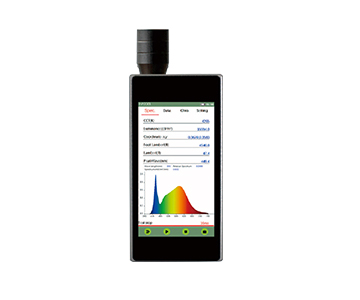
Weighing under 1.2 kg—equivalent to just two standard bottled waters—the instrument is truly portable. Whether conducting on-site container inspections at customs checkpoints, field screening of suspicious substances by law enforcement, raw-material spot-checks in food production facilities, or real-time gemstone authentication in jewelry stores, users can carry it effortlessly. No complex sample preparation is required: simply scan the target for several seconds to obtain precise identification results.
The device integrates a proprietary Raman spectral identification algorithm capable of rapidly matching acquired spectra against an onboard reference library for general-purpose substance identification. Moreover, users may upload custom spectral data, enabling flexible adaptation to specialized detection requirements across various industries.
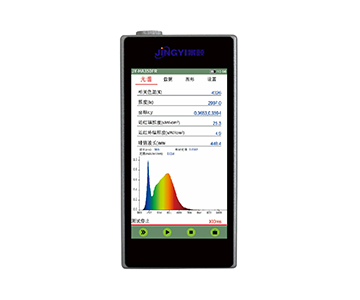
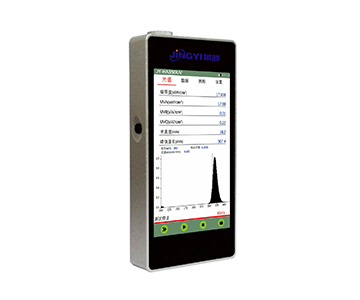
Powered by the Android operating system, its intuitive 5.5-inch high-definition touchscreen delivers smartphone-like usability—requiring minimal professional training for immediate operation. Dual cameras (13 MP + 8 MP) simultaneously capture high-fidelity visual documentation of the testing environment. Integrated Wi-Fi, Bluetooth, and GPS modules enable seamless synchronization of test data and contextual information directly to back-end management systems—ensuring full traceability throughout the entire inspection workflow.
Jingyi Optoelectronics also provides end-to-end technical support to its partners, covering customized spectral library development, method validation, and full IQ/OQ/PQ qualification services—meeting non-destructive testing needs across public safety, food safety, pharmaceutical quality control, and other critical domains.
Future Development of Raman Detection Technology
Raman detection is now converging deeply with AI algorithms and IoT infrastructure. Going forward, handheld Raman devices will achieve broader spectral library coverage and higher identification accuracy. Eventually, they may connect directly to urban security monitoring networks or end-to-end food traceability systems—extending the benefits of rapid, non-destructive, and highly accurate field detection to an ever-widening array of applications.
#1064nmRamanSpectrometer #MicroconfocalRamanSpectrometer #660nmRamanSpectrometer #RamanMicrospectrometer #BenchtopRamanSpectrometer #ATR6600HandheldRamanSpectrometer