Current Status of the Laser Industry and Jingyi Optoelectronics’ Solutions
The laser industry is rapidly evolving toward higher power, larger beam spots, and far-field applications. In many scenarios, the limitations of conventional small-aperture beam profilers are becoming increasingly evident:
- For line-shaped lasers or far-field beams with large divergence angles, the sensor’s active area is insufficient to capture the full beam profile—requiring multiple stitched measurements, resulting in high uncertainty and low efficiency;
- When measuring high-power lasers, photosensitive components risk thermal damage, and measurement accuracy often fails to meet micron-level requirements.
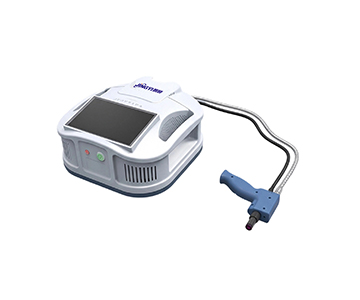
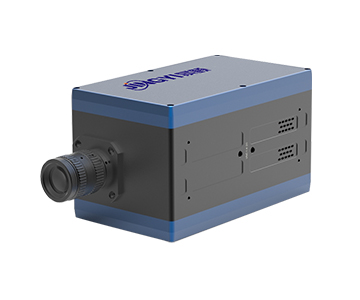
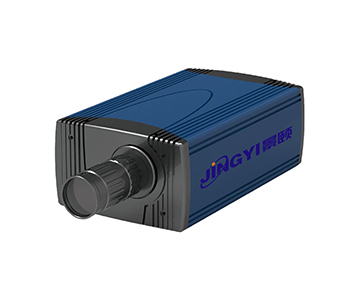
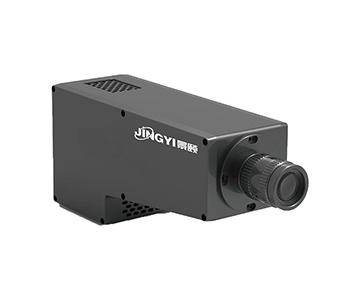
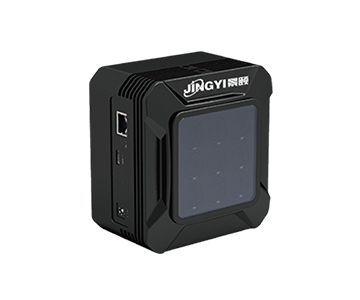
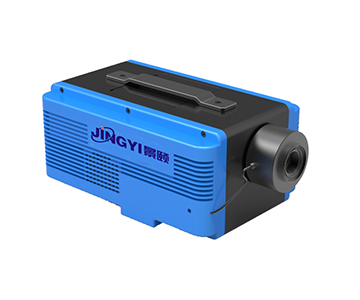
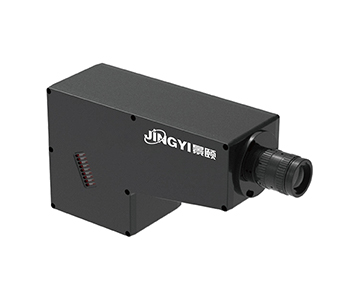
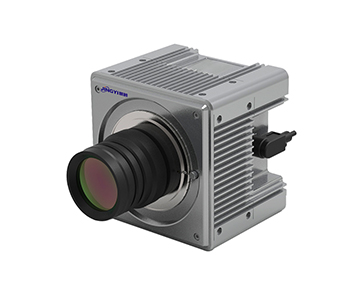
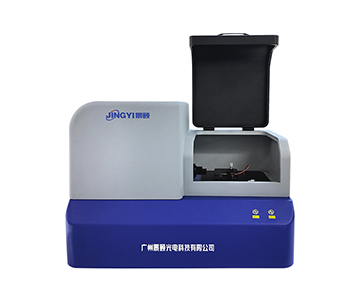
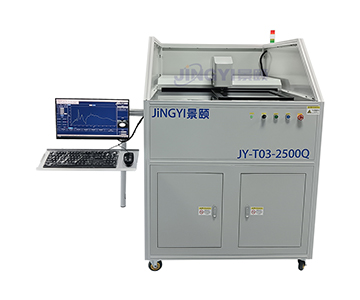
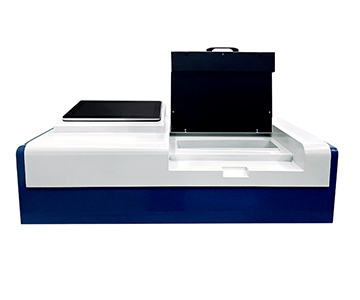
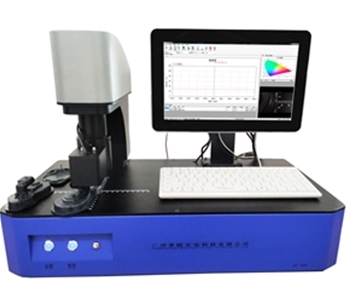
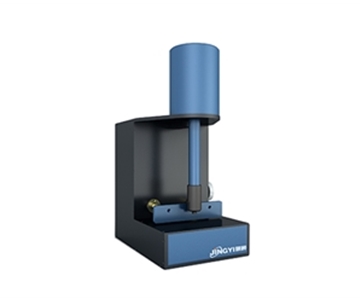
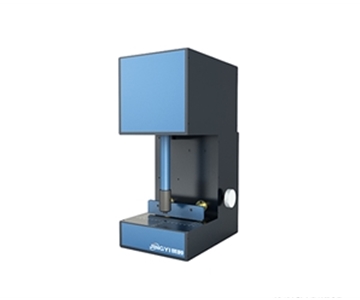
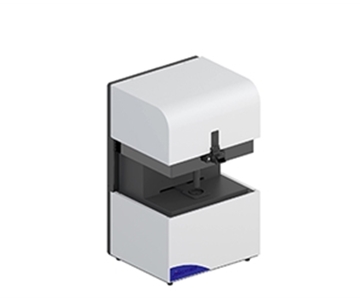
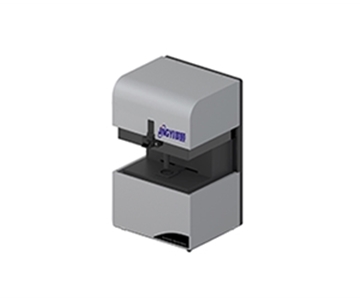
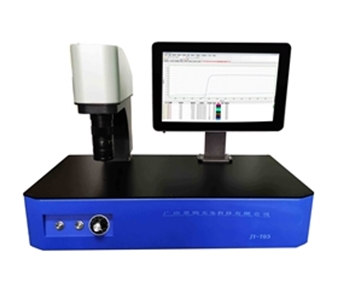
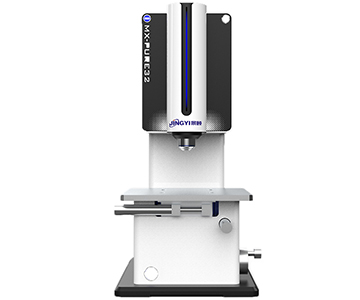
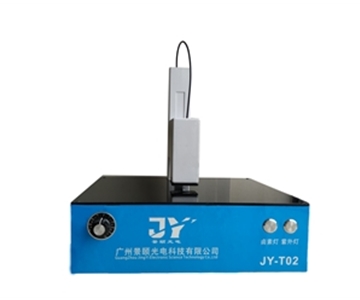
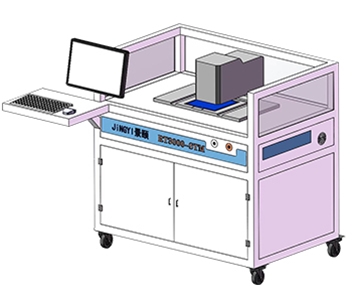
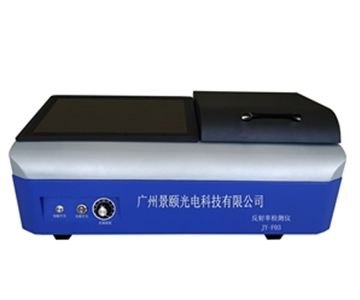
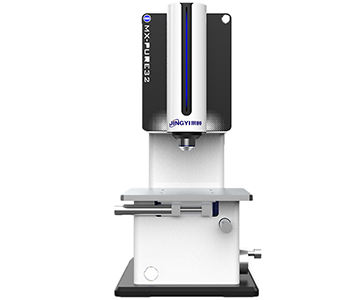
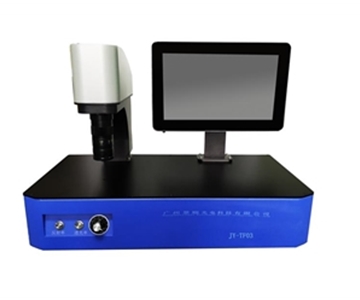
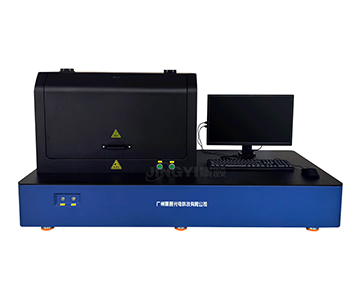
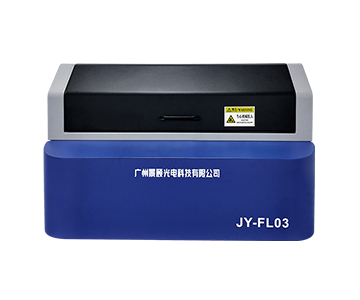
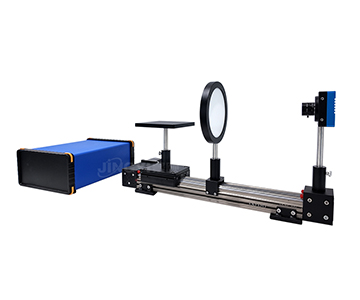
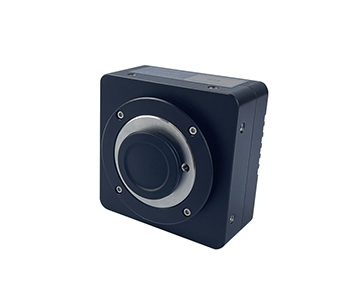
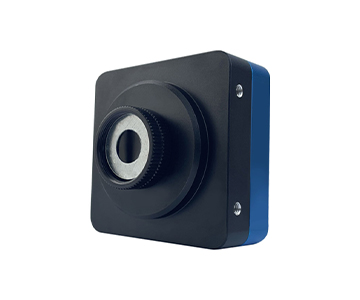
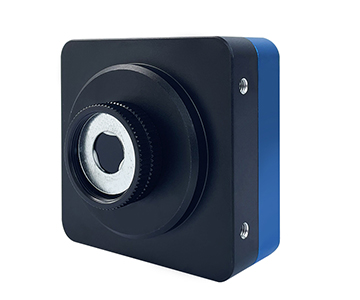
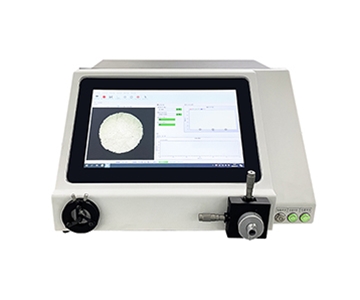
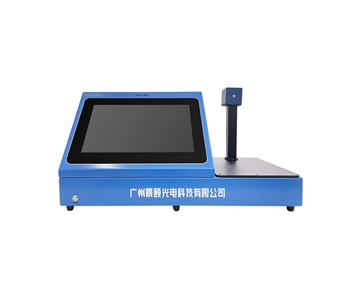
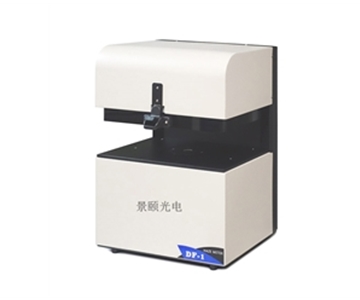
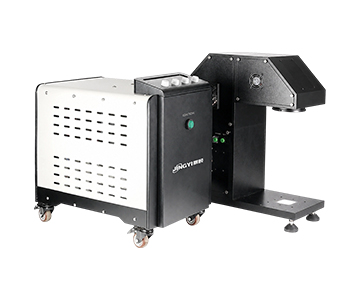
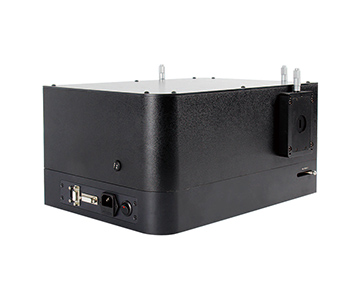
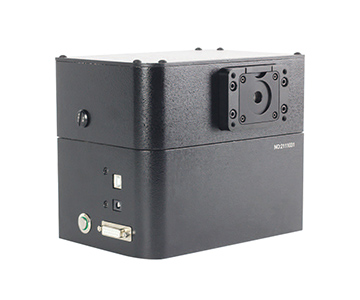
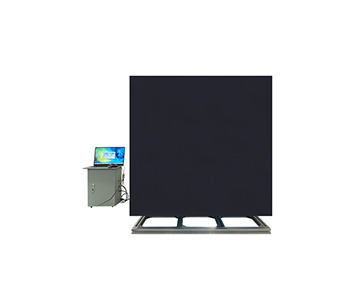
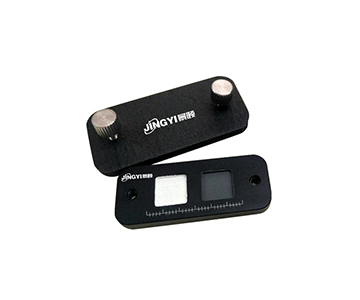
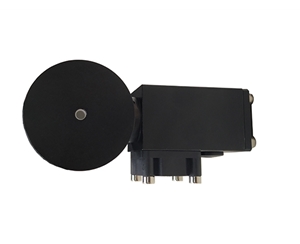
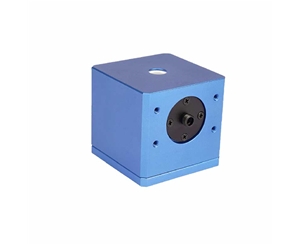
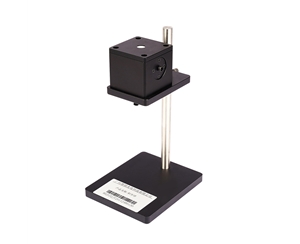
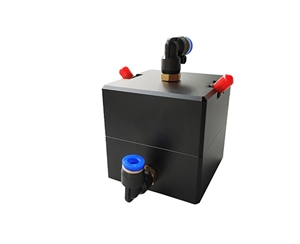
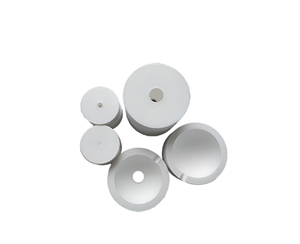
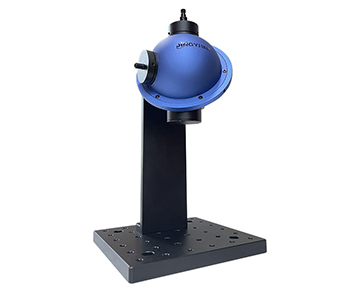
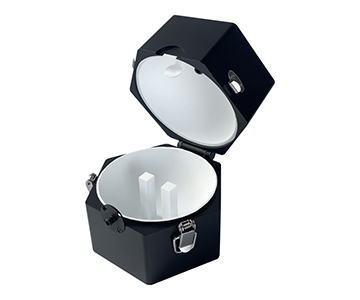
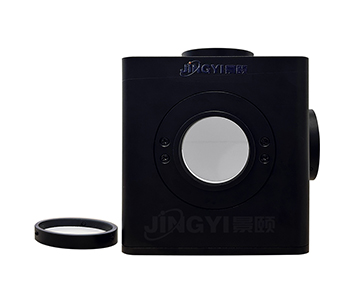
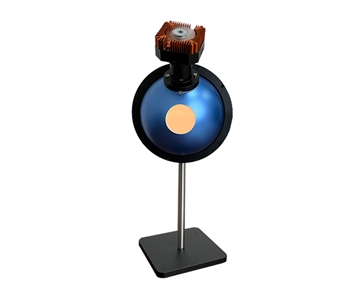
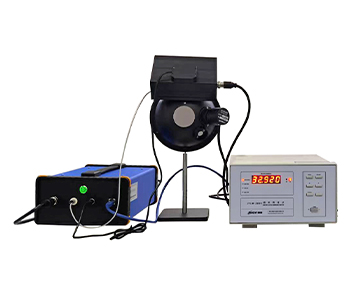
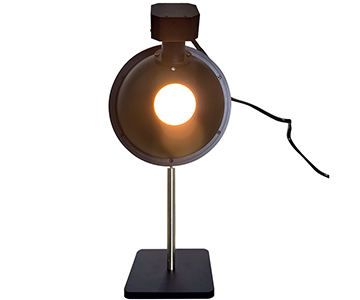
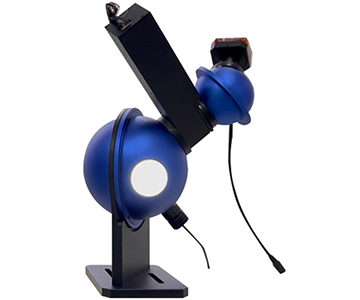
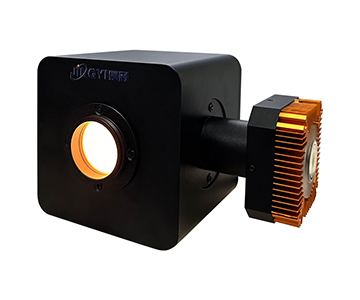
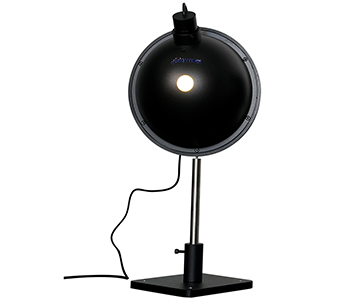
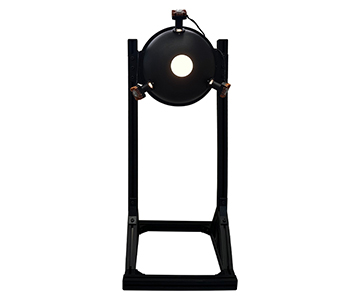
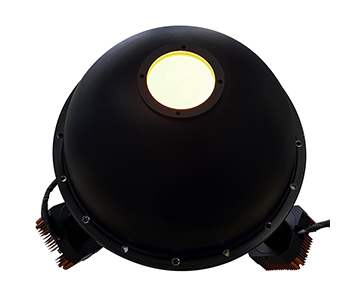
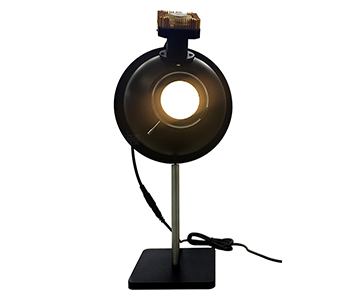
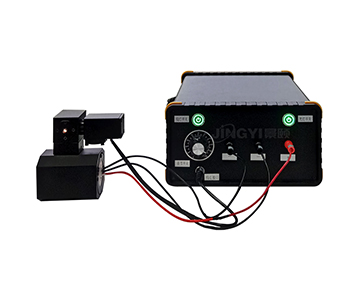
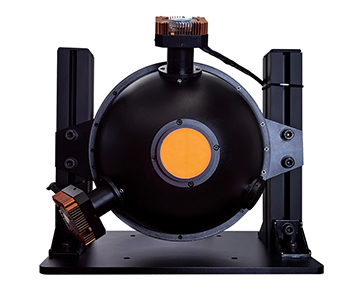
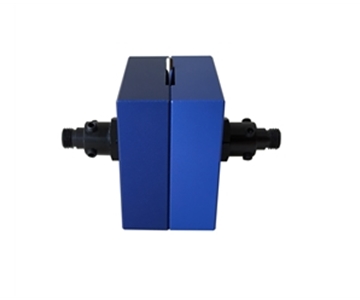
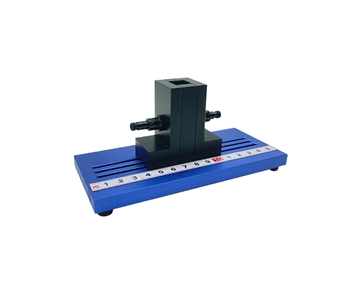
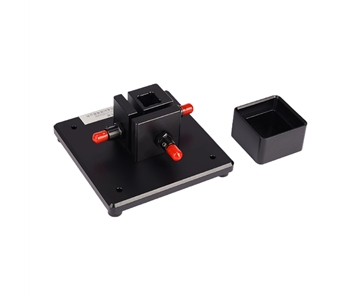
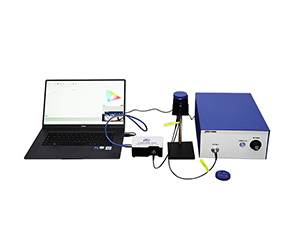
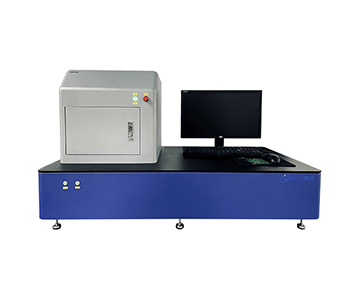
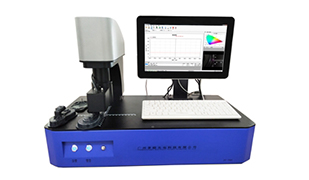
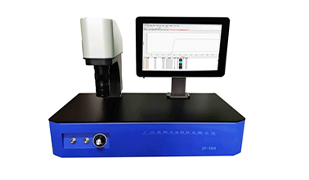
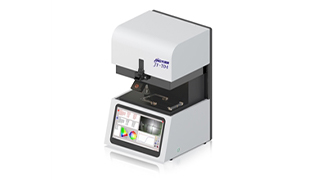
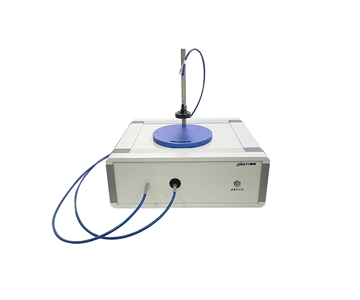
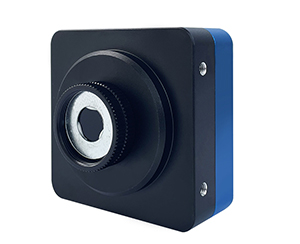
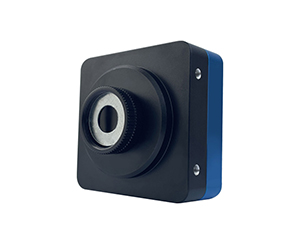
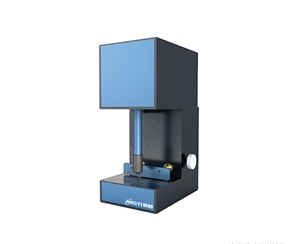
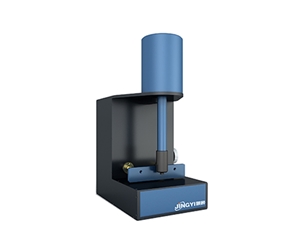
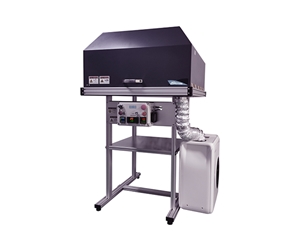
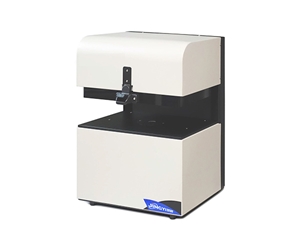
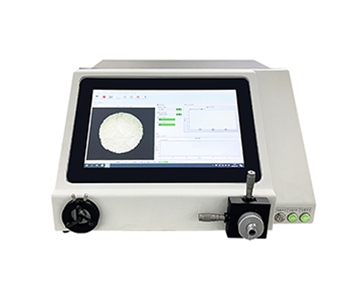
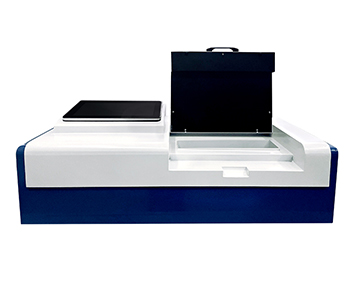
To address this industry-wide challenge, Jingyi Optoelectronics has developed an advanced large-aperture beam profiler featuring comprehensive technical optimizations. Its CMOS sensor offers an active area up to 22.5 mm × 22.5 mm, with a pixel pitch as fine as 11 μm—enabling accurate detection of both large beams (up to 22.5 mm in diameter) and micro-beams as small as 110 μm. Standard integrated attenuation components accommodate lasers across a broad power range, supporting measurements of up to 1000 W. This instrument is thus an essential tool for all applications involving large-spot or highly divergent laser beams.
In High-Precision Printing and Imaging Device Mass-Calibration Scenarios
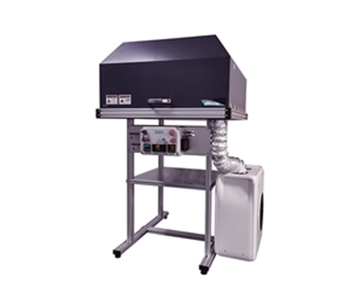
Core laser scanning units (LSUs) in commercial laser printers and high-speed industrial inkjet coders require rapid calibration of spot size, array uniformity, and scan wobble error during mass production. Conventional small-aperture profilers necessitate repeated repositioning to cover the entire scanning beam array—leading to low test throughput and poor repeatability. Jingyi’s large-aperture beam profiler captures the complete scanning beam array in a single acquisition, automatically computes all key parameters, and generates standardized test reports. This significantly reduces LSU production-test costs while ensuring consistent performance across shipped units.
In Parameter Optimization for Intelligent Identification and Optical Storage Applications
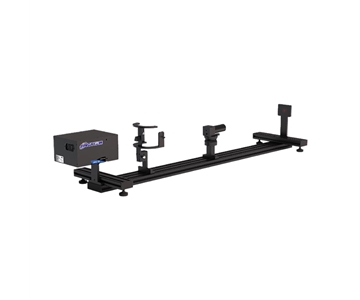
Barcode scanners demand extended working distances, requiring beams with long Rayleigh ranges to maintain spot stability over distance. In contrast, optical storage systems prioritize minimal focused spot sizes to maximize data density. These two use cases impose fundamentally opposing requirements on beam waist diameter and divergence angle—making simultaneous high-accuracy characterization extremely difficult for conventional instruments. Jingyi’s large-aperture beam profiler directly captures the full longitudinal energy distribution of the beam, enabling rapid calculation of critical parameters—including Rayleigh length and waist size—providing precise, actionable data for optical system alignment. Whether optimizing scan range for barcode readers or minimizing spot size for optical storage, the profiler enables efficient, data-driven tuning.
In Operational Monitoring for High-Power Industrial Laser Processing
Kilowatt-class laser welding and cutting systems require real-time monitoring of beam diameter, ellipticity, centroid offset, and other parameters—both during factory calibration and routine maintenance. Traditional slit-based profilers only yield discrete scalar values, offering no intuitive insight into spatial energy distribution defects. Equipped with high-power attenuation optics, Jingyi’s large-aperture beam profiler captures the full beam profile at the processing station and simultaneously generates 2D/3D pseudo-color energy distribution maps. This allows rapid identification and early warning of issues such as focusing lens degradation or optical path misalignment—preventing costly batch scrap due to undetected beam anomalies.
In Full-Process Quality Control for Laser Development and Mass Production
Whether calibrating the M² factor of conventional solid-state lasers or characterizing high-divergence devices such as VCSELs and high-power semiconductor lasers, traditional instruments typically require additional beam-reduction optics to capture the full beam—a cumbersome process introducing alignment errors and measurement uncertainty. Jingyi’s large-aperture beam profiler captures even highly divergent beams in their entirety, without auxiliary optics. It synchronously measures key parameters—including LI curves, divergence angle, and Gaussian fit quality—and supports user-defined Pass/Fail thresholds. Integrated into production lines, it enables fully automated laser sorting, dramatically improving quality control efficiency throughout R&D and mass-production stages.
In Laser System Calibration for Life Science Applications
Excimer lasers used in ophthalmic refractive surgery and gene-chip scanning lasers employed in pathological analysis impose stringent requirements on beam uniformity and stability. Energy non-uniformity or centroid drift can cause measurement inaccuracies—or, in worst cases, medical incidents. Jingyi’s large-aperture beam profiler delivers real-time, micron-level tracking of beam characteristics, with full data traceability. Whether for periodic calibration of life-science laser systems or final factory tuning of gene-sequencing scanners, it provides reliable, auditable measurement evidence—ensuring application safety and diagnostic precision.
This instrument also supports customizable functional extensions, enabling seamless integration with AI-powered quality inspection systems and industrial IoT platforms for fully automated, closed-loop beam quality control—meeting tailored testing requirements across diverse industries.
#BeamProfiler #BeamAnalyzer #BeamQualityTester #BeamQualityAnalyzer
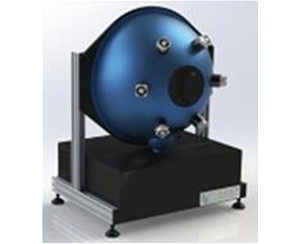
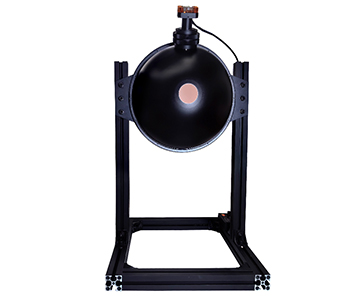
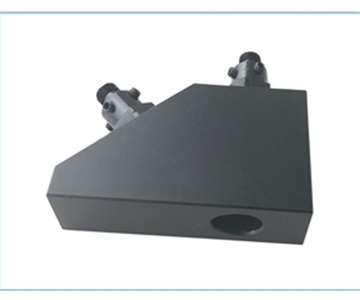
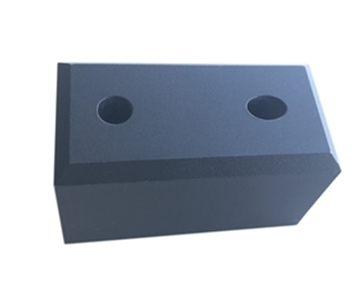
Product Image:
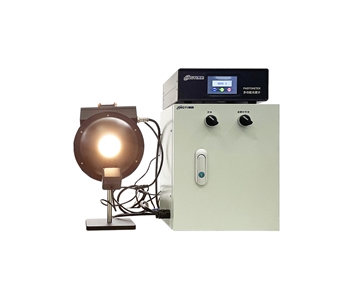
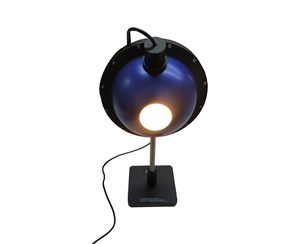
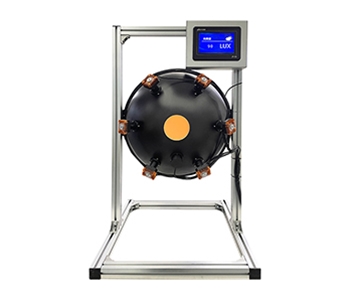
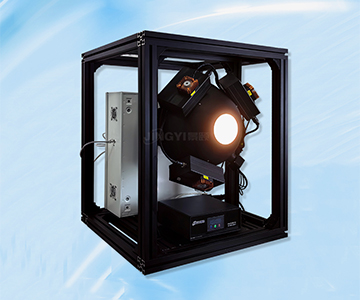
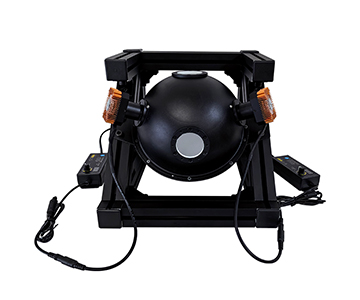
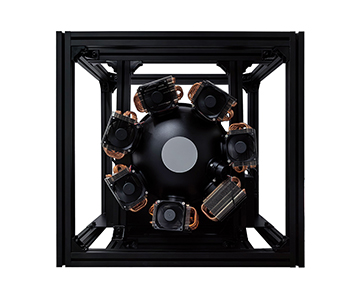
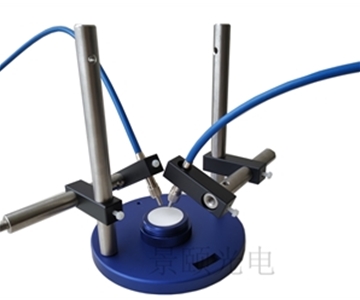
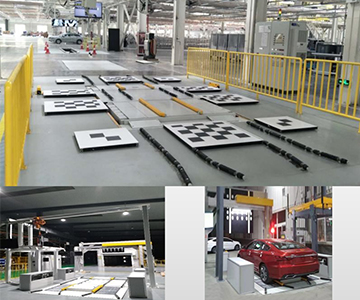
Application Images: