Is Beam Uniformity a “Bottleneck” Challenge for the Optical Industry? A Cost-Effective, Domestic Beam Profiler Testing Solution Is Here
In recent years, applications of laser and optical technologies have expanded across diverse fields—from fractional skin rejuvenation in aesthetic medicine and laser cutting/welding in industrial manufacturing to high-magnification microscopic imaging in research and optical module coupling in communications. In all these scenarios, beam energy distribution uniformity has become a core metric determining product performance, regulatory compliance, and cost control. Many manufacturers have encountered setbacks due to substandard beam uniformity: aesthetic devices recalled after causing localized thermal injury due to non-uniform beam output; industrial laser processing yields dropping below 30%; and systematic experimental errors in research arising from uneven illumination—root causes often traceable to the absence of accurate, efficient uniformity testing methods during early development and production.
Contrary to the common misconception that “brighter light is always better,” beam uniformity quantifies intensity variation across any two points on the beam’s cross-section. Per ISO 13694, a well-behaved beam must maintain intensity differences within a defined threshold. Exceeding this threshold triggers cascading issues: in medical applications, non-uniform lasers increase the risk of skin damage; in industrial contexts, they result in unacceptable surface roughness and excessive material waste; and in imaging systems, they produce uneven brightness and reduced contrast—directly compromising diagnostic accuracy or experimental validity. Historically, domestic manufacturers relied on two suboptimal approaches: (1) semi-quantitative visual inspection combined with rudimentary sampling—offering extremely low precision and over 40% false-negative rates, failing to meet regulatory requirements; or (2) importing foreign beam profilers—costing two to three times more than domestic alternatives, with after-sales response times stretching to several weeks and software functionalities poorly aligned with domestic production-line workflows. As a result, many SMEs simply abandoned full-scale uniformity verification altogether, creating significant latent quality risks.
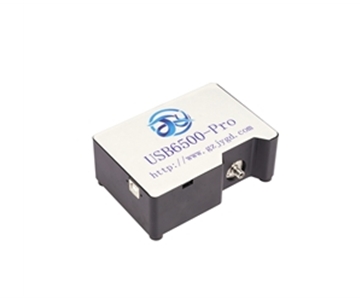
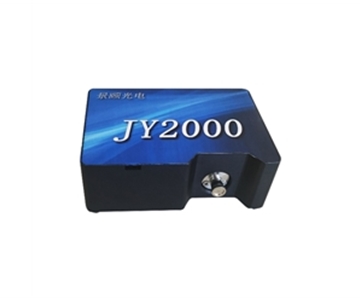
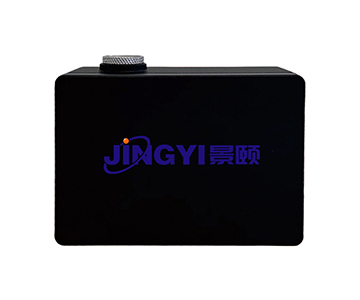
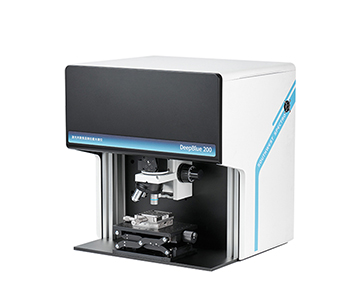
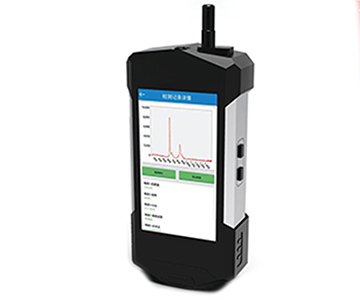
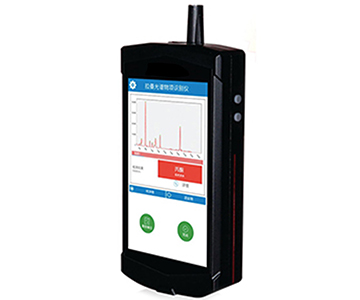
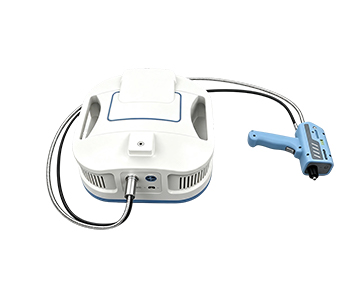
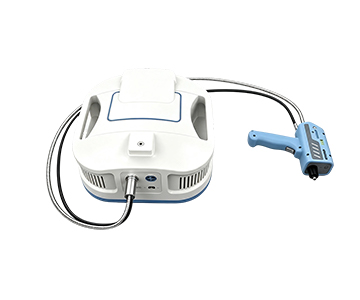
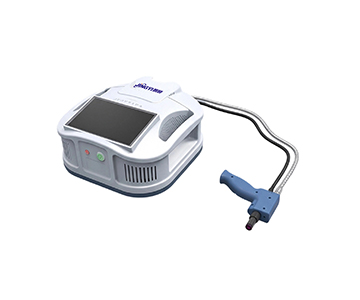
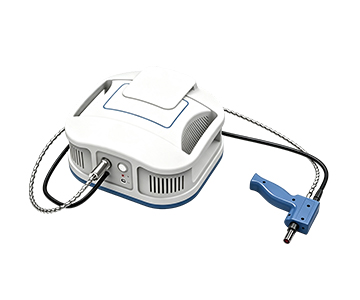
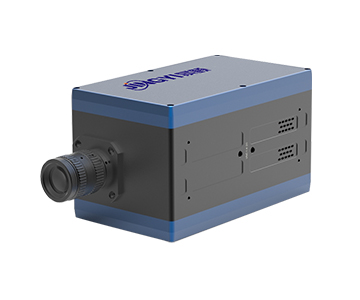
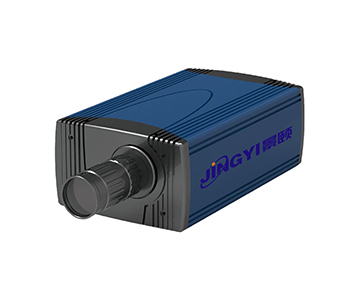
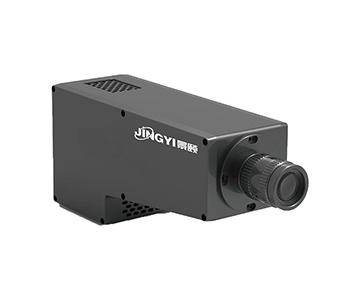
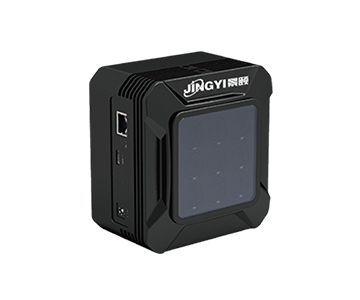
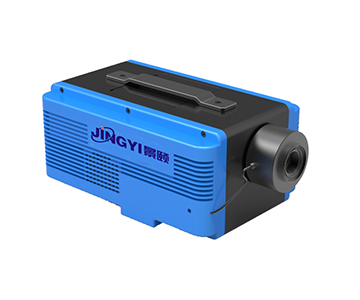
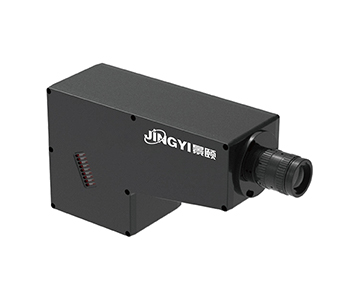
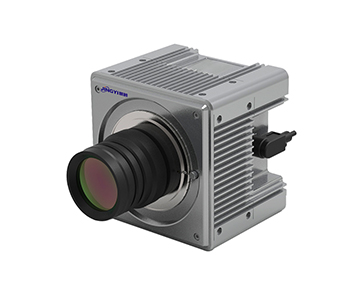
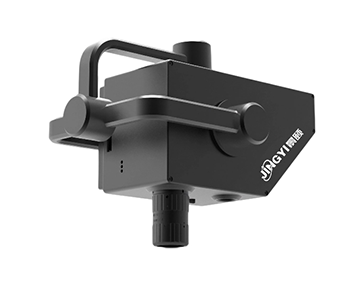
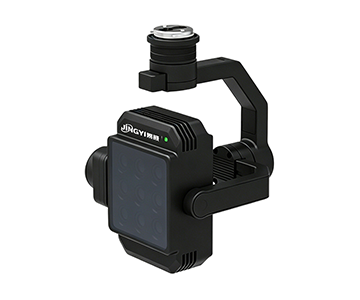
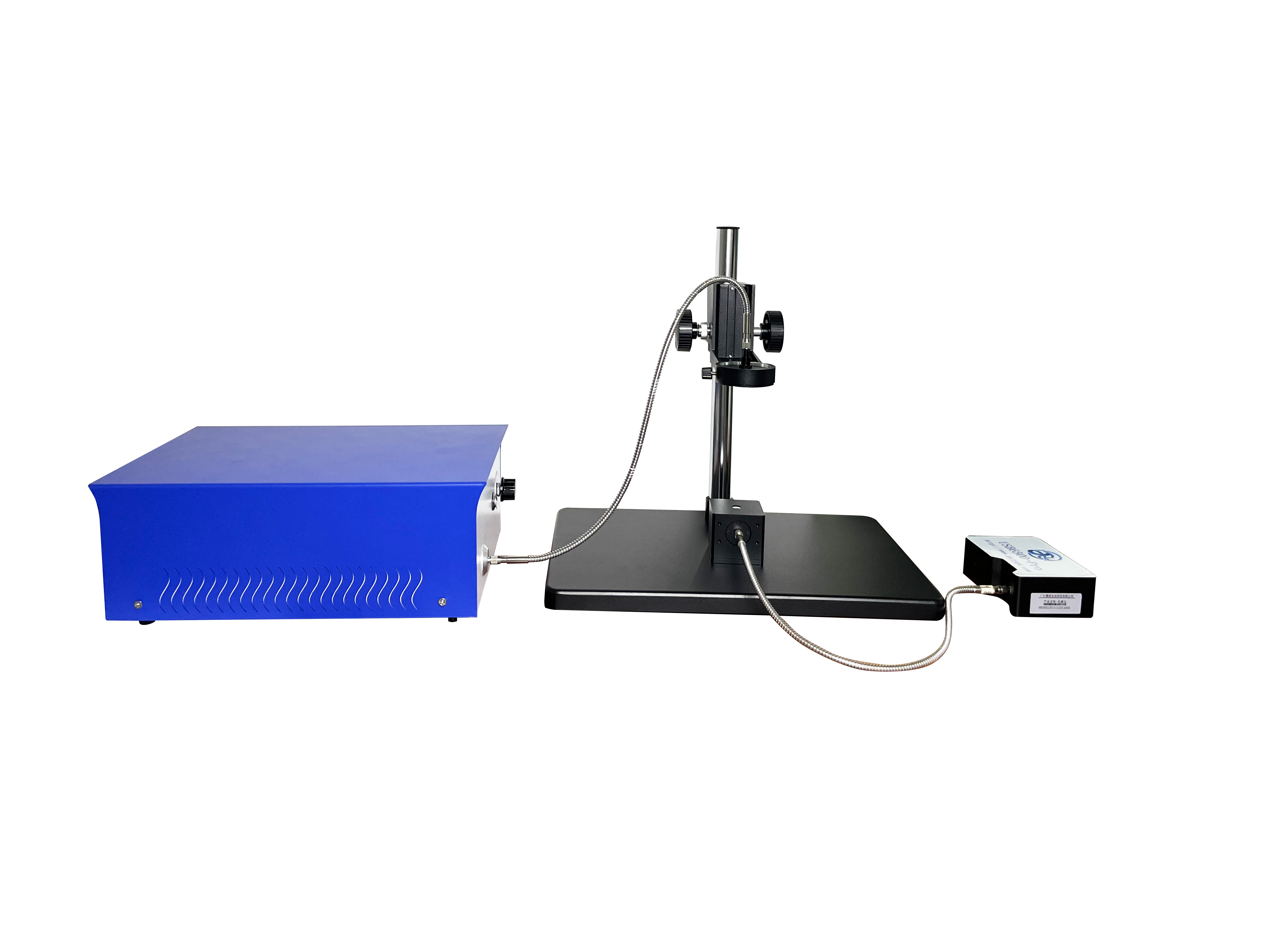
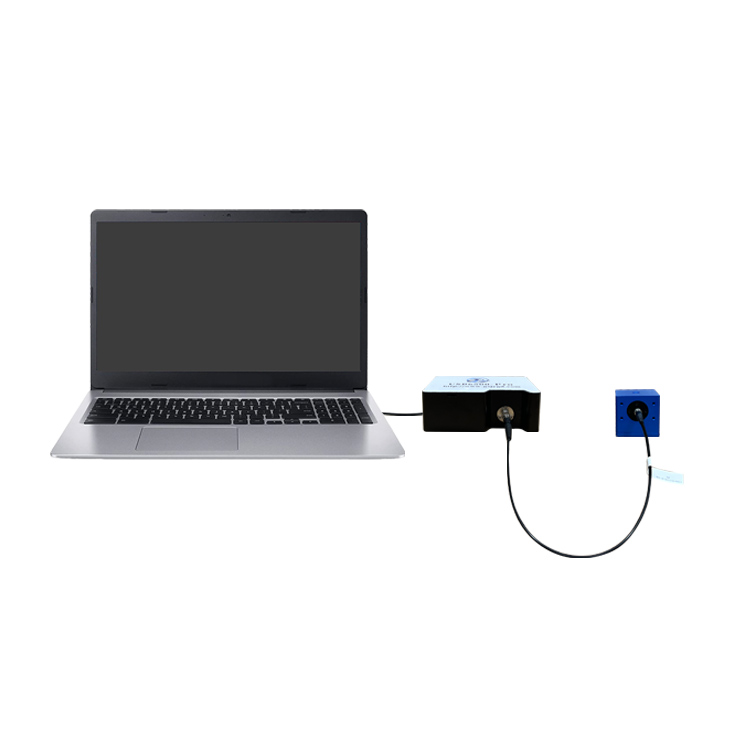
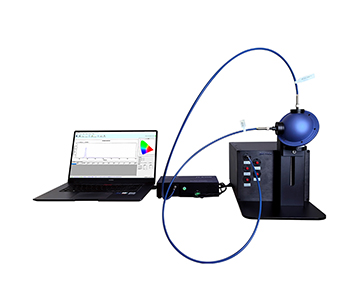
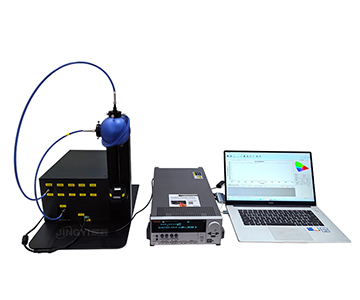
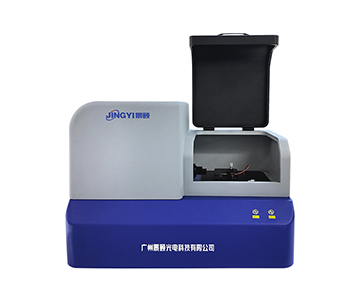
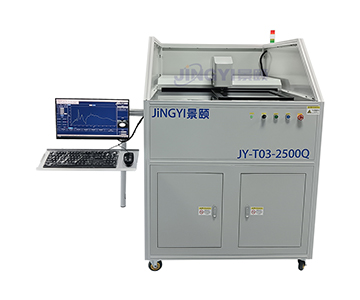
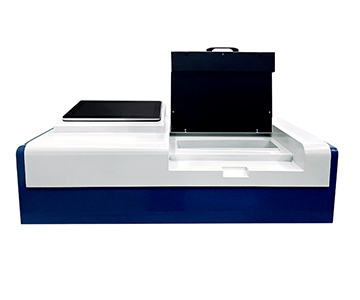
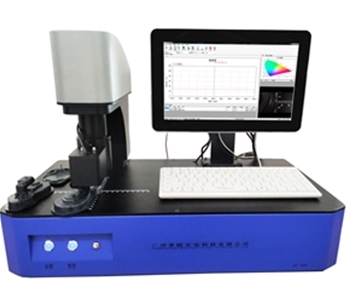
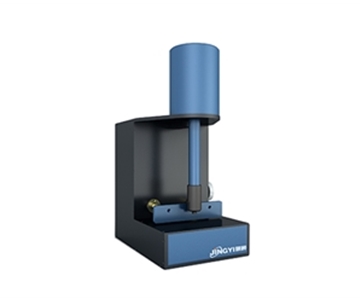
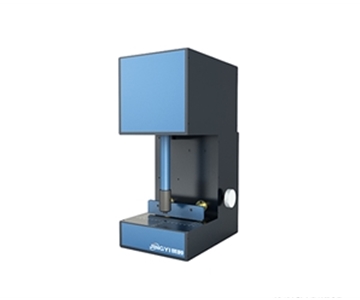
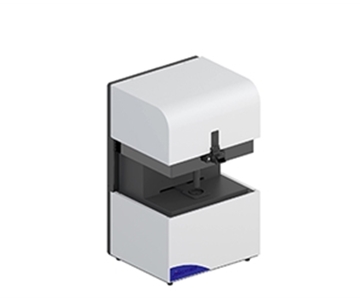
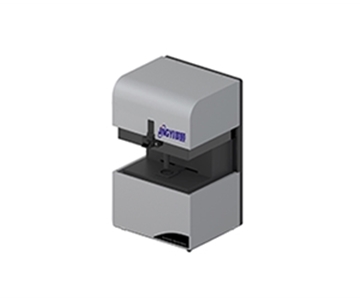
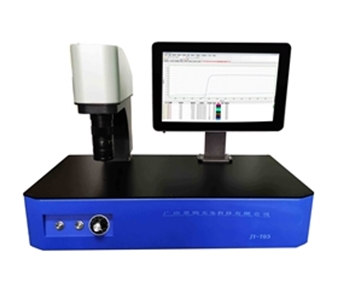
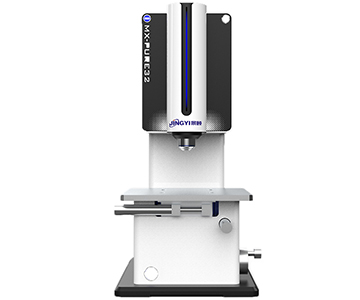
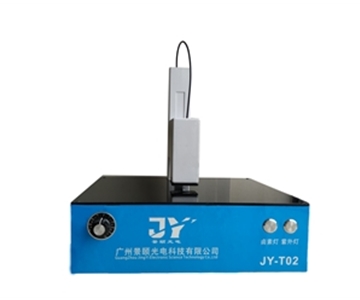
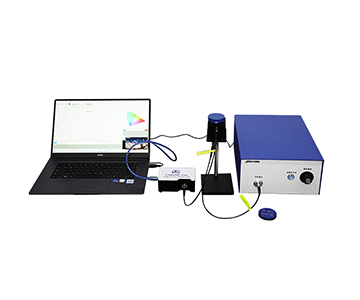
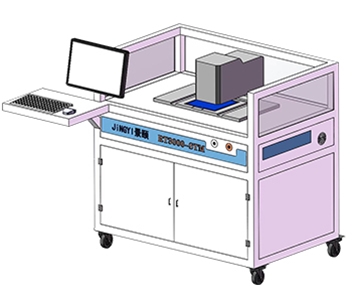
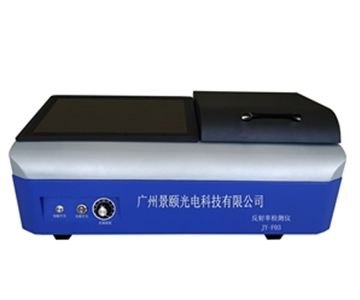
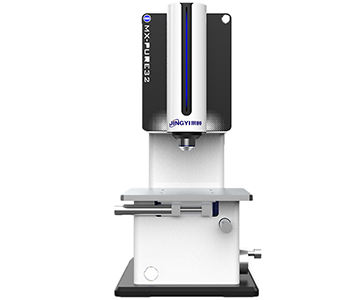
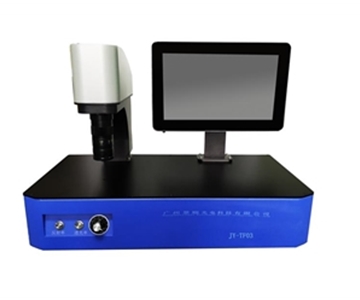
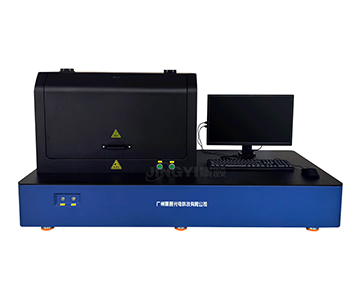
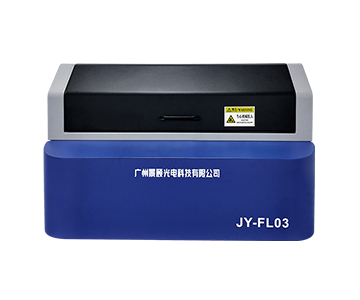
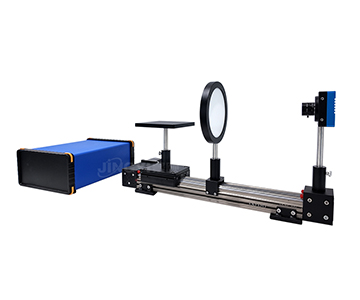
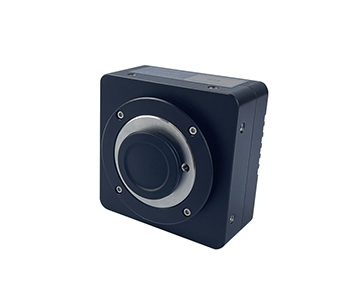
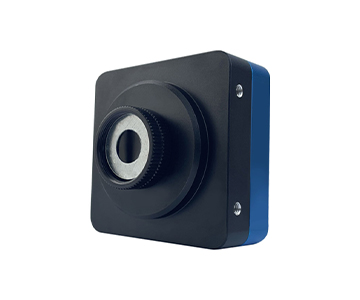
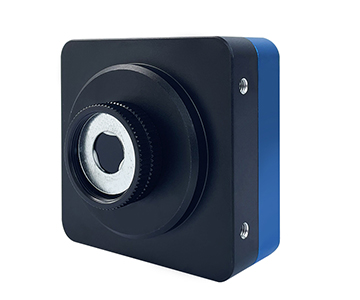
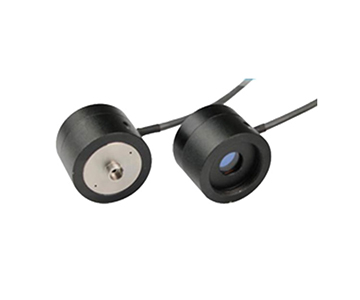
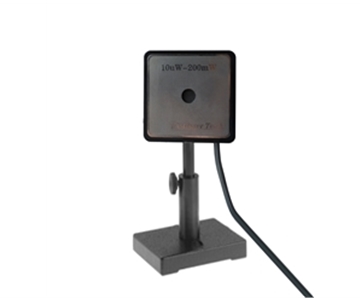
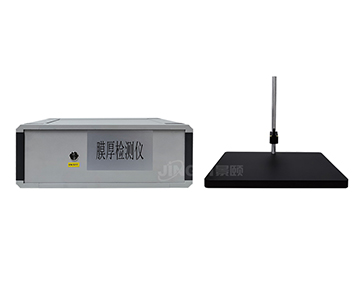
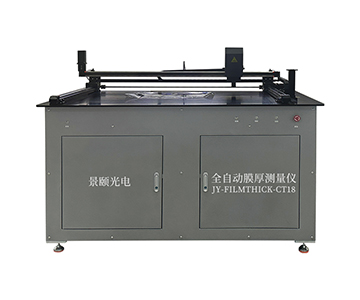
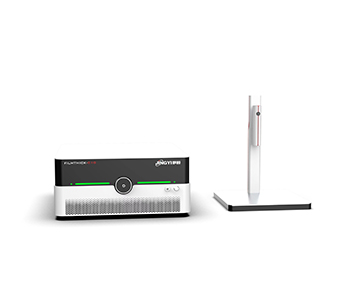
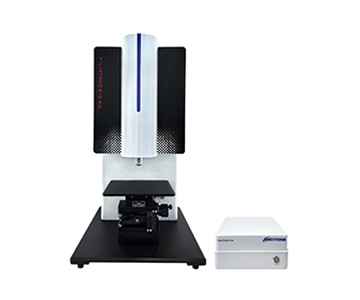
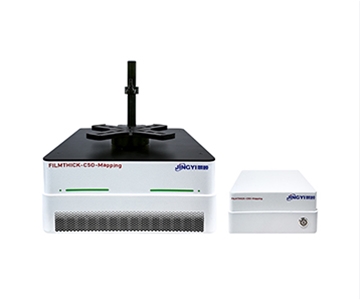
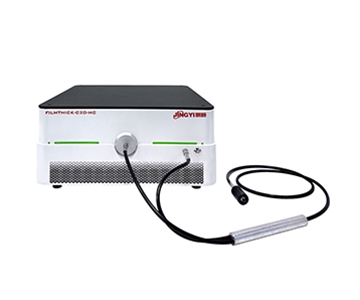
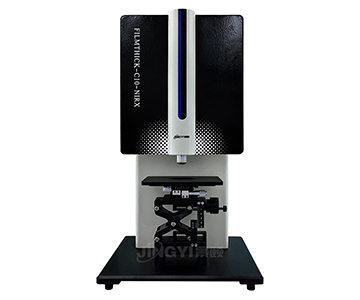
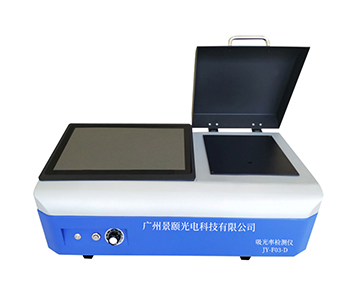
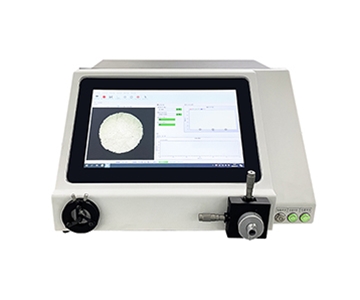
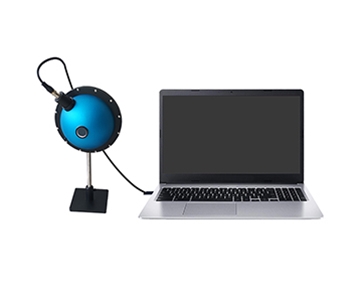
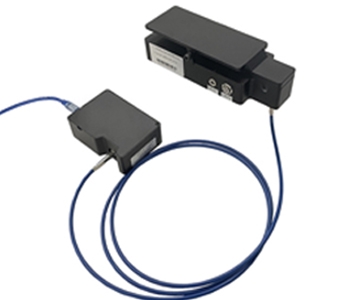
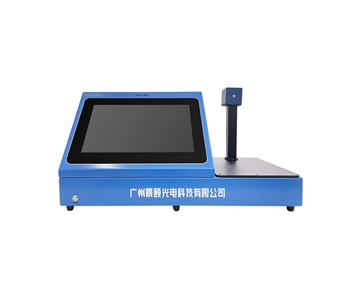
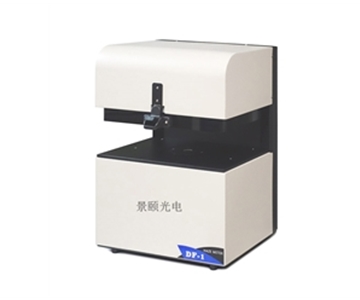
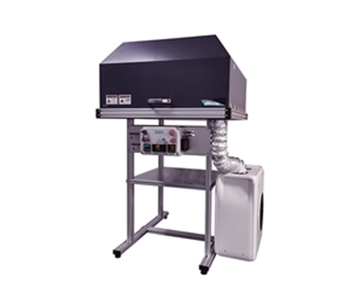
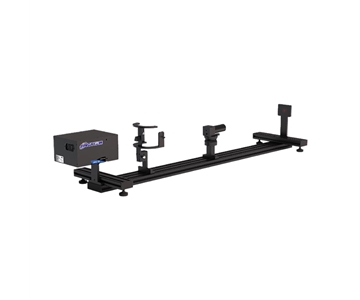
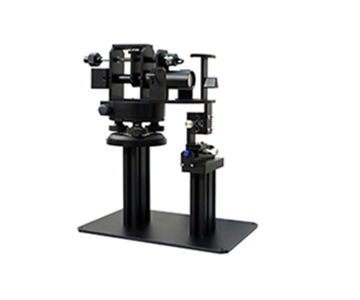
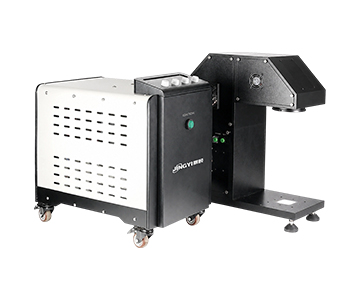
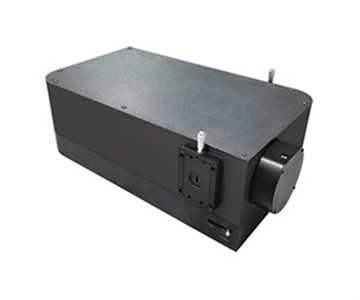
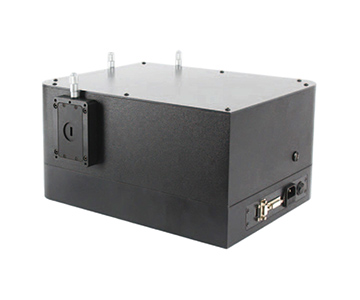
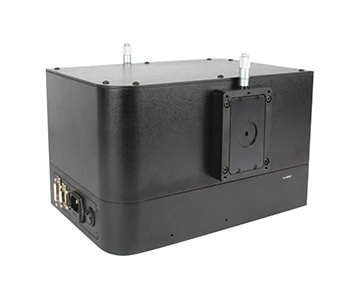
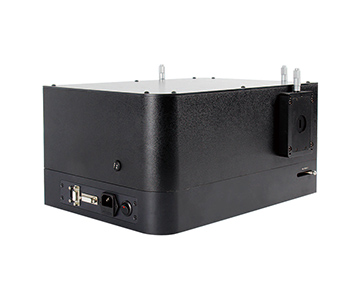
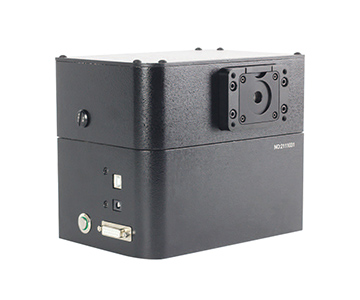
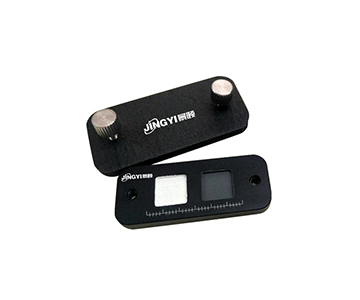
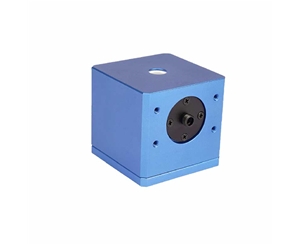
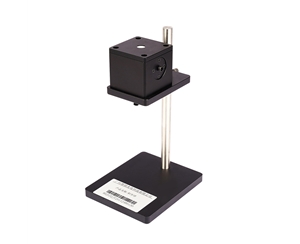
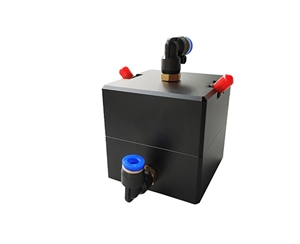
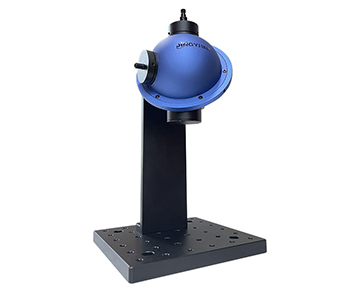
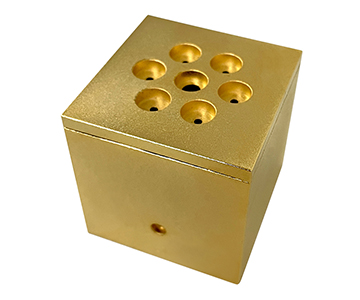
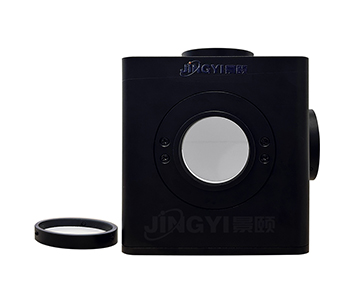
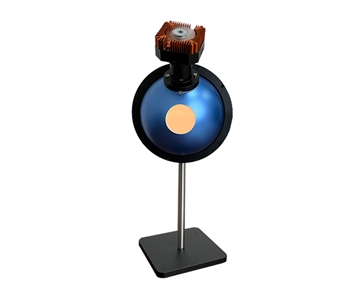
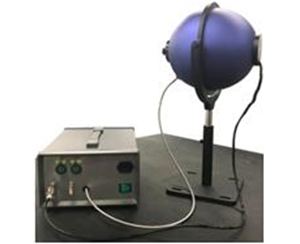
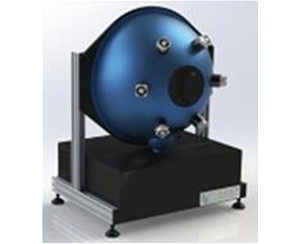
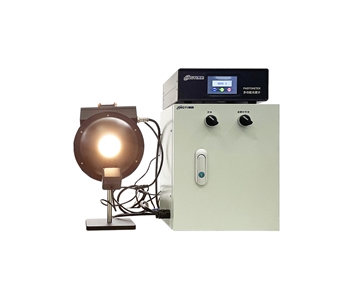
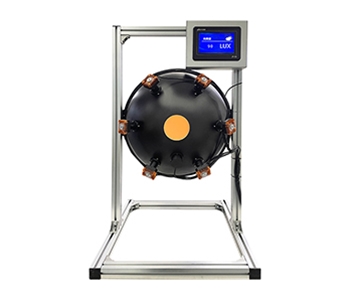
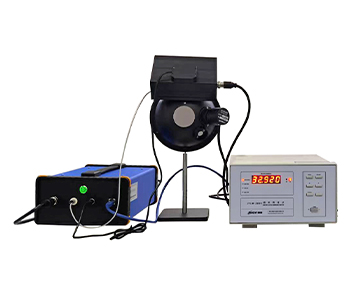
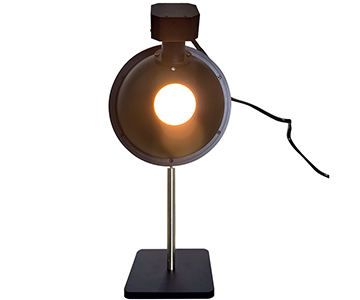
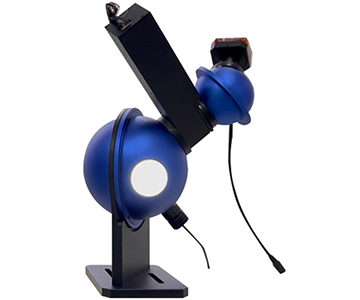
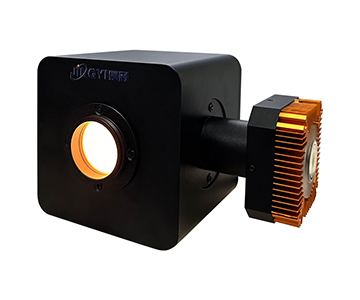
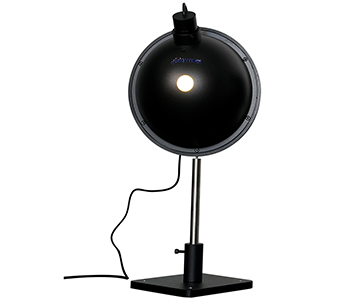
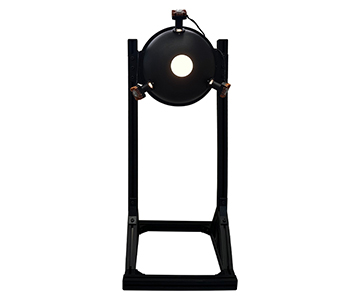
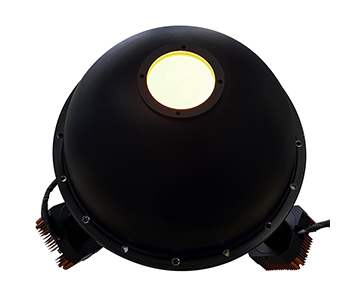
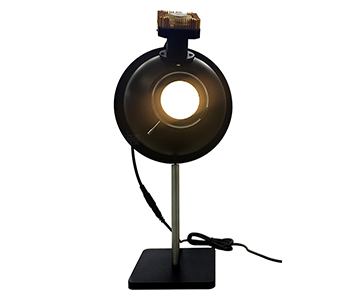
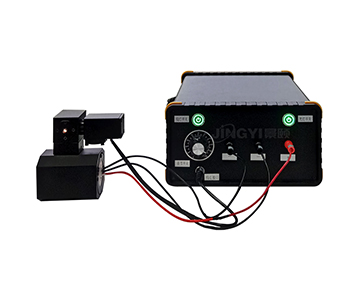
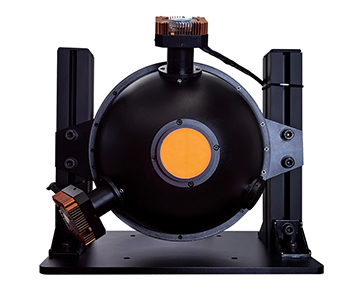
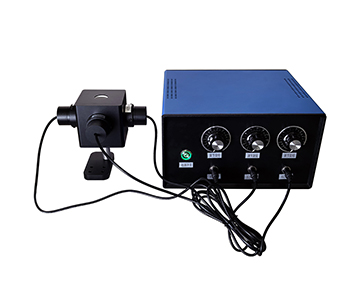
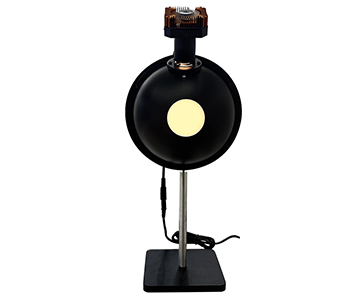
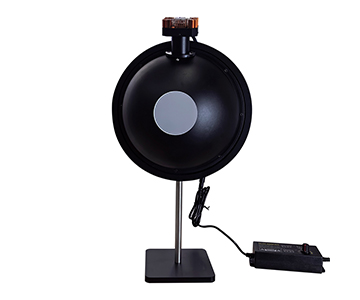
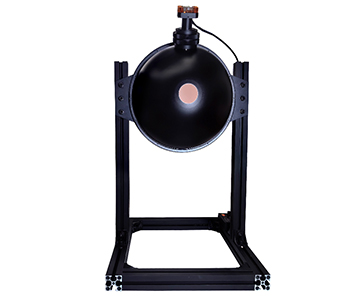
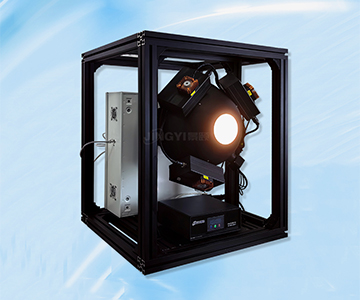
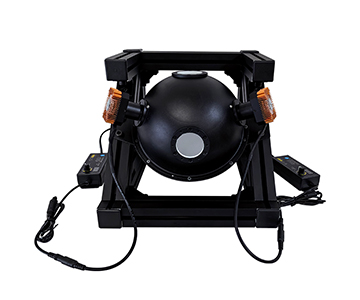
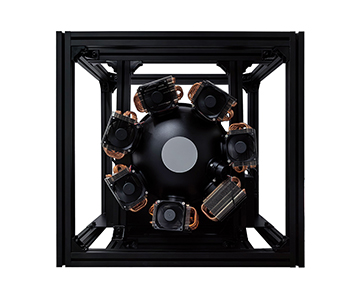
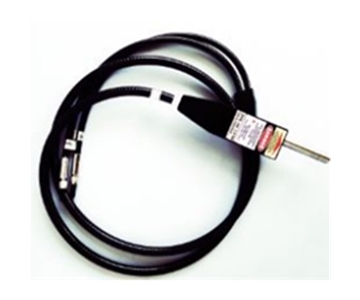
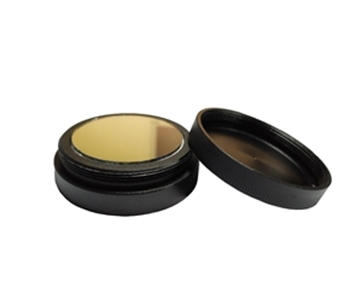
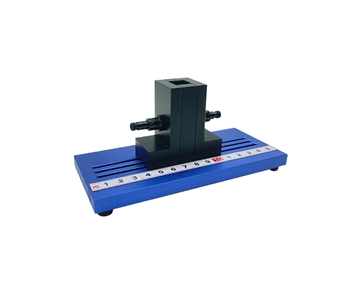
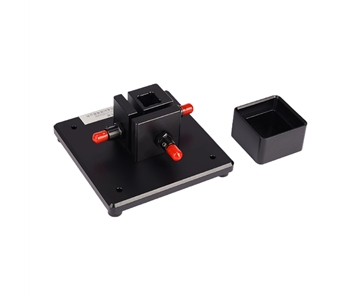
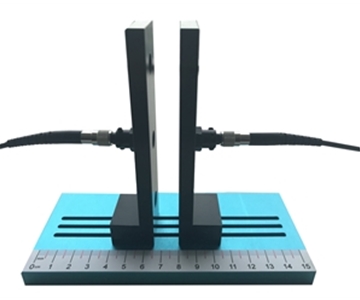
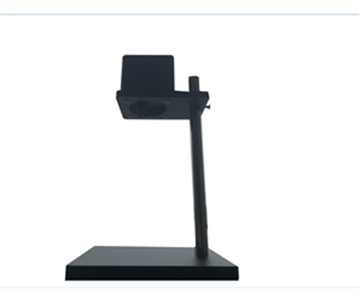
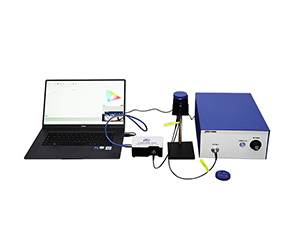
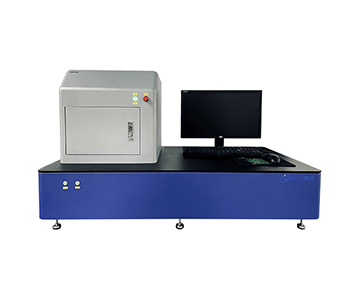
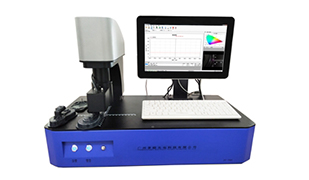
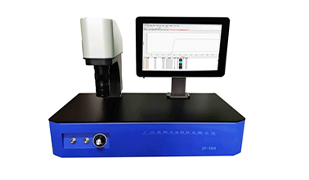
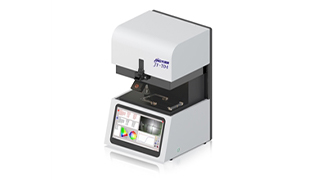
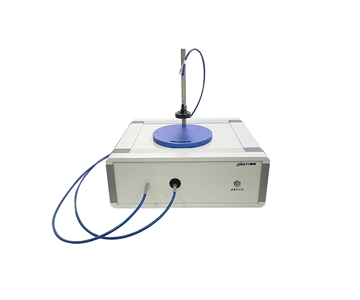
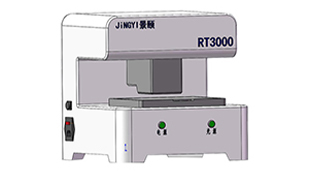
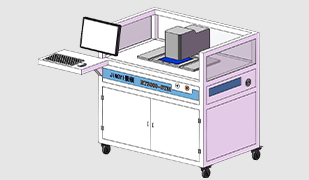
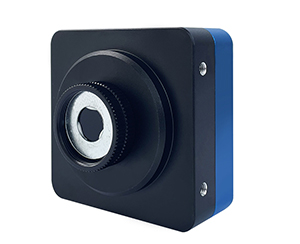
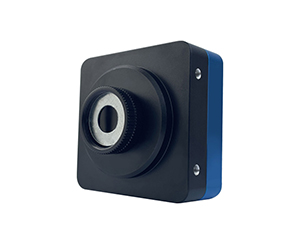
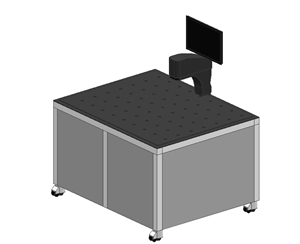
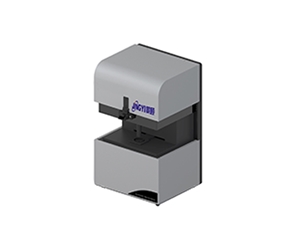
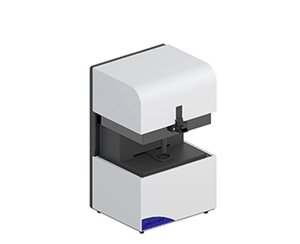
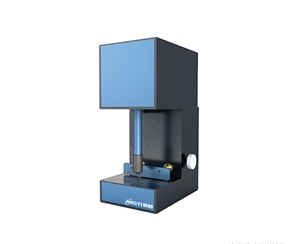
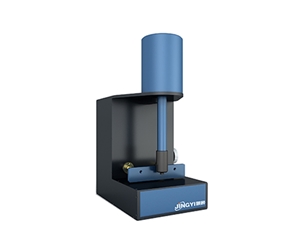
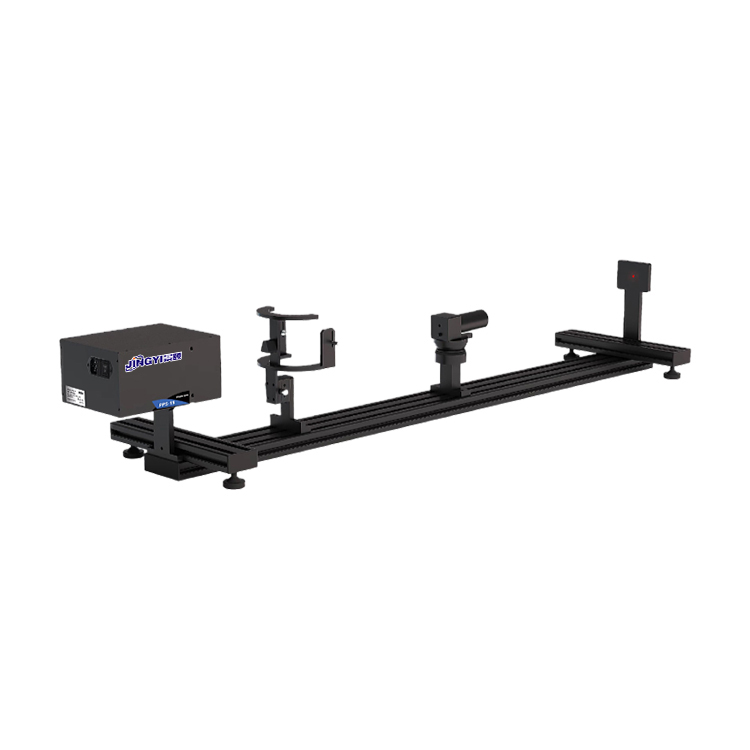
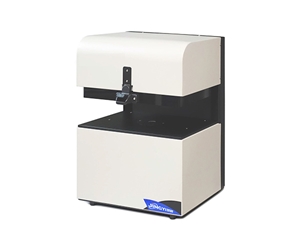
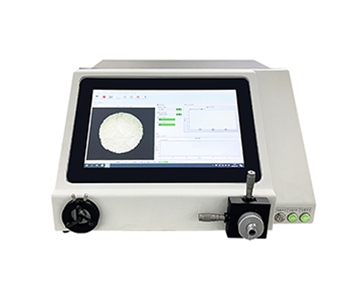
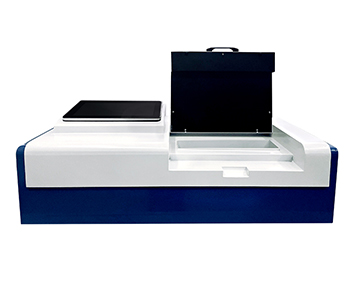
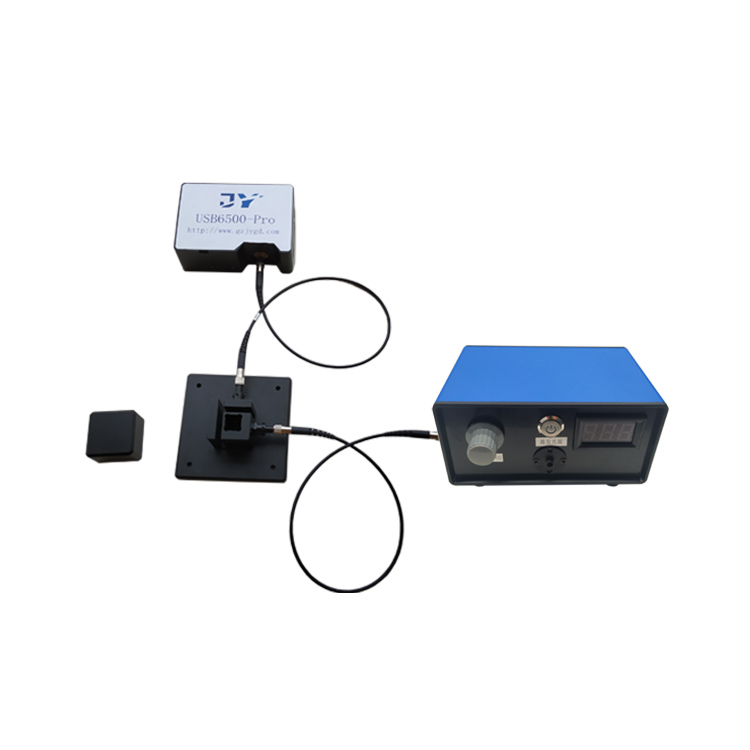
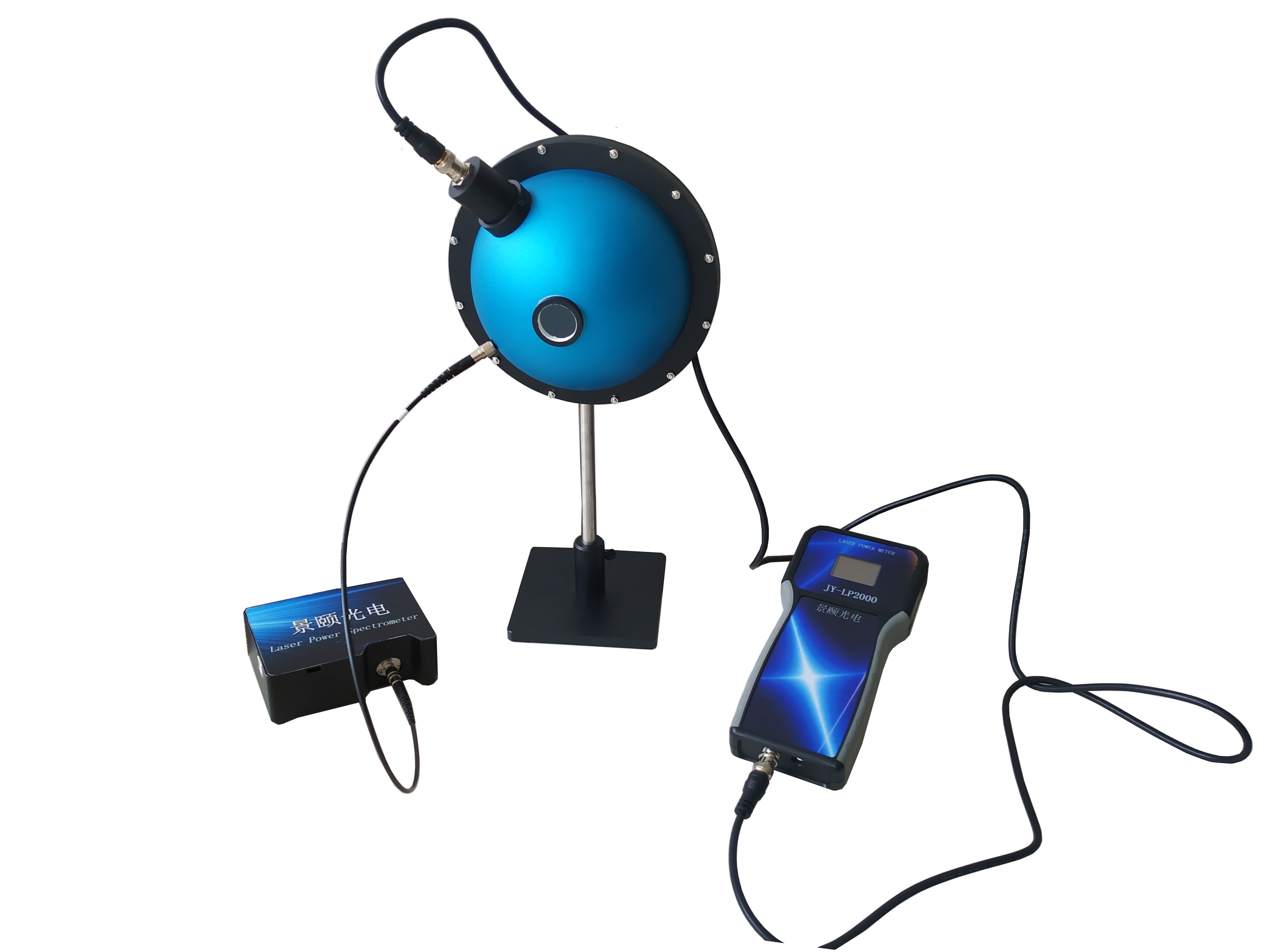
To address industry-wide pain points—including insufficient test accuracy, prohibitively high costs, and poor system adaptability—Jingyi Optoelectronics has independently developed a foundational beam profiler that delivers a versatile, high-value uniformity testing solution. Fully competitive with imported equivalents of comparable specifications, it fills a critical market gap in mid-to-high-precision domestic beam characterization. Equipped with an ultra-fine-pixel sensor chip (2.9 × 2.9 µm), the device functions like a “micrometer-resolution magnifier” for beam analysis—precisely resolving subtle intensity variations across the entire cross-section. It detects minimum spot sizes down to 29 µm and supports standard beam diameters up to 4.4 mm, covering testing requirements for most low- to medium-power lasers and optical components. For high-power laser applications, the unit includes standard neutral-density (ND) filters and optionally supports higher-specification attenuation modules—enabling reliable measurement of beams up to 1,000 W without requiring separate, costly attenuation hardware, significantly lowering users’ total cost of ownership.
To streamline user workflows, the integrated visual analytics platform fully complies with ISO 13694 uniformity calculation standards—eliminating manual parameter conversion. It instantly generates 2D and 3D pseudo-color beam energy distribution maps, clearly visualizing bright and dark regions. Simultaneously, it automatically computes key metrics including beam diameter, ellipticity, Gaussian fit quality, and intensity distribution deviation—and supports customizable Pass/Fail thresholds for direct go/no-go decisions during production-line testing, eliminating manual verification. Post-test, users can export comprehensive parameter reports and save raw beam images with one click, fulfilling stringent regulatory filing and quality traceability requirements. Designed for usability, the system features a fully graphical user interface: operators with zero prior experience require only one hour of training to begin testing confidently. USB 3.0 high-speed data transfer further boosts testing efficiency—by over 80% compared to conventional instruments.
Recognizing sector-specific needs, Jingyi Optoelectronics also offers modular functional customization. For example: dedicated uniformity threshold assessment modules tailored for aesthetic medical devices directly align with China’s medical regulatory compliance standards—substantially reducing customers’ validation burden; and specialized MES-integration interfaces for industrial production lines enable automated upload and traceability of test data—supporting high-throughput, fully automated testing. To date, the instrument has been widely deployed across multiple application domains—including laser source factory calibration, laser processing equipment alignment, optical component quality inspection, fiber-optic coupling optimization, and scientific optical path commissioning—helping nearly 100 clients reduce uniformity testing costs by over 60% and improve average product yield by 27%.
As China’s optical industry continues rapid expansion, demand for beam uniformity testing will grow correspondingly. The broad adoption of such domestically developed, cost-effective solutions not only breaks the long-standing monopoly of imported equipment in the mid-to-high-end beam characterization segment but also provides robust technical support enabling the entire industry to reduce costs, enhance efficiency, and achieve autonomous, secure control over the optical supply chain.
#BeamProfiler #LaserBeamAnalyzer #BeamQualityAnalyzer #BeamQualityTester #LaserBeamTester #BeamQualityAnalysis