From the Lab to the Production Line: Selection Logic and Technological Evolution of Miniature Wavelength Analyzers
Laser technology has now permeated every domain—from cutting-edge scientific research to consumer electronics. For instance, smartphone-integrated LiDAR relies on precise wavelength control to ensure accurate distance measurement; 5G/6G optical communication systems depend on strict wavelength consistency across wavelength-division multiplexing (WDM) channels to prevent signal crosstalk; aesthetic medical lasers—used for skin rejuvenation or pigmentation removal—require fixed, well-defined wavelengths to achieve safe and effective therapeutic outcomes; even space-based laser ranging systems suffer kilometer-scale measurement errors when wavelength deviations exceed just 1 nm. This industry-wide, stringent demand for wavelength accuracy has made miniature wavelength analyzers indispensable tools across the entire lifecycle—from R&D and manufacturing to field operation and maintenance.
Currently, mainstream wavelength analysis technologies fall into two major categories—yet many users struggle to distinguish their optimal application scenarios:
1. **Interferometric detection** leverages phase differences between two coherent beams to generate alternating bright/dark interference fringes; wavelength is then deduced from fringe characteristics. While offering superior theoretical accuracy, this method imposes stringent requirements on environmental stability—including temperature, humidity, and vibration—and is typically confined to climate-controlled laboratories. Moreover, imported interferometric instruments command high price tags, placing them beyond the reach of small-to-midsize research teams and industrial production lines.
2. **Spectroscopic detection**, by contrast, uses diffraction gratings to disperse incoming light and measures spectral features (e.g., peak position and full width at half maximum) via high-resolution sensors. Historically constrained by stray-light suppression capability and sensor resolution, spectroscopic analyzers lagged behind interferometric counterparts in accuracy—but excelled in robustness, portability, and speed. As such, it has become the central focus of recent industry R&D breakthroughs.
When selecting a miniature wavelength analyzer, many users fixate solely on nominal accuracy. In practice, however, three core performance metrics must be matched to the intended application:
- **Resolution**: Applications involving narrow-linewidth pulsed lasers or single-frequency lasers—such as precision calibration—demand sub-picometer (pm) wavelength resolution.
- **Measurement speed**: High-throughput industrial inspection or outdoor telecom maintenance requires millisecond-level detection cycles to keep pace with operational workflows.
- **Spectral range adaptability**: Lasers span the full spectrum—from ultraviolet (UV) to mid-infrared (MIR). Analyzers supporting customizable spectral extensions significantly reduce redundant equipment purchases.
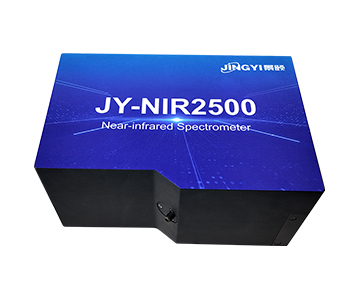
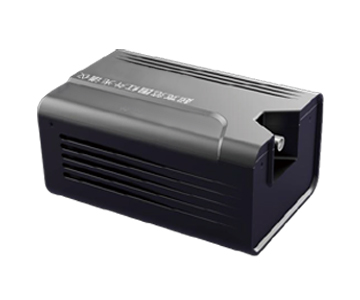
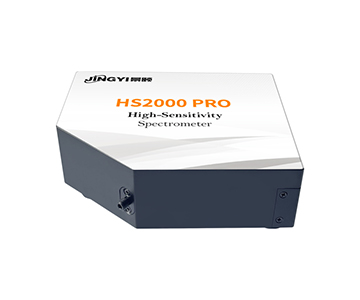
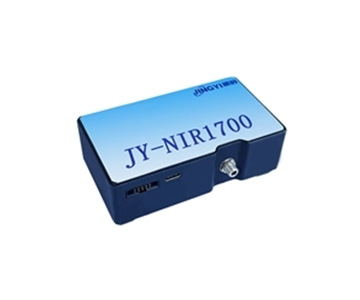
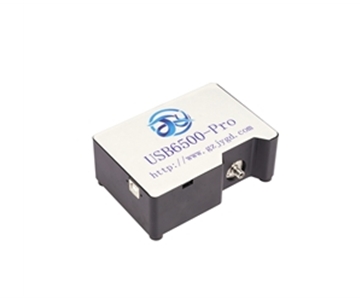
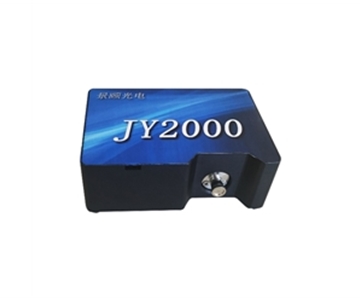
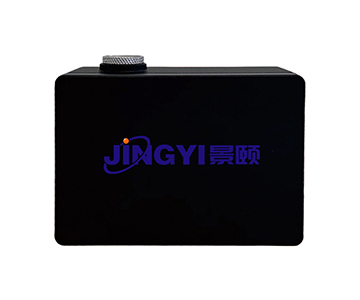
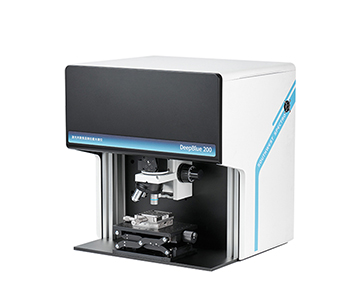
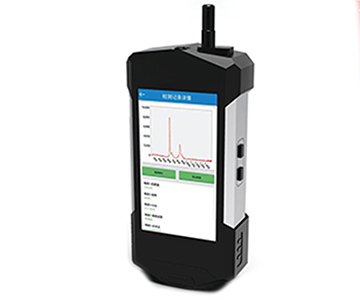
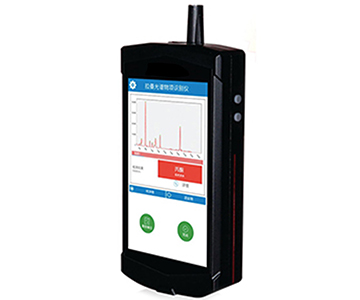
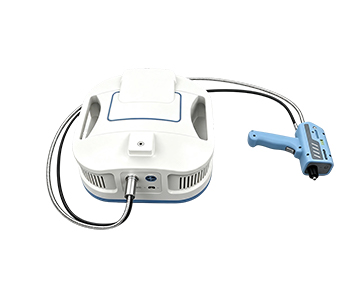
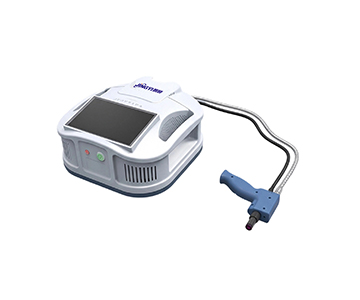
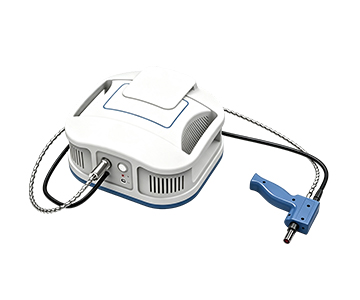
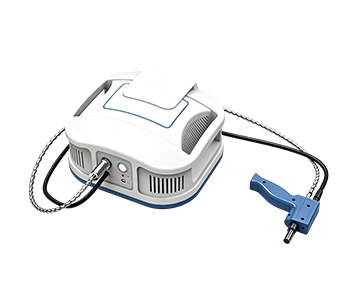
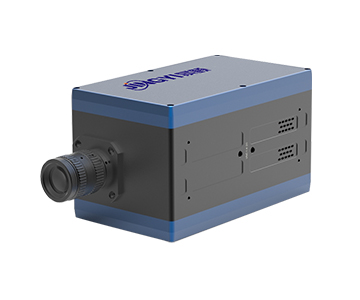
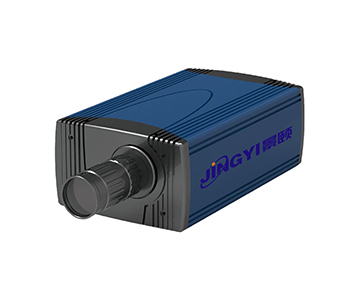
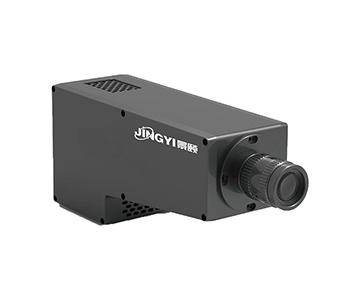
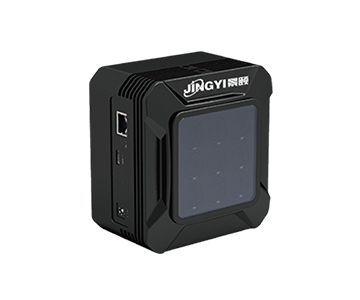
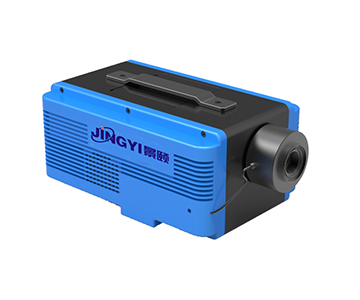
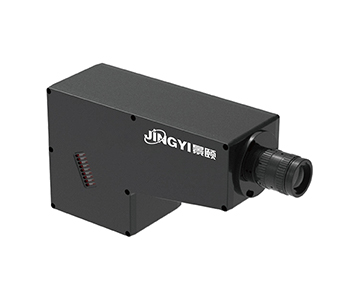
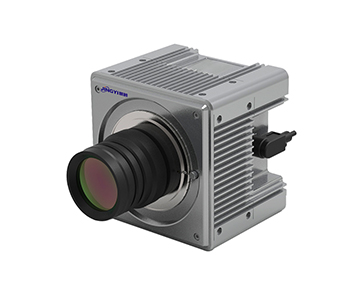
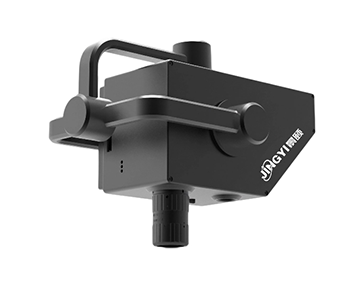
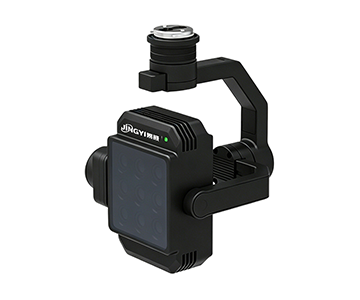
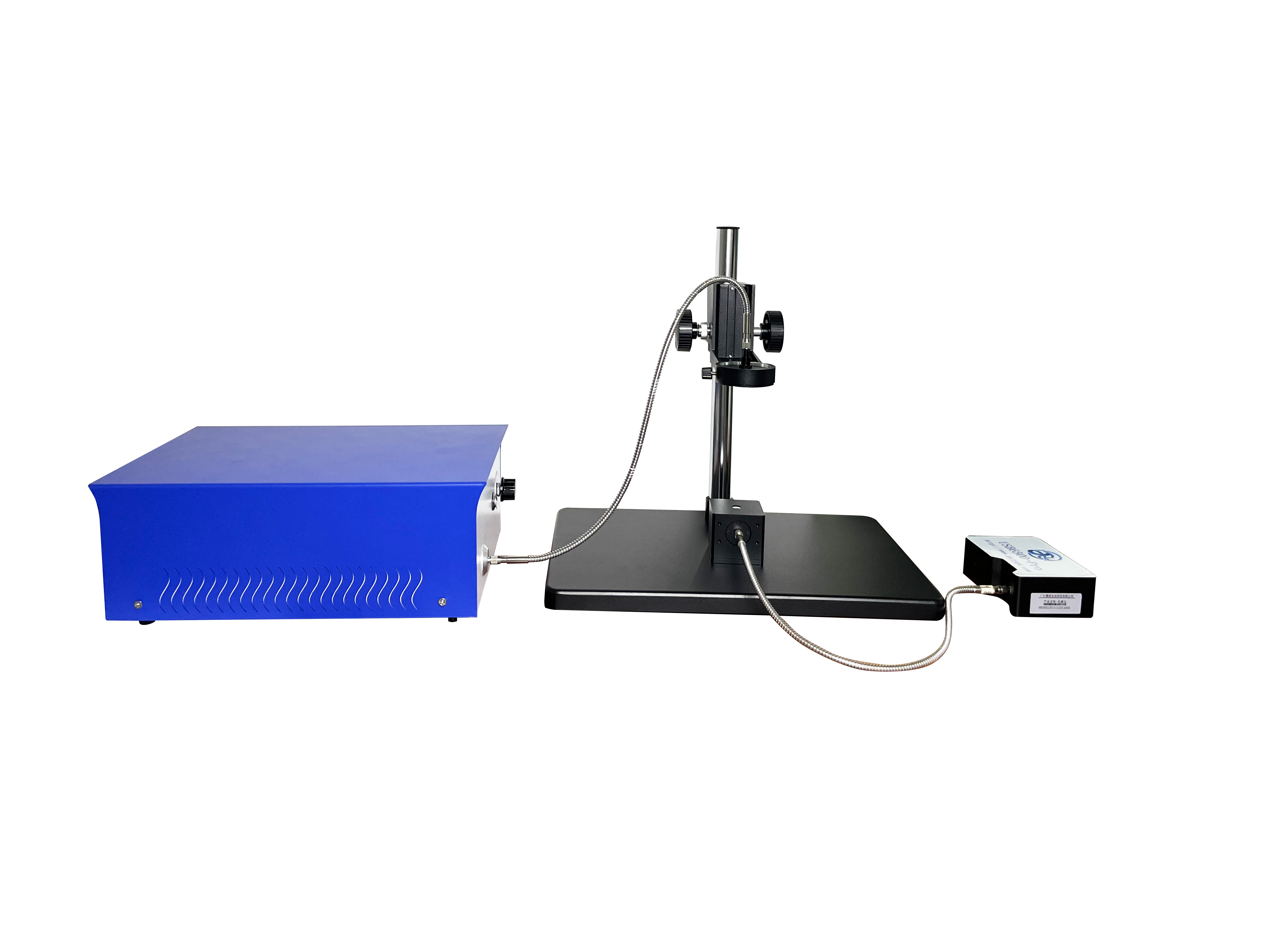
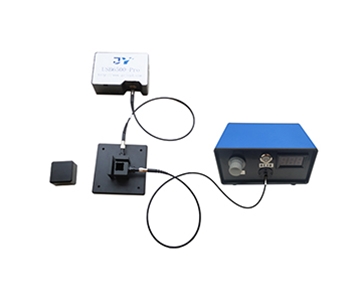
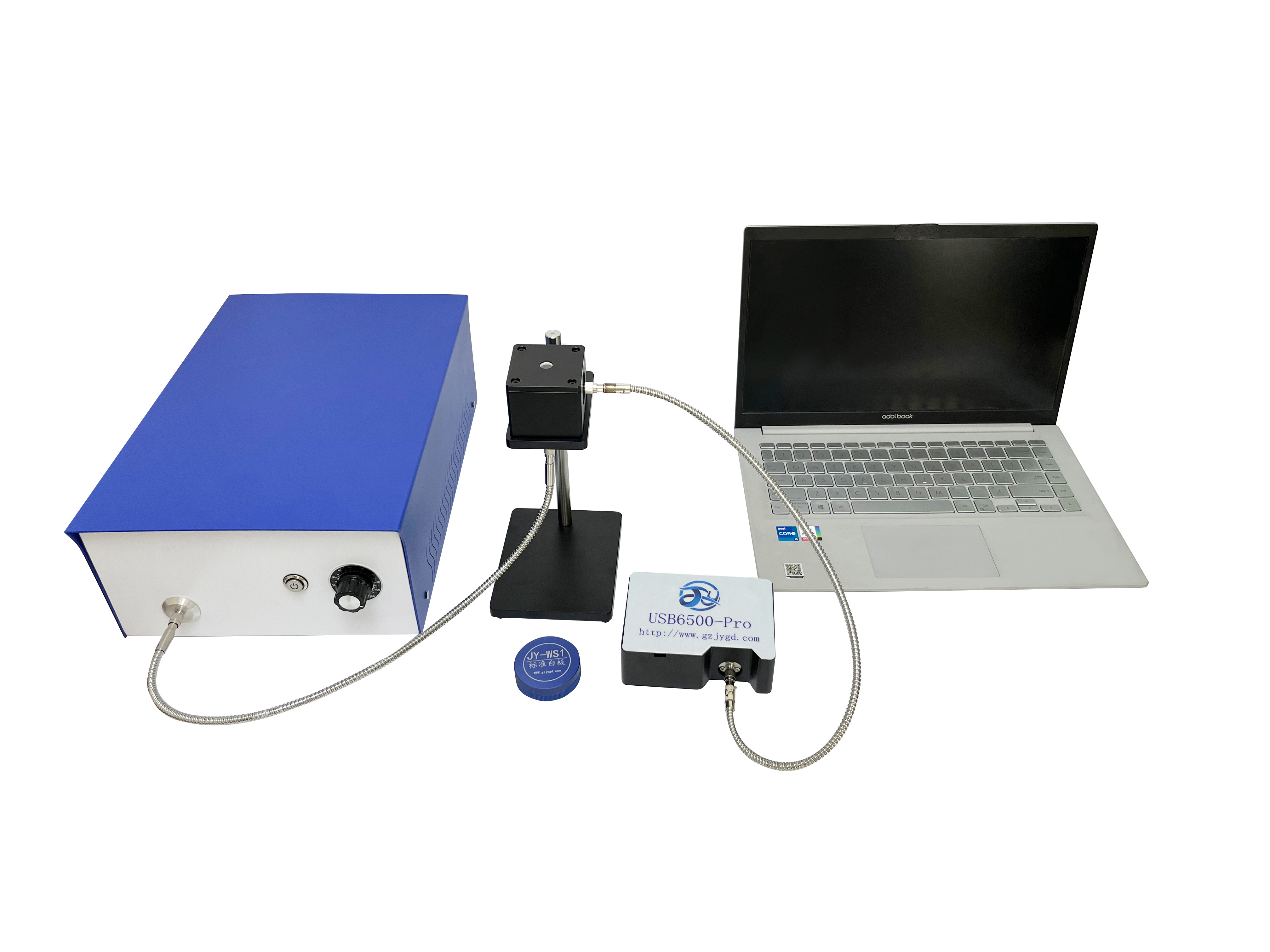
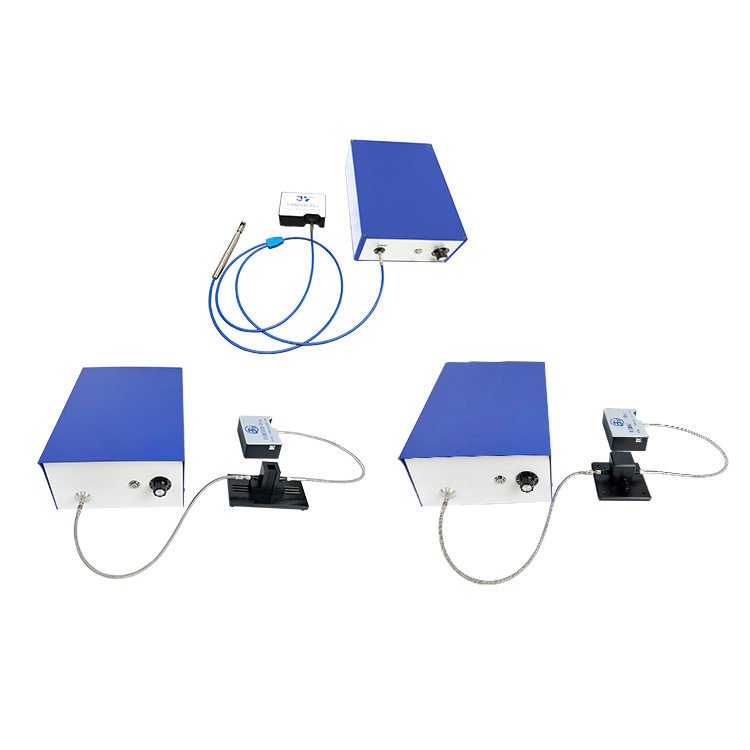
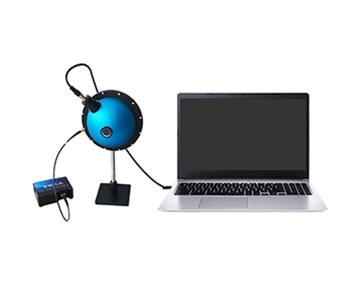
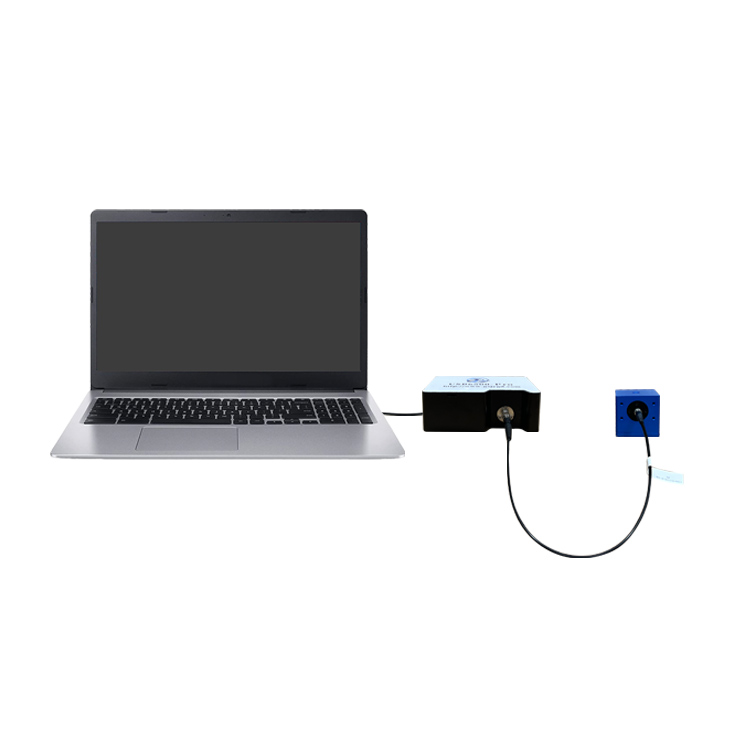
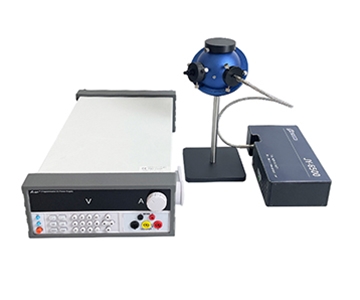
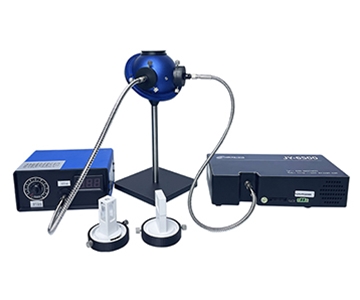
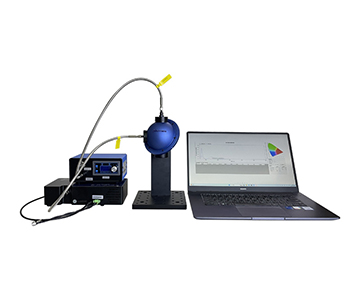
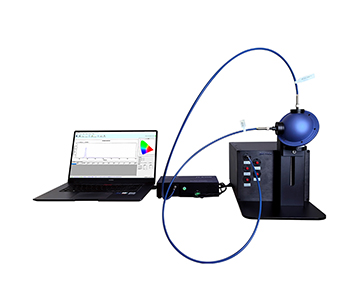
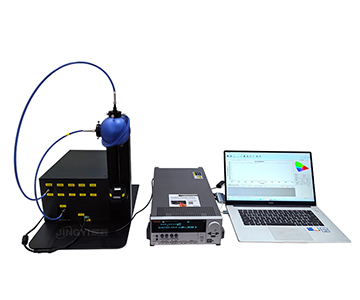
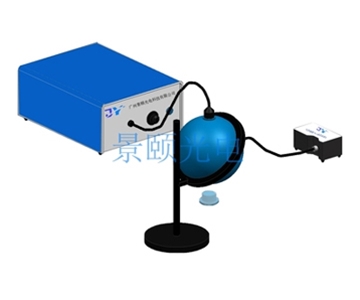
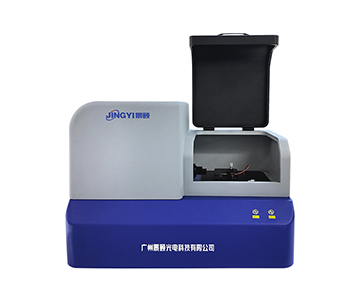
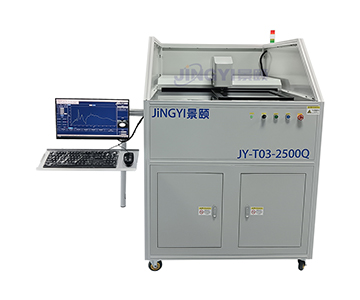
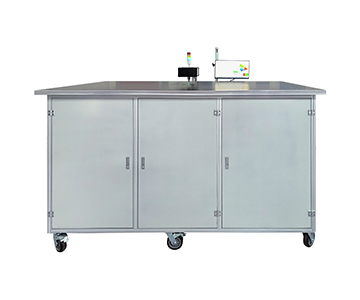
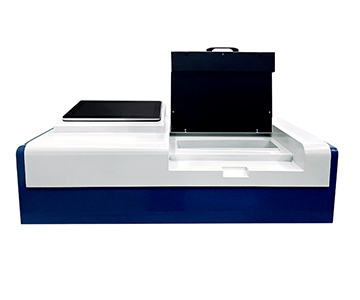
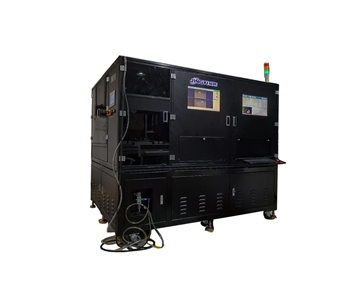
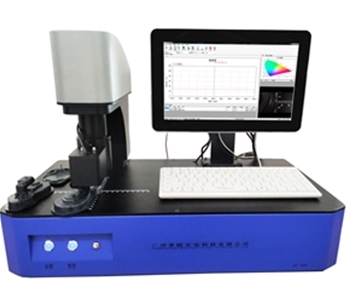
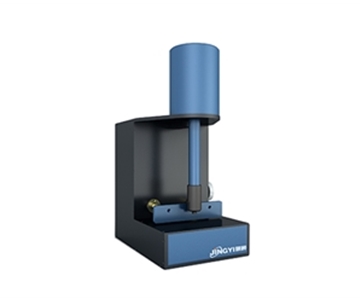
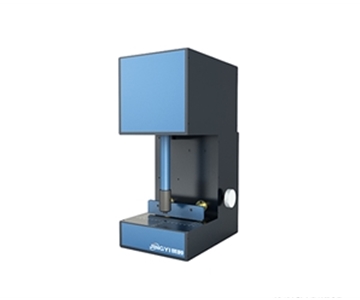
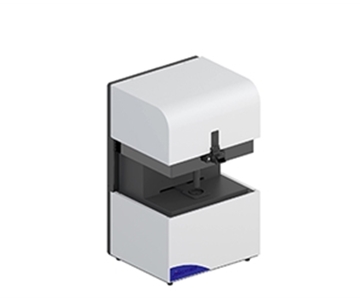
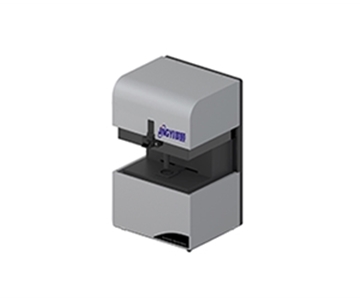
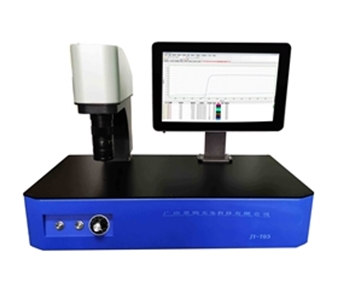
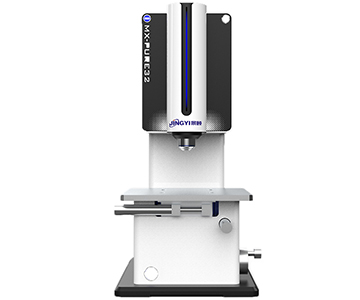
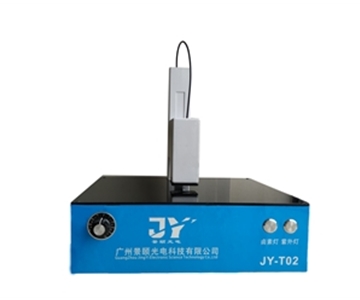
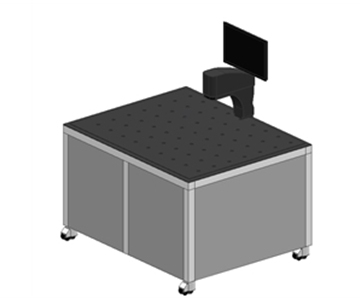
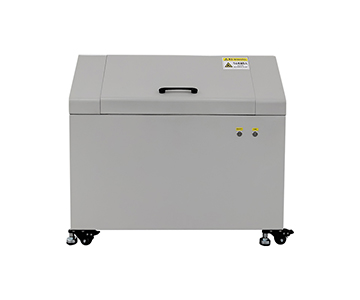
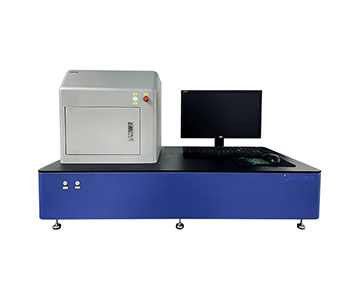
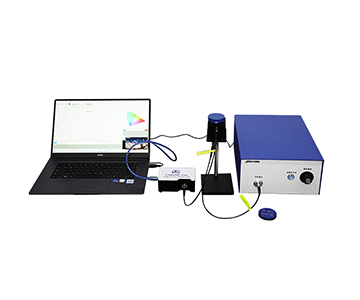
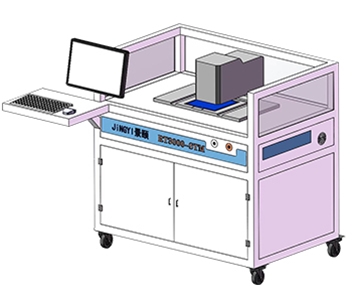
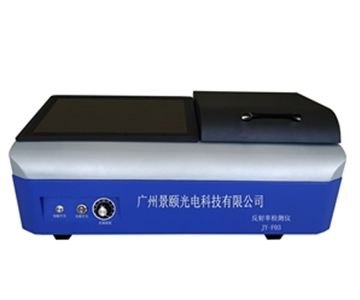
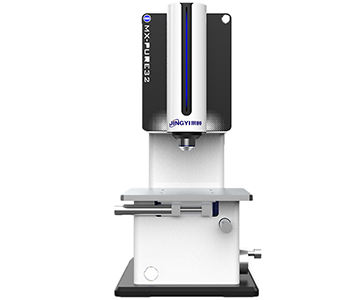
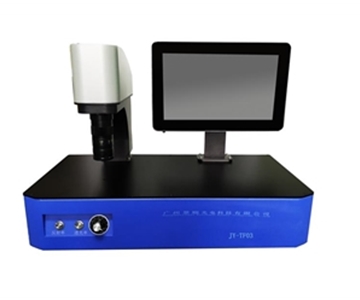
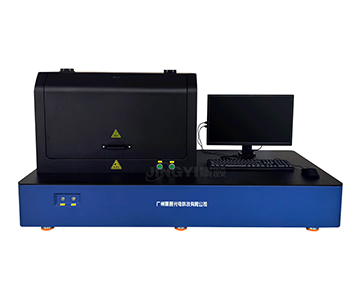
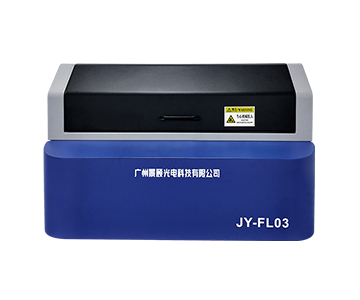
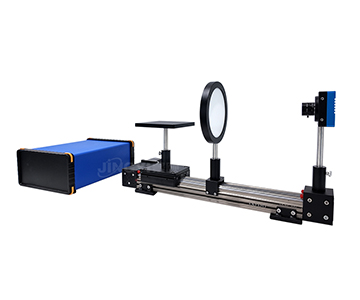
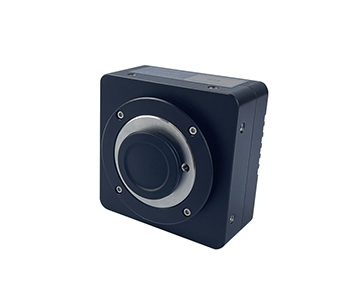
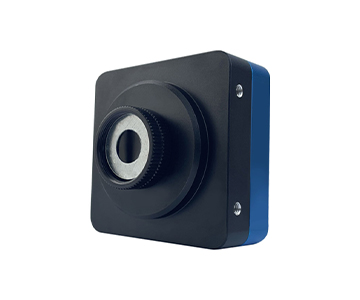
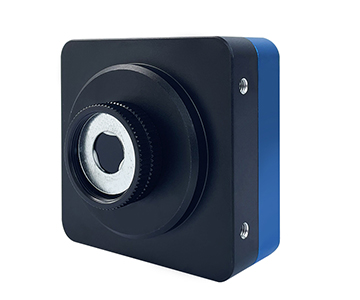
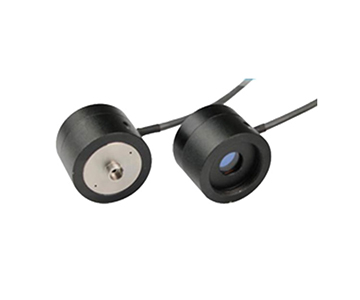
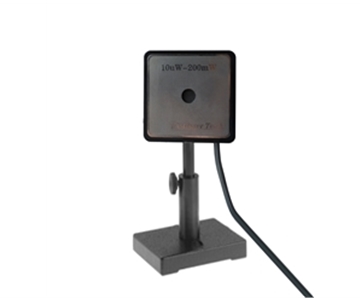
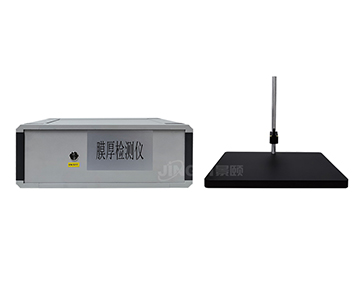
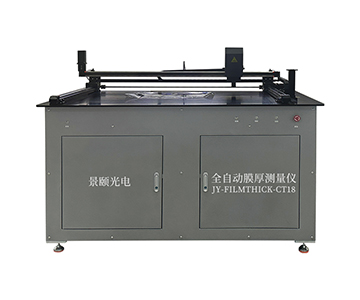
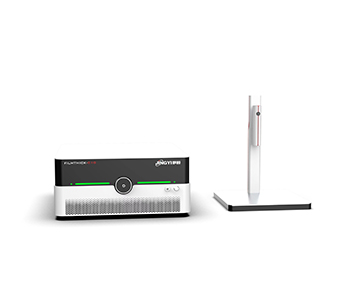
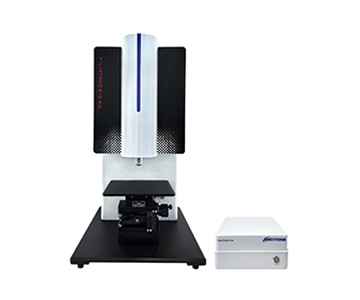
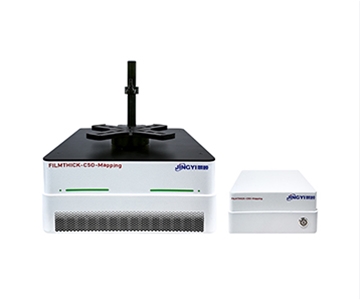
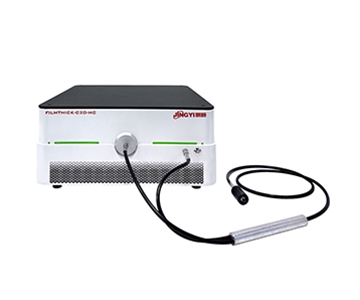
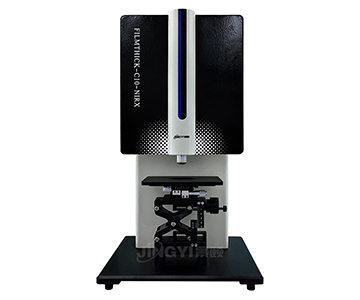
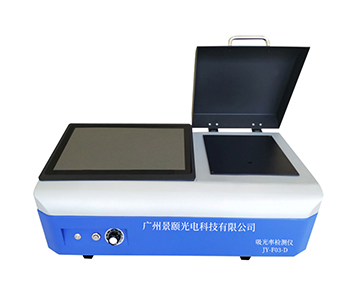
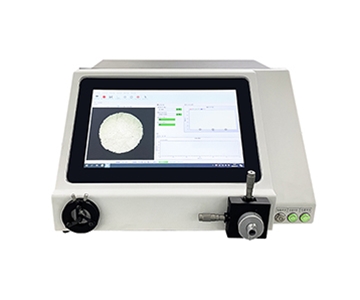
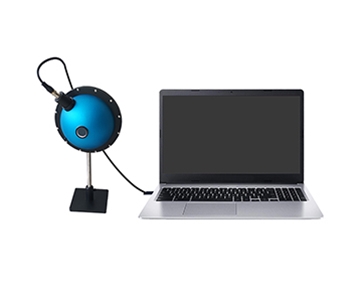
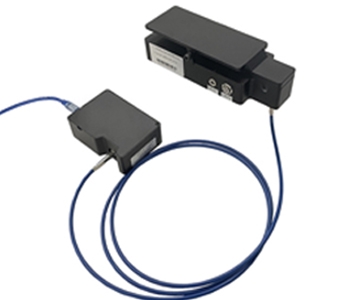
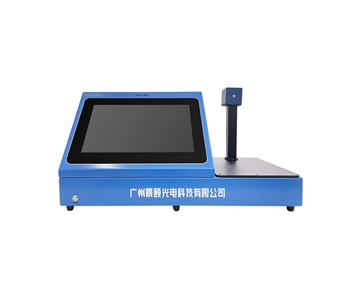
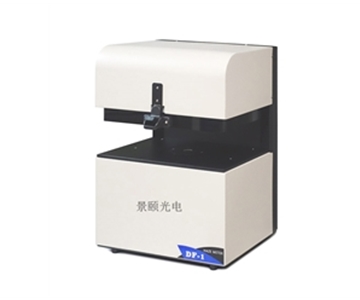
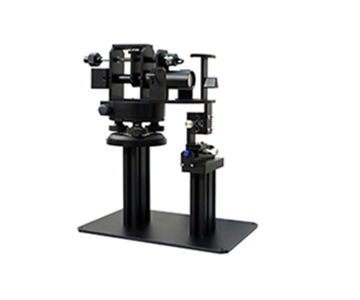
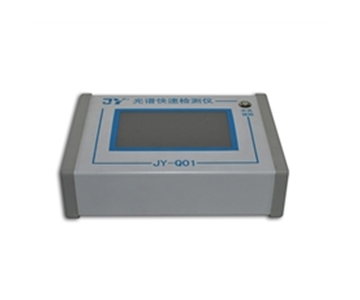
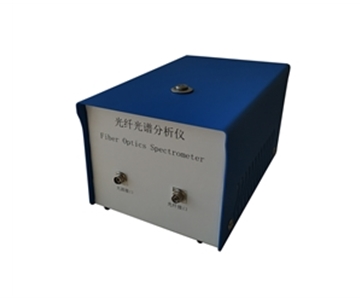
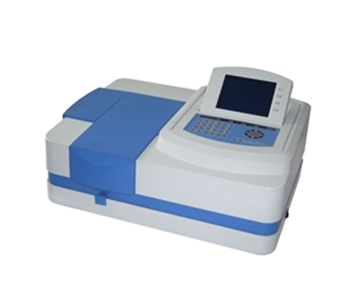
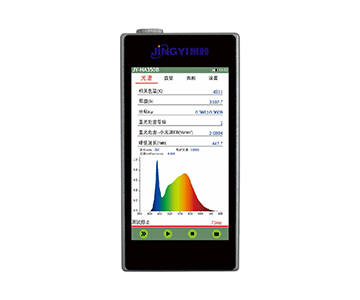
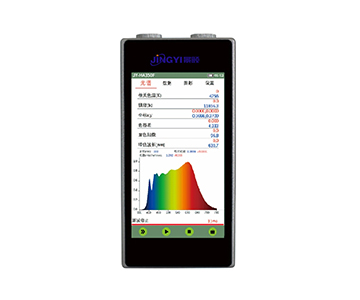
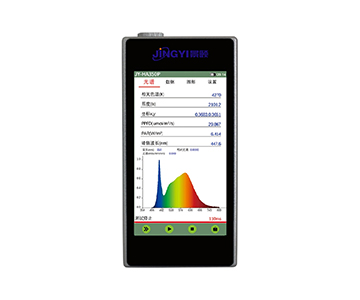
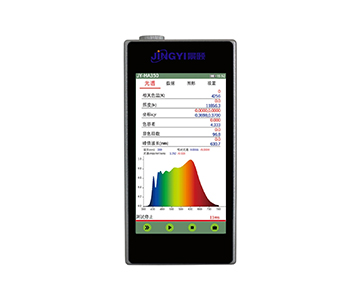
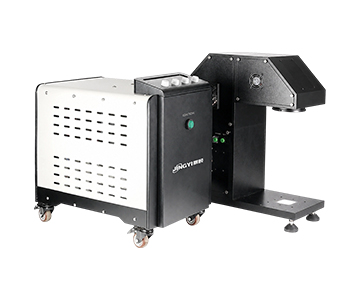
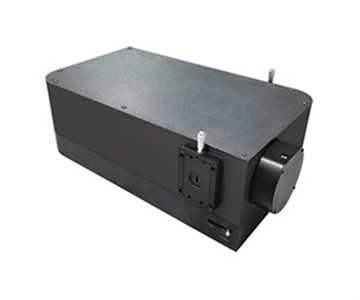
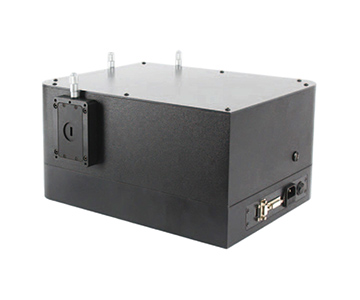
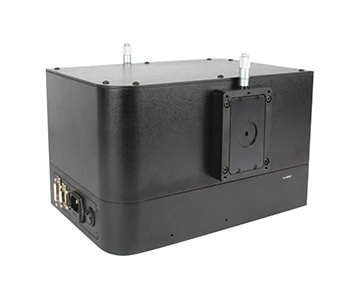
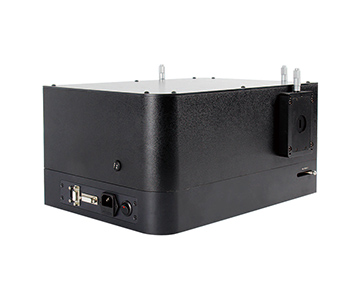
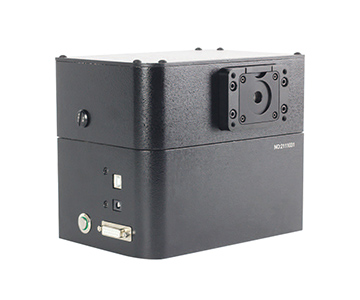
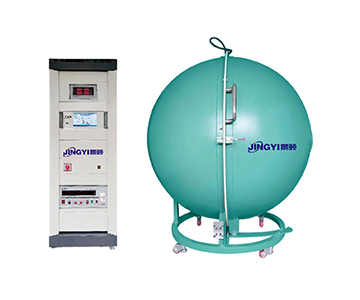
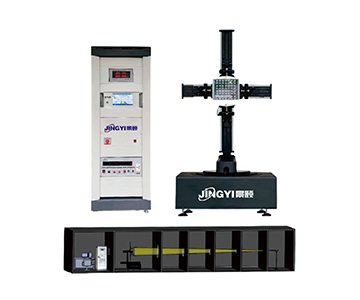
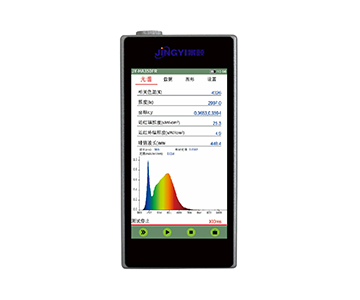
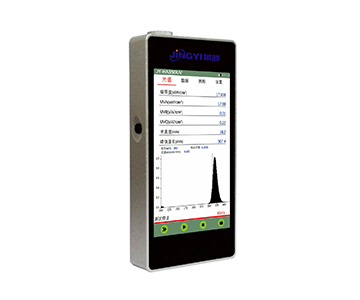
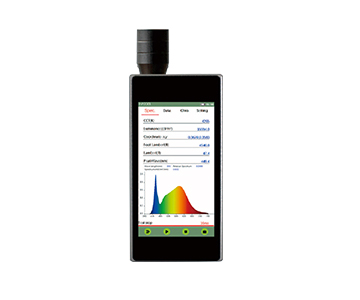
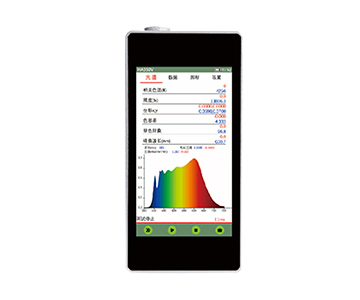
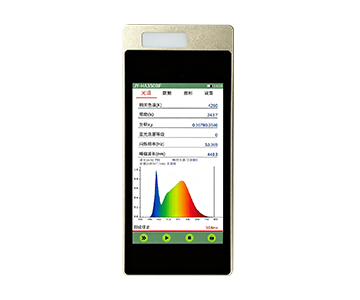
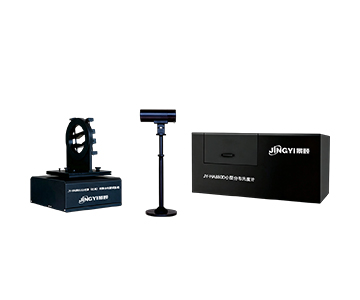
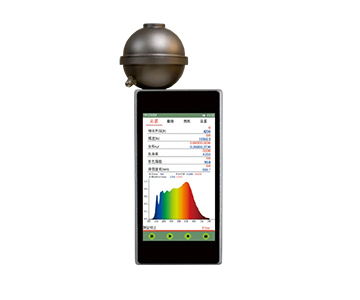
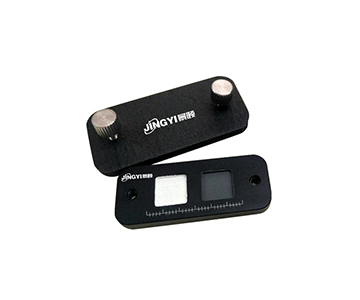
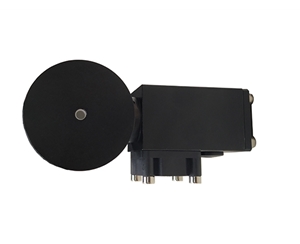
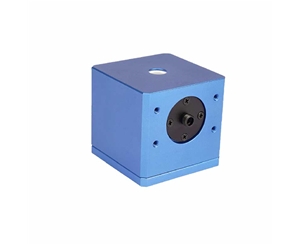
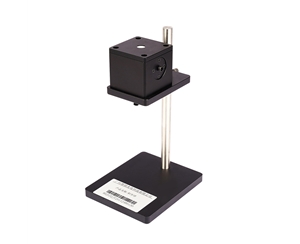
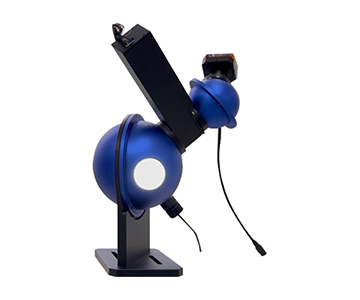
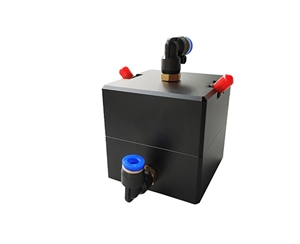
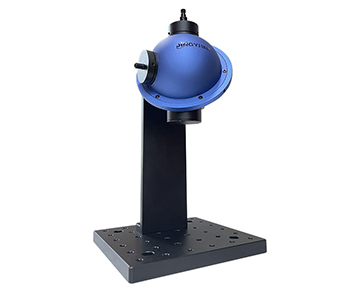
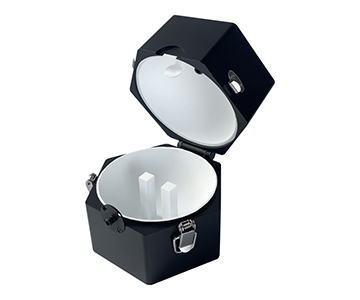
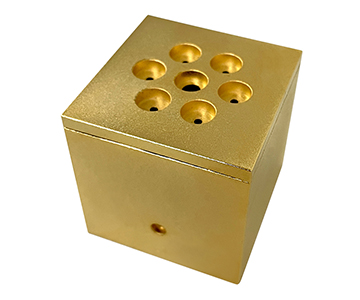
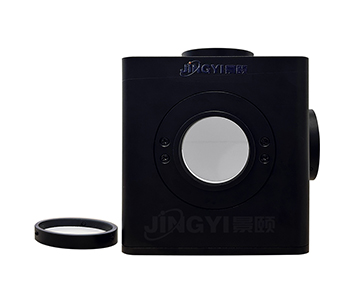
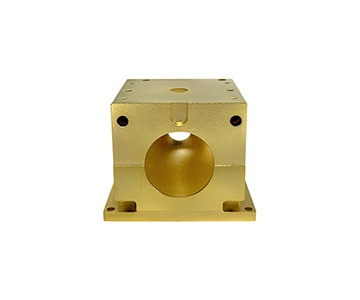
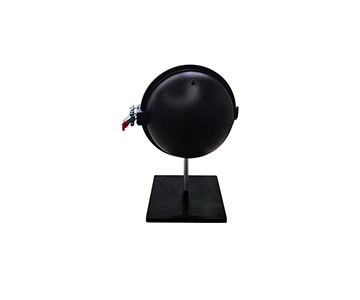
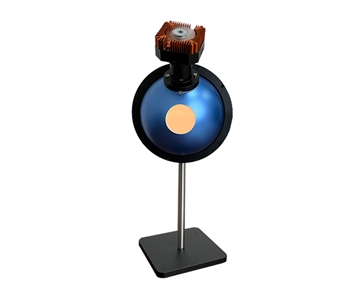
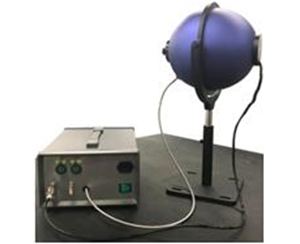
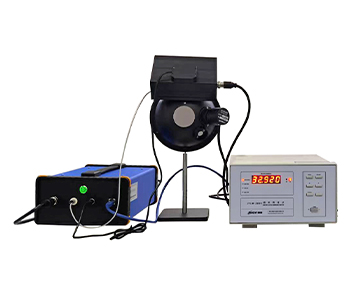
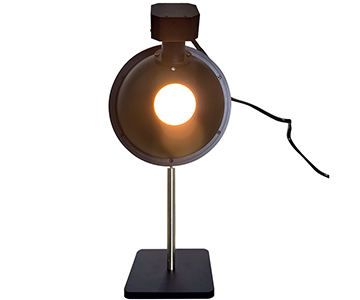
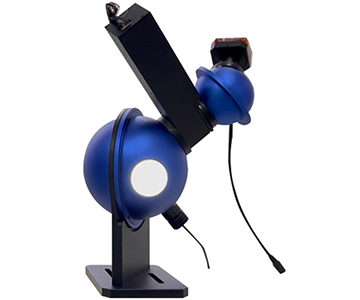
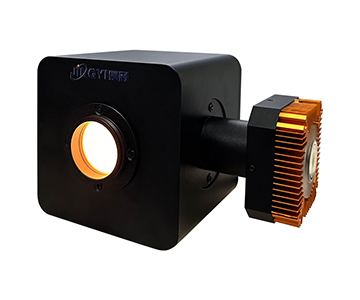
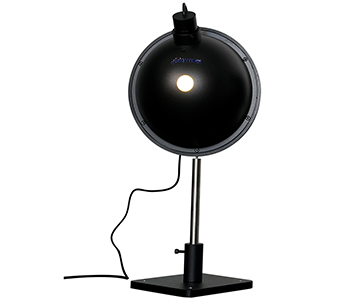
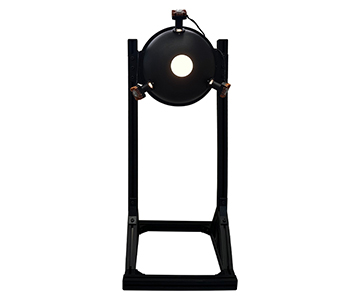
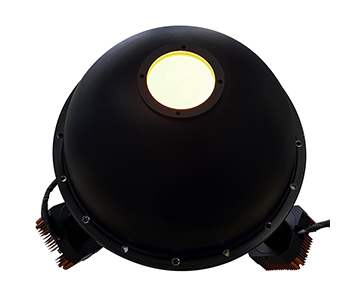
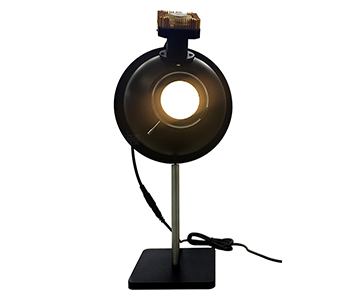
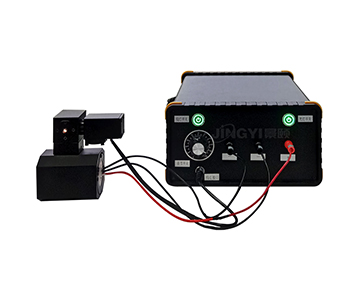
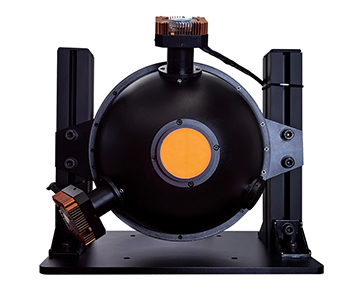
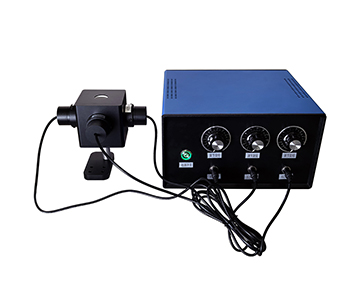
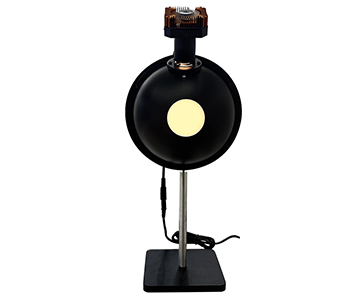
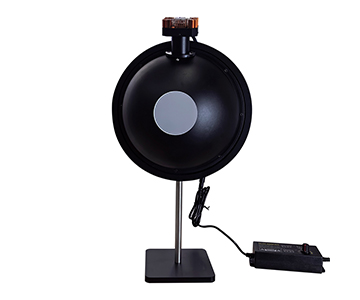
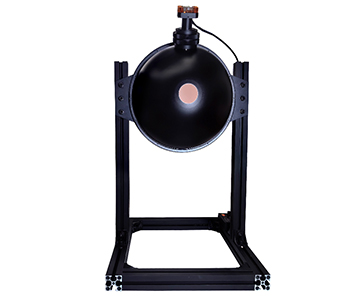
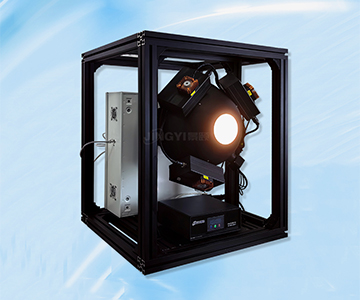
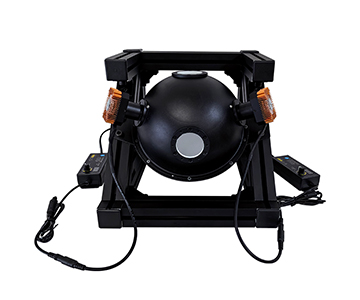
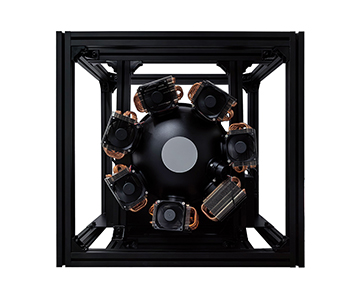
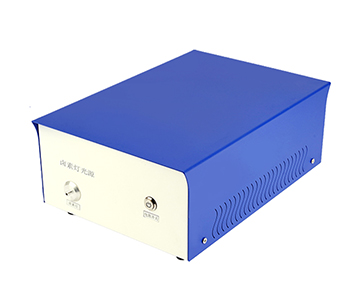
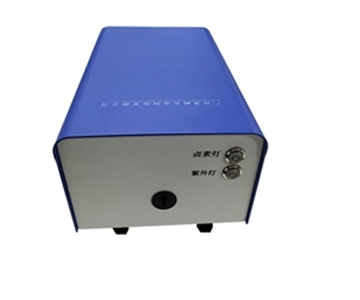
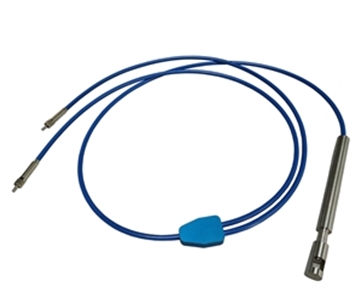
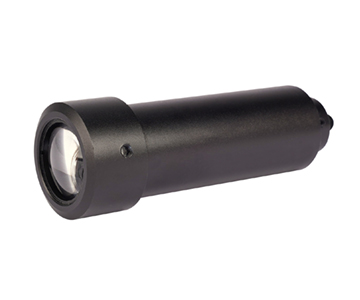
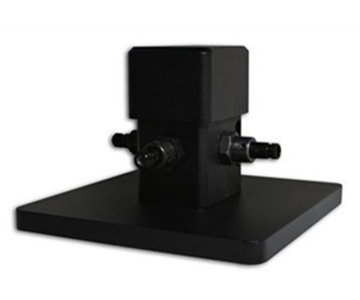
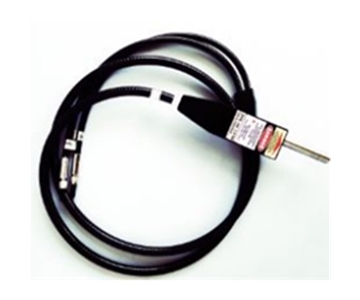
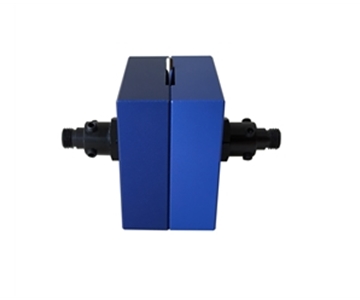
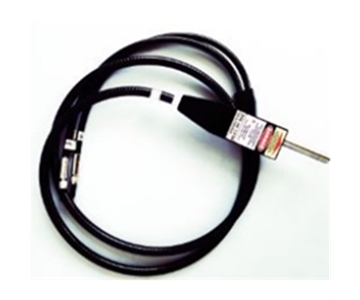
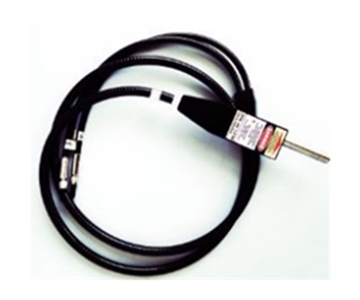
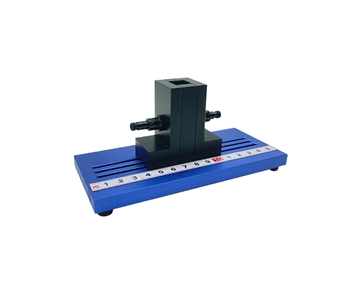
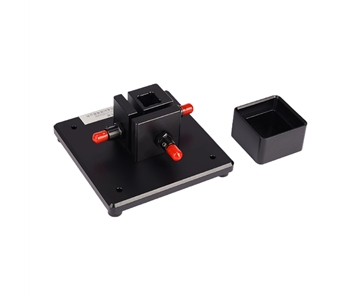
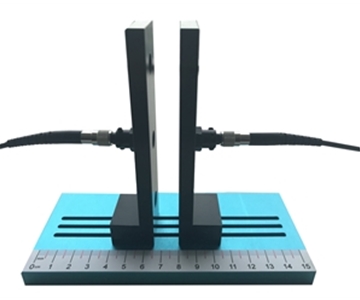
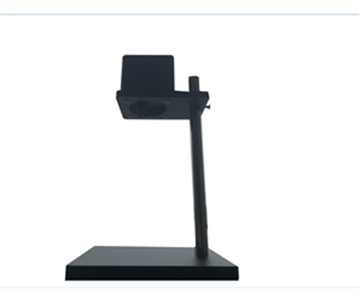
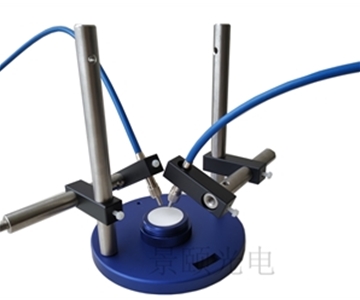
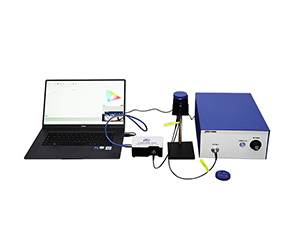
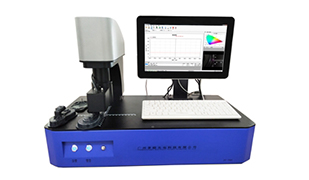
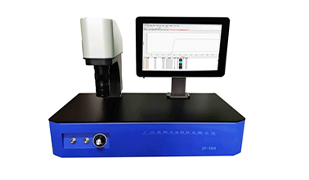
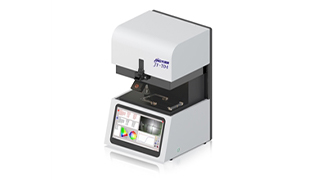
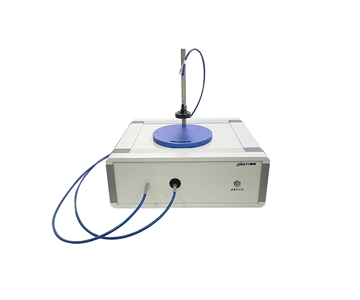
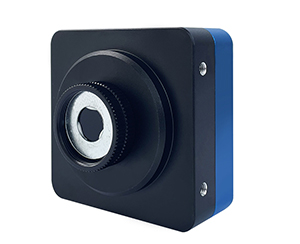
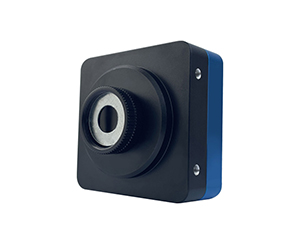
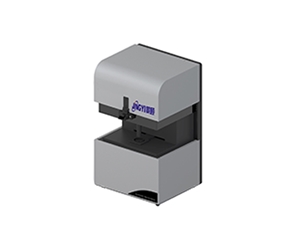
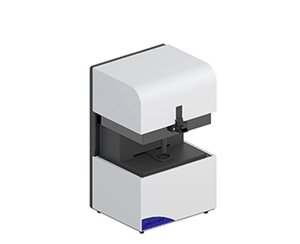
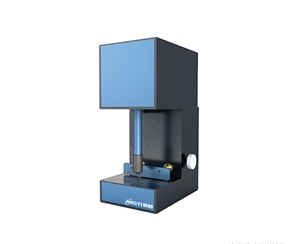
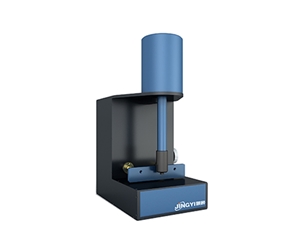
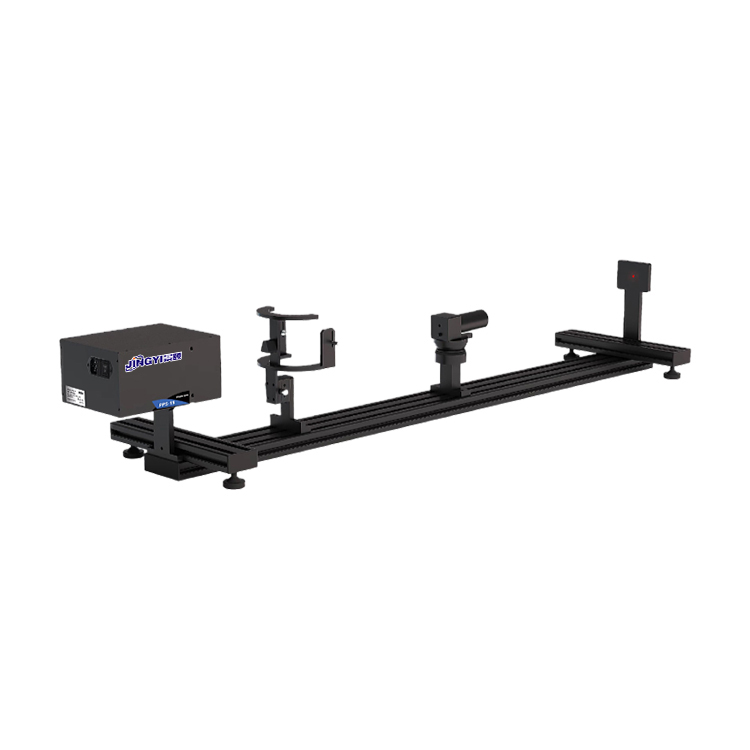
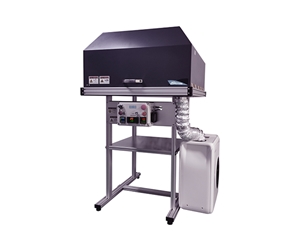
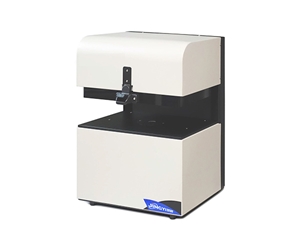
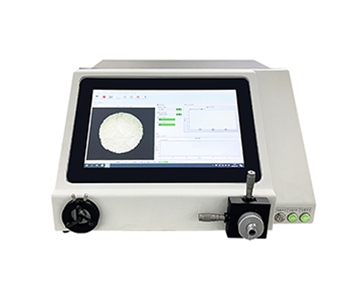
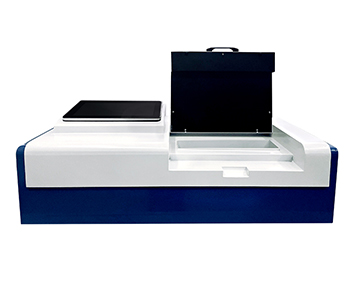
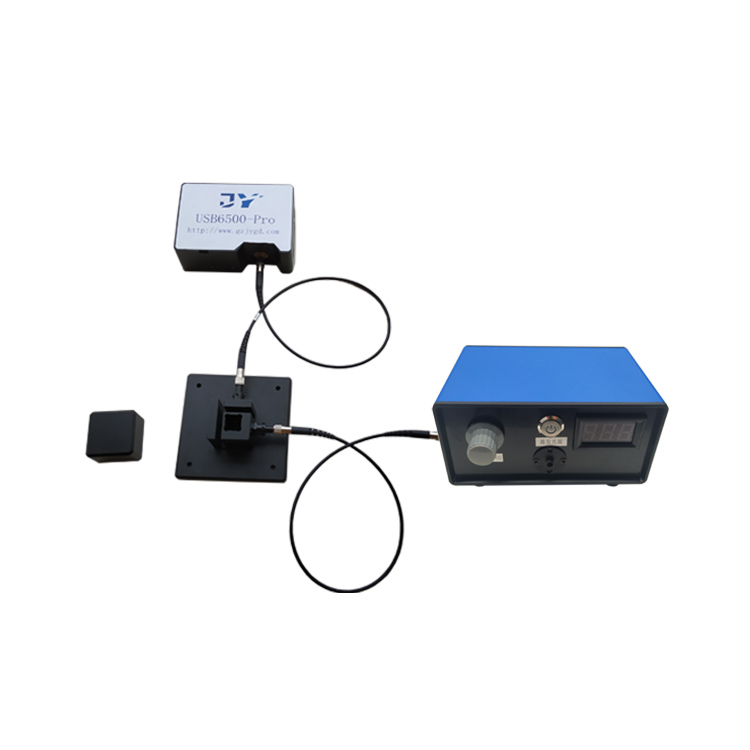
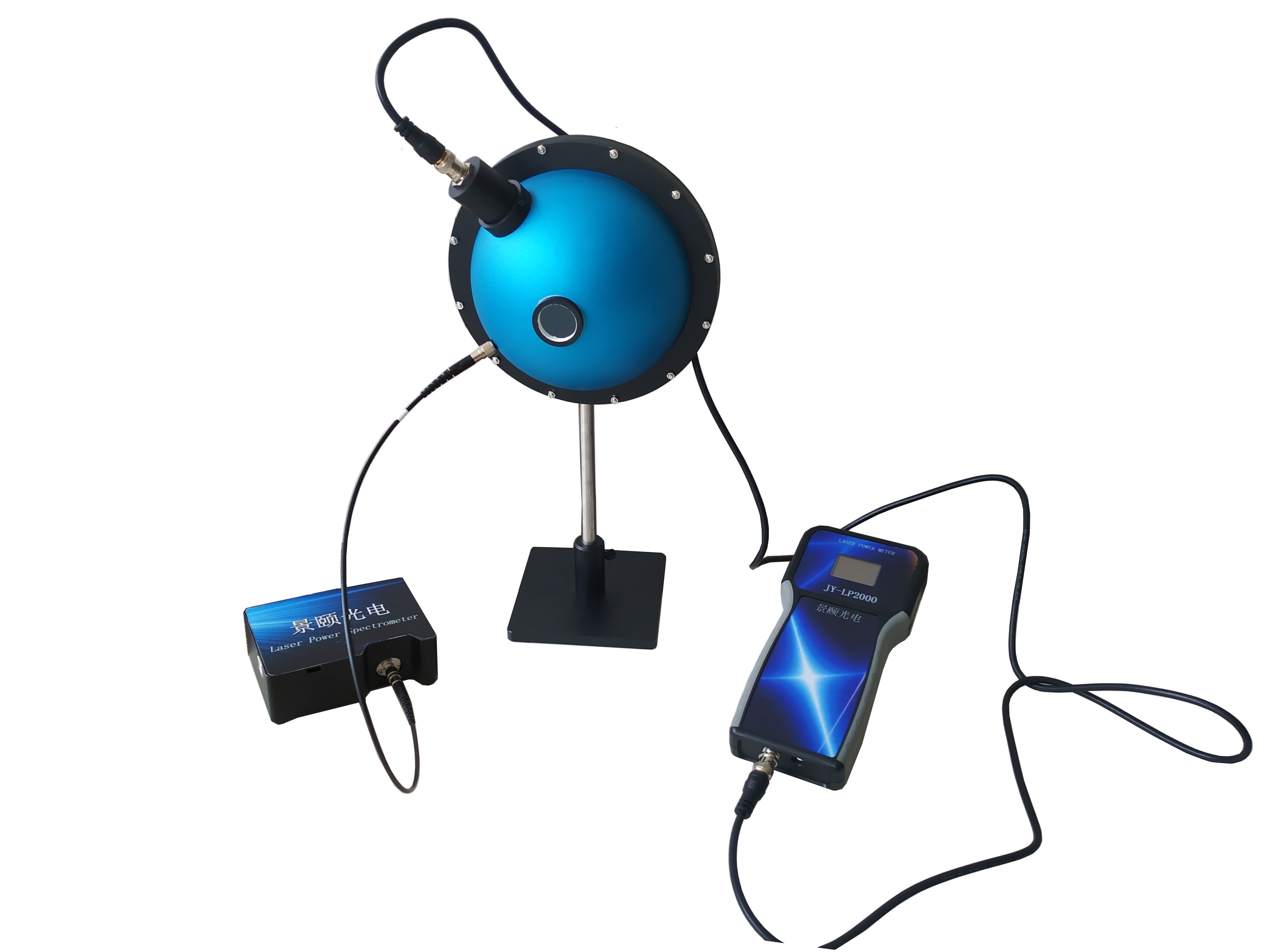
Responding to domestic users’ demand for highly adaptable, cost-effective miniature wavelength analyzers, Jingyi Optoelectronics has launched an all-in-one miniature wavelength analyzer that breaks through the traditional accuracy ceiling of spectroscopic devices. Leveraging proprietary low-stray-light optical packaging and a high-resolution spectral sensing module, this instrument accurately measures both continuous-wave (CW) laser wavelength and spectral bandwidth—and accommodates narrow-pulse-width lasers with high fidelity. Users simply align the source under test with the input probe; results appear within milliseconds. The analyzer also supports customizable spectral-range expansion, reducing procurement costs by nearly 40% versus comparable imported instruments—making it well-suited for China’s industrial production lines and academic research labs.
This analyzer has already been successfully deployed across multiple specialized sectors:
- In optical communications, it rapidly verifies whether each WDM channel’s laser wavelength complies with industry standards—preventing downstream signal crosstalk.
- In aesthetic medical device manufacturing, it calibrates treatment laser output wavelengths to guarantee clinical safety and efficacy.
- In university research labs, it calibrates narrow-linewidth lasers used in quantum optics and laser physics experiments—substantially lowering capital equipment expenditures.
As laser applications proliferate further, miniature wavelength analyzers will evolve along three key trajectories:
1. **Edge intelligence**: Built-in AI-powered calibration algorithms automatically compensate for measurement drift induced by ambient temperature/humidity fluctuations or minor mechanical vibrations—requiring no specialized operator expertise.
2. **Embedded integration**: Future iterations will shrink into miniaturized modules directly embedded inside laser systems—enabling automatic “power-on” self-calibration and eliminating separate testing steps.
3. **Networked management**: Real-time test data will be uploaded directly to cloud platforms, enabling centralized monitoring, traceability, and comparative analysis across fleets of laser sources. Jingyi Optoelectronics is actively advancing R&D in all three directions—and plans to roll out more application-specific, customized wavelength analysis solutions in the near future.
#IntegratingSphereWavelengthMeter #IntegratingSphereWavelengthAnalyzer #MiniatureWavelengthAnalyzer #IntegratingSphereWavelengthMeter #LaserWavelengthAnalyzer #LaserWavelengthMeasurer