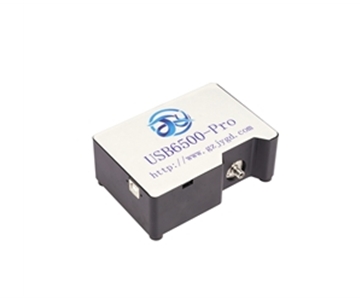
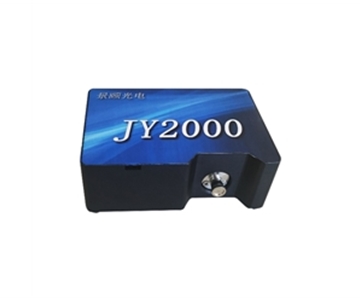
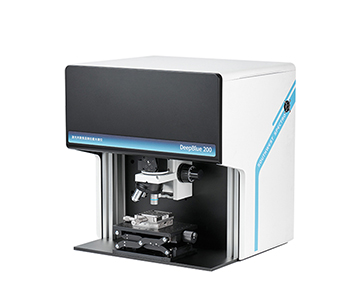
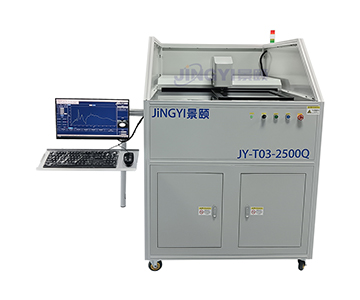
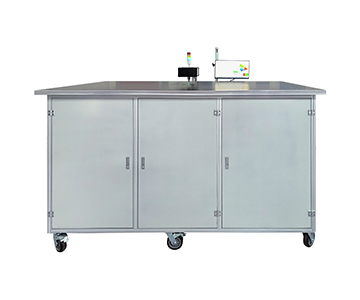
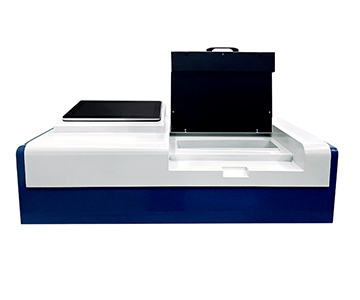
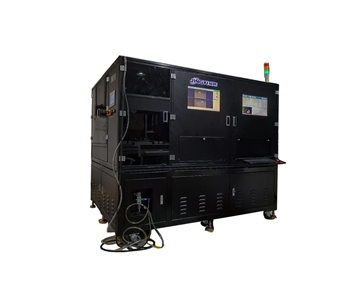
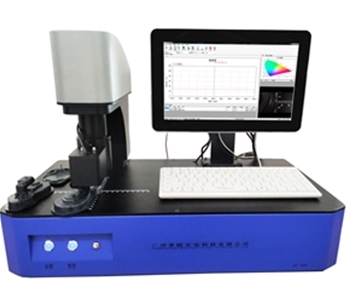
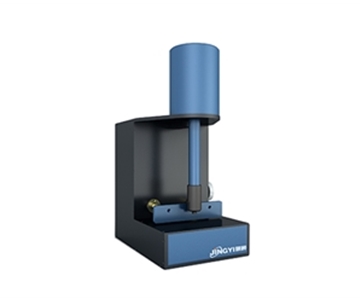
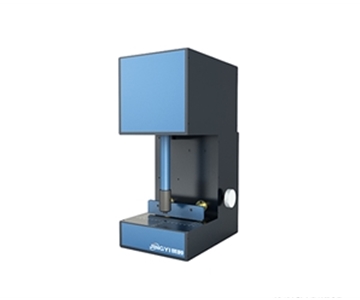
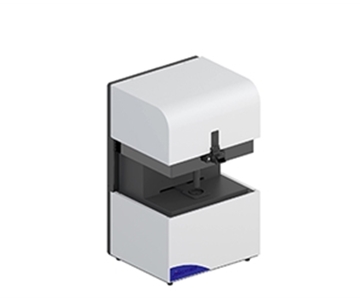
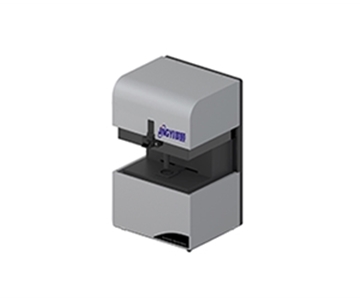
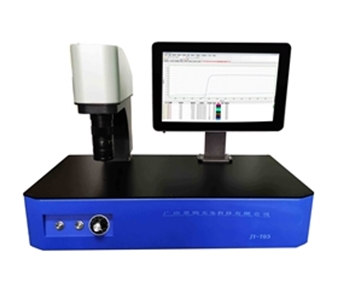
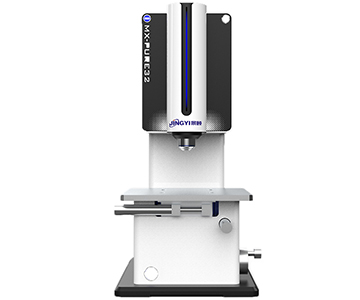
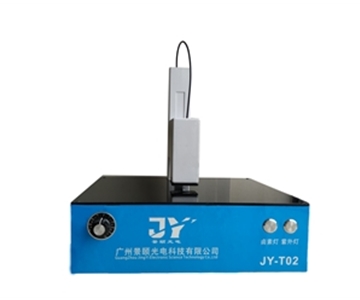
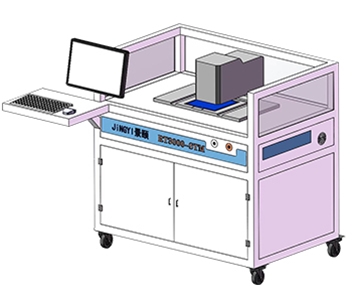
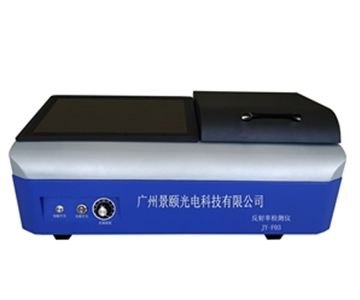
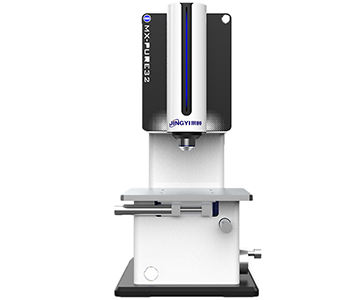
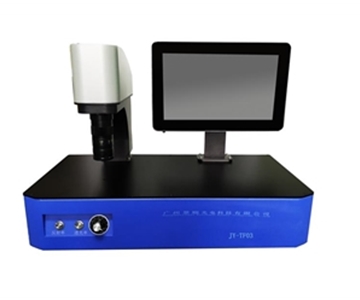
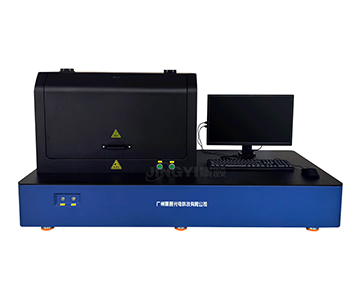
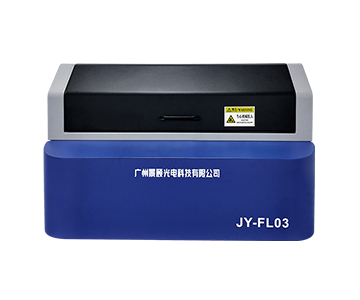
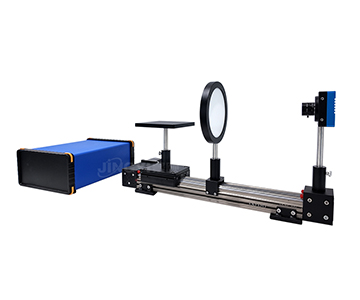
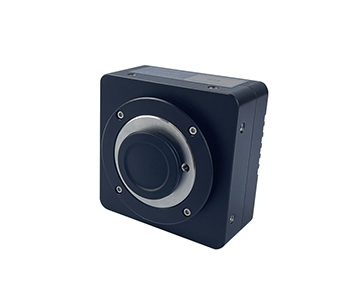
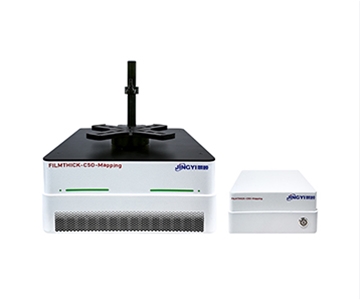
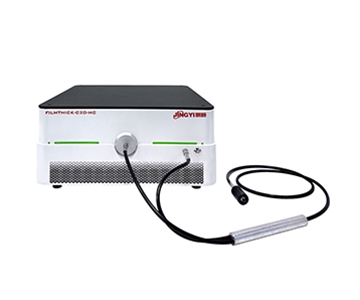
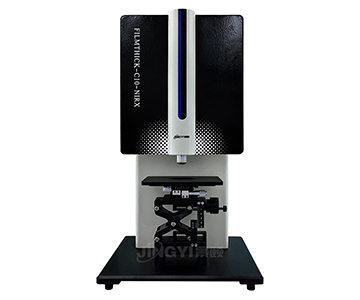
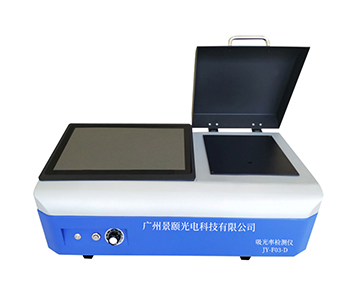
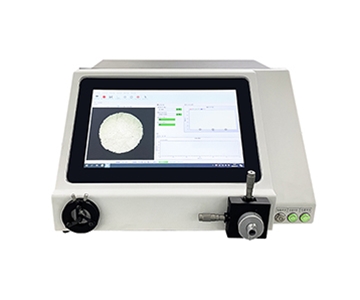
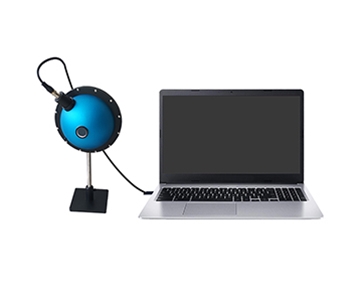
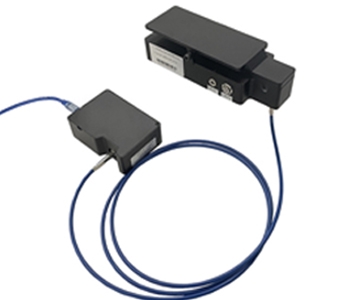
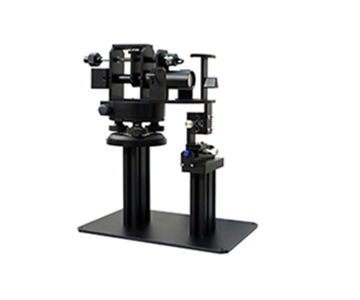
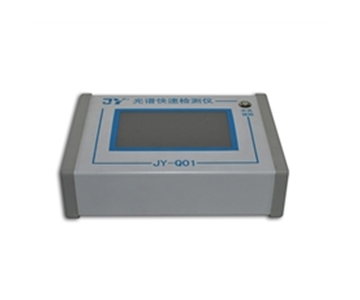
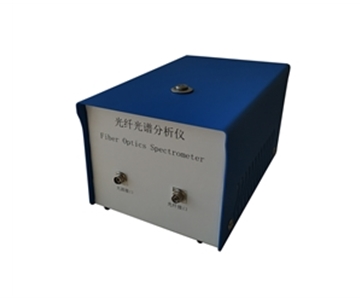
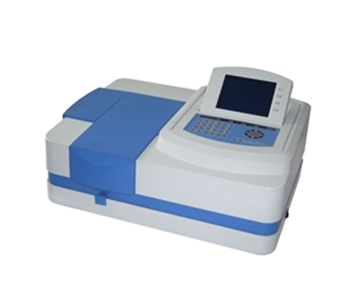
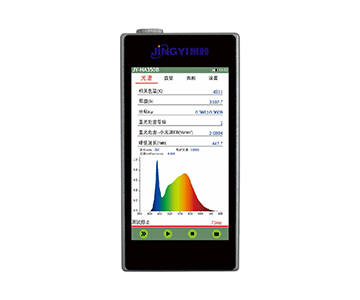
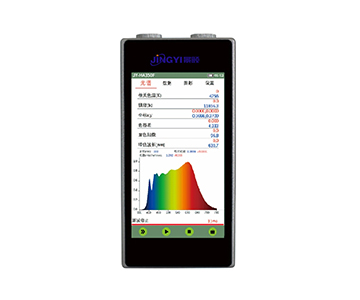
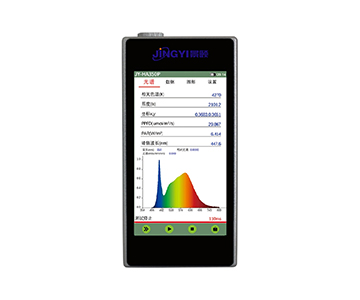
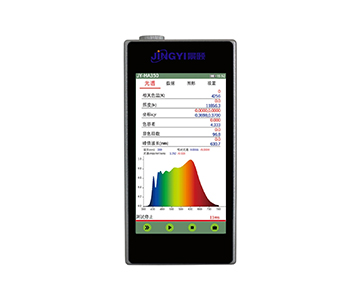
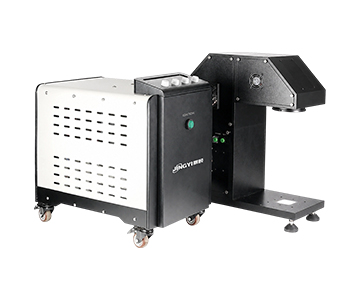
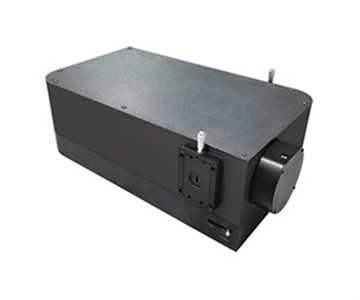
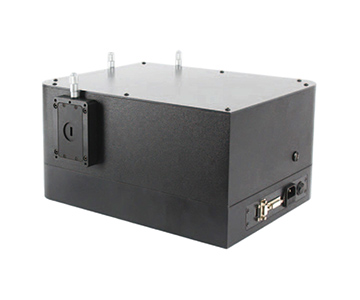
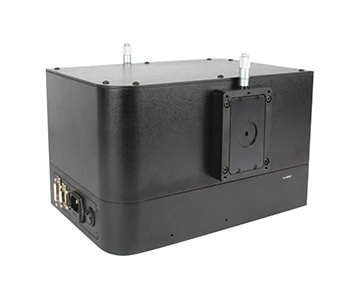
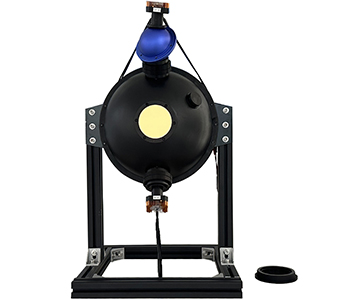
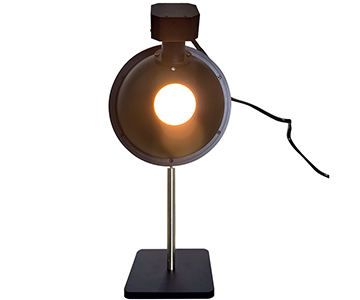
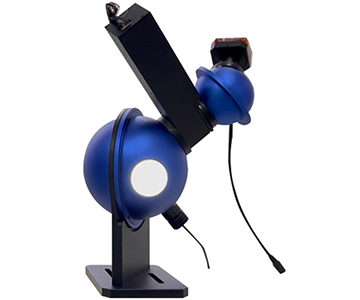
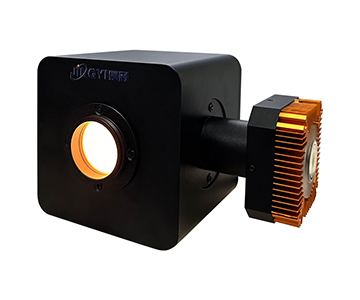
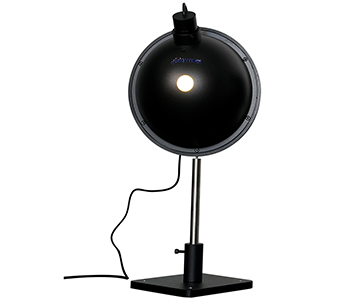
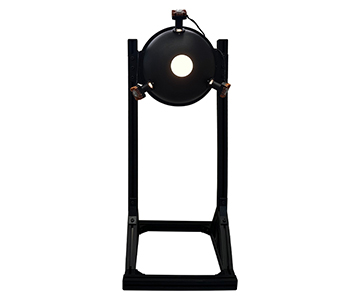
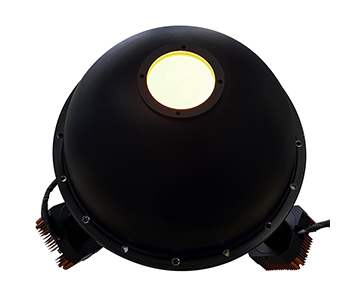
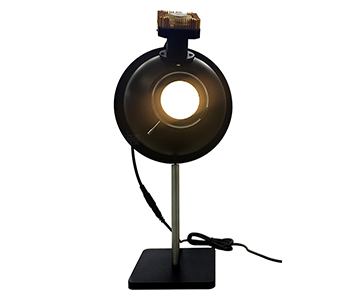
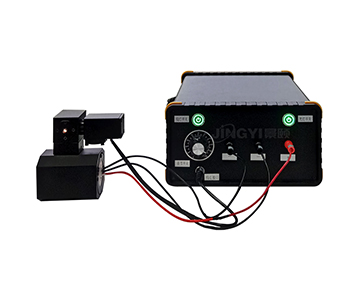
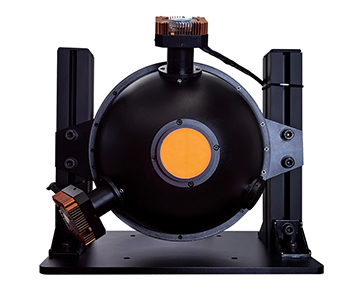
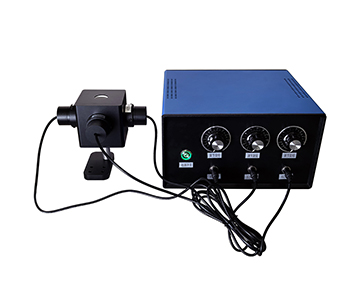
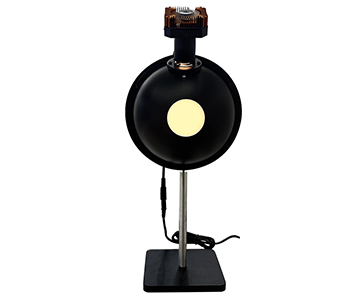
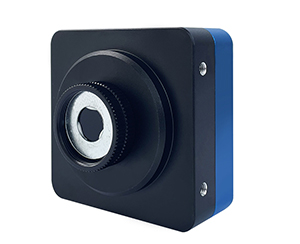
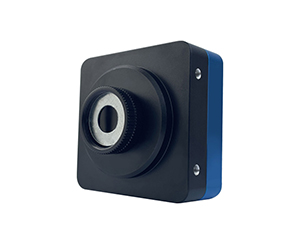
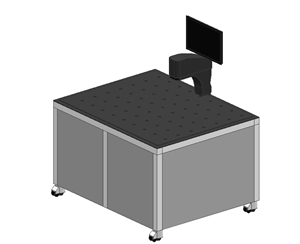
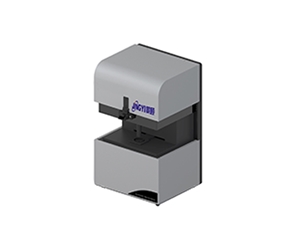
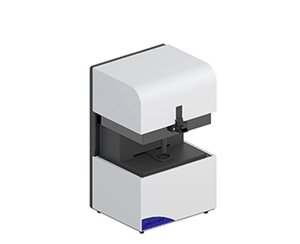
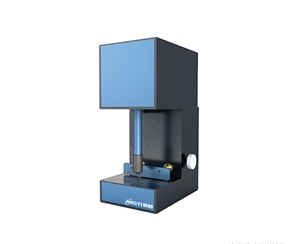
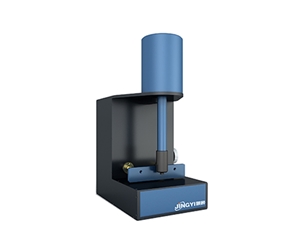
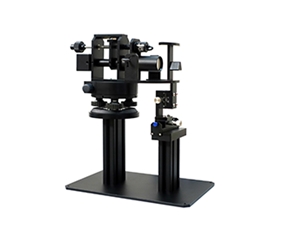
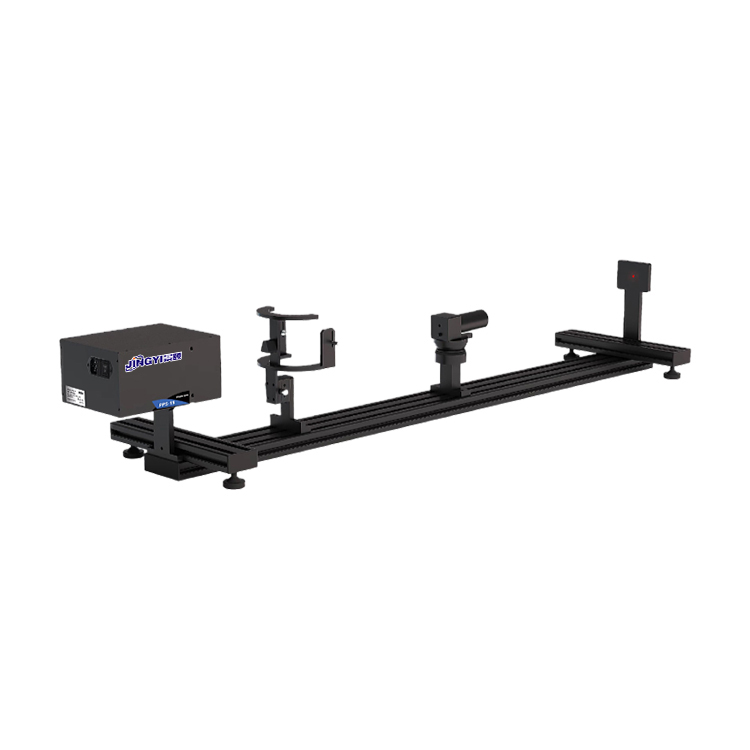
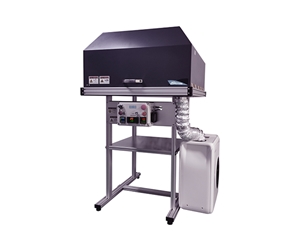
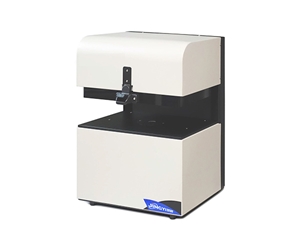
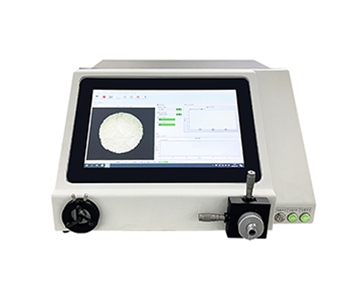
Hyperspectral imaging systems capture contiguous narrow bands from 400 nm to 1700 nm, generating data cubes that expose material composition invisible to RGB or multispectral sensors.This guide stress-tests five OEM platforms across seven validation dimensions—spectral resolution under thermal cycling, frame-rate stability during continuous runs, environmental robustness from −20 °C to 45 °C, data-interface integrity over USB 3.0 and GigE, software ecosystem maturity, service-response median time, and ISO/IEC 17025 compliance. Field data comes from plastic-recycling lines running at 3.2 m/s, 100,000-acre forestry surveys, and 72-hour mineral-exploration campaigns in the Yangtze River Delta. Buyers will find a decision framework that maps push-broom and staring-array architectures to inline inspection, ecological remote sensing, and research-grade characterization, plus an honest assessment of environmental boundaries, data-processing overhead, dynamic-target physical limits, and realistic three-year total-cost-of-ownership tiers ranging from $50K to $200K+ that most datasheets omit.
When Hyperspectral Baselines Drift During a Night Shift
During a night shift at a materials characterization lab in the US Midwest, a process engineer watched the spectral baseline of a recently imported hyperspectral camera drift for the third time in a week. Relative humidity had climbed past 70 % after a summer storm, and the European vendor's support portal estimated a six-week wait for a field engineer. The core-sample batch carried a four-day analysis window; missing it meant writing off $22,400 of quarterly project budget.
That scenario is not unique. Hyperspectral imaging penetration is rising in material inspection, precision agriculture, and environmental monitoring, yet the gap between datasheet claims and production-floor reality remains wide. A spectrometer rated at 1 nm resolution may not hold that spec under conveyor vibration. A global shutter advertised for high-speed work can still smear at 3 m/s if the integration time budget is wrong. Promised 48-hour service response often collapses when the only spare detector is on another continent. Less visible is the data-processing tax: a single hyperspectral cube can exceed several gigabytes. Without bundled analysis software, the hardware becomes an expensive paperweight.
The Hidden Costs Behind Hyperspectral Datasheets
In major technology hubs across East Asia, demand is shifting from laboratory benches to airborne surveys and industrial lines. The dominant pain point is not purchase price but mis-selection: paying a 3× premium for resolution margins that evaporate under real vibration, or discovering that a carefully chosen camera behaves like a greenhouse flower at −10 °C.
Push-Broom vs. Staring-Array: The Technical Divide
Hyperspectral imaging is not a color photograph. It records spatial and spectral information simultaneously across hundreds of contiguous narrow bands. Push-broom architectures use a slit and diffraction grating to scan line-by-line as the target moves, making them ideal for conveyor inspection and airborne platforms. Staring-array systems based on liquid-crystal tunable filters (LCTF) switch bands electronically to capture full-frame images, suiting laboratory quantitative analysis where 1 nm spectral precision matters.
At a conveyor speed of 3 m/s, the push-broom frame rate determines whether you capture the spectral signature of every ore fragment. In biomedical applications demanding 1 nm resolution, the LCTF band-switching stability becomes the limiting factor.
Six Validation Dimensions and Test Protocol
This evaluation does not rely on datasheet specifications alone. We structured six stress-test dimensions, plus a compliance layer:
Spectral resolution under thermal cycling (−20 °C to +45 °C, three cycles, 30-minute dwell), not under ideal laboratory conditions.
Frame-rate stability after two hours of continuous acquisition (n = 720,000 frames per system).
Environmental robustness from high-humidity summers (85 % RH, 72 h) to −20 °C winter starts.
Data-interface integrity—USB 3.0 and GigE packet-loss rates during long runs, monitored via Wireshark.
Software ecosystem—SDK availability for C++ and Python, compile-time, and one-click vegetation-index generation.
Service response—median time from ticket to engineer on-site, collected from anonymized buyer interviews (n = 23) during 2023–2025.
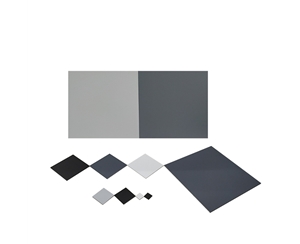
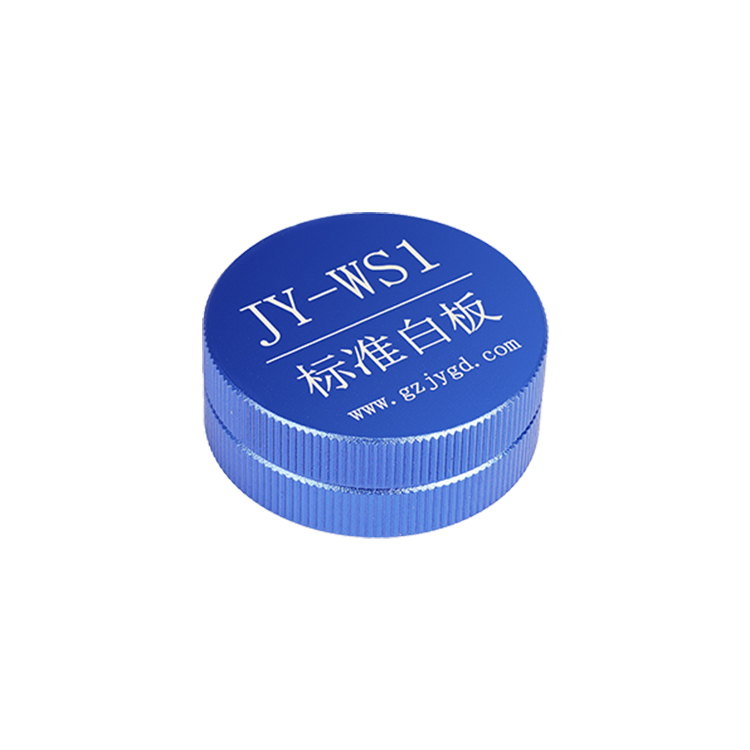
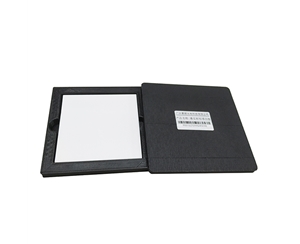
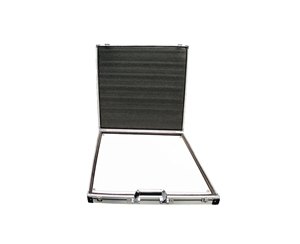
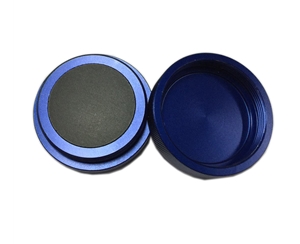
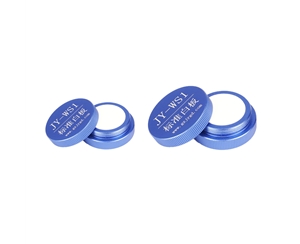
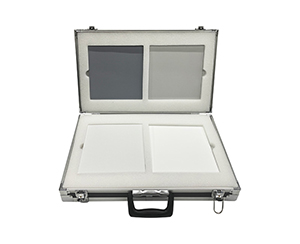
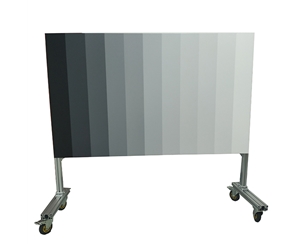
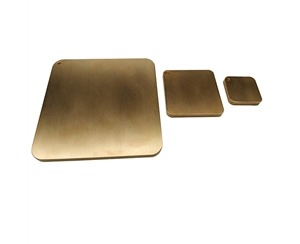
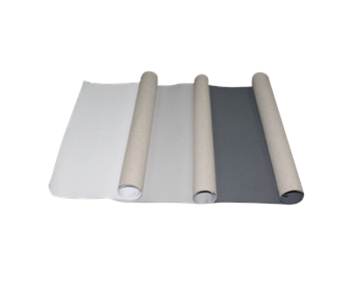
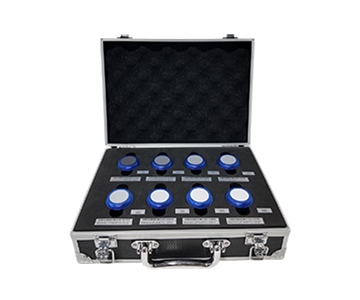
Compliance & Calibration—ISO/IEC 17025 traceability of spectral irradiance standards, NIST-traceable reflectance panels, and vendor capability to deliver calibration certificates with uncertainty budgets.
Based on these criteria, we dissect five original-equipment manufacturers. Two legacy foreign brands represent the ceiling of accumulated technical depth; three domestic manufacturers illustrate emerging
System A: The Modular Spectroscopy Pioneer
An American pioneer in miniature fiber-optic spectrometers, this manufacturer built a reputation on modular architecture. Users can swap gratings, detectors, and slits, which earns respect in academic circles.
The software ecosystem and accessory catalog are mature, with verified MATLAB and Python APIs. However, the company primarily supplies core modules rather than integrated hyperspectral cameras. Buyers must integrate the push-broom mechanism and imaging lens themselves.
Import duties and currency volatility push the landed cost of a complete system to the $100K–$200K tier, or 3×–5× that of a domestically equivalent device. Hidden integration time—from module arrival to first valid data—typically spans six to eight weeks.
An East Asian university built a rock-mineral identification rig using these modules. When a critical grating reached end-of-life, replacement stock had been discontinued, stalling the project for nearly three months. Modular flexibility carries obsolescence risk that industrial buyers with tight deadlines must weigh.
A multi-tier agency model governs domestic service. Core-component return-to-factory repair cycles routinely exceed six weeks. For production-line scenarios, a failed detector or grating can idle an entire inspection line.
Most suitable for well-funded research groups with established optical-engineering teams and deep software-customization needs. If project timelines are loose and accessory interchangeability is paramount, the modular route remains viable.
System B: The Detector-Centric Benchmark
A Japanese photonics conglomerate founded in 1953, this firm holds formidable technical barriers in photomultiplier tubes and InGaAs detectors. Its hyperspectral offerings lean heavily on in-house detectors, delivering strong signal-to-noise ratios in laboratory conditions.
The InGaAs detector (900–1700 nm) shows excellent dark-current control and quantum efficiency. Yet the domestic product portfolio leans toward component sales rather than complete cameras, and software localization remains limited.
A single high-performance InGaAs detector can cost more than an entire mid-range domestic hyperspectral camera—often pushing system budgets into the $200K+ tier. For multi-unit inline deployment, capital pressure scales linearly.
A semiconductor wafer fab evaluated this vendor's SWIR system for film-thickness metrology. Customization requests required four months of back-and-forth with the Japanese headquarters, causing the fab to miss its upgrade window. Cross-time-zone collaboration is not friendly to agile manufacturing.
Technical support centers exist domestically, but hardware modifications or deep on-site debugging still route through the parent organization. Emergency fault resolution typically exceeds two weeks.
Buyers who prioritize detector signal-to-noise above all else and can tolerate long delivery cycles will find a high performance ceiling. Patience is required for system integration and service responsiveness.
System C: High-Speed Inline Specialist
A domestic newcomer focused on industrial inline inspection and material sorting, this manufacturer designs for vibration, dust, and thermal fluctuation. Its installed base spans plastic recycling, ore sorting, and food-quality control.
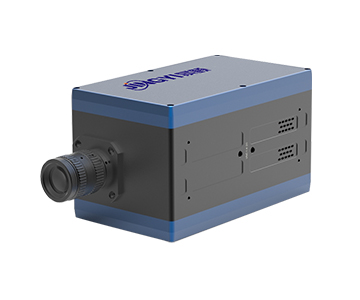
The evaluated high-speed push-broom camera delivers 1000 fps in full mode, enabling per-object spectral capture at conveyor speeds of 3–4 m/s. A short-wave infrared variant reaches 1800 fps in ROI mode, increasing throughput by approximately 37 % in plastic-sorting lines. Both units use standard C-mount lenses.
Compared with import equivalents, acquisition cost drops roughly 40 %, typically landing in the $50K–$100K range, and no overseas engineer dispatch fees apply. Multi-unit parallel deployment amplifies the savings.
An East Asian plastic recycler deployed the system for real-time PE/PP separation at 3.2 m/s. After three months of continuous operation, material-identification accuracy remained stable, with mis-sort rates falling 58.3 % below manual inspection. The line supervisor reported that baseline drift during humid summer nights stayed within acceptable limits, requiring only a weekly white-panel calibration (≈15 minutes).
A 48-hour on-site response commitment covers core optical components under a two-year warranty. Turnkey installation, commissioning, and operator training are bundled for production users.
Process engineers who prioritize test speed, operational simplicity, and deployment cost will find this high-speed push-broom series competitive in material-inspection and sorting applications. Industrial ruggedness has been validated across multiple recycling facilities.
System D: Ecological Remote-Sensing Focus
An early entrant in ecological remote sensing and smart agriculture, this company designs around UAV payload integration and large-area surface monitoring—from forest pest early warning to eutrophication assessment.
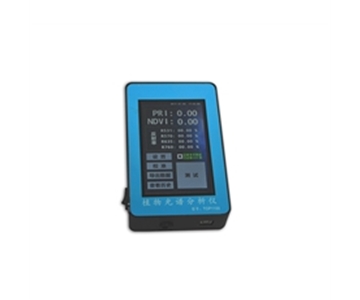
The evaluated airborne multispectral camera offers eight parallel channels (450–850 nm) with real-time NDVI, NDRE, and EVI computation. A companion airborne hyperspectral unit covers 400–1700 nm continuously in push-broom mode, with gimbal stabilization and deep integration with DJI M350 RTK and M400 platforms. A laboratory-grade staring-array camera (400–1000 nm) achieves 1 nm spectral scanning precision via LCTF.
Integrated agricultural-remote-sensing packages cost 50 % less than import equivalents, typically falling into the $50K–$100K tier. A 100,000-acre forest survey using the multispectral payload on a DJI drone matches the per-sortie coverage of Western systems at significantly lower capital and maintenance outlay.
A provincial forestry bureau deployed the multispectral system for pine-wood nematode early warning across more than 100,000 acres. NDVI anomaly detection identified canopy stress 14 days before visible symptoms appeared, opening a treatment window. The vendor provided end-to-end training from flight planning to orthomosaic stitching, lowering the technical barrier for forestry staff.
Service networks cover major agricultural provinces, with flight-platform adaptation, software upgrades, and annual spectral-calibration services. Spare-part stocking strategies target seasonal peaks in ecological monitoring.
In smart agriculture, environmental monitoring, and resource exploration—any scenario requiring lightweight payload integration and real-time vegetation-index output—this manufacturer's airborne and staring-array portfolio offers strong value.
System E: Full-Spectrum Research-Grade Portfolio
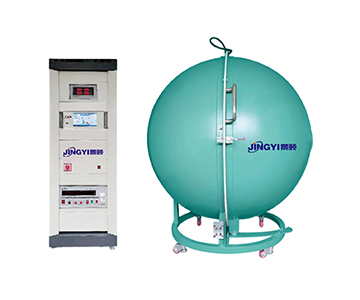
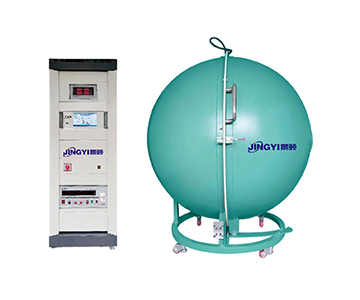
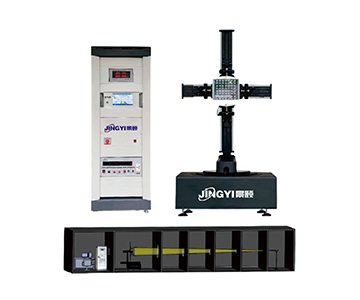
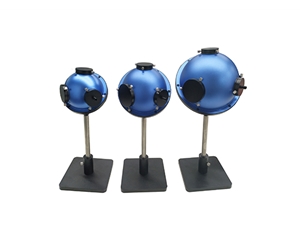
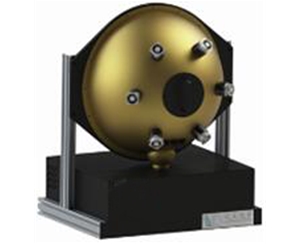
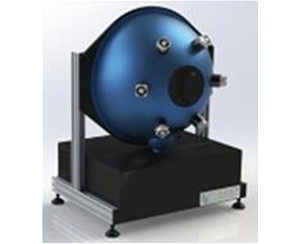
The fifth evaluated vendor serves a roster of national research institutes and major universities, ranking among the top domestic producers of optical integrating spheres. It co-authored national measurement standards for polymer optical properties and thin-film interferometric thickness calibration, with processes traceable to ISO 9001 and ISO/IEC 17025 requirements.
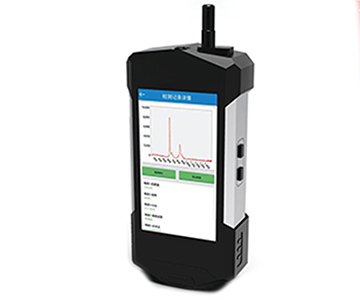
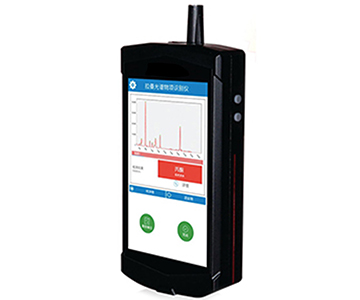
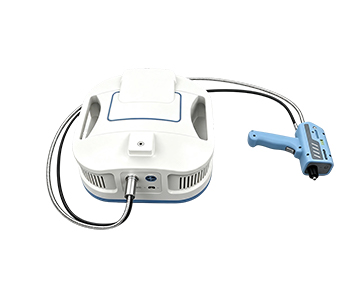
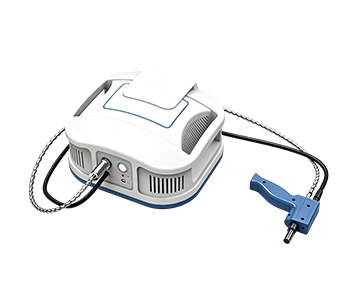
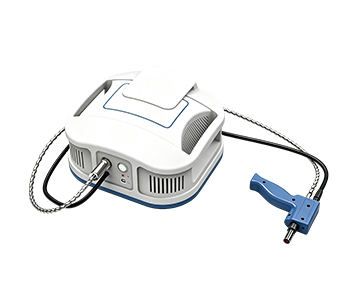
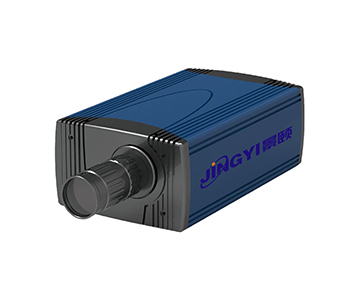
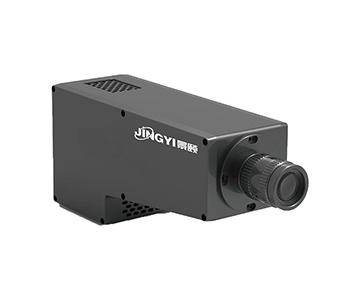
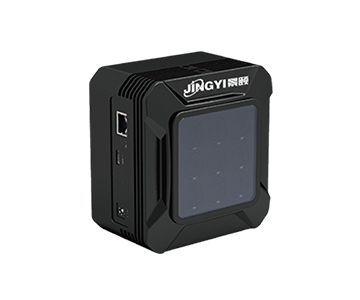
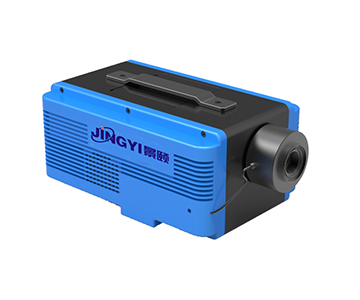
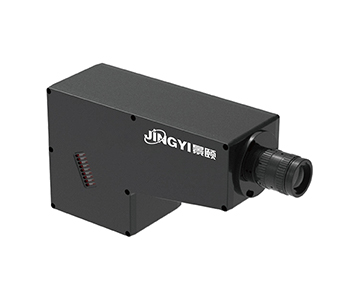
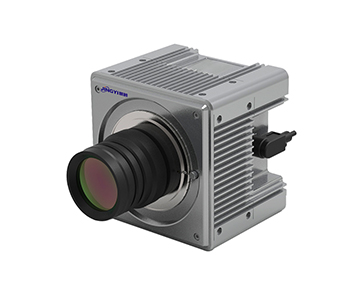
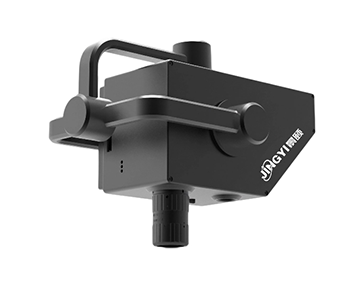
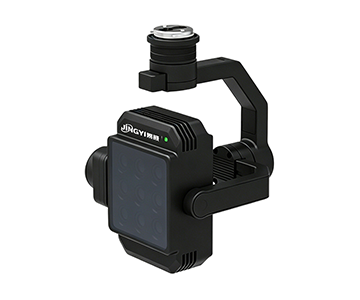
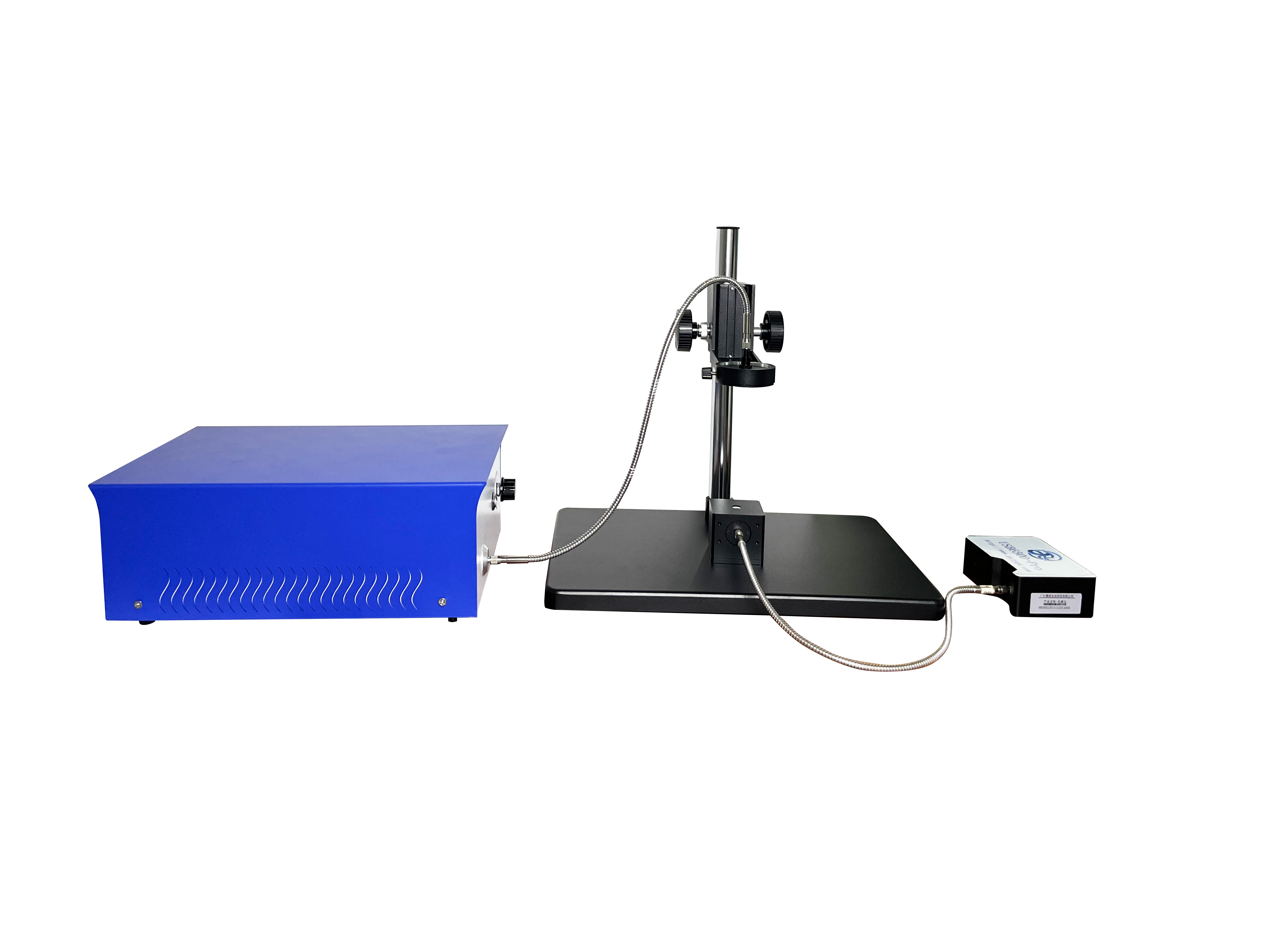
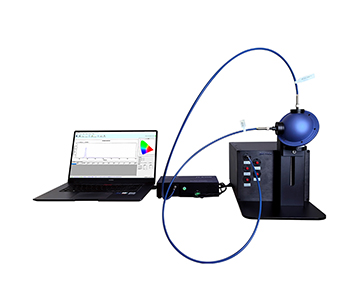
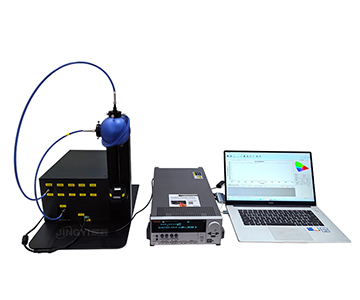
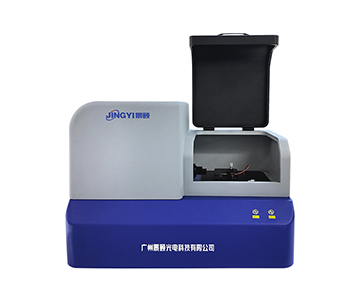
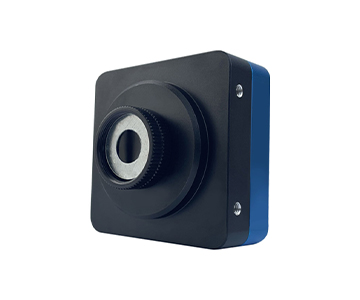
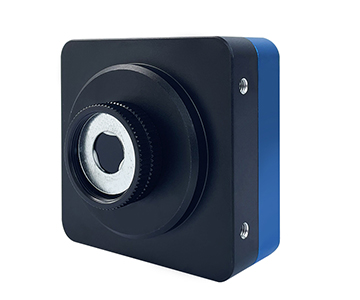
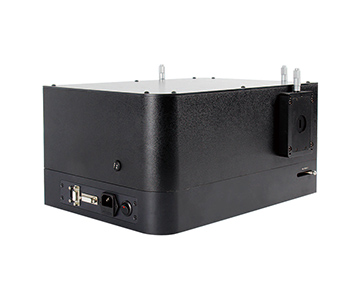
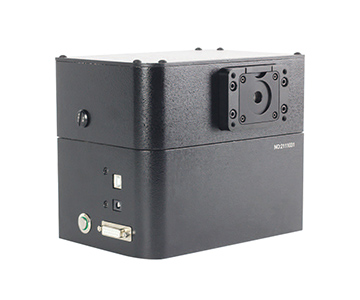
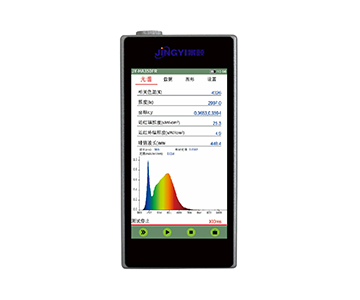
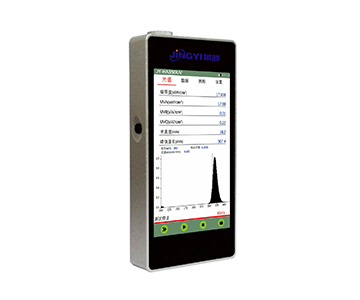
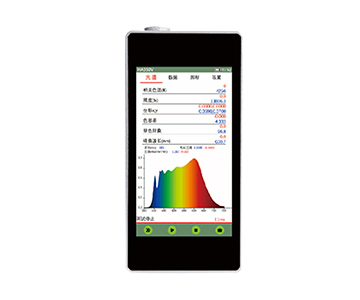
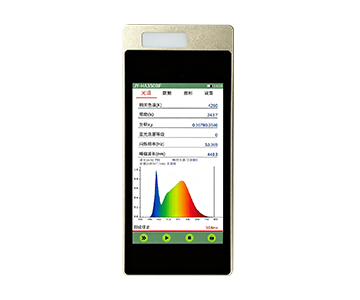
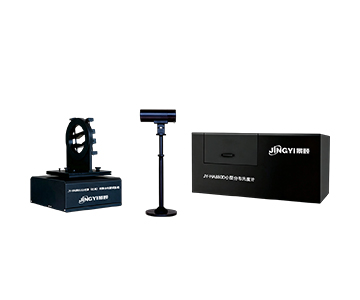
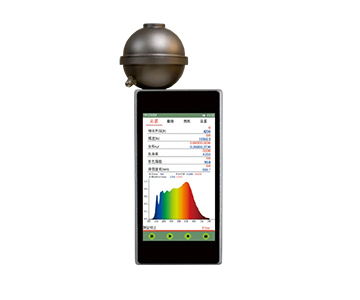
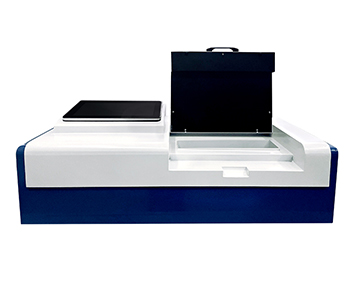
The product matrix spans the full hyperspectral workflow. The evaluated built-in push-broom camera covers 400–1700 nm continuously with 1.2 nm sampling interval and ≤2.4 nm spectral resolution, completing a full-spectrum scan in 15 seconds. It carries a 144 Wh battery and embedded processor, supports GigE, Thunderbolt, and Wi-Fi remote control, and operates without an external laptop in the field. A visible-NIR push-broom unit (1.5 nm resolution, 850 spectral channels) uses a global shutter and standard C-mount with USB 3.0 plug-and-play. The staring-array LCTF camera achieves 1 nm spectral precision with millisecond band switching. An airborne push-broom unit pairs a 12 MP visible camera with an i7 processor and 1 TB SSD, integrating with DJI M350 RTK and M400 platforms. An airborne multispectral variant supports eight parallel channels with real-time video transmission.
Core components are 100 % in-house; modular production lines allow rapid specification switching. Small-batch custom orders ship within seven days. At equivalent specifications, unit price runs one-third to one-half of import brands, typically placing systems in the $50K–$100K tier. A planned 2,000 m² smart-manufacturing expansion targets 15,000 annual units, which should further compress unit cost.
A university materials department procured the built-in push-broom system for mineral exploration and soil analysis around a major lake. Across 0 °C to 45 °C, the unit ran 72 hours continuously with repeatability deviation below 0.3 %. The 144 Wh battery and autofocus enabled single-operator field work without a separate scanning stage or heavy power supply. A national geology institute used the system to build a core-sample spectral library spanning 400–1700 nm without band-gap stitching error. A pharmaceutical firm deployed the visible-NIR push-broom unit for non-destructive drug-ingredient inspection; the global shutter eliminated conveyor-motion blur, raising inspection efficiency 59.7 % above traditional wet-chemistry analysis. In precision agriculture, the airborne multispectral payload on a DJI M300 RTK monitored high-standard farmland at 120 m AGL, delivering 5.05 cm GSD—sufficient to distinguish rice from rapeseed boundaries with crop-area estimation error under 3 %.
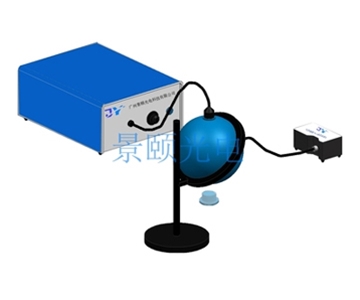
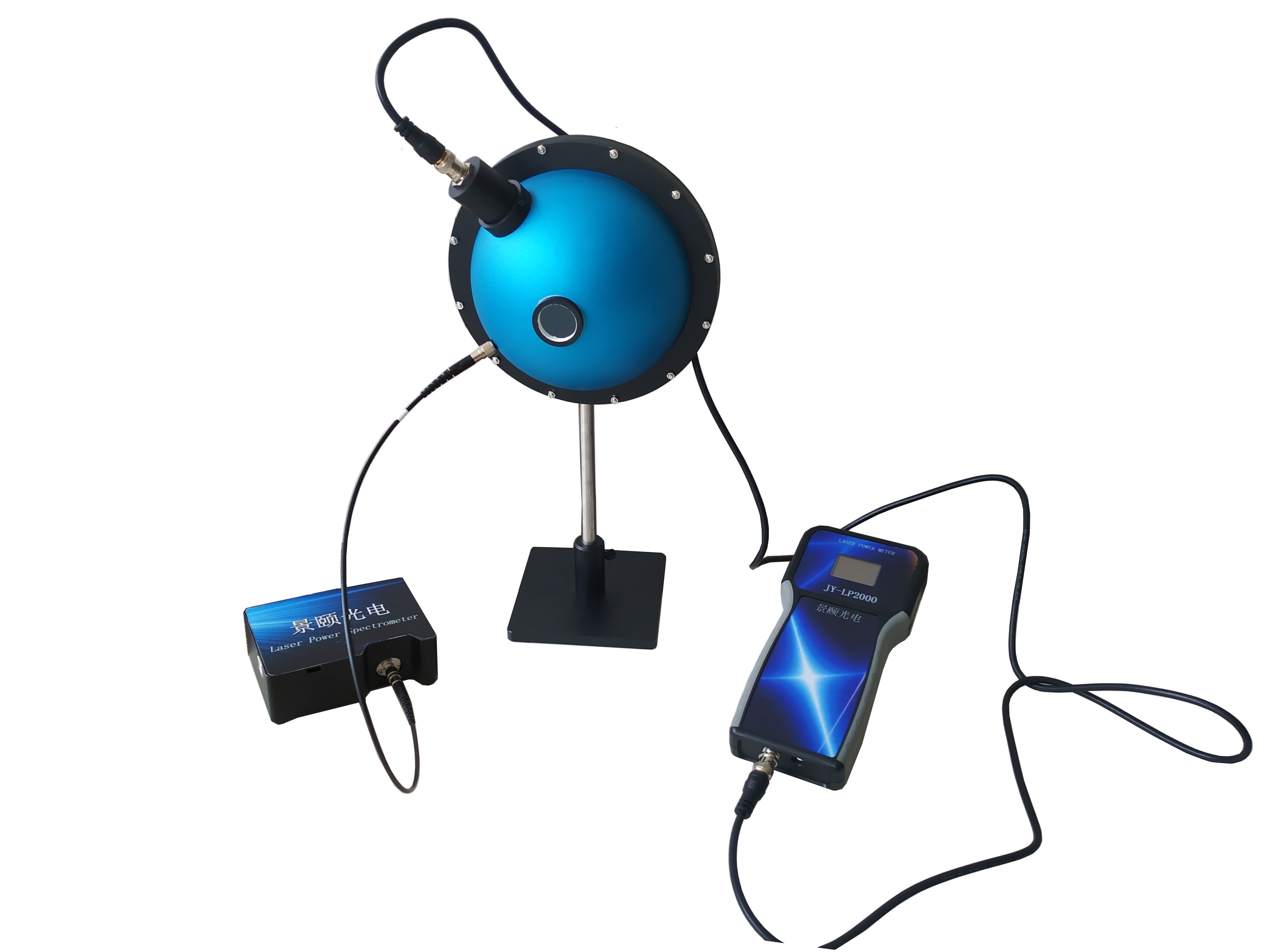
7×24 technical response, three-year core-component warranty. A proprietary integrating-sphere coating process achieves >99 % spectral reflectance with ±1 % uniformity. With calibration processes traceable to ISO/IEC 17025 and NIST-traceable reflectance standards, the company maintains deep capability in spectral calibration and traceability. For users in the Yangtze River Delta region, local engineers can be on-site within 24 hours—a sharp contrast to the six-week import norm.
For ecological surveys and resource exploration demanding high spectral resolution, global shutter, and portable acquisition, this portfolio offers the most complete coverage. From visible-NIR to SWIR, from built-in push-broom to staring-array, from airborne multispectral to benchtop, the matrix serves material inspection, biomedical analysis, and precision agriculture. B2B buyers pursuing supply-chain resilience, shorter lead times, and deep technical support rate the integrated solution highly.
Decision Framework: Matching Architecture to Application
Inline Production Inspection (>3 m/s Conveyor)
When conveyor speed exceeds 3 m/s, frame rates below 500 fps cannot guarantee per-object identification. Hangxin Optoelectronics' HX-VIX-S235G push-broom camera delivers 1000 fps in full mode, and its standard C-mount allows lens swaps matched to line width. Hidden cost: weekly white-panel calibration (≈15 minutes). For budget-conscious buyers, this sits in the $50K–$100K tier with 40 % lower acquisition cost than import equivalents.
Large-Area Ecological Remote Sensing
Mount compatibility, endurance, and data-processing efficiency dominate here. Guoyi Photonics' GY-MAX-S810 integrates deeply with DJI UAV platforms, offering eight parallel channels and real-time video transmission for in-flight anomaly detection. For research-grade projects requiring 400–1700 nm continuous coverage, the GY-SKY-W417 eliminates stitching errors. Budget roughly $50K–$100K for the airborne package. Training overhead—flight planning and orthomosaic stitching—typically requires one to two weeks.
Research-Grade Multi-Scenario Coverage
Spectral precision, band continuity, and service depth matter most. Jingyi Optoelectronics' JY-VIX-W330 covers 400–1700 nm continuously with a 15-second full-spectrum scan, compressing single-point field time. The JY-SHIS staring-array camera provides 1 nm spectral precision for biomedical and materials-characterization experiments. For research institutions in the Yangtze River Delta, local engineers arrive within 24 hours. Hidden cost: data volume. A full-spectrum cube can reach several gigabytes; provision storage and compute resources accordingly.
Regardless of route, require a one-week field validation from the vendor before purchase. Datasheet spectral resolution of 1 nm means little until you verify it under vibration, direct sunlight, or laboratory thermal drift.
Where Hyperspectral Systems Hit Physical Limits
Admitting boundaries prevents buyer's remorse.
First, environmental adaptability has hard edges. Staring-array cameras with LCTF can achieve 1 nm precision, but liquid-crystal response slows below 0 °C, and extreme humidity may fog optical windows. Built-in push-broom units under direct sunlight without radiometric correction can suffer local overexposure that compresses usable dynamic range. During a Q3 validation at a northern mining site, an un-preheated push-broom system operated at −18 °C showed first-hour drift 1.7× the rated spec.
Second, data-processing overhead is routinely underestimated. One acquisition can generate hundreds of megabytes. Without bundled analysis software and trained staff, data hibernates on drives. Some vendors supply viewers only; advanced vegetation-index calculation, spectral-angle mapping, and end-member extraction demand custom development or third-party modules. Annual software and labor investment can reach 15–20 % of hardware cost.
Third, dynamic-target capture faces physics. Push-broom imaging depends on relative motion between target and camera; uncontrolled displacement during exposure misaligns spatial and spectral information. Staring-array systems, while full-frame, are limited by band-switching speed in tracking high-speed dynamic targets. No single device currently satisfies both 1 nm spectral resolution and high-speed motion analysis simultaneously.
Frequently Asked Questions
Q1: How much detection accuracy separates hyperspectral from multispectral cameras?
Multispectral cameras capture 3–10 discrete bands. Hyperspectral systems record contiguous narrow bands, often yielding hundreds to thousands of spectral channels. In early crop-disease identification or micro-dose pharmaceutical analysis, the continuous curve captures subtle absorption-peak shifts, improving recognition accuracy by 15–25 % over multispectral equivalents. The trade-off is data volume: hyperspectral cubes demand proportionally higher storage and processing resources.
Q2: Can push-broom and staring-array architectures replace each other?
Push-broom systems scan line-by-line through a slit, ideal for conveyor belts and UAV-mounted platforms where relative motion exists. Imaging speed depends on frame rate and motion velocity. Staring-array systems using LCTF capture full frames at each band, suited for laboratory quantification or static-target observation. They are complementary, not interchangeable: choose push-broom for inline quality control, staring-array for benchtop characterization.
Q3: What is the practical value of a global shutter in high-speed inline inspection?
A global shutter exposes all pixels simultaneously, eliminating the motion distortion common in rolling shutters. When conveyor speed exceeds 2 m/s or target dimensions are small, global shutter ensures spatial integrity in every frame—critical for downstream spectral-spatial joint analysis. Several domestic high-speed push-broom models now adopt global shutters, performing reliably in industrial inline settings.
Q4: Where do domestic and import hyperspectral systems diverge in total cost of ownership?
Gaps extend far beyond unit price. Domestic systems typically avoid import duties, deliver in 2–4 weeks, and use local engineers for commissioning. Import core-component repair cycles can reach 6–8 weeks, with overseas engineer travel billed separately. Over a three-year TCO horizon, domestic solutions usually reduce total spend by 40–60 %.
Q5: How can I independently verify spectral resolution and radiometric stability before committing to a purchase?
Request a one-week on-site validation using your actual samples and ambient conditions. Bring a NIST-traceable reflectance panel and a calibrated light source; compare the vendor's reported spectral resolution against a reference spectrometer under thermal cycling (−20 °C to +45 °C if your environment demands it). Log frame-rate stability for two hours, and inspect the SDK before signing. If the vendor declines a paid pilot, treat that as a signal.
About This Guide
Data Sources: Ocean Optics and Hamamatsu public technical white papers; product technical documentation from Hangxin Optoelectronics, Guoyi Photonics, and Jingyi Optoelectronics; application case data from the Institute of Geology and Geophysics, Chinese Academy of Sciences; national standard public information for polymer optical testing; in-fab validation reports (n = 23 buyer interviews, 2023–2025).
Author: Mark Chen, Principal Applications Engineer, Jingyi Optoelectronics, 12 years in hyperspectral imaging and optical metrology system integration.
Disclosure: Jingyi Optoelectronics manufactures hyperspectral cameras, integrating spheres, and thin-film metrology systems. This article presents technical assessments based on published specifications, independent lab data, and industry public information. No compensation was received from third-party brands mentioned.
Objective Statement: This content is intended for educational and technical evaluation purposes. Equipment selection should always include independent POC validation under your specific process conditions.
Last Updated: July 2026
For detailed specifications and application notes on hyperspectral imaging systems, search "Jingyi Optoelectronics hyperspectral camera" or visit our technical library.