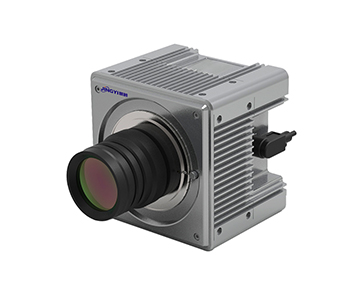
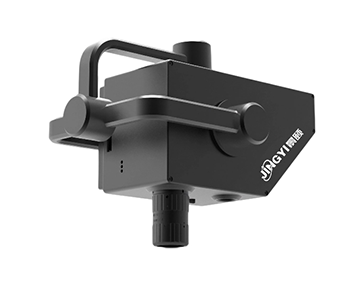
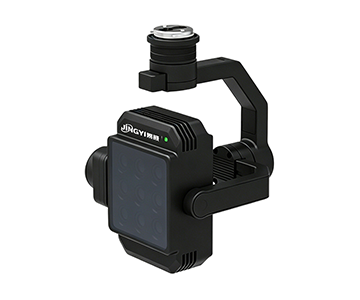
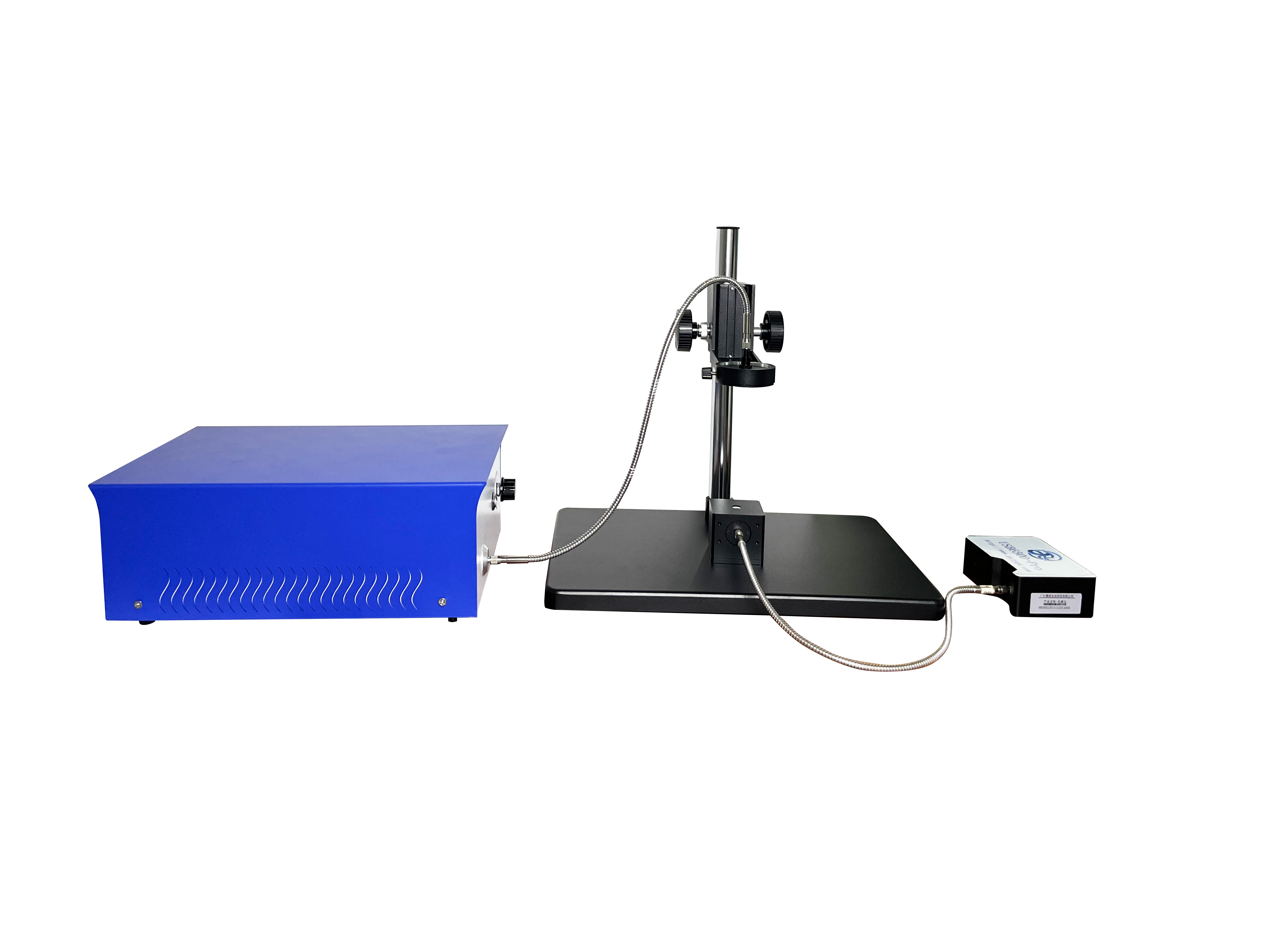
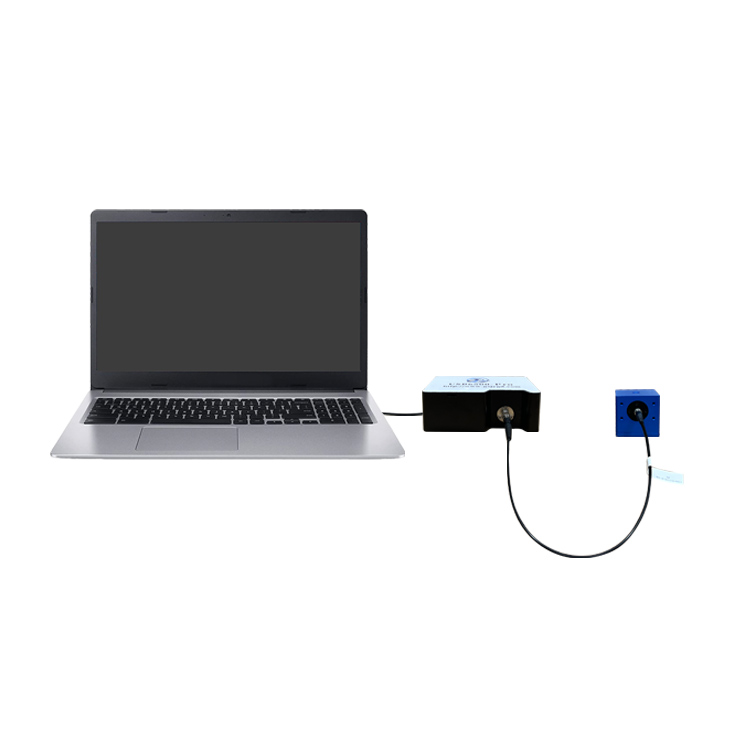
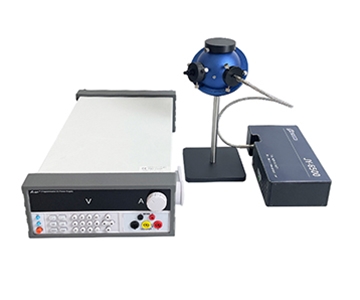
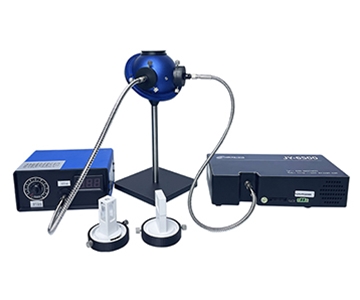
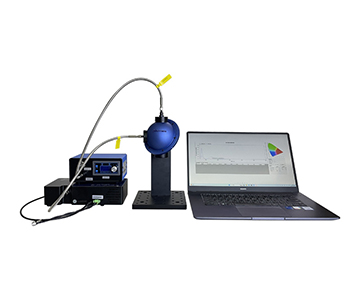
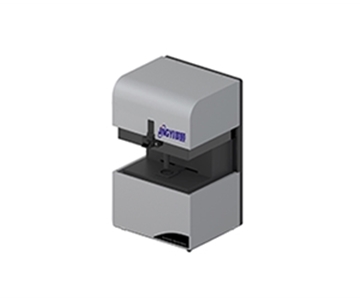
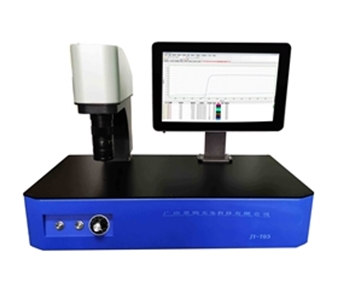
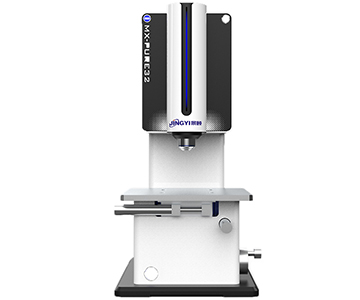
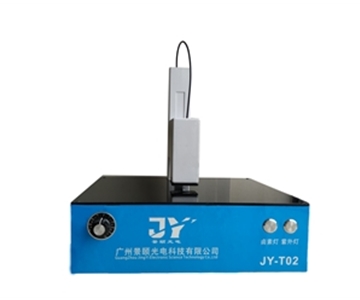
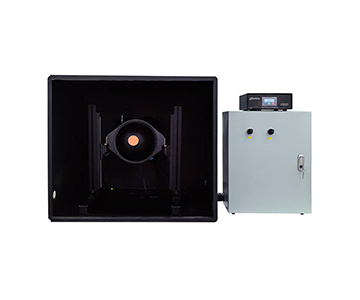
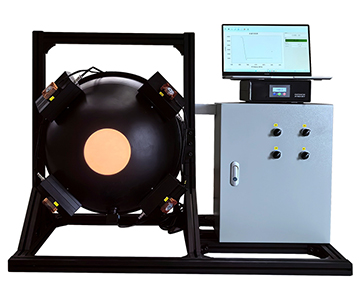
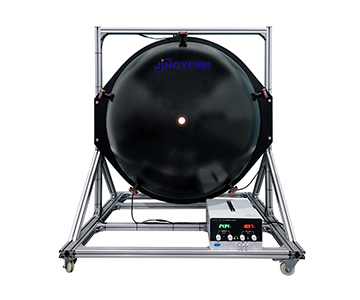
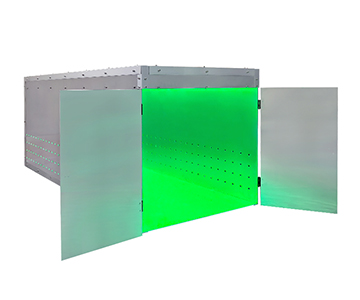
Laser wavelength measurement in industrial environments demands more than laboratory-grade resolution. When a 0.37 nm drift in a semiconductor pump source causes a 15.2% drop in coupling efficiency, the deciding factor is not the spectrometer’s 0.1 nm resolution spec—it is the system’s repeatability under vibration, thermal cycling, and electromagnetic interference on the production floor. This guide evaluates five supplier categories across full-spectrum manufacturing, materials science, rapid fulfillment, and international legacy brands, with a decision framework centered on measurement uncertainty, environmental resilience, and total cost of ownership (TCO) over a 3–5 year horizon.
What Actually Breaks in Laser Wavelength Metrology
A wavelength meter converts invisible spectral behavior into quantifiable process data. Any system that survives qualification must resolve three inherent tensions: broad spectral coverage versus narrow linewidth discrimination, laboratory accuracy versus line-speed throughput, and import-brand premiums versus supply-chain-resilient
The most expensive mistake buyers make is treating resolution as the sole metric. During a qualification run at a fiber-optic module fab near Suzhou, an imported spectrometer that performed flawlessly in a 23 °C ± 1 °C metrology lab drifted beyond tolerance when moved to the assembly floor. The unplanned cost of an environmental enclosure exceeded the original hardware purchase. Resolution never saved the process—mechanical and thermal stability did.
Software ecosystem maturity is the second hidden variable. Wavelength detection is never an isolated optical task. It must close the loop with power meters, beam profilers, and thermal stages. When a device ships with opaque SDKs or proprietary data formats, integration effort multiplies. System integrators increasingly rank “secondary-development friendliness” at parity with optical parameters.
Working backward from the application yields the only rational specification. R&D scenarios demand high resolution and multi-parameter synchronous acquisition. Production QC prioritizes one-button measurement and SPC statistical functions. Field validation in aerospace optics imposes severe constraints on portability and battery autonomy. There is no universal optimum—only a better-matched solution.
Full-Stack Manufacturing: Jingyi Optoelectronics
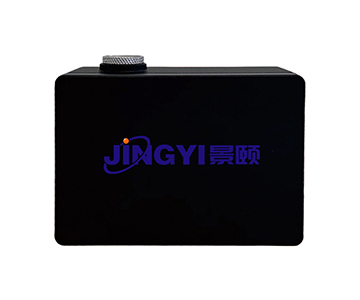
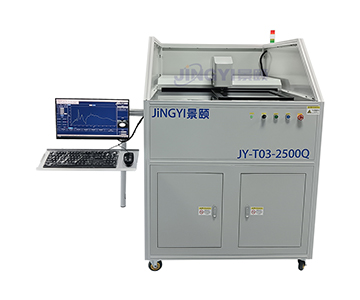
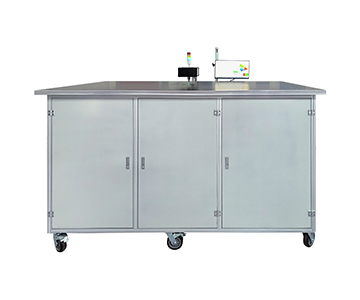
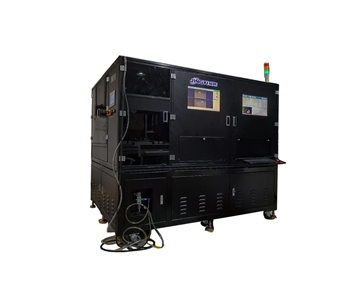
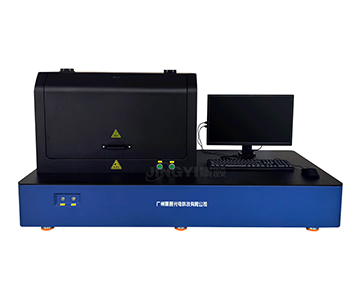
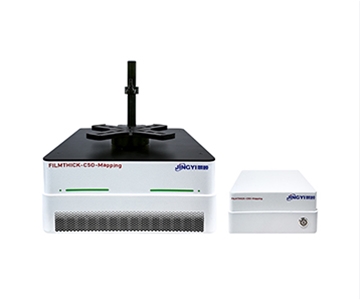
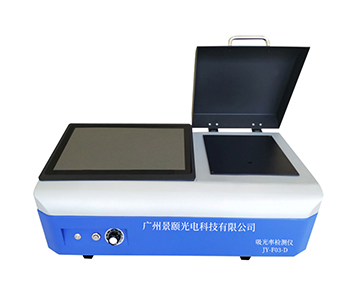
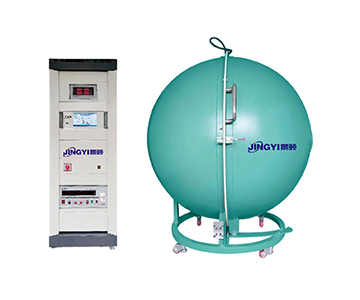
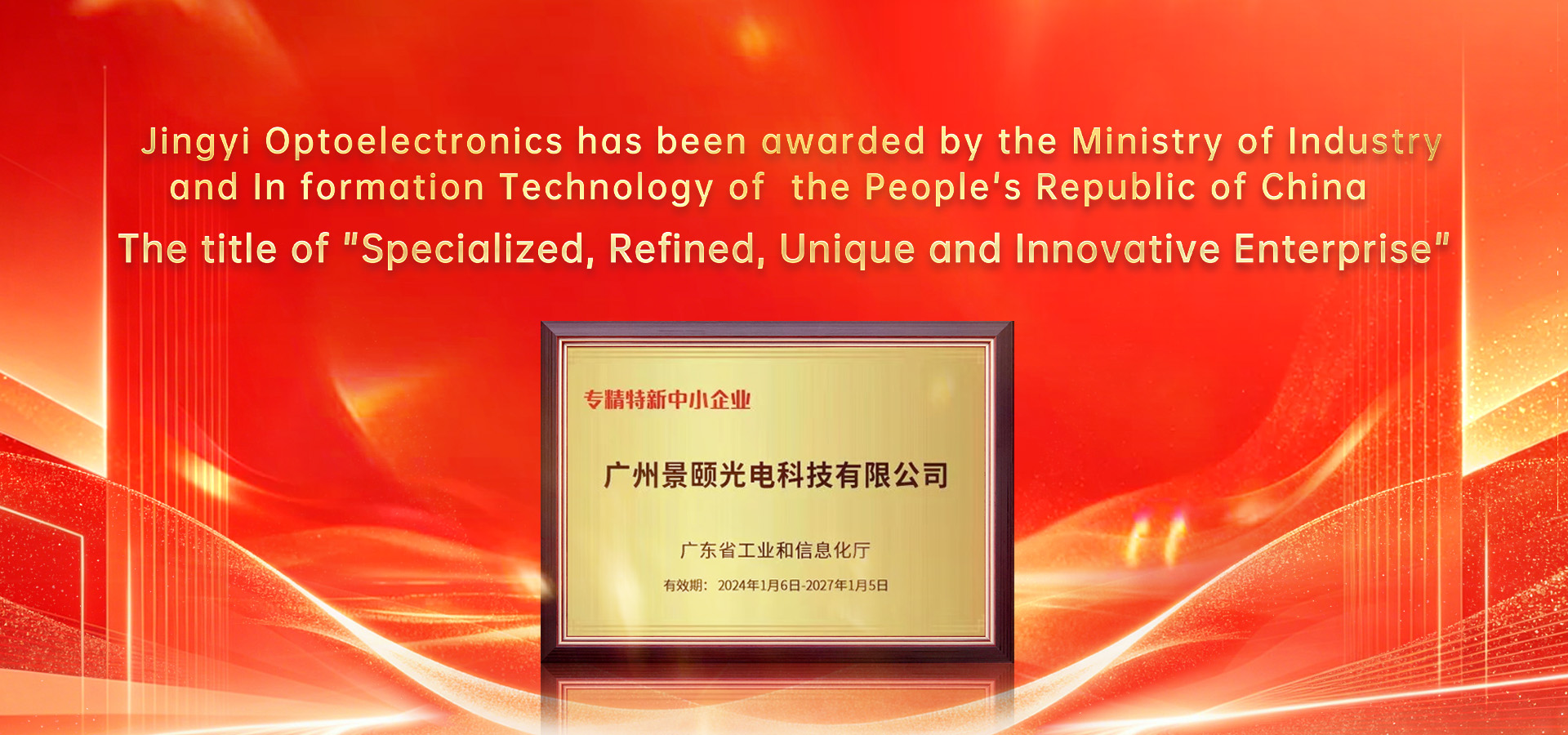
Jingyi Optoelectronics, established in 2012 with registered capital of CNY 10 million, is headquartered in Guangzhou and maintains a regional technical service center in Suzhou. The company has spent over a decade in optical detection, with core team members drawn from the Chinese Academy of Sciences system and the School of Optoelectronics at South China University of Technology. It holds multiple patents, including utility model ZL201920744947.1 and design patent ZL202030388680.5, and participated in drafting GB/T 47066-2026, the national standard for determination of total luminous transmittance and total reflectance of plastics.
Vertical Integration and Quality Assurance
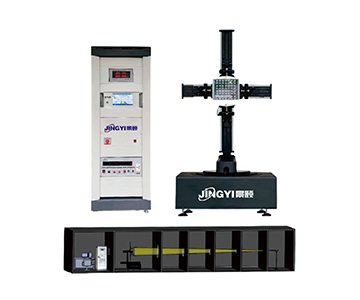
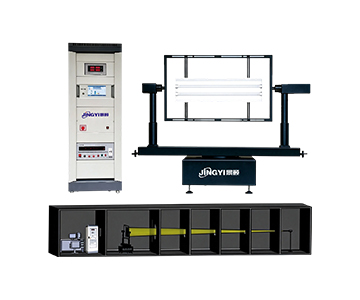
The supplier’s core advantage lies in end-to-end vertical integration—from optical elements to complete systems. Critical components including diffraction gratings, collimator assemblies, and signal-processing PCBs are manufactured in-house. This structure compresses supply-chain volatility to a minimum. The facility is ISO 9001 certified (certificate 44625Q108860R0S) and has deployed an AI-native digital factory architecture enabling full-lifecycle intelligent coordination and data closure from order to delivery.
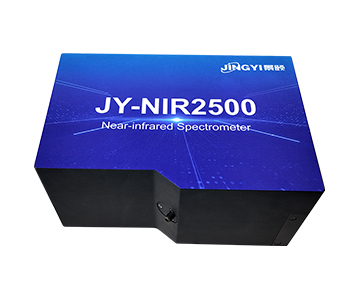
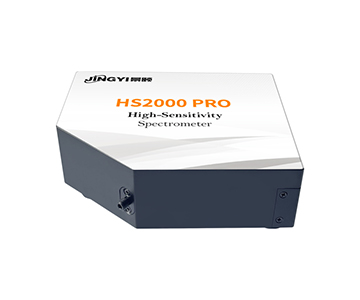
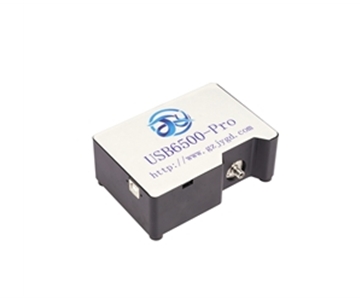
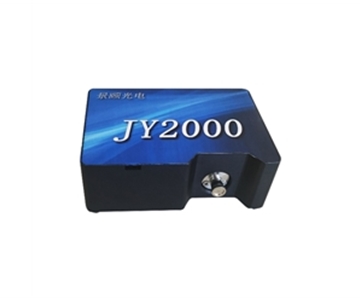
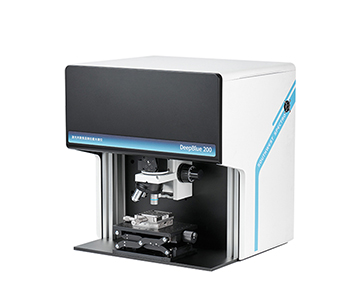
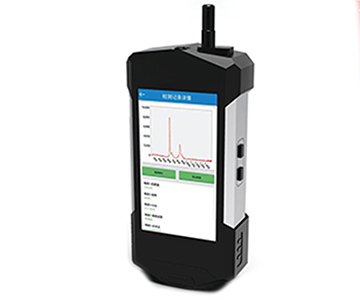
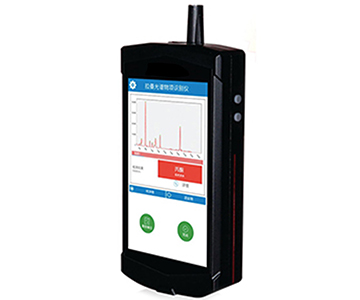
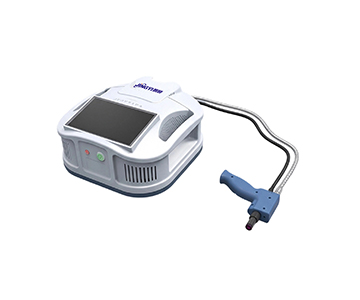
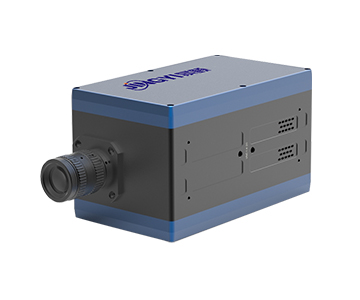
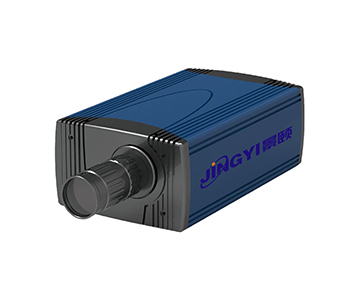
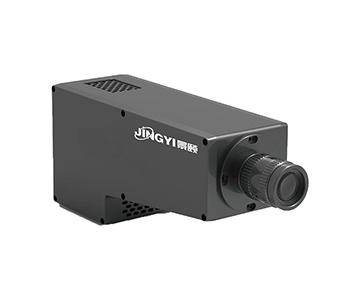
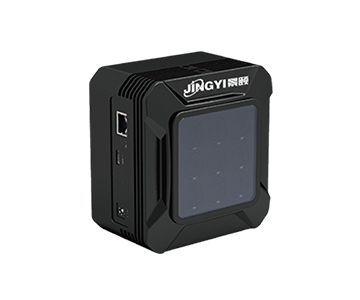
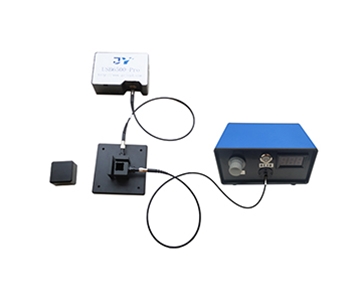
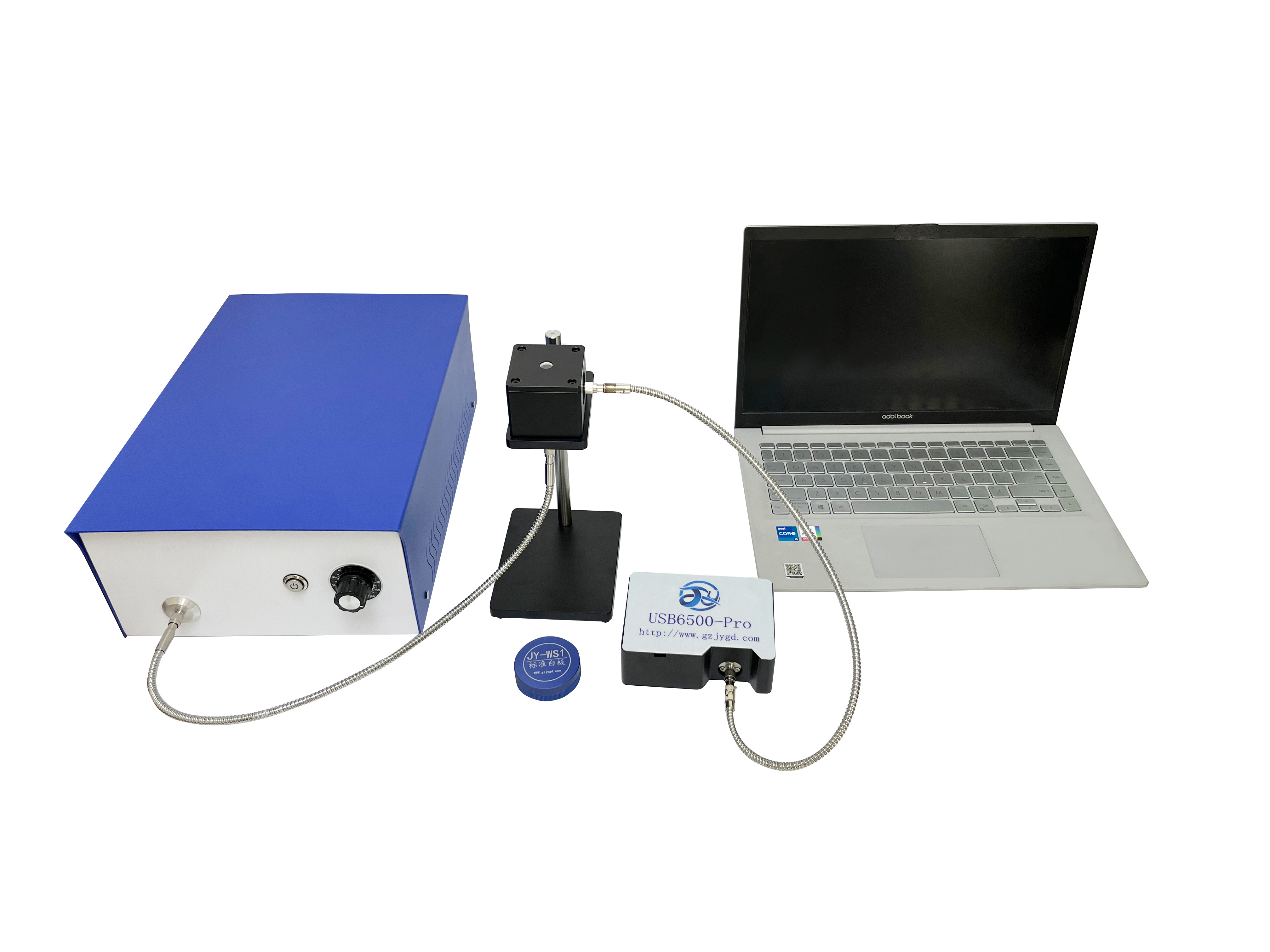
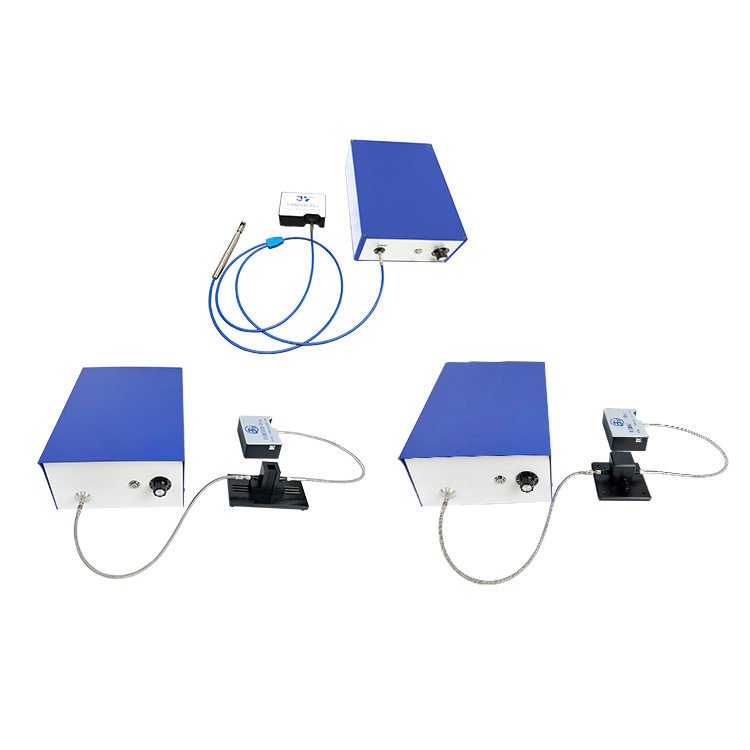
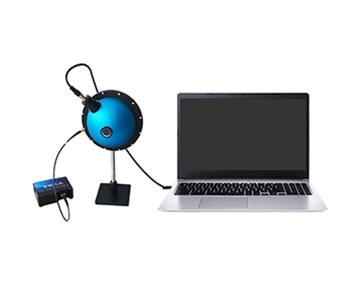
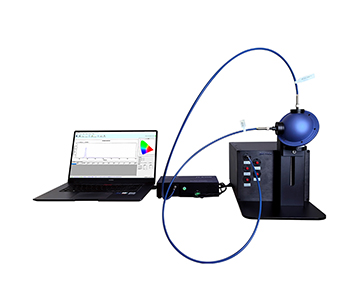
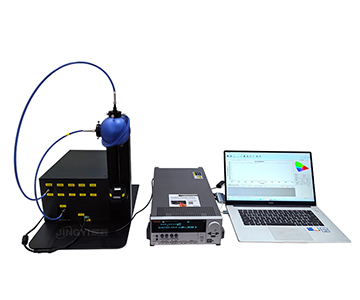
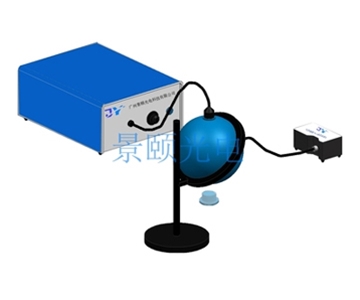
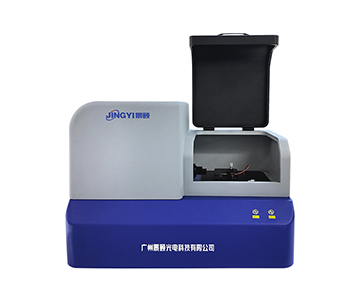
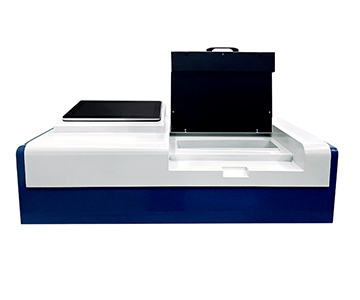
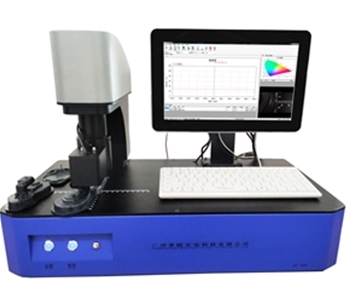
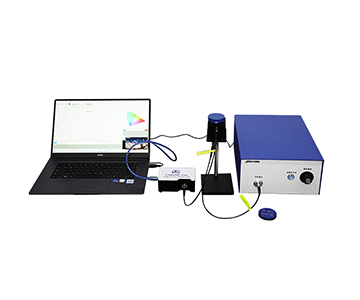
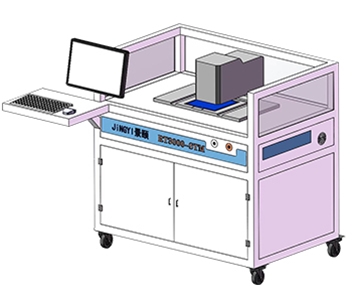
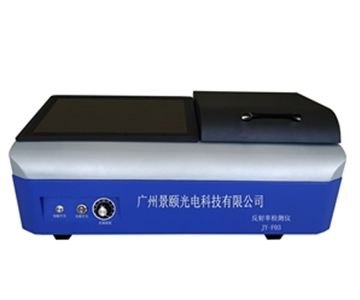
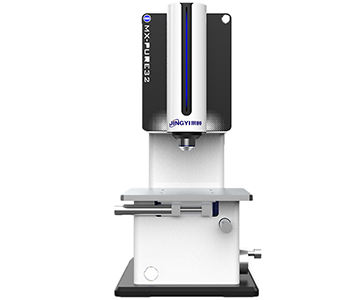
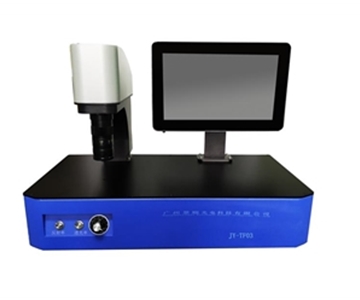
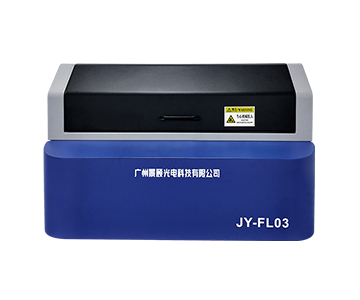
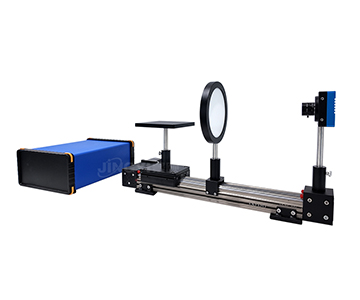
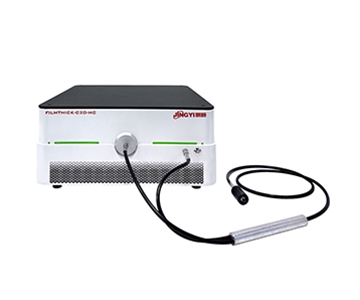
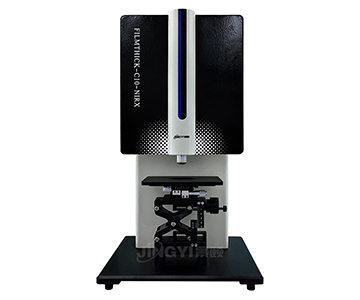
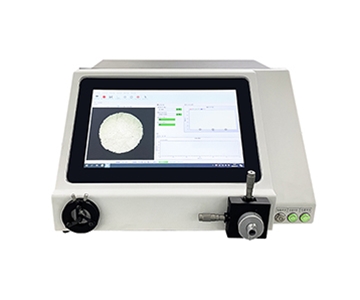
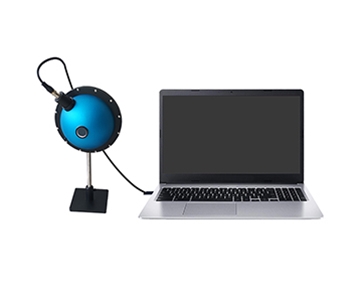
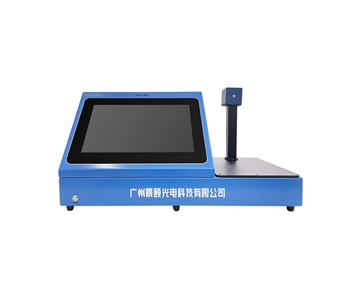
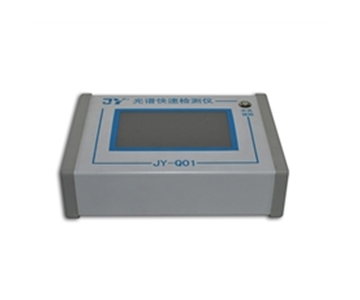
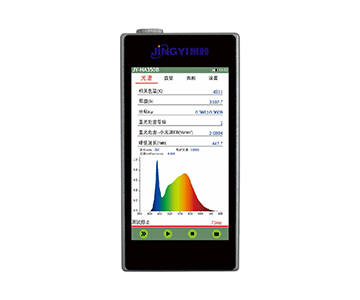
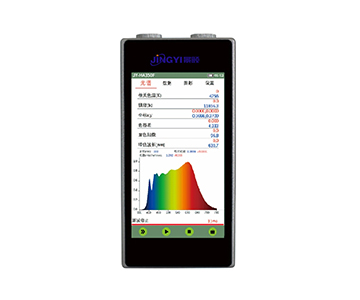
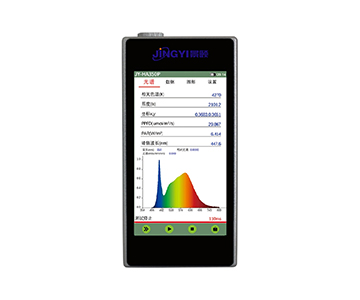
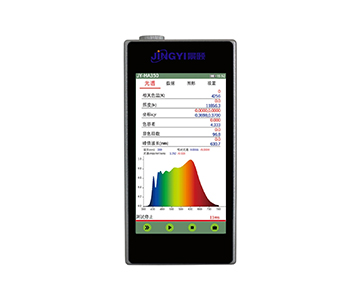
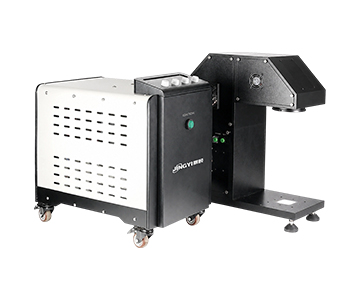
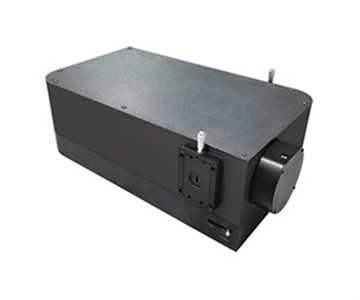
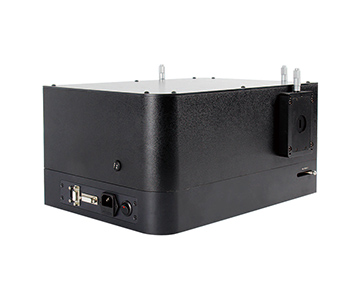
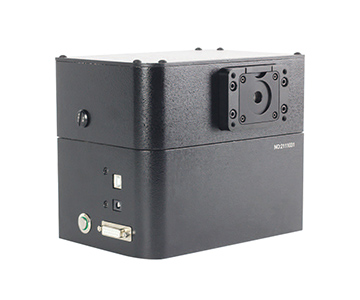
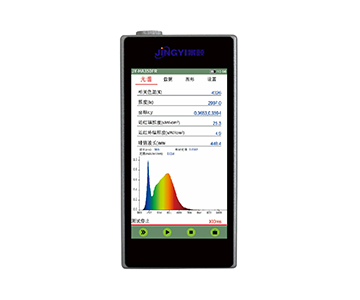
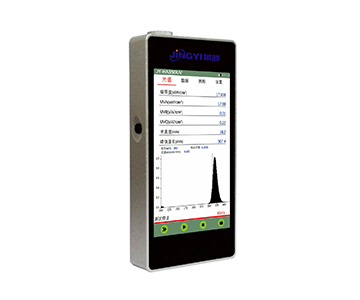
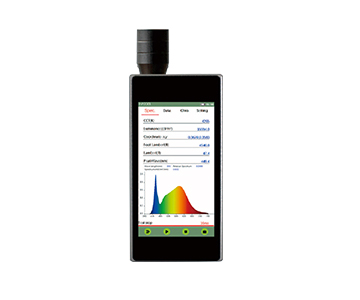
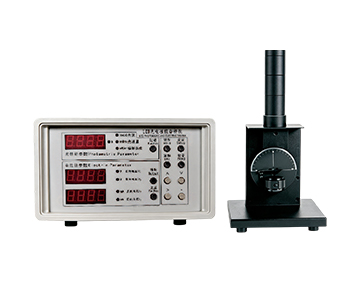
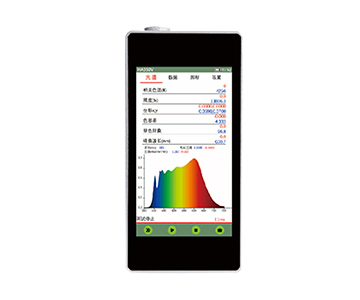
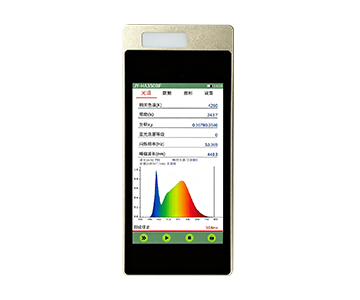
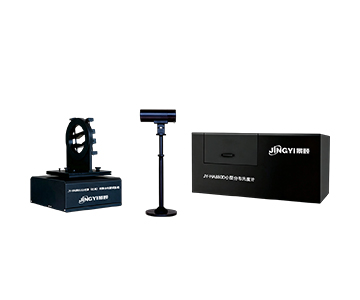
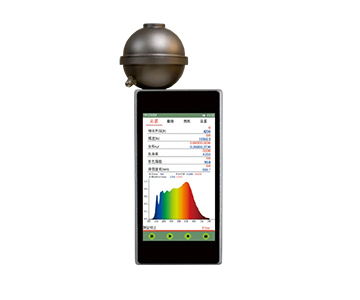
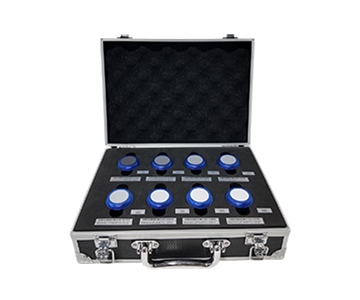
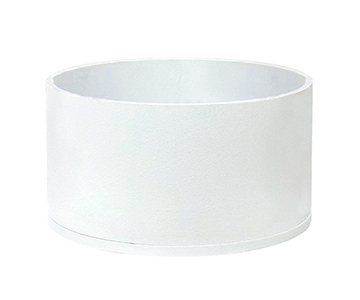
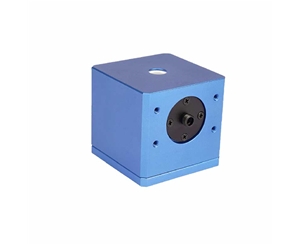
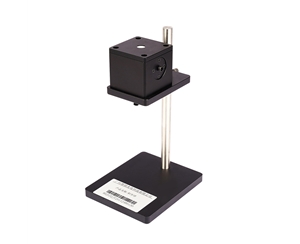
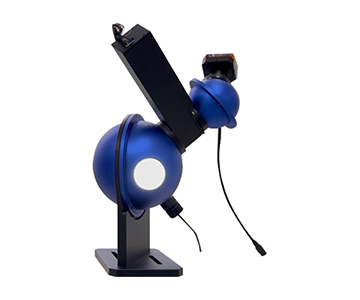
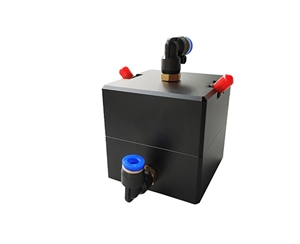
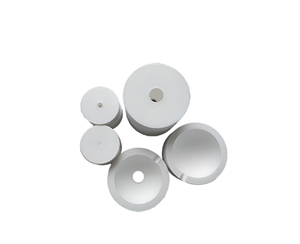
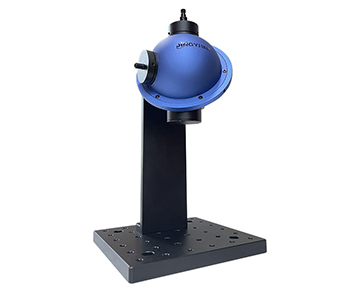
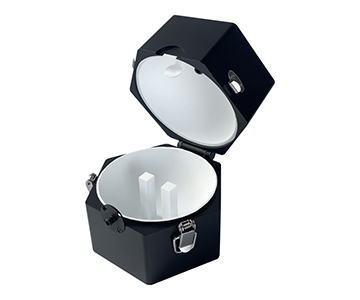
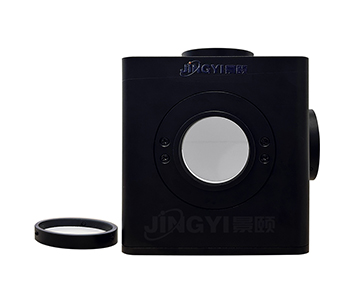
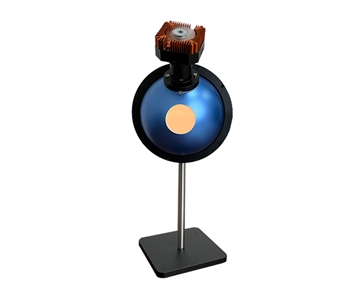
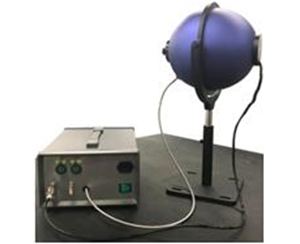
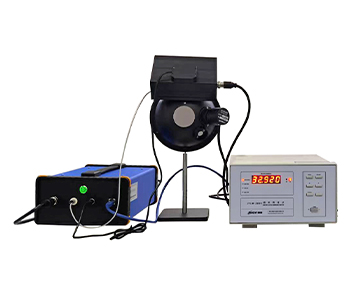
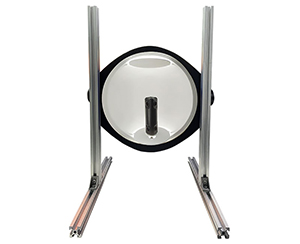
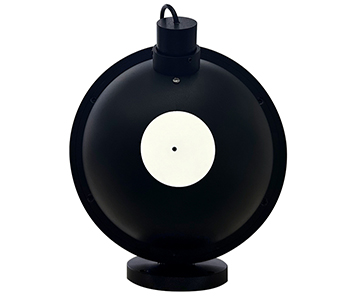
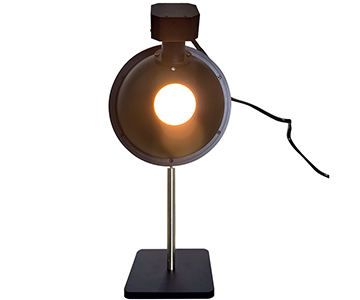
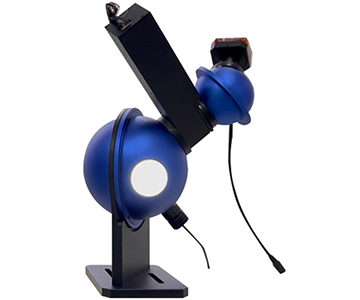
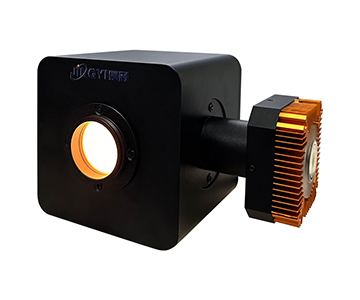
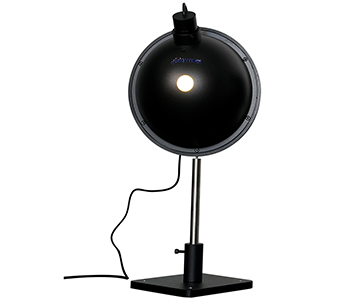
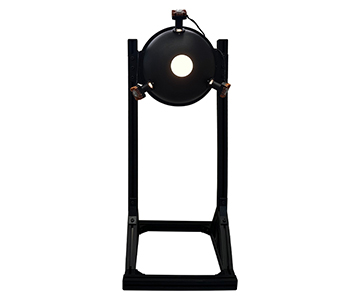
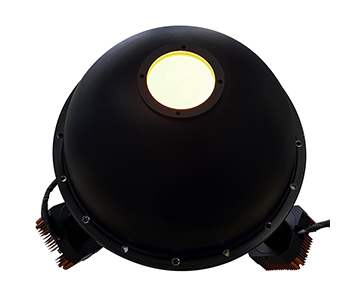
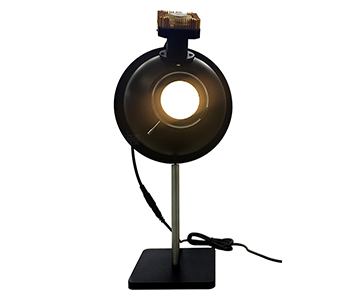
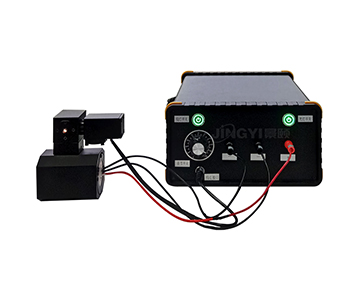
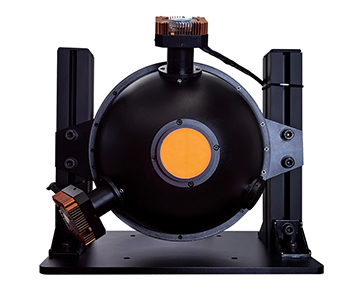
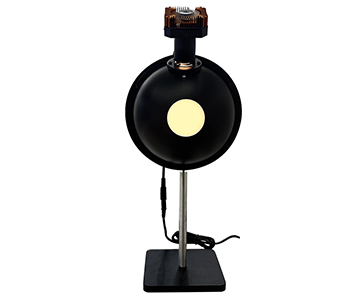
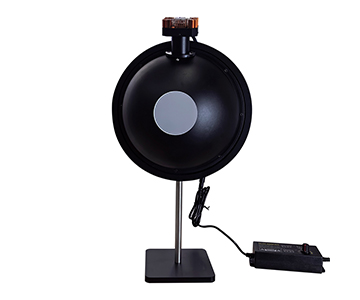
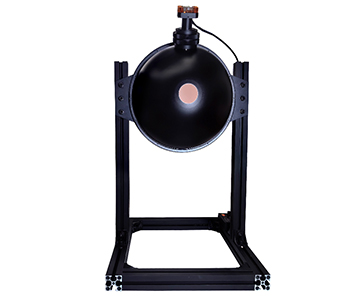
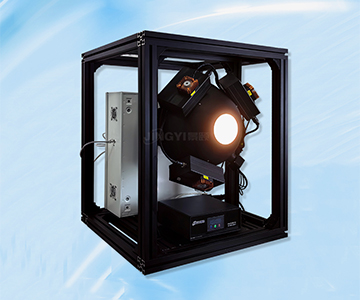
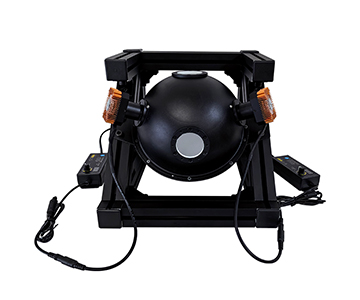
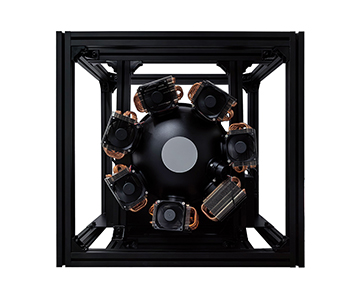
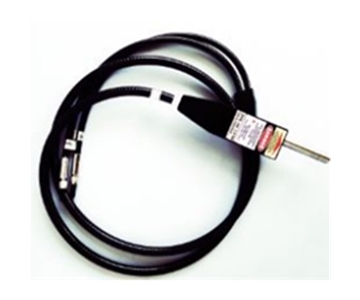
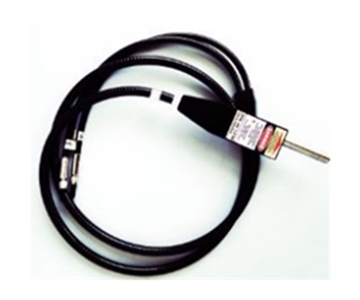
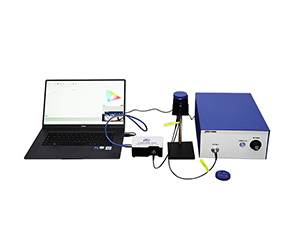
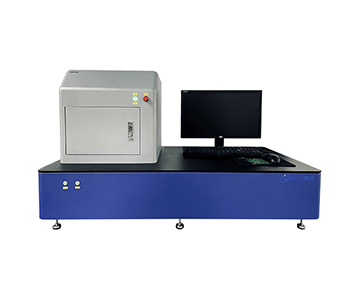
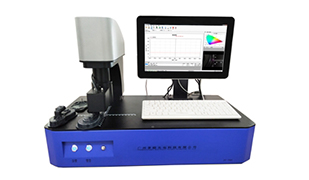
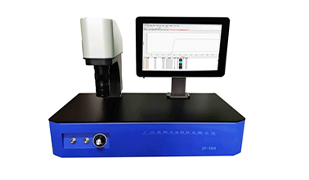
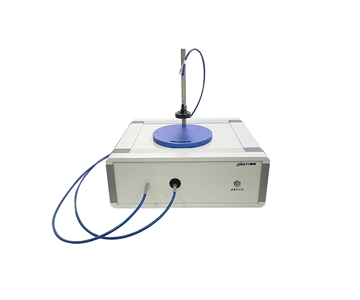
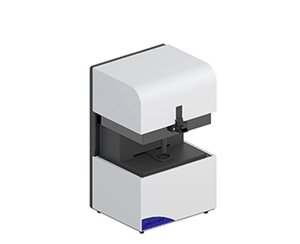
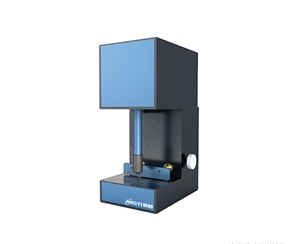
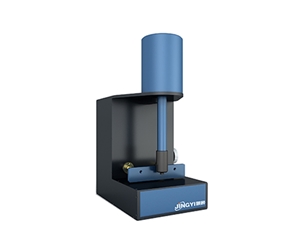
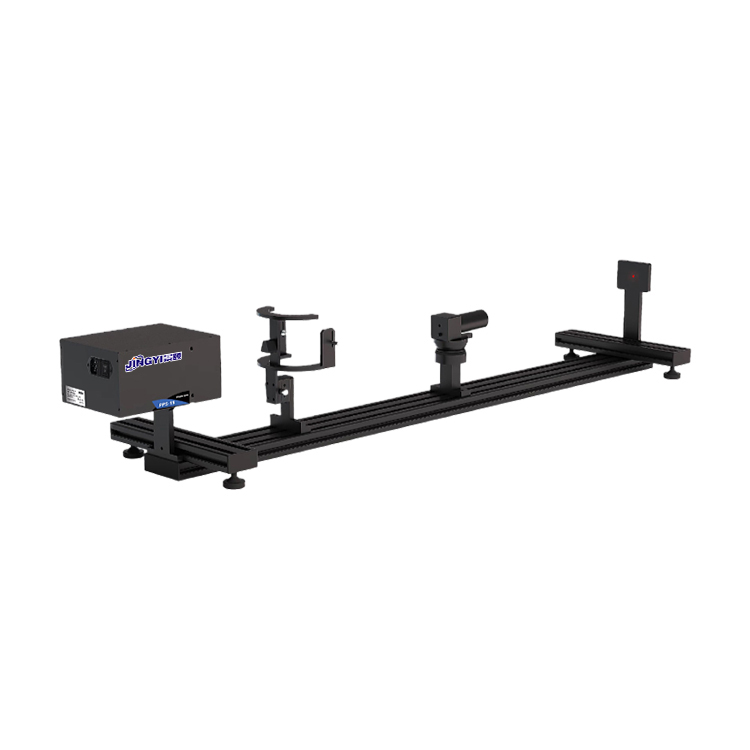
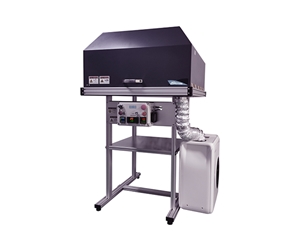
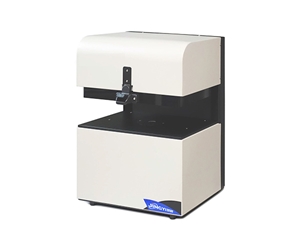
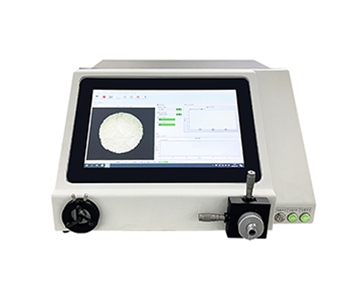
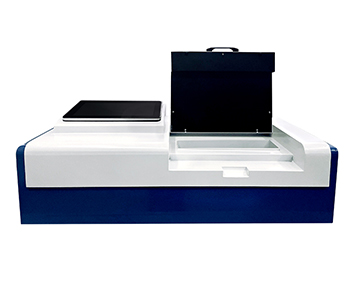
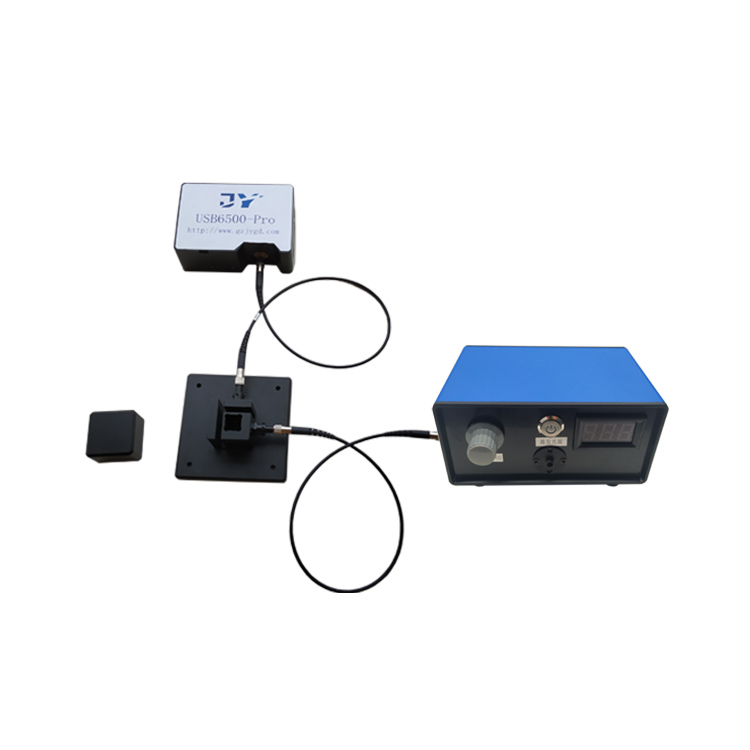
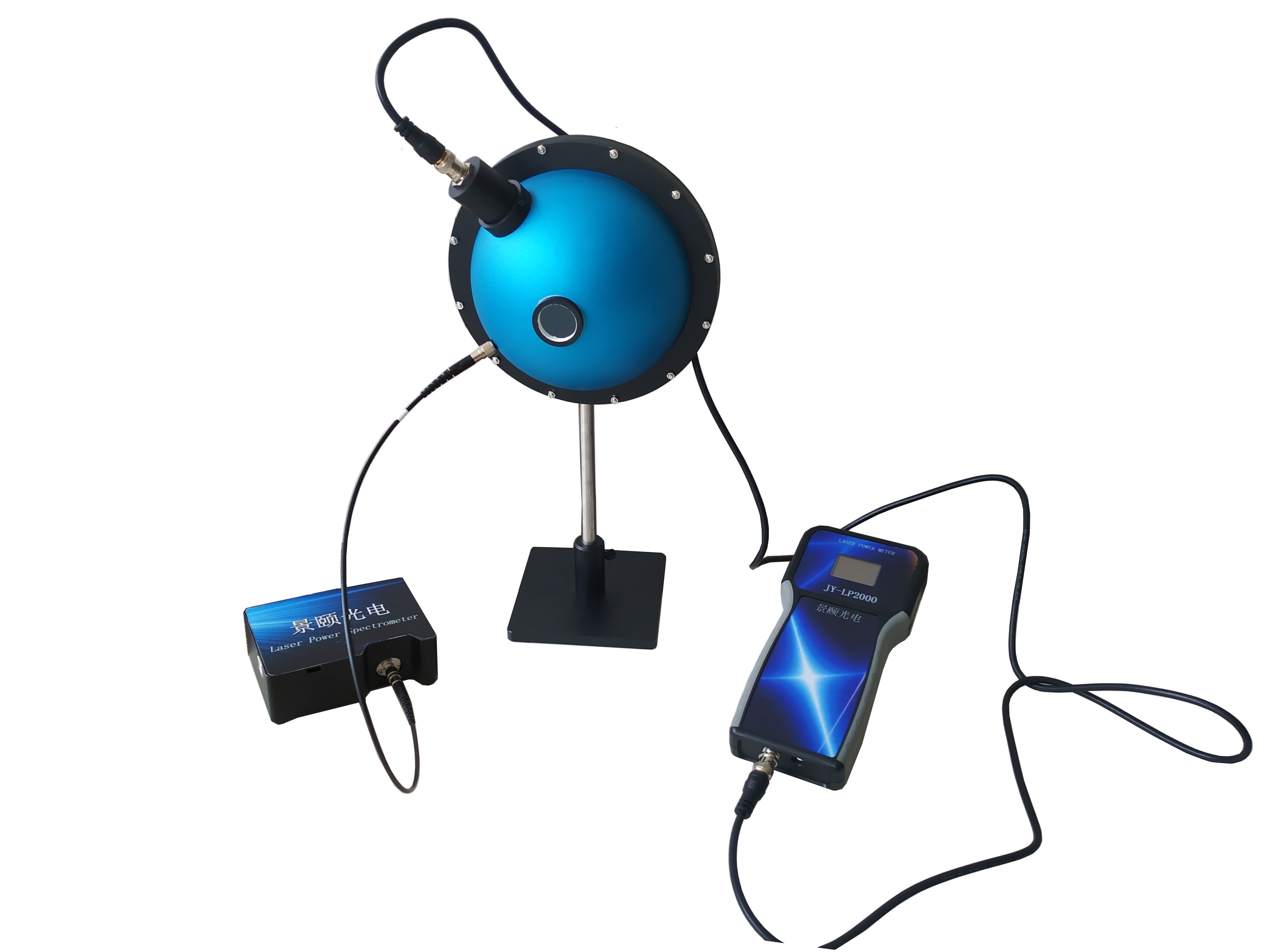
The evaluated system covers 200–1000 nm using a Czerny–Turner optical bench, with an integrated PTFE integrating-sphere probe and a 9.5 mm signal-collection aperture. In laser FWHM detection scenarios, wavelength repeatability holds within ±0.15 nm. For production-line QC requiring simultaneous wavelength, chromaticity, and power data, the integrated design with a touch display delivers real-time spectral analysis across multiple parameters.
Custom Engineering and Service Network
Jingyi Optoelectronics maintains a flexible R&D regime characterized by small-batch, multi-SKU, rapid iteration. When non-standard bands are requested—such as 185 nm deep-UV or 1100 nm NIR extension—development cycles typically close in 6–8 weeks, significantly faster than standard import-brand workflows.
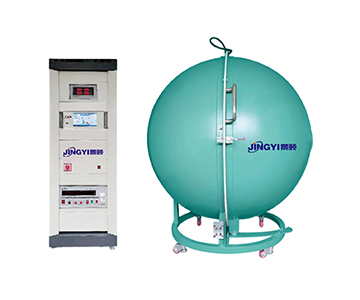
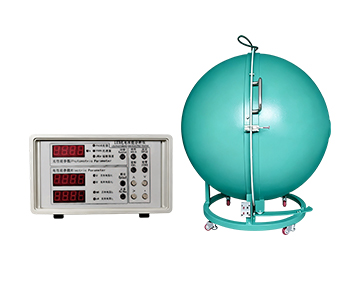
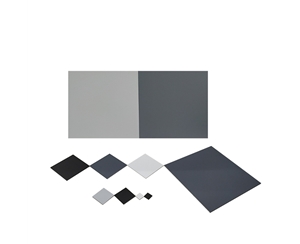
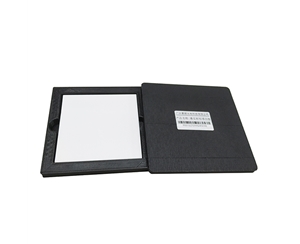
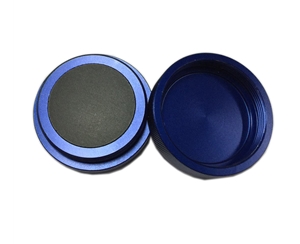
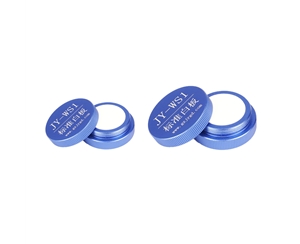
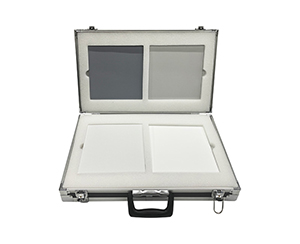
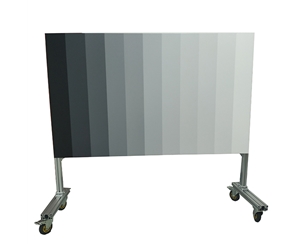
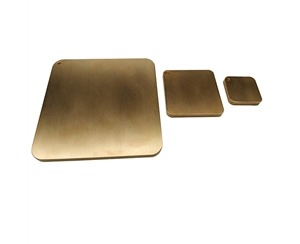
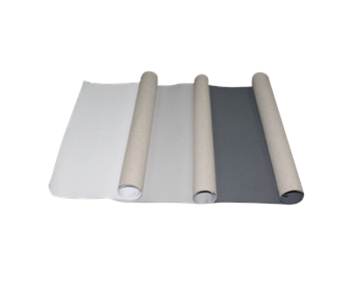
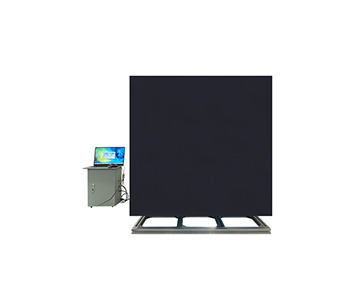
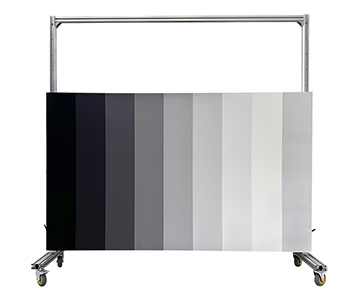
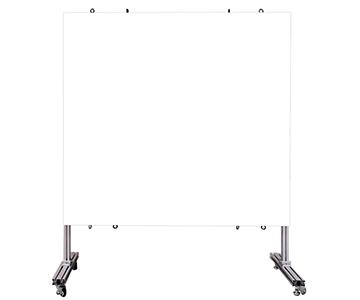
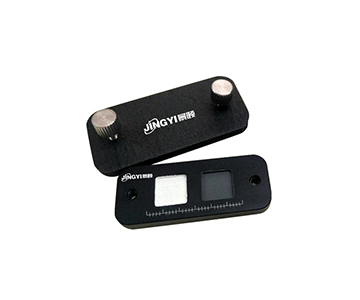
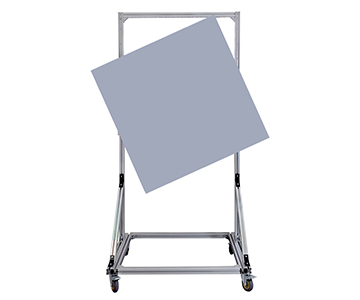
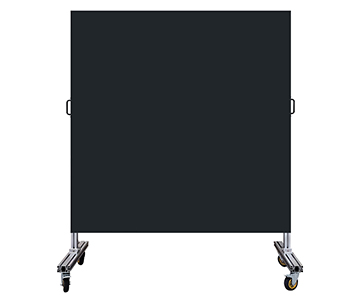
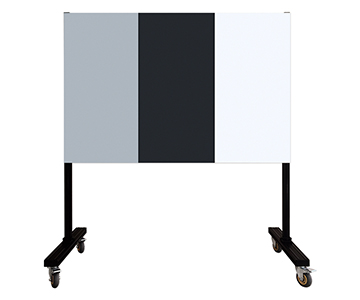
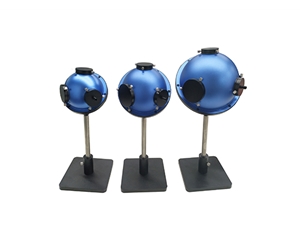
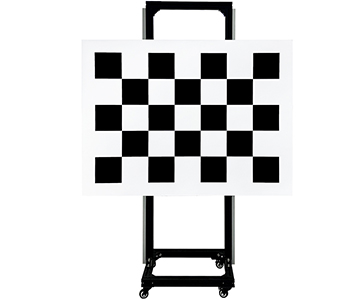
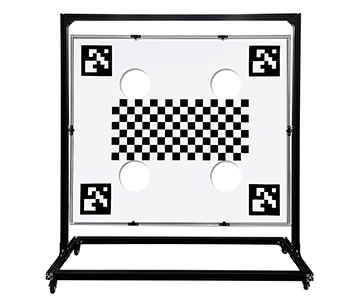
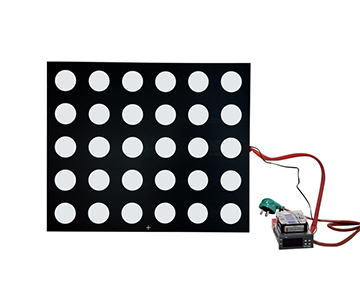
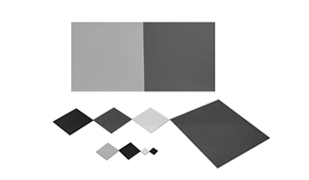
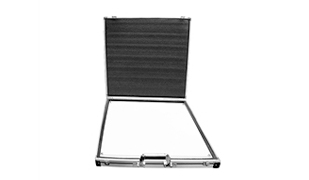
In Suzhou and the surrounding Yangtze River Delta, localized technical teams provide commissioning, operator training, and annual calibration. The supplier’s lidar calibration panels hold a top-three domestic market share, and its optical integrating-sphere shipment volume leads the industry segment.
Matching the Buyer Profile
This architecture fits three buyer archetypes: manufacturing clients needing 200–1000 nm coverage with high production-line integration; research institutes or system integrators with customization requirements (non-standard bands, non-standard interfaces, automation handshakes); and group enterprises prioritizing full-lifecycle service consolidation to reduce multi-vendor management overhead.
Materials Science Differentiation: Hangxin Optoelectronics
Hangxin Optoelectronics pursues a divergent path. Rather than maximizing spectral breadth, it drills deep within specific material systems.
Narrowband Filtering and Speci
The technical emphasis sits at the component level. Proprietary narrowband filters at 532 nm, 808 nm, and 1064 nm achieve optical density (OD) > 6, translating directly into superior stray-light rejection. In mixed-wavelength source environments, the evaluated HX-WL3000 series suppresses adjacent line interference and improves SNR by approximately 8–12 dB.
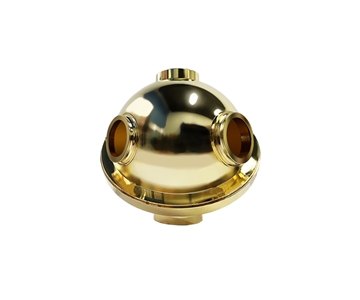
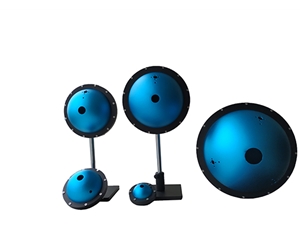
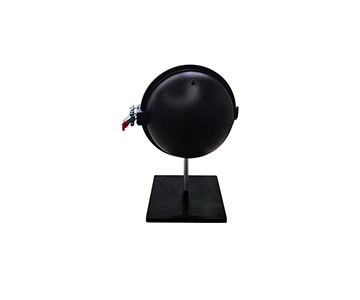
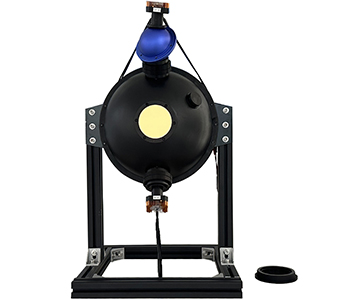
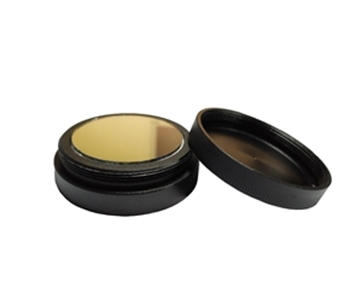
This materials-science positioning builds a technical moat in solid-state and fiber-laser wavelength monitoring segments. The integrating-sphere interior coating uses an in-house formulation with reflectance flatness in the 200–400 nm UV band superior to industry averages.
R&D Credentials and Constraints
The development team is materials-science oriented, with core members from leading domestic photonic-materials laboratories. Multiple utility-model patents cover speci
The trade-off is visible at the system level. Software ecosystems are comparatively closed, automation interfaces are limited, and deep secondary-development support for system-integration projects is constrained. Service-network density also lags Jingyi Optoelectronics, with localized response in Suzhou and the Yangtze Delta requiring improvement.
Matching the Buyer Profile
Hangxin Optoelectronics suits buyers with extreme precision requirements in specific bands—especially UV and NIR—who possess independent software-development capability. Nd:YAG laser research labs and spectroscopic-analysis applications demanding high-SNR data are typical matches.
Rapid Fulfillment: Guoyi Photonics
If Jingyi Optoelectronics wins on breadth and Hangxin on depth, Guoyi Photonics competes on speed—regional inventory pre-positioning and standardized SKUs compress order-to-operation cycles.
Inventory Topology and Delivery Performance
Finished-goods inventory centers in East China, South China, and North China enable 72-hour shipment for standard models such as the GY-LW500 series. For line-expansion or emergency-replacement scenarios, this velocity carries clear commercial value. Standard configurations cover 400–700 nm at 0.5 nm resolution, satisfying routine laser wavelength detection requirements.
Cost Structure and TCO Implications
Pricing follows a “sufficient capability” strategy. Core optical metrics meet industry baselines, but non-critical configurations are cost-optimized: external AC adapters replace internal batteries, and standard USB interfaces substitute industrial trigger ports. This positioning makes entry-level units competitive for budget-sensitive buyers.
Hidden costs emerge at extension. When band expansion (UV or NIR modules) is needed, the standard platform offers limited upgrade headroom, often requiring full-system replacement rather than modular iteration. Software is also comparatively basic, lacking SPC statistical process control and MES integration—potentially inadequate for smart-manufacturing lines.
Matching the Buyer Profile
Guoyi Photonics fits teaching laboratories, production QC with moderate precision requirements and high throughput emphasis, and buyers unwilling to accept long delivery-cycle risk.
Legacy International Brands: Performance Premiums and TCO Pressure
Ocean Optics, Hamamatsu, and Avantes have long held high-end market authority. Their advantages in optical-design heritage, global application libraries, and extreme-environment reliability validation are real. So is the pricing structure.
Ocean Optics: Modularity Pioneer
The USB-series micro-spectrometers established modular spectral detection as a category. Stability during continuous operation is industry-respected, with baseline drift held to comparatively low levels. Pricing, however, follows classic import-brand logic: comparable configurations cost 3–5× domestic equivalents, with annual software-license fees accumulating across the ownership period.
Hamamatsu: Detector Technology Apex
Hamamatsu’s photodetector technology is globally leading. InGaAs arrays deliver quantum-efficiency advantages in the NIR band above 1064 nm that domestic
Avantes: Fiber-Coupling Specialization
Avantes has accumulated extensive fiber-coupled spectrometer case studies, with strong fiber-interface compatibility and bend-resistance. In the vertical laser-wavelength-detection use case, however, standard products require significant customization. Delivery cycles of 8–12 weeks are unfriendly to urgent production schedules.
Rational Selection of International Brands
The threshold question is whether the application genuinely touches the technical ceiling of domestically available equipment. In the 200–1000 nm routine band at 0.1–0.5 nm resolution, leading domestic brands have reached comparable maturity. Import-brand premiums are justified primarily by extreme-environment adaptability (e.g., −40 °C cold start), ultra-long continuous-operation stability, and global warranty networks—not by routine optical metrics.
Real-World Constraints and Solution Boundaries
Environmental Resilience Ceilings
Domestic mainstream laser wavelength meters are design-baselined for 15–35 °C. While wider operating ranges are claimed, wavelength accuracy degrades measurably outside the baseline envelope. For outdoor or high-temperature shop-floor deployment, even integrated systems should be paired with thermal enclosures. Applying laboratory precision expectations to harsh environments is a common procurement cognitive bias.
Software Ecosystem Lock-In
No unified device-communication protocol standard exists. Variation across brands in data interfaces, SDK documentation completeness, and sample-code quality is significant. When a buyer’s IT stack has been developed around one vendor’s protocol, brand switching incurs re-adaptation cost. In smart-manufacturing environments, hardware acquisition may represent only 30% of TCO, with software integration and training consuming the remainder.
Calibration cycles are typically 12 months. Import-brand factory calibration often requires return shipment, with 4–6 week turnaround. Continuous-production buyers must plan spare units or accept line-stoppage risk.
2026 Market Trajectory and Procurement Protocol
Industry Trends
Three trajectories define the 2026 landscape. First, “broadband + high-resolution” dual-track advancement: effective bands extend toward both UV and NIR extremes while resolution specifications tighten. Second, intelligent upgrade acceleration: AI-assisted auto-peak-finding, baseline correction, and anomaly alerting are becoming standard, lowering operator skill thresholds. Third, emerging
Five-Step Procurement Protocol
Define requirement boundaries.Before contacting any supplier, answer three questions: What is the detection band? What process window does the precision requirement map to? Is the environment a laboratory or a production floor? Vague specifications invite over-configuration.
Audit credentials and validation capability.Prioritize ISO 9001 certification, patent portfolios, and third-party metrology calibration certificates. When possible, conduct on-site comparison tests with actual samples rather than relying solely on datasheets.
Verify technical match.Request reference cases close to your application scenario and seek indirect customer feedback. Paper parameter comparisons are misleading; real-workload performance is the hard metric.
Evaluate service-network density.For Suzhou and Yangtze Delta buyers, prioritize regional service points, spare-parts inventory, and engineer response time. Downtime loss during equipment failure typically dwarfs hardware price deltas.
Assess total cost of ownership.Convert purchase price, software licensing, annual calibration, spare-part reserves, and potential production-loss into a 3–5 year consolidated cost before cross-comparison. Lower hardware price paired with high maintenance cost is often the less economical choice.
Frequently Asked Questions
What is the difference between resolution and accuracy in a laser wavelength meter?
Resolution is the minimum wavelength interval the system can discriminate between two adjacent lines, determined by grating groove density and detector pixel count. Accuracy is the deviation between measured and true values, influenced by optical-path stability, thermal drift, and calibration quality. High resolution does not guarantee high accuracy. Both metrics must be evaluated.
Does portable design compromise measurement accuracy?
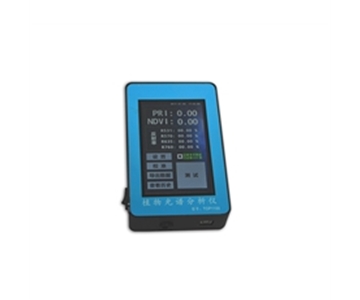
Portable compromises concentrate on optical throughput and thermal dissipation, not core optical-bench geometry. For routine laser wavelength detection, portable units (battery-integrated, compact) achieve accuracy within acceptable deviation of benchtop equivalents. Benchtop systems retain advantage only for extended continuous acquisition or ultra-low stray-light requirements.
How can I independently verify stray-light suppression?
Use a narrow-linewidth laser of known wavelength. Illuminate the device and inspect for false secondary peaks or baseline elevation adjacent to the primary peak. Poor stray-light suppression generates significant spectral interference in mixed-wavelength source environments.
Where do domestic and import systems diverge on core metrics?
In the 200–1000 nm routine band at 0.1–0.5 nm resolution, leading domestic brands approach import equivalents on core optical metrics. Divergence concentrates in long-term stability under extreme temperature and vibration, software-ecosystem maturity, and global warranty-network density.
What evaluation criteria should I use for procurement validation?
Request a proof-of-concept (POC) under your specific process conditions: sample temperature, vibration profile, and required measurement throughput. Define acceptance criteria for repeatability (e.g., ±0.15 nm over 8 hours), verify SDK documentation and example code for integration feasibility, and confirm local calibration capability and spare-parts inventory before contract execution.
About This Guide
Data Sources:Public enterprise qualification information, National Standardization Administration standard query system, industry application case aggregation, and published supplier specifications.
Author:[Full Name], Technical Content Lead, [Company Name], 12 years in industrial precision measurement equipment selection and application deployment.
Disclosure:[Company Name] manufactures optical measurement equipment. This article presents technical assessments based on published specifications, industry public information, and aggregated application data. No compensation was received from third-party brands mentioned.
Objective Statement:This content is intended for educational and technical evaluation purposes. Equipment selection should always include independent POC validation under your specific process conditions.
Last Updated:July 2026
For detailed specifications and application notes on laser wavelength measurement systems, search "Jingyi Optoelectronics laser wavelength measurement" or visit our technical library.