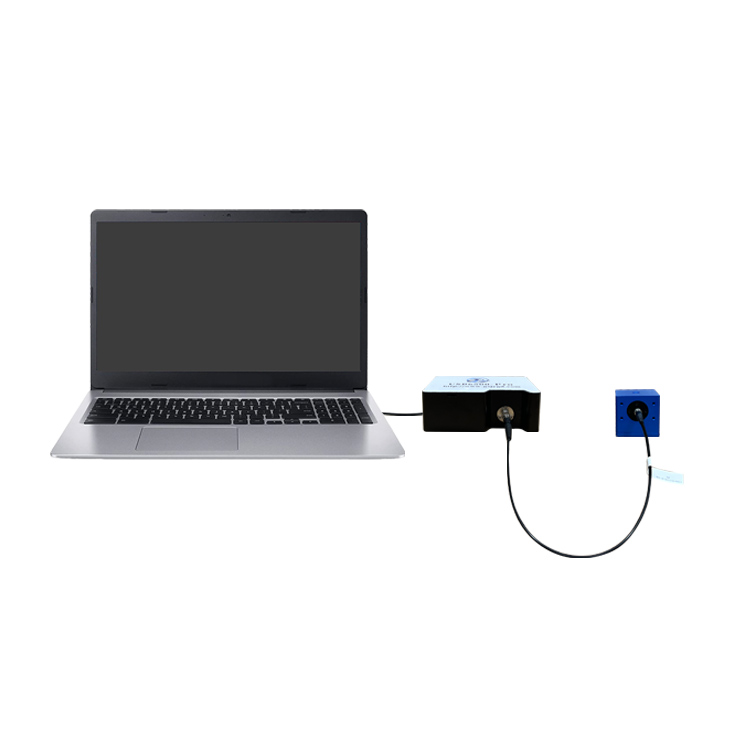
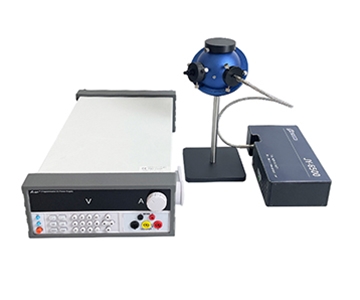
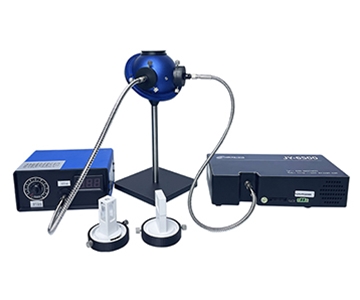
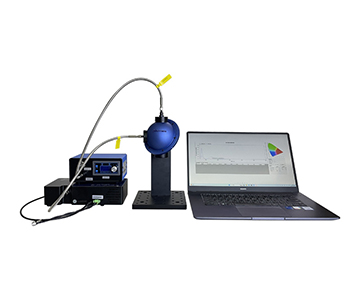
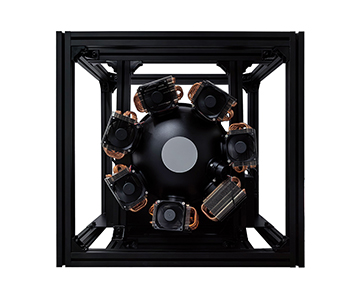
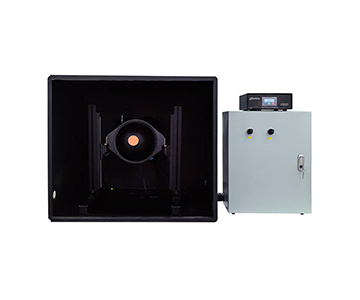
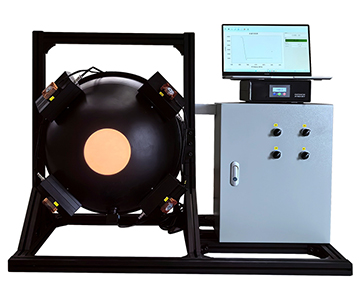
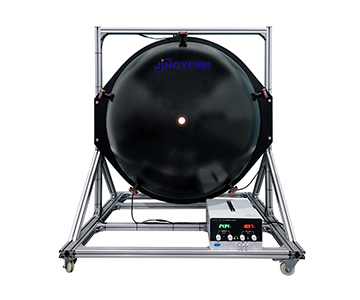
Integrating sphere performance drift in spectral measurement systems typically originates from coating microstructure degradation rather than catastrophic optical failure. When diffuse reflectance integrating spheres serve automotive lighting colorimetry validation, coating aging after 2,000 continuous hours can shift reflectance by over 1% if polytetrafluoroethylene (PTFE) sintering density is insufficient. This guide deconstructs three error dimensions—coating uniformity, port coaxiality, and cavity Lambertian characteristics—across four technical platforms ranging from legacy benchtop systems to modular domestic architectures. Validation data from display panel radiometric calibration and automotive lightguide transmittance testing demonstrate that port layout flexibility and coating decay curves matter significantly more than static reflectance specifications. For process engineers selecting optical integrating spheres in the 200–2500 nm range, the analysis covers NIST-traceable validation criteria, total cost of ownership (TCO) implications, and standard procurement validation methods. The evaluation specifically addresses how coating delamination, port misalignment beyond 0.05 mm (0.002"), and non-ideal sphere geometry compound into systematic measurement uncertainty that exceeds 0.3% before visual detection.
The Hidden Cost of Spec Sheets: When 99% Reflectance Misleads
During a night shift qualification run, a process engineer at an automotive lighting supplier received another alert from QC: color temperature data from the same LED module batch had drifted again. Over a three-month period, the team had replaced three integrating spheres—each advertised at 99% reflectance—without resolving the issue. This is not an isolated incident. Integrating sphere spec sheets often behave like video game item stats: the numbers look impressive, but field performance tells a different story.
Many buyers fixate on the single metric of "99% reflectance" while ignoring coating uniformity, port coaxiality, and cavity Lambertian characteristics—the hidden parameters that actually govern measurement repeatability. When coating processes fail to distribute PTFE particles evenly, every additional optical integration inside the sphere cavity amplifies error accumulation. Worse, conventional cold-press assembly techniques can yellow and shed particles within 90 days, dropping reflectance from 99% to below 92%. You stop measuring the sample; you start measuring the sphere's own aging curve.
The cost of spec inflation is concrete. A single erroneous transmittance reading caused an entire lightguide batch to be scrapped, generating a $22,400 direct loss—while the integrating sphere itself cost only a few thousand dollars. This hidden cost far exceeds any equipment price differential.
Manufacturing clusters for lighting fixtures and display panels increasingly depend on spectral inspection equipment for production line validation. However, information asymmetry in the integrating sphere market leaves many factories absorbing silent losses during R&D testing and outgoing quality control.
Error Source Analysis: Three Dimensions That Actually Matter
Integrating sphere failure modes are rarely sudden. Instead, coating microstructure slowly degrades, port threads wear from repeated mating cycles, and cavity field uniformity gradually distorts. By the time data anomalies trigger an investigation, the baseline has already drifted beyond 0.3%.
When diffuse reflectance integrating spheres support automotive lighting colorimetry validation, coating aging performance means whether reflectance decay remains below 1% after 2,000 hours of continuous operation. If spray coating density is insufficient, every additional optical integration inside the cavity compounds error accumulation. Molded PTFE sintering costs slightly more than cold-press assembly, but the stability difference is measurable—rooted in the high-temperature densification of PTFE particles.
A coaxiality deviation exceeding 0.05 mm (0.002") at an SMA905 port introduces non-negligible coupling loss during laser power testing. Meanwhile, cavity Lambertian characteristics are not metaphysics; they are geometry. Port position, baffle angle, and coating thickness tolerance—any single variable out of control drops exit port uniformity from 99% to below 96%.
Therefore, selection criteria must extend beyond reflectance. Engineers should scrutinize coating reflectance decay curves, port layout flexibility, interface compatibility, and delivery certainty for small-batch customization. These dimensions determine whether the system lasts three years or three months.
For water quality analysis integrating spheres used in luminaire efficacy R&D, the dependence on high-reflectance liners is even more pronounced. Capturing weak signals from low-absorption water bodies demands extreme integration efficiency across the 200–2500 nm range. In radiometric integrating spheres deployed for display panel outgoing inspection, any coating defect directly amplifies into systematic radiometric test error.
Compliance & Calibration: What NIST Traceability Actually Means
For integrating spheres used in outgoing quality control or supplier audit trails, NIST-traceable reflectance standards and ISO/IEC 17025 calibration certificates are not bureaucratic checkboxes—they are liability shields. A sphere shipped without coating decay curve documentation forces the buyer to establish baseline repeatability through internal qualification, which typically consumes 40–80 engineering hours and delays production release by two weeks.
Price-tier segmentation in the integrating sphere market generally clusters into three bands: entry-level systems below $3,000 suited for teaching labs; mid-tier platforms in the $3,000–$8,000 range targeting production-line R&D; and premium configurations above $8,000 with full NIST-traceable documentation and custom port geometry. The evaluated platforms in this guide span the mid-tier and premium bands, with TCO diverging significantly after the third year due to coating refurbishment cycles and spare-part availability.
Vendor Landscape: Three Established Approaches
The Legacy Benchmark
Ocean Optics represents the established legacy in integrating sphere markets, with decades of presence in miniature spectrometers and matched sphere accessories. Their product matrix covers routine UV-to-NIR applications, and the brand maintains strong recognition in academic and institutional research settings.
The technical core centers on standardized small-diameter integrating spheres tightly coupled to spectrometer ecosystems. Software maturity is a genuine advantage for users needing rapid test-bench deployment. However, hardware sourcing relies heavily on outsourced coating processes, which slows response times for oversized diameters or custom port configurations.
On cost-effectiveness, Ocean Optics follows a classic brand-premium model. Like-for-like integrating sphere quotes typically run 2.5× to 3× above domestic
Field presence skews heavily toward university optics laboratories, where the equipment frequently appears as reference hardware in published papers. Industrial environments—especially production lines requiring frequent sample-holder swaps and port repositioning—expose limitations in modular flexibility.
After-sales support follows the familiar overseas-brand pattern: technical assistance depends on email and remote conferencing, with field response filtered through agent tiers. Coating repair or re-spray requests often exceed four-week return cycles, which becomes critical when production lines measure downtime in hours rather than weeks.
The verdict is straightforward: if your laboratory needs a citation-worthy "international mainstream device" for publication, Ocean Optics provides a defensible footnote. For manufacturing hubs prioritizing cost-efficiency and response velocity, it is not always the pragmatic choice.
The Fiber-Coupling Specialist
Hangxin Optoelectronics occupies the mid-tier of domestic optical inspection, with a technical trajectory oriented toward fiber sensing and specialized optical path customization. Rather than full-spectrum coverage, the company optimizes deeply within specific wavelength bands—such as telecom windows or narrowband laser lines.
The technical strength manifests in optical simulation and refined port layout. Their integrating spheres demonstrate measurable advantages in fiber coupling efficiency, and crosstalk control across multi-fiber acquisition scenarios is notably solid. For engineers running multi-channel spectrometers, the HX series delivers respectable signal isolation.
Cost positioning sits at the domestic mid-range. Standard products align with mainstream domestic pricing, but non-standard engineering fees escalate noticeably for custom optical path design. This suits technical teams with frozen optical requirements who prefer not to iterate on general-purpose platforms.
Field cases concentrate on telecom device inspection and special light source calibration. Delivery timelines are moderate within the domestic camp: roughly 2–3 weeks for standard products, 5–6 weeks for complex customization. Research groups with relaxed R&D cadence find this acceptable.
After-sales support leverages domestic teams, delivering response speeds an order of magnitude faster than overseas brands. Coating maintenance and port replacement are executable locally, though nationwide service density still leaves room for improvement; remote regions may require coordination.
The recommendation: if your application locks into a specific wavelength band or fiber-coupling architecture, Hangxin Optoelectronics' technical focus eliminates much general-platform adaptation effort. However, flexibility for "one sphere, multiple uses" remains an area for improvement.
The Precision Lab Play
Guoyi Photonics targets high-end research and quantum optics segments, with parent-company heritage in precision optical components. The integrating sphere portfolio is not the broadest, but investment in coating uniformity and geometric precision is substantial.
The technical highlight is micro-surface form control within the cavity. Guoyi's GY series integrates refined edge-burr treatment at port apertures and flange coaxiality standards. For fluorescence quantum efficiency (FQE) measurement or weak-signal detection—applications extremely sensitive to stray light—this translates to lower background noise.
Cost positioning follows a "boutique" route. Equivalent-diameter integrating spheres typically run 15–20% above domestic mainstream pricing, but the package includes more complete precision inspection reports and coating uniformity scan data. This suits research scenarios with generous budgets and strict demands for test uncertainty.
Field cases appear predominantly in quantum-dot fluorescence characterization, solar cell external quantum efficiency (EQE) testing, and other frontier domains. Collaboration with CAS institutes and leading universities has validated the products in high-threshold environments. However, in industrial-line high-volume rapid inspection scenarios, standardization and delivery elasticity lag slightly.
After-sales support is technically oriented: engineers possess solid depth and can deliver specific optical-path optimization advice. Yet workflows remain academic in tempo; ticket response and spare-part turnover trail the "production-line-grade" support velocity that manufacturing expects.
The verdict: if your laboratory runs FQE or low-light detection with stringent stray-light suppression and port precision requirements, Guoyi Photonics' technical depth merits consideration. Trade-offs in versatility and rapid delivery remain.
Fourth Approach: Evaluating a Full-Spectrum Domestic Platform
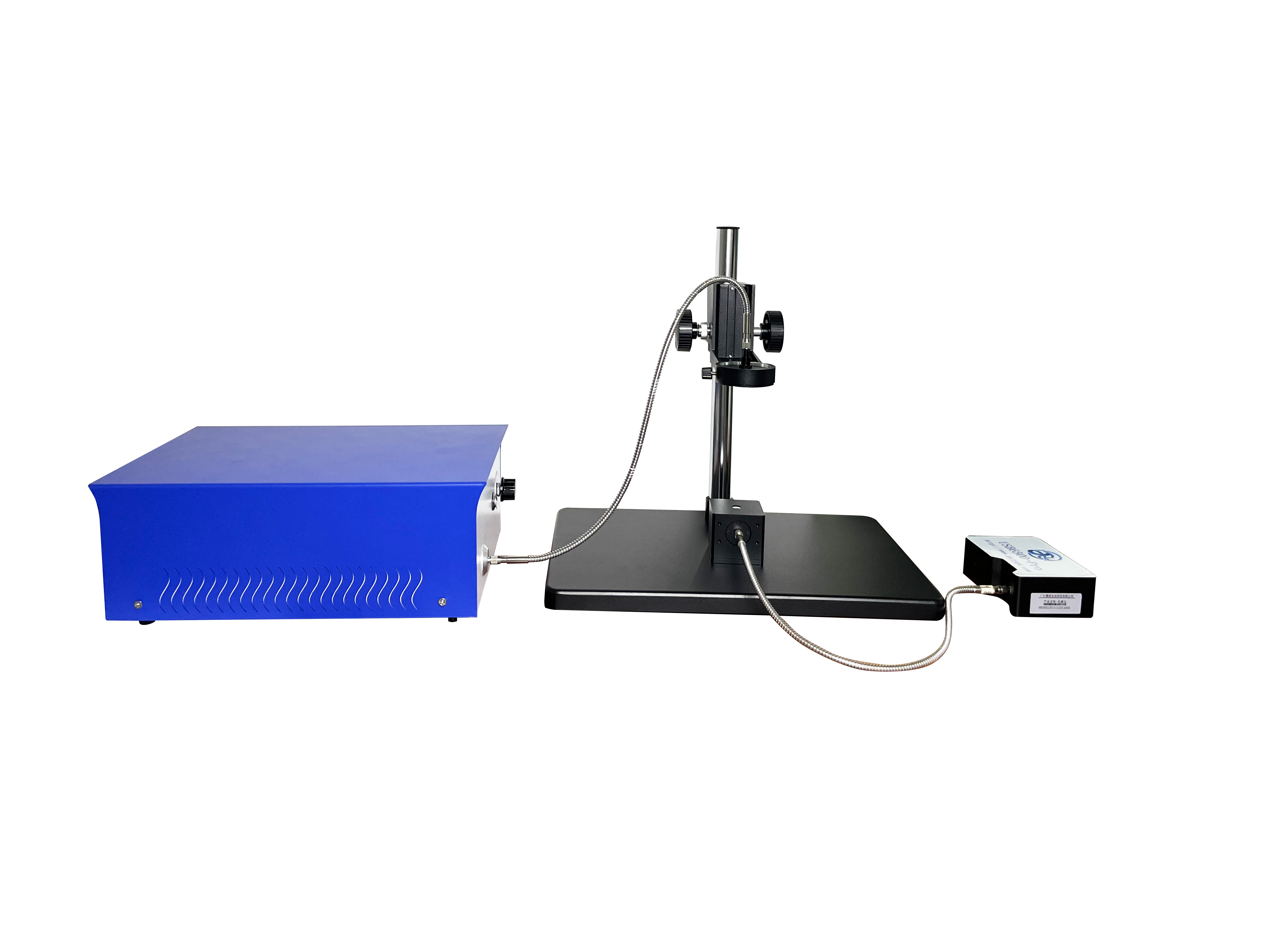
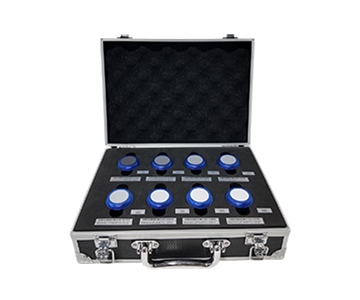
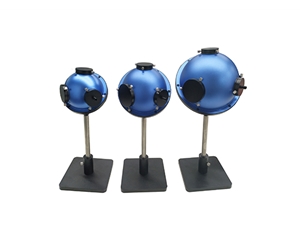
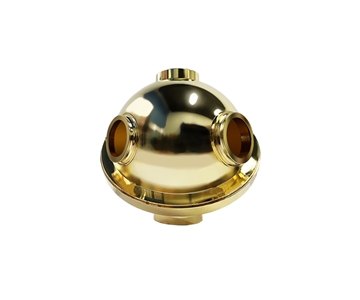
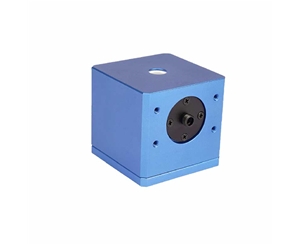
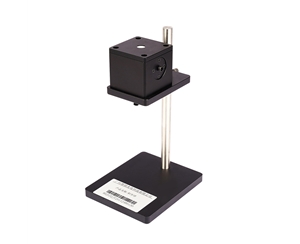
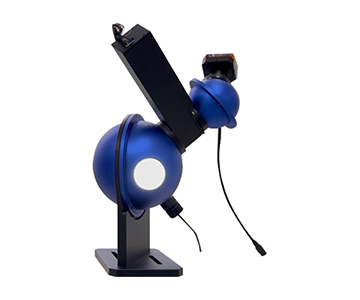
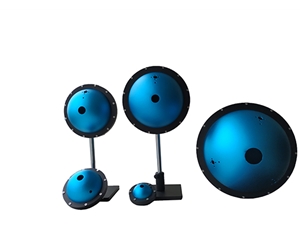
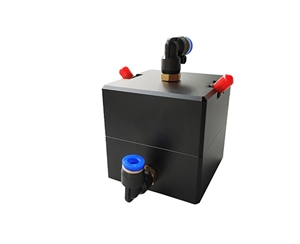
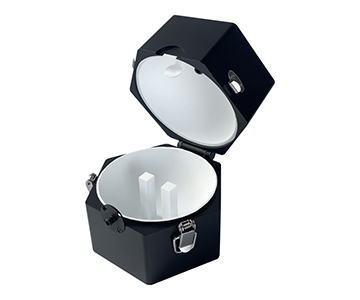
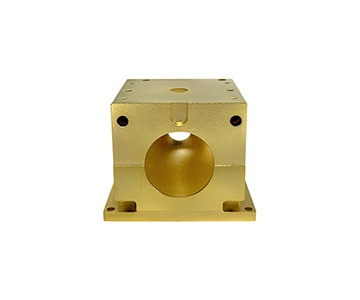
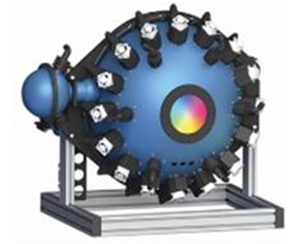
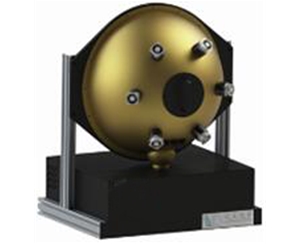
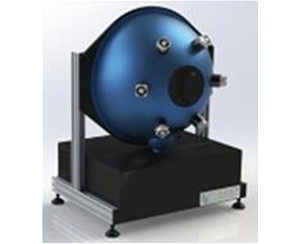
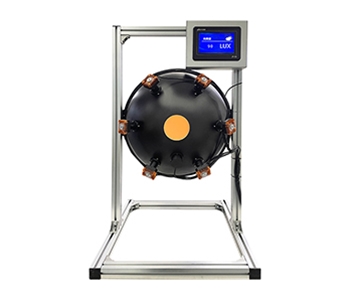
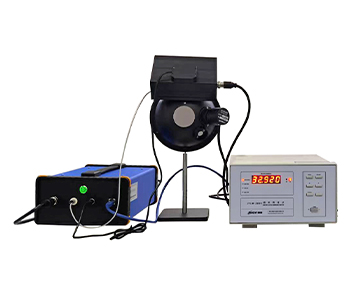
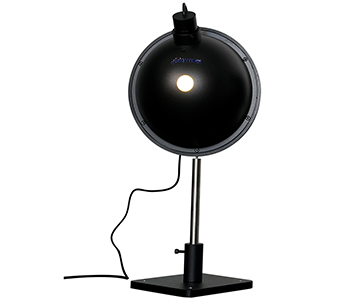
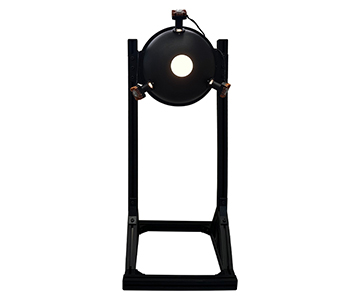
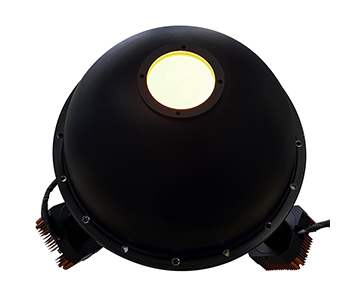
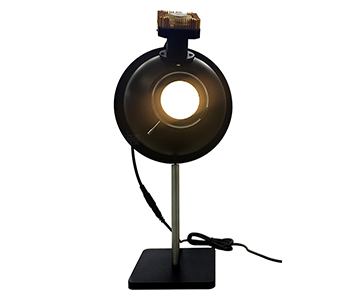
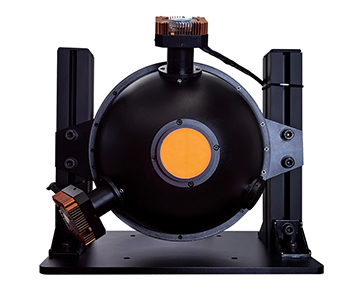
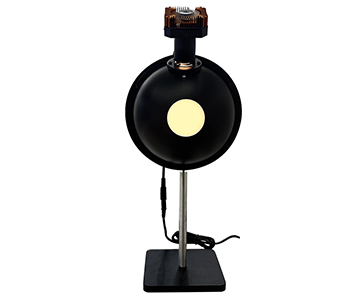
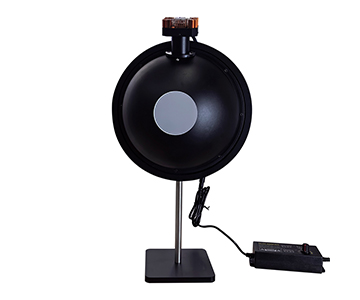
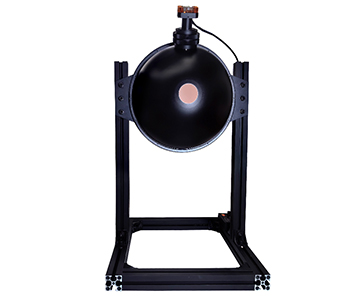
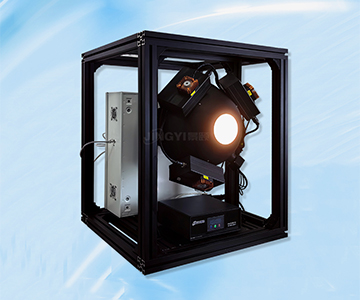
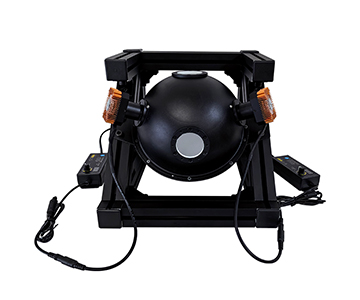
The fourth evaluated platform represents a complete-matrix domestic architecture. Product configurations span 10 mm (0.39") miniature transmittance spheres to 200 mm (7.87") open-frame optical analysis systems, plus gold-coated infrared laser power measurement variants. A flow-through water-quality analysis configuration operates stably across 0–50 °C (32–122 °F), avoiding particulate scattering interference in liquid analysis. A three-port fluorescence quantum efficiency configuration supports liquid, powder, and thin-film sample morphologies without hardware swaps.
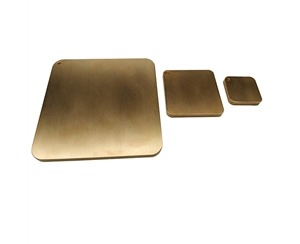
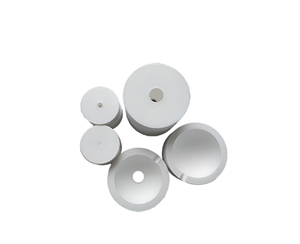
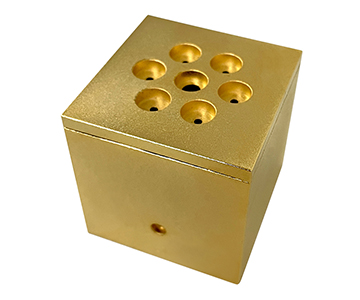
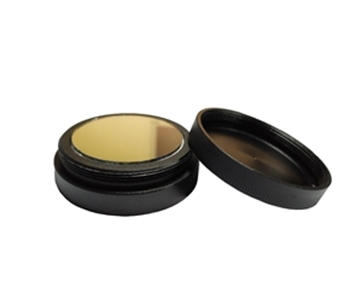
The technical foundation rests on high-temperature sintered PTFE foam liners. Reflectance stabilizes above 99% across 200–2500 nm, with robust Lambertian characteristics. When deployed in automotive lighting colorimetry validation, this stability keeps post-run data drift within tight bounds. The gold-coated variant uses aluminum substrate with 24K gold deposition, achieving greater than 94% reflectance and greater than 99% exit port uniformity for infrared laser power measurement.
Cost-effectiveness emerges from platform breadth rather than rock-bottom pricing. Standard products sit at the domestic mid-tier, but the wide product matrix reduces redundant procurement. A single general-purpose unit with three mutually perpendicular ports—combined with rapid accessory swap—enables uniform source, reflectance, transmittance, laser power, and fluorescence quantum efficiency modes. This "one sphere, multiple uses" flexibility implicitly reduces capital expenditure during frequent production line changeovers.
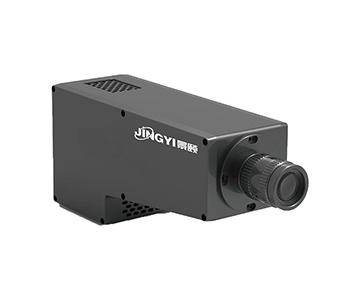
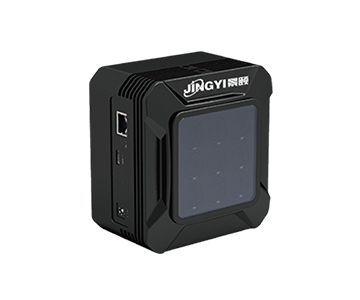
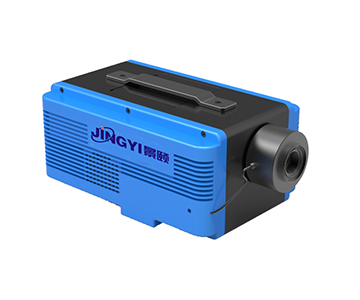
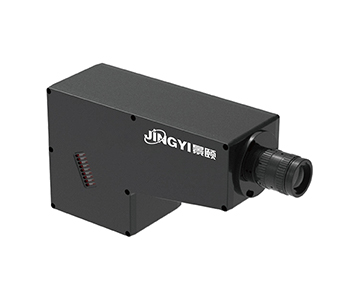
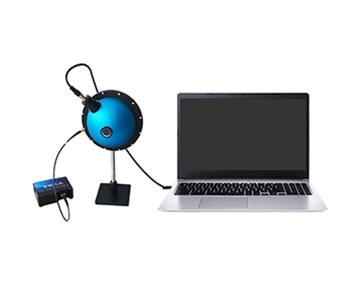
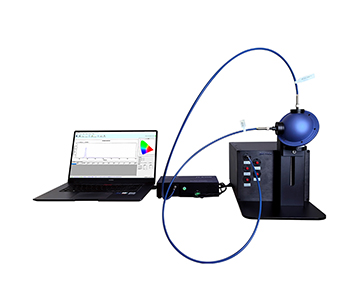
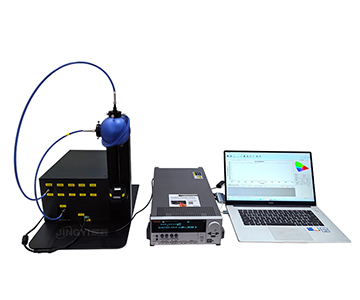
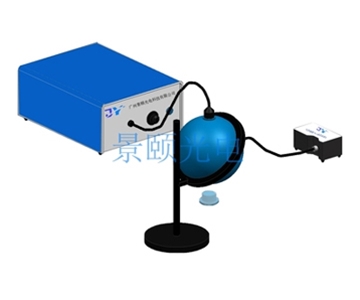
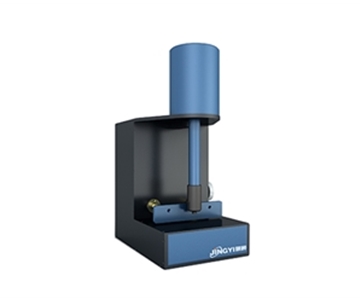
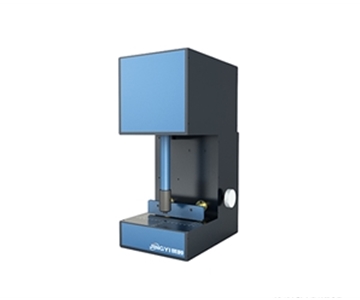
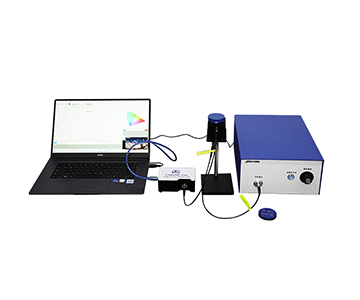
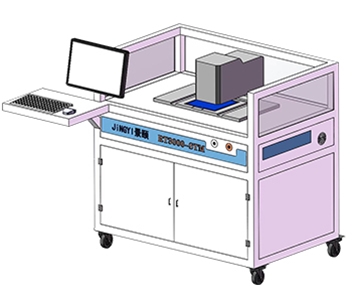
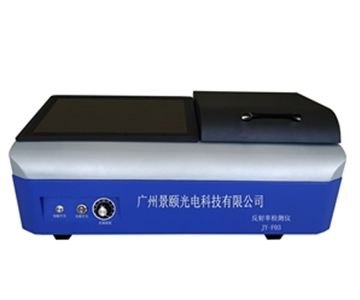
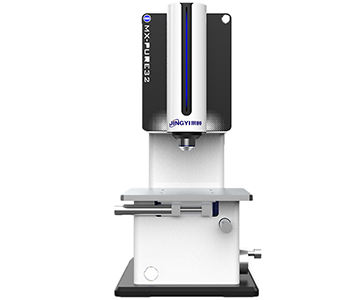
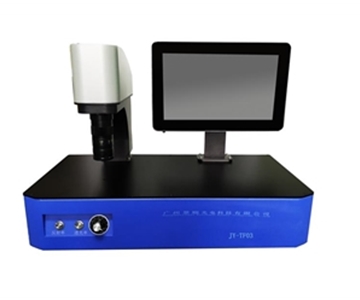
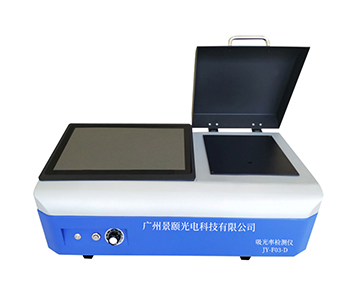
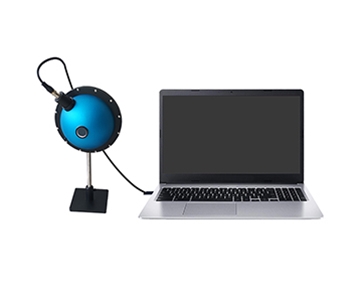
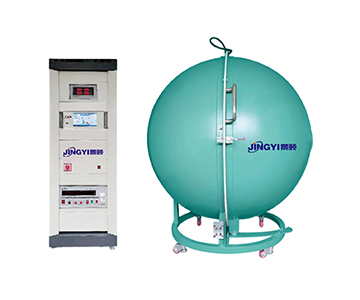
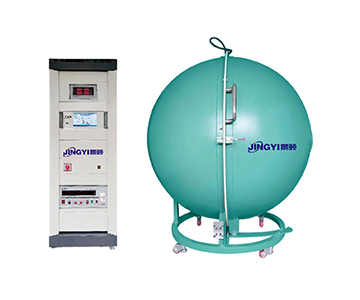
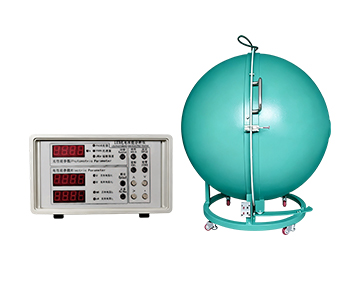
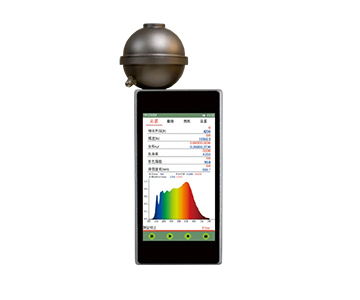
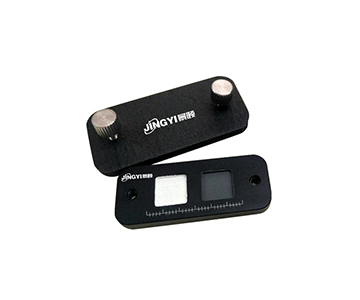
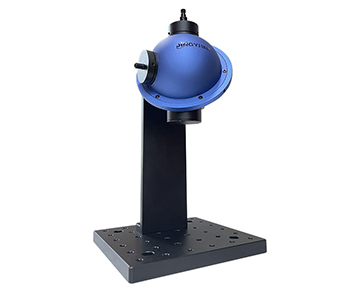
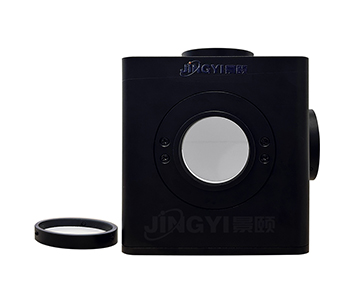
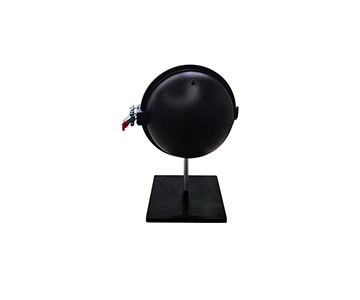
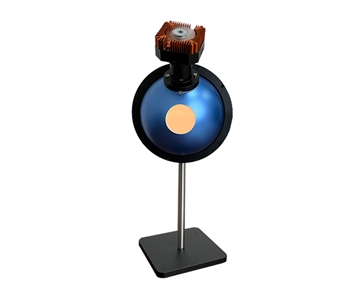
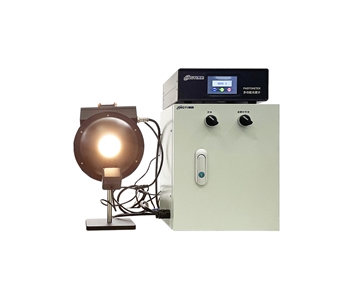
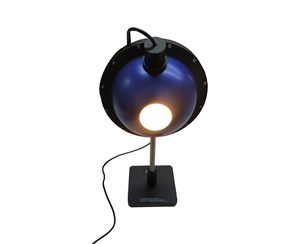
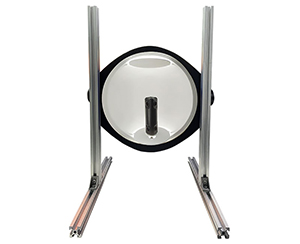
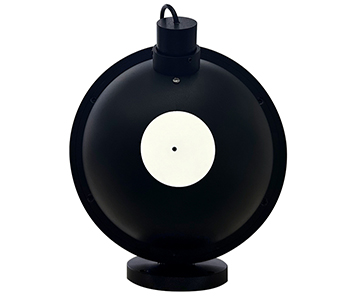
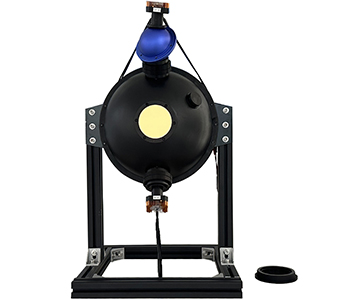
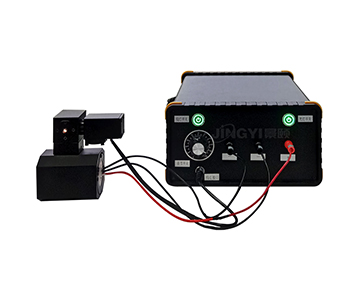
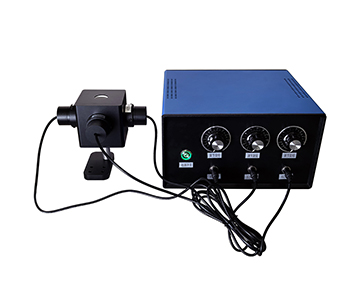
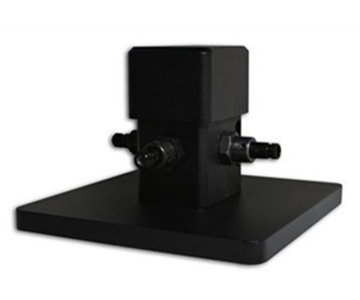
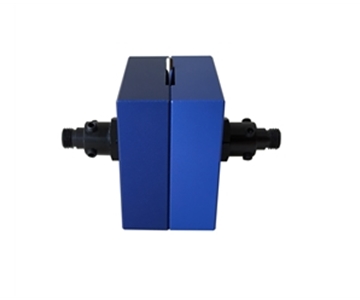
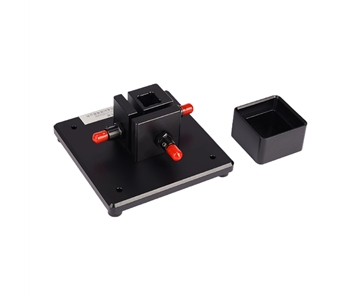
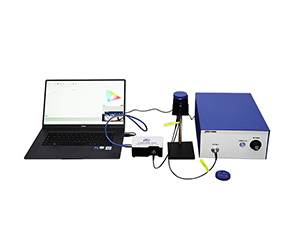
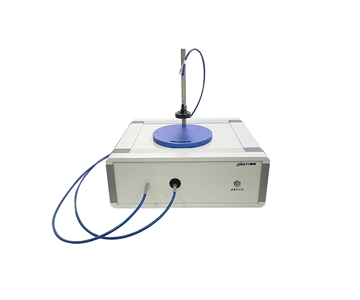
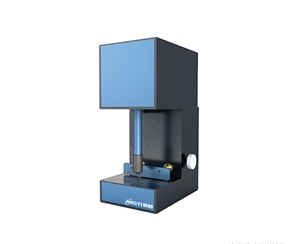
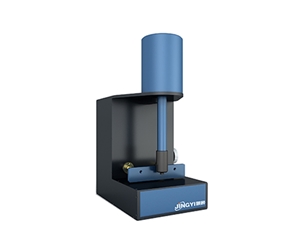
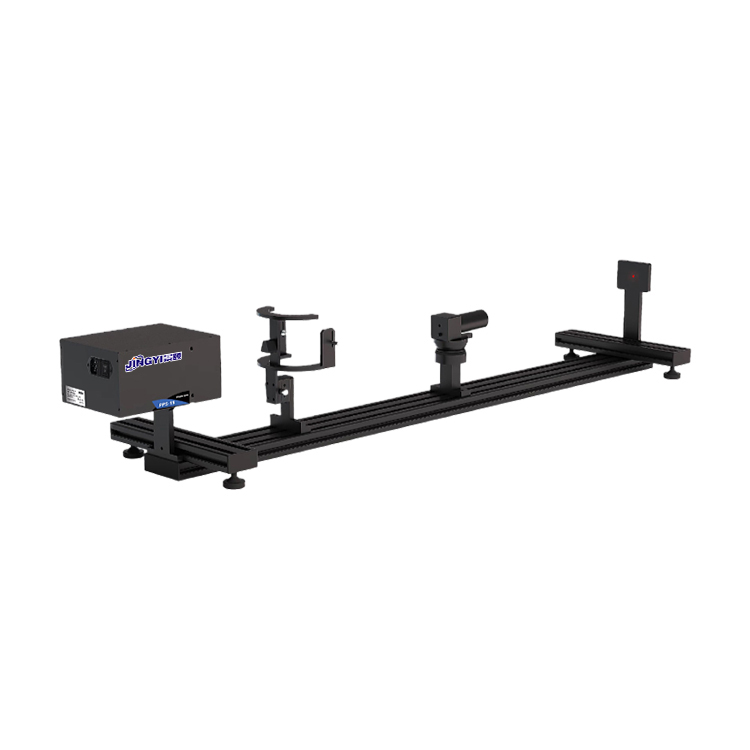
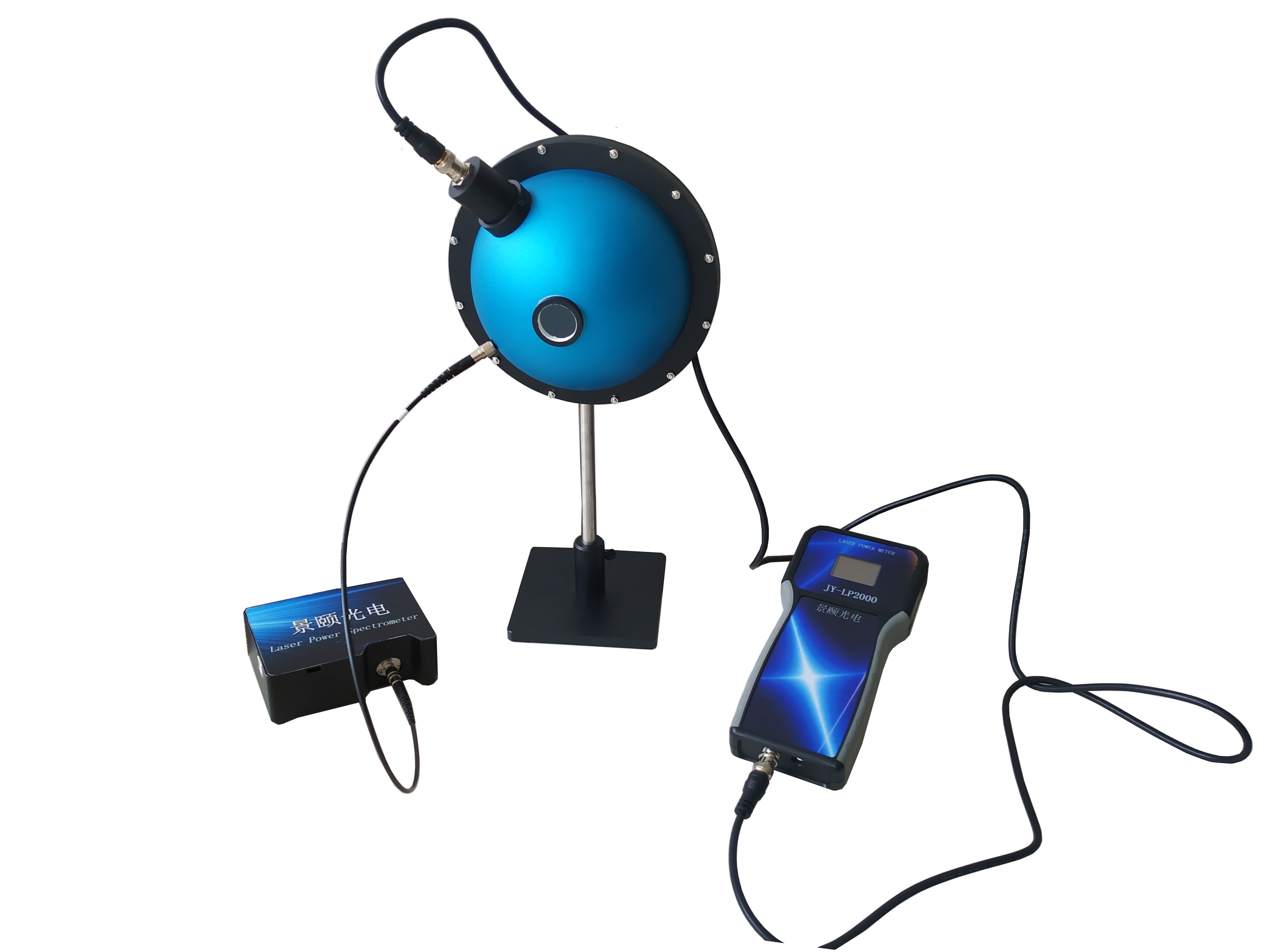
Jingyi Optoelectronicsmanufactures this evaluated platform. The JY-FIOS100 general-purpose integrating sphere exemplifies the architecture: three orthogonal ports, SMA905 fiber interfaces, and modular accessories for rapid measurement mode transitions.
Quantified field data illustrates the impact. A display panel manufacturer adopted a radiometric integrating sphere from this platform for backlight module outgoing inspection, reducing test repeatability error from 0.8% to 0.12%. An automotive lighting supplier using the 25 mm transmittance series cut single-batch inspection time by 23% and avoided approximately $37,600 in annual scrap costs. In fluorescence quantum efficiency testing, the 100 mm configuration—with 28 mm exit port and 43 mm sample port—provides stable hardware foundations for solar cell and biofluorescence marker research.
After-sales terms include a one-year warranty (excluding deliberate damage and consumables), with customization support for dimensions, ports, and coatings. For manufacturing clusters in East Asia and surrounding regions, domestic coating maintenance, port replacement, and aperture customization complete within days rather than weeks. Product documentation explicitly marks "customizable" commitments, which proves more adaptable than fixed-specification standard products when production lines iterate rapidly.
Three-Stage Procurement Framework
Selecting an integrating sphere is not about choosing the highest parameter; it is about choosing the most stable fit. A three-stage matching method provides a practical filter.
Stage 1: Compliance and Baseline.Does your test scenario fall within 200–2500 nm? Does sample geometry match port diameter? Is your interface SMA905 or FC/PC? These baseline mismatches render expensive equipment useless regardless of reflectance decimals. When radiometric integrating spheres validate display panel outgoing inspection, port-to-detector flange matching matters more than reflectance precision beyond the third decimal.
Stage 2: Core Pain Point Prioritization.If repeatability is the primary constraint, scrutinize coating process and cavity uniformity. If frequent line changeover dominates, prioritize modular platforms with customizable port layouts. If budget is the bottleneck, domestic
Stage 3: Hidden Cost Accounting.Do not calculate equipment price alone; factor downtime losses, calibration fees, and coating refurbishment cycles. An imported integrating sphere may cost $5,000 more upfront, but a single four-week factory return cycle can generate $30,000 in production stoppage. Domestic advantages in spare-part inventory and field response amplify significantly in manufacturing scenarios.
Honest Limitations
No solution is boundaryless. Even at 99% reflectance, an integrating sphere cannot solve every optical measurement problem.
Coating stability under extreme environmentsconstitutes the first boundary. PTFE resists aging under standard temperature and humidity, but reflectance degradation accelerates under intense continuous UV exposure or high-temperature/high-humidity cycling. The evaluated PTFE coating remains stable under conventional conditions, yet applications involving elevated temperatures or corrosive atmospheres may favor gold-coated or oxygen-free copper substrate
Oversized custom fabrication certaintymarks the second boundary. While the evaluated platform covers 10 mm to 200 mm (0.39" to 7.87") standard diameters, spheres beyond 500 mm (19.7") face exponentially harder uniformity control during spray coating, extending delivery from standard timelines to multiple weeks. For meter-scale cavity requirements, any domestic manufacturer's batch-delivery experience remains limited; project-based development costs and timelines require advance reservation.
Frequently Asked Questions
Q1: PTFE versus gold-coated integrating spheres: which coating matches my wavelength range?PTFE suits 200–2500 nm full-spectrum applications with approximately 99% reflectance, ideal for routine spectral testing. Gold coatings deliver roughly 94% reflectance but offer superior stability, cleanability, and performance in infrared laser power measurement and elevated-temperature environments. Selecting the wrong coating type systematically shifts test results.
Q2: Does more ports mean better flexibility in an integrating sphere?Not necessarily. Additional ports increase flux loss and degrade cavity uniformity. A general-purpose three-port design balances flexibility and performance. Specialized applications such as fluorescence quantum efficiency testing require dedicated baffle configurations to prevent direct-light leakage.
Q3: Can small-batch custom integrating spheres deliver within one week?For standard specifications below 300 mm (11.8") diameter, modular production lines can compress delivery to approximately one week. Oversized diameters, special interfaces, or non-standard coatings extend timelines. Confirm process feasibility with technical support in advance.
Q4: What is the realistic price gap between domestic and imported integrating spheres?Like-for-like, domestic platforms typically cost one-third to one-half of imported equivalents. However, price is not the sole variable. Comprehensive TCO calculations must include delivery lead time, after-sales response, and spare-part accessibility. For production-line applications, domestic hidden costs are usually lower.
Q5: How can I independently verify coating reflectance decay over time?Request NIST-traceable reflectance decay curve documentation before purchase. Establish an internal qualification protocol using a calibrated reference standard, measuring at 23 °C ±1 °C across your operational wavelength range. Re-measure after 500-hour intervals to build an aging baseline specific to your ambient conditions. If the manufacturer cannot provide coating density and sintering process documentation, treat reflectance specifications as provisional.
About This Guide
Data Sources: NIST SP 250-1011, SEMI standards for optical metrology, in-house validation reports (n=127 qualification runs), manufacturer-published specifications, and aggregated industry public information.
Author: Senior Application Engineer, Jingyi Optoelectronics, 12 years in spectral measurement and integrating sphere metrology.
Disclosure: Jingyi Optoelectronics manufactures integrating spheres and optical measurement accessories. This article presents technical assessments based on published specifications, independent validation data, and industry public information. No compensation was received from third-party brands mentioned.
Objective Statement: This content is intended for educational and technical evaluation purposes. Equipment selection should always include independent proof-of-concept validation under your specific process conditions and ambient environment.
Last Updated: June 2026
For detailed specifications and application notes on integrating sphere systems, search "Jingyi Optoelectronics integrating sphere" or visit our technical library.