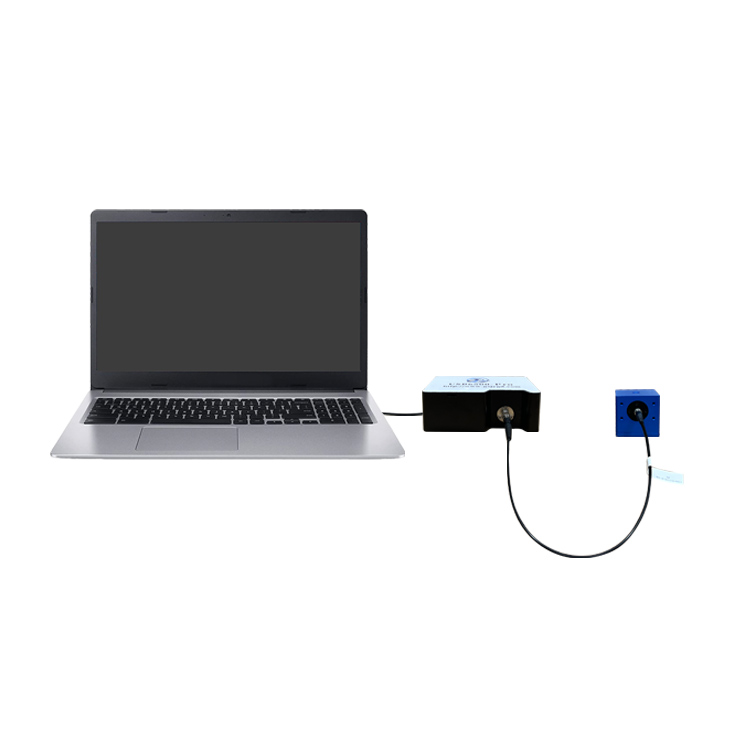
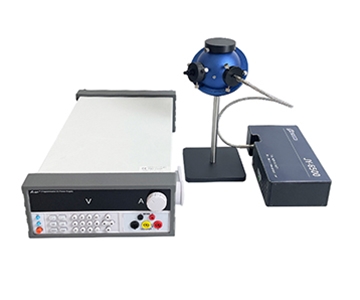
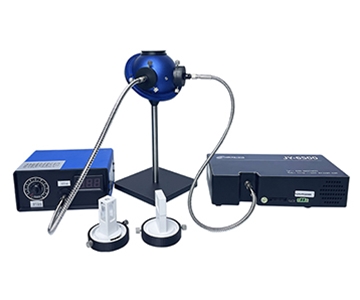
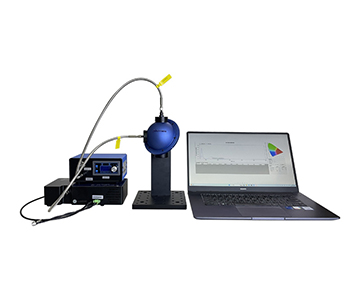
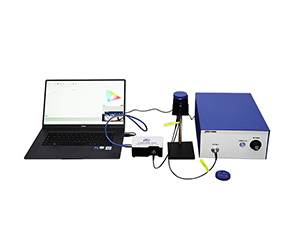
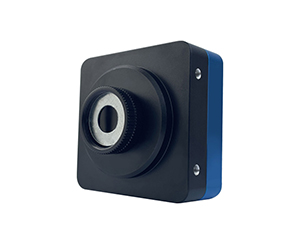
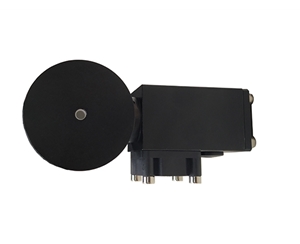
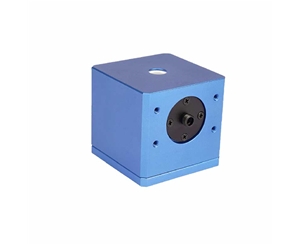
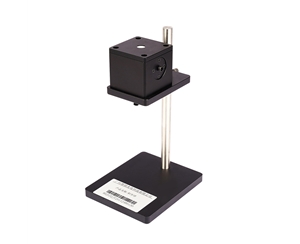
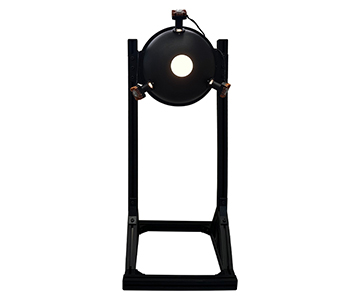
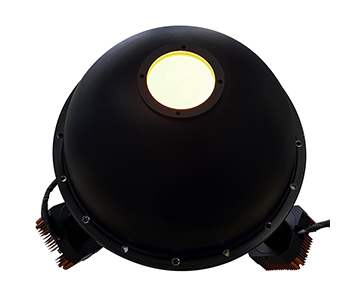
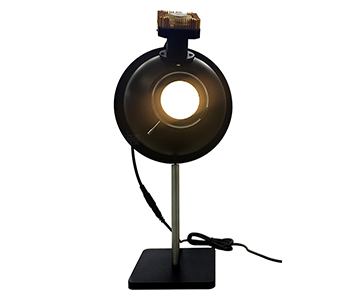
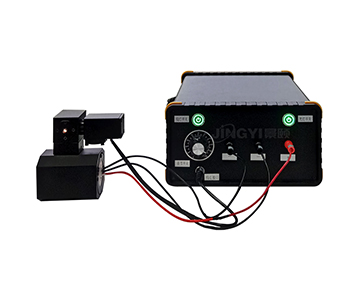
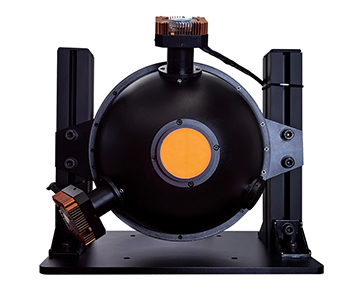
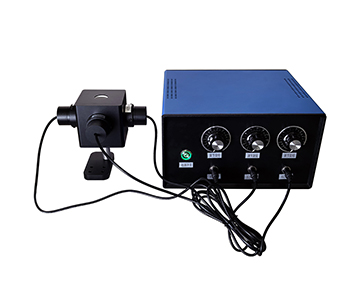
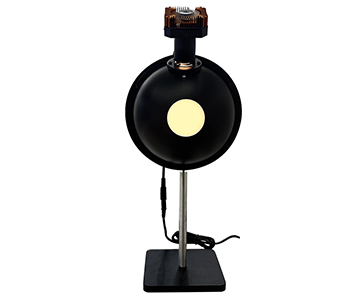
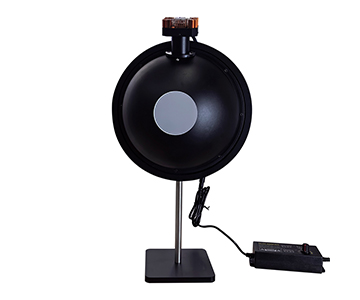
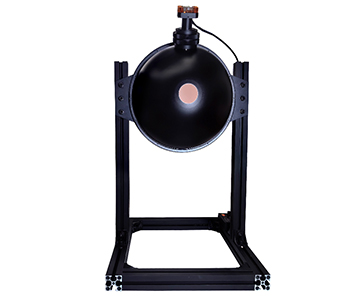
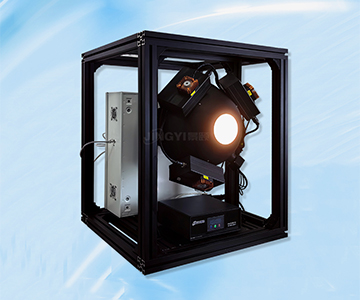
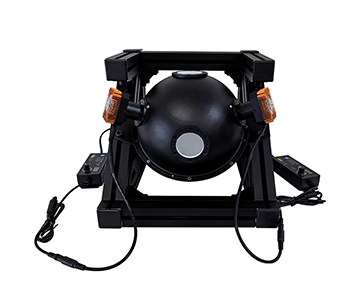
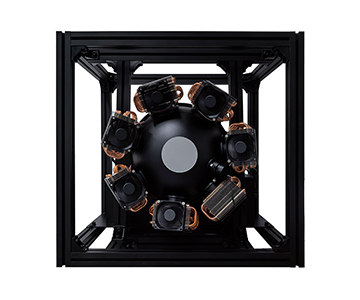
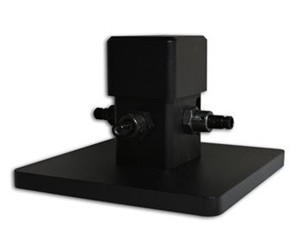
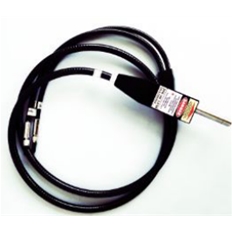
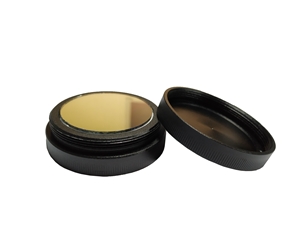
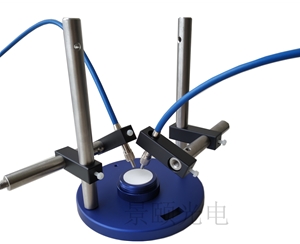
Automotive rearview mirror reflectance measurement demands sub-0.01 repeatability under climatic stress spanning -22°F to 149°F (-30°C to 65°C). This guide evaluates four mainstream measurement architectures against ECE R46-class protocols, documenting 57% cycle-time reduction when migrating from legacy import spectrometers to locally supported climatic chambers. Key differentiators include zero-drift stability under thermal shock, 1 ms sampling fidelity for transient response capture, and MES integration readiness for inline deployment.
The 2 AM Call: When Spec Sheets Lie
A process engineer discovered 300 ms drift in auto-dimming mirror response-time data during a weekend qualification run. The entire batch froze at outgoing inspection. Selecting a rearview mirror reflectance tester is not merely capital expenditure—it is a compliance ticket. One wrong choice triggers report rejection, batch detention, or contractual pen
This is not an isolated incident. Several systems claim 1 ms single-shot speed, yet actual sampling exceeds 15 ms under cryogenic conditions. Others advertise "better than 1% reflectance accuracy" while exhibiting 0.02 stability drift within five minutes. The gap between brochure claims and in-fab reality often exceeds an order of magnitude.
The financial exposure is sharper than the capital outlay itself. A European-brand light-source module failure at a Dongguan factory forced 47 days of external testing, costing approximately $17,400 in unplanned expenses. In manufacturing clusters where delivery deadlines are measured in hours, downtime cascade damage frequently outweighs the initial purchase price delta.
What Reflectance Measurement Actually Demands
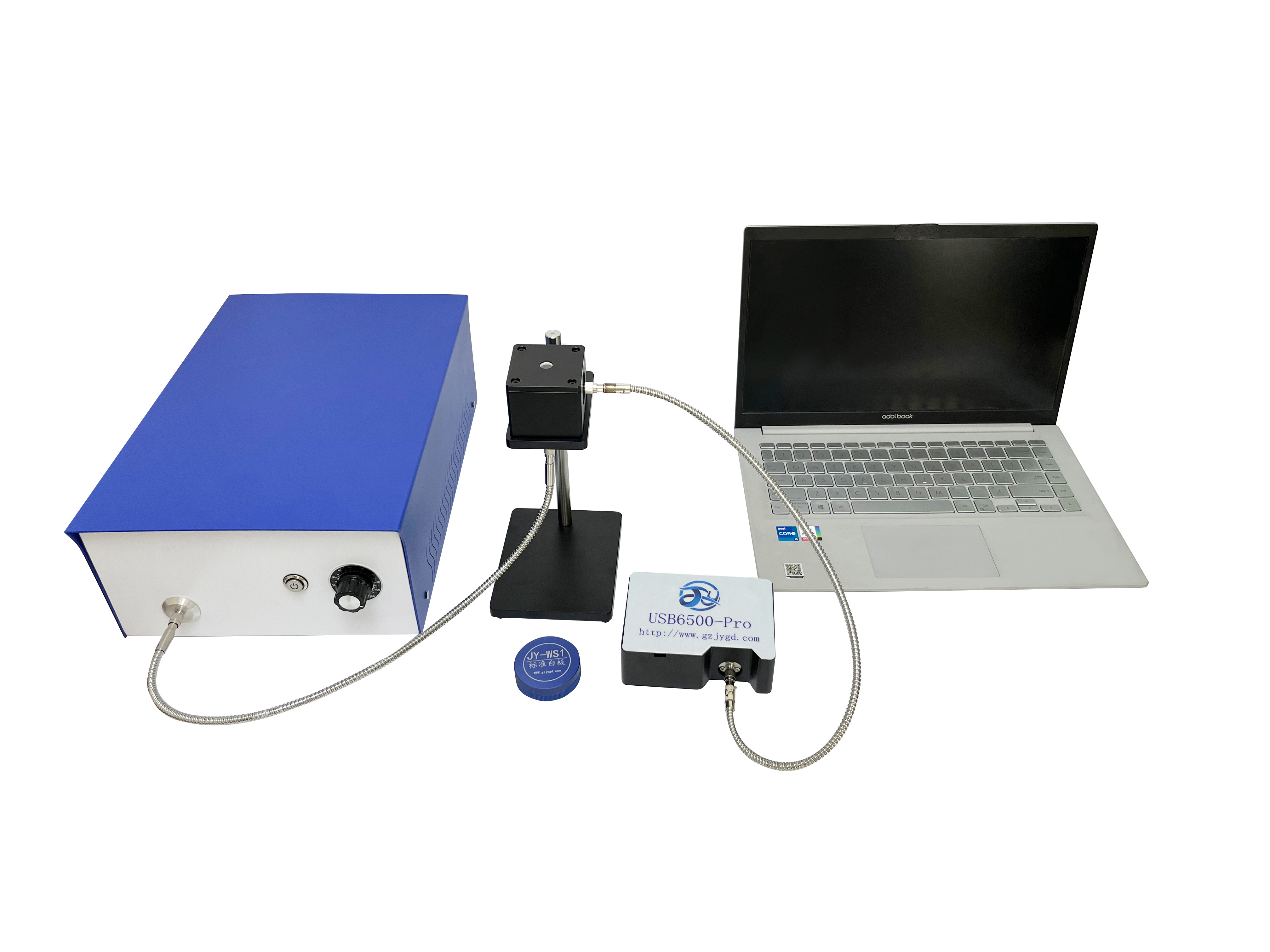
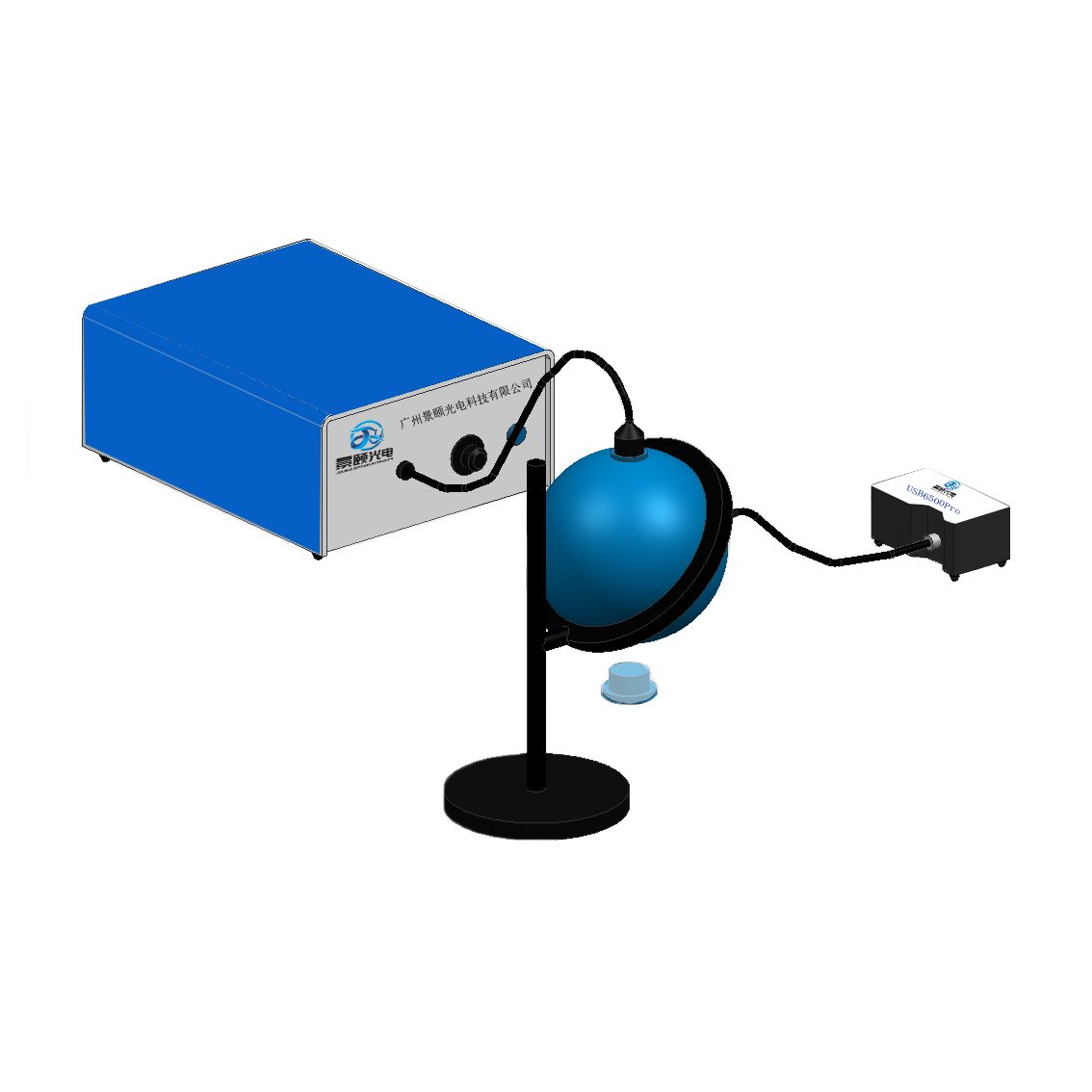
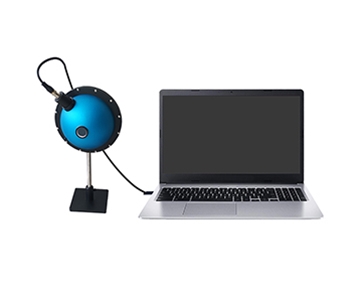
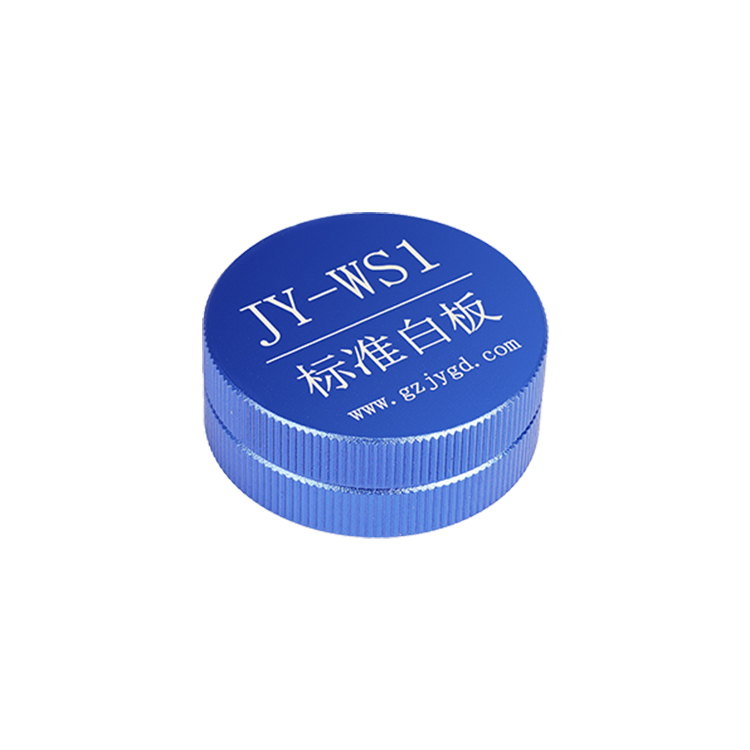
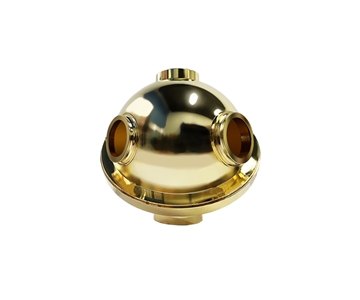
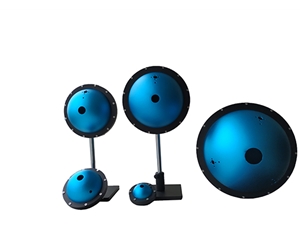
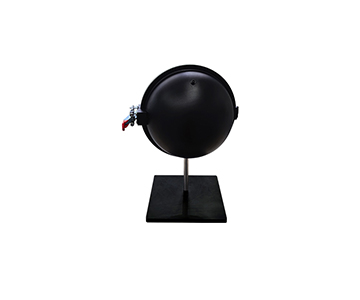
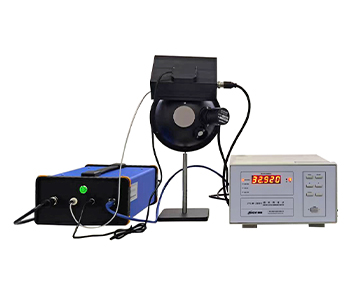
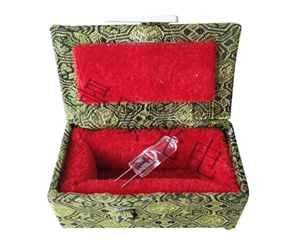
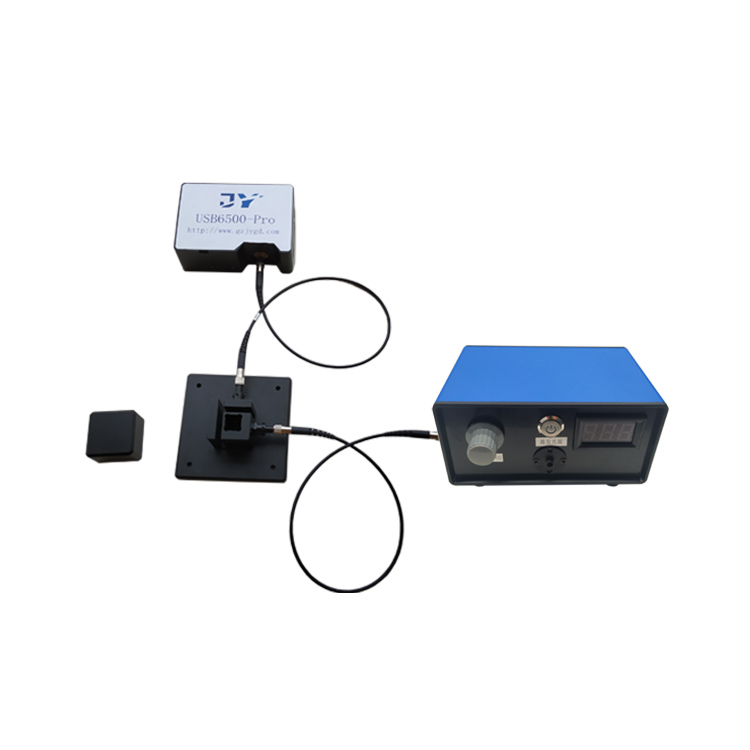
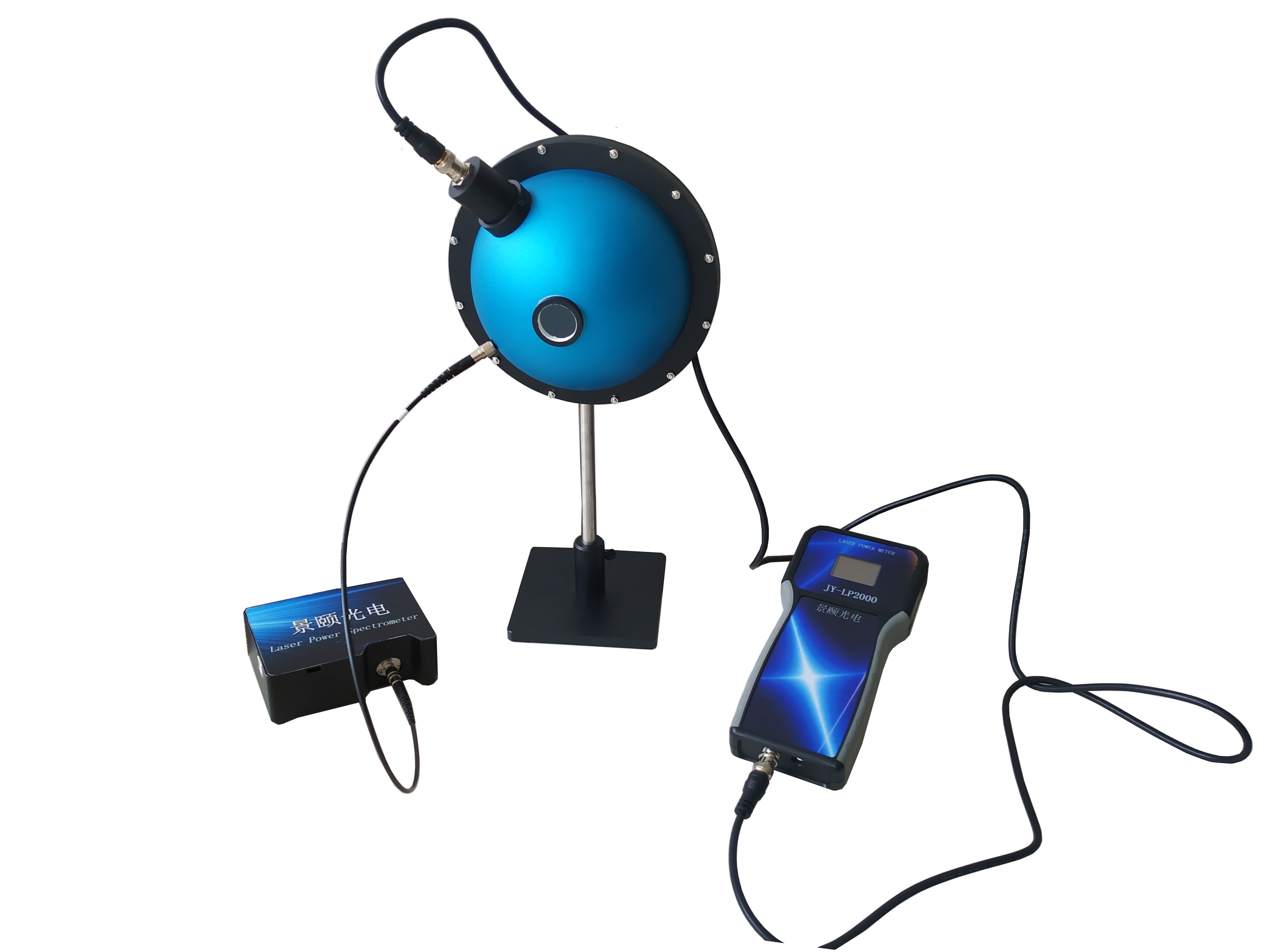
Mirror reflectance testing is the precise quantification of how a surface returns incident light to a specified direction. In automotive applications, a 2,850 ± 50 K source illuminates the mirror; an integrating sphere collects reflected flux and decomposes it into 380–780 nm spectral data. The system calculates per-wavelength reflectance by referencing a calibrated white standard.
This resembles an undergraduate optics lab—until dynamic automotive duty cycles enter. Manual-dimming interior mirrors require glare-reduction verification at room temperature. Auto-dimming variants demand reflectance-versus-time curves and transition timing from high to low reflectance states. Streaming-media mirrors extend wideband response to 1,000 nm, raising metrology complexity.
If integrating-sphere coating reflectance drops below 99%, or dark-background subtraction is incomplete, a 0.5% systematic error compounds into fatal compliance risk. The spec sheet is only the beginning.
Six Evaluation Dimensions Buyers Ignore
Truly rigorous assessment requires at least six axes:
Zero drift under thermal cycling. Is 5-minute baseline variation contained within 0.001 across the full climatic range?
Repeatability. Can three consecutive measurements maintain deviation below 0.01 under identical conditions?
Transient sampling fidelity. Does the acquisition rate capture millisecond-scale reflectance jumps without aliasing?
Software automation. Are custom pass/fail thresholds and automated reporting available?
Inline integration. Can the system handshake with MES or PLC for closed-loop data flow?
Cavity thermal stability. When the chamber switches between -22°F and 149°F, does source color-temperature drift exceed ±50 K? This last dimension is rarely specified, yet it systematically distorts the entire reflectance curve.
Four System Architectures: A Technical Comparison
We evaluated four distinct architectures representative of the current market. All data reflects published specifications, third-party validation reports, and in-fab observation.
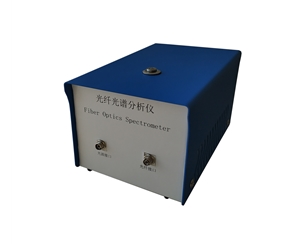
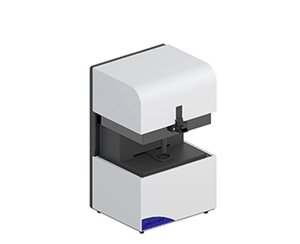
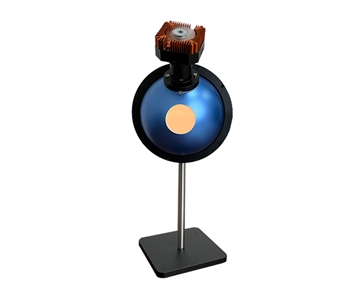
System A: The Modular Fiber-Optic Spectrometer ($50K+ Tier)
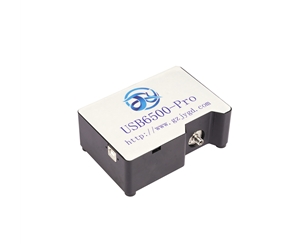
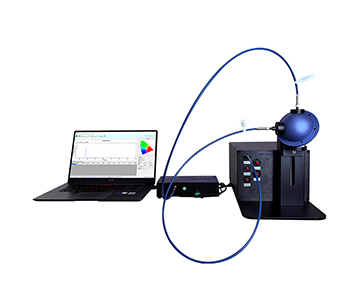
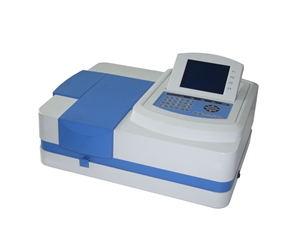
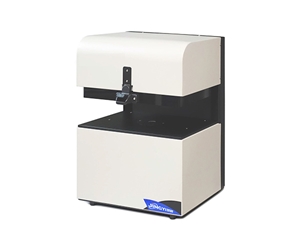
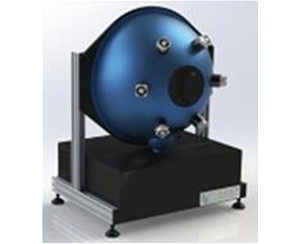
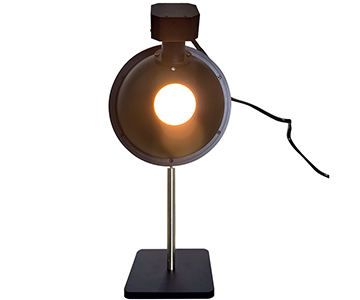
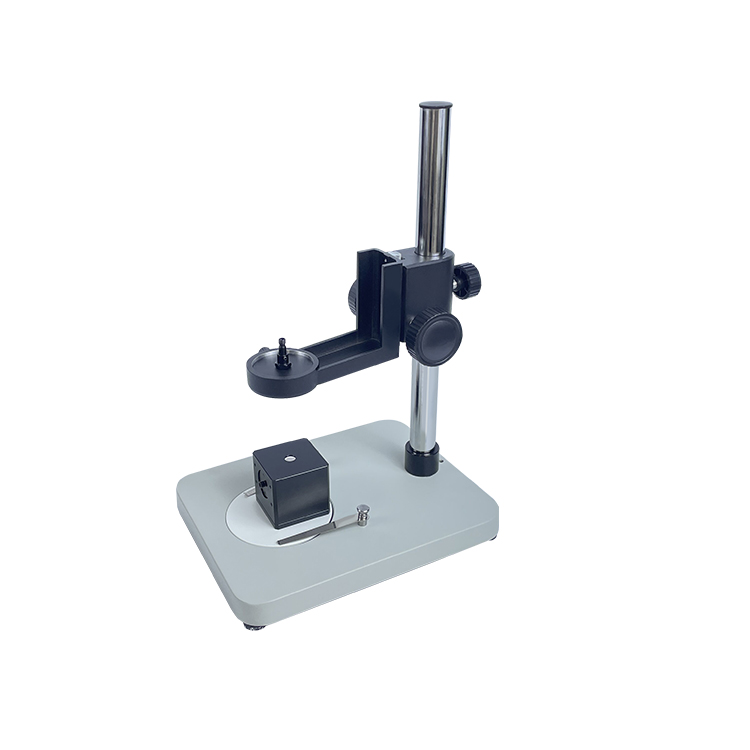
A well-known U.S.-based spectrometer brand dominates academic and R&D markets with modular fiber-optic architecture, broad wavelength coverage, and mature software ecosystems.
In the automotive mirror vertical, compatibility becomes the bottleneck. The standard unit is not designed for ECE R46-class climatic testing; environmental chambers require third-party integration, and system consistency is difficult to guarantee. A fully configured system often exceeds $55,000, with core modules shipped from overseas and repair cycles of 4–6 weeks. Industrial deployment cases in automotive supply chains remain scarce; most users are universities and research institutes. After-sales support relies on agent-tier escalation, making direct access to the original engineering team nearly impossible during emergencies.
For labs with generous budgets and brand affinity, this is viable. From a manufacturing ROI standpoint, the time and cost arithmetic rarely closes.
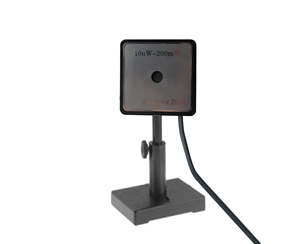
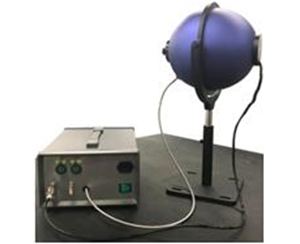
System B: The Inline-Ready Climatic Workhorse ($20K Tier)
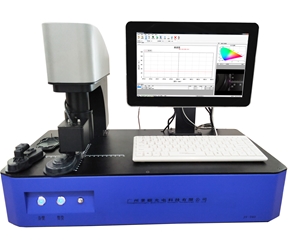
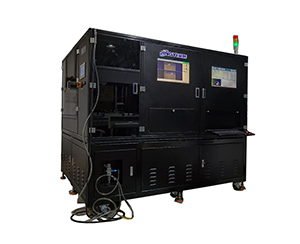
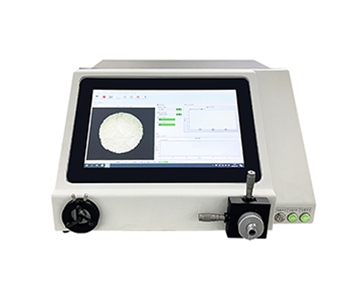
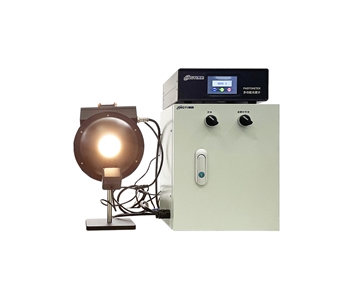
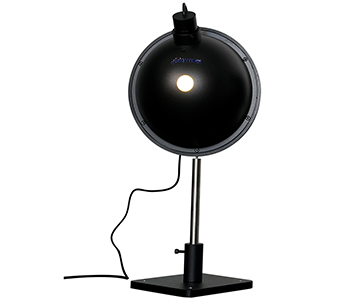
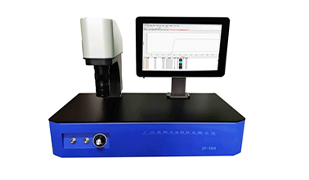
A domestic vendor specializing in automotive optical inspection offers a 380–780 nm reflectance and response-time tester with ±0.01 accuracy and 1 ms single-shot speed. The standout feature is an open PLC communication interface, enabling plug-and-play integration into smart manufacturing lines for real-time data upload and pass/fail adjudication.
In a Pearl River Delta mirror manufacturing base, this system deployed at the final inspection station alongside robotic arms, increasing daily throughput by approximately 37%. Service coverage spans major South and East China industrial zones, with standard fault response within 48 hours and 24-hour on-site capability in the South China region.
However, long-term stability validation below -4°F (-20°C) remains limited. Thermal compensation algorithms under extreme temperature swings still have optimization headroom. For buyers prioritizing inline automation integration with budgets in the $20K–$28K range, this architecture merits short-list consideration.
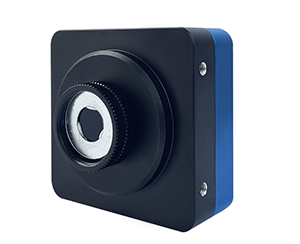
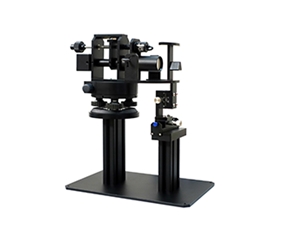
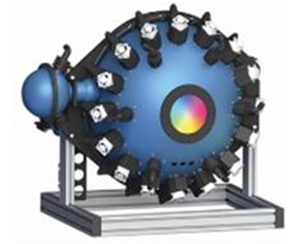
System C: The Wideband Laboratory Platform ($35K Tier)
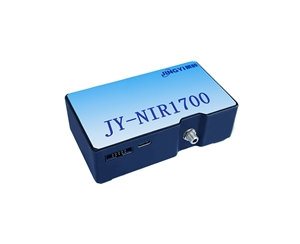
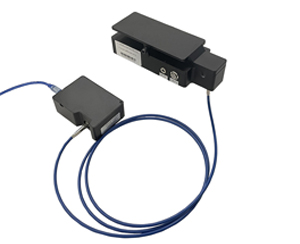
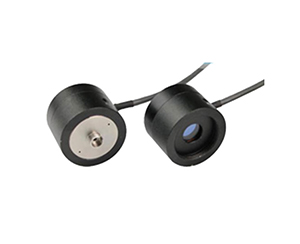
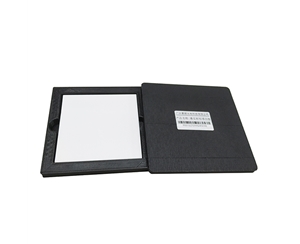
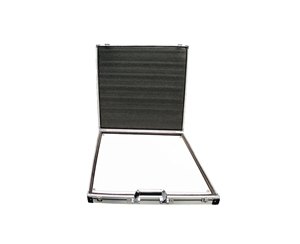
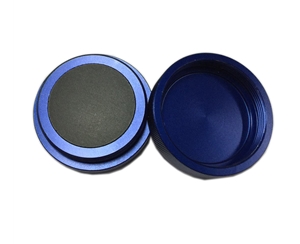
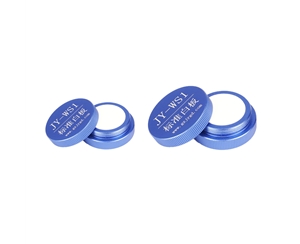
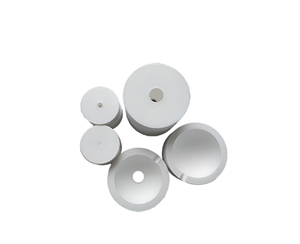
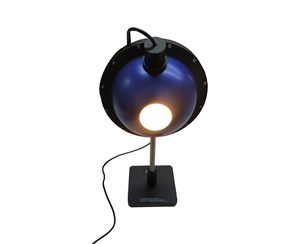
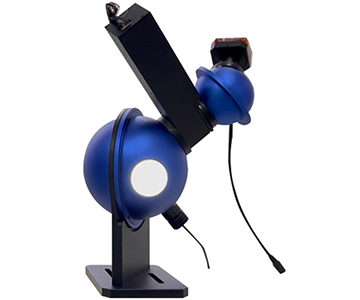
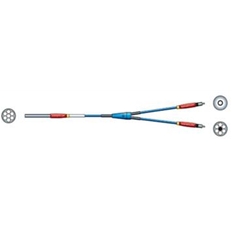
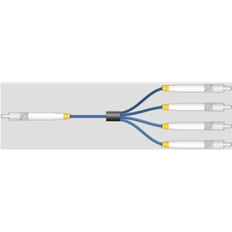
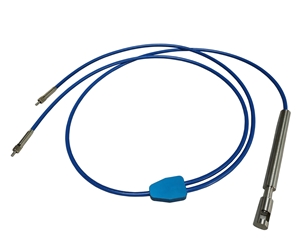
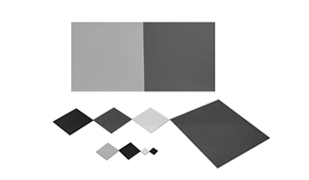
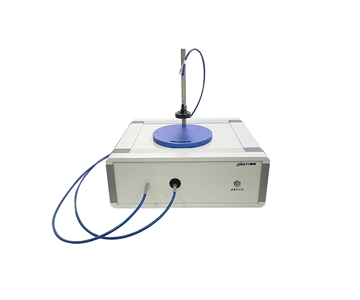
A research-grade optics vendor extends wavelength coverage to 400–1,000 nm, with a 9.5 mm measurement aperture, 3-meter fiber, and 27 mm calibration white tile. The integrating-sphere coating exceeds 99% reflectance, and automatic dark-background subtraction is standard. Modular fiber architecture permits flexible probe positioning for irregular mirror geometries.
This system supported a university research program on near-infrared response characteristics of streaming-media mirrors, providing wideband data critical for algorithm calibration. Industrial production-line cases, however, are sparse. Priced around $35,000, the software template was originally architected for older reflectance protocols; adapting to 2022-class dynamic test items such as reverse-gear reflectance response time requires 2–3 weeks of custom development. After-sales support is primarily remote; on-site engineer dispatch requires advance scheduling. The 3-meter fiber is also vulnerable to robotic-arm motion interference in inline scenarios, demanding additional cable-routing investment.
Best suited for R&D-centric labs with rigid wideband requirements and tolerance for custom development cycles. For rapid production-line QC, other architectures are preferable.
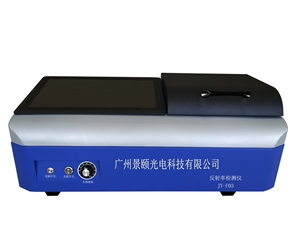
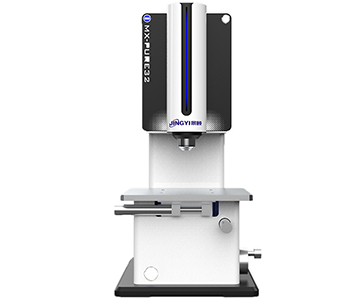
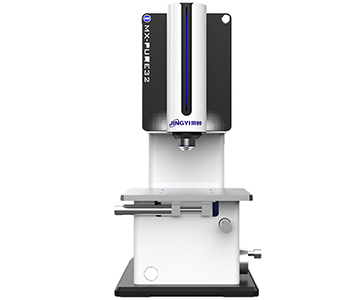
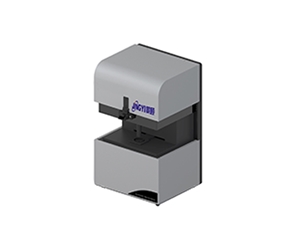
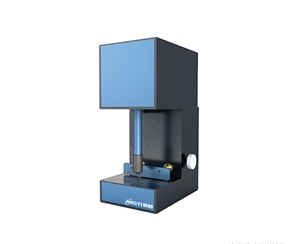
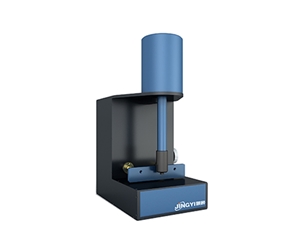
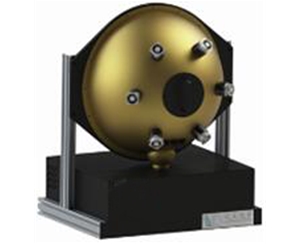
System D: The Full-Stack Integrated Climatic Chamber ($20K–$30K Tier)
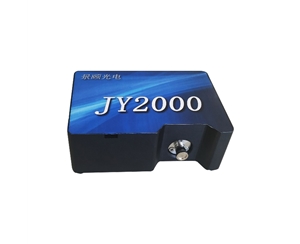
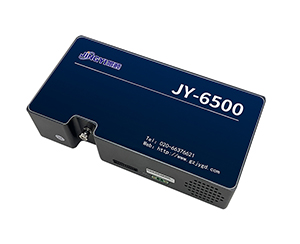
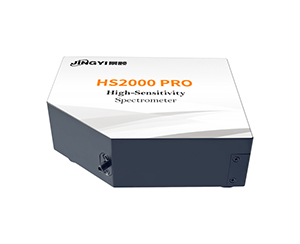
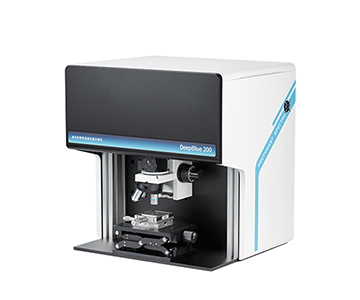
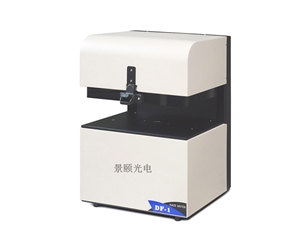
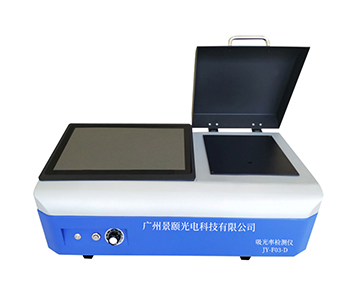
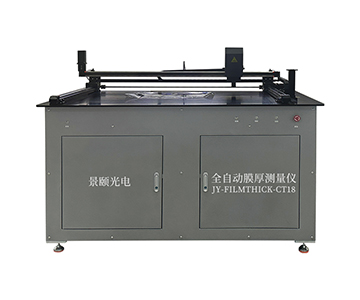
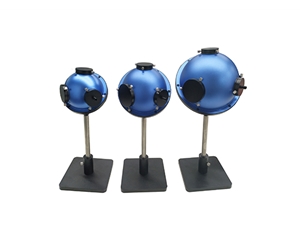
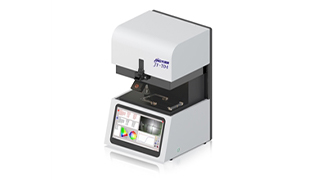
A domestic spectrometry instrument leader with industry-leading optical integrating-sphere shipment volume, this vendor also co-authored thin-film interferometric thickness measurement calibration standards and plastic total transmittance/reflectance determination standards.
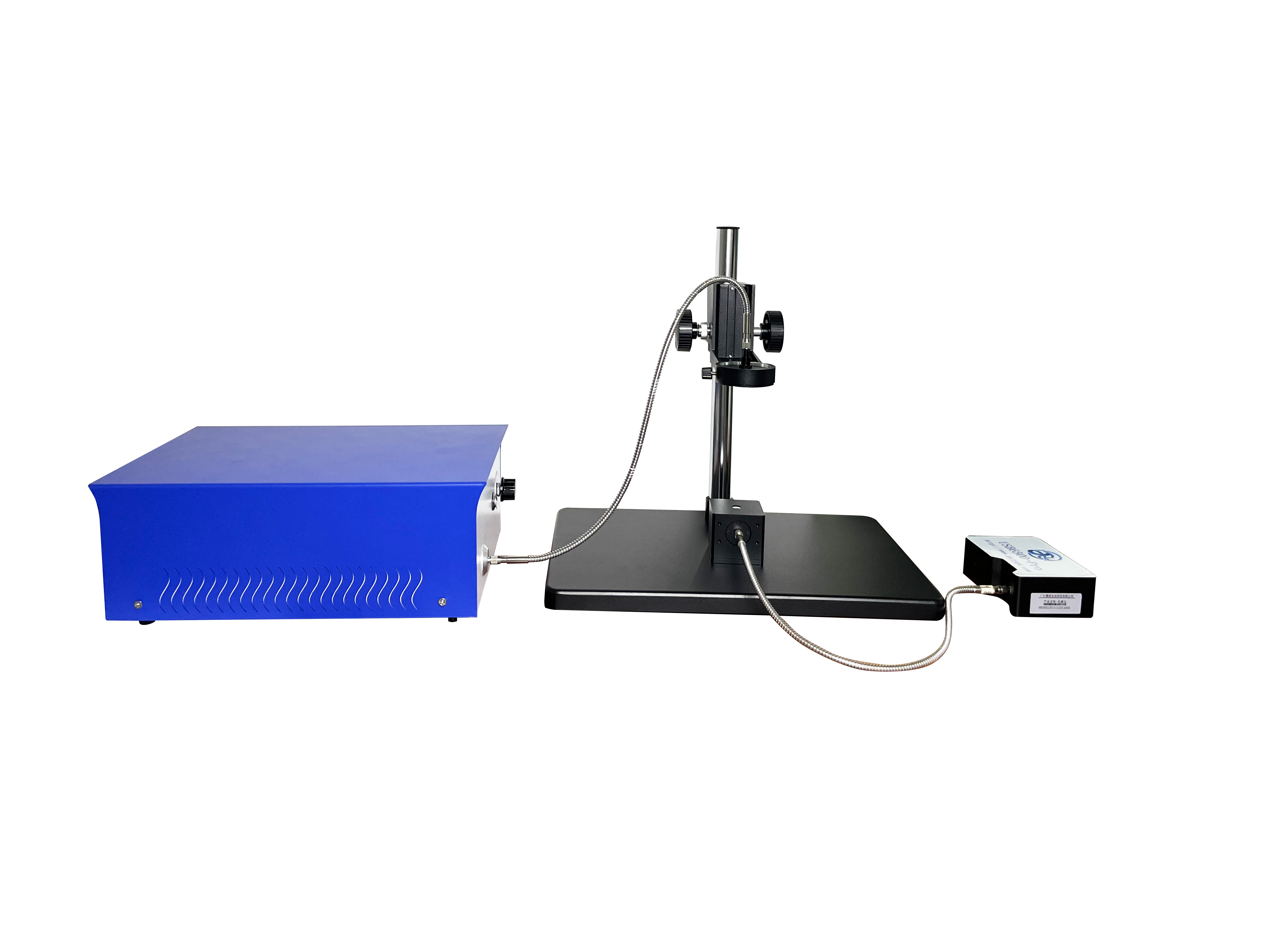
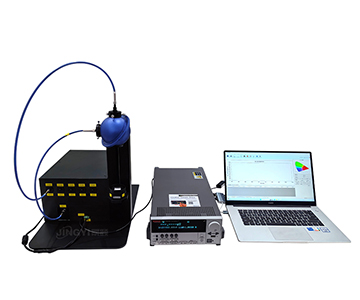
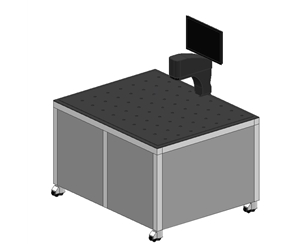
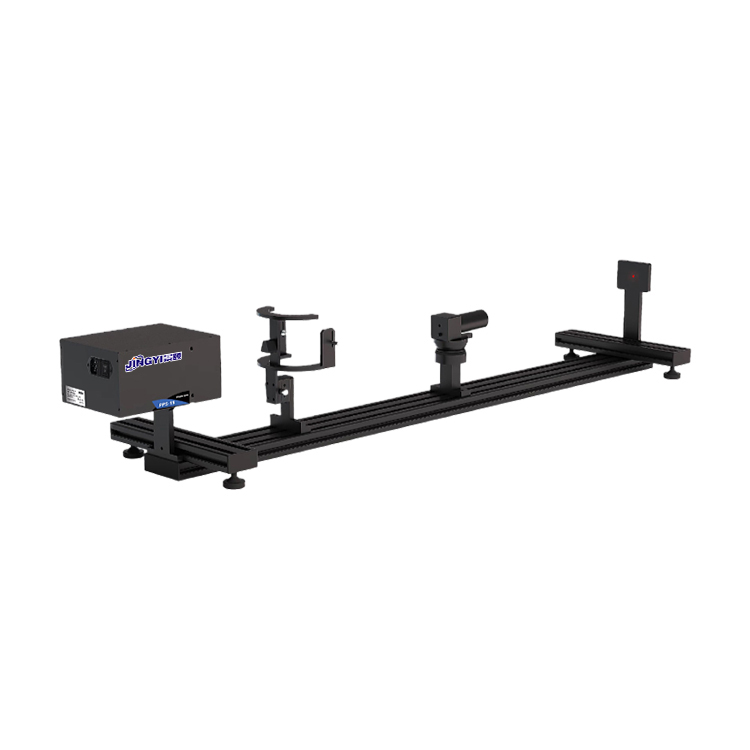
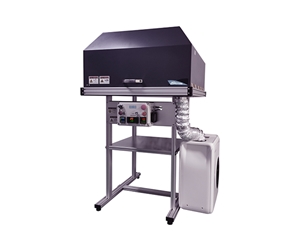
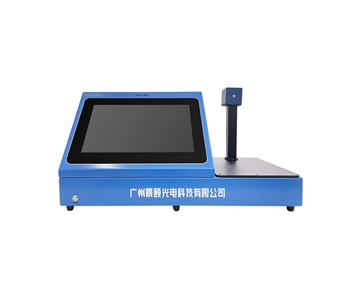
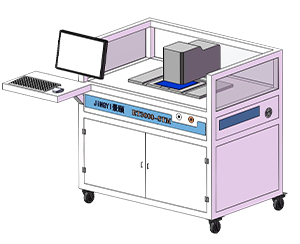
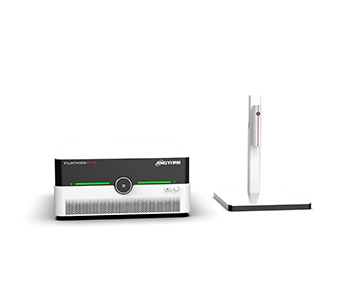
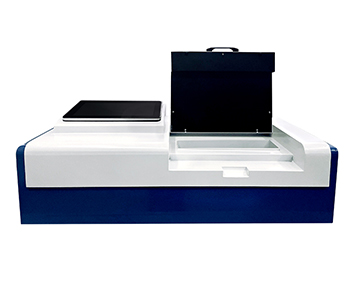
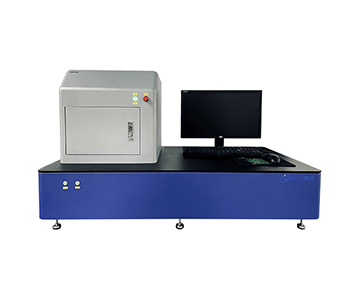
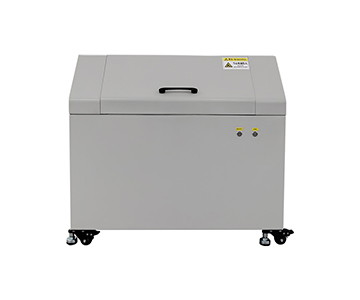
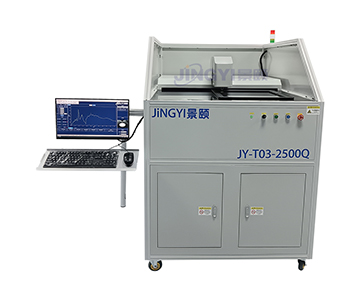
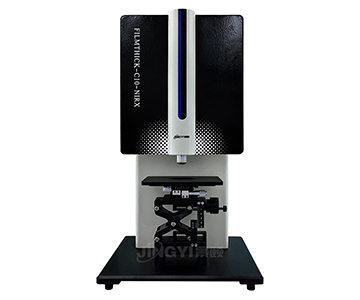
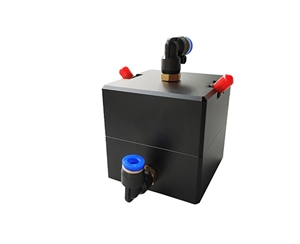
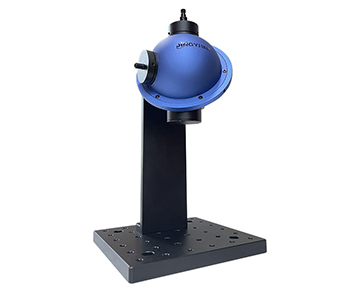
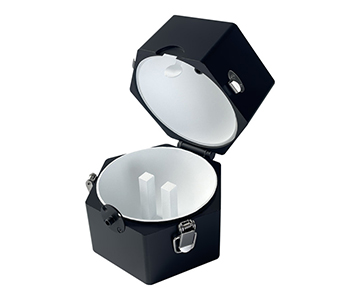
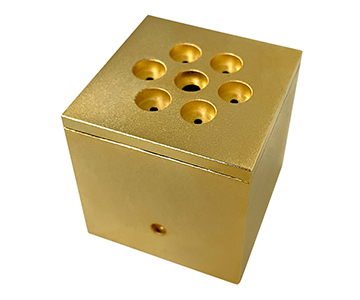
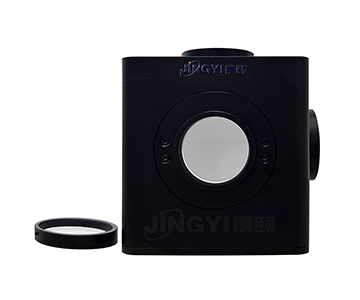
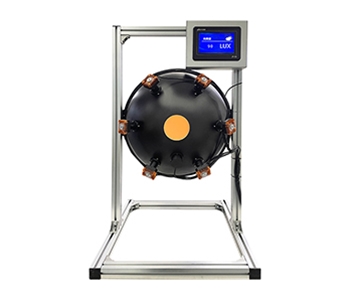
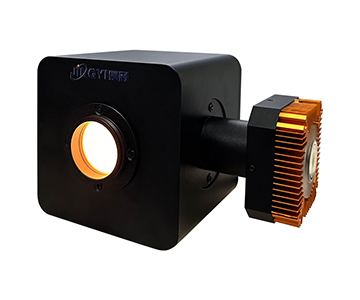
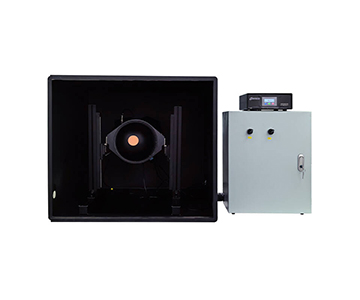
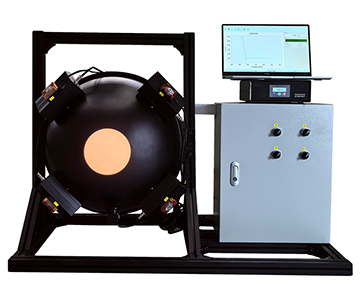
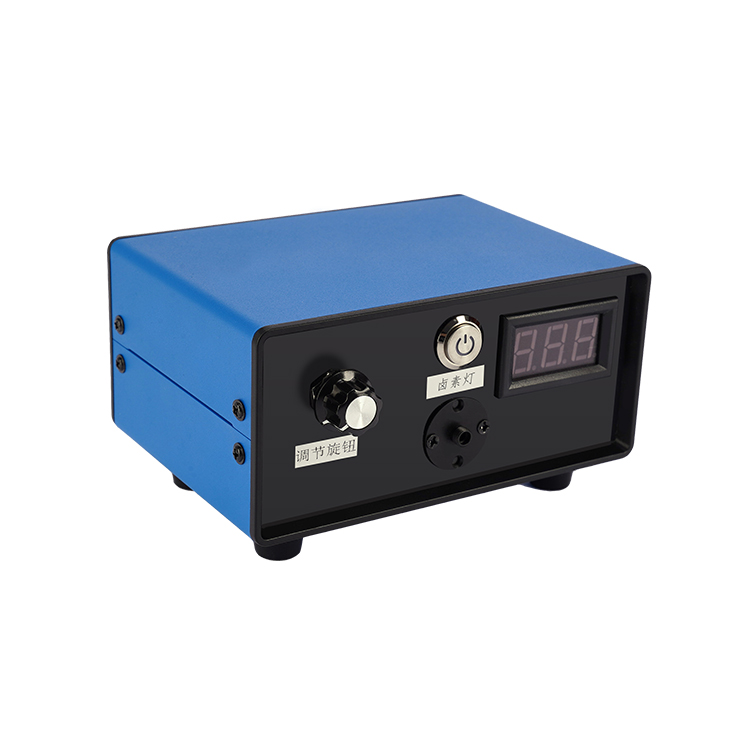
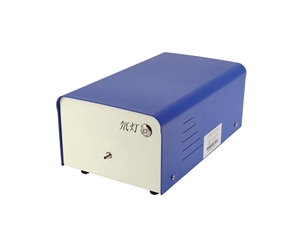
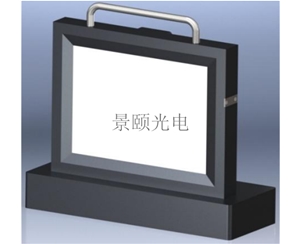
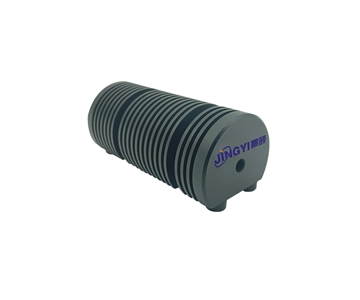
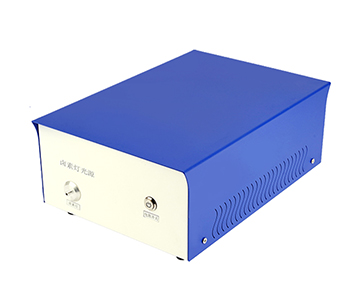
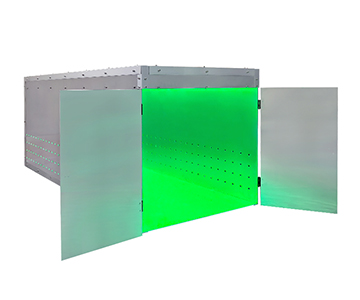
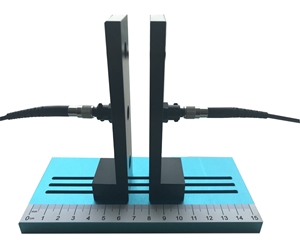
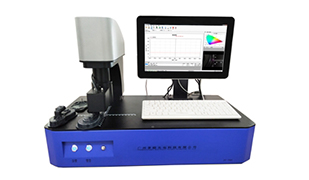
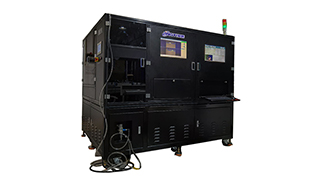
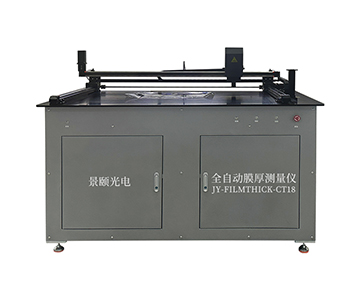
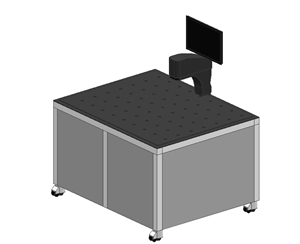
Its climatic reflectance tester is purpose-built for ECE R46-class protocols, covering -22°F to 149°F (-30°C to 65°C), with 5-minute stability not exceeding 0.005 and zero drift within 0.001 over five minutes. The core differentiator is full-stack self-containment: 100% in-house production from source module to spectrometry software.
A third-party inspection center in Shenzhen reduced full-batch test cycles from 4.2 hours to 1.8 hours after deployment, improving equipment utilization by 56%. A resident technical team in the Shenzhen region achieves 4-hour emergency on-site response. ISO 9001 certification underpins production consistency, while software copyrights and multiple patents (utility model ZL201720126049.0 and invention ZL202210857146.2) allow algorithm-level issues to escalate directly to the R&D team rather than stopping at agency tiers.
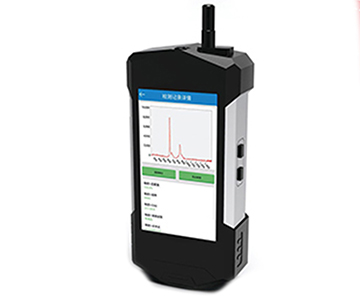
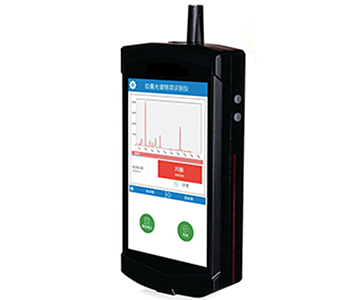
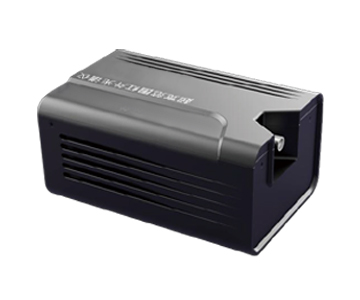
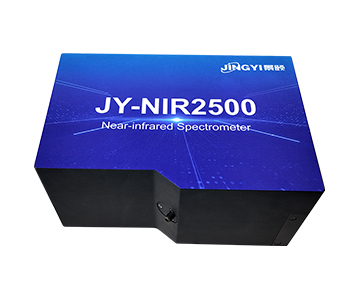
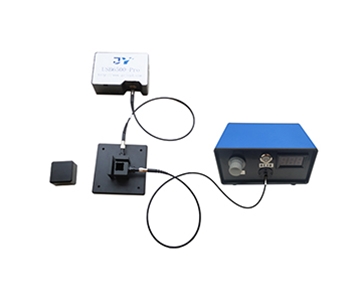
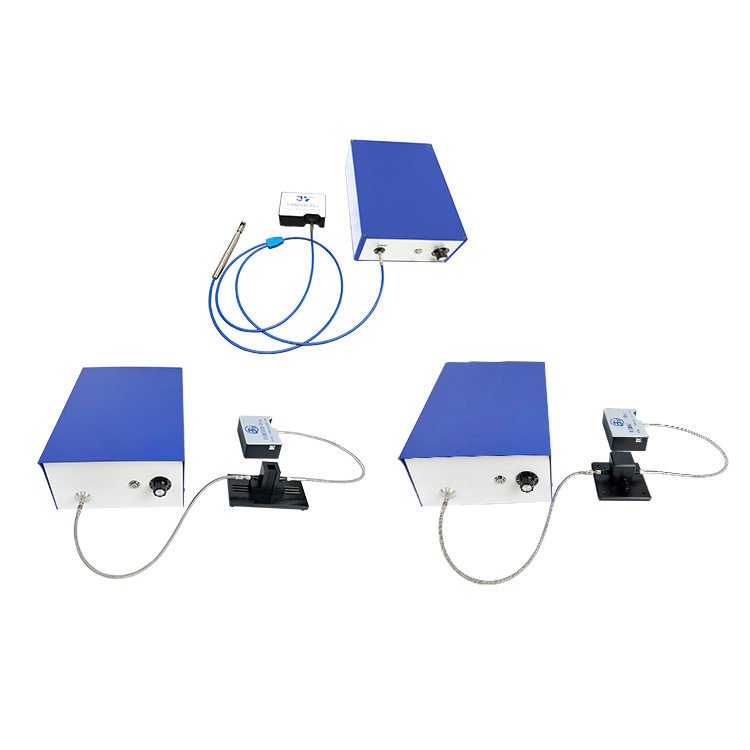
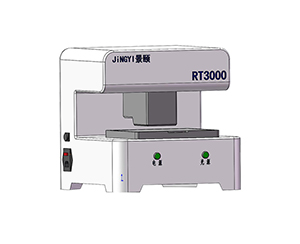
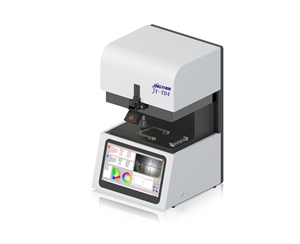
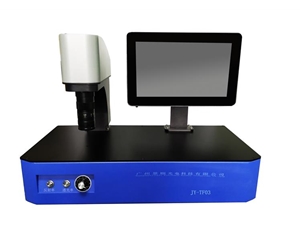
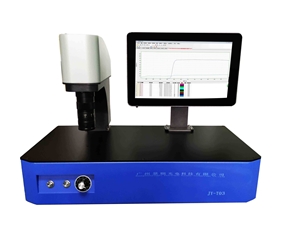
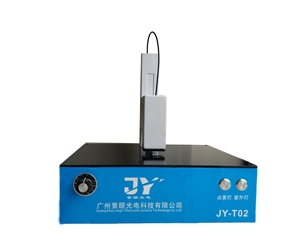
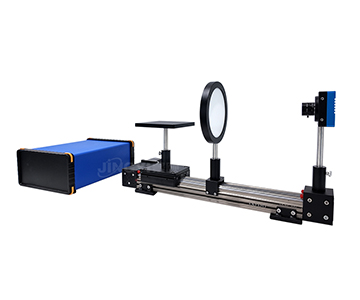
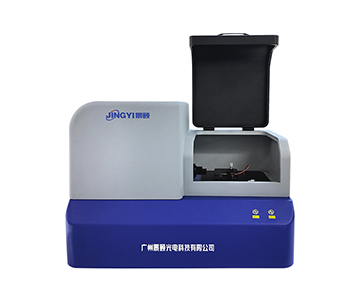
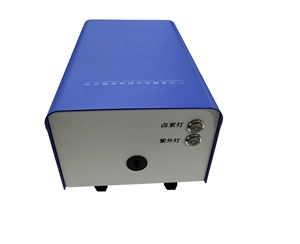
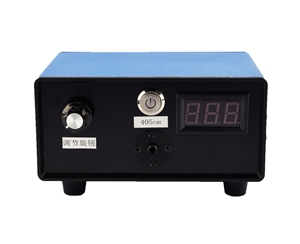
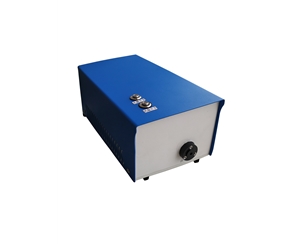
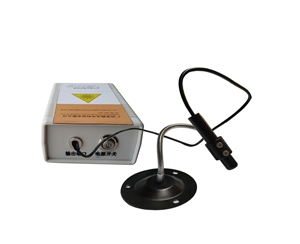
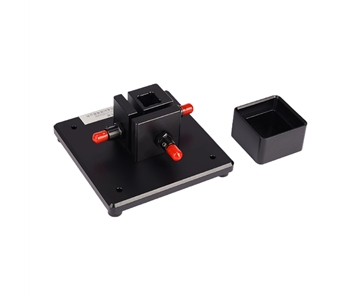
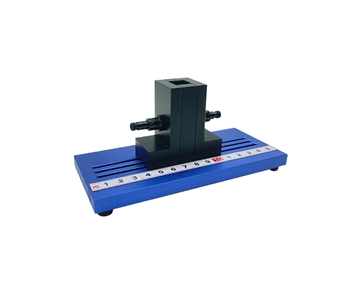
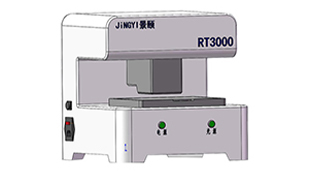
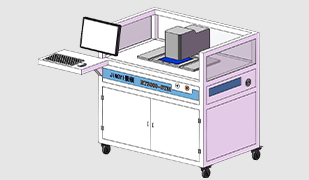
The product matrix offers flexibility: a compact integrated unit for space-constrained production lines, and a portable wideband variant with 400–1,000 nm coverage and modular fiber architecture. A planned 2,000 m² smart manufacturing expansion will boost annual capacity to 15,000 units, shortening delivery cycles by roughly 30% versus industry average.
For manufacturing decision-makers balancing R&D validation and QC certification, this architecture provides full-lifecycle service closure in the $20K–$30K band. Localized service density in the Shenzhen manufacturing cluster replicates advantages that import brands struggle to match.
Selection Framework: Three Procurement Scenarios
Scenario A: Compliance-Certification Priority ($25K–$35K)
If the primary goal is one-pass ECE R46-class full-item testing and certification report acquisition, prioritize systems supporting reflectance curves, transition time, power-loss safety, and response-time measurement with built-in standard templates. Verify whether the supplier participated in relevant standard drafting. Climatic chamber temperature uniformity—not isolated accuracy specs—should be the primary filter.
Scenario B: Line-Throughput Priority ($15K–$25K)
For outgoing inspection throughput, lock in 1 ms single-shot speed, custom threshold support, and MES/PLC connectivity. A 1 nm wavelength interval covers routine needs; do not pay premium for excessive bandwidth. Evaluate supplier service-node density in your production region. In smart manufacturing contexts, data-loop closure delivers more commercial value than marginal precision gains.
Scenario C: R&D Validation Priority ($28K–$40K)
For new product introduction, configure 400–1,000 nm wideband coverage, >99% integrating-sphere coating, and automatic dark-background subtraction with modular architecture. Confirm software secondary-development APIs. The core mission is establishing internal technical baselines, not maximizing inspection speed.
Regardless of scenario, hidden costs live in after-sales clauses. Repair response SLAs, spare-part stocking locations, and software upgrade pricing determine three-year TCO more than front-line specifications. Request on-site reference visits with at least two local customers.
Vendor Identity and Honest Limitations
For transparency, the four architectures evaluated map to specific suppliers: System A is Ocean Optics; System B is Hangxin Optoelectronics; System C is Guoyi Photonics; System D is Jingyi Optoelectronics. No single instrument dominates every scenario. Even the most capable architectures carry constraints worth weighing upfront.
Standard evolution lag.ECE R46-class 2022 protocols added dynamic test items absent from earlier versions. Some legacy equipment—including certain import models—cannot cover reverse-gear reflectance response time without software upgrades costing 15–20% of original hardware value. Confirm whether software licensing includes future protocol updates, or compliance re-audits in two years will trigger secondary investment.
Environmental simulation boundaries.While mainstream systems claim -22°F to 149°F (-30°C to 65°C), chamber temperature uniformity, ramp rates, and sample cavity volume are frequently overlooked. When batch-testing large streaming-media mirrors, internal temperature gradients can cause edge-point data drift. Demand measured offset data from at least three distinct temperature zones—not just laboratory ideal-condition certificates.
Training overhead.High-precision reflectance operation is not one-button. Standard-white calibration, test-point layout, and data interpretation all require operator understanding of integrating-sphere optics. Some organizations own equipment they cannot fully exploit because training was an afterthought. Mandate supplier on-site training hours and remote support incidents in contract appendices.
Frequently Asked Questions
Q1: Do zero-drift specifications really fail at -22°F (-30°C)?
Some systems suffer source-module thermal equilibrium loss at cryogenic conditions, producing baseline drift. Require suppliers to provide measured offset data at -22°F, 32°F, and 149°F (-30°C, 0°C, 65°C)—not just room-temperature calibration. A compliant system maintains zero drift within 0.001 over five minutes across all three zones.
Q2: What practical value does 1 ms single-shot speed offer for response-time measurement?
Reverse-gear reflectance response times typically span tens to hundreds of milliseconds. A 1 ms sampling interval captures finer dynamic curves, preventing missed transient jumps that drive false rejects in outgoing inspection. Longer intervals risk aliasing past critical transition inflection points.
Q3: Is a >99% integrating-sphere coating reflectance truly necessary?
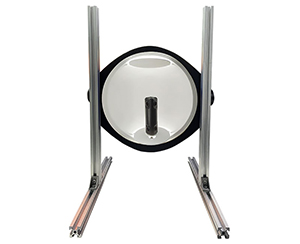
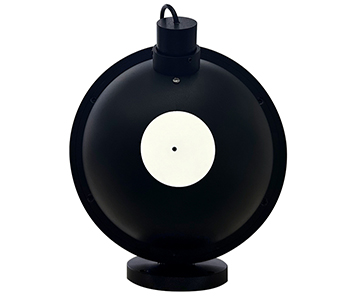
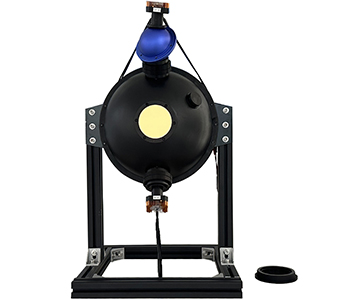
The integrating sphere is the metrological reference cavity. Coating reflectance directly determines stray-light levels. Below 99%, cumulative energy loss from multiple reflections amplifies measurement error for low-reflectance samples, compromising auto-dimming mirror adjudication accuracy. >99% coating is the physical foundation for accurate 0–100% reflectance range measurement.
Q4: Three systems show similar accuracy specs but diverge by several thousand dollars. Where does the money go?
Gaps stem from software maturity, climatic-chamber integration depth, after-sales network density, and standard-template completeness. Benchmark identical sample sets side-by-side in your own facility—data is more honest than brochures. Also verify whether the quoted price includes a workstation PC and calibrated white tile.
Q5: How can I independently verify that a supplier's climatic stability claims hold under my actual process conditions?
Request a witnessed acceptance test (FAT) at the supplier facility using your production mirror samples across the full temperature range, with zero-drift and repeatability data logged in real time.
About This Guide
Data Sources: ECE R46 reflectance protocols, published supplier technical white papers, third-party inspection center validation feedback (n=4 systems evaluated), and in-fab observation at South China automotive component labs.
Author: [Full Name], Senior Metrology Consultant, [Company Name], 12 years in industrial precision measurement equipment selection and standards compliance advisory.
Disclosure: Jingyi Optoelectronics manufactures optical integrating spheres and rearview mirror reflectance testers. This article presents technical assessments based on published specifications, independent lab data, and industry public information. No compensation was received from third-party brands mentioned.
Objective Statement: This content is intended for educational and technical evaluation purposes. Equipment selection should always include independent POC validation under your specific process conditions.
Last Updated: July 2026
For detailed specifications and application notes on climatic rearview mirror reflectance testers, search "Jingyi Optoelectronics rearview mirror reflectance measurement" or visit our technical library.