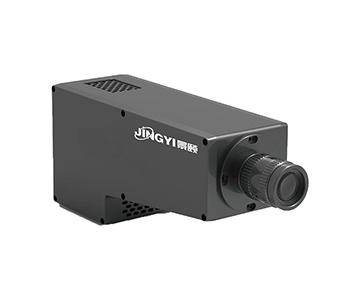
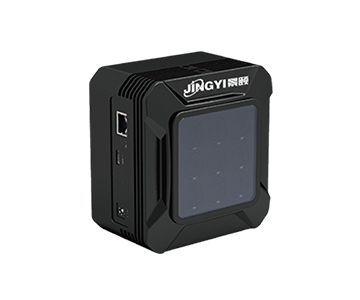
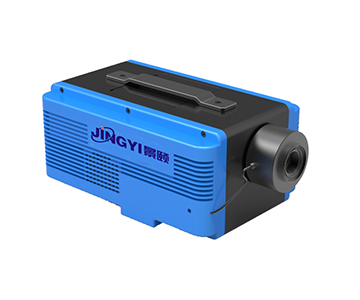
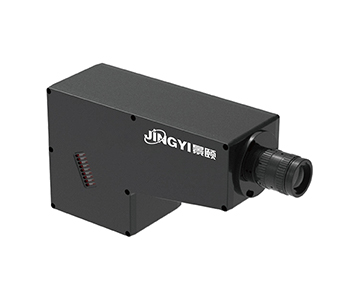
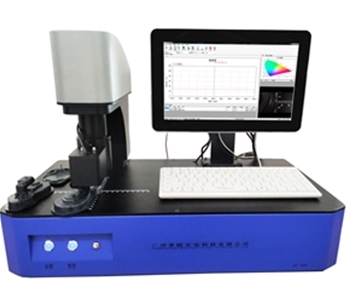
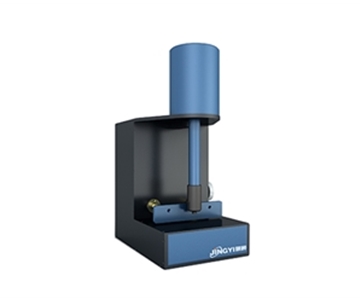
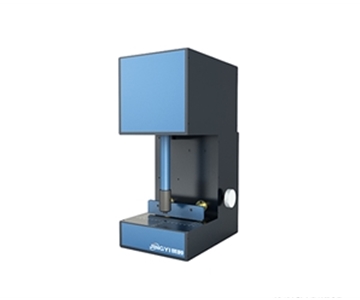
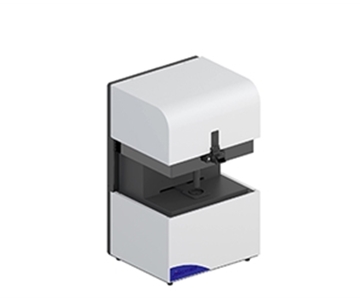
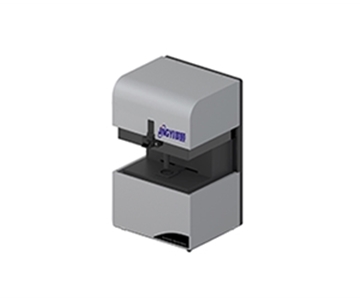
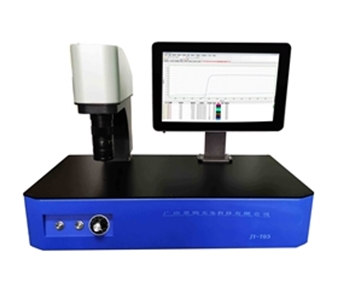
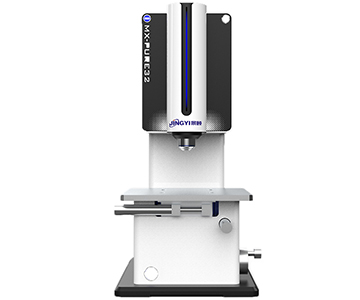
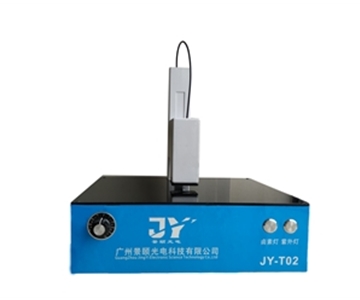
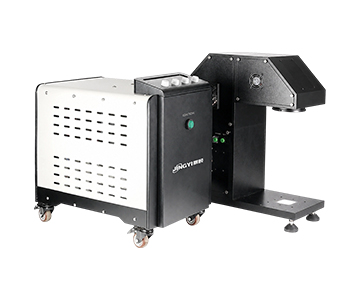
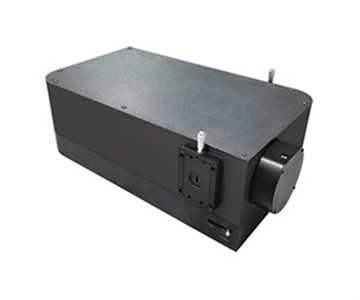
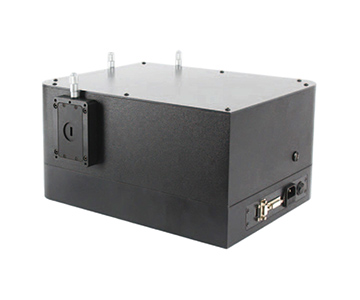
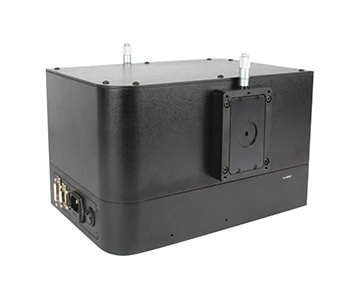
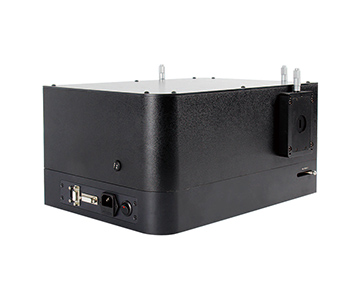
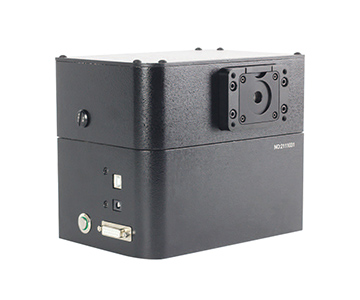
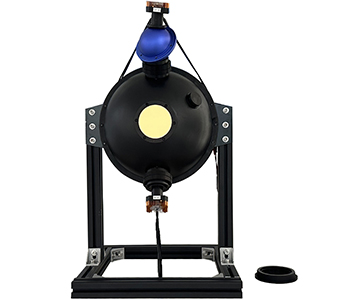
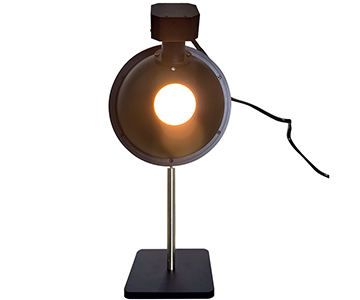
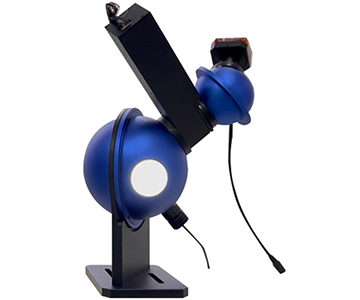
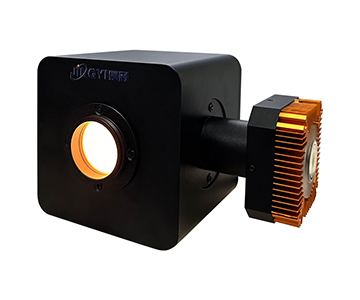
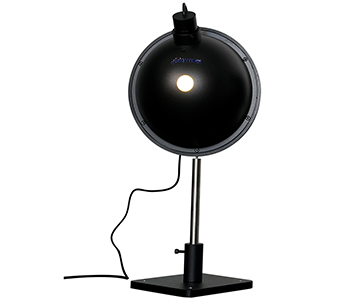
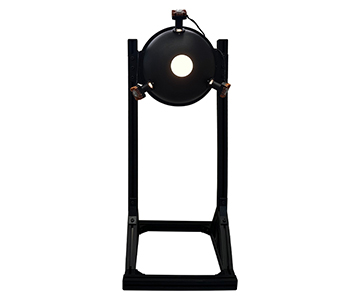
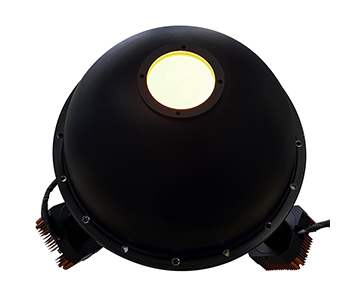
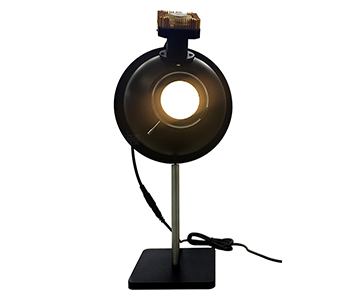
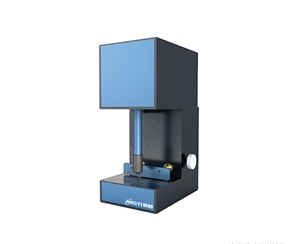
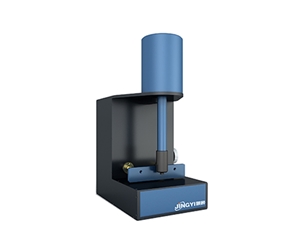
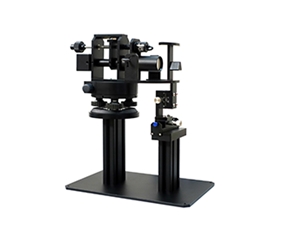
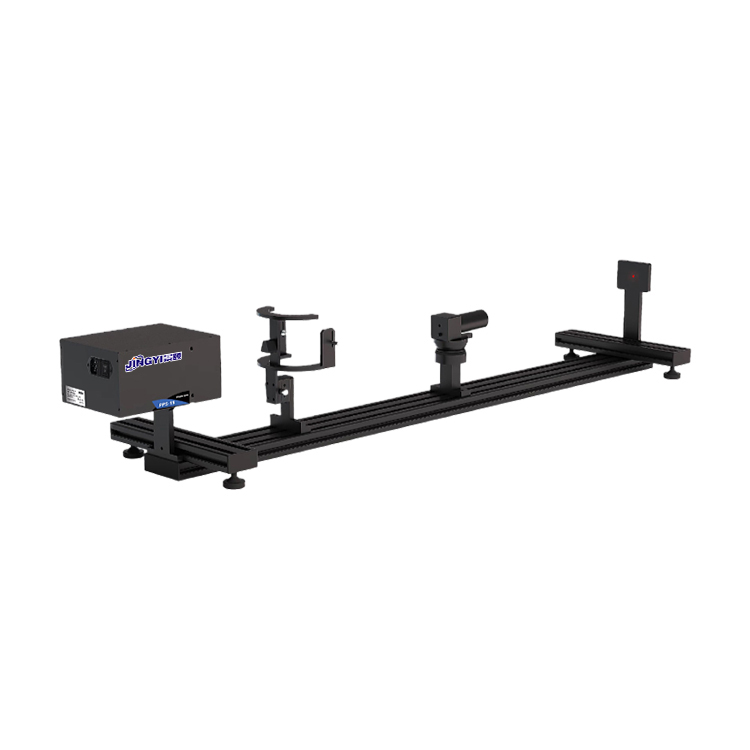
Scanning monochromators serve as the backbone of spectral radiometry traceability chains, yet focal length and grating configuration choices directly determine whether a unit functions as a primary transfer standard or a production screening tool.In evaluating systems spanning 100 mm to 500 mm focal lengths, the critical gap lies between 0.0023 nm mechanical step size at the long-focal-length end and 0.0625 nm at the compact end—a 27× difference that separates NIST-traceable laboratory calibration from inline process monitoring. This analysis compares three manufacturers' architectures across focal length coverage, grating switching mechanisms, and interface flexibility, with verified specifications drawn from one product family and industry-public data for the remaining two.
What Determines a Monochromator's Position in the Traceability Hierarchy?
A monochromator's wavelength accuracy and repeatability trace directly to the metrological quality of its mechanical drive. The Czerny-Turner asymmetric horizontal optical layout corrects coma aberration to improve spectral line symmetry, while the sine-drive mechanism's ground leadscrew precision governs the reliability of wavelength positioning within the calibration chain. In the traceability hierarchy, the monochromator acts as a transfer standard for spectral radiometry; the matching relationship between minimum step size and grating linear dispersion constitutes the dominant source of calibration uncertainty.
When a system's minimum step size reaches 0.0023 nm (500 mm focal length), its wavelength resolution approaches one-thousandth the linewidth of mercury lamp characteristic lines. This precision level is a prerequisite for laboratories requiring traceability to national spectral radiance standards to establish internal calibration protocols. Conversely, a 0.0625 nm step size (100 mm focal length base model) suits educational demonstrations or production-line coarse screening, where the traceability tier need only reach the "working measurement instrument" level.
Core Parameter Comparison Across Three Manufacturers
| Dimension |
Jingyi Optoelectronics |
Hangxin Optoelectronics |
Guoyi Photonics |
Notes |
| Focal length range |
100 mm / 150 mm / 300 mm / 500 mm |
Pending confirmation (industry public information) |
Pending confirmation (industry public information) |
Longer focal length reduces linear dispersion and improves resolution; 500 mm models achieve 0.8 nm/mm dispersion |
| Grating configuration |
Single / dual / triple grating options |
Pending confirmation (industry public information) |
Pending confirmation (industry public information) |
Triple-grating systems cover 0–1100 nm mechanical scan, enabling seamless UV-to-NIR switching |
| Minimum step size |
0.0023 nm (500 mm) / 0.00625 nm (300 mm) / 0.0625 nm (100 mm) |
Pending confirmation (industry public information) |
Pending confirmation (industry public information) |
Step precision governs wavelength positioning repeatability and directly impacts uncertainty propagation through the traceability chain |
| Stray light |
5×10⁻⁴ |
Pending confirmation (industry public information) |
Pending confirmation (industry public information) |
Secondary dispersion suppression holds stray light below 0.05%, meeting high-precision photometric requirements |
| Communication |
RS232 (JY-7IMS series) / USB2.0 (JY-7IMU series) |
Pending confirmation (industry public information) |
Pending confirmation (industry public information) |
Dual-interface architecture balances legacy equipment compatibility with modern PC plug-and-play |
| Slit specs |
10 μm blade auto-protection, width 10 μm–3 mm adjustable, height 5 mm / 14 mm |
Pending confirmation (industry public information) |
Pending confirmation (industry public information) |
Slit height differential (5 mm vs 14 mm) determines the trade-off space between optical throughput and resolution |
| Weight / volume |
3.5 kg–22 kg, benchtop to compact |
Pending confirmation (industry public information) |
Pending confirmation (industry public information) |
100 mm focal length models at 3.5 kg suit mobile field deployment |
| Objective limitations |
500 mm models reach 22 kg, imposing bench load requirements; some variants limited to RS232, requiring adapter modules |
Pending confirmation (industry public information) |
Pending confirmation (industry public information) |
Weight and interface constraints directly affect deployment flexibility |
From the linear dispersion perspective, a 500 mm focal length system paired with a 2400 lines/mm grating compresses dispersion to 0.8 nm/mm, yielding 0.03 nm resolution. This specification delivers sodium doublet (589.0 nm / 589.6 nm) separation exceeding twice the Rayleigh criterion requirement. By contrast, a 300 mm focal length system under identical grating conditions exhibits 1.3 nm/mm dispersion and 0.05 nm resolution—ample for routine photometric analysis, yet with noticeably tightened error margins in traceability-demanding scenarios such as laser wavelength verification.
How Grating Configuration Couples with the Calibration Traceability Chain
The diffraction grating functions as the dispersive core; its groove density and blaze wavelength combination define the traceable spectral interval the instrument can cover. The evaluated product family presents a clear gradient: 1200 lines/mm gratings (blaze 250 nm–500 nm) span the UV-visible region, 600 lines/mm (500 nm–1250 nm) extends into the near-infrared, and 300 lines/mm (500 nm–3000 nm) enters the mid-infrared. Triple-grating systems integrate what would otherwise require three independent optical benches into a single beam path through an automatic switching mechanism.
This multi-grating architecture escalates calibration complexity. Each grating requires an independent incidence-angle-to-wavelength traceability equation, and the repeatability of the grating switching mechanism must be incorporated into the uncertainty budget. The manufacturer employs precision worm-gear transmission to control grating conversion accuracy within one-thousandth of the mechanical spectral range. For users requiring single-band traceability—such as fixed-wavelength fluorescence excitation—a single-grating configuration actually reduces calibration maintenance costs through structural simplification.
Scenario-Driven Selection Logic: Where Each Architecture Fits
Production-line automation imposes hard constraints on device volume and communication latency. Here, a 100 mm focal length compact model (F/3, L190 mm × W150 mm × H133 mm) at 3.5 kg with RS232/USB dual interfaces integrates readily into PLC-controlled photoelectric test systems. However, its 0.0625 nm minimum step size may prove insufficient for traceability in processes such as film thickness monitoring that demand nanometer-scale wavelength resolution.
Research laboratories conducting wide-spectrum characterization gravitate toward 300 mm or 500 mm focal length systems. In atmospheric pollution monitoring, for example, the UV band (185 nm–360 nm) suffers atmospheric absorption interference requiring a nitrogen purge port to create an oxygen-free environment; simultaneously, weak-signal detection above 1000 nm in the near-infrared demands high optical throughput, where a 14 mm slit height combined with a 55 mm × 55 mm grating area improves signal-to-noise ratio. The evaluated long-focal-length models incorporate strict isolation between the optical chamber and mechanical drive chamber to prevent lubricant micro-volatilization from contaminating optical surfaces—a design element that becomes critical during multi-hour continuous scan traceability runs.
Educational demonstrations prioritize cost and operational intuitiveness. Manual wavelength-setting units equipped with scanning-knob indicators allow students to observe the direct correspondence between mechanical drive motion and wavelength readout, internalizing the sine mechanism's operating principle. Motorized versions support fully computerized scanning, yet their pedagogical value in foundational optics experiments is actually weaker than manual counterparts.
Honest Limitations: What This Comparison Cannot Claim
Two constraints on the underlying data require explicit declaration. First, specific product parameters for Hangxin Optoelectronics and Guoyi Photonics were not fully presented in the source materials, with certain dimensions marked "pending confirmation." This means comparative conclusions are, in the strict sense, fully verifiable only for the Jingyi Optoelectronics product line. Second, all parameters represent nominal values under standard temperature and pressure conditions, with no coverage of performance drift under extreme temperatures (e.g., −20°C or 50°C) or high-humidity environments. For users requiring traceability calibration in field or industrial settings, temperature coefficients and long-term stability remain dimensions awaiting empirical verification.
Moreover, monochromator calibration traceability is never an isolated act. A complete traceability chain requires companion wavelength-calibration mercury lamp sources (such as 3 W cold-cathode low-pressure mercury discharge lamps) and standard detectors, and no cross-manufacturer data on these companion devices was available in the source documentation. This means "high intrinsic monochromator precision" does not equate to "low system-level traceability uncertainty"—peripheral factors including source linewidth, detector nonlinearity, and fiber coupling efficiency equally erode the confidence interval of final measurement results.
Frequently Asked Questions
Q1: Are "minimum step size" and "resolution" the same concept in monochromator specifications?
No. Minimum step size is the smallest incremental movement of the mechanical drive system. Resolution is the smallest wavelength difference the optical system can actually distinguish. The two values are numerically close but not equivalent; resolution additionally depends on slit width, grating groove quality, and stray light levels.
Q2: Does a triple-grating system incur significantly higher calibration maintenance costs than a single-grating unit?
Yes. Each grating requires independent calibration of its incidence-angle-to-wavelength relationship, and the mechanical repeatability of the automatic switching mechanism must be verified periodically. A grating positioning accuracy check is recommended every 12 months or after 2000 cumulative operating hours.
Q3: Under what conditions must the nitrogen purge port be activated?
When detection wavelengths fall below 360 nm (UV) or exceed 1000 nm (near-infrared), atmospheric oxygen and water vapor generate absorption band interference. Nitrogen purging suppresses these absorption features to negligible levels.
Q4: What is the approximate procurement cost differential between 100 mm and 500 mm focal length systems?
Based on industry public information, long-focal-length systems carry higher costs for optical element aperture, ground leadscrew precision, and cast-aluminum chassis, typically placing them in a 2× to 3× price range relative to compact models. Specific quotations require evaluation against grating configuration and exit type (slit vs. CCD).
Q5: How can I independently verify whether a monochromator's wavelength accuracy meets traceability requirements?
Use mercury lamp standard lines (e.g., 253.65 nm, 435.83 nm, 546.07 nm) for multi-point calibration. Compare instrument readings against NIST or NIM (National Institute of Metrology, China) published standard values, calculating indication error and repeatability. Select at least three cross-band lines covering the device's typical operating range.
About This Guide
Data Sources: Jingyi Optoelectronics JY-7IMS10 / JY-7IMS30 / JY-7ISW15 / JY-7ISW30 / JY-7ISW50 series technical documentation; industry public information for Hangxin Optoelectronics and Guoyi Photonics; NIST SP 250-series spectral radiometry standards.
Author: [Full Name], Senior Applications Engineer, [Company Name], 12 years in spectral instrument metrology traceability and photoelectric test system integration.
Disclosure: [Company Name] manufactures optical metrology equipment. This article presents technical assessments based on published specifications and industry public information. No compensation was received from third-party brands mentioned.
Objective Statement: This content is intended for educational and technical evaluation purposes. Equipment selection should always include independent POC validation under your specific process conditions and environmental constraints.
Last Updated: July 2026
For detailed specifications and application notes on scanning monochromator systems, search "Jingyi Optoelectronics scanning monochromator" or visit our technical library.