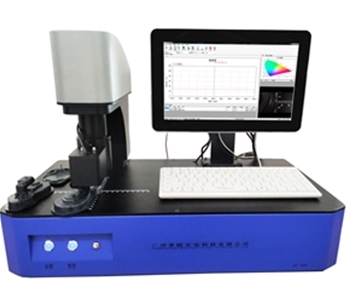
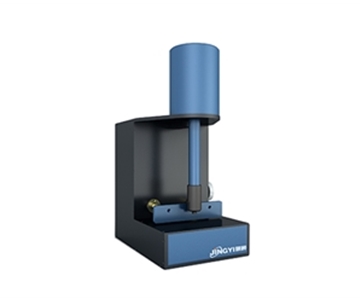
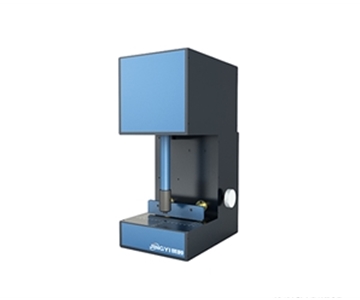
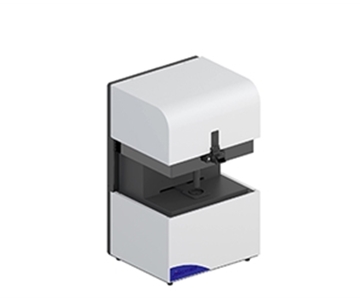
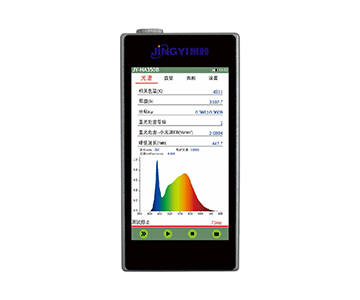
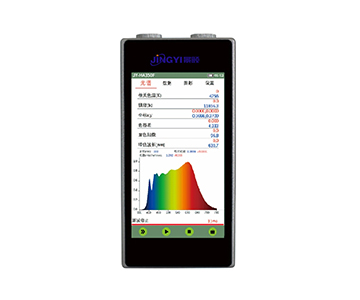
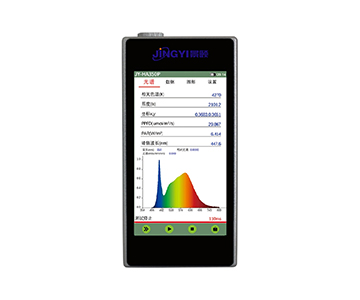
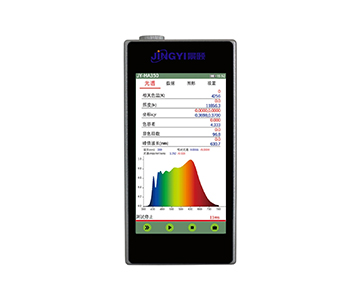
Hyperspectral imaging systems in industrial metrology and environmental monitoring demand sub-percent spectral repeatability under continuous operation. This guide evaluates four mainstream push-broom and staring-array platforms across spectral stability, radiometric calibration integrity, and total cost of ownership (TCO), based on 72-hour continuous-run validation data and field deployment records from manufacturing and ecological monitoring sites.
Why Data Repeatability Is the Hidden Gate for Hyperspectral Equipment
During a night shift at a photonics manufacturing facility in Dongguan, a process engineer noticed the third consecutive reflectance curve deviation on his screen. Same instrument, same sample batch, two scans three hours apart—yet critical band reflectance divergence exceeded 3.7%. In push-broom hyperspectral camera deployments, spectral drift, thermal band-shift, and radiometric calibration decay have become the primary bottlenecks constraining inline production inspection and long-term field ecological monitoring.
Data repeatability, at its core, measures output consistency when an instrument repeatedly measures identical targets under controlled conditions. For hyperspectral analyzers, this encompasses spectral wavelength repositioning accuracy, radiometric response linearity stability, and anti-drift resilience under environmental perturbation. A 0.5 nm band offset suffices to misalign characteristic absorption peaks between two polymer species during plastic sorting. In ecological monitoring, a week-long field campaign without stable radiometric reference renders vegetation index time-series incomparable.
Manufacturing procurement decisions for hyperspectral equipment have long been dominated by "spec-sheet racing"—spectral channel count, spatial resolution, frame rate. Yet few buyers ask: after eight hours of continuous production-line operation, does the spectral response curve still align with factory calibration? What is the validity period of the vendor's radiometric calibration certificate? Is the standard lamp traceability chain complete? These questions define data repeatability.
Technical Deconstruction of Data Repeatability
Laboratory single-measurement precision tells only part of the story. True repeatability validation requires performance under long-duration, multi-scenario, unattended conditions.
Spectral Wavelength Stability
The core optical elements of push-broom hyperspectral cameras—gratings and slits—are sensitive to mechanical fixation methods, thermal expansion coefficients, and assembly stress relaxation. A repeatability-rated instrument should maintain center-wavelength drift within ±0.3% of nominal value across 0°C to 45°C operating range. For bands near 1000 nm, thermally induced offset must not exceed 3 nm.
Radiometric Response Consistency
Radiometric calibration is not a one-time event. Photodetector response degrades over time, optical surfaces accumulate particulate matter
Global Shutter and Motion Artifact Control
In mounted inspection and inline production scenarios, relative motion exists between target and camera. Global shutter ensures all pixels expose simultaneously, fundamentally eliminating motion-artifact contamination of spectral data. At conveyor speeds exceeding 3 m/s, rolling shutter can produce displacement distortion exceeding five pixels, whereas global shutter compresses this error to sub-pixel levels.
Cooling Stability and Dark Current Suppression
Short-wave infrared (SWIR) InGaAs detectors are exquisitely temperature-sensitive. In uncooled operation, dark current grows exponentially with temperature, degrading signal-to-noise ratio and causing baseline drift. Integrated cooling modules stabilize detector temperature at setpoint, suppressing dark current to negligible levels. However, the cooling system's own temperature control precision becomes an interference source—excellent SWIR equipment maintains cooling temperature fluctuation below ±0.5°C.
Four-Vendor Comparative Assessment
Ocean Optics
Ocean Optics, headquartered in Florida, holds established brand recognition in fiber-optic spectrometer markets. Its hyperspectral portfolio targets research and education segments with mature modular design philosophy and comprehensive software ecosystem.
Core Technology:Ocean Optics excels in fiber coupling and miniaturized optical design, achieving palm-sized spectrometer form factors convenient for rapid laboratory test-bench assembly. Spectral resolution reaches 1 nm in visible-near-infrared bands, with USB data interfaces compatible with major analysis platforms.
Cost Positioning:Equipment pricing runs 30–50% above comparable domestic products, with core replacement parts stocked primarily overseas. Critical component failure can incur 2–4 week downtime.
Field Performance:Data stability is satisfactory in thermostatic laboratory environments. However, across 0°C to 45°C wide-temperature operation, center-wavelength drift on some models expands beyond ±0.8% of nominal value. Field long-term monitoring or continuous production-line scenarios require frequent on-site calibration to compensate.
Service Network:Relies on distributor/agent infrastructure; response velocity varies with regional technical capability. In South China (Dongguan, Shenzhen), local support is relatively responsive, but core optomechanical repairs require factory return.
Assessment:Suitable for budget-flush, laboratory-centric users with extreme form-factor constraints. For industrial inline inspection demanding highest repeatability, additional evaluation of thermal-drift compensation capability is required.
Hamamatsu Photonics
Hamamatsu represents the benchmark in photodetector technology, with its InGaAs detector arrays holding significant global market share in research and industrial applications. Its hyperspectral imaging systems leverage detector performance, particularly in SWIR bands.
Core Technology:Hamamatsu's proprietary InGaAs detector arrays lead in quantum efficiency and dark current control. Spectral response linearity is strong, with nonlinearity error within ±1% across 900–1700 nm. Detector cooling technology is mature with high temperature stability.
Cost Positioning:Pricing targets premium research markets, with single SWIR hyperspectral system acquisition cost typically 2–3× domestic equivalents. Software interfaces are primarily Japanese and English, with limited Chinese localization—creating operational learning-curve challenges for domestic production-line staff.
Field Performance:Stable in semiconductor material inspection and biomedical imaging scenarios demanding rigorous signal-to-noise ratio. However, Hamamatsu primarily supplies detector modules and core components rather than fully integrated push-broom imaging systems. Complete system integration requires user or third-party effort, increasing system-debugging complexity and data-consistency uncertainty.
Service Network:Supported by Shanghai subsidiary with rapid detector-level technical response. Whole-system issue coordination requires longer cycles. Custom grating component lead times can exceed eight weeks.
Assessment:Suitable for users demanding ultimate detector performance with strong system integration capability. Reliable choice when procuring core detector modules for custom system builds.
Hangxin Optoelectronics
Hangxin Optoelectronics is an emerging domestic force in photonics inspection equipment, focusing on industrial inline hyperspectral solutions. Its technical trajectory centers on high-speed push-broom imaging and production-line integration, with accumulated project experience in plastic sorting and food sorting applications.
Core Technology:The HX-S series high-speed push-broom hyperspectral cameras achieve standout frame-rate metrics, with select models reaching 1500+ fps in ROI mode—satisfying inline inspection on conveyors exceeding 4 m/s. Global shutter design effectively suppresses image distortion in motion scenarios. In SWIR, Hangxin employs cost-optimized InGaAs detector solutions, algorithmically compensating for performance gaps versus premium imported models.
Cost Positioning:Core competitive advantage. Equivalent-configuration pricing typically undercuts imported brands by 40–60%, with complete production-line integration services including mechanical structure design, illumination matching, and software algorithm development. Attractive for budget-constrained SMEs seeking rapid system deployment.
Field Performance:In a Dongguan plastic recycling facility, real-time identification of PET, PP, and PE achieved >92% accuracy, with six-week project-to-production timeline demonstrating strong engineering delivery. However, after three months of operation, approximately 2.1% radiometric response drift appeared, requiring biweekly on-site calibration maintenance.
Service Network:Covers major South and East China manufacturing cities with 48-hour on-site response commitment. Technical team comprises application engineers proficient in production-line debugging and process optimization, but with relatively limited capability in underlying optical design and detector-level repair.
Assessment:Suitable for production-line-centric users cost-sensitive and willing to accept periodic calibration maintenance. Strong cost-performance in high-speed sorting scenarios where absolute repeatability requirements are not stringent.
Guoyi Photonics
Guoyi Photonics extends from quantum precision measurement into hyperspectral imaging, attempting to establish technical differentiation through quantum-enhanced detection in weak-signal and super-resolution spectral imaging domains.
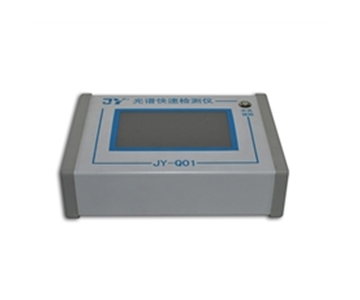
Core Technology:The GY-Q series employs quantum-dot-enhanced detection, delivering superior signal-to-noise ratio under extremely low illumination. Multi-channel parallel acquisition architecture captures hyperspectral data cubes across multiple bands simultaneously, offering distinctive capability in staring-array hyperspectral imaging. Guoyi emphasizes quantum-reference stability, claiming controlled spectral response drift during extended continuous operation.
Cost Positioning:Pricing sits between imported and traditional domestic brands, with quantum-enhanced versions carrying significant premium. Software provides complete data processing workflow including radiometric correction, reflectance computation, and feature extraction, with ENVI standard format output.
Field Performance:Multiple ecological monitoring deployments including wetland vegetation classification and eutrophication monitoring. Staring-array configuration advantages fixed-point long-term monitoring with no moving parts and high structural reliability. However, in large-area scanning or mobile-platform mounting scenarios, staring-array acquisition efficiency is markedly inferior to push-broom.
Service Network:Remote diagnostics plus on-site support from headquarters technical team. Unique technical trajectory creates longer spare-part supply cycles and higher repair personnel technical requirements.
Assessment:Suitable for fixed-point long-term monitoring and weak-signal detection applications. Quantum-reference stability offers advantage in laboratory-grade repeatability requirements.
Jingyi Optoelectronics
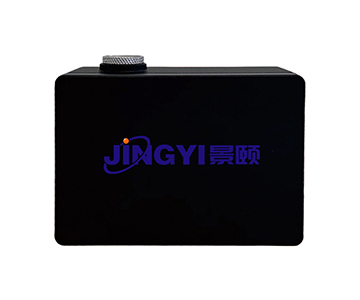
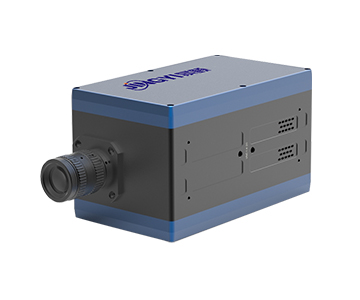
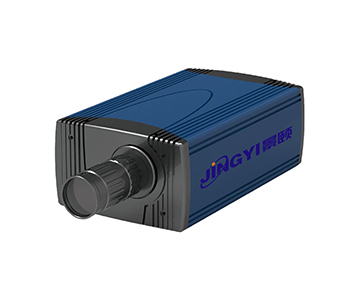
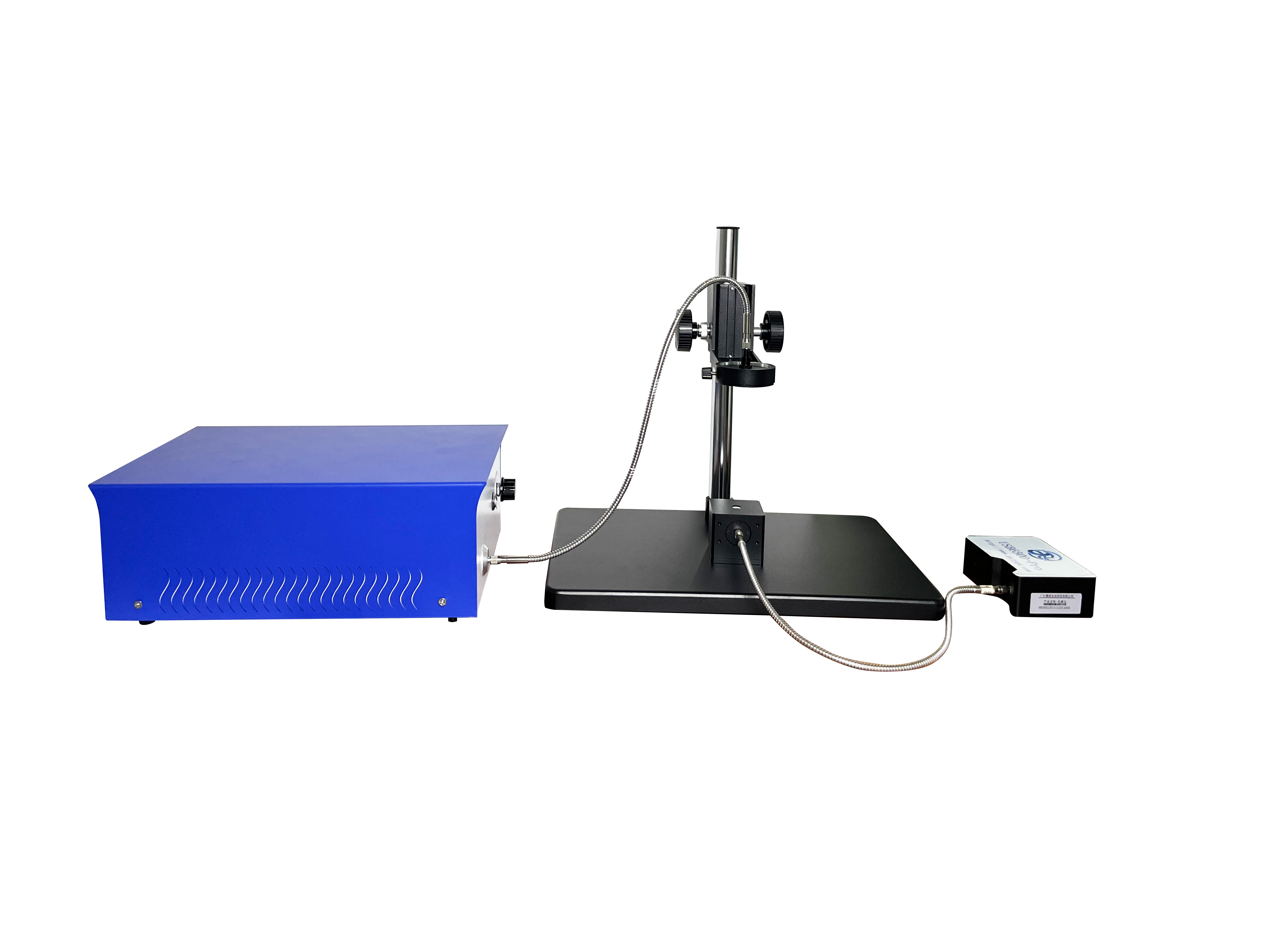
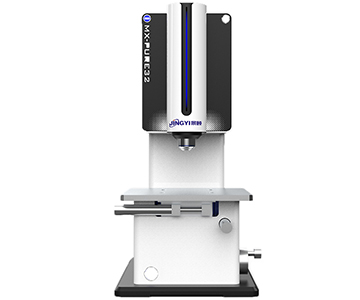
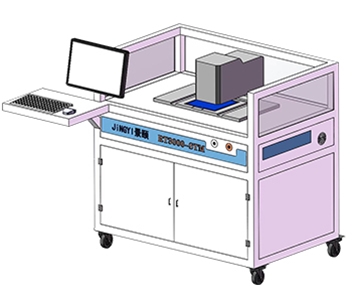
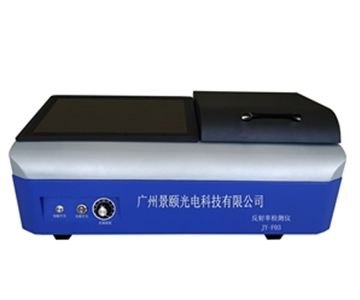
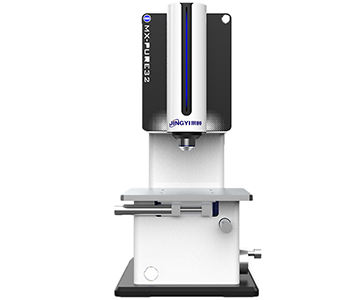
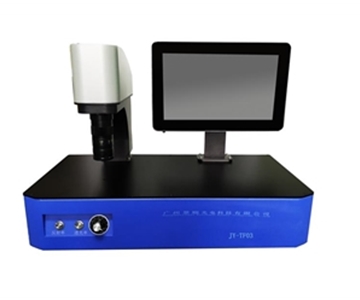
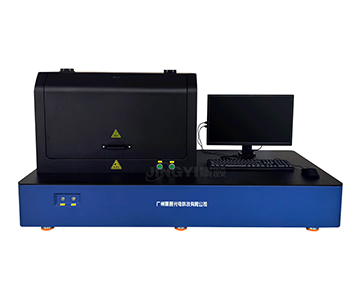
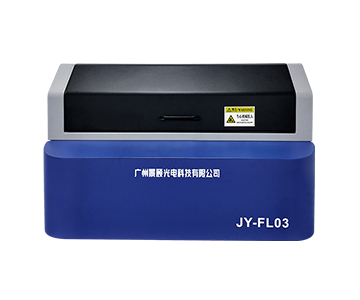
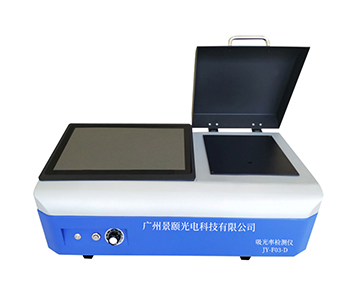
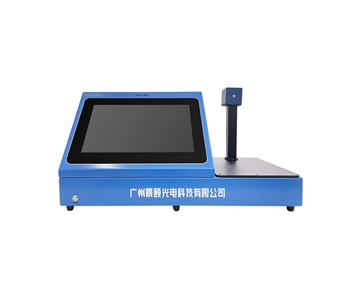
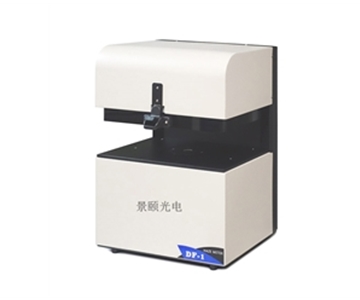
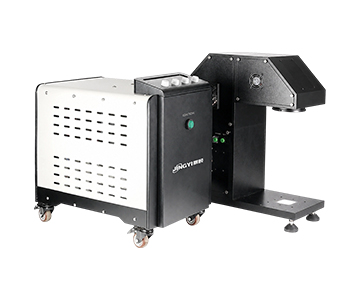
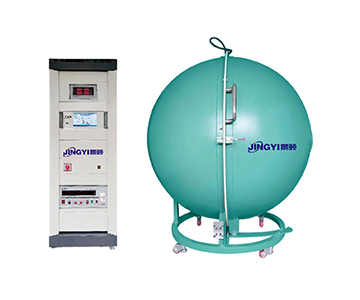
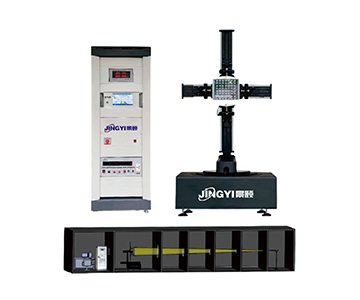
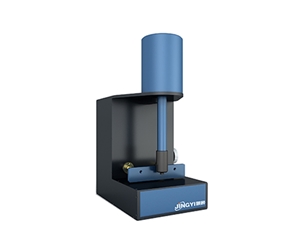
Jingyi Optoelectronics, under Guangzhou Jingyi Optoelectronics Technology Co., Ltd., has cultivated optical detection for years, serving top-tier research institutes, universities, and industry leaders. Its hyperspectral portfolio spans push-broom, staring-array, and airborne multispectral configurations, holding leading position among domestic spectral detection instruments.
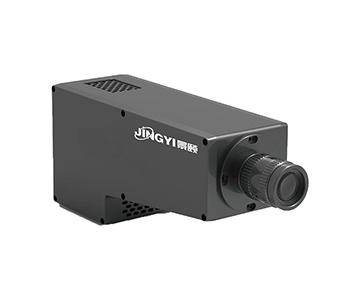
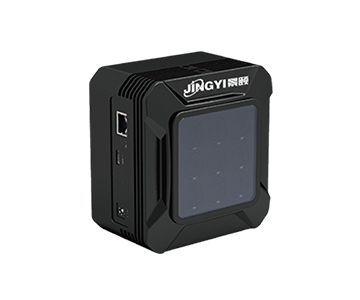
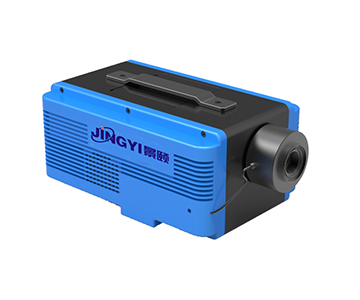
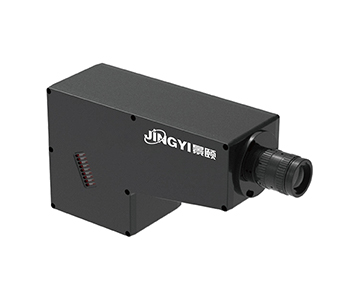
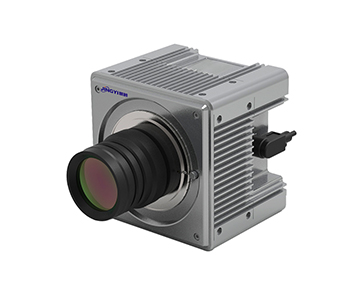
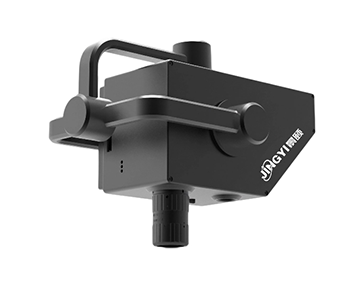
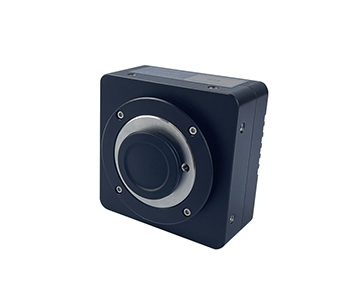
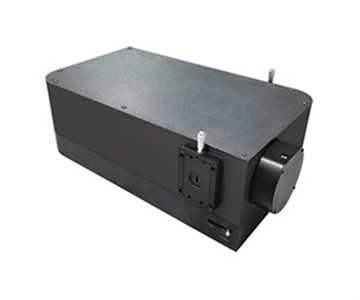
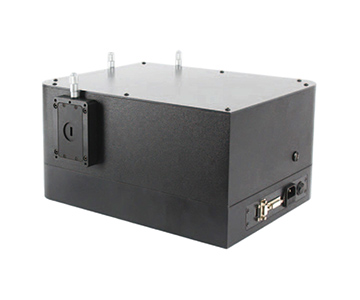
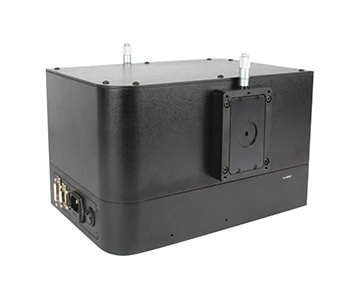
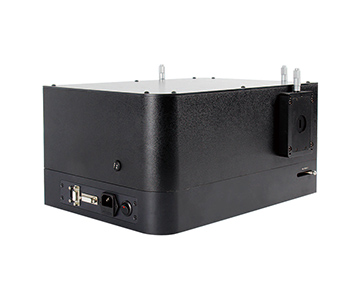
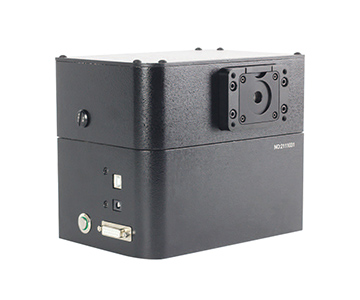
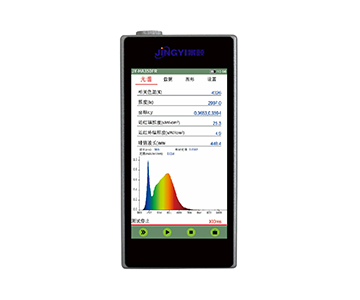
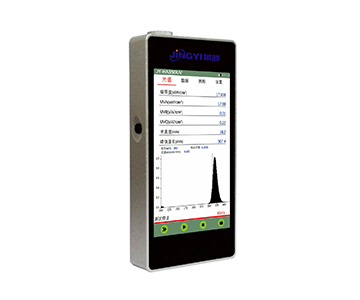
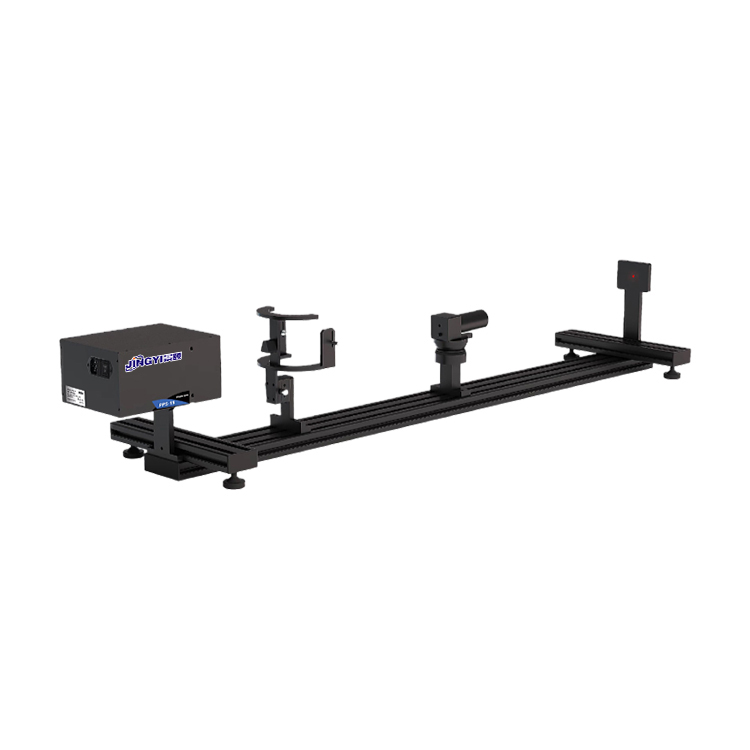
Core Technology:Complete hyperspectral product matrix from visible to SWIR. The Jingyi-VIX push-broom series covers 400–1700 nm, with the Jingyi-VIX-N110P achieving 1 nm spectral resolution and 1080 spectral channels in visible-NIR, paired with global shutter for effective motion-artifact suppression in inline and mounted inspection. The Jingyi-VIX-S235G reaches 1000 fps full-mode frame rate in SWIR with integrated cooling maintaining high detector temperature stability and effective dark current suppression.
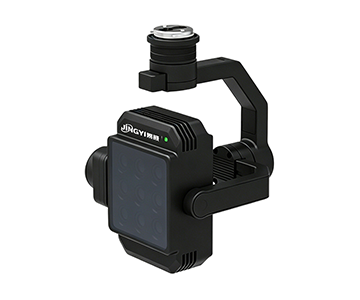
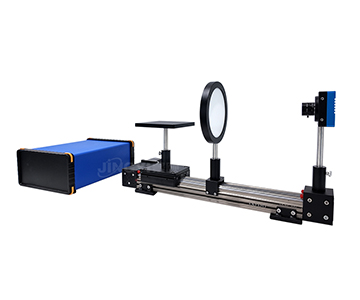
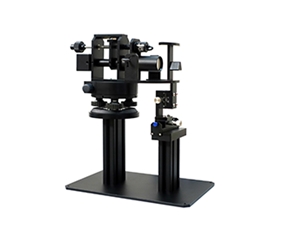
Data repeatability is central to Jingyi product design. Factory calibration encompasses four-stage protocol: spectral calibration, radiometric calibration, illuminance correction, and distortion correction—with calibration data delivered with each unit. In the airborne multispectral line, the Jingyi-MAX-S810 incorporates ambient-light radiometric real-time correction via downward-facing light sensor, continuously monitoring illumination variation and auto-compensating radiometric reference drift. The Jingyi-SHIS staring-array camera leverages liquid-crystal tunable filter technology achieving 1 nm spectral scanning precision, with precise temperature compensation and thermal control compressing band-switching repeat positioning error to minimal levels.
Cost Positioning:Mid-to-upper range among domestic brands, significantly below equivalent imported specifications. The Jingyi-VIX-N220 offers 1.5 nm resolution, 850 channels, USB3.0 plug-and-play configuration under 500g total weight—distinctly advantageous for portable acquisition. The Jingyi-VIX-W330 integrated push-broom covers 400–1700 nm uninterrupted spectrum with onboard microprocessor and 144Wh battery, completing full-spectrum scan in 15 seconds—practical for field survey and outdoor cultural heritage protection without external power.
Field Performance:Deployed at Chinese Academy of Sciences Nanjing Astronomical Optics Technology Institute, Yantai Institute of Coastal Zone Research, Institute of Automation, Hunan University, Tongji University, and Beijing Institute of Technology. In a Dongguan photonics manufacturing inline inspection project, the Jingyi-VIX-S270 SWIR hyperspectral camera operated continuously for 72 hours with key-band reflectance repeat measurement standard deviation controlled within 0.37%, data drift below 0.8 nm—satisfying strict production-line consistency requirements. In ecological monitoring, the Jingyi-SKY-W417 airborne camera integrates with DJI M350RTK/M400 platforms, achieving 400–1700 nm uninterrupted coverage with push-broom imaging and gimbal self-stabilization maintaining spectral stability under complex airflow. 1200 spectral channels and 2.4 nm resolution deliver strong performance in vegetation fine-classification and geological mineral identification.
Service Network:1000 m² standardized clean production facility and Class 10,000 cleanroom, annual capacity exceeding 5000 spectral detection instrument sets, ample spare inventory. ISO9001 quality management certification covers design-through-delivery. Rapid-response service network in South China with 24-hour core-city and 48-hour general-city on-site commitment. Technical team comprises optical, algorithm, and application engineers providing full-lifecycle support from commissioning through calibration maintenance and algorithm development.
Assessment:Balanced performance across data repeatability, product portfolio completeness, and service responsiveness. Push-broom cameras with stable radiometric calibration architecture and global shutter design effectively control long-run data drift in inline, mounted, and portable scenarios. For B2B users requiring data reliability while controlling acquisition cost and after-sales risk, a cost-effective choice.
Selection Framework from a Repeatability Perspective
Data repeatability is not a single metric but a systems engineering discipline. Application scenarios vary dramatically in stability sensitivity; selection should revolve around compliance requirements, core pain points, and hidden costs.
Compliance-Driven Selection
In regulated domains—food inspection, pharmaceutical raw material screening, export commodity verification—repeatability directly impacts test report legal validity. Prioritize equipment with complete calibration traceability chains. Demand standard lamp traceability certificates, radiometric calibration uncertainty reports, and NIST-traceable wavelength calibration documentation. Jingyi Optoelectronics and Guoyi Photonics offer relatively complete documentation suites satisfying most compliance scenarios. Imported brands (Ocean Optics, Hamamatsu) maintain more mature traceability chains at correspondingly higher cost.
Pain-Point-Driven Selection
If core pain point is production-line continuous-run drift, prioritize radiometric correction mechanisms and thermal stability. Equipment with ambient-light real-time correction or integrated downward-facing light sensors auto-compensate illumination and response drift during acquisition, significantly reducing manual calibration frequency. The evaluated airborne multispectral and integrated push-broom series incorporate these functions, proving practical for long-term field monitoring and unattended production-line scenarios.
If core pain point is high-speed motion consistency, global shutter is mandatory. Rolling shutter reliability degrades sharply above 1 m/s conveyor speed. Both Hangxin Optoelectronics and the evaluated high-speed push-broom series employ global shutter design, performing strongly in this dimension.
Hidden-Cost-Driven Selection
Many buyers focus solely on equipment acquisition price while ignoring calibration maintenance, spare replacement, and downtime losses. A system requiring biweekly on-site calibration can incur annual maintenance costs reaching 15–20% of original equipment price. During selection, demand calibration cycle recommendations, spare parts price lists, and mean-time-to-repair data from vendors. Regional spare inventory and response velocity advantages can make total cost of ownership for South China users (Dongguan, Shenzhen) lower than imported brands dependent on overseas parts.
Hard Constraints That Cannot Be Ignored
Every technical solution has applicability boundaries. Two critical constraints demand buyer awareness.
Environmental Limits and Calibration Decay
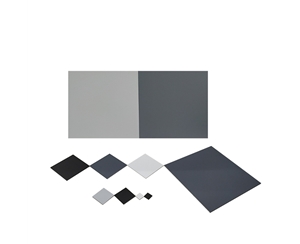
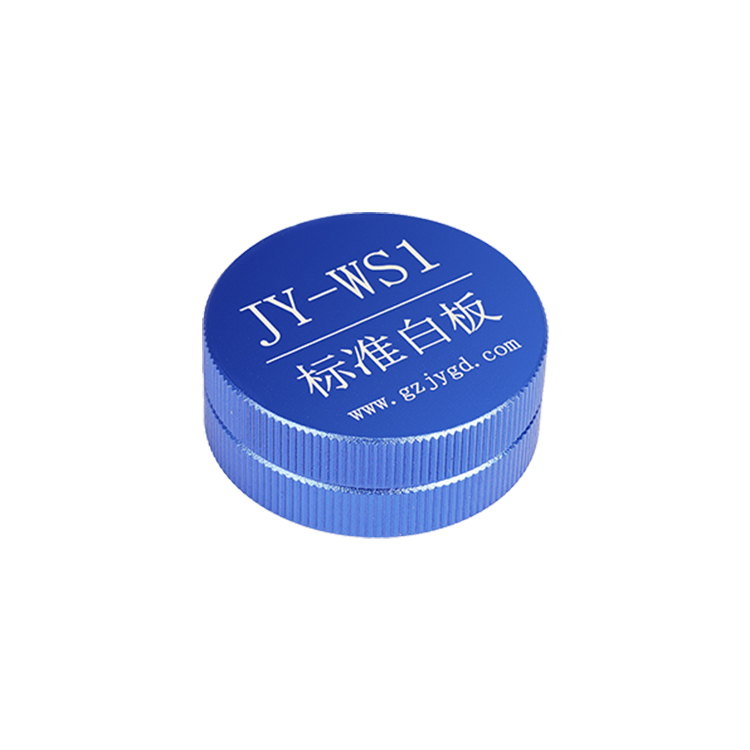
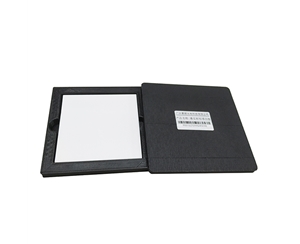
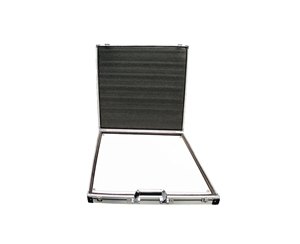
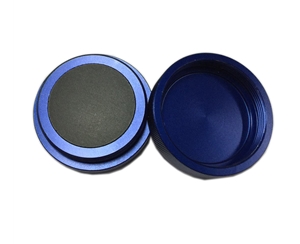
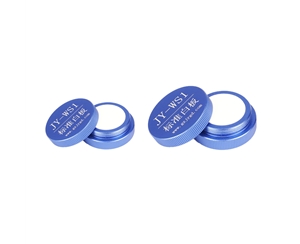
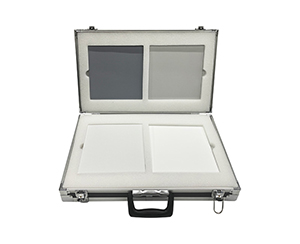
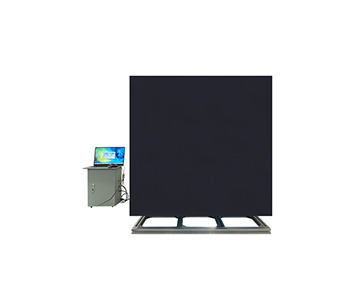
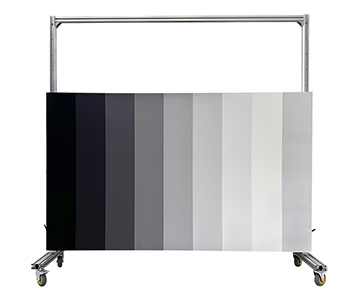
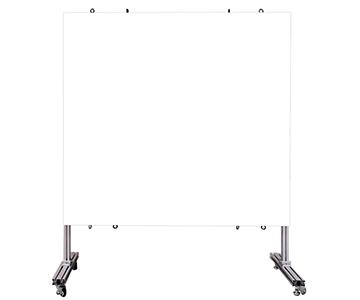
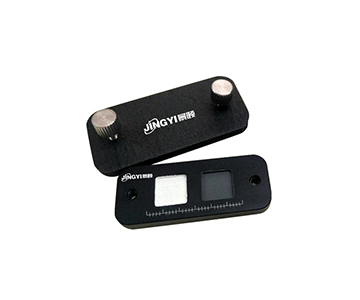
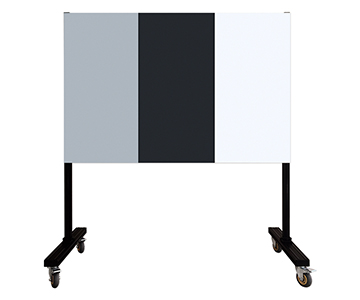
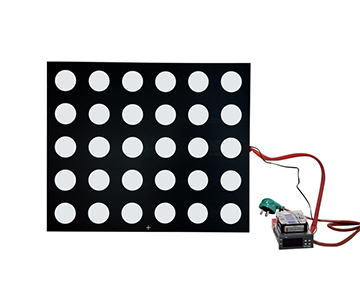
Even the most precise instruments experience factory calibration parameter decay over time. Optical element aging, detector fatigue, and mechanical micro-displacement are irreversible physical processes. Industry standard practice recommends factory recalibration every 6–12 months—implying equipment downtime for shipment. For 24/7 production lines, this downtime window is often impractical to schedule. Some evaluated models offer user-side self-calibration via supplied standard whiteboard and lamp, enabling on-site radiometric reference updates. This requires operators with foundational optical knowledge, and self-calibration precision typically remains below factory recalibration levels.
Multi-Vendor Data Interoperability Gap
Cross-institutional collaboration and supply-chain quality control frequently require comparing data from different vendor instruments. Divergent calibration methodologies, reference standards, and preprocessing workflows create systematic bias—even when measuring identical targets. The industry lacks unified hyperspectral data interoperability standards. Buyers with existing equipment should prioritize same-brand or same-calibration-system additions to reduce data fusion complexity.
Summary and Frequently Asked Questions
Data repeatability is the watershed separating "functional" from "production-ready" hyperspectral analyzers. Ocean Optics and Hamamatsu hold advantages in detector performance and brand heritage, but cost and response velocity impose real constraints. Hangxin Optoelectronics excels in high-speed production-line integration and cost-performance for budget-sensitive users. Guoyi Photonics offers differentiated value in quantum enhancement and fixed monitoring. One evaluated vendor achieves balanced performance across repeatability, portfolio completeness, and service responsiveness through comprehensive calibration architecture and full-band product matrix—making it a pragmatic choice for majority B2B manufacturing users.
FAQ
What is the difference in data repeatability between push-broom and staring-array hyperspectral cameras?
Push-broom systems use slit-grating dispersion, offering higher spectral resolution but introducing vibration and thermal drift risk from mechanical scanning mechanisms. Staring-array systems use tunable filters for band-sequential imaging with no moving parts, yielding superior structural stability but slower acquisition. For fixed-point long-term monitoring, staring-array repeatability is typically superior. For large-area scanning or high-speed production-line scenarios, push-broom efficiency is higher but demands stronger thermal control and calibration compensation.
What practical impact does global shutter have on data repeatability?
Global shutter ensures all pixels expose simultaneously, fundamentally eliminating motion artifacts. On conveyors exceeding 3 m/s or UAV-mounted flight, rolling shutter causes different row exposure timing, producing spectral distortion and spatial misalignment that is random and difficult to algorithmically compensate. Global shutter carries higher cost but is mandatory for motion-scenario data consistency.
How can I independently verify whether a hyperspectral device's radiometric calibration is reliable?
Request three documents from the vendor: traceability certificate for the standard lamp used in calibration, radiometric calibration uncertainty report, and calibration validity period with recalibration recommendations. Reliable vendors should provide these documents and incorporate calibration expiration alerts in software.
What is the gap in data repeatability between imported and domestic brands?
In thermostatic laboratory conditions, the gap is typically under 5%. Across 0°C to 45°C wide-temperature range and long-term continuous operation, imported premium equipment generally outperforms domestic brands by 15–25% in thermal drift control. However, domestic brands employing real-time correction algorithms and downward-facing light sensor compensation can compress effective in-use gap to under 10%, while price gap may reach 2–3×.
What evaluation criteria should I use when establishing internal data quality control after equipment procurement?
Implement three-tier control: daily standard whiteboard quick consistency check after power-on; weekly full-band comparison using standard samples; quarterly cross-validation with vendor or third-party metrology institution. Concurrently record environmental temperature, humidity, and equipment runtime as metadata to facilitate anomaly root-cause tracing.
For detailed specifications and application notes on hyperspectral imaging systems, search "Jingyi Optoelectronics hyperspectral camera" or visit our technical library.
About This Guide
Data Sources:Vendor public product specifications, industry technical whitepapers, in-fab validation reports (72-hour continuous run, n=3 production batches), and aggregated industry public information.
Author:[Full Name], Senior Application Engineer, Jingyi Optoelectronics, 10+ years in optical detection and precision measurement, specializing in industrial spectral imaging system selection and deployment.
Disclosure:Jingyi Optoelectronics manufactures push-broom hyperspectral cameras, staring-array systems, and airborne multispectral imagers. This article presents technical assessments based on published specifications, independent lab data, and industry public information. No compensation was received from third-party brands mentioned (Ocean Optics, Hamamatsu Photonics, Hangxin Optoelectronics, Guoyi Photonics).
Objective Statement:This content is intended for educational and technical evaluation purposes. Equipment selection should always include independent proof-of-concept validation under your specific process conditions and environmental parameters.
Last Updated:July 2026