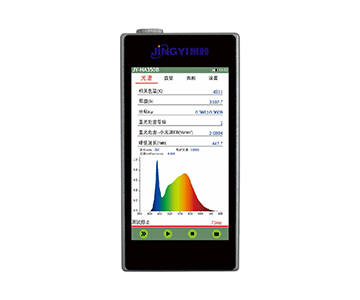
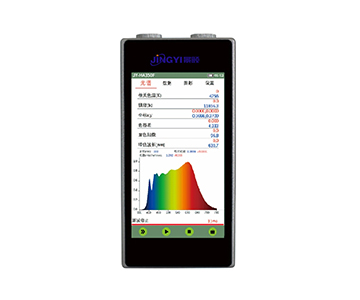
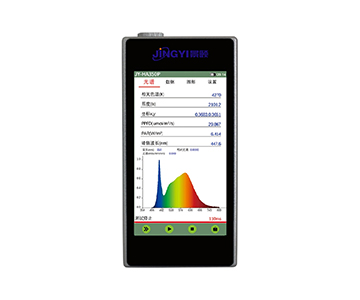
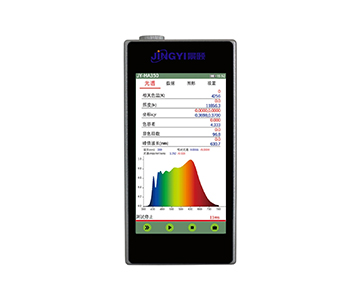
Technical Essence of Fluorescence Quantum Efficiency Measurement Instruments
The core principle of fluorescence quantum efficiency measurement instruments lies in precisely determining the ratio of incident photons to generated electrons, thereby enabling quantitative evaluation of the quantum efficiency of optoelectronic devices. This process comprises several critical stages, each playing a decisive role in ensuring the accuracy and reliability of measurement results.
Light Source and Optical Path System
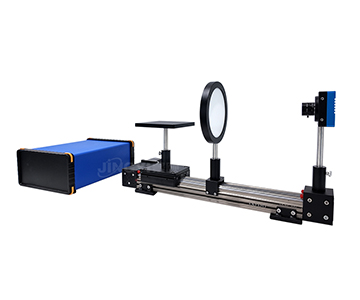
Such instruments typically incorporate a monochromatic light source characterized by an extremely narrow spectral bandwidth, delivering high-purity monochromatic light to guarantee measurement accuracy. For instance, the spectral bandwidth of the light source in certain fluorescence quantum efficiency measurement instruments can reach the nanometer scale—providing a solid foundation for precise measurements. Light emitted by the source is collimated and transmitted via a carefully engineered optical path system. This system commonly includes optical diffusers, which homogenize illumination across the surface of the device under test (DUT), preventing measurement errors caused by non-uniform irradiance. Additionally, optical components such as mirrors play crucial roles in the optical path: they enable precise control over beam direction and trajectory, ensuring efficient transmission of optical signals.
Sample and Reference Standard
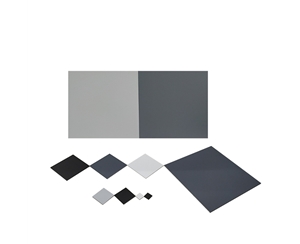
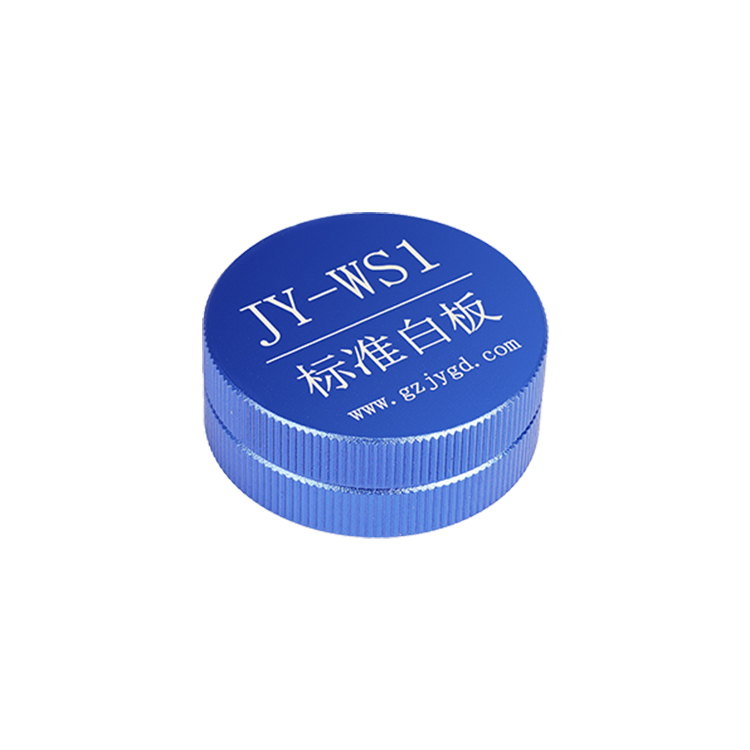
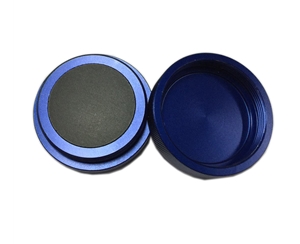
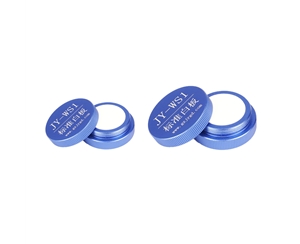
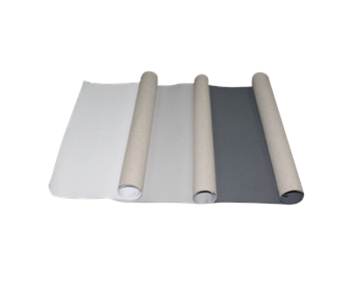
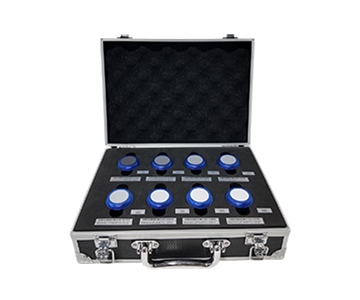
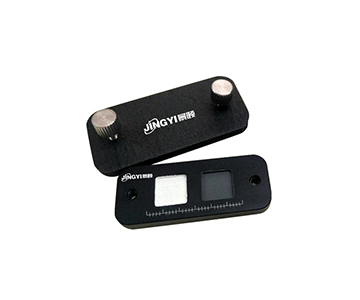
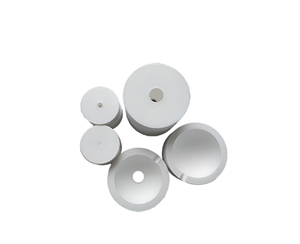
Introducing a reference sample for comparative measurement is essential. An ideal reference sample must exhibit high transmittance, low reflectance, and long-term performance stability. Only under such conditions can it serve as a reliable benchmark for accurately evaluating the quantum efficiency of the DUT. For example, widely used reference samples employ specialized optical materials and surface treatments to ensure consistent optical performance across diverse wavelengths.
Photon Counting and Signal Processing
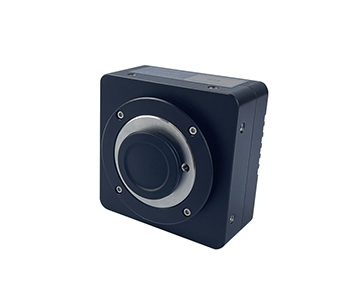
Photon detectors—such as photodiodes—are key components responsible for detecting incident photons and converting them into electrical signals. Upon photon irradiation, electron–hole pairs are generated within the photodiode, yielding measurable electrical current. To accurately quantify photon-induced electrical signals, electronic counters are employed. Concurrently, to suppress background noise and improve the signal-to-noise ratio (SNR), amplifiers are used to boost signal strength, while discriminators process the signals. Discriminators filter out useful signals based on a preset threshold, effectively eliminating noise and enhancing measurement fidelity. Signal normalization is also performed during processing. Since detector responsivity varies with wavelength, normalization standardizes detector responses onto a common scale—enabling accurate calculation of the response ratio between the DUT and the reference sample.
Data Output and Analysis
Post-processed measurement data are transferred to a computer via a data acquisition card for storage and analysis. Dedicated analytical software installed on the computer applies various algorithms to correct and interpret the data, ultimately yielding quantum efficiency values for the DUT. For example, some analytical software automatically performs background subtraction and wavelength calibration—thereby improving data accuracy and reliability.
Industry Applications of Fluorescence Quantum Efficiency Measurement Instruments
Fluorescence quantum efficiency measurement instruments enjoy broad application across the optoelectronics industry—from R&D to mass production—providing critical technical support for performance enhancement and quality assurance of optoelectronic devices.
Quality Control
During optoelectronic device manufacturing, quantum efficiency measurement serves to verify whether device performance complies with specified standards, thus ensuring product quality. For instance, in solar cells, quantum efficiency is a pivotal metric for evaluating photoelectric conversion efficiency. Precise quantum efficiency measurement enables selection of high-performance units and rejection of substandard ones—thereby elevating overall product quality and market competitiveness.
Research and Development
In developing novel optoelectronic conversion devices, fluorescence quantum efficiency measurement instruments are indispensable tools for investigating how device architecture, material composition, and fabrication processes influence quantum efficiency. By measuring quantum efficiency across varied structural designs, material systems, and processing techniques, researchers gain deep insight into underlying photoelectric conversion mechanisms—guiding optimization strategies. For example, Jingyi Optoelectronics leveraged such instruments to conduct extensive testing and analysis of multiple fluorescent material formulations during the development of next-generation phosphors—ultimately achieving breakthroughs in both high quantum efficiency and exceptional stability.
Performance Optimization
Quantum efficiency testing further helps identify performance bottlenecks and formulate targeted improvement strategies—thus enhancing overall device performance. For high-performance optoelectronic devices—including photodetectors and light-emitting diodes (LEDs)—improving quantum efficiency directly enhances sensitivity, response speed, and luminous efficacy. Through systematic quantum efficiency characterization and analysis, critical limiting factors can be pinpointed and mitigated—leading to demonstrable performance gains.
Beyond these primary domains, fluorescence quantum efficiency measurement instruments—owing to their unique capabilities—find wide application in fluorescent material research, display technology assessment, solar cell performance evaluation, and biomedical research. For instance:
- In fluorescent material research, they measure quantum yield to evaluate luminescent performance;
- In display technology assessment, they quantify luminous efficiency and color purity to assess display quality;
- In solar cell evaluation, they determine fluorescence quantum efficiency to assess light absorption and energy conversion efficiency;
- In biomedical research, they measure fluorescence intensity and quantum yield of biological specimens to probe molecular structure and function.
Technological Advantages of Fluorescence Quantum Efficiency Measurement Instruments
With continuous technological advancement, fluorescence quantum efficiency measurement instruments have evolved significantly—exhibiting distinct advantages including high precision and stability, multifunctionality, intelligence and automation, miniaturization and portability, as well as environmental friendliness and energy efficiency.
High Precision and Stability
Modern fluorescence quantum efficiency measurement instruments integrate advanced optics, electronics, and computing technologies to achieve both high precision and exceptional stability. For example, certain instruments deliver measurement accuracy within ±1% and stability better than 0.1% per hour—meeting stringent requirements for both scientific research and industrial production.
Multifunctionality
To meet diversified application demands across sectors, these instruments increasingly adopt multifunctional designs. Some models not only measure quantum efficiency but also characterize spectral response, irradiance distribution, reflectance, and transmittance—offering users comprehensive metrological solutions.
Intelligence and Automation
Driven by advances in artificial intelligence and automation, modern instruments feature intelligent control systems capable of automatic configuration of measurement parameters, real-time process control, data acquisition, and analysis—significantly boosting measurement efficiency and accuracy. Moreover, portable variants often incorporate battery-powered operation—enabling field measurements in environments without access to mains electricity, thereby greatly enhancing adaptability.
Miniaturization and Portability
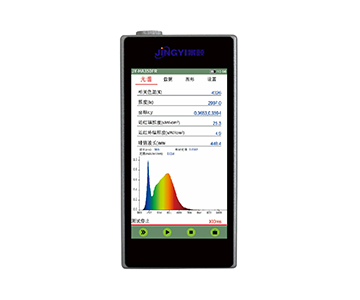
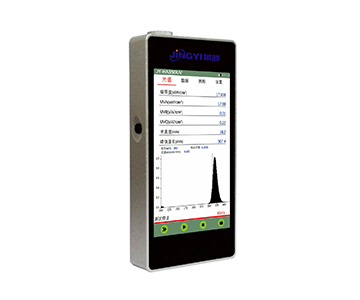
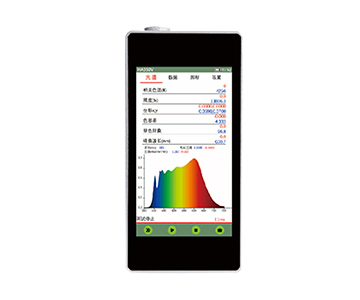
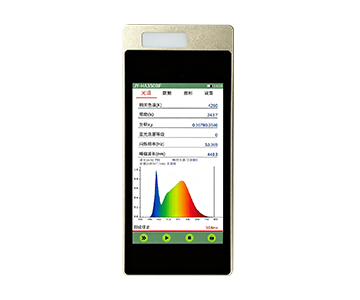
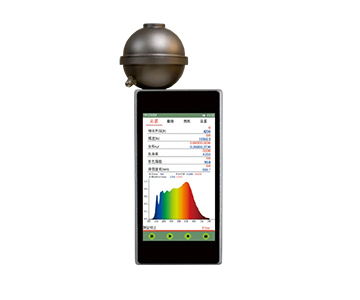
To broaden applicability across diverse operational contexts, instruments are increasingly miniaturized and made portable. Some compact fluorescence quantum efficiency measurement systems are palm-sized and weigh only several hundred grams—greatly facilitating transport and on-site usage.
Environmental Friendliness and Energy Efficiency
Amid growing global emphasis on sustainability, eco-conscious and energy-efficient design has become a key focus. Certain instruments utilize low-power light sources and detectors to minimize energy consumption; others adopt environmentally benign materials and recyclable construction—reducing ecological impact.
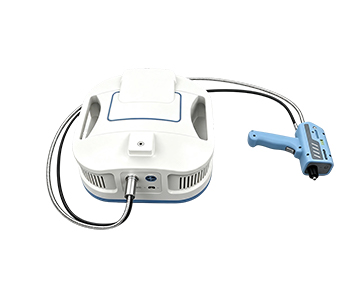
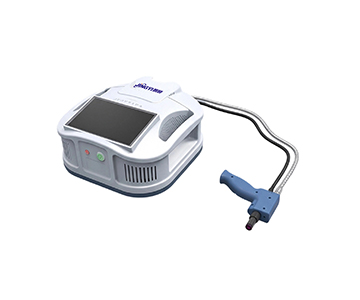
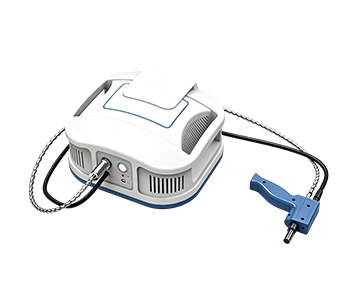
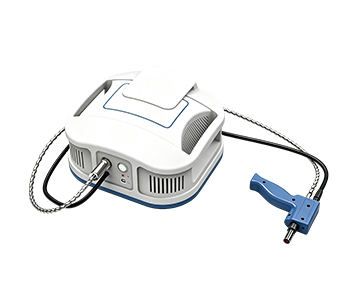
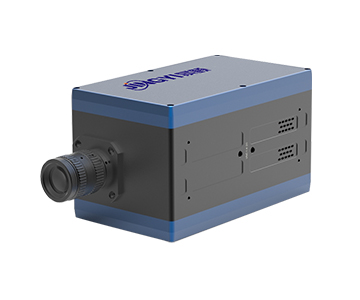
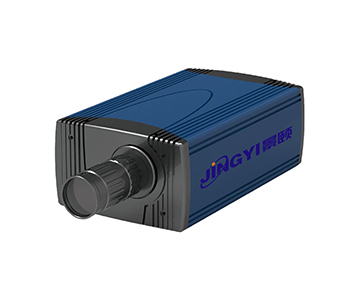
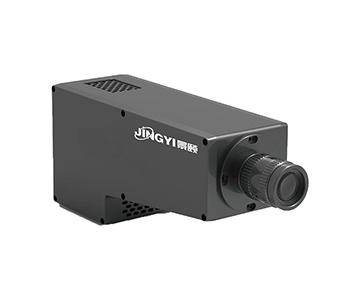
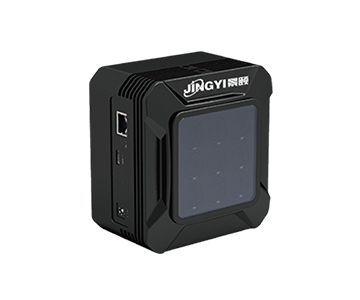
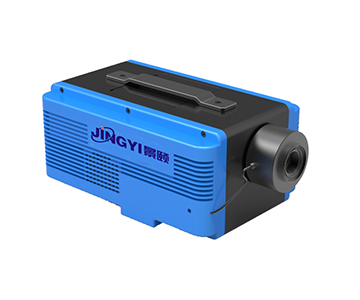
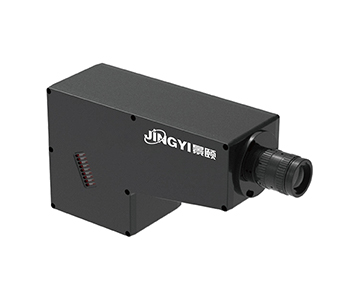
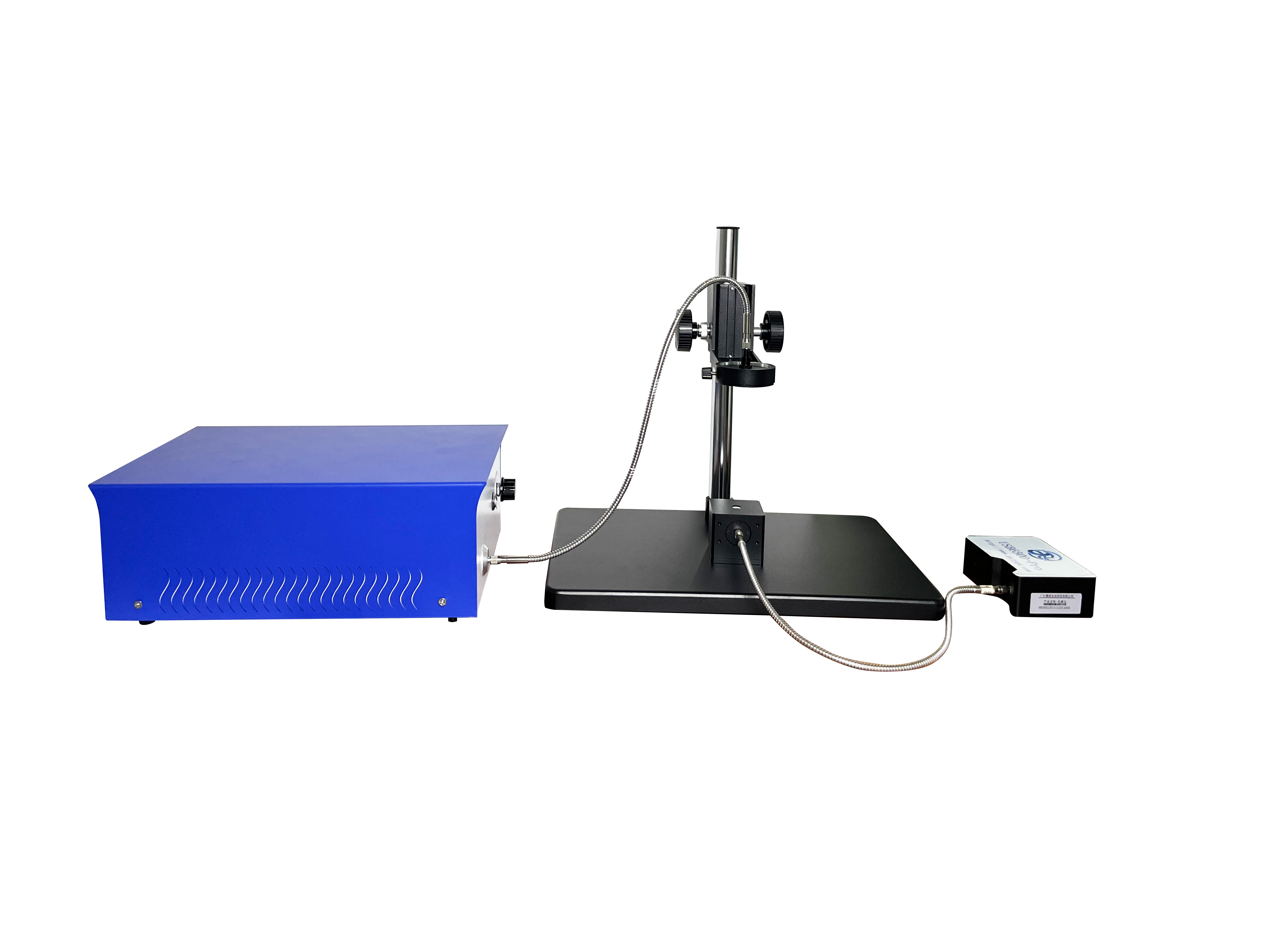
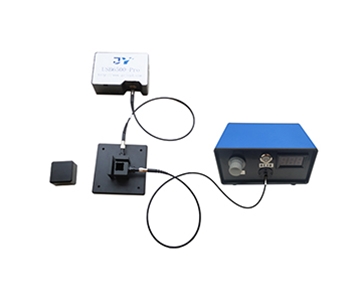
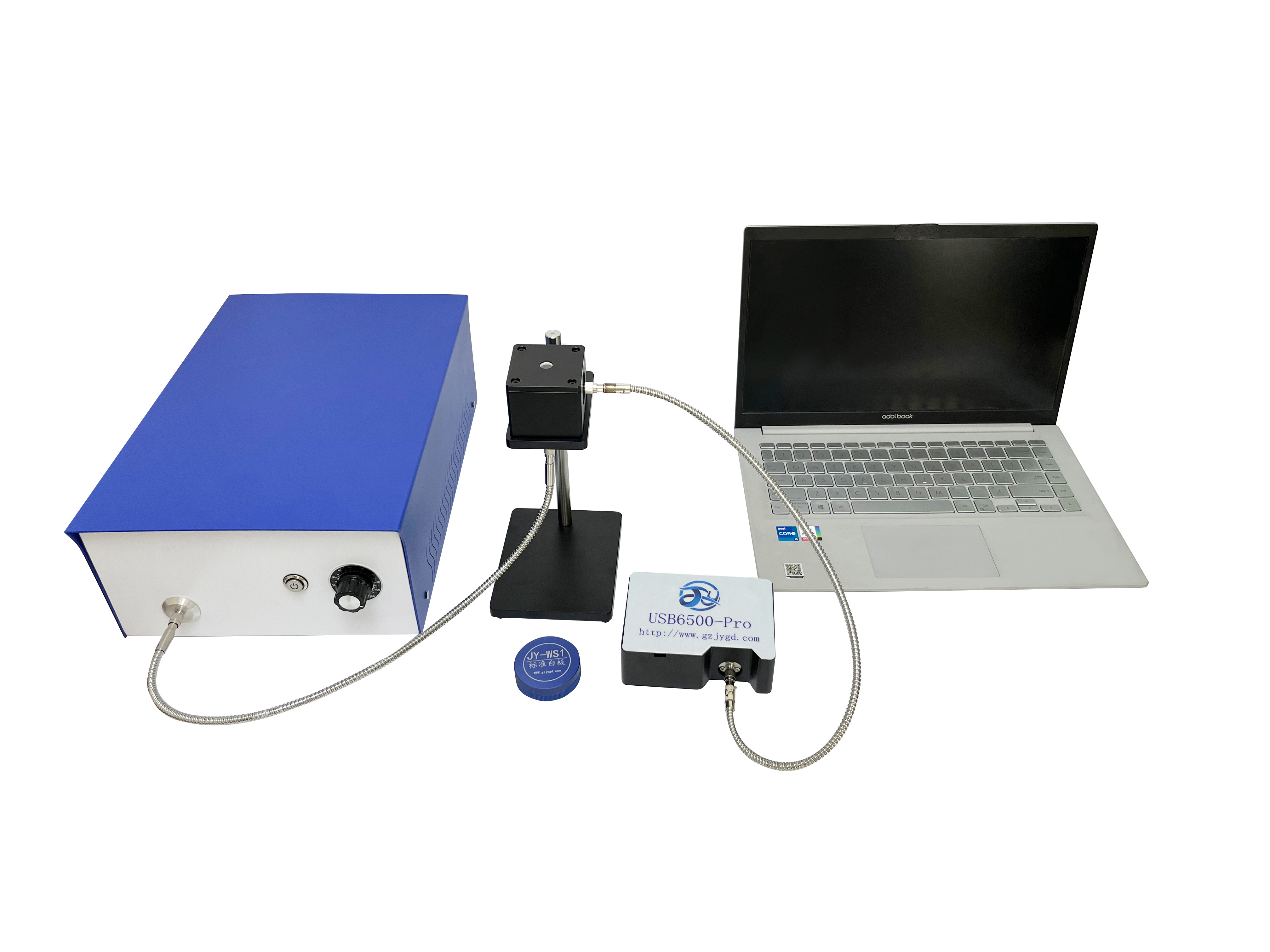
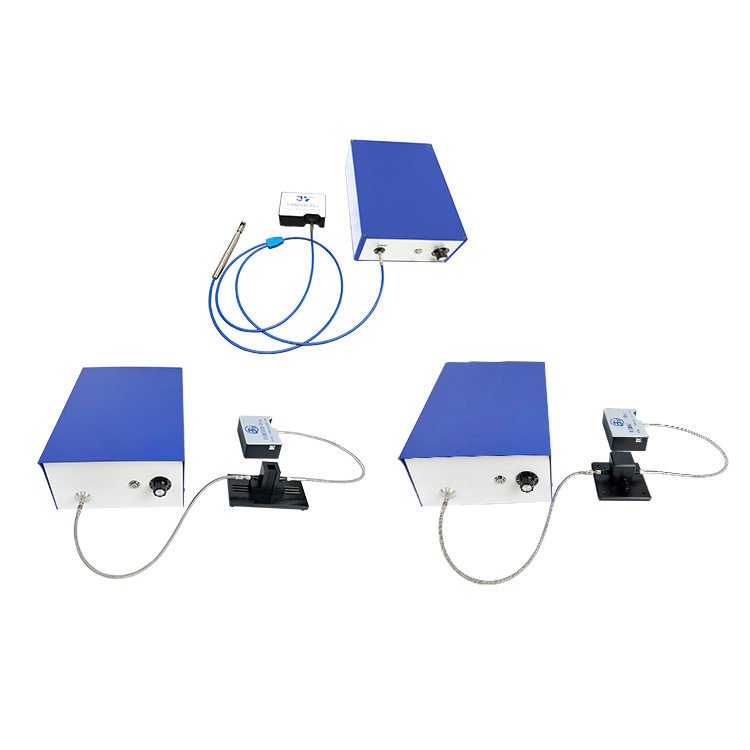
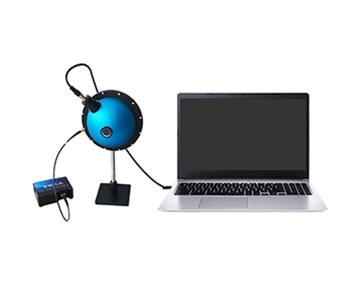
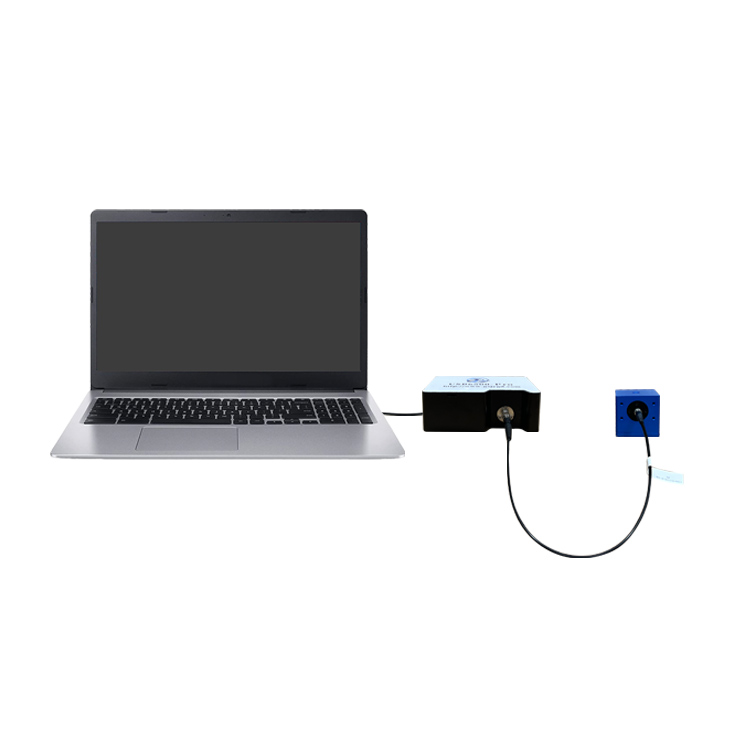
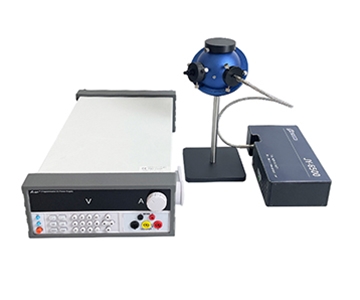
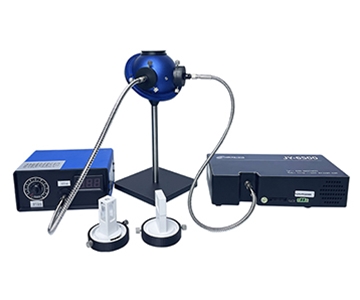
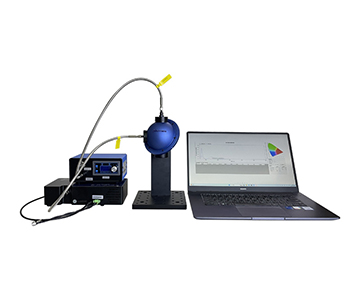
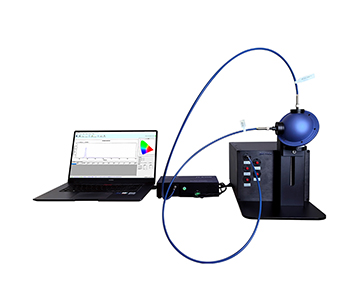
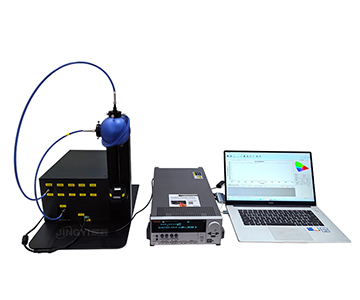
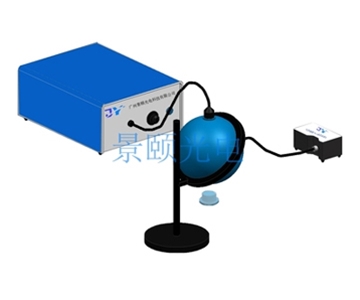
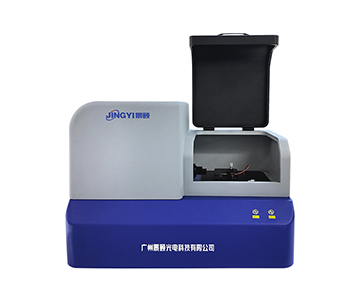
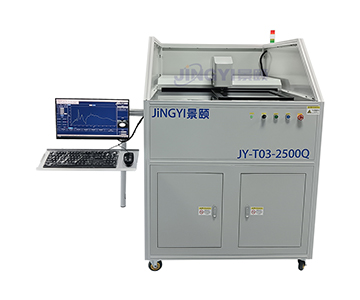
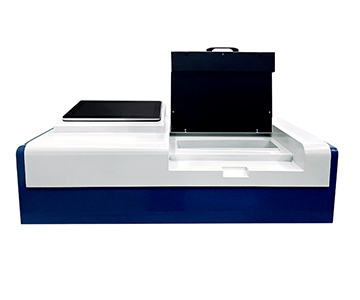
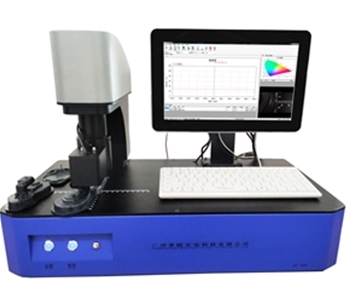
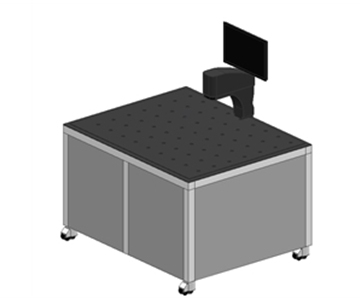
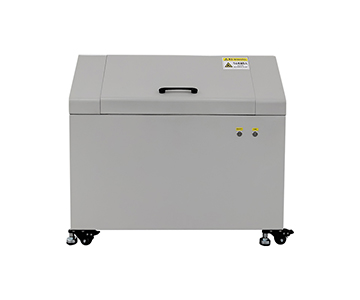
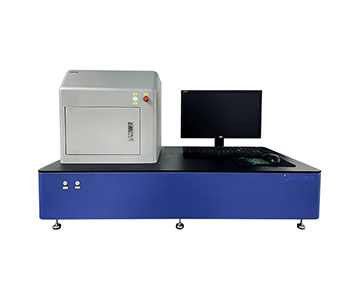
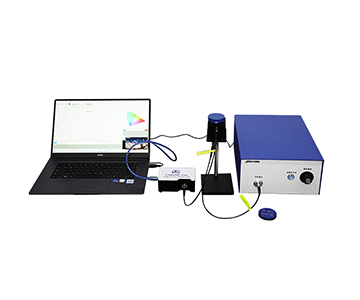
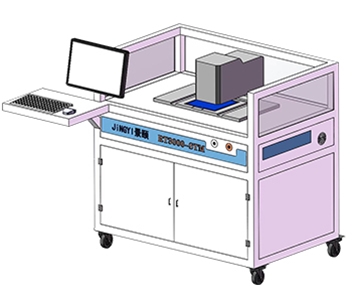
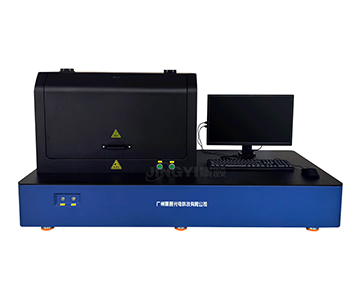
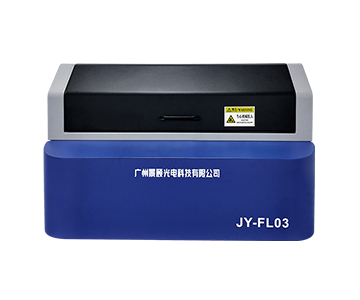
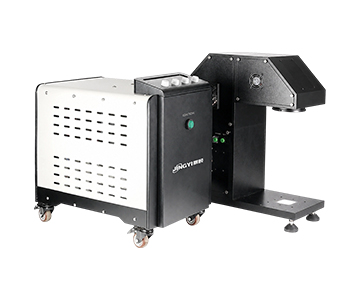
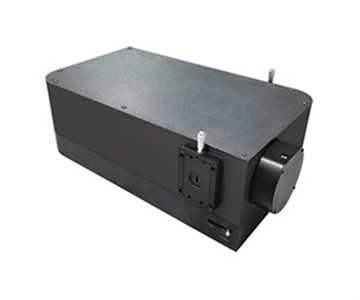
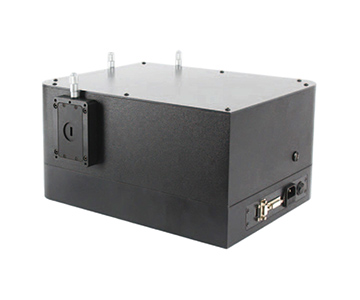
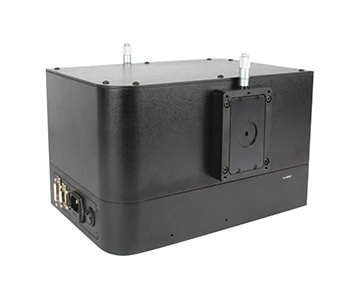
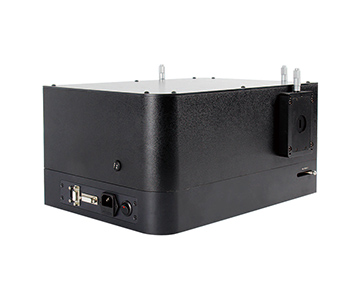
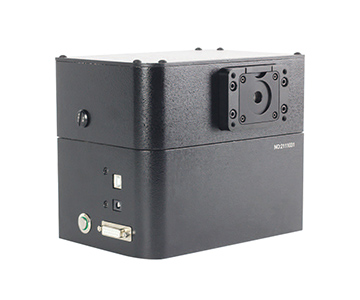
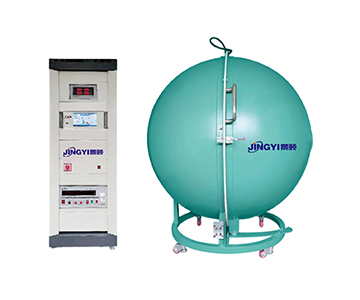
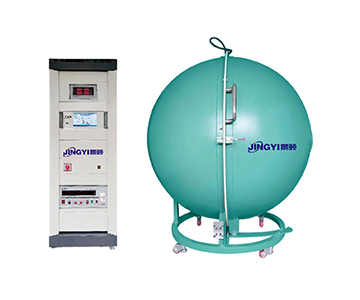
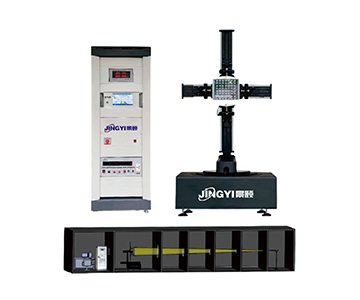
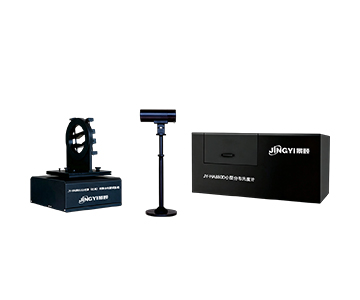
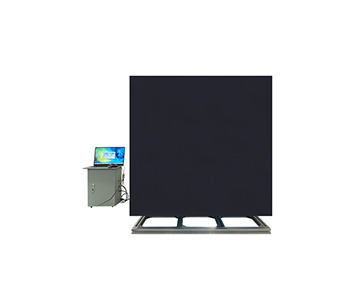
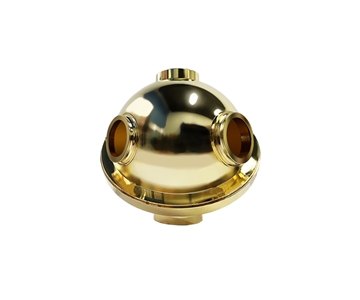
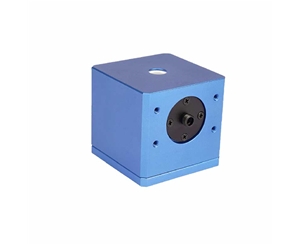
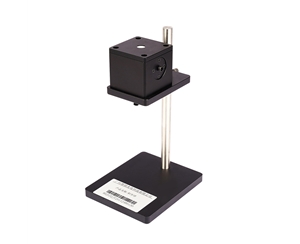
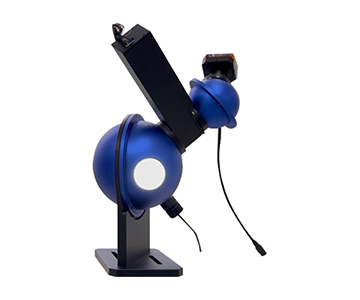
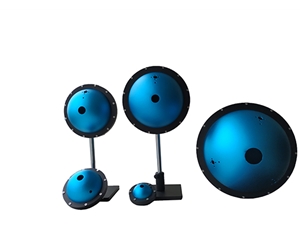
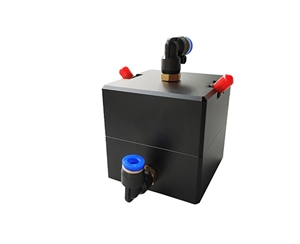
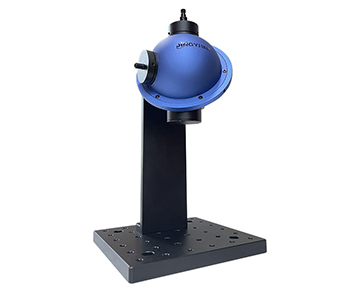
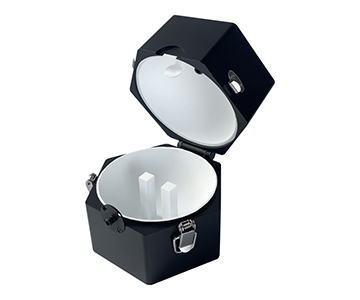
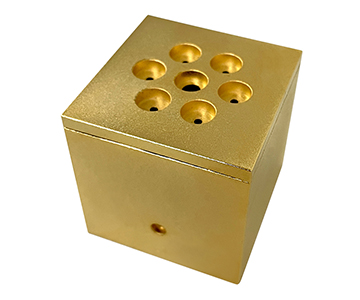
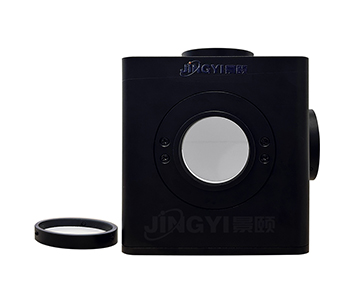
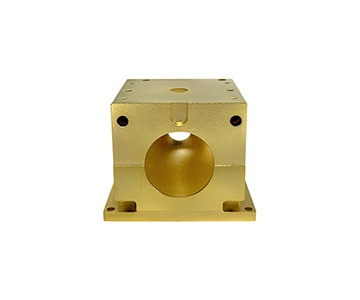
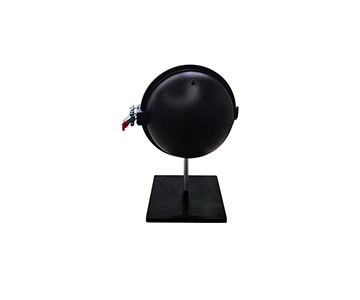
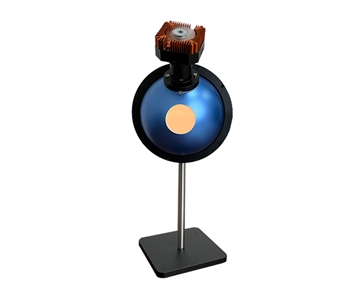
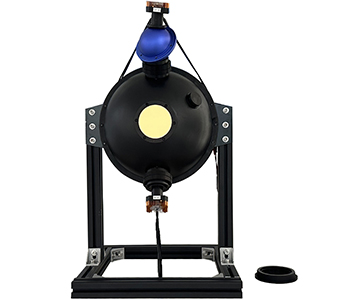
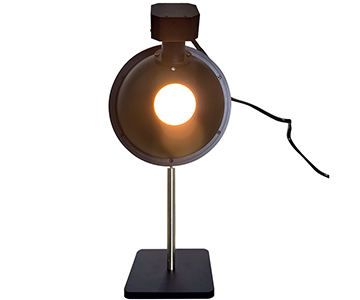
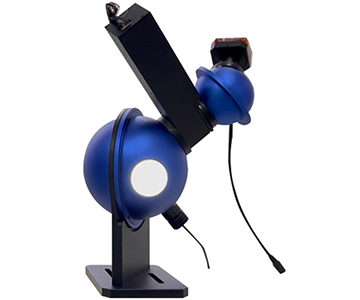
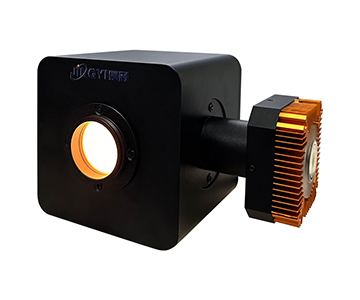
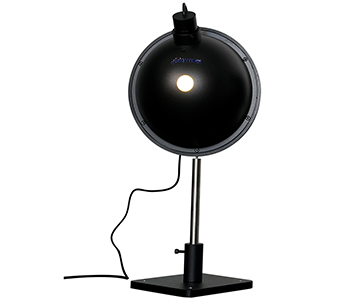
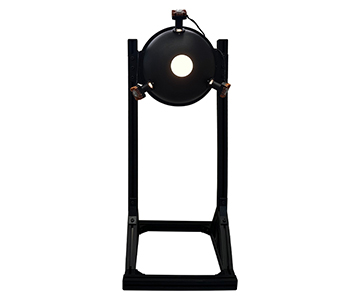
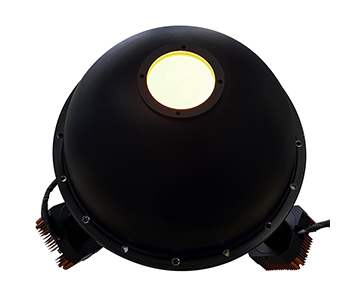
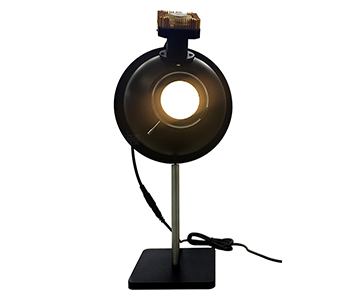
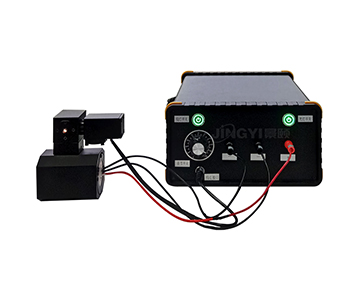
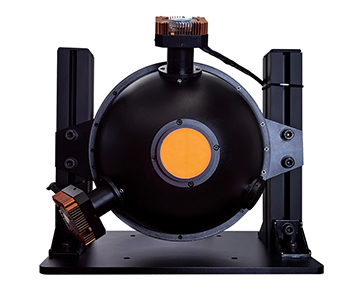
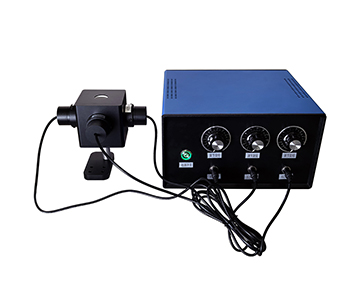
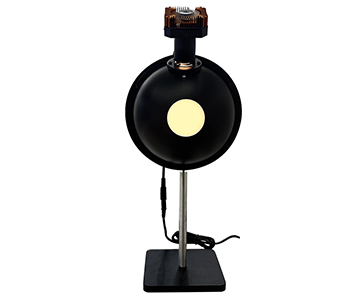
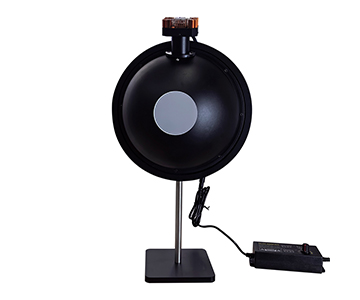
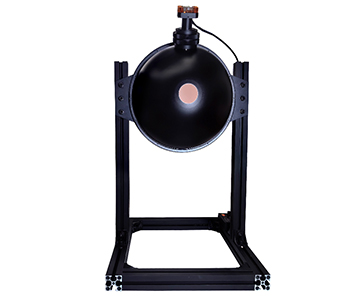
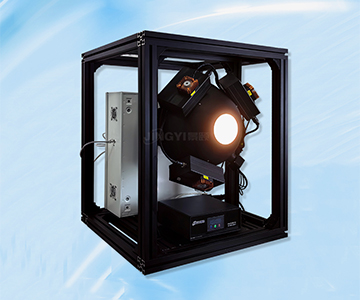
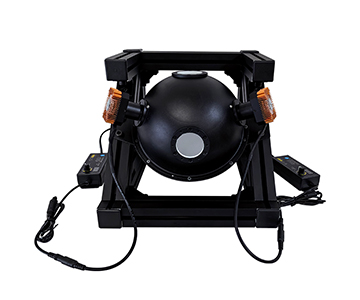
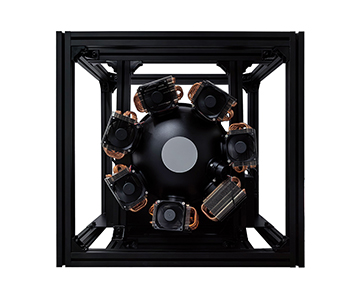
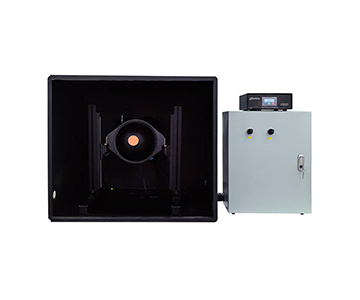
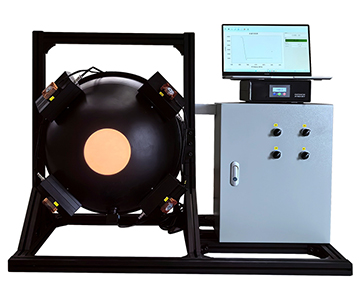
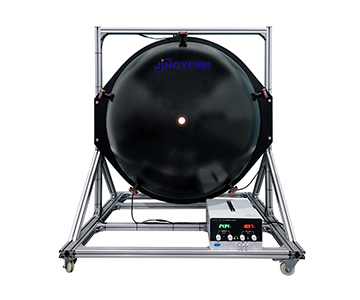
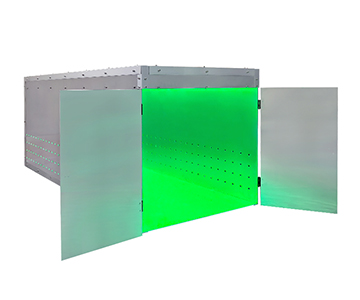
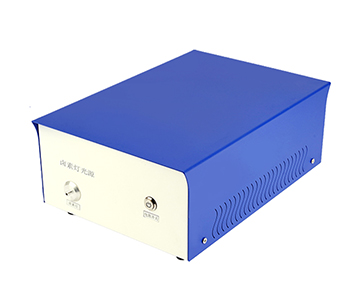
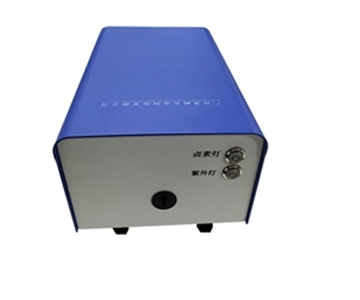
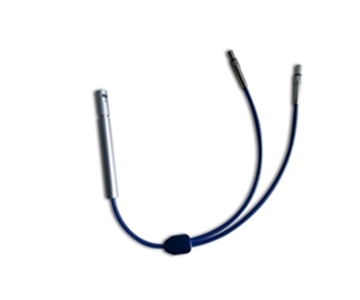
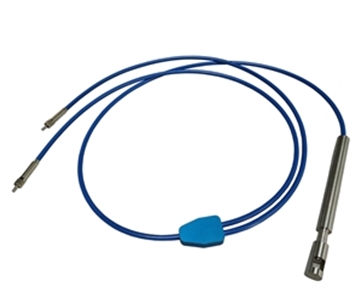
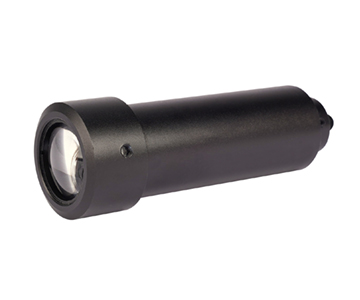
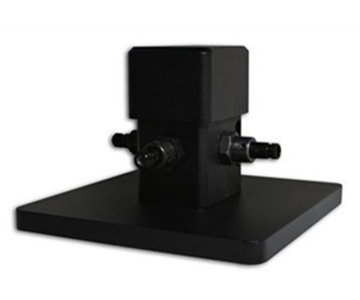
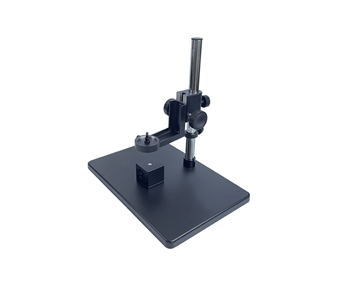
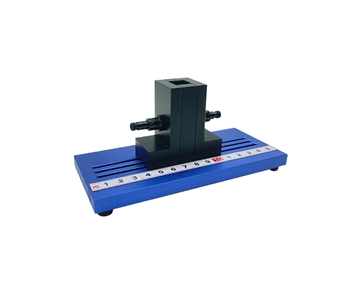
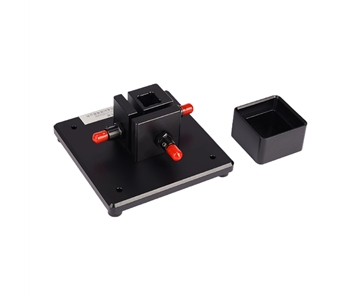
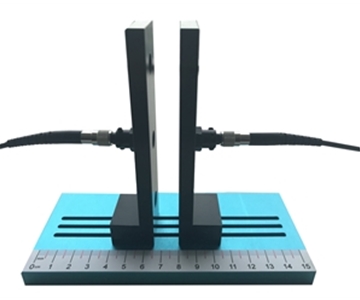
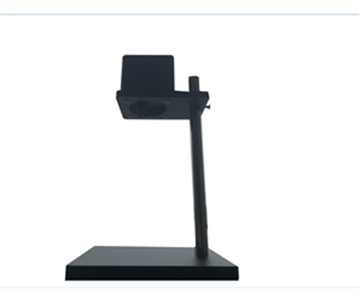
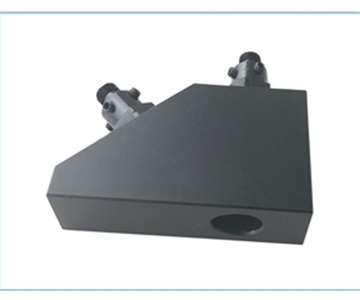
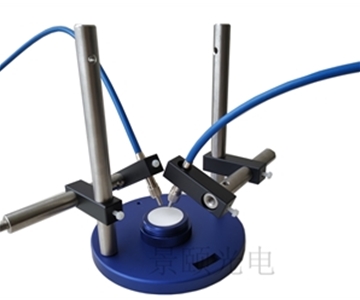
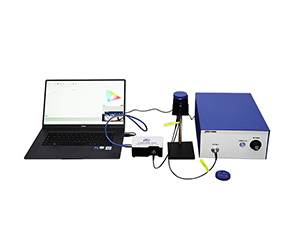
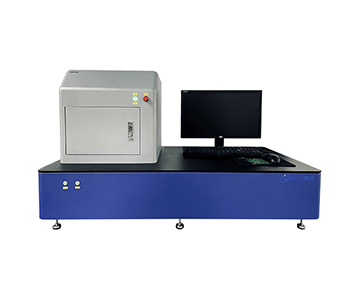
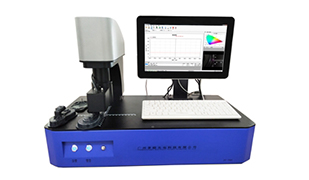
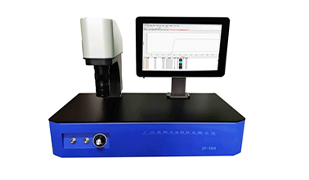
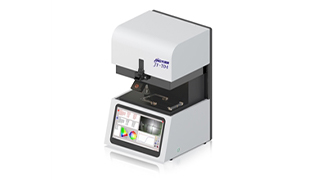
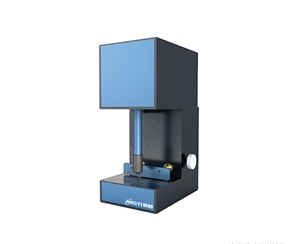
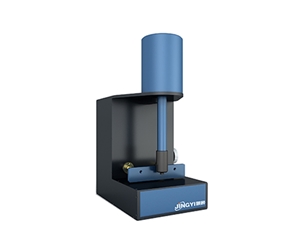
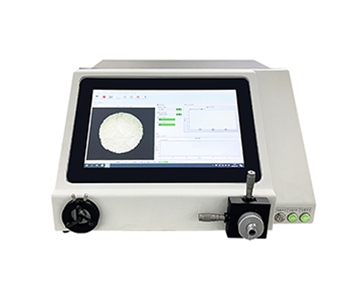
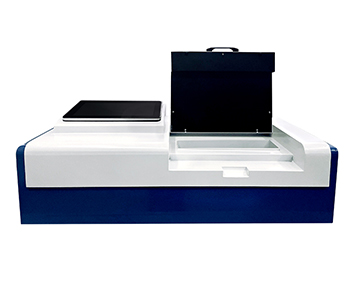
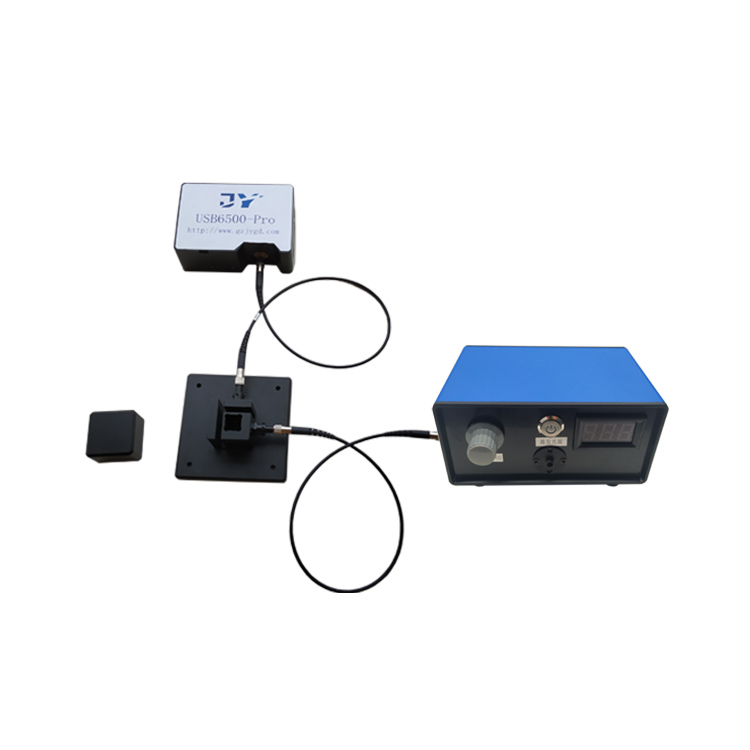
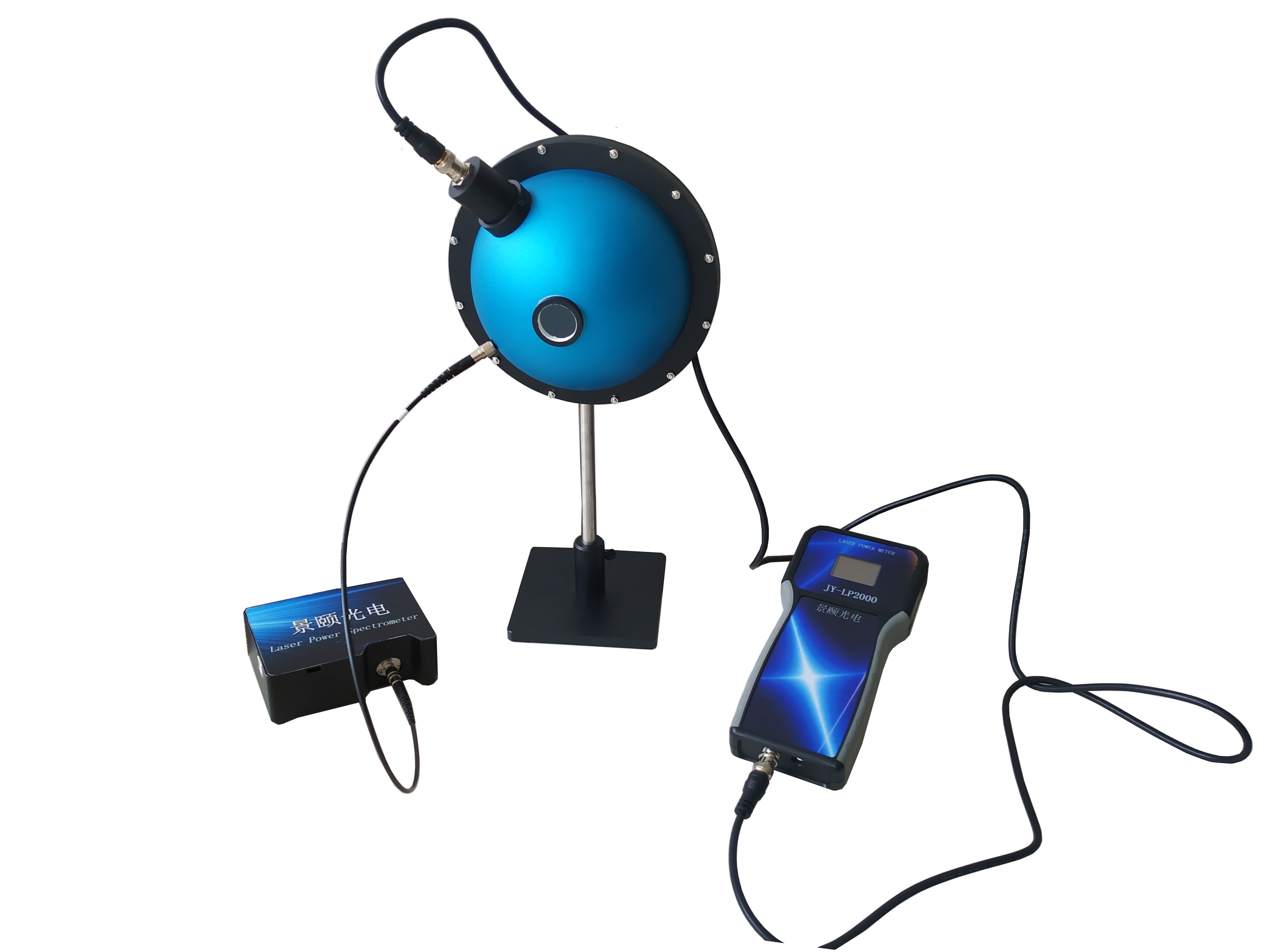
Take Jingyi Optoelectronics’ self-developed CHT-QE6500 fluorescence quantum efficiency measurement instrument as an illustrative example. Designed primarily for measuring fluorescence quantum efficiency of materials—including solutions, powders, and thin films—the system is calibrated against traceable light sources to deliver accurate absolute quantum yield and chromaticity measurements. It also supports acquisition and recording of photoluminescence spectra. Beyond source replacement and sample loading/unloading, all other measurement operations—including parameter setup, execution, data collection, and analysis—are fully automated via intuitive software interface. With its simple architecture, user-friendly operation, and stable, rapid, and reliable performance, the CHT-QE6500 offers a cost-effective solution for fluorescence detection and quantum efficiency characterization—making it particularly suitable for universities and research institutes.
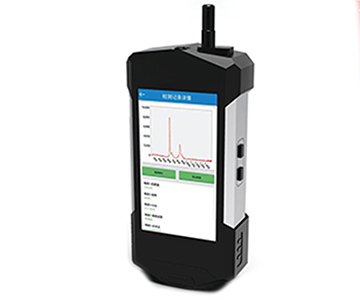
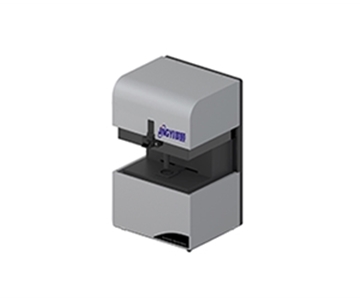
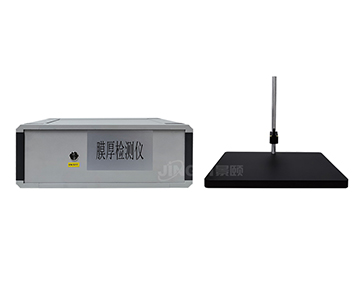
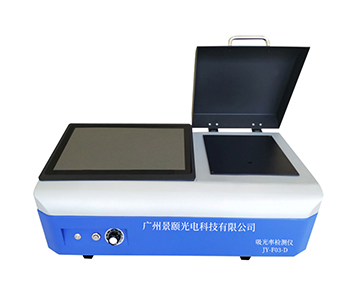
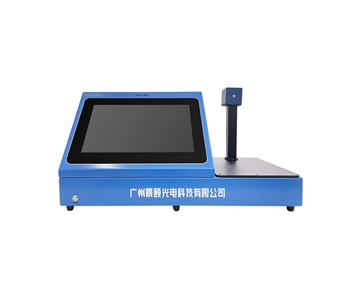
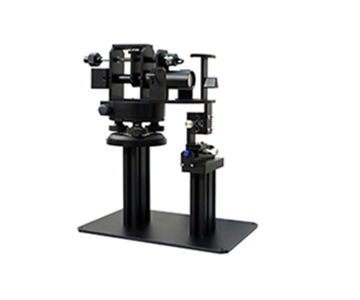
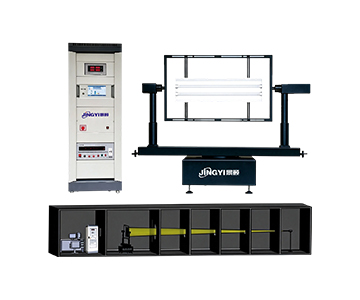
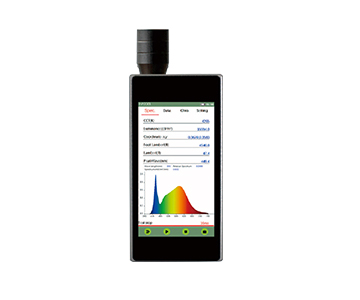
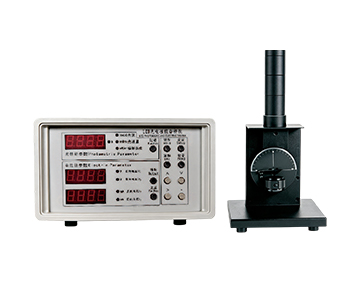
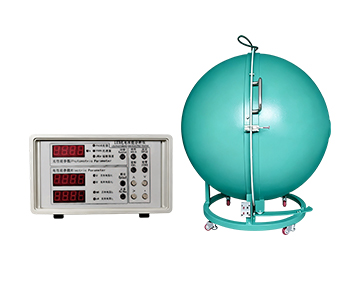
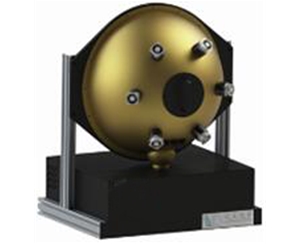
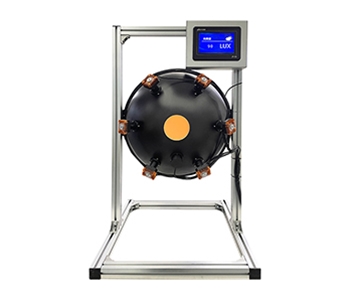
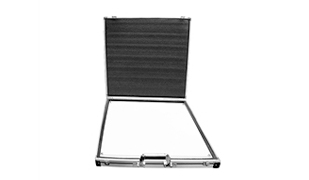
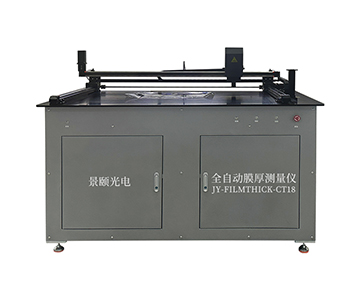
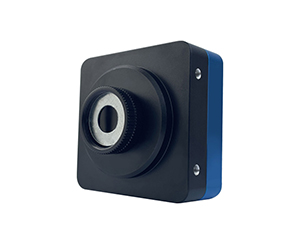
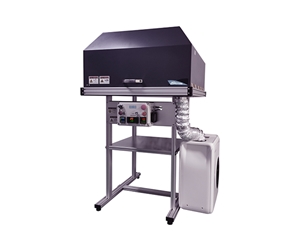
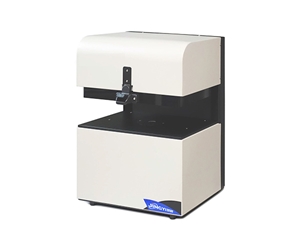
Fluorescence Quantum Efficiency Measurement Instrument
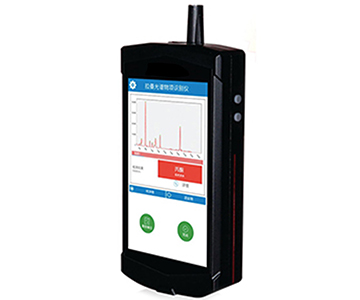
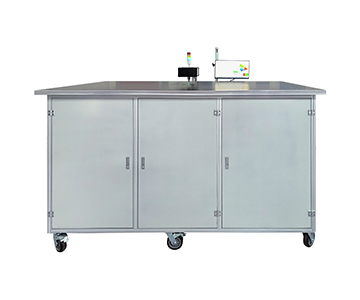
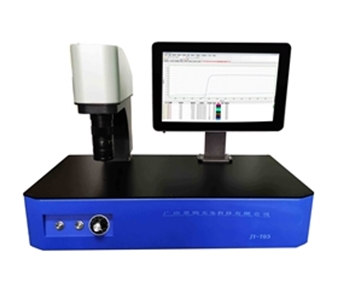
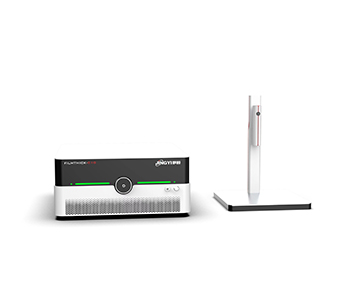
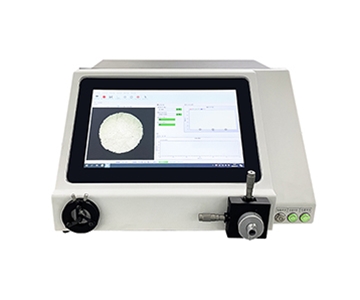
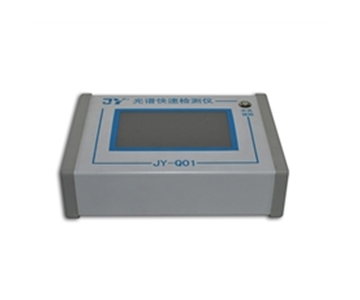
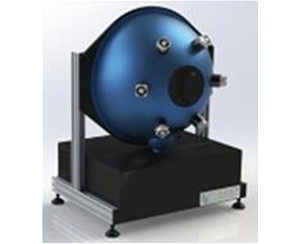
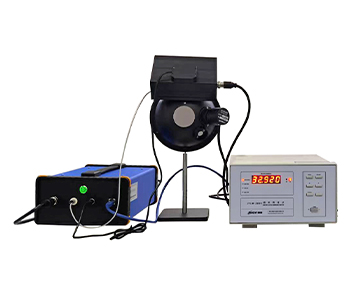
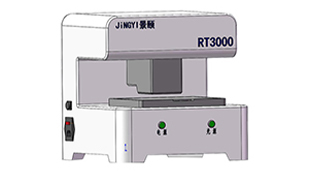
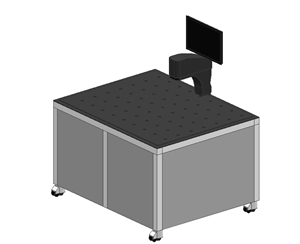
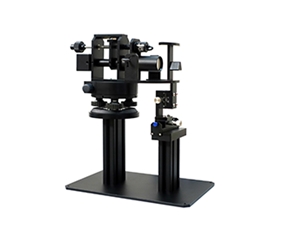
Fluorescence Quantum Efficiency Test System
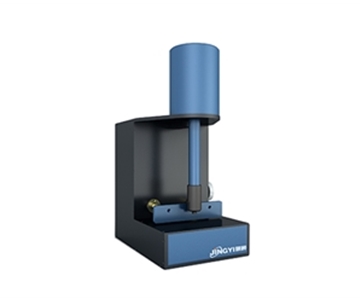
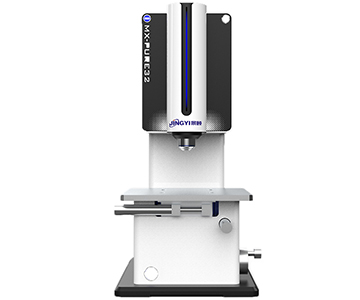
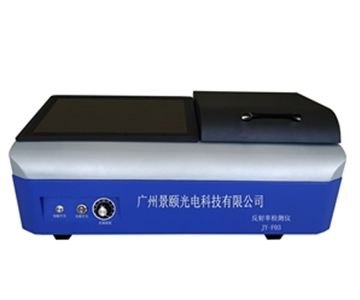
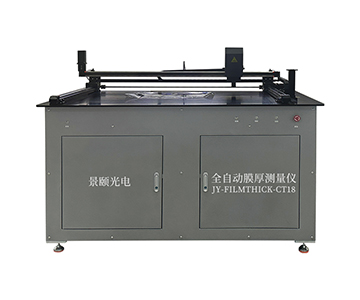
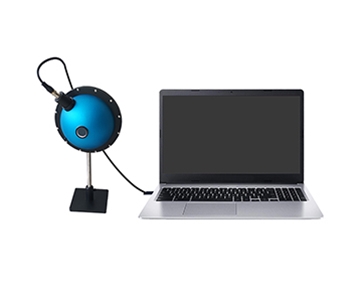
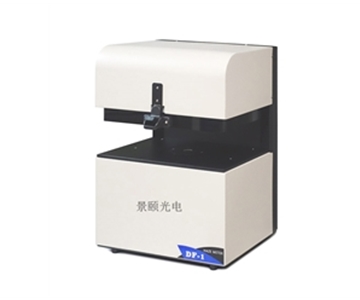
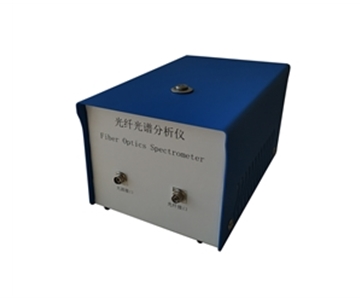
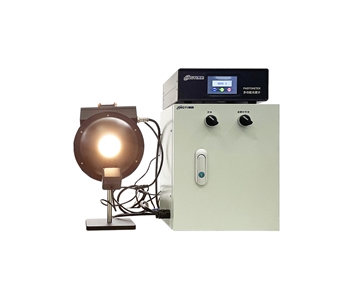
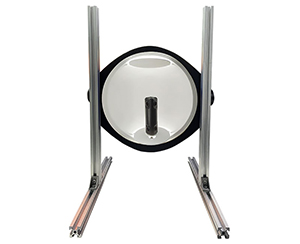
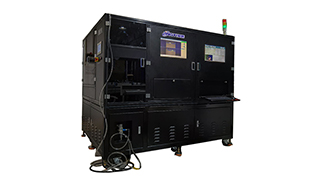
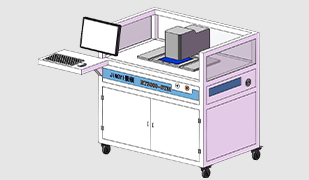
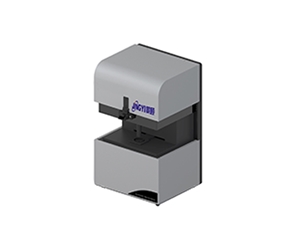
Fluorescence Quantum Efficiency Measurement Instrument
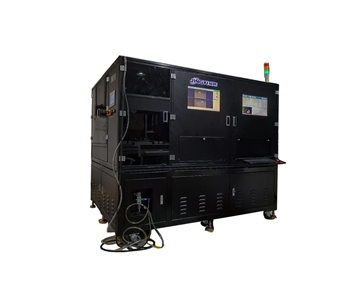
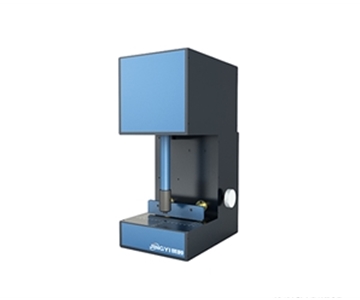
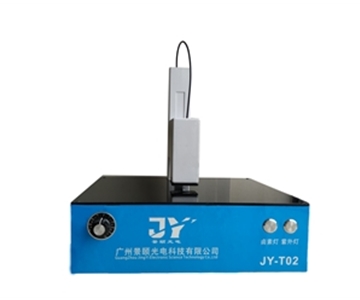
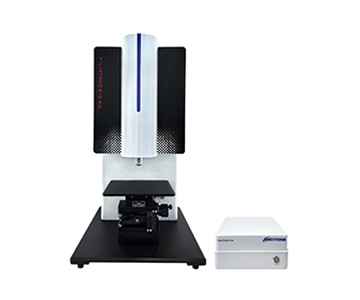
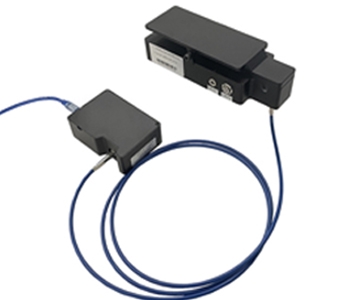
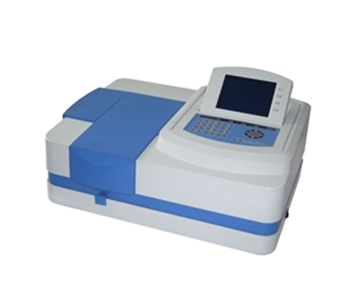
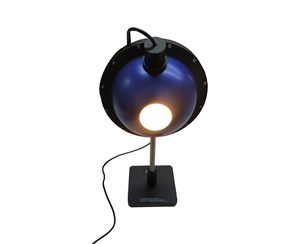
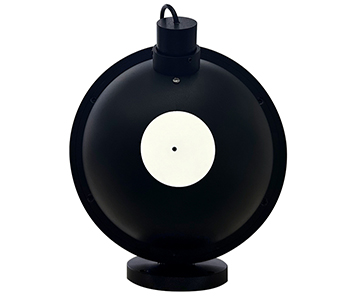
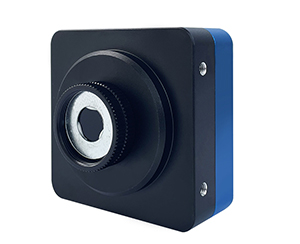
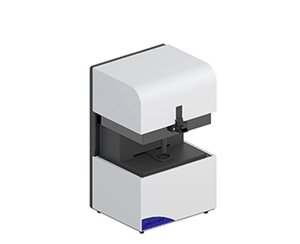
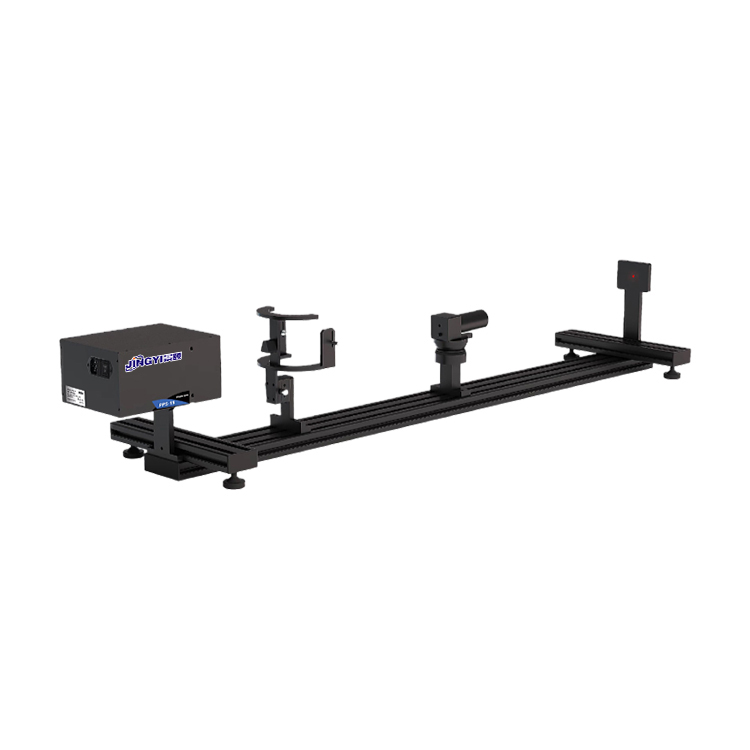
Fluorescence Efficiency Test System
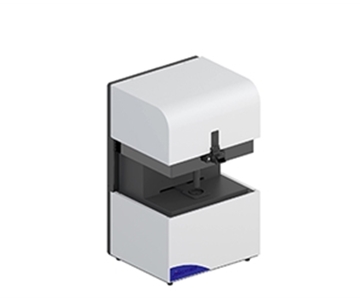
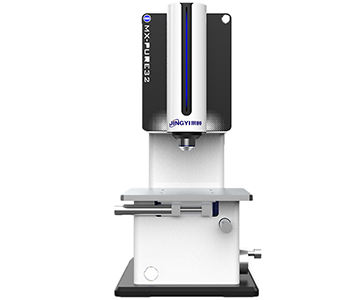
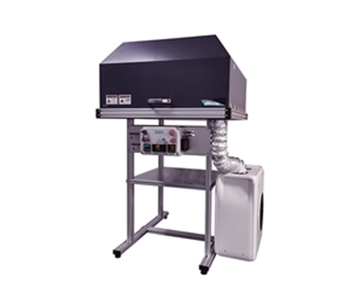
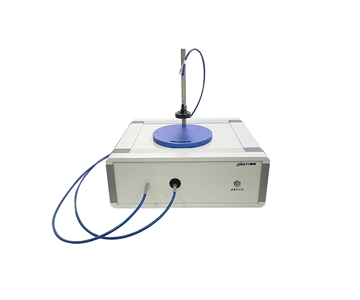
Absolute Quantum Efficiency Tester
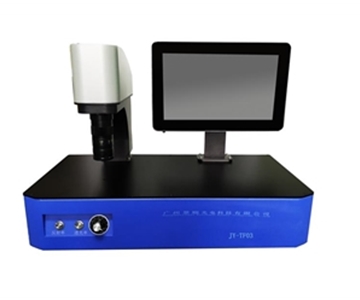
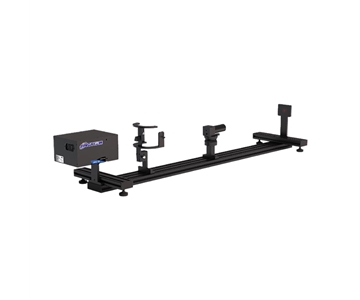
Quantum Efficiency Tester