Technical Essence of Reflectance Panels
Reflectance panels, as critical components in modern LiDAR technology, play pivotal roles across numerous application domains.
Technical Essence of Reflectance Panels
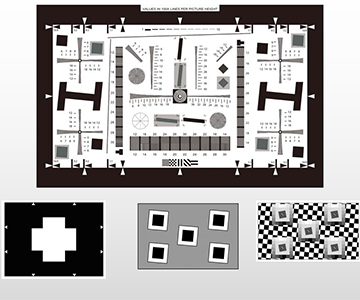
LiDAR (Light Detection and Ranging), a mature active remote sensing technology, acquires target information—including distance, velocity, and angular position—by emitting laser pulses toward a target and analyzing the returned signals. However, to ensure accurate and stable operation of LiDAR systems, precise calibration and radiometric characterization are essential. Reflectance panels were specifically engineered for this purpose: they serve as traceable, high-accuracy reflectance references, thereby enhancing measurement precision and operational stability of LiDAR systems.
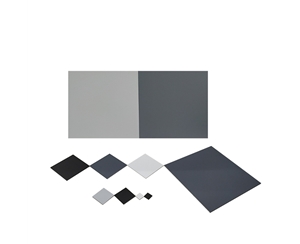
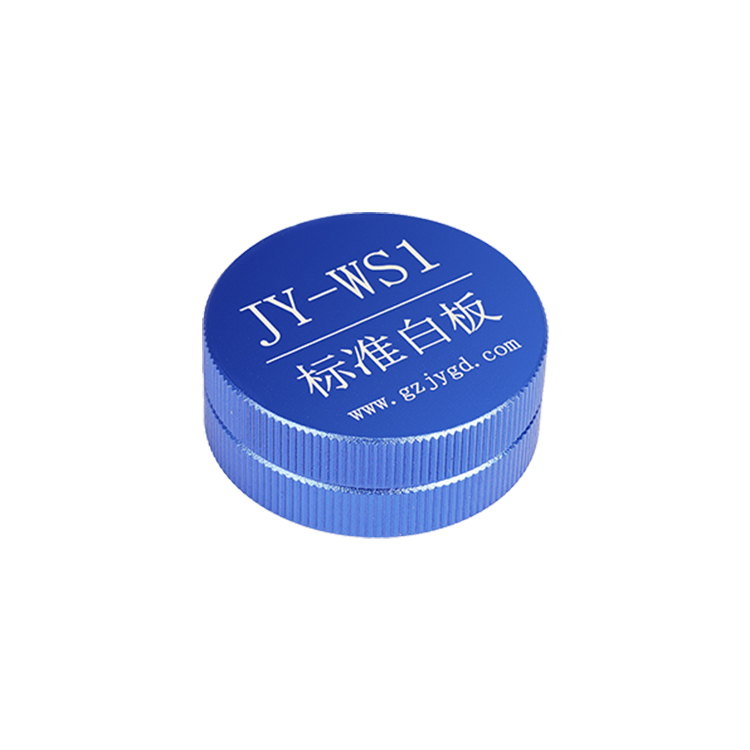
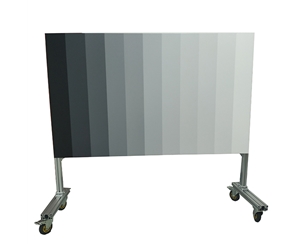
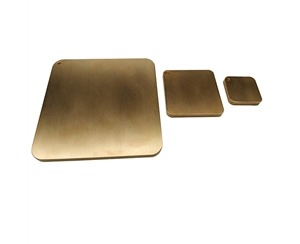
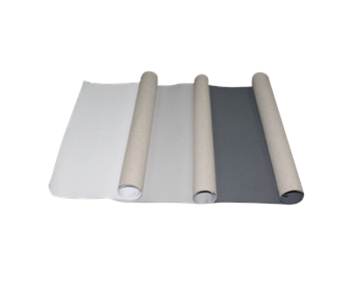
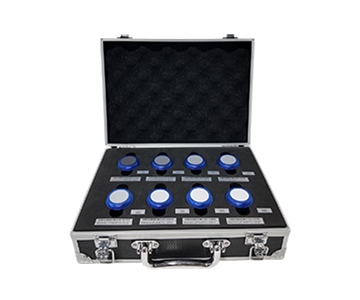
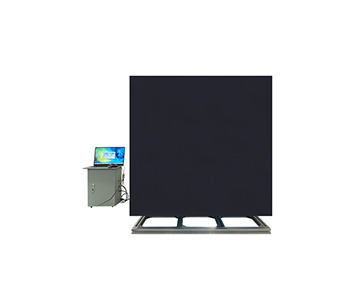
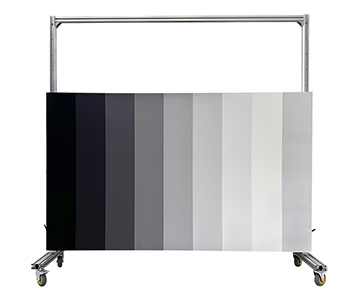
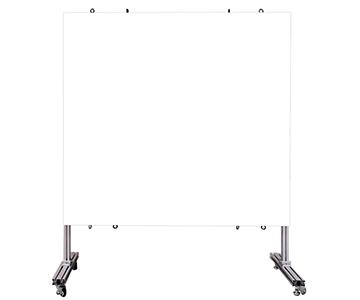
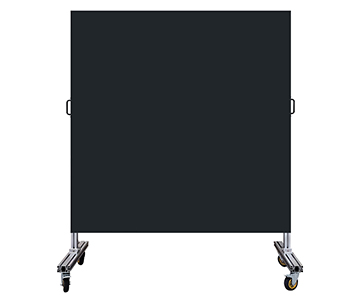
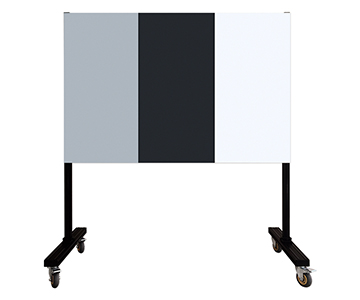
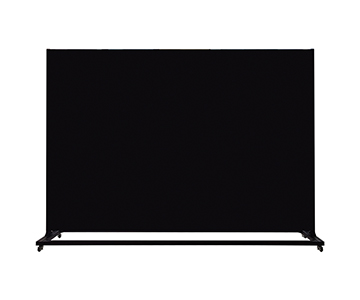
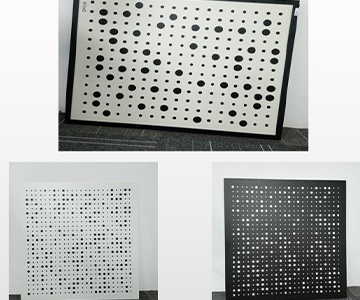
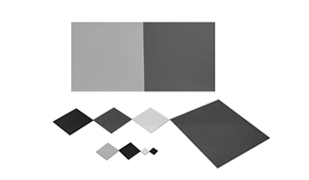
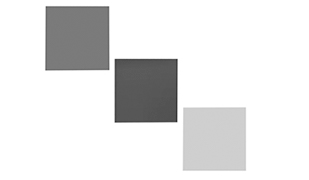
During LiDAR operation, incident laser beams strike target surfaces and undergo reflection. Different targets exhibit distinct reflectance values; accurate measurement of these values is vital for reliable target identification and parameter extraction. Reflectance panels are typically fabricated from materials with precisely controlled, spectrally uniform reflectance properties. For instance, a manufacturer’s LiDAR-dedicated test panel offers selectable reflectance levels ranging from 1% to 97%, with commonly used values at 10%, 50%, and 90%. For high-precision calibration, multi-step reflectance panels with customized reflectance gradients are also available. These panels emulate diverse real-world targets, enabling comprehensive LiDAR calibration and performance validation.
Industry Applications of Reflectance Panels
Autonomous Driving
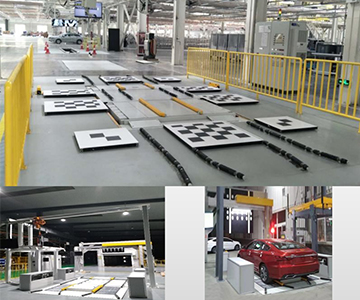
In autonomous vehicles, drones, and unmanned surface vessels, LiDAR serves as a cornerstone sensor for environment perception and self-navigation. Reflectance panels facilitate systematic calibration and radiometric characterization of LiDAR units, improving environmental sensing accuracy and long-term stability. For example, during autonomous vehicle operation, LiDAR must reliably detect road signs, obstacles, pedestrians, and other dynamic objects—and concurrently estimate their positions and velocities in real time. Regular calibration using reflectance panels ensures consistent measurement fidelity, directly enhancing driving safety and system reliability.
A leading manufacturer’s reflectance panels have gained broad adoption in the autonomous driving sector. Their LiDAR-specific test panels feature excellent Lambertian behavior and long-term stability, delivering highly accurate and repeatable reflectance references. This enables more precise object detection and motion trajectory estimation—providing robust technical support for the advancement of autonomous driving technologies.
Robotics
Service robots, inspection robots, and logistics robots rely on LiDAR for localization, navigation, and obstacle avoidance. Reflectance panels are employed to calibrate onboard LiDAR sensors, thereby improving navigation accuracy and operational robustness. In logistics warehouses, for instance, mobile robots must accurately identify shelves, cargo, and aisles to execute autonomous transport and storage tasks. Calibration using reflectance panels enhances robot positioning accuracy and task execution efficiency, reducing misalignment and error rates.
Surveying & Mapping
In geospatial surveying, LiDAR is widely deployed in mobile mapping, forestry inventory, marine bathymetry, and mining applications. Reflectance panels assist in establishing reference coordinate systems, correcting mechanical mounting misalignments, and improving absolute measurement accuracy. In mobile mapping scenarios—where LiDAR units are mounted on vehicles or aircraft for rapid ground scanning—calibration with reflectance panels ensures data integrity and metrological traceability, delivering high-quality, GIS-ready spatial datasets.
Intelligent Transportation Systems (ITS)
Within ITS infrastructure, LiDAR supports traffic monitoring, flow analysis, and vehicle classification. Reflectance panels enable standardized calibration of traffic surveillance LiDARs, ensuring measurement consistency and system-level reliability. On highways, for example, LiDAR sensors monitor vehicle speed, position, and density in real time—supplying actionable intelligence for traffic management centers. Calibration with certified reflectance panels guarantees data accuracy and repeatability, elevating both system responsiveness and decision-support capability.
Automated Production Lines
In industrial automation, LiDAR is increasingly used for part detection, pose estimation, and quality verification. Reflectance panels support rigorous calibration of production-line LiDAR sensors, boosting positioning accuracy and process throughput. In electronics manufacturing lines, for instance, LiDAR verifies component placement and orientation prior to soldering—ensuring assembly precision. Systematic calibration with reflectance panels increases production yield, reduces defect rates, and lowers labor-intensive rework costs.
Technical Advantages of Reflectance Panels
Broad Operational Wavelength Range
A manufacturer’s reflectance panels operate across an exceptionally wide spectral range—from 250 nm to 2500 nm—fully compatible with standard LiDAR wavelengths including 850 nm, 905 nm, 940 nm, and 1550 nm. This broad compatibility ensures seamless integration across diverse LiDAR platforms and sensor generations.
Selectably Tunable, Spectrally Flat Reflectance
Reflectance is precisely tunable between 2% and 99%, with outstanding spectral flatness—i.e., minimal variation (<±1%) across the specified wavelength band. Users can select optimal reflectance values tailored to specific use cases, while spectral uniformity guarantees consistent LiDAR response regardless of operating wavelength—directly contributing to measurement repeatability and cross-platform comparability.
Superior Lambertian Characteristics
Lambertian behavior denotes isotropic reflectance: equal intensity distribution across all viewing angles. The manufacturer’s panels demonstrate exceptional angular uniformity, maintaining near-constant reflectance over ±80° incidence angles. This ensures reliable, geometry-independent calibration—even under non-perpendicular illumination or complex sensor mounting configurations.
Factory-Issued Reflectance Certification Report
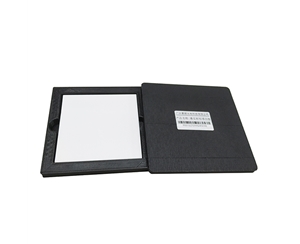
Each panel undergoes rigorous, NIST-traceable reflectance measurement prior to shipment, accompanied by a formal calibration report. End users can verify certified reflectance values and associated uncertainties—enabling full metrological confidence and compliance with quality assurance protocols.
Accurate, Third-Party Certified Reflectance Data
All reflectance specifications are validated by accredited national metrology institutes. Independent certification confirms product conformance to international standards (e.g., ISO 21348, ASTM E275), providing objective assurance of performance and reliability.
Excellent Diffuse Reflectance Performance
High-quality diffuse reflection is fundamental to minimizing specular artifacts and ensuring signal stability across varying sensor-target geometries. The panels deliver uniformly diffuse, low-noise return signals—enhancing SNR, suppressing multipath errors, and improving overall LiDAR measurement robustness.
Reflectance panels are extensively deployed across autonomous driving, robotics, surveying, intelligent transportation, and industrial automation. As LiDAR technology continues to evolve and penetrate new application domains, demand for high-fidelity reflectance standards will grow correspondingly. As a specialized manufacturer, the company remains committed to continuous innovation in materials science, optical engineering, and calibration methodology—delivering ever more precise, versatile, and user-centric reflectance solutions.
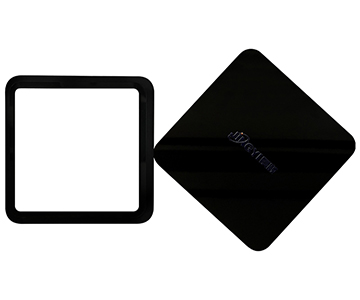
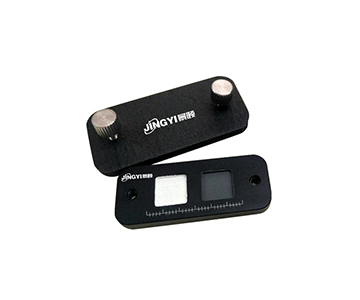
Jingyi Optoelectronics Diffuse Reflectance Panels
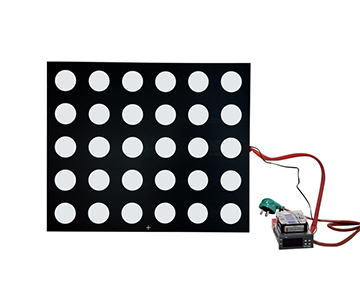
– Full customizability: Reflectance 1%–99%; simultaneous four-band calibration (850 nm / 905 nm / 1064 nm / 1550 nm) with deviation ≤ ±1%;
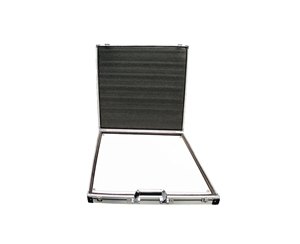
– Single-panel size up to 2 m × 3 m; seamless tiling up to 4 m × 10 m while maintaining Lambertian uniformity < 2%;
– Includes NIM-traceable calibration certificate shipped with each panel; proprietary coating supports on-site recoating—maintenance cost < ¥300/m²;
– Mass-produced and delivered to multiple industry leaders; monthly capacity > 1,000 sets;
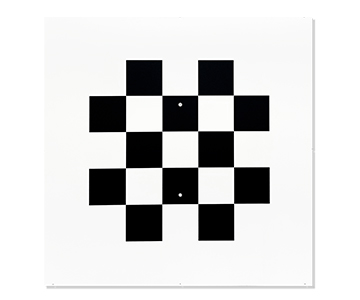
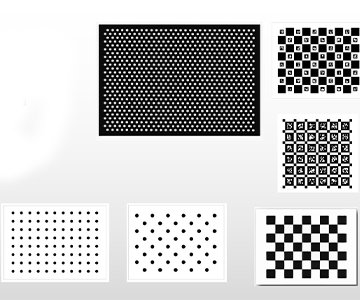
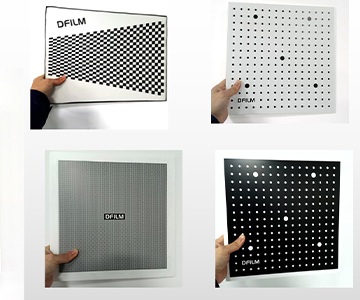
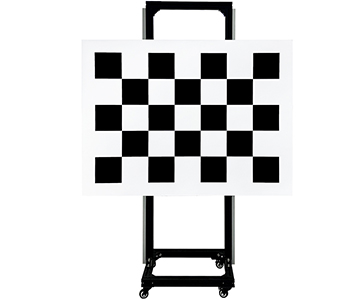
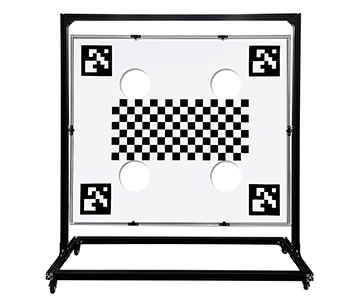
– Integrated multi-reflectance patterns (checkerboard, stripe, gradient) fabricated monolithically on 3 m × 3 m panels—no seams or joints;
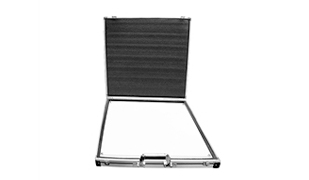
– Substrate thickness 1–10 mm optional; lightweight carbon-fiber hollow-core construction (5 kg/m²)—ideal for vehicle-mounted or UAV-deployable applications;
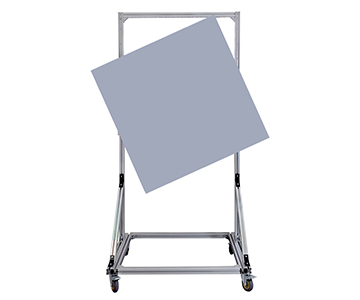
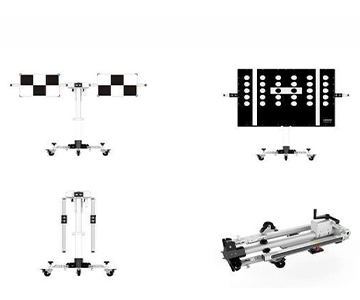
– ROS/Autoware-ready calibration toolkit (panel + adjustable target frame + precision inclinometer)—widely adopted by academic labs and autonomous driving R&D teams.
#ReflectancePanel #LiDARCalibrationPanel #HighDiffuseReflectancePanel #CalibrationPanelManufacturer #UAVCalibrationPanel #LiDARCharacterizationPanel