The Nature of the Technology
The core operating principle of laser wavelength analyzers is based on interference. When two light waves overlap, alternating bright and dark interference fringes appear if their phase difference varies continuously. By precisely measuring these interference fringes, the wavelength of light can be determined using a specific calculation formula: λ = 2d sinθ, where λ denotes the light’s wavelength, d represents the grating spacing, and θ is the angle of incidence. This principle provides a solid theoretical foundation for accurate laser wavelength measurement.
Industry Applications
Laser wavelength analyzers play a critical role across multiple sectors. In scientific research, they serve as essential tools for precise laser wavelength measurement, delivering vital data support. For instance, in optical experiments and materials research, accurate laser wavelength measurement is decisive for ensuring the validity and reliability of experimental results. In telecommunications, these analyzers measure the wavelengths of optical signals in fiber-optic communications, guaranteeing transmission accuracy and stability. As communication technologies advance, demands for precise wavelength control grow increasingly stringent—making laser wavelength analyzers indispensable. In related application fields, such instruments measure the wavelengths of specialized lasers to ensure optimal performance. Different laser applications require specific wavelengths; thus, precise wavelength measurement is essential to guarantee both efficacy and safety. In the military domain, laser wavelength analyzers hold significant value—for example, by measuring the wavelengths of laser weapons to ensure targeting precision and lethality.
Technical Advantages
Laser wavelength analyzers possess several distinguishing features. Key performance parameters include measurement accuracy, measurement range, and resolution. Measurement accuracy—the primary indicator of how closely measured values align with true values—represents the maximum permissible deviation between measurement results and actual wavelength. High accuracy ensures reliable, trustworthy measurements, meeting diverse precision requirements across industries. Measurement range defines the span of wavelengths the analyzer can detect; a broad range enables compatibility with various laser types. Resolution refers to the smallest resolvable wavelength difference; high resolution allows detection of minute wavelength variations with greater fidelity.
Classification by Type
Based on underlying measurement principles, laser wavelength analyzers fall mainly into two categories: interferometric and spectrometric analyzers. Interferometric analyzers calculate wavelength by analyzing interference fringes and offer advantages such as high measurement accuracy and superior resolution. Spectrometric analyzers determine wavelength by analyzing spectra and excel in rapid measurement speed and wide spectral coverage. Different types suit distinct application scenarios; users may select the most appropriate analyzer according to practical needs.
Development Prospects
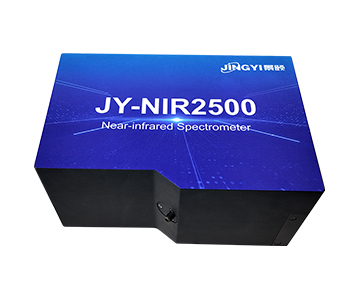
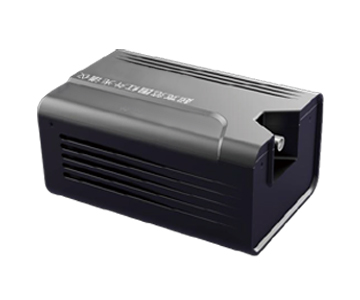
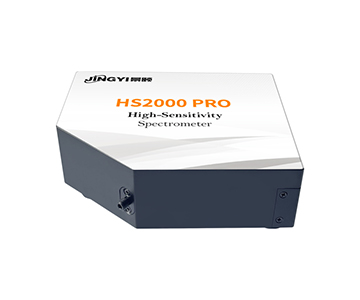
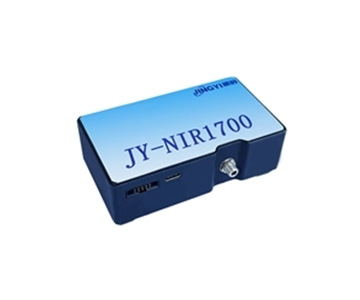
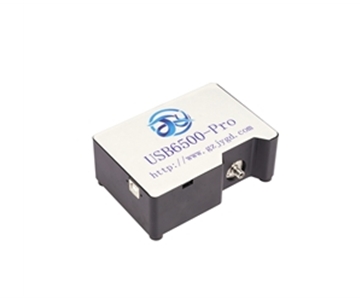
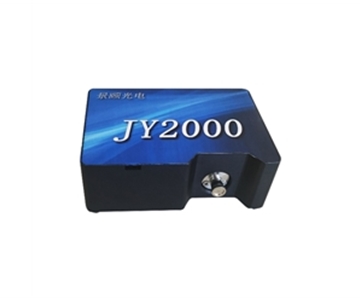
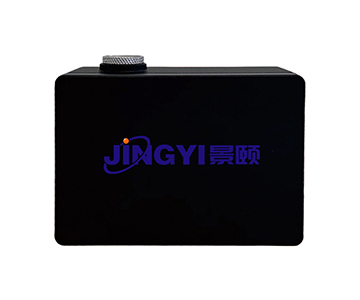
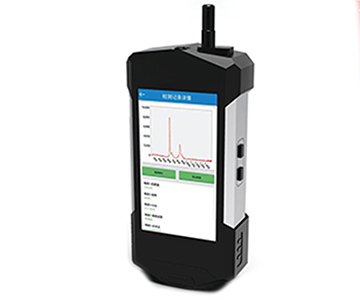
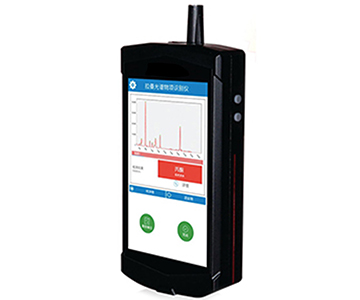
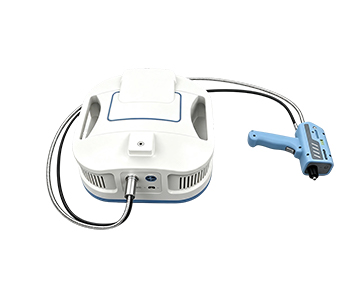
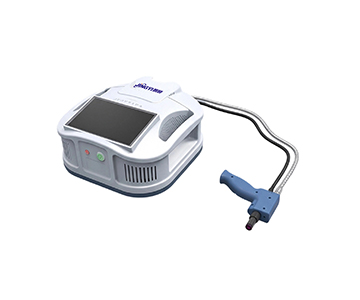
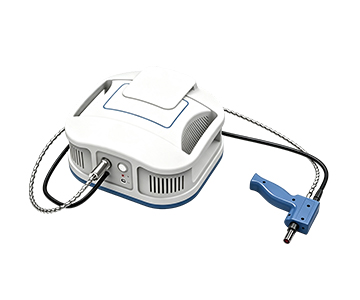
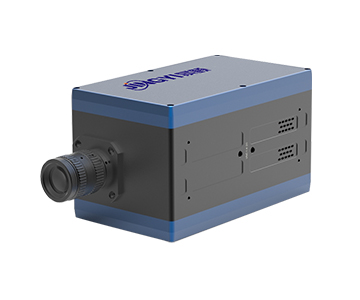
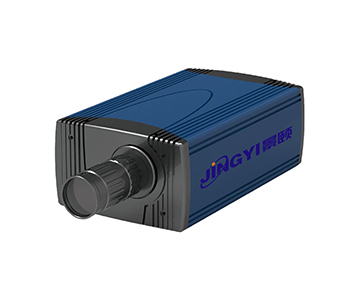
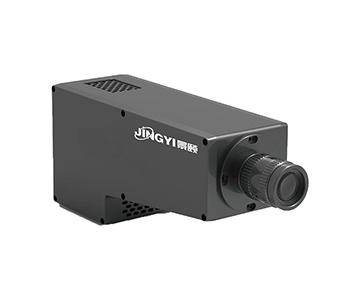
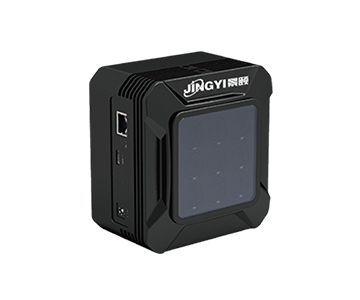
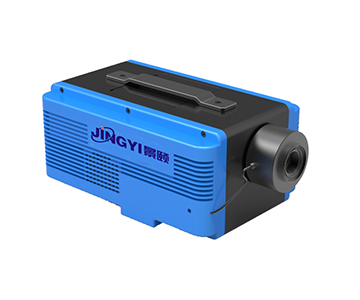
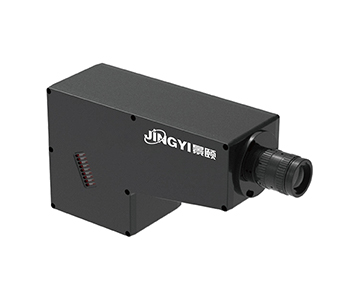
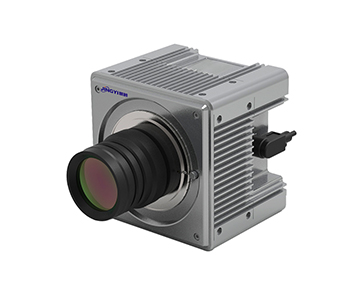
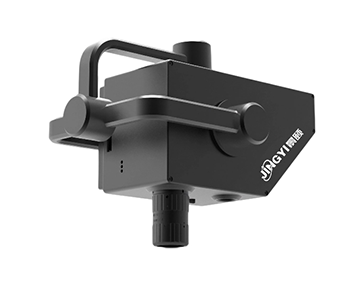
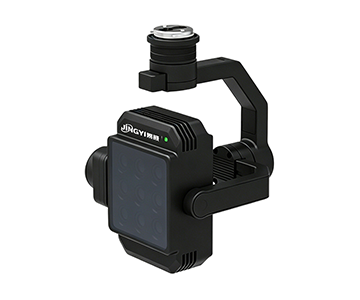
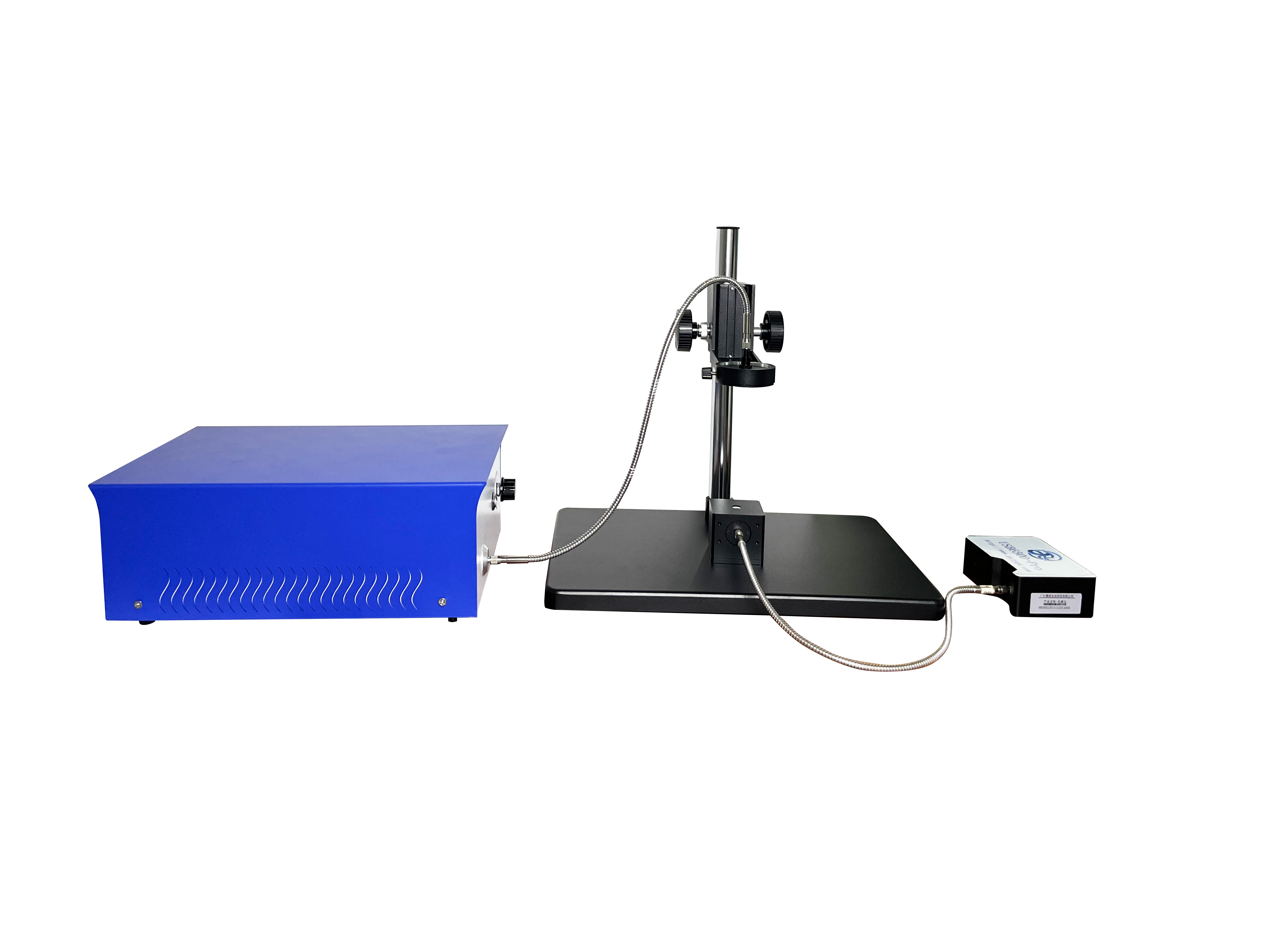
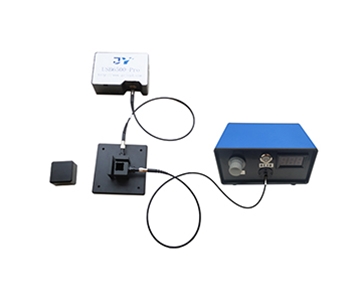
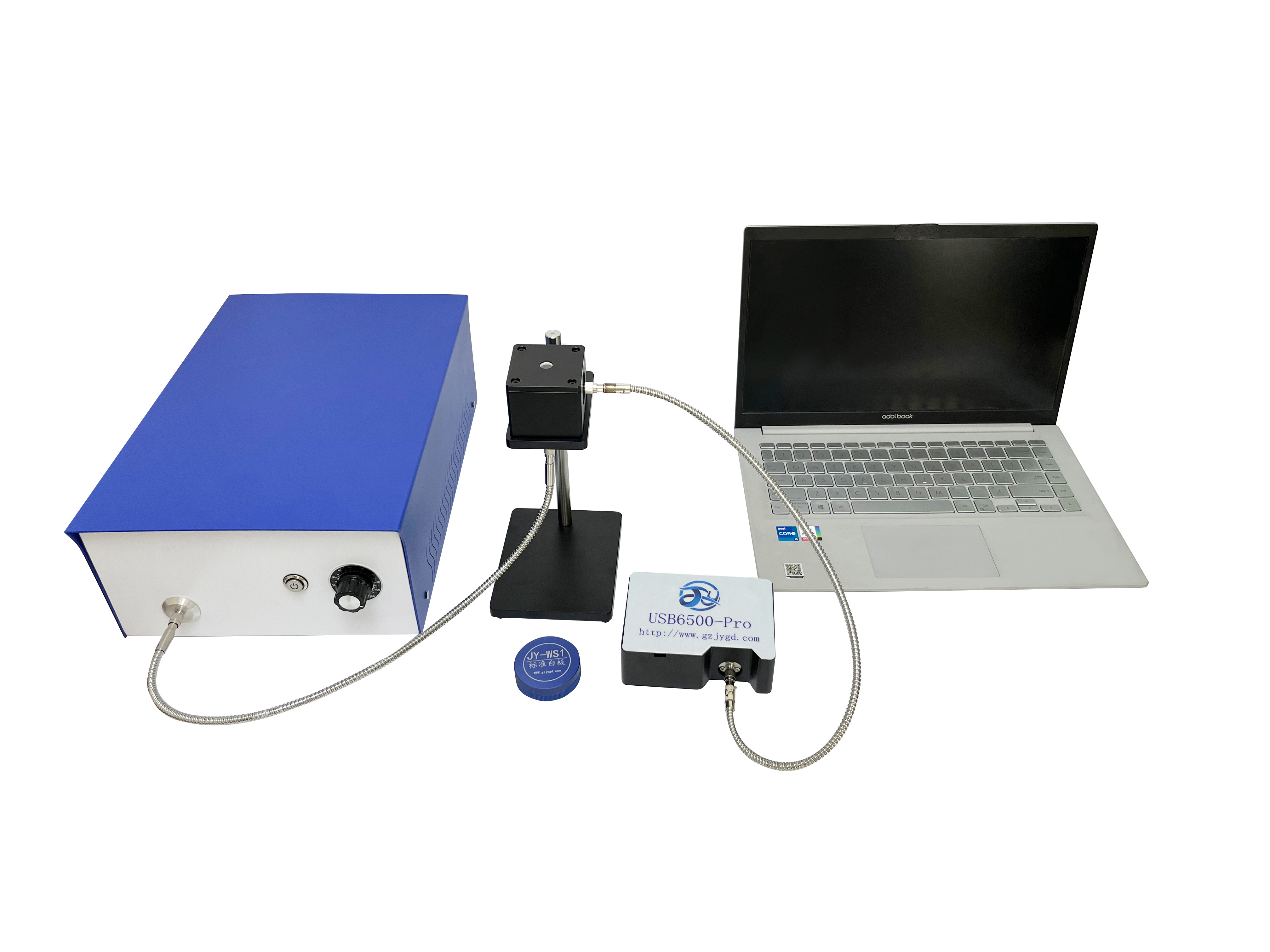
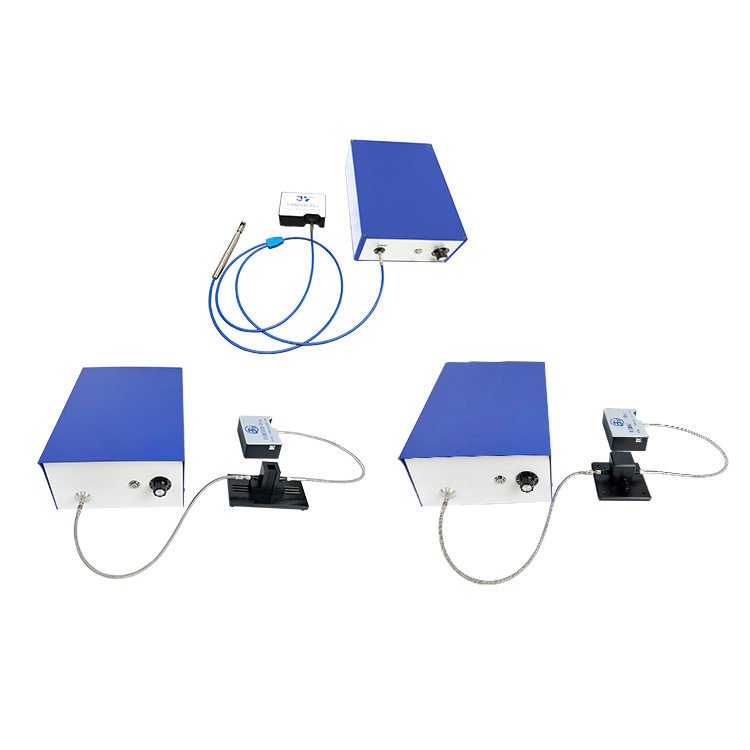
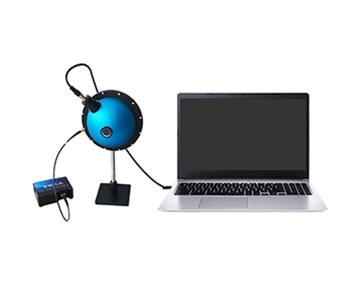
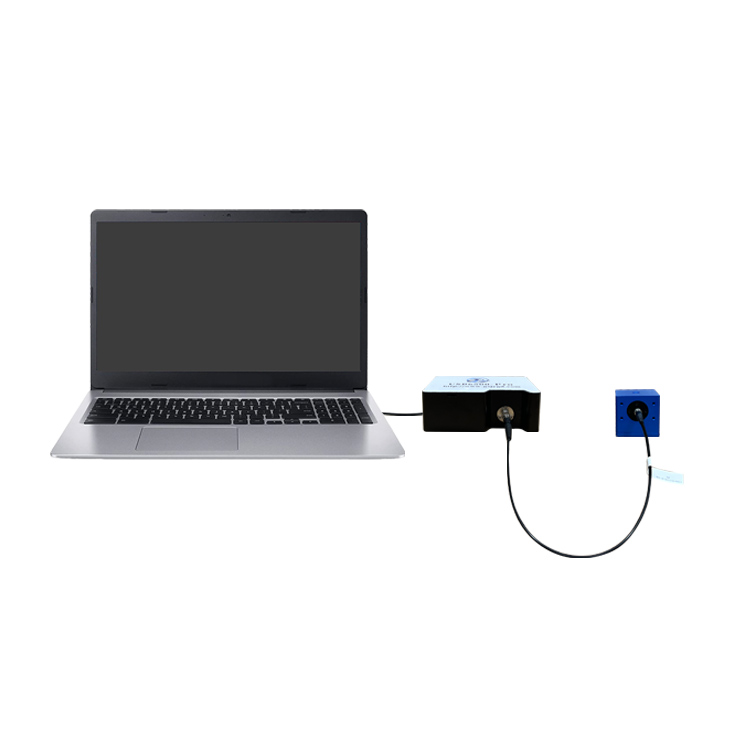
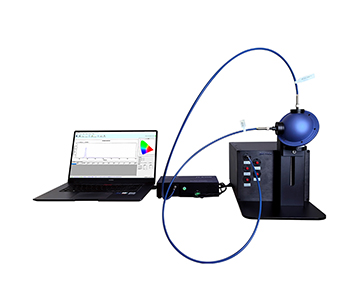
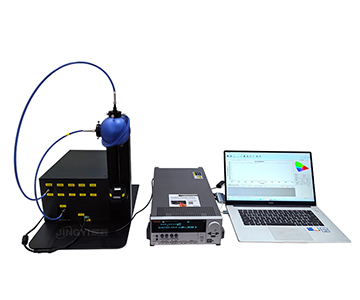
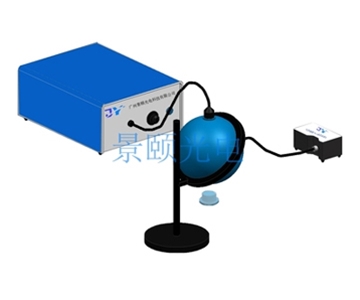
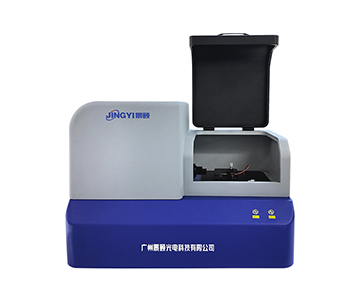
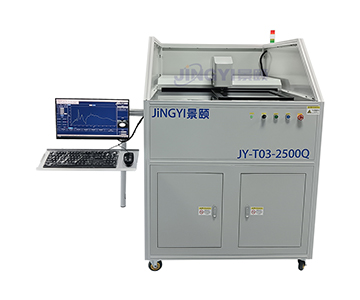
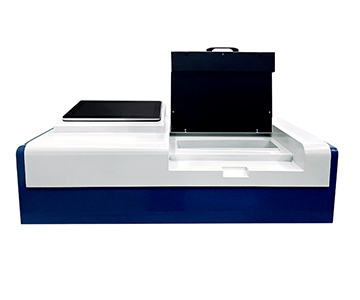
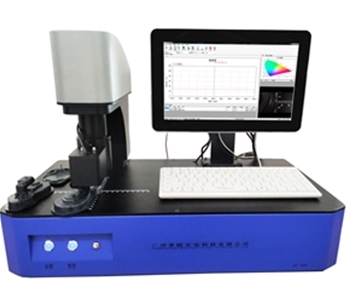
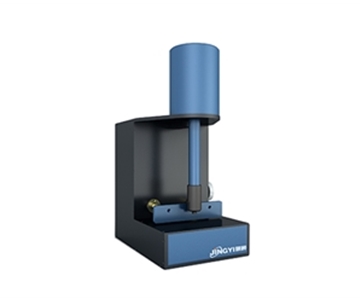
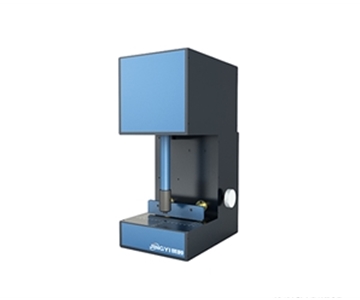
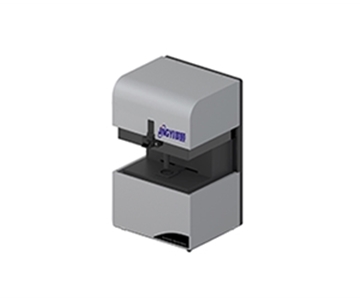
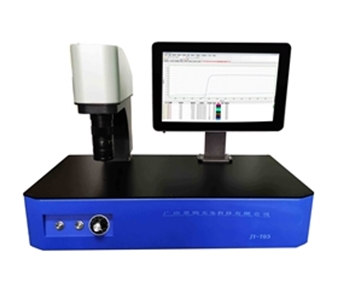
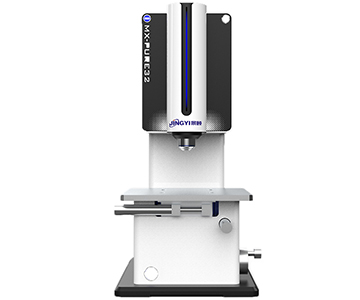
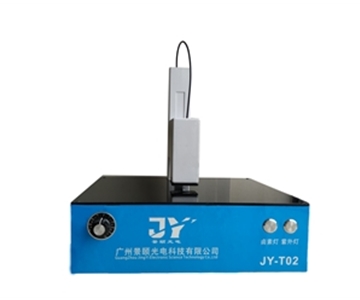
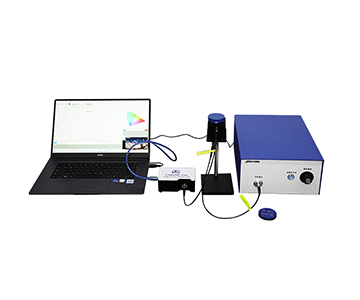
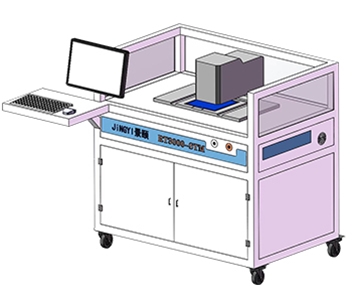
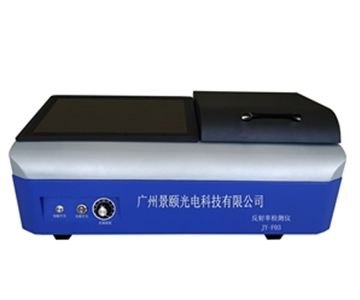
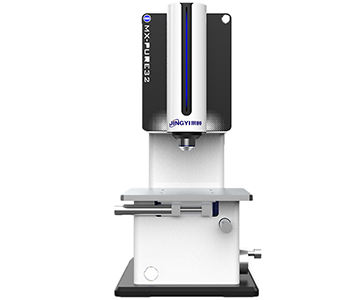
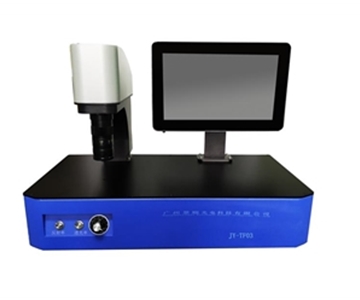
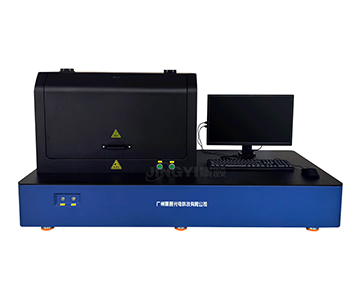
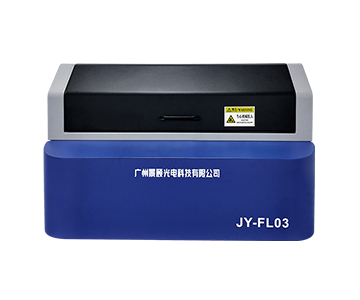
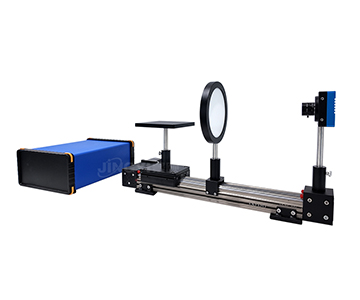
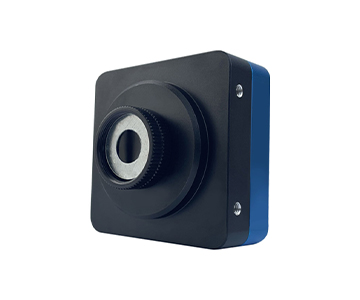
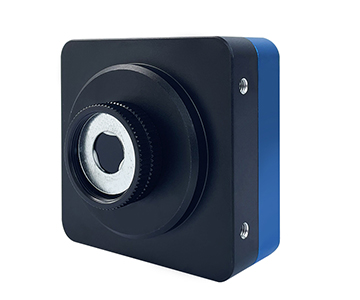
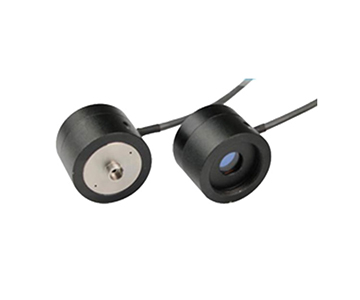
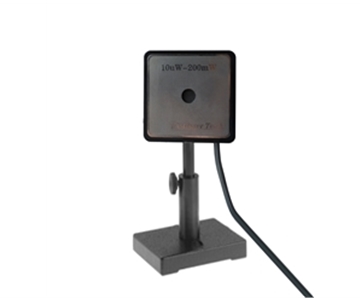
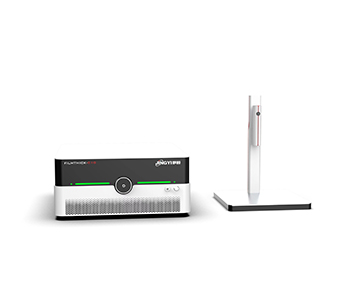
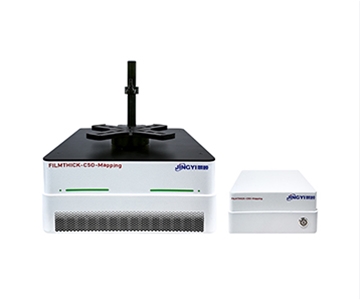
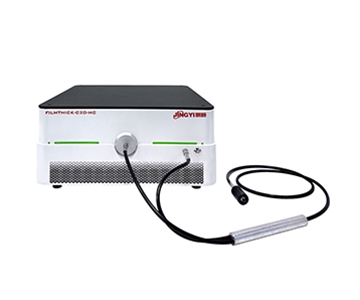
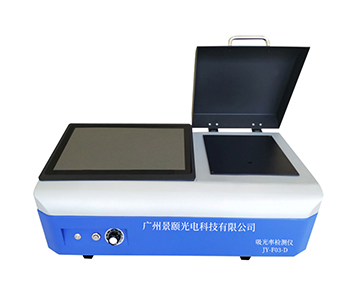
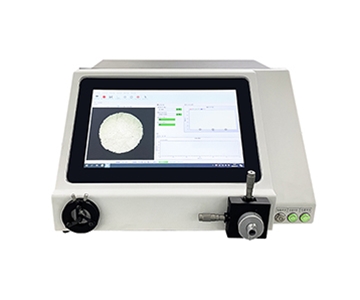
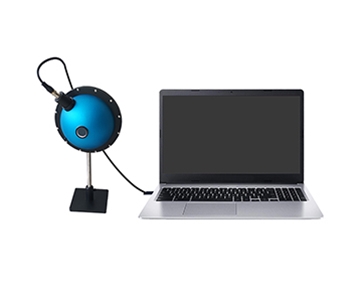
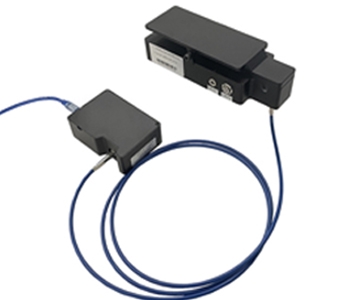
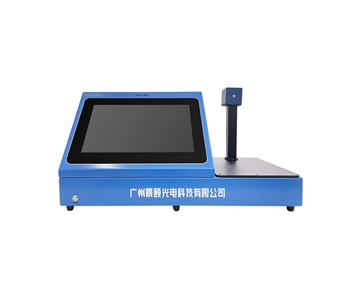
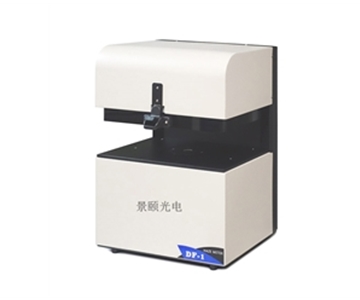
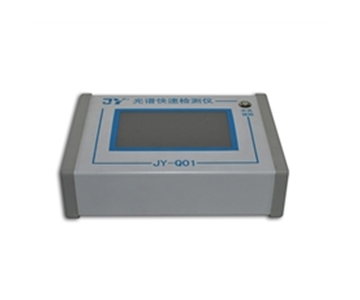
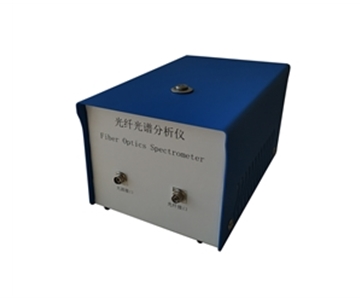
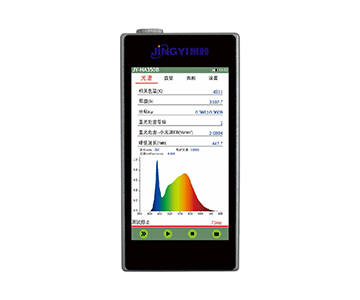
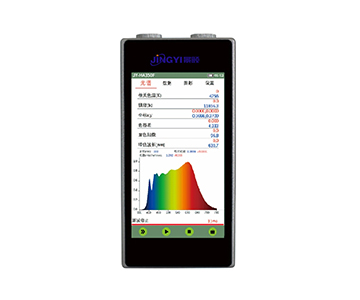
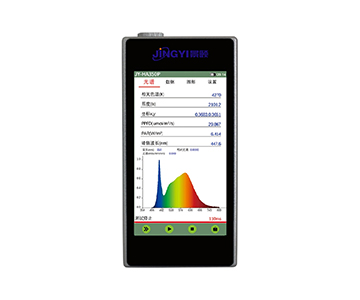
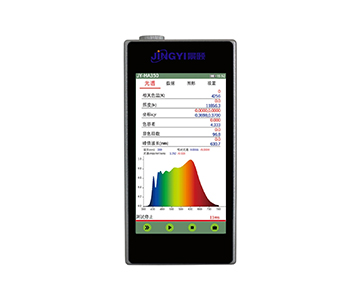
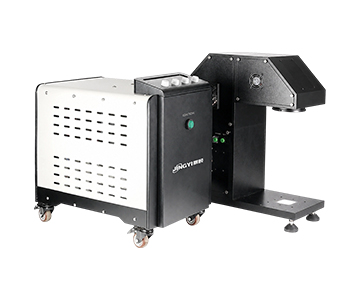
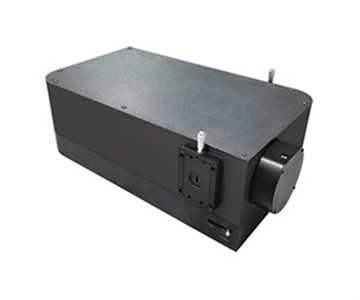
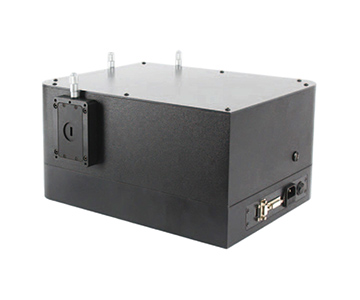
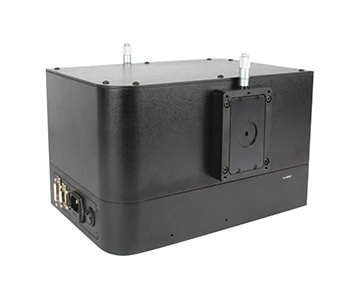
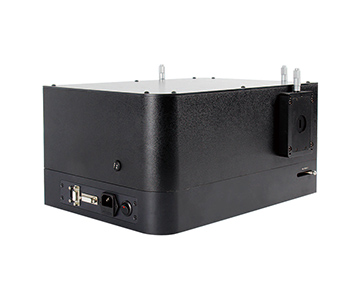
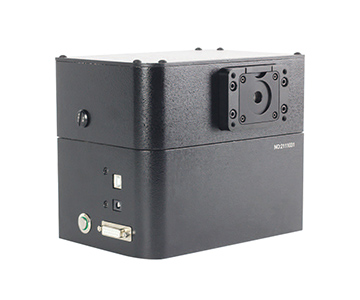
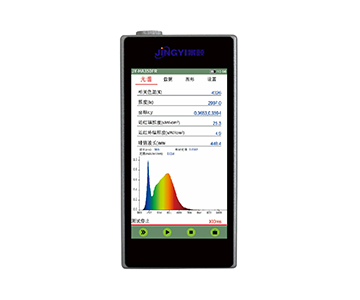
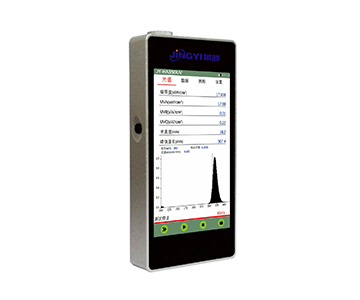
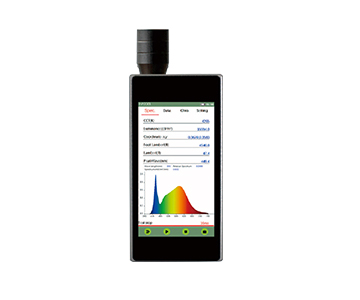
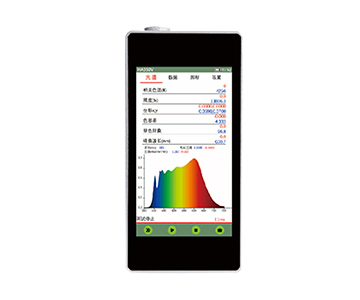
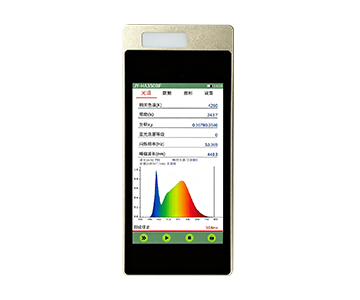
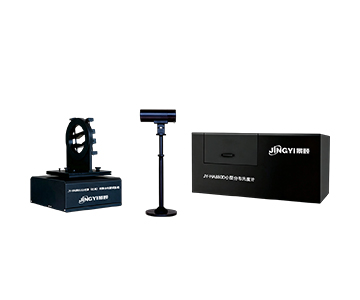
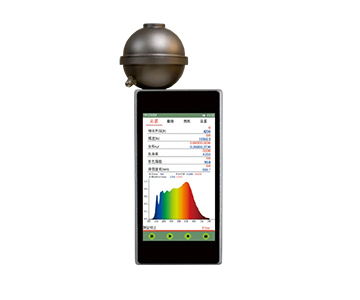
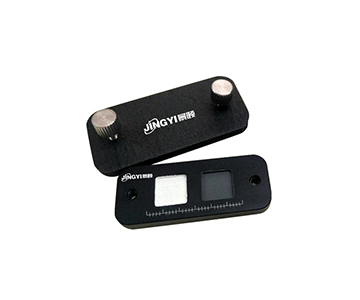
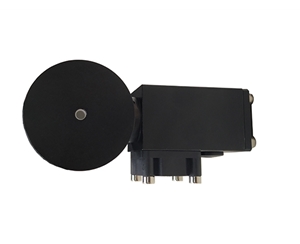
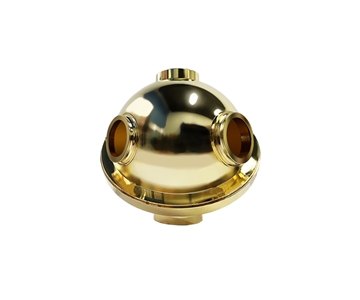
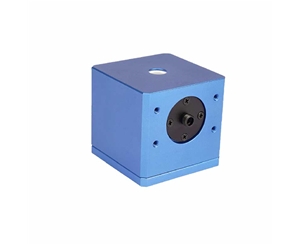
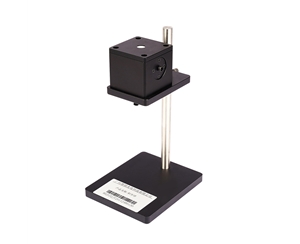
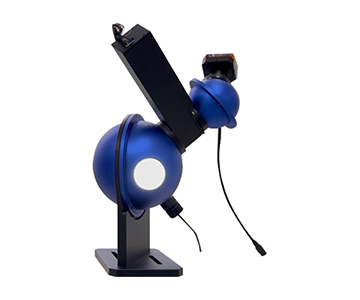
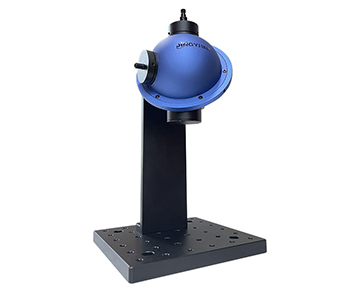
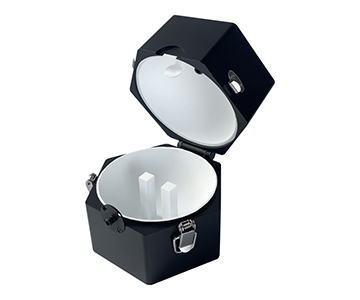
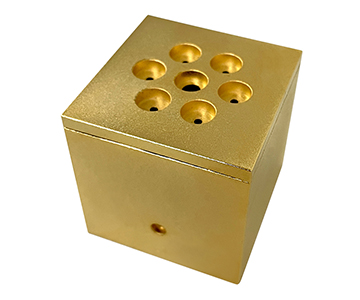
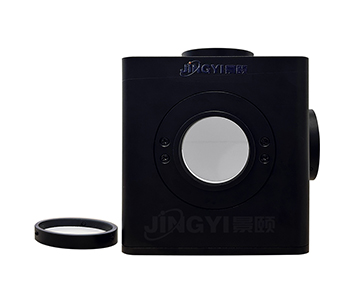
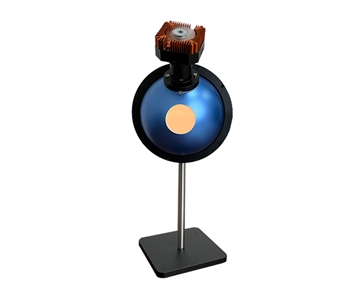
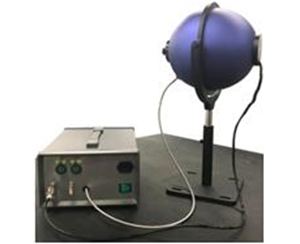
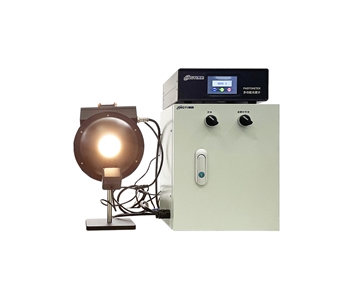
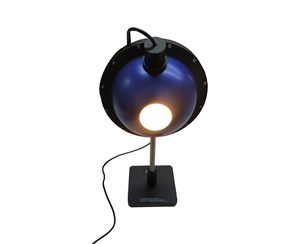
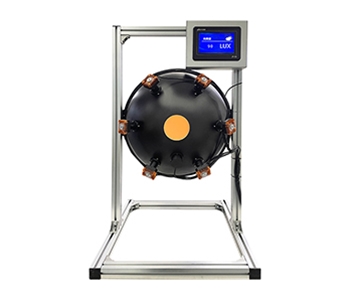
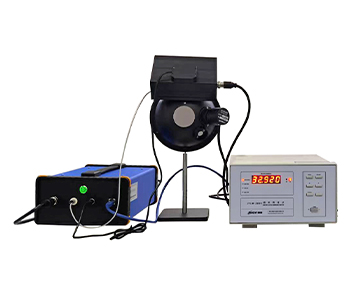
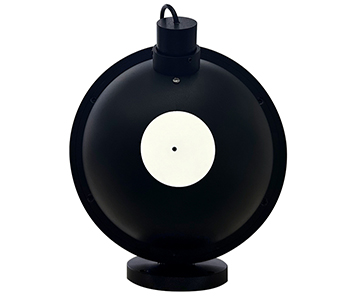
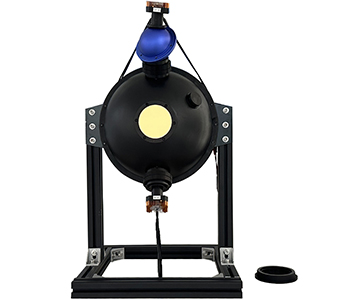
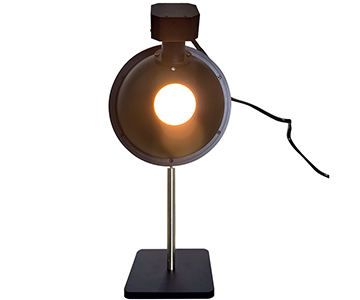
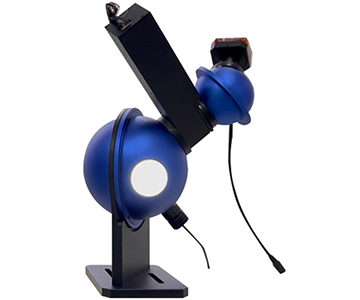
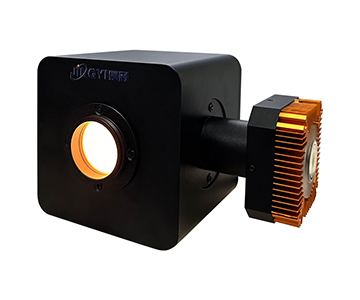
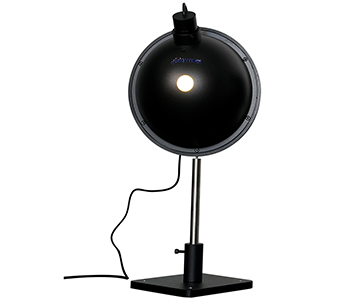
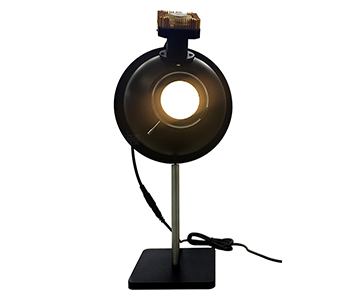
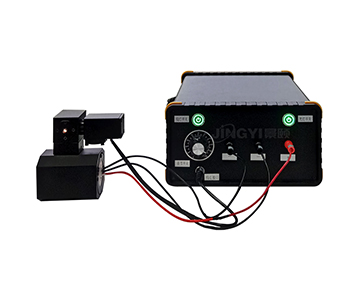
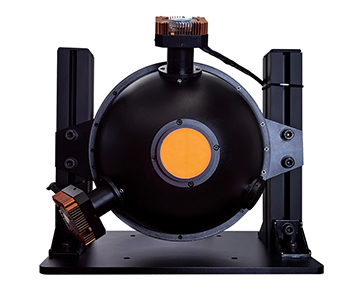
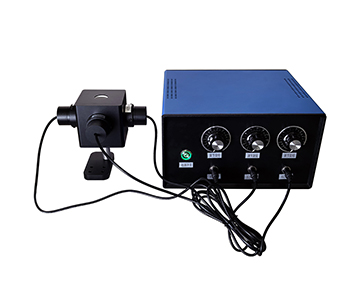
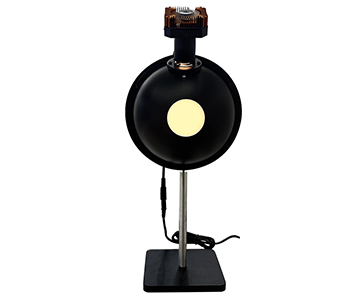
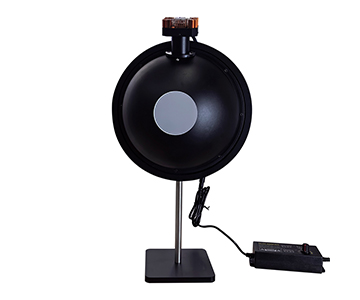
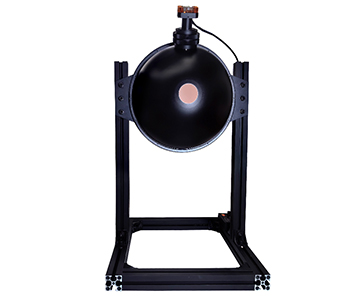
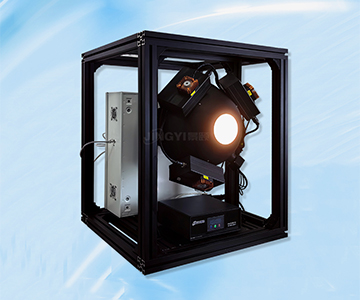
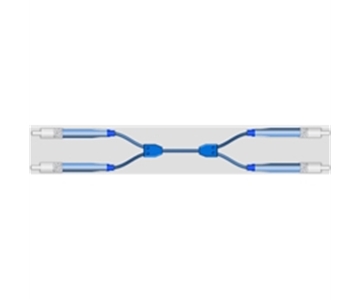
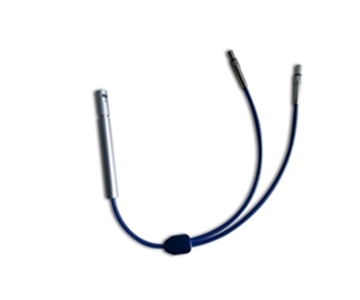
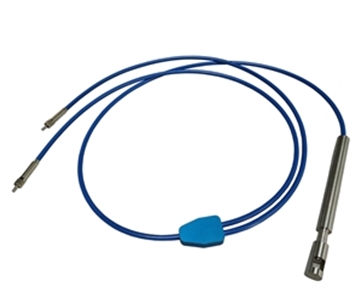
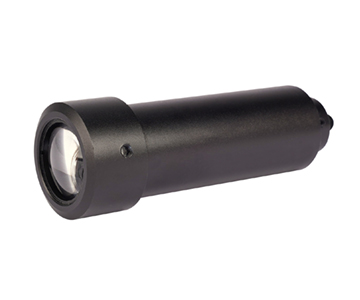
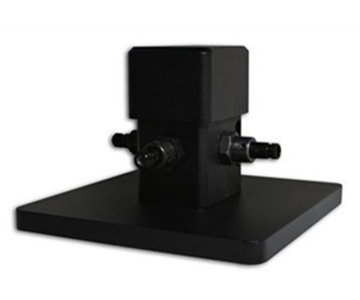
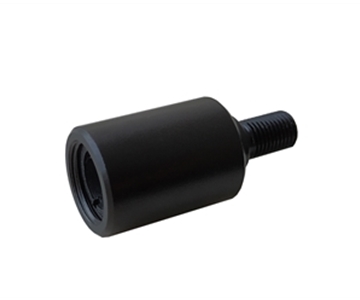
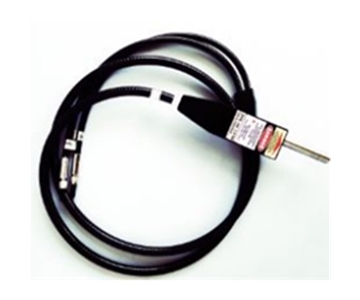
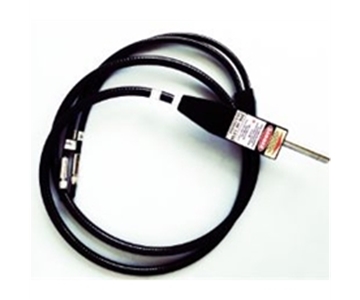
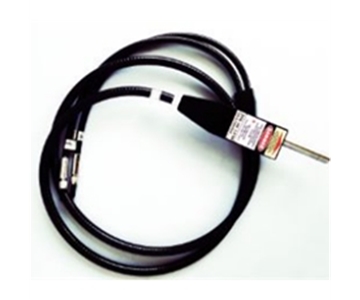
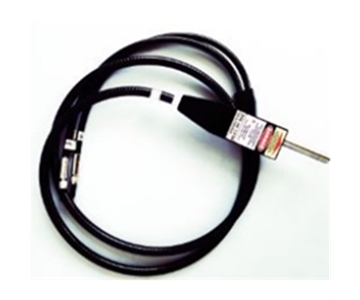
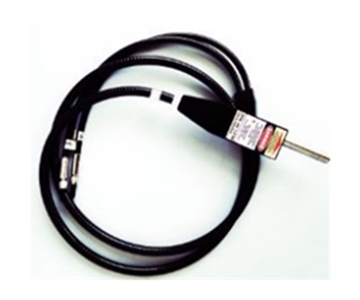
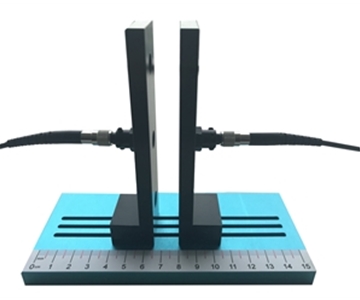
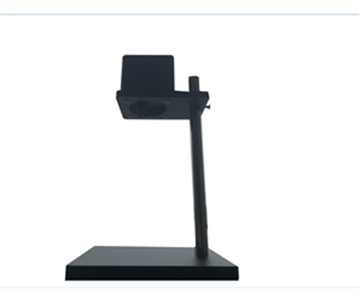
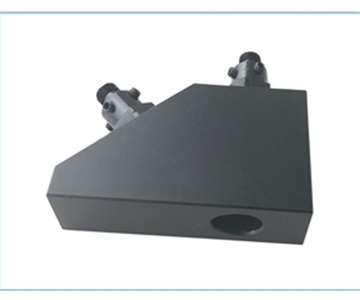
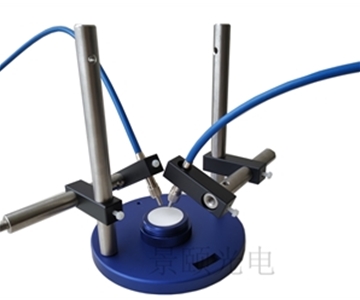
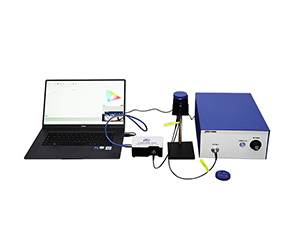
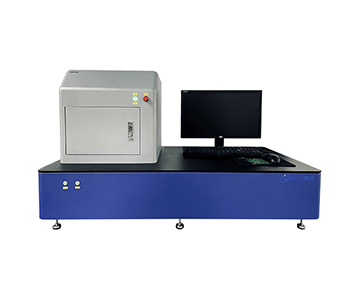
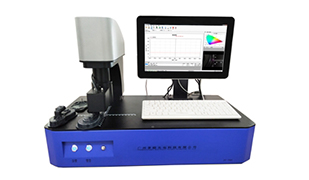
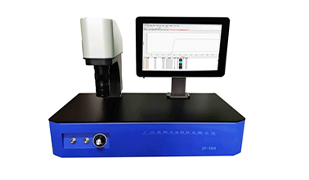
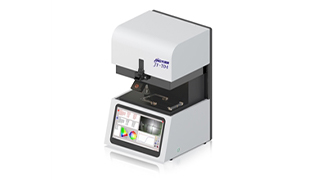
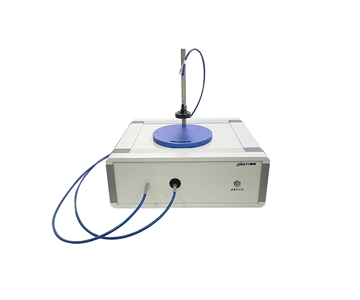
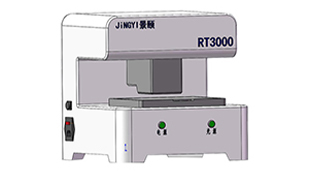
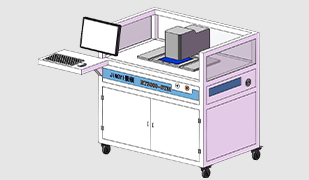
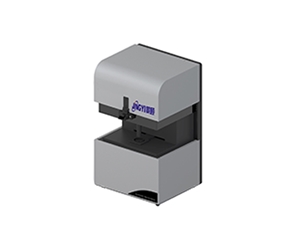
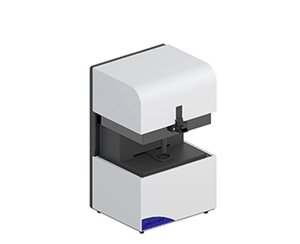
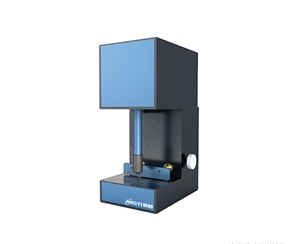
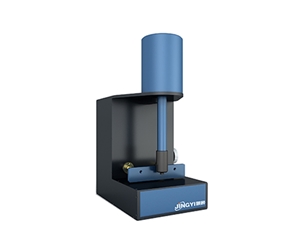
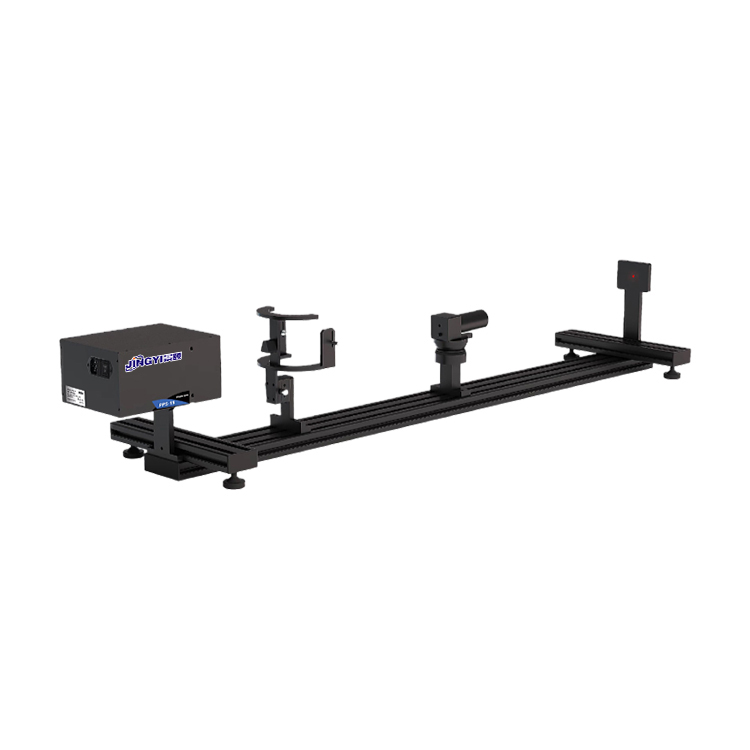
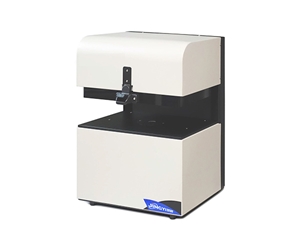
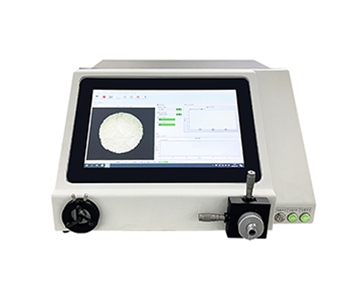
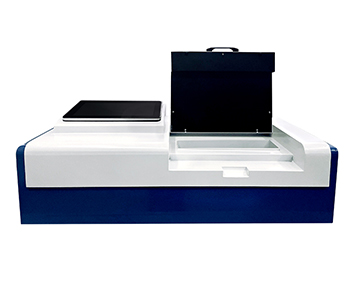
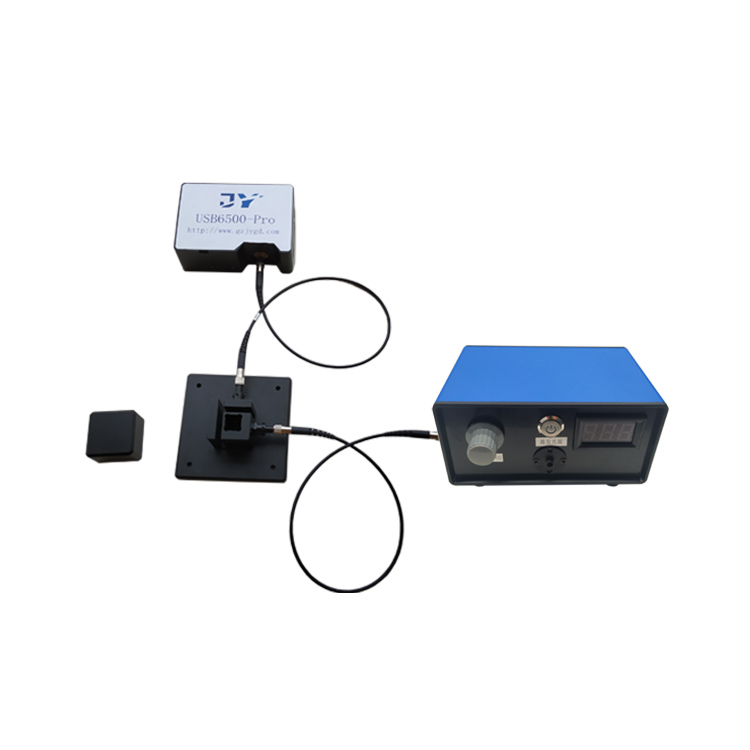
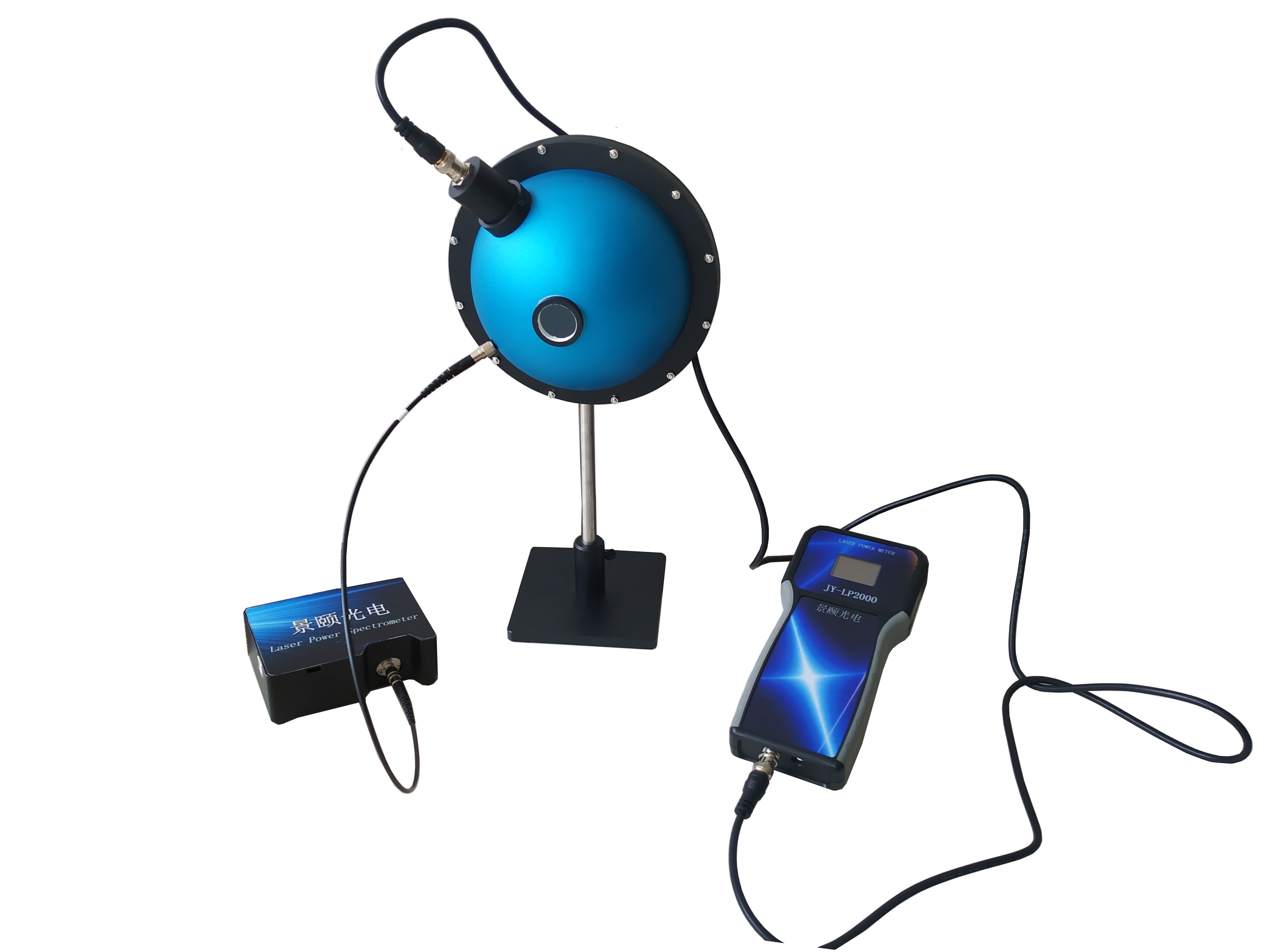
With continuous technological advancement, laser wavelength analyzers hold promising growth potential. In the future, their measurement accuracy and spectral range will further improve, fulfilling ever-stricter precision requirements. Concurrently, ongoing progress in optoelectronic technologies will enable smaller form factors, enhanced performance, and reduced costs—broadening adoption across diverse fields. For example, Jingyi Optoelectronics’ integrated laser wavelength analyzer features rapid spectral acquisition, portability, low stray light, high accuracy, and expandable spectral bands—offering an excellent price-to-performance ratio aligned with domestic industrial and research customer needs. Users simply direct the light source into the collection probe to obtain wavelength and peak width measurements within milliseconds. The built-in spectrometer delivers high resolution, making it suitable for characterizing continuous-wave or pulsed laser emission spectra with narrow full-width-at-half-maximum (FWHM).
Market Status
Currently, numerous manufacturers produce laser wavelength analyzers globally—including TOPTICA Photonics AG (Germany), Bristol Instruments, Inc. (USA), and Yokogawa Electric Corporation (Japan). Their products are renowned for high accuracy, stability, and reliability, and are widely deployed across industries. Meanwhile, growing market demand has attracted increasing numbers of new entrants, intensifying competition. Looking ahead, manufacturers must continually elevate technical capabilities and product quality to meet evolving market needs—and strengthen marketing efforts and after-sales service to enhance market share.
#LaserWavelengthMeter #WavelengthTester #PortableWavelengthAnalyzer #LaserWavelengthAnalyzer #LaserWavelengthMeasurementInstrument #SpectralWavelengthMeter #WavelengthMeter