Applications of Laser Power Measurement
In today’s era of widespread laser technology adoption, precise laser power measurement has become a critical requirement across numerous fields. Different laser applications impose varying demands on the accuracy, speed, and stability of power measurement.
Measurement Challenges in Communications and Material Processing
In optical communications, the high-speed propagation characteristics of laser beams necessitate exceptionally fast and accurate measurements. In precision laser cutting and welding applications, even minute fluctuations in laser power can significantly affect product quality—making power stability a key metric for evaluating processing quality. Conventional sensors such as photodiodes and thermopiles often exhibit inherent limitations when confronted with these complex measurement requirements.
Emergence of the Integrating Sphere Laser Power Meter
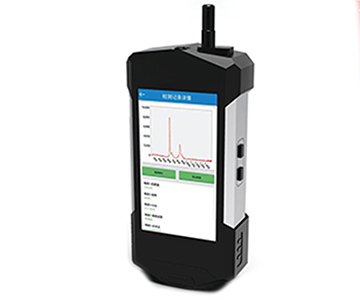
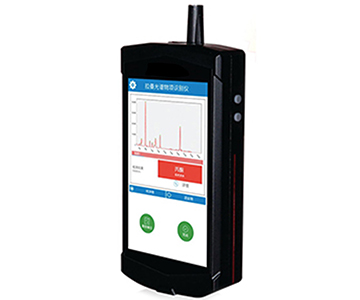
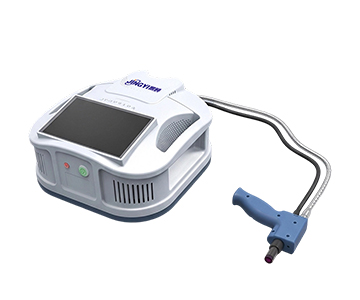
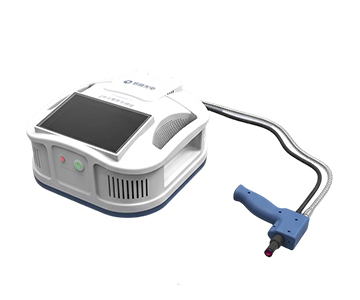
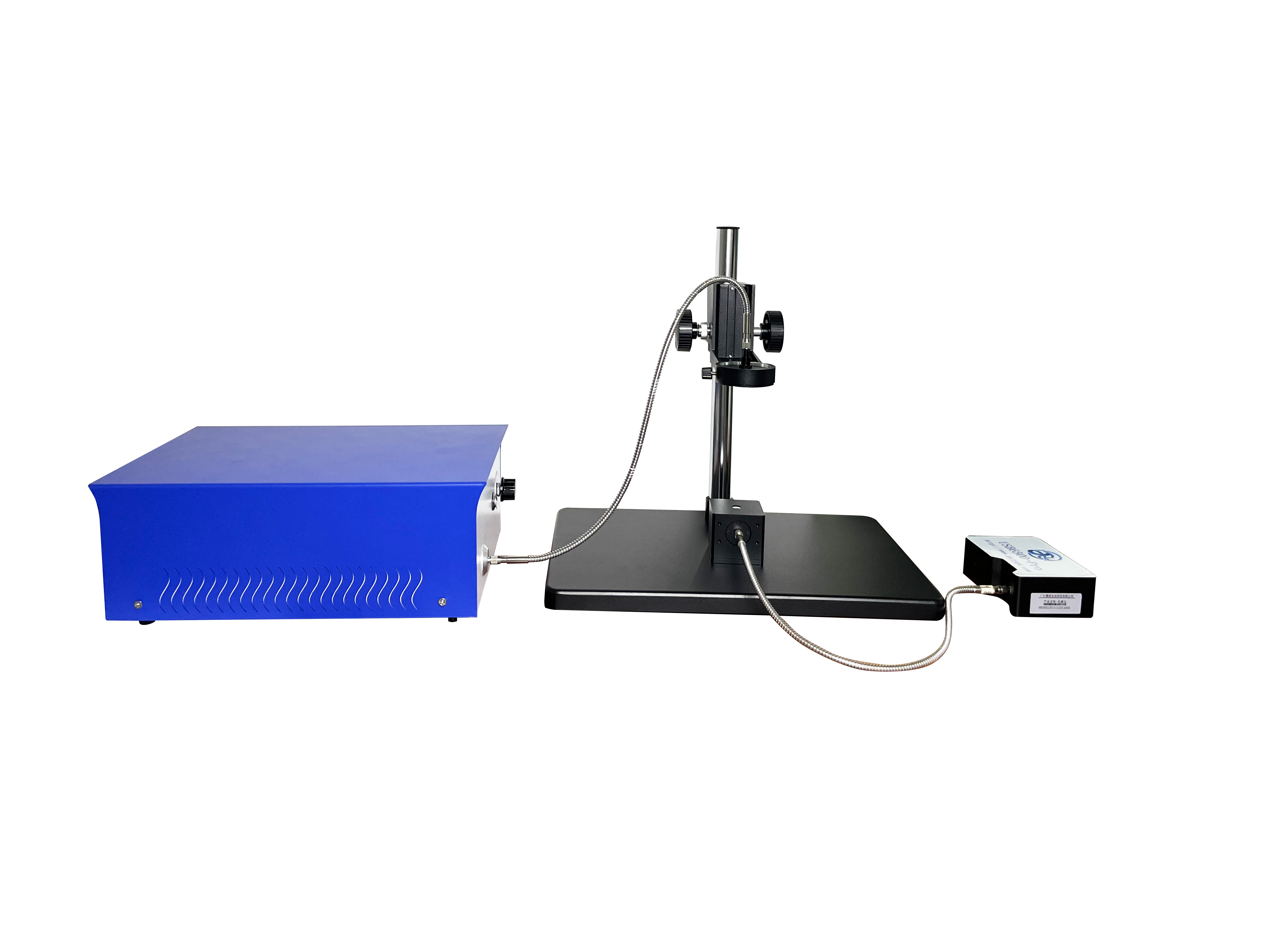
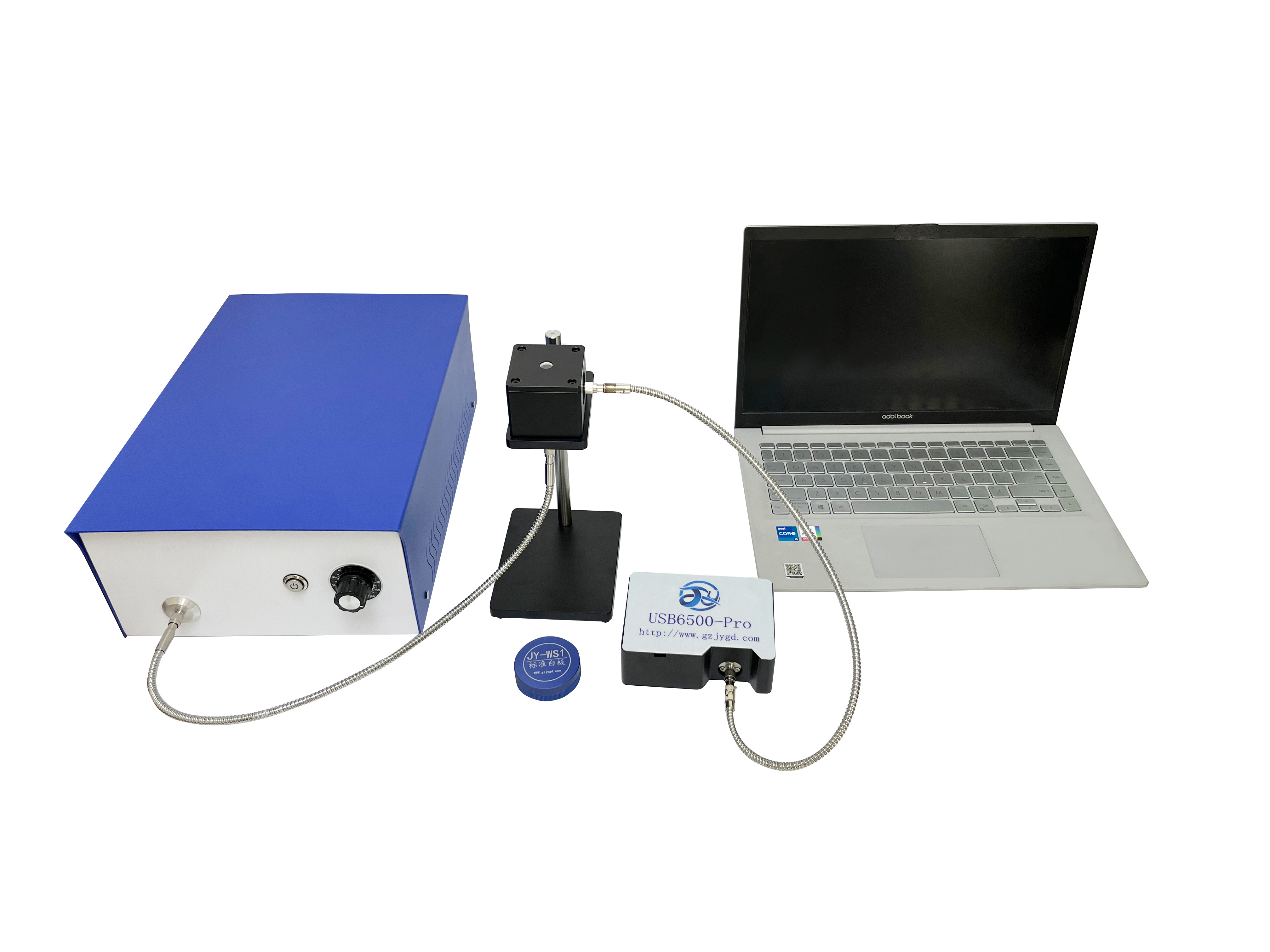
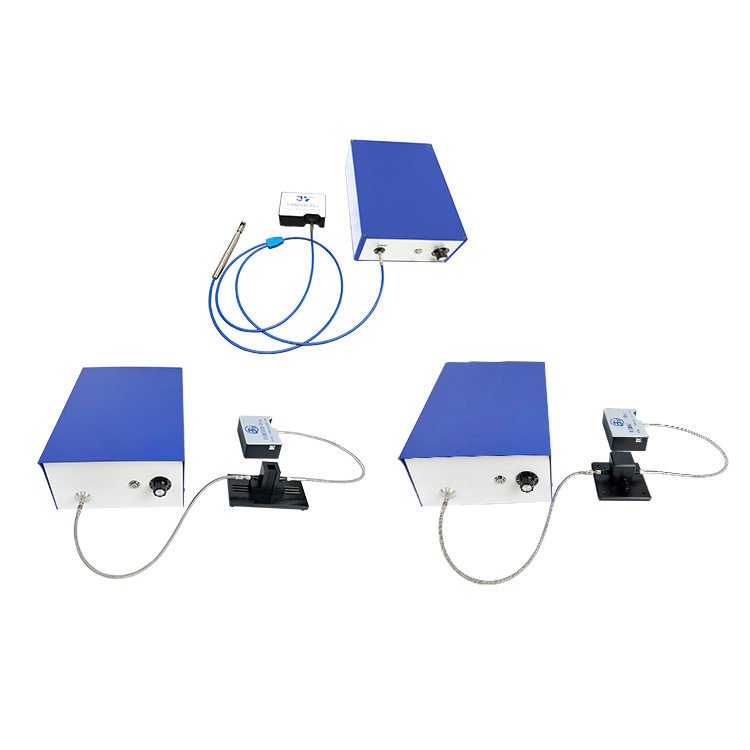
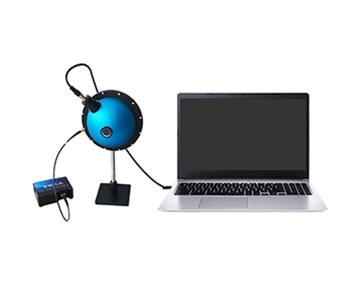
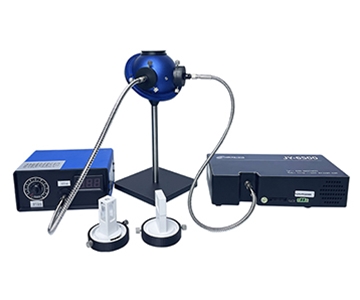
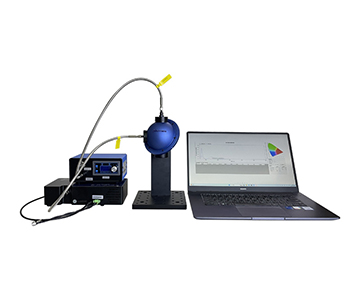
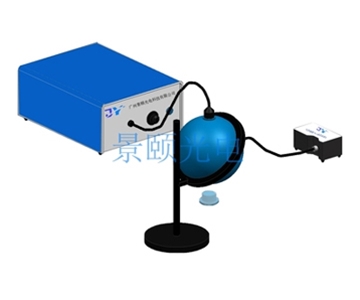
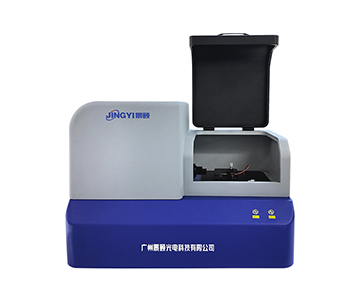
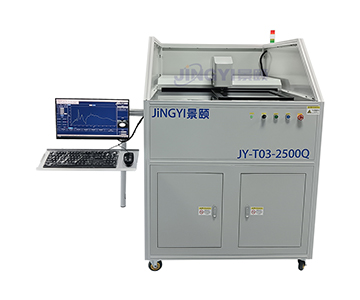
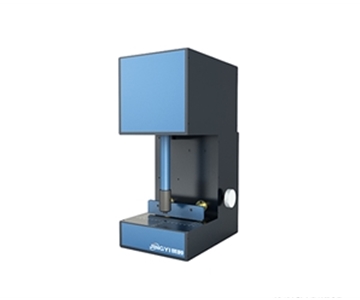
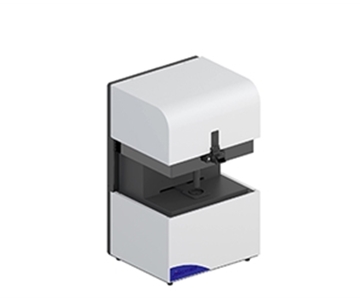
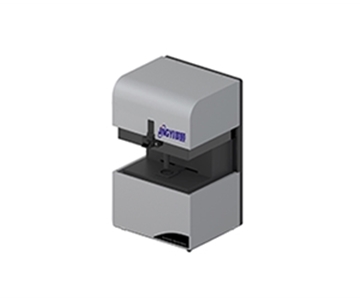
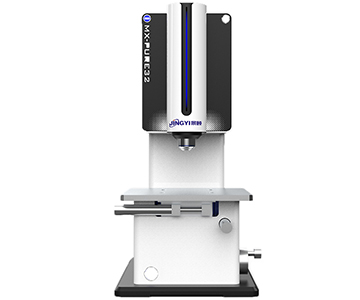
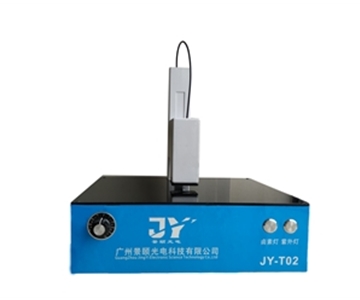
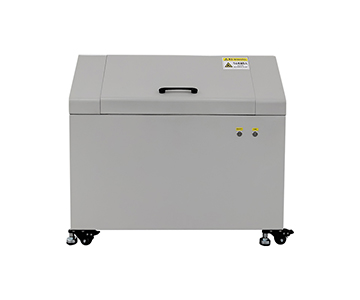
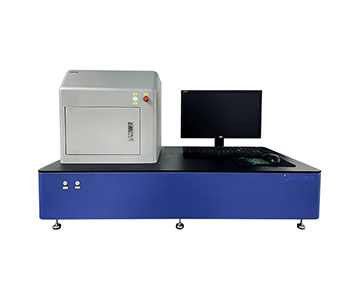
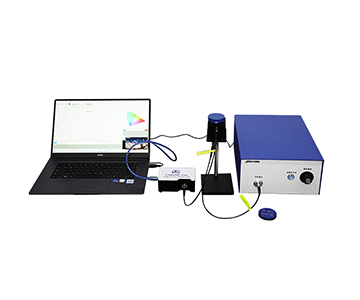
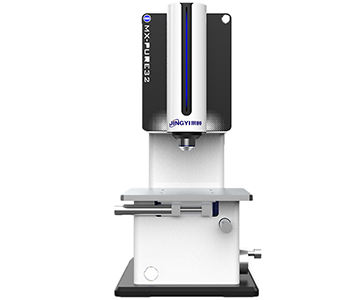
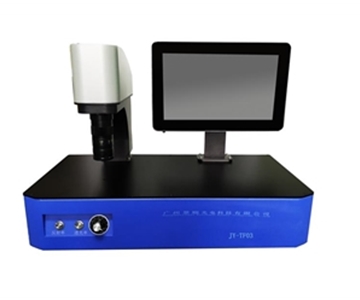
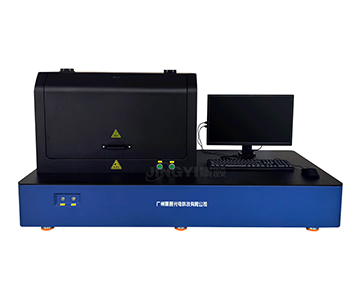
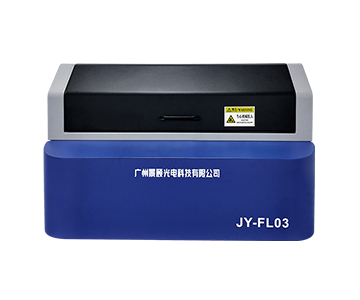
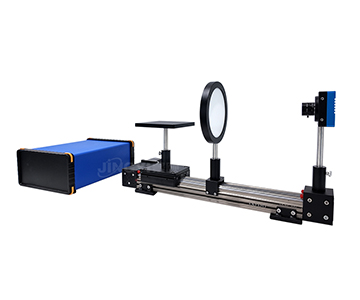
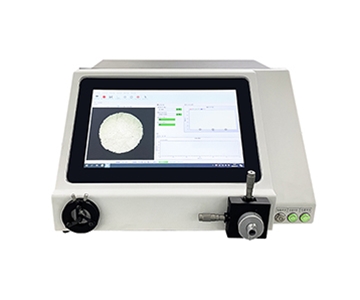
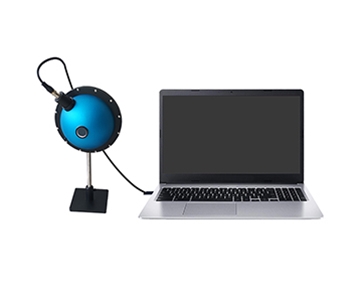
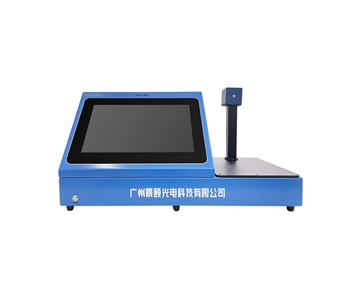
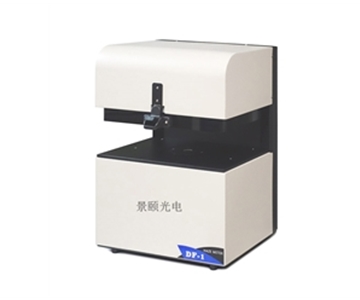
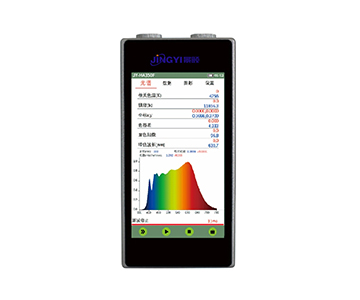
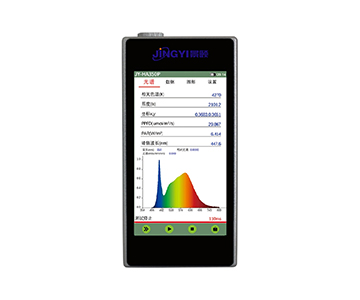
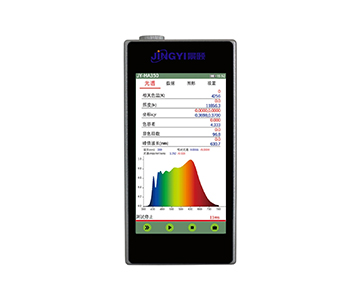
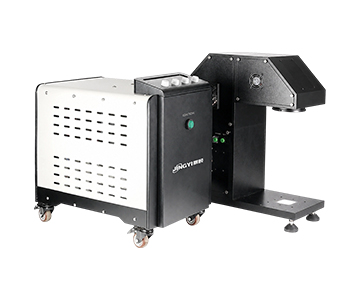
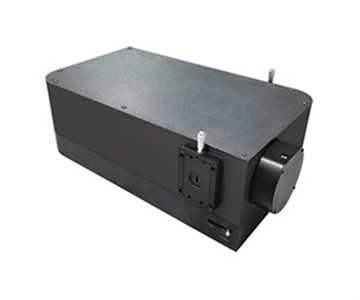
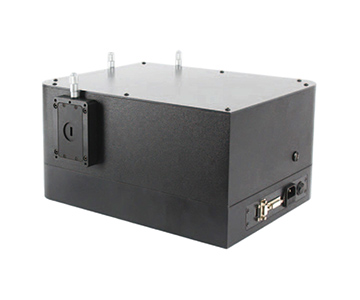
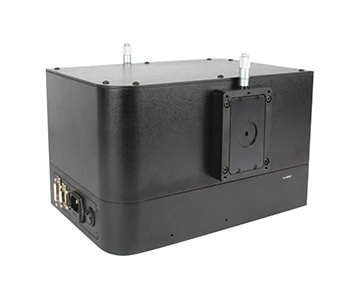
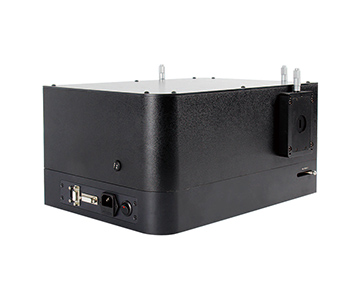
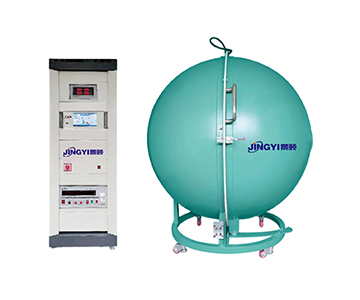
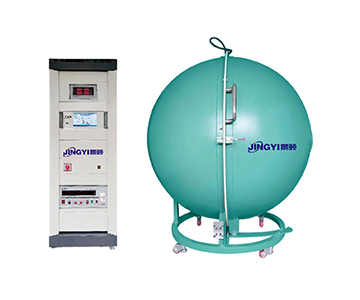
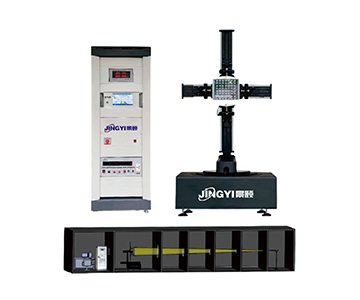
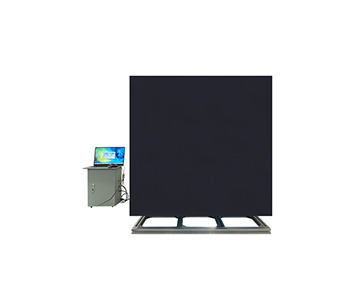
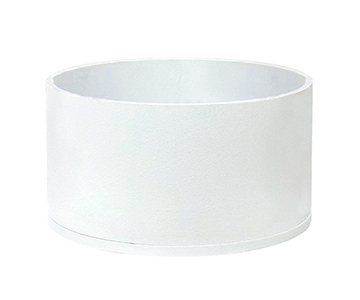
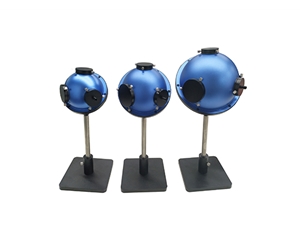
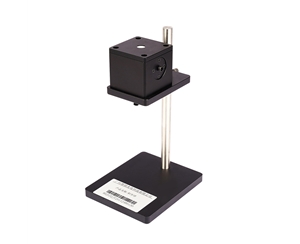
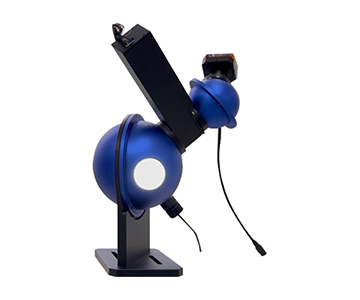
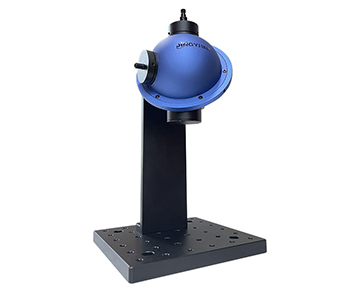
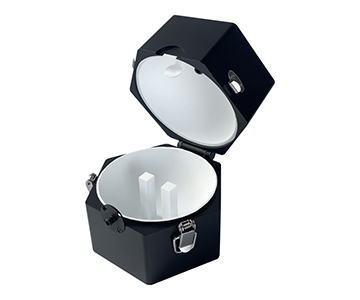
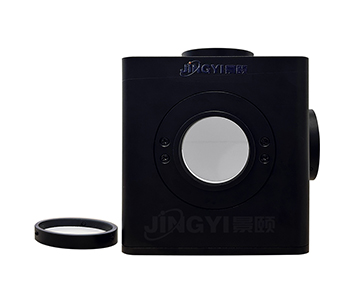
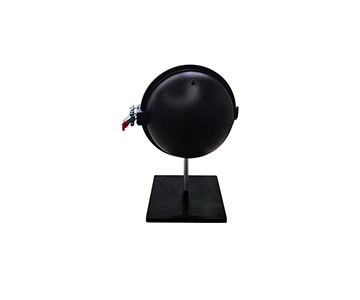
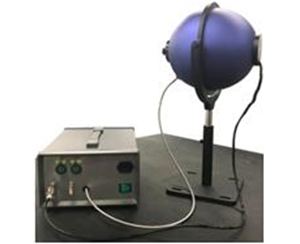
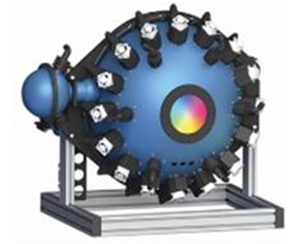
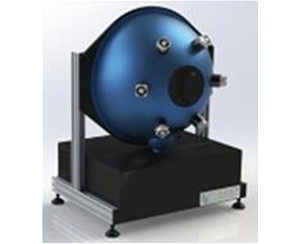
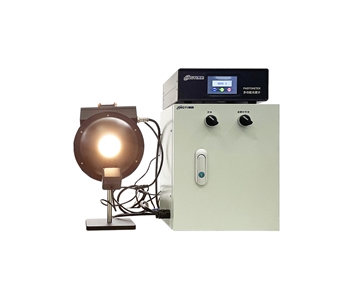
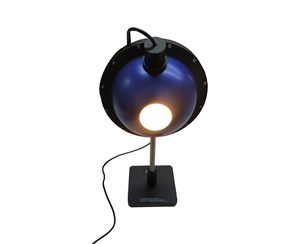
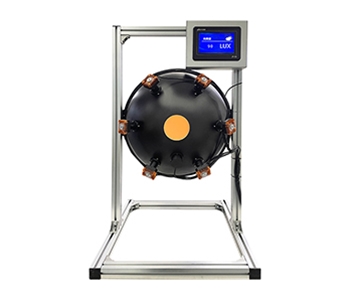
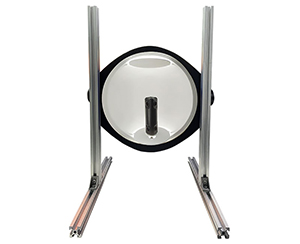
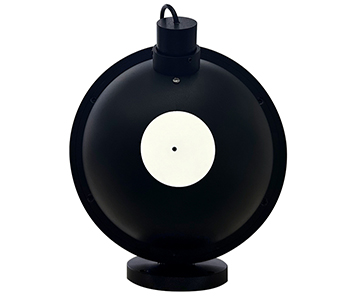
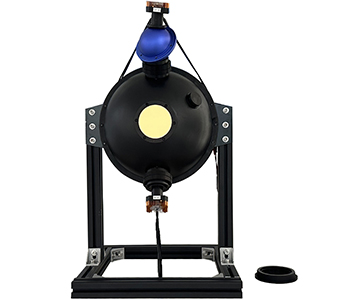
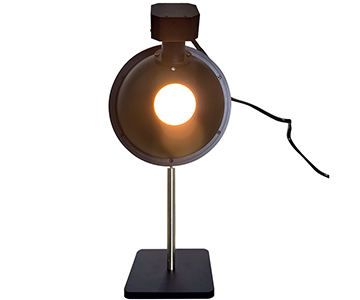
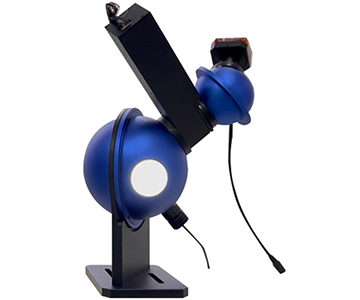
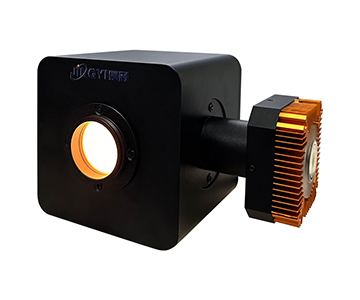
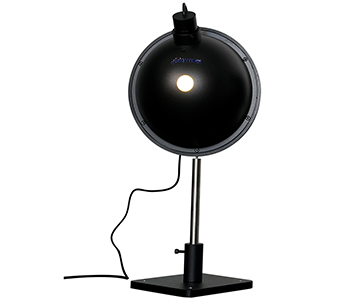
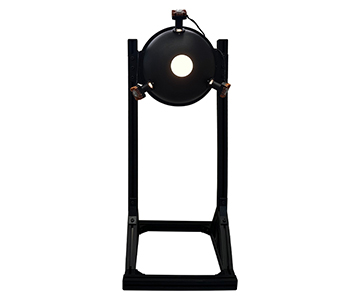
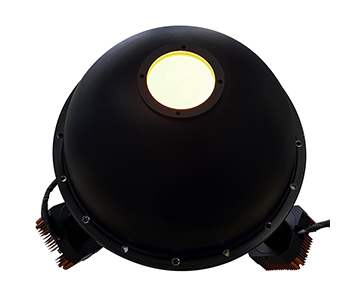
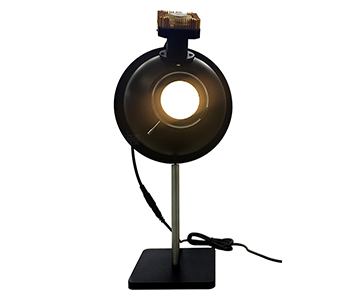
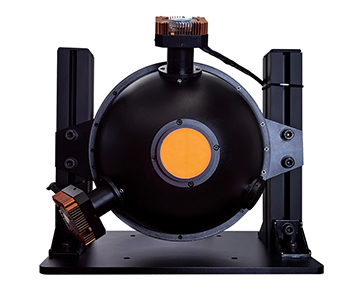
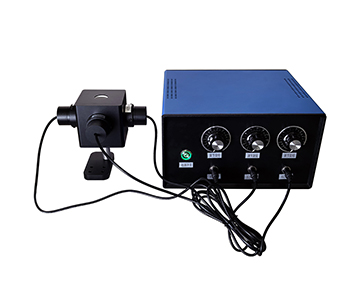
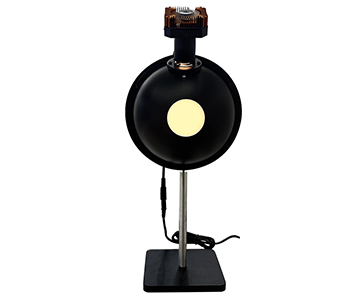
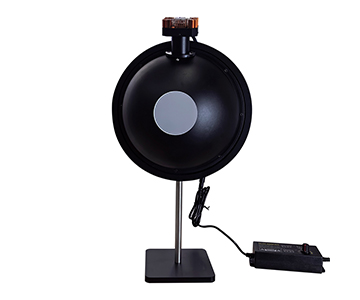
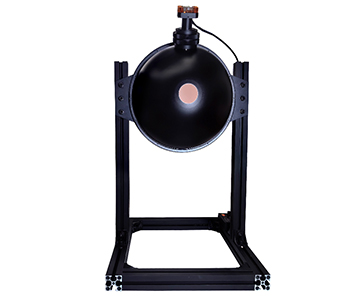
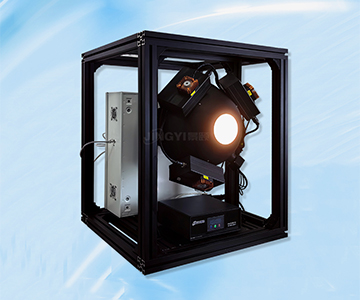
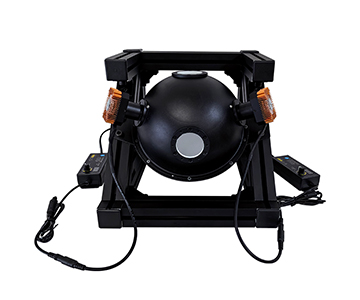
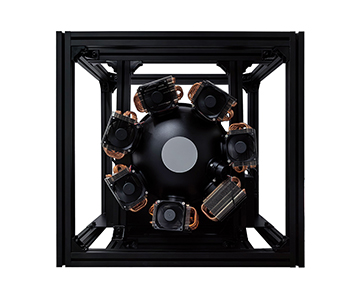
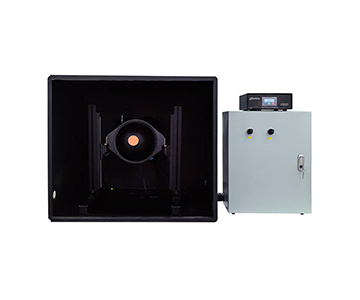
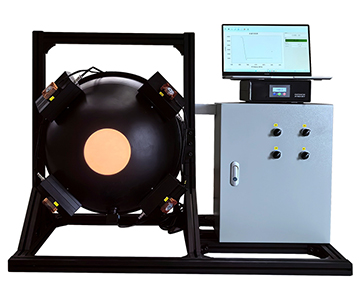
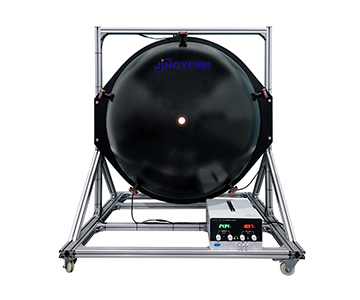
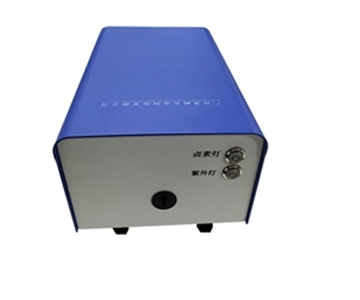
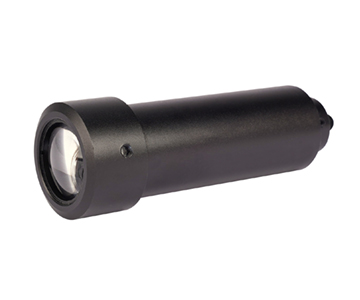
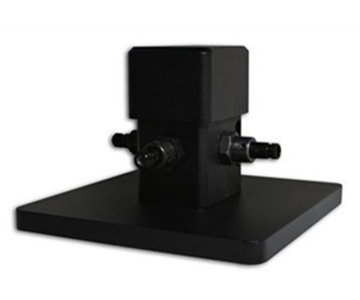
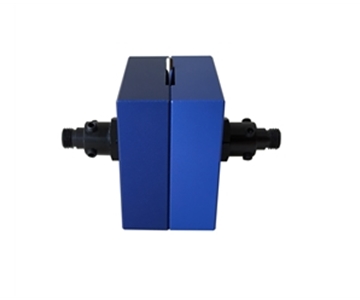
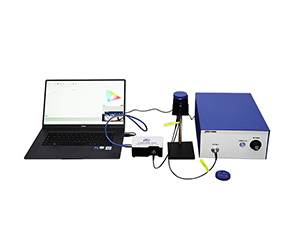
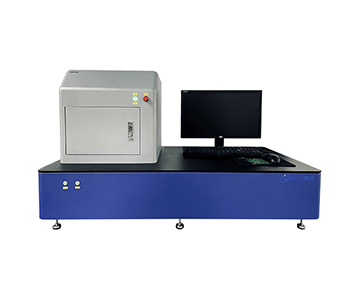
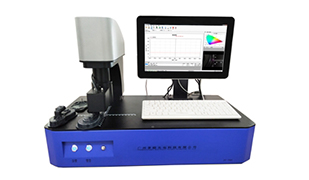
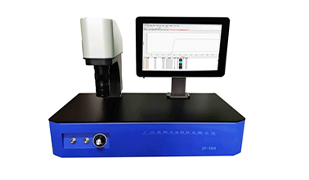
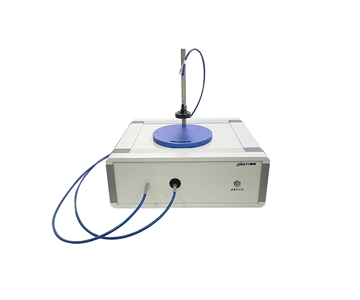
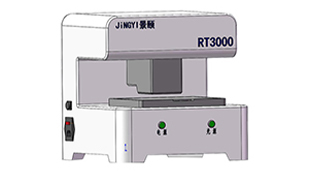
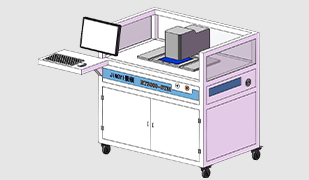
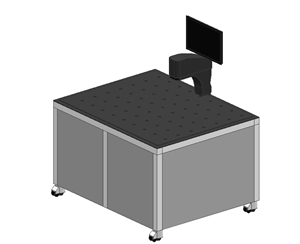
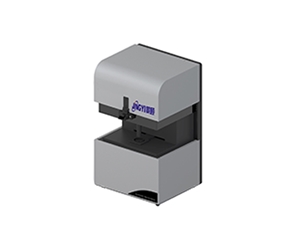
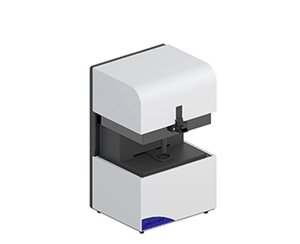
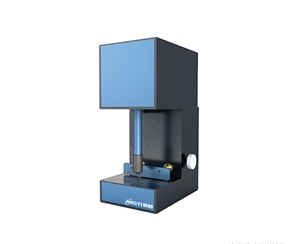
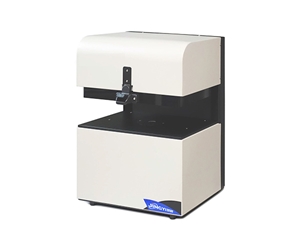
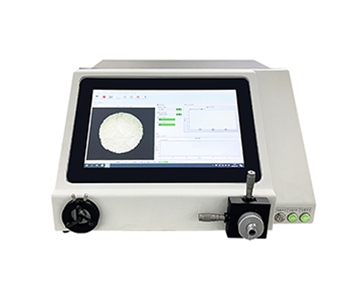
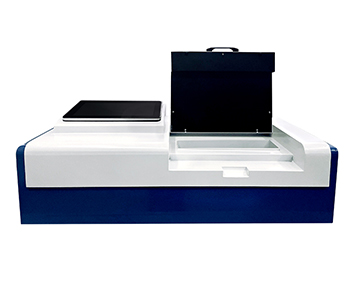
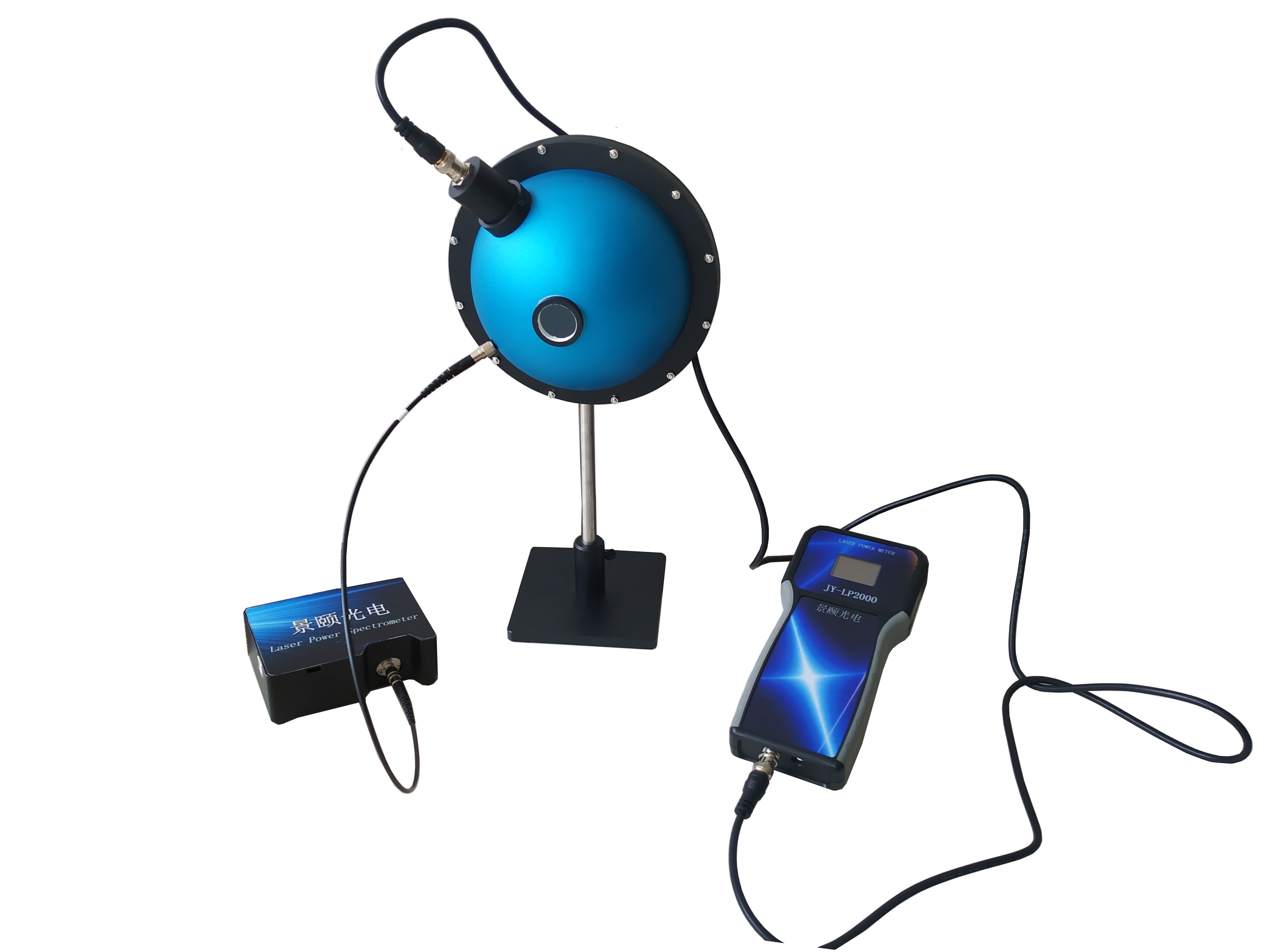
Against this backdrop, the integrating sphere laser power meter was developed to address these challenges with novel approaches and methodologies. Designed and manufactured by Jingyi Optoelectronics, this system employs a high-quality PTFE-based, highly diffuse-reflecting integrating sphere to collect light from the source. Its unique geometric configuration enables accurate measurement of both spectral distribution and optical power—regardless of laser beam polarization or calibration drift.
Integrating Sphere Structure and Material Characteristics
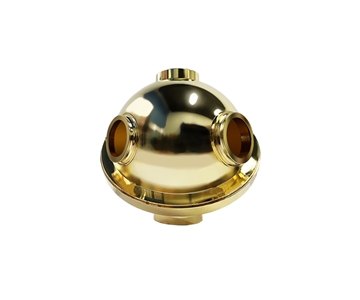
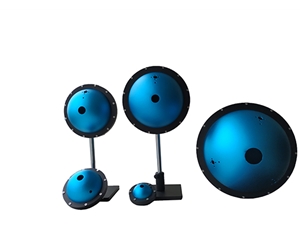
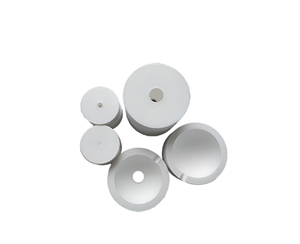
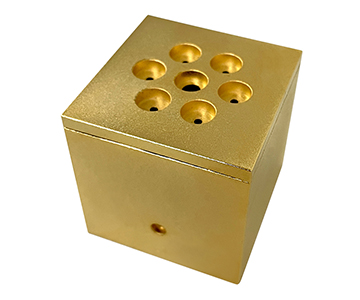
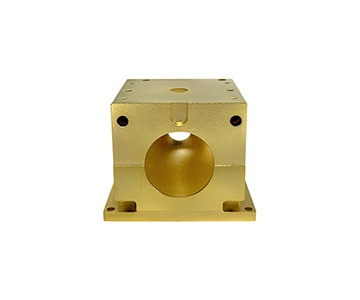
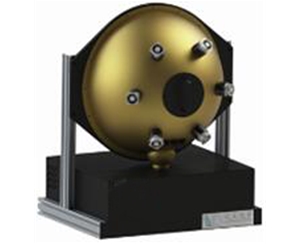
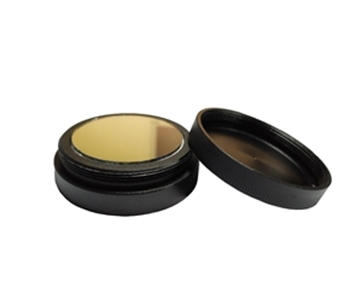
From a materials perspective, hollow integrating spheres are typically fabricated from specialized polymers suited for specific wavelength ranges. For instance, polymers optimized for 250 nm – 2.5 μm are commonly used. Although aluminum spheres coated with special reflective layers offer lower cost, their surfaces gradually yellow over time—degrading measurement accuracy—and thus are unsuitable for high-precision laser power metrology. For measurements spanning 700 nm – 20 μm, gold-coated metal spheres are generally preferred. Since many high-power lasers operate within this spectral range, copper and aluminum serve as ideal thermally conductive substrate materials.
Advantages of Combining an Integrating Sphere with a Photodiode
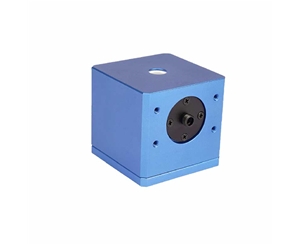
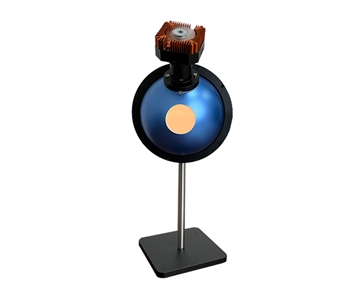
When a photodiode is mounted on the inner wall of the integrating sphere, it receives only a fraction of the incident laser power—but this fraction undergoes three critical transformations: First, the power density becomes completely uniform, effectively eliminating measurement errors caused by non-uniform irradiance in conventional setups. Second, the incident light is depolarized—even if the original beam is fully polarized—thereby removing polarization-dependent measurement bias. Third, the optical power incident on the sensor is substantially attenuated, protecting the photodiode and simultaneously extending the measurable power range.
As a result, the combination of an integrating sphere and photodiode forms a high-performance laser power sensor. It retains the photodiode’s high responsivity while enabling measurement of relatively large optical powers. Moreover, integrating spheres of different diameters provide distinct system sensitivities, offering greater flexibility to meet diverse measurement needs. Crucially, the detector is no longer constrained by spatial non-uniformity of power density, polarization state, angle of incidence, or beam position—enhancing both measurement flexibility and accuracy.
System Calibration and Extended Applications
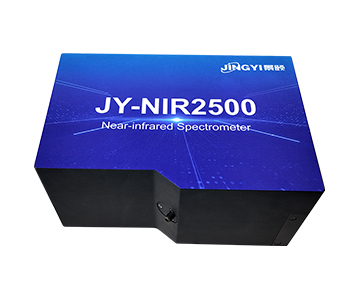
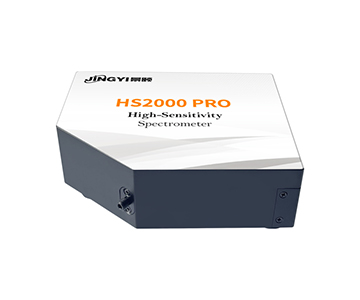
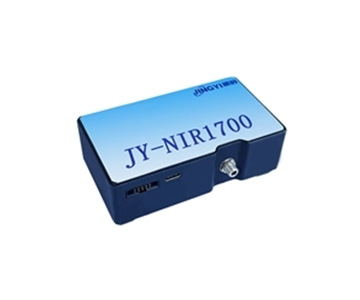
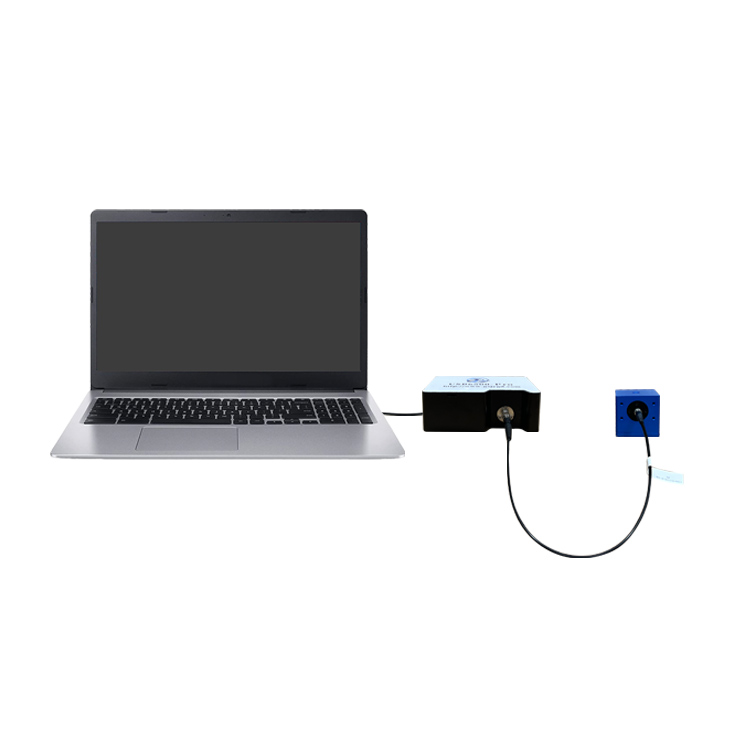
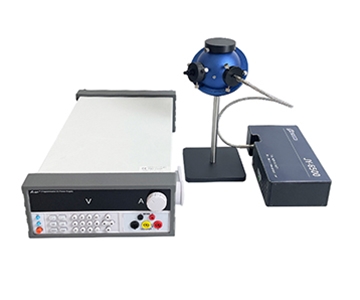
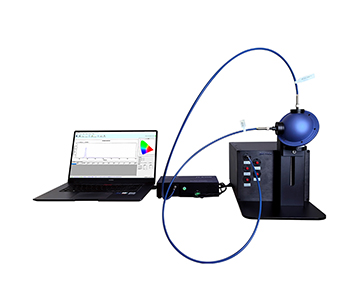
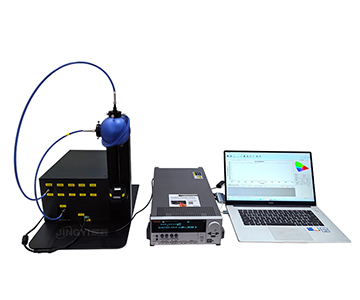
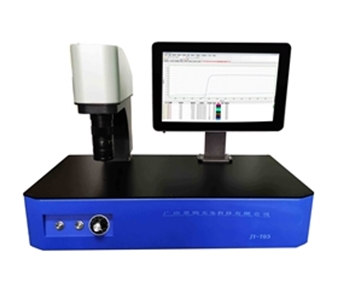
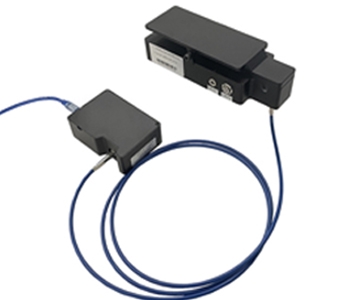
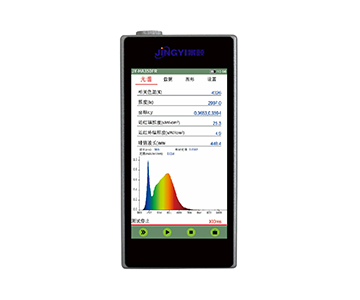
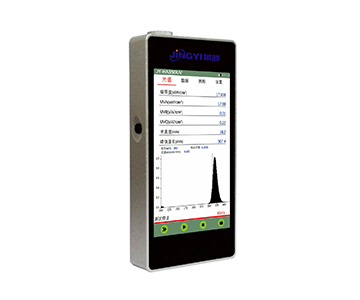
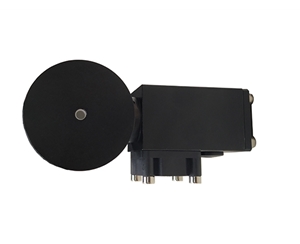
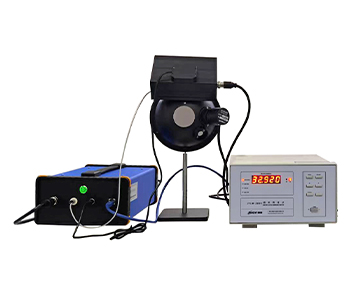
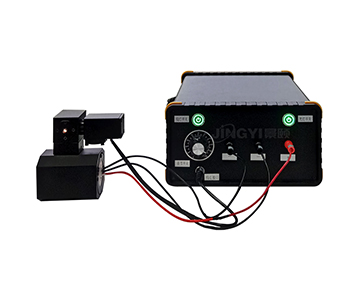
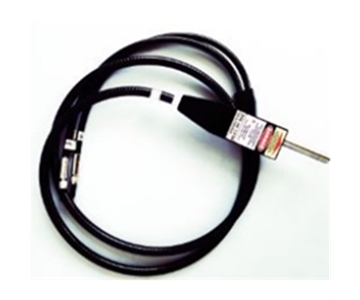
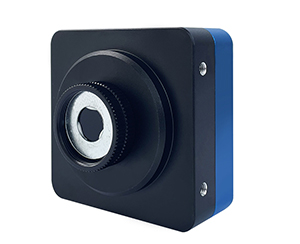
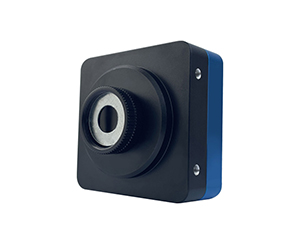
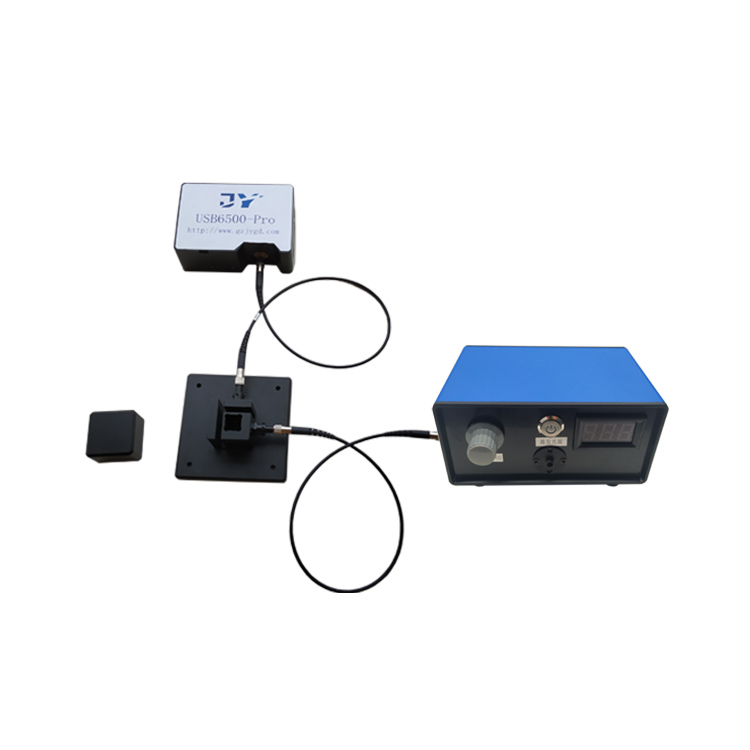
Additionally, the integrating sphere laser power meter integrates a calibrated optical power meter and a fiber-coupled spectrometer to measure source power and wavelength independently, with results displayed via dedicated software. For specialized applications, Jingyi Optoelectronics offers optional calibrated optical attenuation modules to further extend the system’s operational range. Furthermore, system calibration is traceable to the National Institute of Standards and Technology (NIST), ensuring measurement accuracy and reliability.
Real-World Application Examples
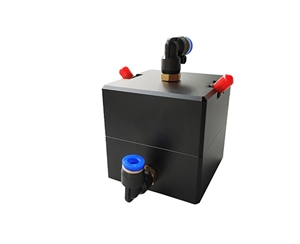
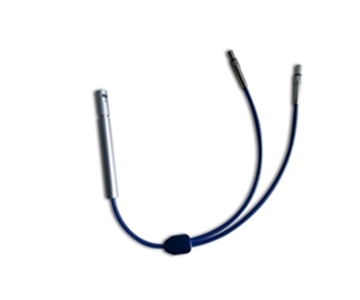
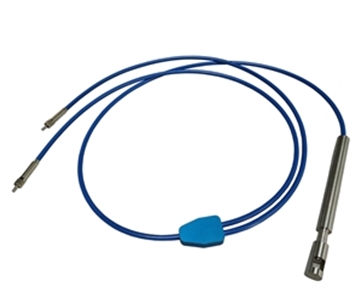
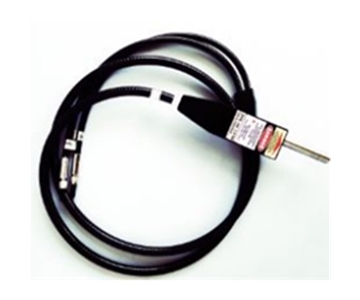
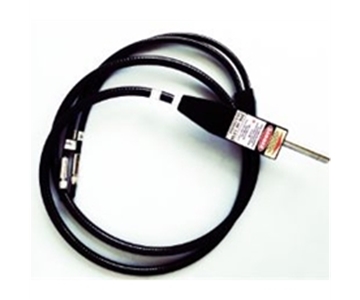
In practical use, the integrating sphere laser power meter demonstrates outstanding performance. For example, in material processing applications, a water-cooled, 100-mm-diameter, gold-coated copper integrating sphere can be employed to monitor long-term power stability of high-power industrial lasers. As high-power laser irradiation heats the sphere—and photodiode sensitivity varies with temperature—the system utilizes an SMA fiber-optic interface to connect the sphere to the power meter. The entire chain (integrating sphere–fiber–power meter) is calibrated as a single unit, guaranteeing accurate absolute power measurement. Powered and controlled via USB, the optical power meter minimizes cabling, thereby improving system portability and operational stability.
Using this system to characterize a laser reveals detailed dynamic behavior under varying operating conditions. At 2500 W output, the laser exhibits excellent stability. However, at its maximum rated power (e.g., 5000 W), a long-term fluctuation of approximately 1.5% emerges. Simultaneously, rapid fluctuations of ~0.7% become visible—fluctuations occurring on timescales too short to be resolved by conventional thermopile detectors. This clearly highlights the superior temporal resolution and sensitivity of the integrating sphere laser power meter, enabling users to detect previously inaccessible power variations—including CW-mode ripple, startup transients and overshoots, and short-duration power dips during operation.
Moreover, because integrating sphere measurements are insensitive to beam divergence, the system is widely applicable to laser-based transmission measurements through refractive or scattering media. For instance, it can quantify laser transmission through weldable plastic materials—helping determine optimal laser welding parameters and thereby enhancing joint quality and process robustness.
System Performance Summary
In summary, Jingyi Optoelectronics’ integrating sphere laser power meter delivers exceptional application potential across multiple domains—thanks to its innovative design, cutting-edge technology, and broad practical utility.
#IntegratingSphereSpectroradiometer #IntegratingSphereSpectralPowerMeter #IntegratingSphereSpectralPowerAnalyzer #IntegratingSphereLaserPowerMeter #IntegratingSphereSpectralPowerMeter