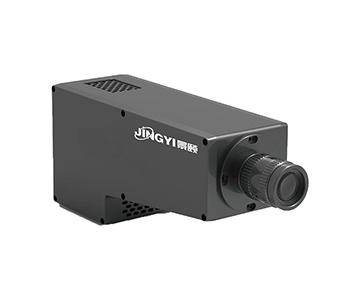
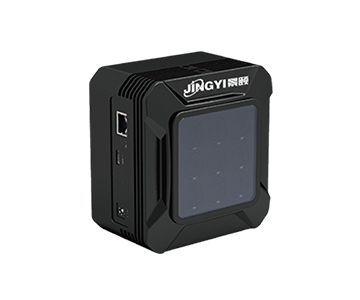
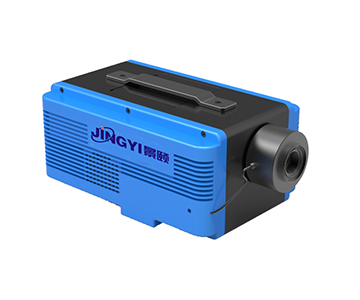
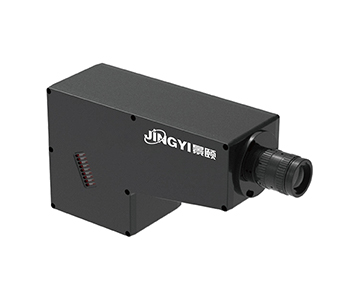
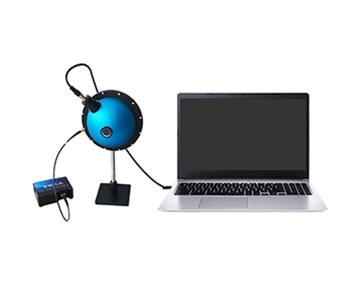
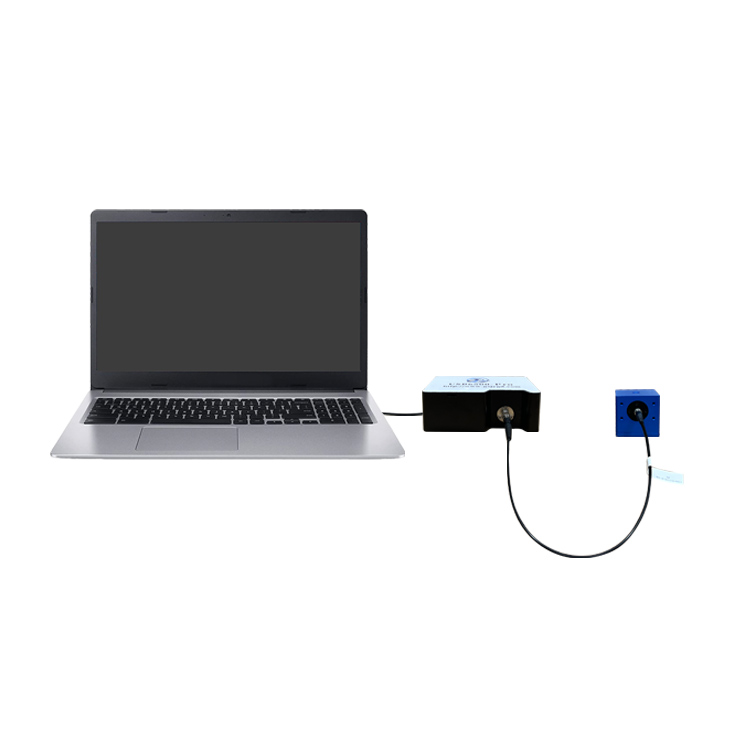
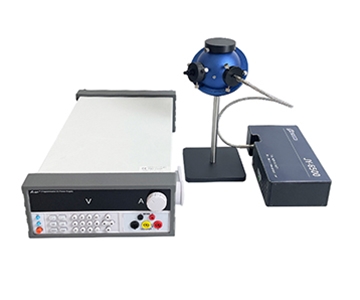
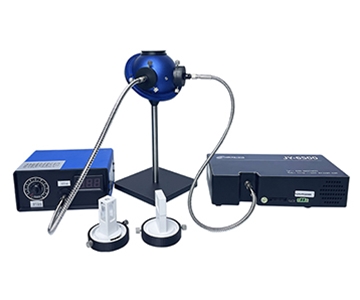
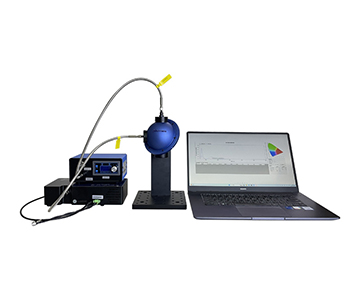
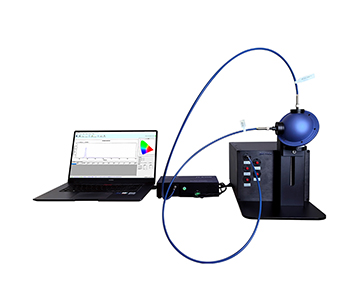
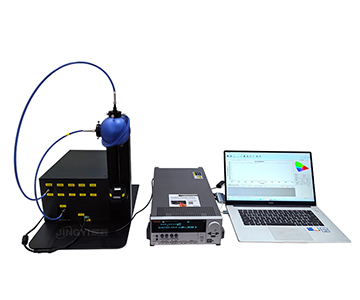
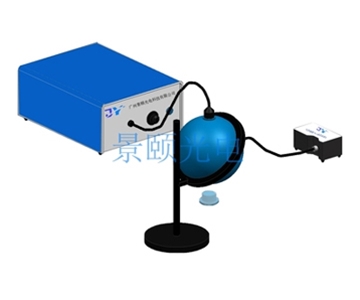
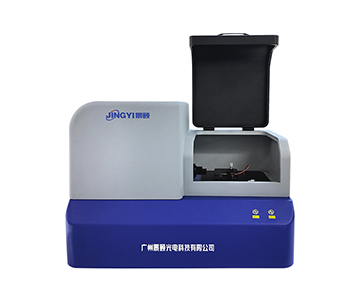
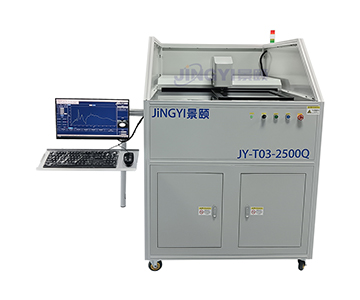
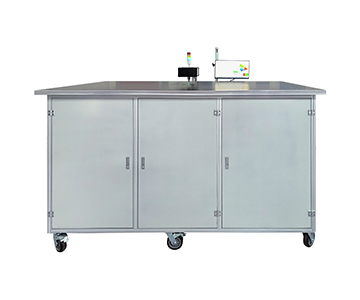
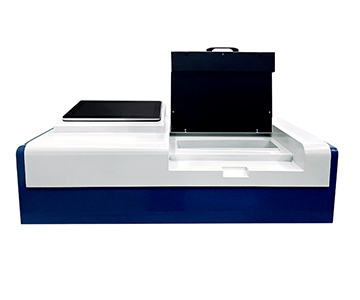
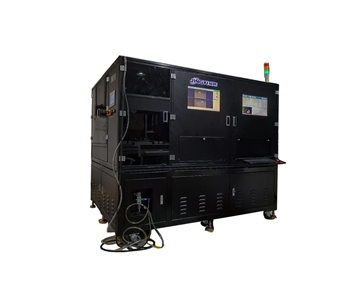
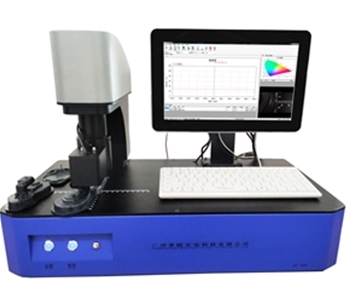
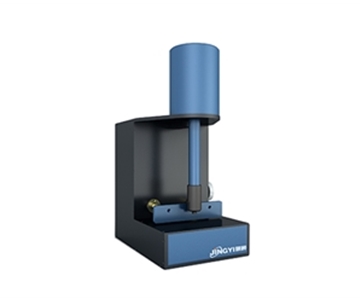
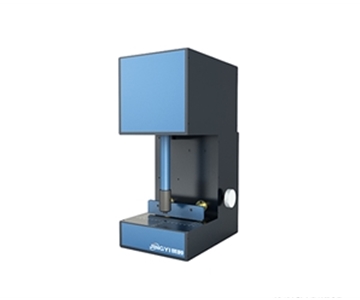
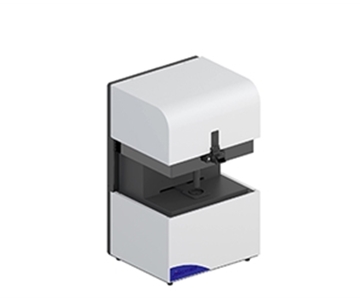
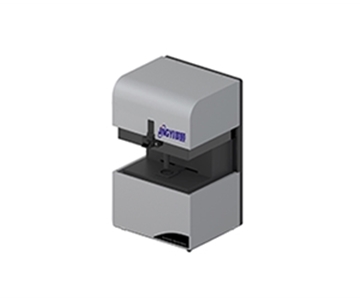
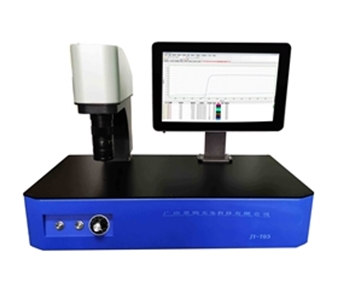
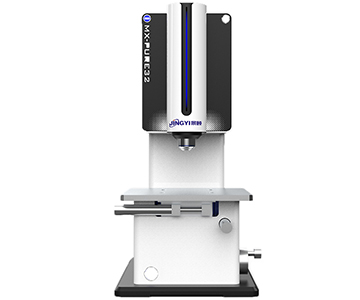
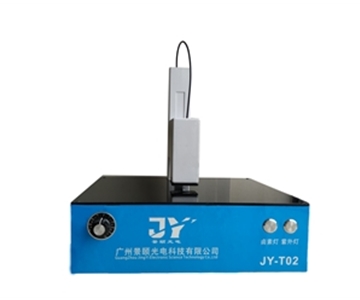
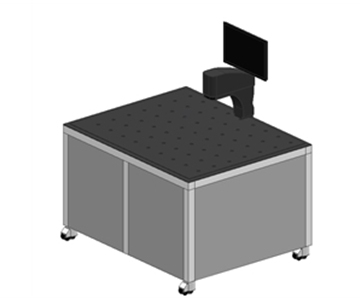
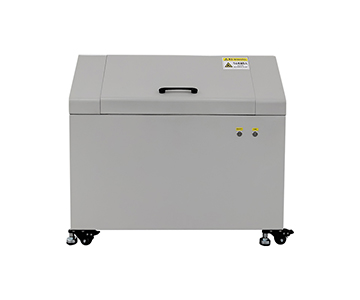
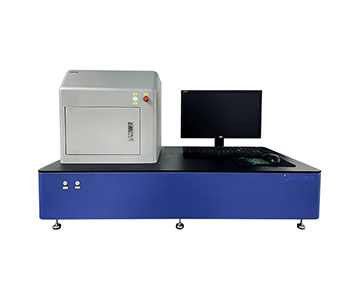
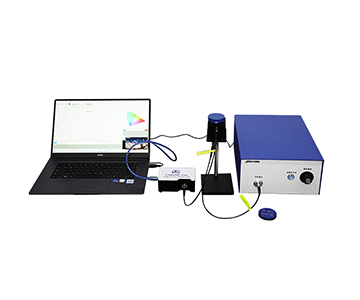
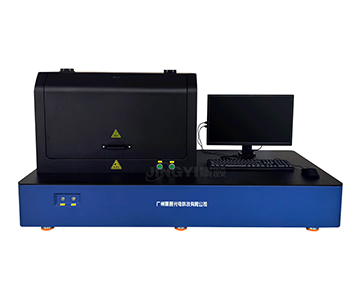
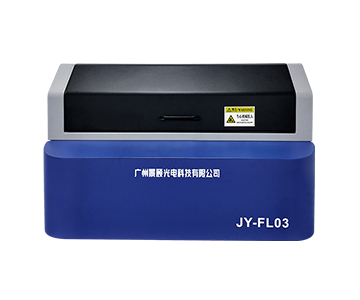
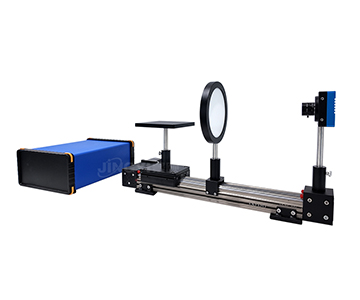
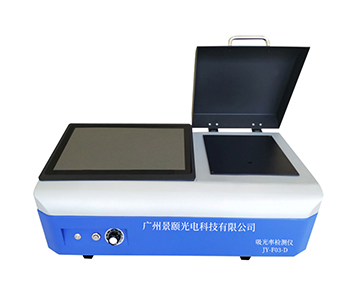
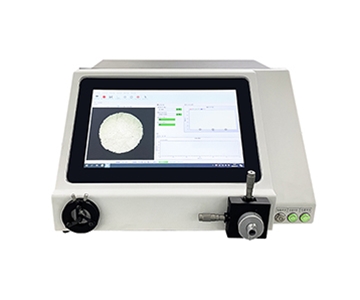
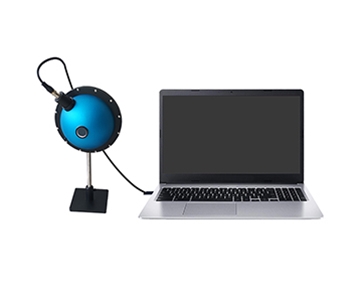
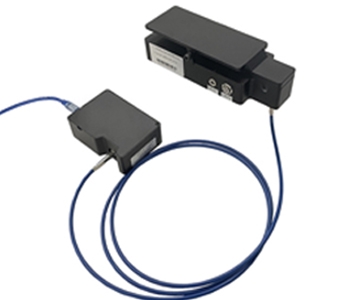
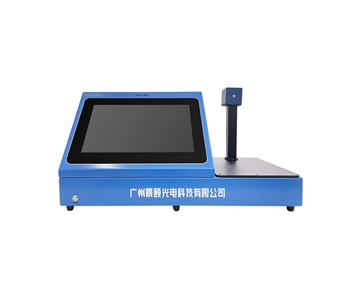
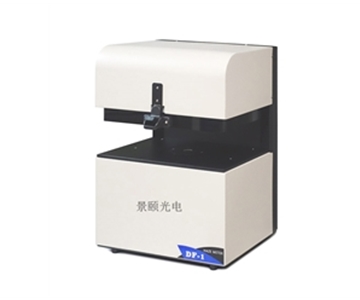
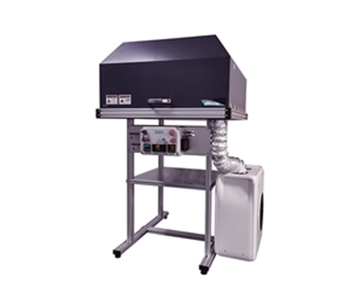
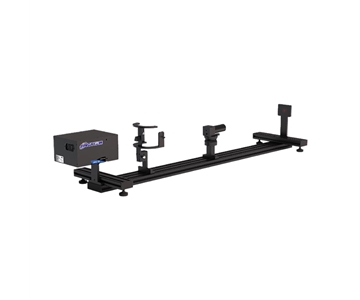
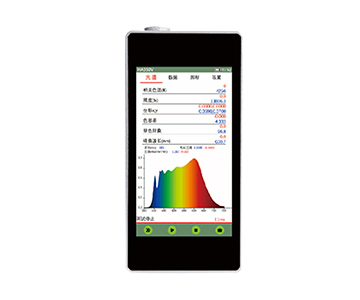
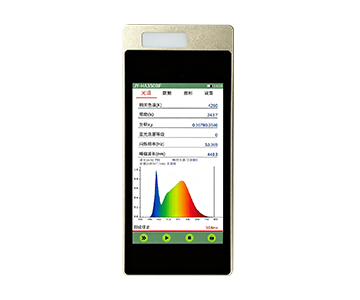
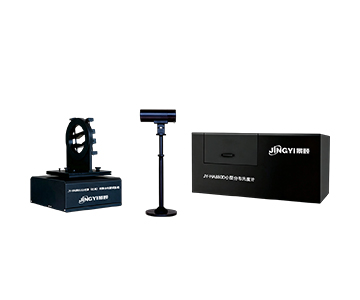
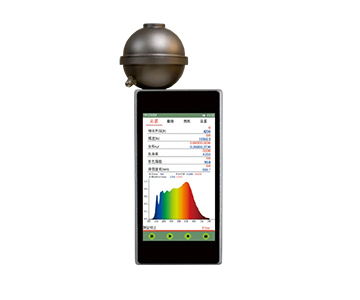
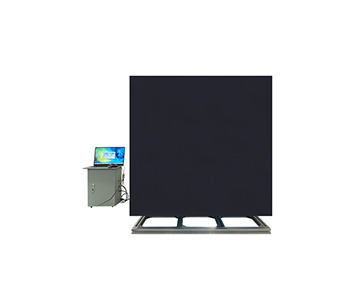
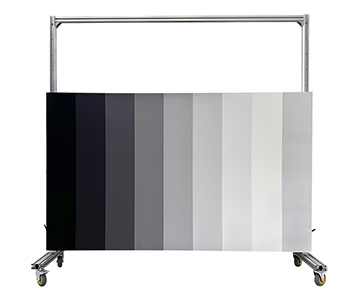
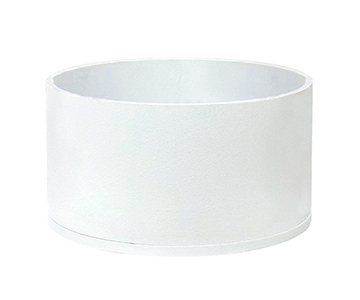
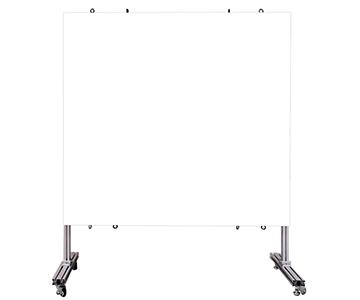
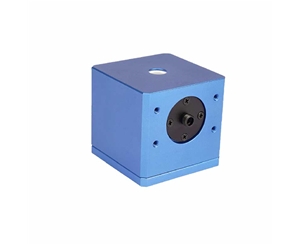
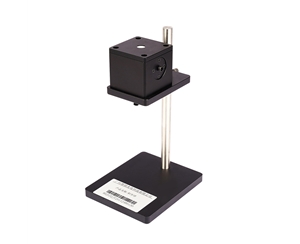
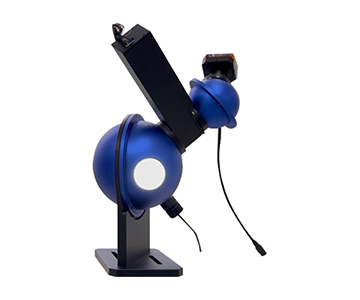
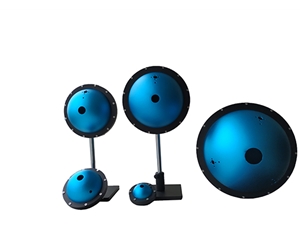
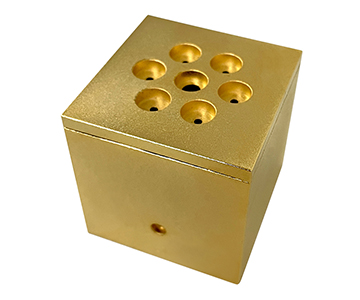
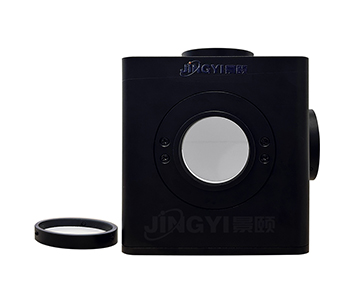
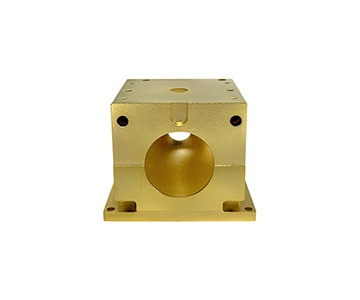
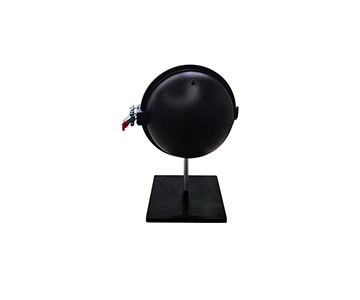
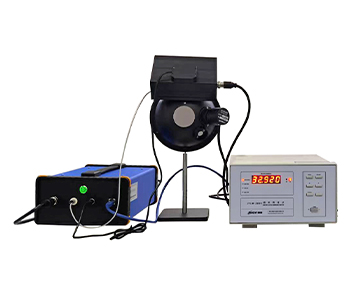
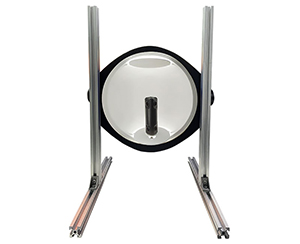
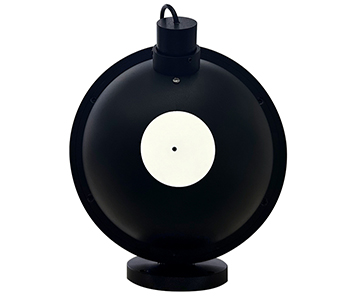
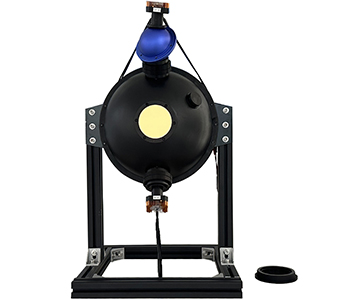
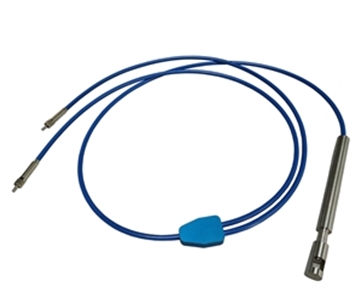
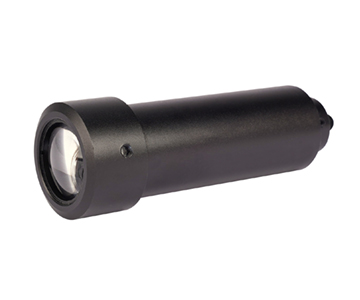
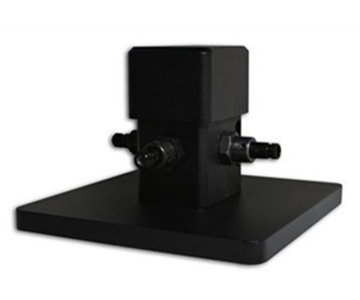
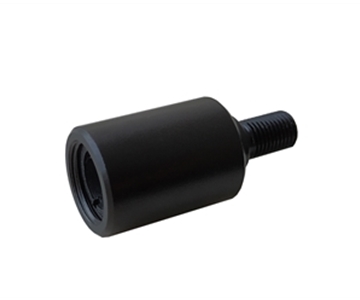
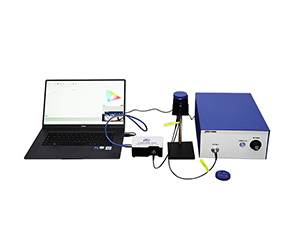
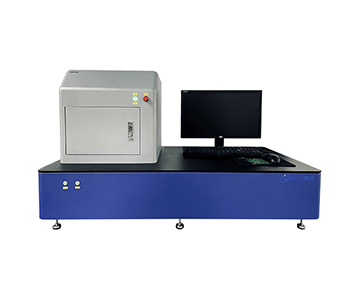
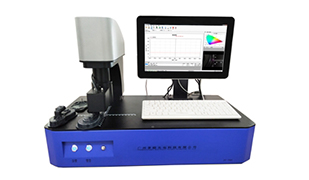
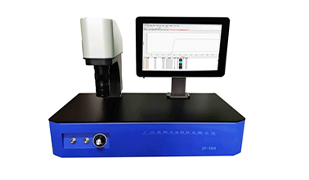
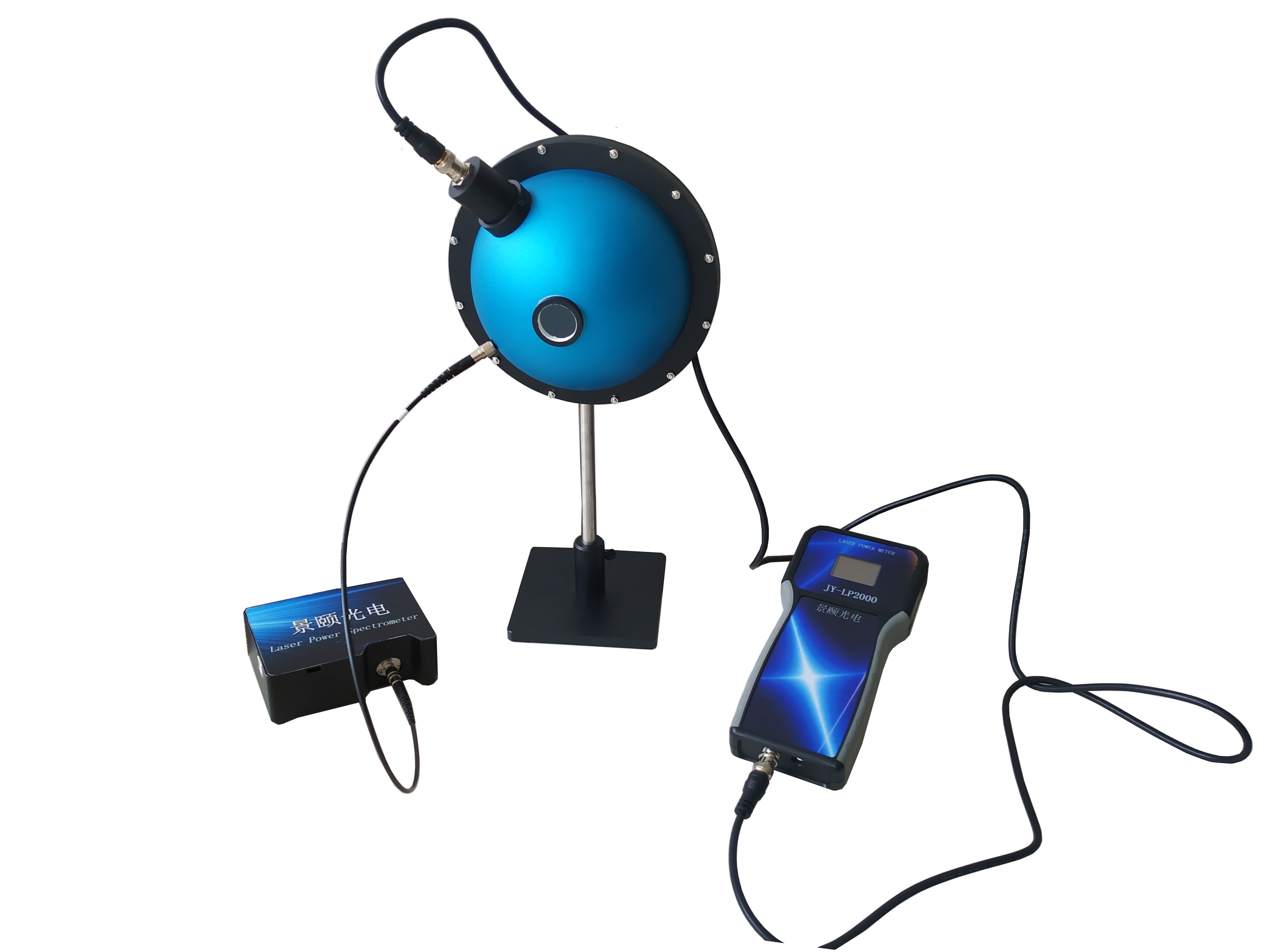
In the field of modern optical inspection and measurement, fluorescence quantum yield integrating spheres and fluorescence quantum yield integrating sphere light sources are indispensable tools. Leveraging unique optical principles and superior performance, they deliver high-precision optical measurement solutions across numerous industries.
I. The Magic of the Fluorescence Quantum Yield Integrating Sphere—Uniform Illumination Perfected
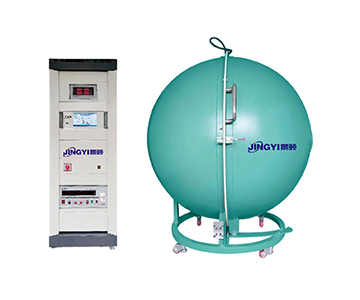
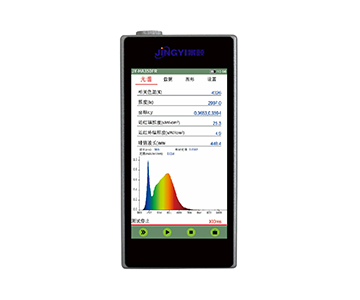
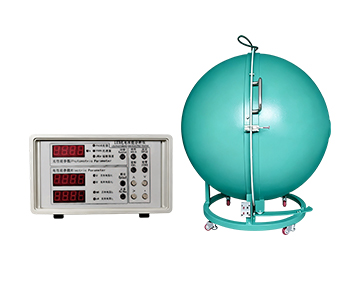
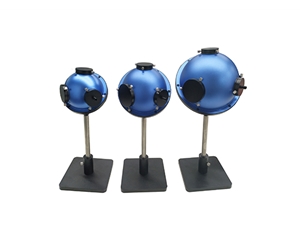
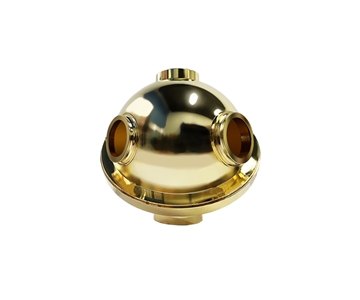
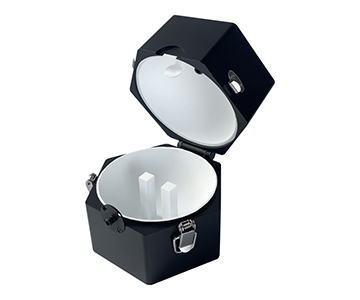
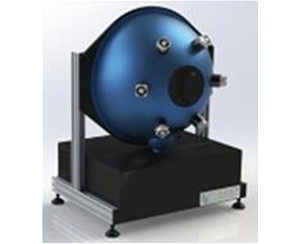
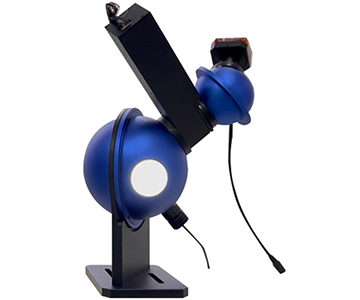
A fluorescence quantum yield integrating sphere is, fundamentally, a hollow spherical chamber whose interior surface is coated with a highly reflective, diffuse-reflecting material. Carefully positioned sampling ports are integrated into the sphere’s wall. When a sample light source enters the fluorescence quantum yield integrating sphere, a remarkable optical process begins: incident light undergoes multiple reflections off the highly reflective inner coating, gradually distributing uniformly across the entire inner surface—producing spatially uniform irradiance. This uniform irradiance enables precise measurement of critical photometric parameters, including luminous flux, correlated color temperature (CCT), and luminous efficacy.
Specifically, the luminous flux measurement principle of the fluorescence quantum yield integrating sphere involves several key steps:
- Light enters the sphere through a specially designed input port; its size and position can be flexibly adjusted to meet diverse practical measurement requirements.
- Once inside, light undergoes repeated reflection and diffuse scattering from the high-reflectance inner wall. Commonly used coating materials—including barium sulfate (BaSO₄) and polytetrafluoroethylene (PTFE)—exhibit exceptionally high diffuse reflectance, providing an ideal foundation for efficient multi-reflection and homogeneous light distribution.
- After multiple reflections and scattering events, light exits through an output port, forming a spatially uniform, diffused beam. The output port’s size and location can likewise be optimized according to application-specific needs.
- During this multi-reflection and scattering process, output light intensity inevitably attenuates. The ratio of output to input intensity can be approximated as:
**Output Intensity / Input Intensity ≈ Output Port Area / Internal Surface Area of the Fluorescence Quantum Yield Integrating Sphere**.
This ratio clearly characterizes the inherent light attenuation property of the fluorescence quantum yield integrating sphere—making it function, in certain configurations, as a calibrated optical attenuator.
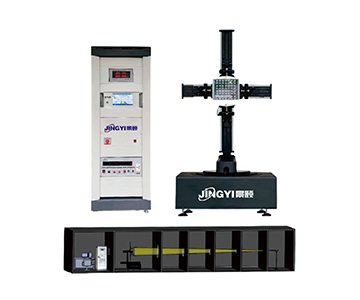
The fluorescence quantum yield integrating sphere offers multifunctional capabilities: beyond measuring luminous flux, CCT, and luminous efficacy, it also serves as a stable, uniform secondary light source for downstream optical measurements. Its test targets span a broad range of lighting products—including common LED sources, laser sources, and other lamp types. In terms of industry standards, fluorescence quantum yield integrating sphere applications comply with internationally recognized specifications such as LM-79, GB/T 24824, IEC 61612, GB/T 24908, IEC 62722-2-1, and IEC 62717—ensuring accuracy, repeatability, and reliability of measurement results.
II. Performance and Broad Applications of the Fluorescence Quantum Yield Integrating Sphere Light Source
As a high-performance calibration light source, the fluorescence quantum yield integrating sphere light source system—distinguished by its uniform radiance or irradiance characteristics—plays a vital role across multiple domains. It is widely employed in focal plane array (FPA) and full-camera testing, pixel gain normalization, photographic exposure sensitivity measurement, and calibration of remote sensing systems. These systems cover the ultraviolet (UV), visible, and infrared (IR) spectral ranges, comprehensively meeting diversified testing requirements across disciplines.
When constructing a fluorescence quantum yield integrating sphere light source system, most designs adopt integrating sphere technology, leveraging sophisticated optical engineering and carefully selected materials to achieve both spatial uniformity and temporal stability of the output light. However, some specialized systems may alternatively integrate discrete light sources—such as lasers or broadband lamps—tailored to specific application demands. Notably, sphere-based systems exhibit excellent Lambertian behavior, delivering highly uniform radiance distributions—thereby ensuring measurement reliability, accuracy, and consistency.
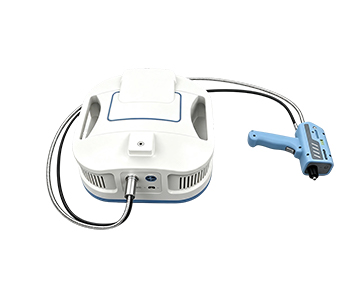
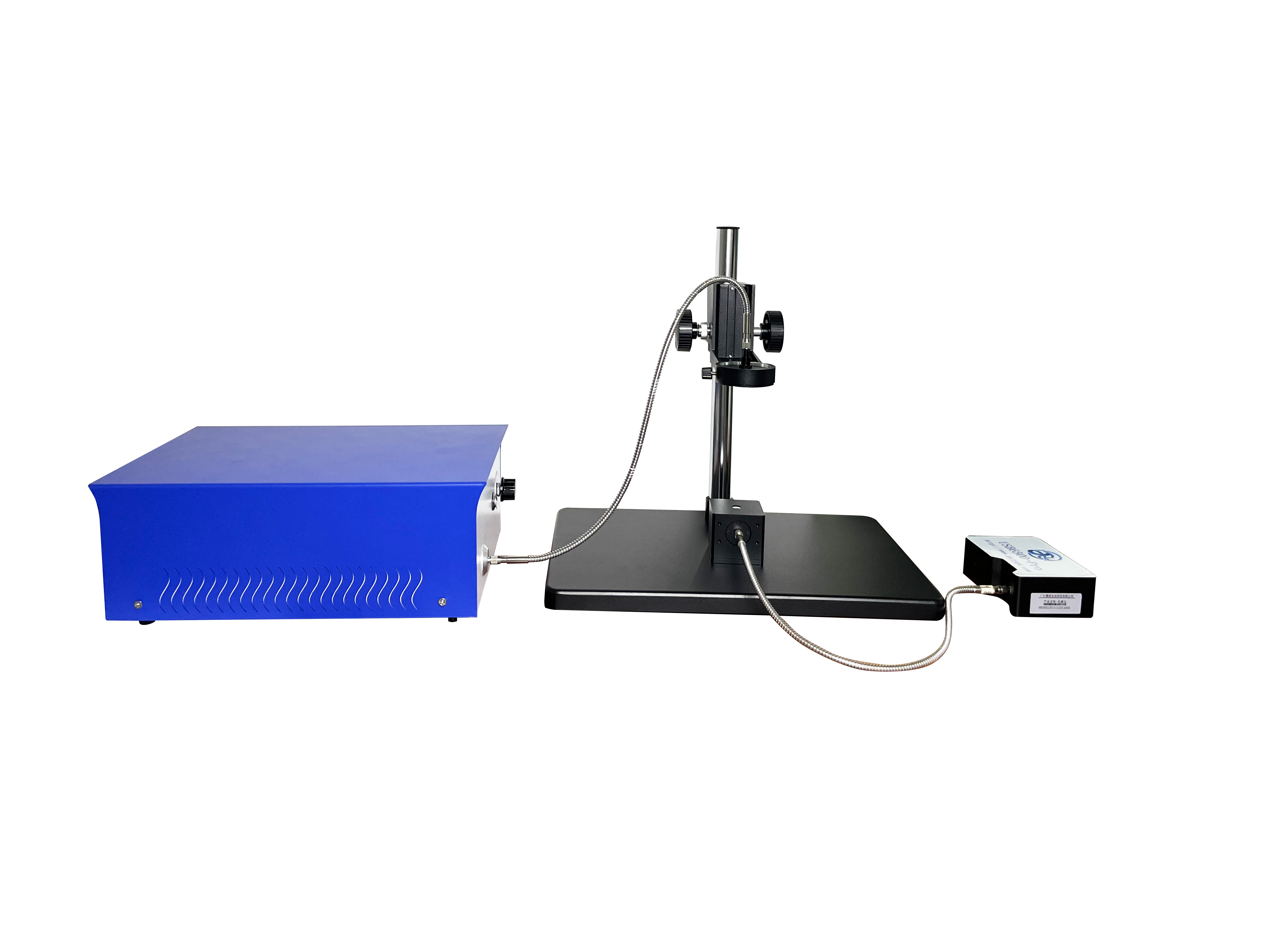
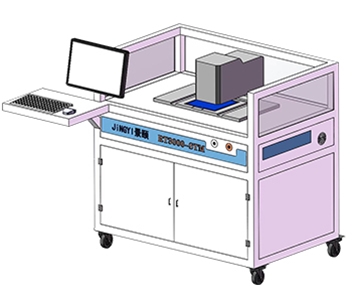
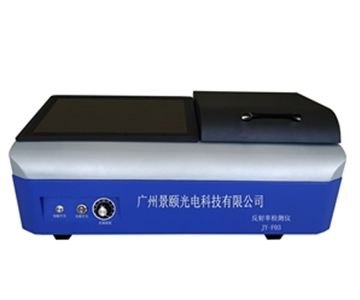
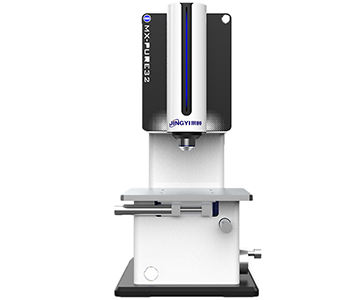
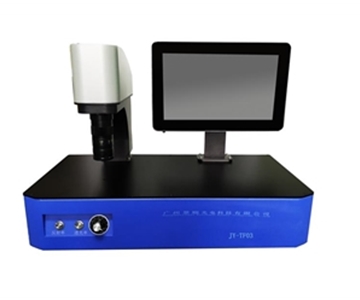
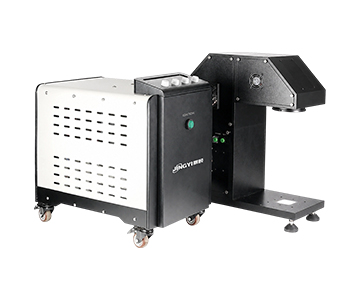
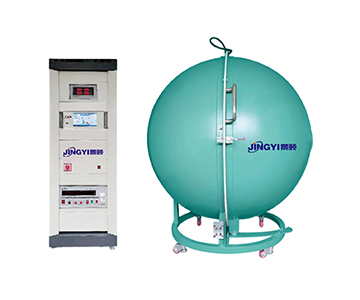
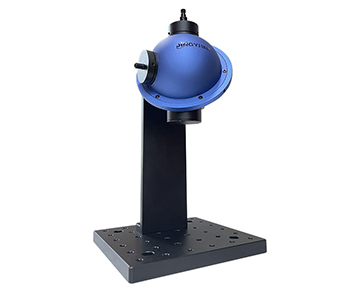
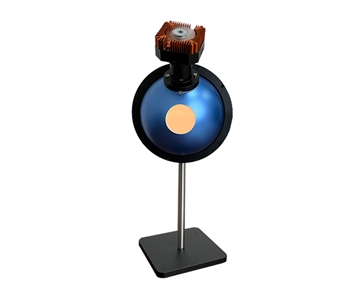
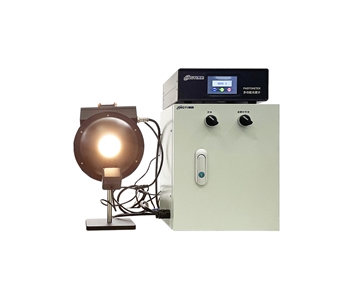
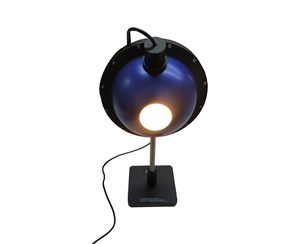
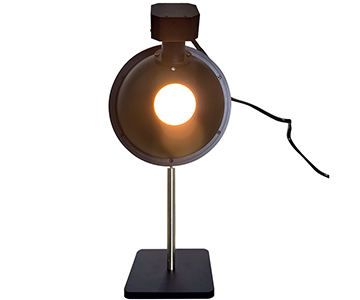
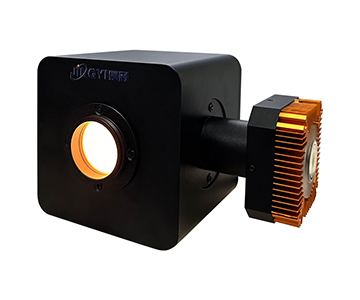
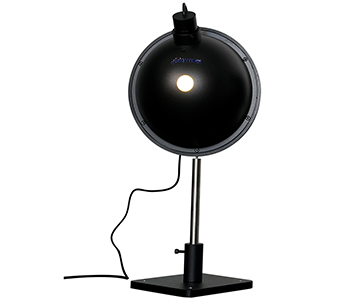
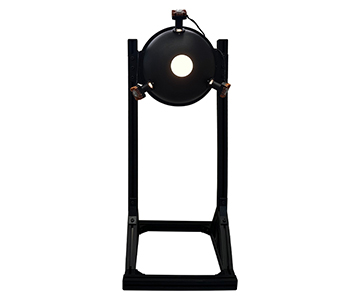
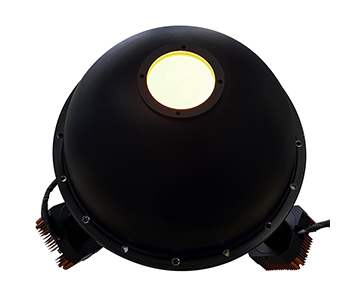
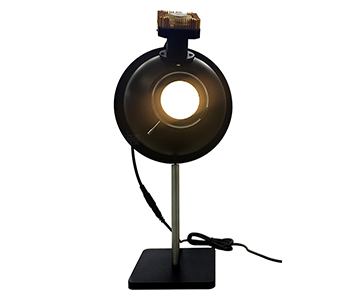
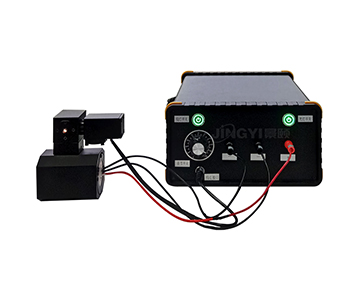
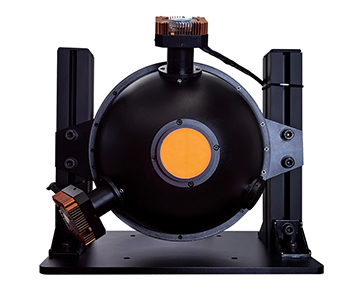
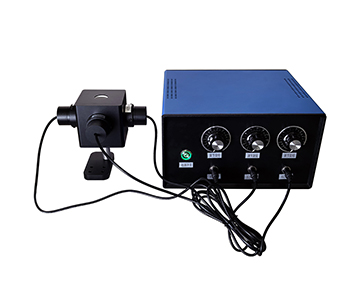
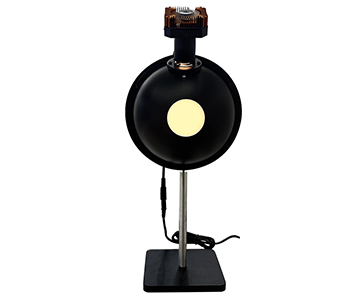
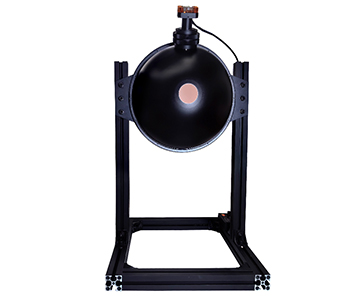
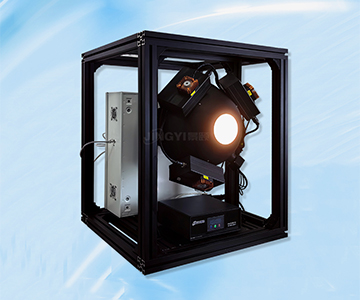
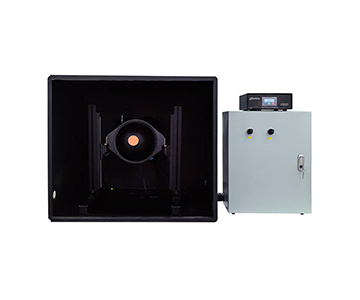
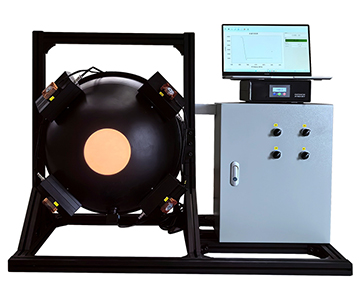
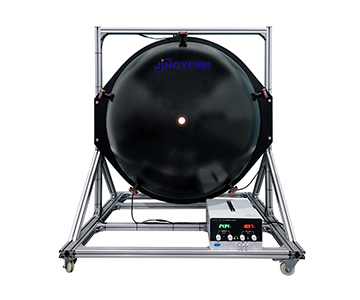
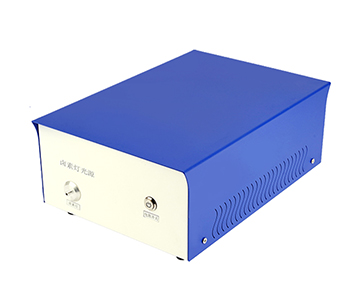
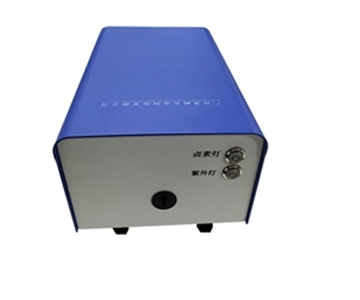
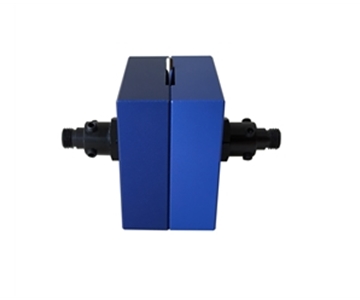
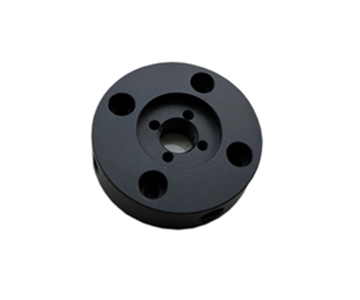
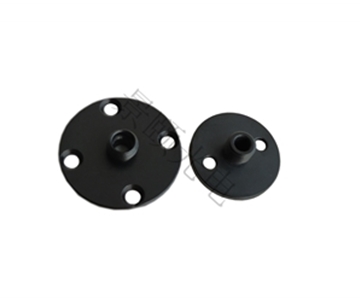
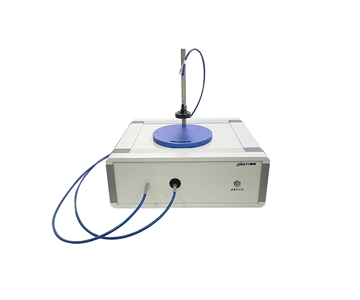
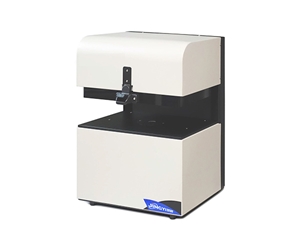
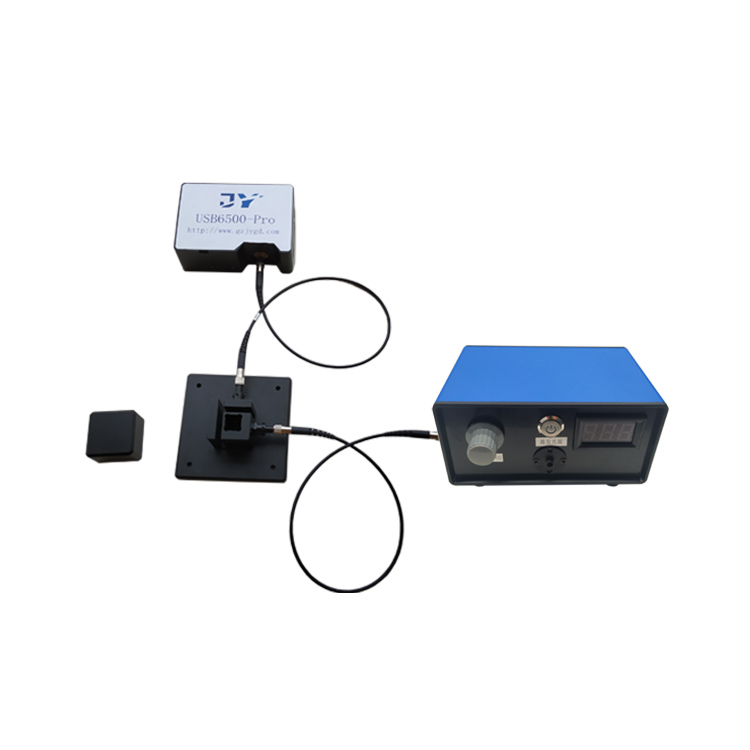
Among available fluorescence quantum yield integrating sphere light sources, Jingyi Optoelectronics’ universal fluorescence quantum yield integrating sphere uniform source model **JY-FI0S-200** stands out. This product features a high degree of output uniformity and incorporates a halogen lamp as its standard light source—while also supporting customization with alternative light sources per customer requirements. Its output port has a diameter of 50 mm, is horizontally aligned along the sphere’s central axis, and supports optional flange-mount calibration accessories—offering users enhanced flexibility and operational convenience.
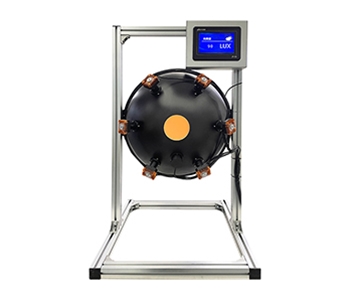
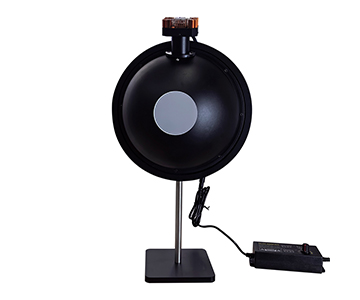
Take, for example, an LED-based fluorescence quantum yield integrating sphere uniform source: it is an ultra-uniform, high-dynamic-range area light source with finely adjustable brightness and color temperature. Its wide-ranging applications include:
- Camera flat-field correction, linearity calibration, and dark noise evaluation—enabling acquisition of more accurate and sharper images;
- Spectral response calibration of satellite remote-sensing systems—ensuring precise capture of Earth-surface information;
- Calibration of radiance and irradiance measurement instruments—enhancing measurement accuracy and reliability for optical research and industrial production;
- Night-vision system calibration—improving device adaptability across varying ambient conditions and elevating detection and identification performance;
- Spectral response calibration of security cameras and high-sensitivity imagers—ensuring clear target capture under complex environmental conditions;
- Spectral response calibration of CMOS and CCD sensors—boosting imaging fidelity and measurement accuracy—widely applied in electronics, optics, and related fields.
As core instruments in modern optical metrology, fluorescence quantum yield integrating spheres and fluorescence quantum yield integrating sphere light sources hold vast application potential in photometry, colorimetry, spectral analysis, quality control, and scientific research. With continuous technological advancement and innovation, these technologies will undoubtedly evolve further—deepening humanity’s understanding of light and driving progress across industries. Jingyi Optoelectronics remains steadfastly committed to advancing fluorescence quantum yield integrating sphere light source R&D and innovation—delivering cutting-edge products and services to our global customers.
#FluorescenceQuantumYieldIntegratingSphere #CustomIntegratingSphere #PuffedIntegratingSphere #UniversalIntegratingSphere #UVIntegratingSphere #IntegratingSphere #IntegratingSphereLightSource