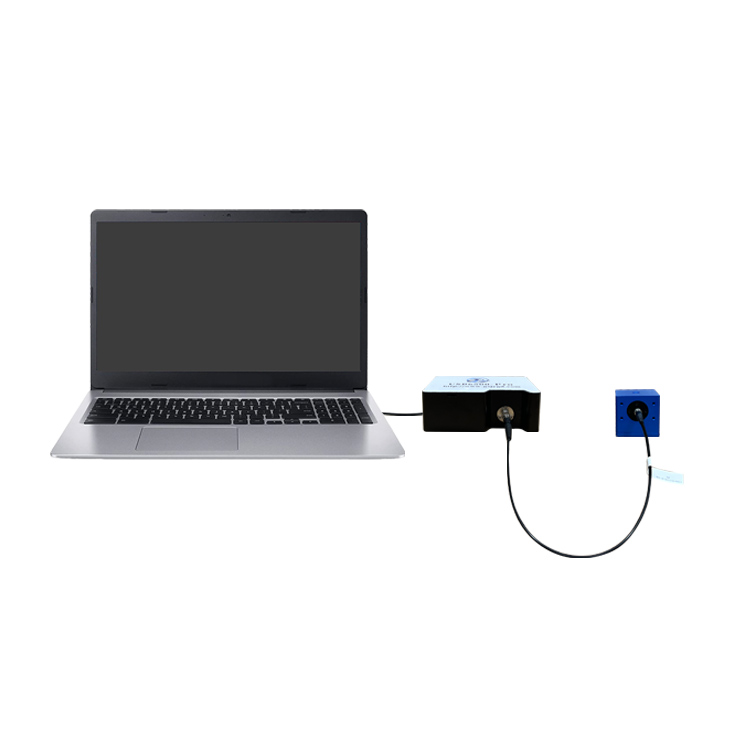
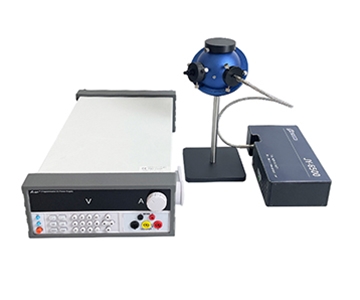
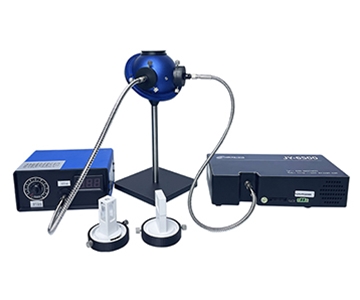
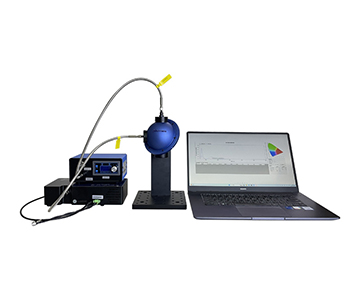
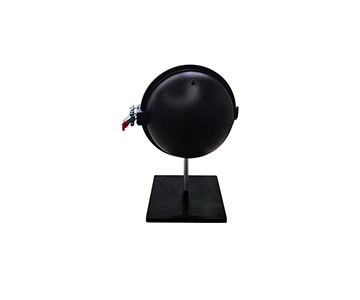
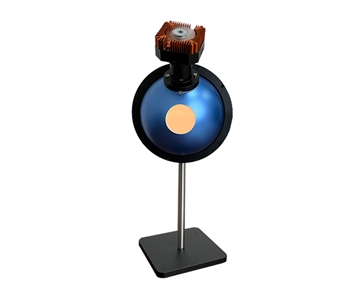
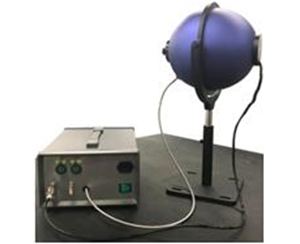
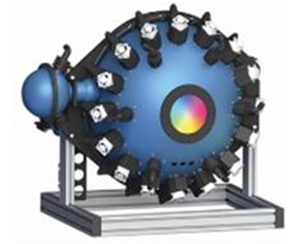
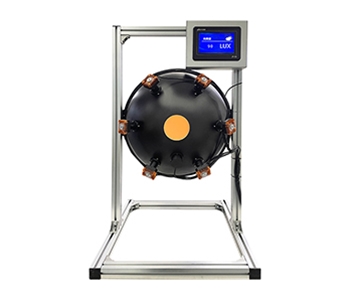
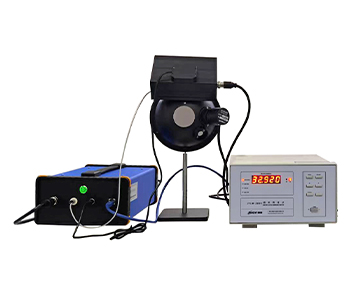
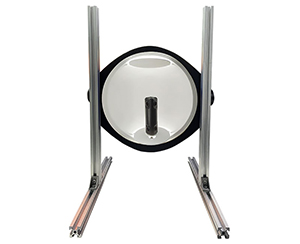
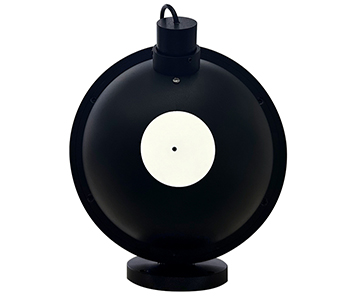
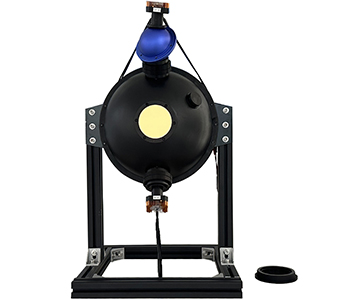
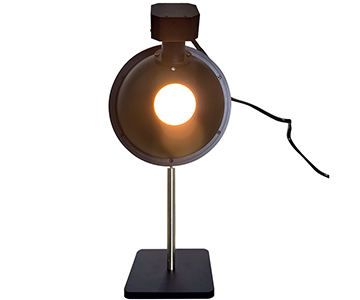
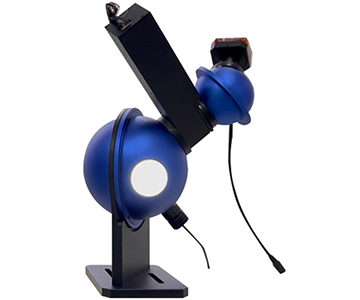
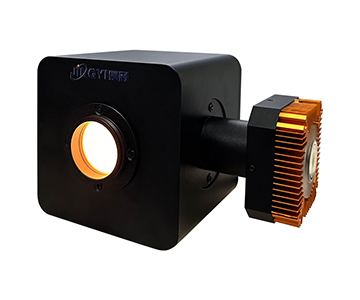
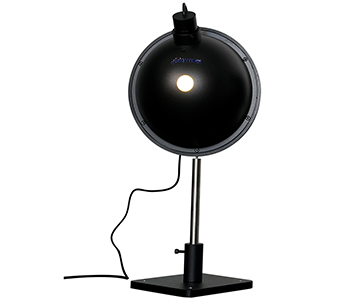
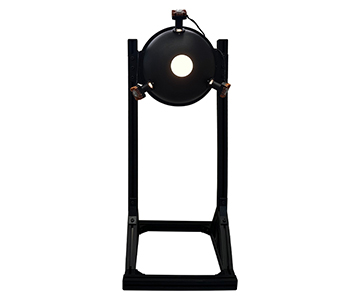
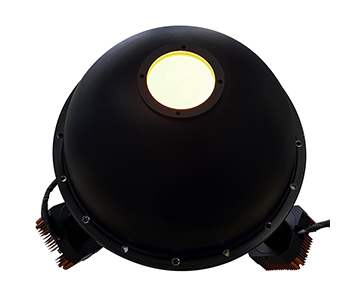
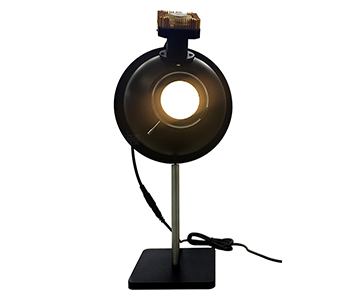
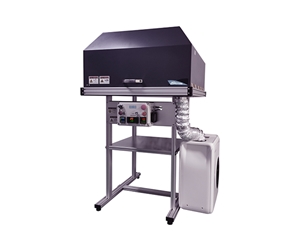
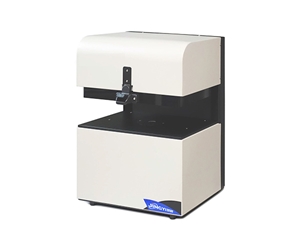
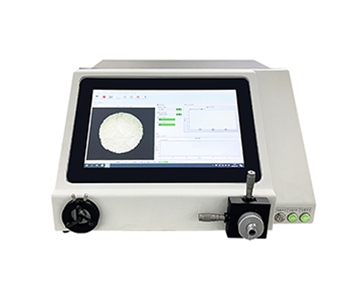
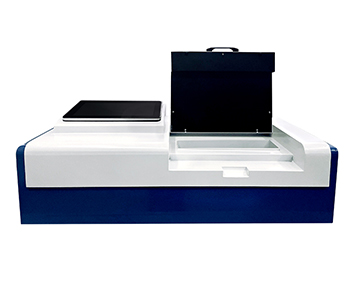
In today’s cutting-edge field of optical measurement and analysis, integrating spheres for optical testing—and their associated light sources—stand out for their distinctive technical advantages, making them pivotal core components across numerous scientific research and industrial applications.
**The Technical Essence of Optical Testing Integrating Spheres**
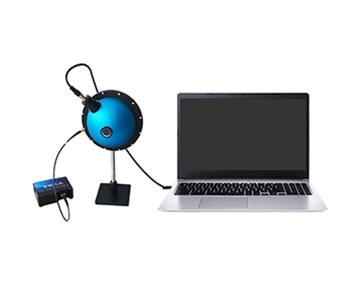
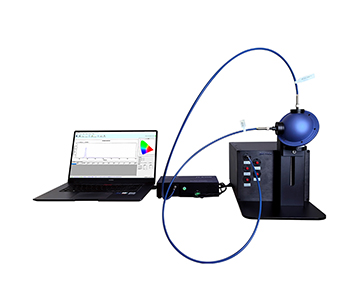
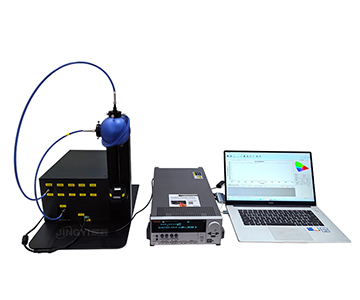
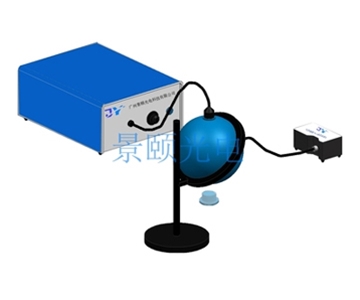
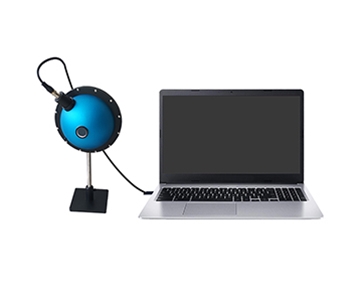
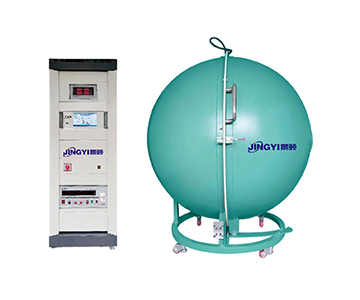
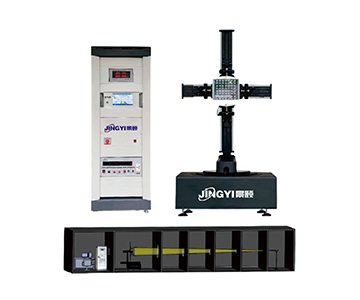
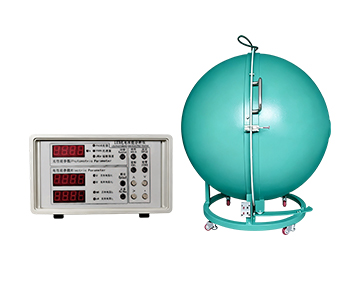
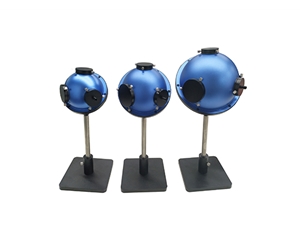
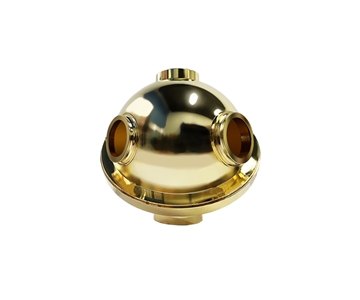
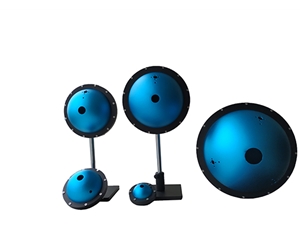
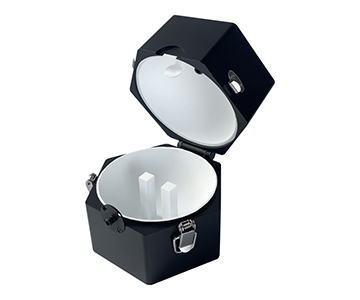
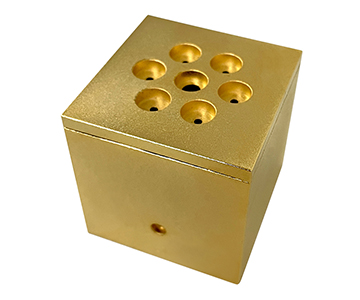
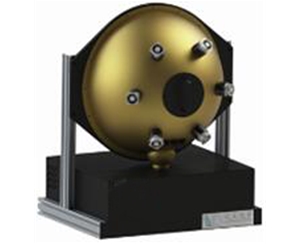
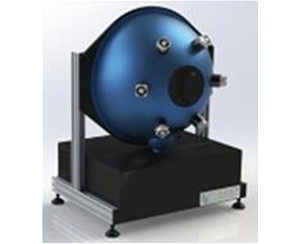
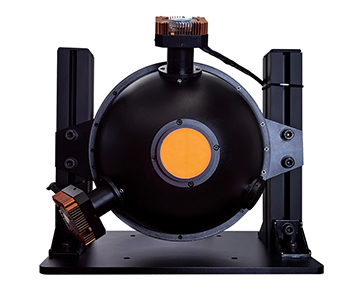
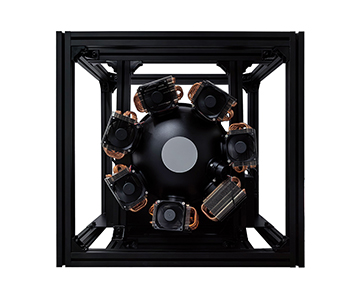
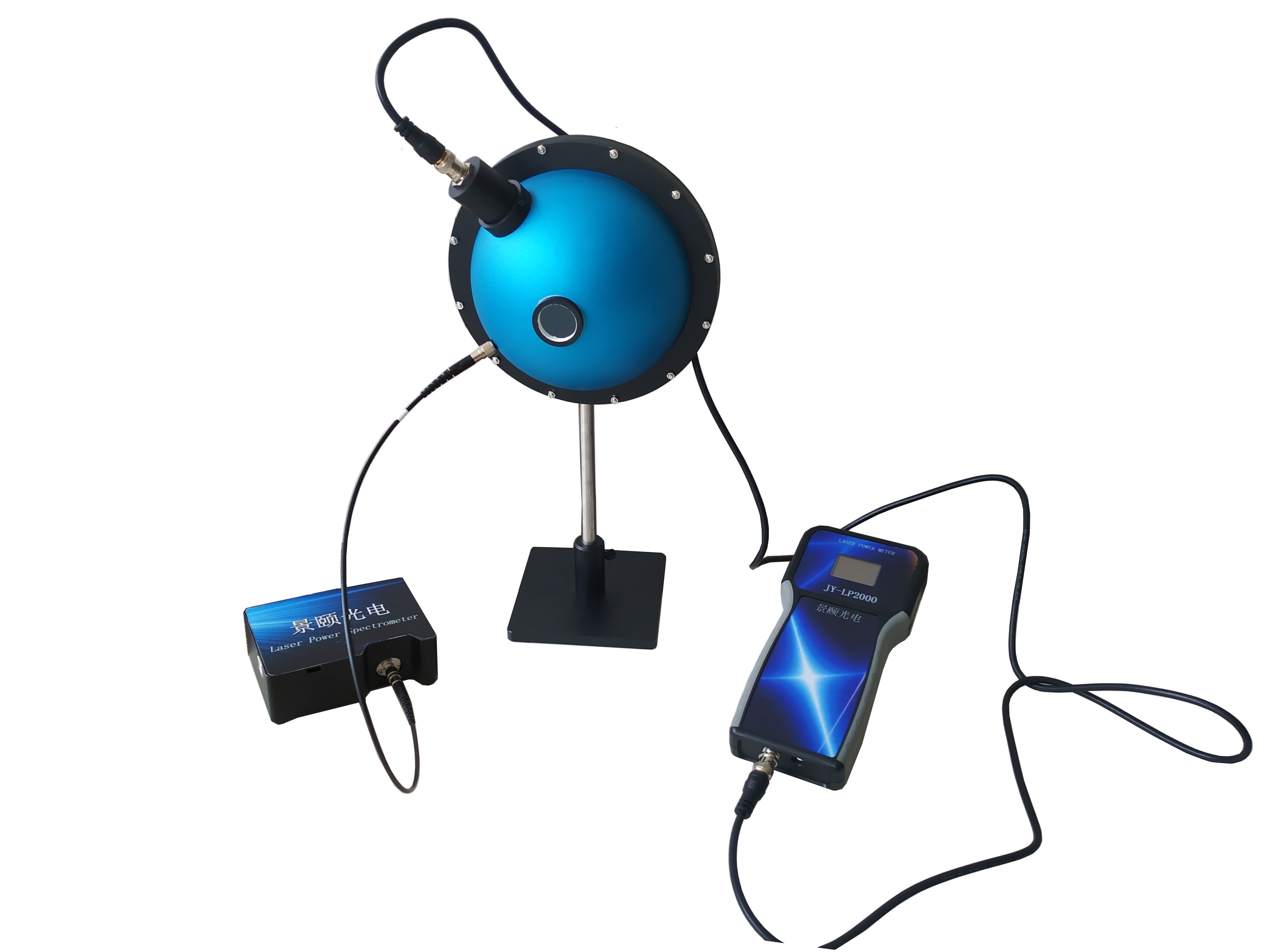
An optical testing integrating sphere is, at its core, a sealed spherical cavity whose interior surface is meticulously coated with a high-reflectance, diffuse-reflecting material. Specific sampling ports are strategically positioned on the sphere’s wall. When a sample light source enters the integrating sphere, incident light undergoes multiple reflections off the highly reflective inner coating, ultimately generating uniform illuminance across the interior surface. This unique characteristic endows the optical testing integrating sphere with multiple critical functions: it enables precise measurement of key photometric parameters—including luminous flux, correlated color temperature (CCT), and luminous efficacy—while simultaneously serving as a uniform light source. Its test targets encompass a wide variety of lamps, including common LED and laser sources. Industry-standard testing procedures for optical integrating spheres comply rigorously with international and national standards such as LM-79, GB/T 24824, IEC 61612, GB/T 24908, IEC 62722-2-1, and IEC 62717.
A closer look at the principle underlying luminous flux measurement reveals several essential steps:
**Light Incidence:** Light enters the interior of the integrating sphere through a specially designed input port. The size and position of this port can be flexibly tailored to suit specific measurement requirements—accommodating diverse light sources and application scenarios.
**Internal Reflection and Diffusion:** Once inside, incident light undergoes repeated reflection and diffusion by the high-reflectance inner wall, establishing a spatially uniform light field. Typically, the inner surface is coated with materials such as barium sulfate (BaSO₄) or polytetrafluoroethylene (PTFE), both exhibiting reflectance exceeding a defined threshold—this high reflectance being a fundamental factor ensuring field uniformity.
**Output Beam Formation:** Following multiple internal reflections and diffusions, light exits the sphere through an output port, forming a uniform, diffused beam. Similarly, the size and location of the output port can be custom-engineered to meet distinct application needs.
**Light Intensity Attenuation:** Due to inevitable energy losses during repeated reflection and diffusion within the sphere, the output light intensity is attenuated relative to the input. The ratio of output to input intensity can be approximated as:
*Output Intensity / Input Intensity ≈ Output Port Area / Internal Surface Area of the Integrating Sphere.*
This ratio quantitatively captures the integrating sphere’s inherent light attenuation property—precisely why it can also function effectively as a calibrated optical attenuator in certain specialized applications.
**Industry Applications of Uniform Light Sources Based on Optical Testing Integrating Spheres**
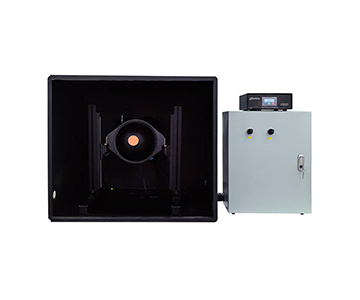
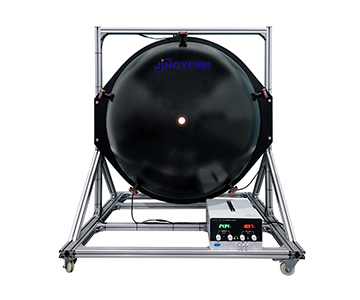
Uniform light source systems built around optical testing integrating spheres play indispensable roles across numerous domains. As calibration-grade light sources—characterized by highly uniform radiance or irradiance—they are widely deployed in focal plane array (FPA) and full-camera testing, pixel gain normalization, photographic sensitivity measurement, and remote sensing system calibration. These applications span the ultraviolet (UV), visible, and infrared (IR) spectral regions—demonstrating the broad adaptability of integrating sphere-based uniform light sources to diverse metrological demands.
In practical system implementation, integrating sphere technology remains the predominant approach for generating uniform illumination; however, some systems rely solely on discrete sources such as lasers or lamps. Among these, integrating sphere systems excel due to their superior Lambertian emission behavior—producing highly uniform radiance distributions that significantly enhance measurement accuracy and repeatability.
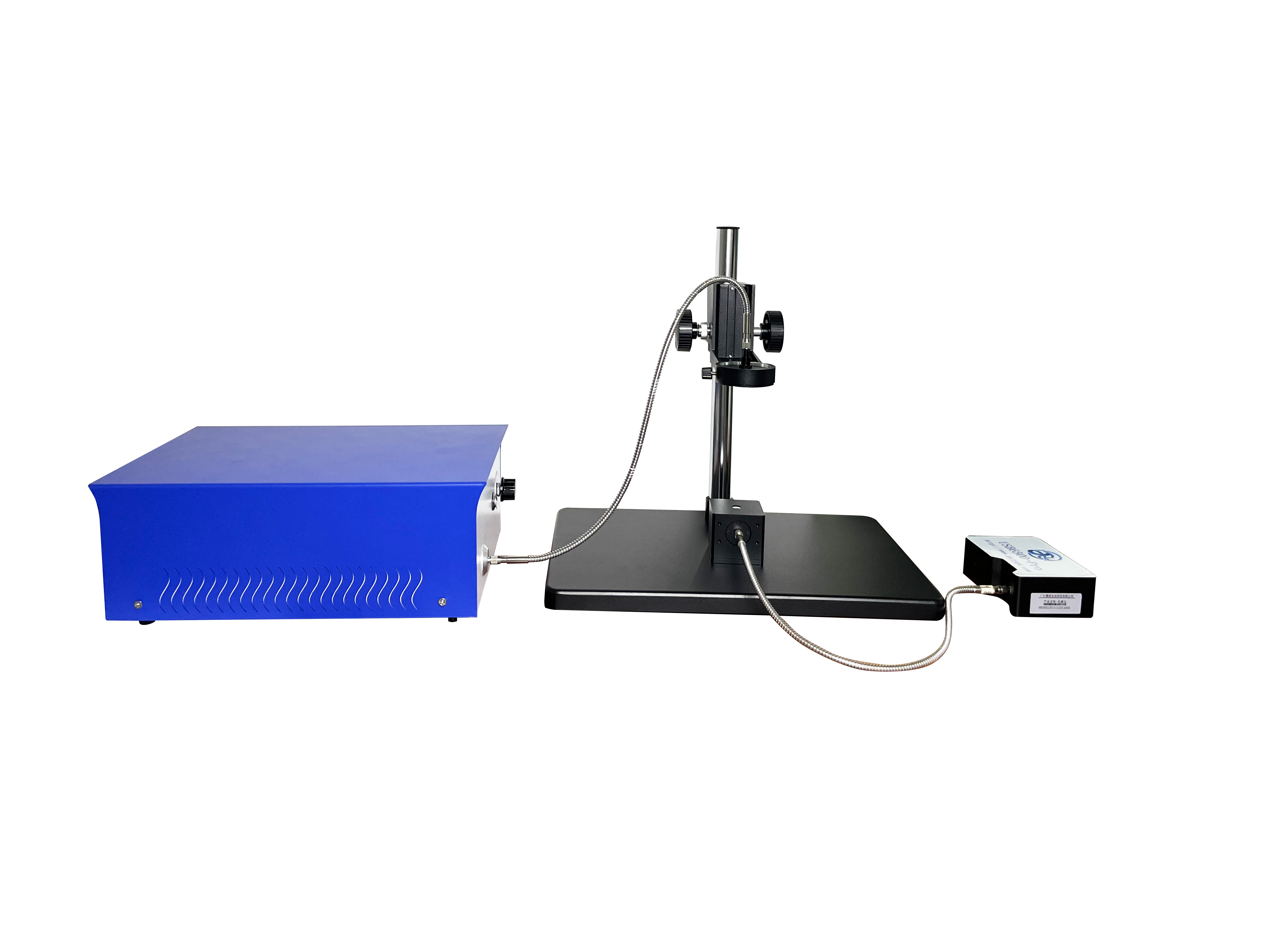
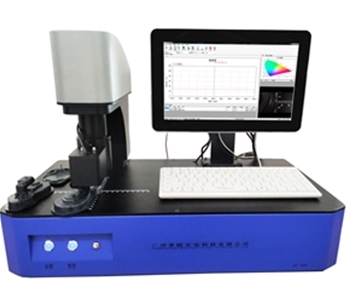
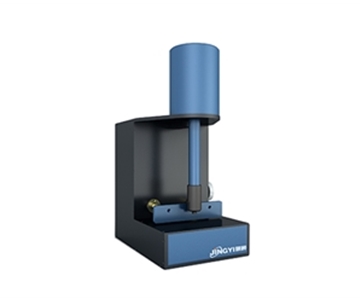
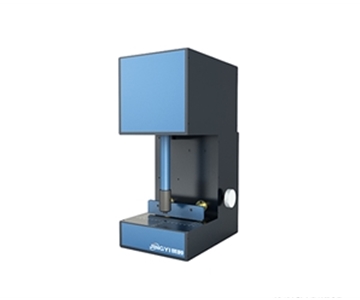
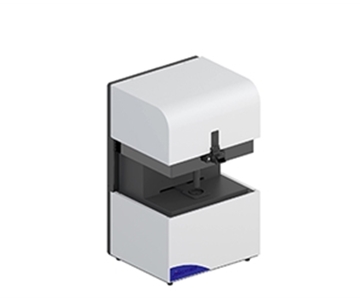
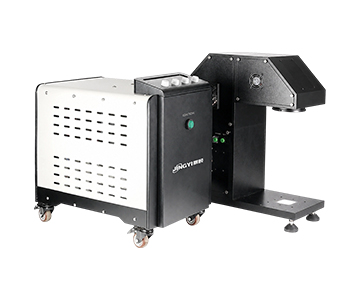
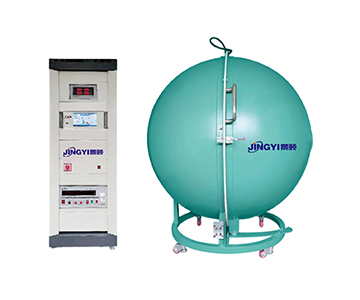
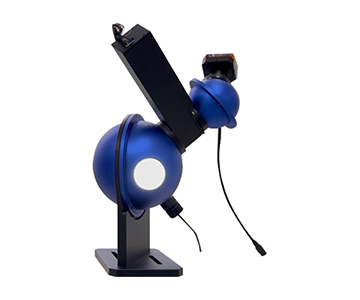
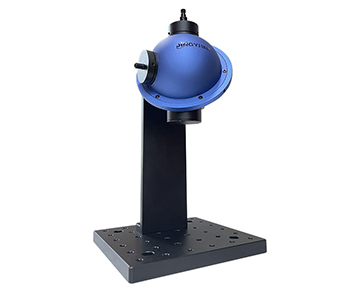
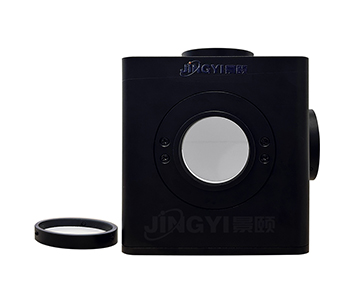
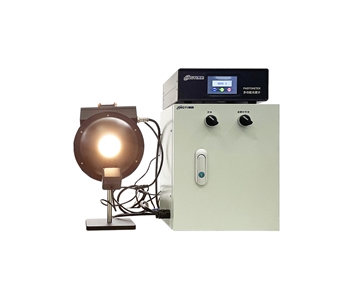
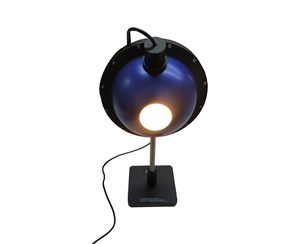
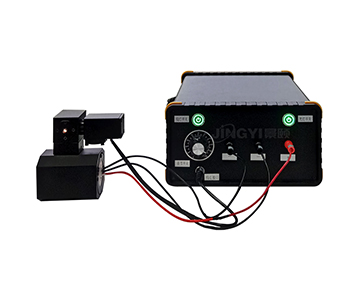
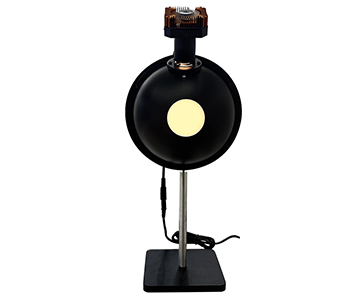
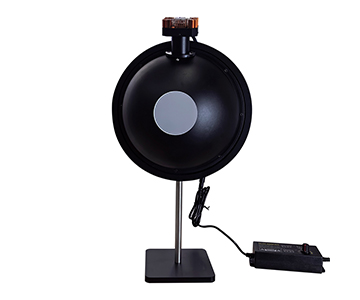
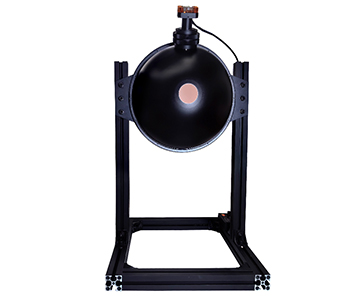
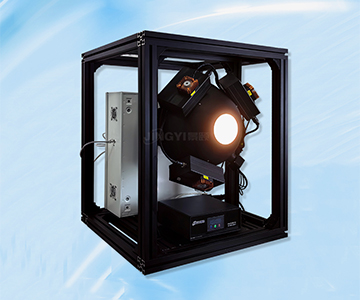
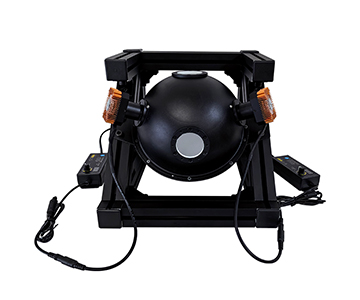
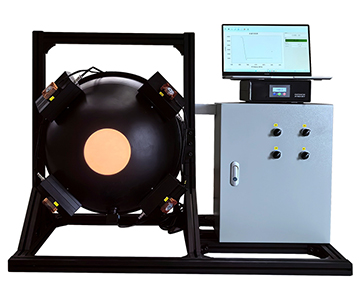
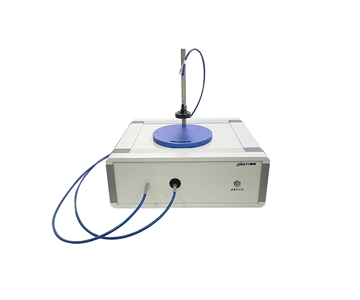
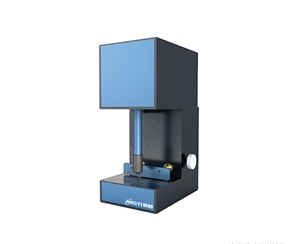
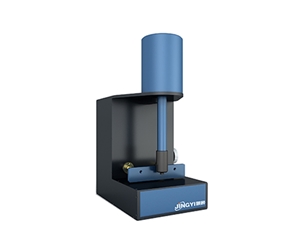
Take Jingyi Optoelectronics’ JY-JFIOS200 optical testing integrating sphere uniform light source as an example: it delivers industry-recognized performance. This general-purpose uniform light source achieves exit-port uniformity above a specified threshold. It features a halogen lamp as its primary light source but supports full customization—including alternative lamp types—to meet users’ specialized requirements. Its 50-mm-diameter output port is horizontally aligned along the sphere’s central axis, and optional flange-mounted calibration accessories can be integrated—further enhancing its versatility and adaptability across varied application environments.
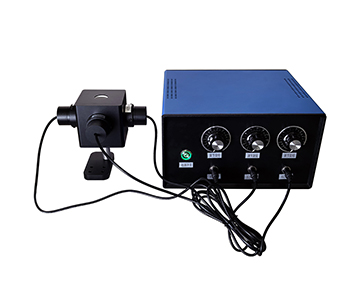
LED-based uniform light sources utilizing optical testing integrating spheres offer exceptional uniformity, high dynamic range, and fine-grained adjustability of both brightness and color temperature. Their broad applicability includes:
- **Camera Calibration:** Used for flat-field correction, linearity calibration, and dark-noise evaluation—ensuring accurate, high-fidelity image capture under varying environmental and operational conditions.
- **Satellite Remote Sensing Calibration:** Critical for spectral response calibration of satellite-borne remote sensing instruments—enhancing data accuracy and reliability for Earth observation, meteorological forecasting, and related disciplines.
- **Radiance/Irradiance Calibration:** Employed to calibrate radiance and irradiance measurement instruments, guaranteeing measurement traceability, consistency, and precision—supporting research and industrial optical metrology.
- **Night-Vision Systems:** Enables spectral response calibration of night-vision devices, improving imaging quality and performance under low-light conditions—widely applied in security and defense sectors.
- **Security Cameras & High-Sensitivity Imaging Sensors:** Facilitates spectral response calibration to optimize image fidelity across varying ambient lighting—ensuring robust functionality in surveillance, safety monitoring, and other mission-critical applications.
- **CMOS/CCD Spectral Response Testing:** Supports accurate calibration of CMOS and CCD sensor spectral responsivity, ensuring faithful photon detection across the target wavelength range—directly contributing to enhanced image sensor performance and quality.
In summary, optical testing integrating spheres and their associated light sources serve as indispensable tools in modern optical measurement and analysis. Continuous technological advancement and innovation in this domain will deliver increasingly precise, efficient, and versatile optical metrology solutions—propelling progress across science, industry, and beyond. With its dedicated R&D efforts and innovative capabilities in integrating sphere light source technologies, Jingyi Optoelectronics provides high-performance products and services—playing a vital role in driving forward industry-wide technological development and growth.
#GoldPlatedIntegratingSphere #OpticalTestingIntegratingSphere #TransmittanceIntegratingSphere #StandardIntegratingSphere #UniformLightSourceIntegratingSphere #IntegratingSphere