Challenges and Background of Thin-Film Thickness Measurement
The uniformity of thin-film thickness—a critical factor influencing product performance—has long drawn significant attention. However, rapid measurement of industrial-grade micrometer-scale thin films has persistently faced numerous challenges. Traditional interferometric methods, though theoretically advantageous, typically rely on bulky and expensive equipment, failing to meet modern industry demands for device miniaturization and cost control. Spectrophotometric methods, while partially addressing the issue of equipment size, are highly susceptible to noise interference and critically dependent on calibration standards—thereby increasing both measurement complexity and uncertainty.
Jingyi Optoelectronics’ Miniaturized Measurement System
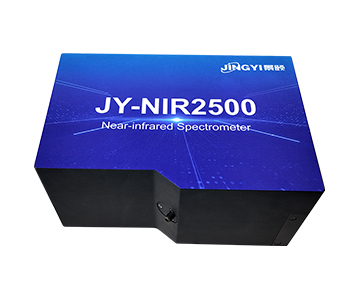
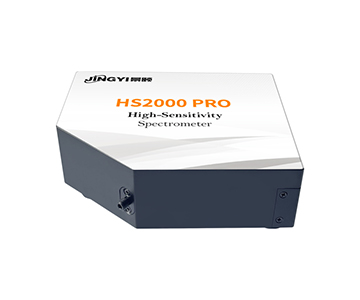
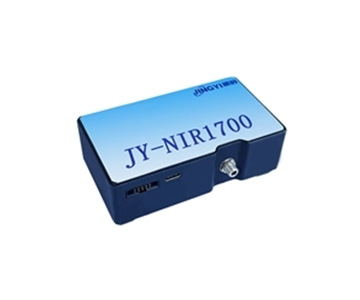
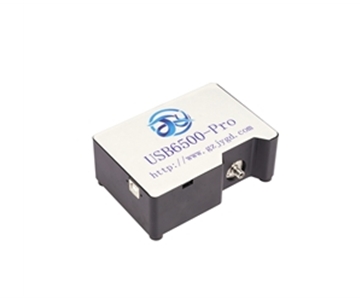
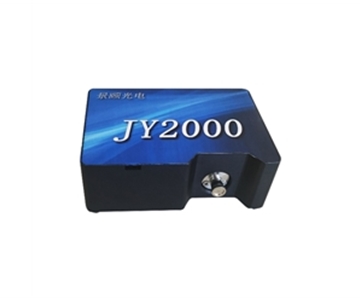
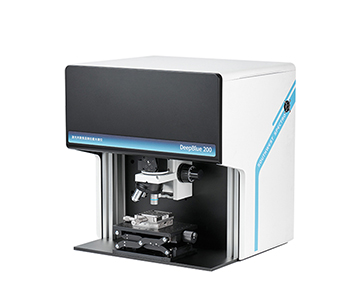
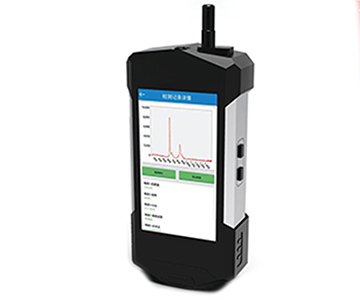
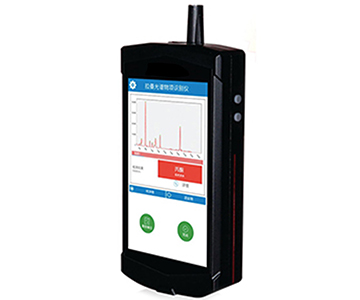
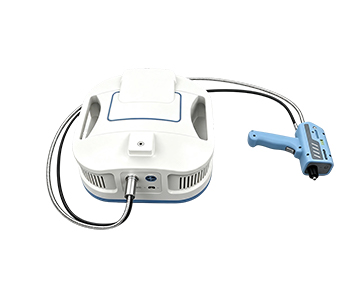
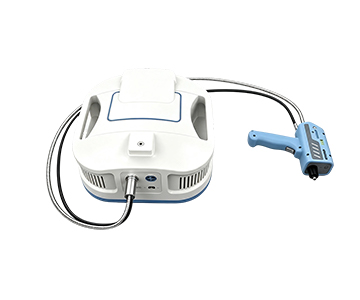
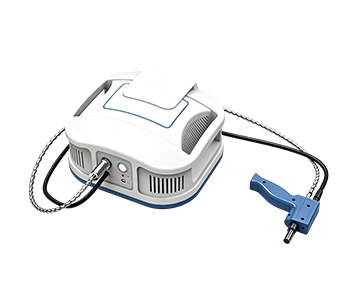
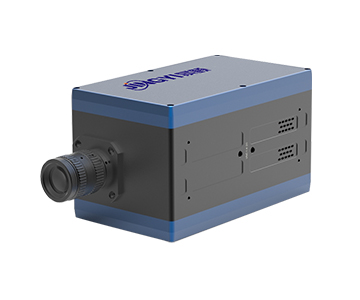
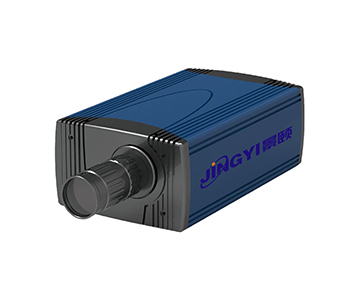
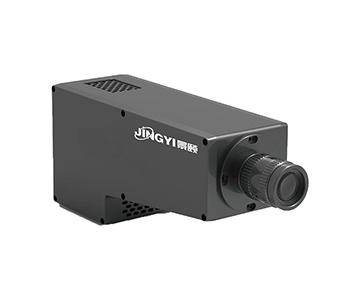
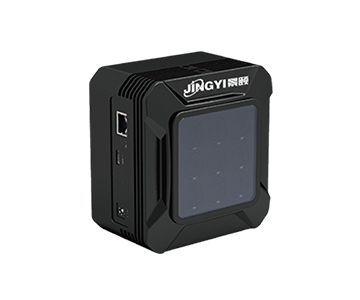
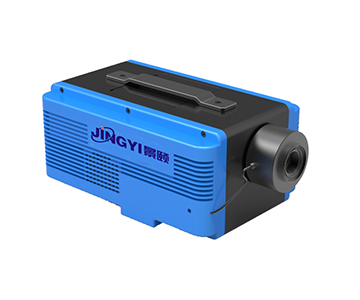
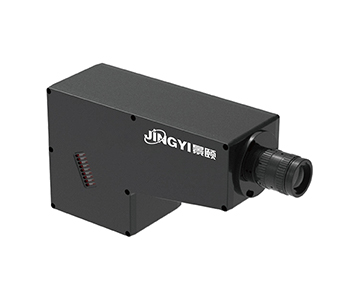
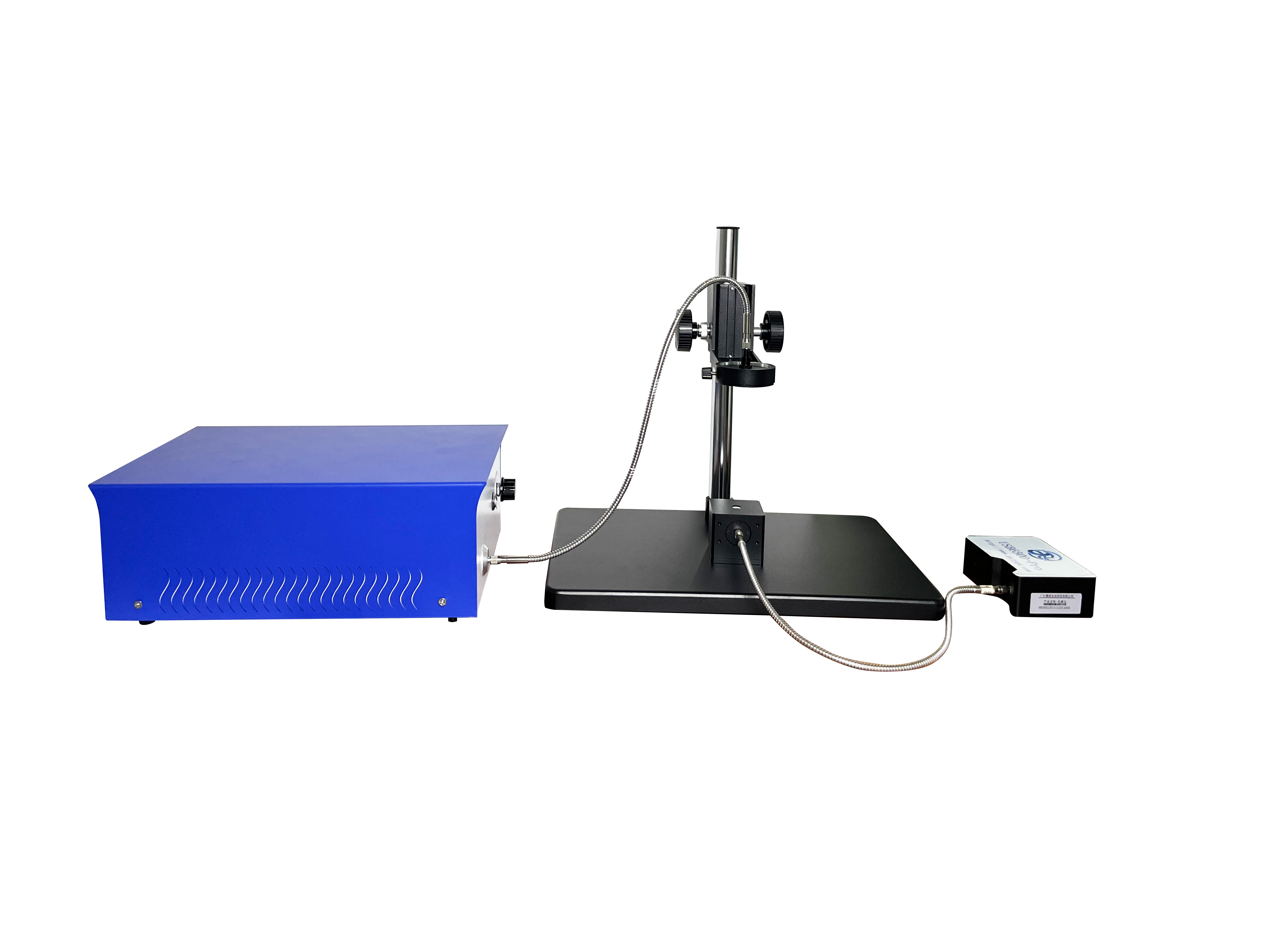
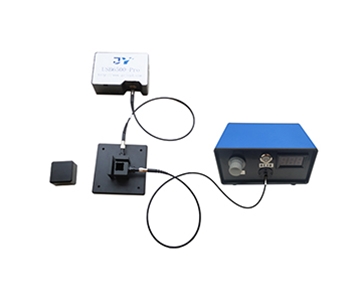
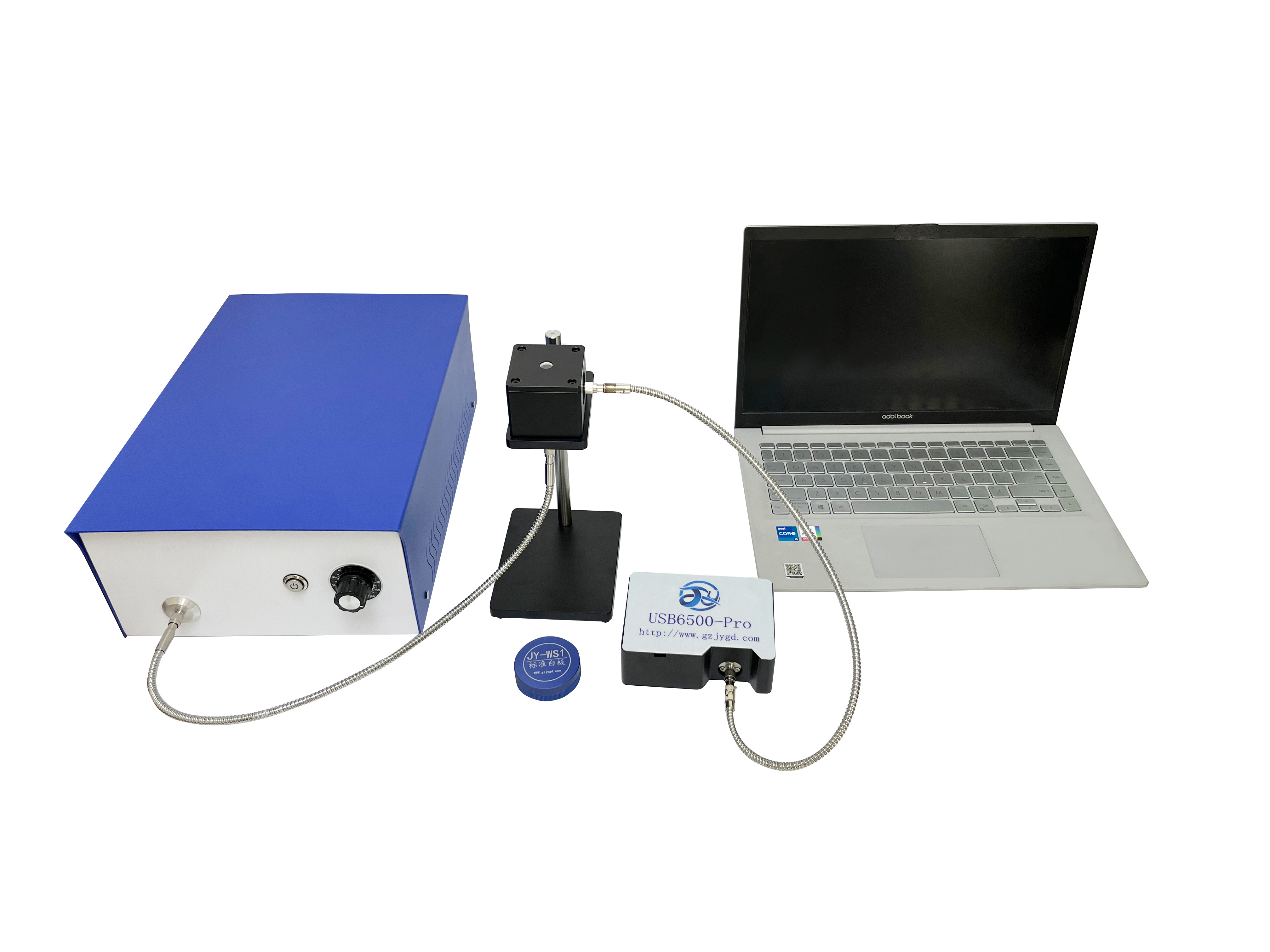
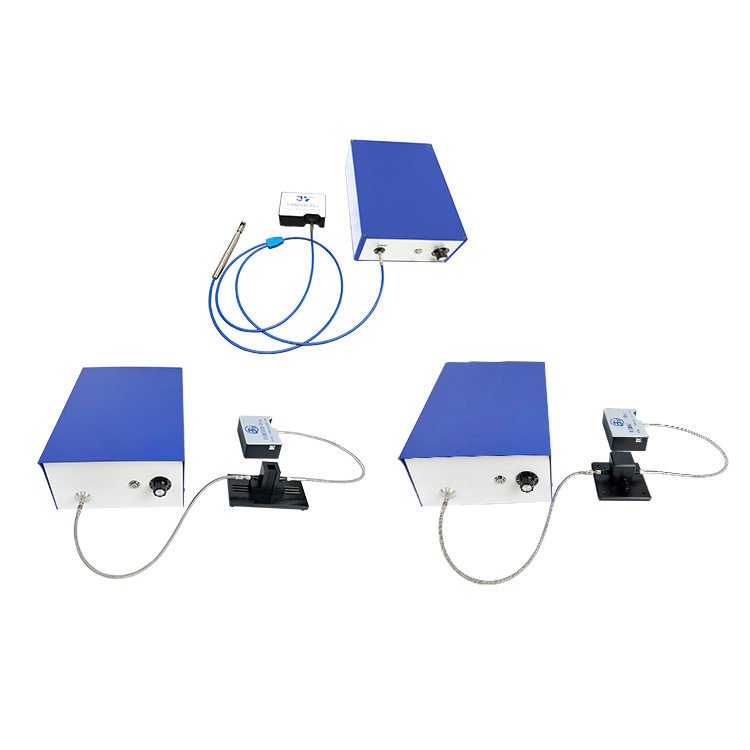
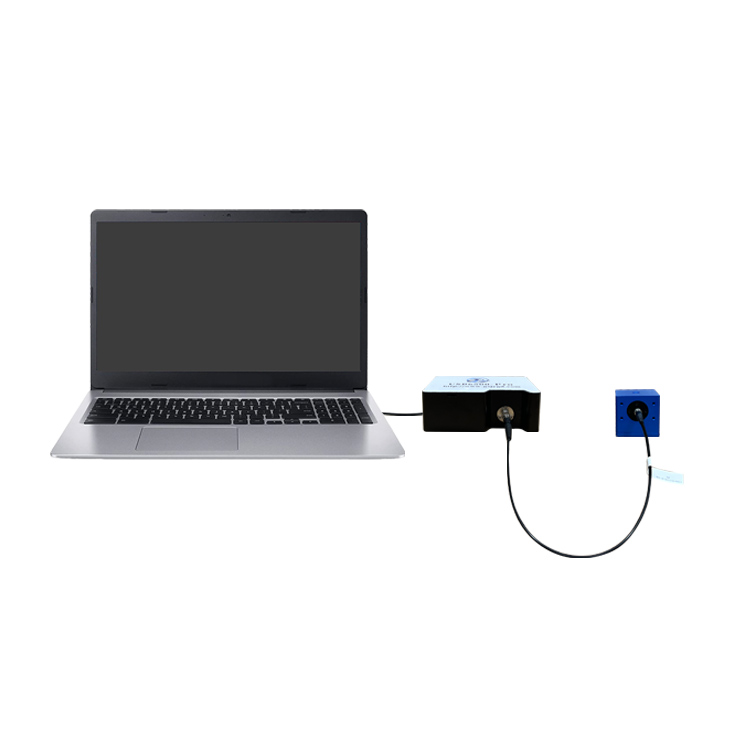
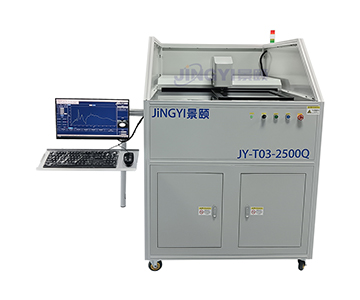
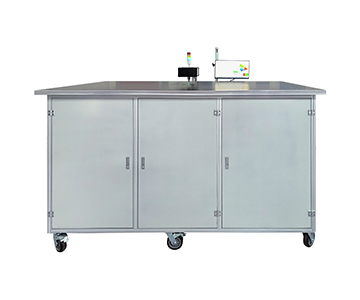
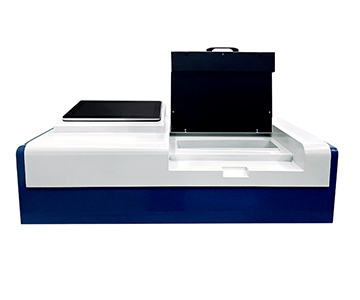
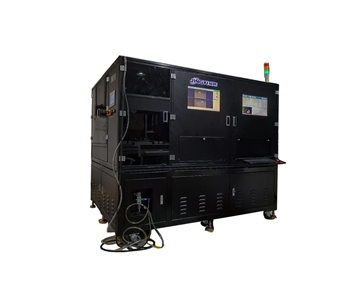
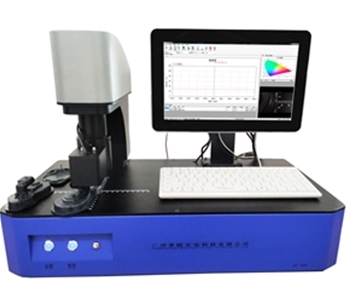
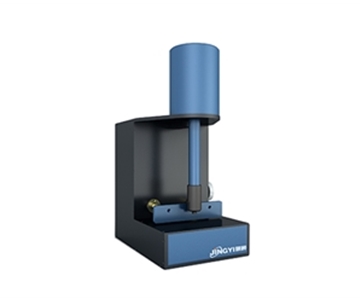
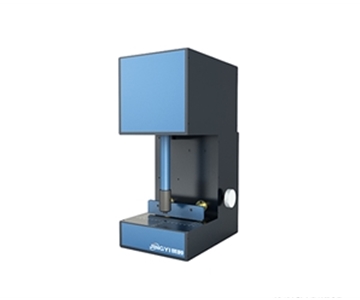
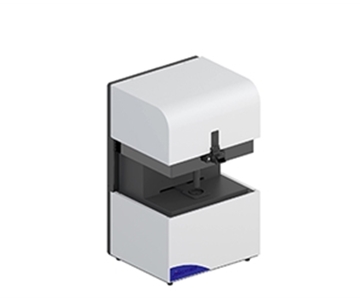
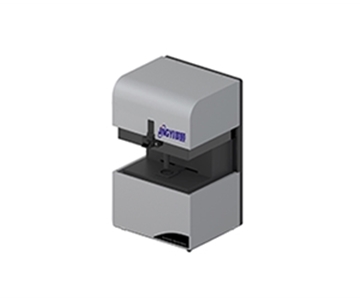
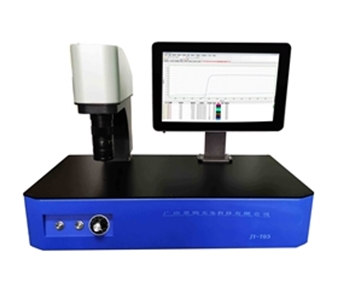
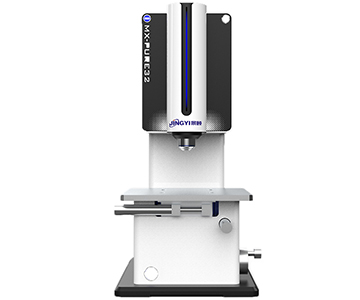
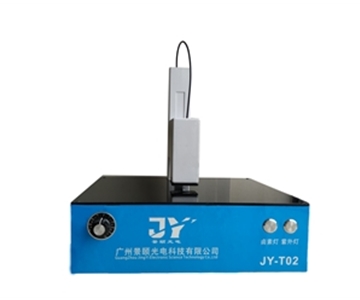
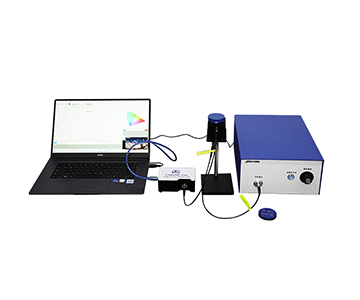
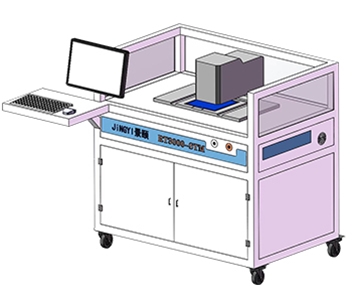
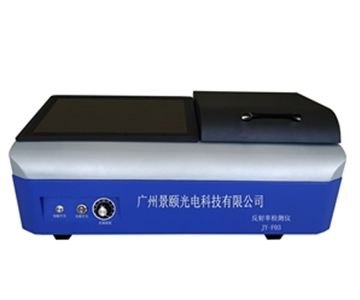
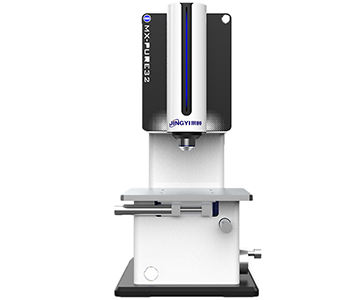
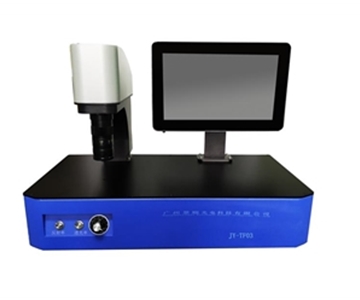
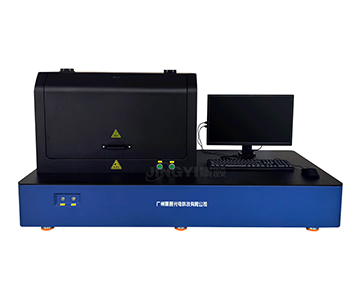
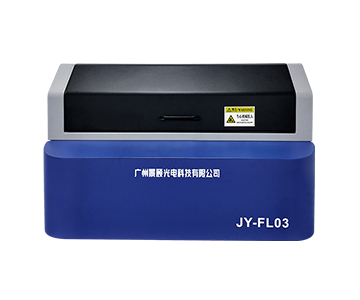
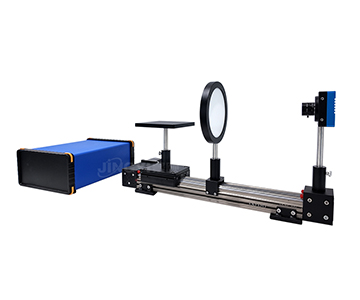
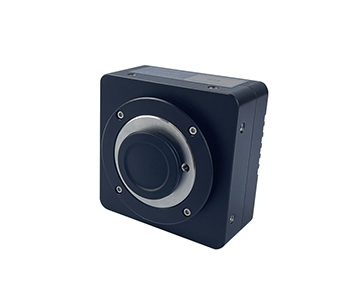
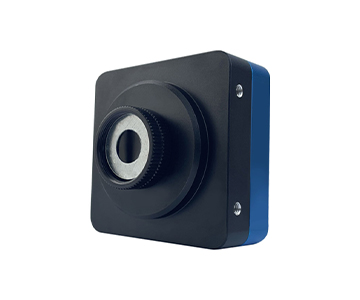
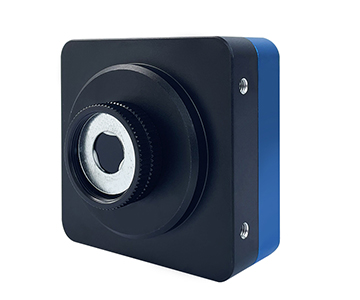
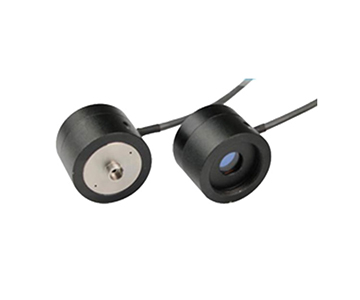
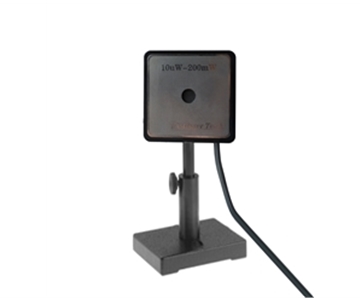
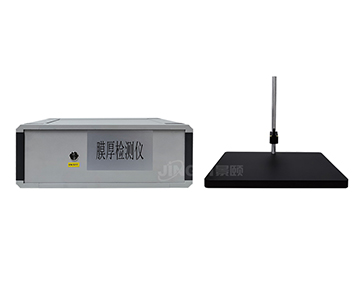
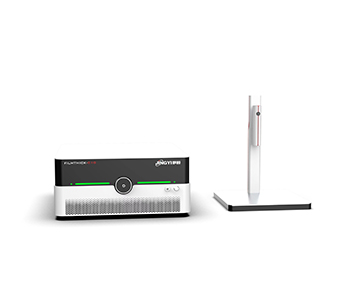
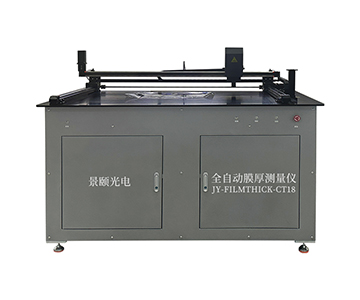
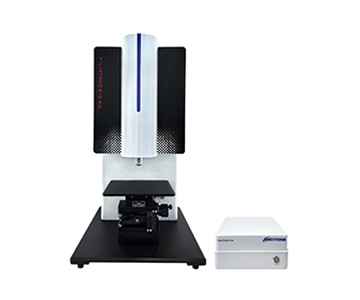
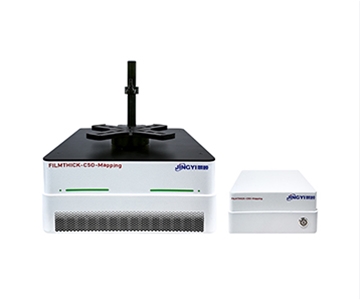
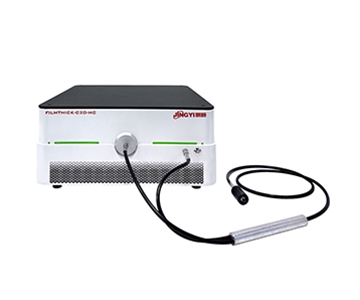
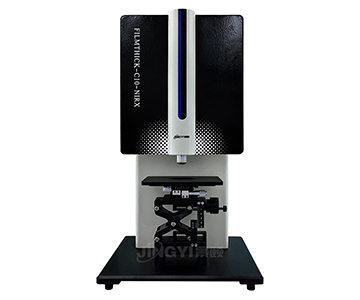
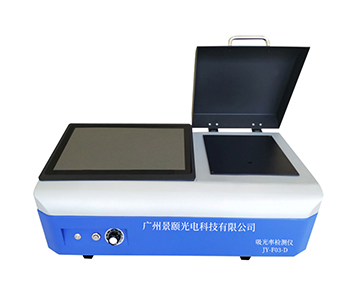
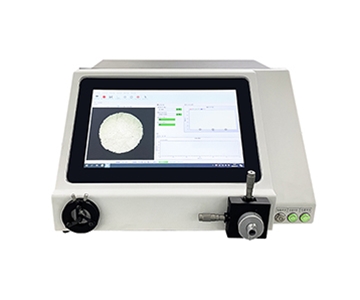
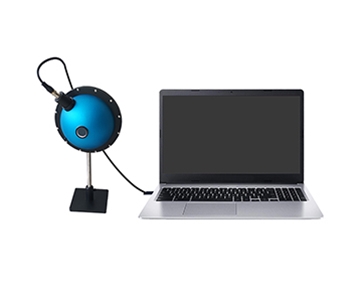
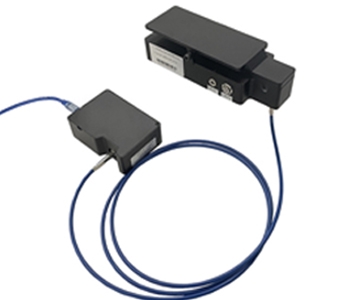
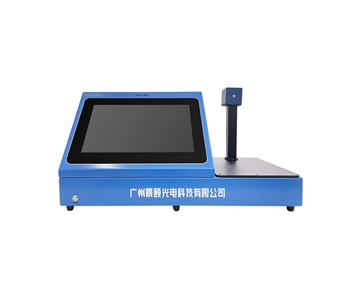
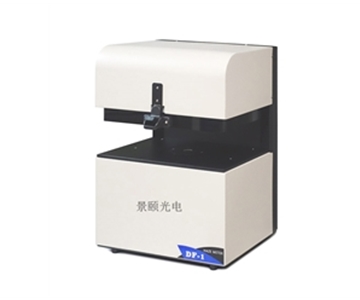
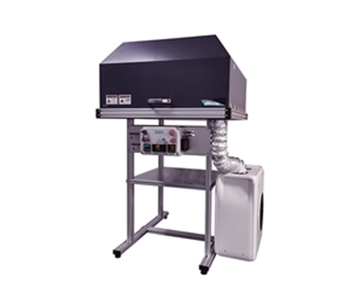
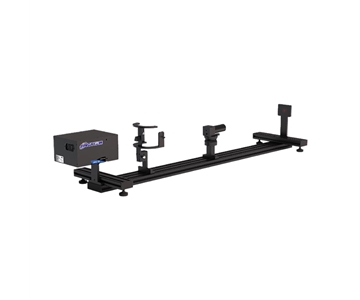
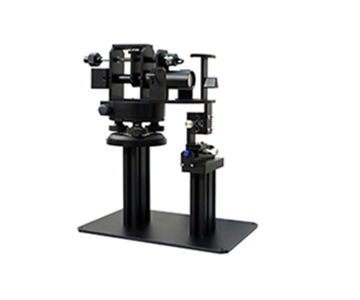
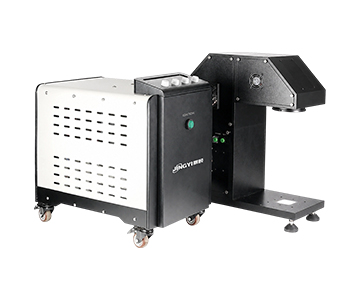
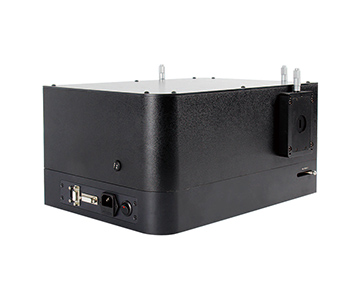
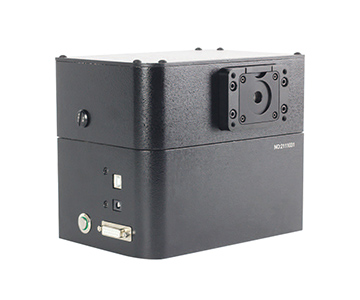
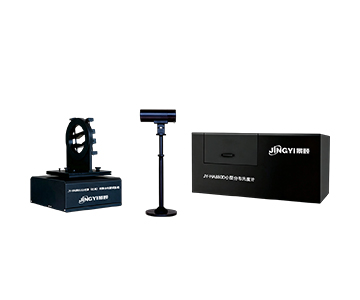
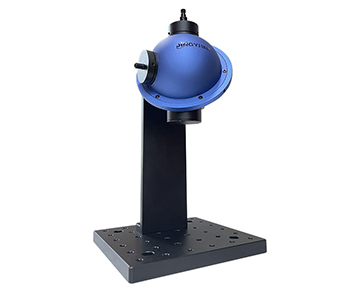
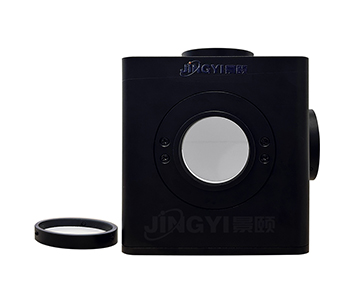
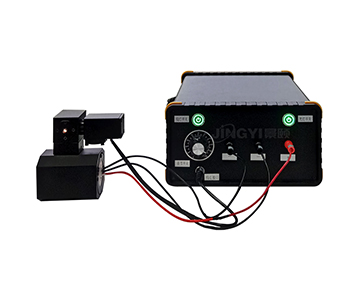
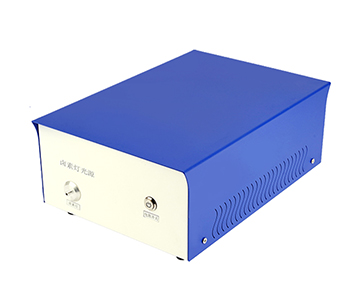
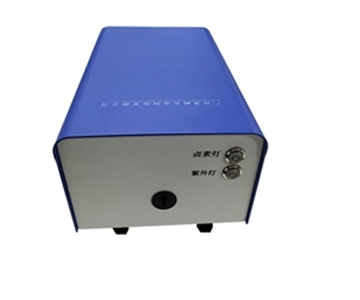
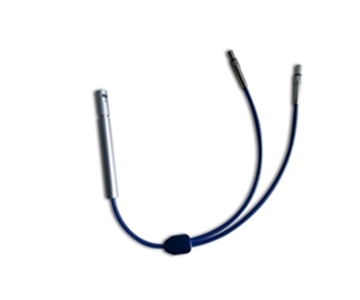
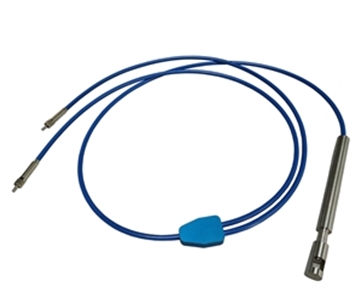
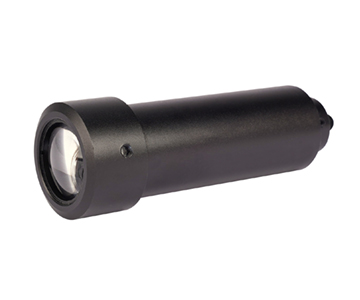
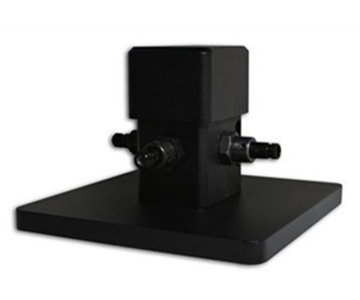
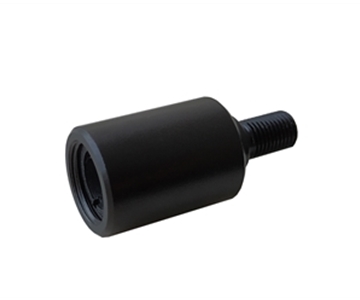
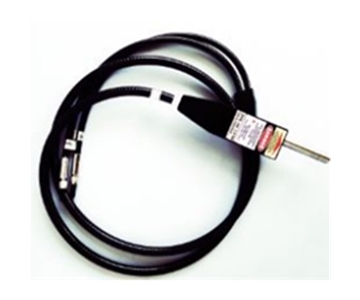
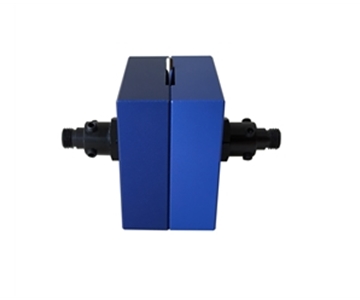
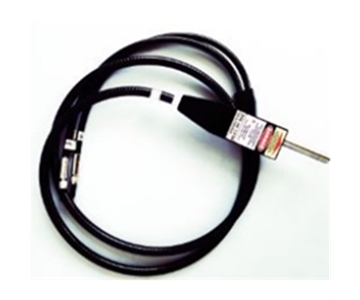
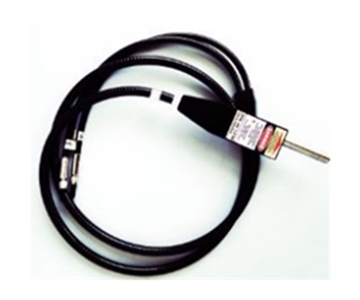
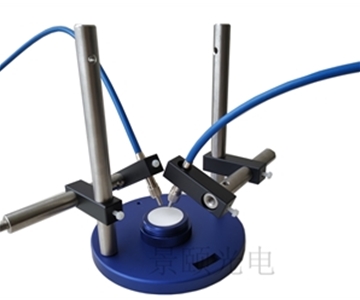
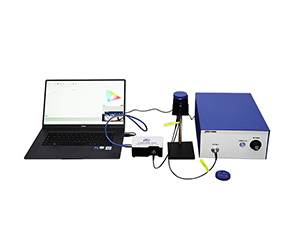
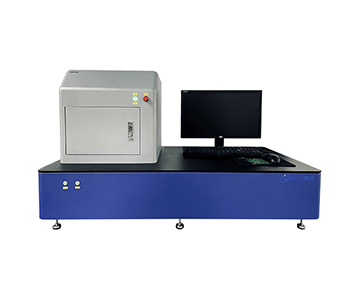
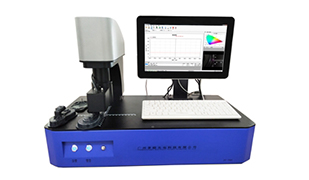
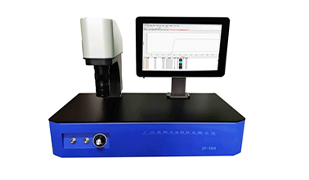
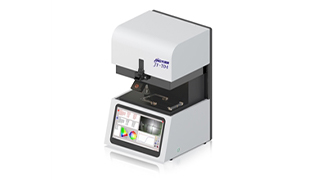
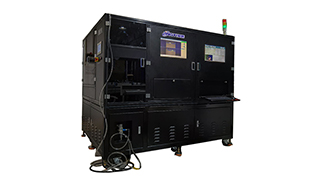
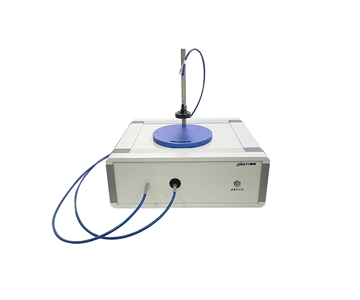
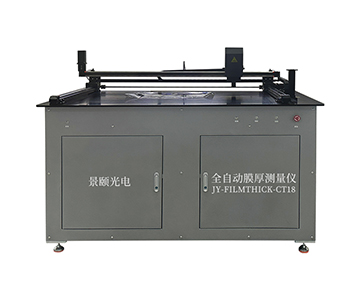
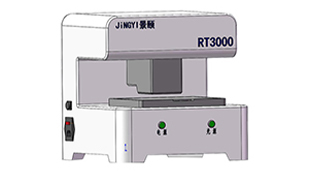
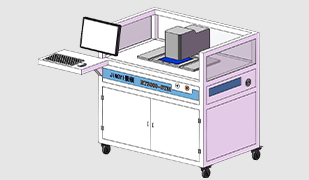
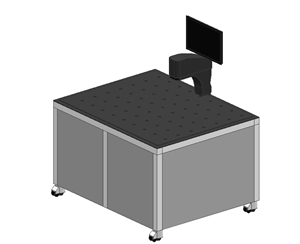
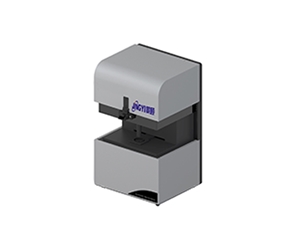
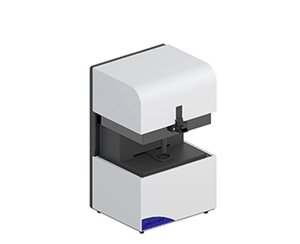
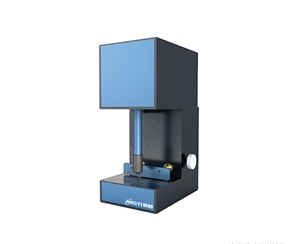
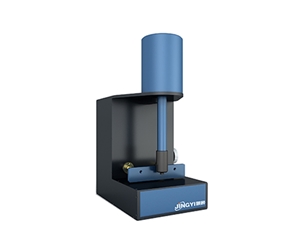
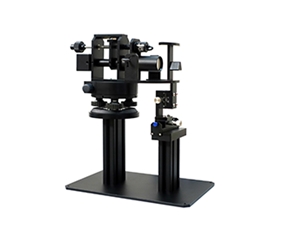
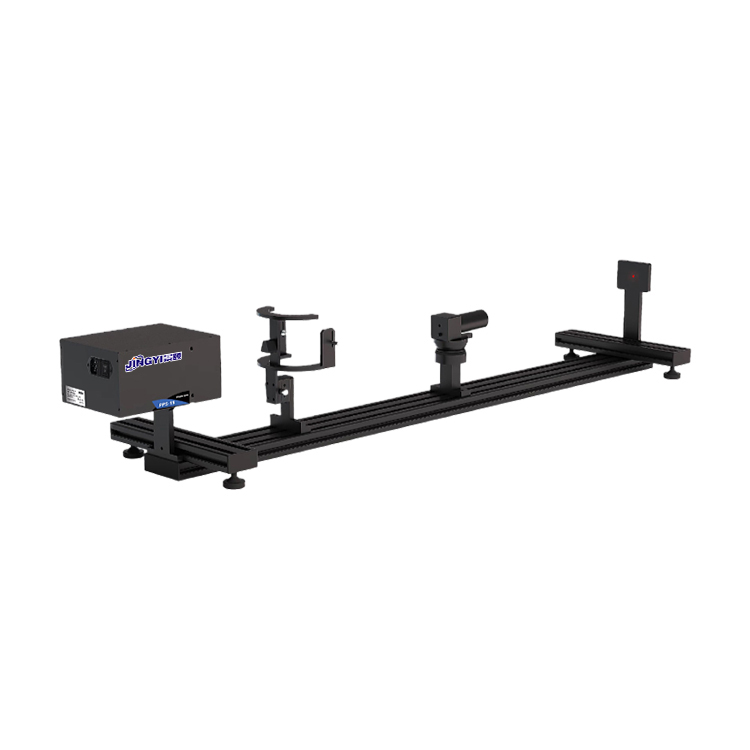
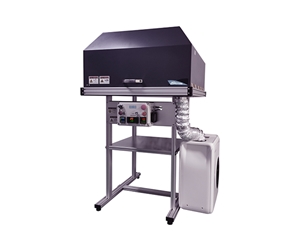
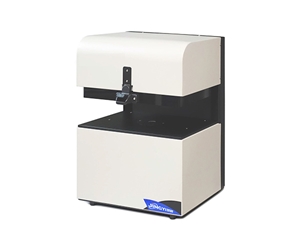
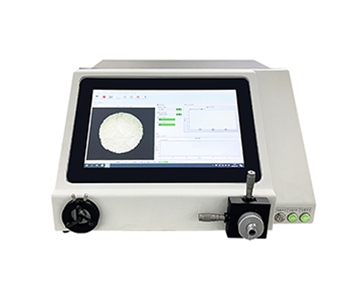
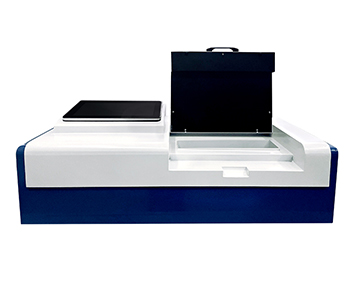
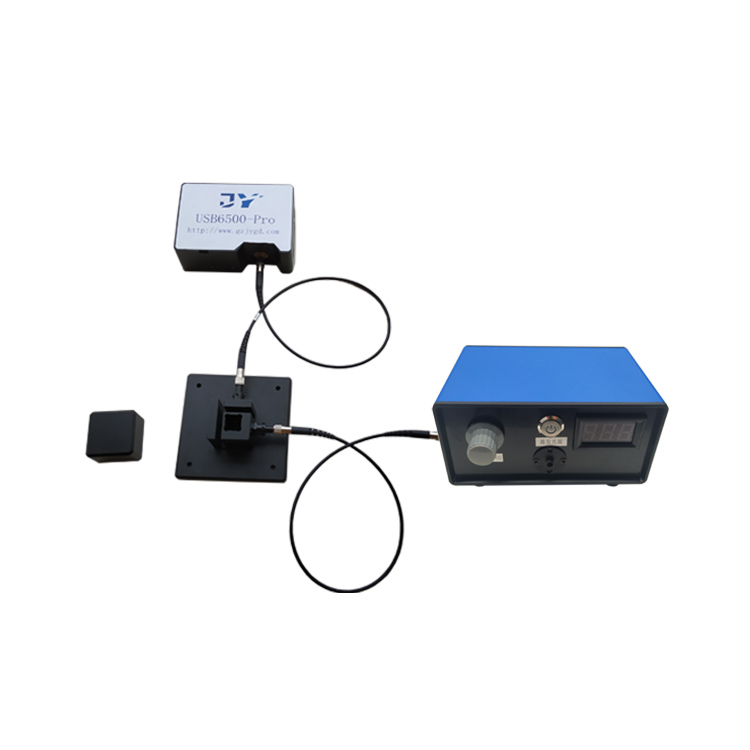
Against this backdrop, Jingyi Optoelectronics actively advanced research and development in thin-film thickness measurement technology. Building upon an optical interferometry framework, the company successfully developed an innovative miniaturized measurement system. This system intelligently integrates confocal spectral imaging with thin-film interference principles, extracting film-thickness information through in-depth analysis of reflected interference spectra. Its core components include a high-brightness light-emitting diode (LED), a high-resolution miniature spectrometer, and a meticulously engineered confocal achromatic probe. Their synergistic operation not only achieves system miniaturization but also establishes a robust foundation for precise measurement.
Interference Principle of the Measurement System
In this measurement system, interference signals arise from the coherent superposition of light reflected from the top and bottom surfaces of the thin film. When light emitted by the LED is focused onto the film surface via the probe, reflections occur at both interfaces. These two reflected beams subsequently overlap in space, generating an interference signal. Because the optical path difference is directly correlated with film thickness, analyzing this interference signal enables accurate thickness determination. This design significantly reduces system cost.