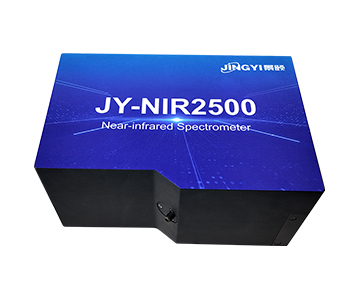
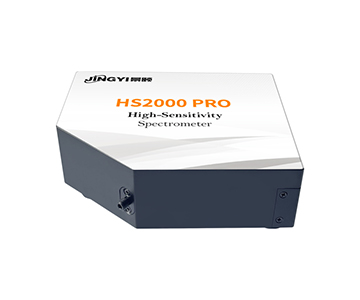
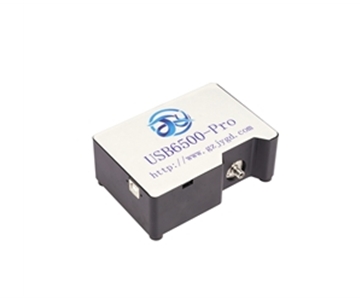
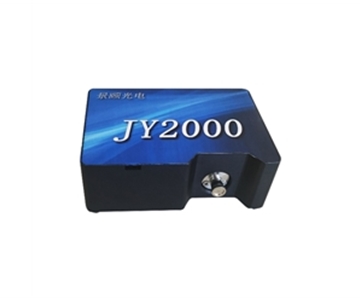
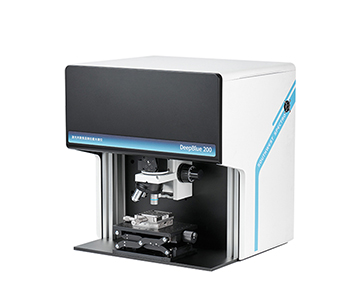
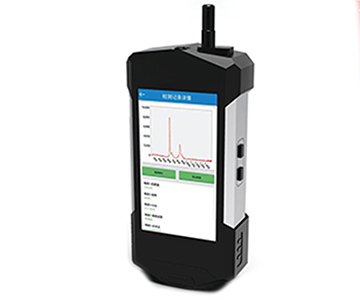
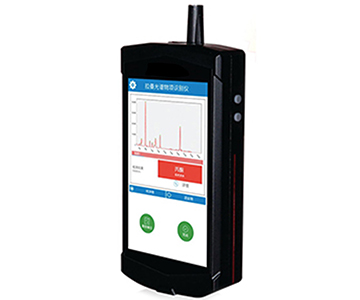
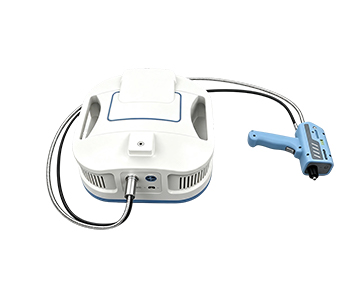
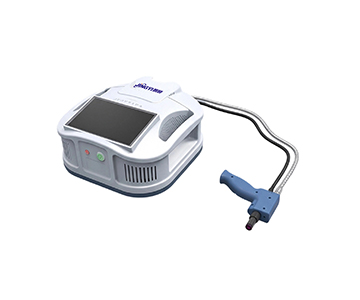
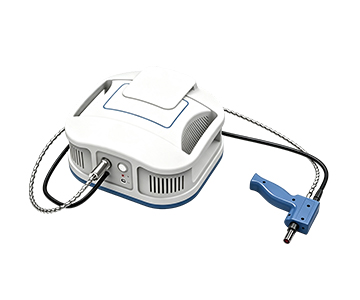
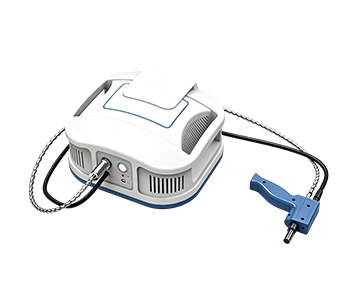
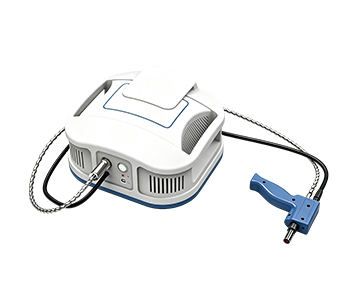
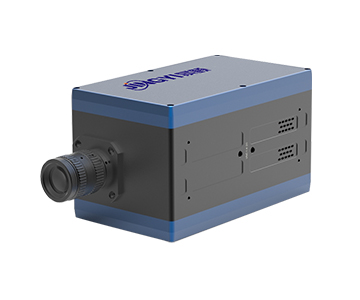
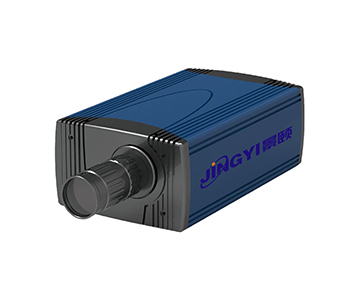
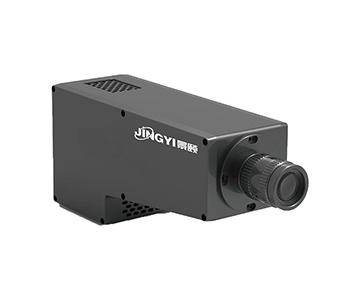
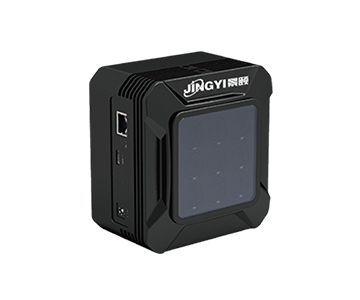
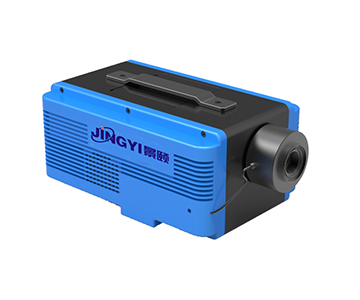
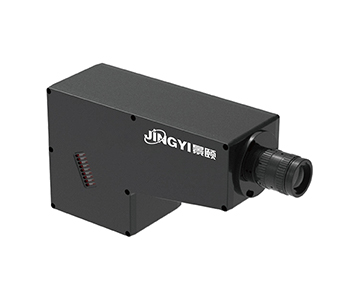
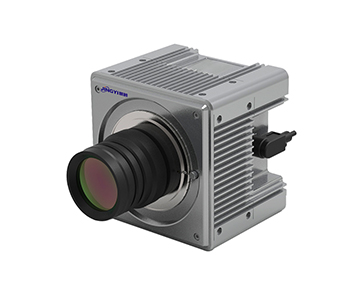
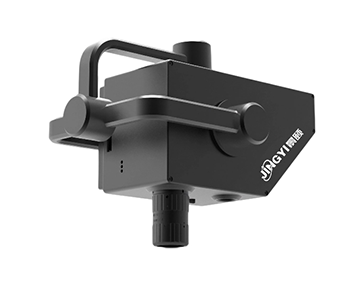
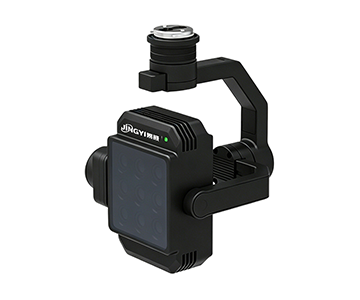
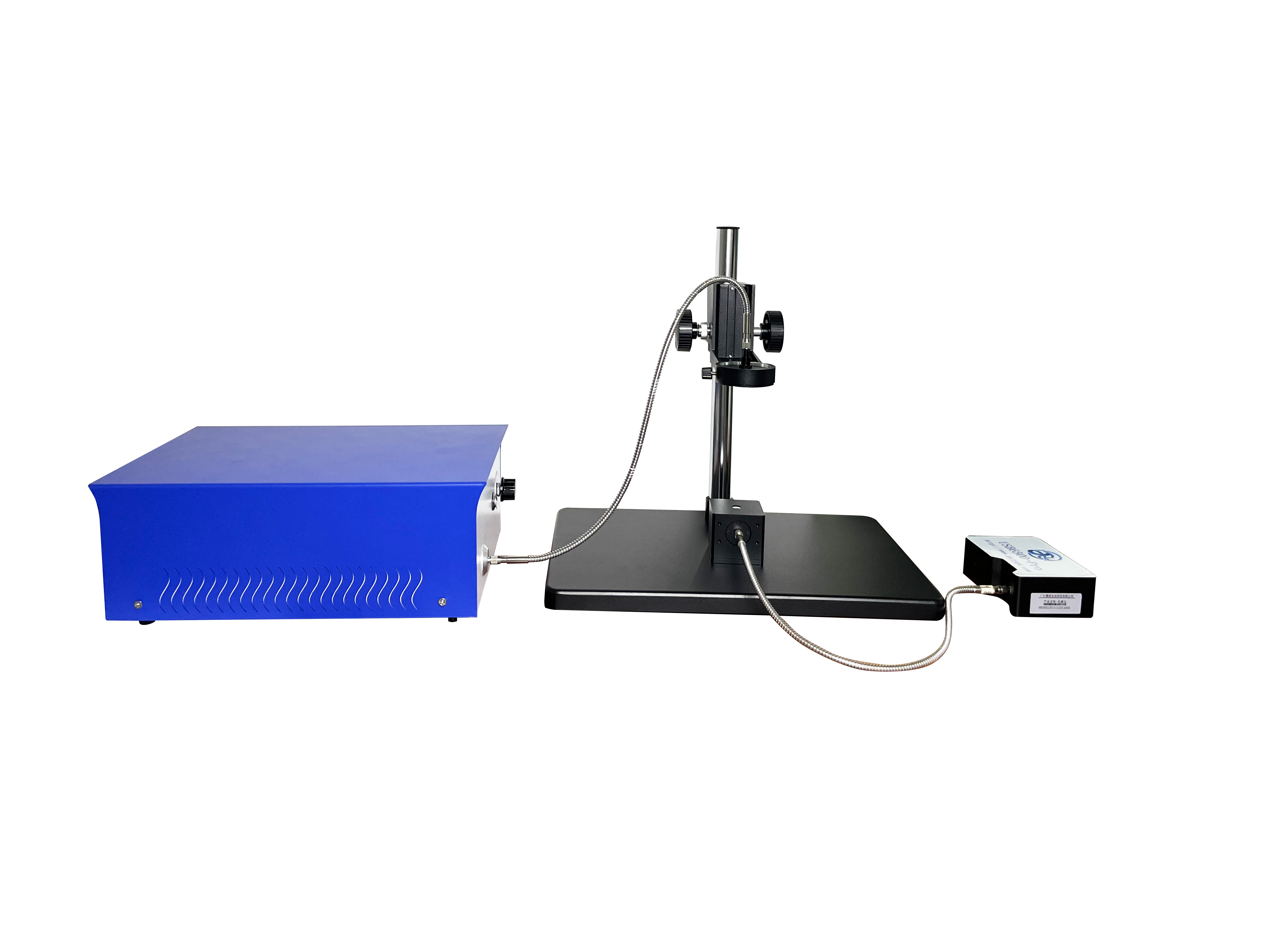
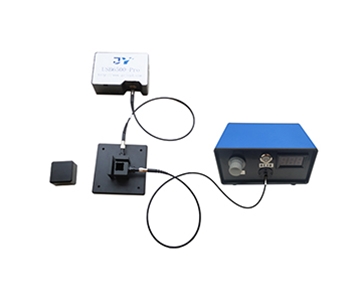
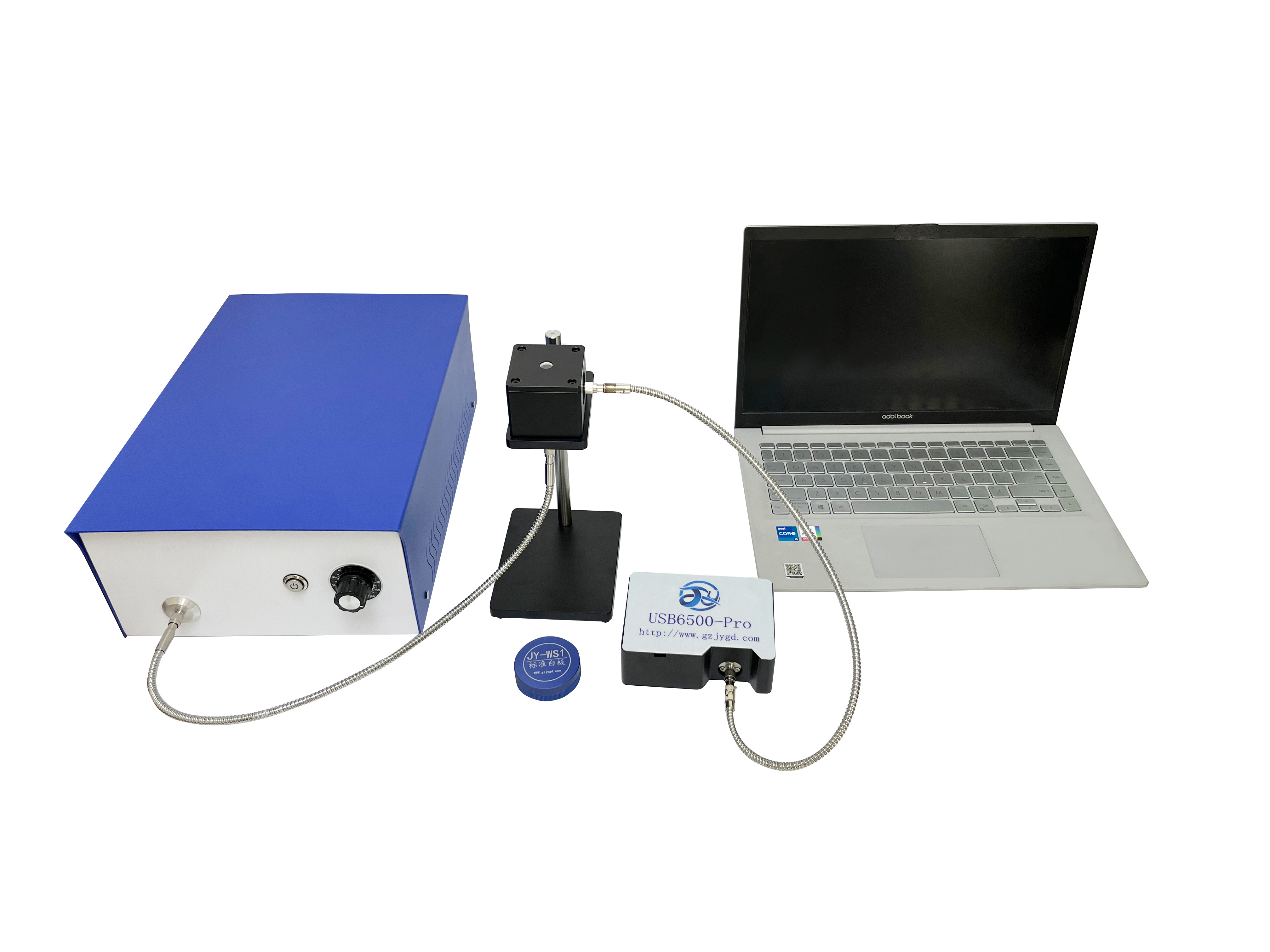
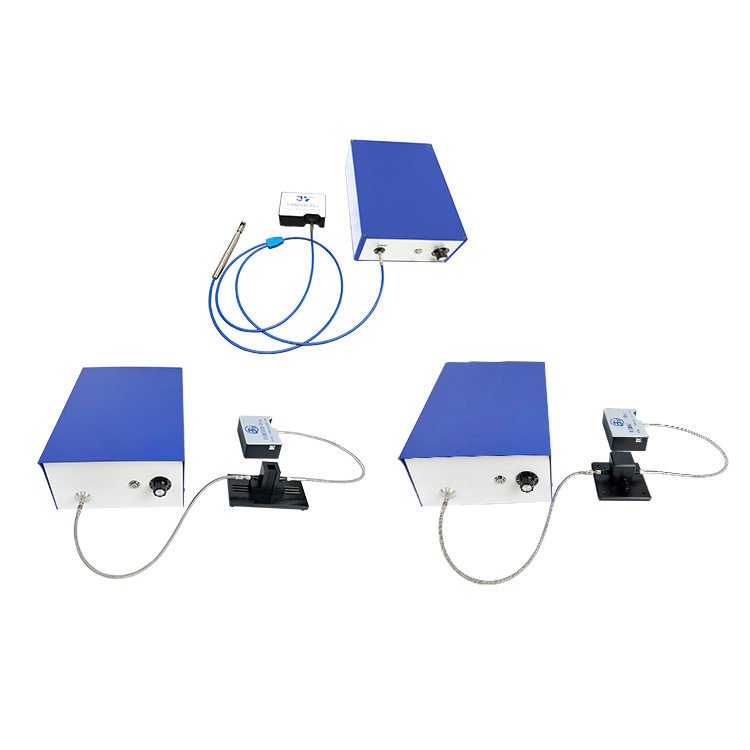
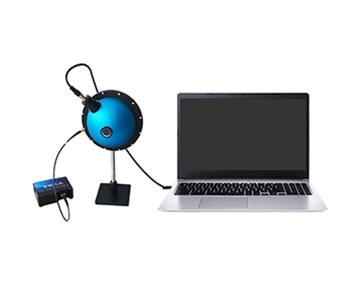
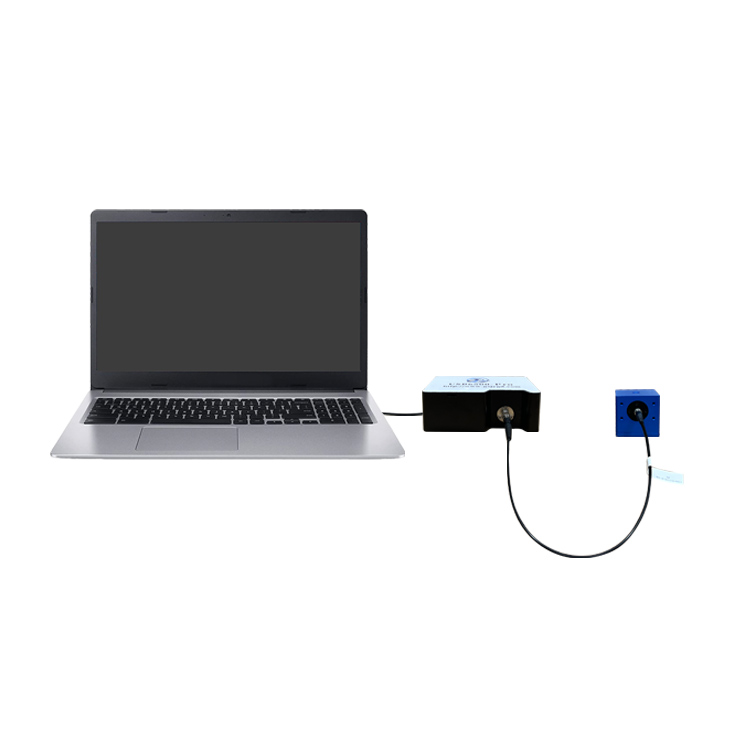
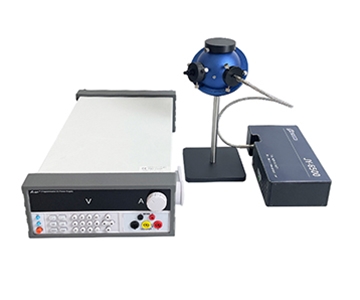
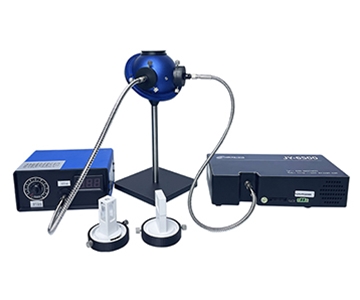
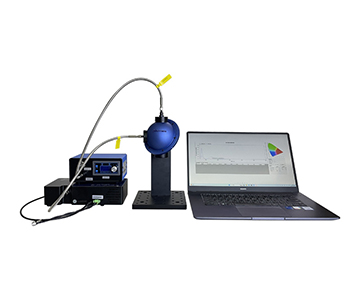
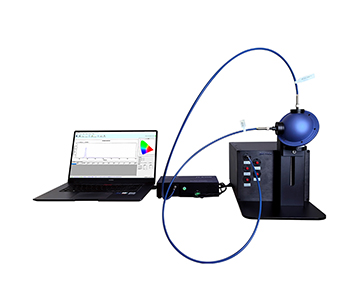
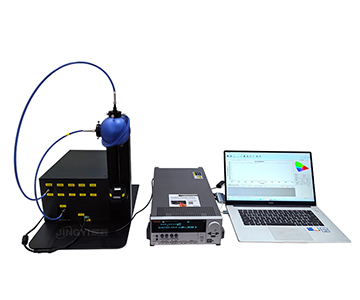
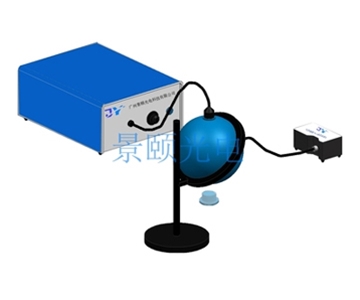
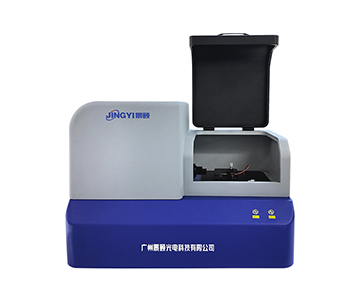
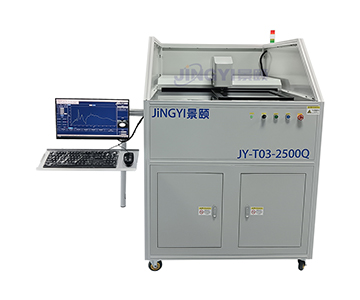
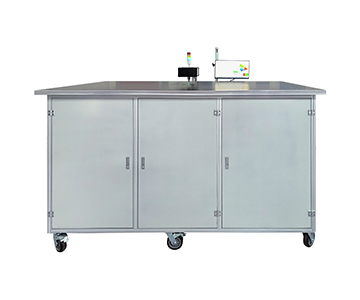
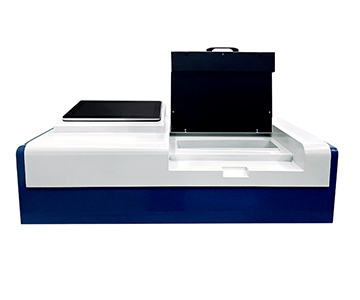
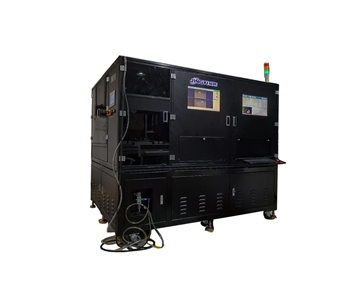
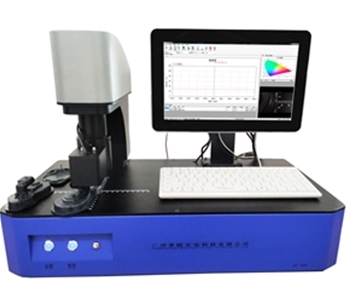
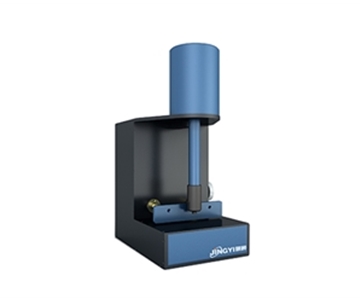
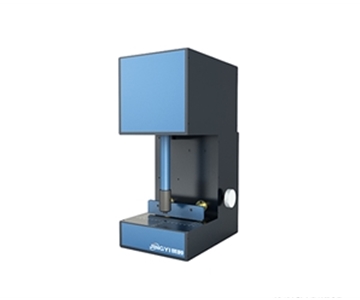
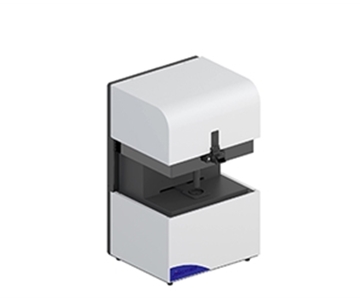
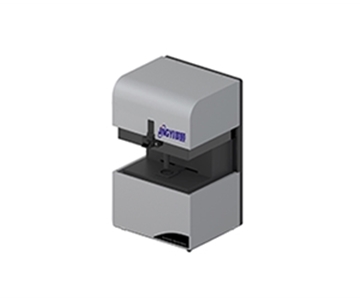
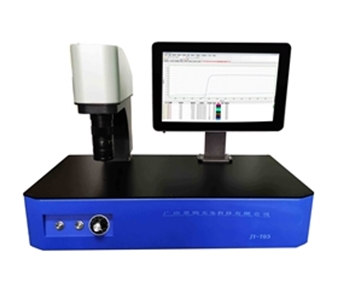
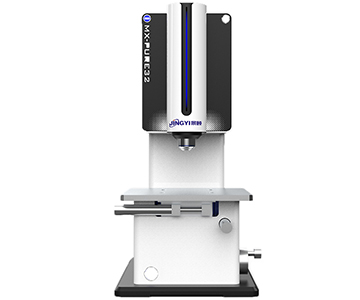
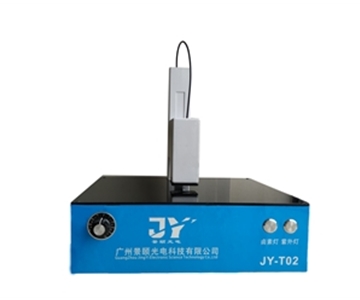
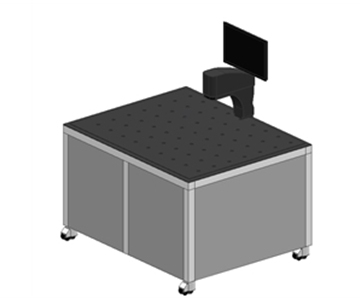
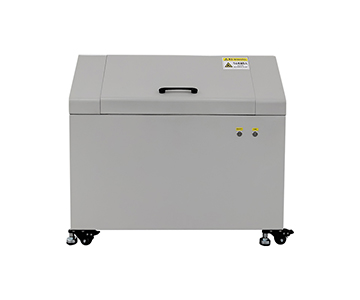
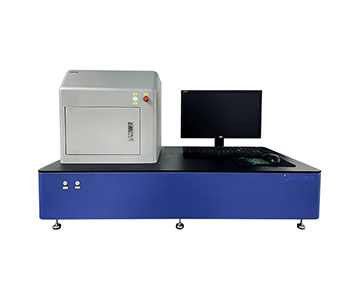
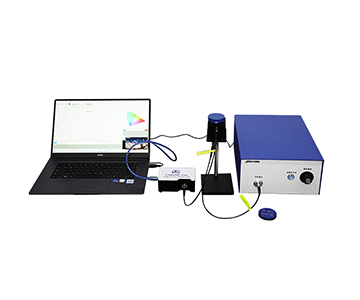
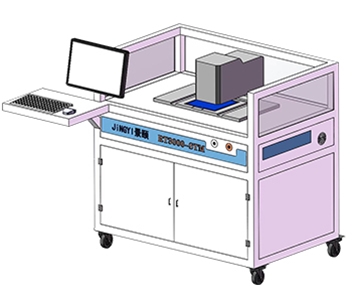
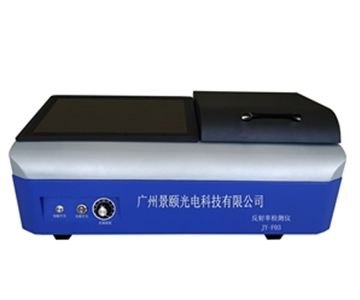
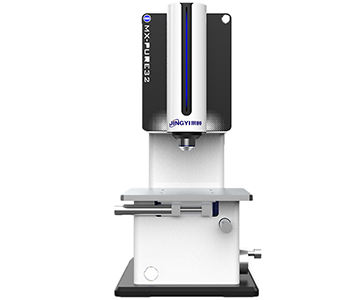
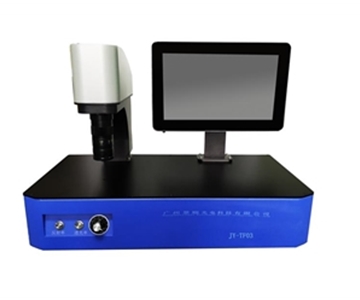
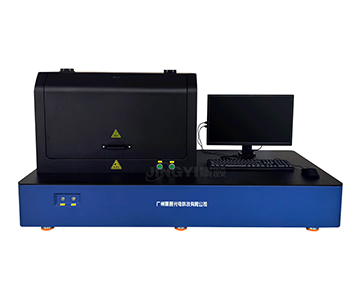
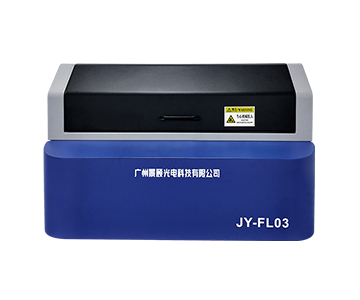
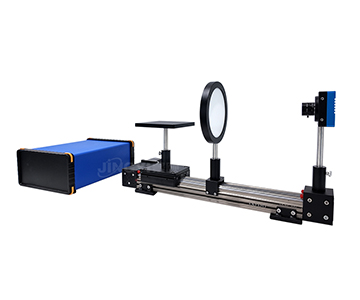
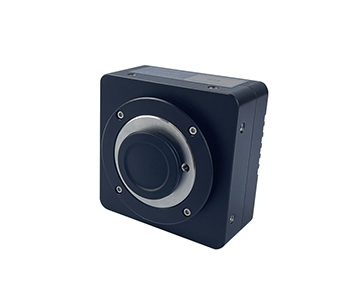
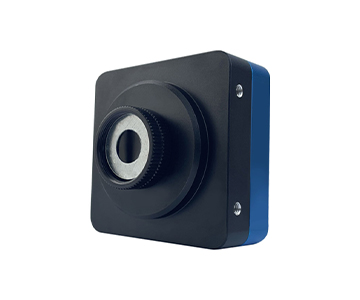
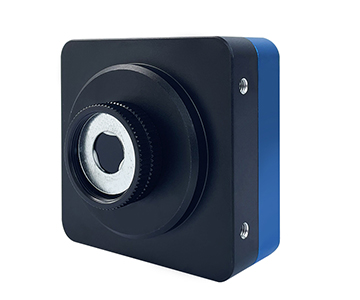
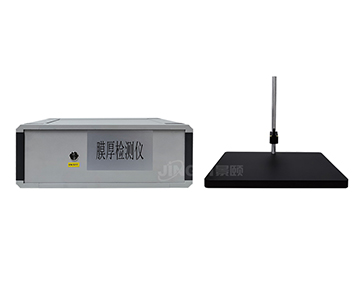
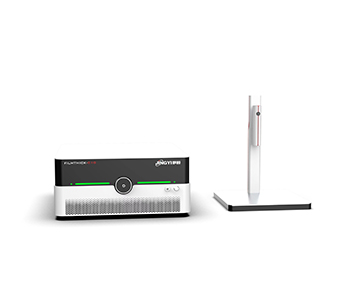
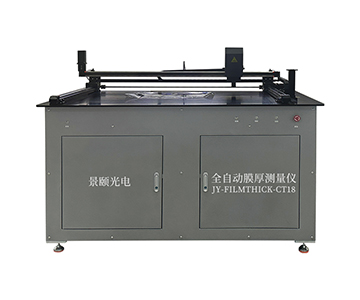
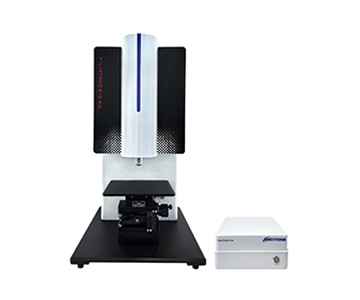
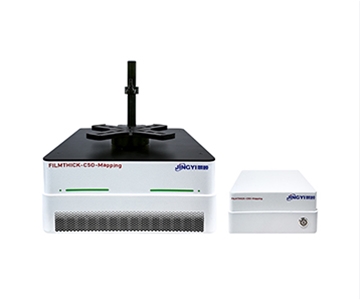
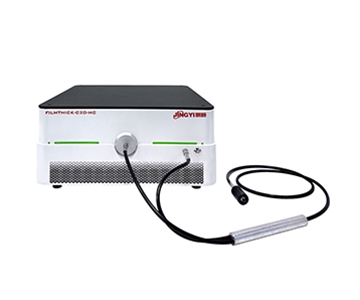
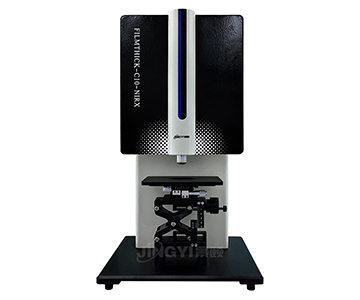
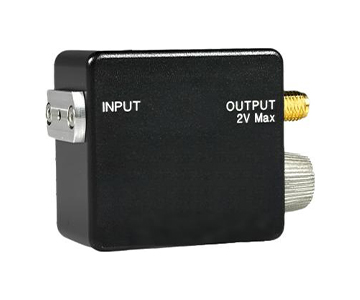
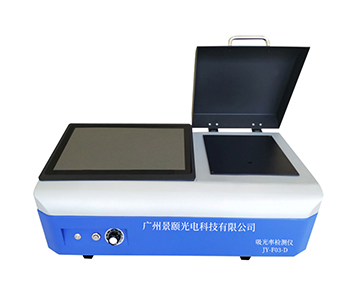
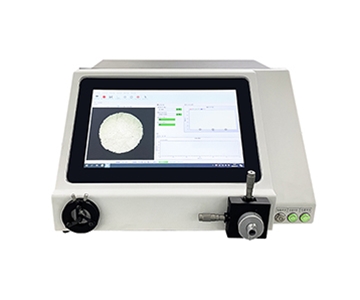
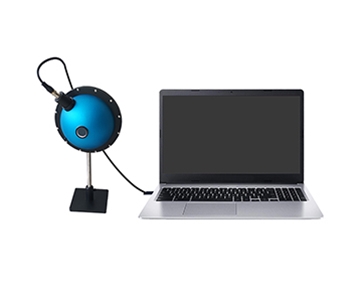
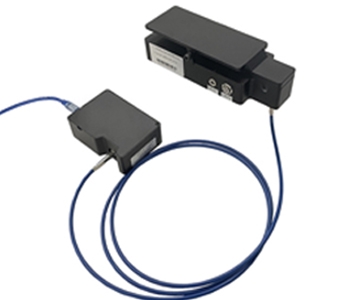
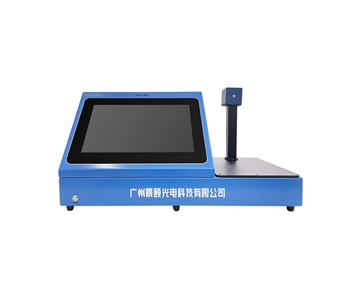
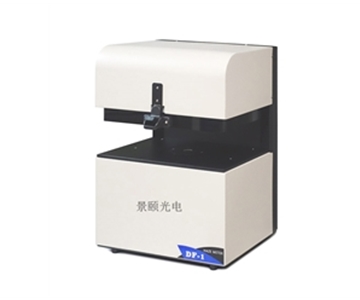
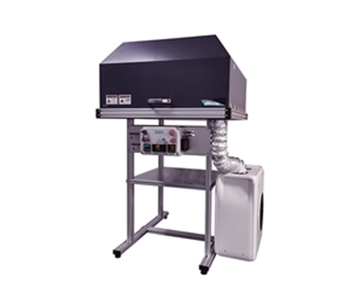
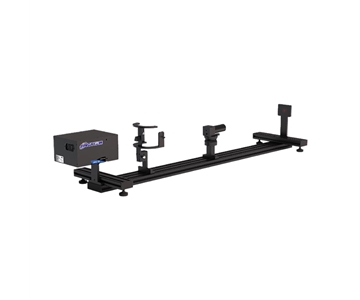
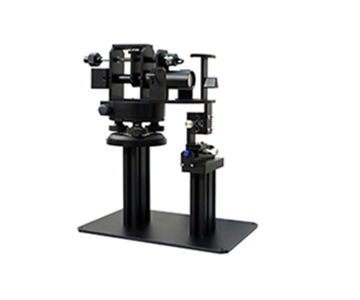
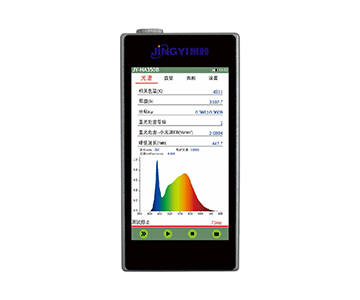
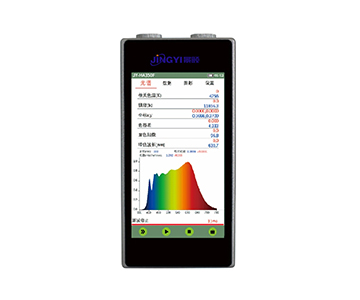
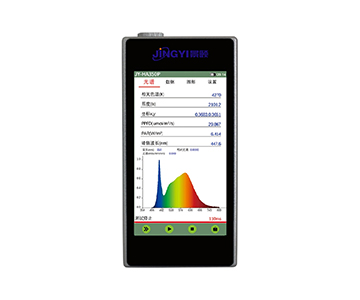
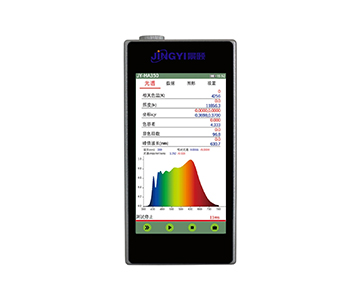
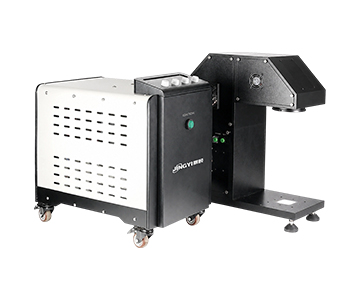
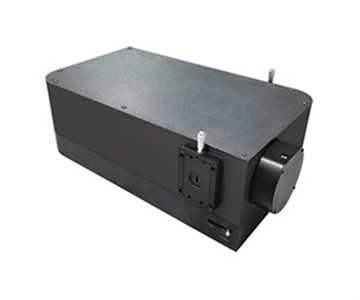
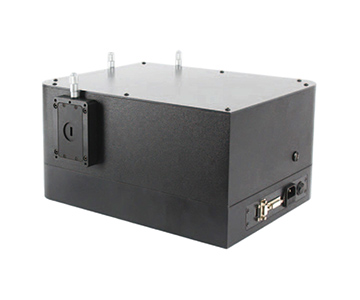
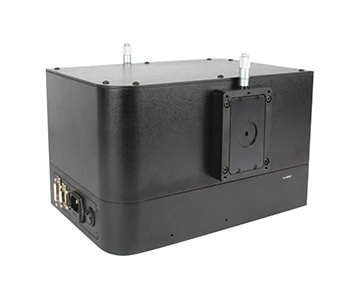
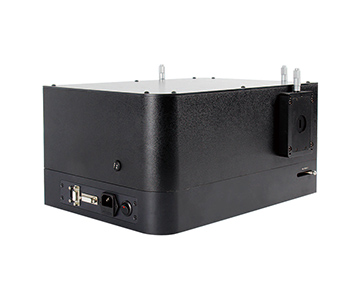
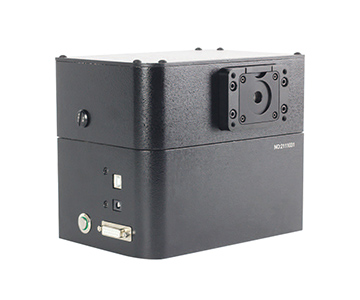
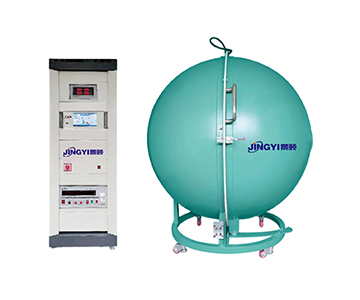
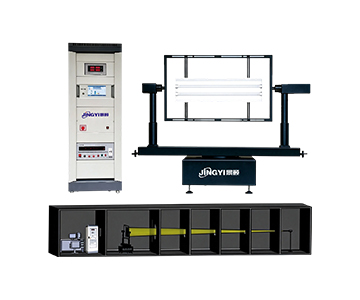
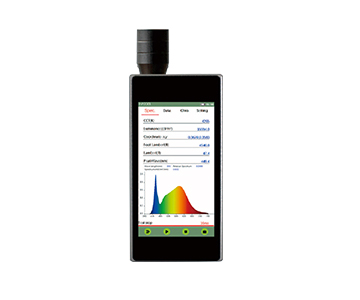
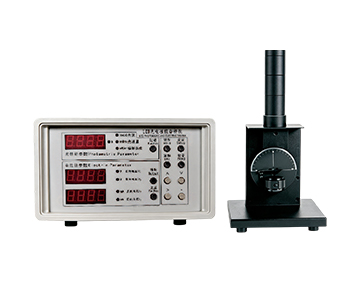
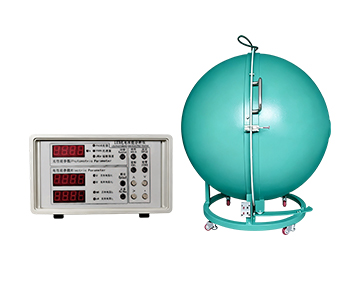
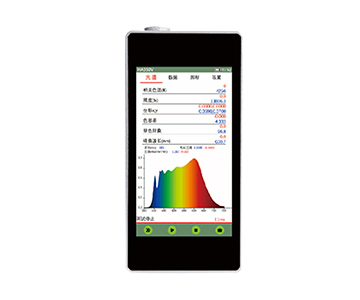
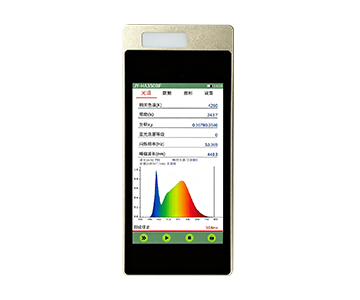
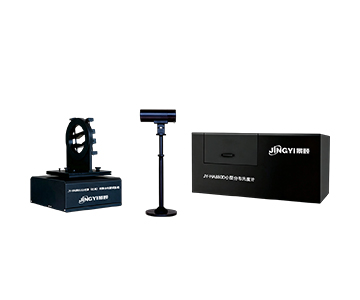
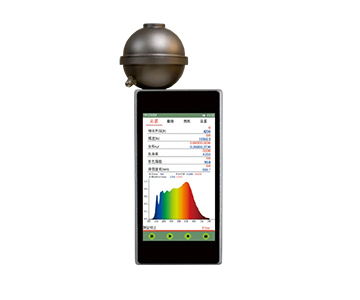
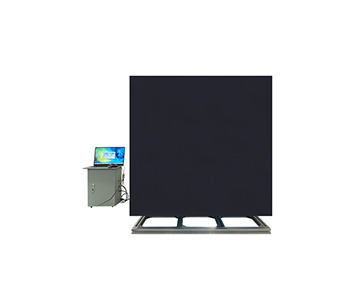
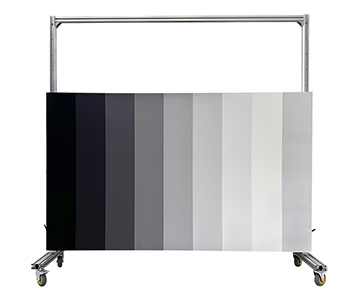
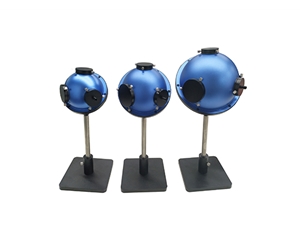
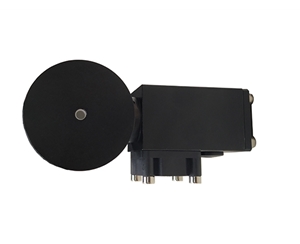
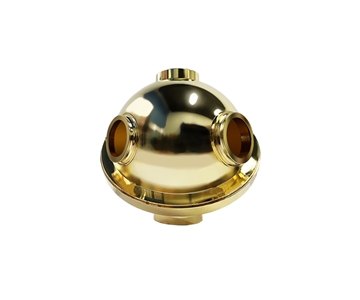
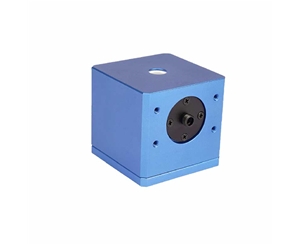
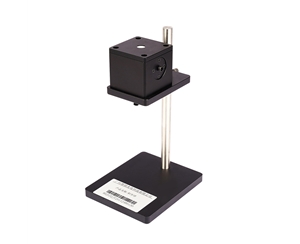
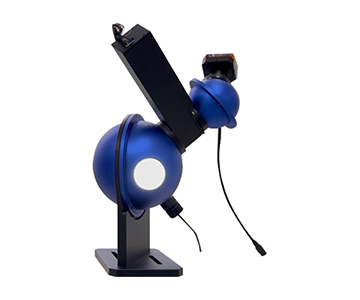
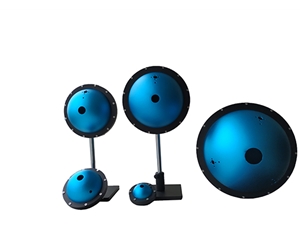
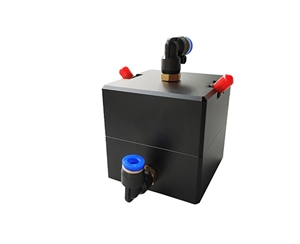
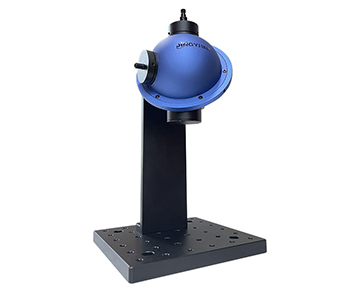
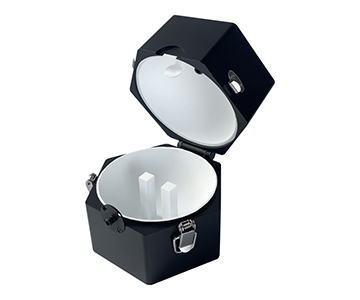
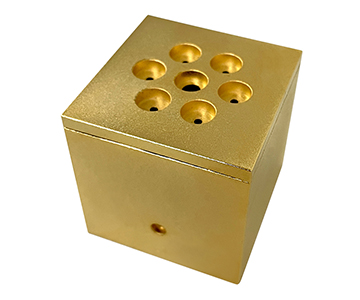
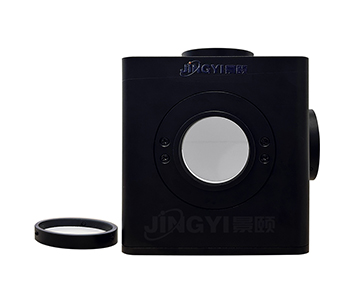
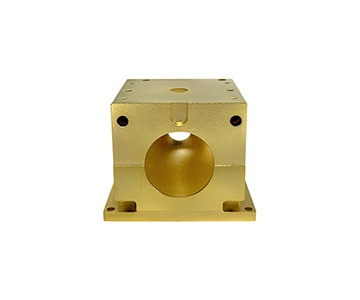
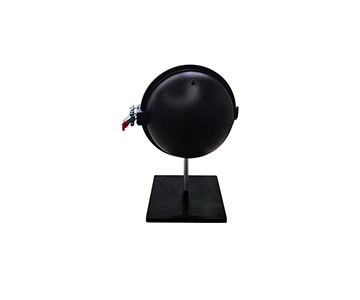
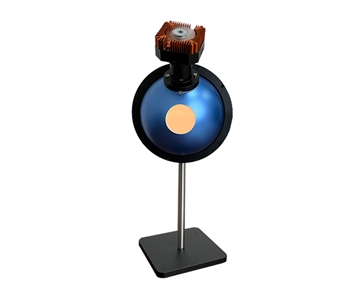
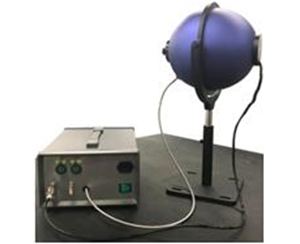
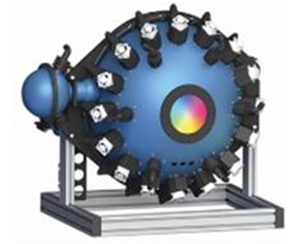
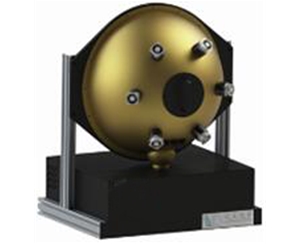
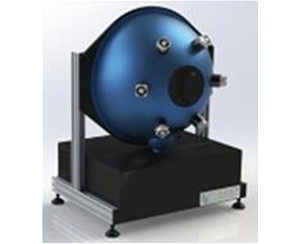
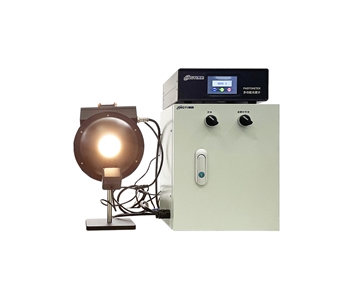
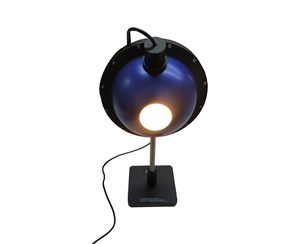
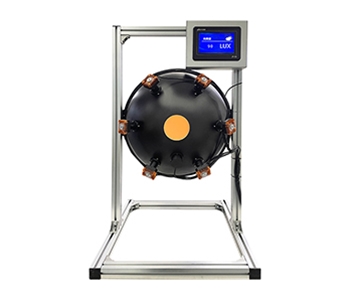
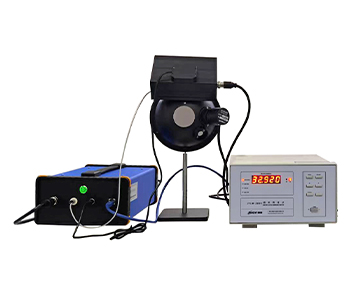
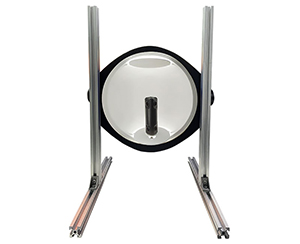
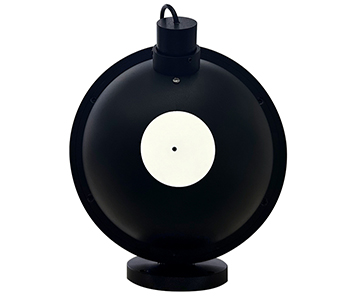
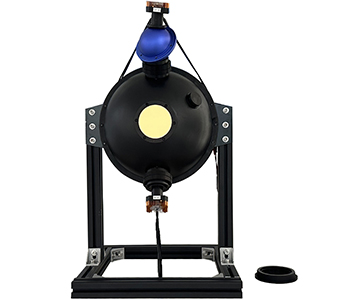
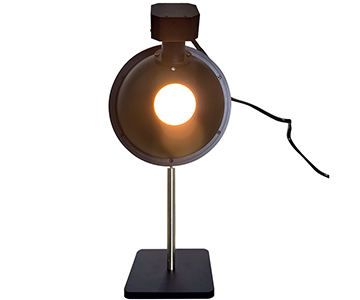
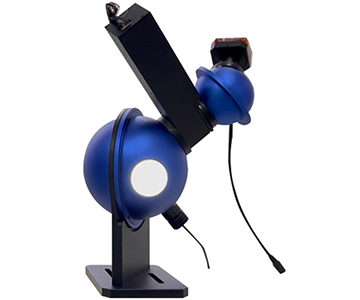
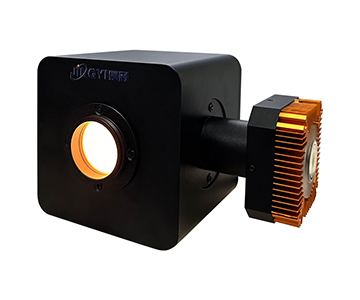
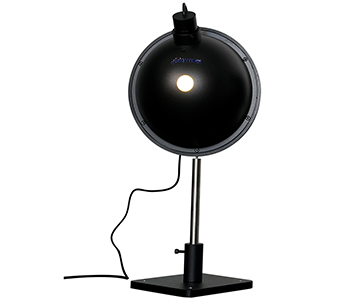
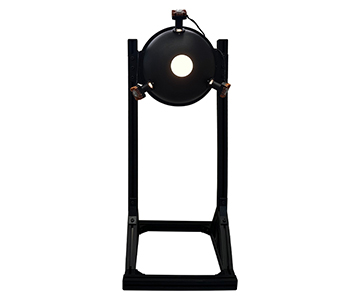
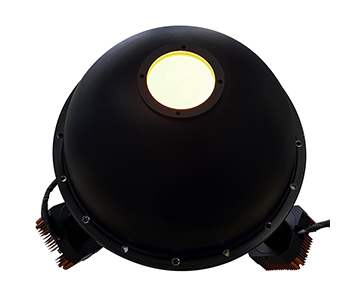
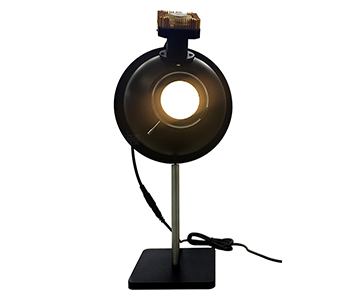
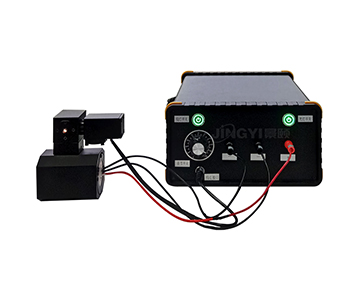
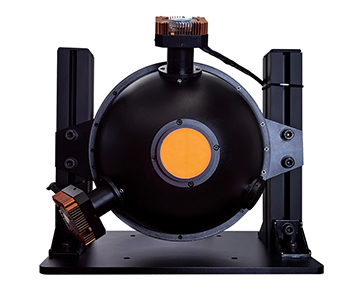
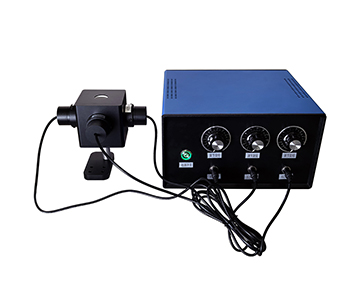
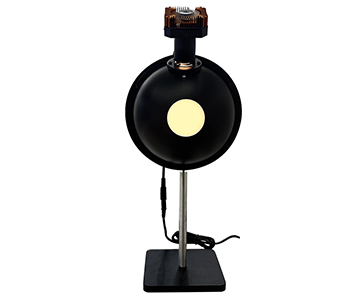
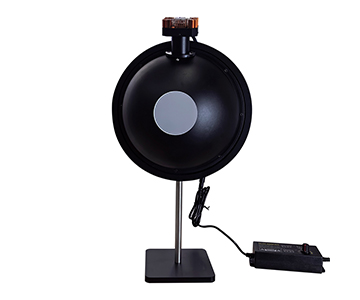
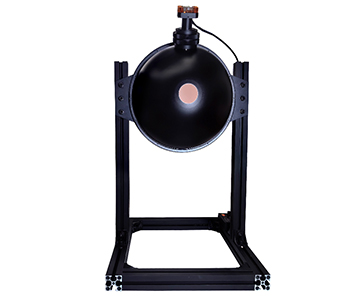
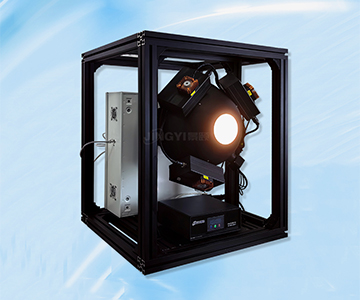
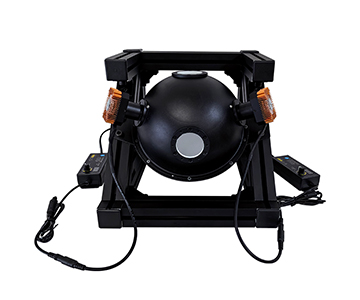
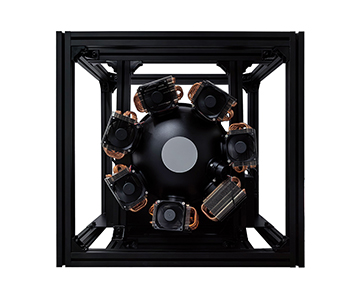
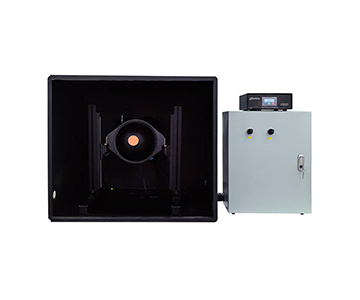
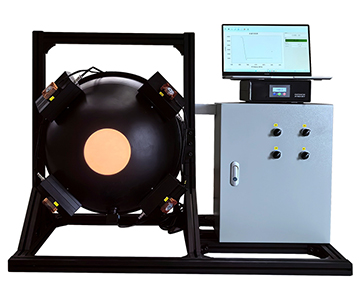
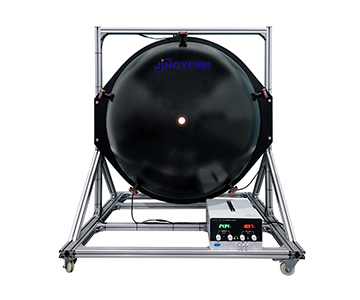
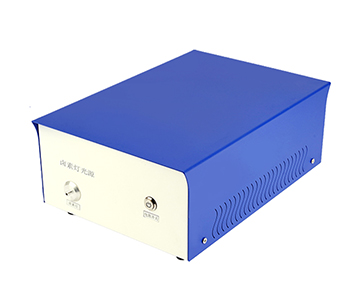
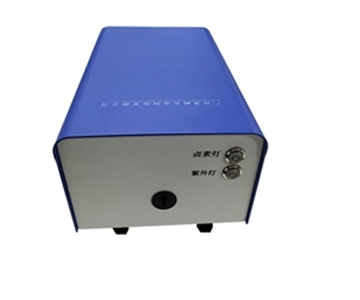
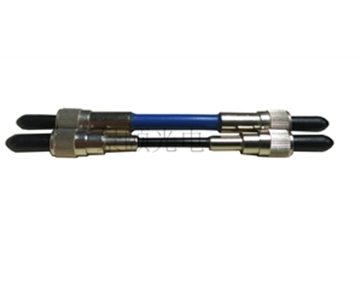
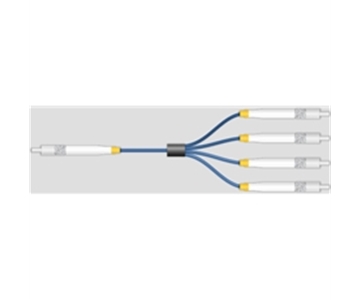
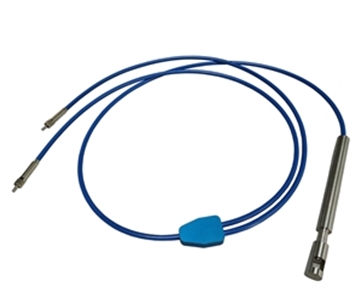
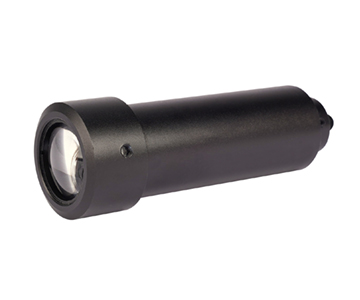
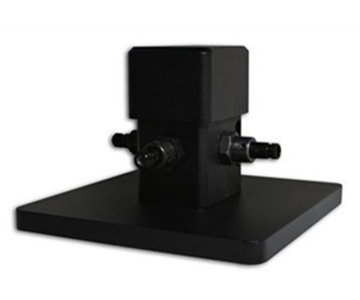
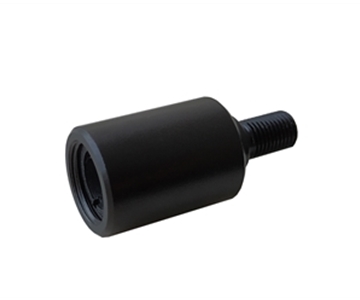
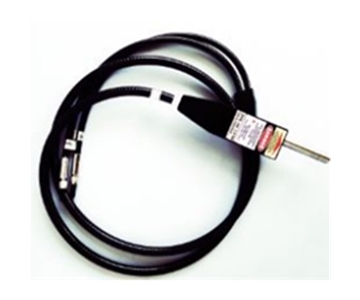
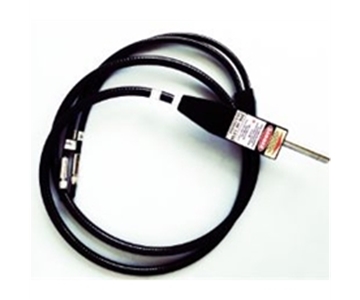
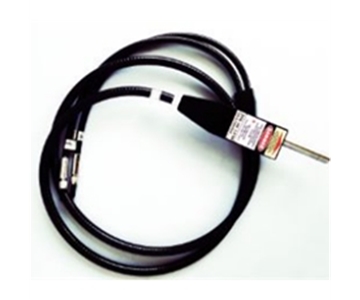
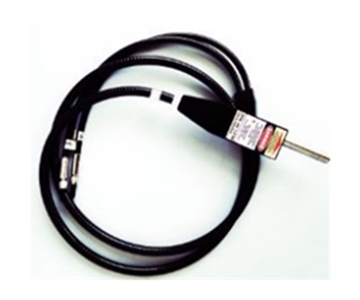
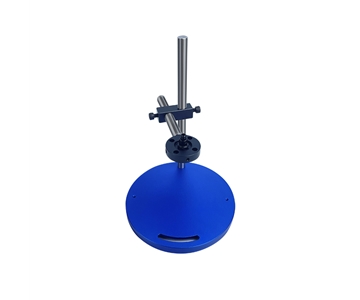
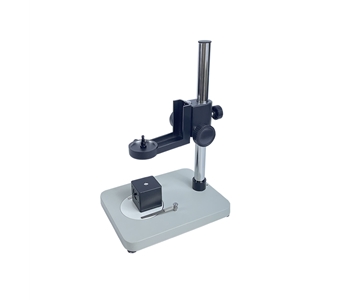
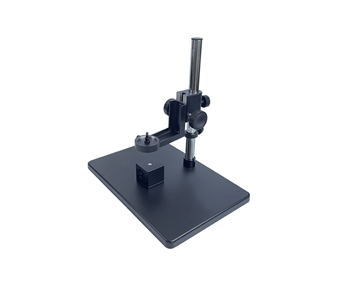
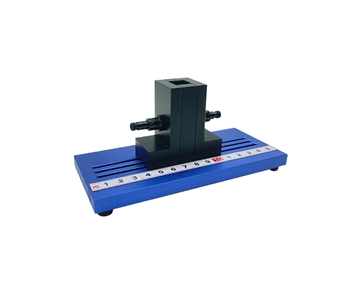
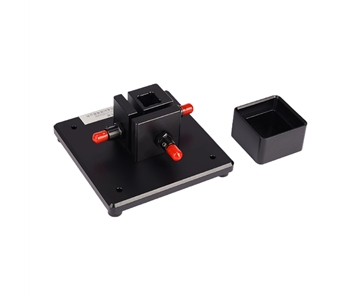
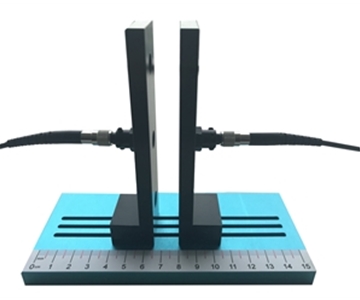
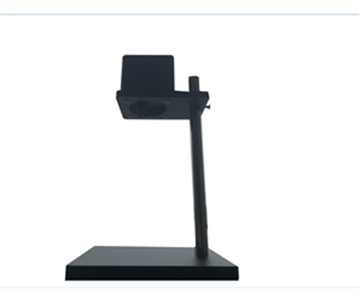
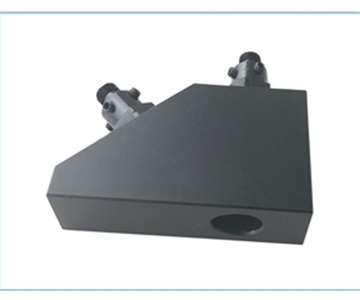
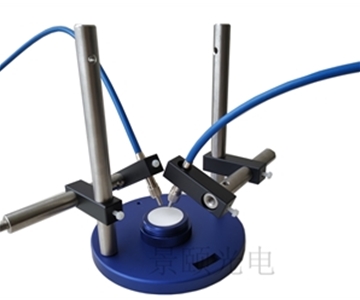
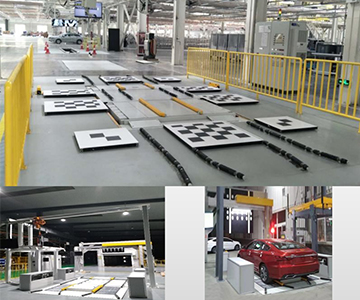
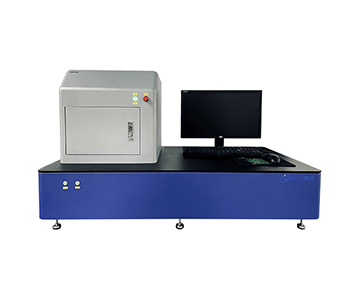
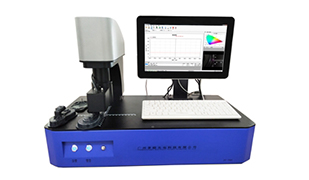
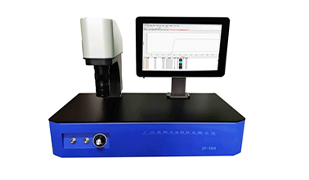
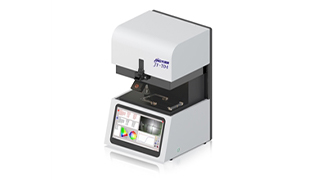
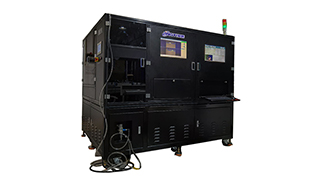
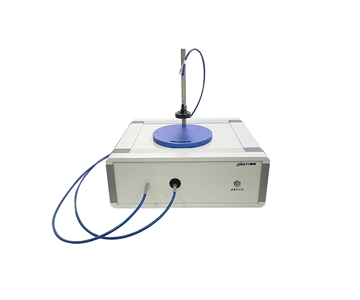
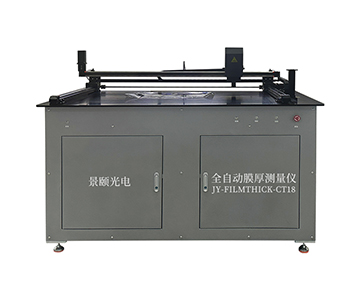
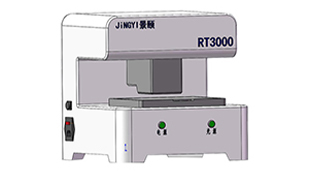
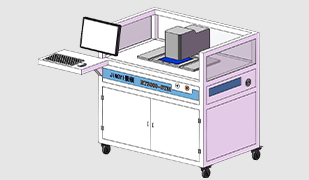
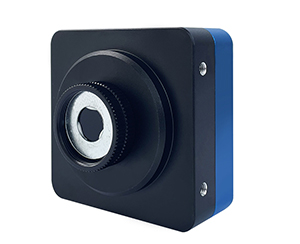
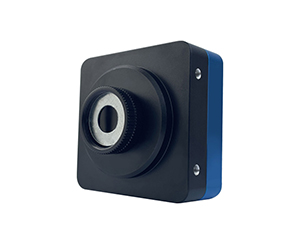
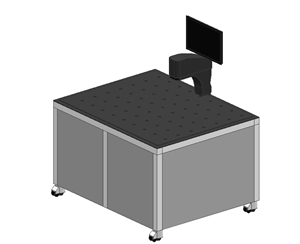
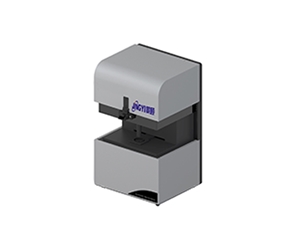
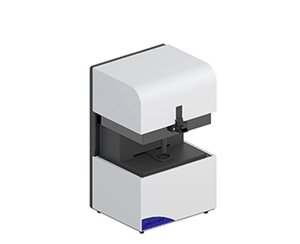
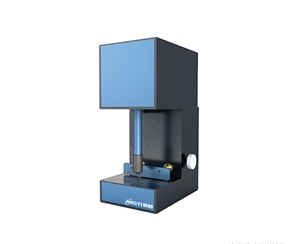
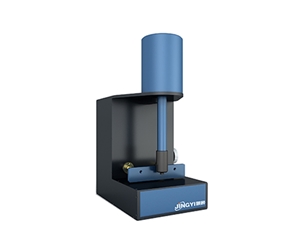
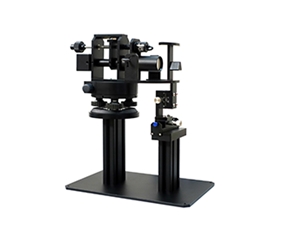
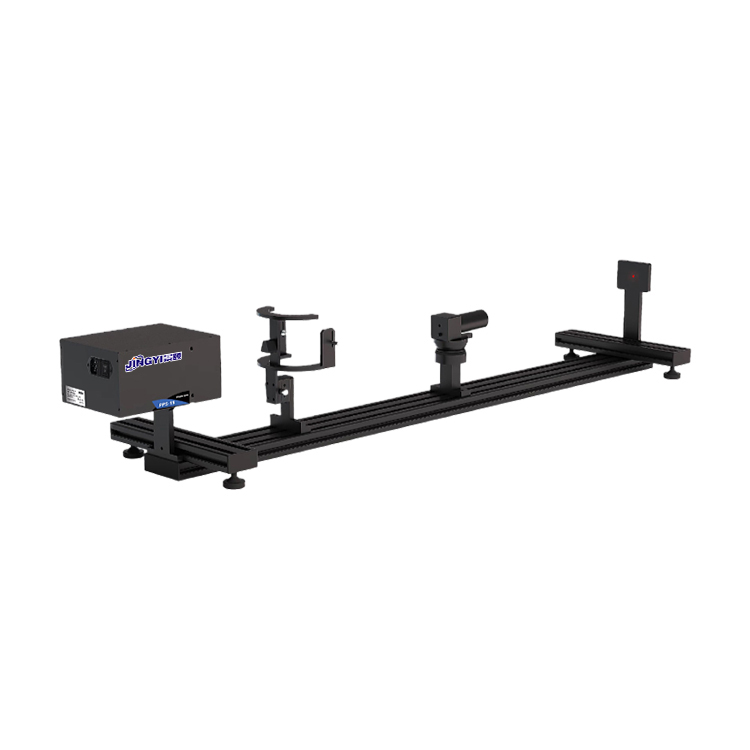
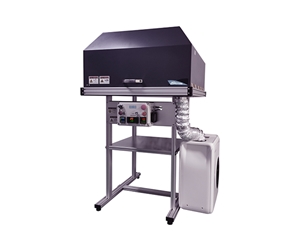
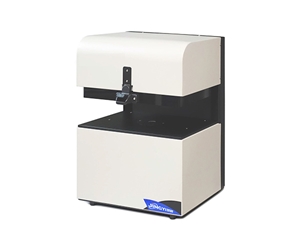
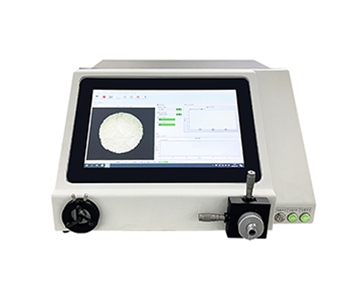
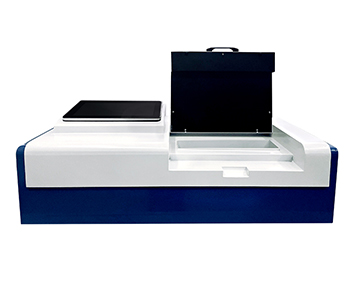
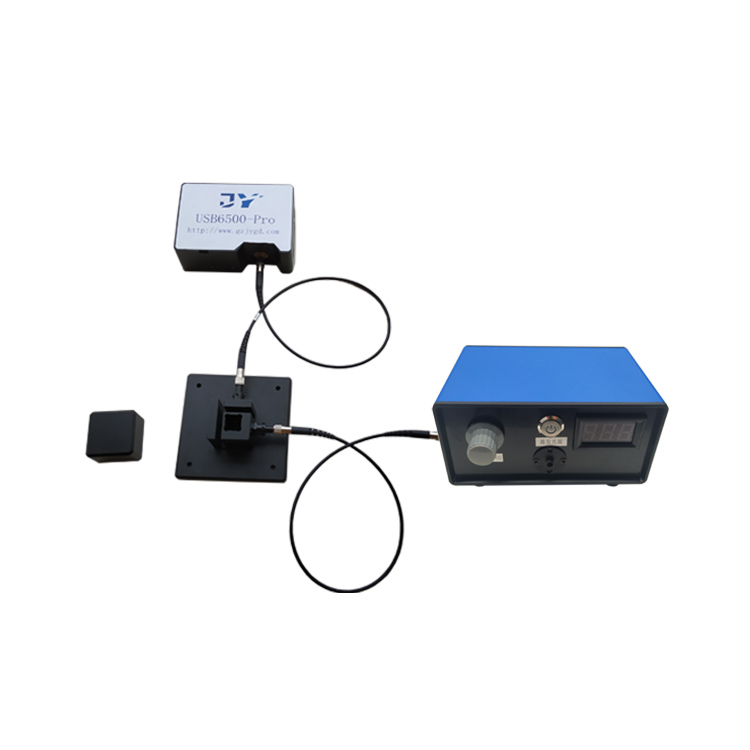
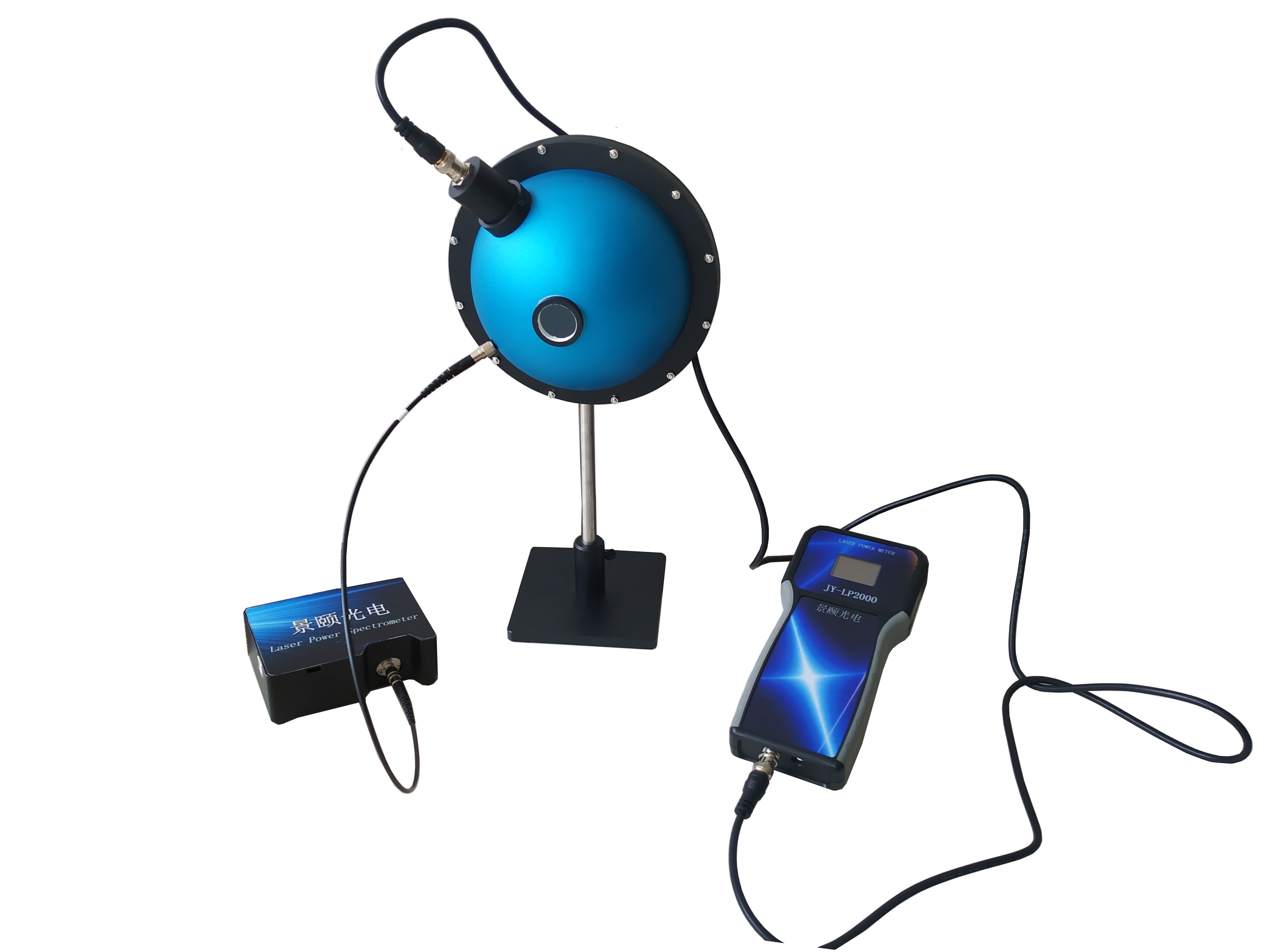
In the era of rapid advancement in laser technology, laser parameter performance continues to break new ground—made possible only by scientific, effective measurement methods and powerful instrumentation. The laser beam profiler, a critical instrument for detecting spatial cross-sectional intensity distribution and related parameters of a laser beam—and thereby assisting in beam quality evaluation—is also known as a beam profile analyzer. It plays a pivotal role across the entire laser domain.
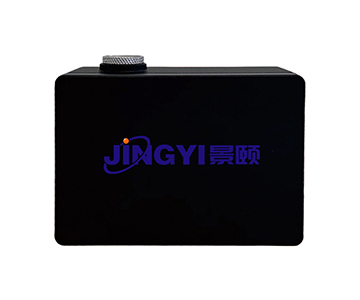
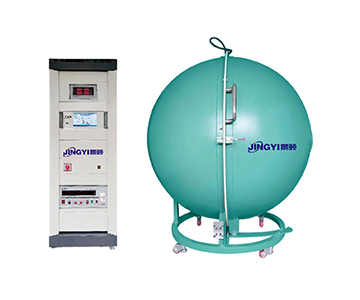
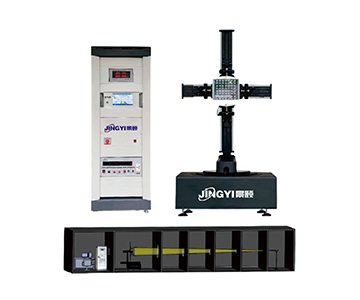
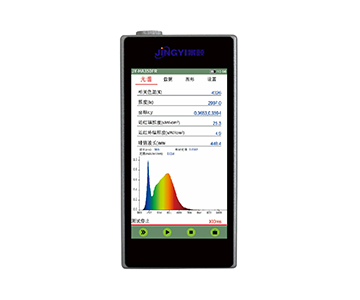
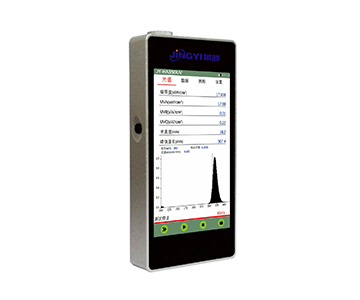
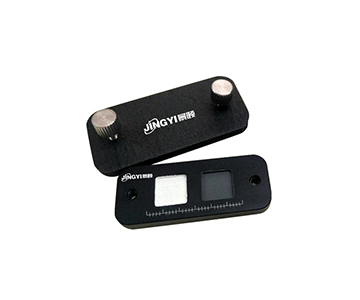
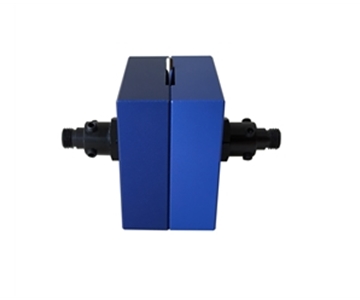
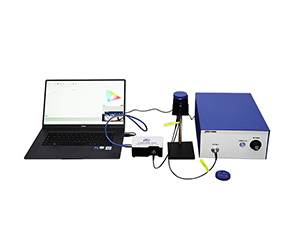
Jingyi Optoelectronics’ self-developed laser beam profiler delivers reliable measurement solutions to the laser industry, thanks to its outstanding performance and comprehensive functionality. This instrument supports a wide range of laser beam profiling and testing applications, enabling precise measurement and analysis of key beam parameters—including beam size, shape, and energy distribution. Furthermore, it offers customers integrated, customized beam quality analysis design solutions. With modular customization capabilities and multi-application development support, it meets diverse customer requirements and finds broad application in fields such as semiconductor lasers, solid-state lasers, fiber lasers, ultrafast lasers, and laser ranging.
Core Functions and Industry Significance of Laser Beam Profilers
The core functions of laser beam profilers are embodied in the following aspects:
- **2D Intensity Distribution Visualization within the Beam Spot**: Clearly displays the intensity distribution across the beam’s transverse plane, providing researchers with intuitive morphological information about the beam spot.
- **3D Multi-Angle Intensity Distribution Visualization within the Beam Spot**: Presents the beam’s intensity distribution characteristics from multiple angles in three dimensions, facilitating in-depth analysis of beam properties.
- **Orthogonal-Line Intensity Distribution Display and Fitted/Revised Visualization within the Beam Spot**: Delivers intensity distribution curves along orthogonal axes and supports curve fitting and revision to further enhance measurement accuracy.
- **Peak Intensity and Centroid Detection and Coordinate Display within the Beam Spot**: Accurately locates both the peak intensity position and centroid coordinates within the beam spot—providing essential reference data for downstream analysis and applications.
- **Beam Diameter Measurement Using Multiple Algorithms**: Employs various algorithms to measure beam diameter, accommodating diverse measurement scenarios and improving result reliability.
The implementation of these functions holds significant importance for the laser industry. For instance, during laser development and manufacturing, accurate measurement and analysis of beam quality enable optimization of laser design and fabrication processes—enhancing overall laser performance and stability. In application domains such as laser material processing and laser communications, precise knowledge of beam parameters helps improve processing quality and communication efficiency.
Definitions and Methods of Beam Diameter Measurement
Beam diameter is a critical parameter in laser beam metrology. However, measuring beam diameter is not as simple as using a ruler on a projection screen; rather, it requires rigorously standardized definitions and scientifically validated measurement methodologies.
Three commonly adopted definitions for beam diameter exist: Full Width at Half Maximum (FWHM), 1/e², and D4σ.
- **FWHM** (Full Width at Half Maximum) is defined as the distance between the two points on the horizontal axis where the intensity drops to half its peak value.
- **1/e²** defines beam width as the distance between the two points where intensity falls to 1/e² (~13.5%) of its peak.
- **D4σ**, based on the second moment of the intensity distribution *I(x, y)*, is defined as the distance spanning from –2σ to +2σ, where σ represents the standard deviation (i.e., the second central moment) of the intensity distribution along the *x* and *y* axes.
For most lasers generating Gaussian beams, the 1/e² definition accurately characterizes the intensity distribution under TEM₀₀ mode—and approximately 86% of the total beam energy lies within the 1/e²-defined diameter. Consequently, the 1/e² definition is widely adopted across the laser industry today. Conversely, for higher-order transverse modes or non-Gaussian beams, the D4σ method proves more appropriate.
It is important to note that fixed proportional relationships exist among these definitions. For example, for a fundamental-mode Gaussian beam, the diameter defined by 1/e² is significantly larger than that defined by FWHM. Moreover, both FWHM and 1/e² rely solely on percentages of peak intensity for calculation, without accounting for actual intensity distributions along orthogonal *x* and *y* axes. Thus, selecting the optimal definition and method must be guided by the type and characteristics of the beam under test.
Data Processing and Analysis
Data processing and analysis constitute a crucial step in beam quality assessment. Jingyi Optoelectronics’ laser beam profiler not only delivers core functionalities but also integrates a suite of practical data processing and analysis tools—empowering users to perform measurements efficiently and effectively.
For example, the profiler features automatic and manual coordinate rotation for *x*–*y* axes—particularly advantageous when measuring non-circularly symmetric beams generated by laser diodes (LDs). Additionally, it supports timed measurements with automatic data saving: users can preset measurement intervals, after which the instrument autonomously captures and stores data—enabling convenient tracking of temporal trends in beam parameters.
Upon completion of all measurements, the instrument records data comprehensively and reliably, then automatically compiles it into an analytical report with one click—greatly facilitating work for quality inspectors in the laser industry, who can directly attach the report to laser products delivered to end-users.
Selection and Application of Auxiliary Tools
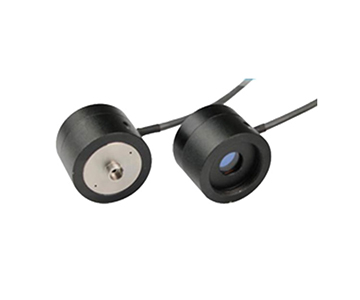
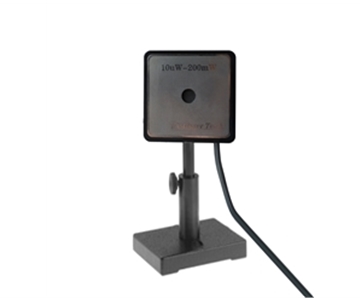
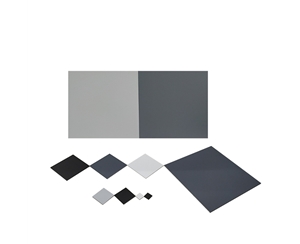
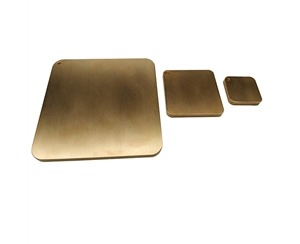
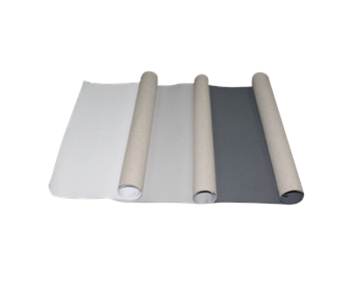
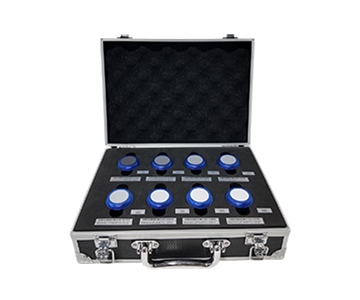
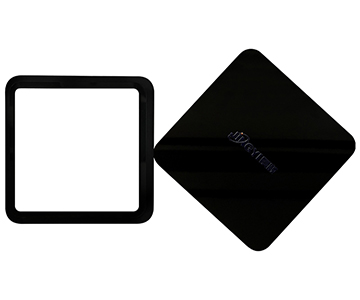
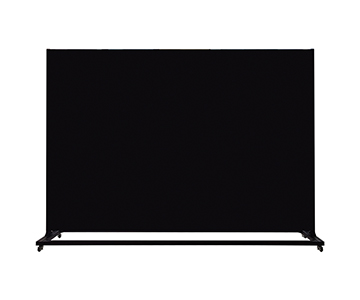
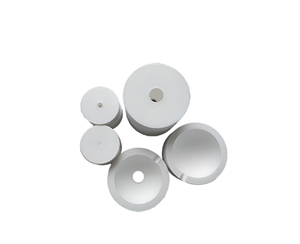
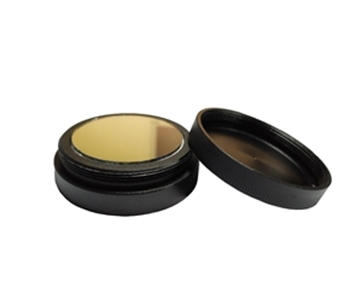
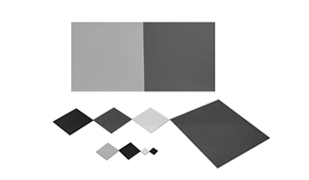
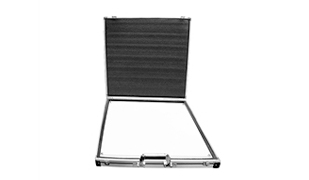
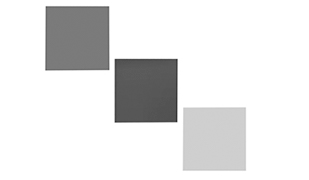
Although laser beam profilers are highly capable, certain auxiliary tools remain indispensable in practice. For instance, light-shielding and attenuation devices effectively block ambient light and appropriately attenuate the incident beam—protecting the profiler’s photosensitive target surface. Optical components—including absorptive neutral density (ND) filters and laser polarization extinction devices—can be selected according to the intensity and characteristics of the beam under test, enabling precise beam attenuation and control.
Tool selection should be guided by practical measurement needs and beam characteristics. For low-intensity beams, absorptive ND filters are suitable. For medium-intensity beams, standard attenuation filters may be damaged upon direct exposure—making polarization-based extinction a safer alternative. For high-intensity lasers, multi-stage residual-light reflection is recommended: first substantially reducing the original beam intensity, then applying conventional attenuation and measurement techniques.
In summary, laser beam profilers serve as indispensable metrological instruments in the laser field—playing a vital role in advancing laser technology and expanding its applications. Jingyi Optoelectronics’ laser beam profiler stands out through its robust performance, rich functionality, and extensive application experience—offering users dependable, tailored measurement solutions. Meanwhile, selecting appropriate auxiliary tools and mastering correct data processing and analysis techniques are equally critical to ensuring measurement accuracy and reliability. We hope this article provides helpful guidance and reference for professionals engaged in related work—enabling them to perform beam intensity distribution characterization and parameter measurement tasks more rationally and effectively.
#LaserBeamProfiler #BeamQualityAnalyzer #BeamMeasurementInstrument #BeamProfiler #BeamAnalyzer #BeamQualityAnalysisSystem