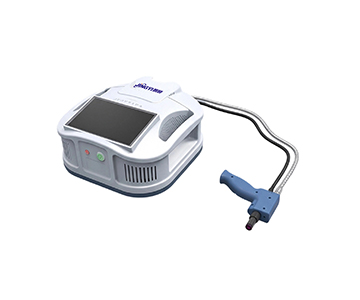
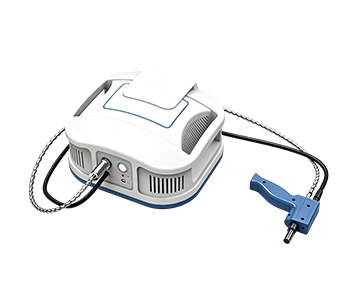
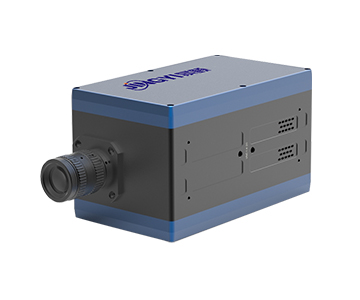
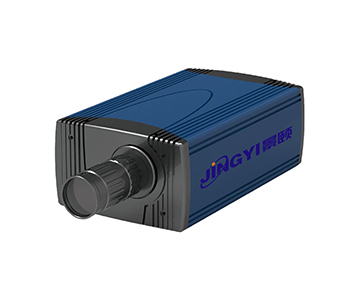
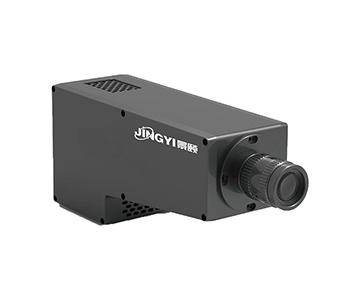
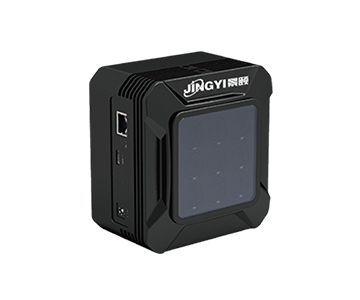
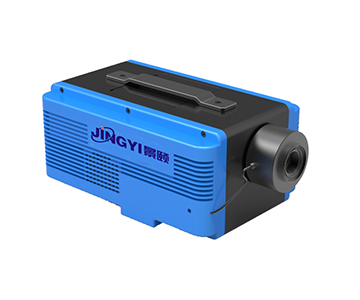
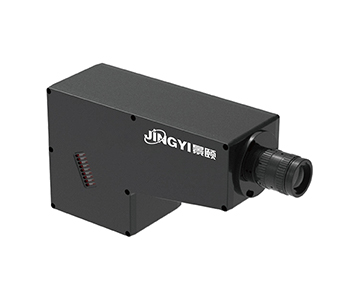
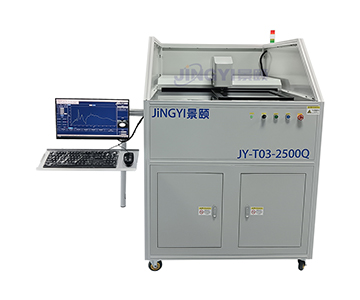
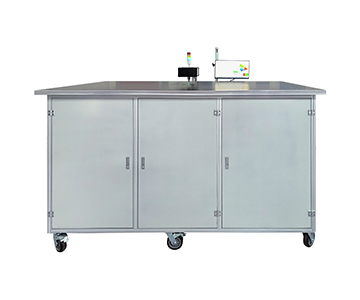
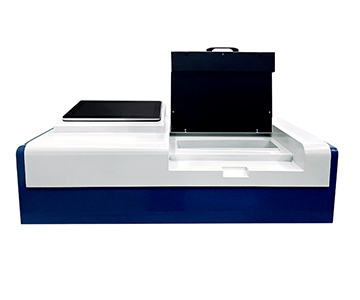
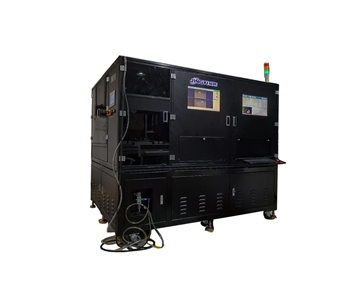
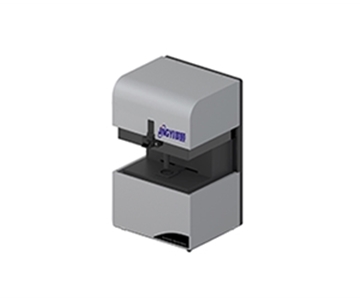
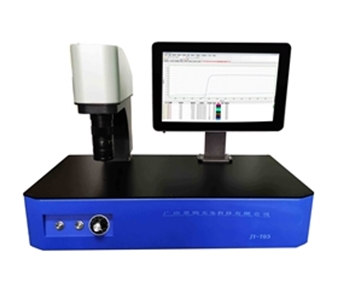
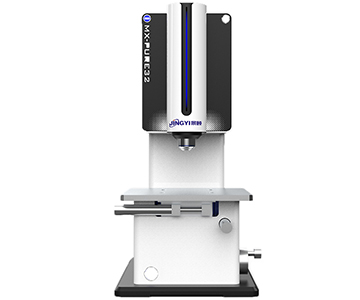
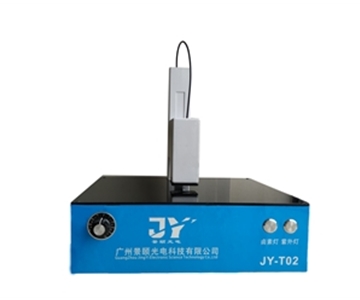
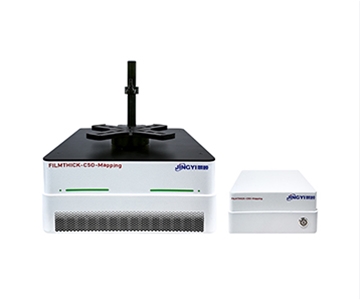
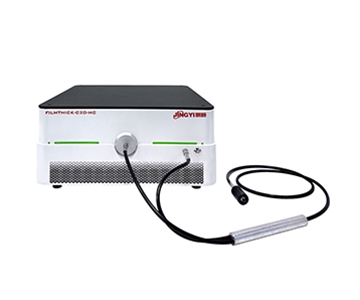
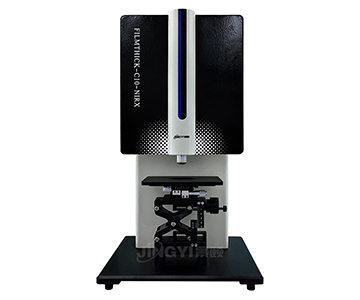
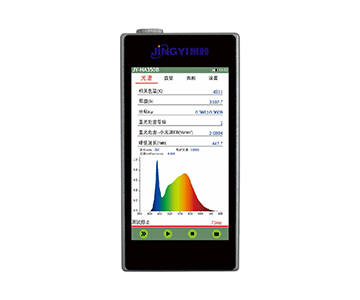
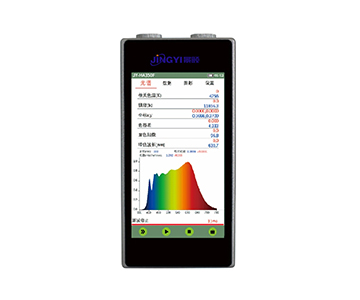
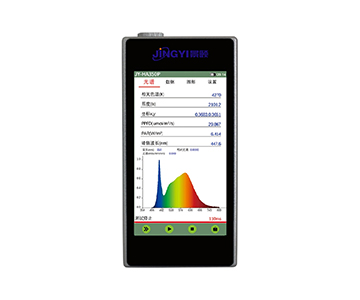
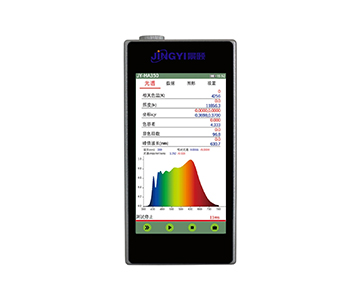
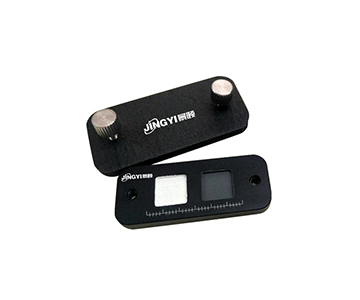
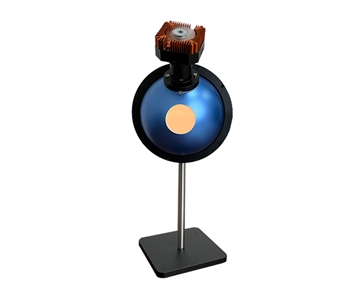
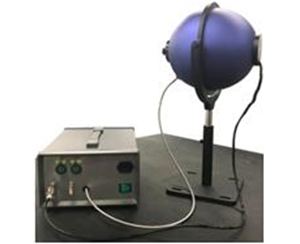
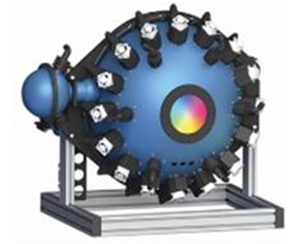
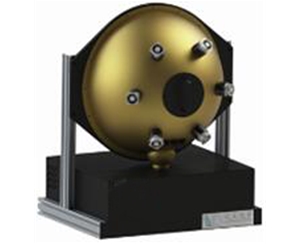
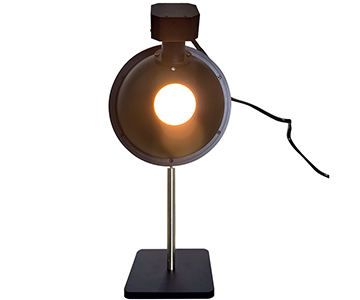
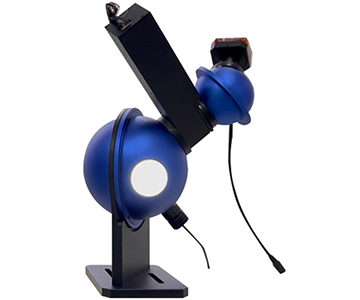
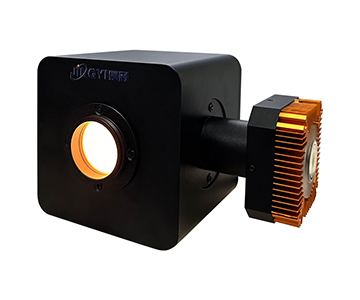
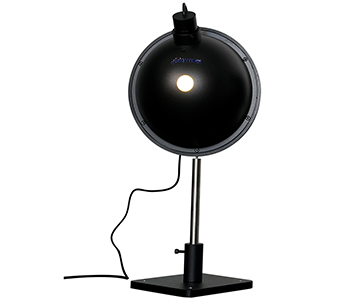
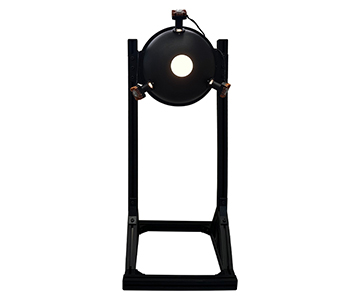
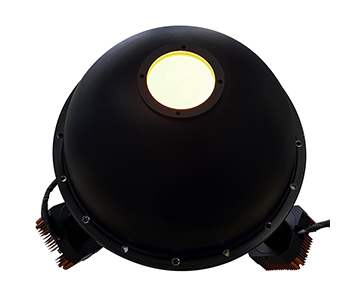
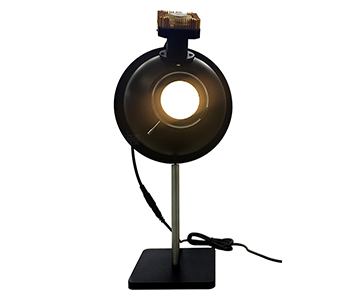
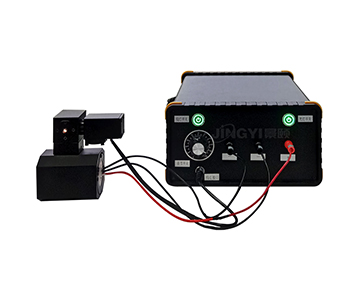
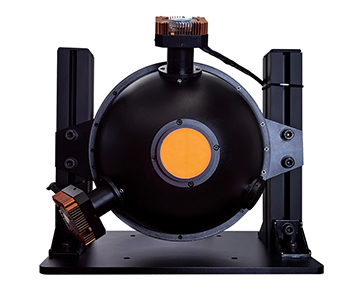
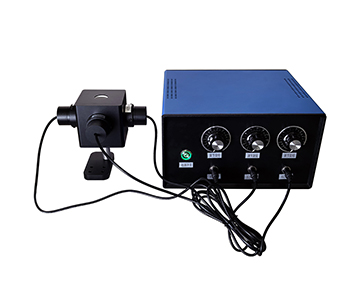
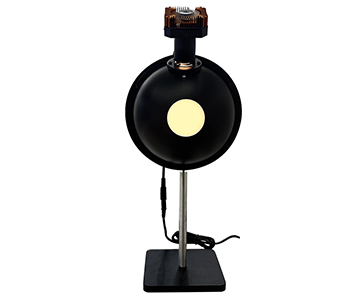
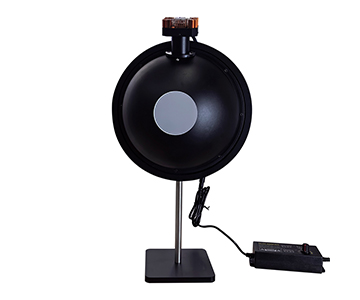
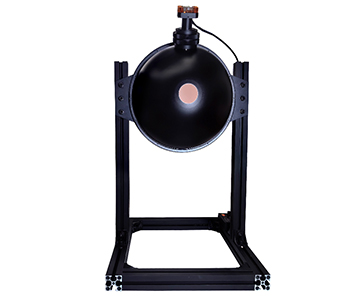
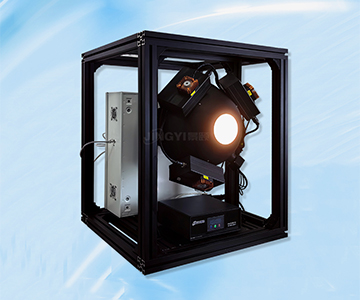
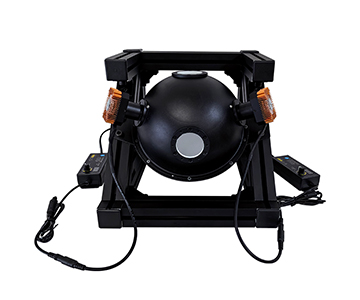
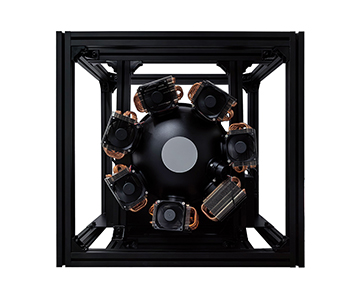
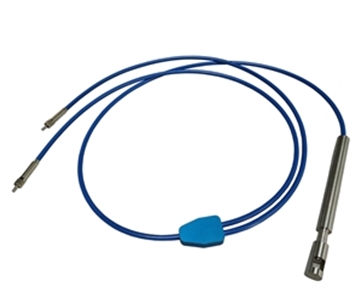
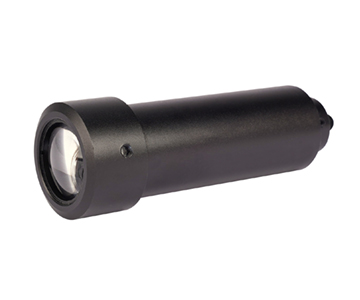
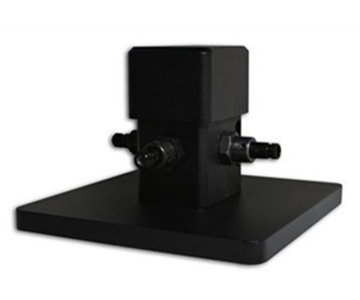
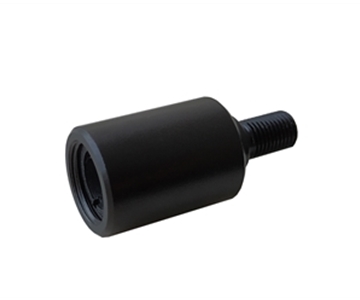
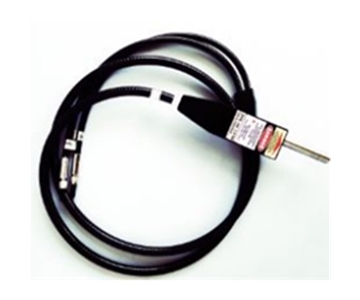
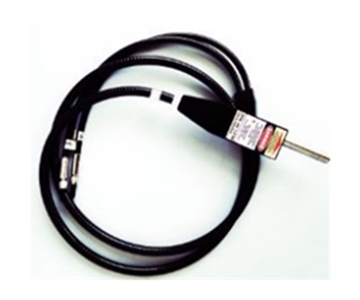
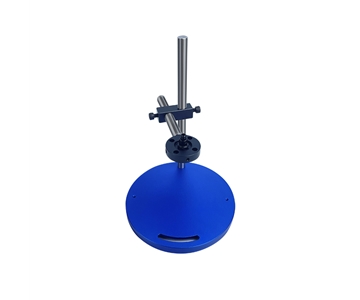
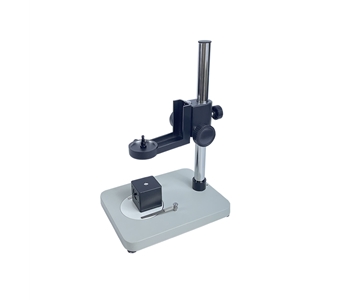
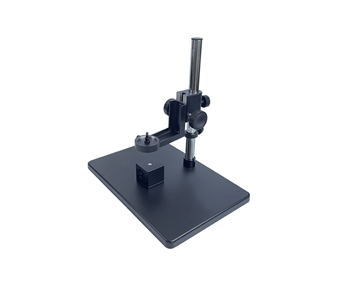
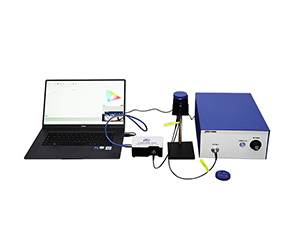
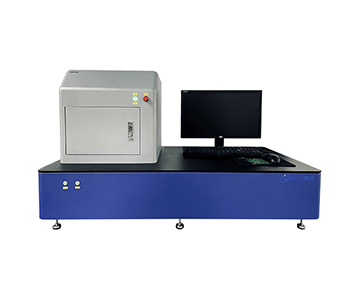
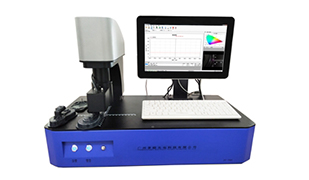
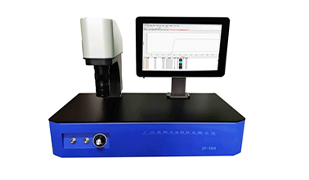
Jingyi Optoelectronics Spot Quality Analyzer: Solving Laser Beam Profiling Challenges
As laser technology becomes increasingly pervasive across industrial manufacturing, fiber-optic communications, biomedical applications, and precision ranging, downstream users demand ever-greater stability and uniformity in laser beam parameters. Historically, many manufacturers relied either on manual visual inspection using white screens—a method with error rates exceeding 40%—or imported beam profiling equipment costing tens of thousands to over one hundred thousand RMB per unit, often suffering from poor compatibility and sluggish responsiveness to non-standard measurement requirements of domestic lasers. Moreover, numerous users have inadvertently damaged instrument sensor targets while measuring high-power lasers due to the absence of integrated attenuation solutions—resulting in avoidable financial losses.
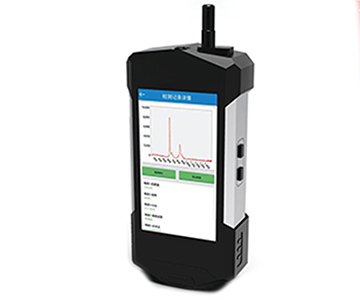
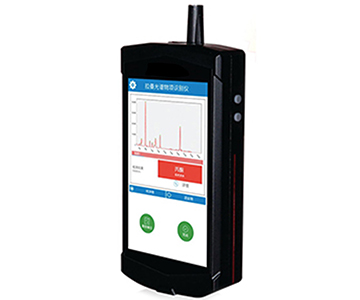
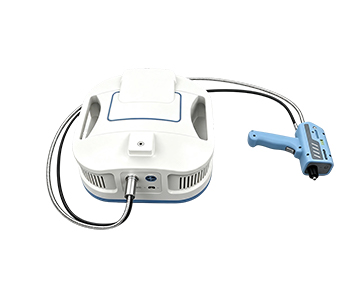
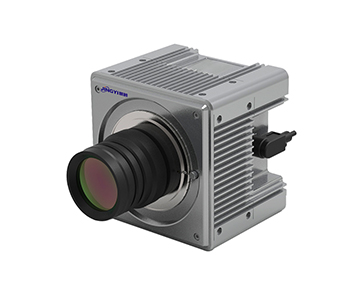
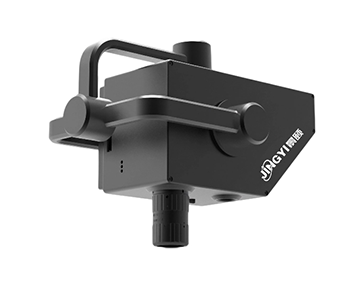
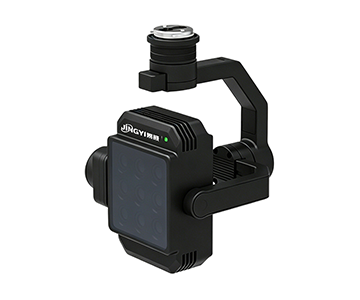
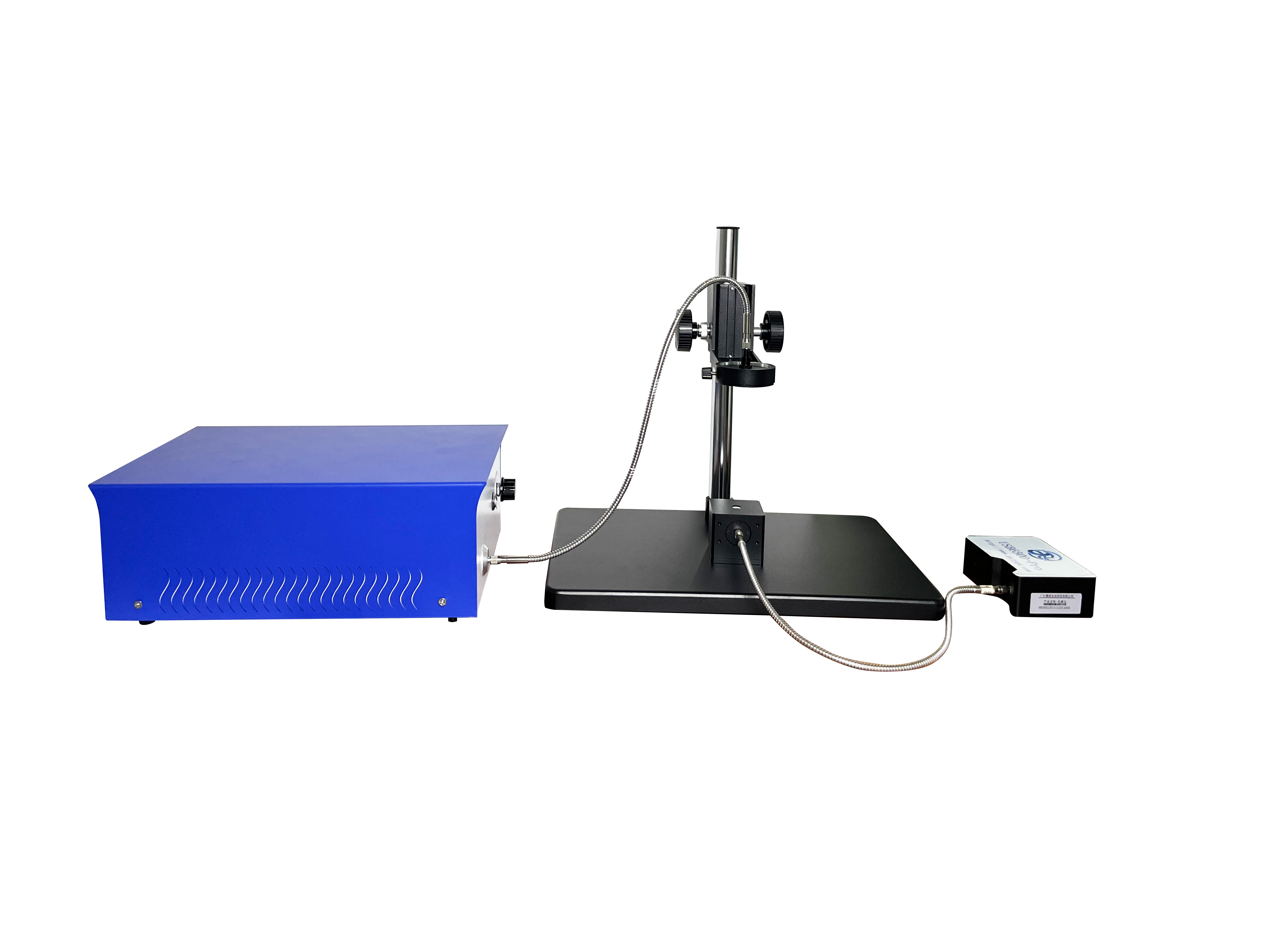
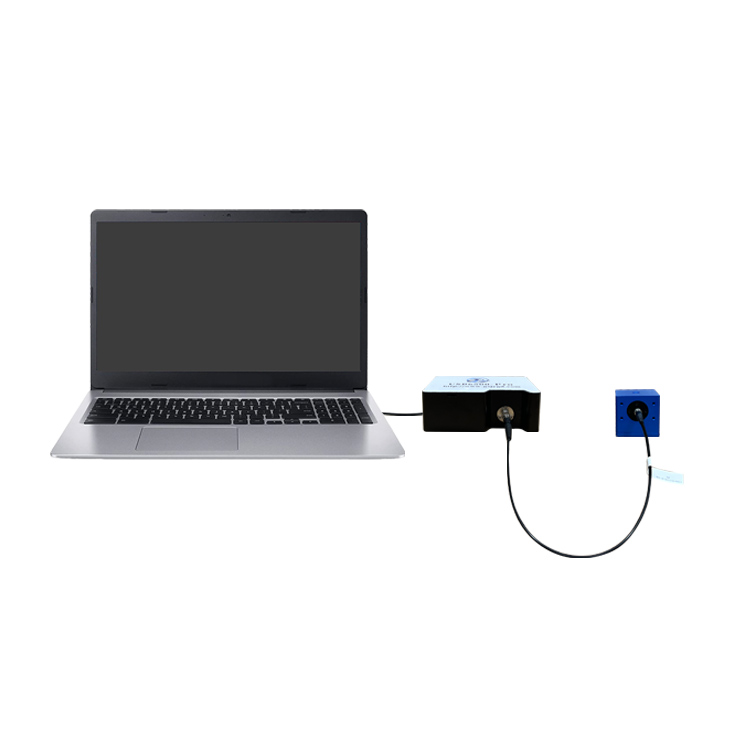
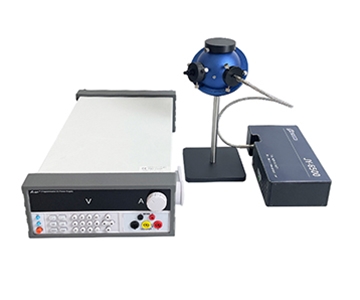
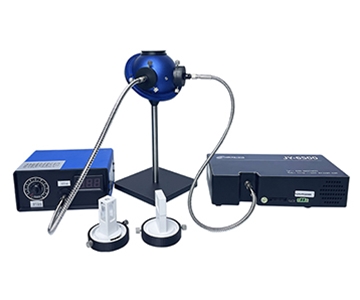
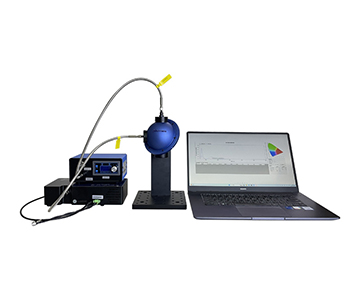
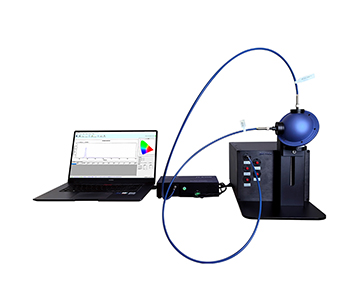
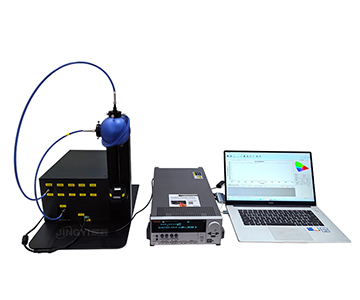
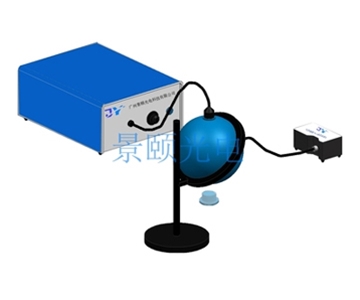
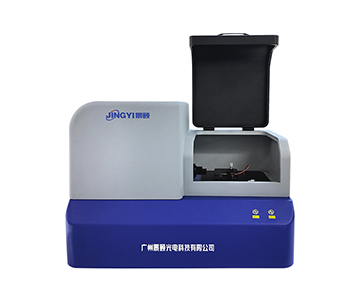
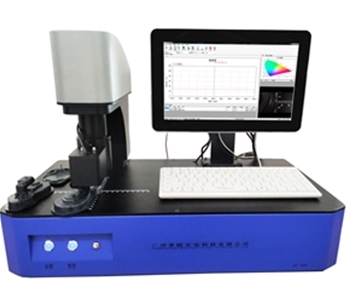
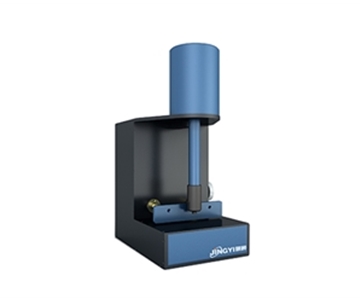
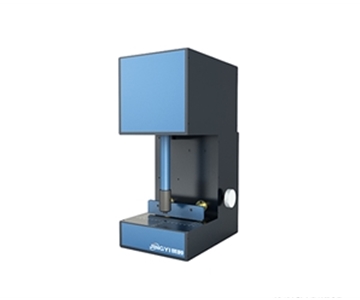
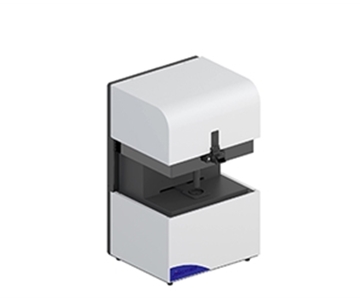
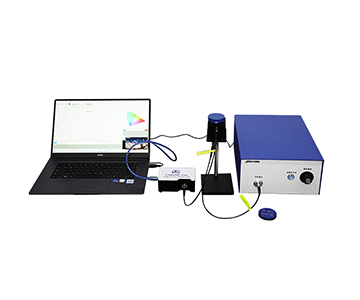
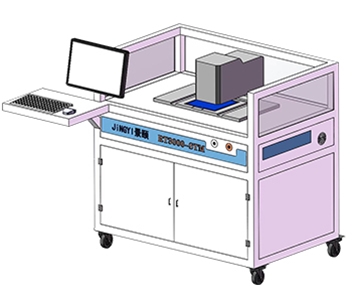
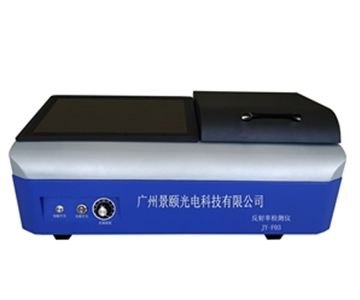
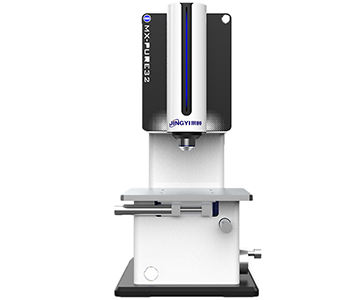
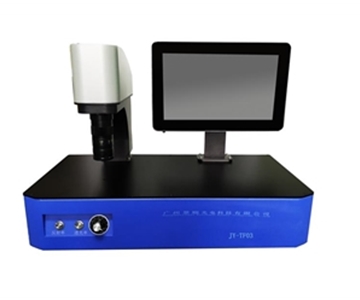
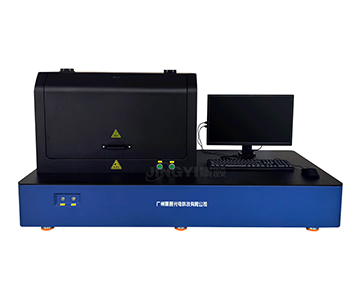
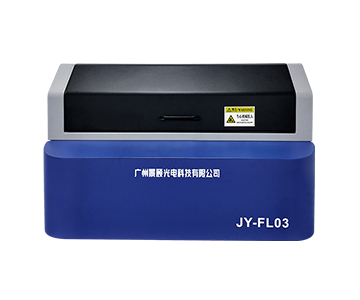
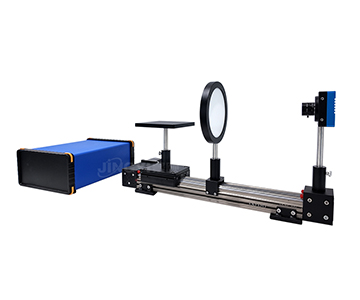
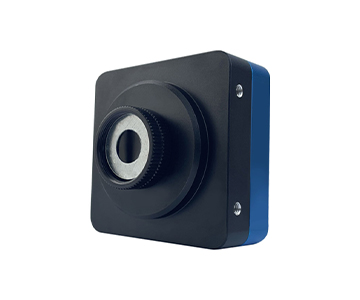
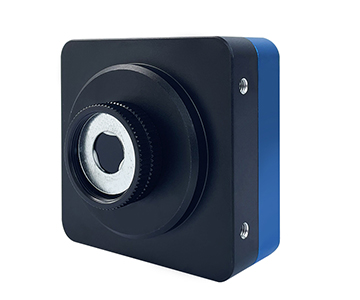
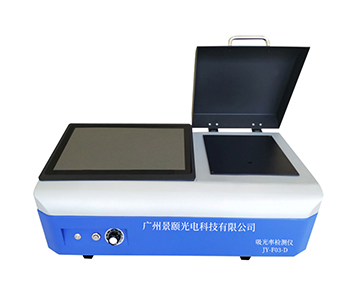
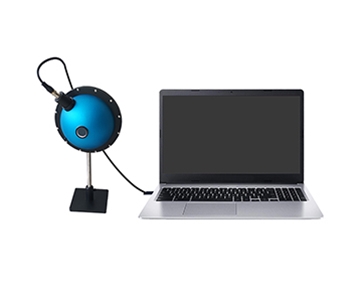
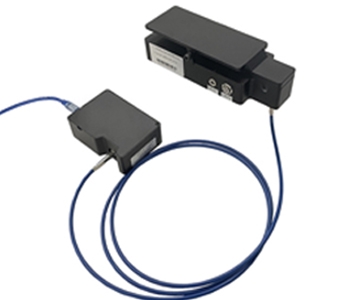
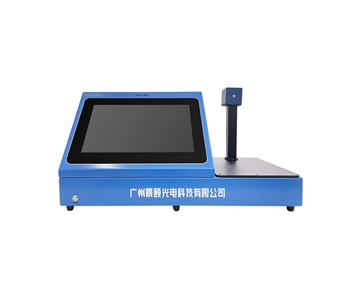
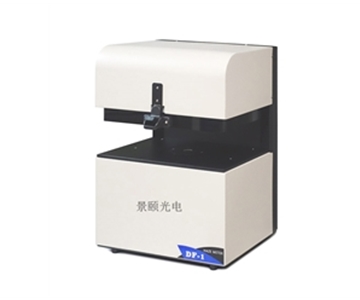
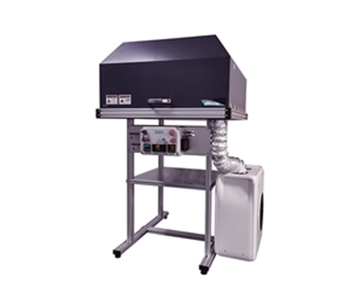
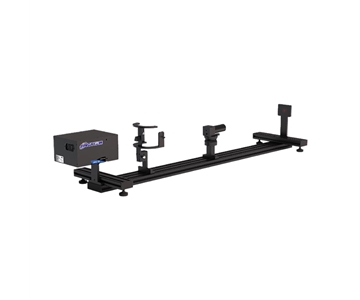
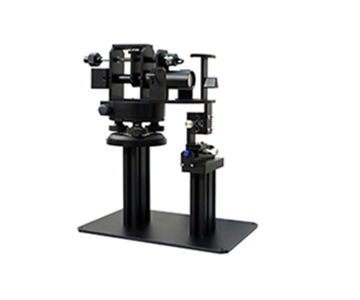
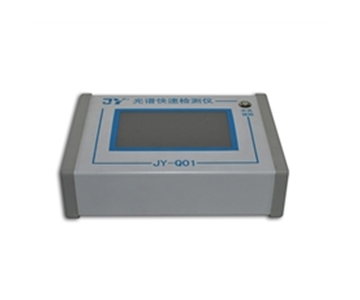
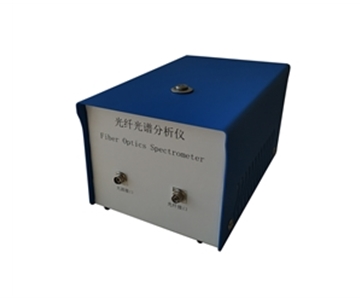
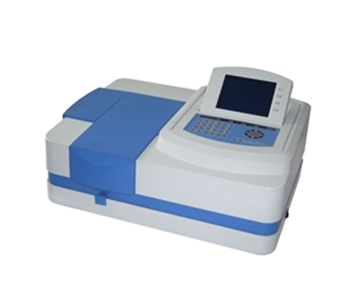
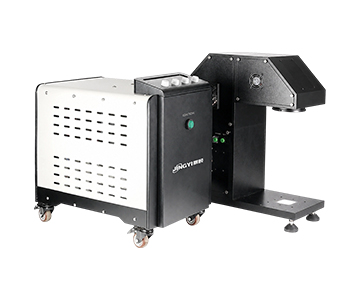
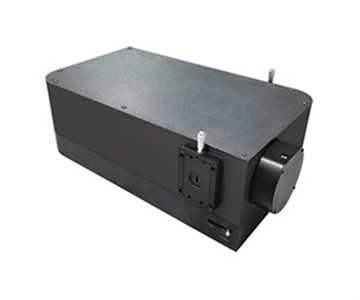
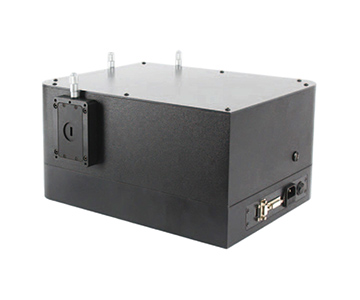
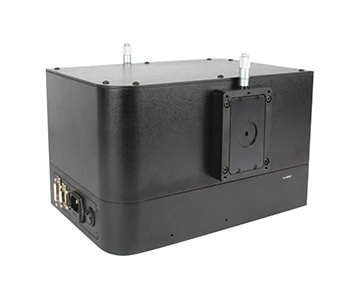
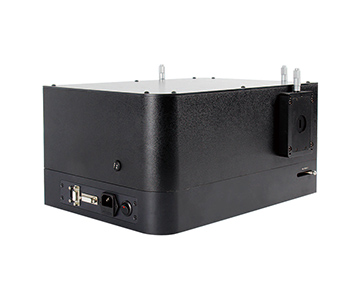
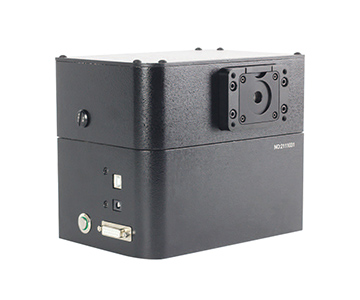
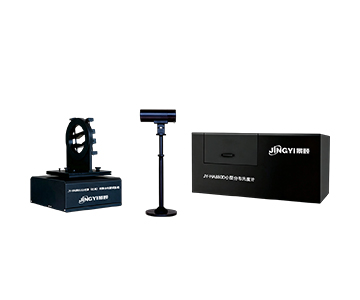
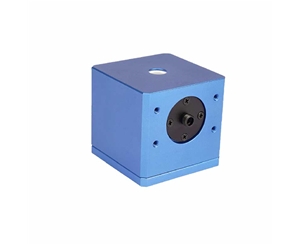
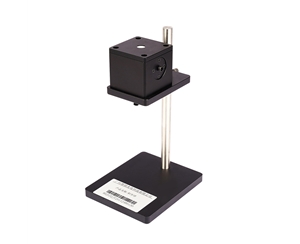
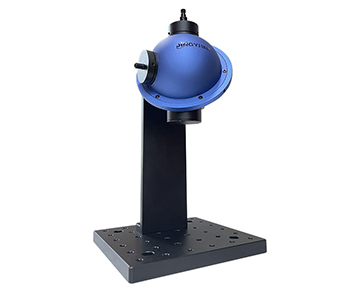
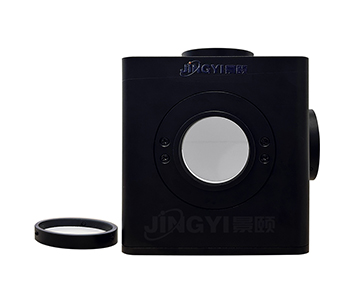
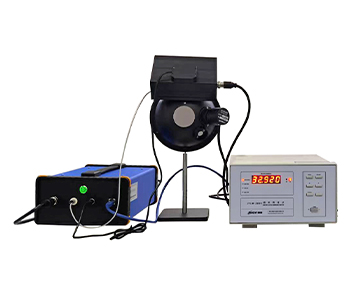
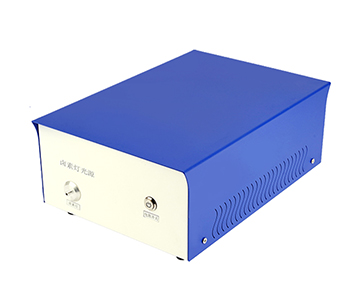
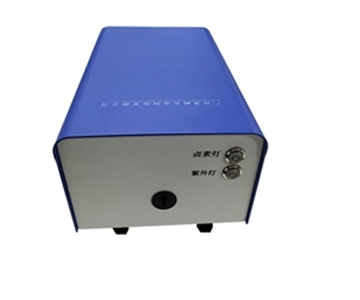
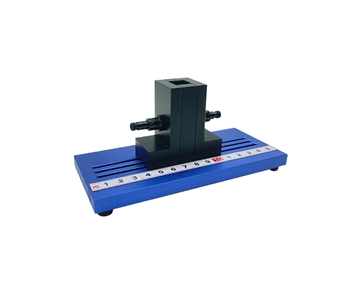
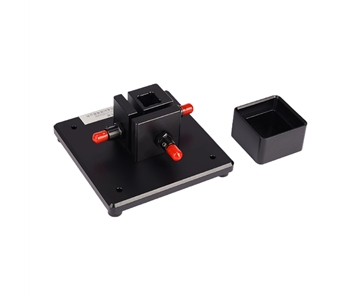
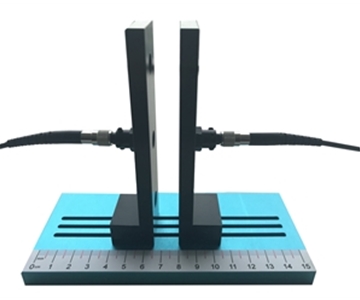
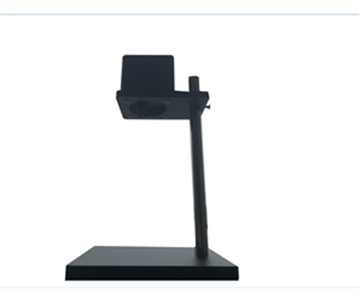
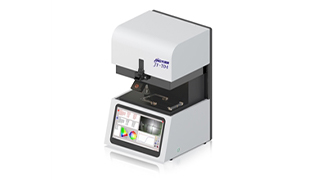
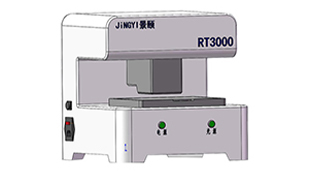
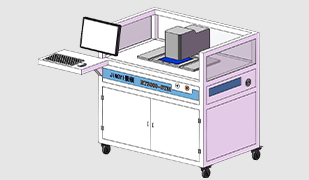
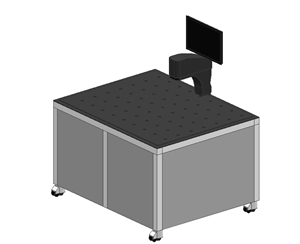
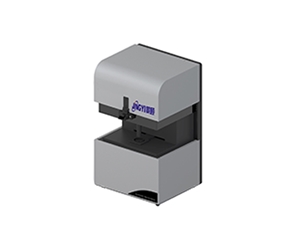
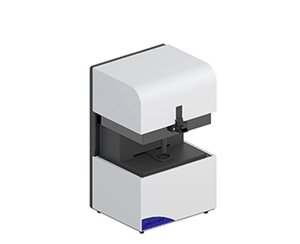
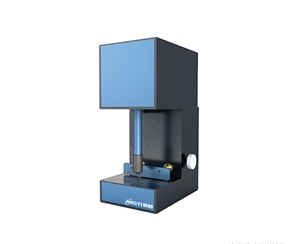
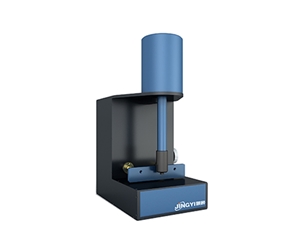
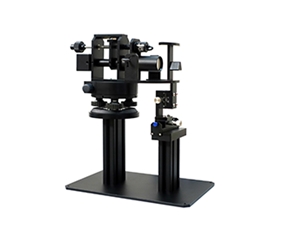
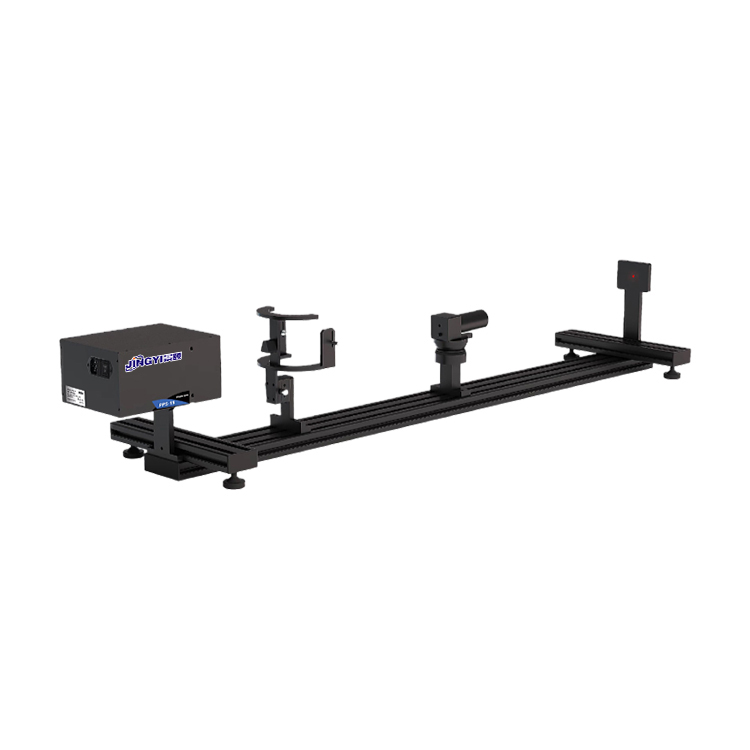
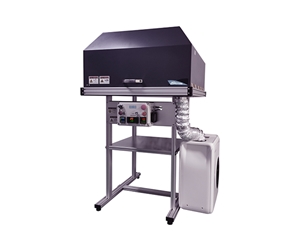
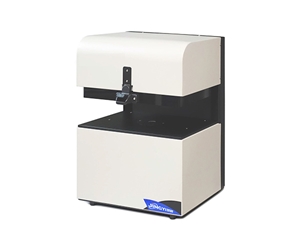
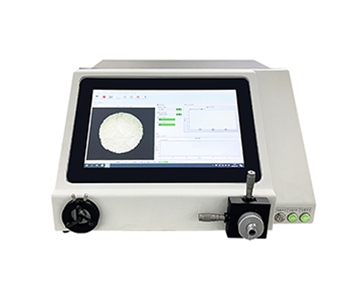
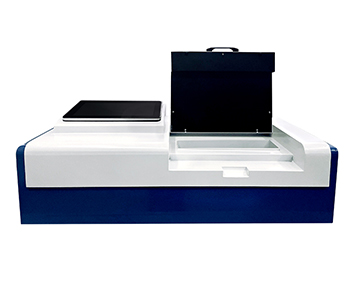
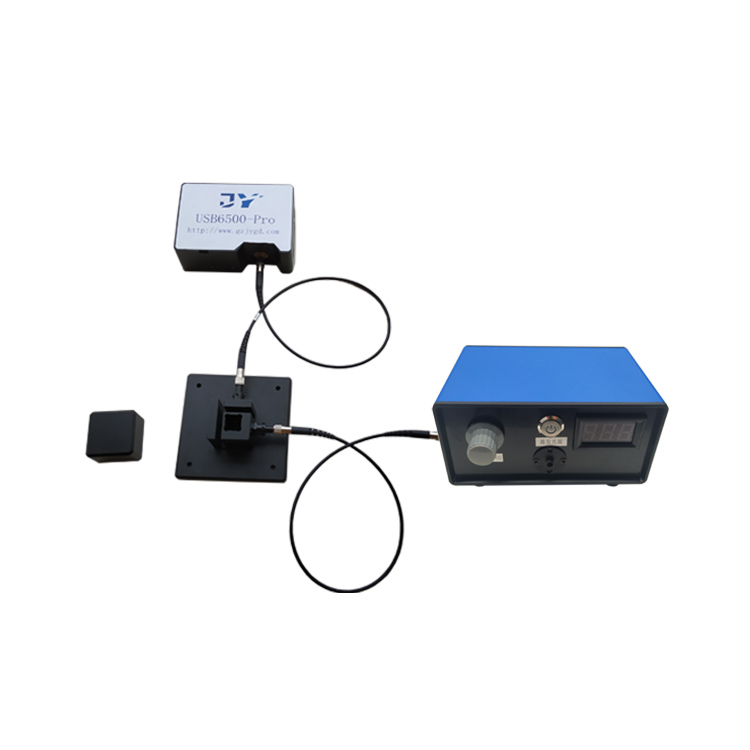
To address these widespread industry pain points, Jingyi Optoelectronics has developed an in-house foundational Spot Quality Analyzer, establishing a versatile beam profiling system covering multiple laser types and power ranges. It enables micron-level quantitative analysis of critical beam characteristics—including shape, size, and energy distribution. Furthermore, the analyzer supports modular customization: functionalities can be tailored to specific user needs, delivering superior cost-effectiveness compared to equivalent imported instruments. Today, it is widely deployed across R&D and production environments for semiconductor lasers, solid-state lasers, fiber lasers, ultrafast lasers, and laser rangefinding applications.
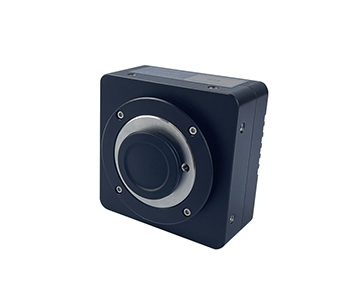
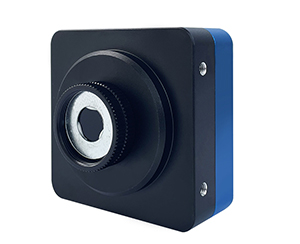
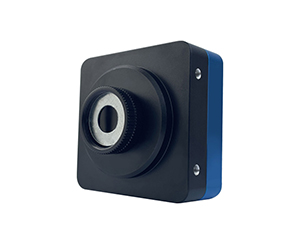
Many users encounter confusion when measuring the same beam with different instruments—only to find inconsistent diameter results. The root cause lies in divergent industry-standard definitions for beam diameter calculation. Currently, three primary methods are widely adopted: Full Width at Half Maximum (FWHM), 1/e² intensity boundary, and D4σ second-moment algorithm—each suited to distinct application scenarios. FWHM offers rapid assessment of core dimensions for low-order Gaussian beams; the 1/e² boundary encompasses over 86% of total beam energy and better reflects the actual propagation behavior of fundamental transverse-mode lasers; while the D4σ algorithm accommodates higher-order, asymmetric, or otherwise unconventional beam profiles—though it remains highly sensitive to background noise, where even minor ambient light interference may significantly inflate measured values. Jingyi’s Spot Quality Analyzer integrates all three algorithms natively, enabling users to switch seamlessly among them with a single click based on the laser under test. Additionally, the instrument features automatic background noise subtraction—ensuring measurement errors remain within ±2%, even when using the D4σ method. Its image sensor boasts pixel dimensions of just 2.9 × 2.9 μm, capable of resolving ultra-fine beams as small as 29 μm in diameter, while supporting a maximum measurable beam diameter of 4.4 mm—sufficient for the vast majority of industrial and R&D beam profiling requirements.
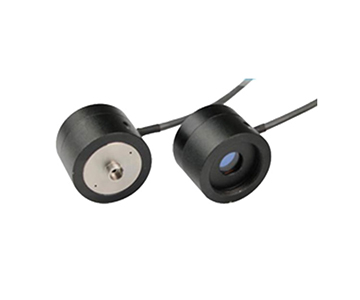
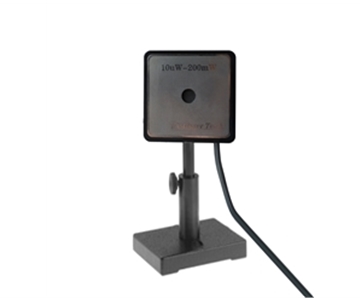
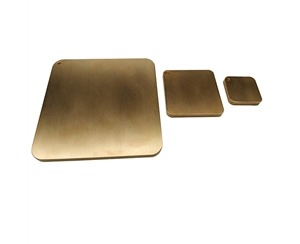
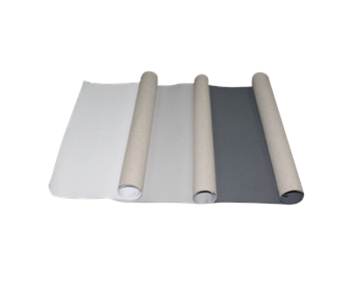
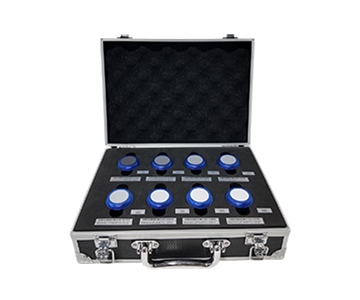
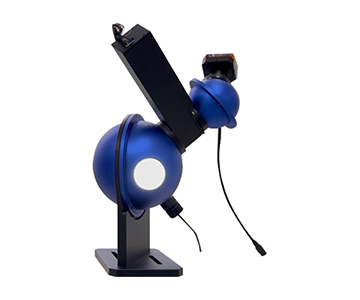
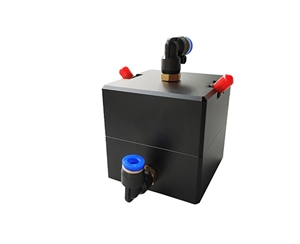
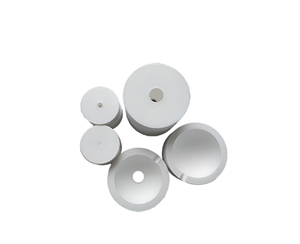
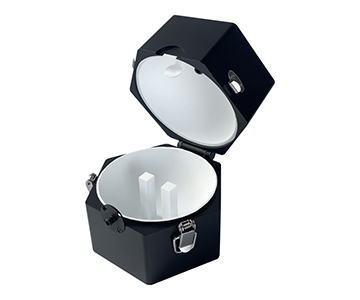
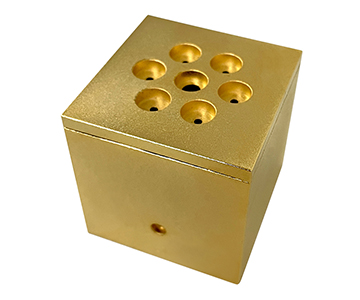
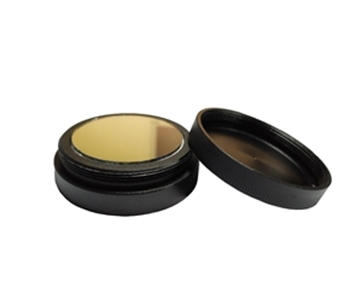
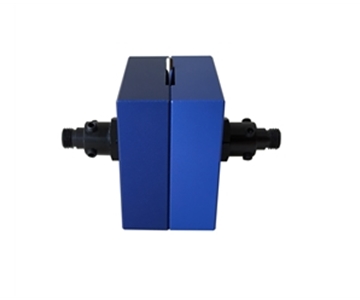
To prevent sensor damage during high-power laser measurements, the analyzer ships standard-equipped with dedicated neutral-density (ND) filters. Users may further select optional high-power attenuation modules, enabling safe profiling of lasers up to 1000 W—eliminating the need to construct complex reflective attenuation setups manually. The device also provides both manual and automatic exposure/gain control modes: novices can use Auto mode for immediate, clear beam visualization, while experienced researchers retain full manual control for optimal measurement accuracy.
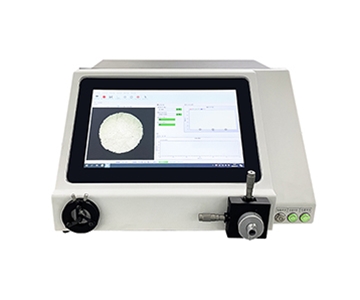
In practice, the analyzer outputs not only 2D and 3D pseudo-color beam energy distribution maps but also computes key real-time metrics—including major/minor axis diameters, ellipticity, Gaussian fit quality, beam centroid position, and divergence angle. For high-volume production-line inspection, users can define custom Pass/Fail thresholds; any out-of-spec beam triggers an automatic alert—removing the need for manual parameter verification. When monitoring long-term beam drift during laser operation, users simply preset the measurement interval—the instrument autonomously records data continuously, and all results can be exported with one click or formatted directly into standardized inspection reports—greatly improving testing efficiency. For non-circularly symmetric semiconductor laser beams, the system supports coordinate rotation adjustment to ensure X/Y diameter measurements accurately reflect the true beam morphology.
This instrument is already operational across multiple downstream applications:
- In laser出厂 quality assurance, it rapidly identifies beam mode defects, preventing substandard products from entering the market;
- During fiber coupling, it displays real-time post-coupling beam energy distribution, allowing technicians to quickly optimize alignment—boosting coupling efficiency by over 3× versus conventional manual methods—and proactively detects localized absorption points induced on fiber facets by high-power lasers, thus averting later-stage failures such as fiber burnout caused by increased scattering and declining coupling efficiency;
- In optical component QA, it efficiently verifies collimator collimation performance and assesses transmission/reflection uniformity of optical lenses—dramatically accelerating inspection throughput;
- In external optical path setup, real-time beam feedback enables full-path alignment completion in under 15 minutes—improving efficiency by more than 80% compared to traditional white-screen visual alignment.
Beyond these capabilities, the analyzer utilizes a USB 3.0 interface for high-speed, low-latency data transfer. Its intuitive graphical user interface requires minimal training—even personnel without prior beam profiling experience can become proficient after brief instruction. The platform also supports customizable functional extensions, enabling integration with embedded systems or automated production-line inspection workflows. Looking ahead, Jingyi Optoelectronics will continue algorithmic innovation—incorporating AI-powered recognition techniques into beam analysis to enable automated defect detection and intelligent optimization recommendations, thereby delivering enhanced end-to-end quality control solutions for the global laser industry.
#SpotQualityAnalyzer #LaserBeamProfiler #BeamAnalyzer #BeamProfiler #SpotQualityInspector #BeamAnalysisSystem