Background and Calibration Requirements for Optical Calibration
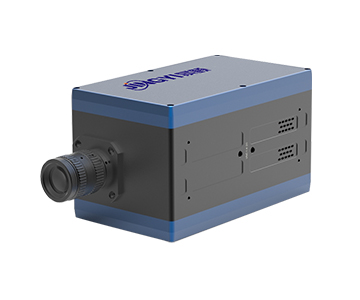
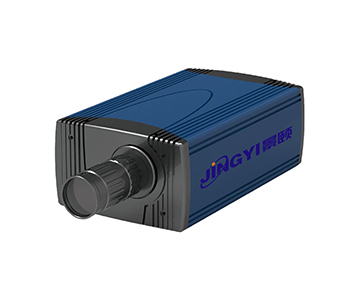
Mobile phone cameras used in daily life, vehicle safety perception systems, Earth-orbiting remote-sensing satellites, and low-light night-vision devices all undergo multiple rounds of optical calibration prior to shipment. During calibration, the core reference standard is a stable, uniform output light field. Historically, many calibration errors originated from localized brightness non-uniformity in the reference light—particularly problematic for calibrating miniature CMOS or CCD image sensors. In such cases, large-aperture light sources often require additional apertures to reduce beam size, which can introduce further intensity non-uniformity.
Introduction and Technical Features of the Universal Integrating Sphere
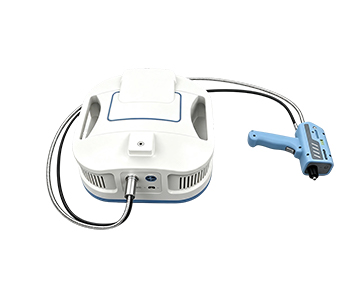
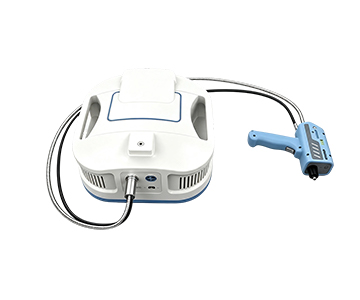
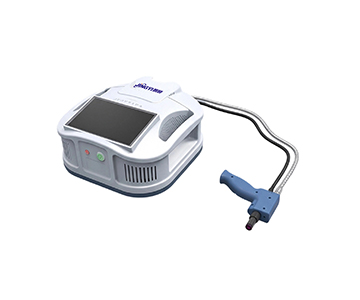
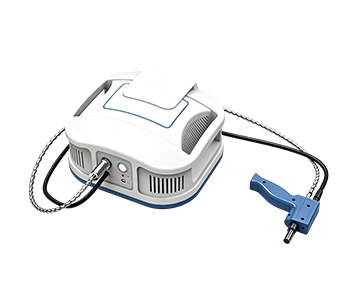
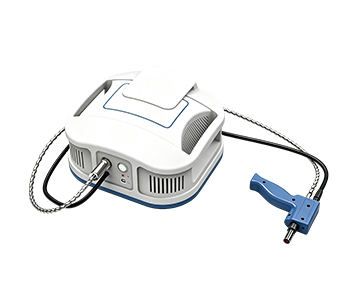
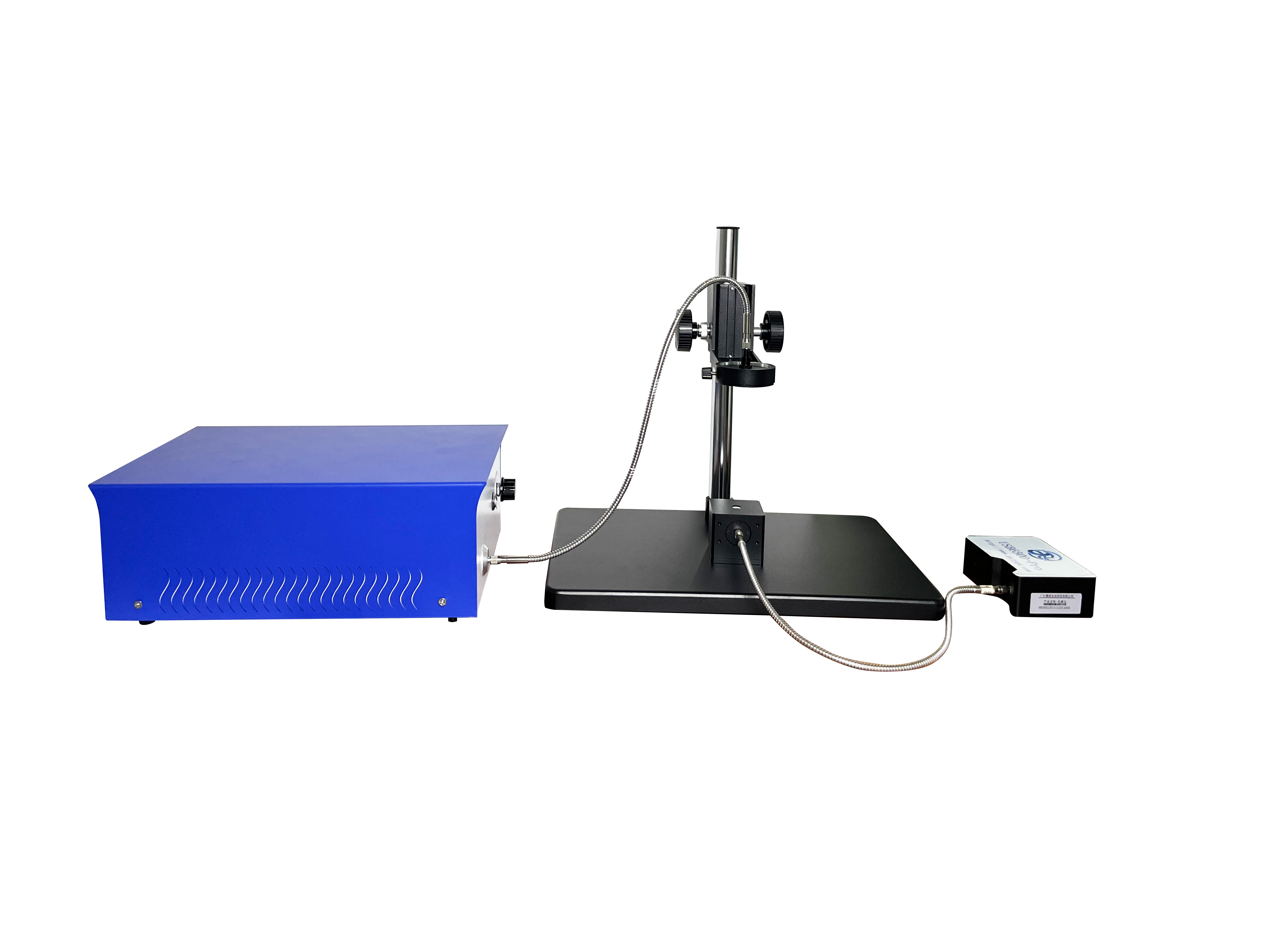
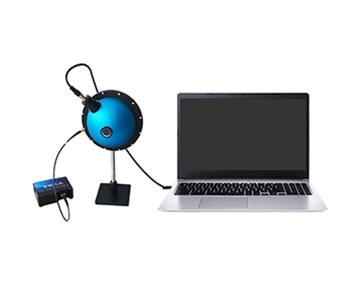
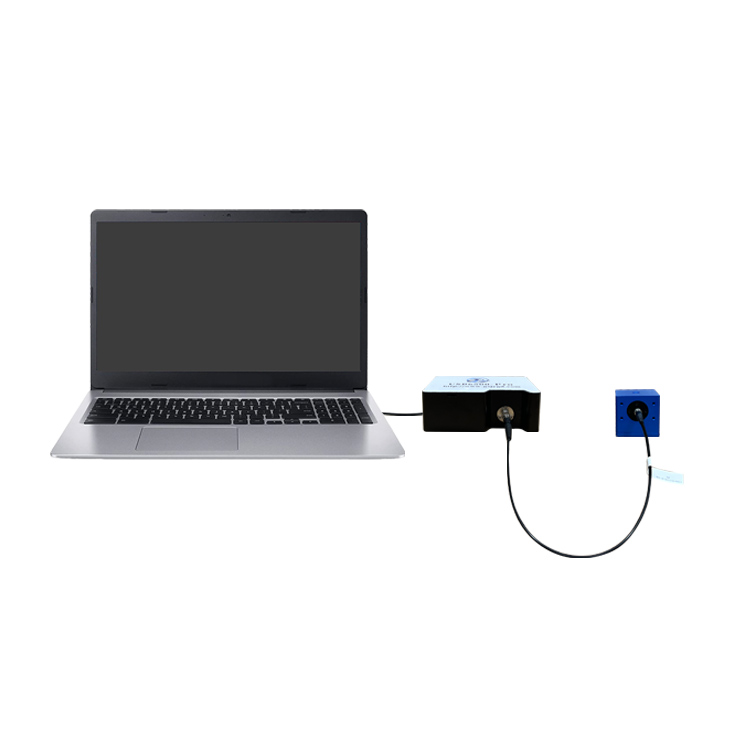
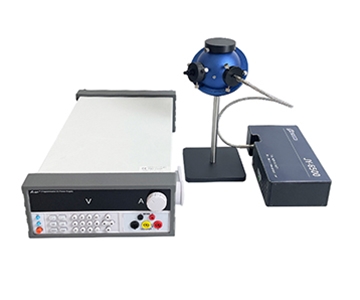
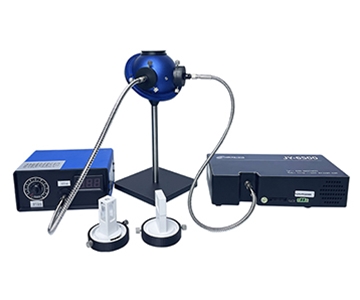
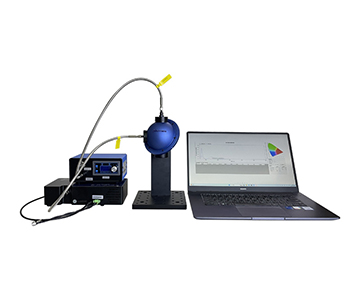
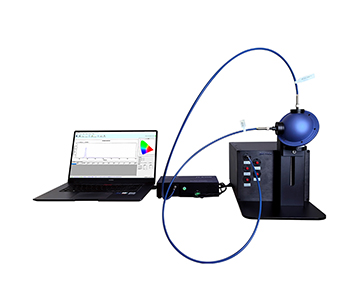
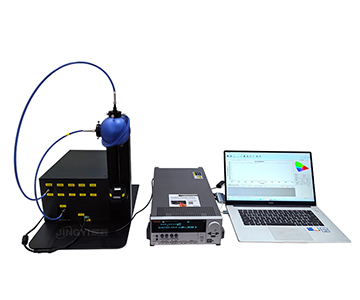
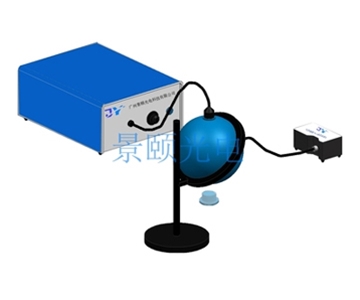
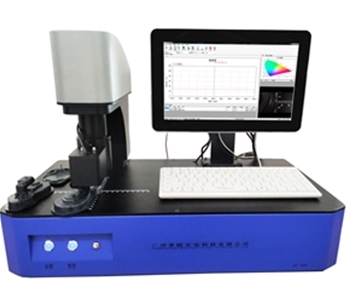
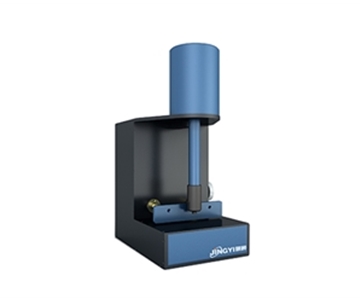
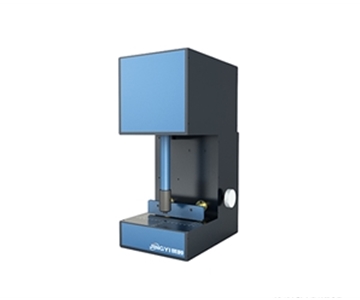
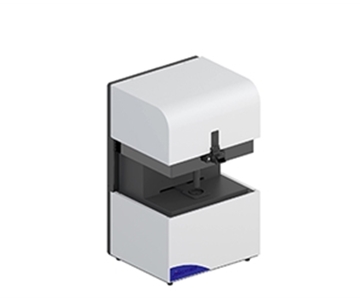
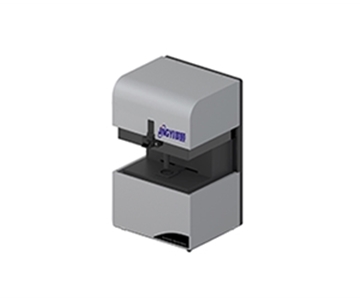
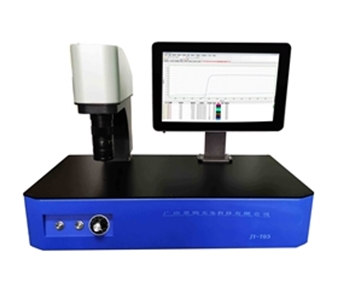
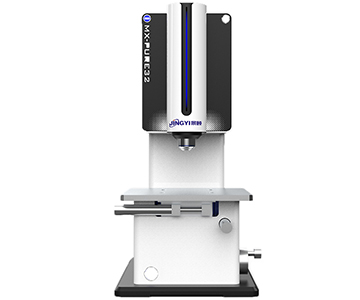
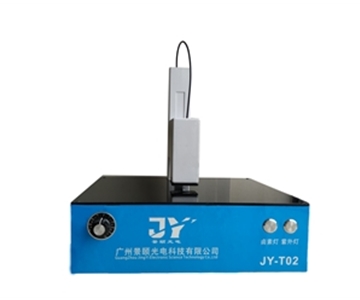
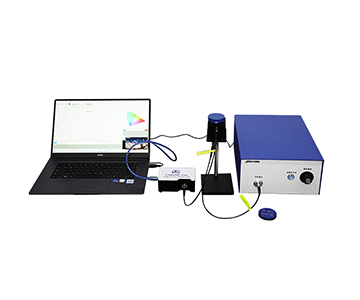
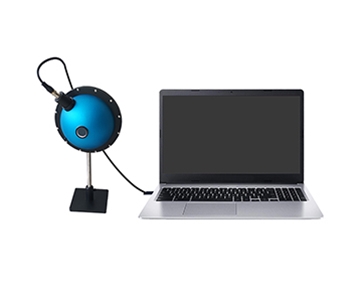
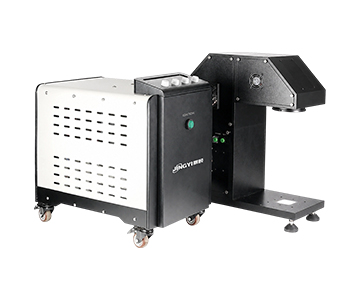
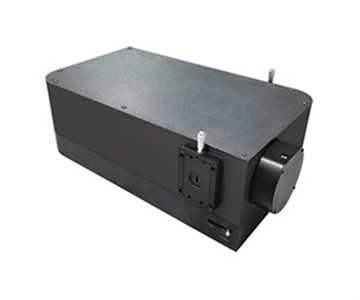
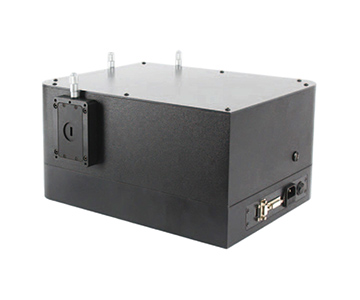
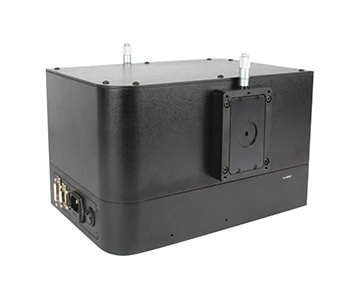
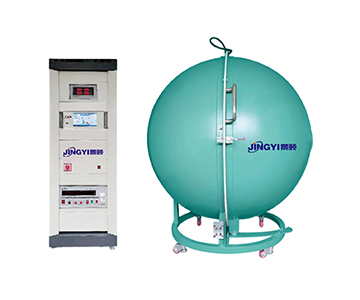
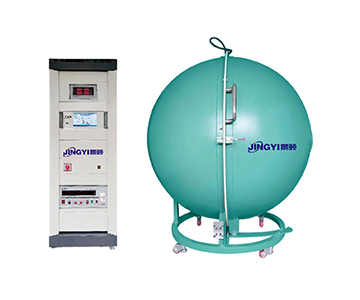
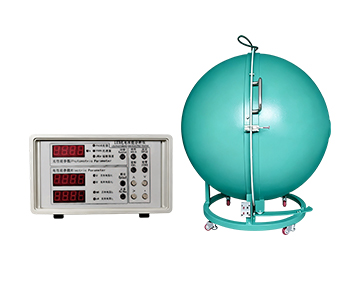
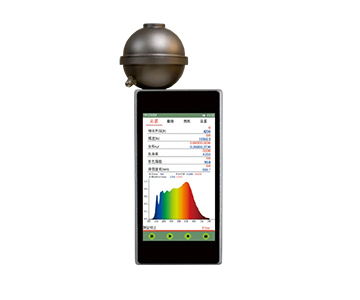
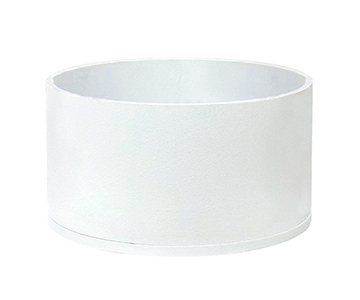
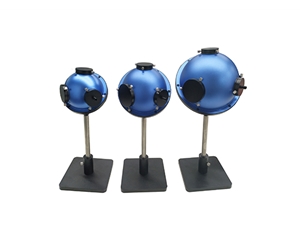
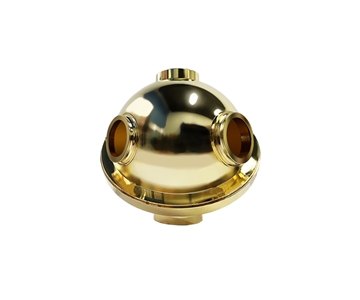
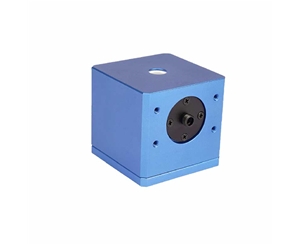
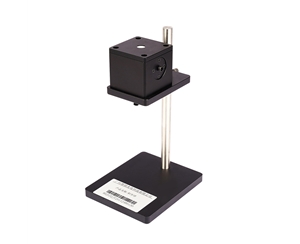
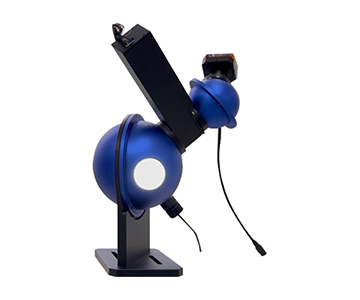
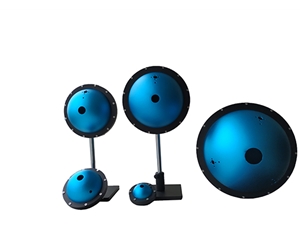
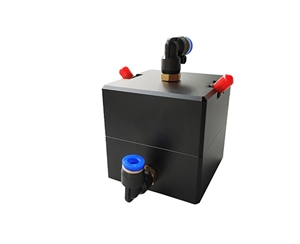
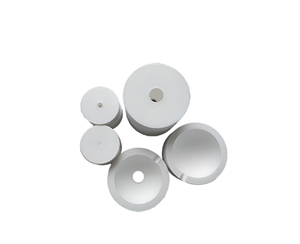
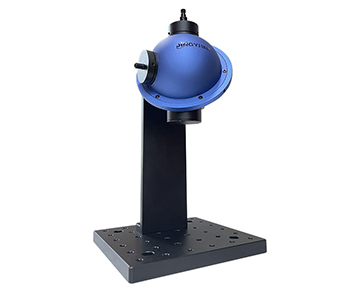
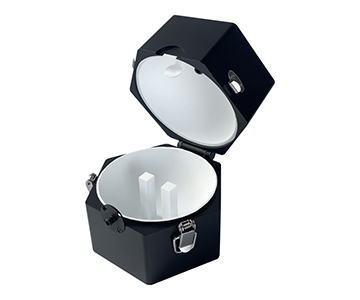
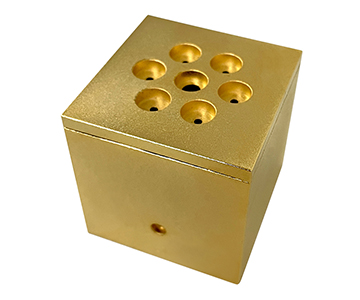
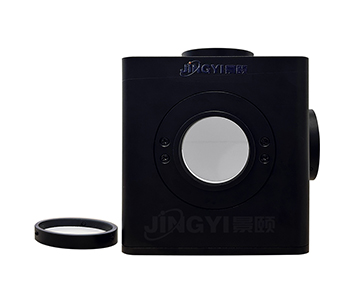
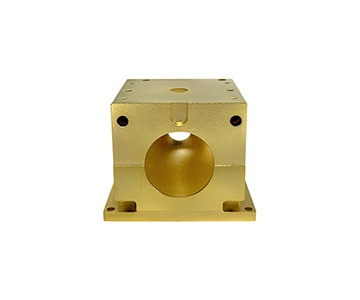
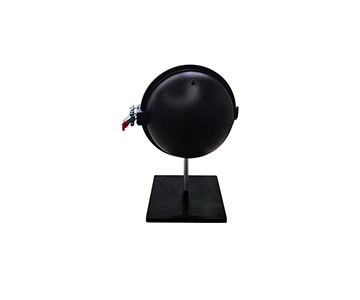
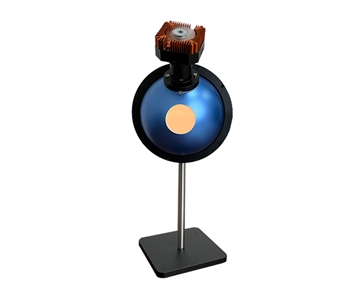
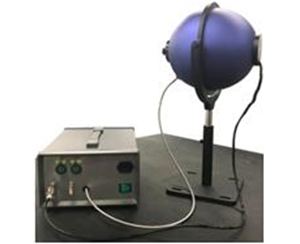
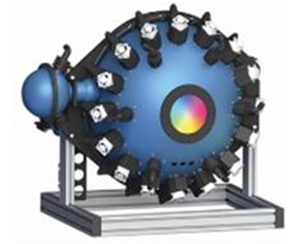
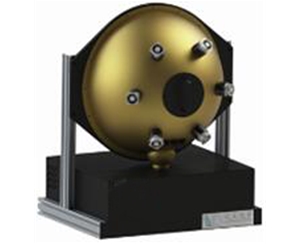
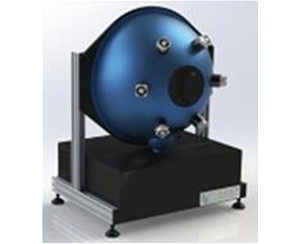
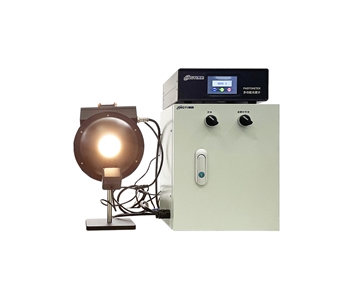
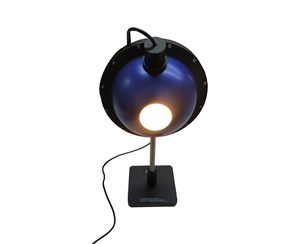
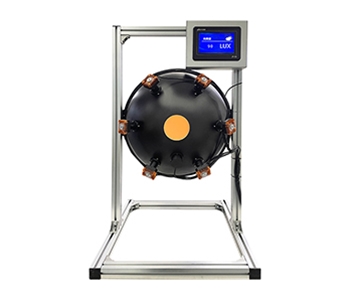
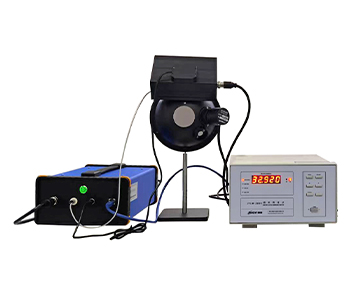
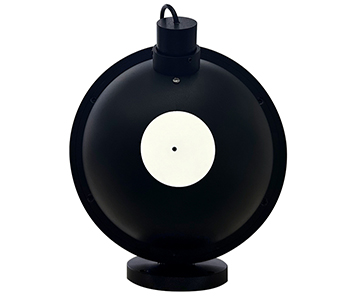
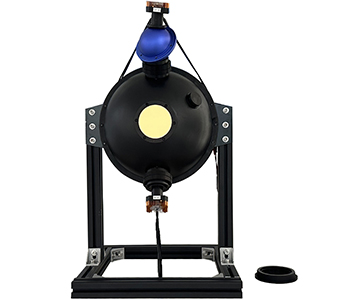
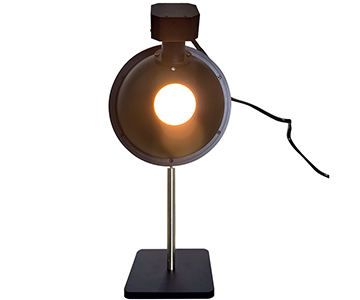
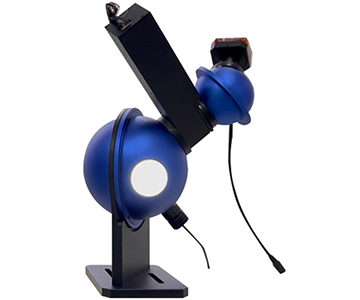
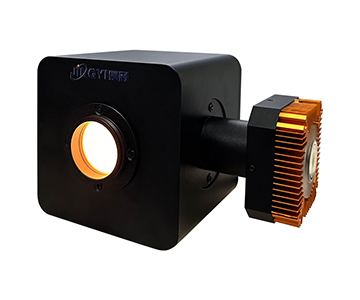
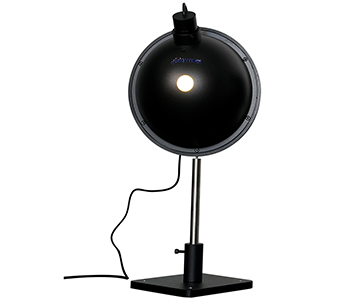
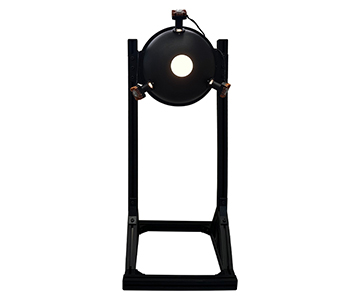
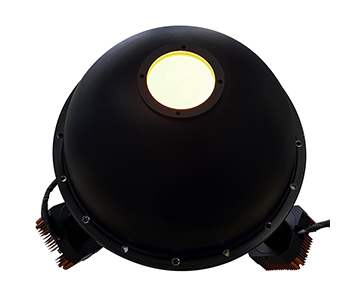
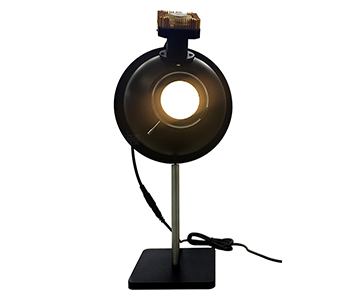
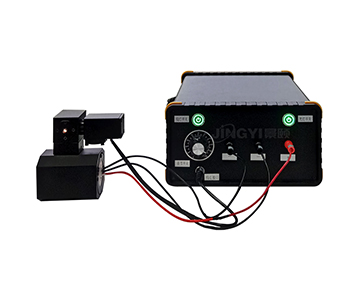
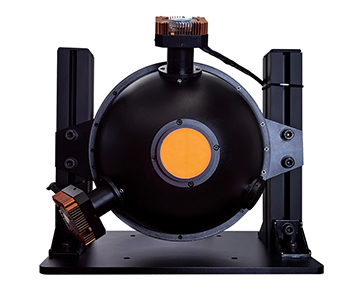
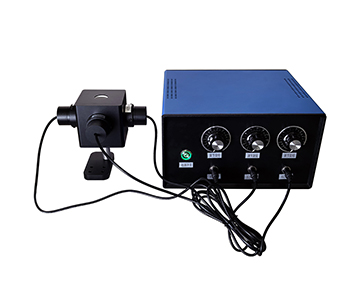
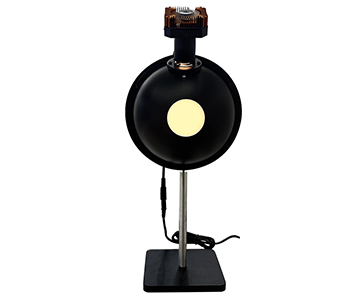
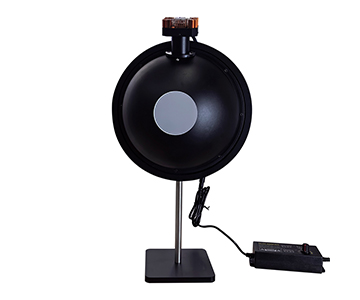
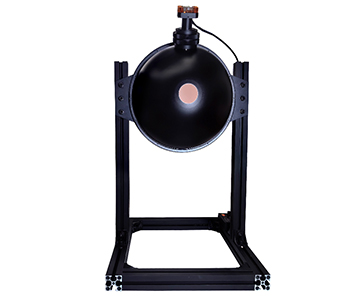
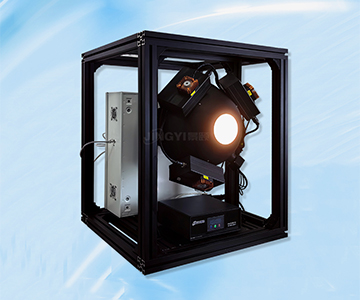
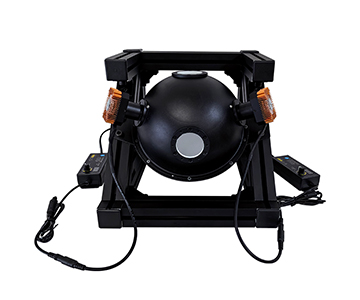
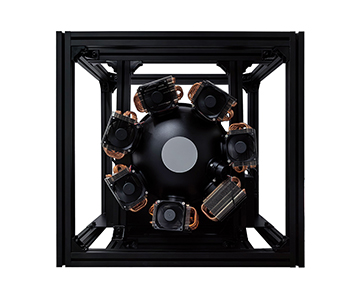
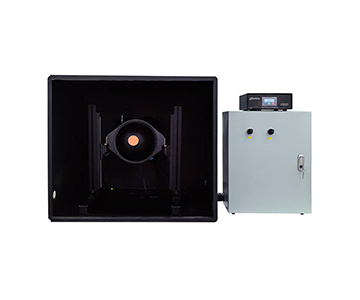
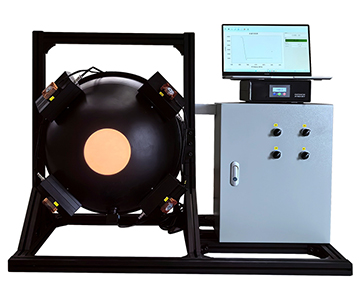
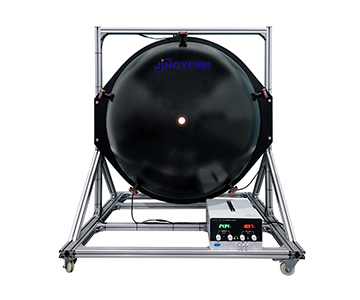
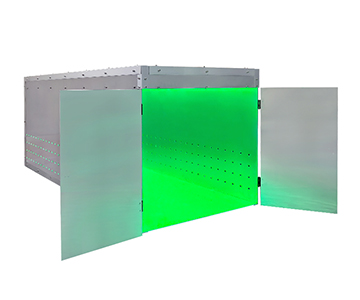
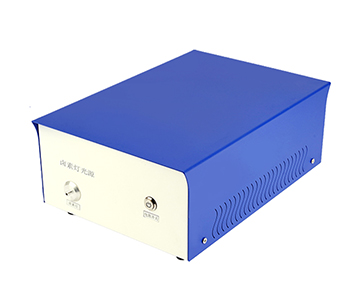
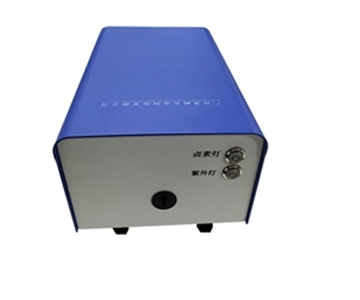
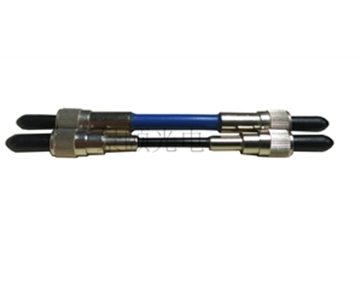
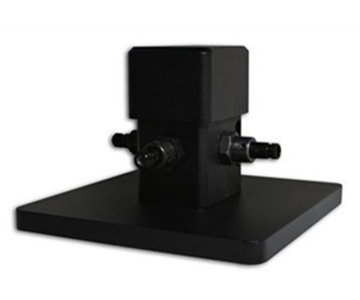
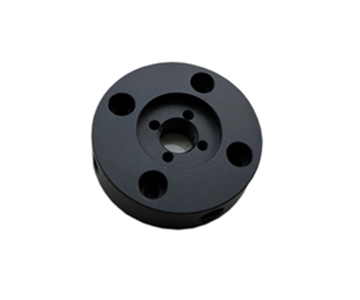
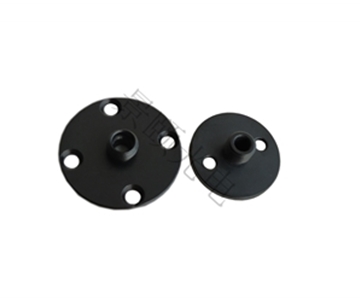
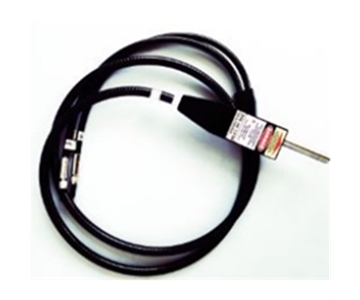
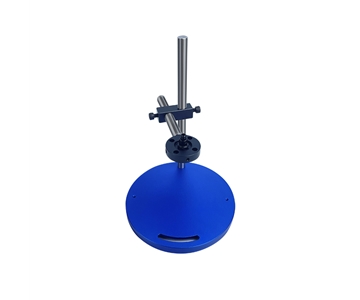
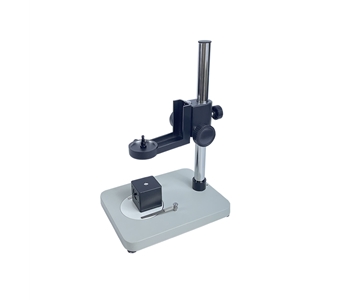
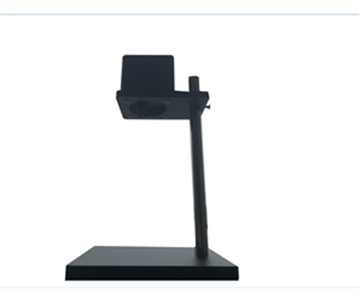
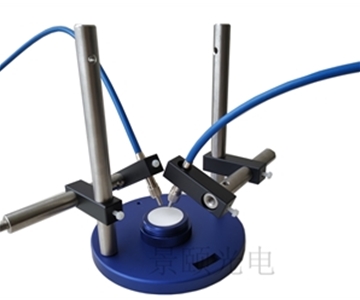
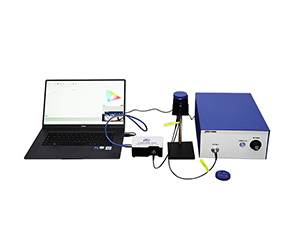
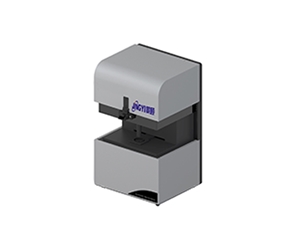
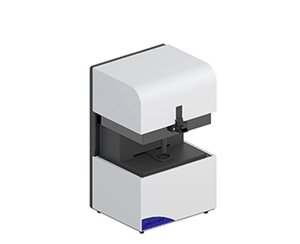
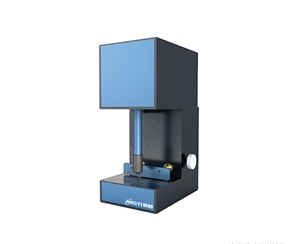
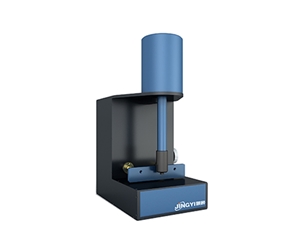
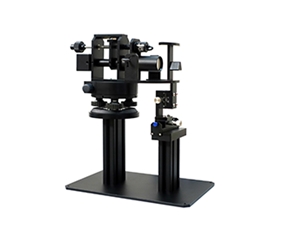
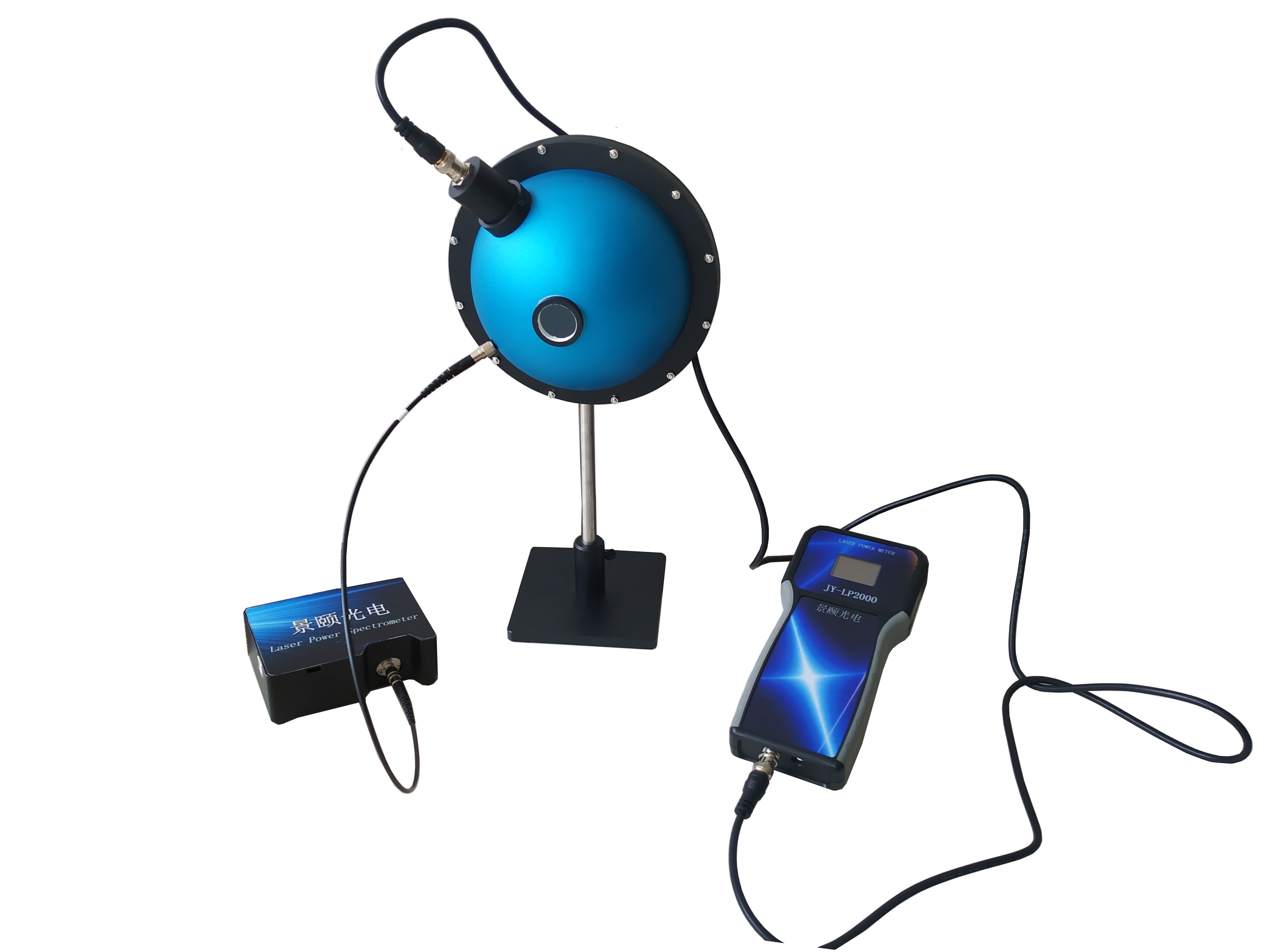
To address this specific calibration need, Jingyi Optoelectronics has launched the JY-JFIOS150 Series Universal Integrating Sphere (referred to hereafter as the “Universal Integrating Sphere”). Specifically engineered for high-precision, small-area optical calibration, this sphere features a standard 55 W halogen lamp as the incident light source. Its exit port—5 mm in diameter—is positioned at the horizontal centerline of the spherical cavity. The output light field maintains uniformity above 98% consistently, requiring no auxiliary optical correction components for direct use. Users may replace the default light source with alternative wavelength-specific sources or customize flange configurations to integrate seamlessly with dedicated calibration fixtures.
Technical Principle and Advantages of the Universal Integrating Sphere
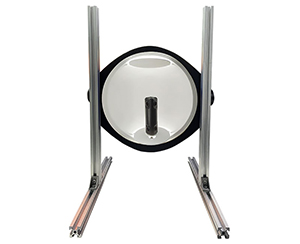
Unlike conventional reference light sources, the Universal Integrating Sphere achieves uniform light output not through complex lens-based correction but via a highly diffuse-reflective coating applied to the interior cavity surface. Upon entering the sealed sphere, incident light undergoes dozens of random, diffuse reflections off the inner wall. Incident angles and initial intensity variations are fully averaged out over multiple reflections, resulting in an angle-free, planar light source emerging from the exit port—with exceptional spatial consistency in both luminance and correlated color temperature (CCT), far exceeding that achievable with standard collimated light tubes. Light intensity adjustment is accomplished either by directly modulating the incident lamp power or, more precisely, by varying the ratio of the exit port area to the total internal surface area of the sphere. This attenuation method introduces no CCT shift and reduces measurement error by over 40% compared to conventional neutral-density filter approaches.
Stability Optimization of the Universal Integrating Sphere
To ensure long-term operational stability, Jingyi Optoelectronics has optimized the internal wall coating process. The high-reflectance, diffuse-reflective material employed undergoes multi-stage curing, delivering stable reflectivity across the visible to near-infrared spectrum. The coating resists yellowing and delamination even after extended use, extending service life by over 30% relative to standard integrating spheres of comparable type.
Application Domains and Standards Compliance
This Universal Integrating Sphere is now widely deployed across diverse calibration applications:
- In consumer electronics: flat-field correction, linearity testing, and dark-noise evaluation for smartphone CMOS sensors and automotive cameras;
- In industrial inspection: spectral response calibration for high-sensitivity imaging systems and night-vision equipment;
- In aerospace: serving as a ground-based reference light source for spectral response calibration of remote-sensing payloads.
All test procedures comply with internationally and nationally recognized optoelectronic testing standards—including LM-79, GB/T 24824, and IEC 61612—ensuring full industry acceptance of measurement results.
Market Adaptation and Modular Upgradability
With rapid advances in autonomous driving and AI-powered vision technologies, demand for calibration of miniature imaging sensors is growing annually—and so too are requirements for calibration-source accuracy and versatility. Jingyi’s compact-diameter Universal Integrating Sphere precisely fills this market gap for small-format sensor calibration. Future upgrades will include integration with intelligent dimming modules, enabling one-button switching between multiple brightness levels and color temperatures—further enhancing laboratory calibration efficiency.
#FoamIntegratingSphere #RadiantIntegratingSphere #DiffuseIntegratingSphere #InfraredIntegratingSphere #UniversalIntegratingSphere #UniformLightSourceIntegratingSphere