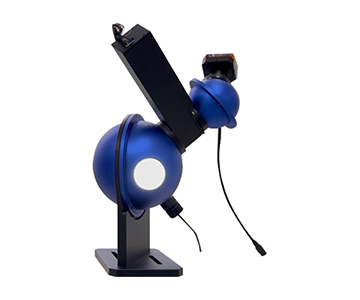
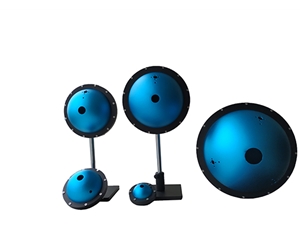
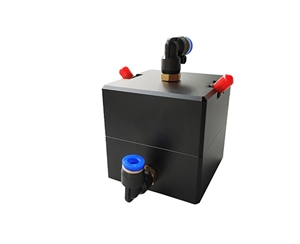
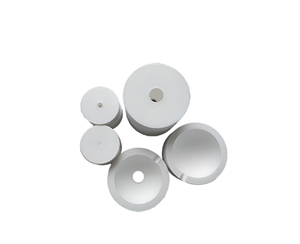
Jingyi Optoelectronics Fluorescence Quantum Yield Analyzer: Empowering R&D of Novel Optoelectronic Materials
Today, the development and iteration of novel optoelectronic materials are accelerating rapidly. Breakthroughs in performance—spanning quantum dots, perovskites, and organic luminescent materials—depend critically on high-precision optical characterization techniques. Among these, fluorescence quantum yield (QY), a core metric directly reflecting a material’s energy-conversion capability, determines the speed and efficiency of R&D cycles.
Also known as fluorescence quantum efficiency, QY quantifies the ratio of absorbed excitation photons that are converted into emitted fluorescent photons. This parameter fundamentally governs key performance ceilings: color energy efficiency in quantum dot displays, maximum power-conversion efficiency in perovskite photovoltaic cells, and detection sensitivity in bio-fluorescent probes. As such, it remains an indispensable, repeatedly measured parameter across all luminescent-material R&D workflows.
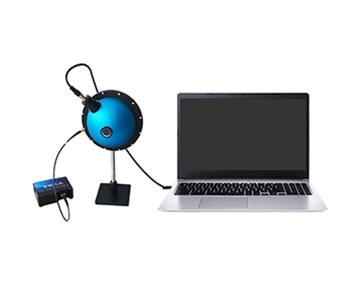
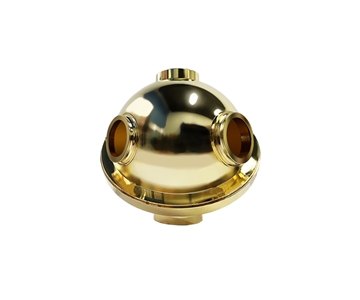
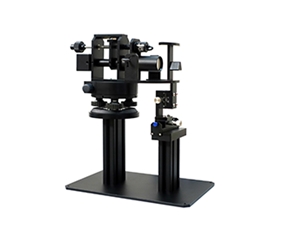
Conventional QY measurement methods, however, face persistent bottlenecks—rendering them ill-suited to today’s fast-paced innovation environment. The early-reference-comparison method requires pre-identifying a certified reference standard whose optical properties closely match those of the sample under test. For many newly developed specialty materials, no suitable reference standard exists; measurement errors commonly exceed 15%. Calorimetric methods impose stringent demands on thermal insulation and detector sensitivity, with equipment costing over one million RMB—far beyond the budget of most academic research groups—and single measurements often take several hours. Although integrating-sphere-based direct measurement offers improved accuracy, imported instruments remain prohibitively expensive, and their operation relies heavily on manual sample positioning and post-processing calculations. Without specialized training, users frequently commit procedural errors—invalidating entire datasets.
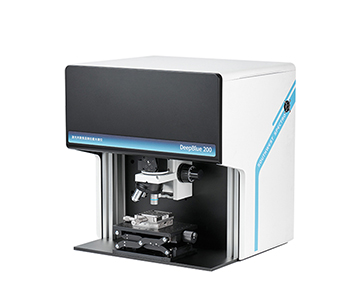
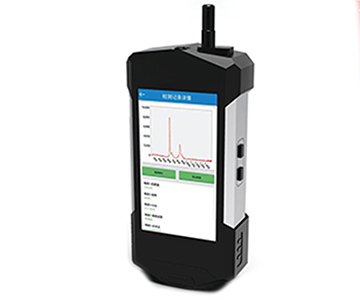
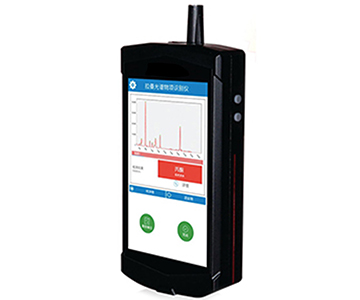
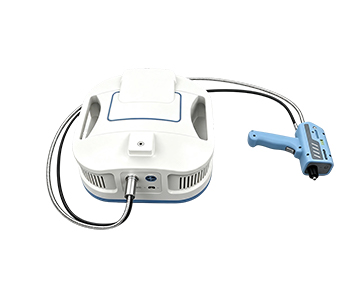
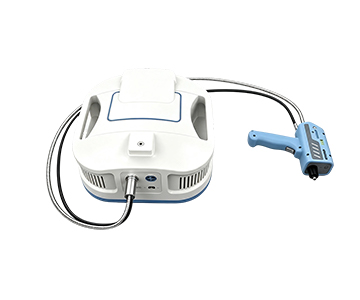
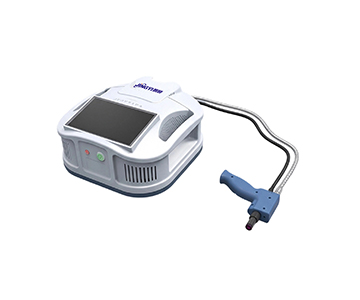
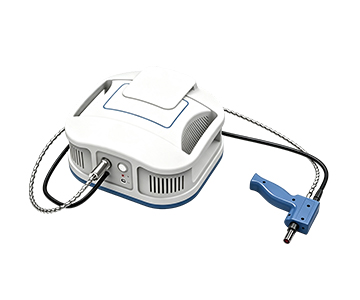
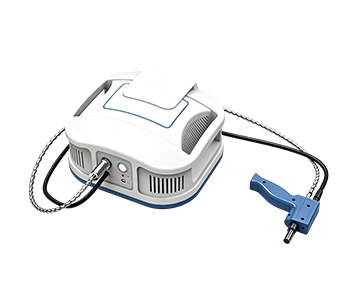
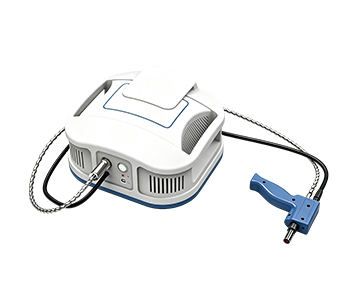
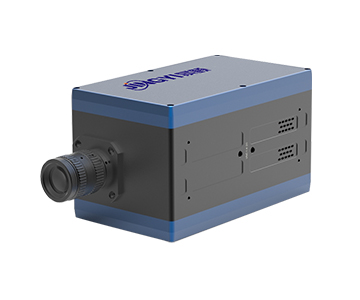
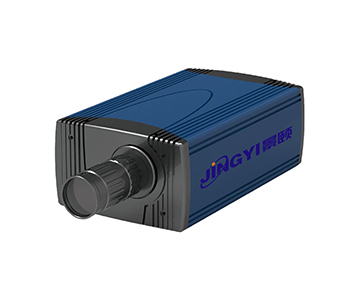
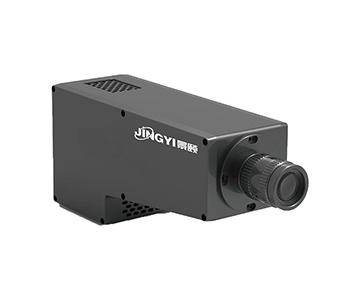
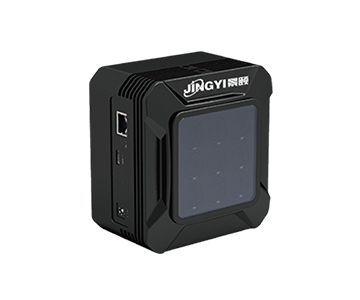
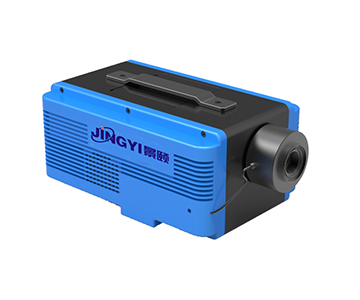
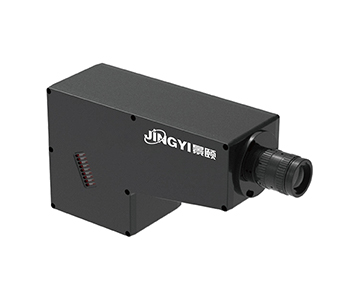
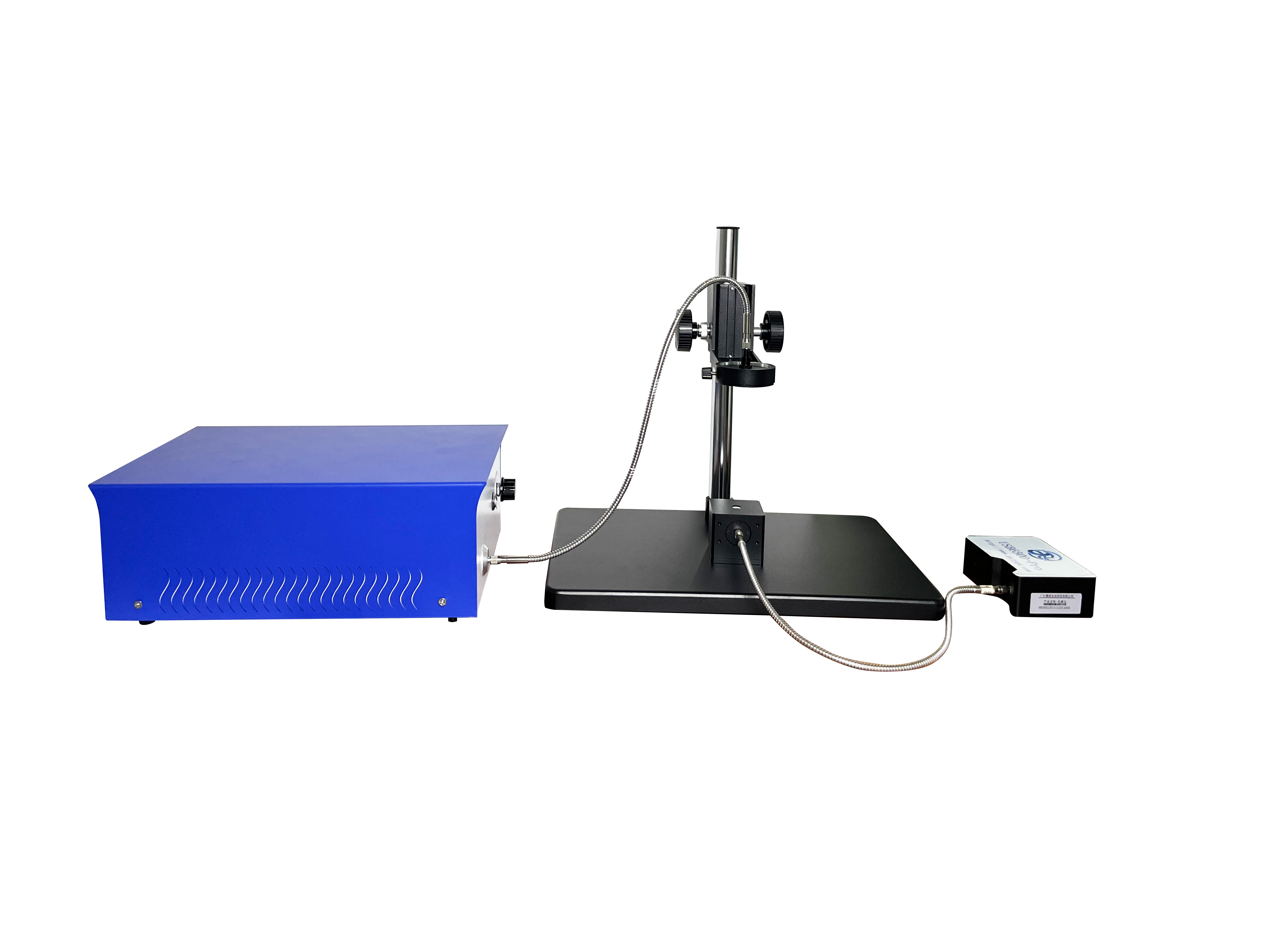
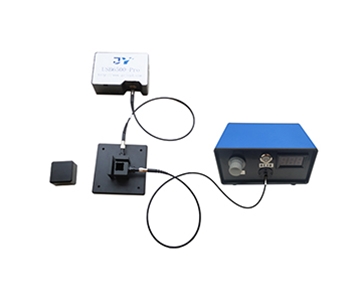
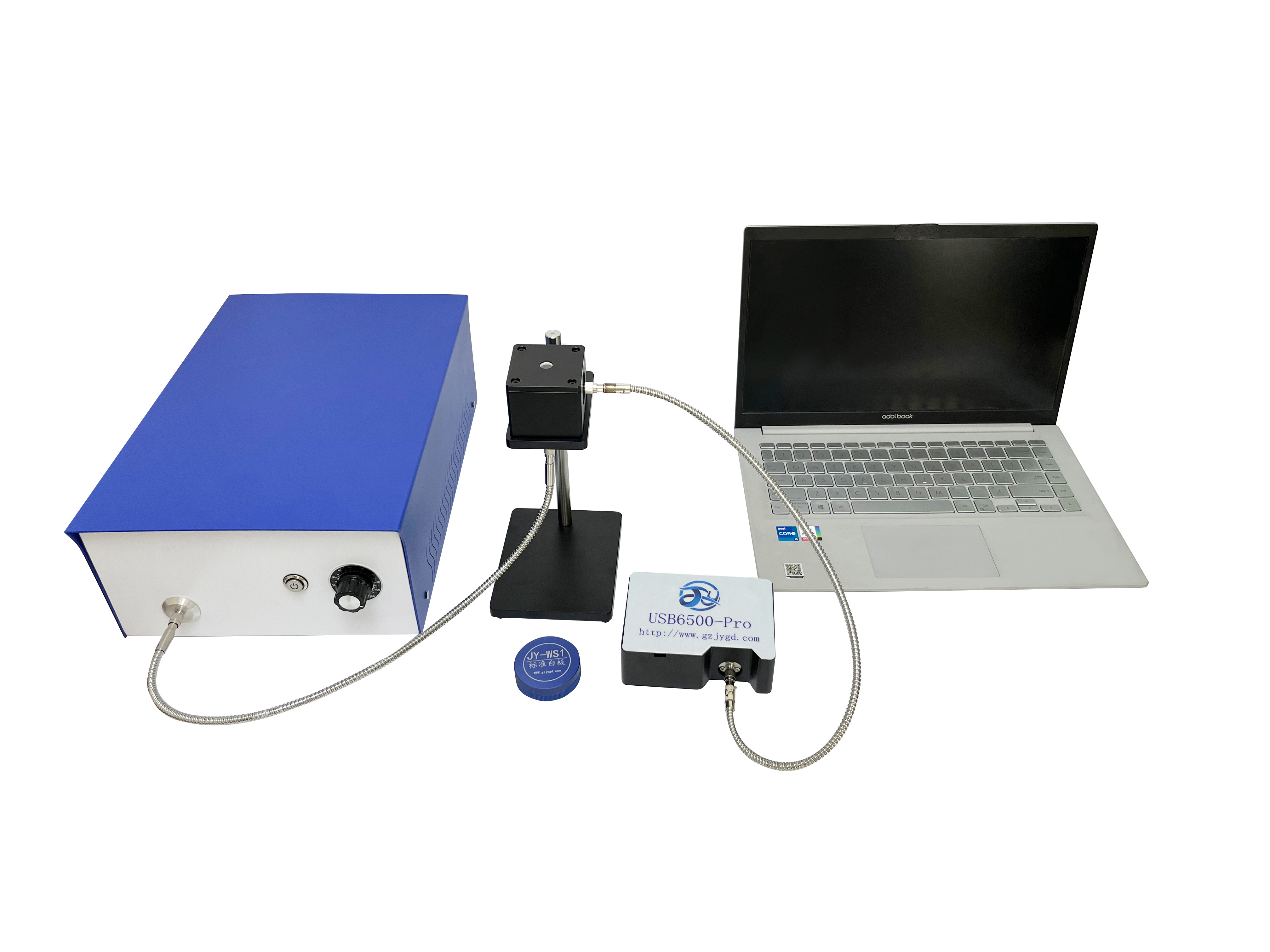
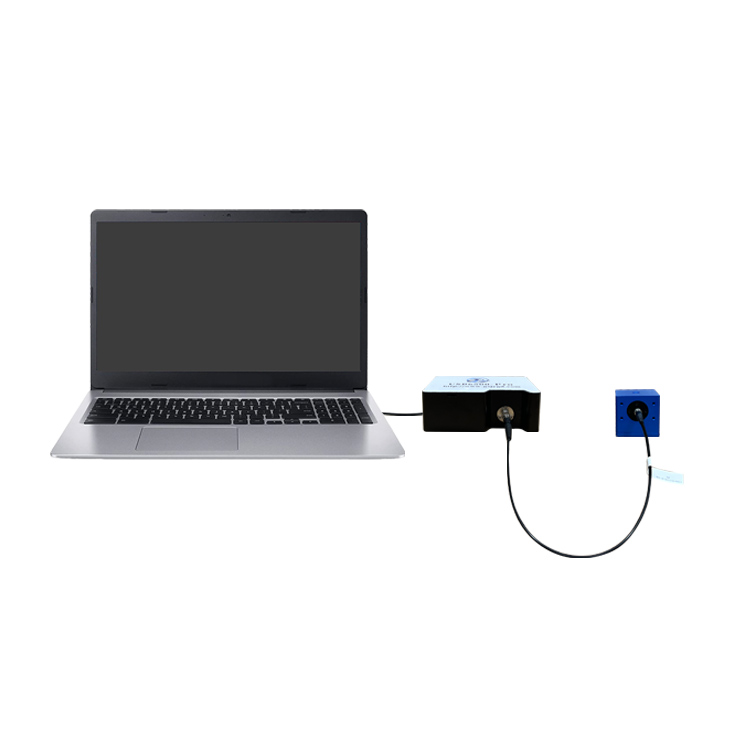
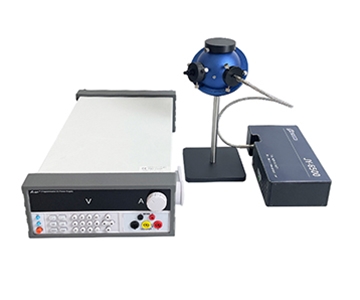
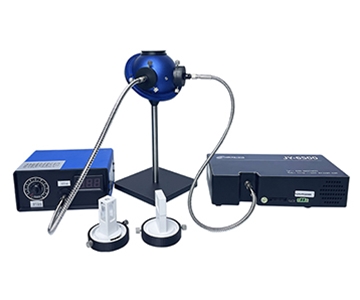
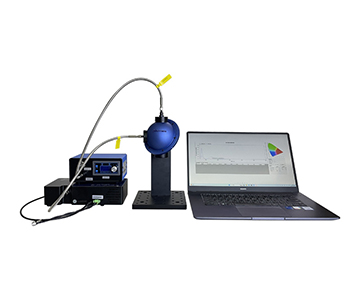
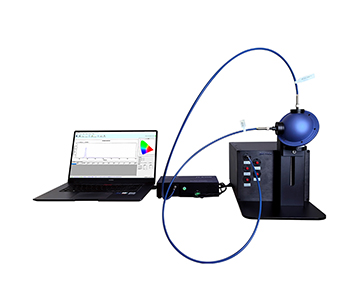
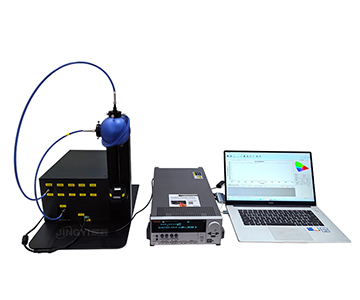
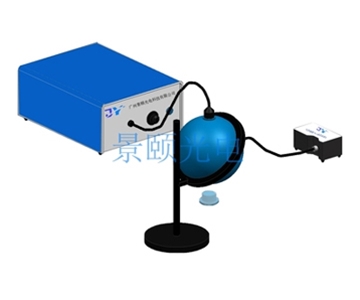
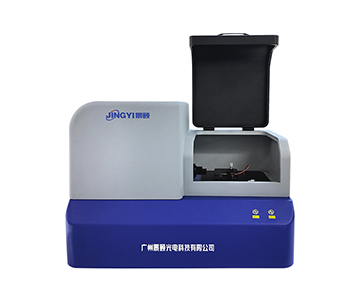
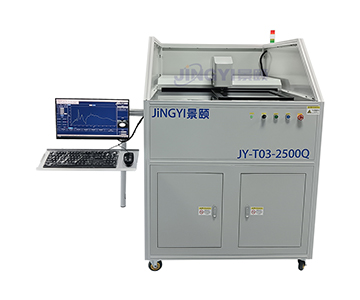
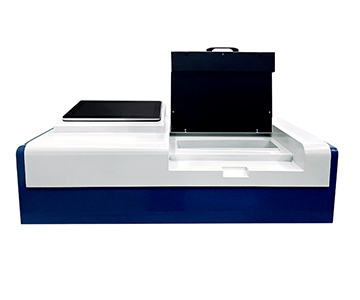
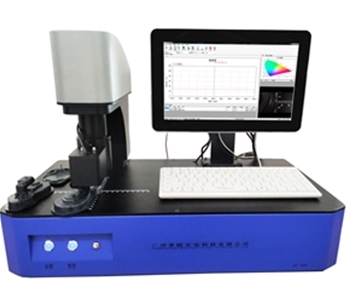
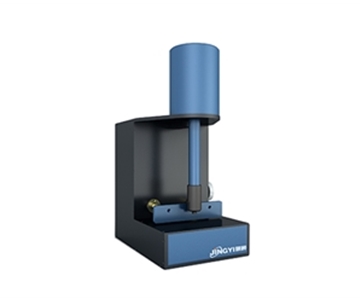
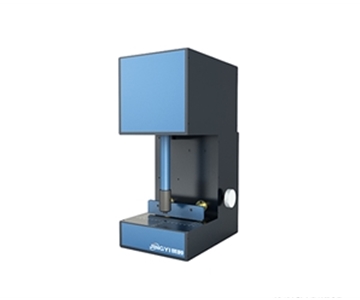
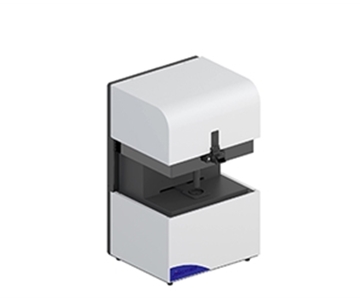
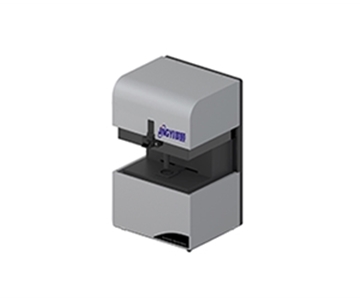
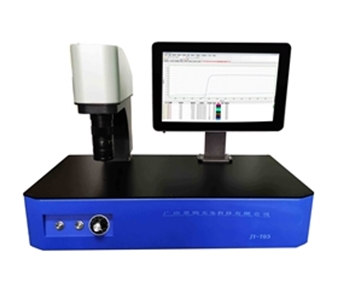
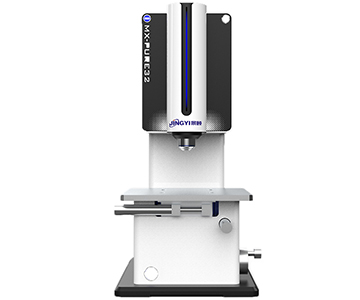
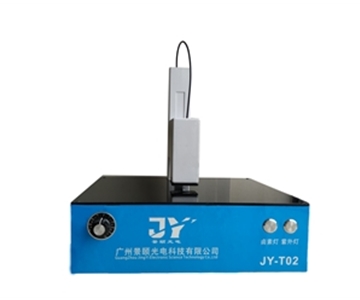
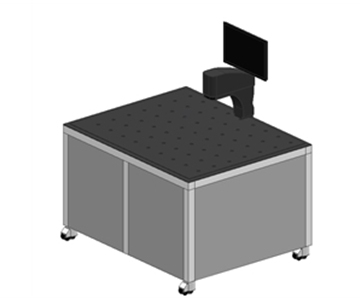
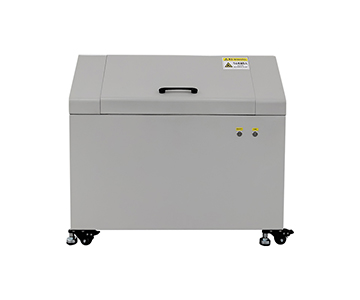
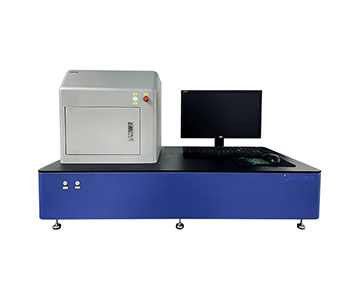
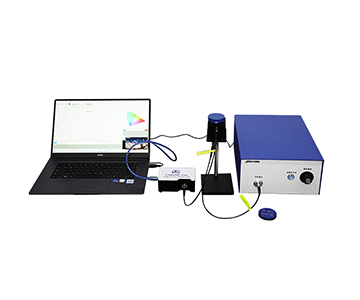
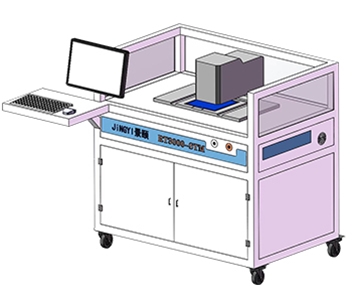
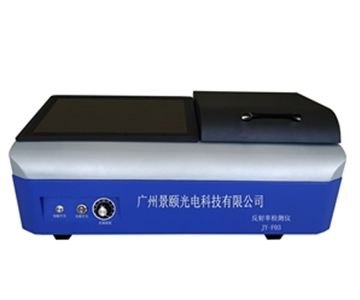
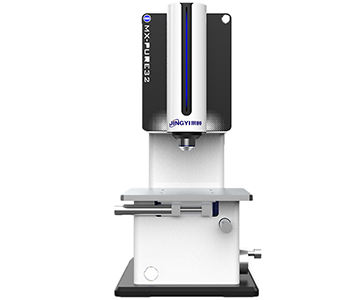
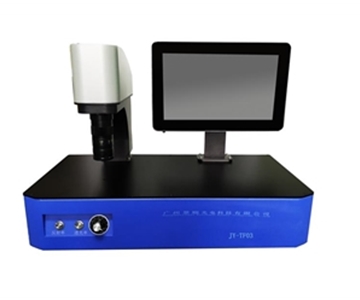
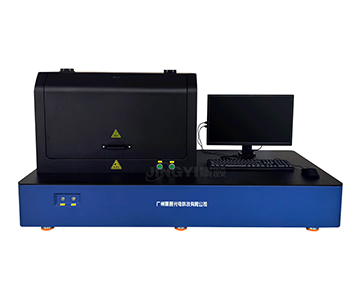
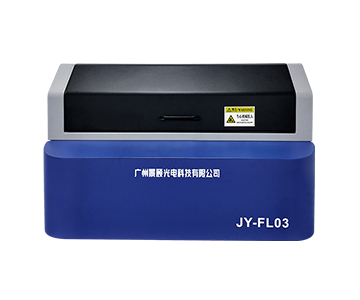
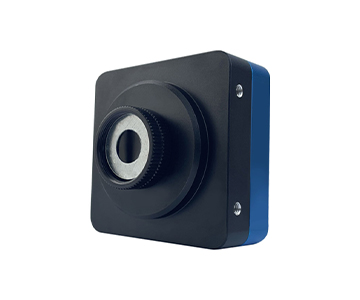
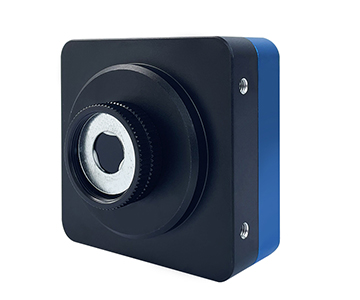
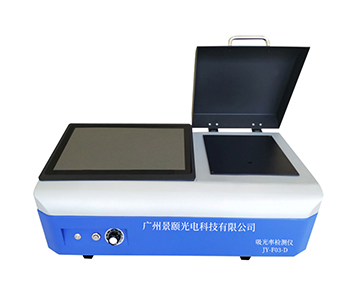
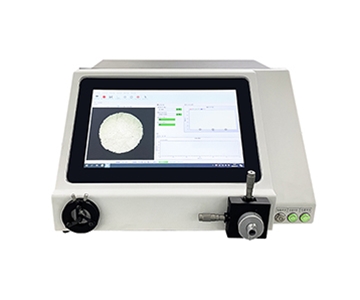
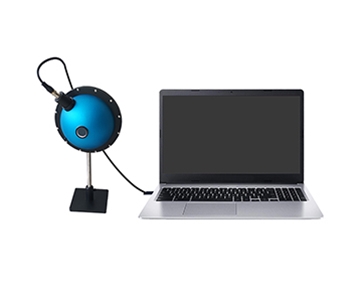
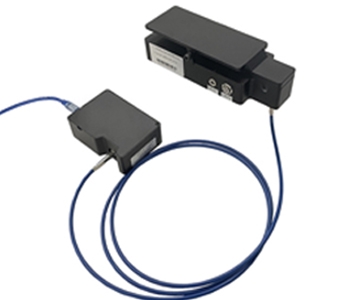
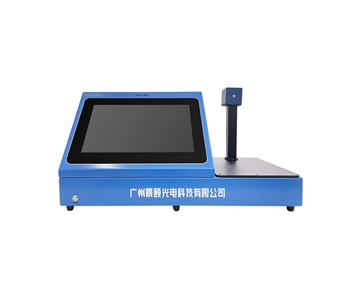
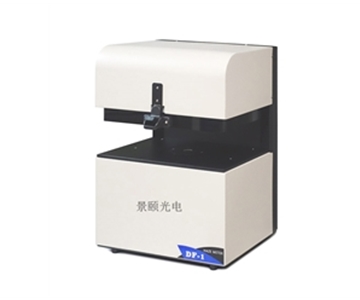
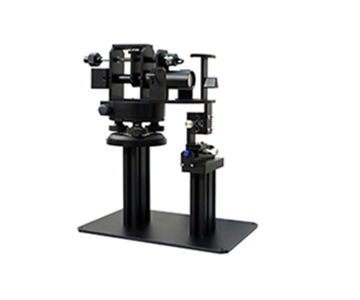
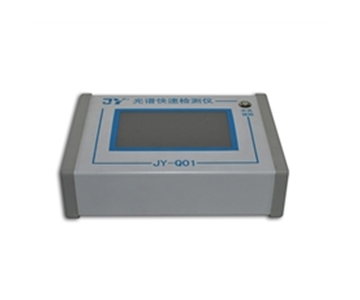
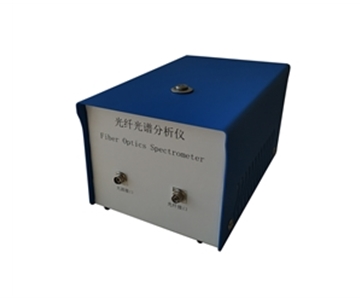
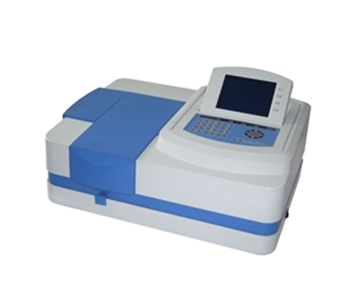
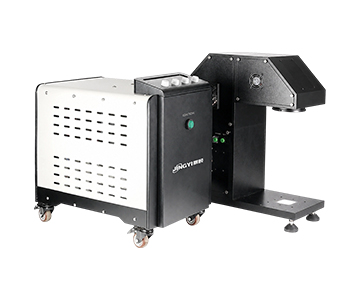
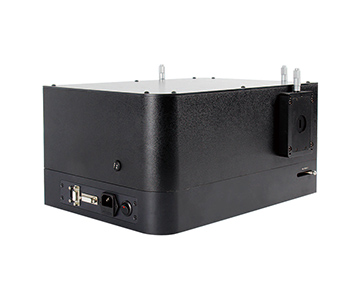
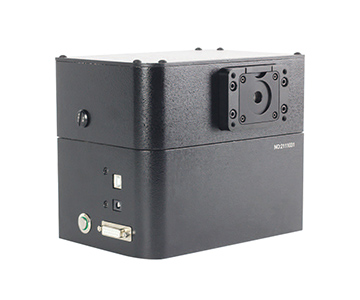
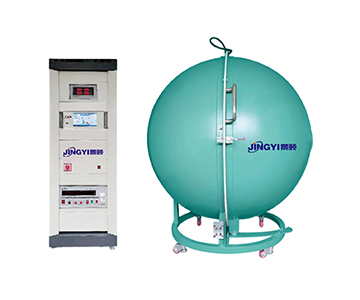
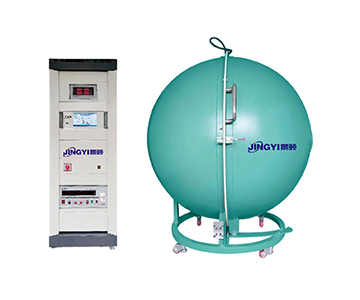
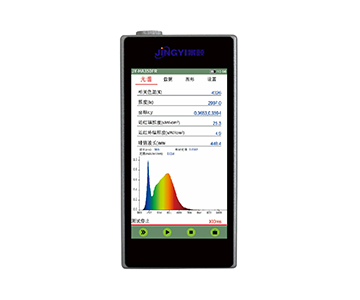
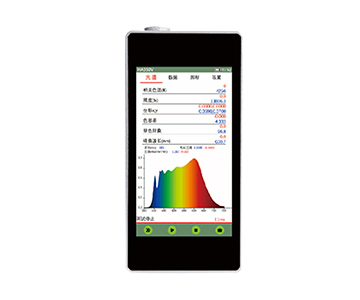
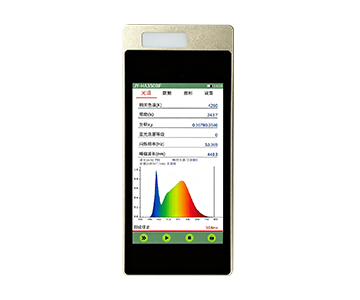
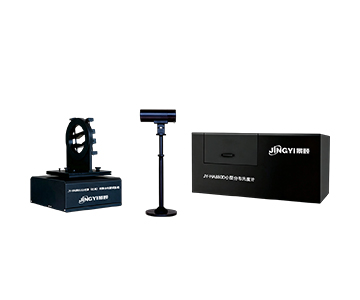
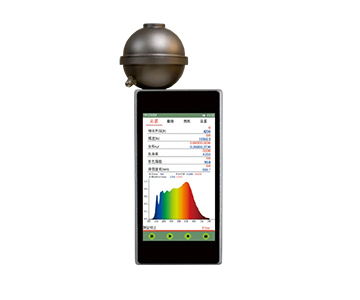
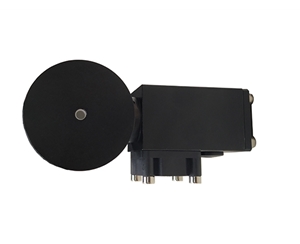
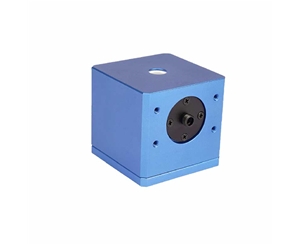
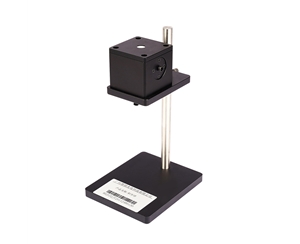
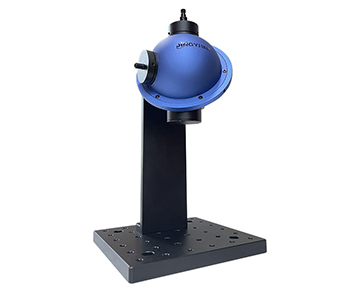
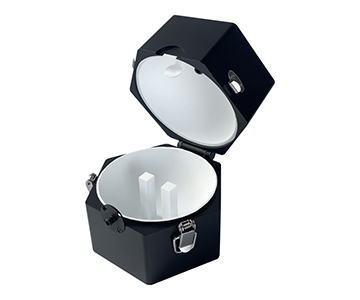
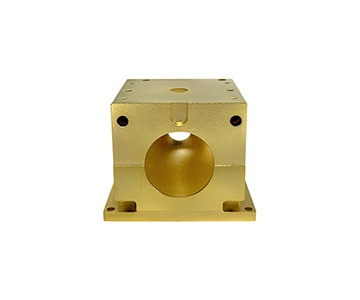
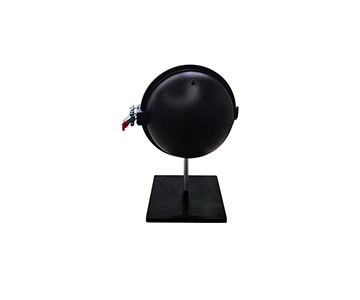
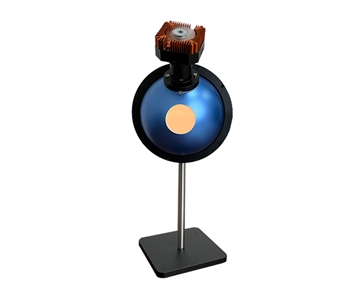
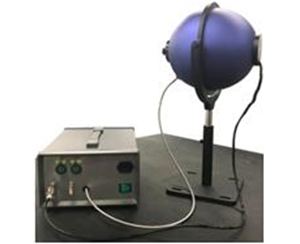
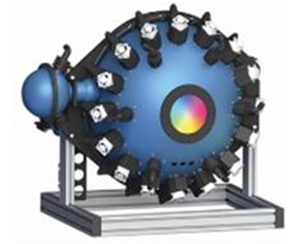
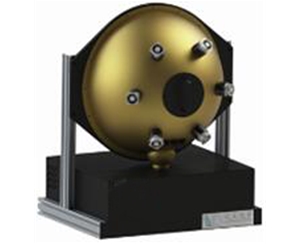
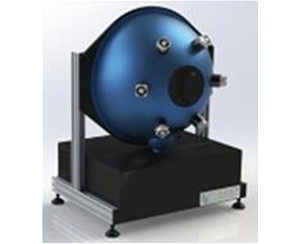
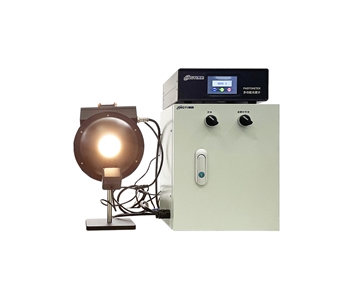
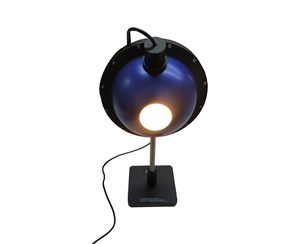
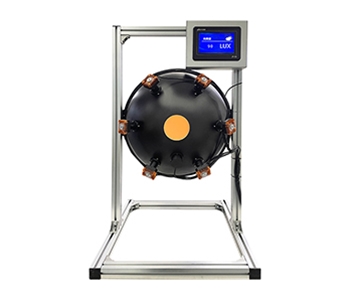
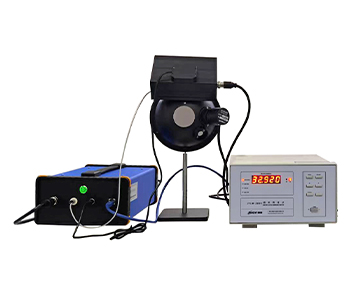
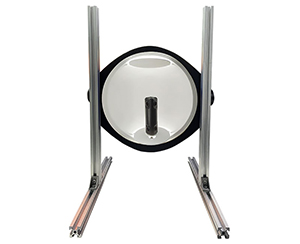
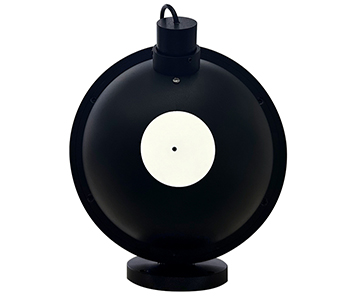
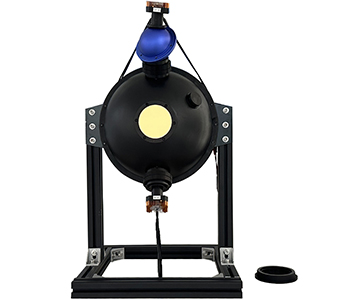
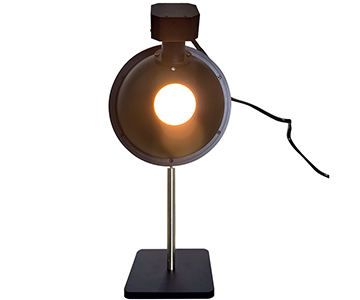
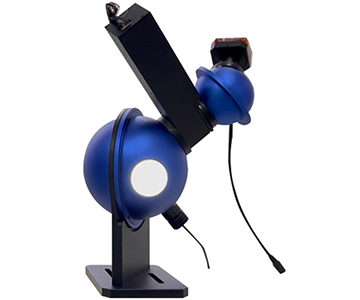
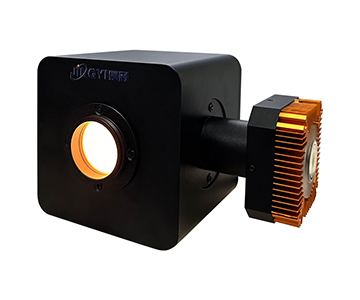
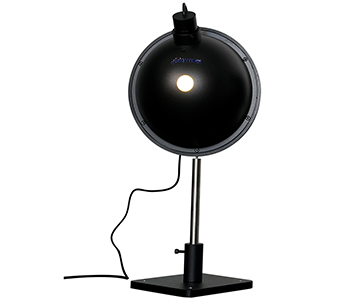
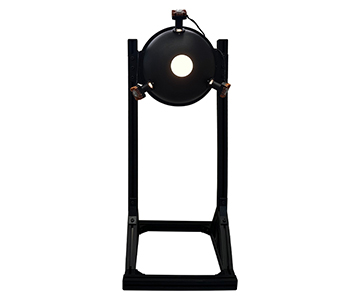
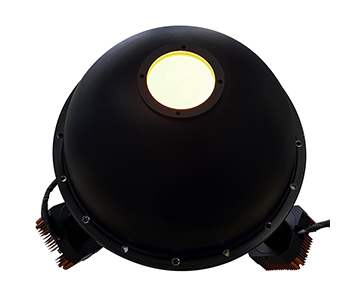
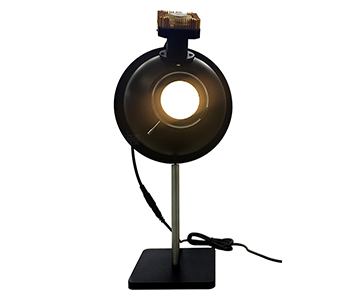
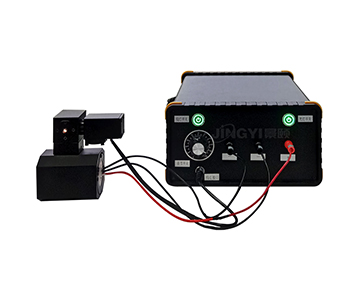
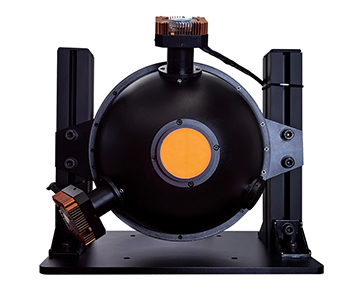
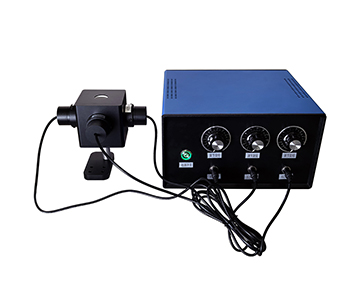
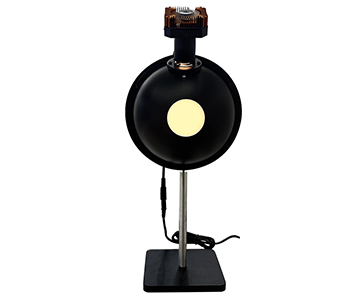
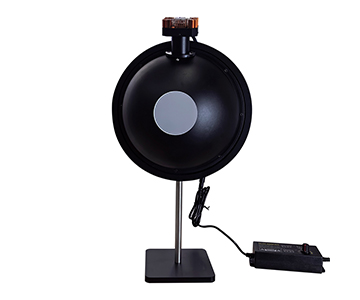
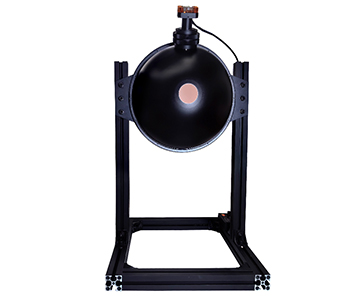
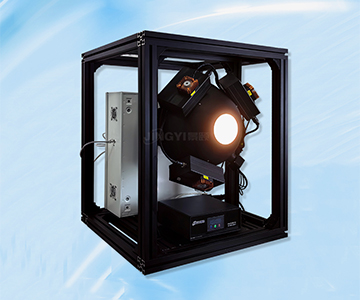
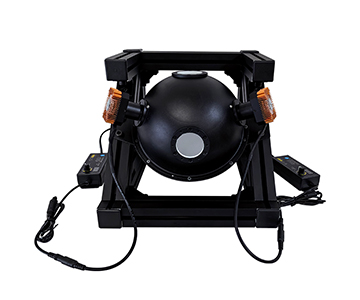
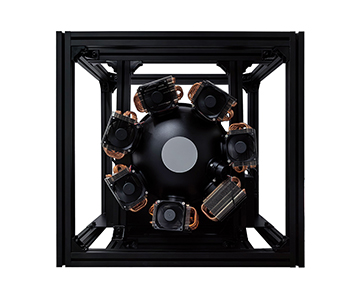
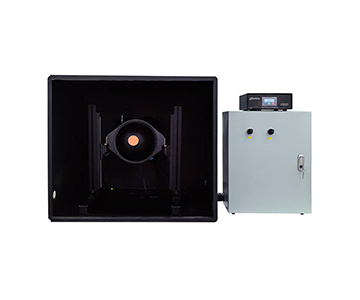
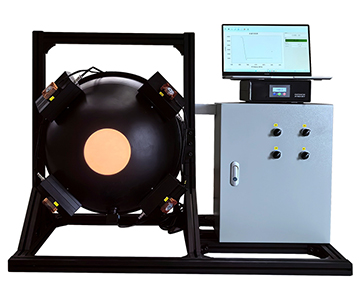
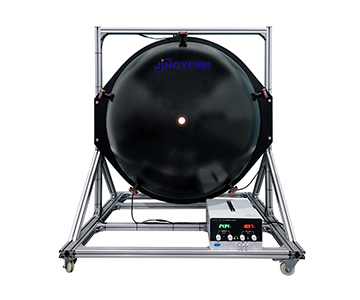
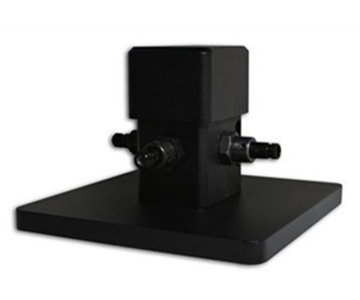
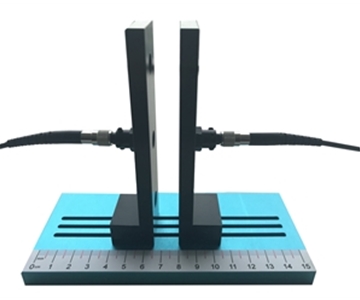
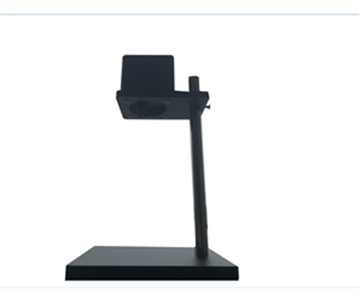
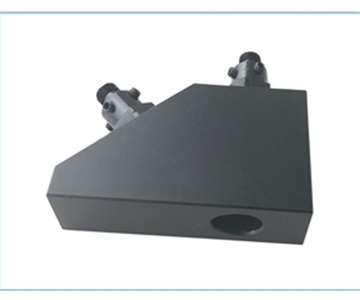
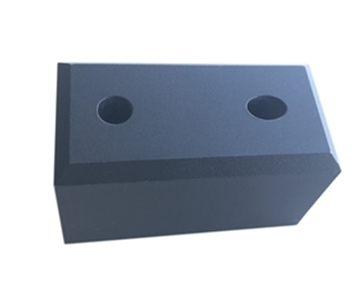
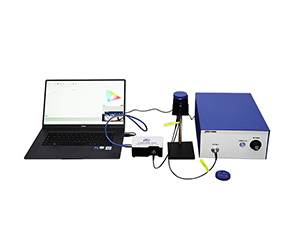
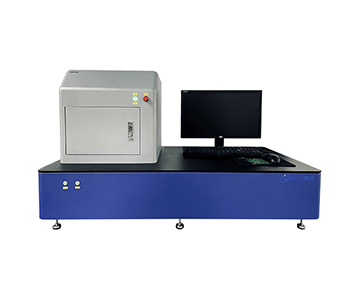
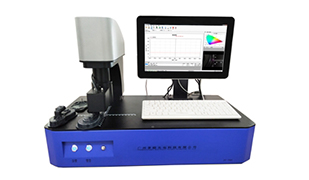
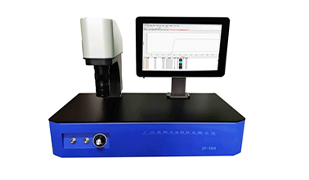
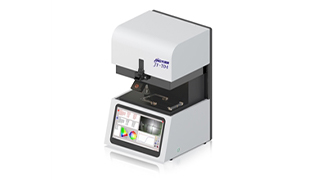
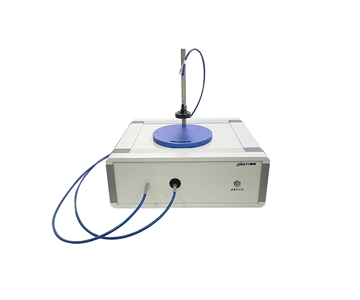
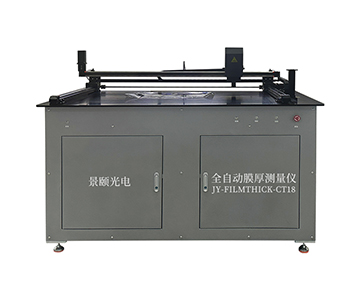
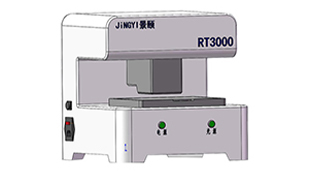
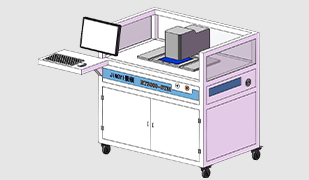
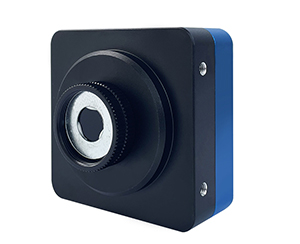
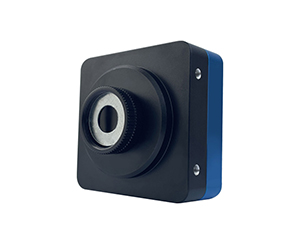
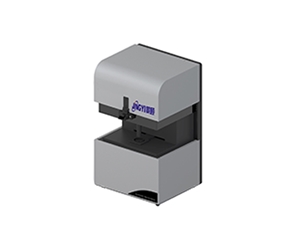
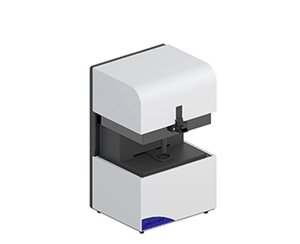
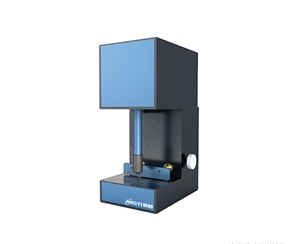
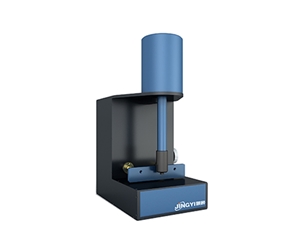
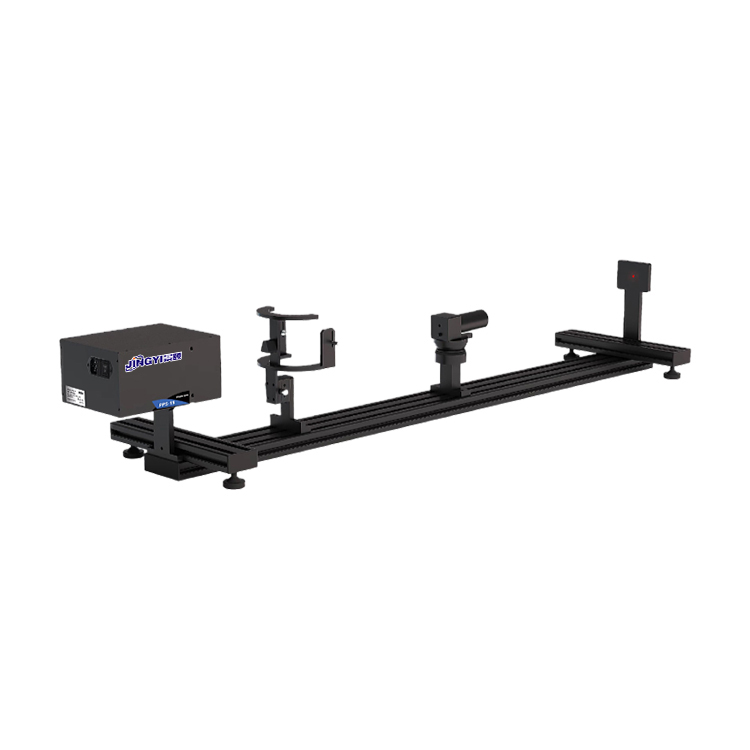
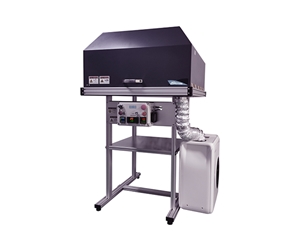
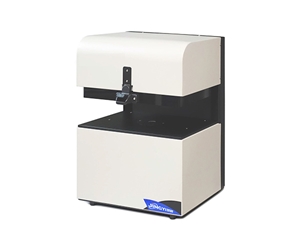
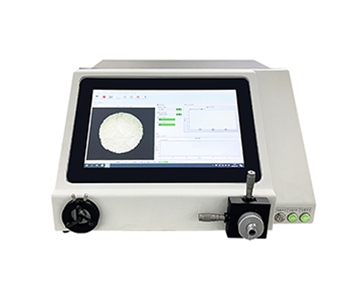
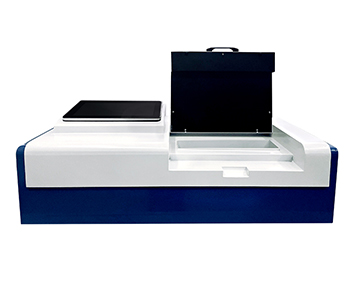
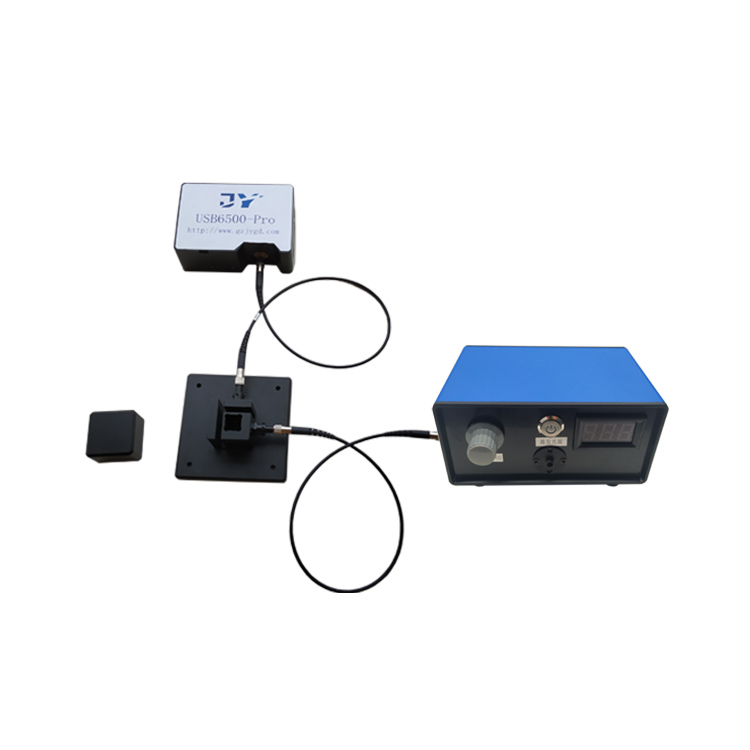
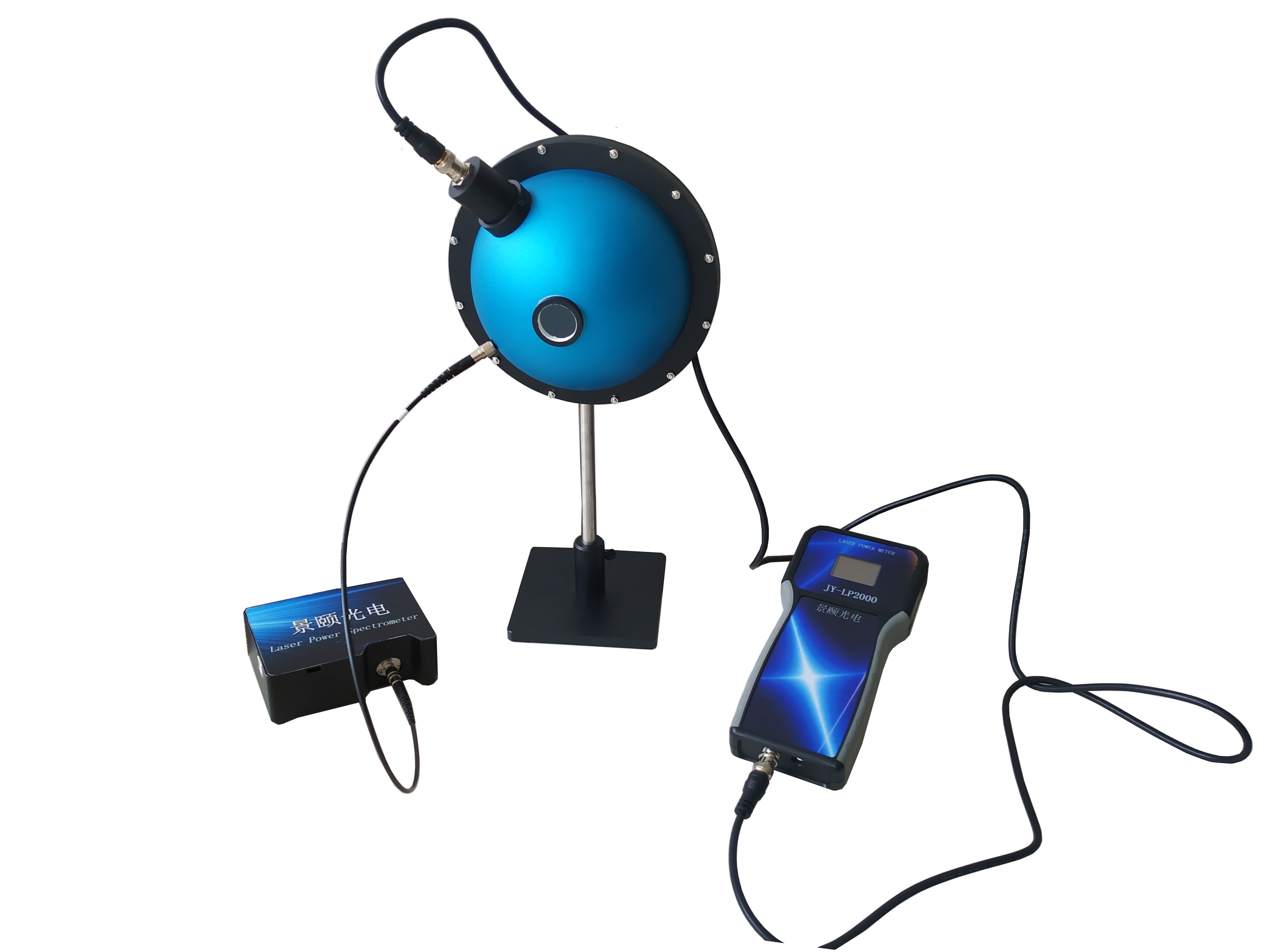
To address the longstanding challenges faced by domestic research teams and R&D enterprises—including high technical barriers, excessive costs, and low operational efficiency—Jingyi Optoelectronics has independently developed the JY-QEY6500-PL Fluorescence Quantum Yield Analyzer. Leveraging years of expertise in ultra-low-light spectral detection, this system delivers a cost-effective, domestically engineered solution for the industry. Prior to delivery, every unit undergoes full calibration using traceable standard light sources and implements standardized measurement protocols—eliminating the need for external reference standards. In a single run, it outputs multiple critical parameters: absolute quantum yield, chromaticity coordinates, and photoluminescence spectra—avoiding cumulative errors associated with multi-instrument cross-measurements. To lower the operational threshold, the complete testing logic is embedded within the proprietary software interface. Users perform only two simple manual steps—sample placement/removal and excitation-source switching—while spectral acquisition, data correction, quantitative calculation, and report generation are fully automated with one click. Even junior undergraduate students entering the lab for the first time can quickly master the system.
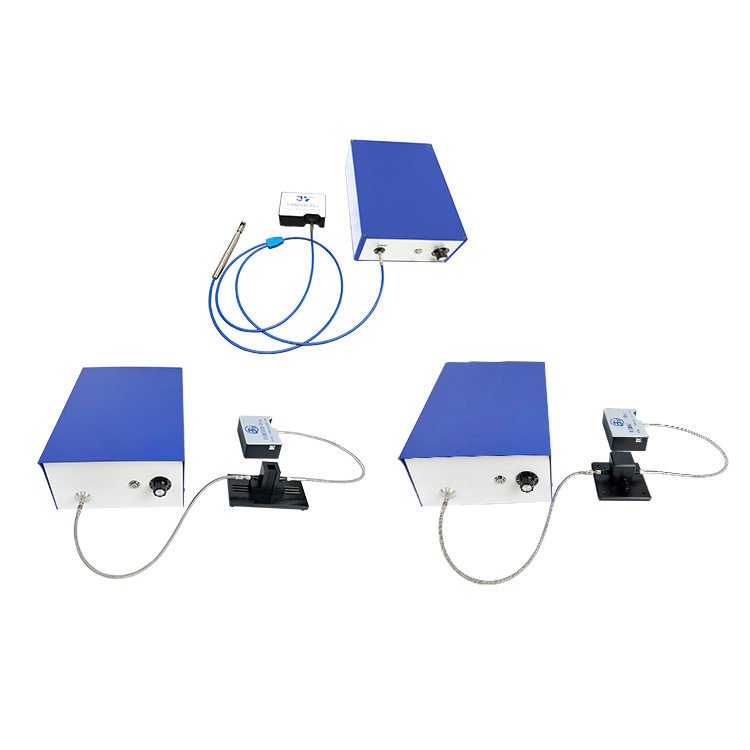
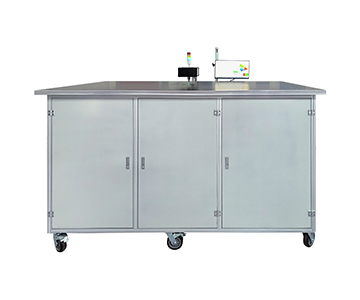
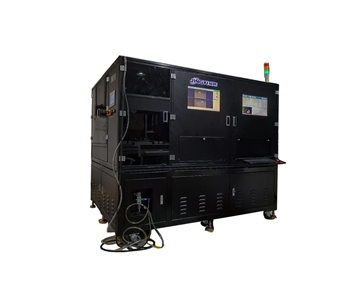
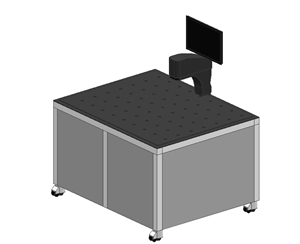
Specifically optimized for routine R&D workflows, the Jingyi system accommodates three common luminescent material formats—solutions, powders, and thin films—without requiring custom fixture modifications. Compared to traditional large-scale fluorescence spectrometers, its footprint shrinks by over 60%, eliminating the need for dedicated darkrooms: it operates seamlessly on standard laboratory benches, significantly enhancing flexibility. Moreover, its total procurement cost is just one-third that of comparable imported instruments—dramatically lowering the entry barrier for QY measurement. It is especially well-suited for university materials-science research groups, optoelectronic research institutes, and small-to-midsize new-materials R&D enterprises.
Jingyi Optoelectronics further supports this system with comprehensive, lifecycle technical services—including periodic recalibration using traceable light sources to guarantee long-term measurement accuracy. Customized extensions—such as temperature-controlled modules or in-situ measurement capabilities—can also be implemented upon request to meet specific R&D requirements. Looking ahead, as AI and IoT technologies become increasingly integrated with analytical instrumentation, this domestically developed, high-value analyzer will evolve further—enabling intelligent data fitting, automatic synchronization of test results with institutional laboratory databases, and other advanced functionalities. Ultimately, it will serve as a foundational tool empowering China’s independent innovation and industrial advancement in novel materials.
#Fluorescence_Efficiency_Testing_System #Fluorescence_Quantum_Yield_Analyzer #Photoluminescence_Efficiency_Measurement_System #Quantum_Dot_Quantum_Yield_Analyzer #Quantum_Efficiency_Testing_Instrument #Fluorescence_Quantum_Yield_Measurement_System
Product Image:
Scene Image: {{output}}