First, Clarify Several Easily Confused Optical Parameter Concepts
The large-scale commercial deployment of industries such as LiDAR, silicon photonics modules, and high-power semiconductor lasers has raised requirements for optical parameter measurement—particularly in accuracy and data reproducibility—far beyond those of traditional optical communication operations and maintenance. Many practitioners encounter significant test-data deviations or inconsistent results across batches due to misconceptions about optical parameters or inappropriate selection of measurement equipment.
The “optical power” we commonly refer to is, fundamentally, the capability of an optical beam to deliver energy per unit time. It is typically expressed in milliwatts (mW) or decibel-milliwatts (dBm), with the conversion reference defined as 1 mW = 0 dBm. Optical signals weaker than 1 mW yield negative dBm values. As a foundational performance metric in optical device validation, optical power is frequently confused with illuminance, luminous intensity, and luminous flux:
- **Illuminance** quantifies the incident lighting intensity per unit illuminated area, measured in lux (lx);
- **Luminous intensity** denotes the luminous power emitted per unit solid angle in a specific direction, measured in candela (cd);
- **Luminous flux**, by contrast, represents the total amount of visible light energy passing through a given cross-sectional area per unit time. Its core distinction from optical power lies in scope: luminous flux integrates radiant energy across the entire cross-section, whereas optical power focuses on effective, usable power output. Misidentifying these definitions often leads to fundamental mismatches between measurement requirements and equipment selection.
Core Measurement Platforms for Optical Power and Their Applicability Boundaries
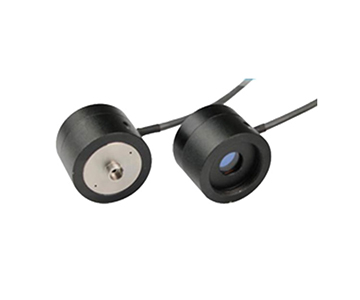
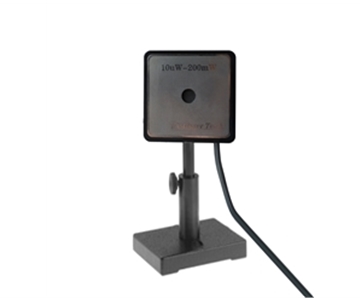
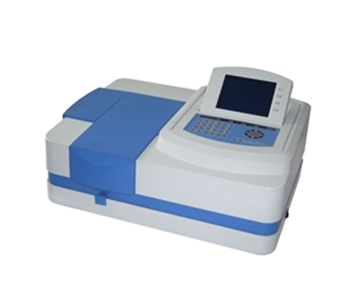
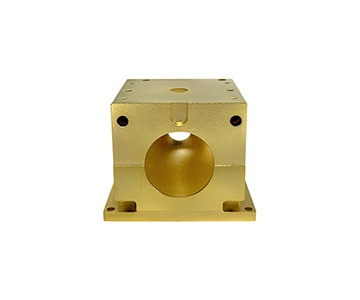
As the primary platform for optical power measurement, conventional optical power meters exhibit clearly defined applicability boundaries: They offer excellent cost-performance ratios for routine applications—such as fiber-optic link loss assessment and optical terminal output power testing. Depending on detector head design, they can be adapted to various scenarios: Large-area detector heads are ideal for measuring collimated, parallel beams; small-area detector heads provide higher sensitivity but pose greater calibration challenges—sufficient for standard operations and routine laboratory testing. However, for specialized sources—such as divergent-output laser diodes or pulsed lasers propagating in free space—the limitations of conventional power meters become pronounced: Variations in incident laser polarization and angular misalignment can induce measurement errors exceeding 0.8 dB; even repeated measurements of the same sample at different times may yield non-comparable results.
Solutions for Specialized Optical Power Measurement
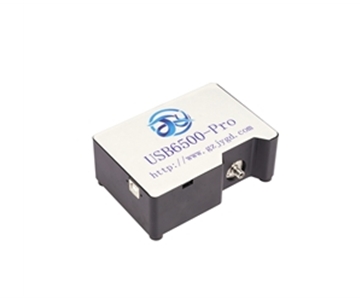
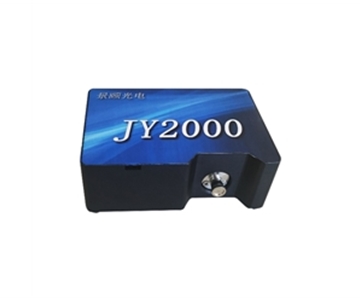
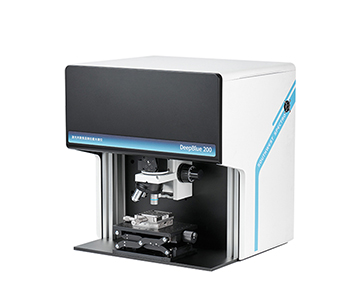
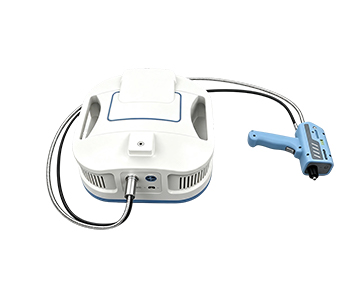
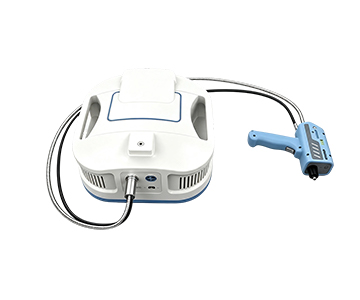
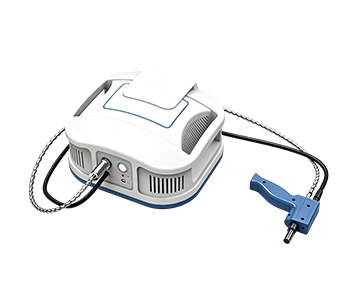
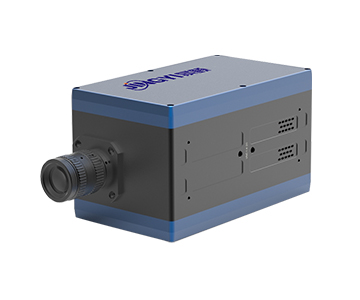
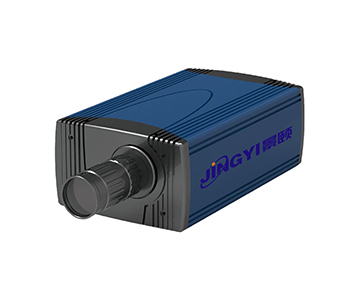
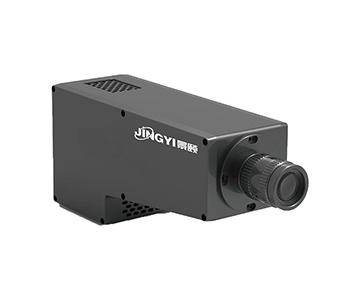
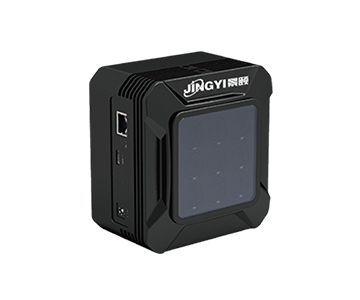
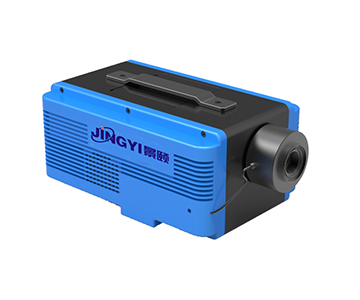
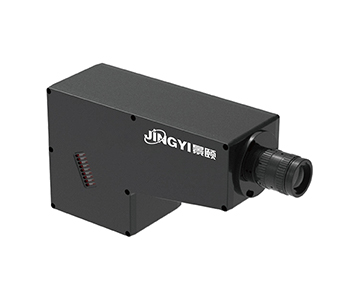
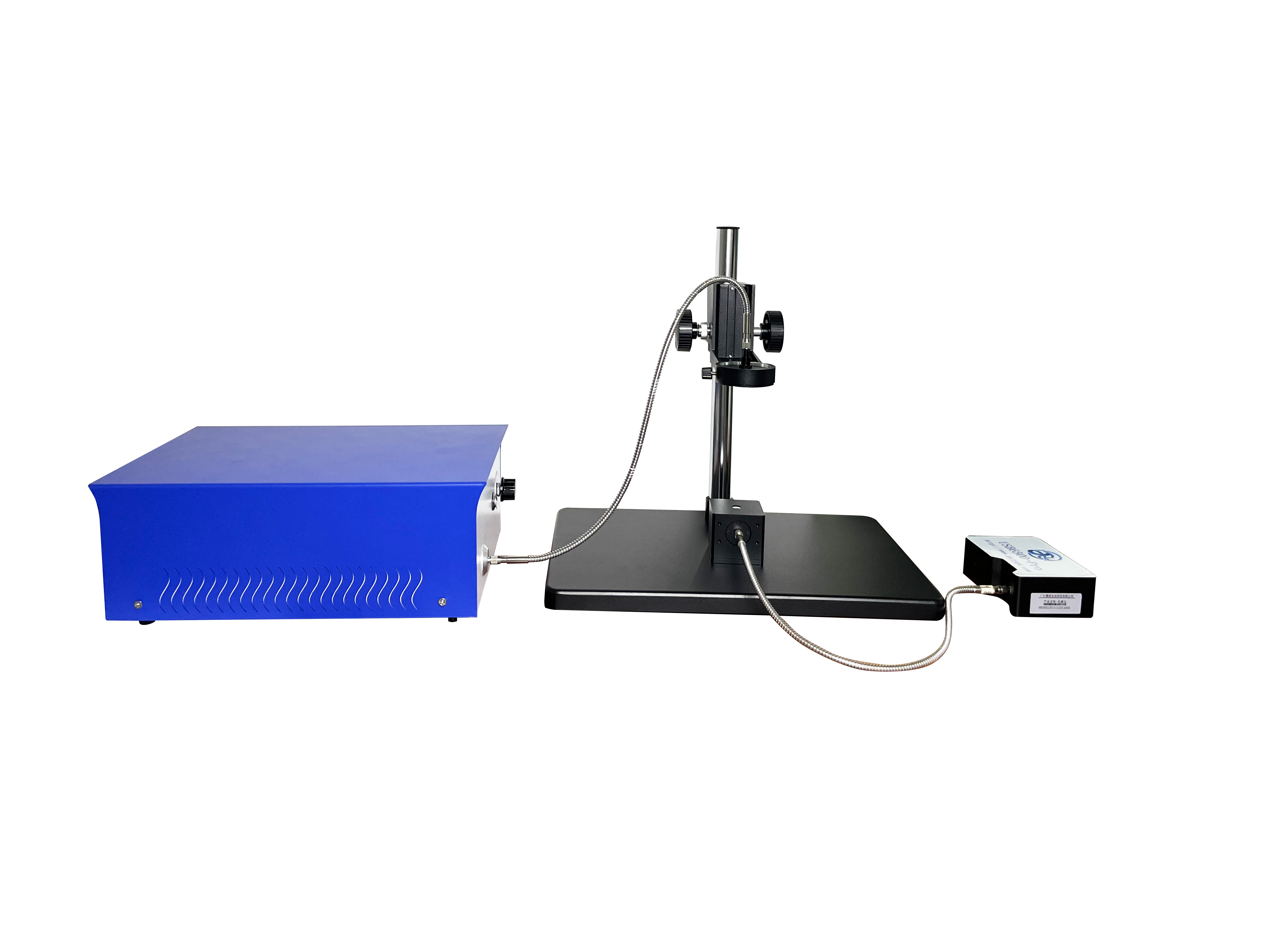
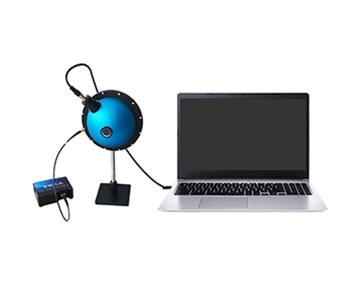
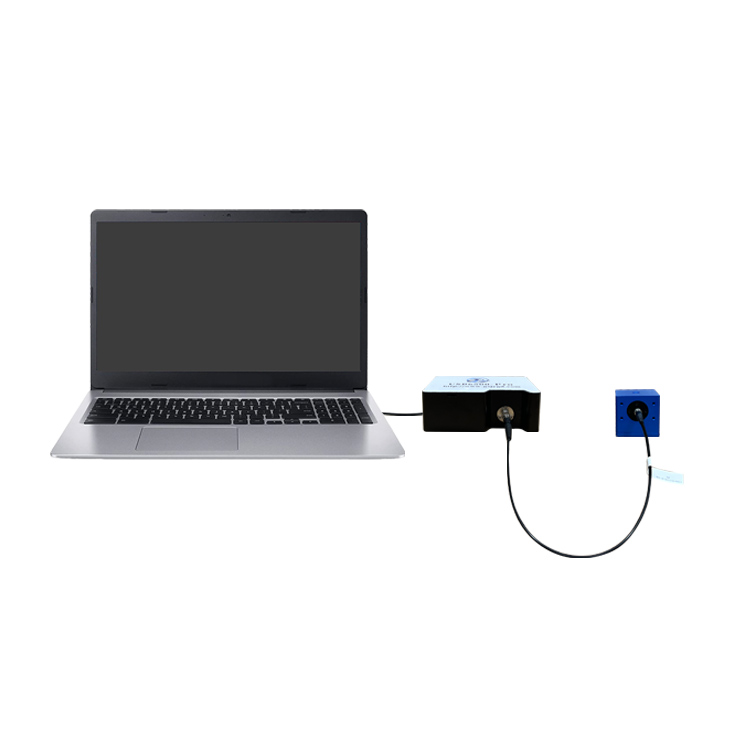
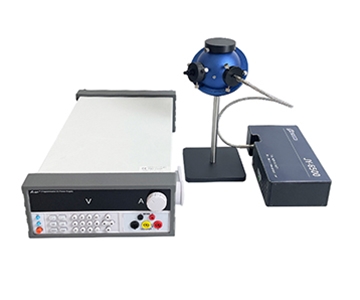
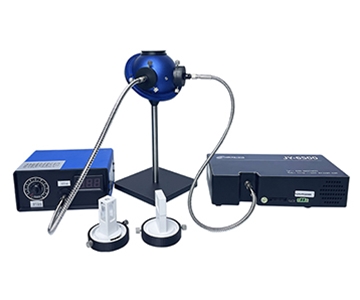
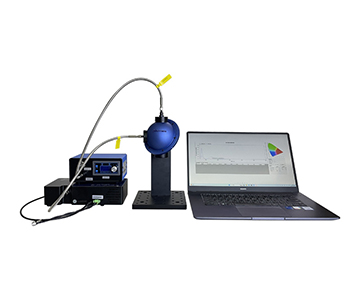
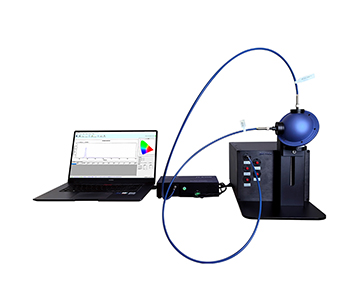
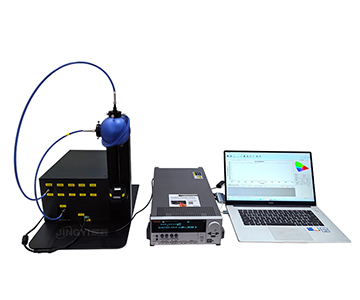
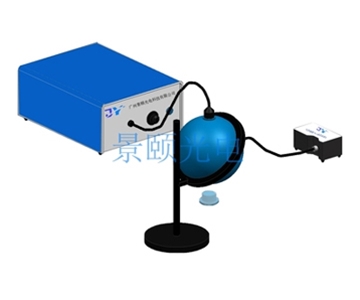
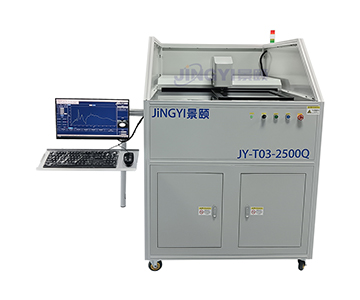
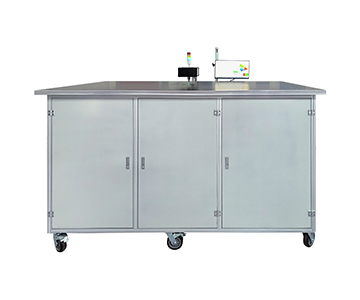
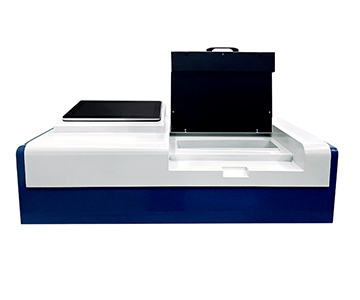
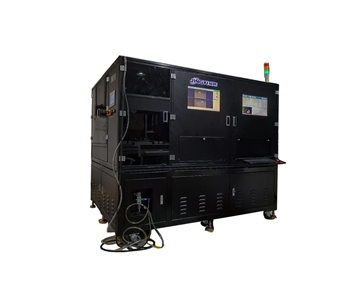
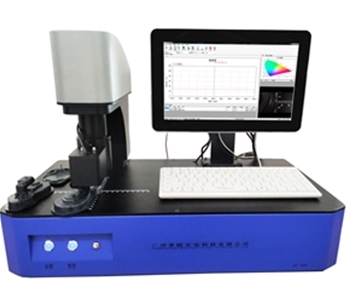
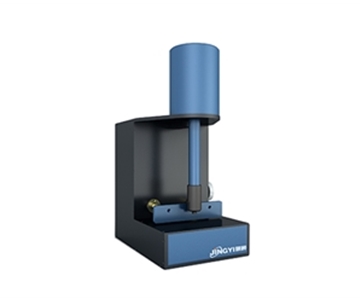
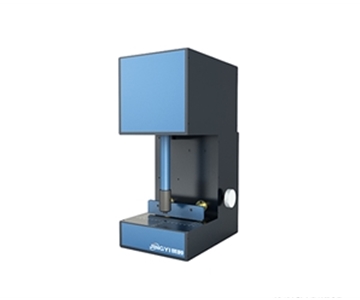
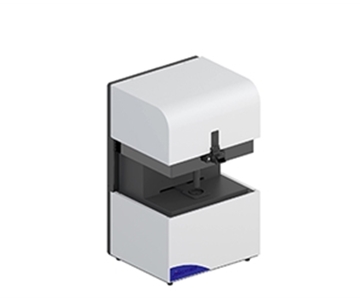
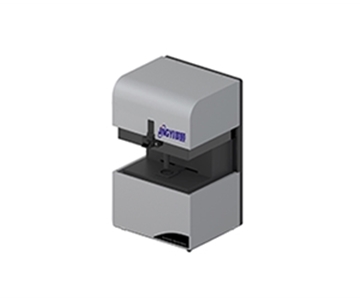
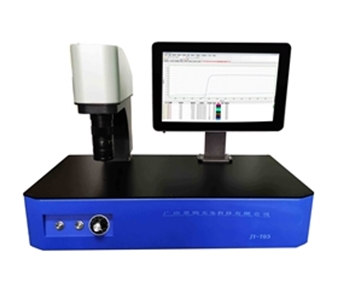
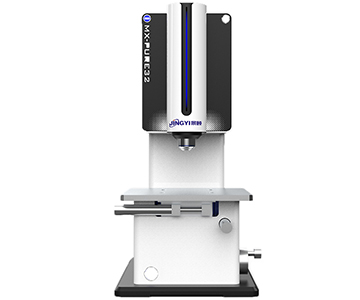
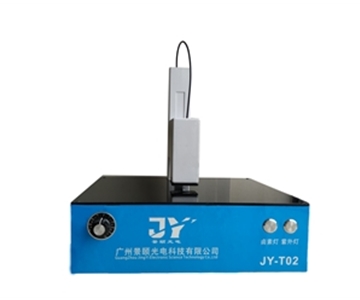
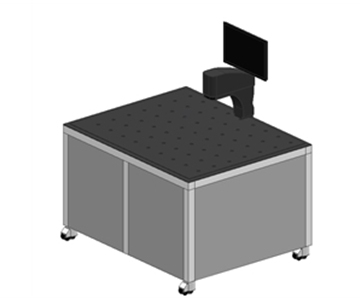
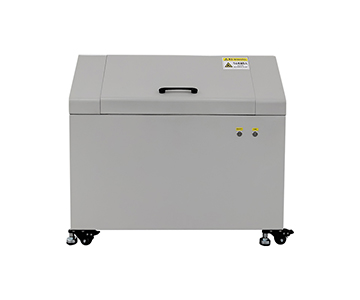
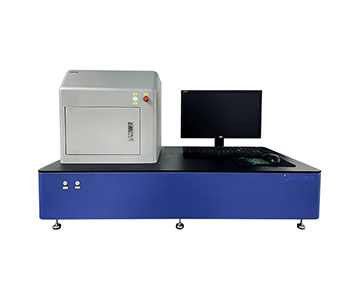
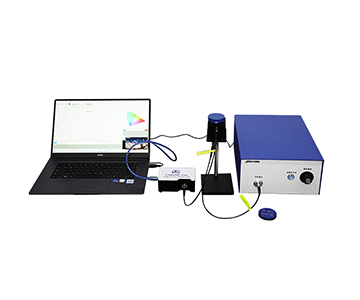
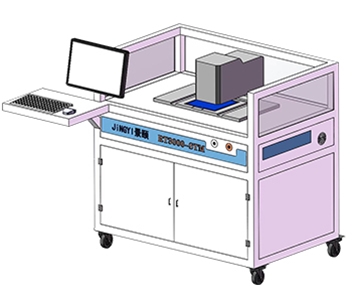
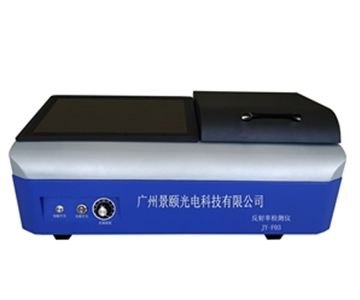
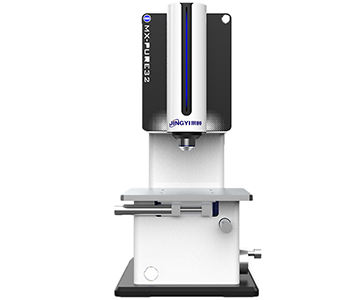
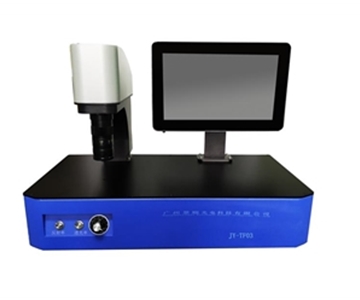
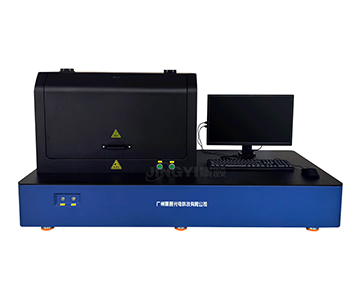
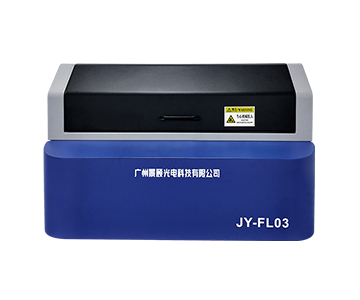
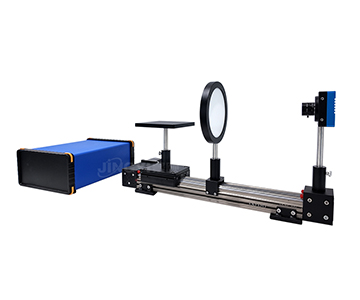
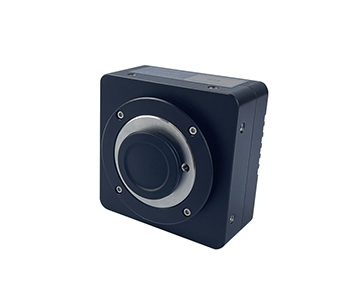
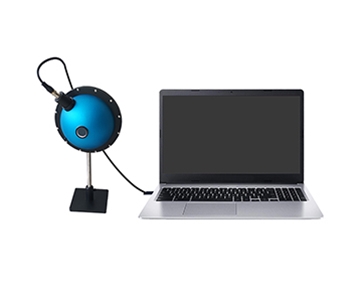
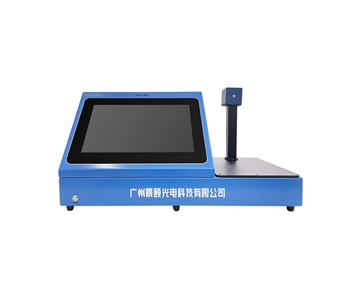
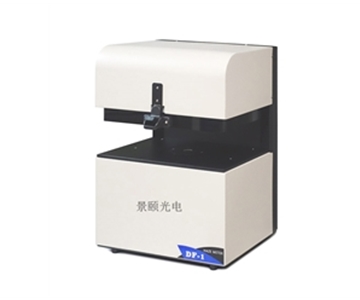
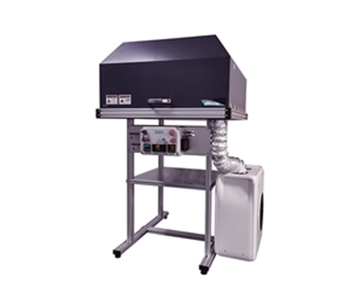
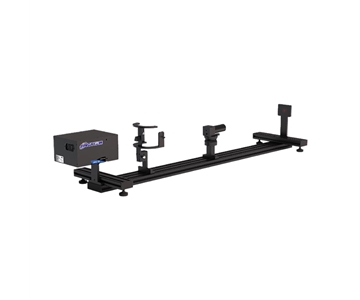
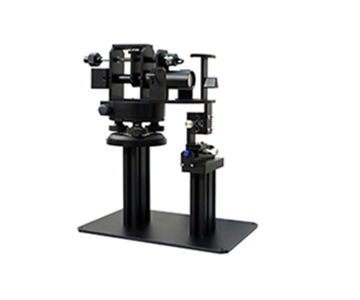
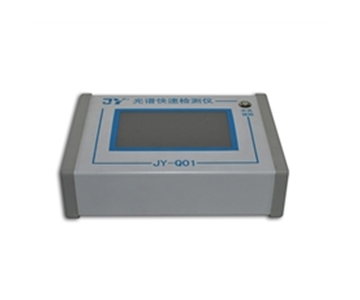
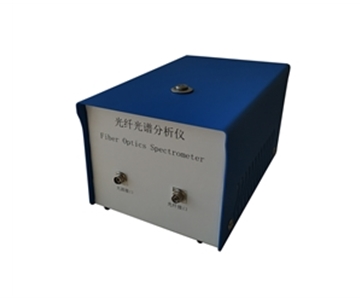
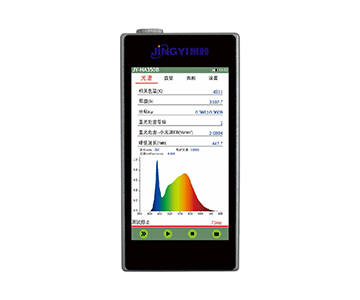
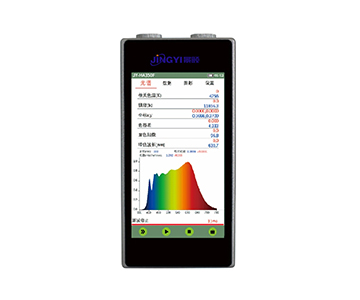
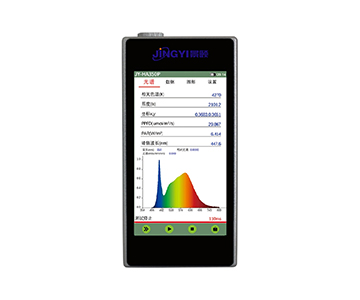
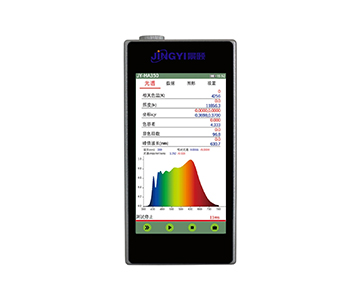
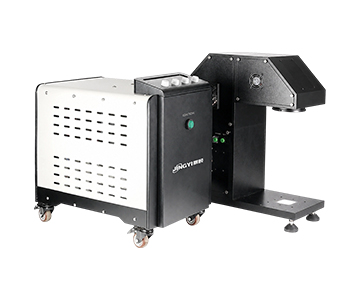
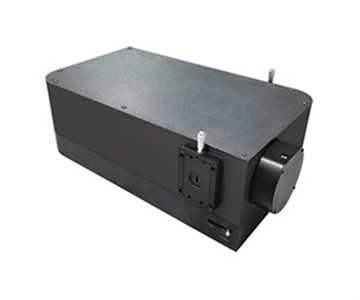
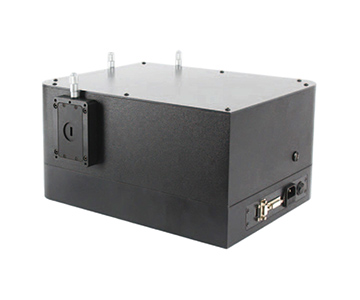
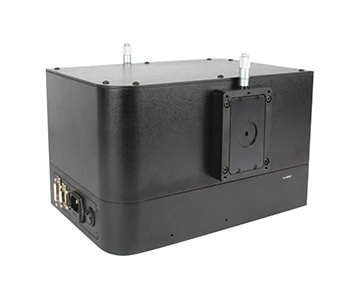
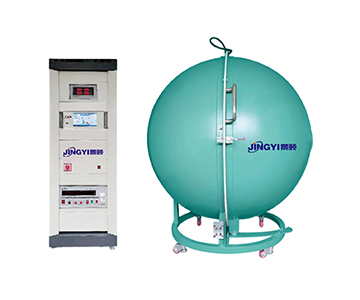
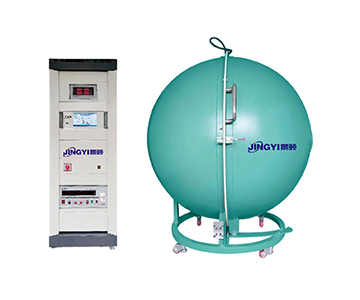
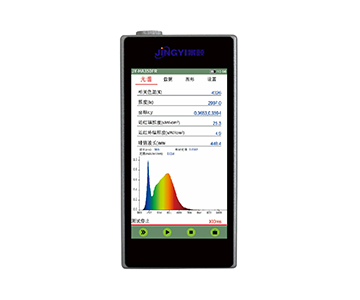
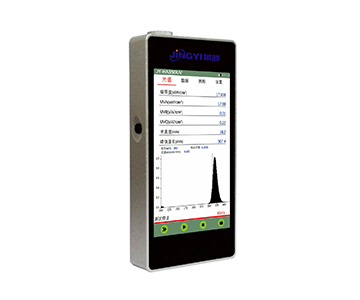
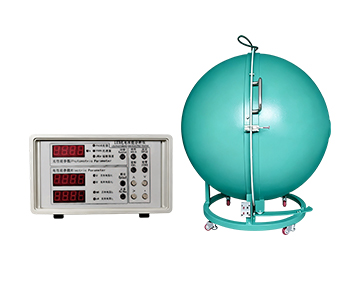
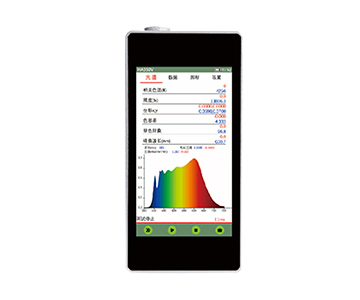
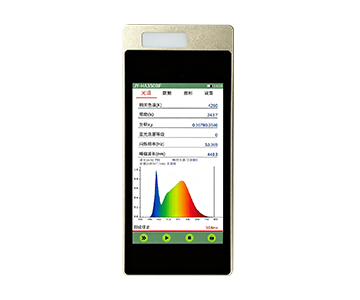
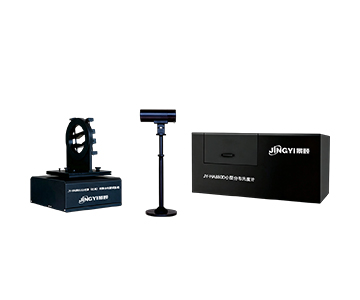
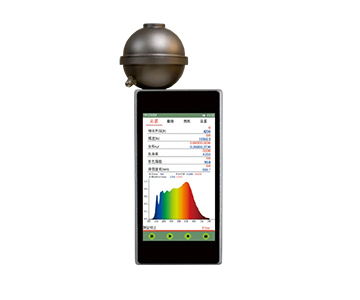
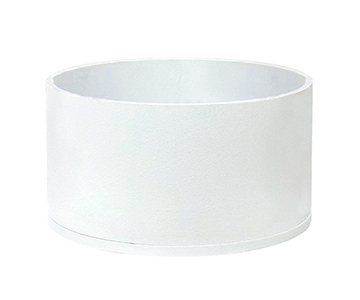
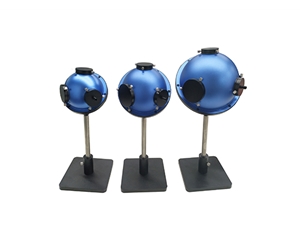
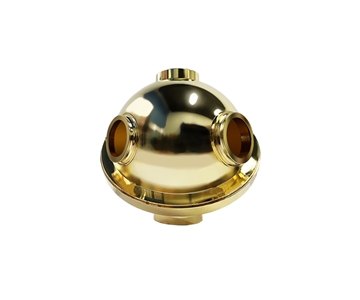
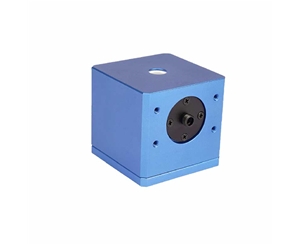
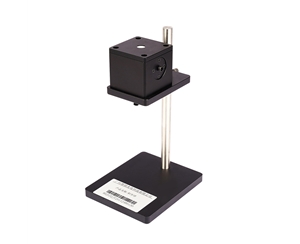
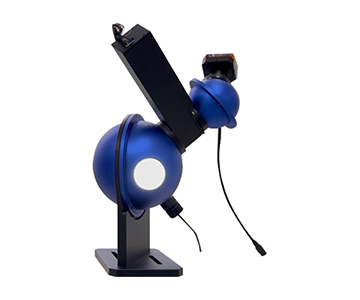
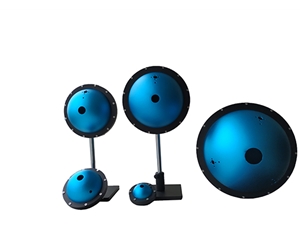
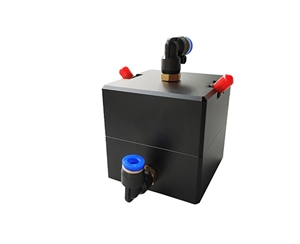
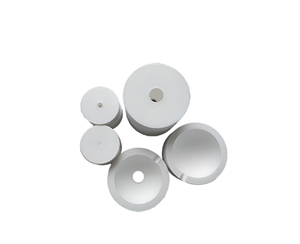
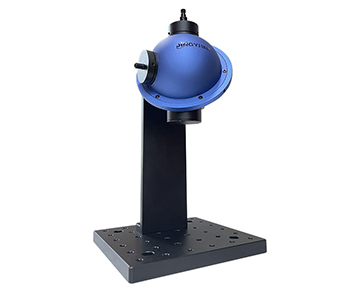
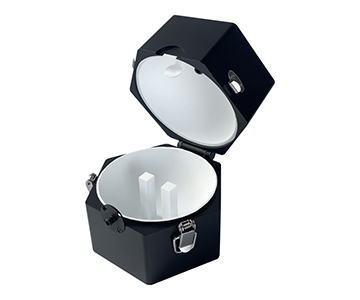
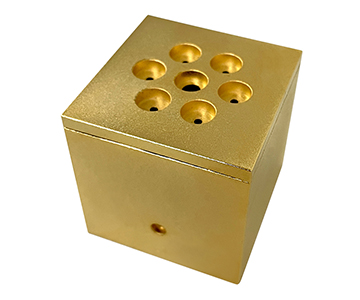
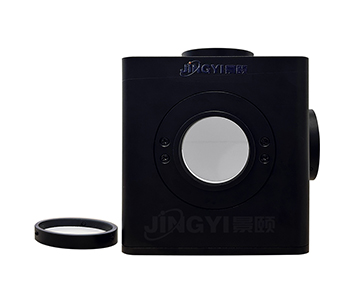
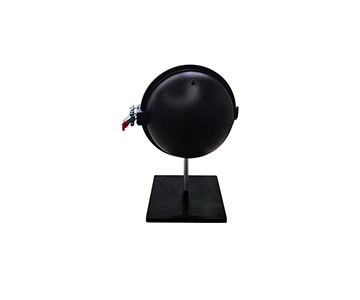
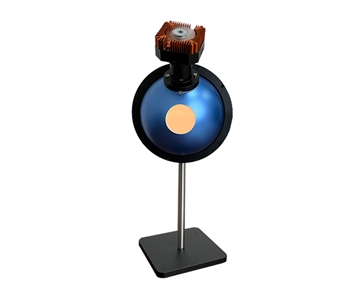
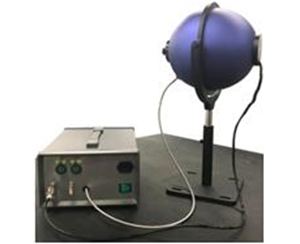
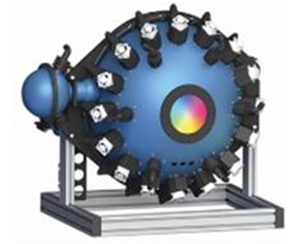
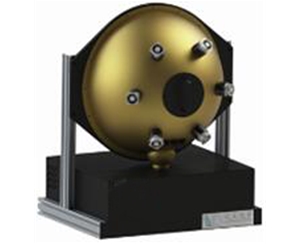
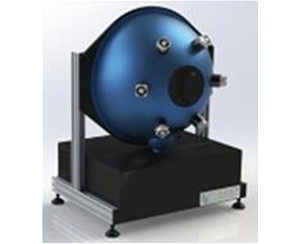
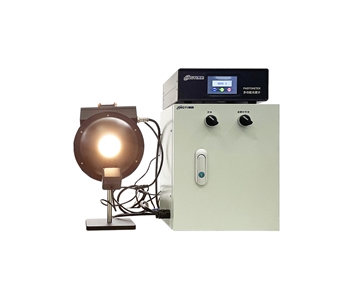
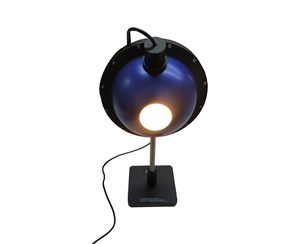
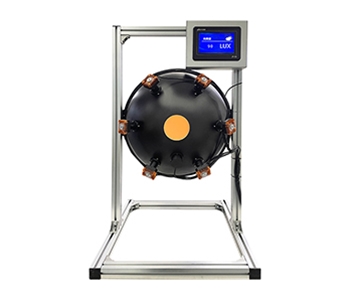
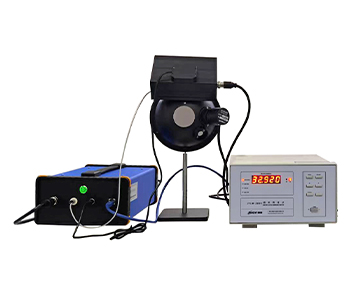
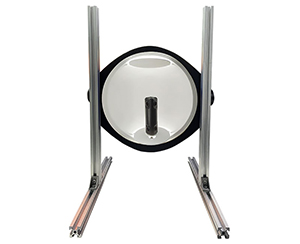
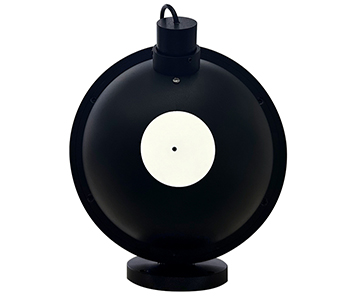
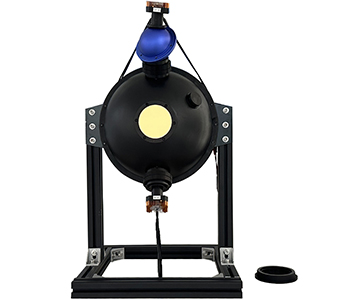
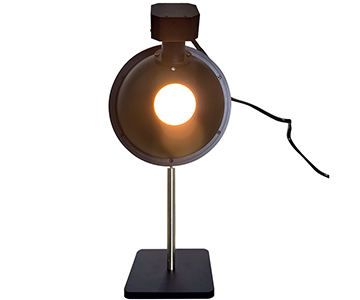
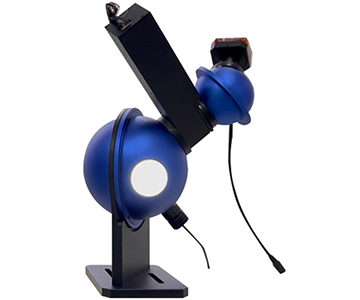
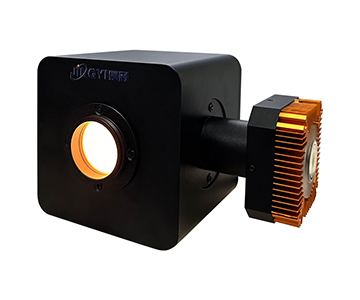
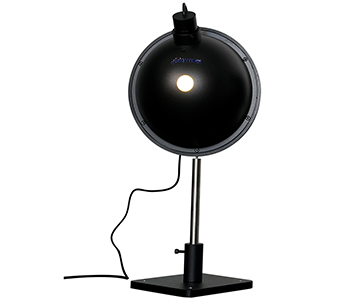
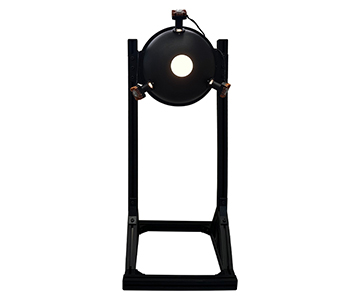
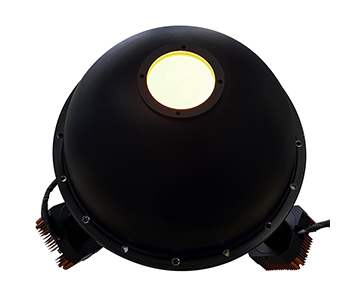
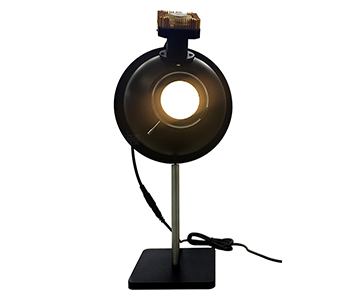
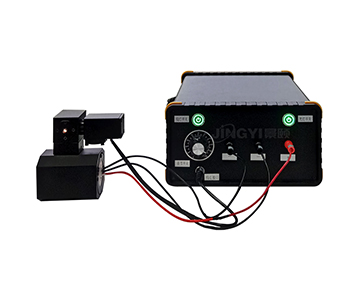
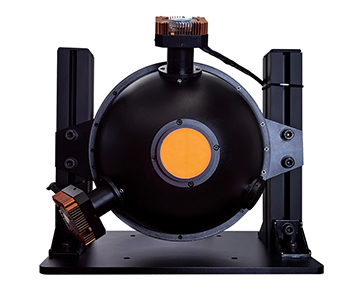
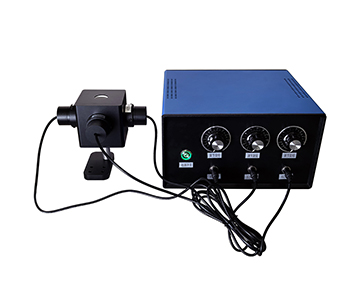
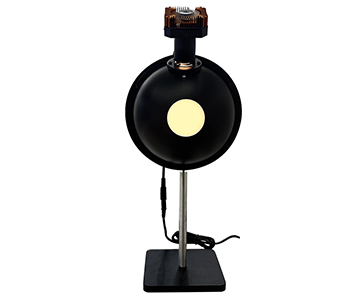
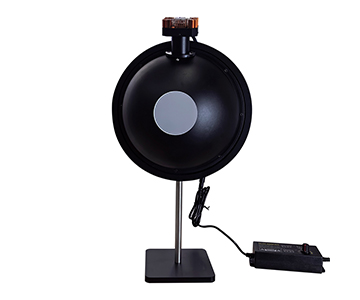
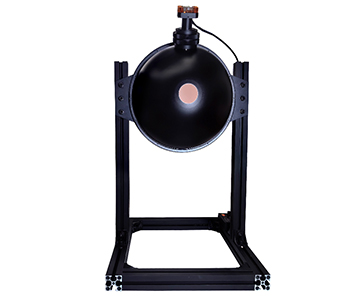
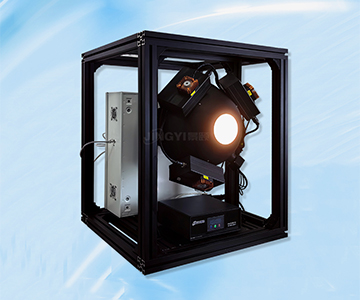
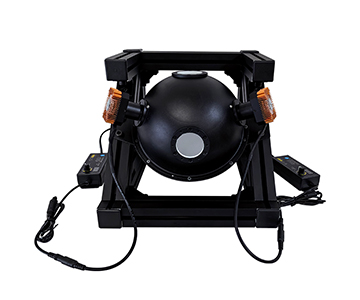
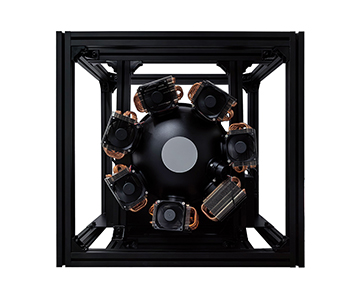
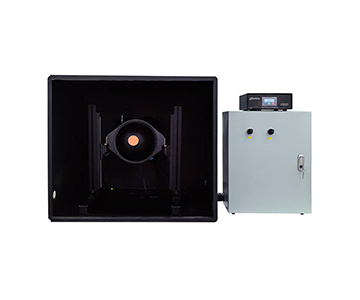
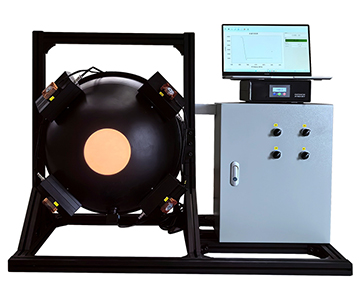
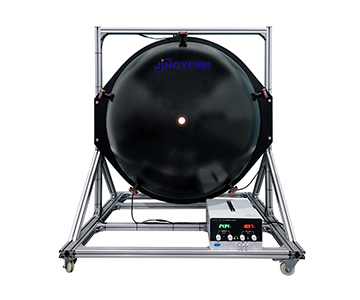
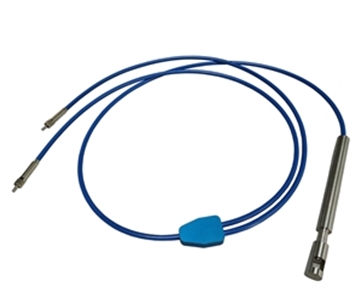
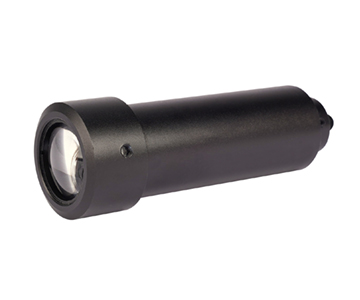
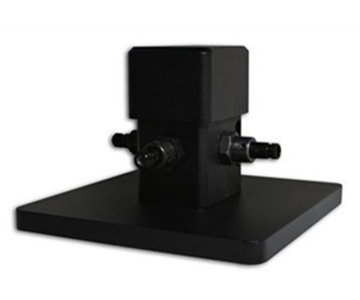
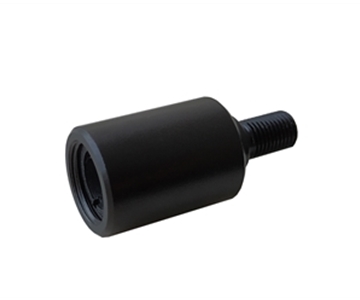
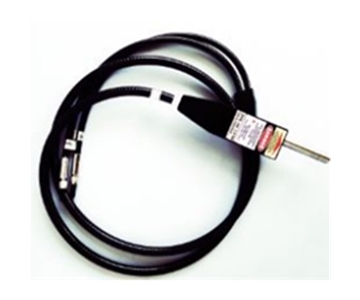
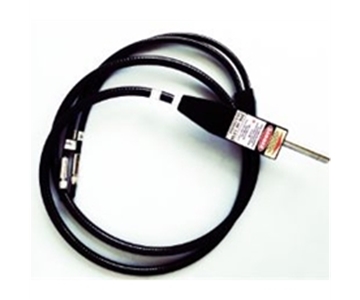
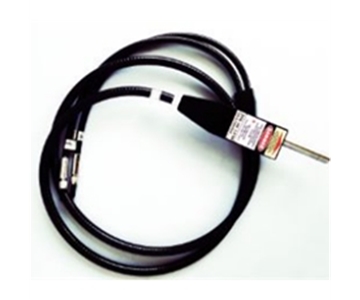
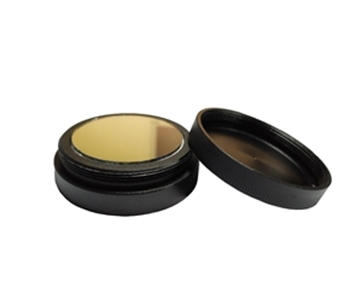
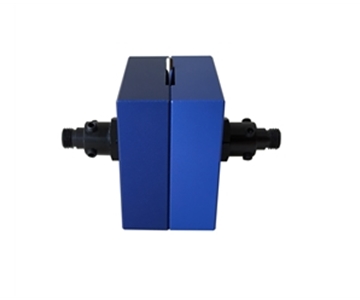
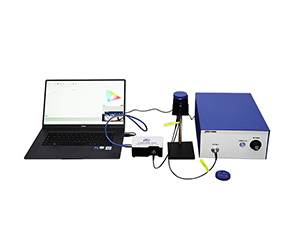
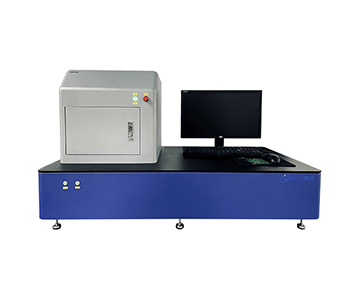
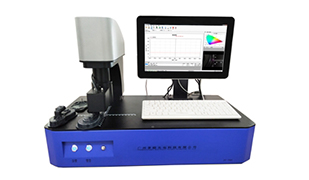
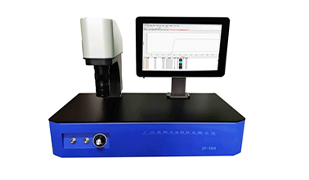
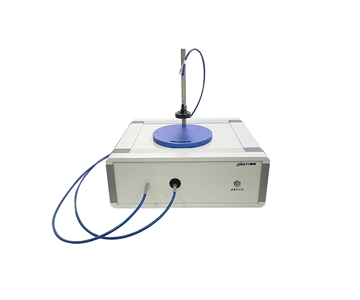
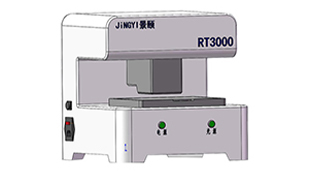
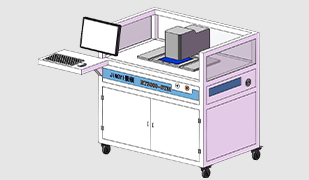
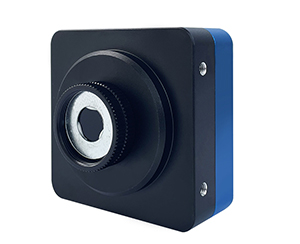
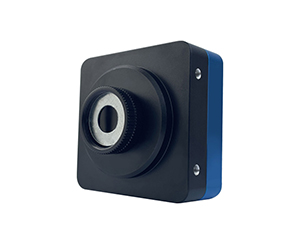
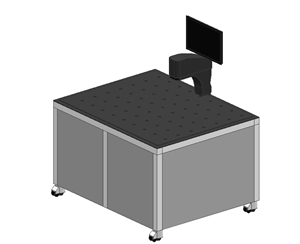
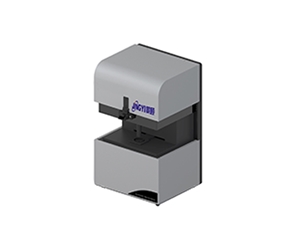
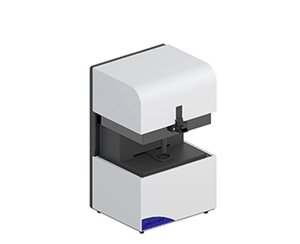
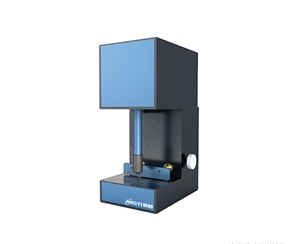
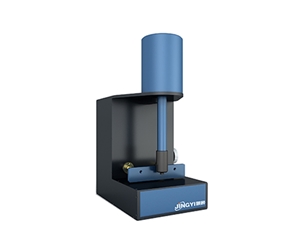
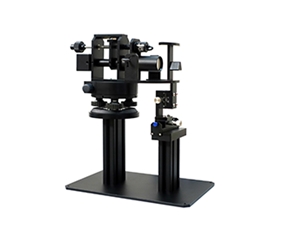
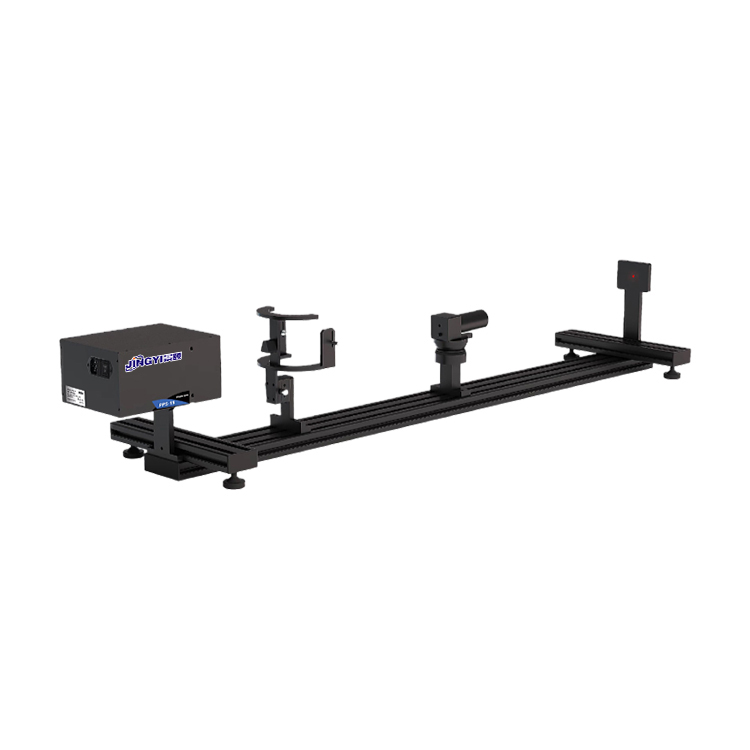
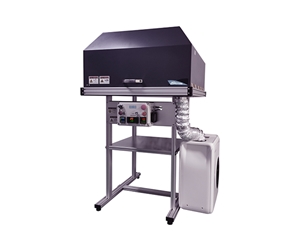
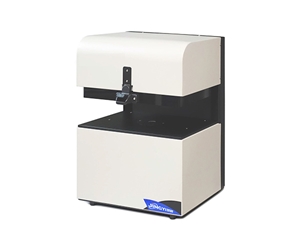
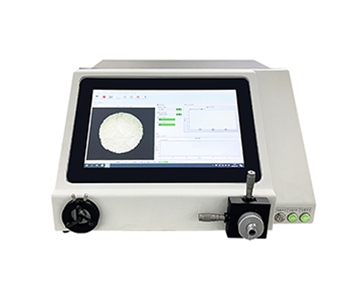
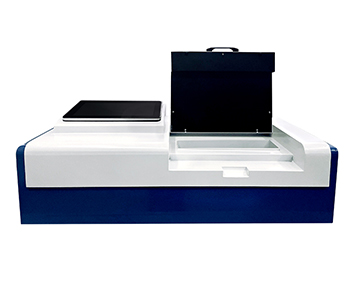
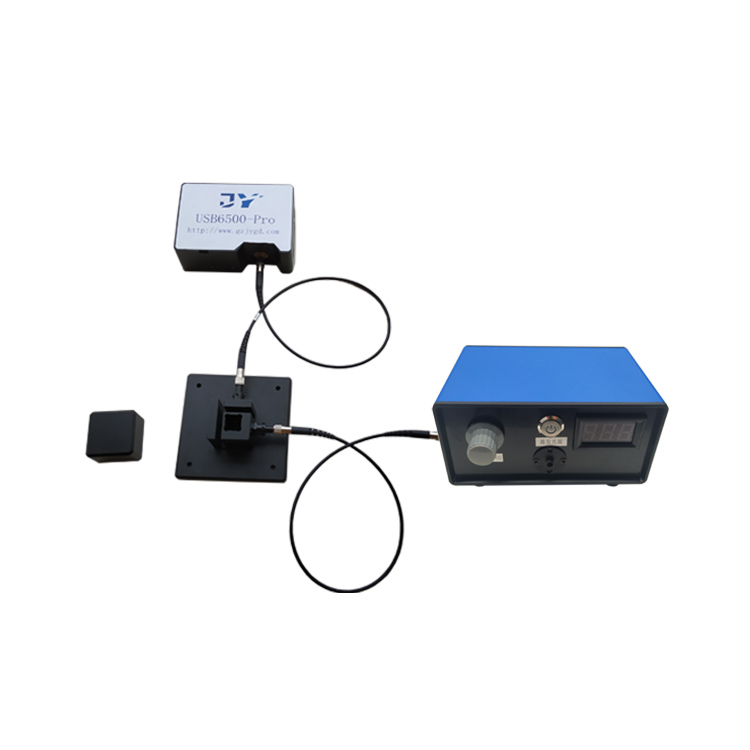
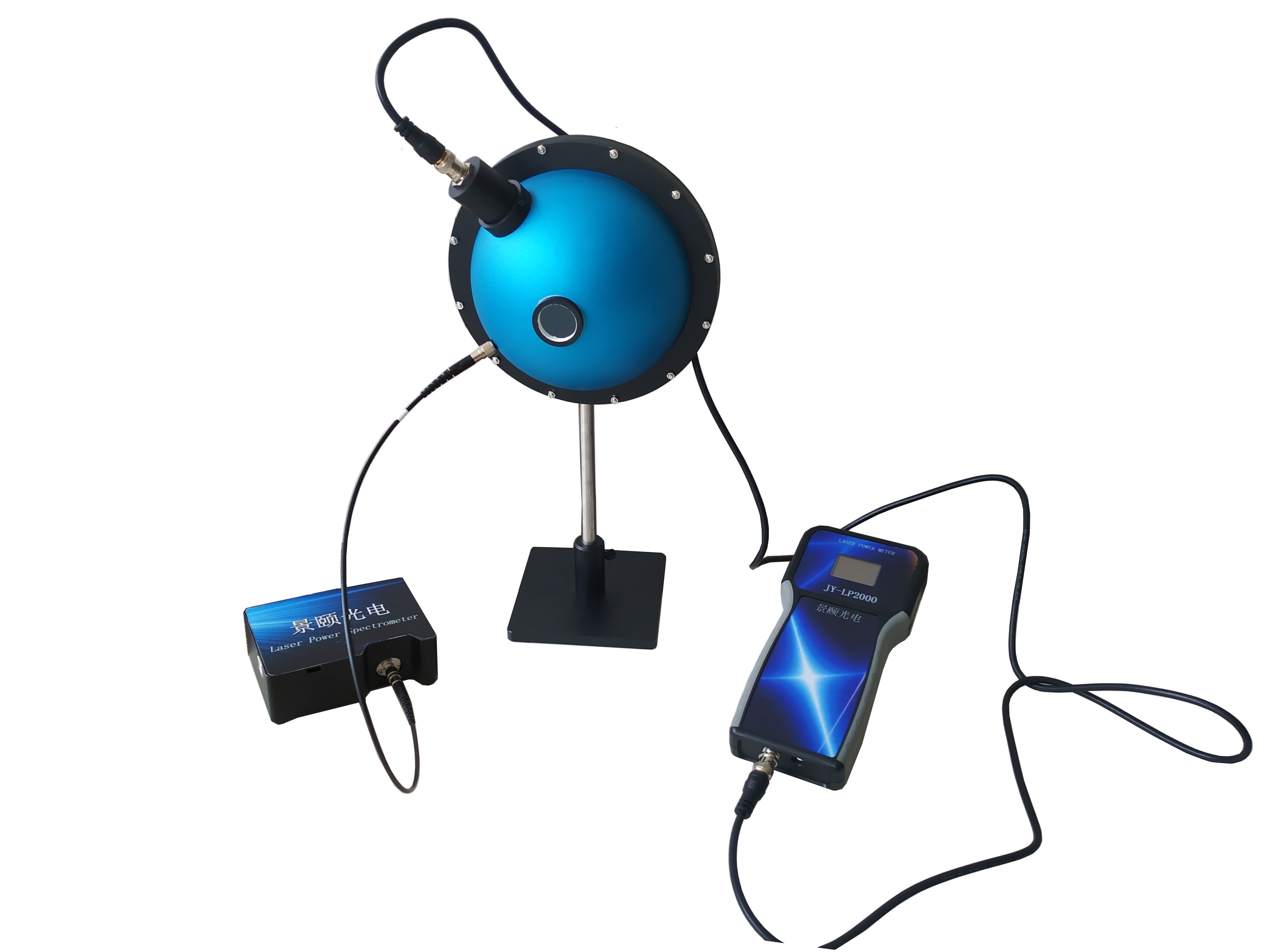
To address these industry pain points, Jingyi Optoelectronics has developed an integrated-sphere laser power analyzer—a departure from traditional single-detector power meter logic. Leveraging a custom-integrated sphere lined with highly diffuse-reflective PTFE material, this system achieves omnidirectional light collection. Its uniquely engineered internal geometry effectively neutralizes measurement interference caused by variations in incident laser polarization and angular alignment. Whether measuring collimated, alignment-optimized lasers or divergent-output laser diodes, the system delivers stable, concurrent spectral and power acquisition. Coupled with a high-sensitivity fiber-optic spectrometer and a high-precision power detection module, the system supports independent output of wavelength and power values—or real-time, synchronized analysis of both parameters via dedicated software. For broader dynamic-range applications, built-in calibrated attenuators can be customized. Critically, the entire system’s calibration traceability complies with NIST (National Institute of Standards and Technology) metrological standards, enhancing measurement reproducibility by over 40% compared to conventional approaches.
Key Dimensions for Selecting Optical Power Measurement Equipment
Many users fall into the trap of overemphasizing technical specifications when selecting optical power measurement equipment. In reality, matching just three core dimensions ensures optimal selection:
1. **Detector scheme aligned with application context**: For standard fiber-optic links, conventional optical power meters suffice; for laser diodes or free-space lasers, systems incorporating integrated-sphere collection are strongly recommended. Crucially, verify that the detector’s wavelength response range matches the source spectrum—for instance, InGaAs detectors offer flatter, more stable responsivity across the full telecom band (800–1700 nm) versus Ge-based detectors, delivering superior temperature stability and measurement accuracy.
2. **Calibration traceability credentials**: Prioritize instruments with documented, verifiable metrological traceability to reduce systematic discrepancies between equipment from different vendors.
3. **Functional suitability**: For routine O&M, devices featuring dB-relative-loss measurement functions minimize manual calculation errors; for production-line batch testing, systems supporting software integration and automated data logging are essential.
As downstream optoelectronic industries advance their measurement demands, optical power measurement continues evolving toward higher precision, greater intelligence, and enhanced scenario-specific adaptability. Jingyi Optoelectronics is actively iterating its integrated-sphere measurement system’s software algorithms—and plans to incorporate AI-driven automatic calibration and IoT-enabled automatic data upload and archival functionality—to deliver increasingly tailored, industry-specific optical measurement solutions.
#IntegratedSphereLaserPowerMeter #LaserPowerTester #IntegratedSphereLaserPowerAnalyzer #IntegratedSphereOpticalPowerMeasurementSystem #IntegratedSphereOpticalPowerMeter #OpticalPowerMeter #IntegratedSphereSpectralPowerTestSystem