Portable Detection’s Optical Breakthrough: What Can Near-Infrared Spectrometers Actually Do?
Many people still associate spectral analysis with bulky, lab-bound instruments—devices requiring samples to be collected and then waiting hours—or even days—for results. Today, however, thanks to the maturation of fiber-optic spectroscopy, high-precision spectral analysis once confined to laboratories can now fit in your bag and travel effortlessly to fields, production lines, remote environmental monitoring sites, or even point-of-care clinical settings—delivering accurate data in just a few milliseconds.
Naturally, many wonder: How can such compact devices achieve high-precision detection? Fundamentally, a near-infrared (NIR) spectrometer functions as a “molecular-level identity verifier” for light: every substance interacts uniquely with light—whether by reflecting, transmitting, fluorescing, or generating Raman signals—producing a distinctive energy distribution across wavelength bands in the returned optical signal. This unique spectral “optical fingerprint” enables the NIR spectrometer to identify composition, quantify concentrations, and even monitor dynamic reaction processes.
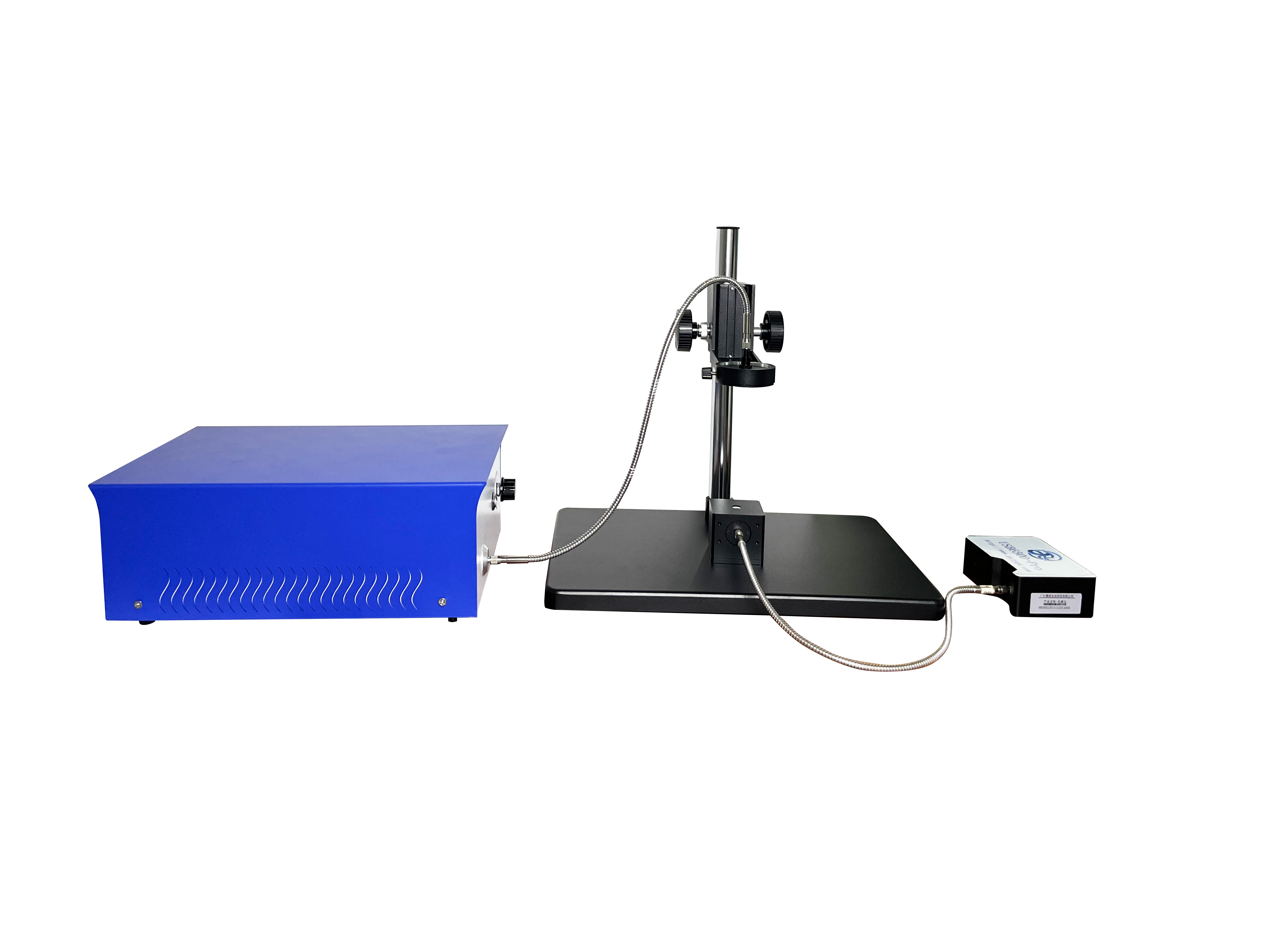
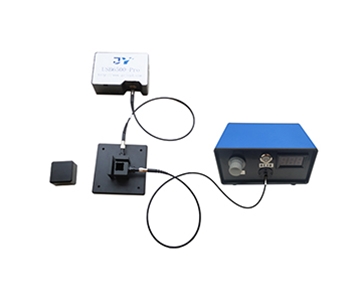
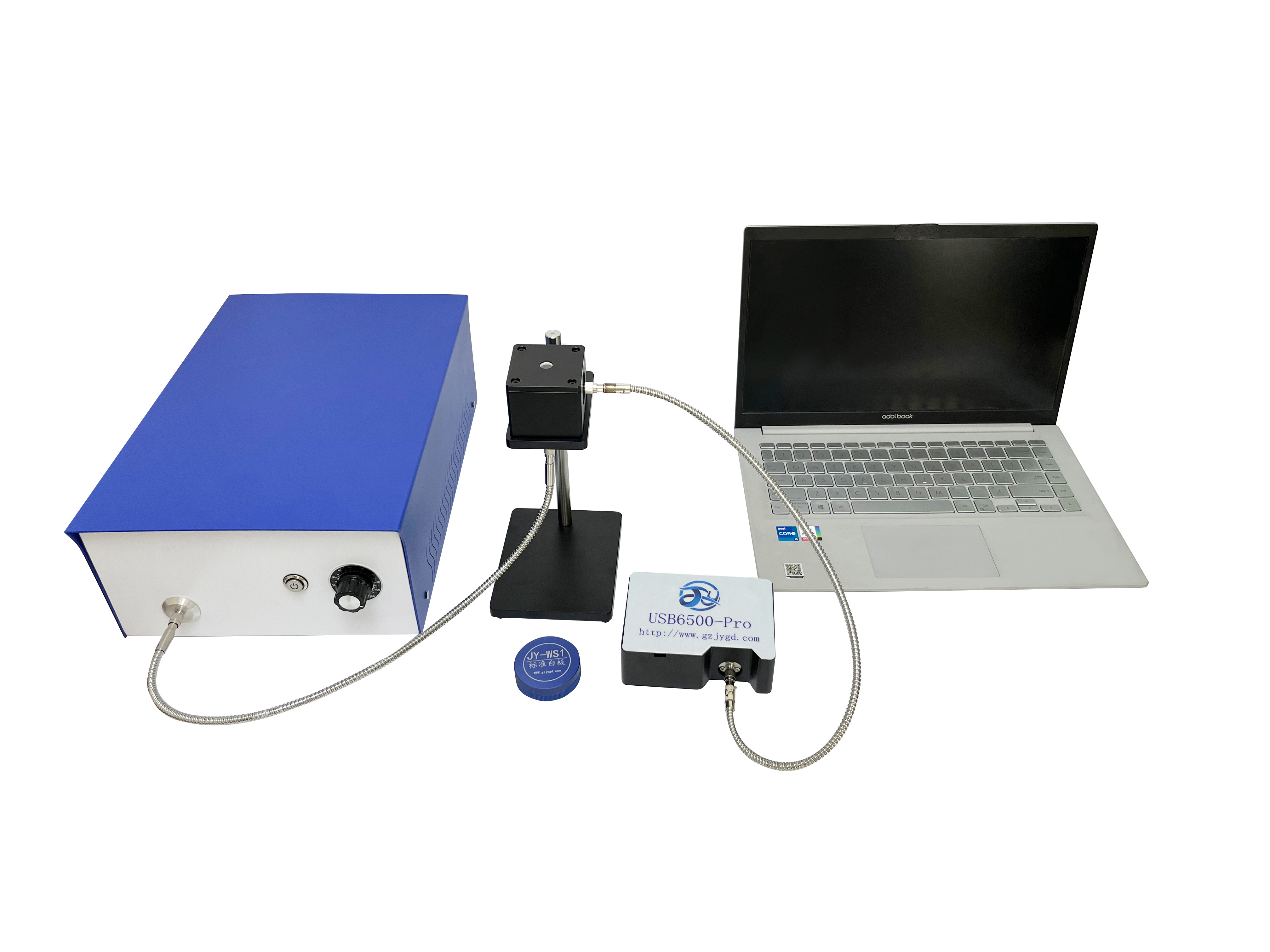
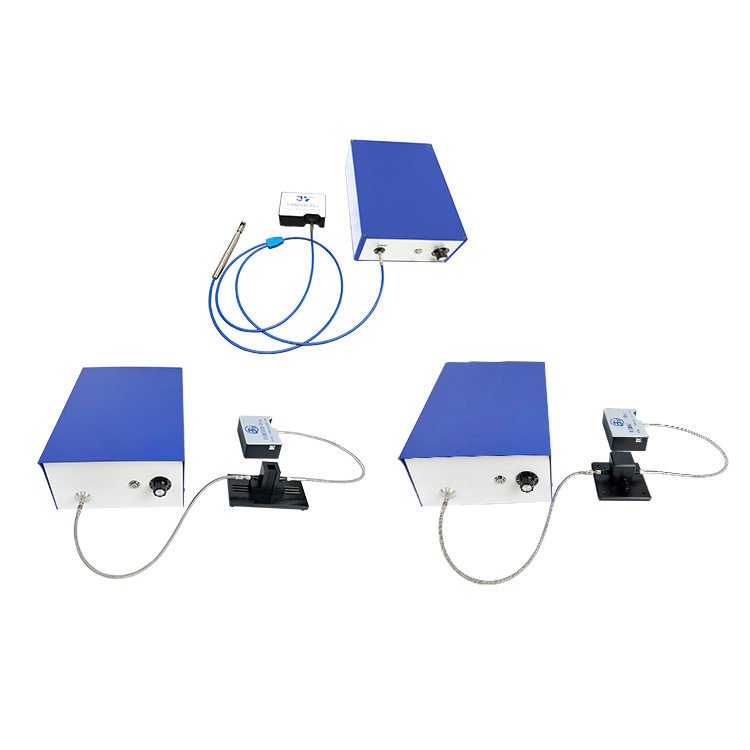
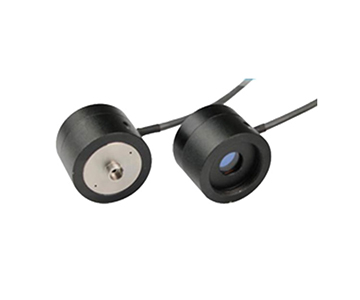
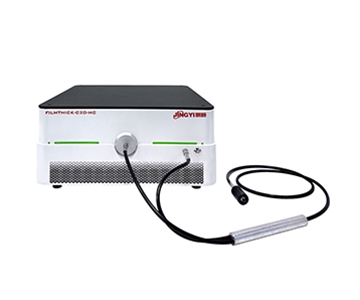
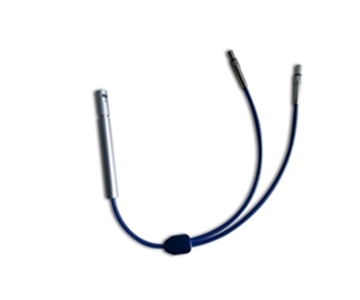
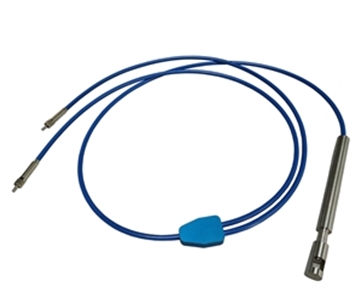
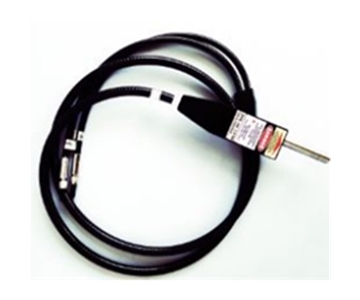
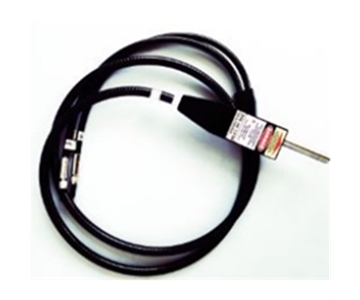
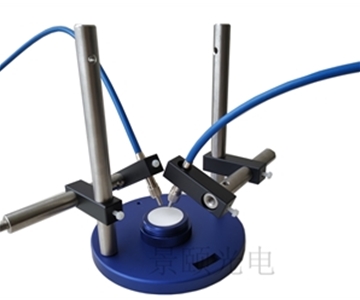
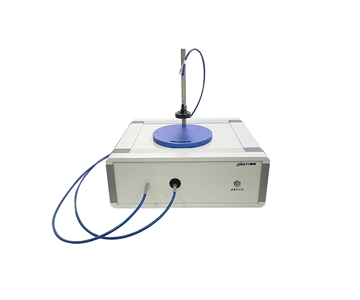
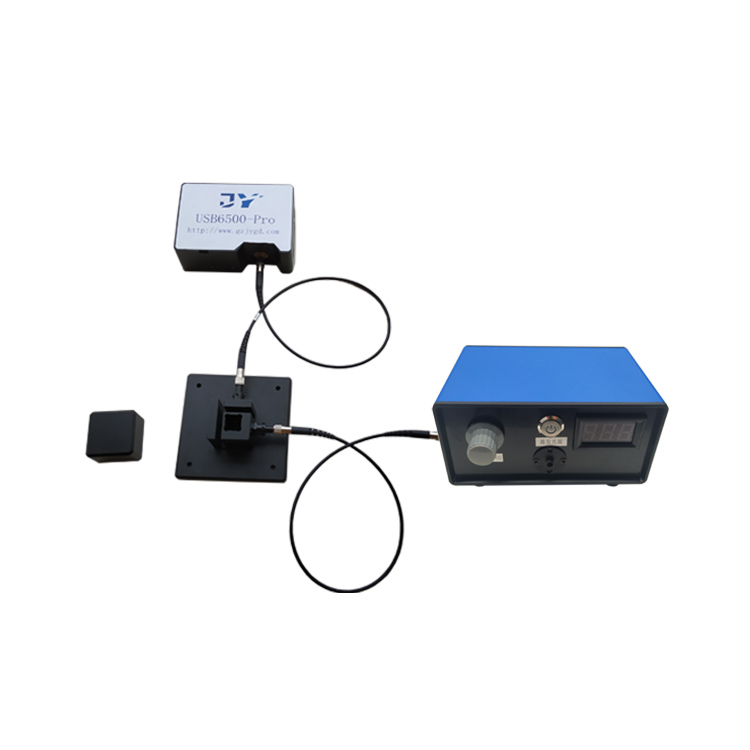
Unlike conventional spectrometers that rely on lenses to directly collect light, NIR spectrometers use optical fibers as the light-conducting medium—eliminating the need to bring samples to the instrument. Whether sampling from narrow equipment gaps or elevated locations, simply inserting the fiber probe suffices—greatly expanding applicability across diverse environments. Yet achieving laboratory-grade precision within a miniature form factor demands overcoming three critical technical hurdles:
1. The dispersive system must deliver uniform spectral separation across a broad wavelength range to prevent distortion in any specific band;
2. The photosensitive detector must reliably capture extremely weak optical signals—such as low-energy fluorescence or Raman emissions;
3. System stability must remain robust under complex operational conditions—even during continuous 24/7 deployment—without signal drift.
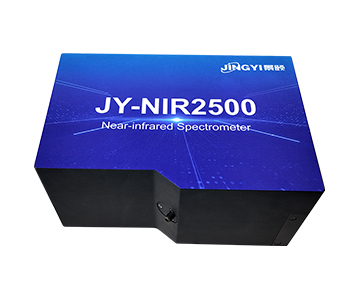
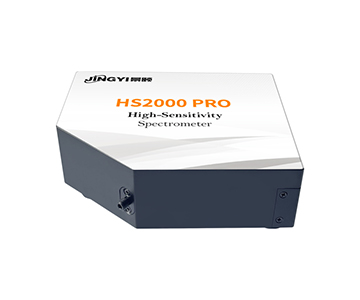
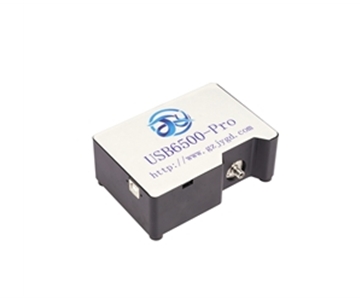
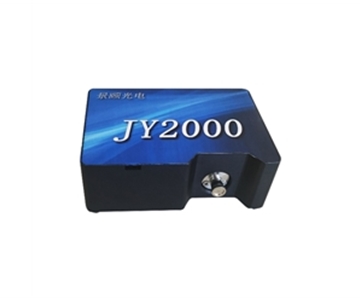
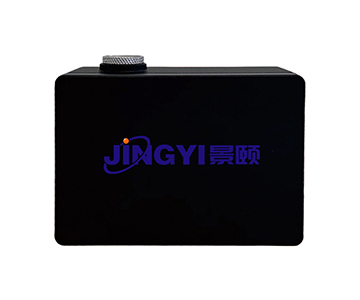
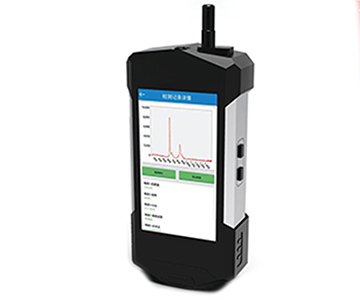
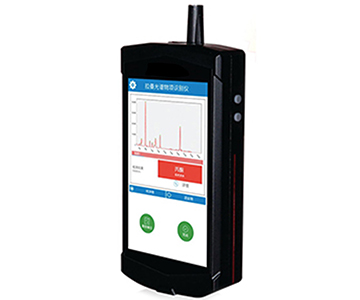
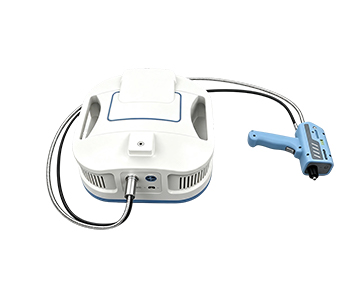
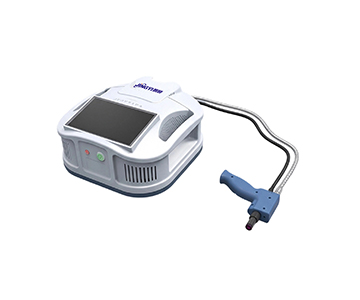
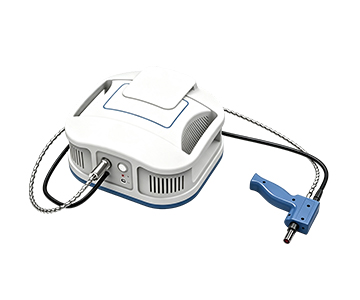
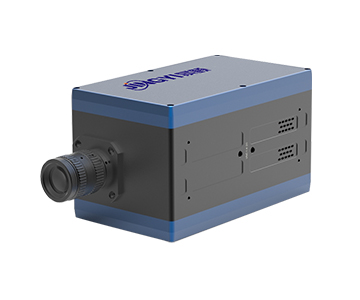
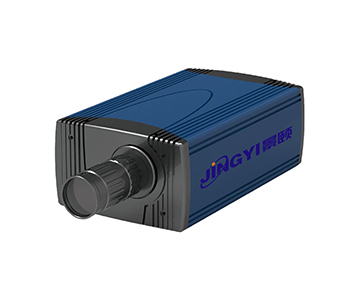
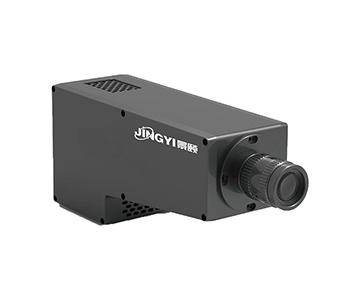
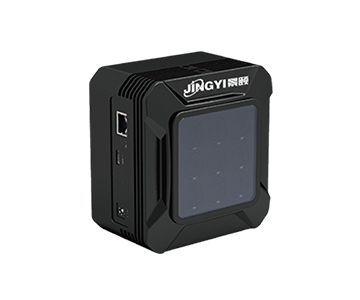
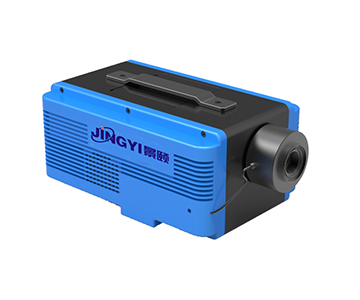
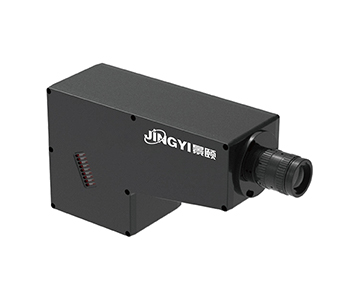
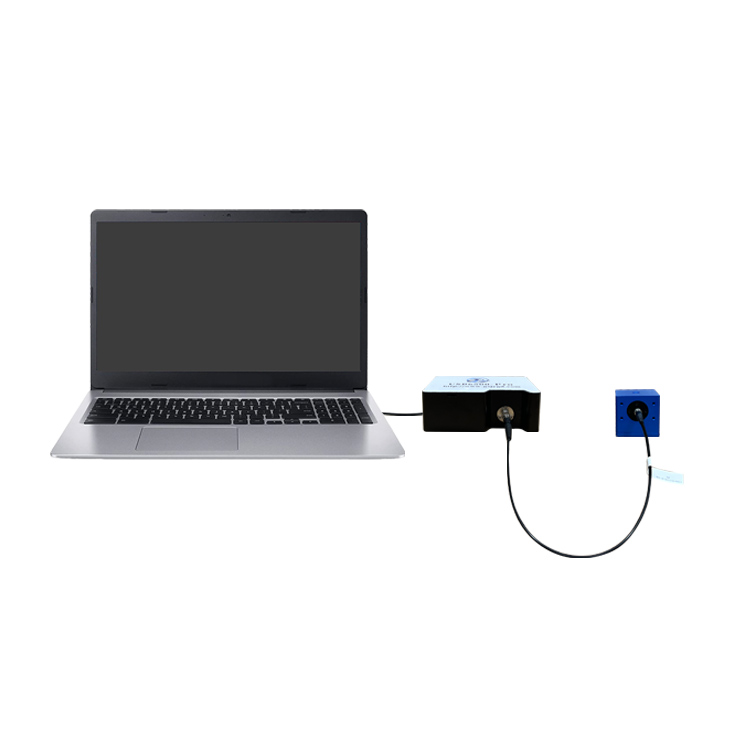
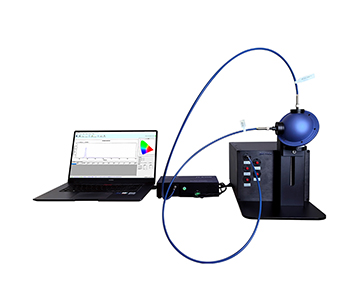
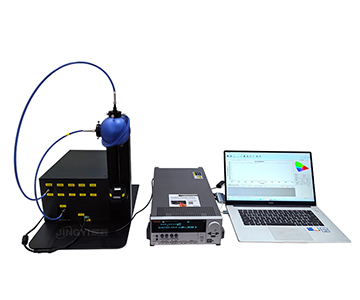
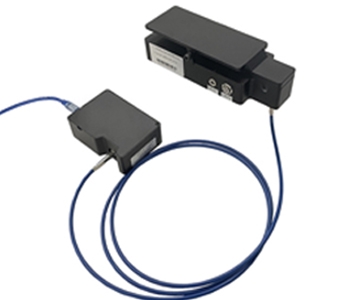
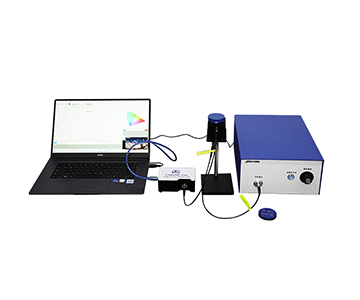
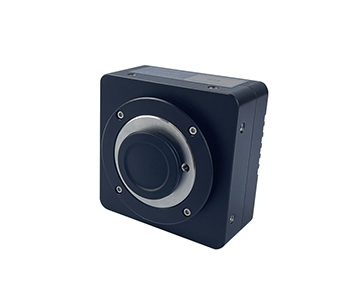
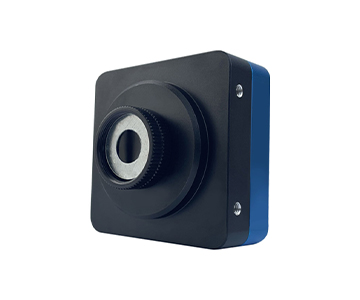
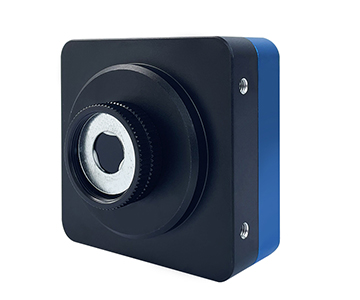
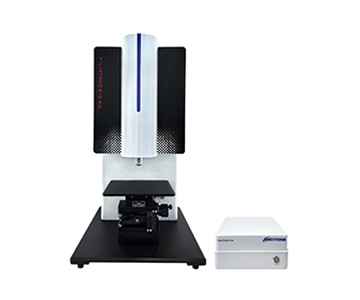
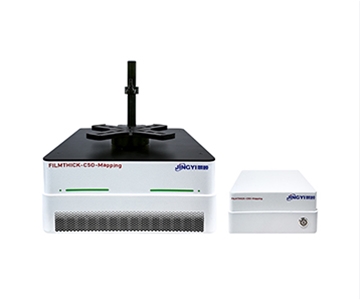
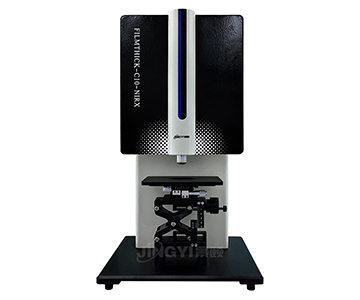
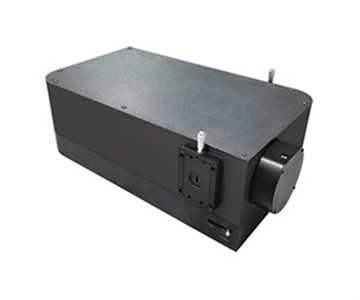
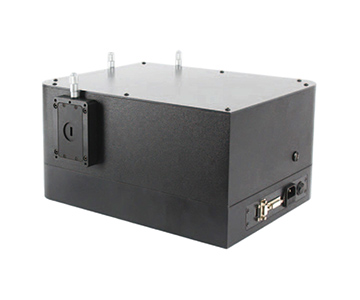
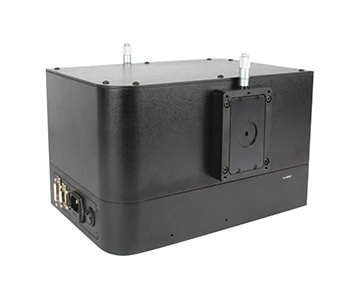
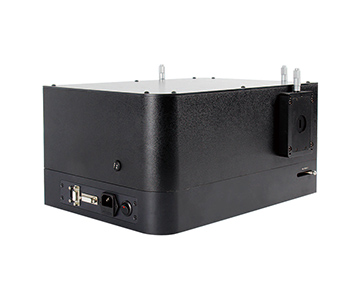
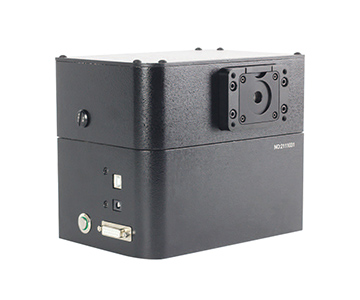
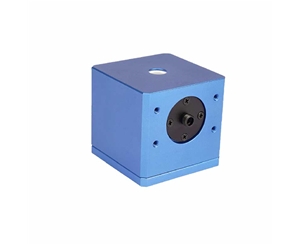
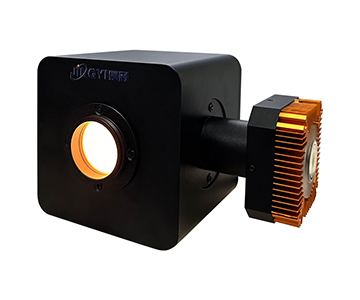
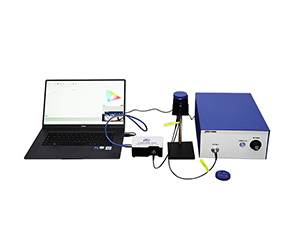
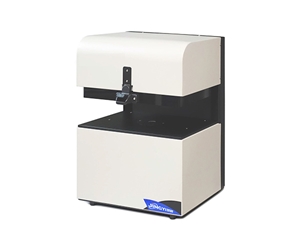
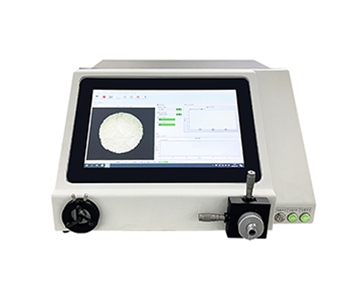
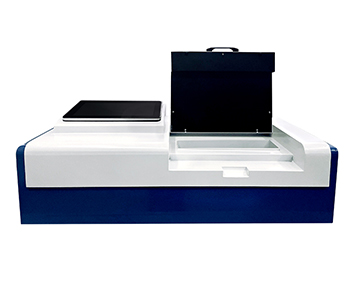
Addressing these industry-wide challenges, Jingyi Optoelectronics has launched the HS2000PRO—a mature, domestically developed NIR spectrometer solution. Its dual-blazed grating design covers the full UV–Vis–NIR spectrum (200–1100 nm), maintaining high quantum efficiency across the entire range and eliminating accuracy gaps in specific bands. Its core detector is a Hamamatsu back-illuminated CCD, delivering significantly higher photosensitivity than standard CCDs and industry-leading noise suppression—capable of accurately resolving nanowatt-level weak-light signals, fully satisfying demanding applications like Raman and fluorescence spectroscopy. Measuring only 146 × 115 × 47 mm—smaller than a typical laptop power adapter—the HS2000PRO is both field-portable and integrable into industrial production lines for long-term, real-time online monitoring, with data stability matching that of large benchtop systems.
The HS2000PRO has already achieved large-scale deployment across multiple domains:
- In medical diagnostics: Its high-sensitivity weak-light detection enables precise identification of fluorescently labeled diseased cells and rapid estimation of blood oxygen saturation via characteristic blood absorption features—offering a lightweight tool for early malignant disease screening and point-of-care testing.
- In agriculture: Without harvesting leaves, it accurately captures chlorophyll and carotenoid fluorescence signatures to assess crop nutrient status and predict pest/disease risk—supporting precision fertilization and early pest/disease warnings, significantly reducing labor costs and pesticide/fertilizer usage.
- In industrial manufacturing: Its millisecond-scale measurement speed synchronizes seamlessly with production line rhythms—enabling continuous 24/7 online inspection of component transmittance/reflectance or rapid material composition screening—effectively preventing missed or erroneous detections and enhancing product yield.
- In scientific research: Its compact footprint conserves valuable lab bench space, while its full-spectrum capability meets multidisciplinary requirements across chemistry, materials science, and biology—substantially lowering equipment procurement costs for research teams.
Compared to traditional benchtop spectrometers, high-performance portable NIR spectrometers offer value far beyond reduced size:
First, they eliminate geographical constraints—enabling real-time analysis at high-altitude environmental stations, remote farmlands, or live production lines—no more shipping samples kilometers—or even hundreds of kilometers—to distant labs, boosting detection efficiency by orders of magnitude.
Second, they offer superior reusability: Simply swapping fiber probes and compatible light sources unlocks versatile functionalities—including transmittance, reflectance, absorbance, fluorescence, and Raman measurements—replacing multiple dedicated instruments and dramatically cutting operational costs.
Third, they integrate natively into IoT ecosystems, serving as key nodes in intelligent sensing networks—enabling dynamic, region-wide, end-to-end monitoring and delivering real-time, accurate data to empower smart decision-making across industries.
As demand for intelligent detection surges across sectors, the application frontiers of high-performance portable NIR spectrometers continue to expand. Jingyi Optoelectronics remains committed to advancing fiber-optic spectroscopic technologies—iterating continuously to tailor performance to sector-specific needs—and bringing what was once “high-end, lab-exclusive” spectral analysis down to everyday applications, providing essential technological support for digital and intelligent transformation across industries.
#NearInfraredSpectrometer #CooledSpectrometer #SpectralAnalyzer #Spectrometer #SpectralQualityAnalyzer #FiberOpticSpectrometer