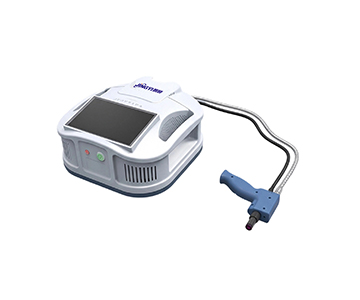
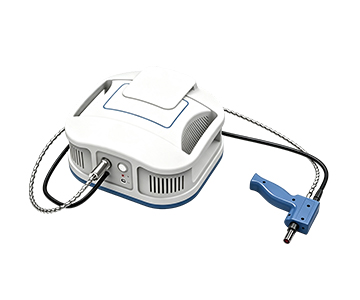
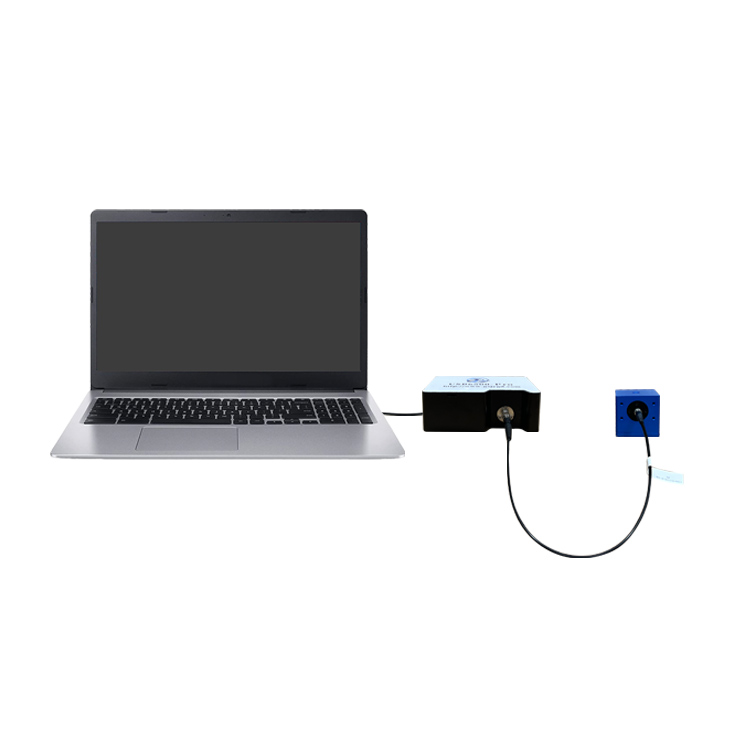
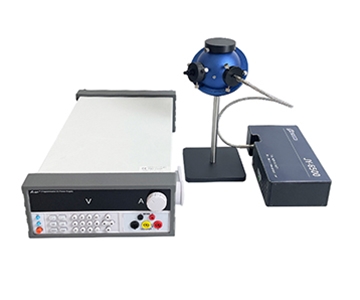
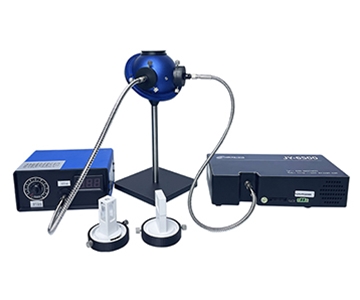
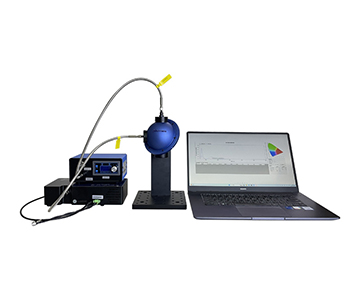
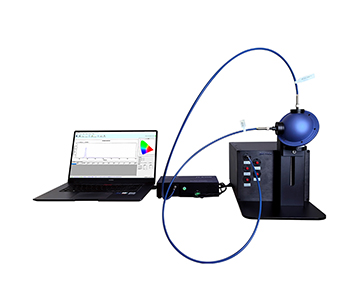
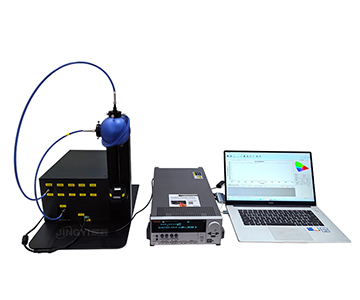
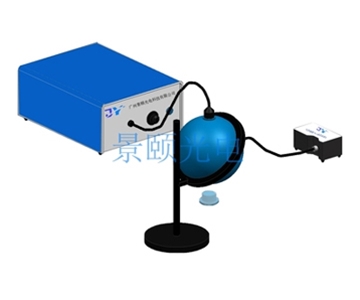
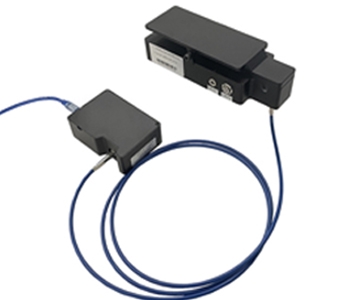
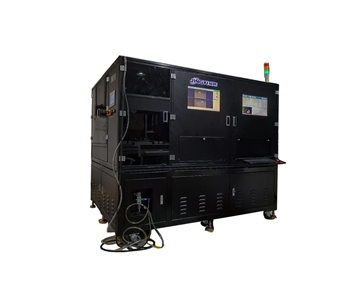
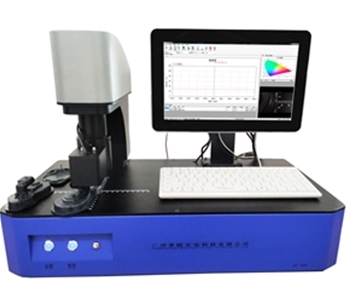
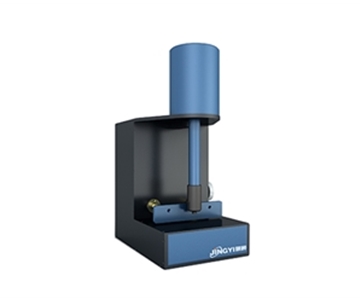
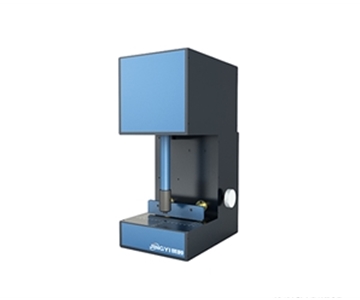
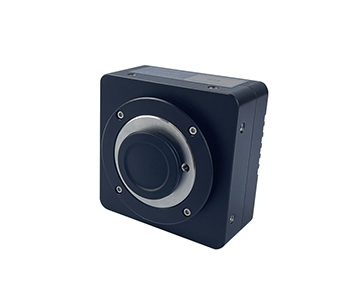
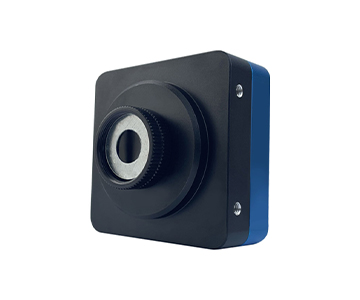
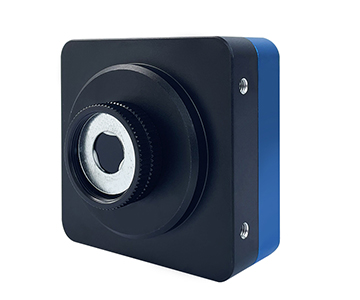
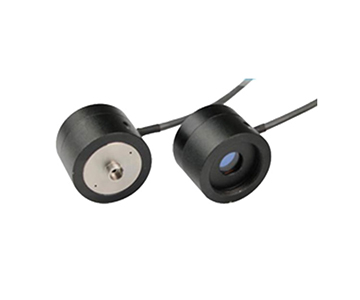
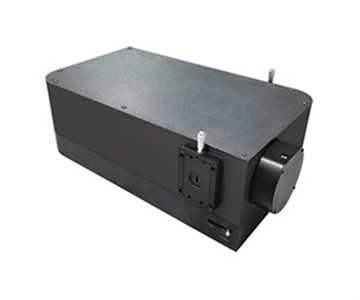
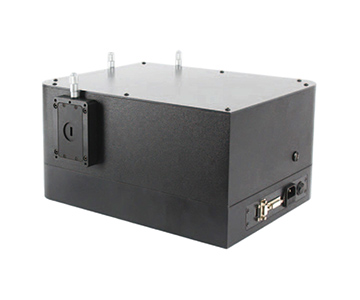
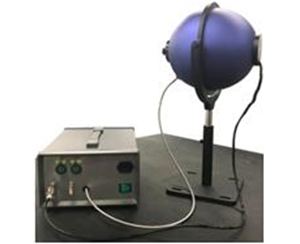
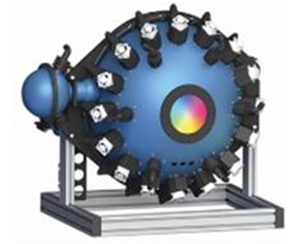
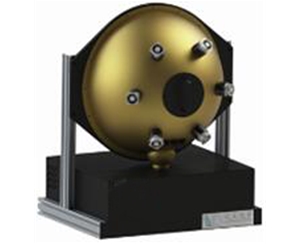
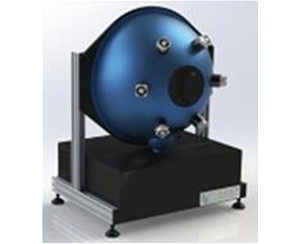
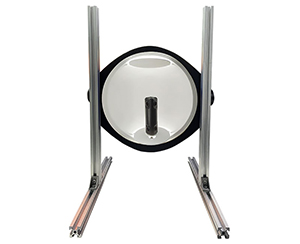
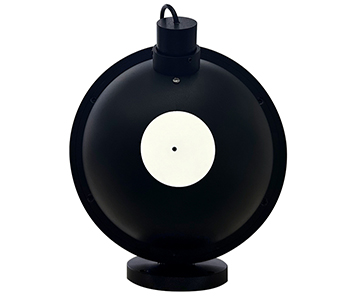
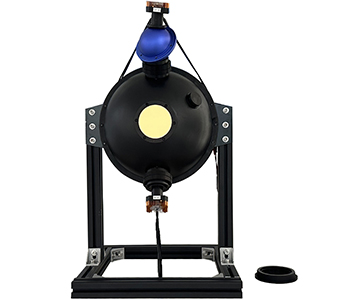
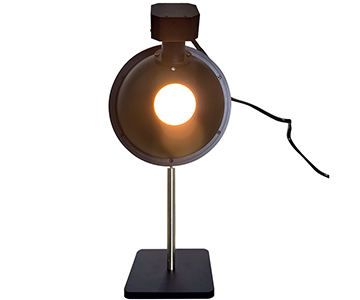
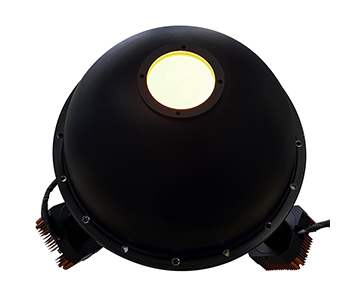
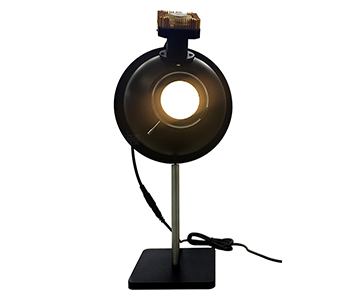
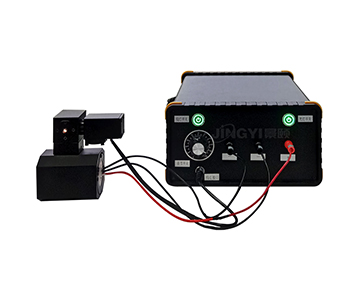
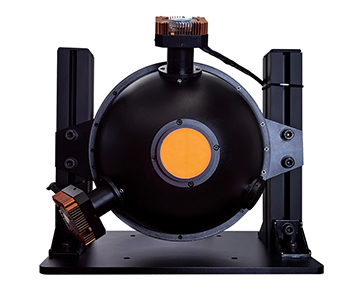
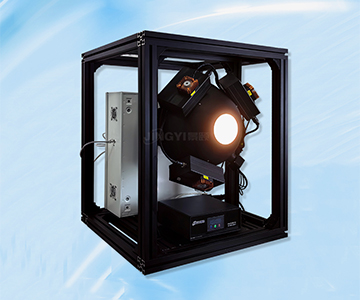
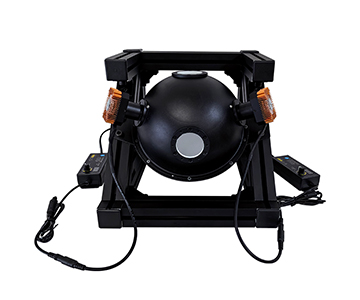
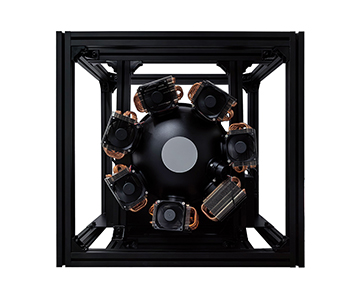
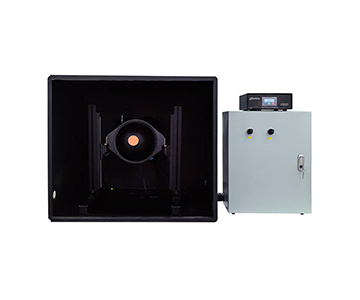
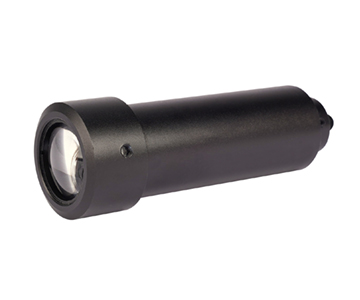
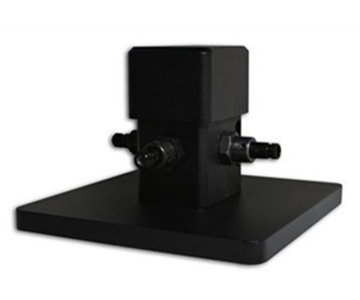
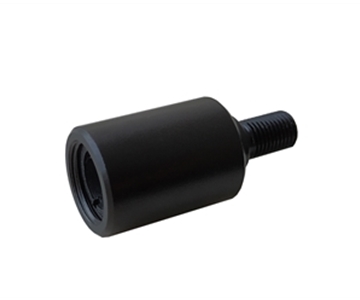
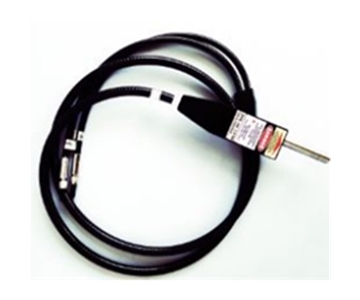
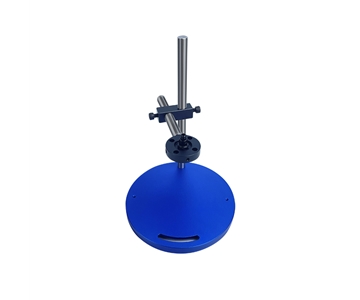
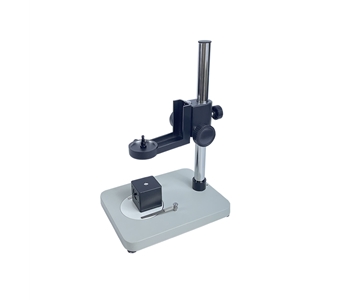
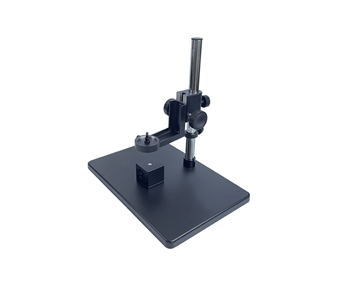
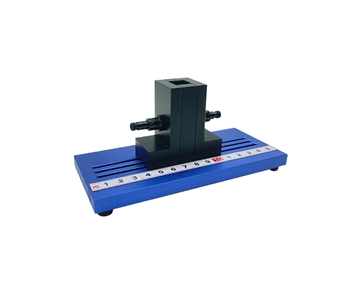
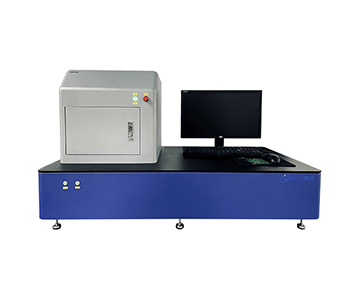
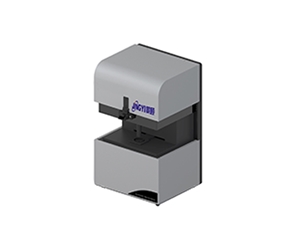
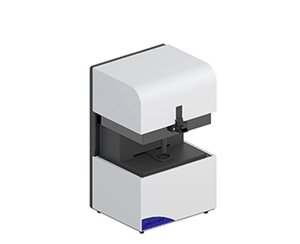
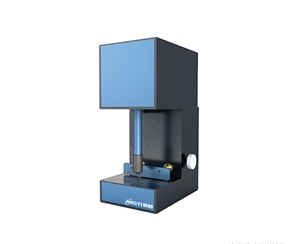
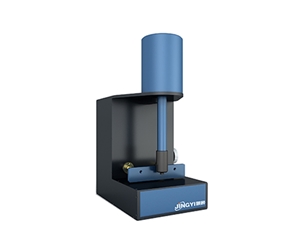
Under the rapid expansion of the laser industry—from semiconductor laser manufacturing and fiber-laser material processing to LiDAR-based autonomous driving—the quality of the laser beam directly determines the performance stability of end products. For years, many small- and medium-sized manufacturers have faced a persistent dilemma: either purchasing expensive imported beam profilers, resorting to low-accuracy makeshift solutions, or repeatedly swapping detection accessories across diverse application scenarios—leaving them without a cost-effective, practical solution that strikes the right balance.
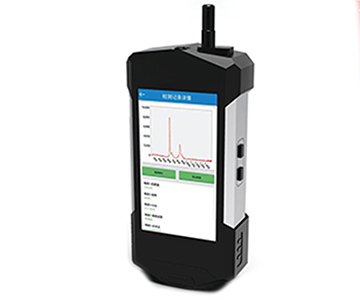
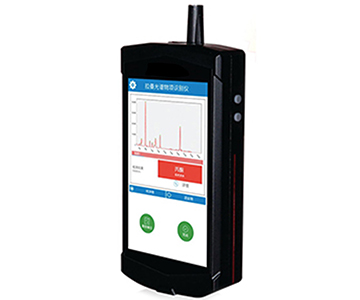
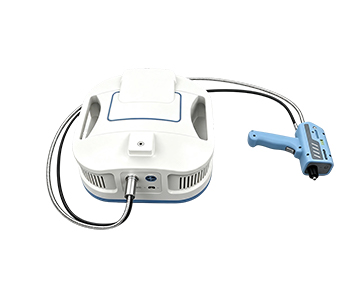
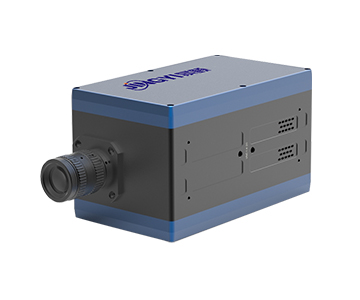
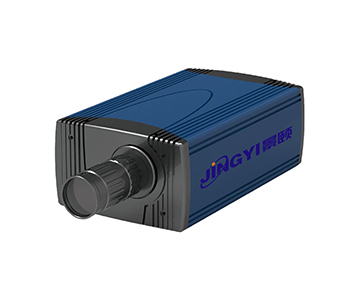
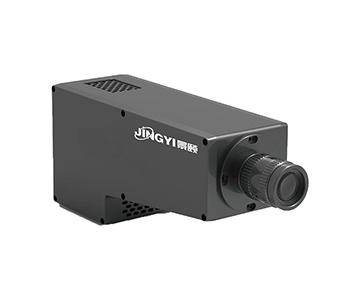
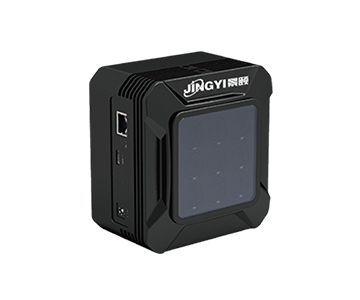
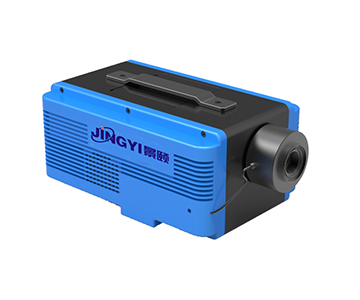
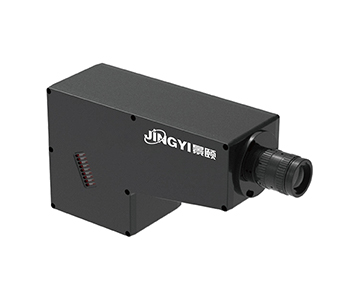
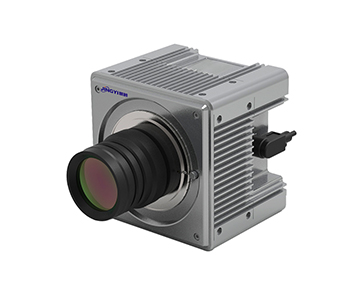
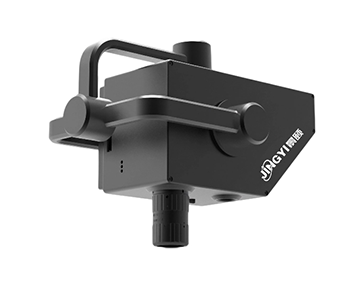
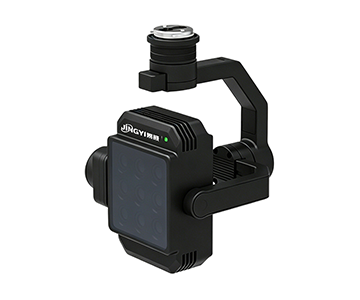
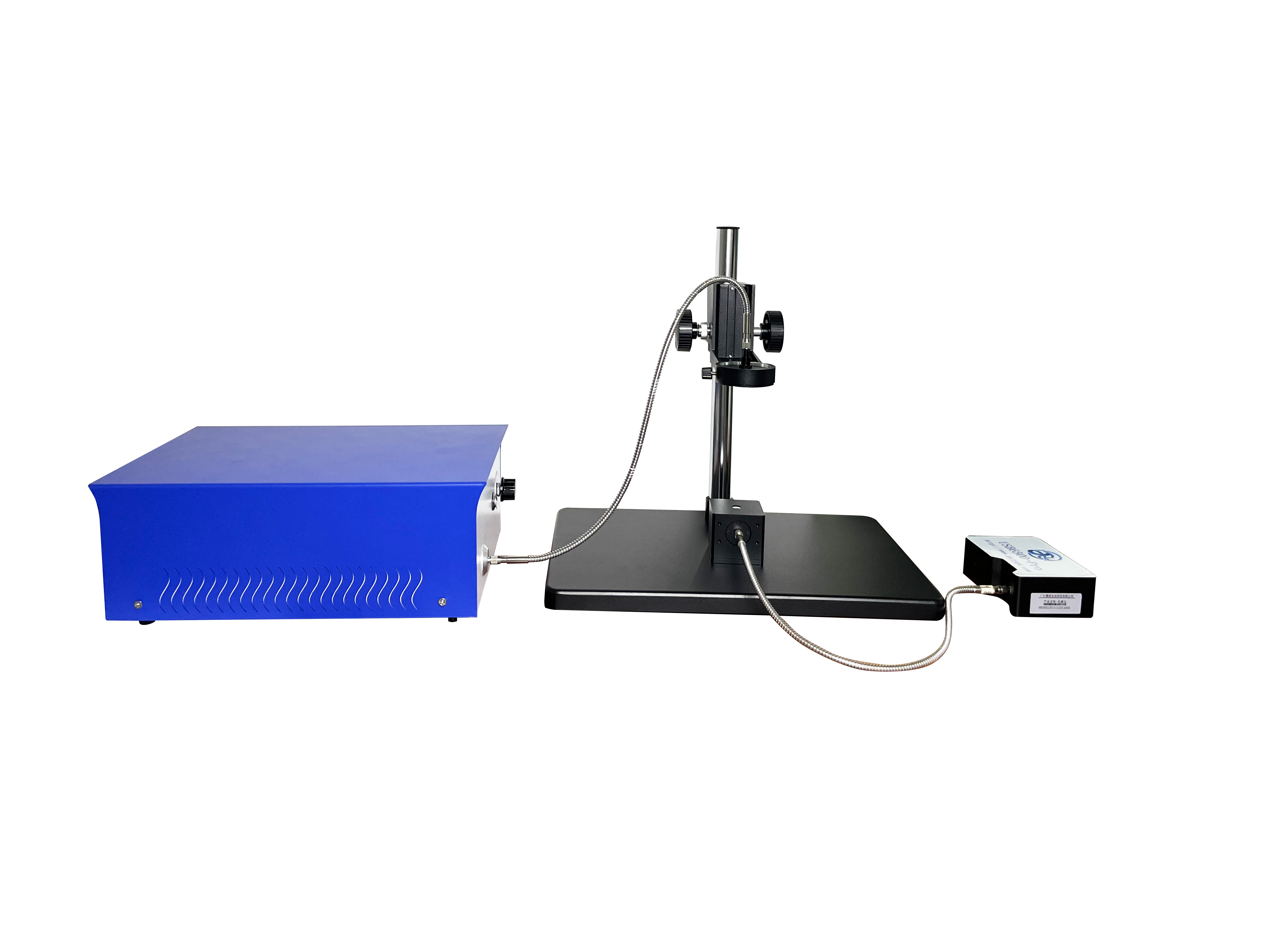
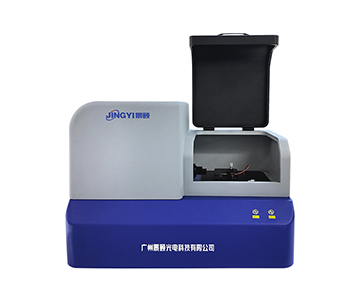
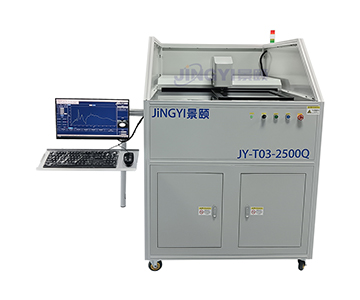
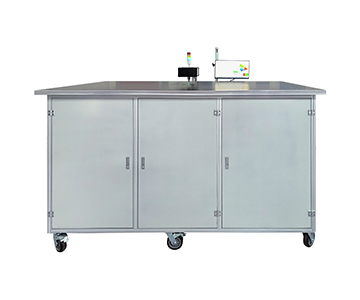
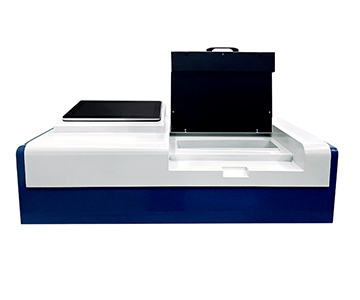
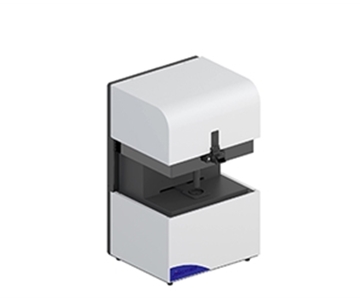
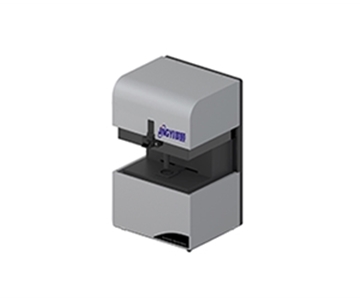
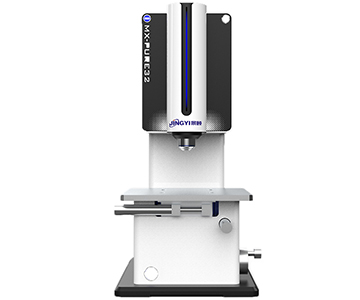
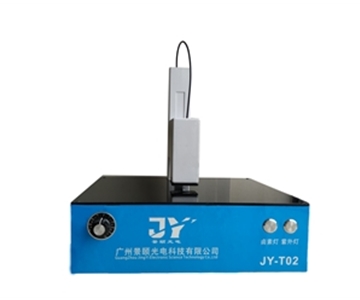
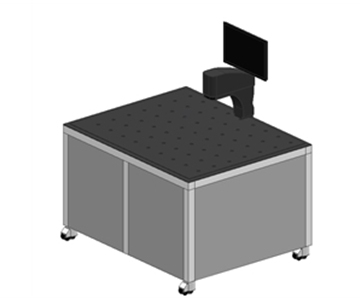
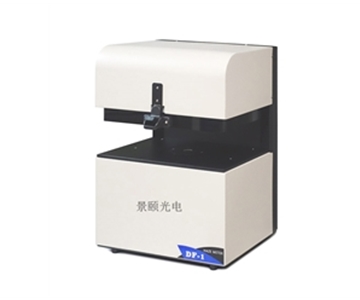
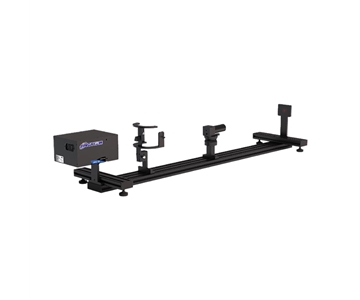
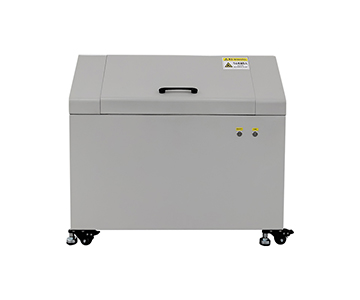
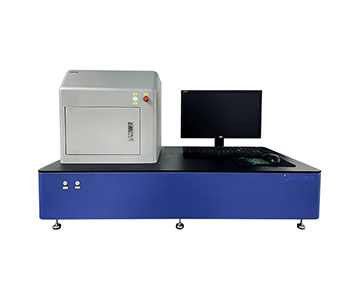
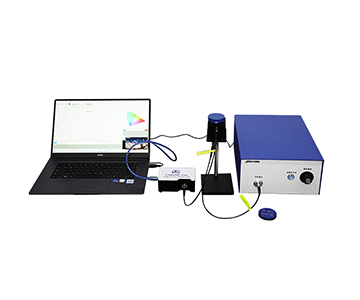
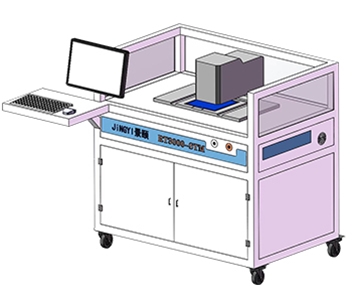
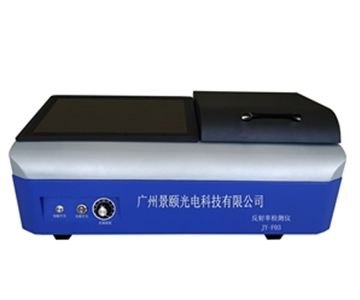
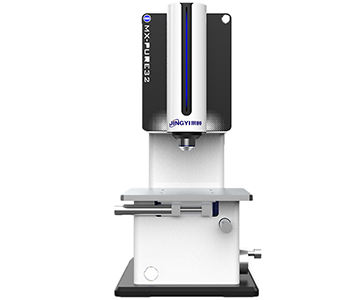
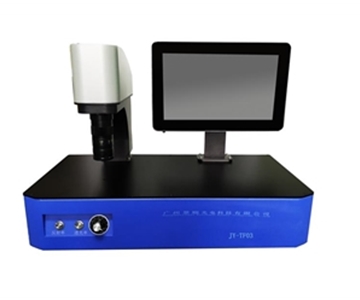
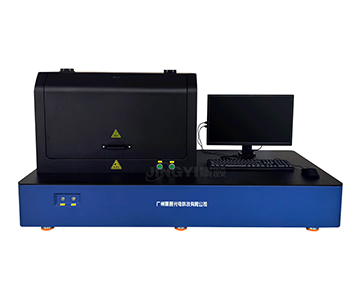
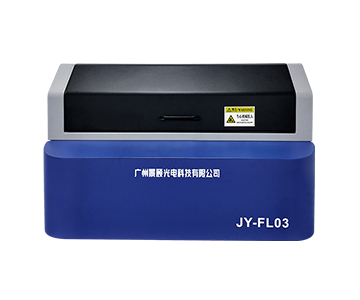
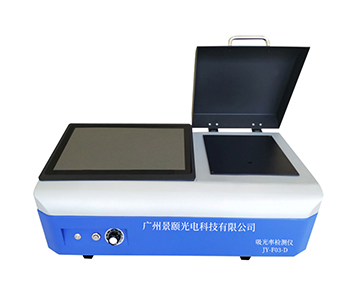
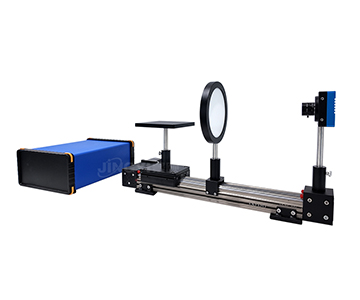
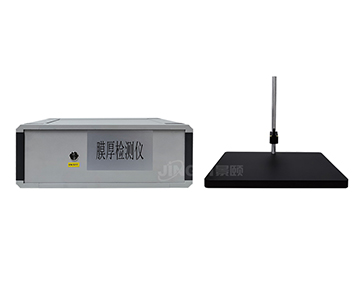
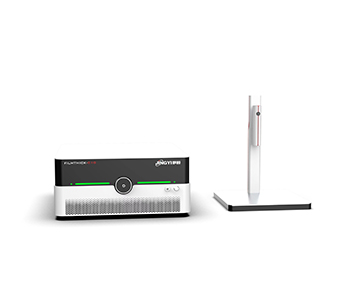
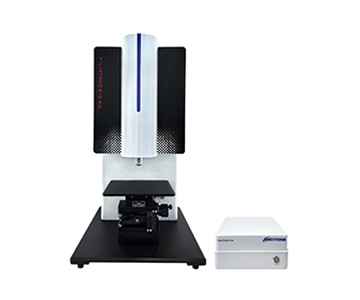
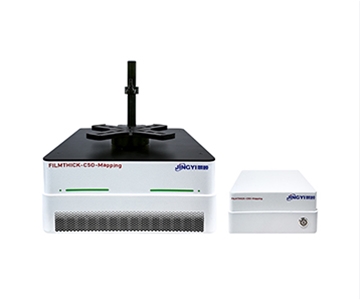
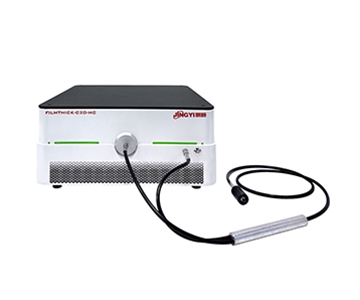
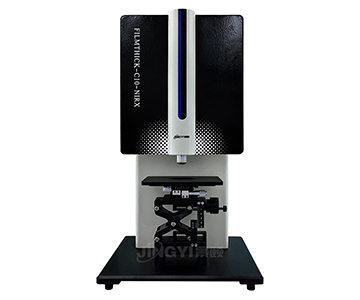
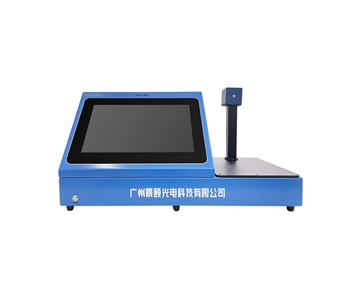
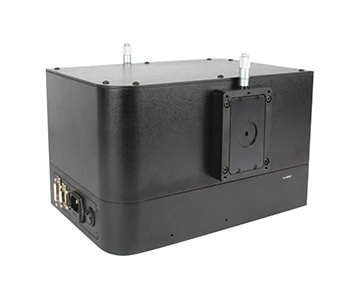
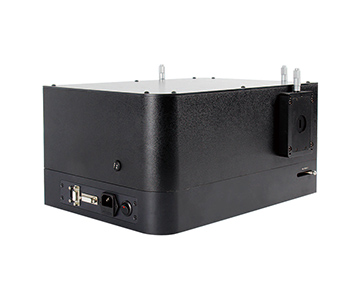
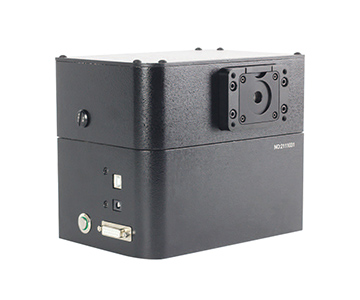
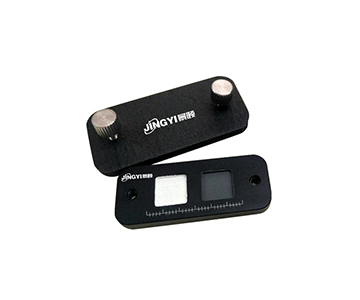
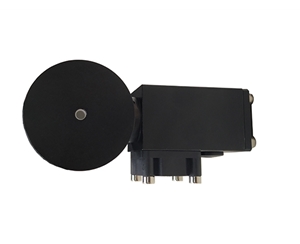
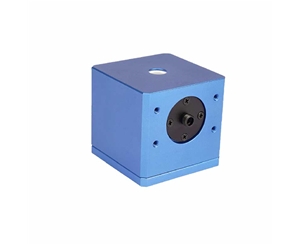
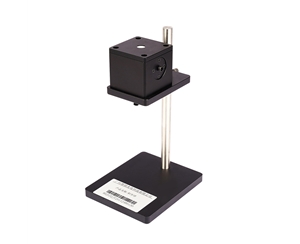
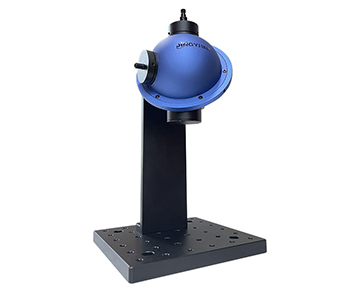
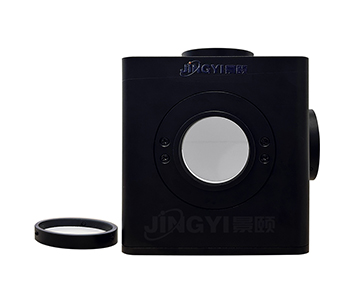
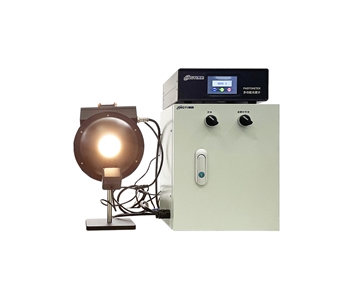
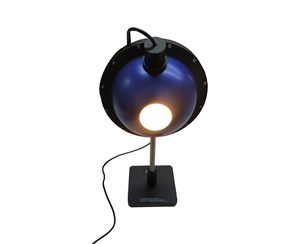
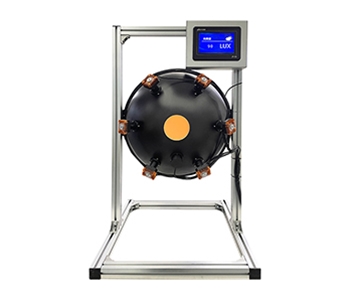
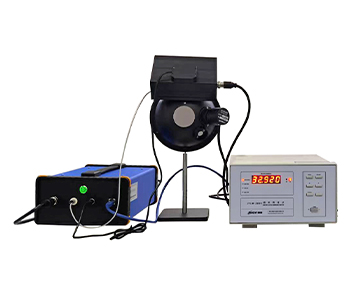
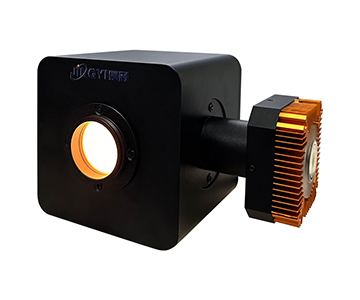
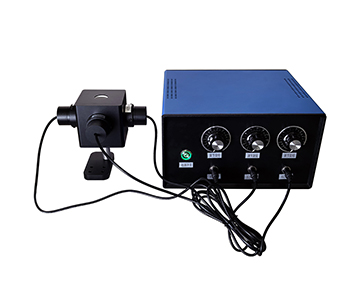
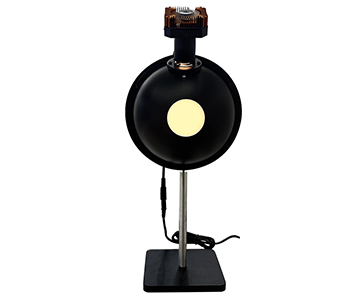
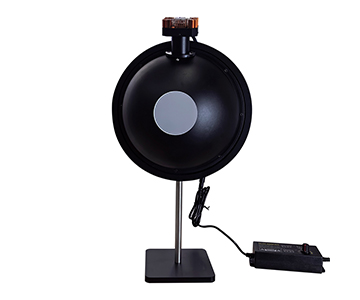
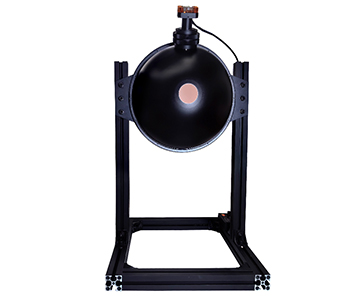
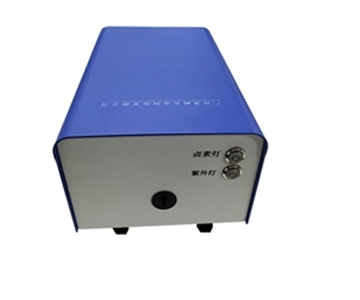
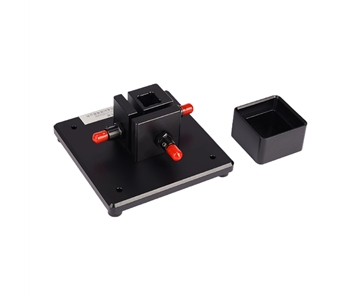
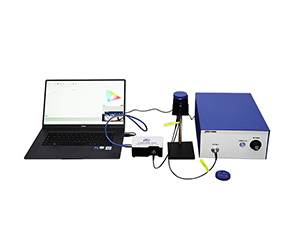
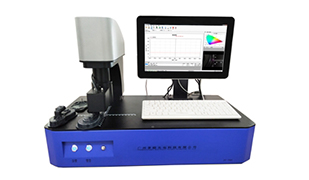
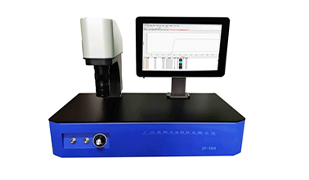
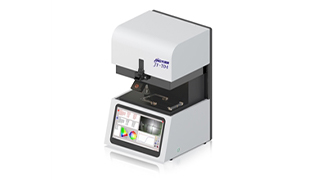
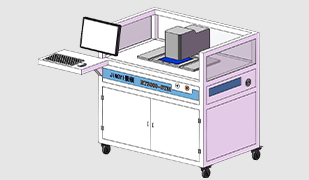
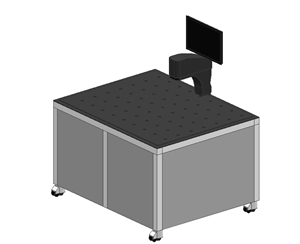
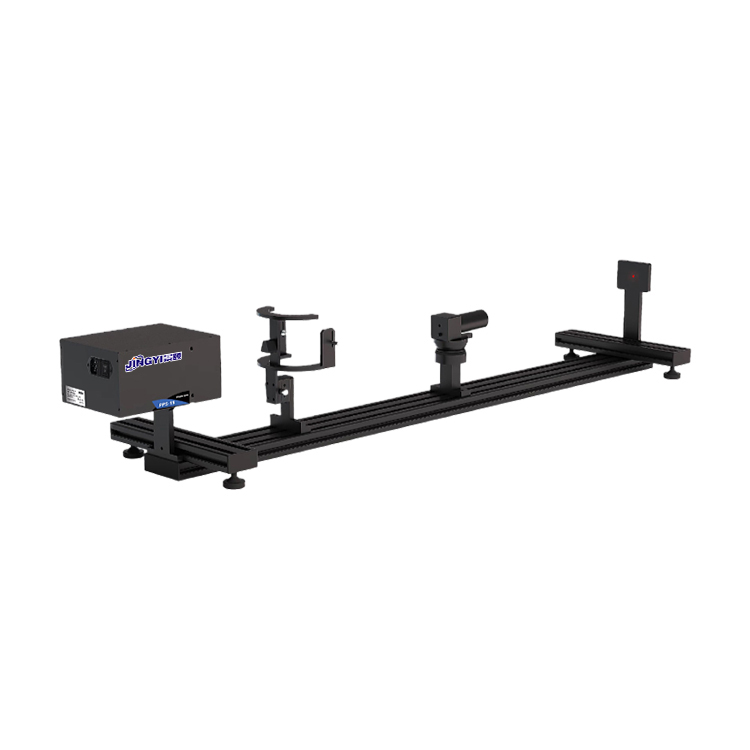
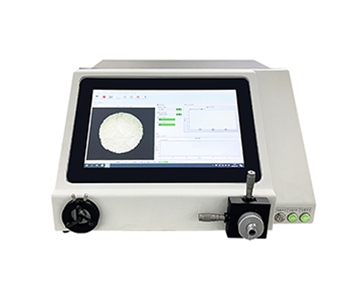
Addressing this widespread industry pain point, Jingyi Optoelectronics has independently developed a foundational beam profiler designed to meet the majority of routine laser beam measurement needs. With modular customization capabilities, the instrument allows functional adjustments tailored to users’ specific application environments, delivering an integrated beam quality analysis solution for diverse sectors.
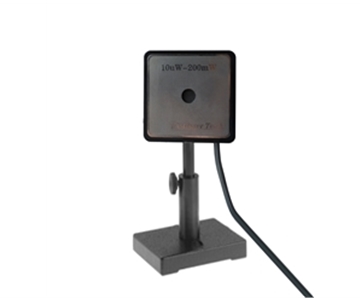
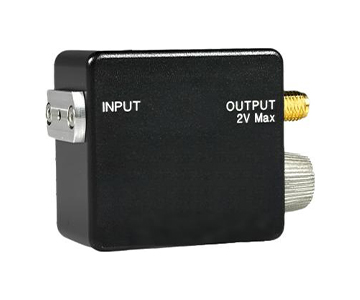
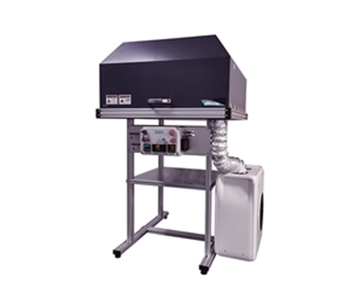
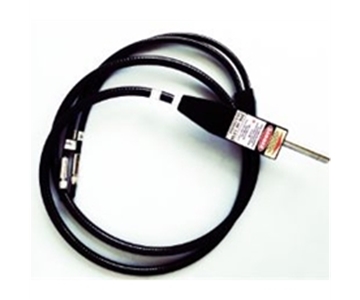
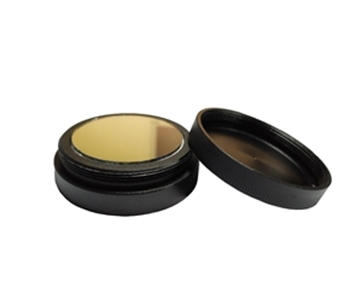
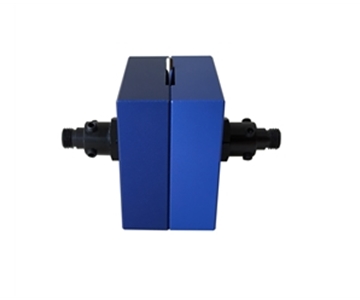
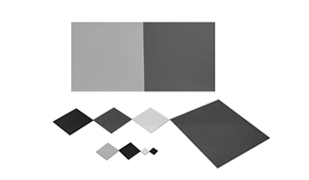
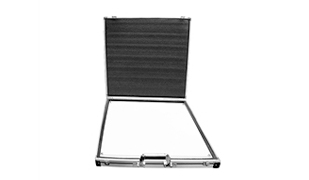
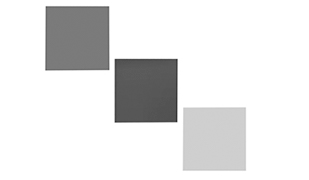
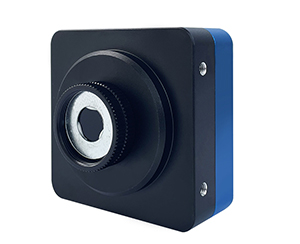
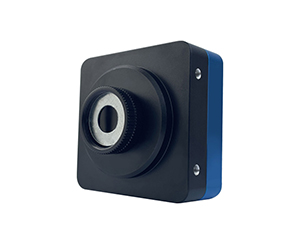
The device features ultra-fine 2.9 × 2.9 µm pixel-sized photosensitive units, enabling precise capture of subtle energy variations across the beam profile. Its measurable spot diameter spans an exceptionally wide range—from 29 µm to 4.4 mm—fully accommodating both ultra-finely focused beams used in micro-processing and standard-output beams common in optical communications. To accommodate varying laser power levels, the unit ships standard with calibrated attenuation filters, ready for immediate use out of the box; for high-power applications, optional high-capacity attenuation kits can be installed, supporting up to 1000 W laser power detection—effectively preventing sensor damage from intense beams. Additionally, dual exposure gain control modes—manual and automatic—allow even novice users to quickly achieve crisp, high-contrast beam images.
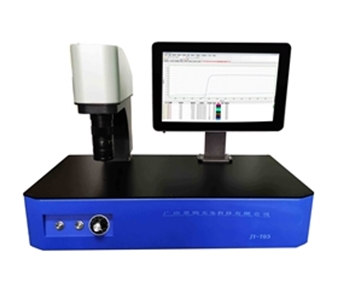
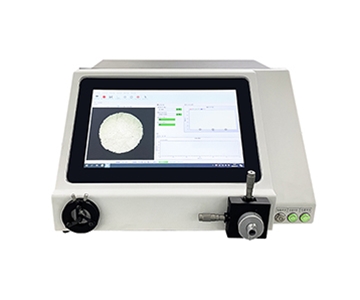
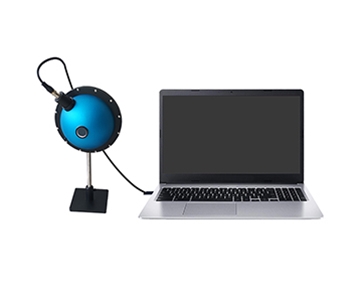
Unlike conventional test instruments that output only a single numerical value, this beam profiler simultaneously delivers multidimensional beam parameters. It accurately measures the major and minor axis diameters along both X and Y directions, automatically computes ellipticity and Gaussian fit quality, and provides an intuitive assessment of how closely the beam conforms to an ideal Gaussian distribution. Built-in Pass/Fail threshold functionality is especially valuable for high-volume production-line testing: once acceptable parameter ranges are pre-defined, the system automatically classifies each measured beam as “Pass” or “Fail,” eliminating time-consuming manual verification. For R&D applications requiring in-depth mode analysis, the instrument supports both 2D and 3D pseudo-color beam contour visualization, while concurrently plotting Gaussian-fitted curves for both axes—making beam energy distribution, positional drift, hot spots, and potential distortions immediately visible, without requiring users to deduce issues solely from raw numerical data.
In terms of data management, the device automatically aggregates all measurement parameters, enables one-click report generation and export, and allows individual saving of raw beam images for subsequent detailed analysis. Its USB 3.0 interface ensures high-speed data transfer, while its intuitive, graphically driven user interface imposes minimal operational complexity—new users become proficient with only brief familiarization. Furthermore, Jingyi Optoelectronics has engineered generous headroom for future customization into this foundational platform: users with specialized requirements can seamlessly extend functionality without needing to procure entirely new hardware—significantly reducing long-term usage costs.
This instrument is already deployed across multiple laser-related domains:
- At laser source manufacturers, it performs pre-shipment beam quality verification and identifies mode defects;
- In collimator production, it directly assesses beam quality post-collimation, boosting coupling efficiency into optical fibers;
- During optical component quality inspection, comparing beam parameters before and after transmission enables rapid evaluation of optical performance;
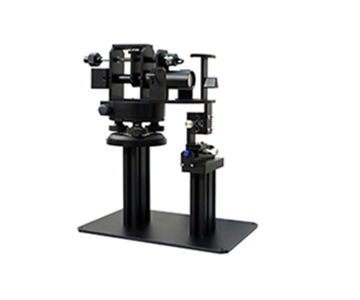
- In research labs—such as external beam-path alignment and ultrafast laser experiments—real-time beam feedback dramatically accelerates setup and optimization cycles. Its applicability spans semiconductor lasers, solid-state lasers, fiber lasers, ultrafast lasers, and laser rangefinders.
As laser technology penetrates deeper into emerging fields—including new-energy manufacturing, medical aesthetics, and autonomous driving—beam quality testing requirements continue to diversify and specialize. Building upon the technical architecture of this foundational model, Jingyi Optoelectronics will continuously evolve targeted, scenario-specific customization solutions—delivering high-value, cost-efficient beam characterization support to optimize laser performance across the entire industry.
#BeamProfiler #BeamAnalyzer #BeamQualityAnalyzer #BeamMeasurementInstrument #LaserBeamProfiler #BeamCharacterizationSystem