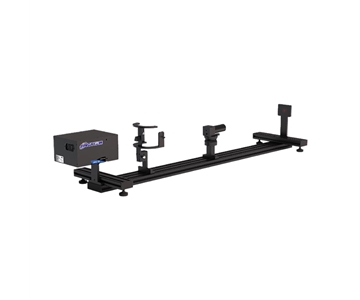
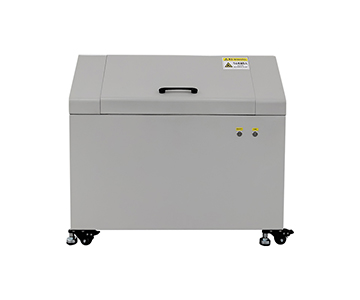
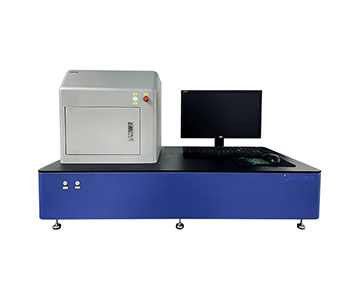
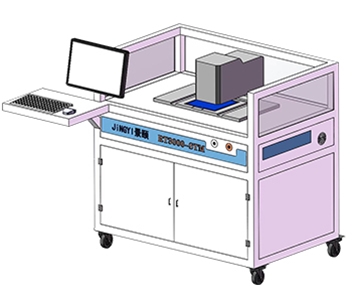
Choosing a Beam Profiler: Stop Obsessing Over Specification Sheets—A Comprehensive Breakdown of the Two Technical Approaches and Their Application Logic
Many professionals engaged in laser R&D or optical component manufacturing struggle when selecting a beam profiler: they meticulously compare specification sheets—yet still end up with unsuitable instruments. Common pitfalls include inability to measure ultra-small beams or inaccurate characterization of irregularly shaped beams. The root cause? Failure to first understand the underlying application logic of each technical approach—and then match it to their specific measurement requirements.
Today’s mainstream beam profilers fall into two distinct technical categories, differing fundamentally in measurement principle and ideal use cases.
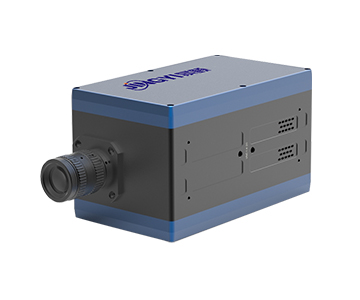
**1. Full-Field Imaging Beam Profilers**
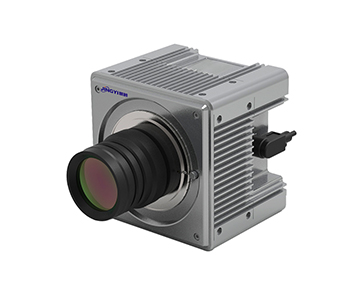
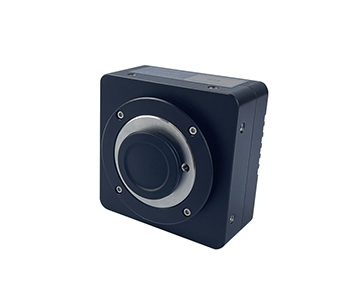
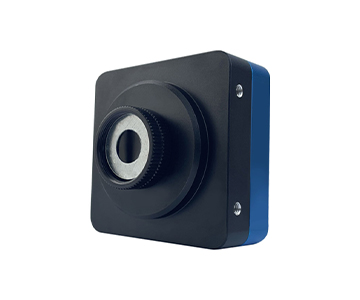
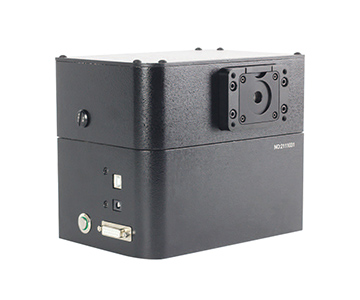
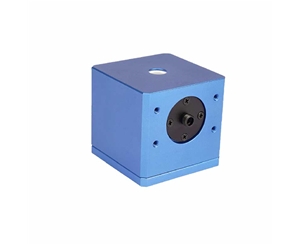
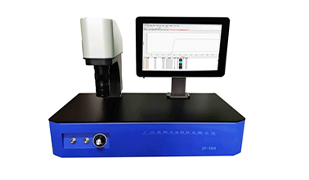
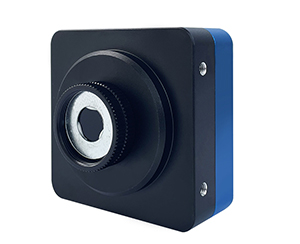
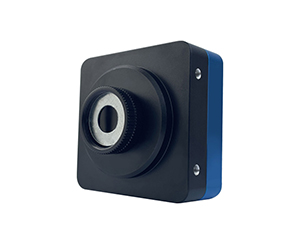
These systems rely on high-resolution area-sensor photodetectors (e.g., CMOS or CCD). Their core measurement logic is to project the *entire* beam’s energy distribution onto the sensor’s pixel array in a single acquisition—akin to taking a high-definition snapshot of the beam. This preserves every contour variation and subtle energy gradient across the full beam profile.
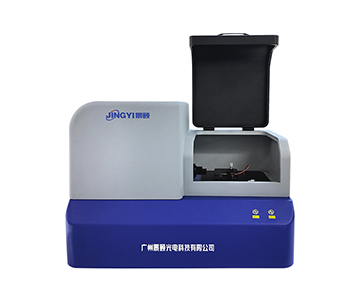
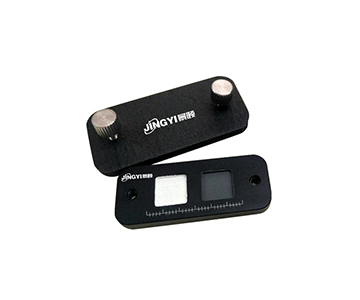
The minimum measurable beam diameter is constrained by pixel resolution: the beam must cover at least 10 pixels. For instance, certain imported models use sensors with 3.2 μm pixel pitch, limiting resolution to ~32 μm. In contrast, Jingyi Optoelectronics’ entry-level full-field profiler features an ultra-fine 2.9 × 2.9 μm pixel design—achieving a minimum measurable beam diameter of just **29 μm**, delivering superior accuracy over comparable imported instruments while offering significant cost advantages. It fully replaces mid-tier imported systems, substantially lowering users’ procurement costs.
By default, these sensors use silicon substrates, providing native spectral response from **350–1150 nm** (visible to near-infrared). For UV or extended NIR detection, custom fluorescent coatings can extend the operational range down to **190 nm (deep UV)** or up to **1600 nm (telecom band)**—enabling versatile characterization of specialized lasers.
This approach excels for:
- Continuous-wave (CW) lasers and low-repetition-rate pulsed lasers;
- Non-Gaussian beams—including top-hat, line-shaped, or arbitrarily shaped beams—with non-uniform energy distributions;
- Applications demanding *complete spatial fidelity*, such as laser mode defect analysis or optical component quality screening.
Because data capture is simultaneous across the entire field, no spatial detail is lost.
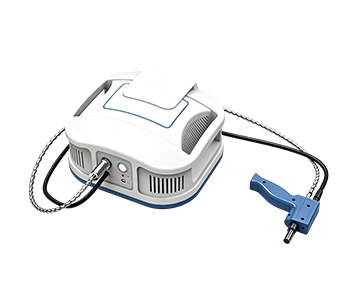
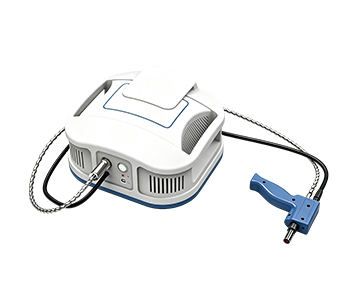
**2. Point-Scanning Beam Profilers**
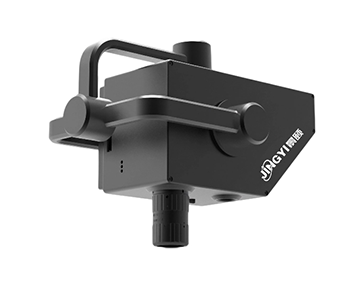
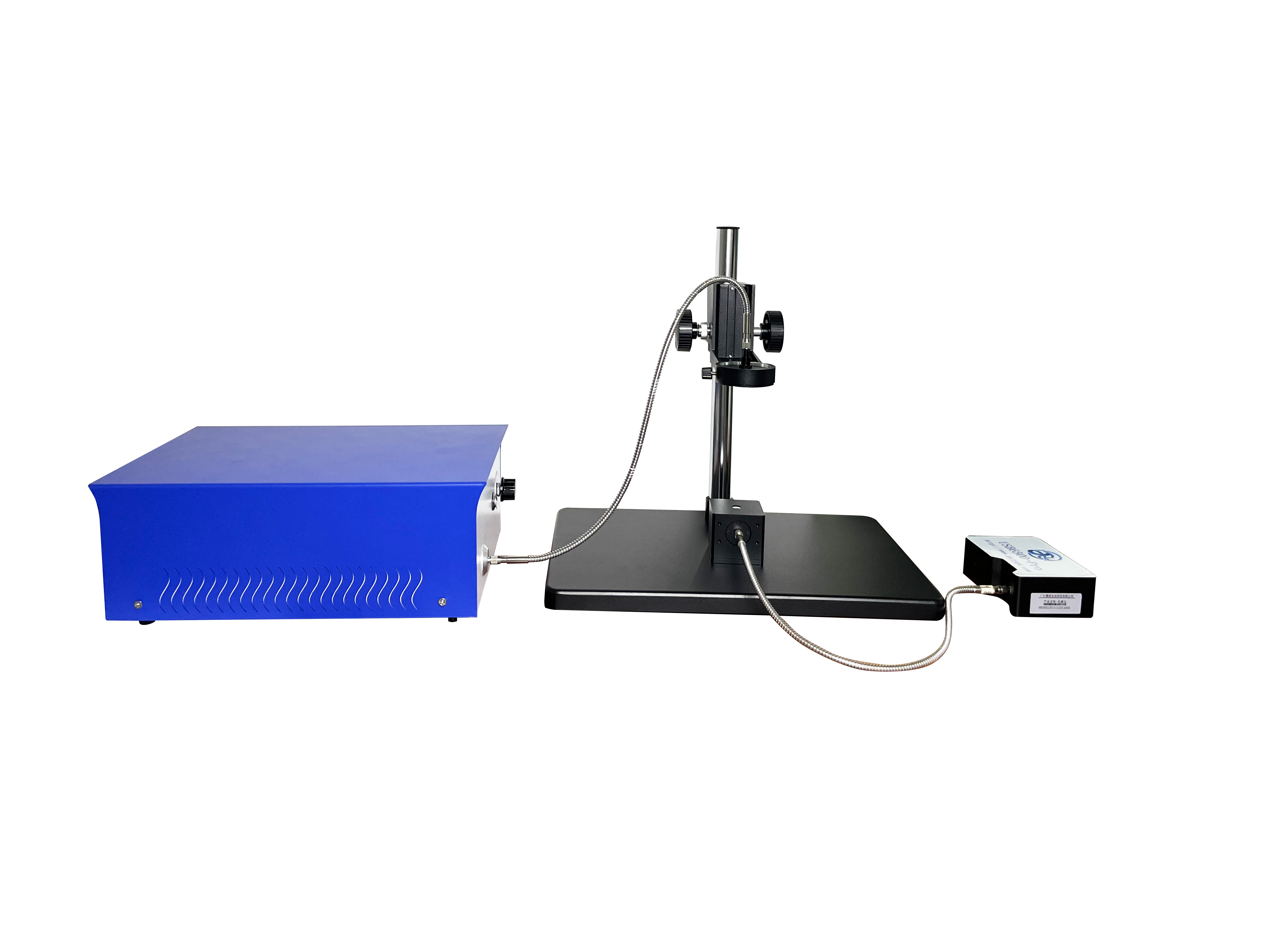
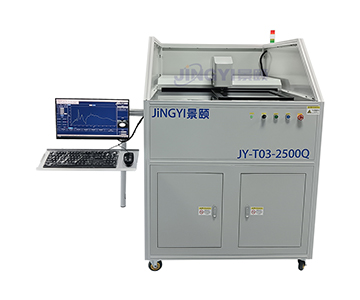
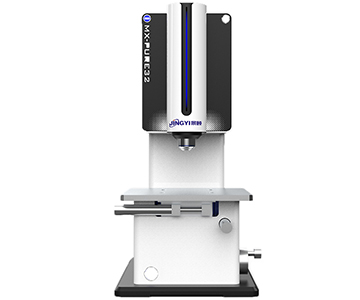
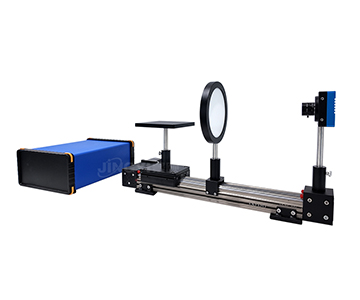
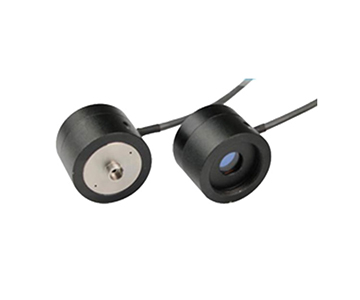
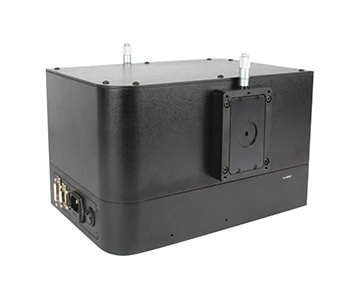
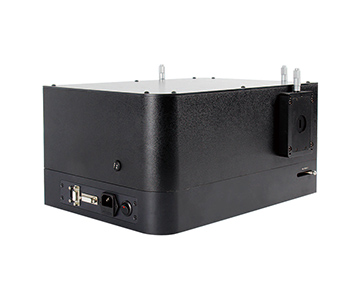
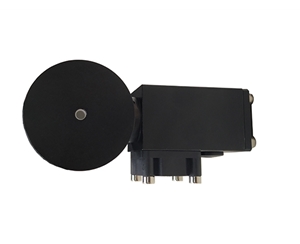
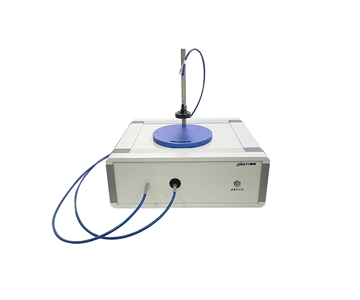
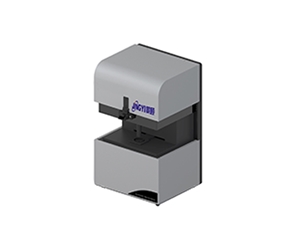
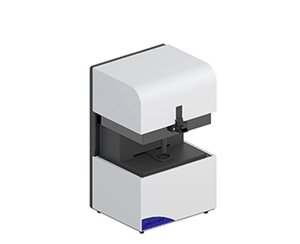
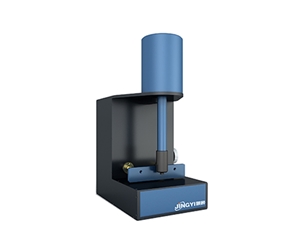
These instruments combine a precision mechanical slit with a single-point detector (e.g., photodiode). Their measurement logic involves scanning the slit across the beam in fine, uniform steps—recording intensity point-by-point—and then reconstructing the 2D beam profile via algorithmic interpolation. Think of it as performing a micron-scale “tactile scan” of the beam surface.
Resolution reaches **0.1 μm**, with some models capable of measuring beams as small as **2 μm**—an order-of-magnitude improvement over full-field imaging. Detector options include silicon (190–1150 nm) or InGaAs (650–1800 nm), with custom configurations extending coverage up to **2500 nm (mid-infrared)**—ideal for high-precision profiling of long-wavelength sources.
However, due to the inherent limitations of sequential scanning:
- They perform best with smooth, Gaussian-like beams having uniform energy distribution;
- Irregular or highly non-uniform beams risk partial data loss during scanning, introducing measurement artifacts;
- Pulse repetition rate must meet strict criteria: **≥ 500 / (beam diameter in μm) kHz**, to ensure sufficient signal averaging per scan step.
Thus, this approach suits ultrafast laser development, ultra-small beam collimation verification, and other applications where ultimate spatial resolution—not broad morphological fidelity—is paramount.
Once the distinctions between these two approaches are clarified, equipment selection becomes straightforward:
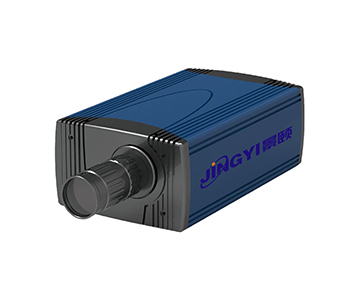
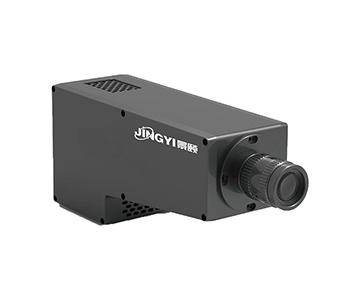
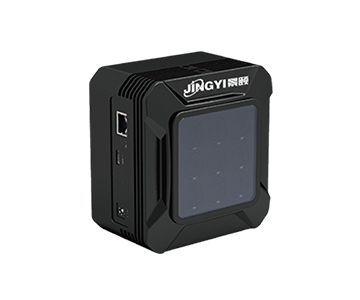
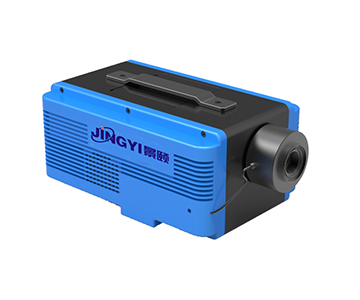
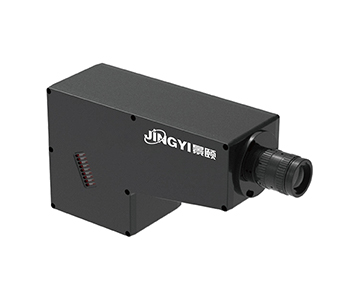
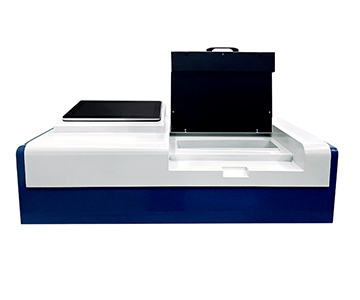
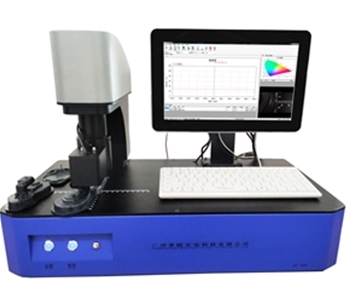
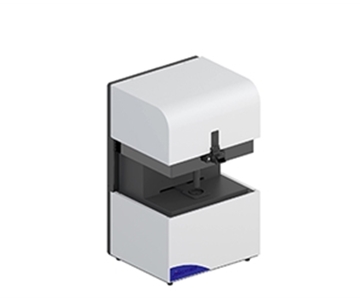
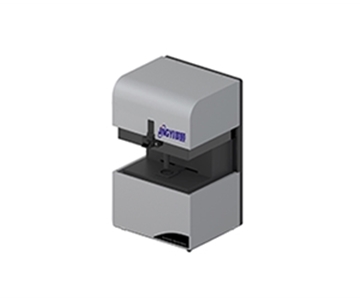
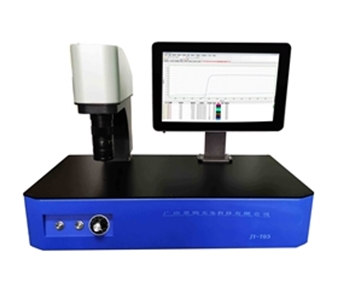
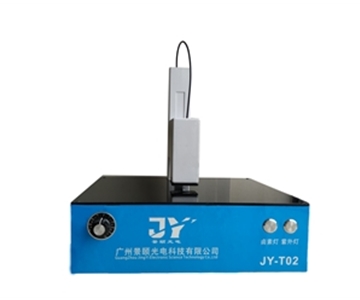
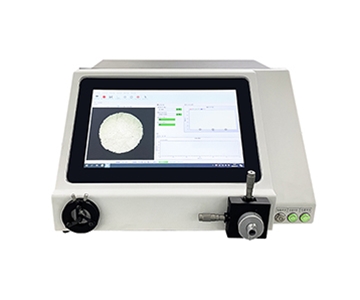
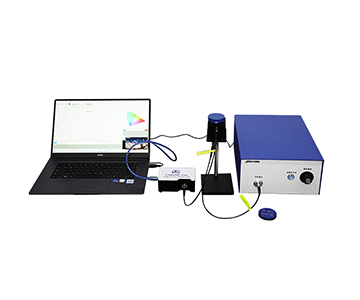
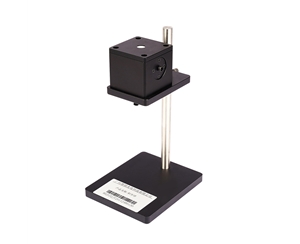
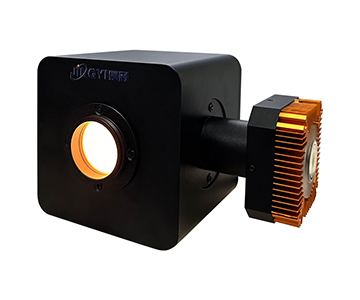
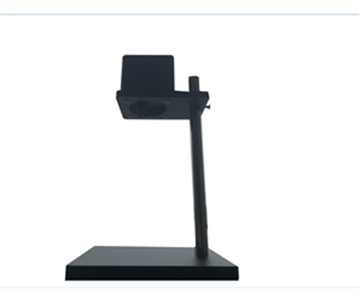
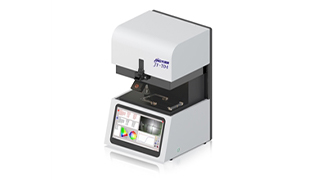
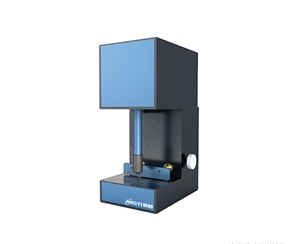
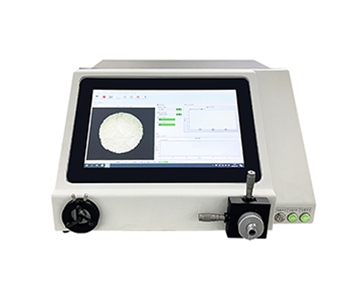
If your work involves *diverse beam geometries*, and you require both high accuracy and operational simplicity, Jingyi Optoelectronics’ entry-level **full-field imaging beam profiler** is the optimal choice. Its measurement range spans **29 μm to 4.4 mm**, covering most common beam sizes. Standard integrated neutral-density filters enable direct high-power laser measurement—supporting up to **1000 W**. Dual-mode (manual + auto) exposure and gain control eliminate tedious parameter tuning—delivering clear, publication-ready beam images instantly.
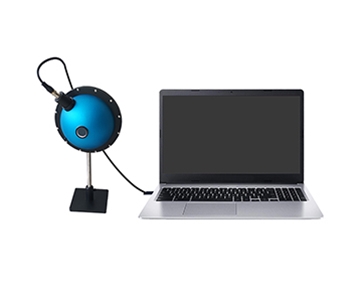
The included software provides:
- 2D and 3D pseudo-color beam profiles;
- Automated calculation of all critical parameters—including major/minor axis diameters, ellipticity, Gaussian fit quality, and divergence angle;
- One-click report generation with exportable data tables;
- An intuitive, graphical user interface requiring virtually zero learning curve;
- Modular customization to address specialized needs—from semiconductor and solid-state laser production testing, to LIDAR calibration, fiber coupling alignment, and external beam collimation.
Finally, remember: selecting a beam profiler isn’t about chasing peak specs. Begin by clearly defining your *source type*, required *measurement accuracy*, and *budget constraints*. Then map those needs to the appropriate technical approach—and choose the instrument accordingly. Only then will you secure a cost-effective, truly fit-for-purpose solution.
#BeamProfiler #BeamAnalyzer #BeamQualityAnalyzer #BeamMeasurementInstrument #BeamQualityTesting