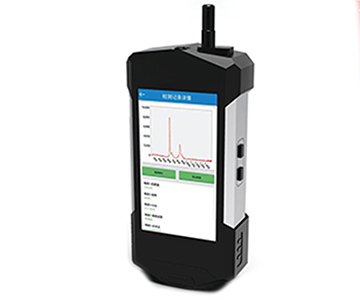
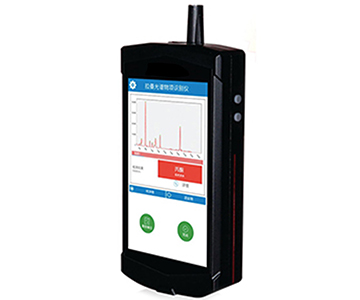
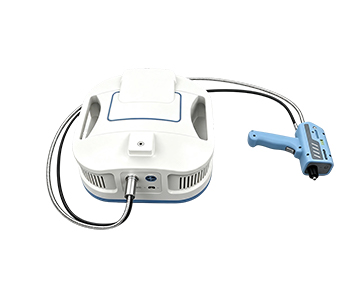
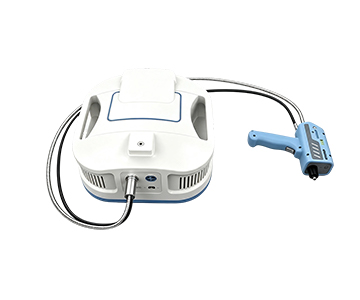
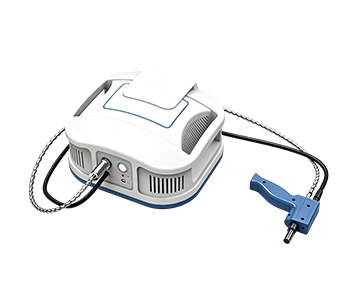
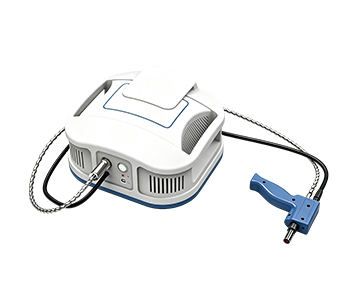
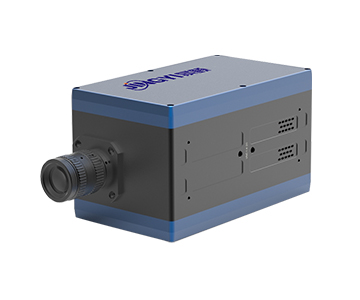
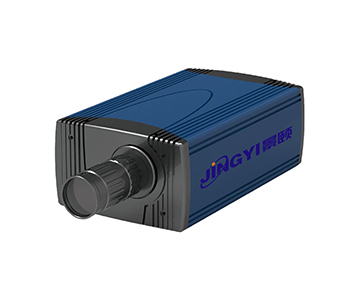
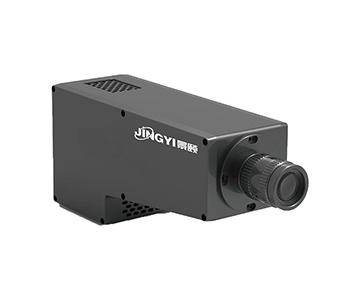
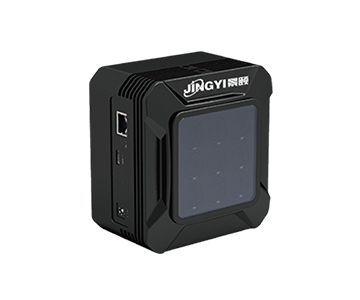
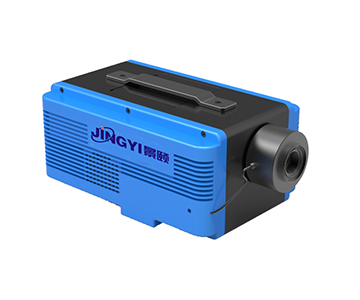
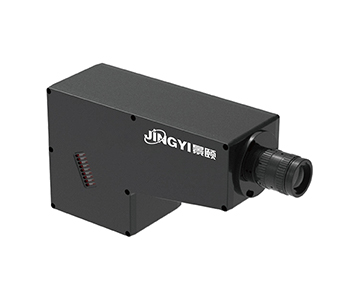
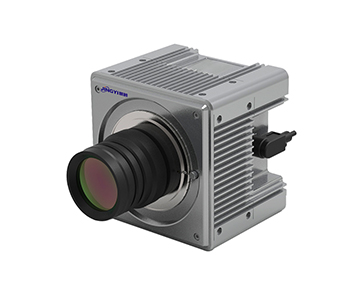
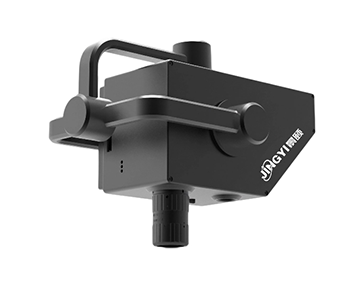
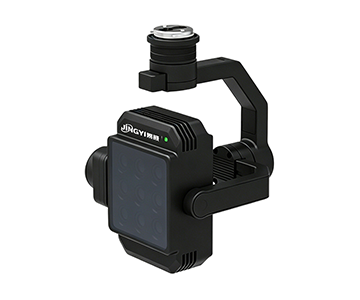
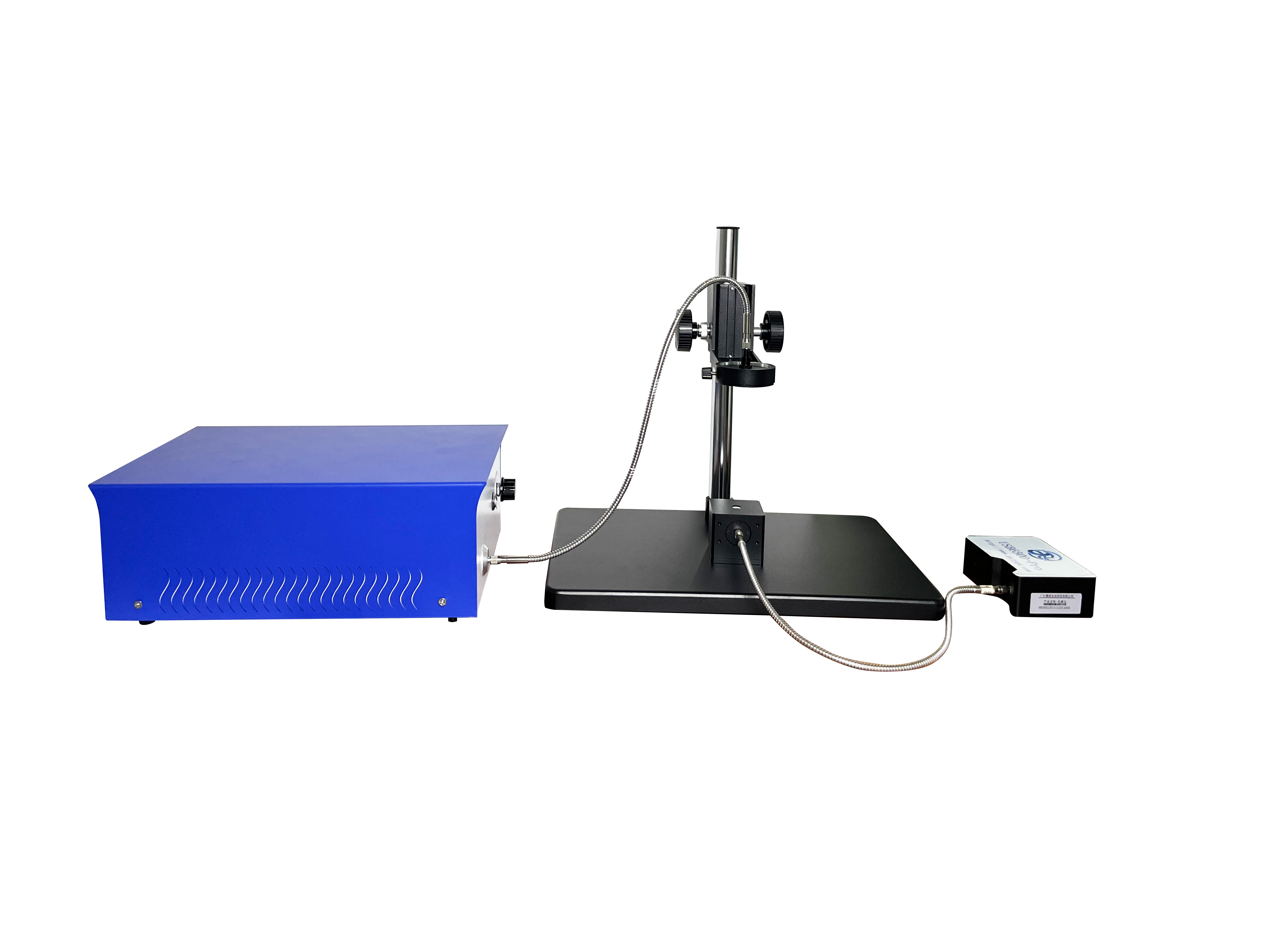
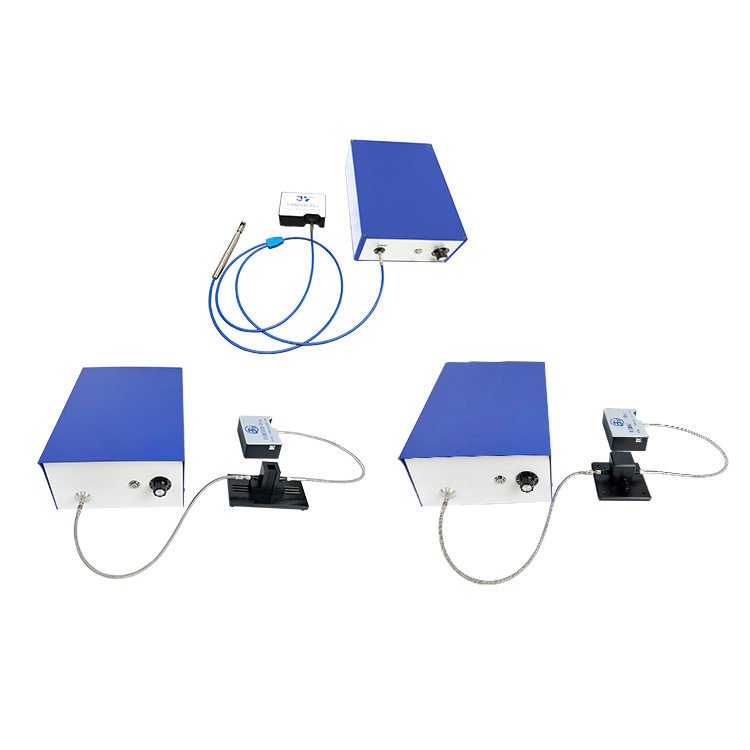
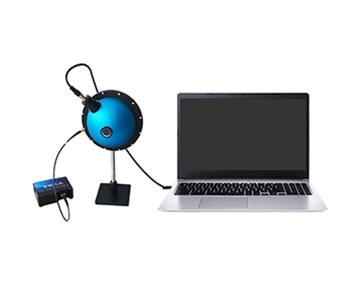
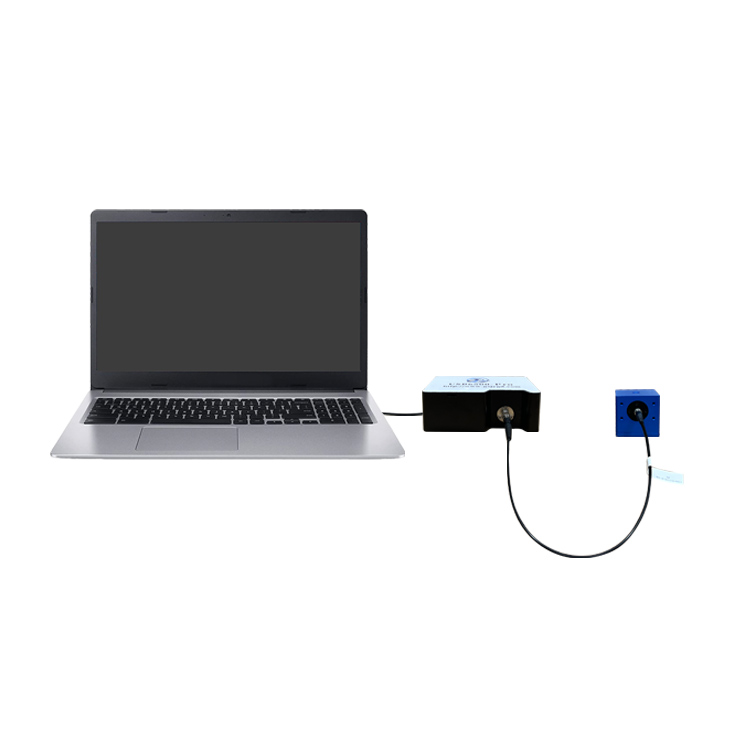
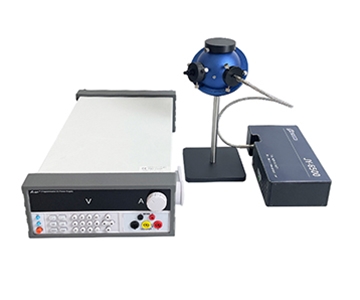
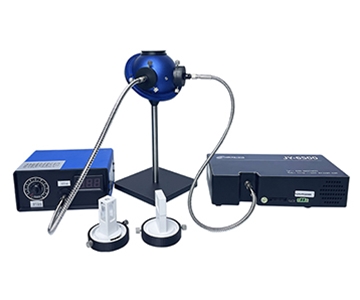
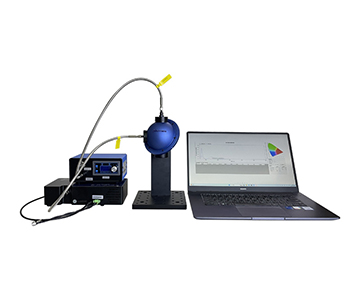
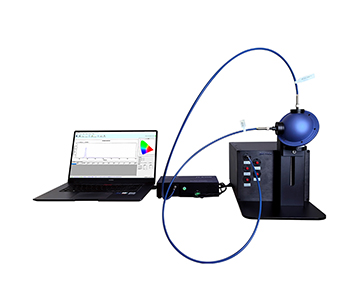
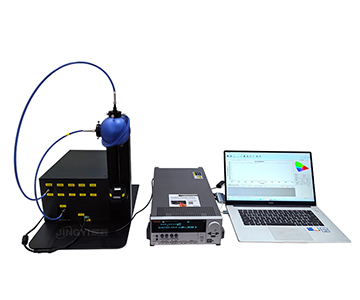
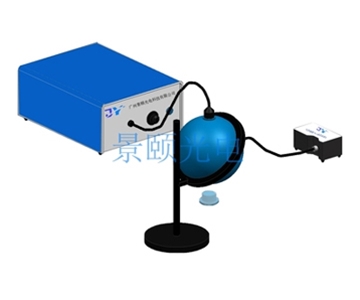
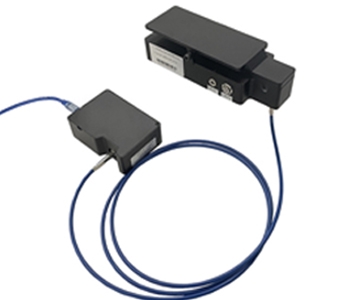
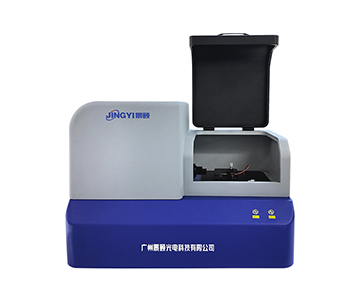
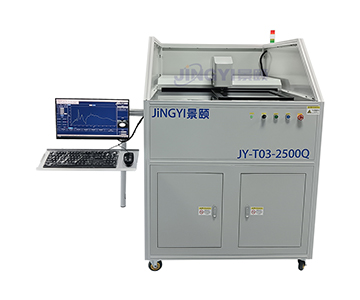
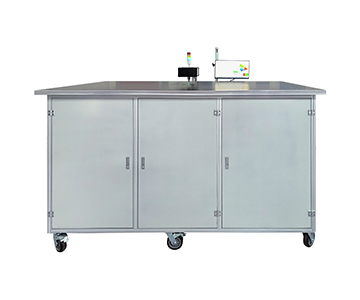
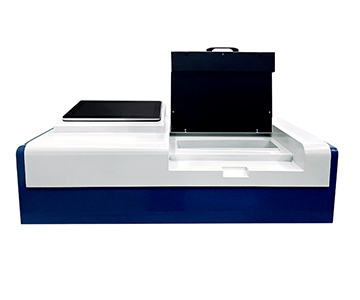
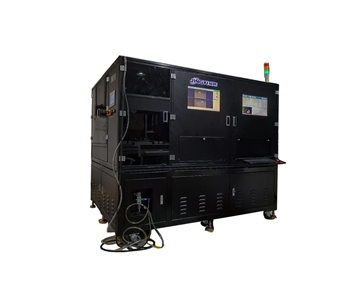
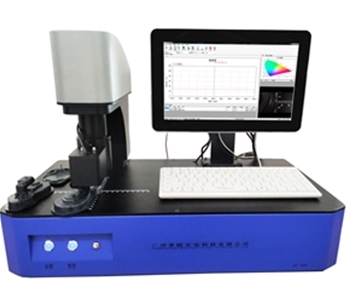
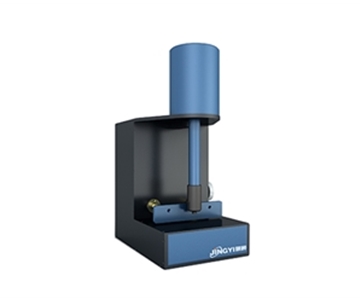
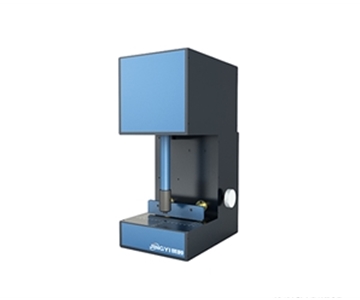
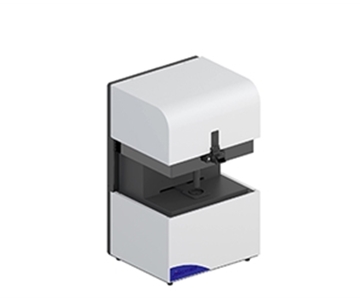
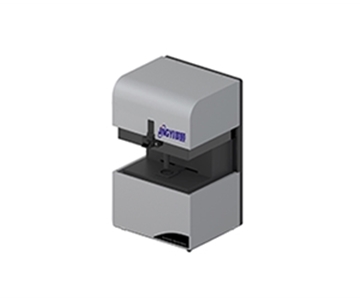
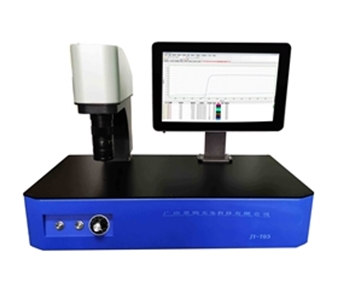
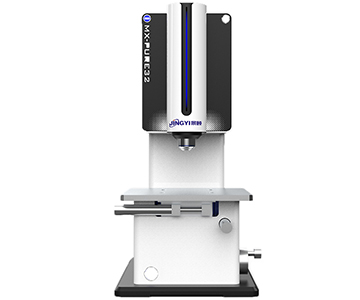
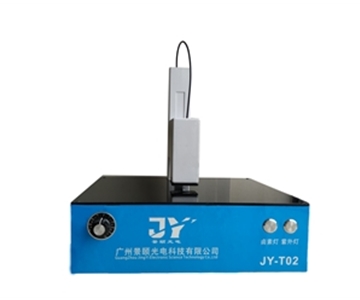
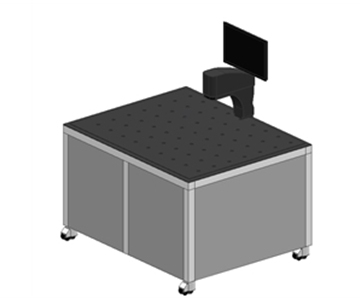
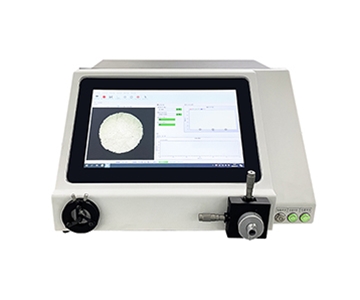
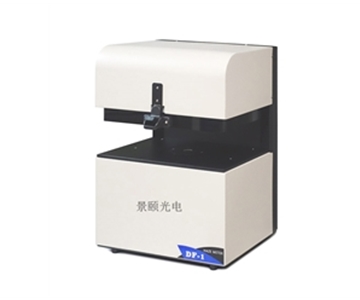
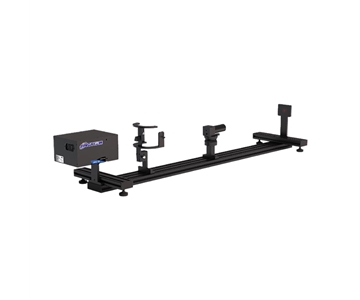
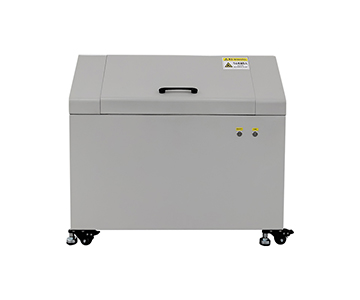
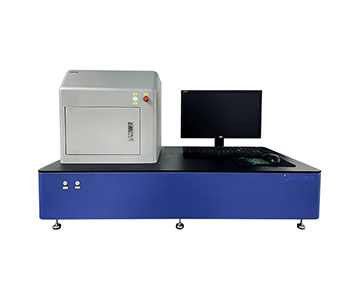
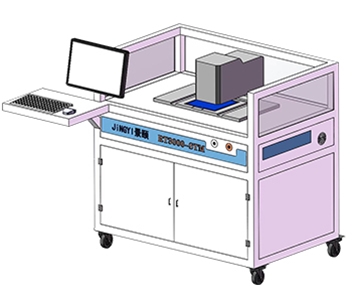
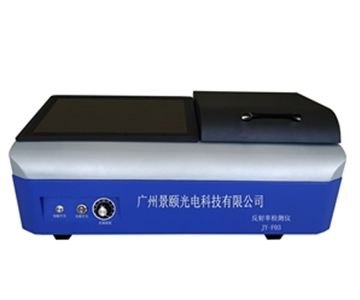
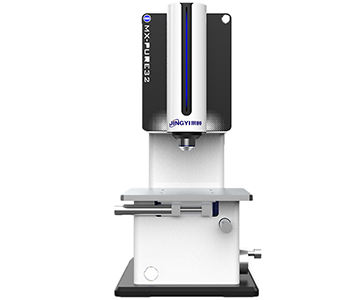
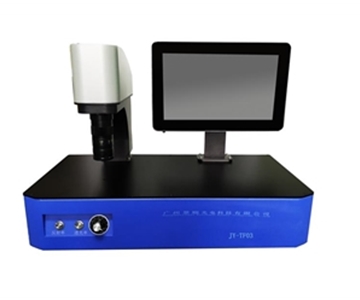
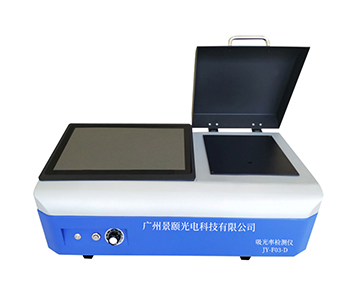
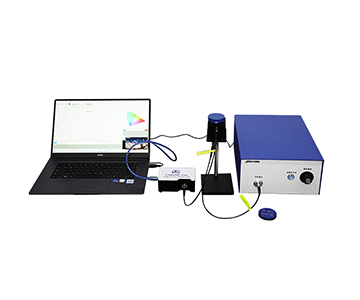
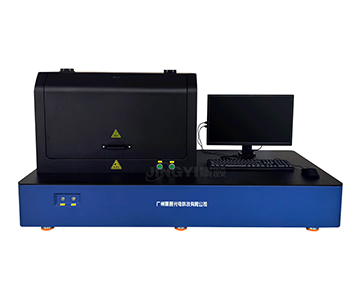
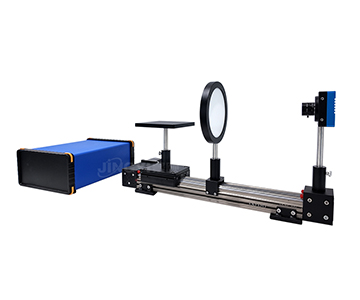
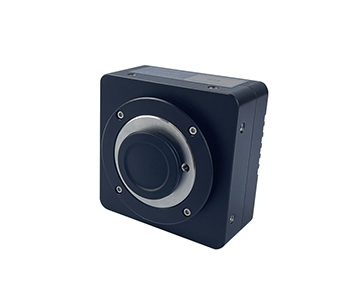
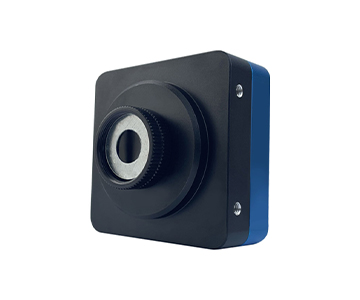
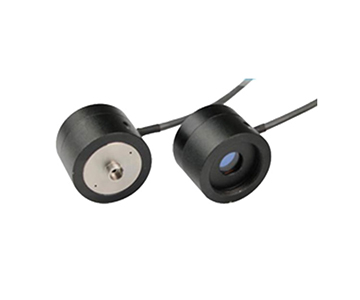
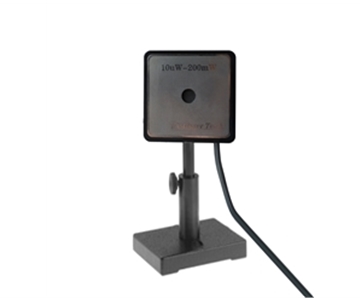
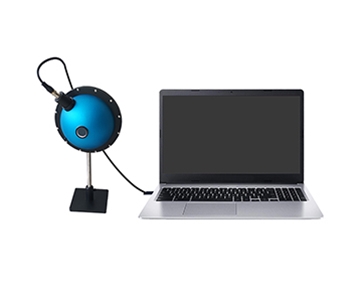
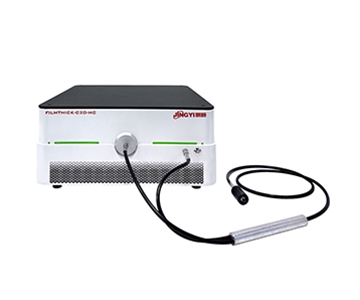
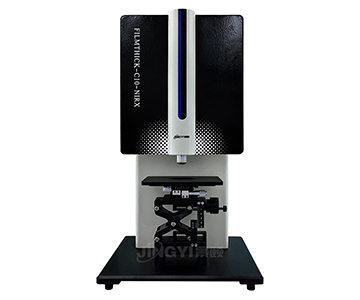
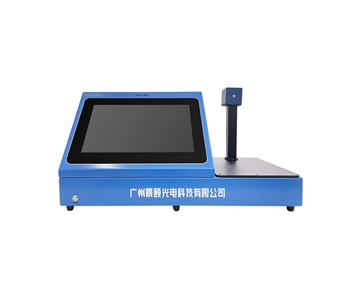
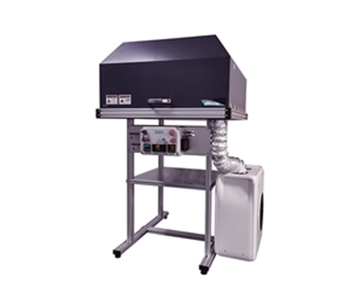
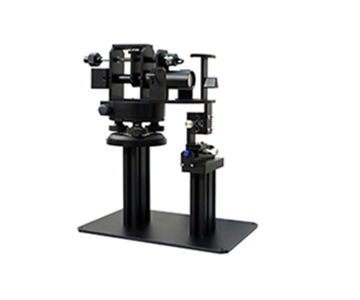
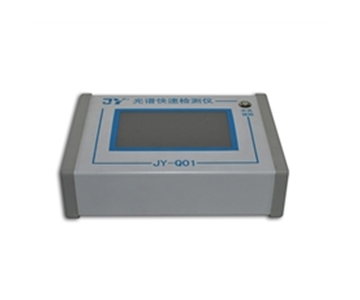
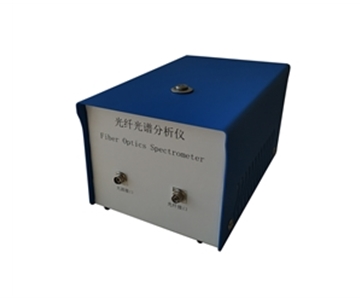
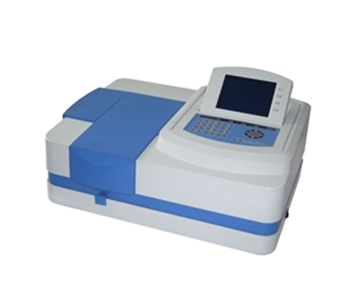
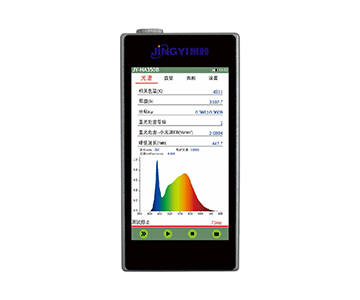
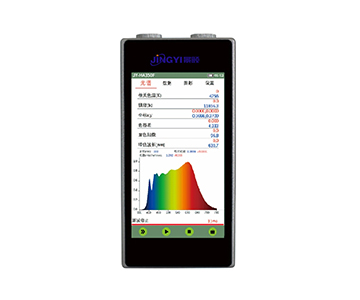
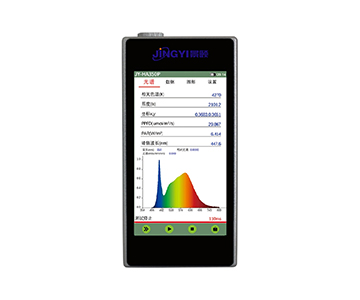
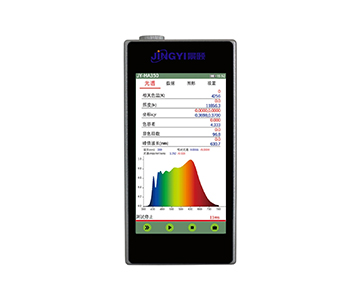
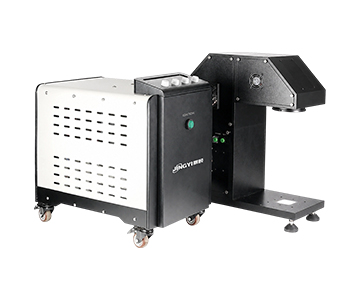
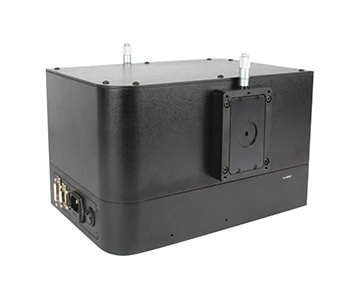
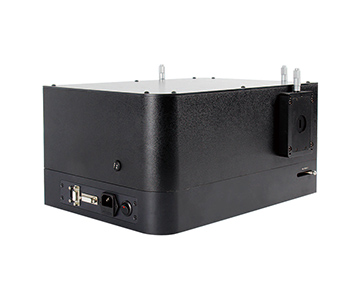
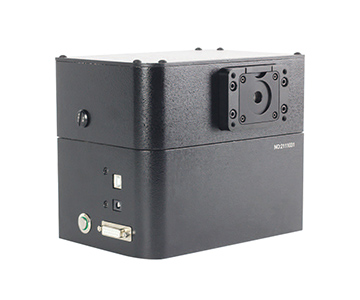
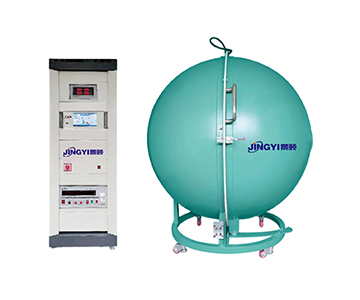
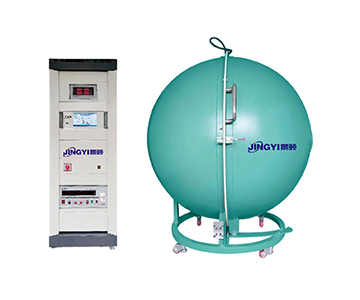
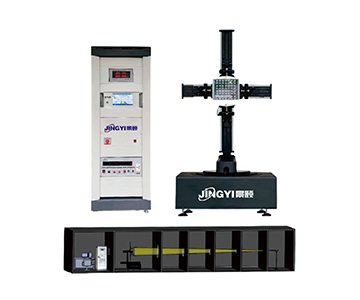
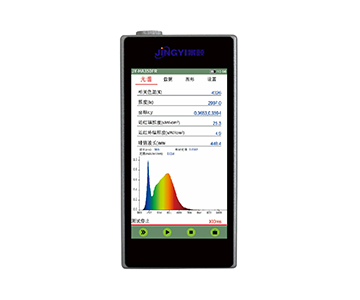
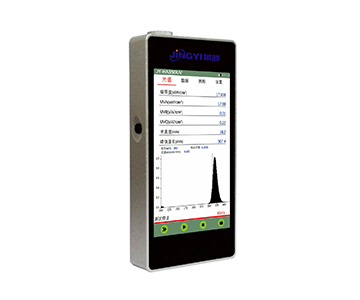
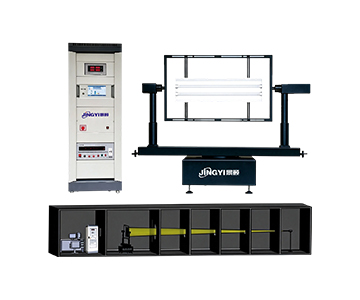
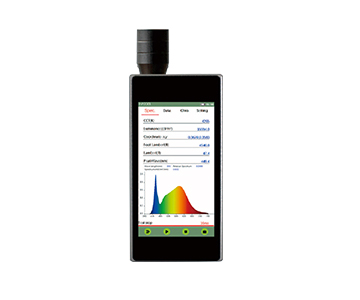
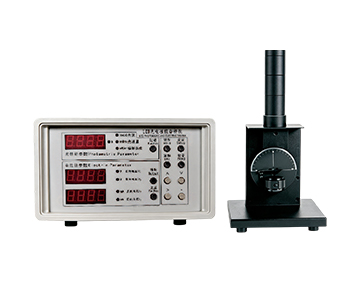
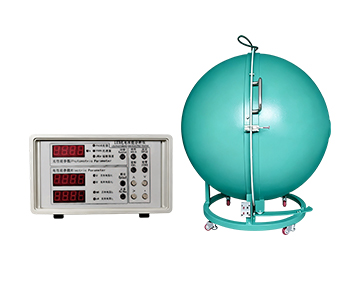
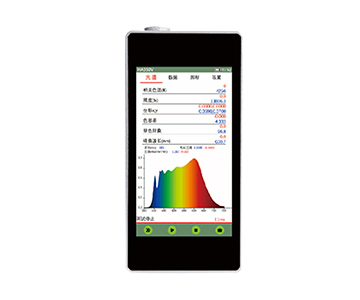
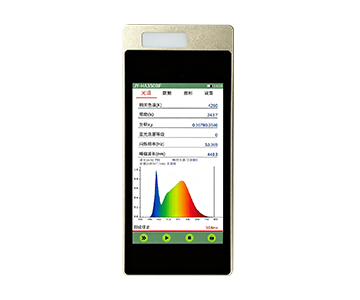
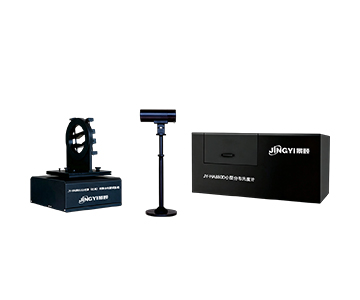
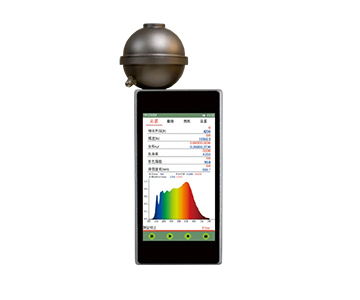
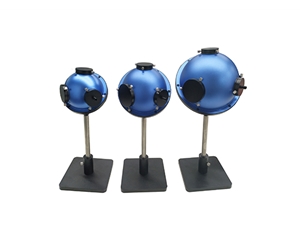
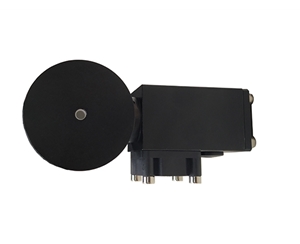
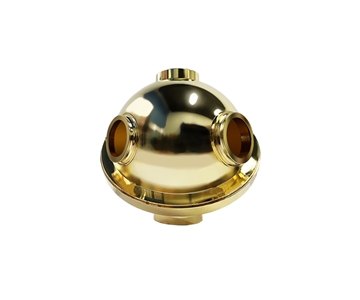
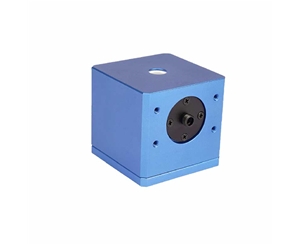
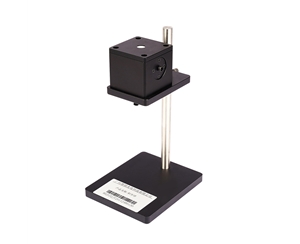
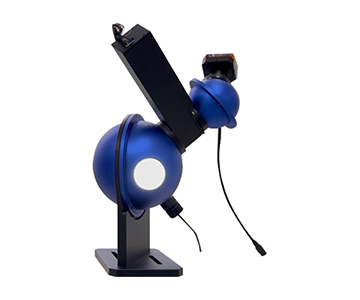
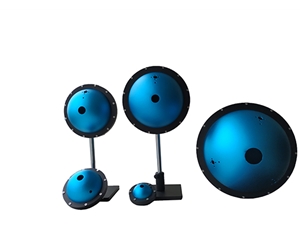
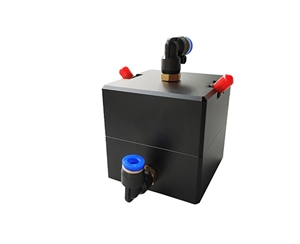
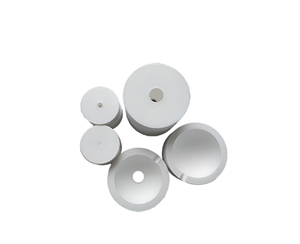
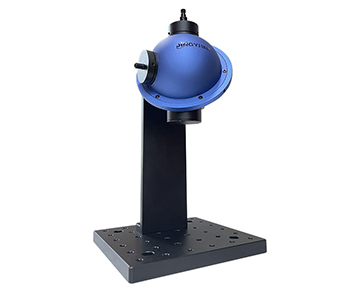
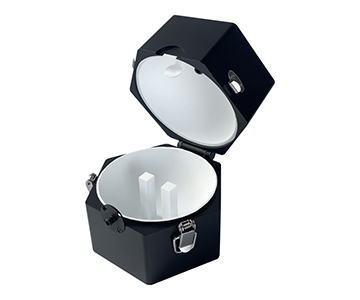
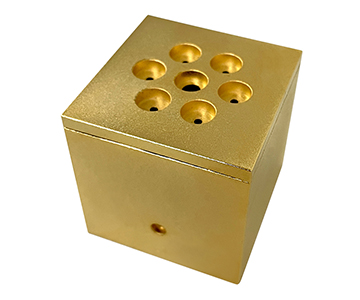
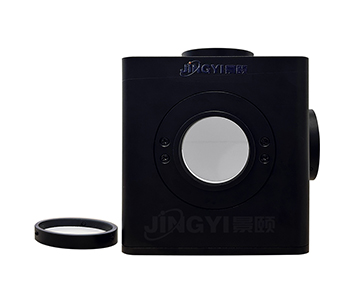
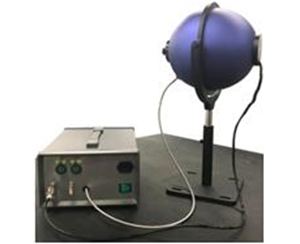
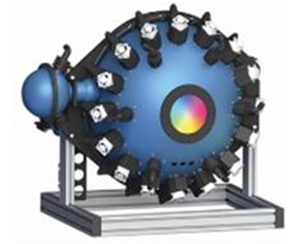
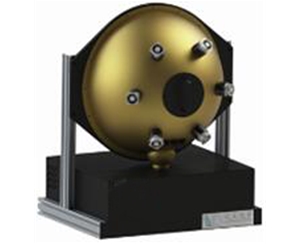
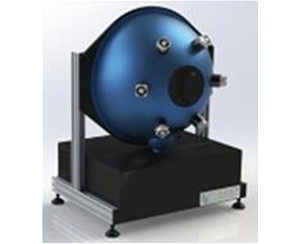
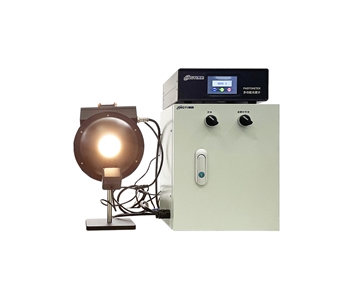
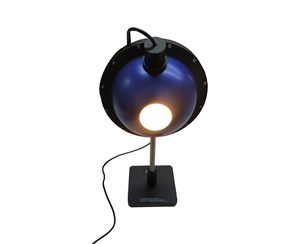
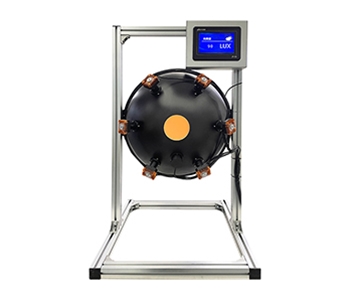
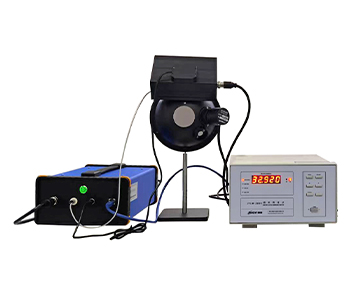
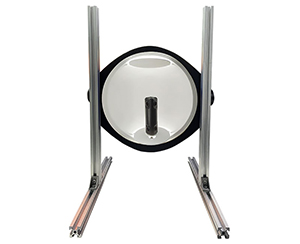
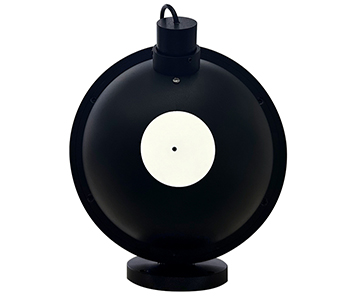
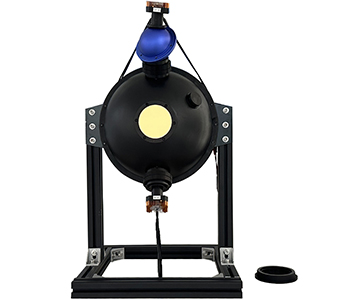
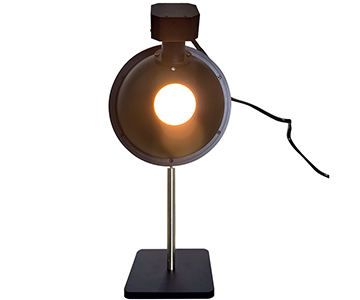
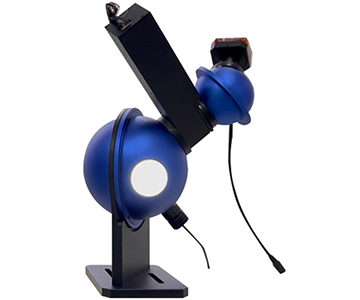
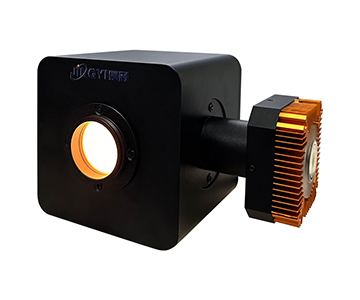
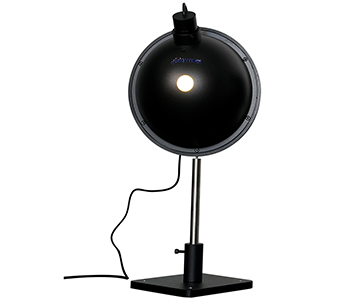
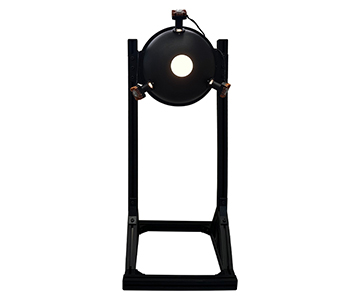
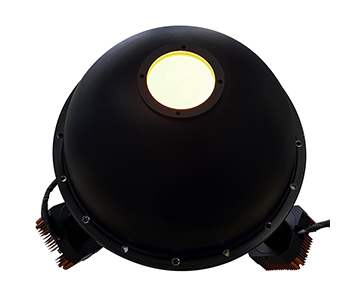
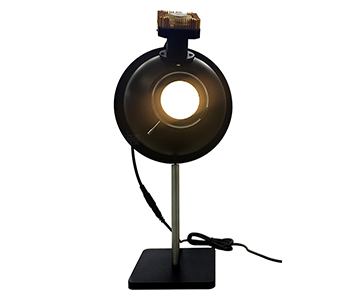
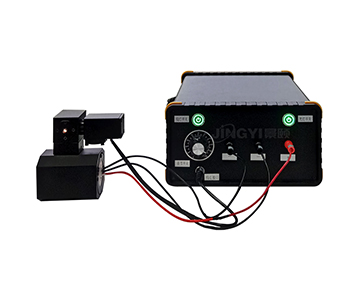
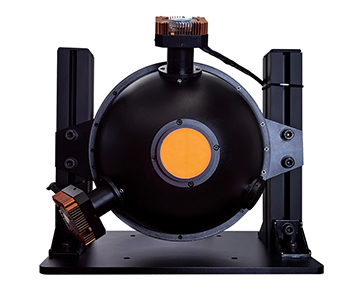
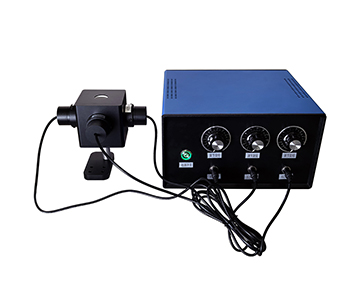
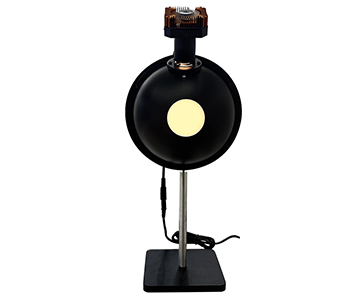
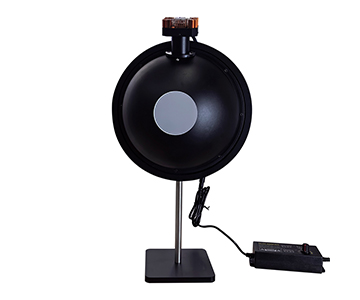
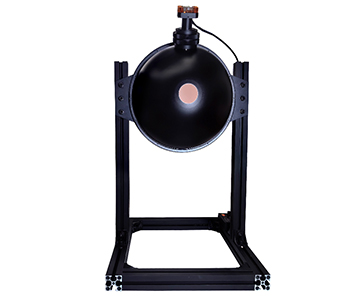
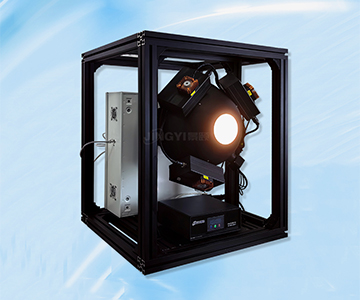
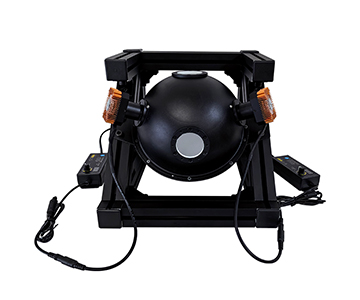
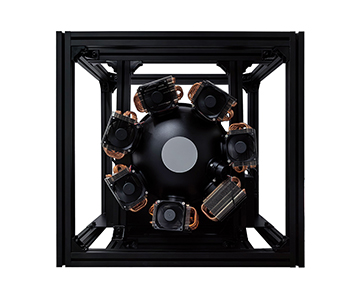
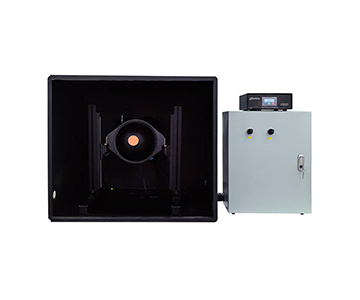
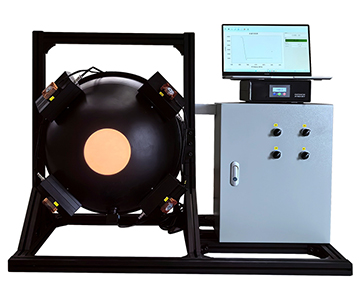
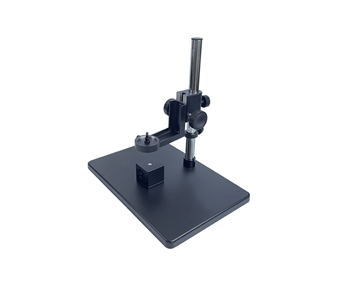
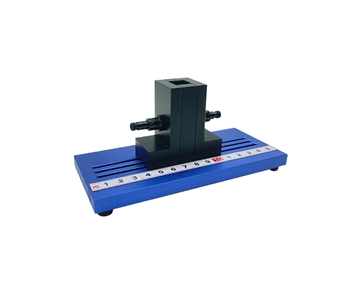
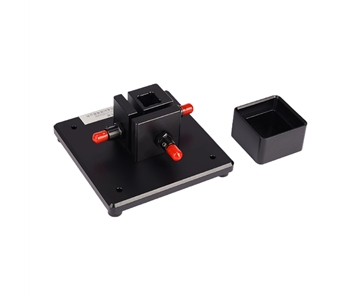
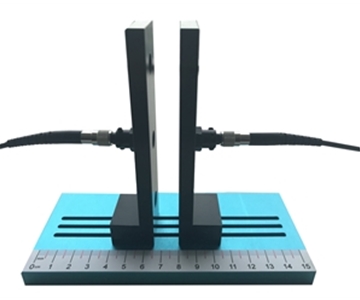
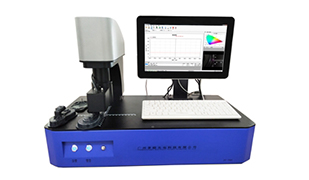
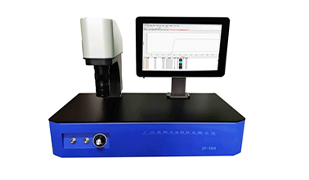
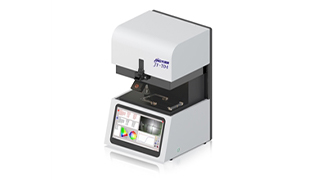
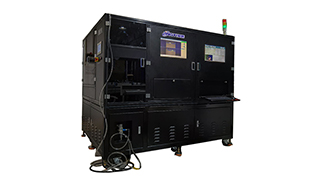
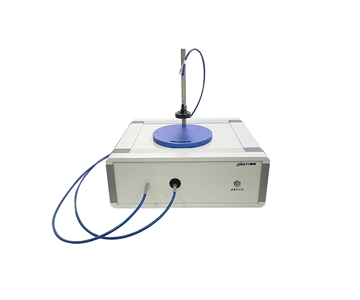
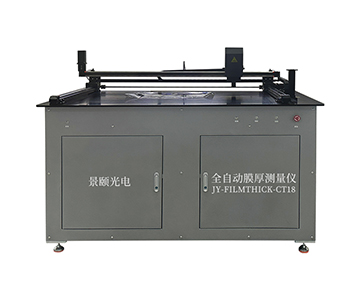
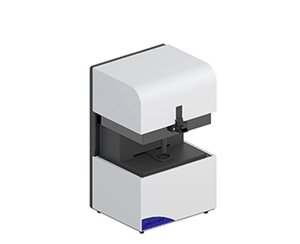
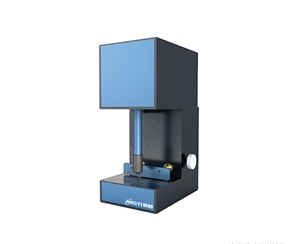
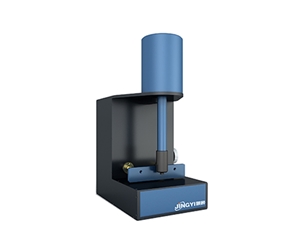
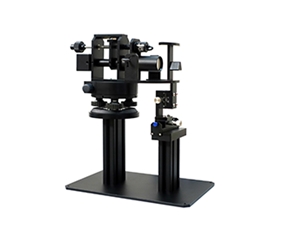
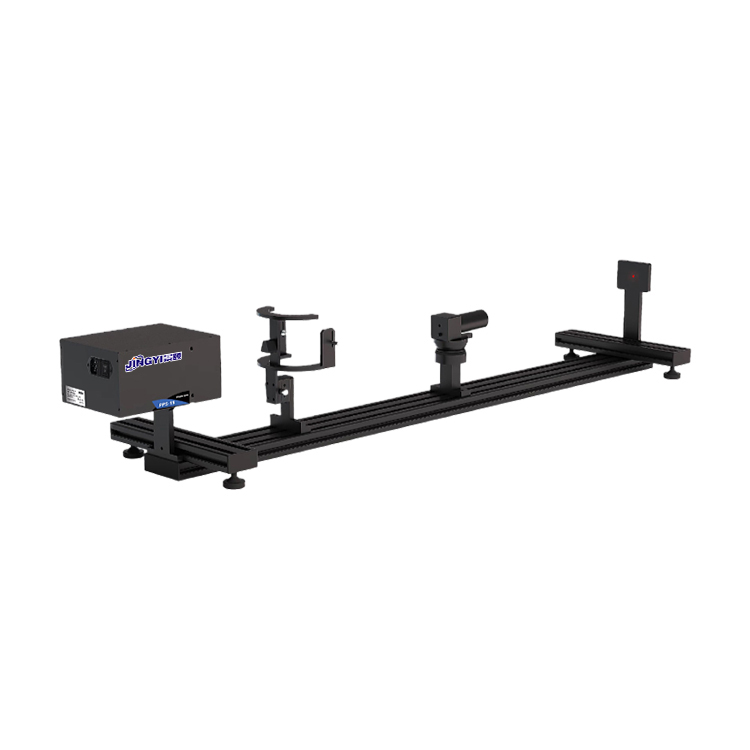
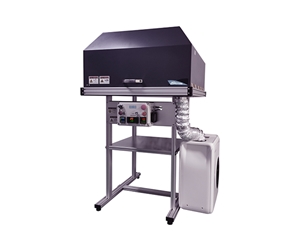
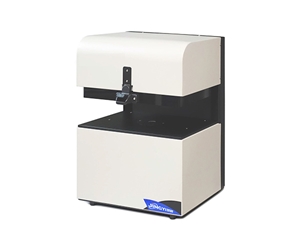
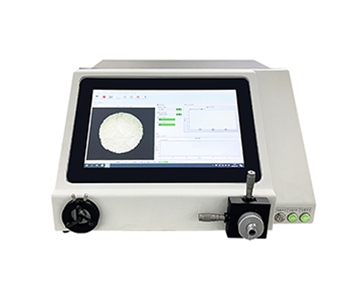
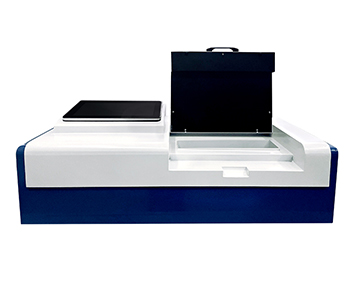
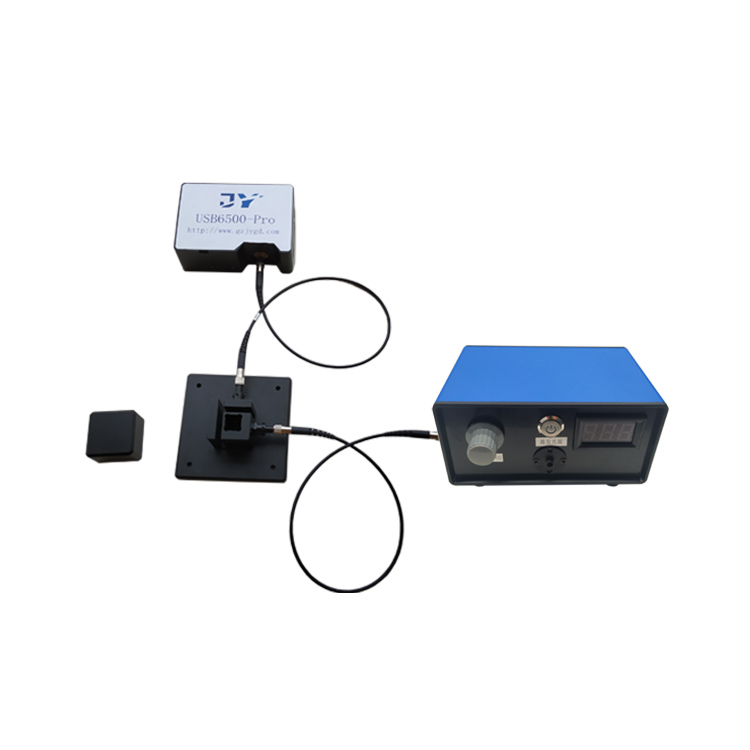
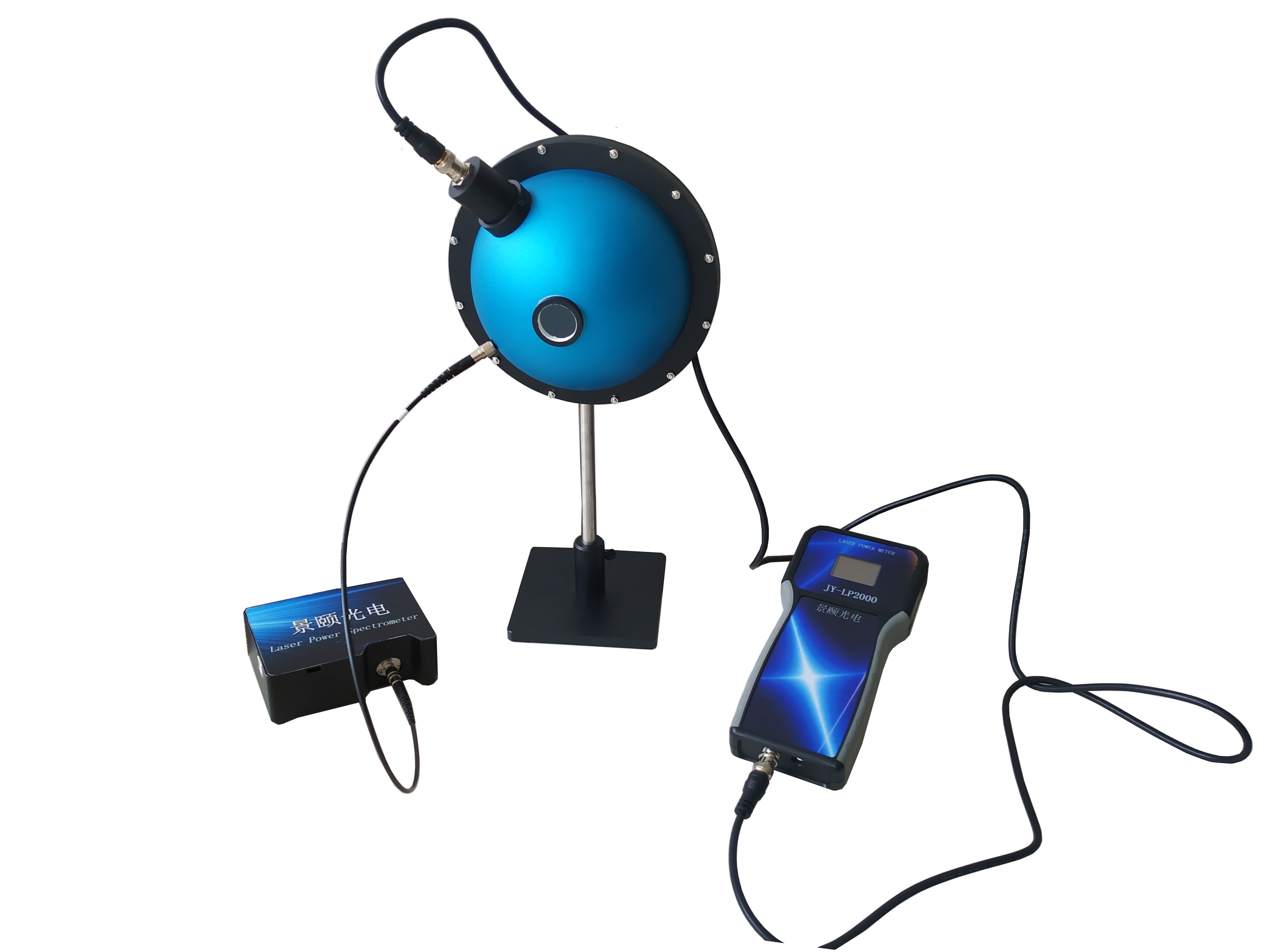
Currently, mainstream integrating spheres for fluorescence quantum yield measurement can be categorized into three types based on application scenarios.
In fields such as optical testing, sensor calibration, and material spectral analysis, many practitioners commonly encounter the following persistent challenges: excessive measurement error in transmittance for micro-sized samples; oxidation and delamination of the integrating sphere’s internal coating under extreme temperature/humidity or corrosive environments; and significant response deviations across different wavelength bands during broadband measurements. These issues frequently delay R&D progress and substantially increase overall testing costs. As a foundational component within optical measurement systems, the performance parameters of an integrating sphere for fluorescence quantum yield directly determine the output accuracy of the entire detection system—and thus constitute the essential prerequisite for ensuring reliability and traceability of optical measurement data.
Fundamentally, an integrating sphere for fluorescence quantum yield functions as an “optical homogenizer” or “light mixer”: any incident light—regardless of its angular distribution or intensity profile—enters the sphere cavity and undergoes dozens to hundreds of random, diffuse reflections off the high-reflectance inner wall coating. This process ultimately establishes a perfectly isotropic, spatially uniform radiant field throughout the cavity, fully eliminating the original directional and intensity non-uniformities of the input beam. The resulting standardized, homogeneous light signal serves as a stable reference for subsequent measurement and calibration tasks—enabling precise determination of critical source parameters (e.g., optical power, chromaticity coordinates, luminous efficacy), as well as providing a calibrated uniform light source for characterizing and calibrating diverse optical components.
**General-Purpose Calibration Integrating Spheres for Fluorescence Quantum Yield**
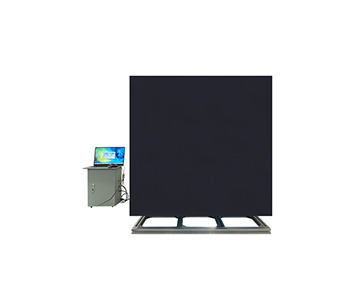
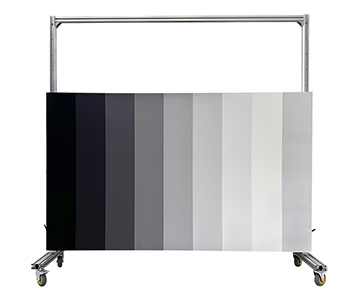
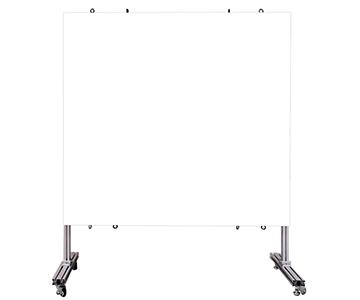
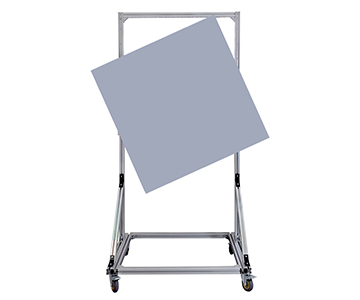
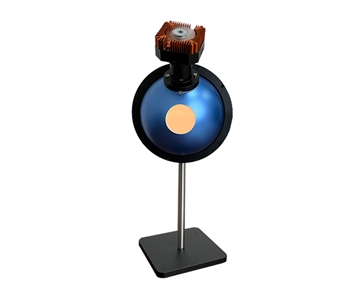
Designed primarily to meet calibration requirements for imaging sensors and spectroscopic instruments, this category covers applications including flat-field correction of industrial cameras, radiance calibration of remote sensing sensors, low-light-response testing of night-vision devices, and calibration of spectroradiometers. Depending on luminance range, these spheres are further subdivided into high-luminance portable models and ultra-low-light variants. High-luminance models are typically deployed in outdoor metrological testing, supporting flexible on-site calibration; ultra-low-light versions offer million-fold luminance tunability under constant correlated color temperature (CCT), enabling simulation of lighting conditions ranging from starlight to indoor bright illumination. Jingyi Optoelectronics’ full series of uniform-light-source integrating spheres for fluorescence quantum yield employs proprietary wedge-shaped gradient apertures and multi-source collaborative control technology, expanding luminance dynamic range by over 30% compared to industry averages—while maintaining output-port uniformity consistently above 99%. These products have become the preferred choice among domestic metrology institutions and sensor R&D enterprises.
**High-Spectral-Response Integrating Spheres for Fluorescence Quantum Yield—Specialized for Harsh Environments**
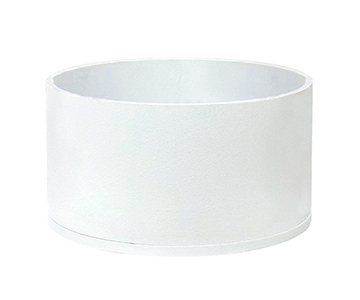
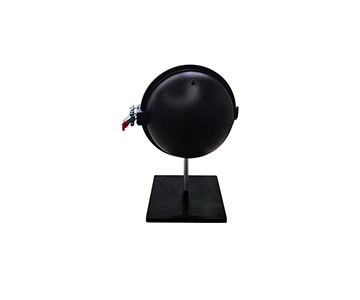
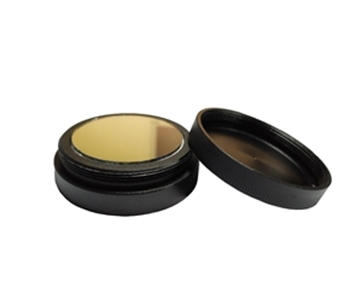
Targeting demanding applications such as underwater optical detection, spectral analysis of chemical solutions, and high-temperature optical measurements, conventional spray-coated integrating spheres often suffer from coating delamination and poor corrosion resistance—rendering them unsuitable for stable operation in such environments. The current mainstream solution is monolithic compression molding: the entire sphere cavity is fabricated as a single piece from diffuse-reflecting material, eliminating interfacial adhesion risks altogether. Jingyi Optoelectronics’ high-spectral-response integrating spheres for fluorescence quantum yield are manufactured using imported modified polytetrafluoroethylene (PTFE) powder, subjected to high-temperature sintering through 12 precisely controlled steps. Their reflectance remains highly stable—between 94% and 99%—across the full 200–2500 nm spectral range; operating temperature tolerance reaches up to 200°C; and they can be directly immersed in acidic, alkaline, or saline solutions for in-situ measurement—fully meeting the stringent demands of specialized applications.
**Compact Integrating Spheres for Fluorescence Quantum Yield—Optimized for Micro-Sample Testing**
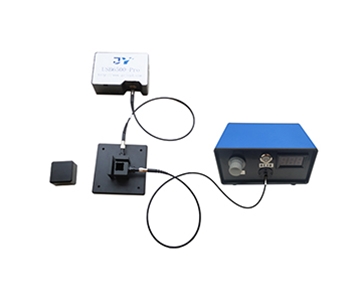
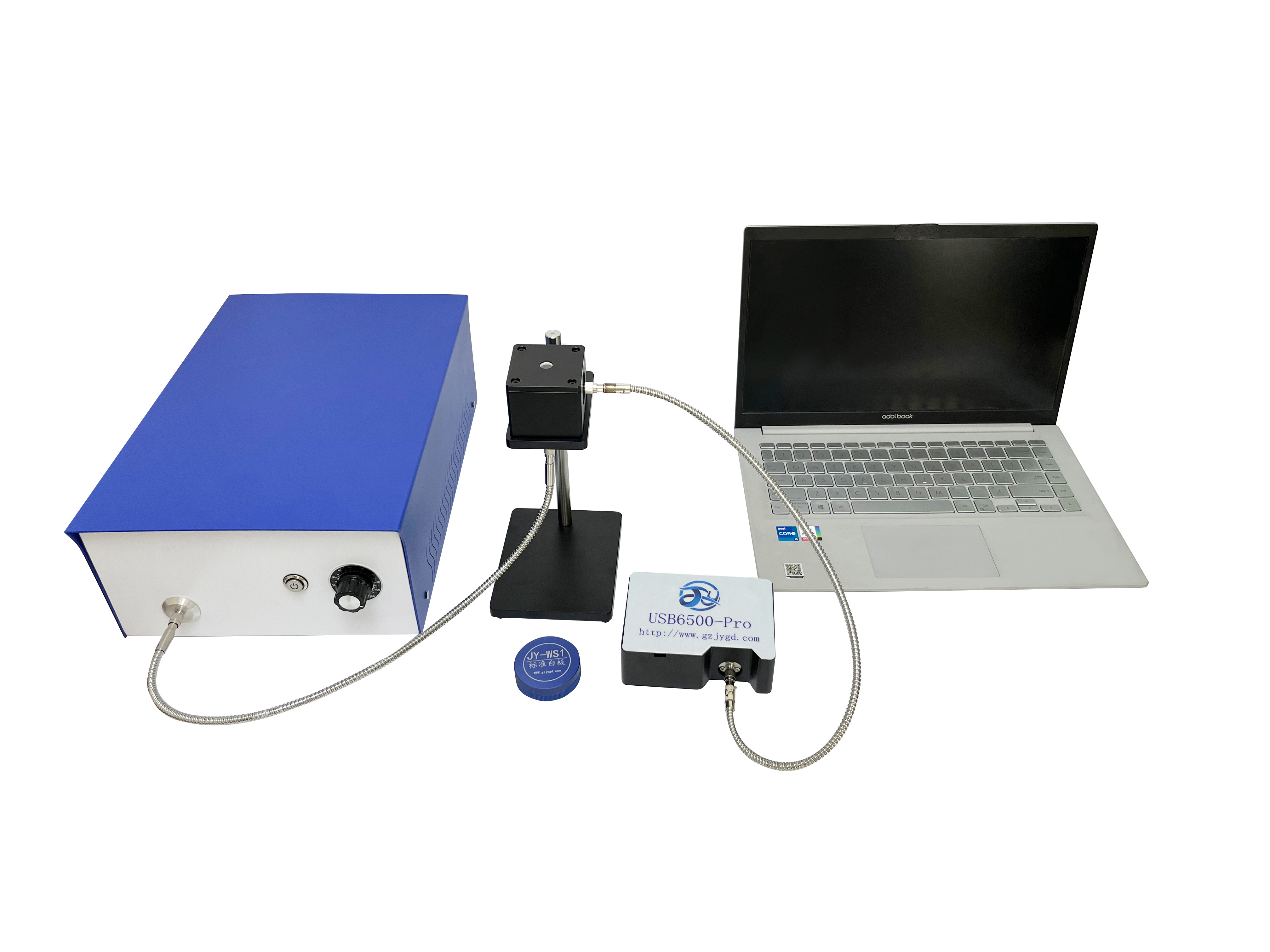
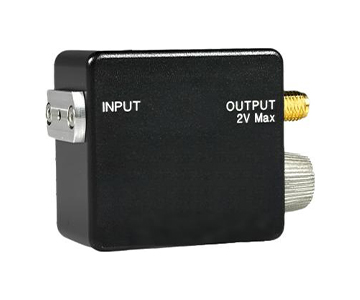
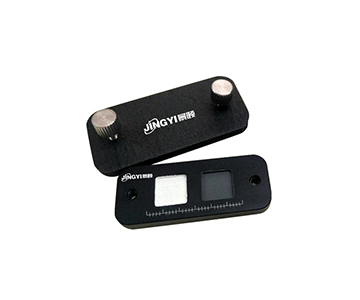
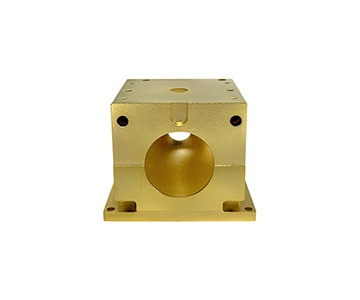
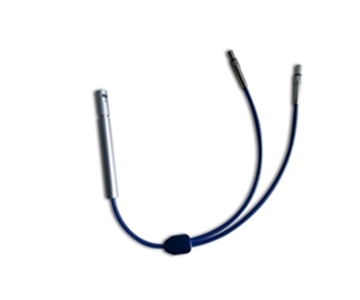
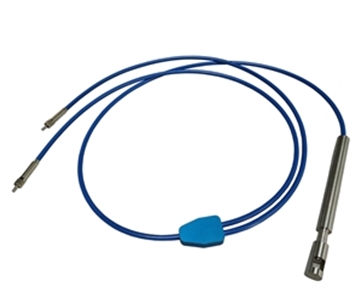
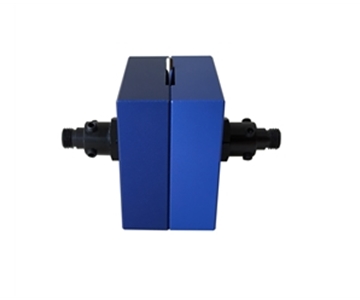
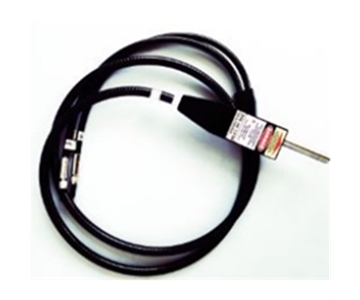
This category specifically addresses persistent pain points in transmittance and haze measurement for micro-optical components, powdered samples, and ultrathin films. Conventional large-diameter integrating spheres incur excessive optical loss when measuring such small-volume specimens—leading to measurement errors as high as 20%, rendering them inadequate for R&D-grade precision requirements. To fill this niche, Jingyi Optoelectronics has launched a transmittance-optimized integrating sphere for fluorescence quantum yield with a mere 10-mm internal diameter—effectively addressing a longstanding market gap. Standard configurations include a 1.5-mm input port and universal SMA905 output interface; FC and other connector types are also available upon request. Exhibiting excellent full-spectrum isotropic diffuse reflectance, exceptional material stability (no yellowing or oxidation over extended use), water resistance, and ease of storage, these compact spheres are widely applied in transmittance testing of micro-solid samples, laser spectral power measurement, thin-film haze analysis, and transmission colorimetry—reducing measurement error for micro-samples by more than 70% relative to conventional approaches.
Jingyi Optoelectronics maintains a factory shipment qualification rate of 99.8%; utilizes PTFE-based ultra-high-reflectance coatings (average reflectance ≥99%); offers customizable options across multiple sizes and interface standards; and provides comprehensive pre-sales and after-sales technical support.
**Typical Applications:** LED luminous flux testing, laser power measurement, display color calibration, environmental monitoring, and other high-precision optical metrology tasks.
Looking ahead, technological evolution of integrating spheres for fluorescence quantum yield will increasingly advance toward intelligence and integration. Smart integrating spheres—equipped with embedded AI-assisted calibration algorithms and IoT communication modules—will become the new mainstream. Upon unboxing, users will no longer need to perform complex pre-calibration procedures; instead, seamless integration with existing test systems will enable immediate delivery of accurate, traceable measurement results—further lowering the technical barrier to optical metrology and accelerating the broader adoption of optical testing technologies across an ever-widening array of specialized domains.
#FluorescenceQuantumYieldIntegratingSphere #IntegratingSphere #OpticalPowerIntegratingSphere #ReflectanceIntegratingSphere #TransmittanceIntegratingSphere