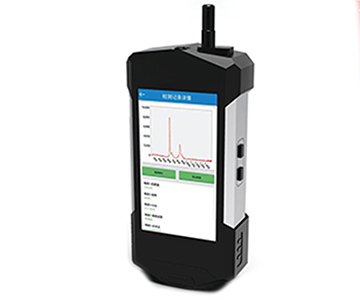
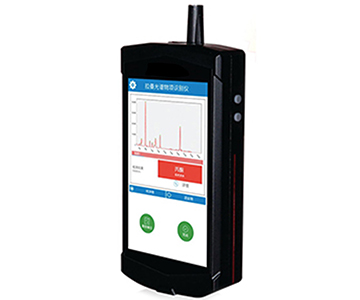
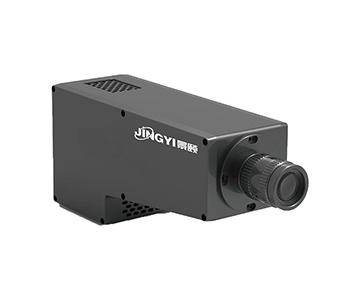
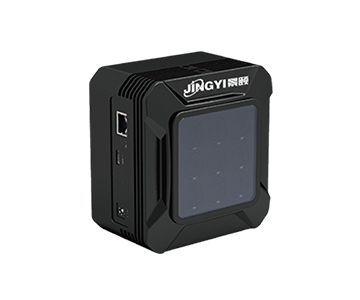
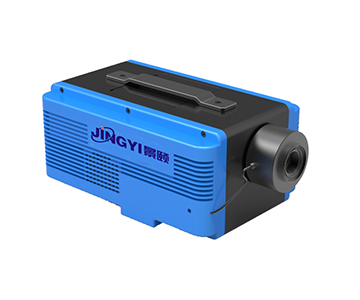
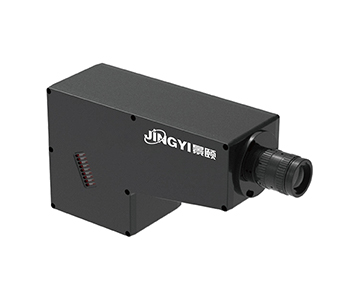
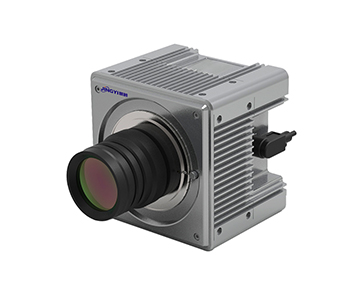
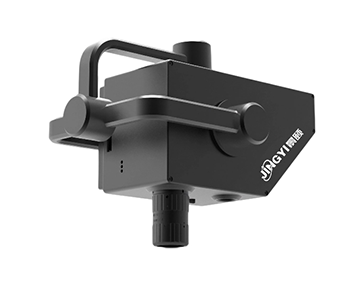
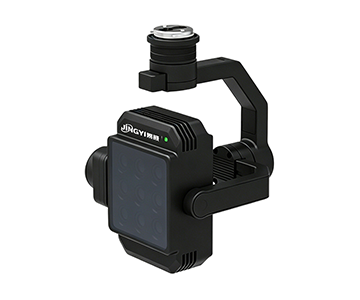
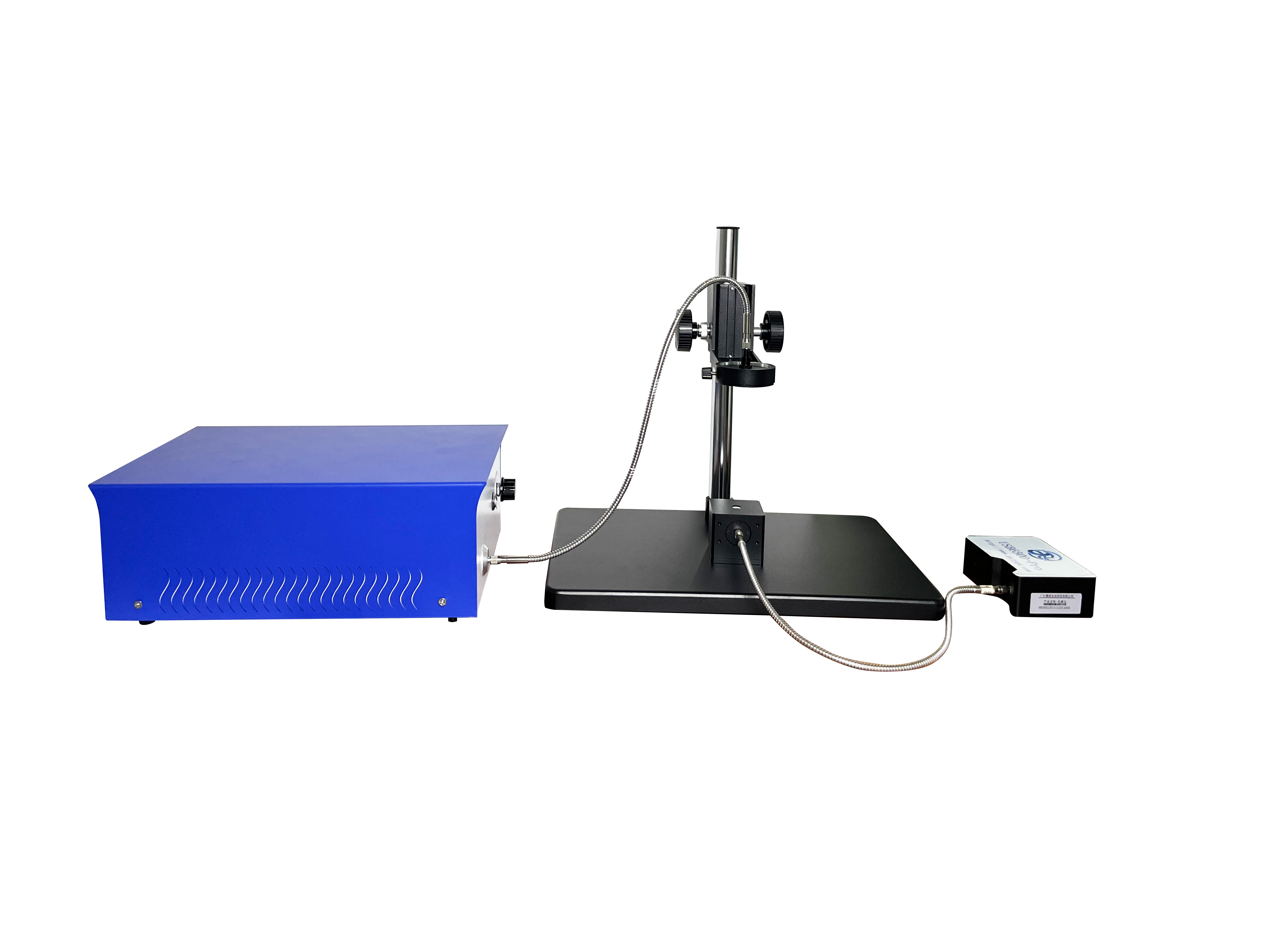
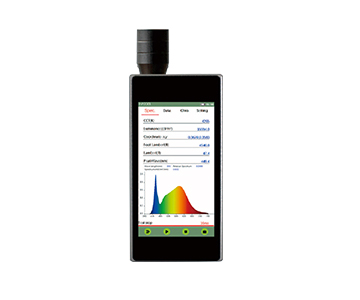
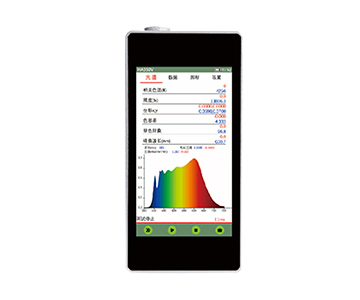
In recent years, with the explosive growth of demand for on-site rapid detection, handheld Raman spectrometers for narcotics identification have become standard tools across public safety, food rapid testing, and industrial quality inspection. However, many frontline users—lacking familiarity with the instrument’s operational logic—frequently encounter issues such as measurement deviations and accelerated device wear. As a manufacturer deeply entrenched in the analytical instrumentation field, Jingyi Optoelectronics has launched the ATR6600 1064 nm handheld Raman spectrometer for narcotics detection. Leveraging superior fluorescence suppression, lightweight design, and intelligent identification capabilities, this device has already been successfully deployed across multiple application scenarios. Drawing upon extensive frontline usage experience, we have compiled the core operational guidelines for handheld Raman spectrometers for narcotics detection—to help users fully unlock the instrument’s detection performance.
**Environmental Adaptation Guidelines**
At its core, Raman detection relies on capturing weak scattered light signals generated when photons collide with sample molecules. These signals are inherently faint and highly susceptible to external environmental interference. Excessively high humidity can corrode internal optical lenses, reducing light transmittance; ambient temperatures exceeding 45°C may cause thermal drift in built-in photodetectors, resulting in spectral shifts; strong magnetic fields or intense electromagnetic radiation can disrupt the signal conversion chain, degrading identification accuracy. Even ruggedized handheld Raman devices like the Jingyi ATR6600—engineered with triple protection (against dust, water, and shock)—should ideally avoid operation in environments with relative humidity above 85% or near high-power electromagnetic equipment, to ensure detection accuracy remains uncompromised.
**Operational Standardization Guidelines**
Handheld Raman spectrometers for narcotics detection are precision optical instruments. Before formal deployment, operators are strongly advised to undergo systematic training provided by the manufacturer, mastering critical procedures such as focus calibration, spectral matching, and data export—thereby minimizing result inaccuracies caused by operational errors. Take the ATR6600 as an example: powered by an Android smart system and equipped with a 5.5-inch high-resolution display, its user interface closely resembles that of common smartphones. Dual cameras (13 MP + 8 MP) enable real-time documentation of inspection scenes, lowering the learning curve significantly. Nevertheless, advanced functions—including custom spectral library uploads and multi-end data synchronization via Wi-Fi, Bluetooth, or GPS—require dedicated training for proficient use. Moreover, when analyzing hazardous chemicals, precursor chemicals for narcotics, or toxic substances, operators must implement appropriate personal protective measures—such as preventing direct laser exposure to eyes, avoiding skin contact with samples, and refraining from inhaling volatile fumes—to ensure operational safety.
**Sample Preprocessing Guidelines**
Raman signal acquisition captures scattering characteristics from the sample’s surface layer. Surface contaminants—including dust, oil residues, or other impurities—can directly mask the molecular signature of the target analyte, leading to misidentification. Although the ATR6600’s 1064 nm excitation laser delivers exceptional fluorescence suppression—offering markedly superior anti-interference performance against highly fluorescent matrices compared to conventional 785 nm systems—users should still wipe the sample surface clean prior to analysis. For non-uniform or heterogeneous mixtures, collecting spectra from 3–5 distinct surface locations and performing cross-verification is recommended to further enhance identification accuracy.
**Long-Term Storage and Maintenance Guidelines**
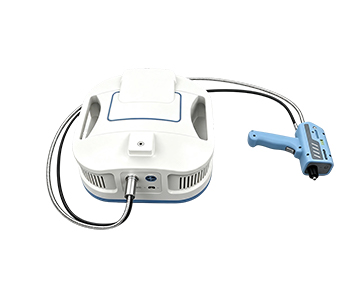
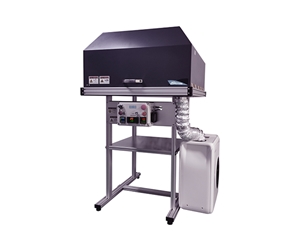
If the instrument will remain unused for over one month, charge the battery to approximately 60%, power off the main switch, disconnect all external accessories, and store it in a dry, dust-free dedicated carrying case. This prevents battery deep discharge and protects optical windows from dust accumulation and degradation. For benchtop Raman systems equipped with cooling modules, periodic cleaning of heat-dissipation filters is essential to prevent component aging due to inadequate thermal management. In contrast, maintenance of handheld devices like the ATR6600 is exceptionally simple: simply clean the detection window’s optical lens regularly using lint-free lens-cleaning paper, and perform a top-up charge every three months.
**Emergency Fault-Handling Guidelines**
Should problems arise during operation—including weak signal intensity, abnormally low identification accuracy, or failure to power on—do not attempt unauthorized disassembly. First, consult the user manual to troubleshoot fundamental factors such as focus alignment, battery level, and environmental conditions. If unresolved, promptly contact the manufacturer’s after-sales service. Jingyi Optoelectronics provides full-lifecycle technical support for all Raman instruments, including customized spectral library development, method optimization and validation, and assistance with IQ/OQ/PQ qualification protocols. Prior to returning the unit for repair, users should inspect the exterior for physical damage—e.g., impact marks or water ingress—to facilitate rapid fault diagnosis and minimize turnaround time.
Adhering to correct operational protocols can improve the detection accuracy of handheld Raman spectrometers for narcotics identification by more than 30%, while extending device service life by 2–3 years. As rapid-testing requirements continue to evolve, lightweight, highly interference-resistant intelligent Raman instruments have become mainstream industry solutions. When paired with scientifically sound usage and maintenance practices, these devices deliver truly non-destructive, on-site rapid detection—“in full control, with results instantly visible”—safeguarding critical applications in public safety, food safety, pharmaceutical safety, and beyond.
#MicrofluorescenceRamanSpectrometer #FoldableBenchtopRamanSpectrometer #532nmRamanSpectrometer #FiberOpticRamanSpectrometer #HandheldRamanSpectrometerForNarcoticsDetection #RamanSpectrometer