Have you ever encountered situations like these?
- Curtains purchased online—advertised as “99% light-blocking”—still allow faint light to filter through at noon;
- Freshly painted light-colored walls, even after two coats, still reveal the underlying spackle color;
- Automotive window films marketed for sun protection fail to prevent arms from feeling hot under summer sunlight, even with air conditioning running.
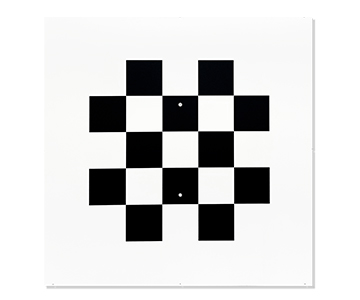
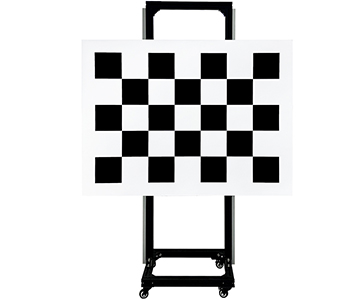
These seemingly minor consumer experience issues all stem from one core problem: inadequate hiding power—the material’s ability to obscure underlying surfaces or block incident light. Traditional hiding power testing relies on visual comparison against black-and-white checkerboard charts or spot-checking reflectance at a single wavelength. Such methods are fundamentally incapable of capturing performance variations across diverse lighting conditions—explaining why many materials pass lab tests yet “fail in real-world use.”
Many mistakenly assume hiding power is a simple binary metric—“does it block light or not?” In reality, it is a comprehensive measure of a material’s capacity to reflect, transmit, and absorb light across the full electromagnetic spectrum—including ultraviolet (UV), visible, and near-infrared (NIR) wavelengths. Requirements vary drastically by application:
- Exterior architectural coatings must simultaneously ensure color uniformity under visible light *and* UV resistance for long-term weatherability;
- Building glazing must balance visible-light transmittance (for daylighting) with NIR reflectance (for thermal insulation);
- Sun-protective textiles must achieve broad-spectrum light blocking while maintaining breathability and lightweight comfort.
Conventional testing tools fall short in three critical ways: they either measure only a single wavelength; operate too slowly for 100% inline production inspection; or struggle to maintain ≤1% measurement uncertainty on curved or rough-surfaced samples—rendering them ill-suited for today’s rapidly advancing material performance standards.
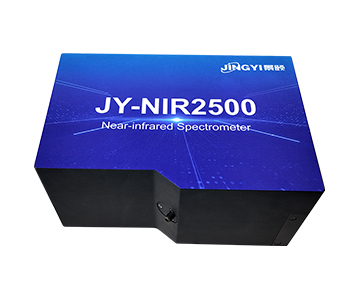
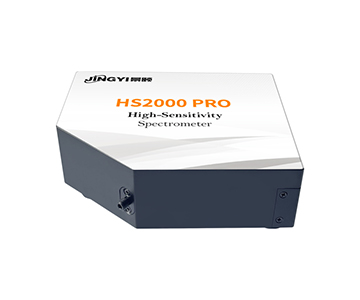
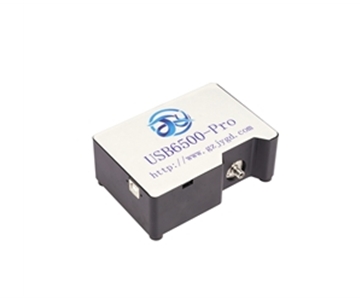
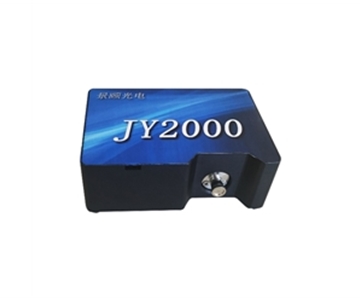
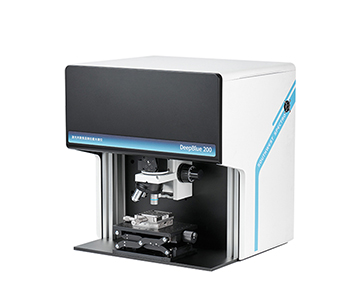
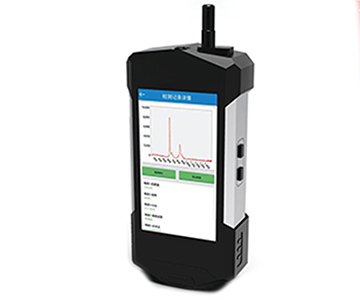
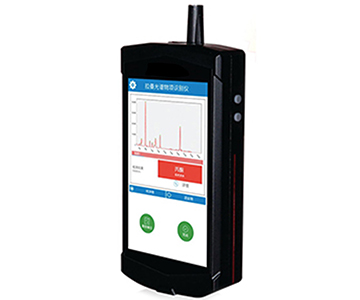
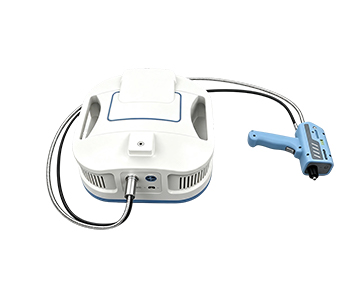
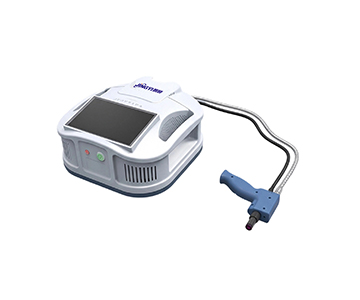
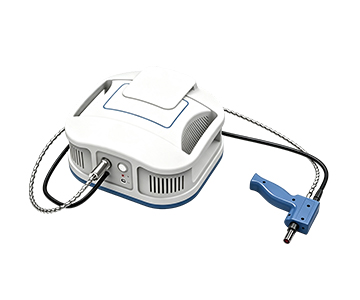
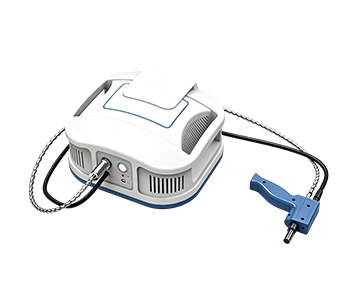
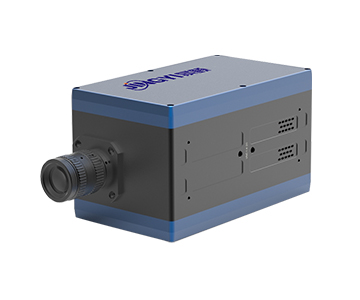
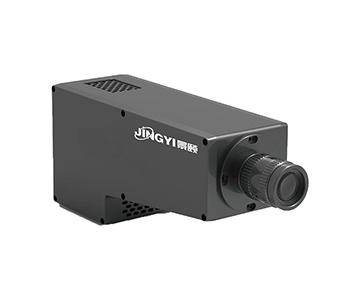
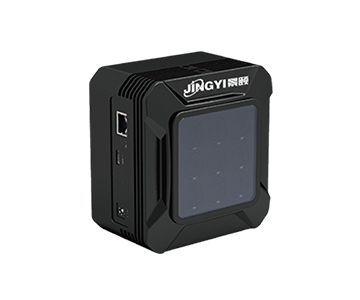
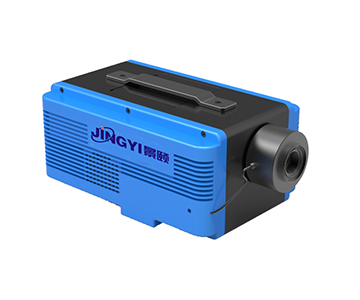
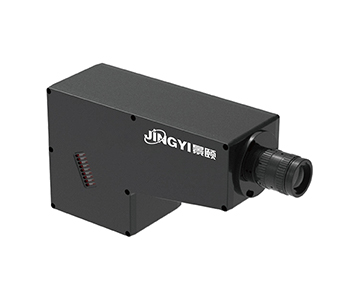
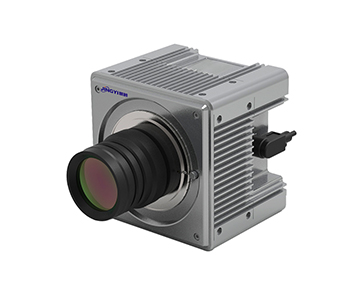
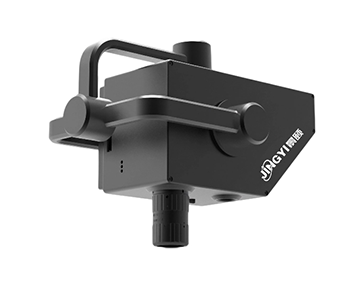
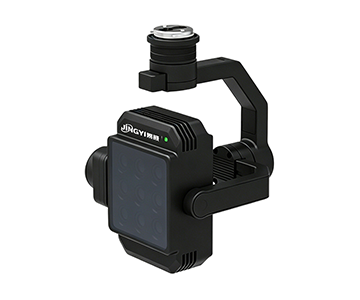
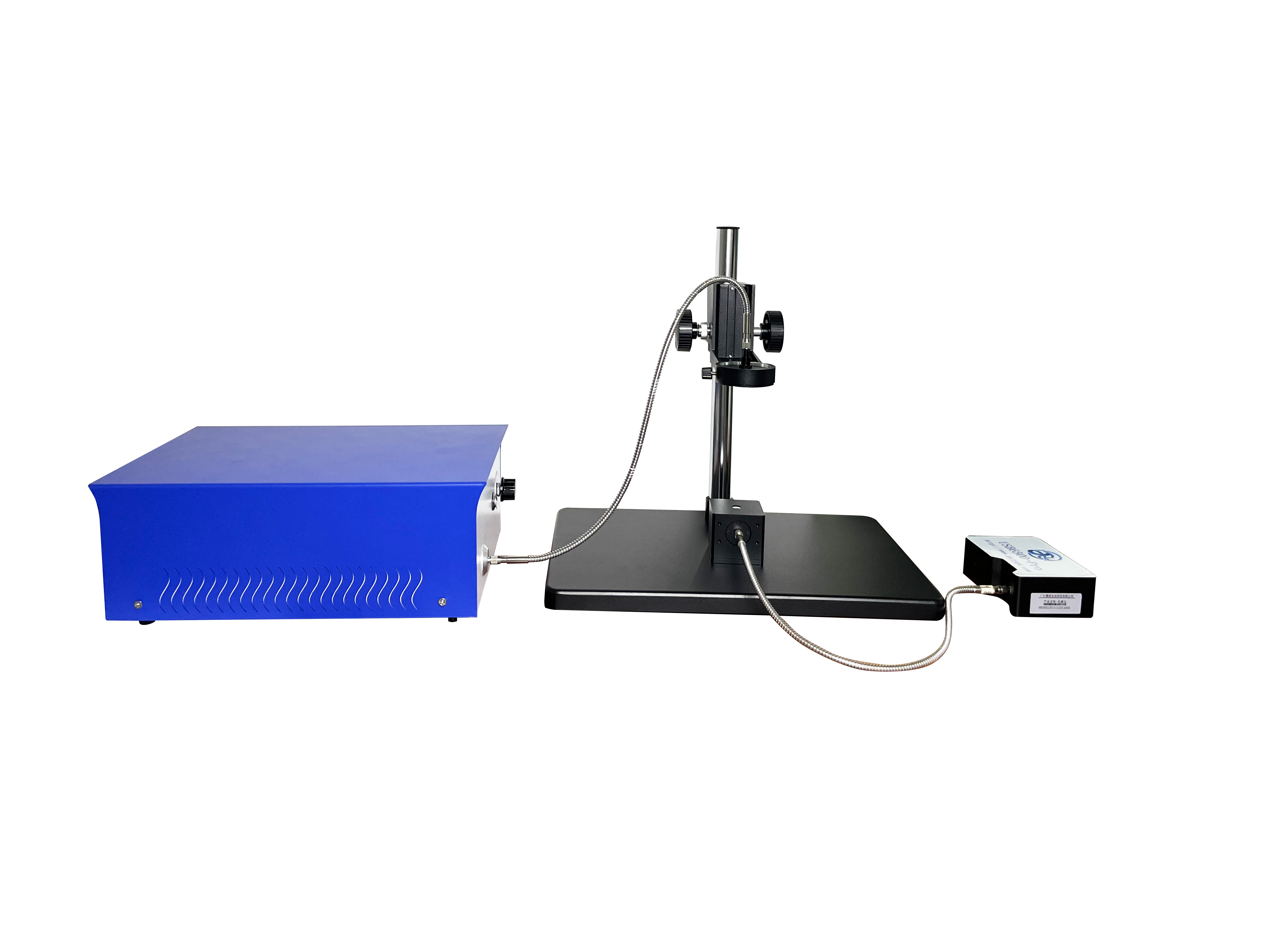
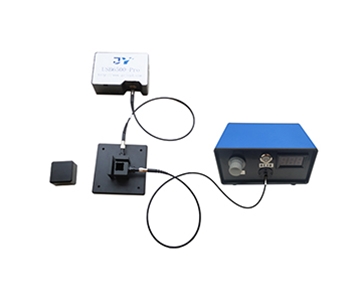
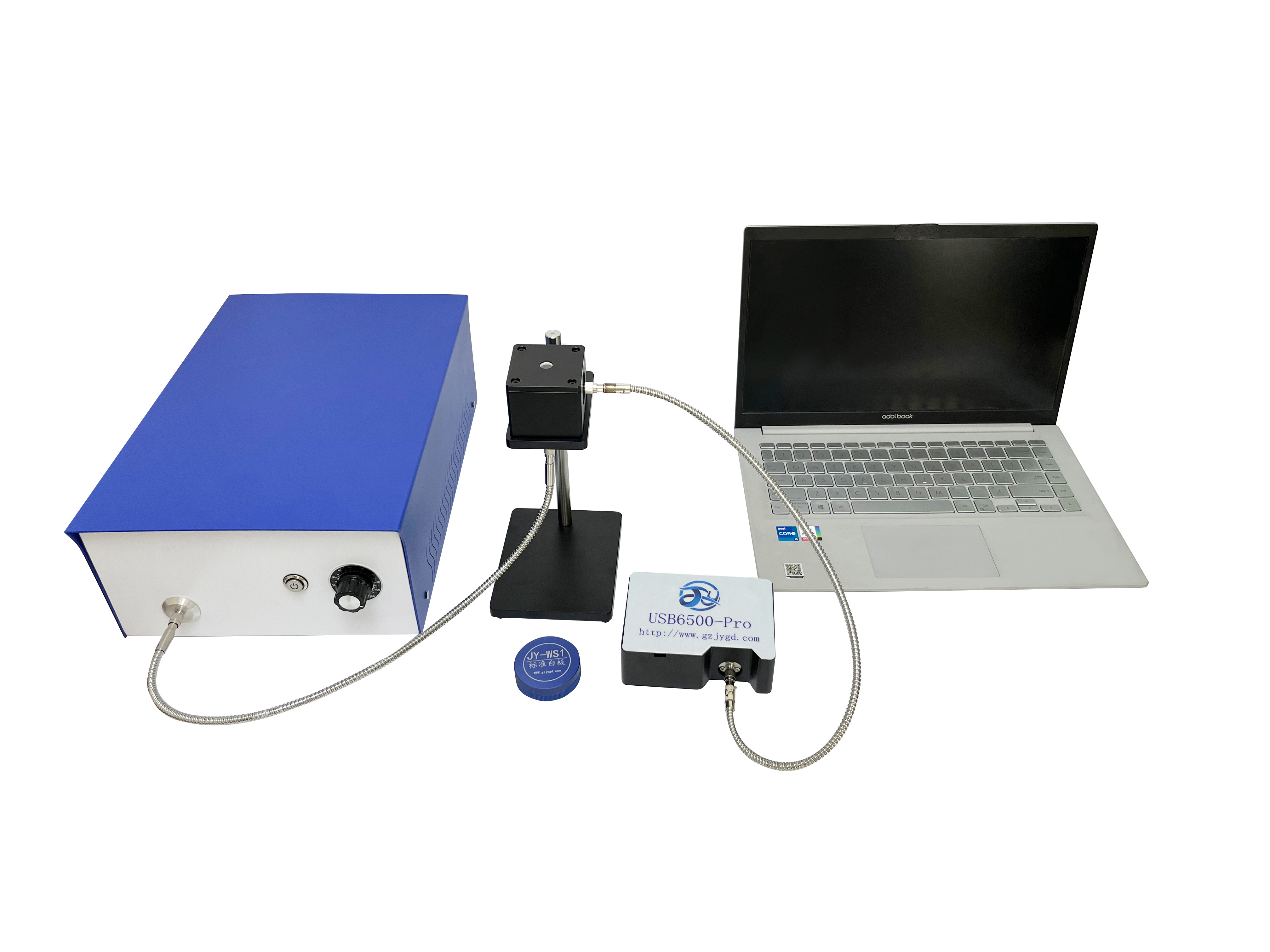
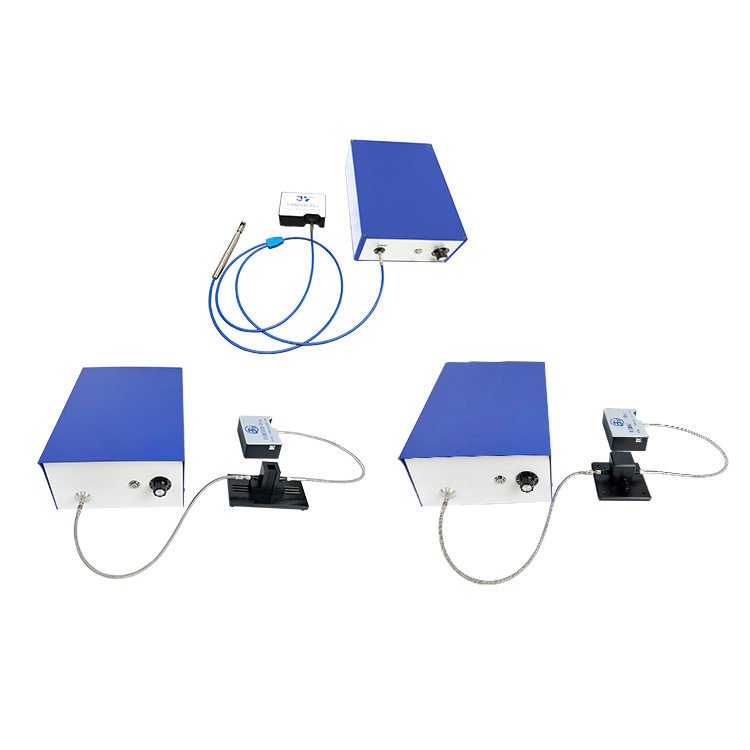
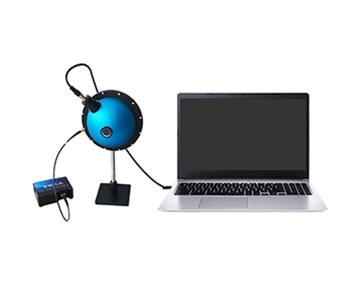
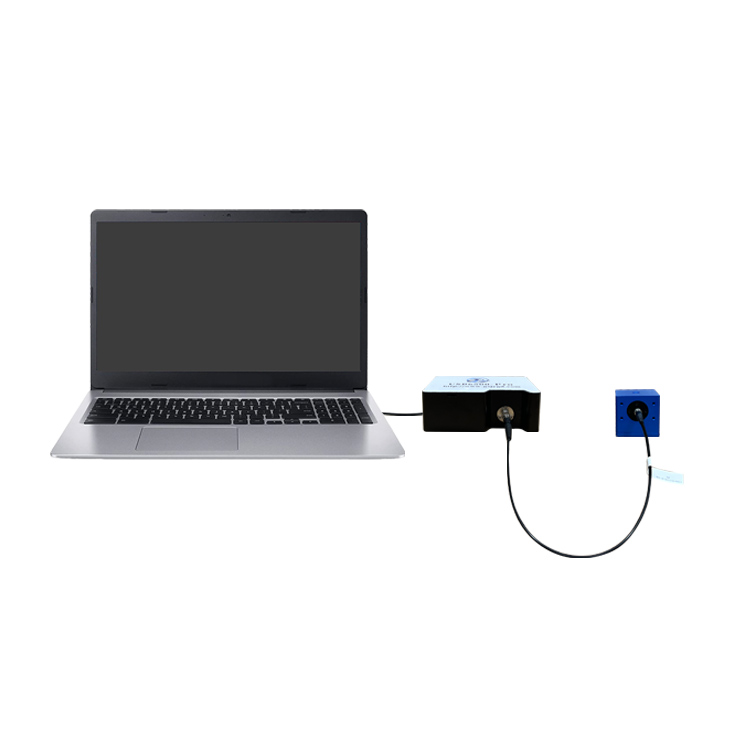
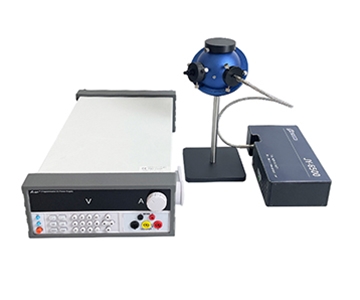
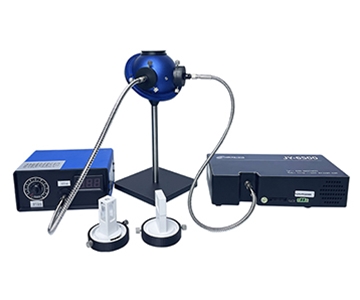
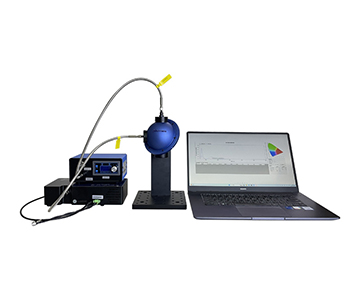
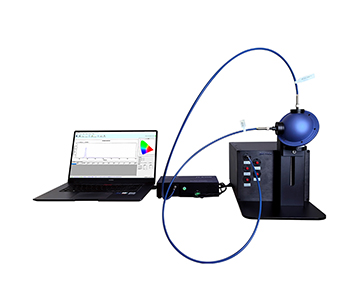
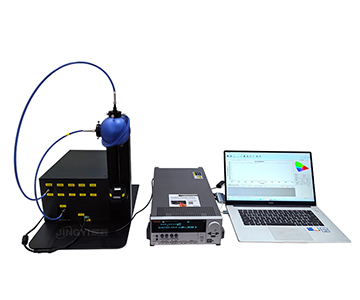
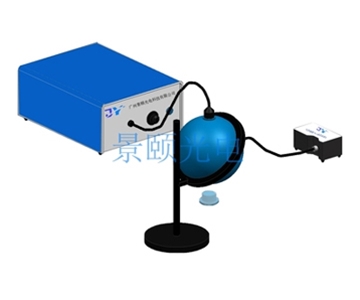
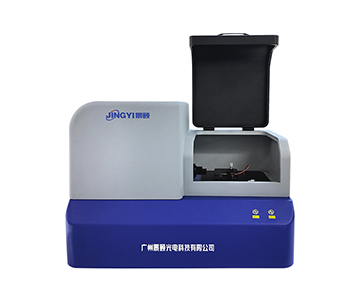
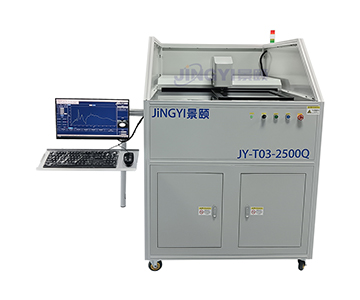
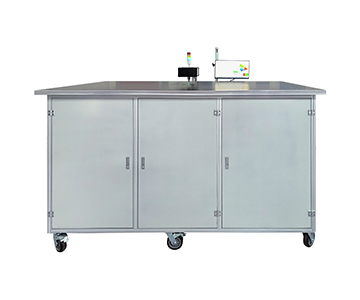
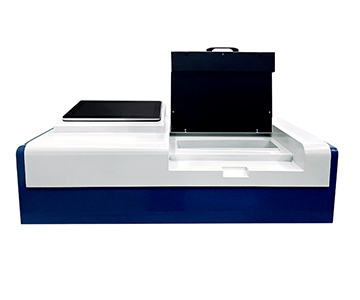
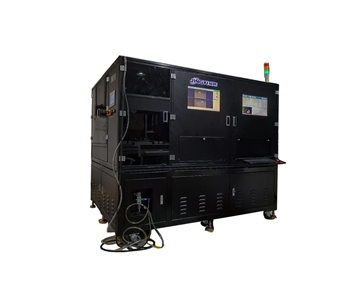
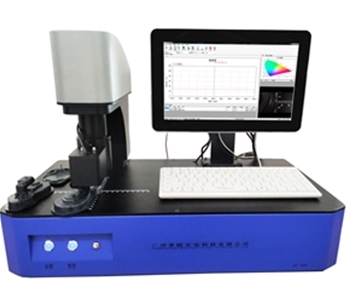
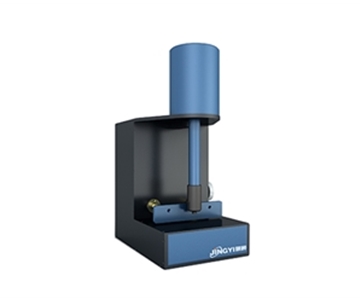
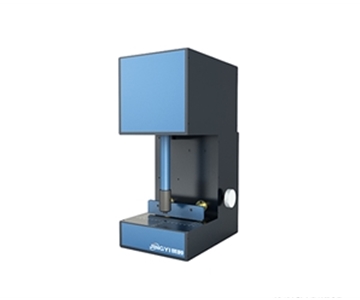
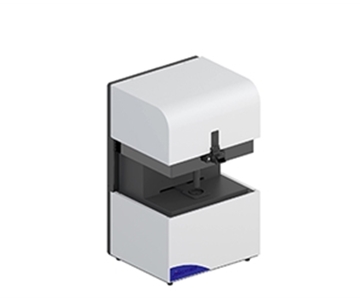
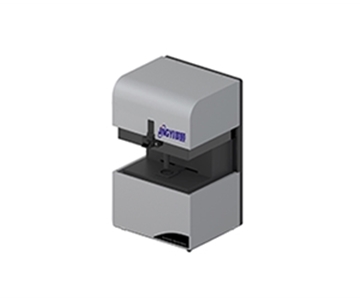
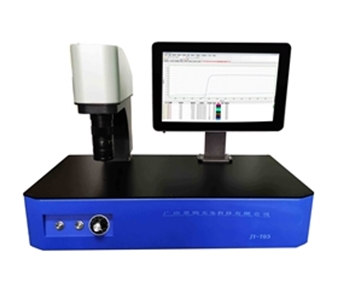
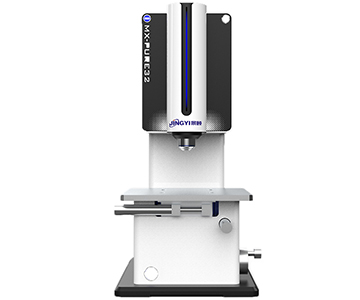
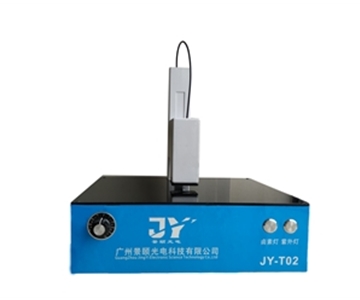
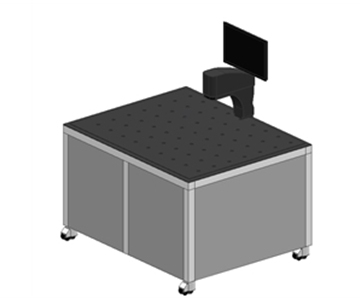
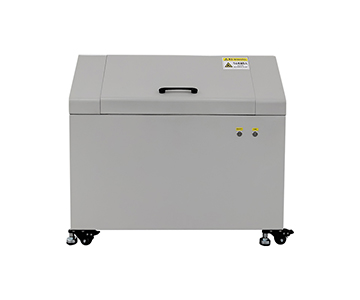
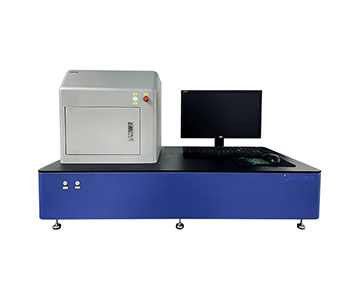
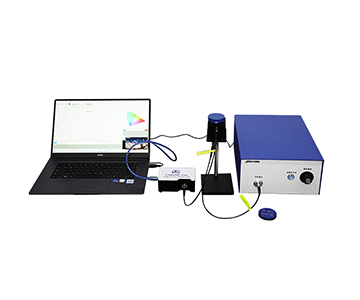
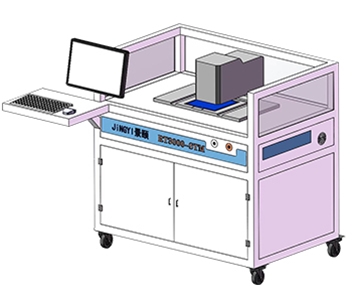
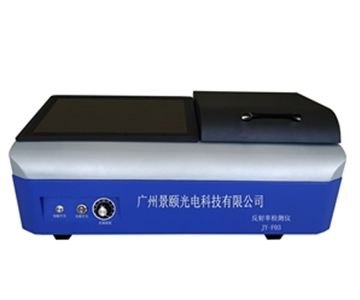
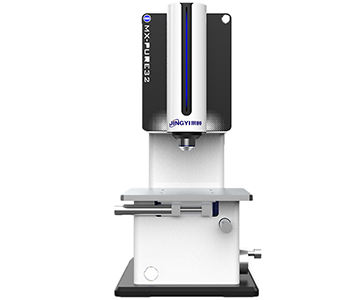
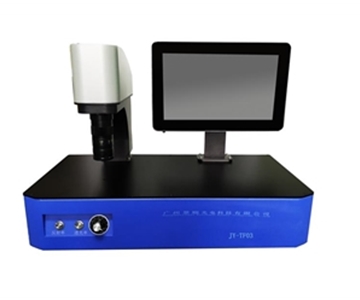
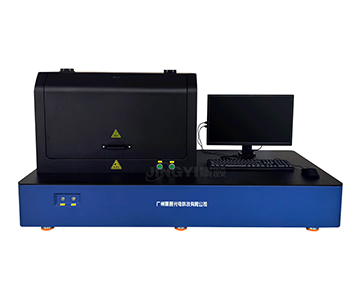
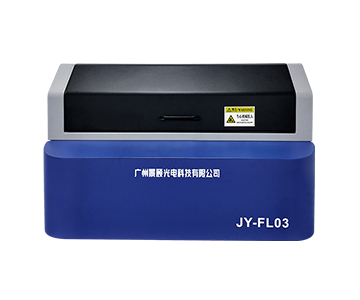
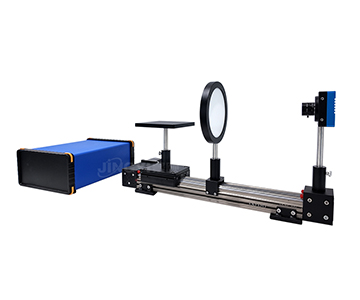
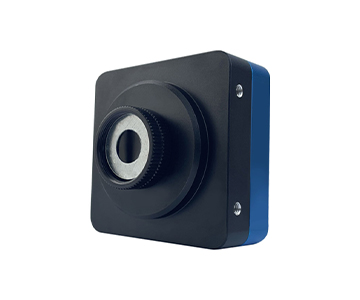
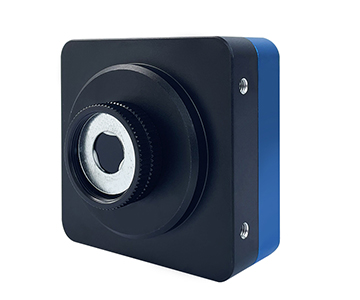
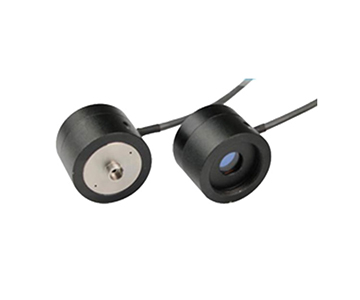
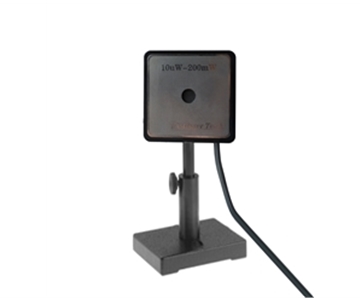
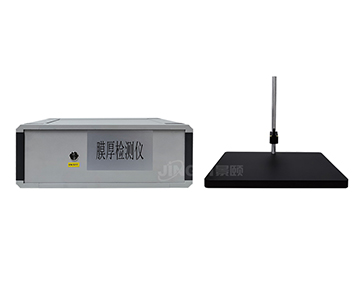
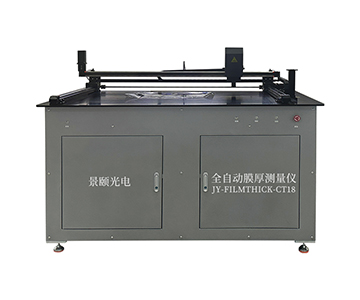
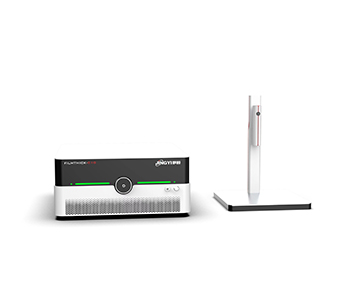
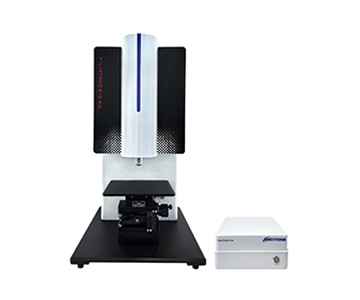
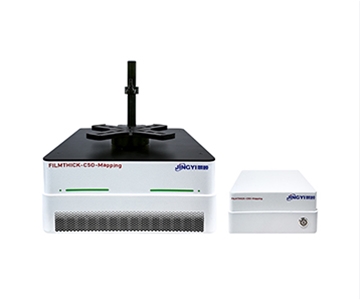
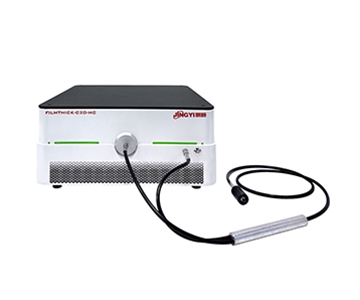
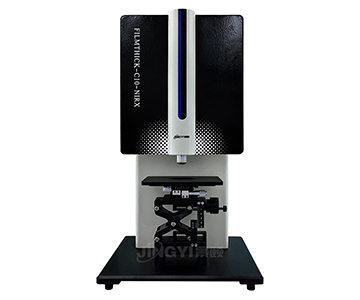
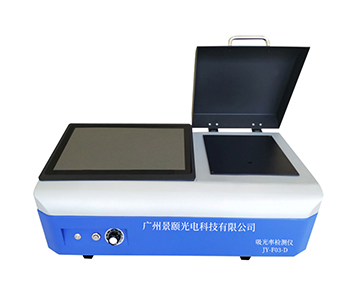
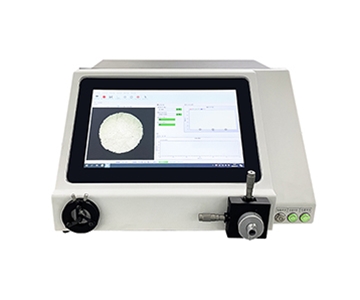
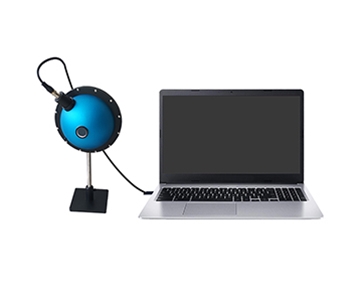
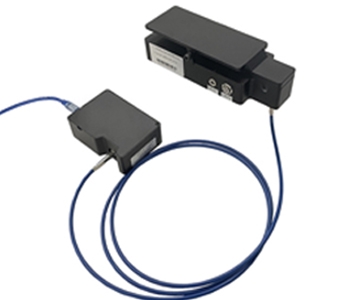
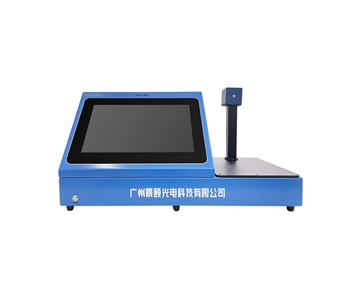
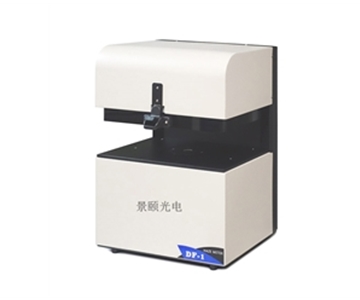
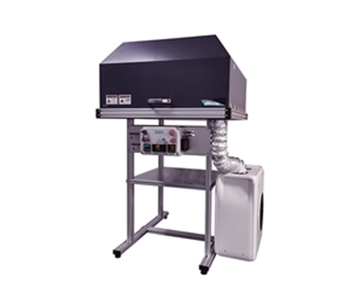
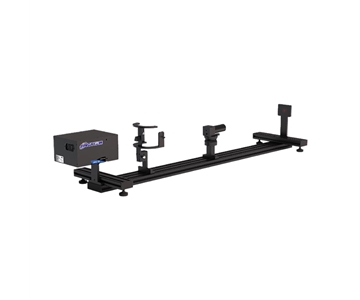
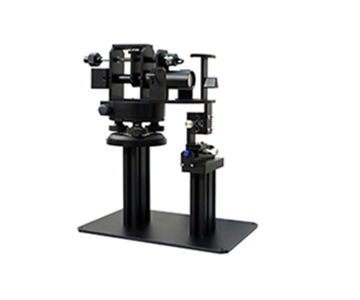
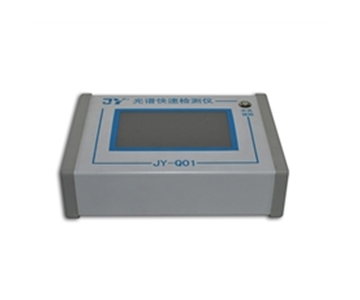
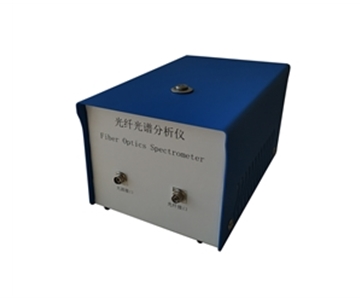
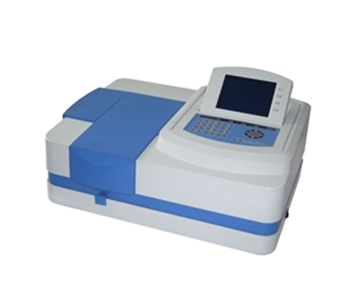
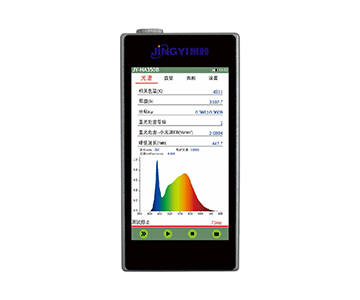
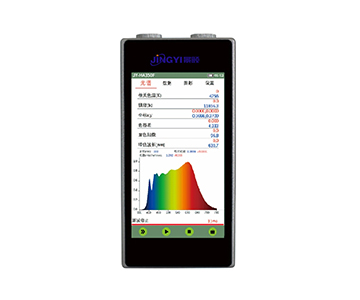
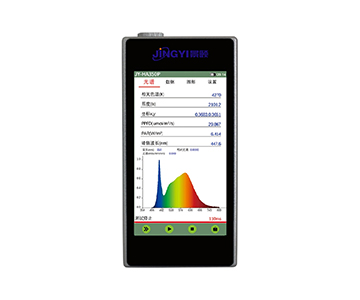
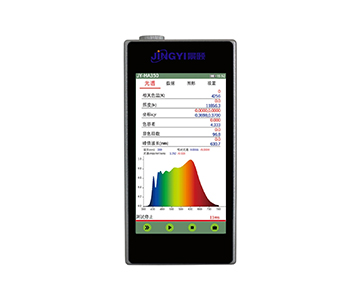
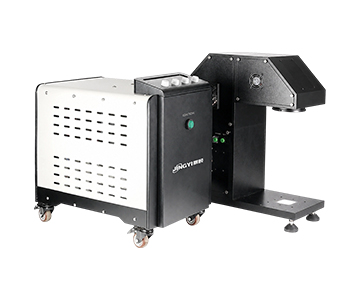
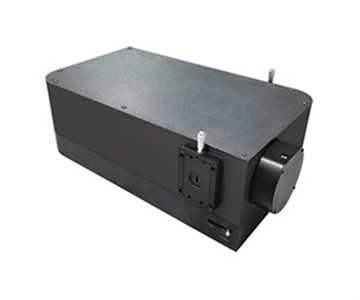
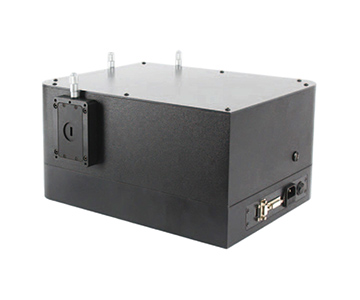
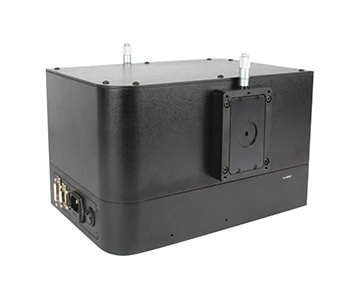
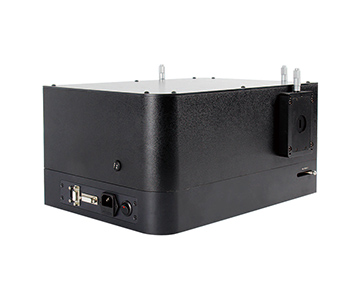
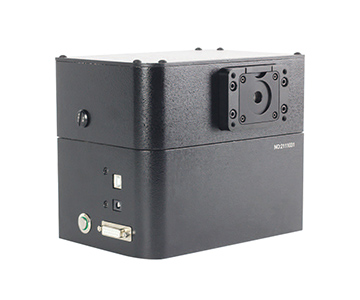
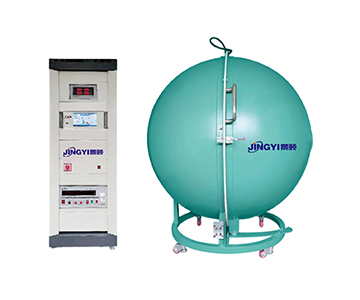
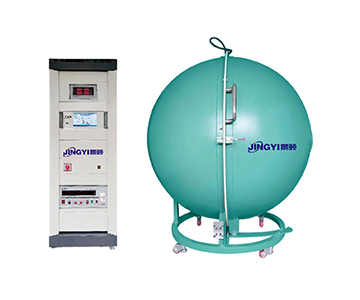
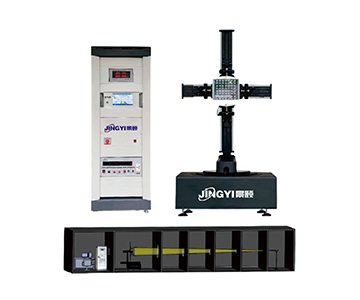
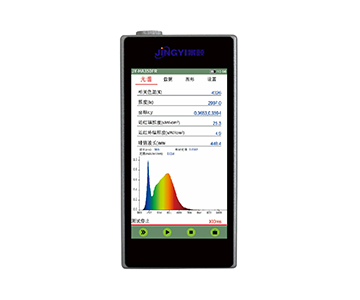
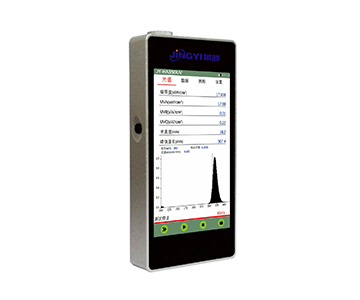
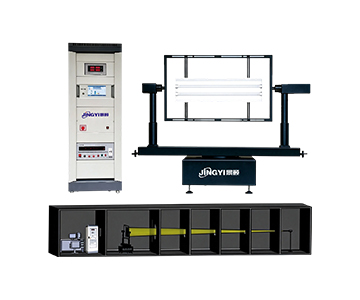
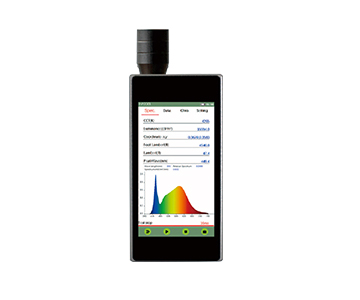
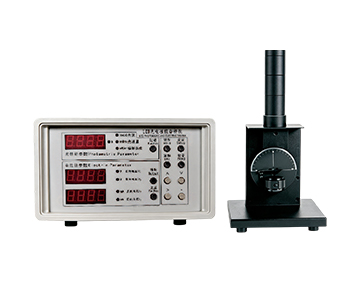
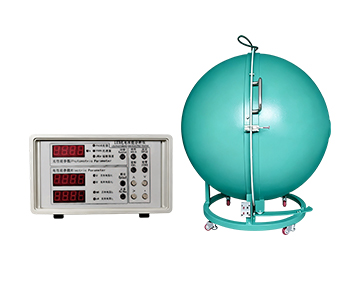
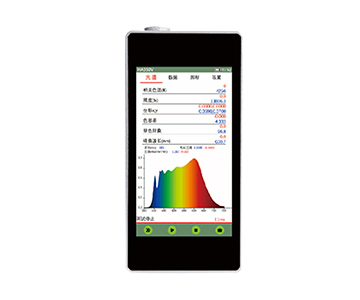
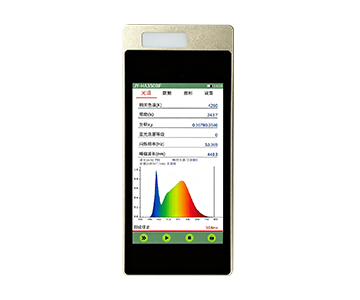
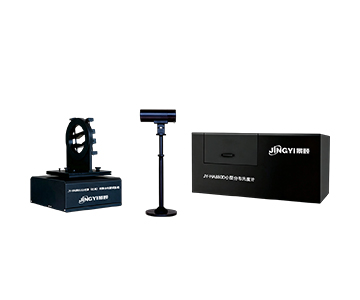
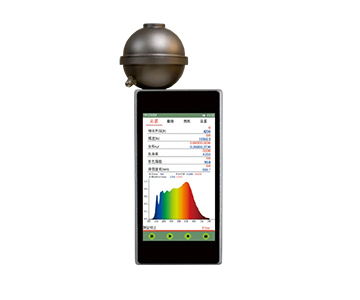
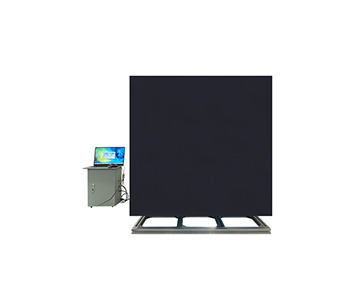
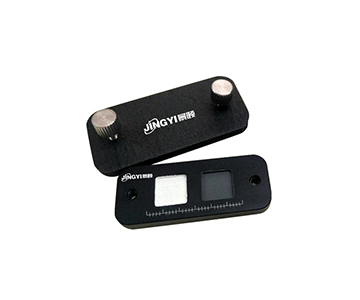
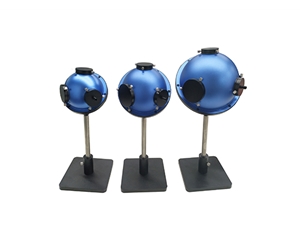
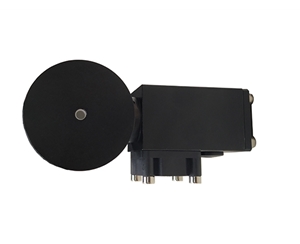
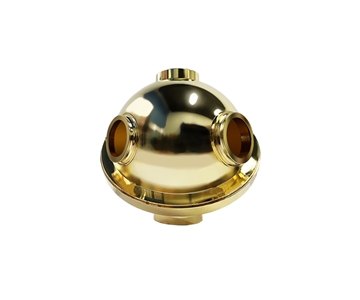
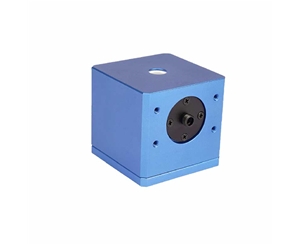
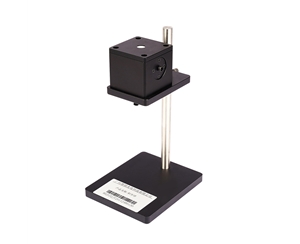
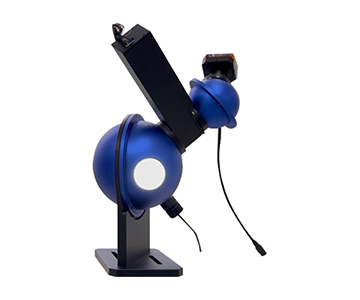
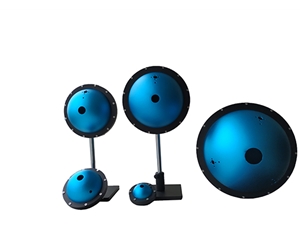
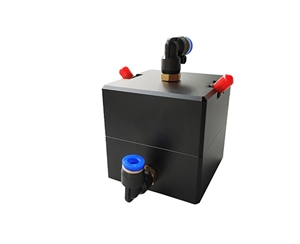
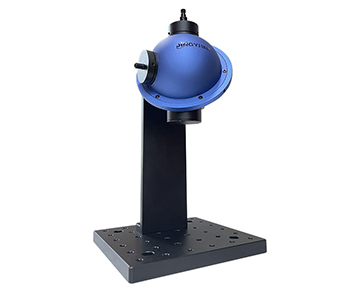
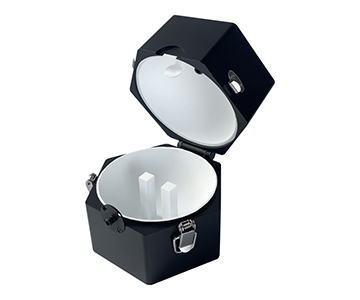
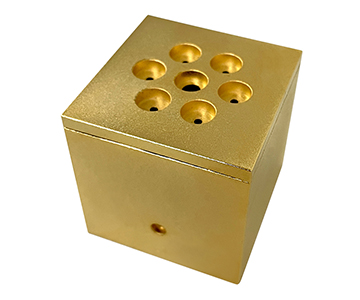
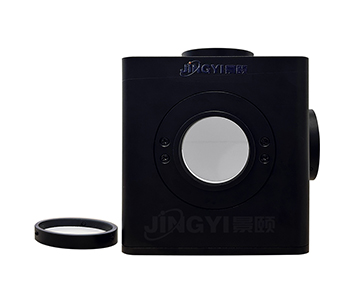
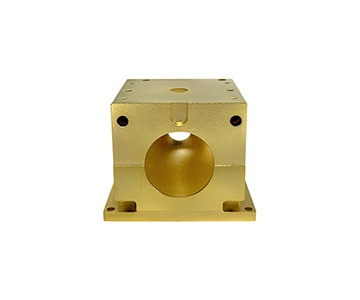
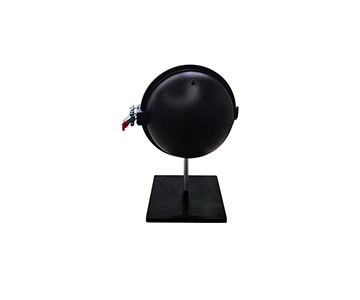
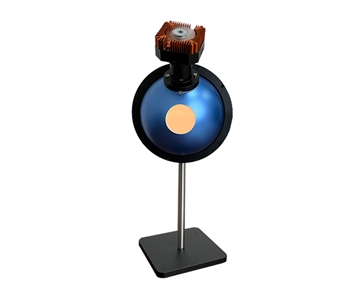
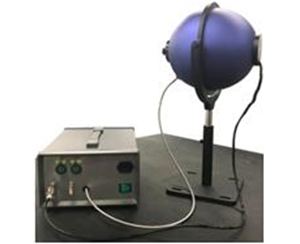
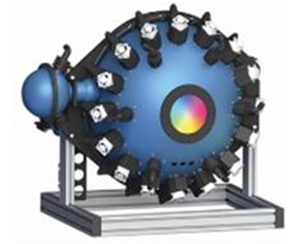
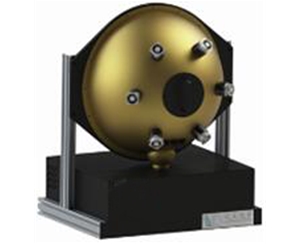
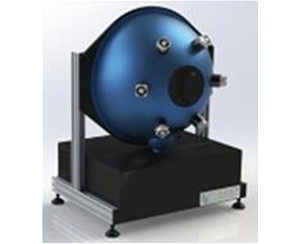
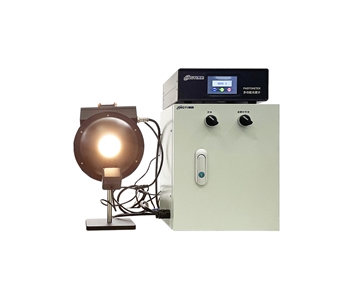
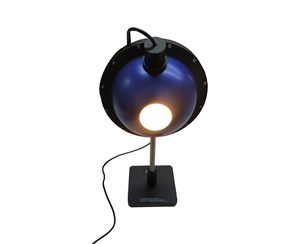
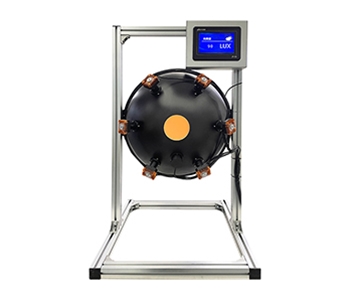
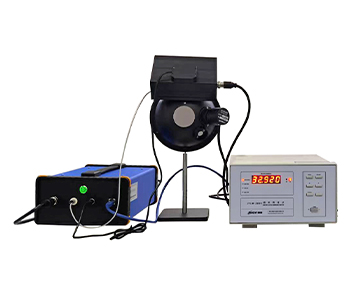
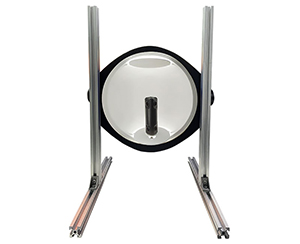
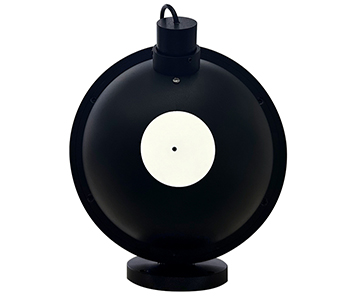
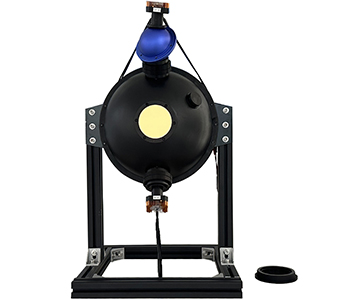
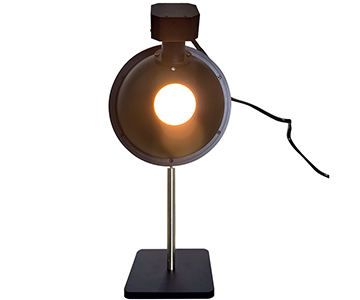
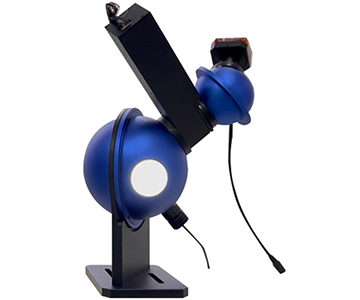
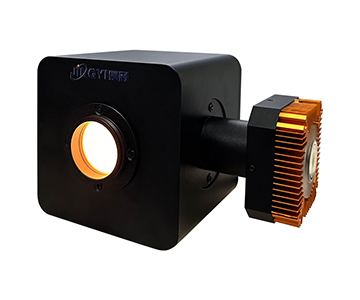
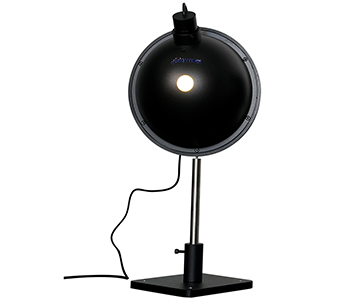
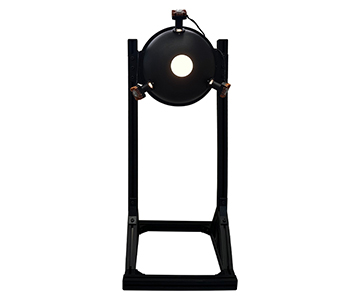
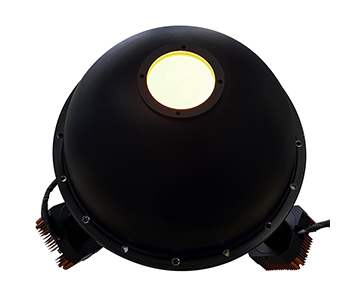
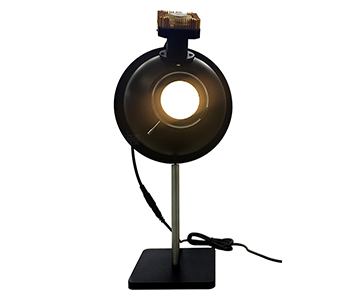
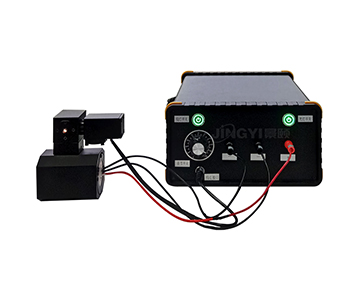
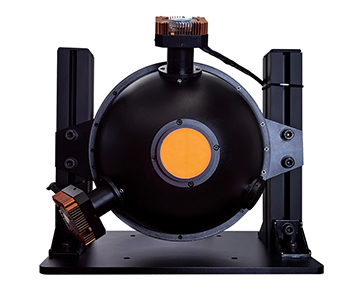
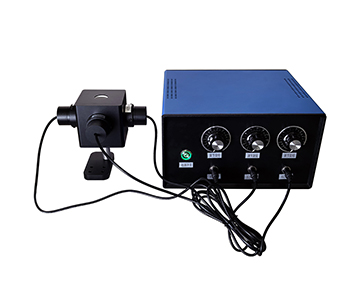
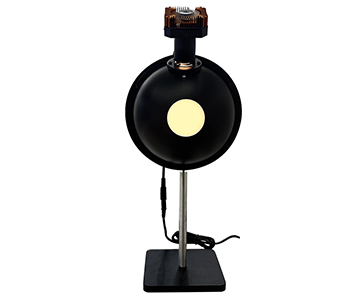
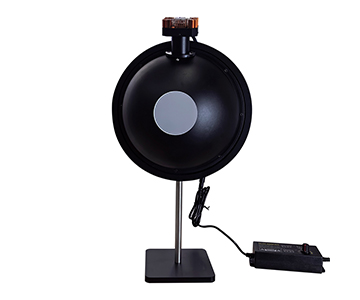
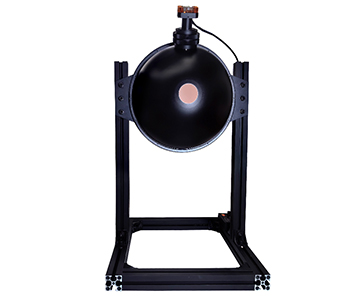
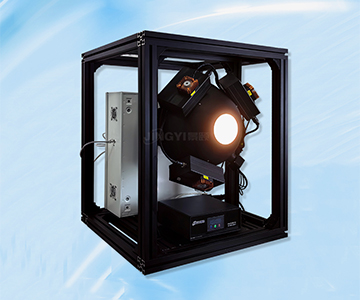
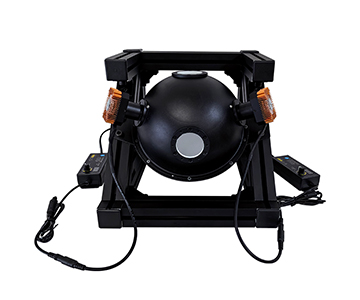
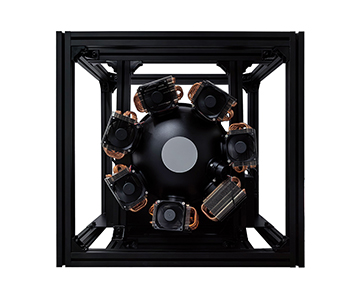
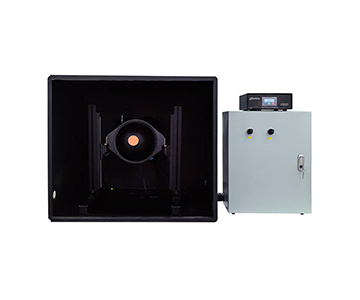
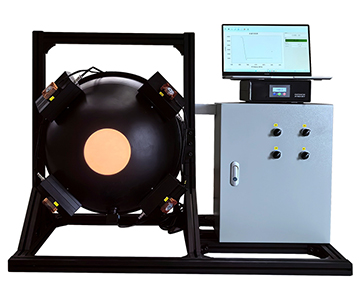
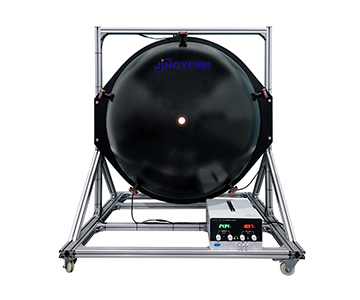
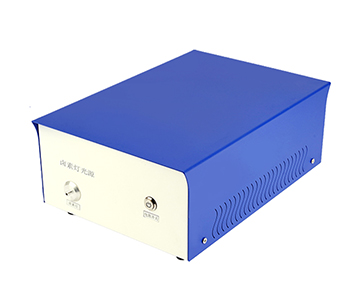
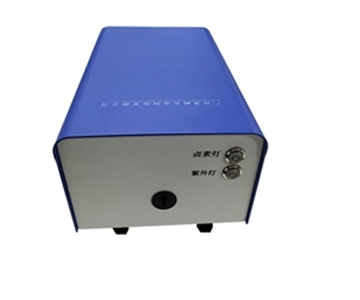
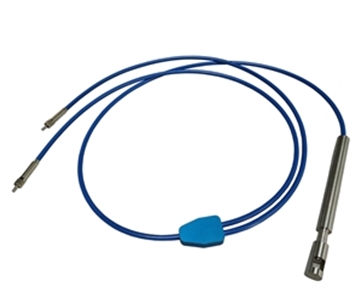
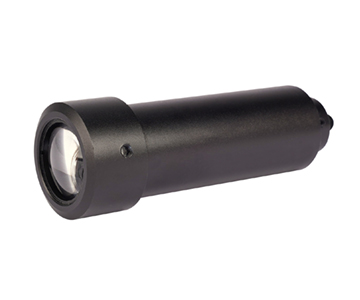
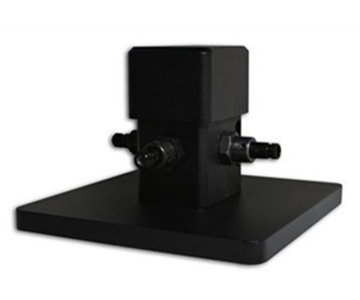
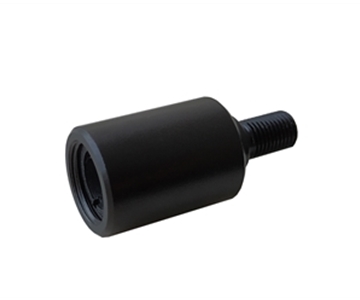
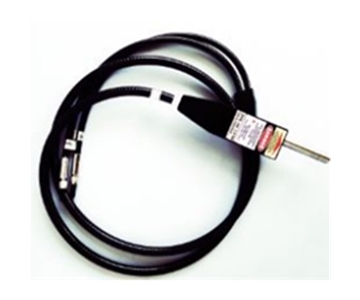
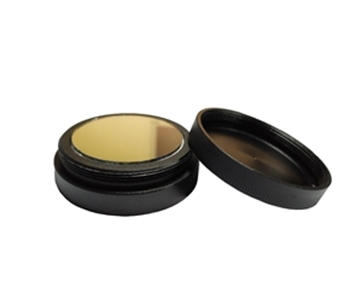
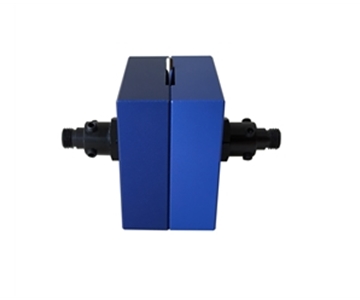
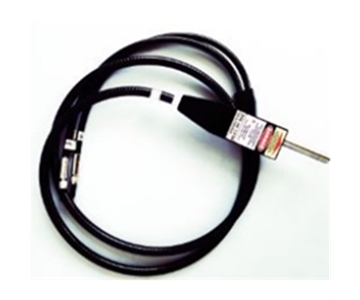
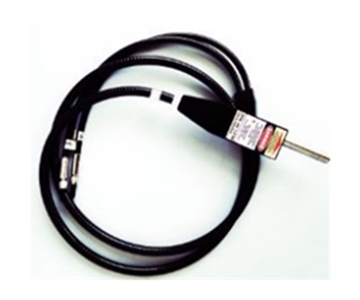
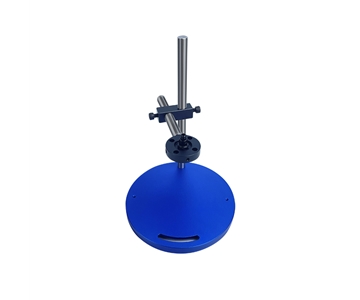
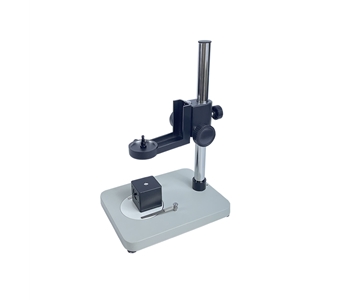
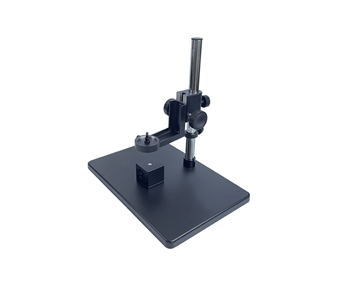
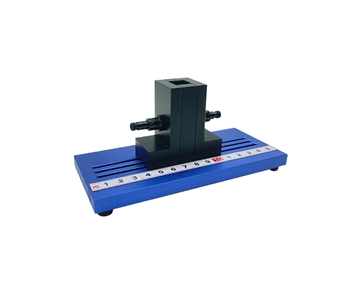
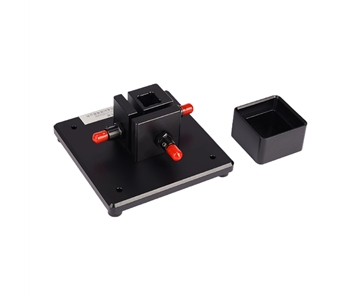
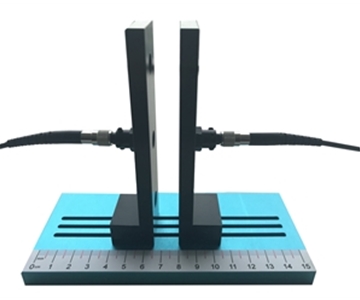
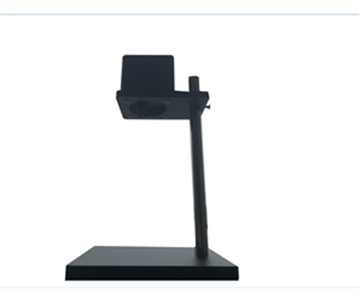
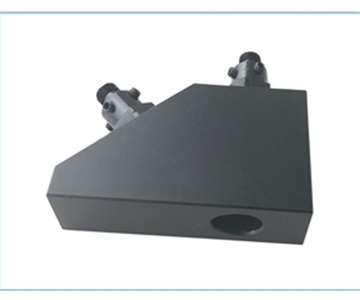
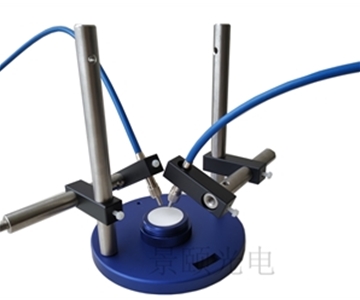
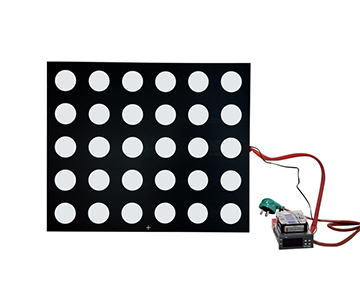
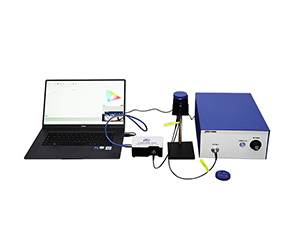
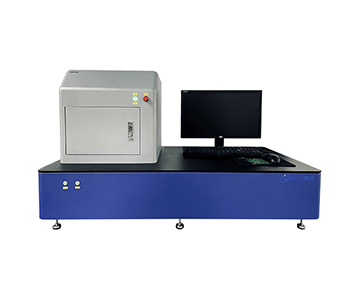
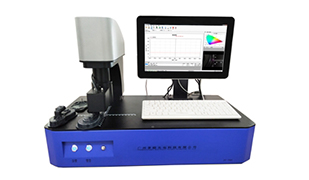
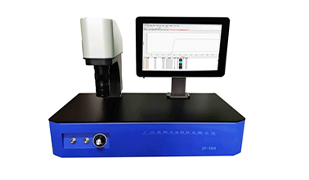
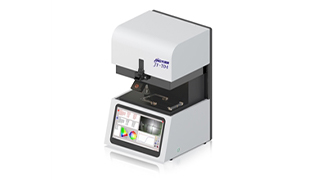
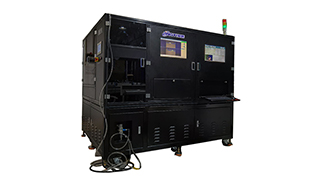
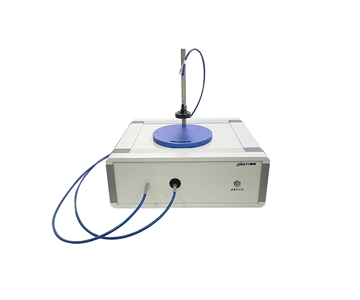
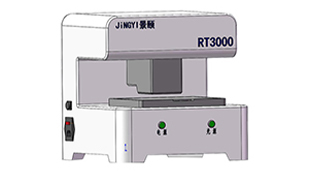
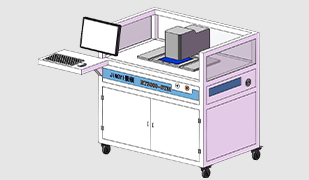
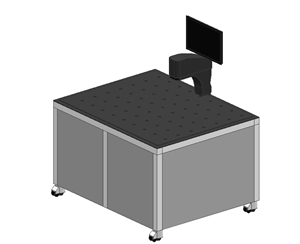
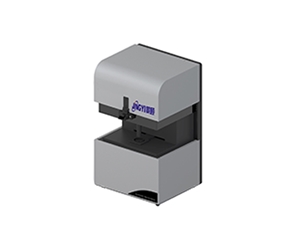
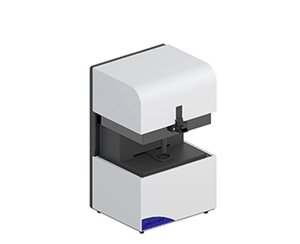
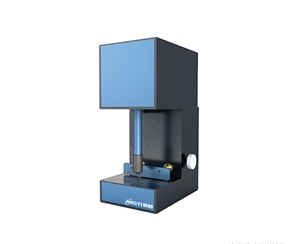
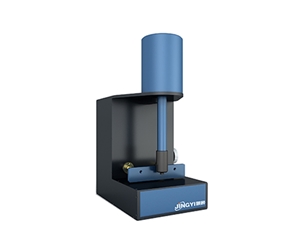
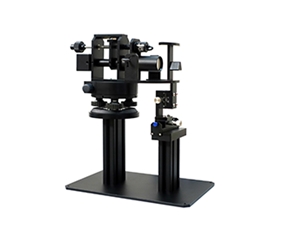
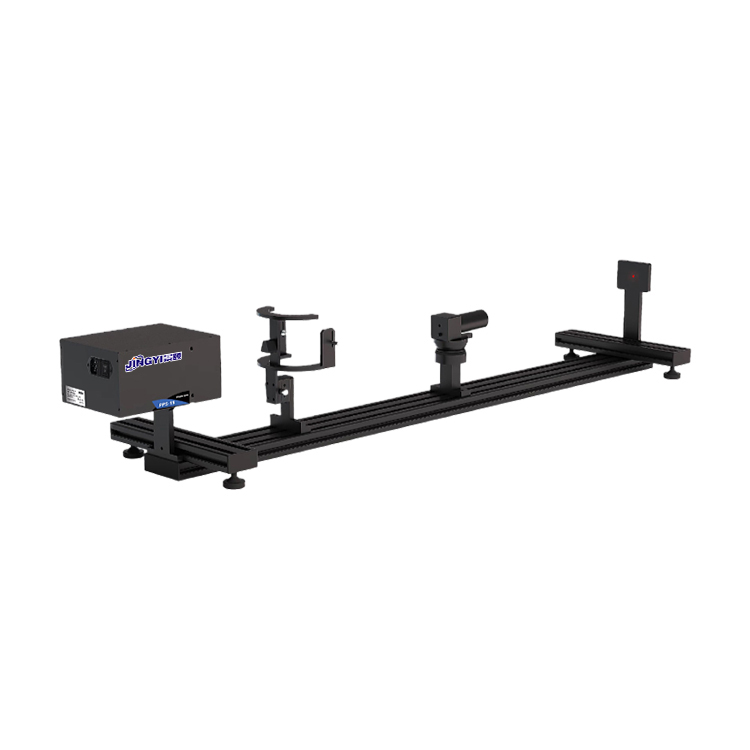
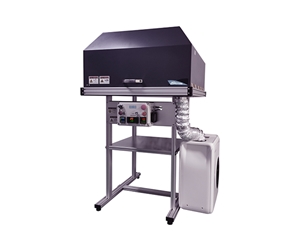
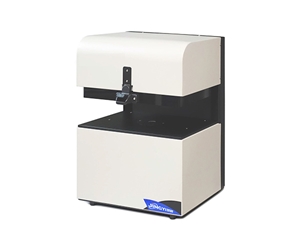
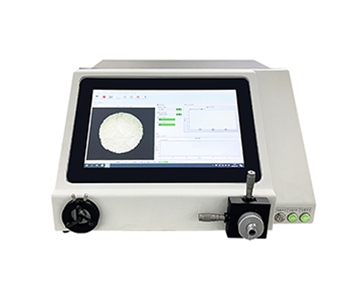
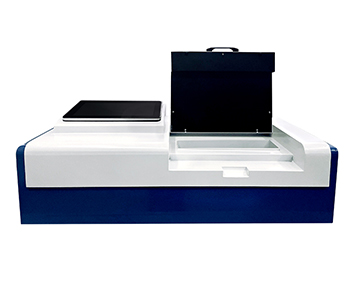
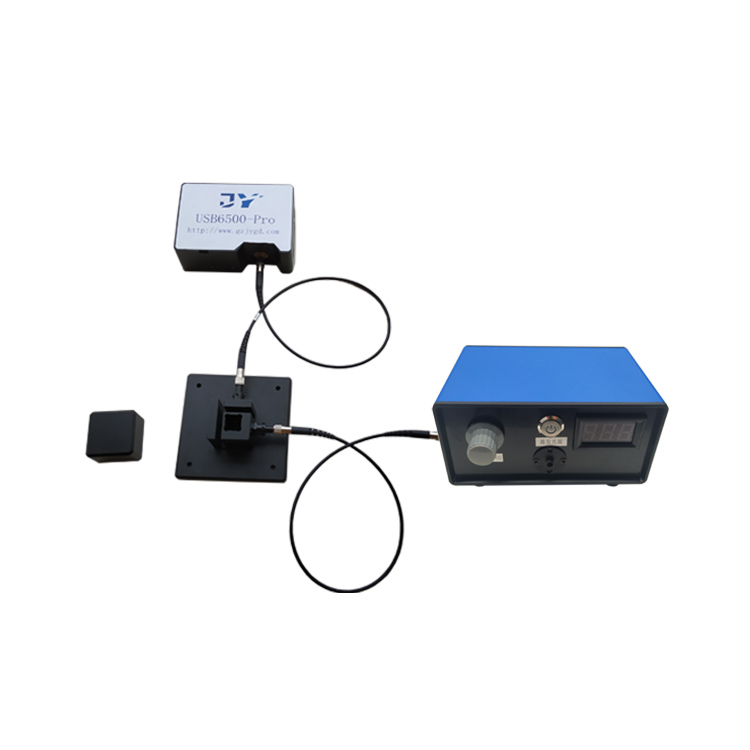
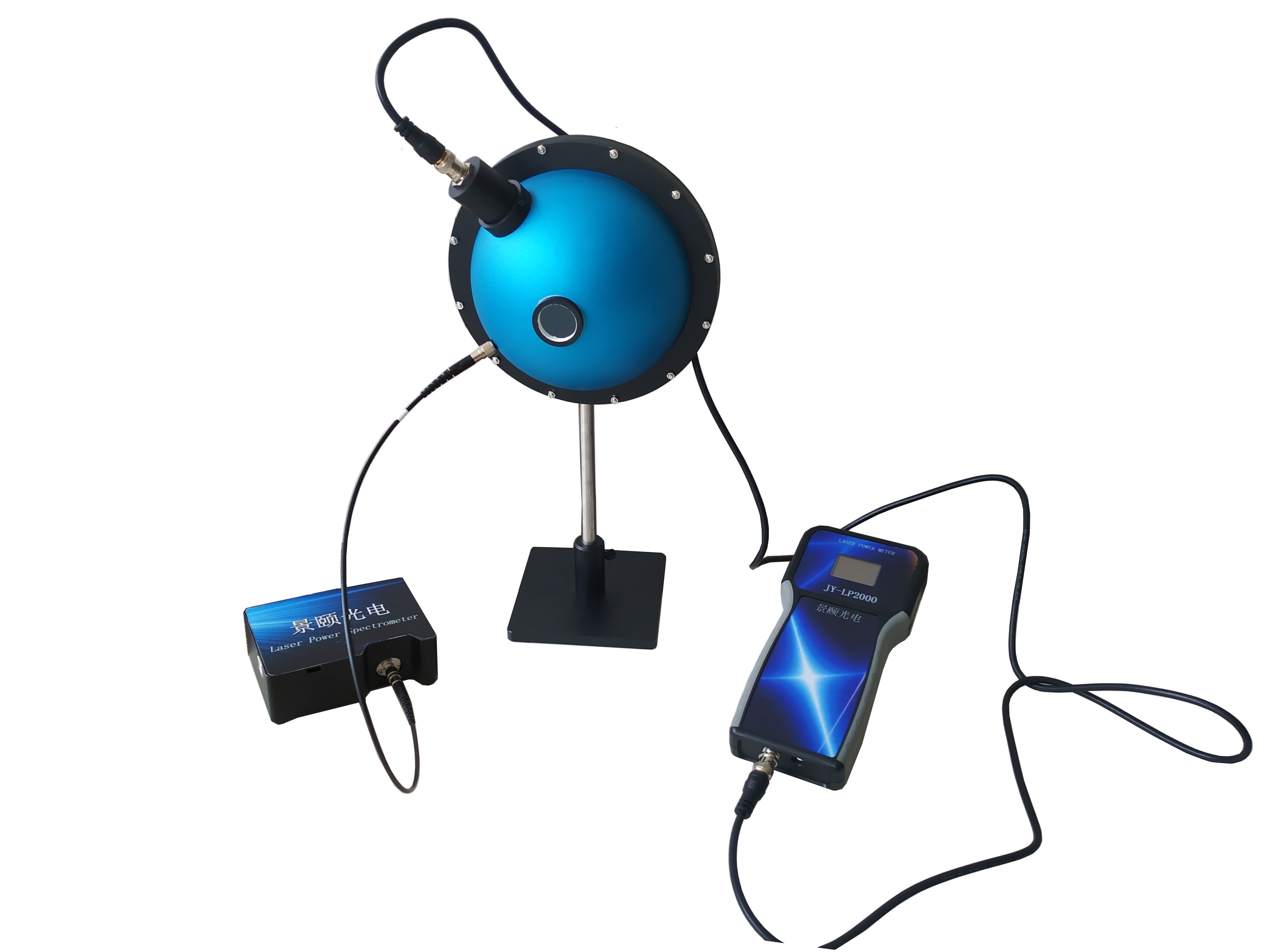
To address these industry-wide challenges, Jingyi Optoelectronics has independently developed the **Luminance Reflectance Analyzer**, built upon an integrating sphere-based diffuse measurement architecture—overcoming fundamental limitations of traditional reflectometers. This instrument enables **synchronous full-spectrum sampling**, delivering complete spectral reflectance data—from UV to NIR—in milliseconds. It supports customizable measurement angles, maintains long-term source stability with <0.5% output drift, complies fully with domestic standards for hiding power evaluation, and enables real-time inline measurements—meeting diverse needs across R&D labs and production quality control lines.
Unlike conventional reflectometers based on single-point detection logic, the Luminance Reflectance Analyzer delivers a truly **multidimensional solution** for hiding power assessment:
**First, blind-spot-free full-spectrum detection**
It closes the critical performance gap left by traditional single-wavelength testing, generating comprehensive reflectance *and* transmittance data across the entire spectrum. Beyond evaluating standard indoor lighting performance, it simulates real-world scenarios—such as outdoor UV exposure or warm indoor ambient lighting—to assess hiding behavior under context-specific conditions—eliminating the “lab-pass / field-fail” disconnect at its root.
**Second, simultaneous reflectance & transmittance measurement**
A single acquisition yields both datasets, enabling direct calculation of light absorption ratio—removing the need for separate reflectance and transparency tests. Efficiency improves by over 60%. Moreover, it enables concurrent analysis of advanced optical parameters—including refractive index and complex optical constants—empowering R&D teams to precisely optimize pigment and filler formulations. This ensures target hiding power is achieved while reducing titanium dioxide consumption by ~10%, significantly lowering raw material costs. It also models long-term hiding power degradation under simulated outdoor irradiation, enabling early prediction of coating weatherability and service life.
**Third, customizable angular configuration**
For challenging samples—such as textiles, decorative coatings, or curved glass—that exhibit strong diffuse reflection or surface irregularities, the analyzer allows fine-tuning of both incident and detection angles. This ensures all scattered light is fully captured by the integrating sphere, achieving measurement uncertainty ≤1%—well above industry-average precision.
This high-accuracy, full-spectrum reflectance technology is now deployed across multiple sectors:
- **Textiles**: Leading manufacturers of blackout curtains and sun-protective apparel have replaced manual inspections with this analyzer. Beyond basic hiding power verification, it concurrently analyzes fabric colorimetric parameters and UPF (Ultraviolet Protection Factor). Some enterprises integrated it into their production lines for 100% inline inspection—reducing batch defect rates from 8% to <0.3%.
- **Coatings**: R&D teams leverage full-spectrum data to refine pigment/filler ratios—achieving required hiding power while cutting TiO₂ usage by ~10%, slashing raw material costs. Simultaneously, they model long-term outdoor aging effects to forecast coating durability and service lifetime.
- **Glass manufacturing**: The system synchronously measures key parameters of low-emissivity (Low-E) glass—including visible-light transmittance and infrared reflectance—rapidly verifying compliance with building energy-efficiency standards. Inspection time per sample dropped from 3 minutes to just 2 seconds—fully aligning with high-speed glass production QC requirements.
The widespread adoption of this high-precision, full-spectrum reflectance technology delivers three strategic benefits across the materials industry:
1. **Dramatically shortened new-material development cycles**: Researchers no longer need repeated, multi-scenario lighting experiments. One full-spectrum dataset suffices to simulate performance across numerous use cases—cutting average development timelines for novel hiding materials by >35%.
2. **Markedly improved end-product consistency**: Replacing sampling-based QC with 100% inline inspection raises alignment between actual product performance and labeled specifications to >90%, drastically reducing post-sale disputes.
3. **Accelerated deployment of low-carbon materials**: High-reflectance cool-roof coatings and ultra-thin, high-hiding fabrics rely on precise spectral reflectance data to validate environmental performance claims. Widespread use of such materials directly reduces building cooling loads and raw material consumption—supporting national carbon peak and carbon neutrality goals.
As industry demands grow increasingly nuanced, hiding power evaluation has evolved beyond isolated numeric assessments toward holistic, scenario-based performance validation. Full-spectrum reflectance measurement is poised to become the universal benchmark for future hiding power testing. Jingyi Optoelectronics remains committed to continuous advancement in optical metrology—developing tailored solutions for sector-specific measurement challenges, and providing robust technical support for both materials performance enhancement and industrial low-carbon transformation.
#Reflectometer #LuminanceReflectanceAnalyzer #ReflectanceAnalyzer #LuminanceMeter #ReflectanceTester #ReflectanceMeasurementInstrument