Spectral Reflectance Panel Solves Optical Calibration Pain Points
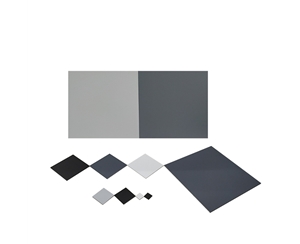
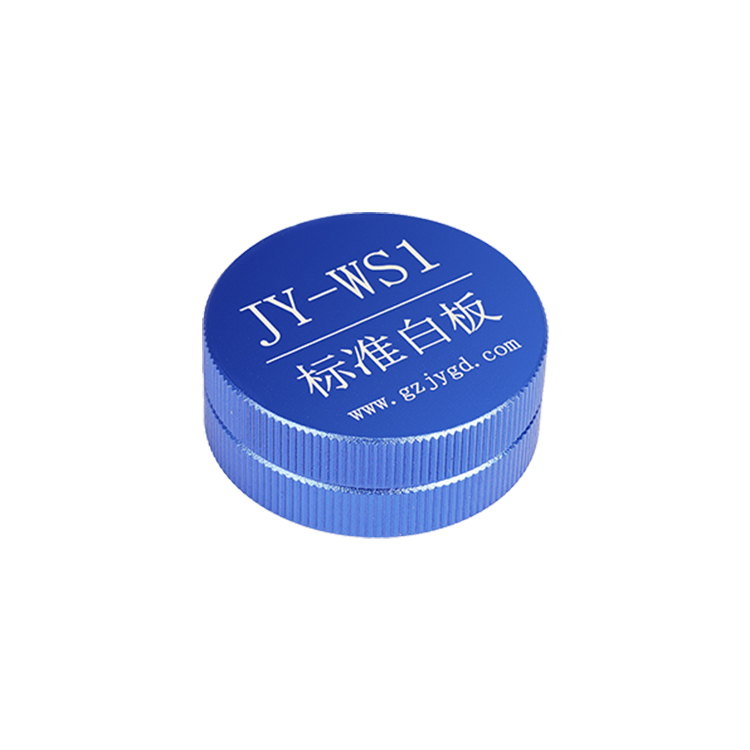
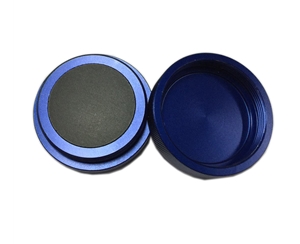
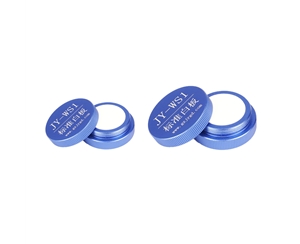
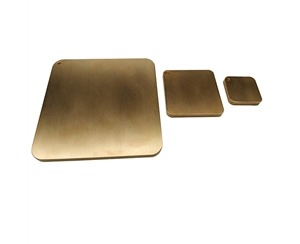
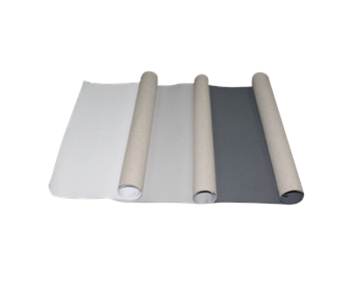
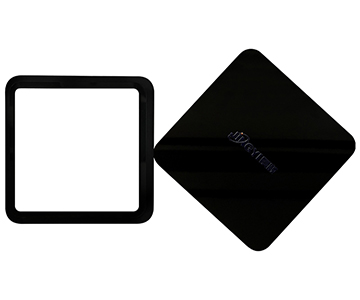
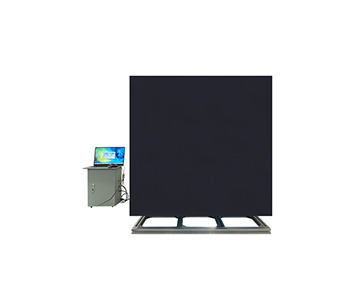
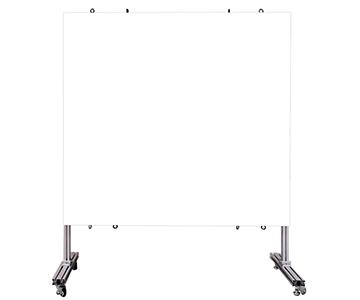
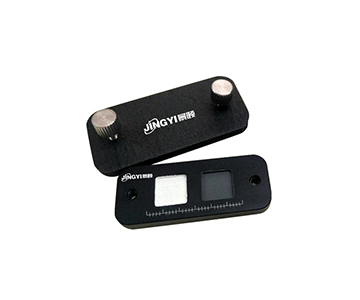
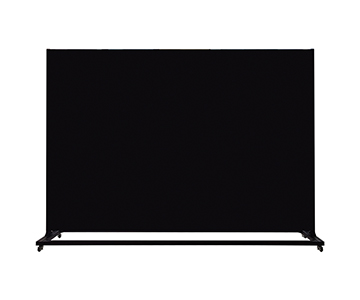
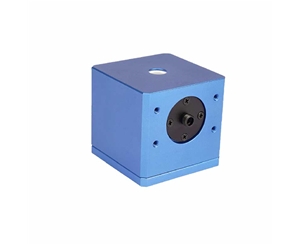
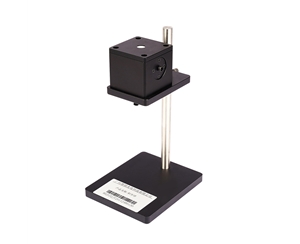
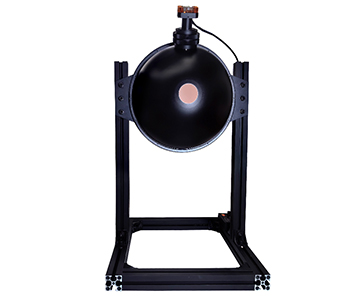
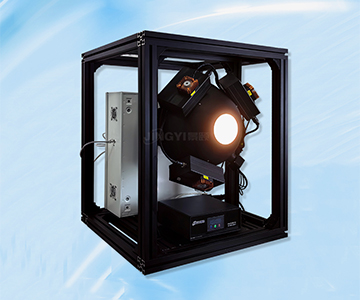
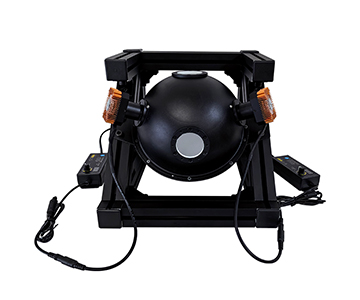
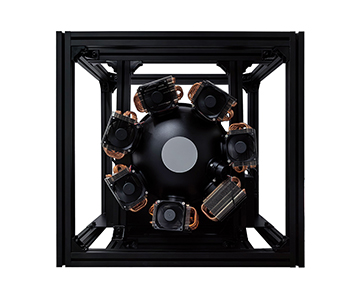
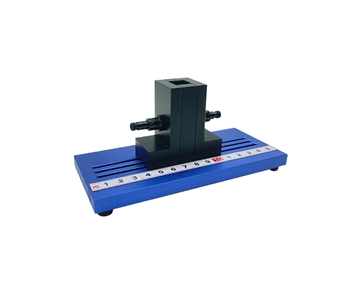
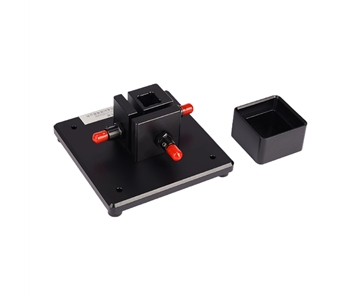
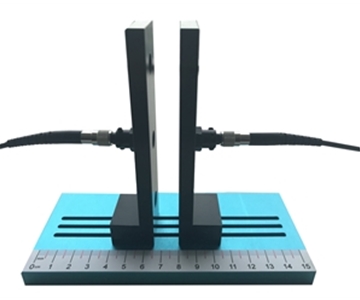
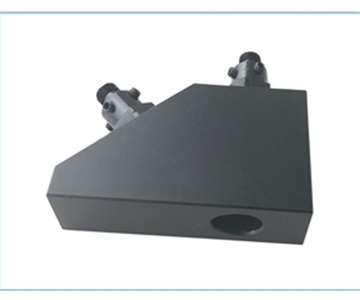
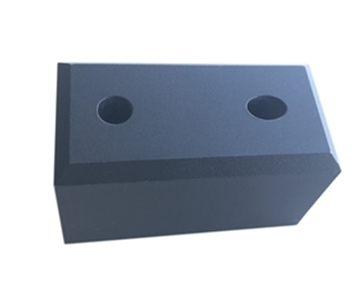
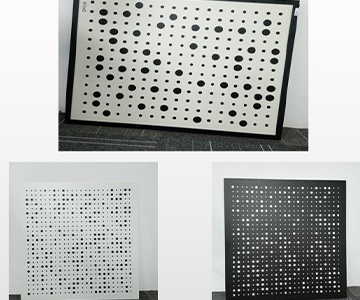
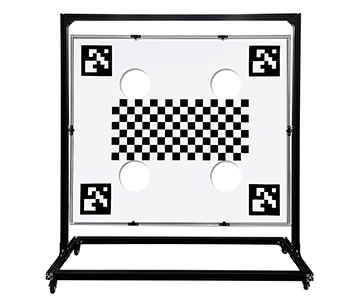
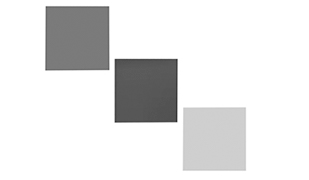
As automotive autonomous driving and consumer-electronics 3D sensing technologies rapidly enter mass production, the calibration accuracy of optical detection modules directly determines the performance reliability of end products. Many manufacturers encounter similar pain points during volume manufacturing: inconsistent LiDAR ranging calibration results; poor repeatability in Time-of-Flight (TOF) module distance testing; and lack of a unified reference standard for sensitivity testing of smartphone LiDAR scanners. At the core of these issues lies the absence of a stable, reliable diffuse-reflectance calibration reference. To address this industry-wide need, Jingyi Optoelectronics has launched a specialized spectral reflectance panel with 40% reflectance—integrated with a rigid, one-piece mounting bracket—providing a standardized calibration solution across diverse optical applications.
**905-nm Wavelength Optimization**
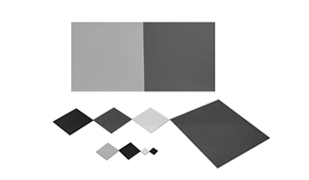
The 905-nm wavelength is currently the most widely adopted emission band in civilian laser detection applications—from automotive LiDAR to consumer-grade TOF modules. Tailored specifically to this band, Jingyi’s spectral reflectance panel features targeted optical optimization at 905 nm. Its fixed 40% reflectance value aligns with the industrial calibration benchmark commonly used across the sector, satisfying requirements for high-volume production testing. Unlike conventional diffuse-reflectance materials—whose reflectance often exhibits sharp, unpredictable jumps across wavelengths—this panel delivers an exceptionally flat spectral response across the entire near-infrared (NIR) range commonly used in industry. Reflectance variation remains tightly controlled within ±1%, ensuring calibration stability even with minor source-wavelength drift.
**Incident Angle Tolerance & Installation Convenience**
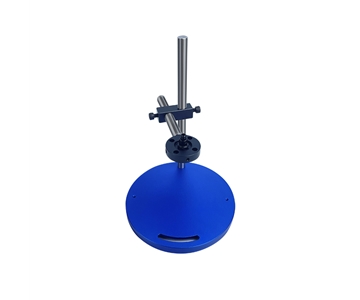
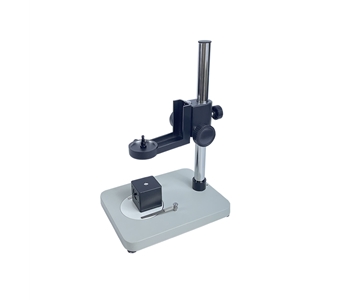
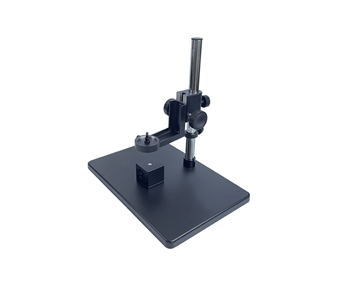
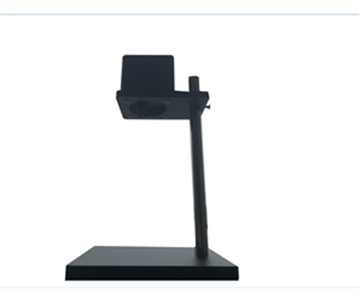
A significant source of calibration error stems from incident-angle dependency: signal output from ordinary reflectance panels fluctuates noticeably as the incident angle changes, forcing test operators to repeatedly reposition fixtures to achieve stable readings. Jingyi’s spectral reflectance panel exhibits near-ideal Lambertian scattering characteristics. Upon incidence, light interacts uniformly with its micro/nanostructured surface and scatters isotropically in all directions. Even with incident-angle deviations up to ±15°, reflected-signal intensity remains within industry-accepted tolerance thresholds. Combined with its integrated, ready-to-use mounting bracket, no additional fixture construction is required—the panel can be mounted directly onto any test station out of the box, dramatically simplifying calibration operations.
**Factory Calibration & Multi-Scenario Applications**
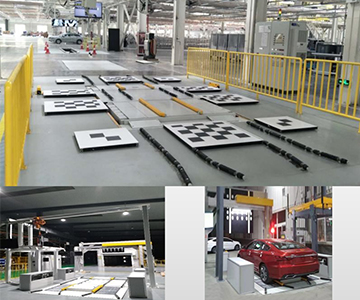
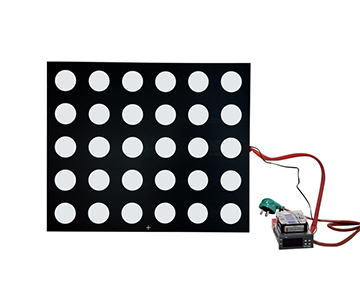
To ensure parameter consistency across every unit, each Jingyi spectral reflectance panel undergoes multiple rounds of precision verification before shipment. Each panel is accompanied by a dedicated factory reflectance report, with all specifications independently verified by third-party accredited calibration laboratories. Users require no further external calibration—panels are production-line ready upon unboxing, eliminating redundant calibration costs and lead time. This product is now deployed across key application areas, including: LiDAR system calibration; TOF-based distance-measurement module calibration; mass-production validation of automotive autonomous perception systems; factory acceptance testing of smartphone LiDAR scanners; and spectral-sensitivity verification for optical modules across designated wavelength bands.
**Real-World Performance Feedback & Measured Outcomes**
Field feedback demonstrates tangible benefits: multiple Tier-1 domestic autonomous-driving suppliers adopting this spectral reflectance panel as their production-line calibration standard have reduced per-unit LiDAR calibration time from 12 seconds to just 4 seconds—and improved calibration yield by 2.3 percentage points. A leading smartphone manufacturer reported that after switching to this panel on its LiDAR test line, measurement repeatability rose from 92% to 98.7%, significantly reducing false rejection rates of qualified units.
**Usage Guidelines**
When handling this specialized spectral reflectance panel, observe the following key precautions:
- **Cleaning:** Gently wipe surface dust using only lint-free, soft cloths. Do *not* use organic solvents or abrasive cleaning tools, which may damage the delicate micro/nano-scattering structure.
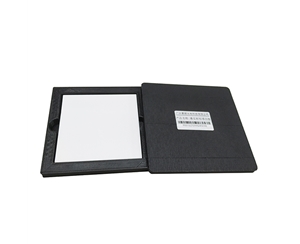
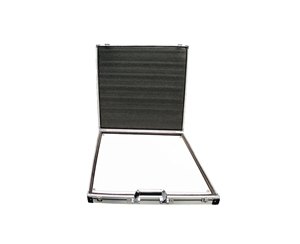
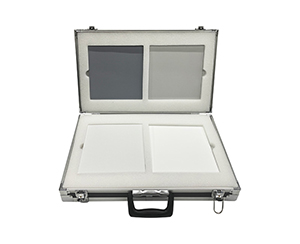
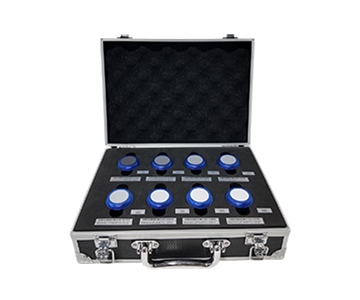
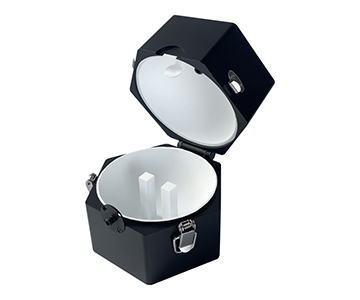
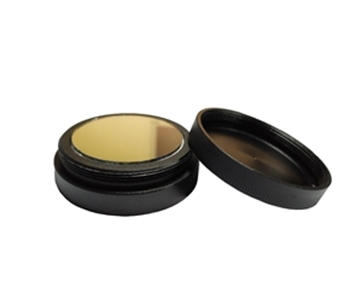
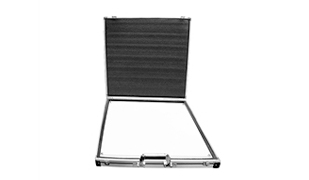
- **Storage:** Always store in the provided dust-proof case to prevent scratches from sharp objects.
- **Long-Term Use:** Panels used continuously for over 12 months may be returned to Jingyi Optoelectronics for free reflectance revalidation—ensuring continued compliance with calibration-grade specifications.
**Troubleshooting Unstable Test Data**
If unstable measurement data occurs, follow this three-step diagnostic procedure:
1. Verify that the mounting bracket is level and the incident light source is precisely aligned with the panel’s center region—to rule out mechanical misalignment.
2. Inspect the panel surface for visible contamination or scratches. Light dust can be removed with compressed air; persistent stains or deep scratches warrant immediate technical support and panel replacement.
3. Confirm the test environment is free of stray ambient light that could interfere with reflected-signal acquisition.
**Future Roadmap for Optical Calibration Solutions**
With next-generation 1550-nm LiDAR systems entering mass production, demand is growing for calibration panels covering broader wavelength ranges and finer reflectance gradients. Jingyi Optoelectronics is actively developing complementary spectral reflectance panels for these emerging requirements. Looking ahead, the company plans to integrate AI-powered calibration algorithms—delivering end-to-end optical calibration solutions spanning hardware, data acquisition, and intelligent analysis. These future offerings will serve high-precision calibration needs across aerospace remote sensing, environmental monitoring, industrial inspection, and other specialized domains.
**Product Positioning & Value Proposition**
The upper limit of optical sensing accuracy is governed by detector-module performance; the lower limit—by calibration-reference reliability. Jingyi’s 40%-reflectance spectral reflectance panel—with integrated mounting bracket—is engineered precisely to resolve this fundamental industry challenge. Proven through large-scale, real-world deployment across multiple applications, it delivers consistent, trustworthy calibration reference performance for any optical testing scenario.
**Technical Specifications**
- Reflectance customizable across full 1%–99% range; four-wavelength simultaneous calibration (850 nm / 905 nm / 1064 nm / 1550 nm) with error ≤ ±1%;
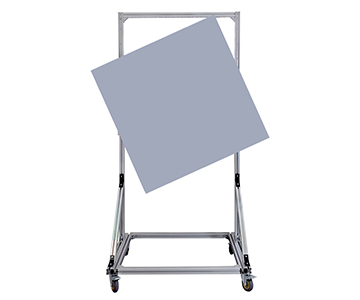
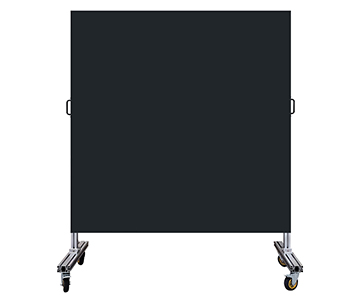
- Maximum single-panel size: 2 m × 3 m; seamless tiling up to 4 m × 10 m while maintaining Lambertian deviation < 2%;
- Includes NIM-traceable calibration certificate shipped with product; coating supports on-site recoating—maintenance cost < USD 45/m²;
- Mass-supplied to Huawei, DJI Livox, RoboSense, GAC AION, and others; monthly production capacity > 1,000 units;
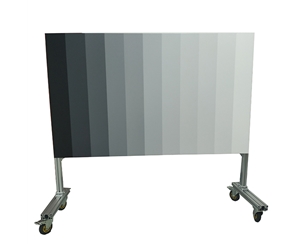
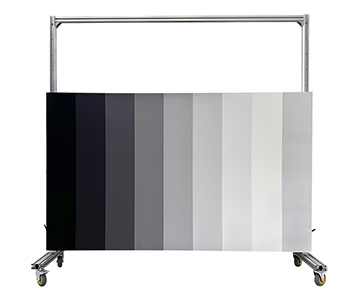
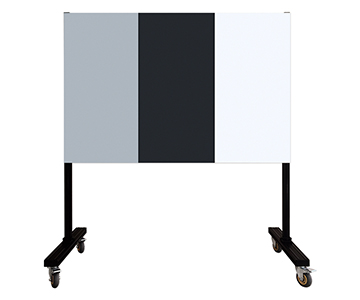
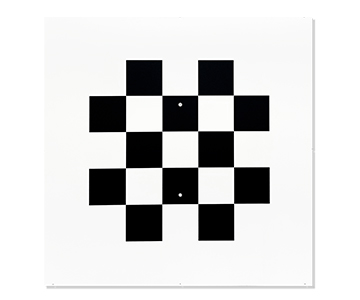
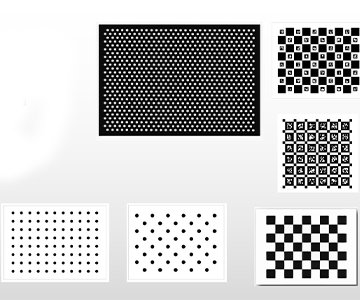
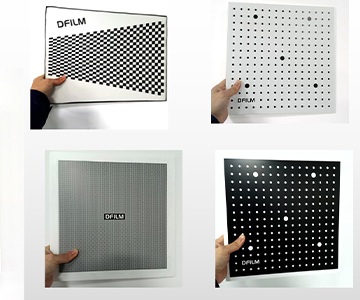
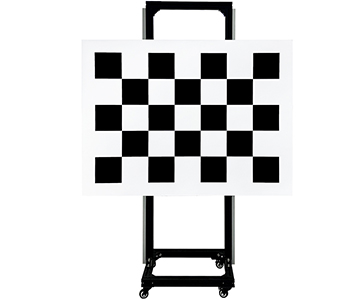
- Multi-reflectance patterns (checkerboard, stripe, staircase) fabricated monolithically—up to 3 m × 3 m without seams;
- Substrate thickness options: 1–10 mm; carbon-fiber hollow-core design weighs just 5 kg/m²—ideal for vehicle-mount or UAV deployment;
- ROS/Autoware-ready calibration kit available (panel + target frame + angle measurer); widely adopted by universities and autonomous-driving R&D teams.
#SpectralReflectancePanel #CalibrationTargetBoard #LiDARCalibrationBoard #DiffuseReflectanceBoard #MultispectralReflectancePanel #DiffuseCalibrationPanel