Breaking the Trade-off Between Portability and Precision: A New-Generation Fluorescence Quantum Efficiency Tester Enables Multi-Scenario Deployment
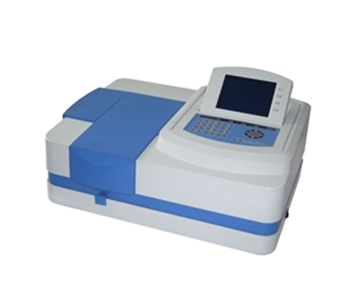
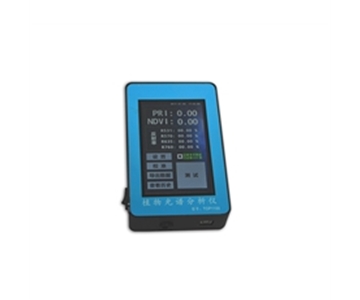
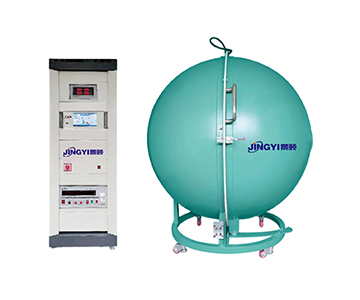
For years, the fluorescence detection field has grappled with an intractable supply-demand mismatch: benchtop fluorescence spectrometers—capable of delivering laboratory-grade precision—support critical R&D measurements such as quantum yield and photoluminescence (PL) spectra, yet their large footprint and high cost confine them strictly to controlled lab environments, rendering them impractical for field inspections or on-site sampling. Conversely, commercially available portable fluorescence detectors—while convenient for deployment in the field—typically perform only basic qualitative or semi-quantitative analysis. They lack the accuracy required for research-grade parameter measurement and often demand specialized spectroscopic expertise from operators, severely limiting their adoption at grassroots levels.
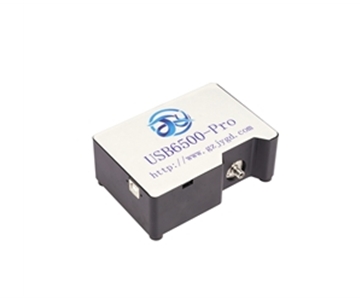
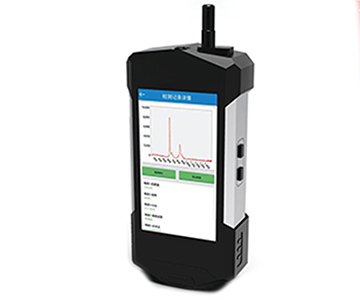
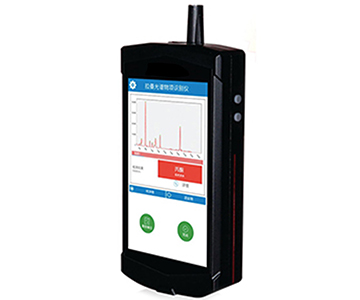
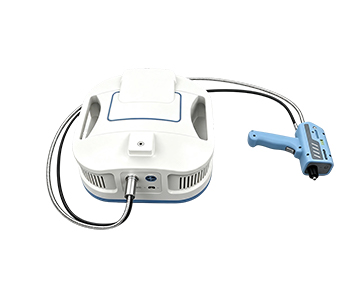
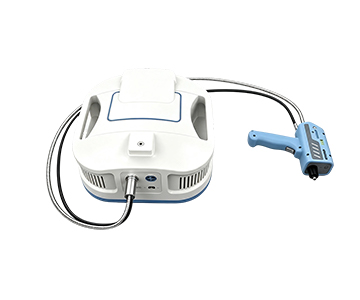
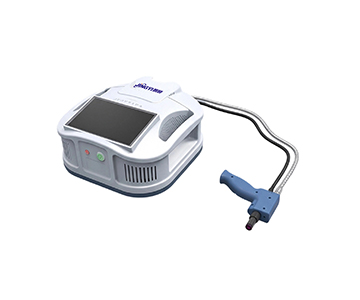
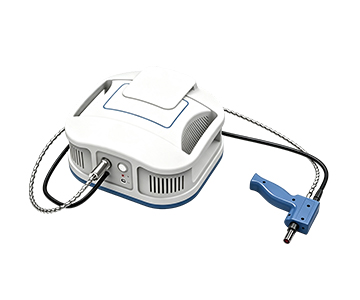
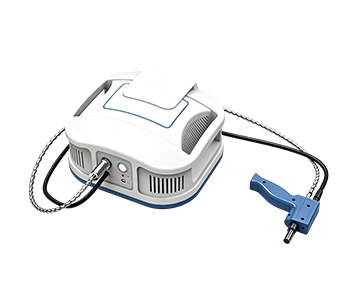
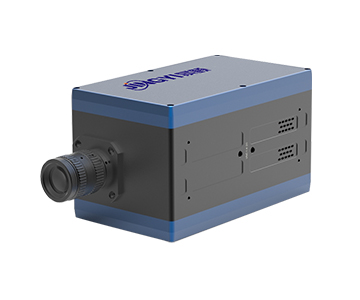
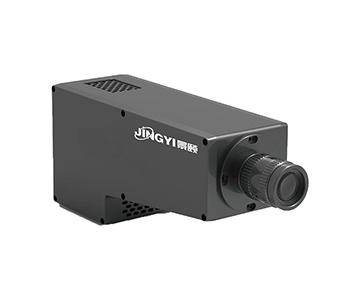
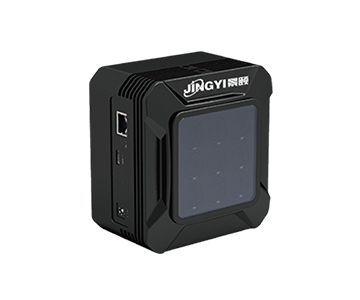
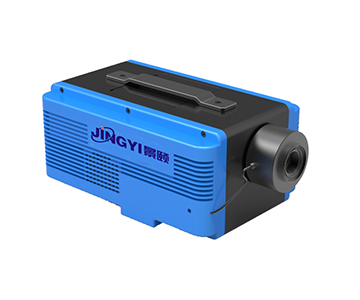
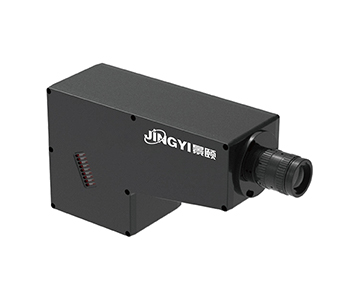
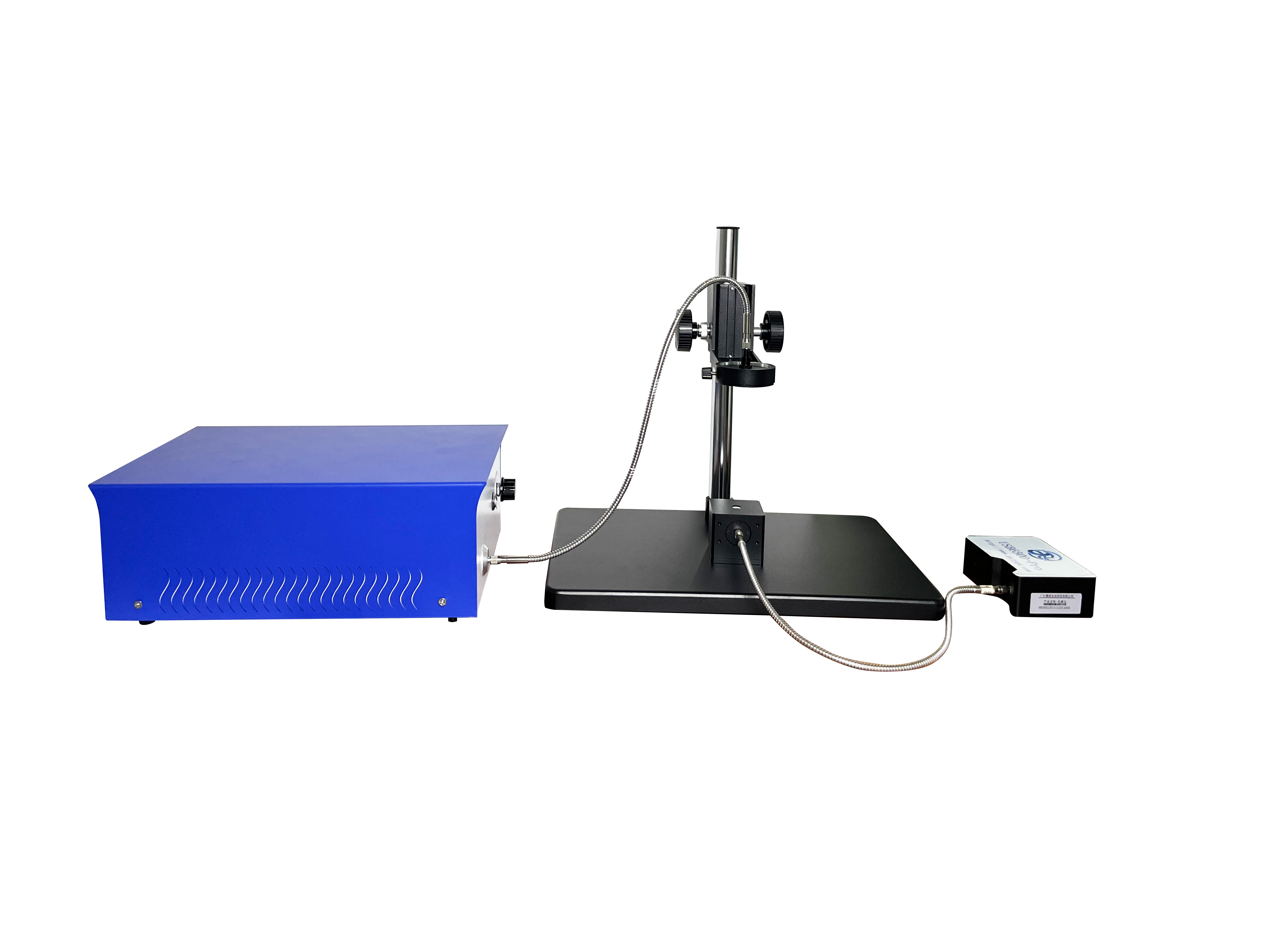
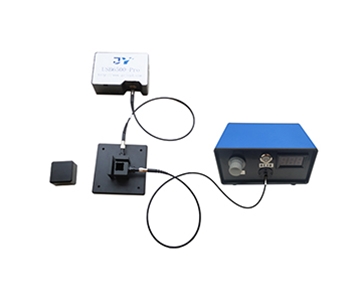
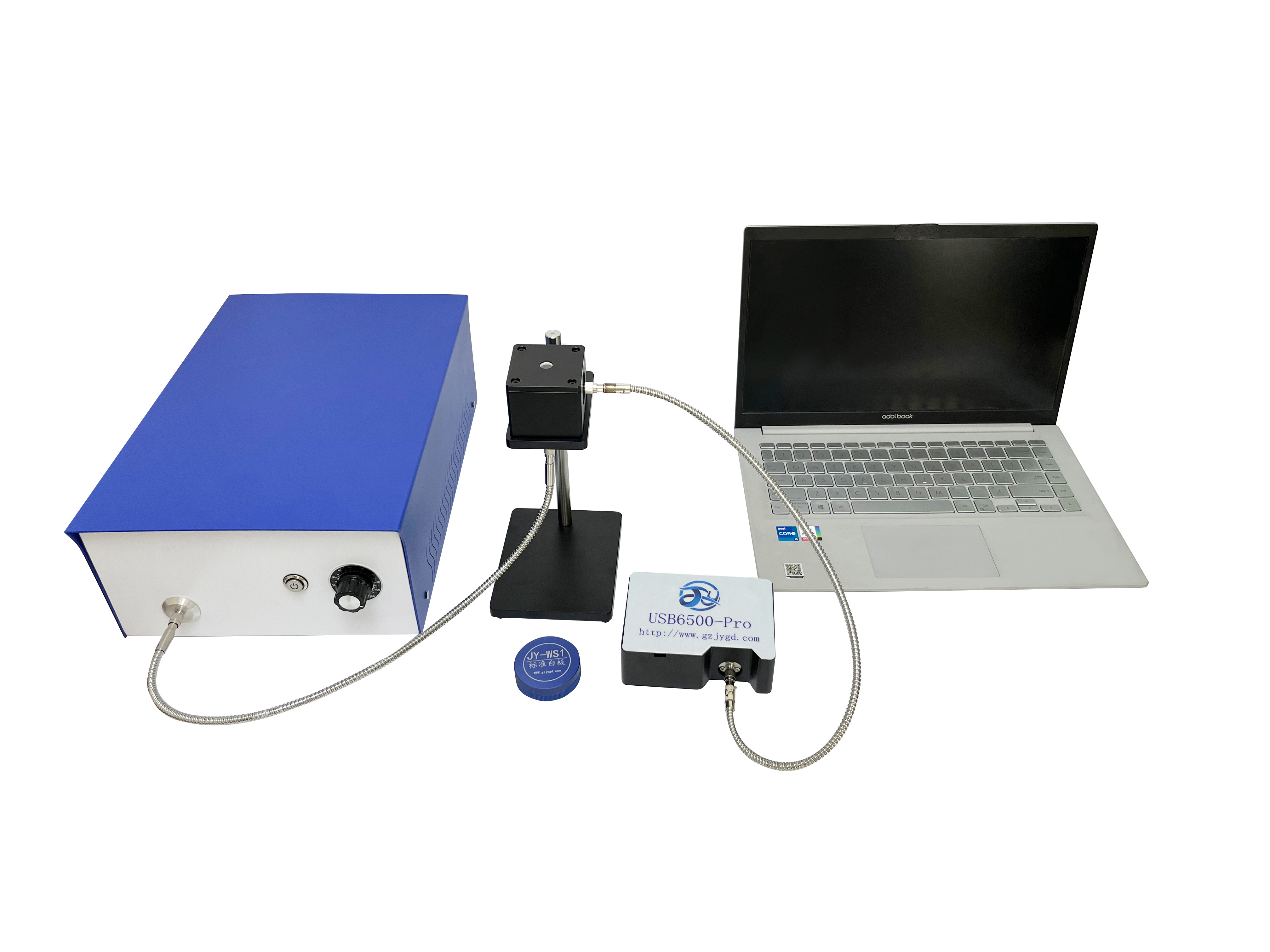
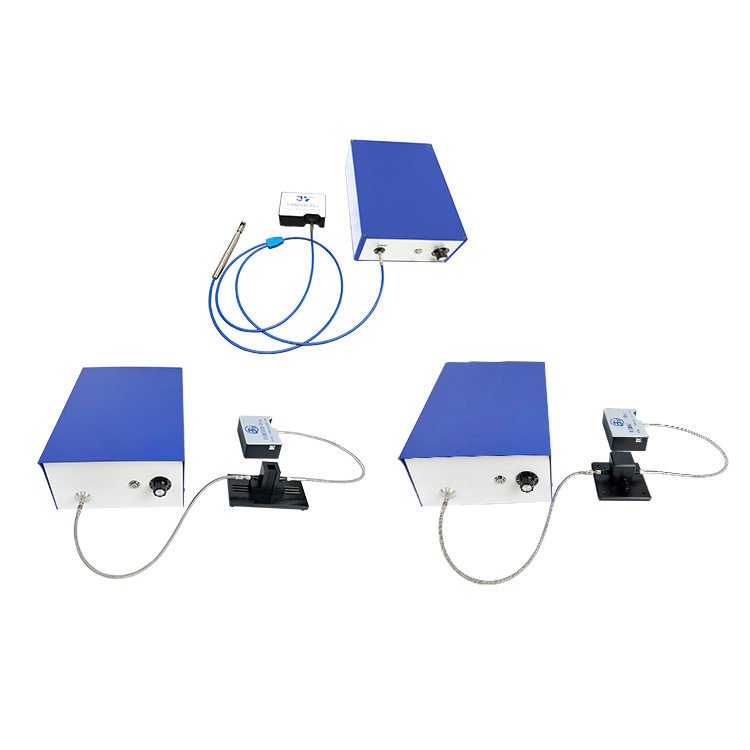
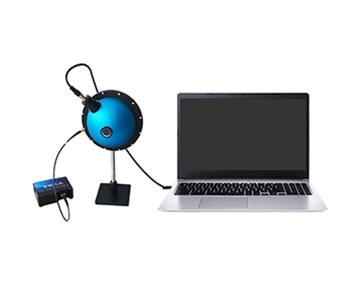
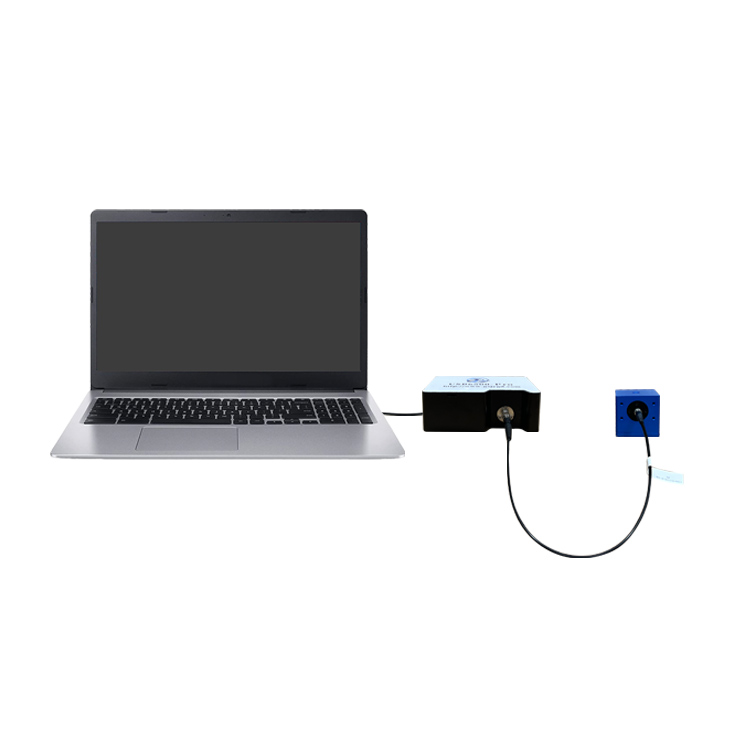
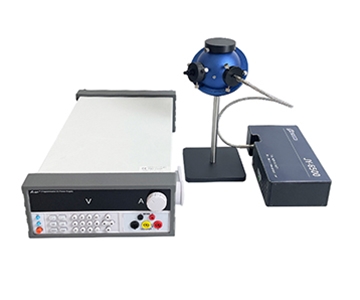
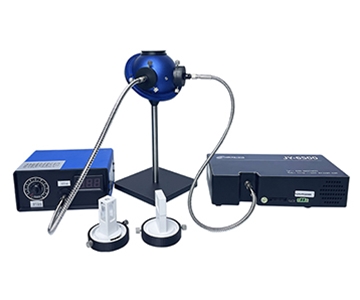
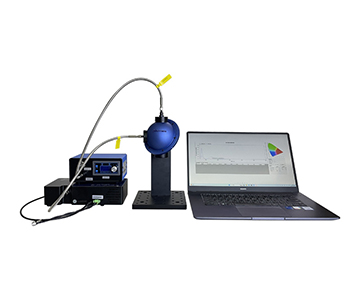
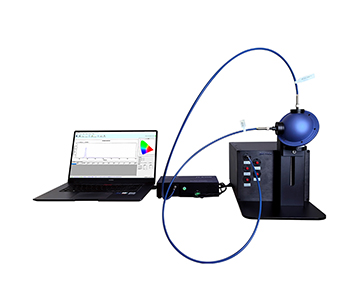
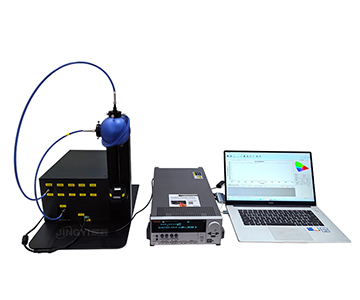
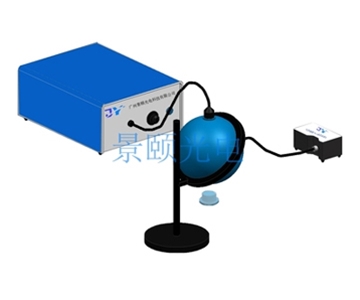
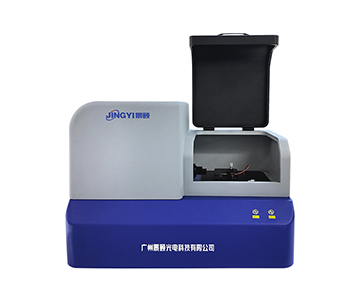
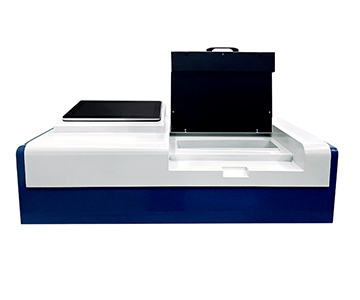
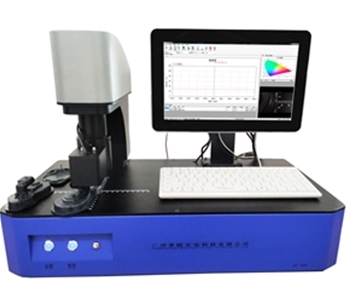
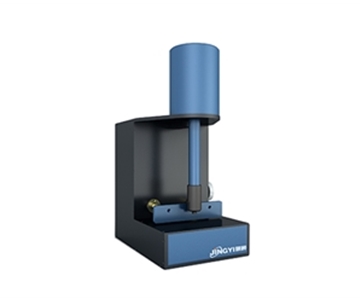
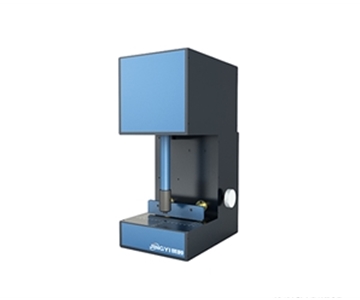
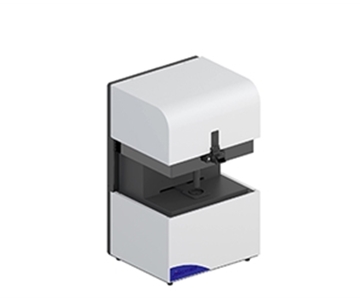
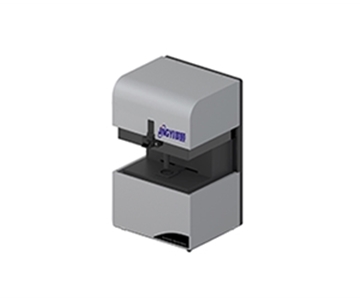
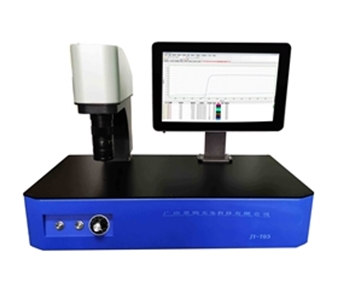
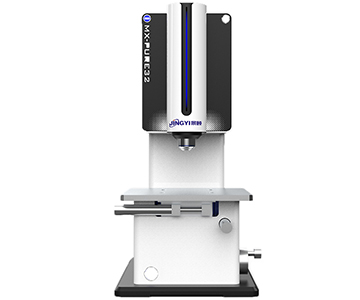
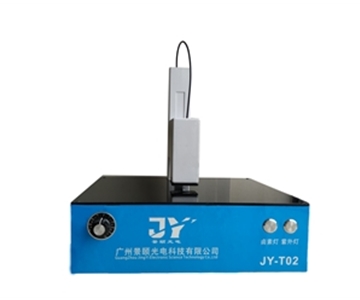
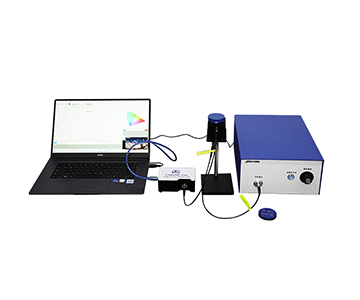
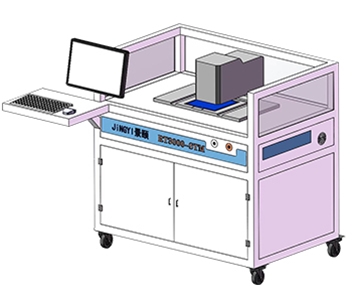
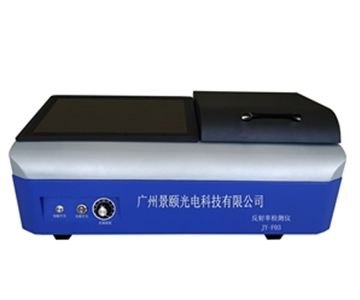
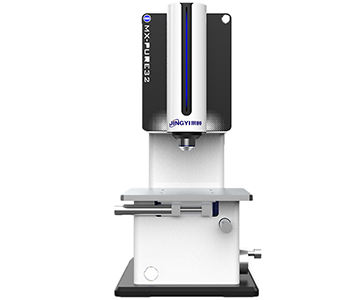
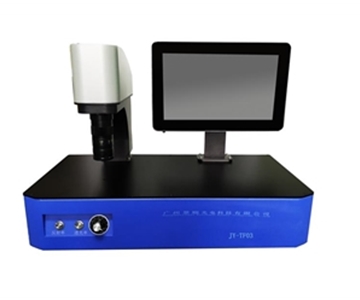
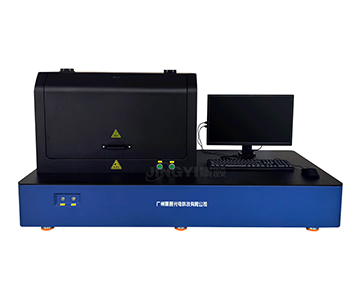
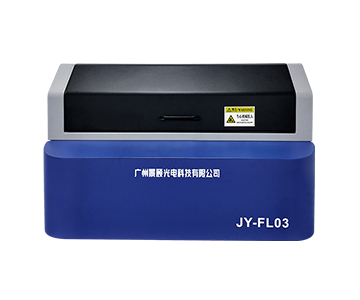
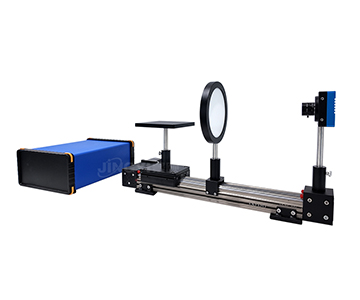
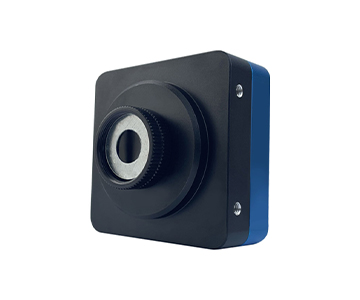
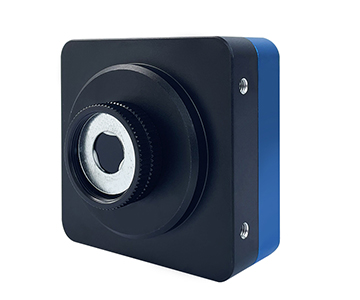
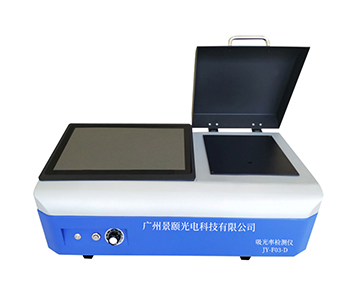
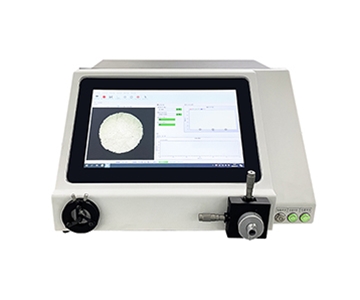
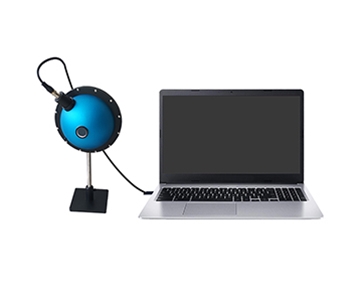
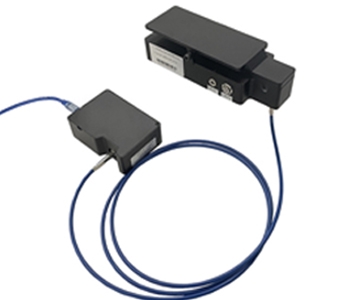
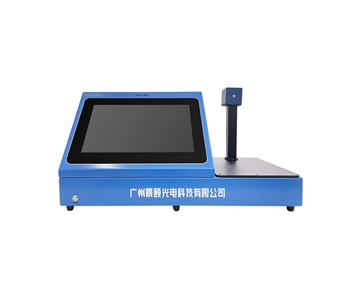
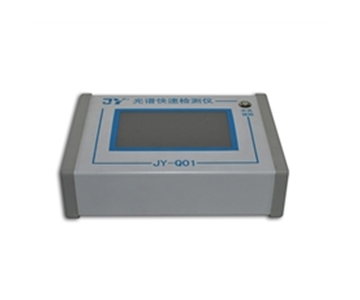
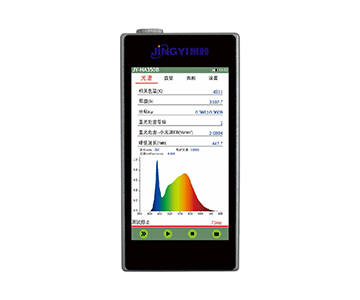
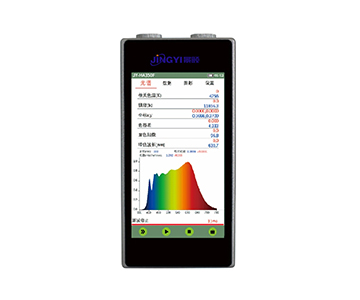
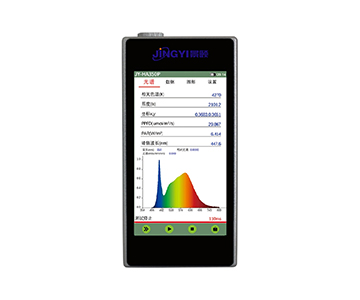
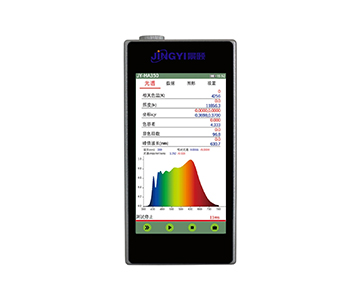
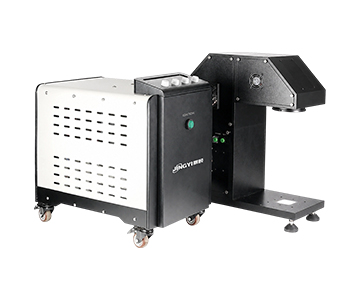
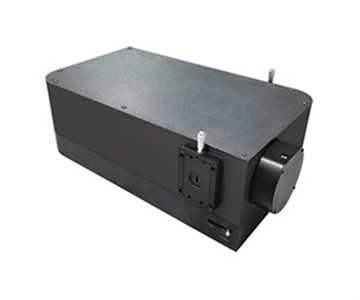
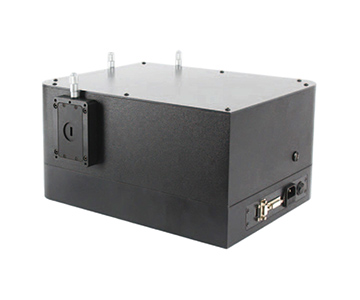
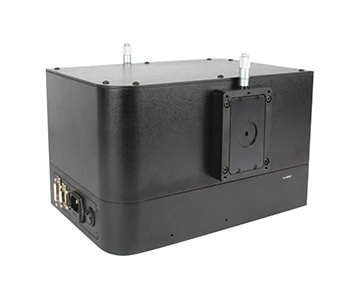
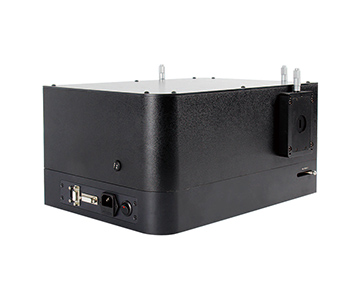
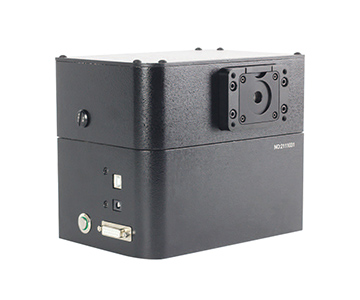
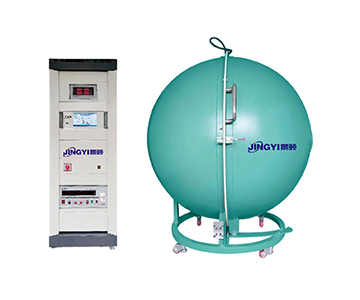
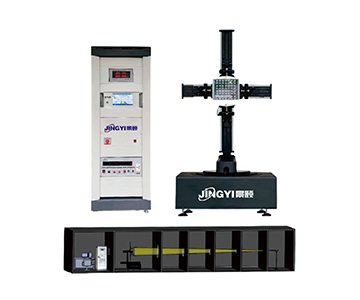
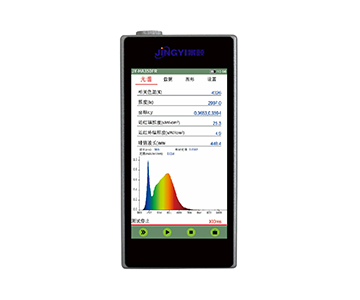
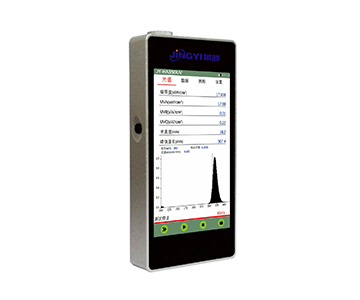
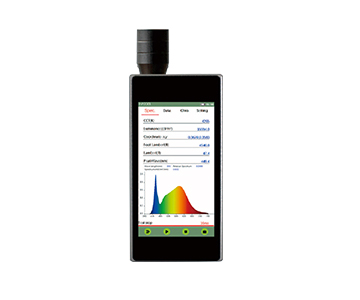
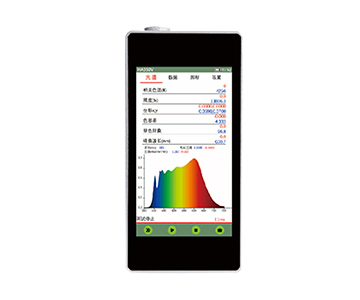
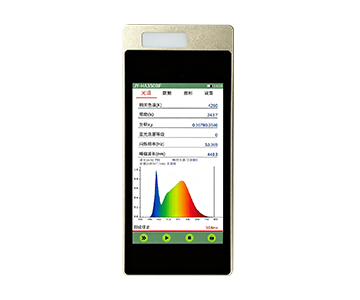
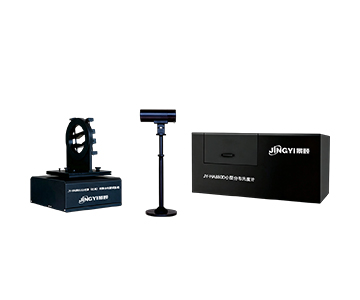
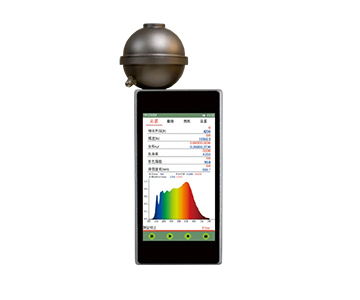
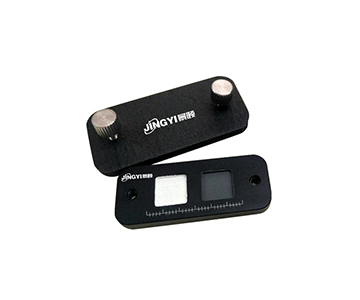
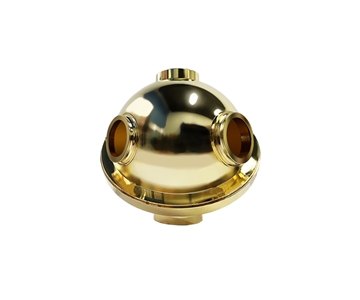
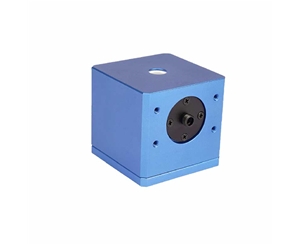
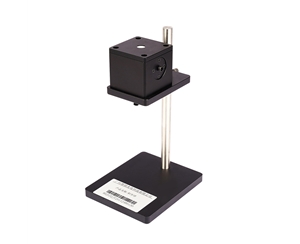
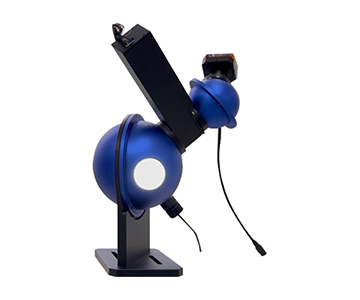
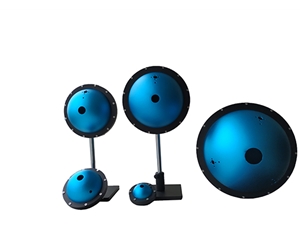
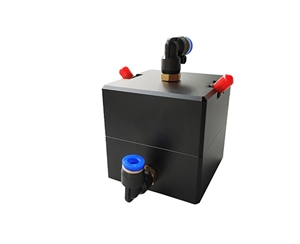
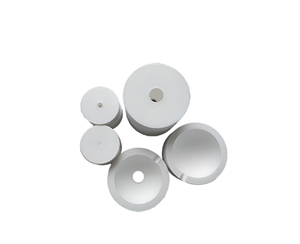
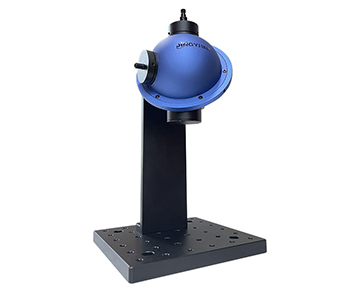
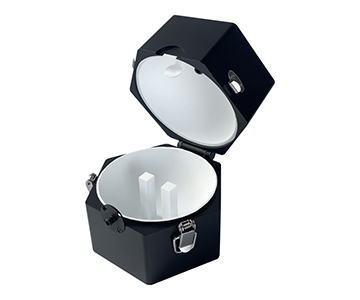
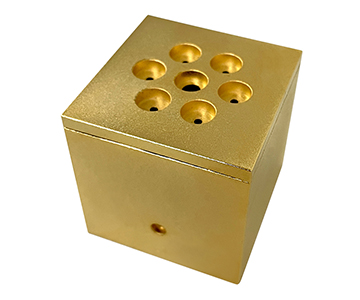
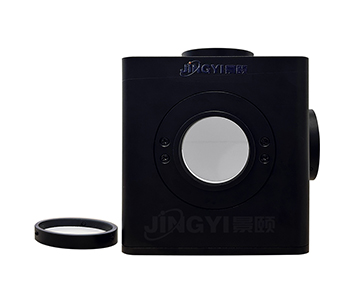
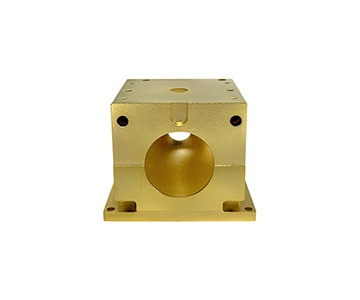
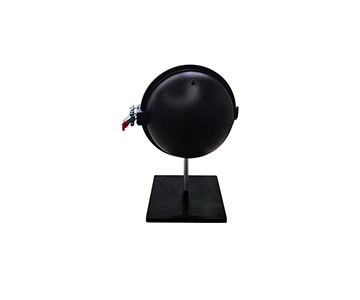
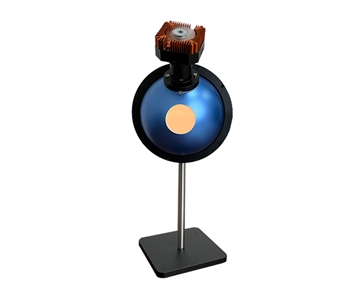
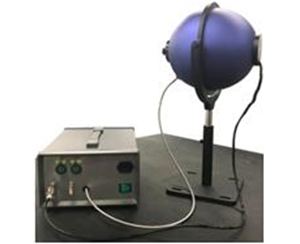
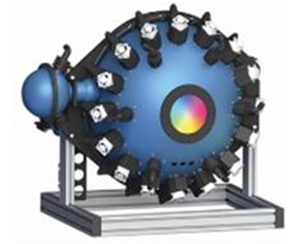
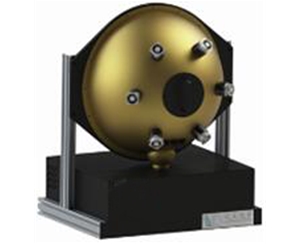
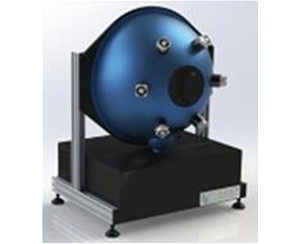
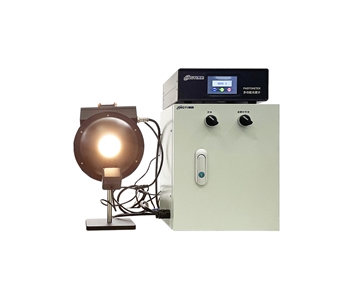
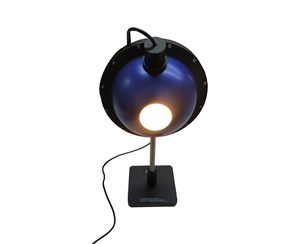
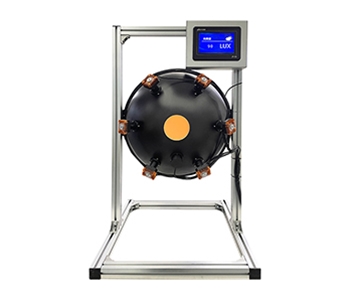
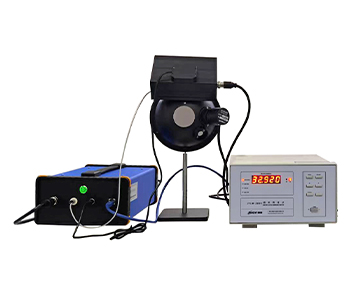
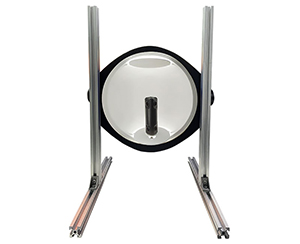
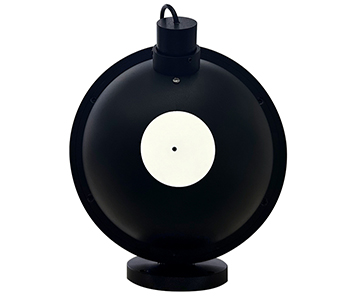
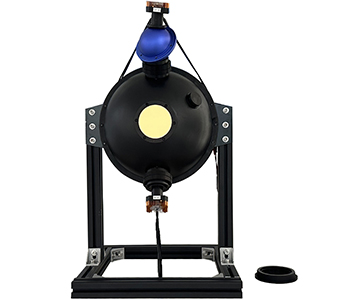
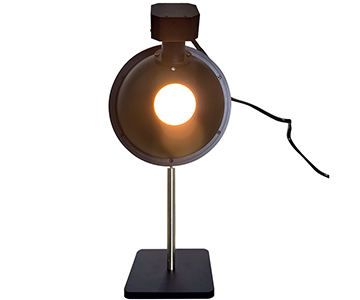
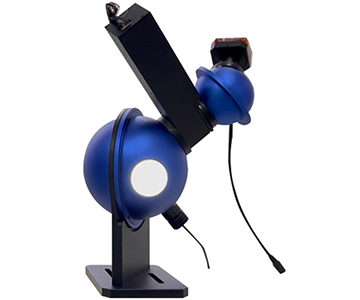
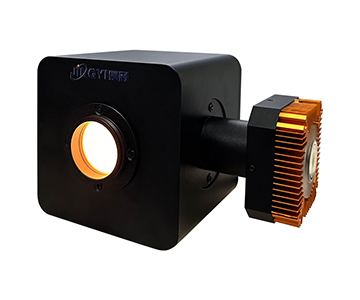
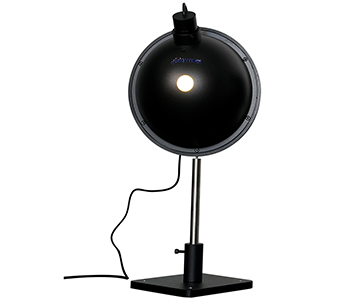
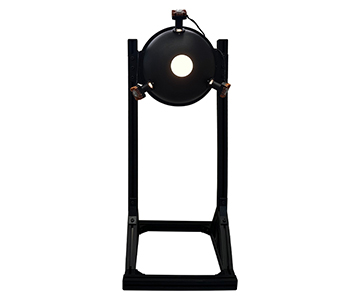
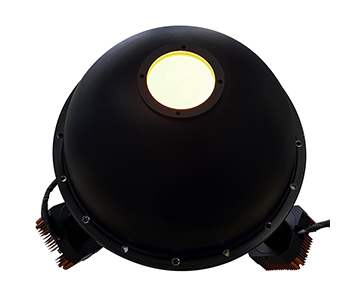
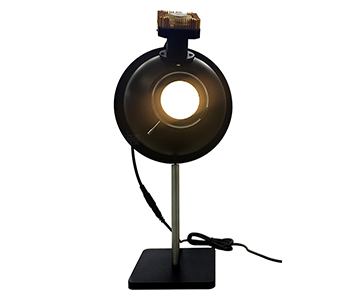
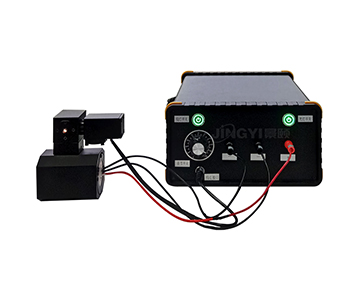
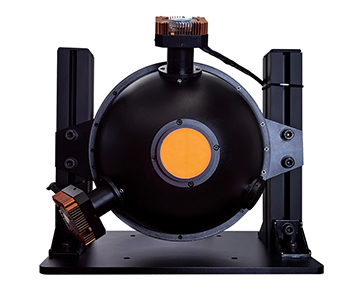
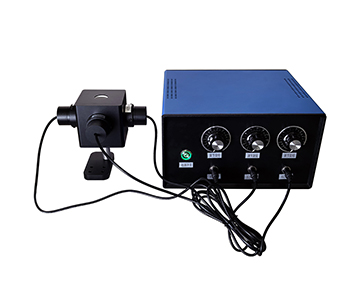
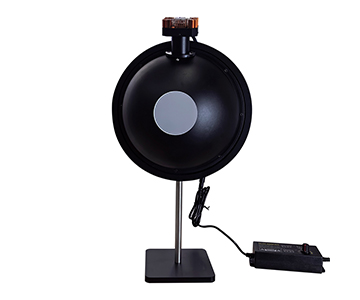
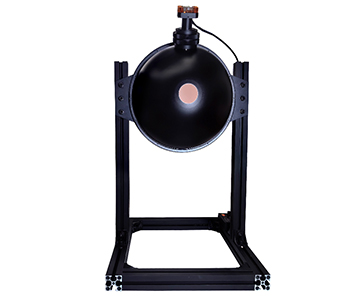
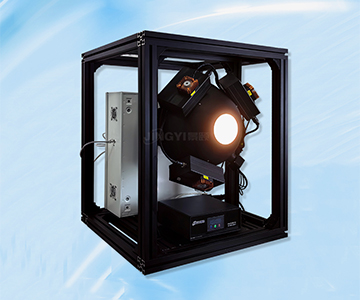
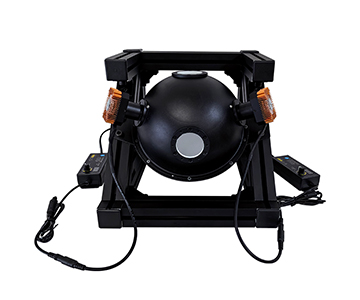
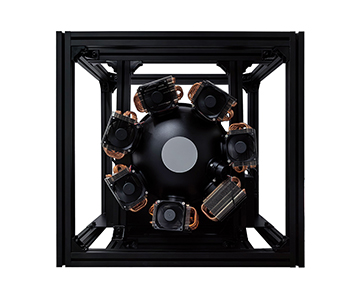
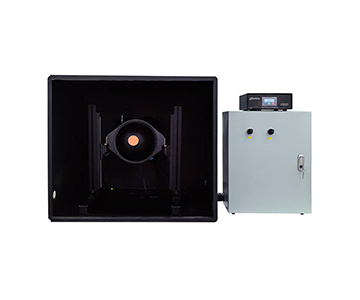
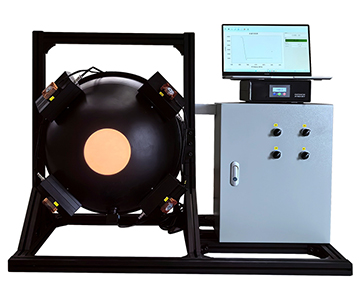
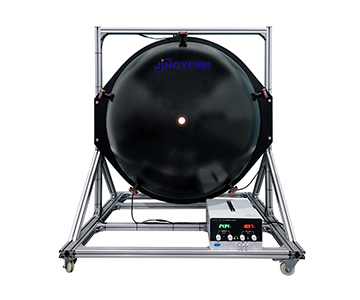
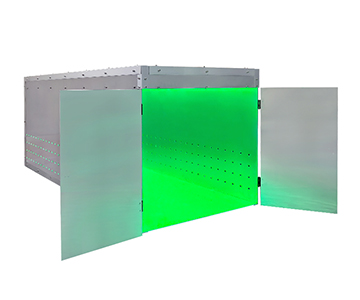
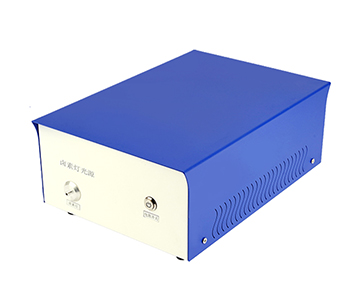
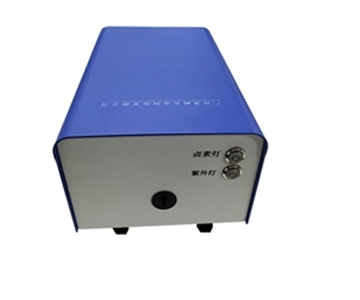
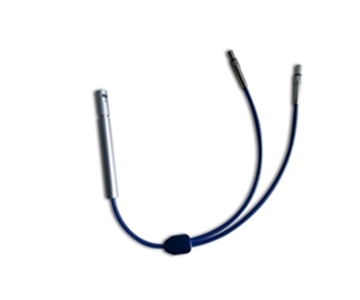
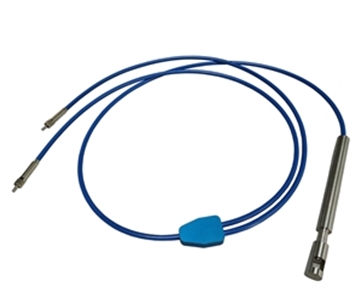
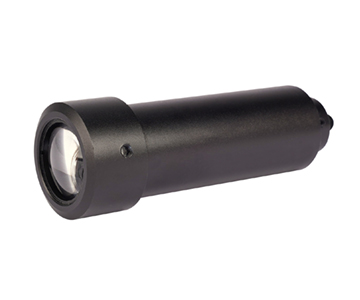
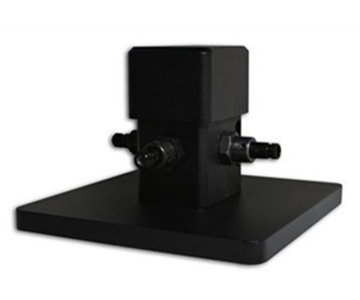
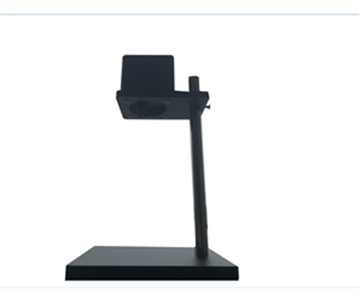
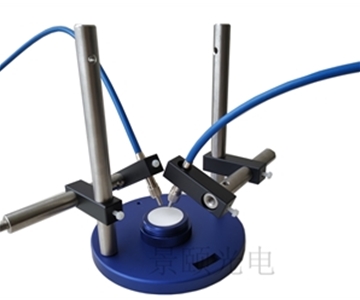
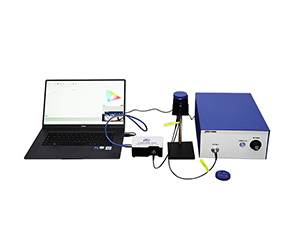
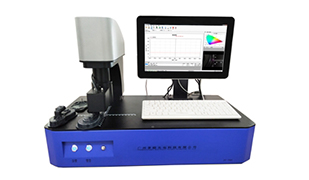
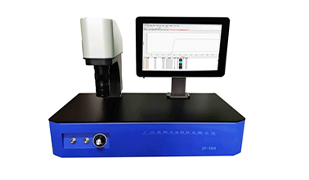
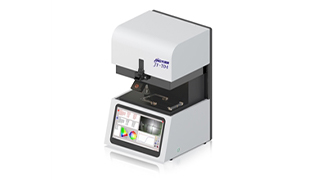
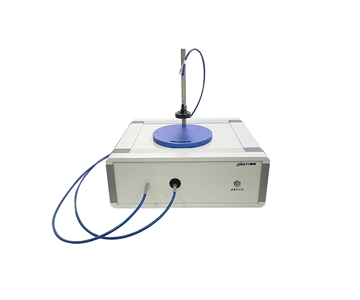
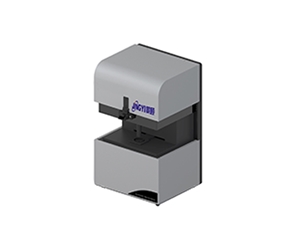
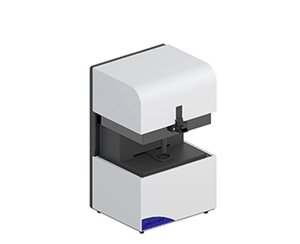
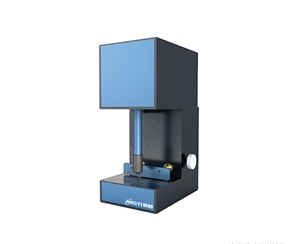
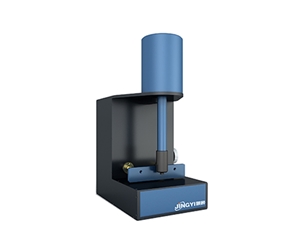
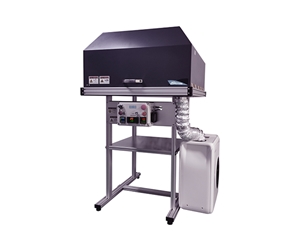
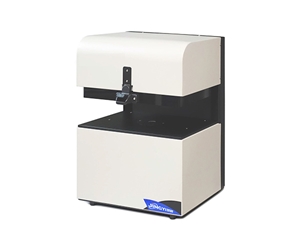
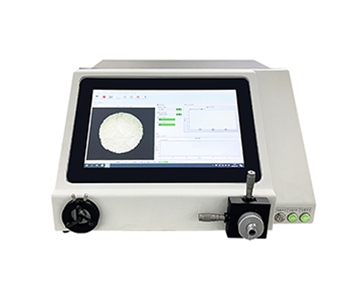
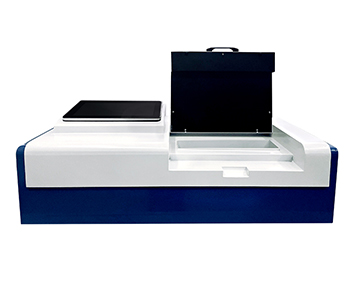
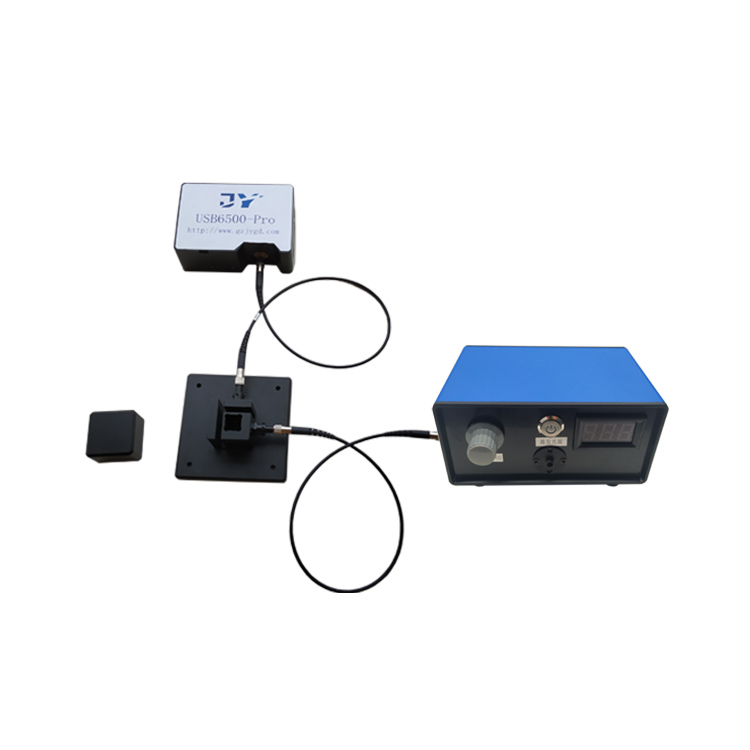
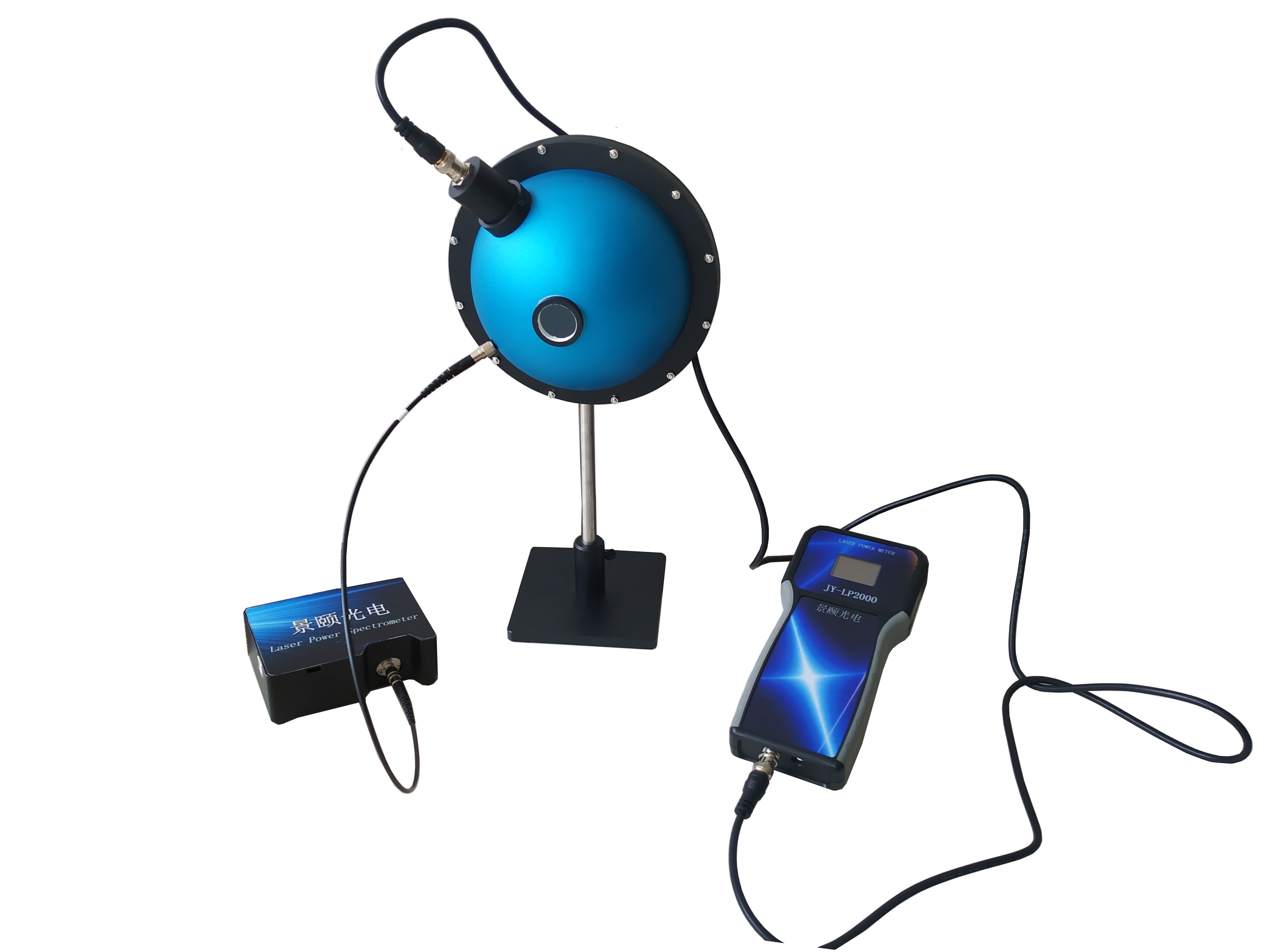
To address this industry-wide challenge, Jingyi Optoelectronics has, after years of dedicated R&D, launched its proprietary JY-QEY6500-PLS Fluorescence Quantum Efficiency Tester—a solution that deliberately bypasses the conventional “precision vs. portability” trade-off paradigm. Prior to shipment, each unit undergoes full-chain, traceable source calibration. Its core detection module integrates a self-developed, high-sensitivity optoelectronic sensing component capable of capturing photoluminescent signatures across diverse sample forms—including liquid solutions, powders, and solid thin films—under specific excitation wavelengths. Beyond standard qualitative/quantitative detection offered by typical portable devices, the system delivers research-grade outputs: absolute quantum yield, chromaticity parameters, and full-spectrum PL data acquisition and storage—all packed into a chassis no larger than a 14-inch laptop.
Compared to traditional instruments, this system’s practical advantages manifest across the entire user workflow. During routine operation, aside from essential manual tasks—such as swapping excitation sources or loading/unloading samples—all parameter configuration, measurement execution, and data export are fully automated via intuitive companion software. Even frontline personnel without prior spectroscopic training can achieve independent operation following minimal instruction—eliminating reliance on specialized technical support staff. When benchmarked against benchtop fluorescence spectrometers of comparable accuracy, this system achieves over 70% volume reduction and weighs under 2 kg—enabling effortless single-person transport. Upon arrival at the inspection site, no complex setup or recalibration is needed; users simply power on the device and begin testing immediately. Complete parameter measurement for standard samples takes just 3–5 minutes—accelerating detection throughput by several-fold. Furthermore, the system incorporates built-in encrypted data storage, automatically logging and preserving all test results for full traceability—meeting dual requirements for rigorous scientific data management and regulatory compliance.
This solution has already demonstrated tangible value across multiple application domains:
- In advanced materials R&D, photovoltaic and luminescent materials research groups no longer need to shuttle thin-film or powder samples back to centralized labs for queued testing. Instead, they deploy the instrument directly beside production lines to conduct quantum yield assessments on-site—and adjust process parameters the same day, shortening overall R&D cycles by nearly 40%.
- In outdoor environmental monitoring, field inspectors carry the device to river cross-sections or renovation sites to quantify fluorescent pollutants, formaldehyde, and volatile organic compounds (VOCs) in real time—bypassing sample transportation delays and eliminating analytical inaccuracies caused by sample degradation en route.
- In food safety inspections, regulators screen for pesticide residues and unauthorized fluorescent additives directly at farmers’ markets or food manufacturing facilities—obtaining actionable results within minutes and dramatically expanding the coverage and efficiency of random inspections.
Notably, Jingyi Optoelectronics optimized the system’s cost structure specifically for budget-conscious users—including universities, research institutes, and grassroots regulatory agencies—reducing total procurement costs to approximately half that of comparably precise benchtop fluorescence spectrometers. This significantly lowers the adoption barrier for high-accuracy fluorescence detection technology. Looking ahead, as detection hardware converges with AI algorithms and IoT infrastructure, lightweight precision instruments like this one will evolve toward automatic cloud-based data upload, batch analytics, and intelligent cross-device correlation—further broadening application scope. Continuous technological iteration promises to extend high-precision fluorescence detection capabilities deeper into underserved, resource-constrained settings.
#FluorescenceQuantumEfficiencyTestingSystem #FluorescentQuantumDotEfficiencyMeasurementSystem #QuantumEfficiencyTestingSystem #FluorescenceEfficiencyMeasurementSystem #FluorescenceQuantumEfficiencyTester #FluorescenceQuantumEfficiencyDetectionSystem #FluorescenceSpectrometer #FluorescenceDetectionEquipment #BenchtopFluorescenceDetectionPlatform