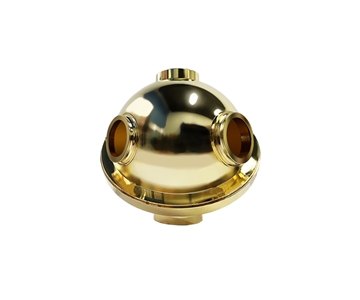
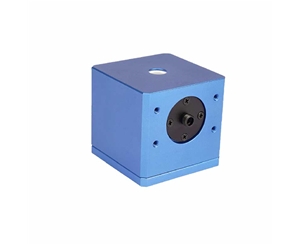
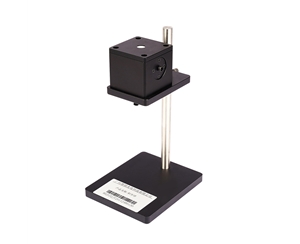
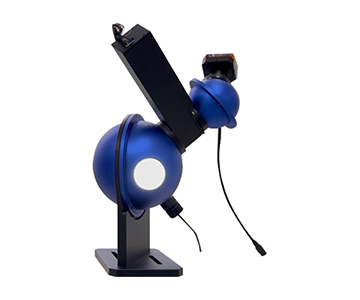
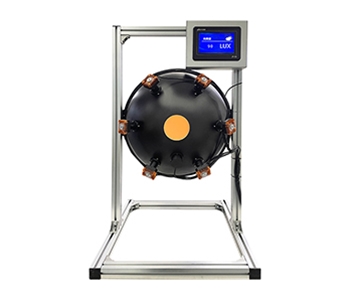
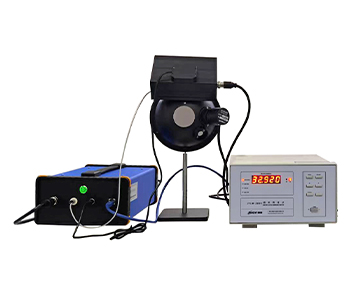
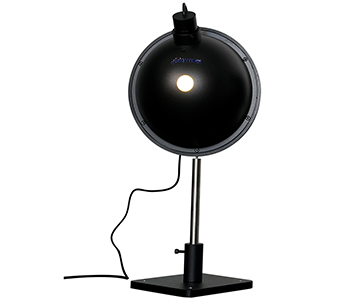
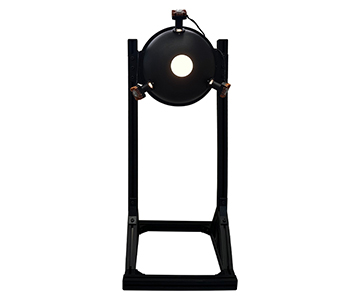
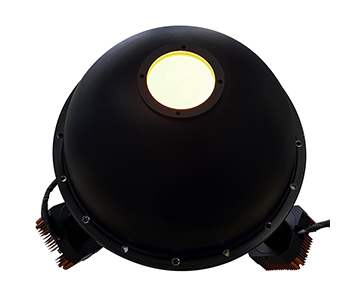
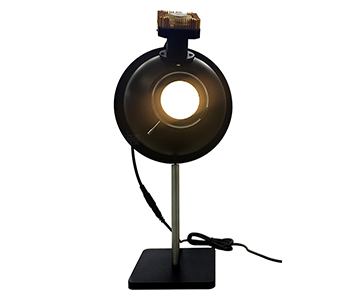
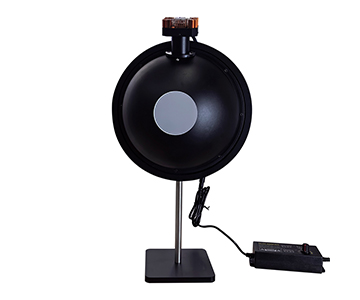
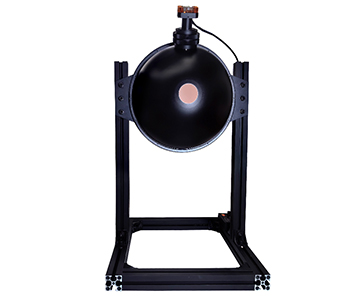
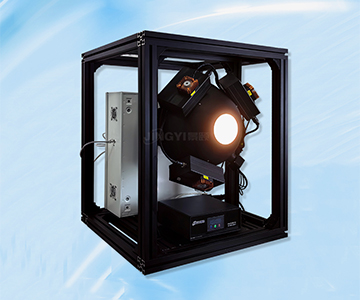
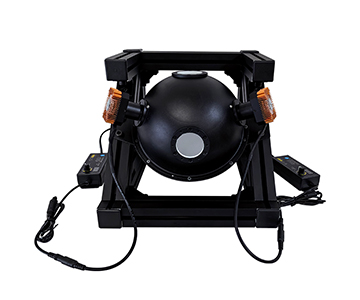
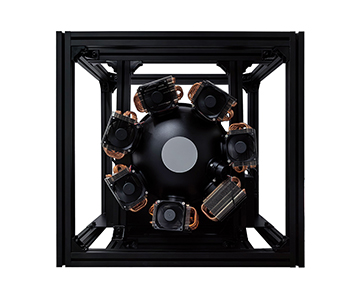
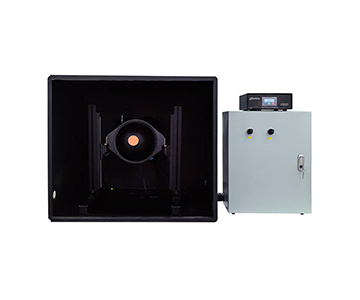
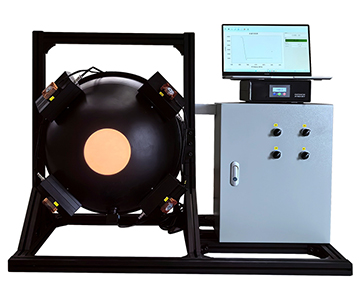
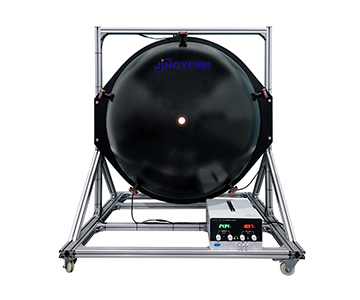
Have you ever encountered darkened corners in camera-captured images or excessive spectral data deviations from remote-sensing satellites? At the heart of these issues often lies inadequate pre-calibration—specifically, the failure to generate a sufficiently uniform standard light field. The solution to this core challenge is the transmittance integrating sphere uniform light source, widely regarded as the “calibration ruler” of optical metrology.
Conventional directional light sources—whether halogen lamps or LEDs—exhibit pronounced directionality. Brightness variations across a single emitting surface can exceed 20%. Using such sources as calibration references renders it impossible to constrain response errors of imaging and sensing devices within acceptable tolerances. This is precisely why transmittance integrating sphere light sources are irreplaceable.
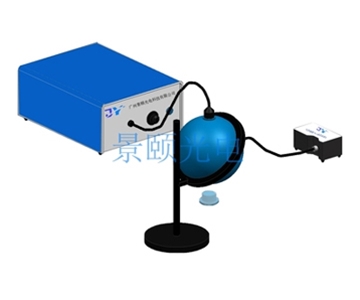
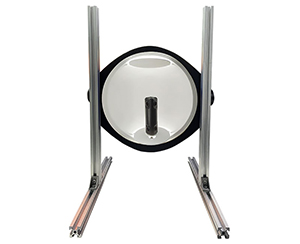
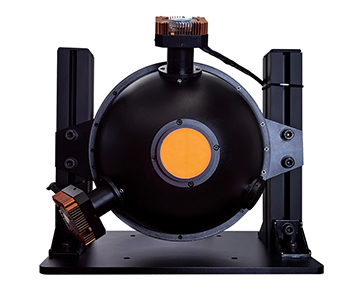
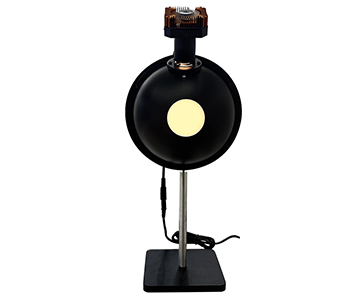
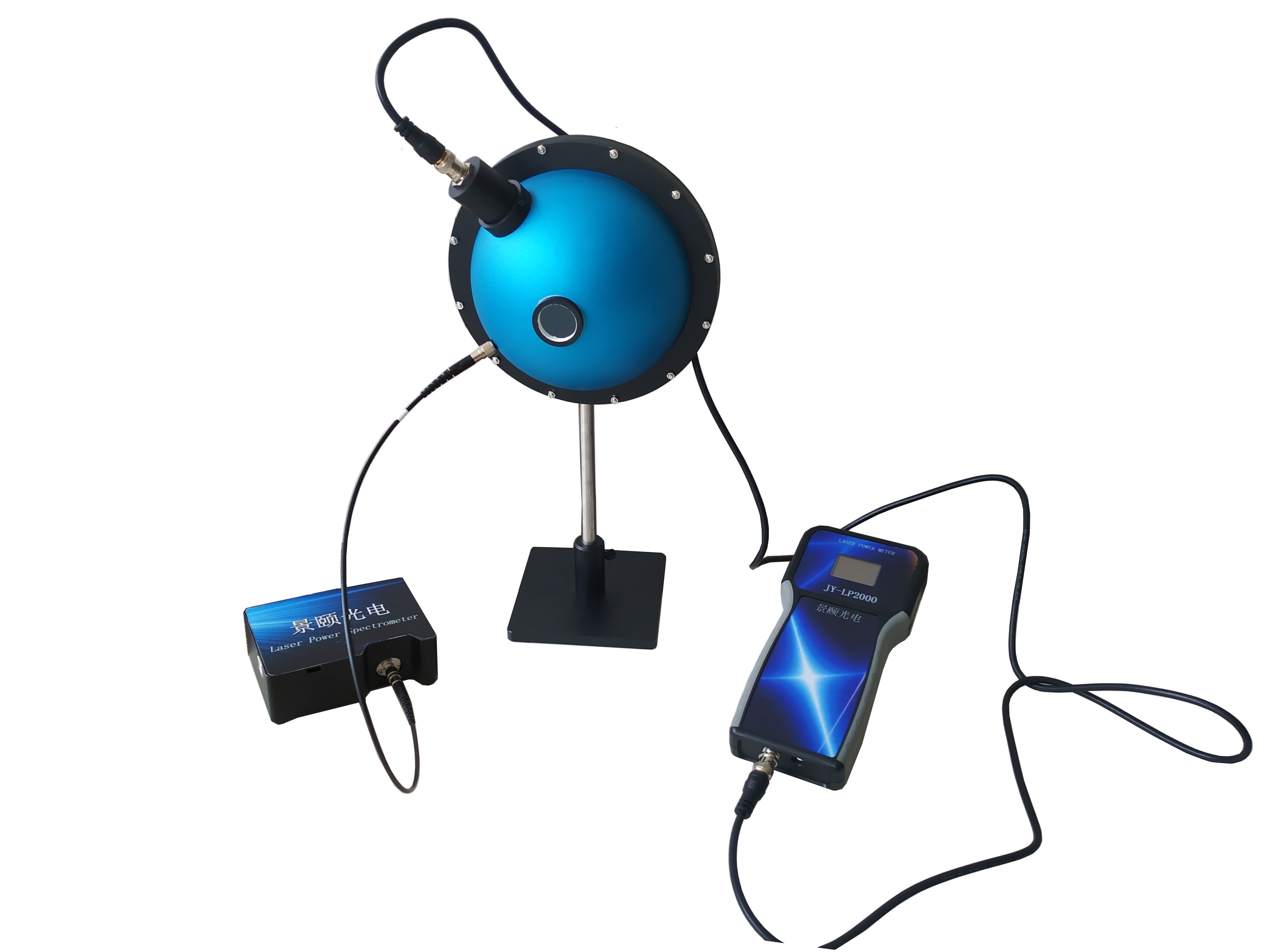
The fundamental principle behind transmittance integrating spheres lies in diffuse-reflection-based homogenization, which eliminates angular disparities in incident light. A sealed spherical cavity coated internally with a high-diffuse-reflectance material subjects incoming light to dozens—or even hundreds—of random, diffuse reflections. This process fully erases original emission angles and brightness nonuniformities, ultimately producing an exceptionally isotropic, standardized light field at the output port. Many wonder: why doesn’t light intensity become excessively amplified after repeated internal reflections? In reality, each reflection absorbs a minuscule fraction of energy from the light beam. Final output intensity is precisely controlled by the ratio of the output port area to the total inner surface area of the sphere—effectively functioning as a tunable “attenuation valve” that allows brightness level adjustment to meet diverse calibration requirements.
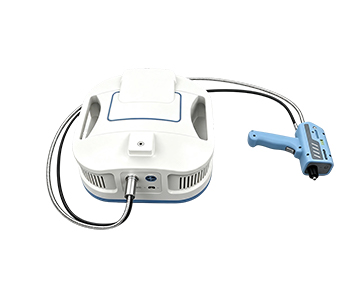
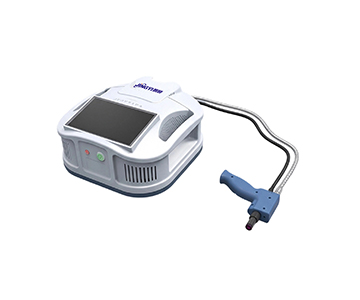
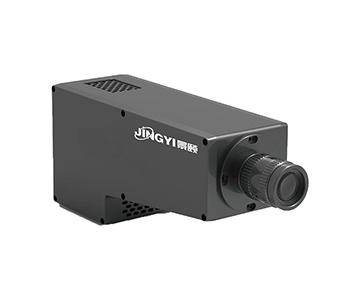
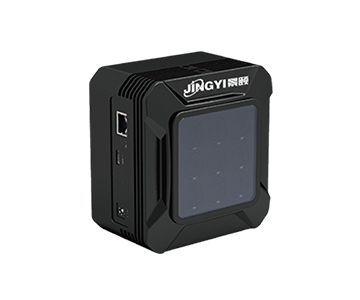
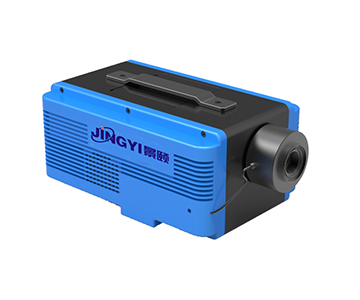
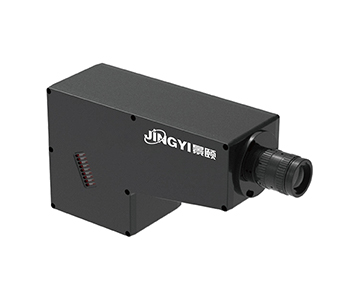
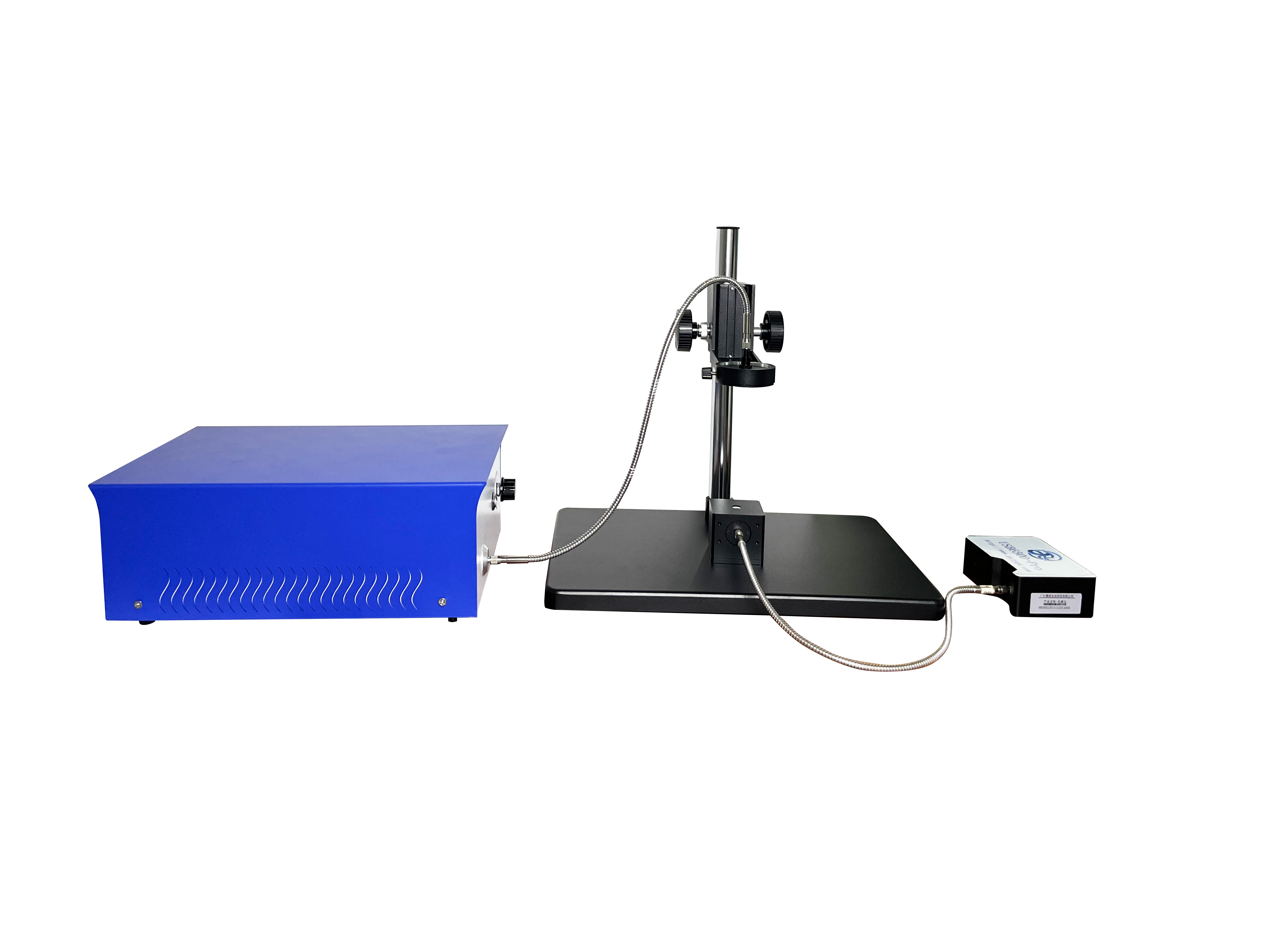
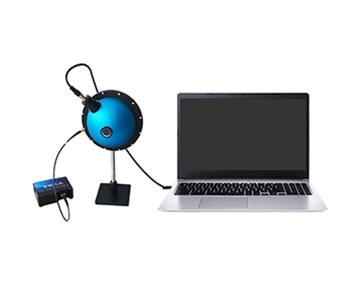
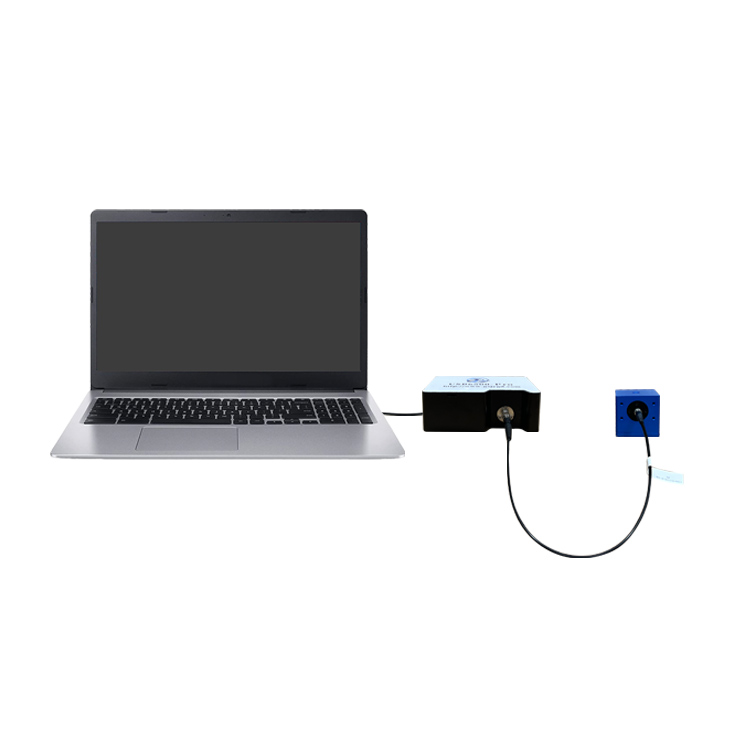
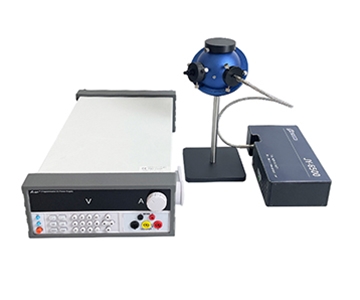
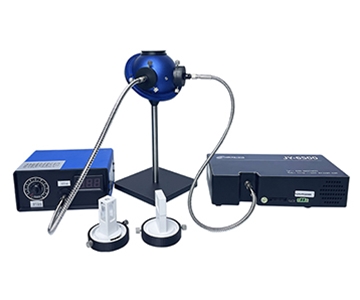
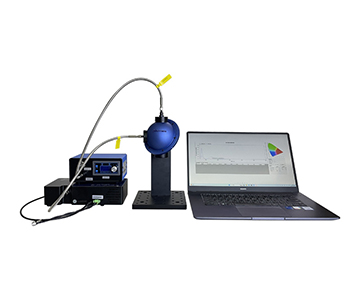
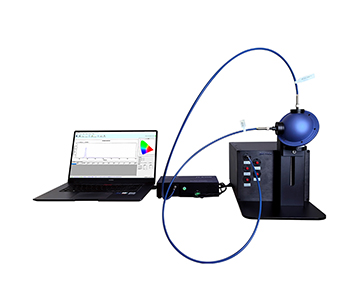
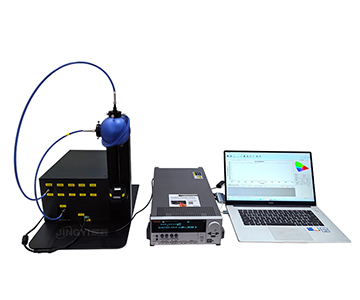
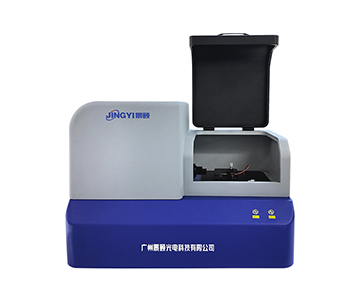
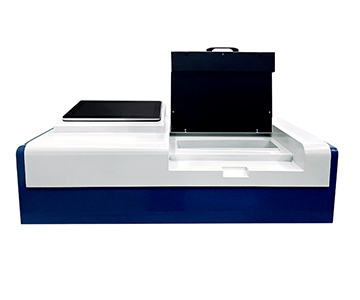
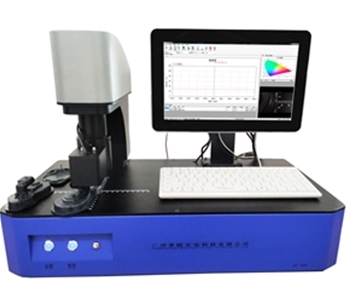
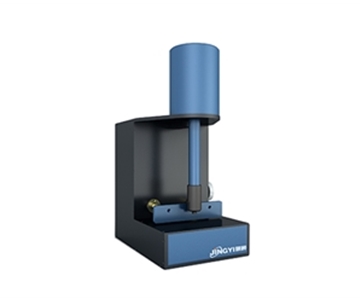
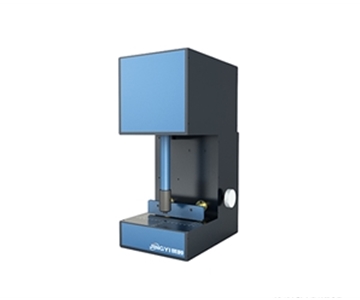
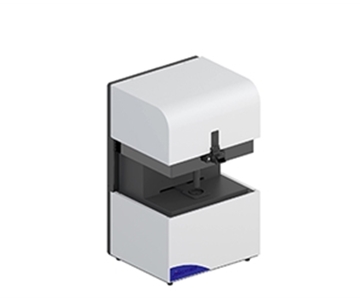
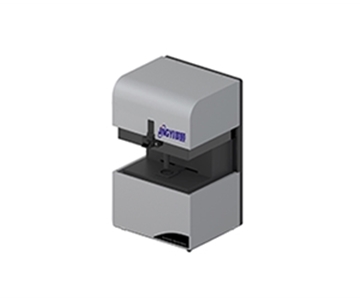
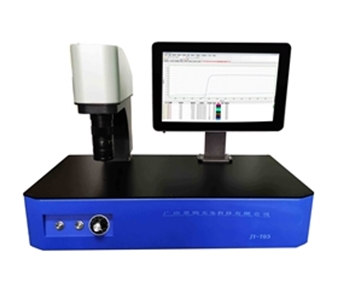
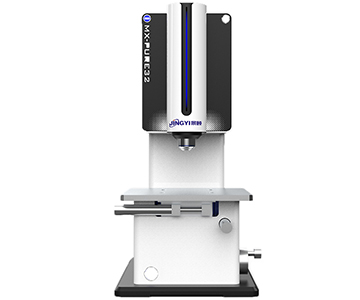
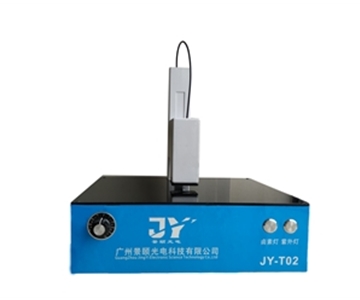
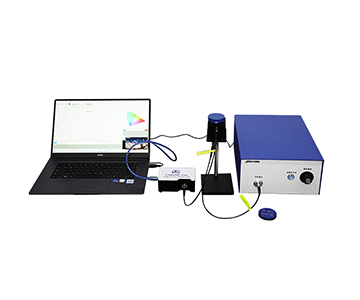
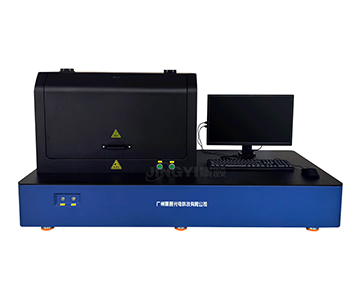
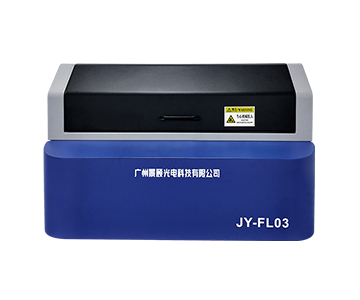
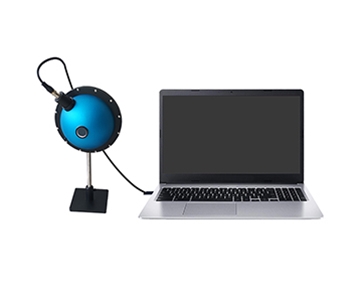
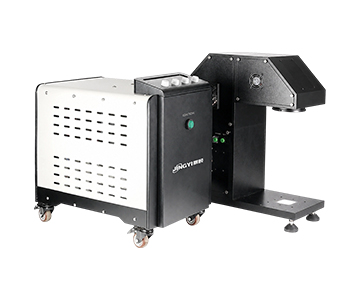
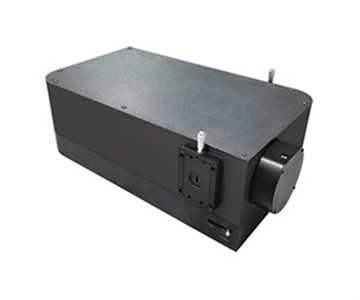
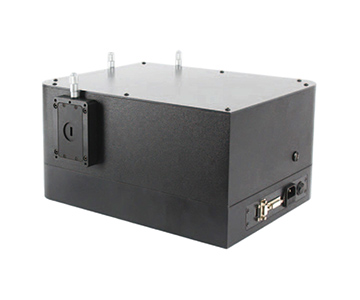
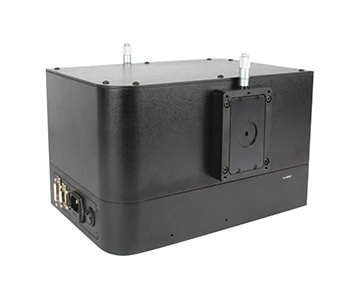
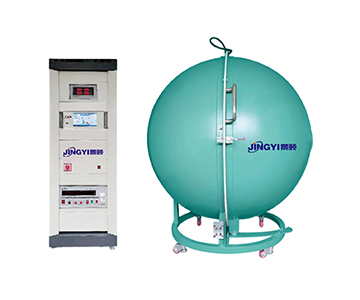
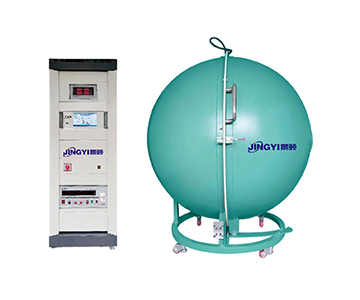
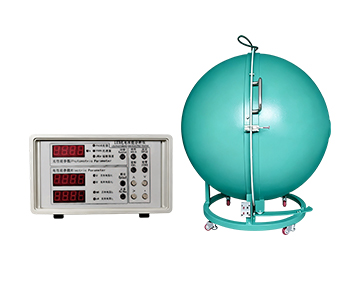
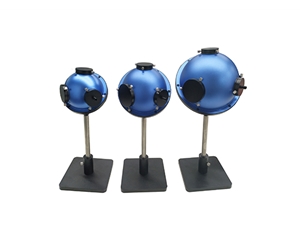
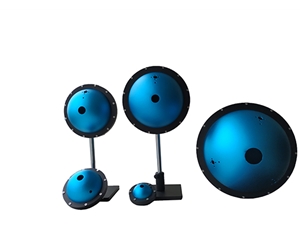
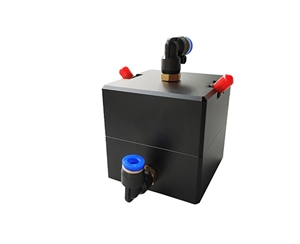
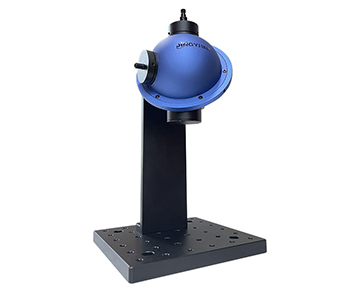
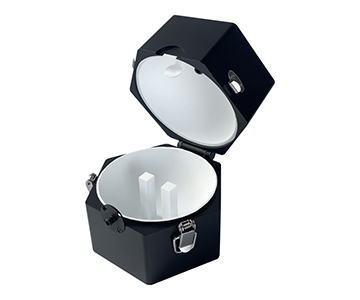
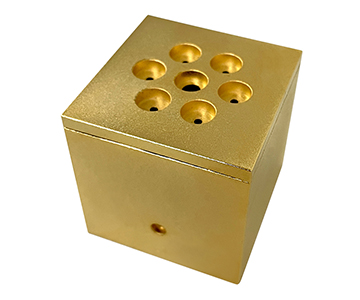
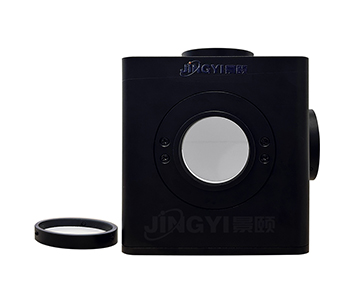
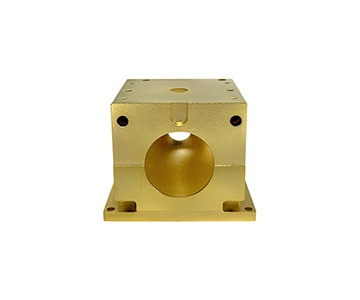
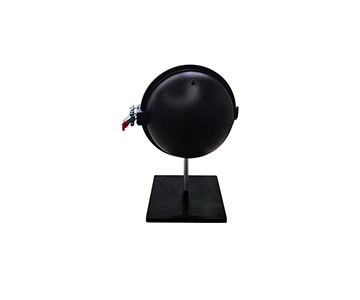
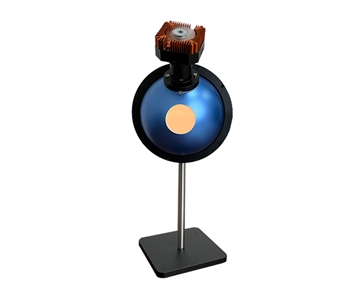
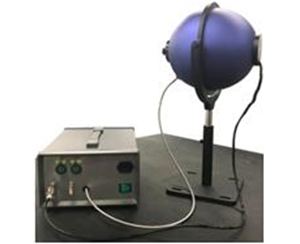
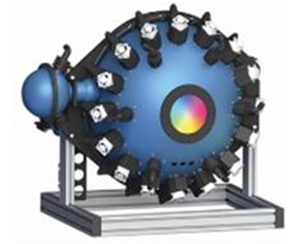
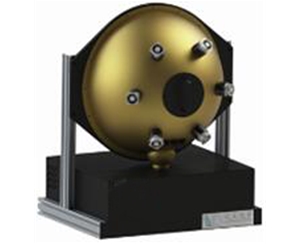
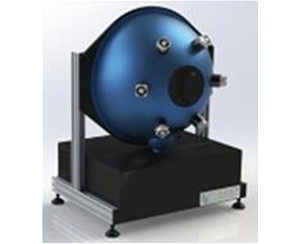
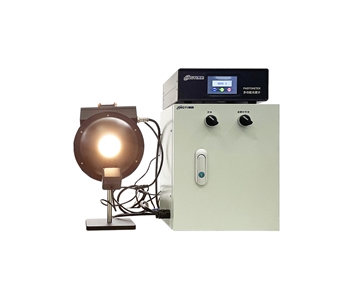
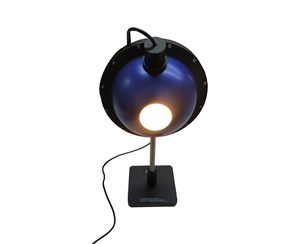
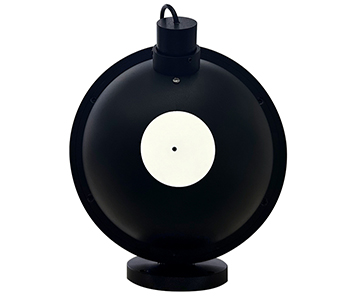
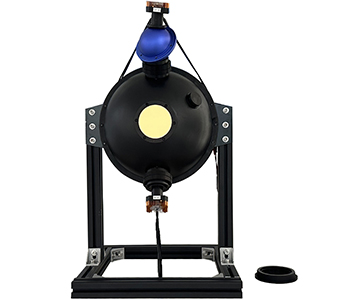
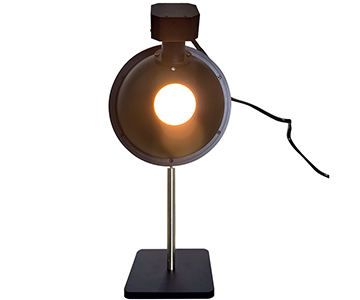
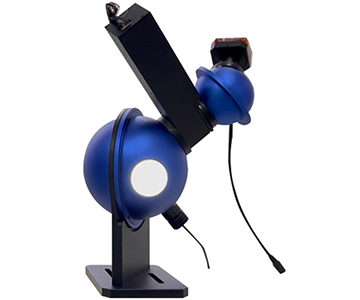
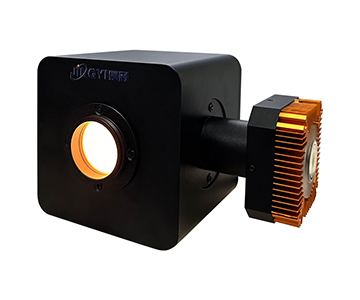
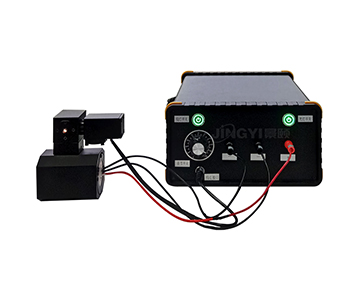
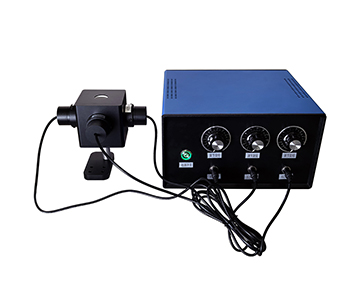
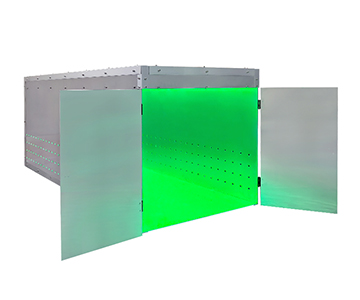
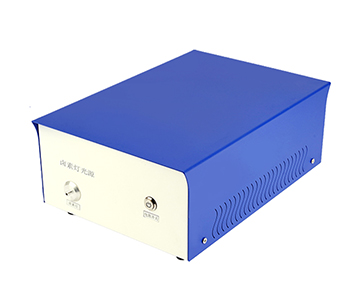
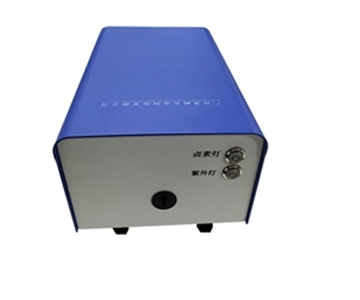
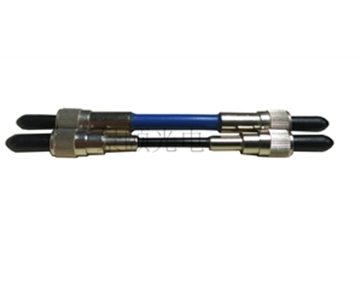
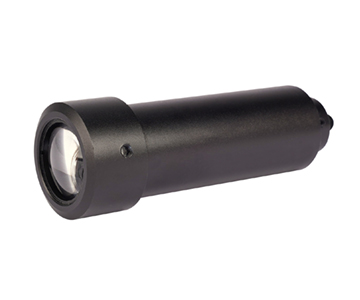
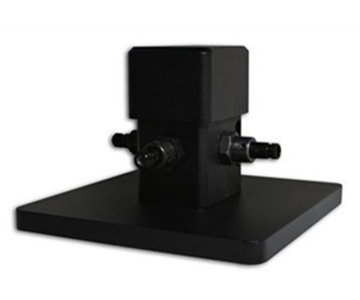
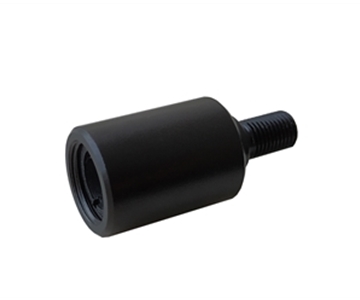
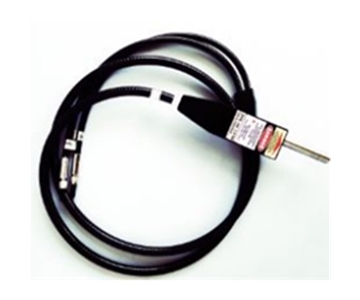
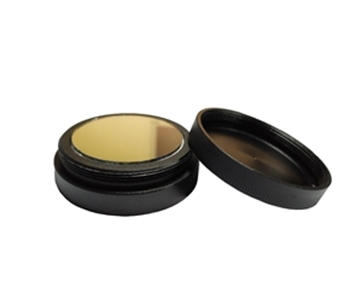
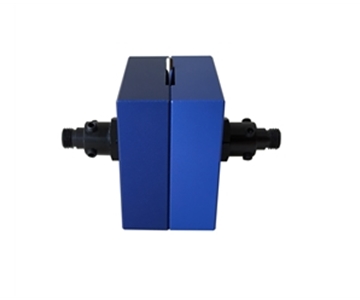
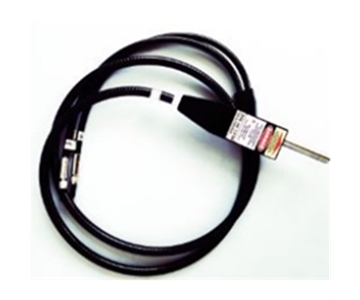
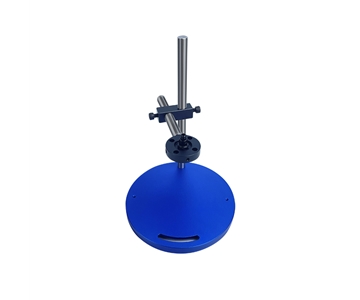
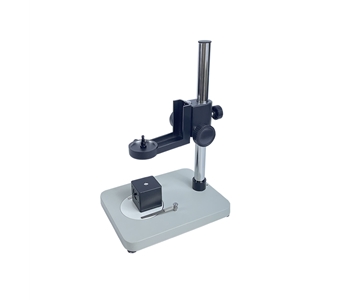
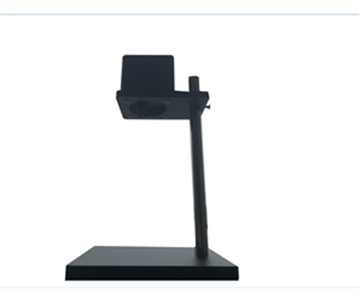
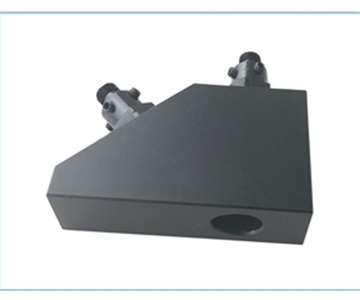
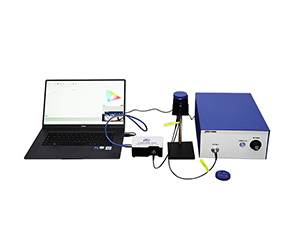
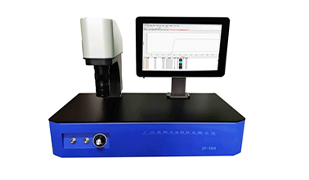
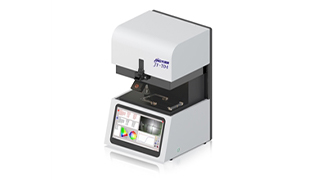
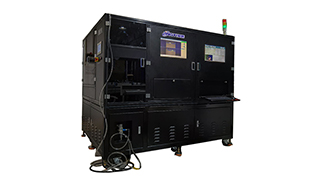
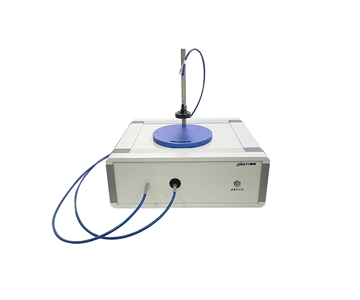
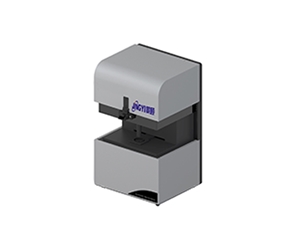
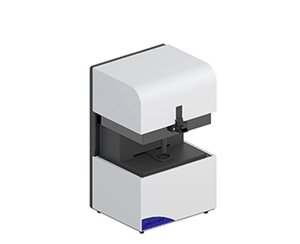
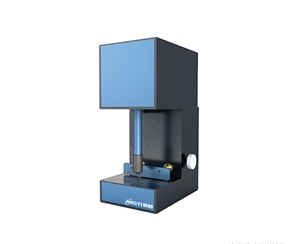
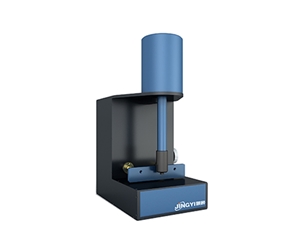
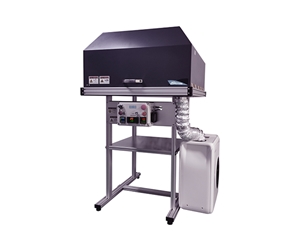
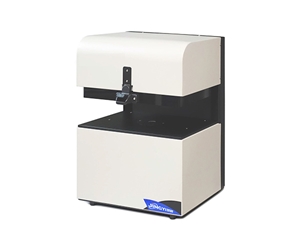
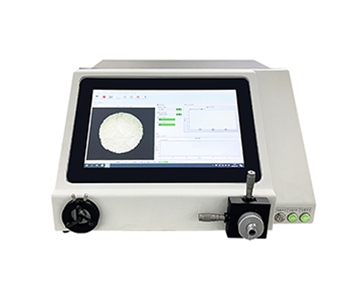
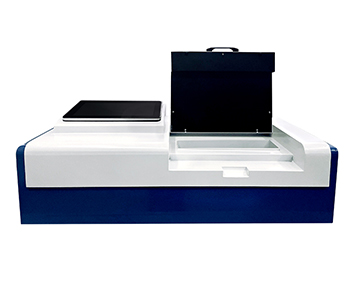
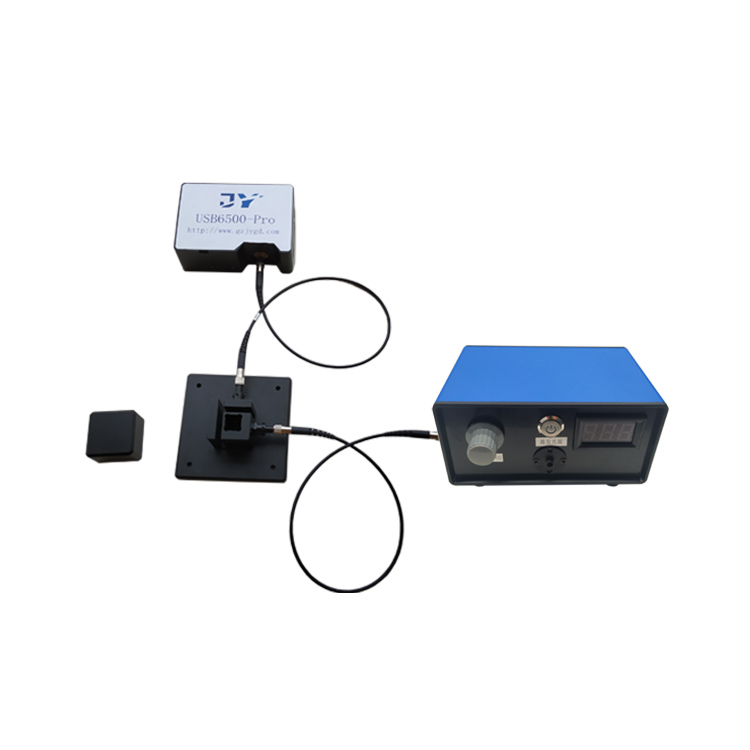
To address the calibration needs of small-format, high-precision optical components, Jingyi Optoelectronics has launched the JY-JFIOS150 universal transmittance integrating sphere uniform light source. It achieves industry-leading spatial uniformity for small-aperture outputs: equipped with a 55 W halogen lamp, its horizontal output port—just 5 mm in diameter—delivers >98% uniformity. Fully compliant with international and domestic optical testing standards—including LM79, GB/T 24824, and IEC 61612—the system also supports customizable light source types and flange-mounting configurations, resolving a longstanding industry pain point: the lack of suitably sized, uniform light sources for calibrating miniature sensors and compact imaging modules.
High-uniformity transmittance integrating sphere light sources find application across virtually every optical calibration scenario:
- In consumer applications, they enable flat-field correction and linearity testing for consumer-grade cameras and security cameras—even supporting standardized measurements of photographic exposure sensitivity (ISO).
- In industrial settings, they are indispensable for spectral response characterization of CMOS/CCD image sensors and sensitivity calibration of night-vision systems.
- For aerospace-grade missions, they serve as core calibration tools for spectral response calibration of satellite remote-sensing systems and ground-based radiometric calibration of deep-space optical instrumentation—covering the full spectrum from ultraviolet (UV) through visible to infrared (IR).
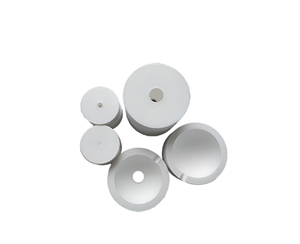
Ultimately, the performance ceiling of a transmittance integrating sphere is determined by its internal coating. Today’s mainstream high-reflectance coatings—fabricated via specialized processes or based on polytetrafluoroethylene (PTFE)—typically achieve reflectance values exceeding 98%. Critically, these coatings preserve the incident light’s spectral characteristics while ensuring effective diffuse homogenization—a prerequisite for their role as primary standard calibration light sources.
With the explosive growth of AI-powered vision systems, automotive imaging, and low-Earth-orbit (LEO) remote-sensing satellites, demand for higher-precision, more customizable calibration light sources continues to surge. In response, Jingyi Optoelectronics is continuously refining coating technologies and light-output control algorithms for transmittance integrating spheres—and introducing increasingly tailored solutions for niche applications—providing the entire optical metrology industry with ever more precise “light rulers.”
#ReflectanceIntegratingSphere #TransmittanceIntegratingSphere #UVIntegratingSphere #SprayCoatedIntegratingSphere #TransmittanceIntegratingSphere #IntegratingSphereUniformLightSource #IntegratingSphere