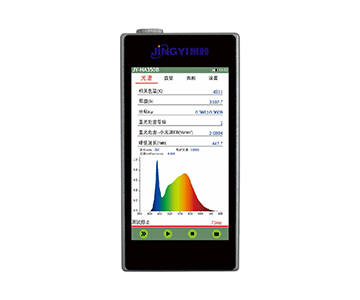
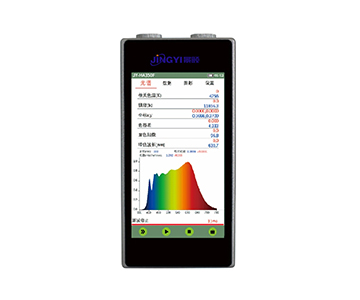
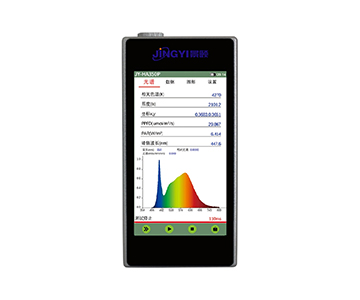
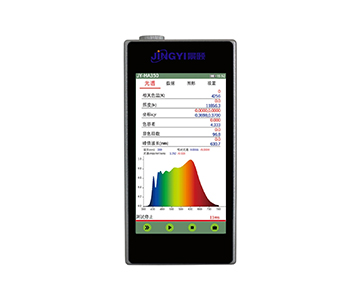
Many car owners, when applying window films to their vehicles in summer, often prioritize comparing heat rejection and UV-blocking rates—yet frequently overlook a critical safety parameter directly affecting driving safety: the overall visible light transmittance of the glass. In fact, numerous drivers have encountered issues such as being required to remove noncompliant dark films during annual vehicle inspections—or worse, experiencing impaired visibility at night or in rainy conditions, thereby introducing serious accident risks.
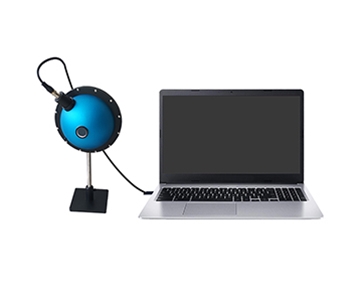
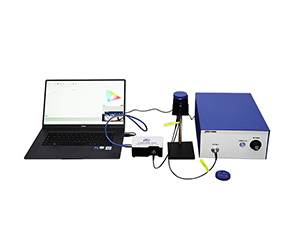
According to China’s mandatory “Technical Conditions for Safe Operation of Motor Vehicles,” the visible light transmittance of the front windshield and the driver-side window must be no less than 70%. This threshold is scientifically established based on visual clarity requirements under diverse lighting conditions. Even if a film offers exceptional thermal insulation, it fails to meet safety standards if its visible light transmittance falls below this limit. Many car owners assume that any film appearing “non-obstructive to vision” automatically complies—but human perception of light transmittance can deviate by over 20%. For instance, certain grayish, semi-dark films that *appear* acceptable may actually transmit only around 50% of visible light—well below the safety threshold. Accurate measurement therefore requires professional transmittance testing equipment.
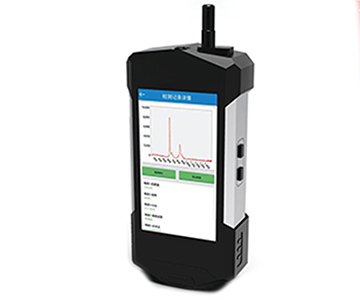
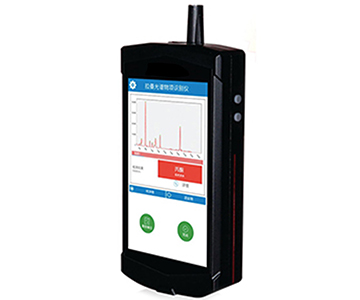
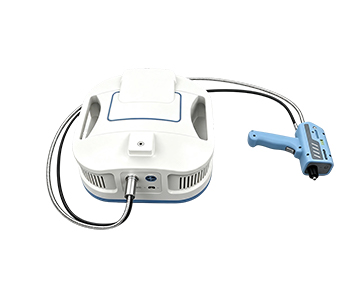
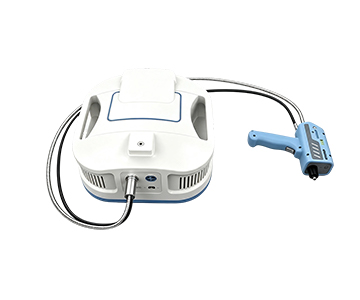
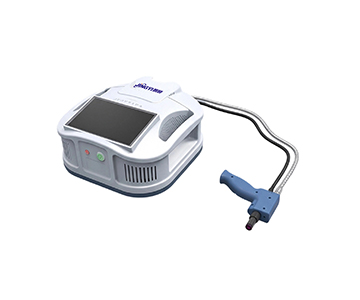
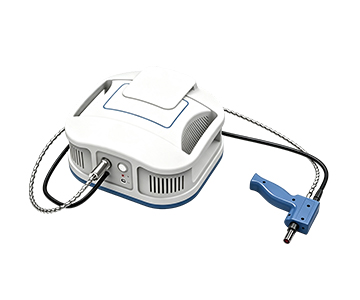
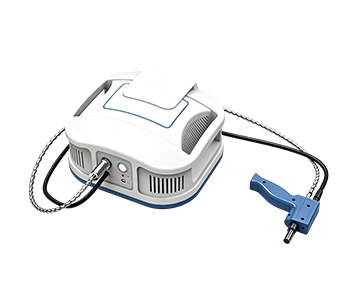
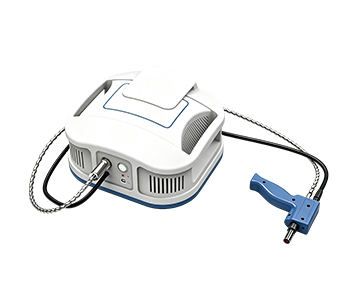
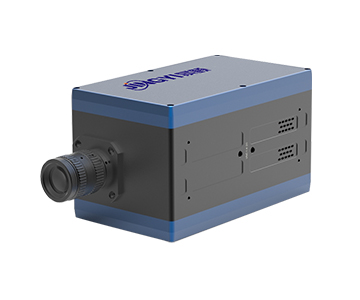
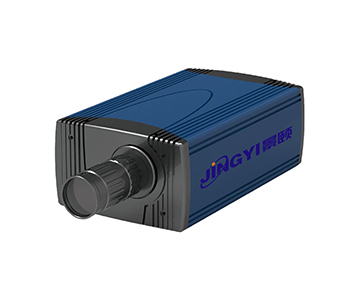
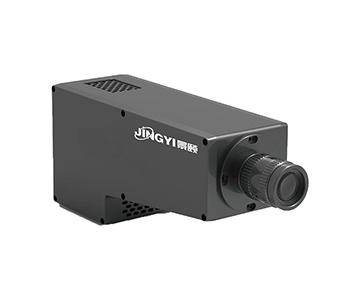
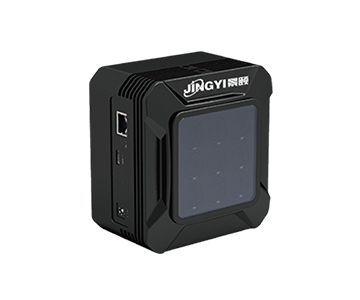
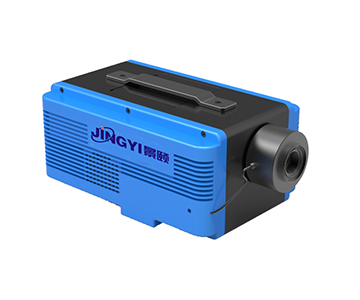
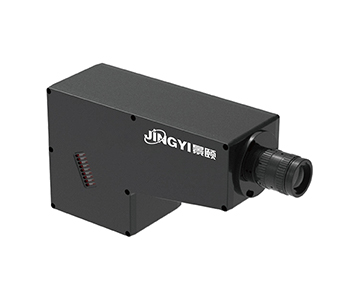
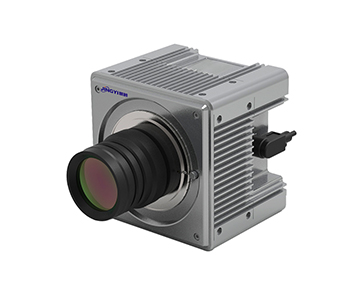
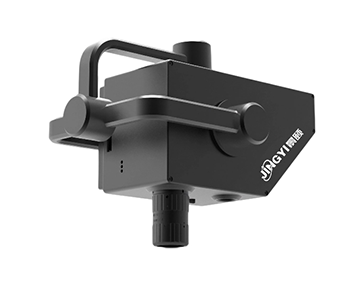
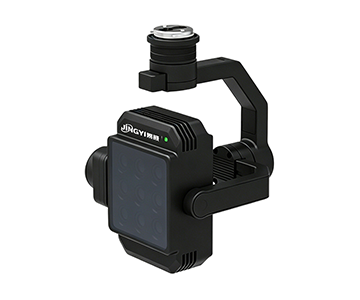
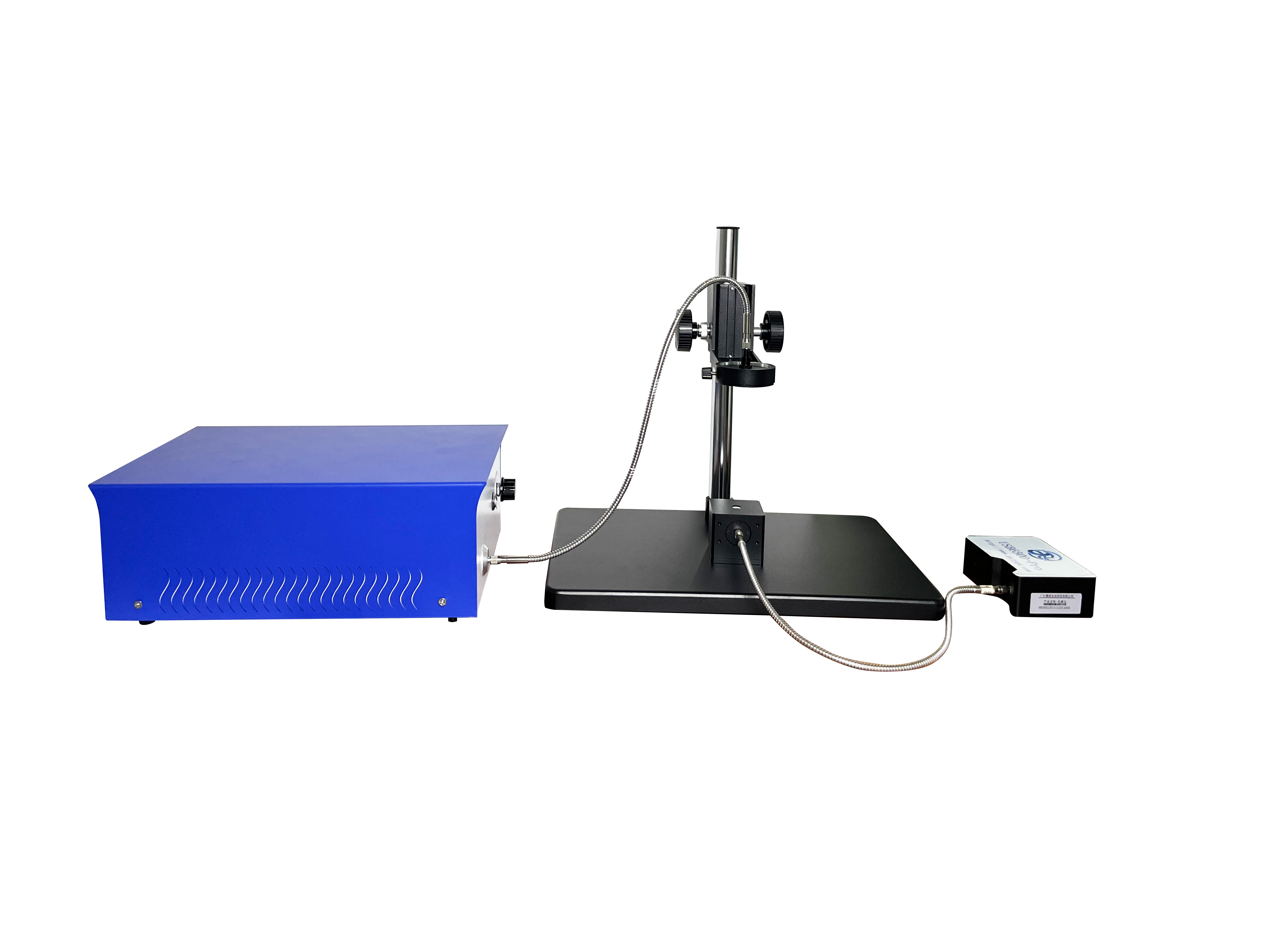
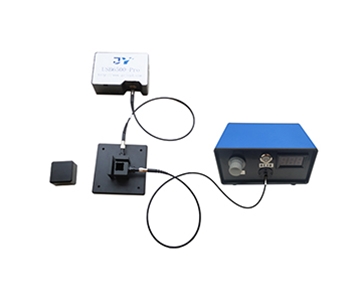
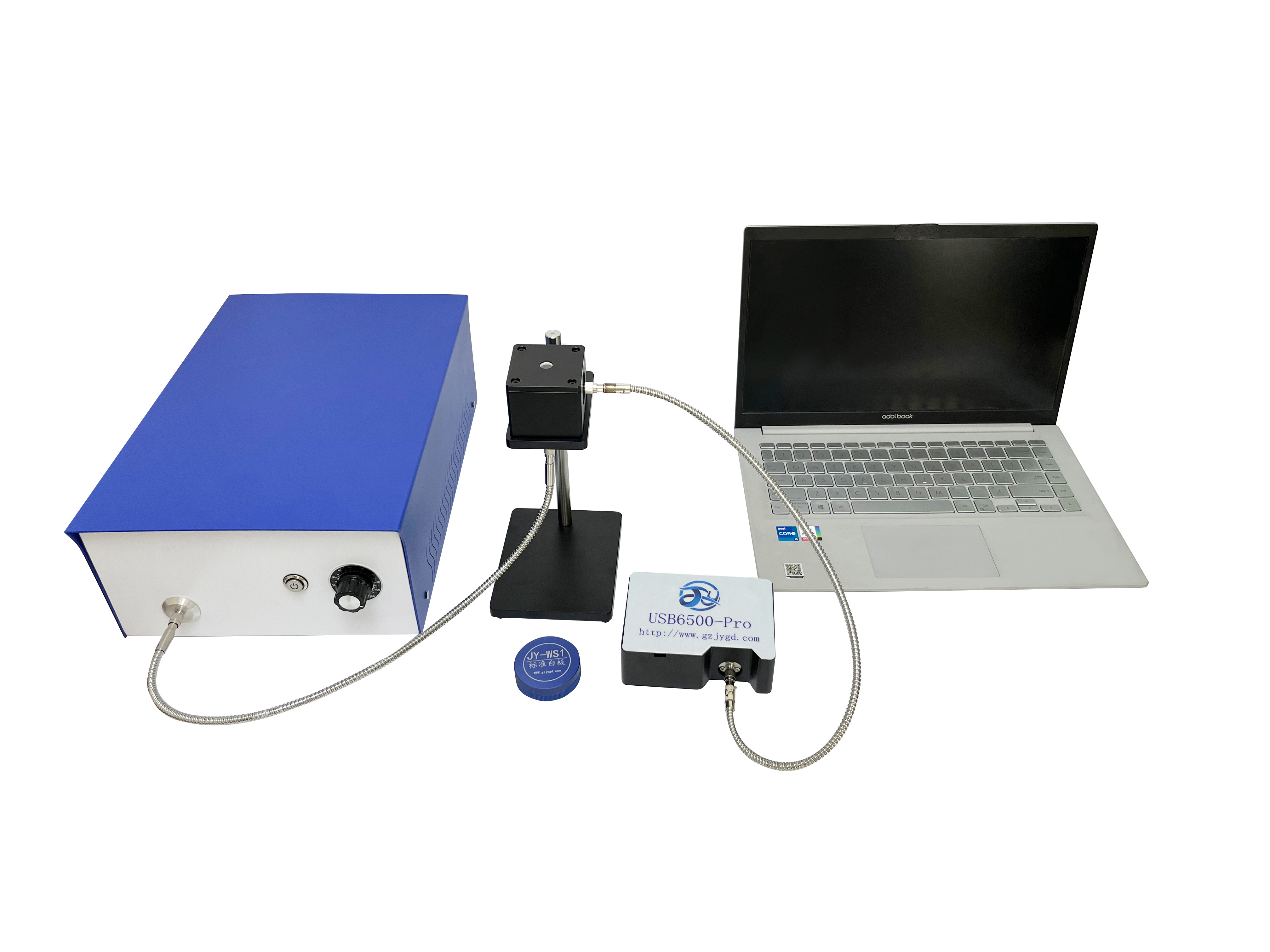
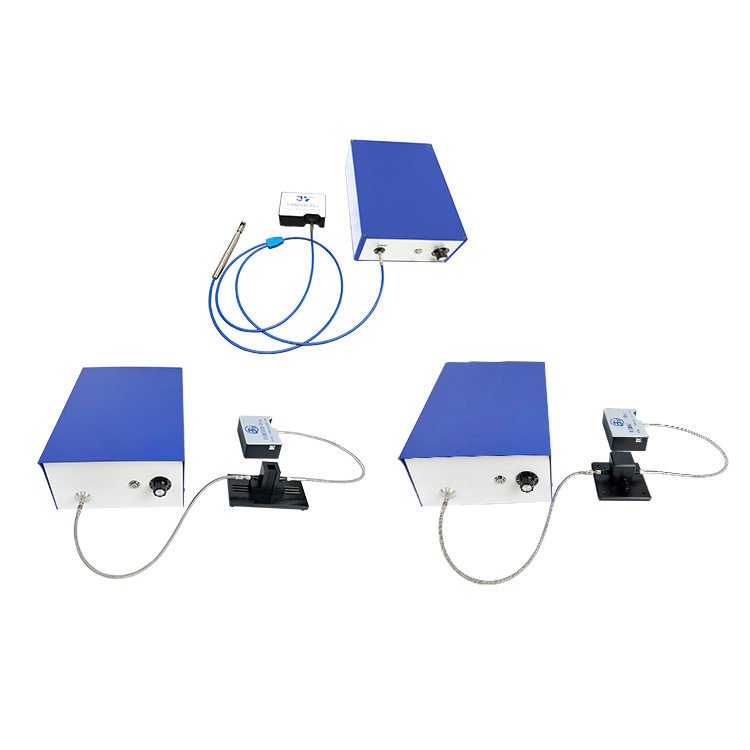
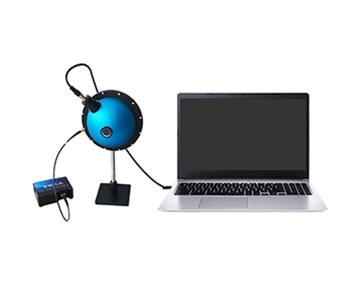
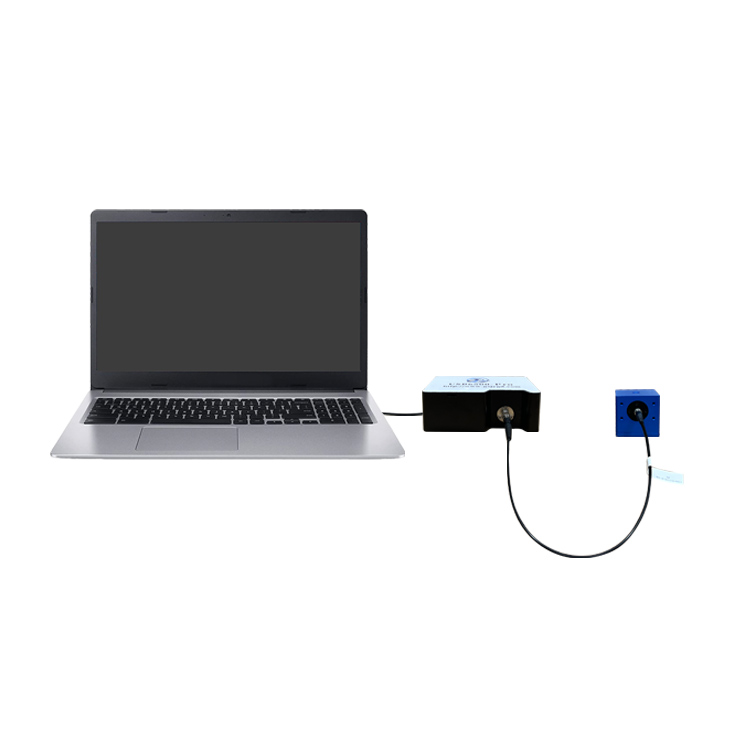
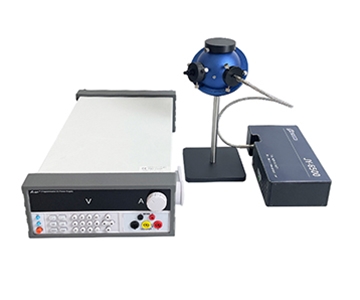
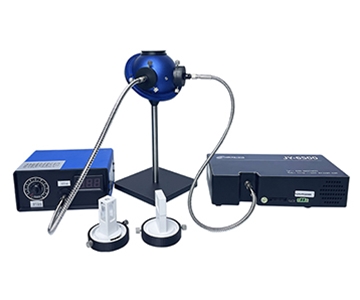
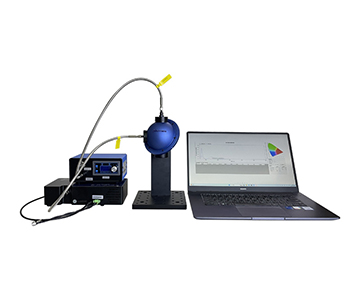
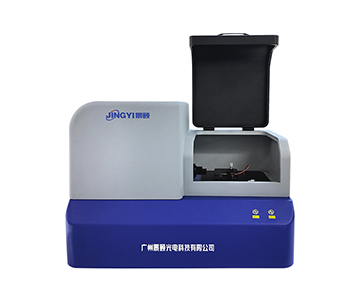
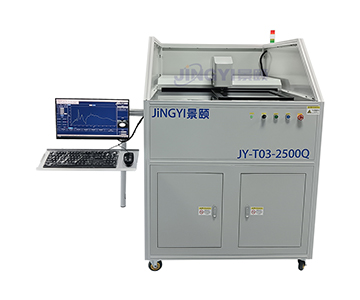
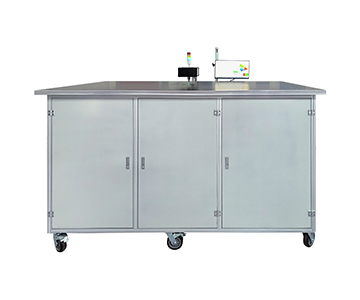
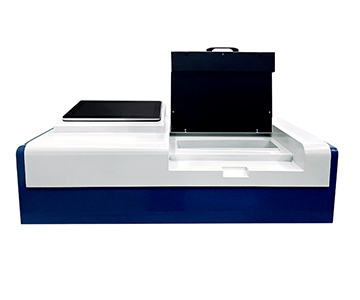
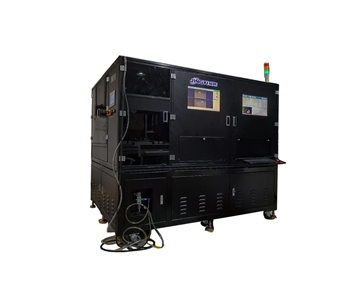
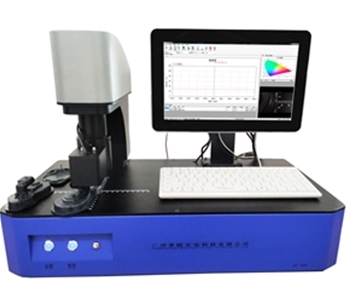
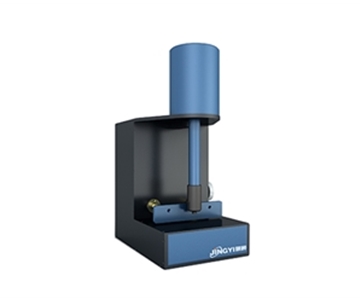
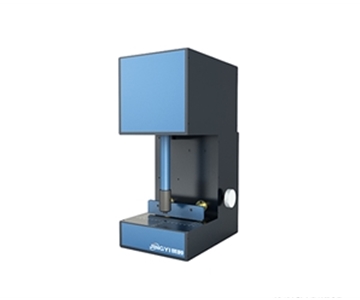
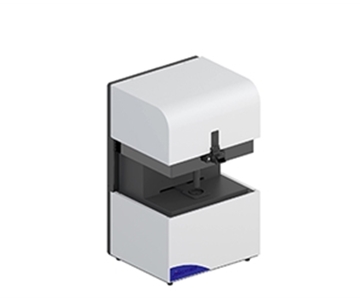
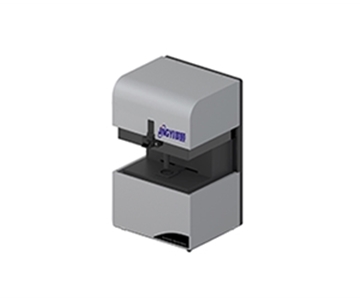
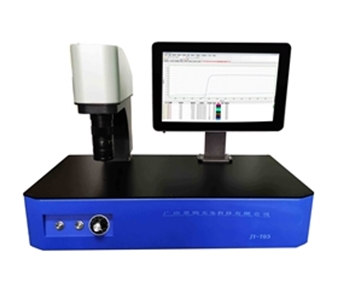
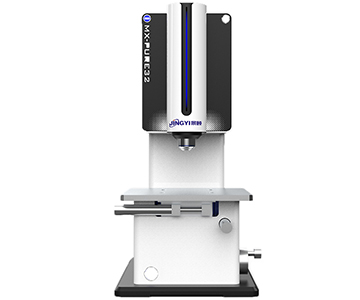
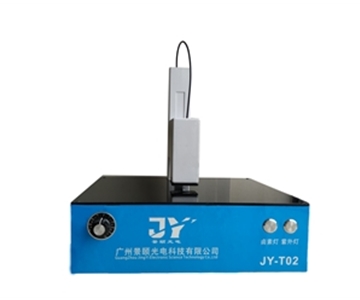
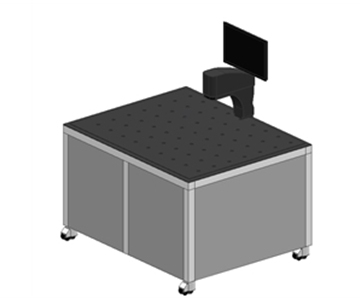
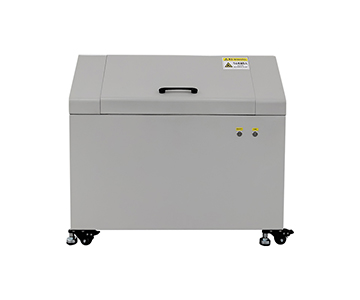
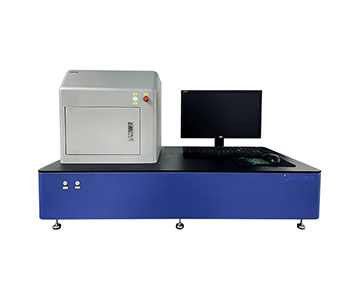
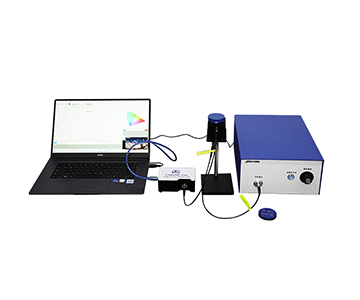
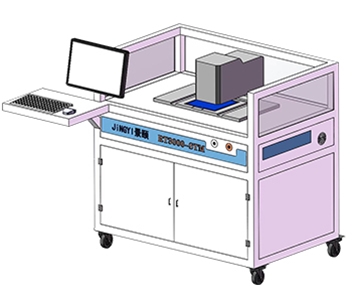
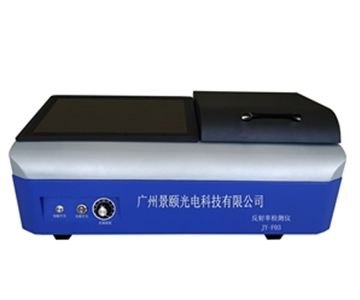
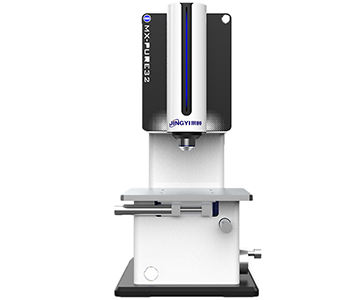
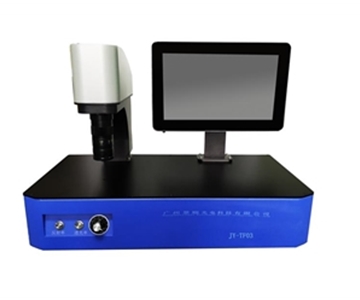
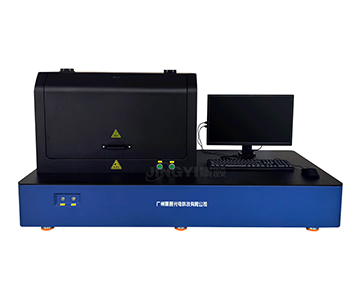
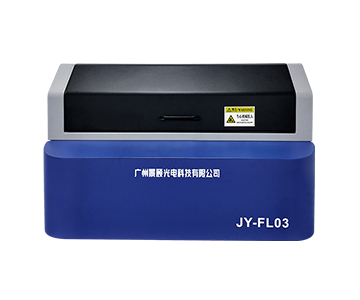
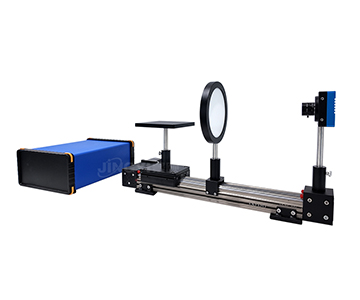
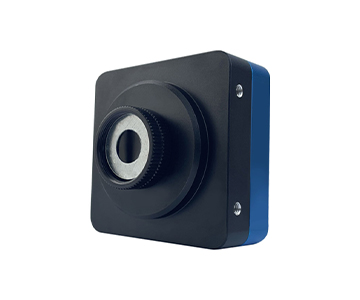
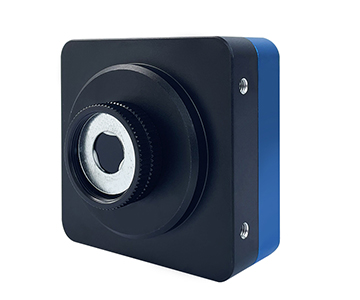
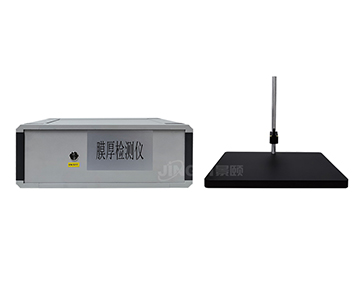
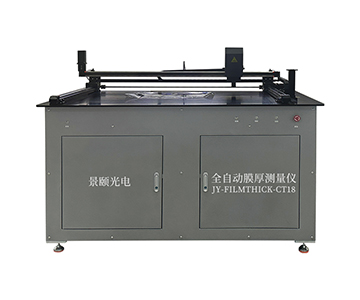
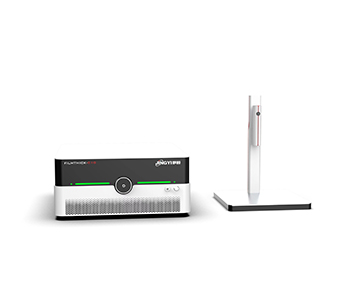
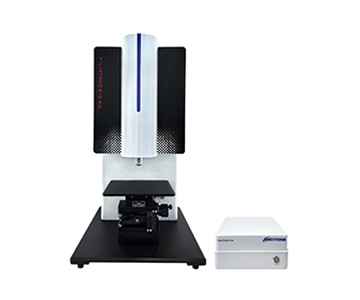
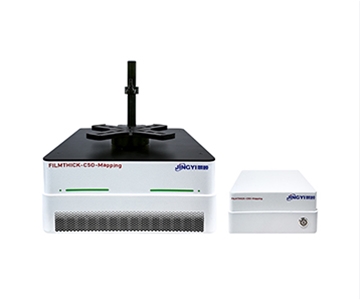
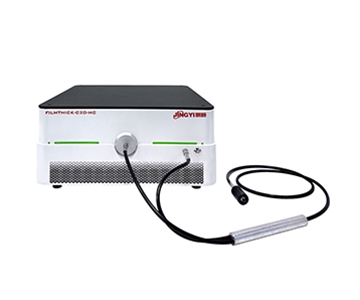
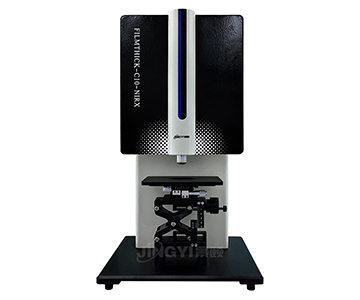
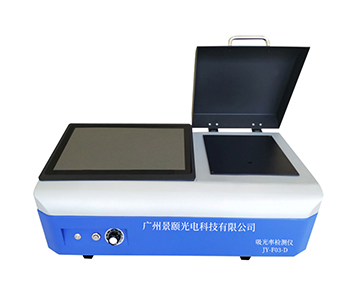
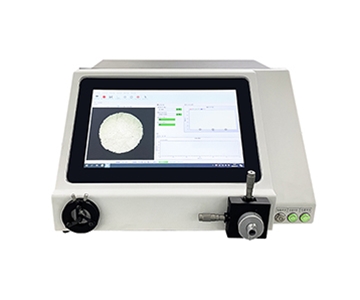
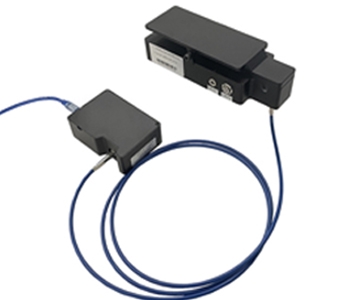
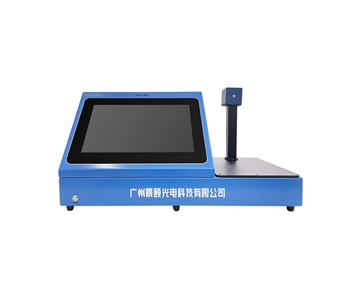
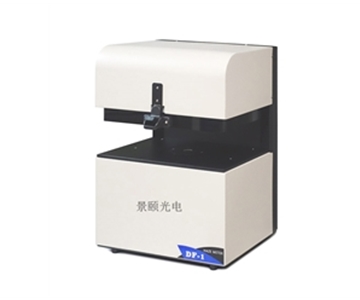
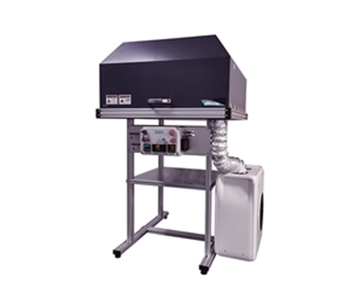
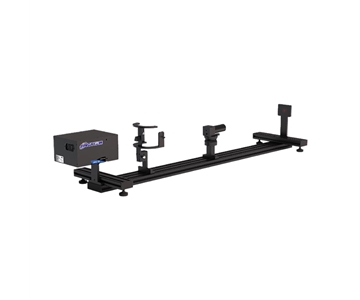
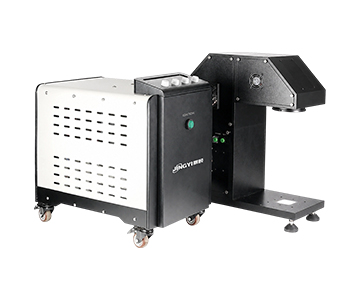
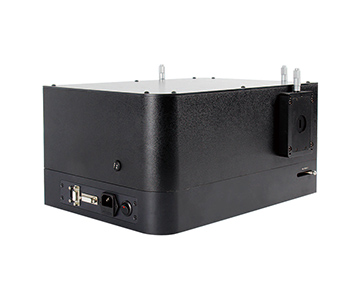
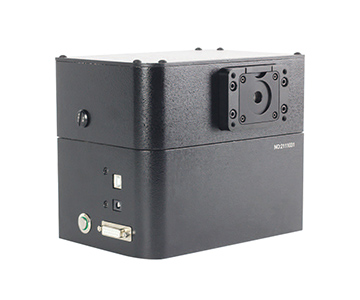
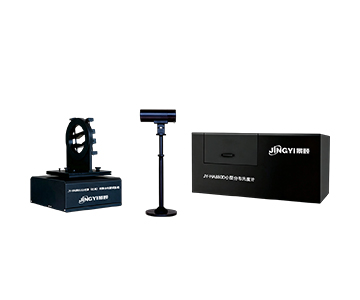
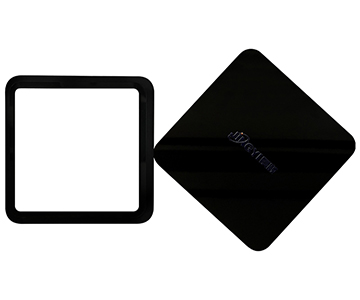
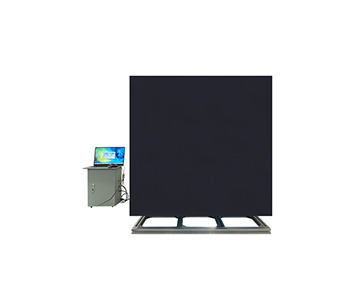
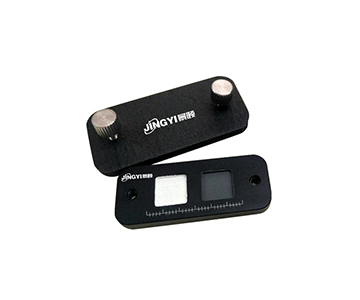
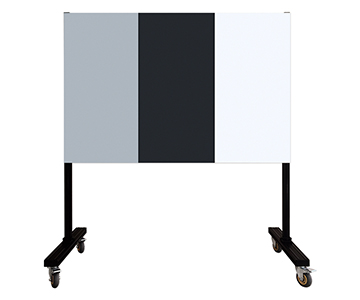
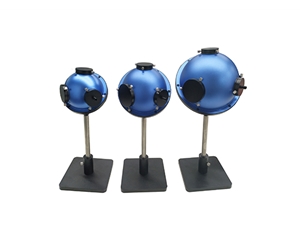
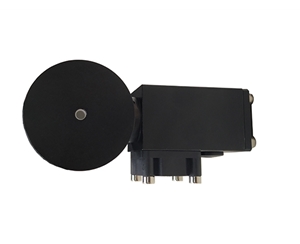
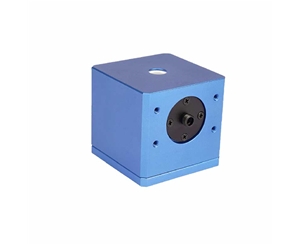
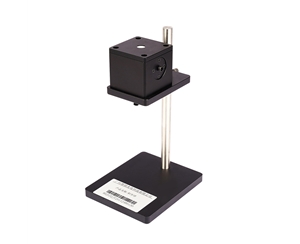
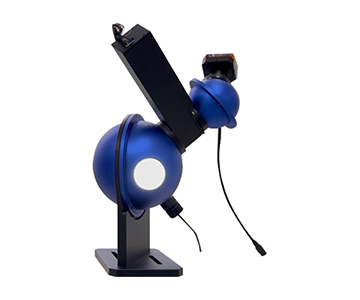
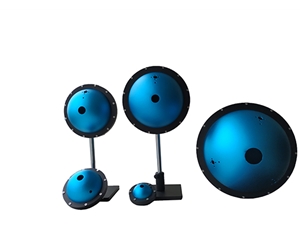
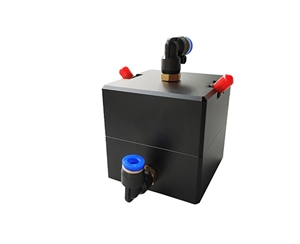
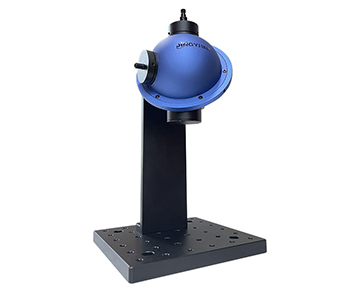
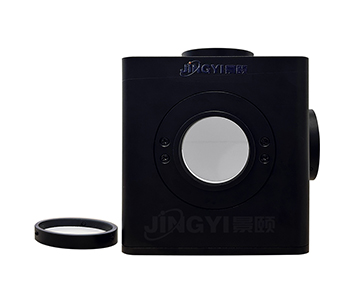
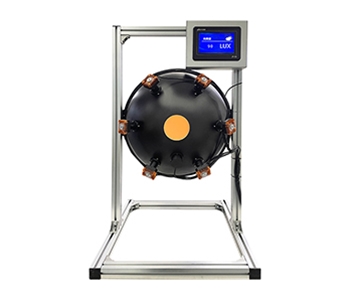
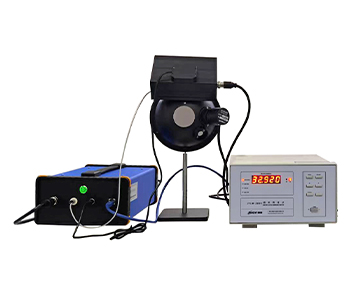
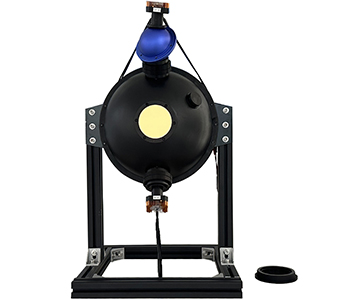
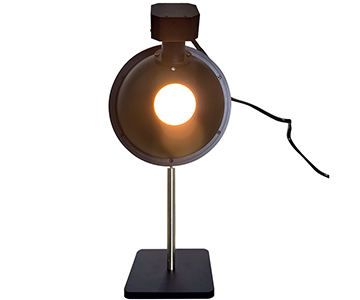
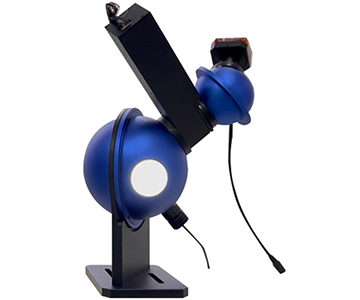
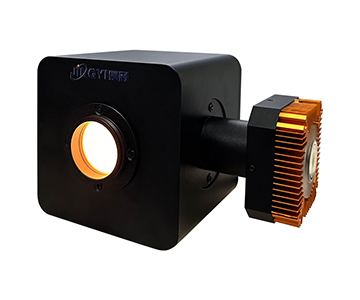
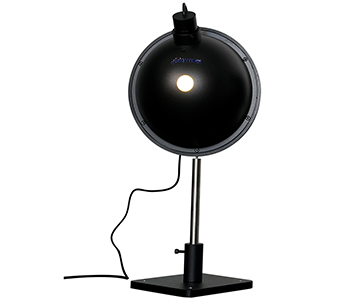
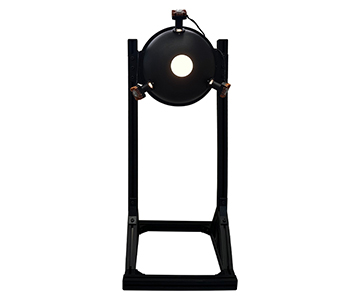
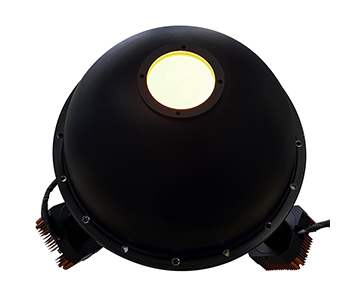
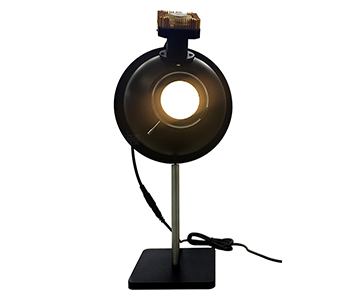
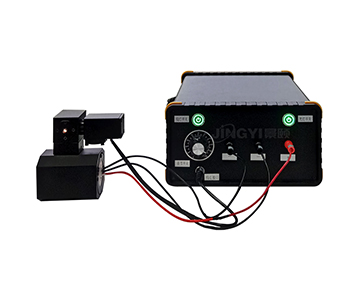
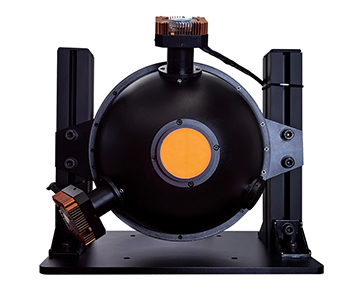
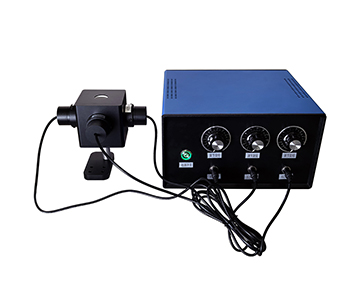
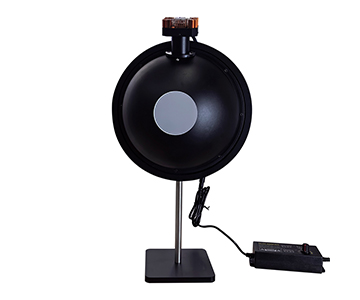
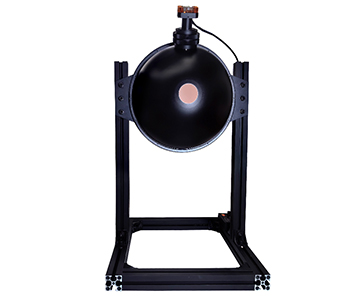
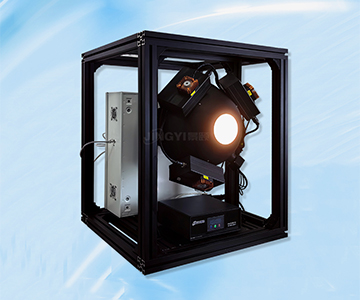
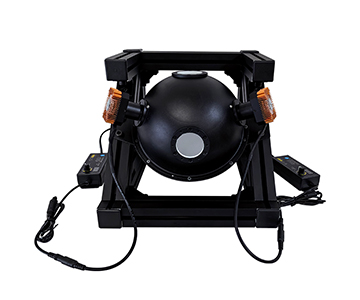
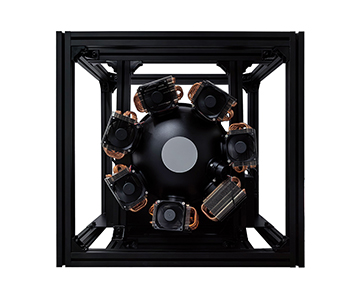
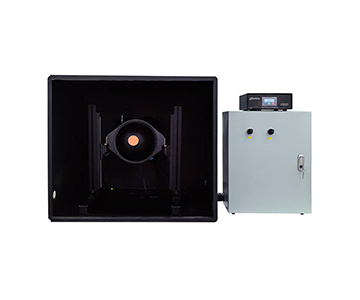
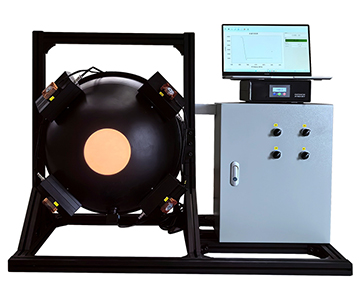
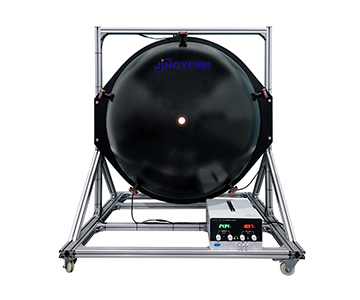
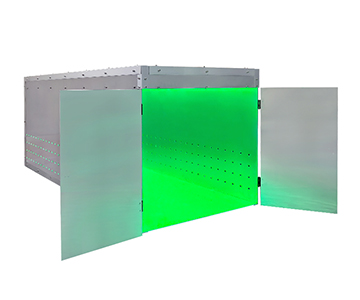
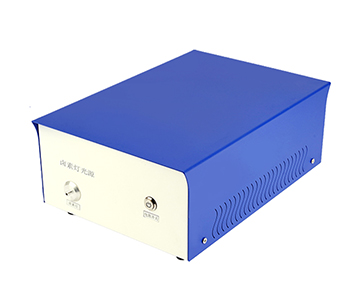
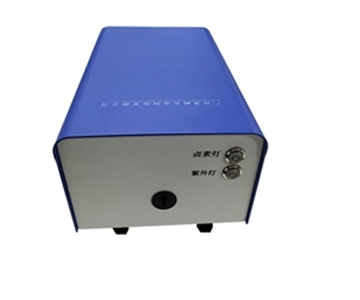
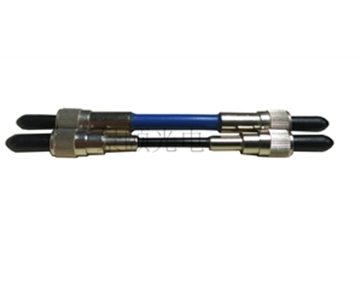
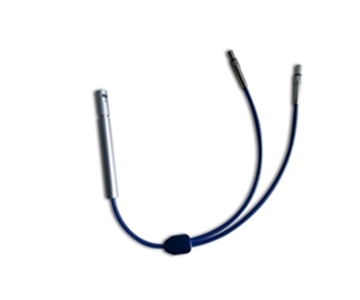
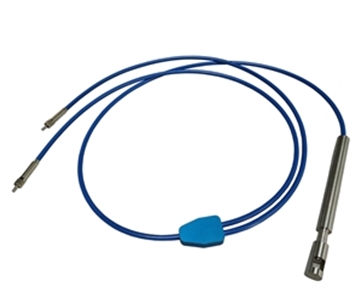
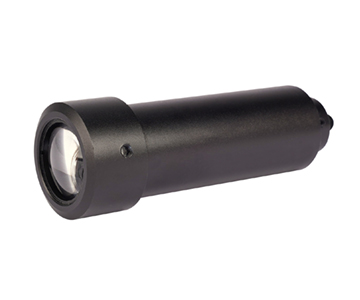
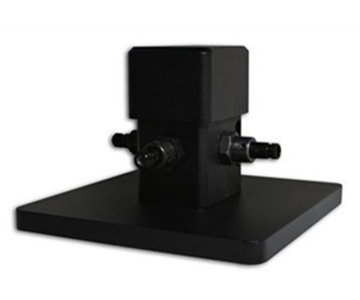
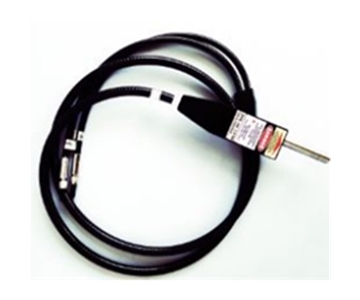
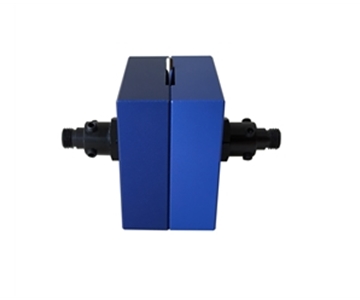
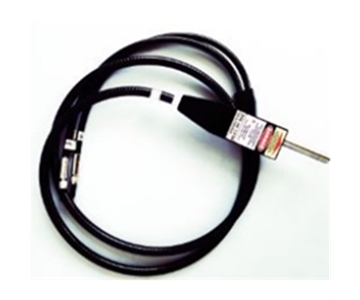
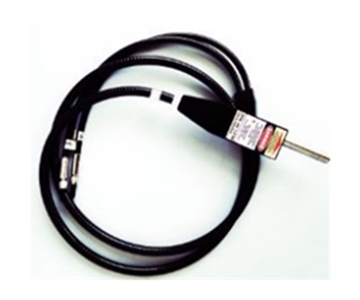
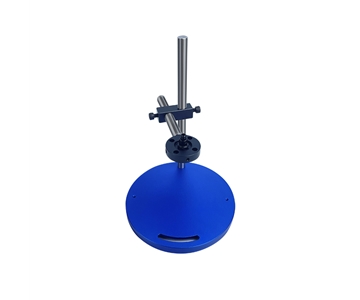
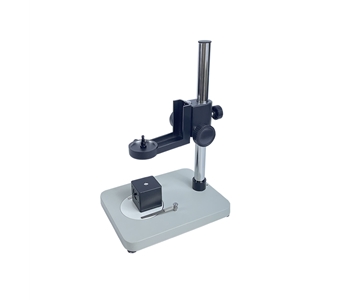
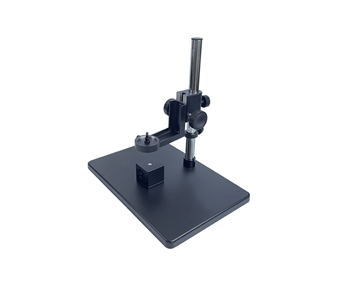
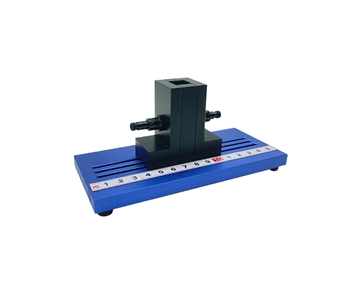
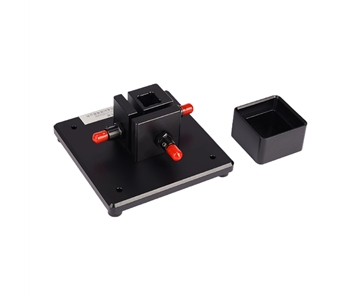
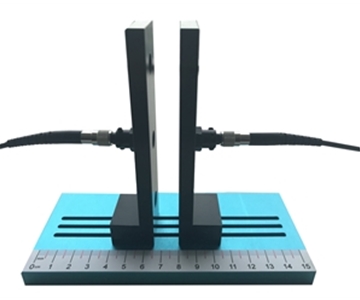
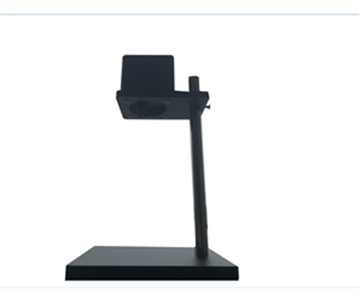
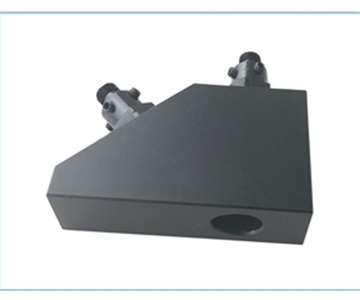
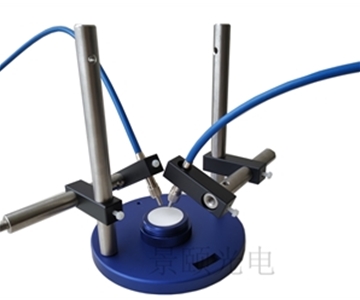
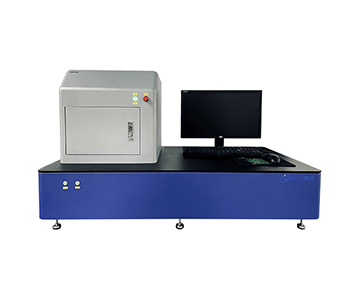
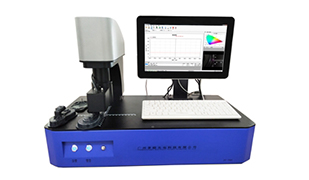
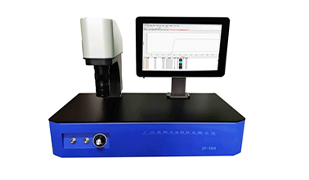
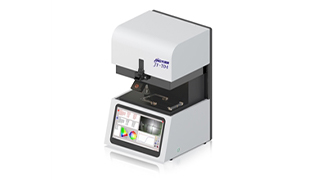
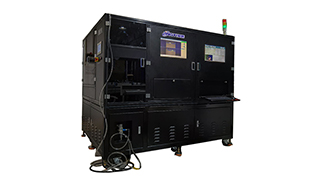
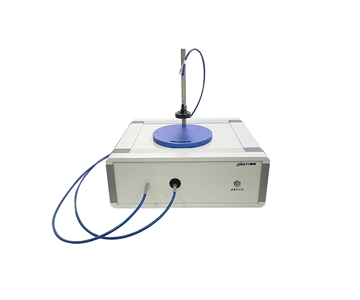
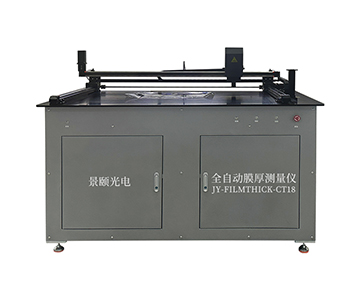
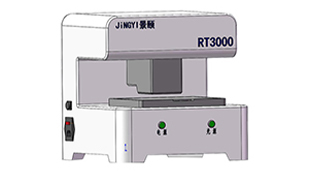
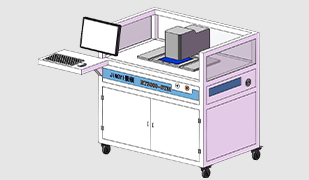
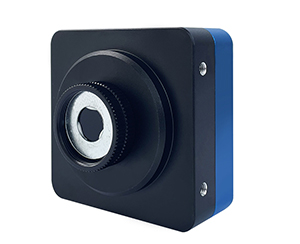
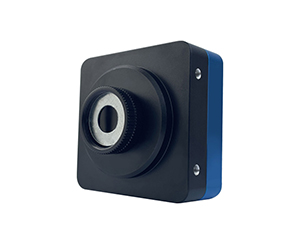
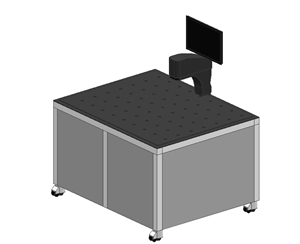
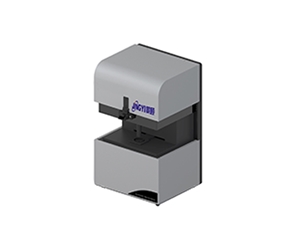
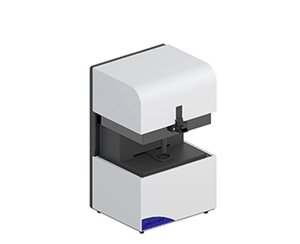
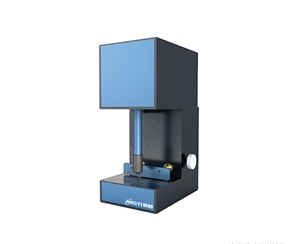
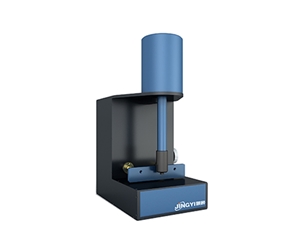
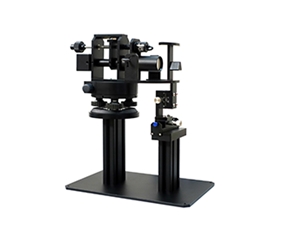
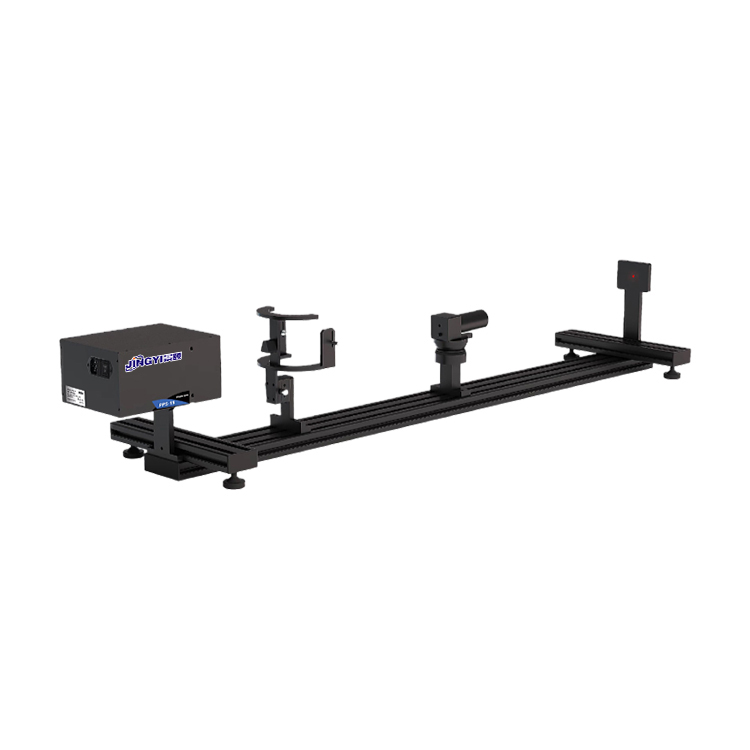
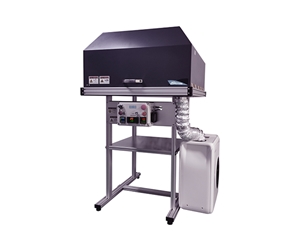
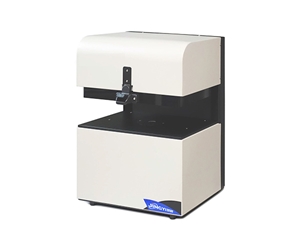
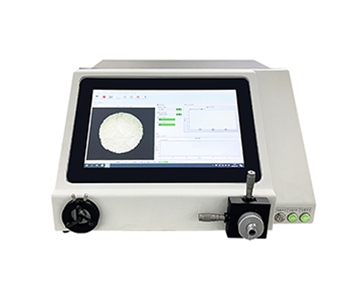
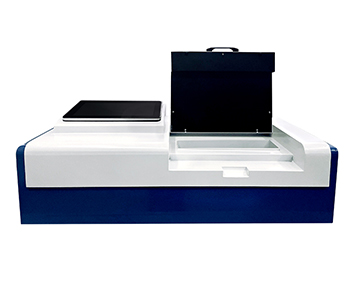
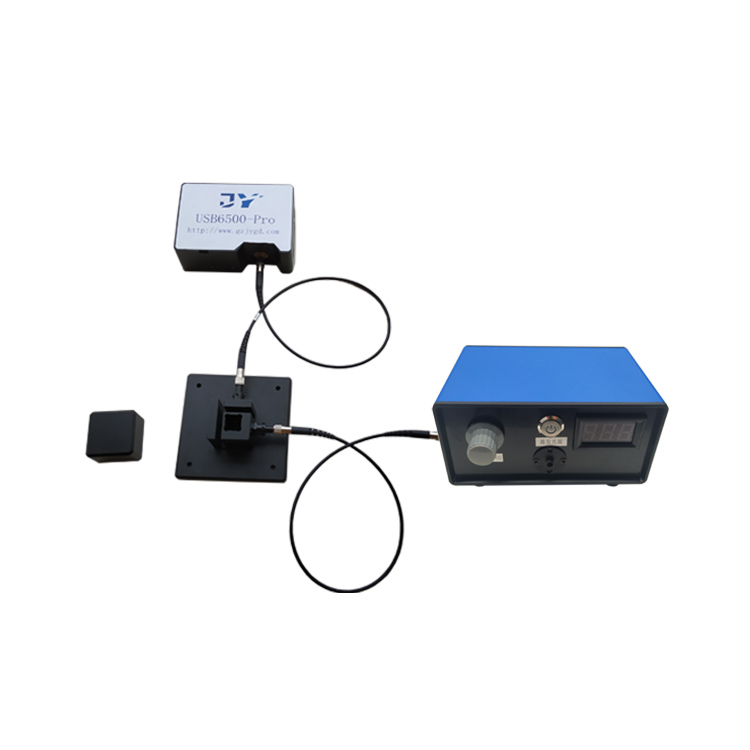
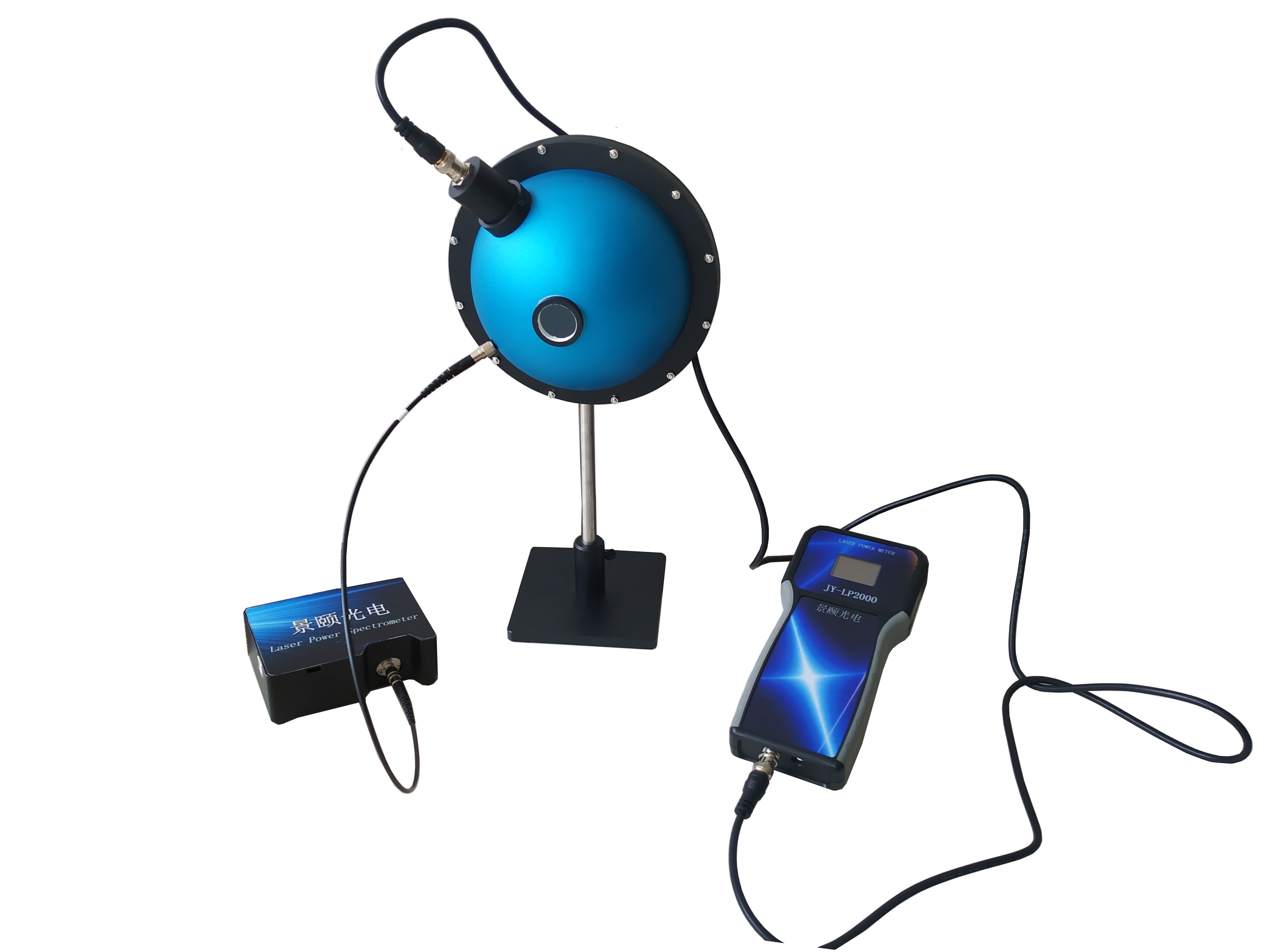
Conventional single-point transmittance meters typically rely on a host–slave configuration, using localized visible-light illumination to calculate transmittance at one spot. While sufficient for basic single-point checks, they fall short when inspecting larger components—such as automotive headlamp lenses or plastic welded parts—that demand multi-point, synchronous verification of transmittance uniformity. Single-point testing risks missed measurements and introduces significant result bias if probe placement is suboptimal. To address such complex, multidimensional transmittance testing needs, Jingyi Optoelectronics has independently developed the JY-T980 transmittance meter—breaking free from traditional single-point limitations. Specifically optimized for near-infrared transmittance characteristics, this device enables full-surface, panoramic scanning. It synchronously captures transmittance data across *all* points within the detection area, completing an entire component scan in as little as one second—eliminating the risk of missed measurements entirely.
Unlike conventional instruments restricted to fixed-position detection, the JY-T980 allows users to define custom inspection zones according to part geometry and testing requirements—and even preset pass/fail thresholds for acceptable transmittance values. Upon scanning, the system automatically extracts all transmittance data from the designated zone, instantly evaluates compliance against the set criteria, and outputs a direct “Pass” or “Fail” result—removing the need for manual data comparison and boosting inspection efficiency by up to tenfold. The JY-T980 is also widely deployed in quality assurance processes across the automotive parts manufacturing sector—for applications including transmittance testing of instrument panel optical components, plastic rearview mirror brackets, translucent engine-bay plastic parts, and headlamp lens uniformity verification. Moreover, in the increasingly prevalent plastic laser welding process, the device helps predict final weld quality by assessing pre-weld transmittance uniformity—enabling manufacturers to rigorously control process quality from the outset.
Whether verifying post-installation film compliance for end-users or ensuring stringent quality control on the production line, professional transmittance testing equipment remains a core tool for safeguarding safety and enhancing quality assurance efficiency. As performance demands for transparent components continue rising across both automotive manufacturing and consumer markets, full-scene, high-precision transmittance testing technology will play an ever-expanding role across diverse industries.
#TransmittanceMeter #TransmittanceTestingInstrument #TransmittanceTester #TransmittanceTestSystem #LightTransmittanceMeter #TransmittanceMeasurementInstrument