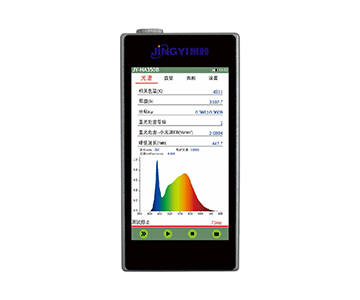
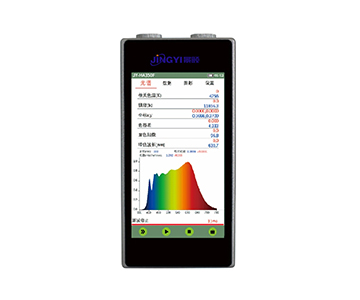
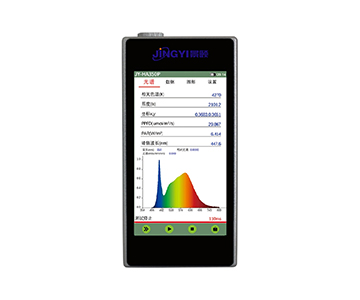
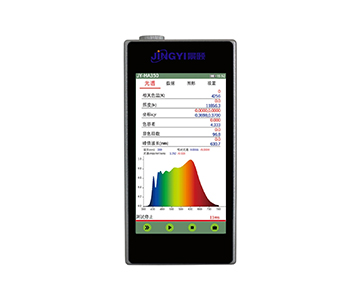
A Domestic Solution for Nanoscale Thin-Film Inspection: Non-Destructive, High-Precision Measurement—Putting Microscale Parameter Control Firmly in Our Own Hands
Today’s competition in high-end manufacturing has extended into the nanoscale domain. Whether it’s the gate oxide layer in 3-nm chips, anti-reflective optical coatings for AR glasses, or drug-eluting layers on biodegradable medical stents—even a 1-nm deviation in film thickness can degrade device performance by over 30%, or render the entire component unusable. For years, high-precision film-thickness metrology equipment has relied heavily on imports. Not only are acquisition costs high and maintenance cycles lengthy, but measurement parameters for certain specialized materials often require paid customization—posing significant constraints on domestic R&D and production.
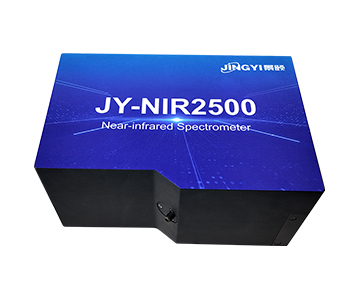
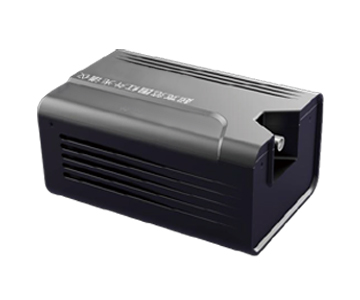
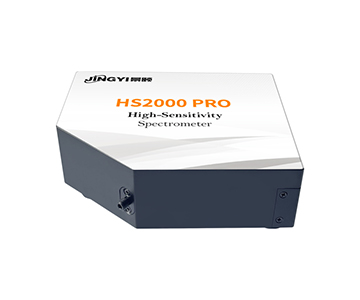
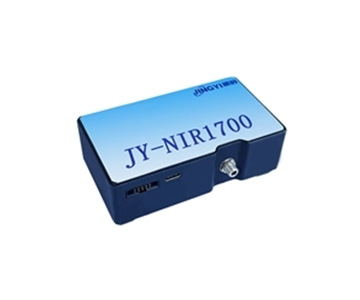
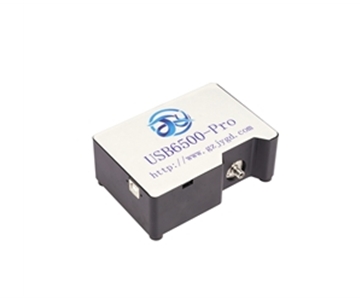
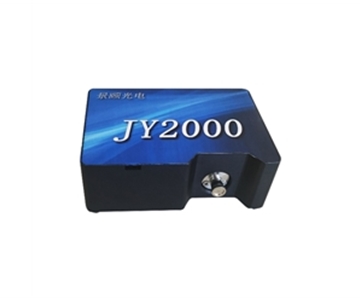
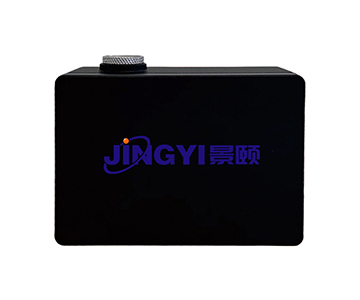
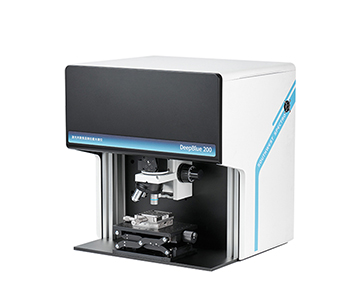
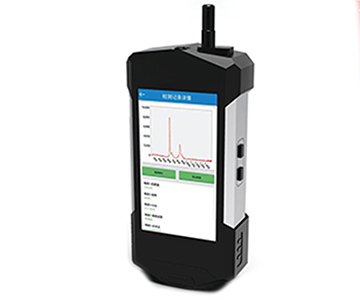
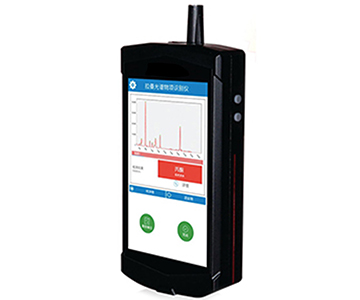
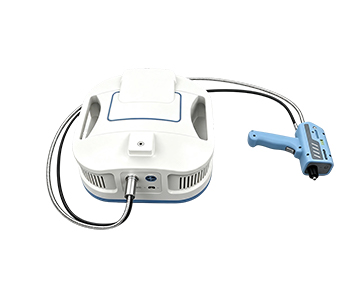
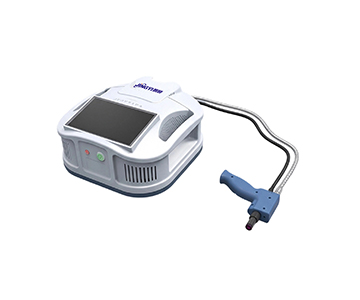
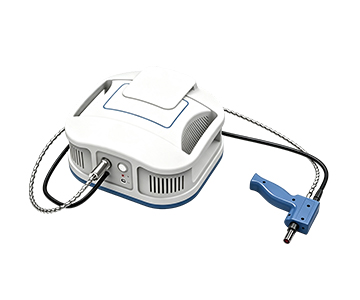
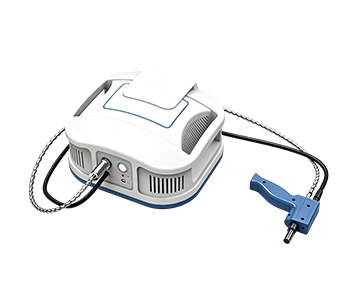
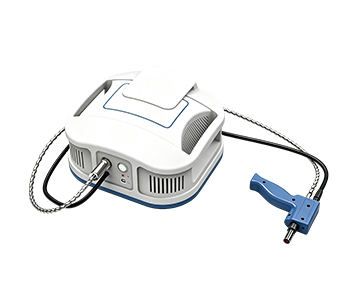
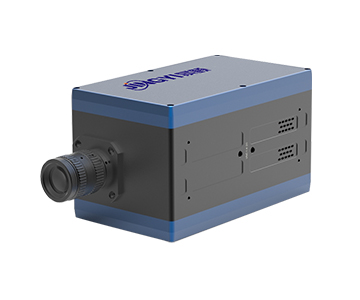
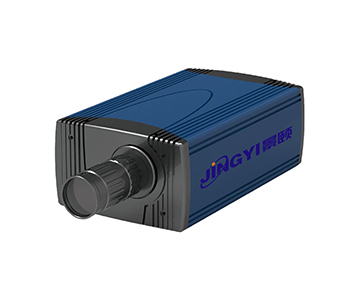
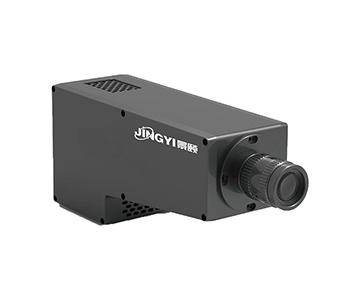
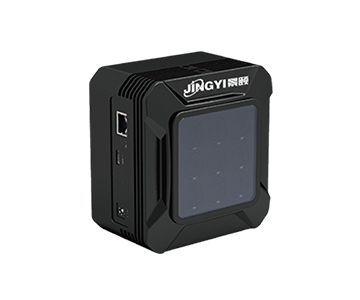
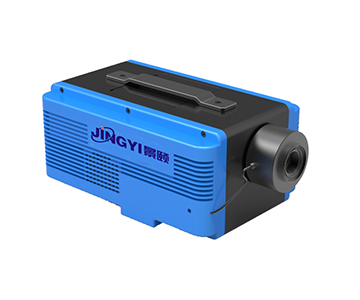
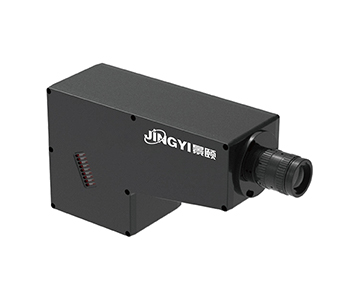
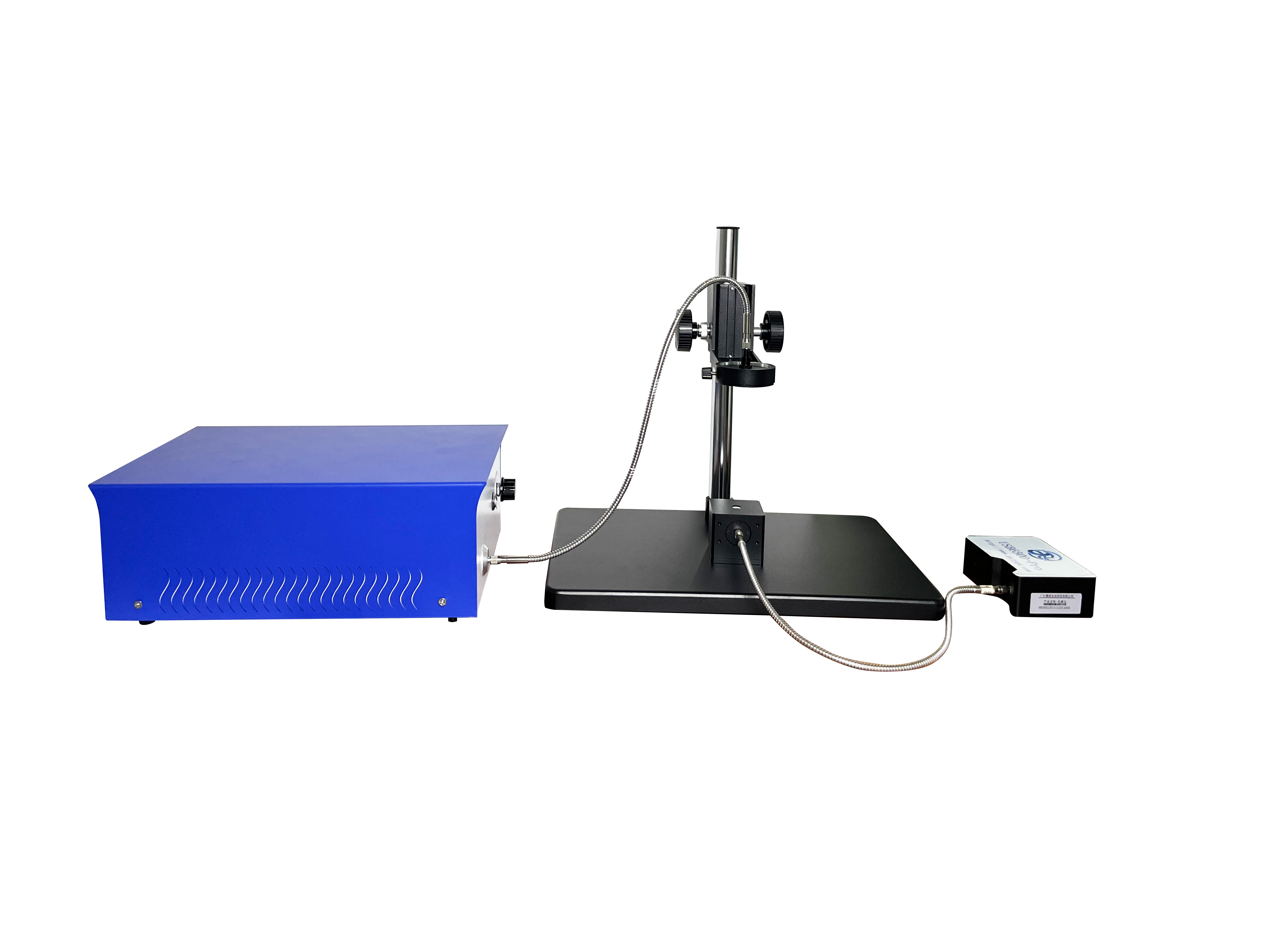
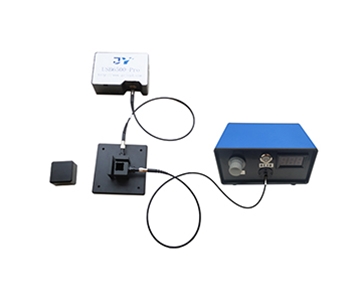
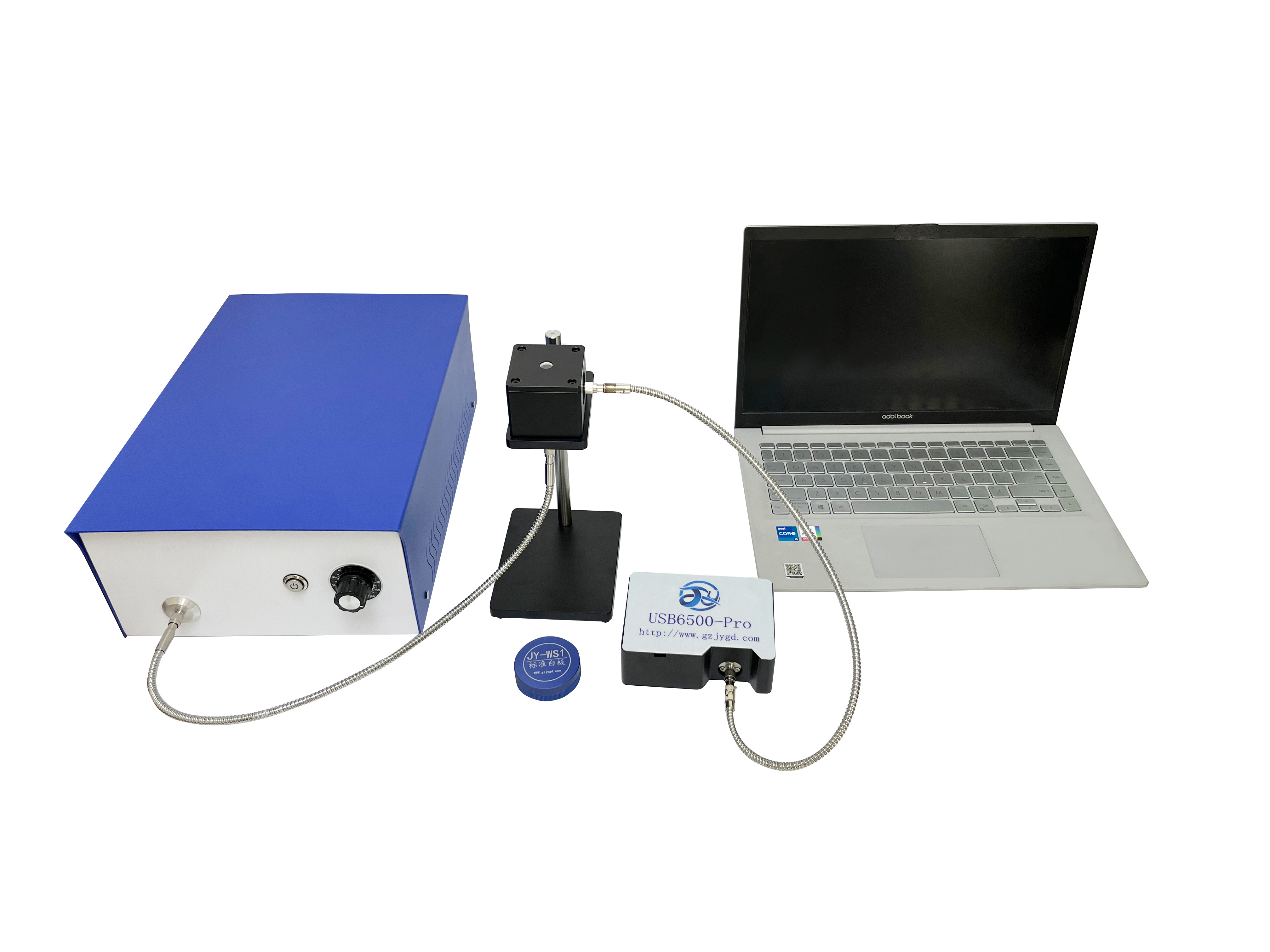
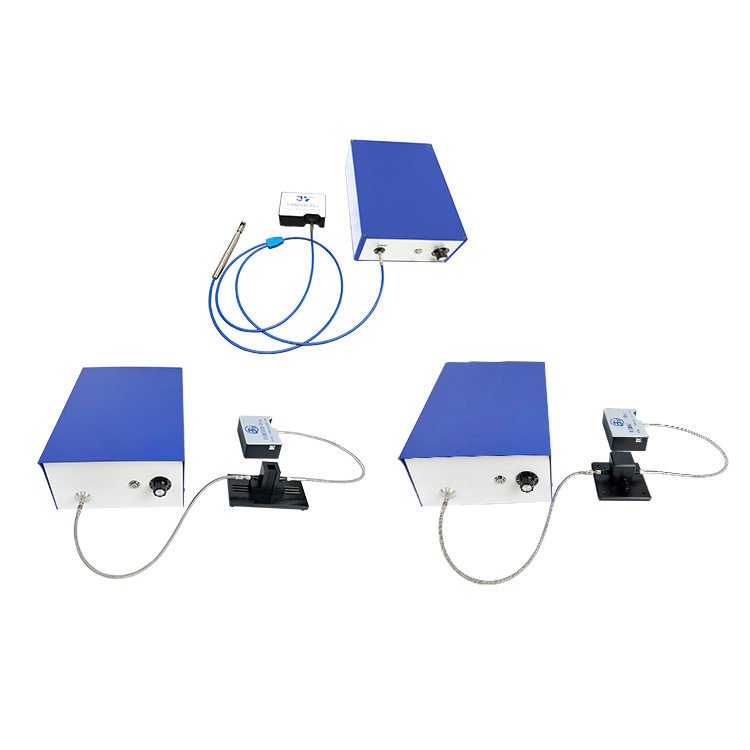
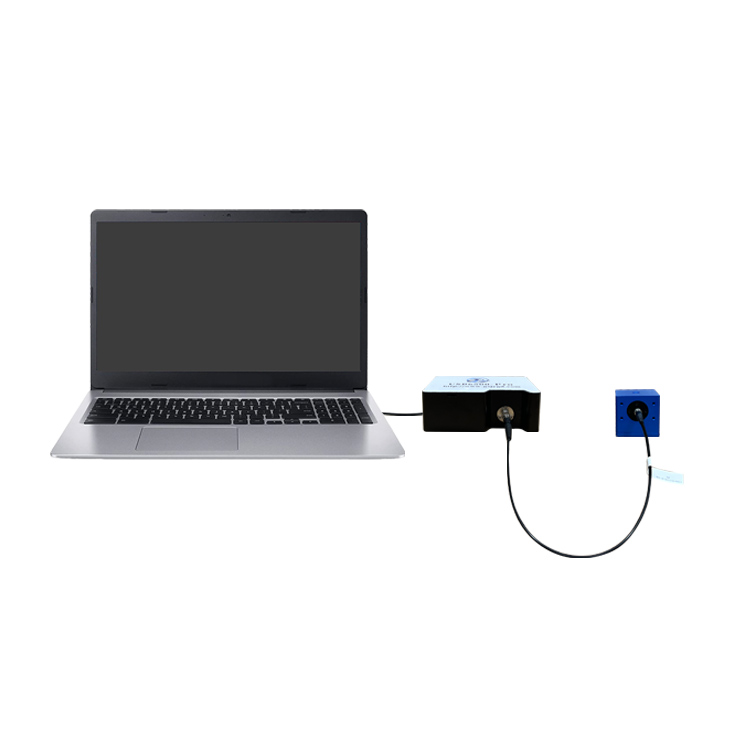
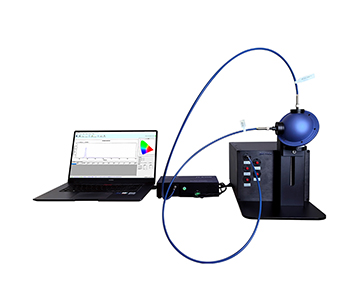
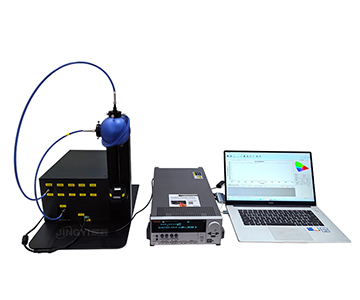
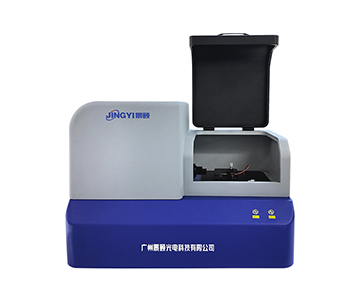
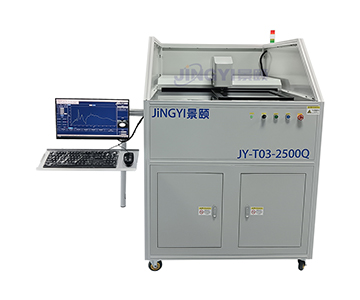
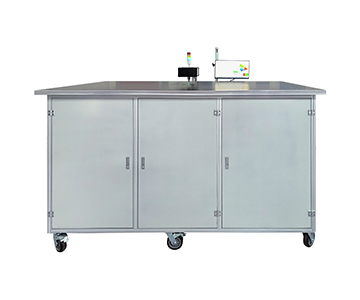
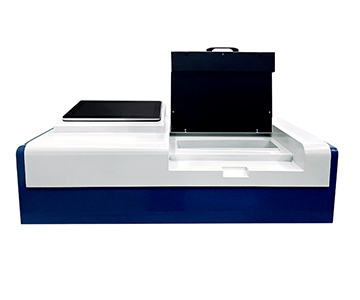
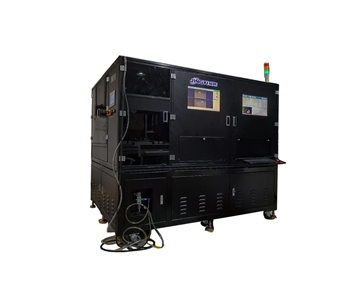
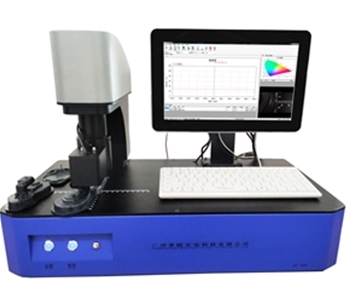
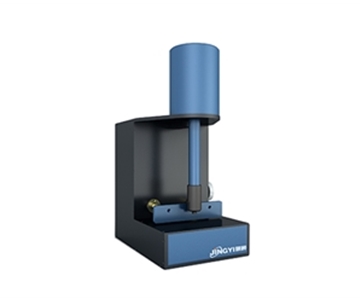
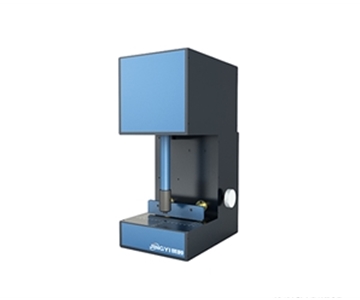
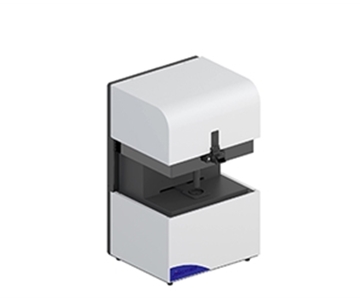
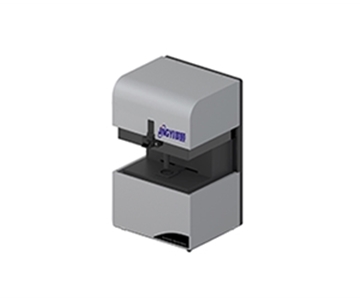
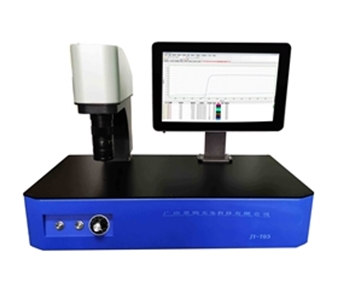
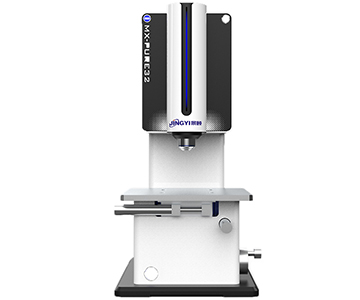
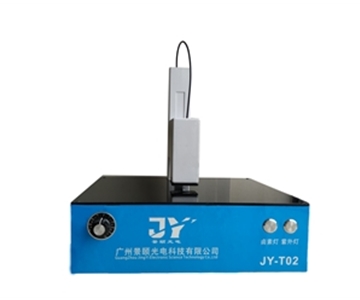
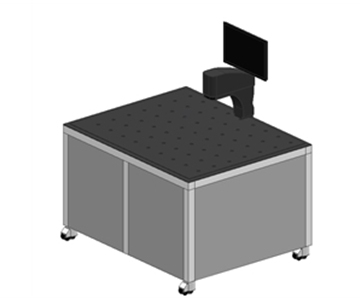
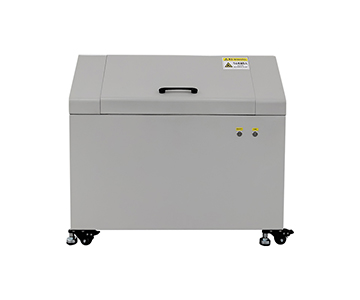
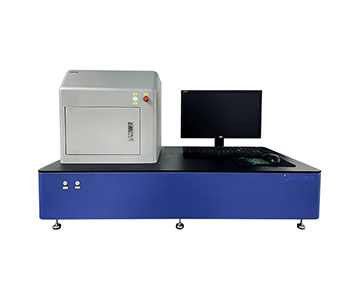
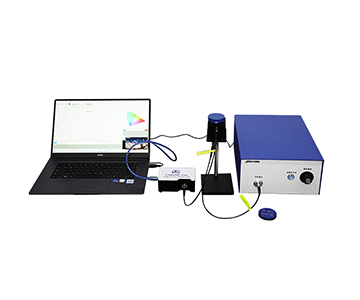
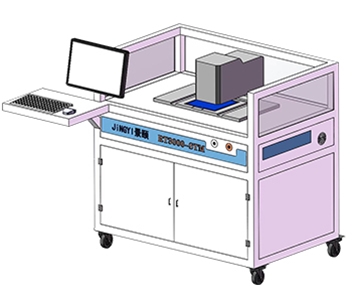
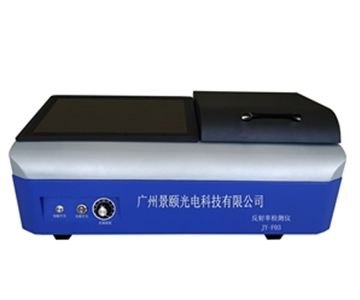
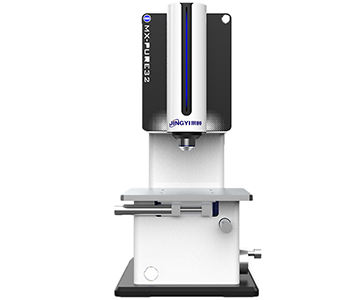
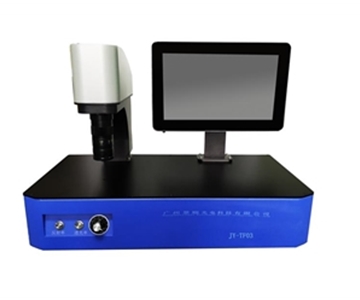
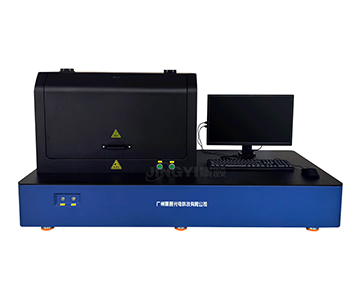
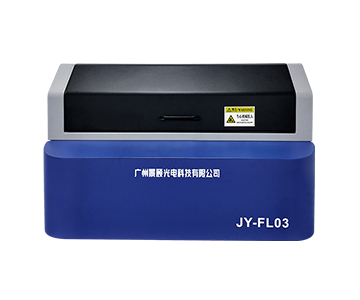
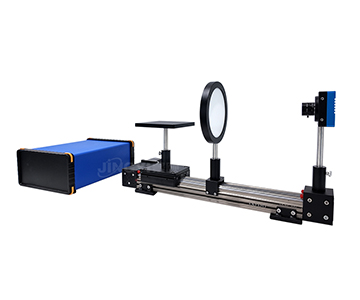
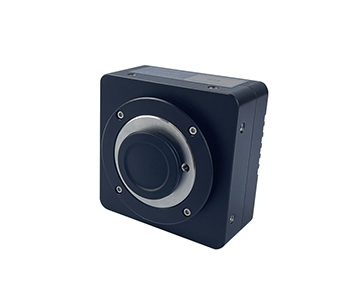
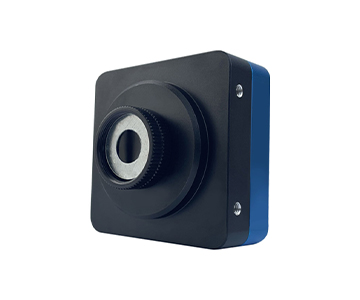
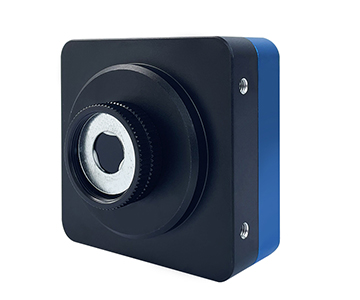
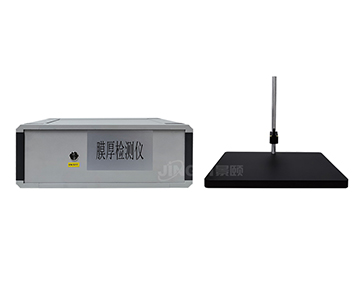
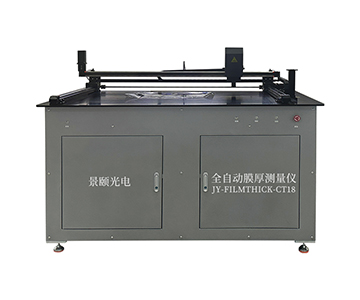
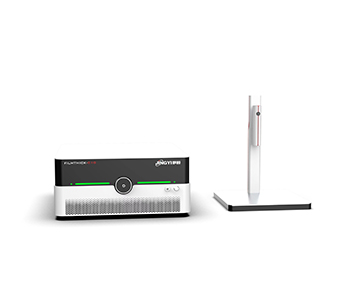
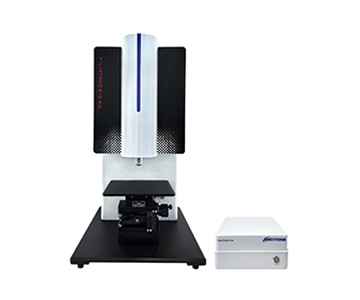
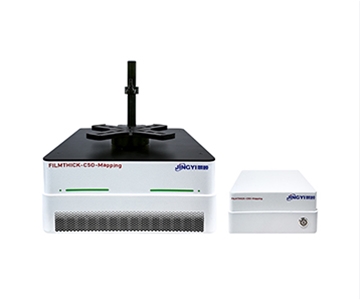
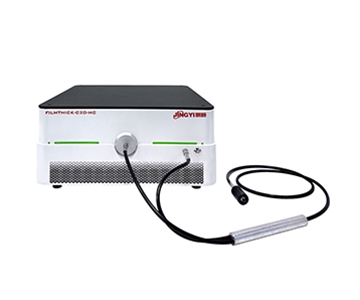
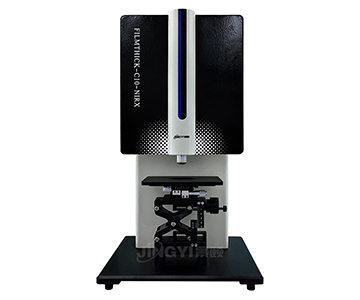
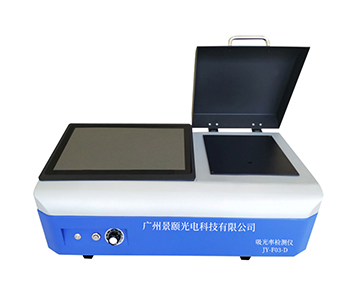
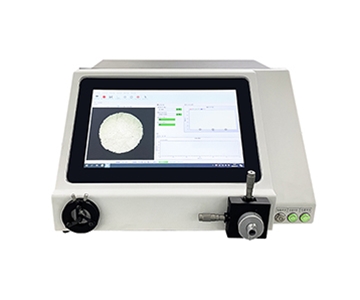
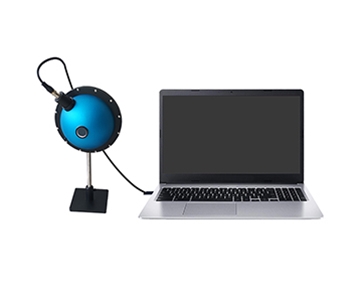
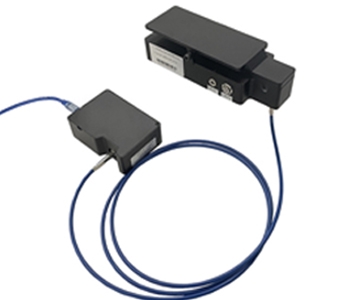
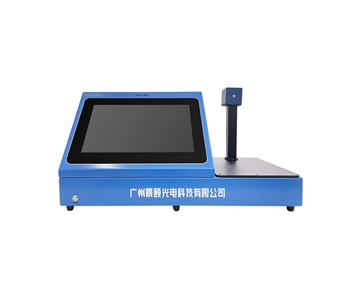
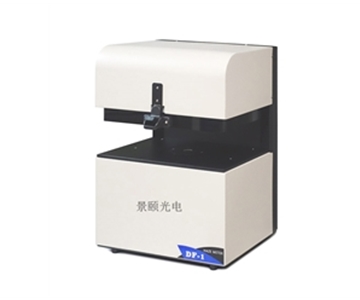
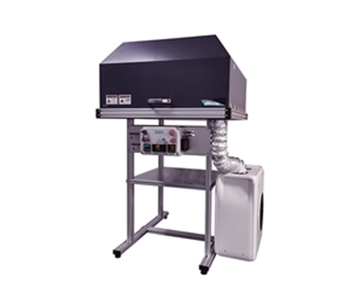
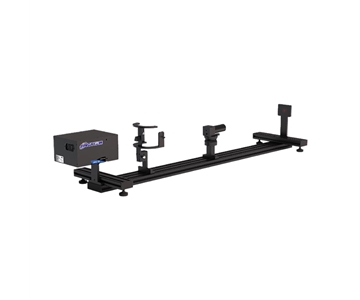
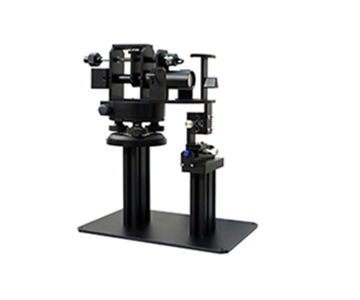
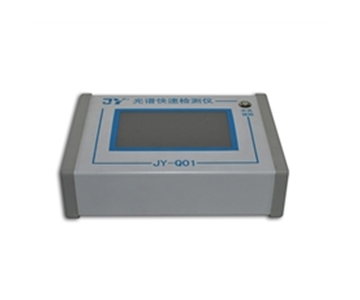
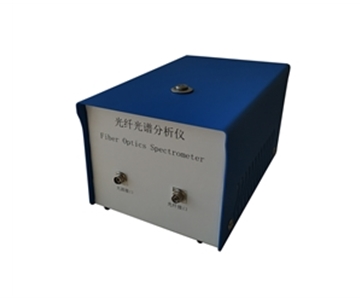
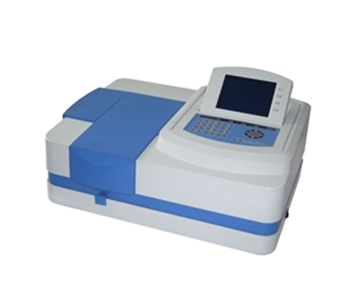
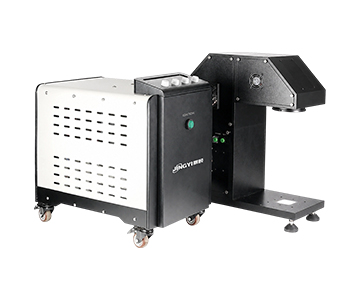
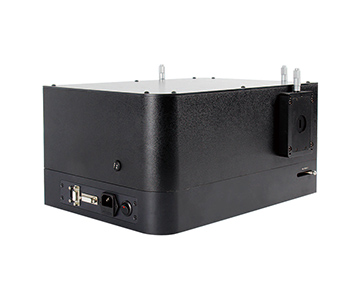
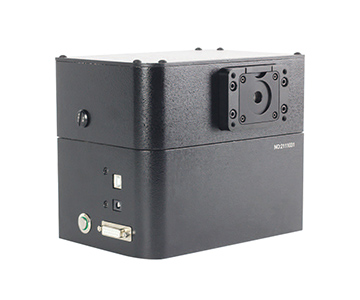
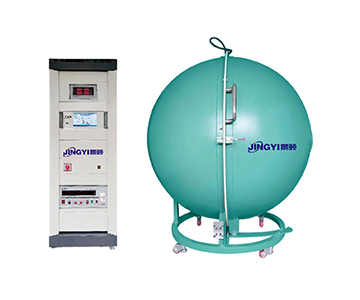
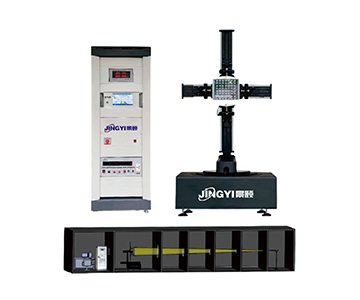
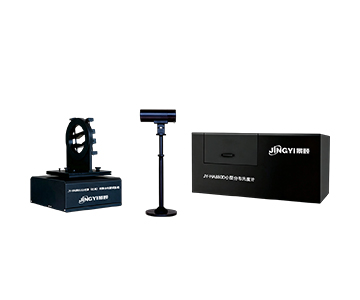
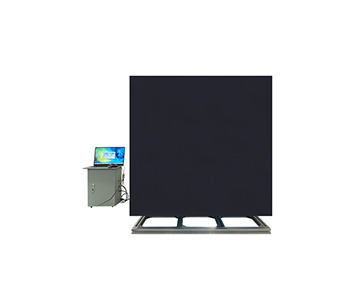
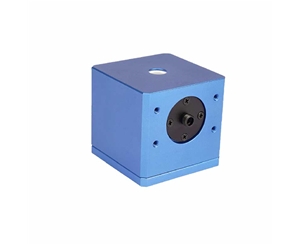
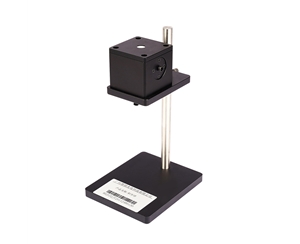
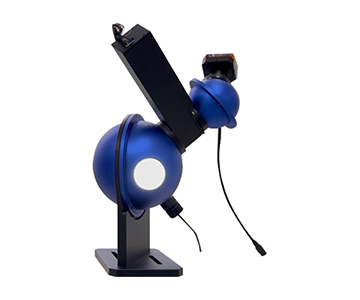
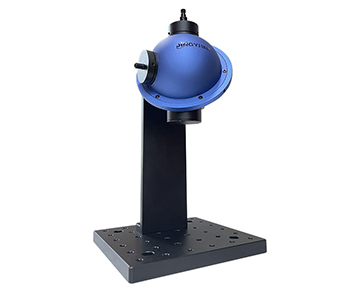
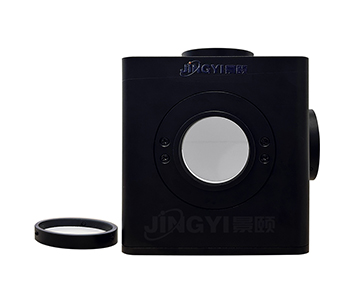
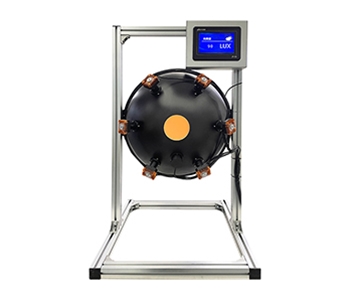
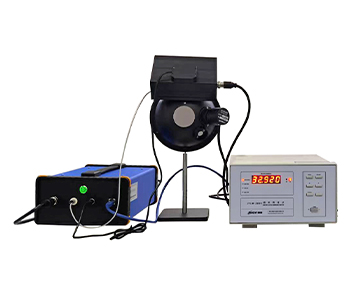
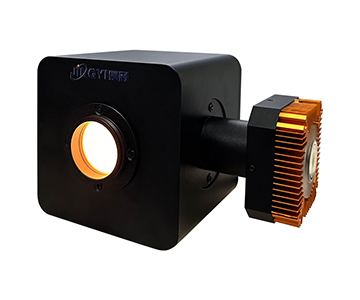
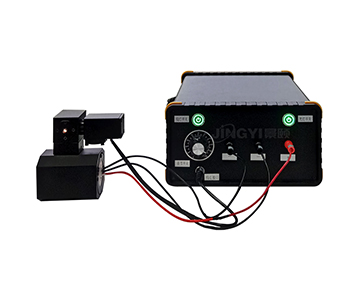
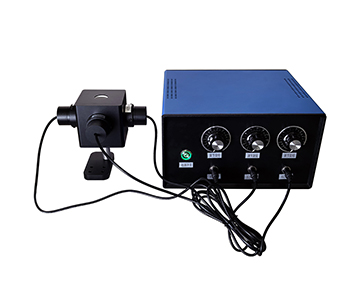
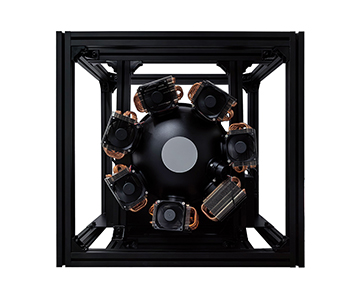
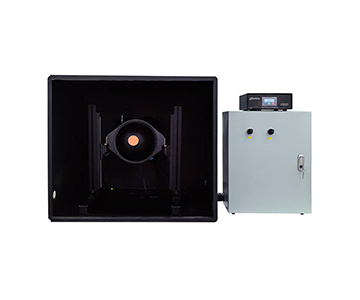
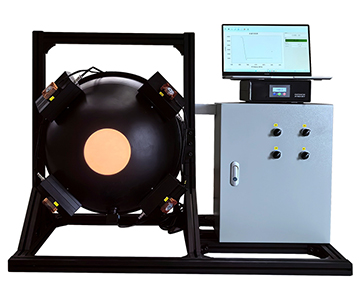
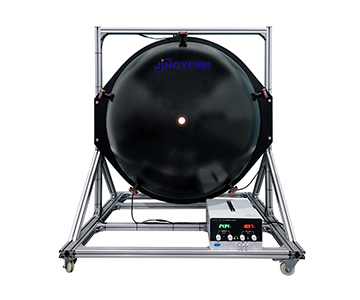
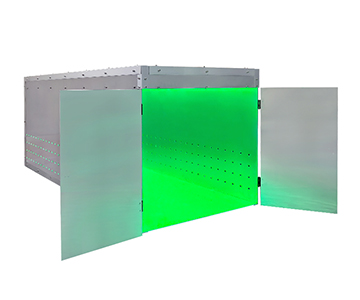
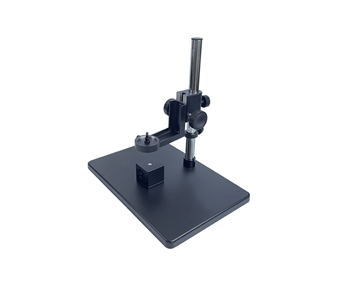
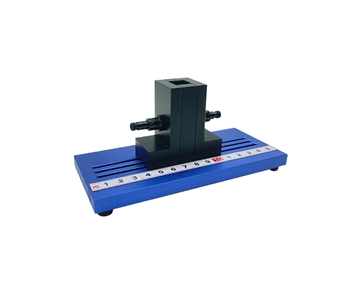
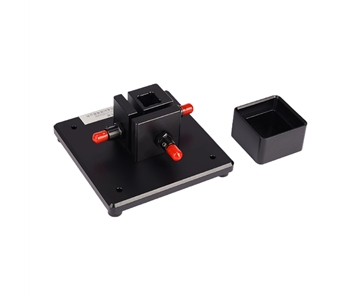
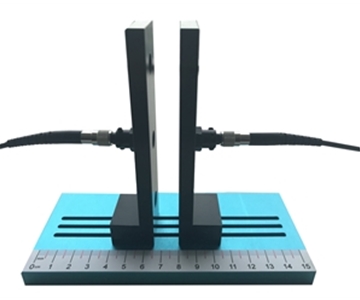
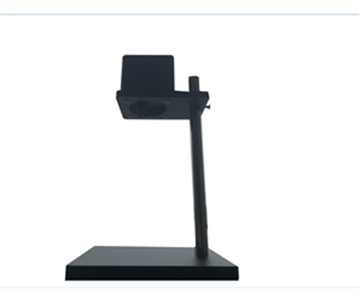
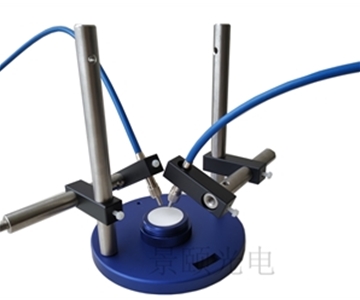
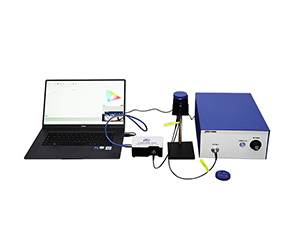
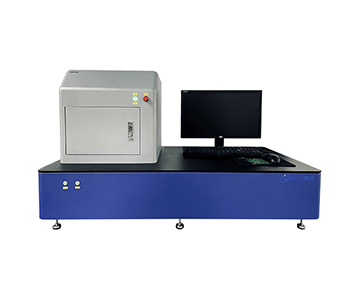
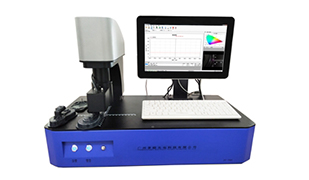
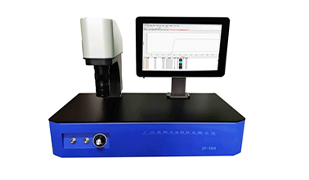
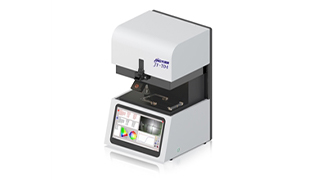
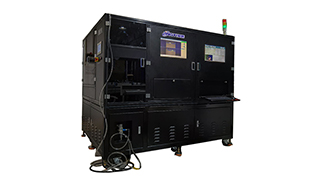
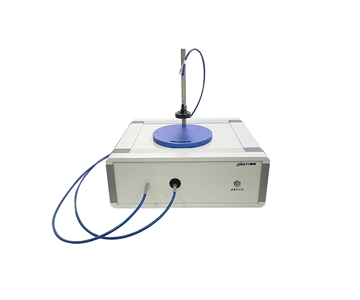
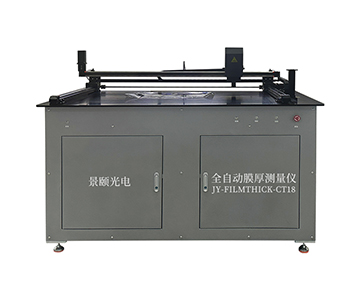
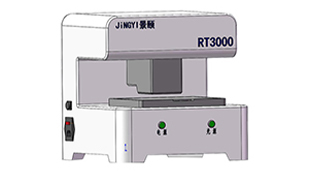
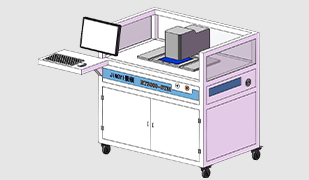
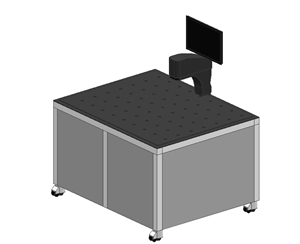
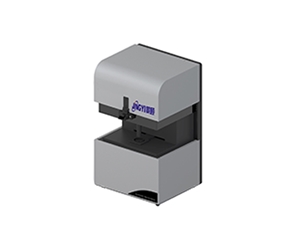
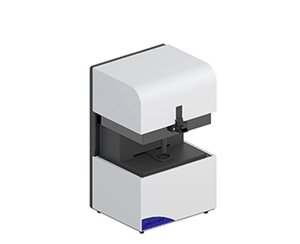
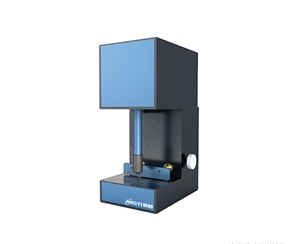
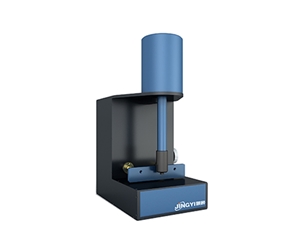
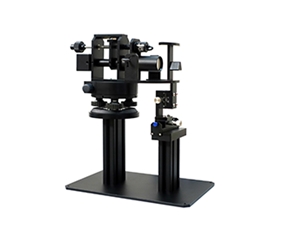
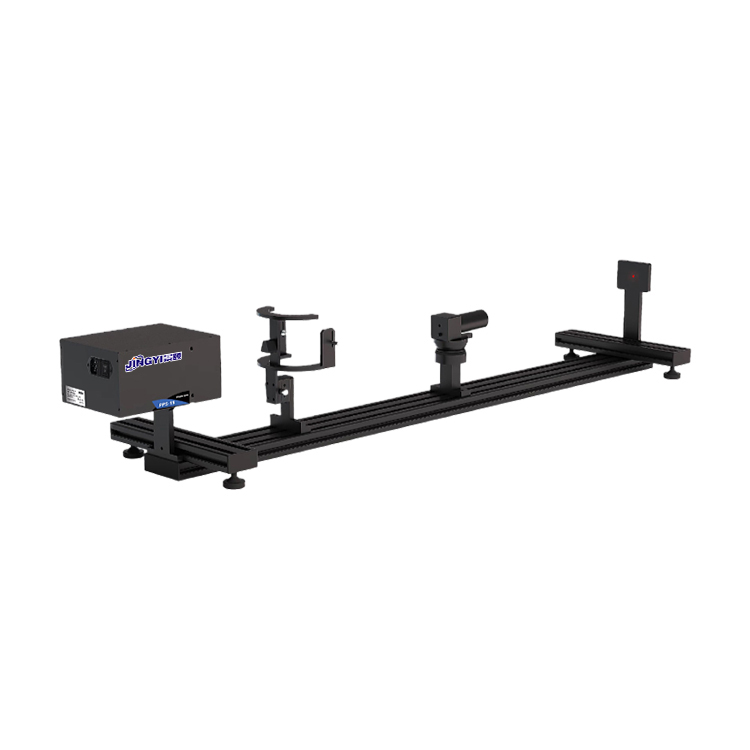
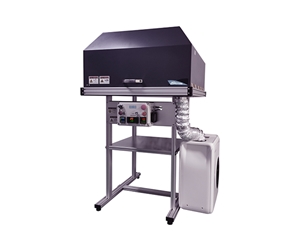
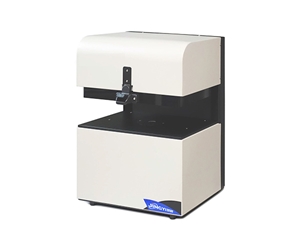
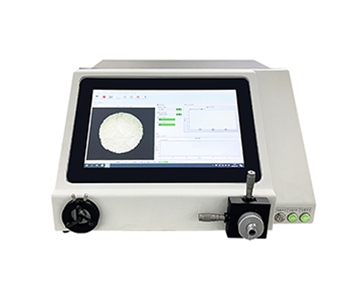
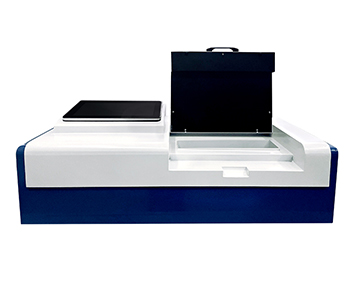
Among mainstream film-thickness measurement techniques, contact-mode step profilers risk scratching sample surfaces; X-ray fluorescence (XRF) methods entail radiation hazards; and scanning electron microscopy (SEM) requires complex, time-consuming sample preparation—none of which suit high-throughput, non-destructive inspection requirements. In contrast, optical interferometry stands out for its non-destructive nature, high efficiency, and exceptional precision—and has thus become the leading research direction in the industry. Jingyi Optoelectronics—a domestic optical metrology enterprise—has launched a film-thickness measurement system embodying this technology, representing a landmark achievement in China’s indigenous instrumentation development.
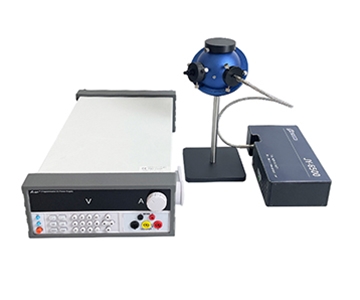
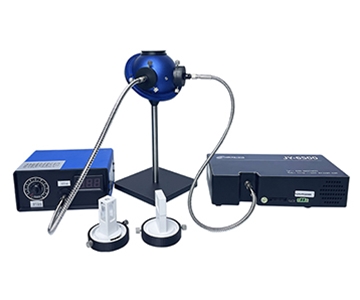
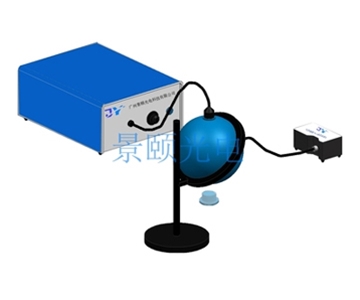
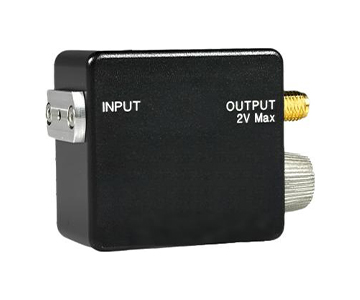
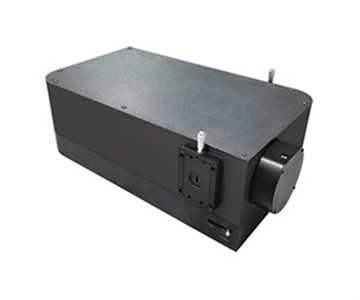
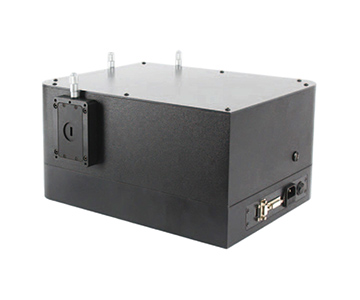
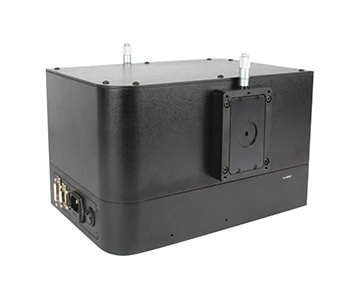
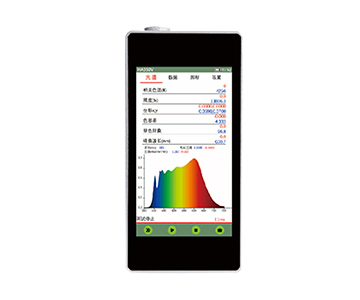
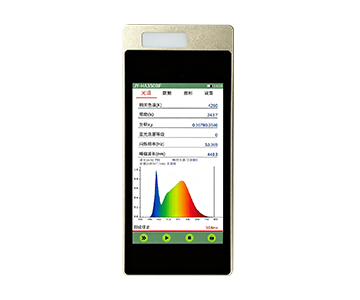
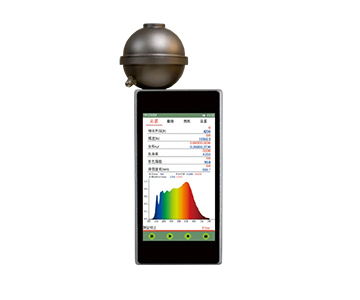
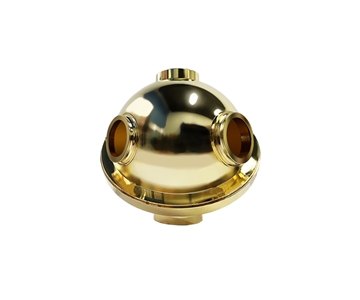
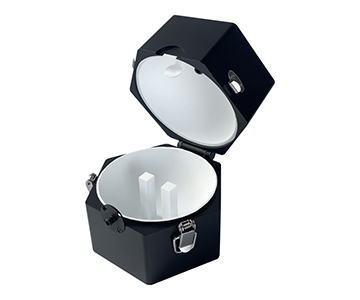
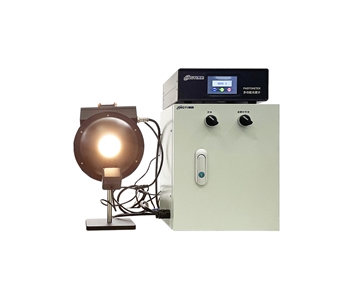
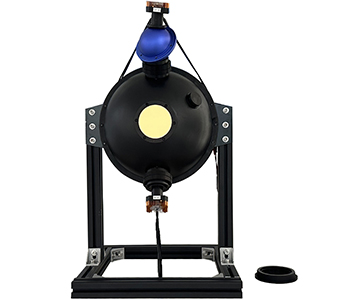
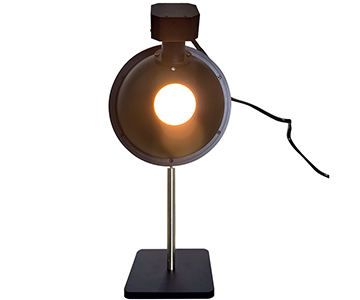
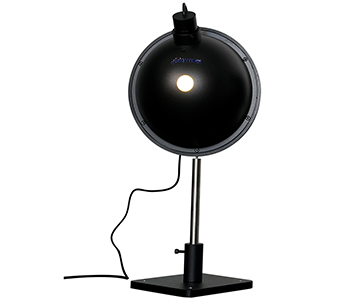
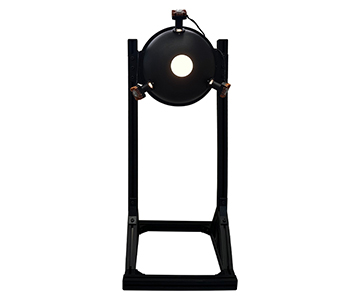
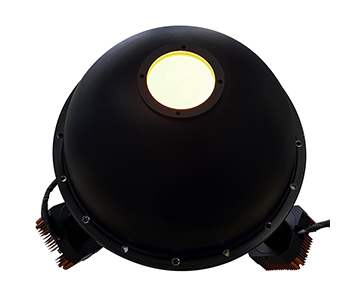
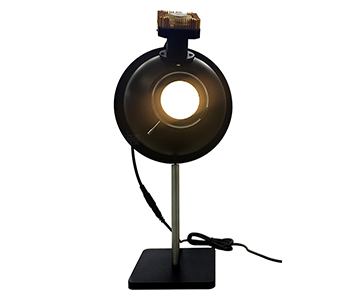
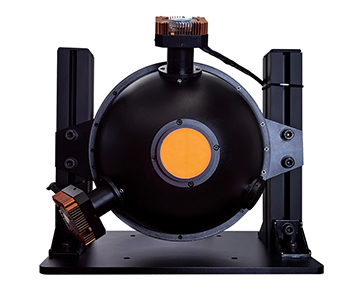
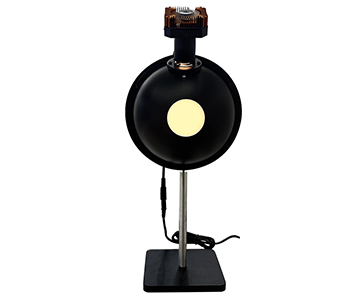
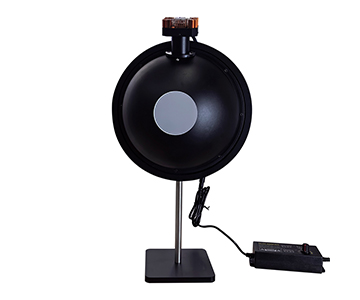
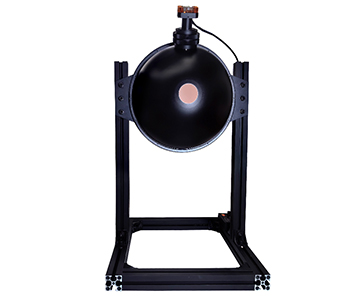
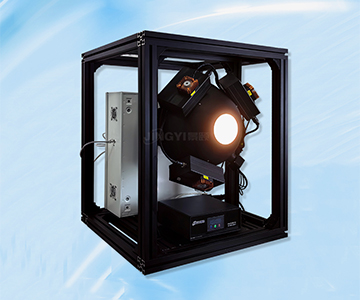
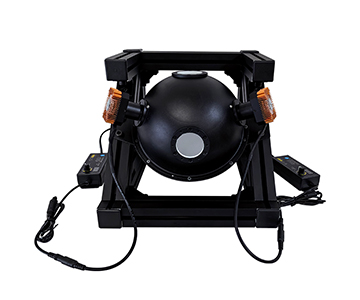
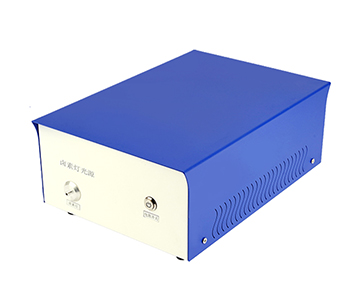
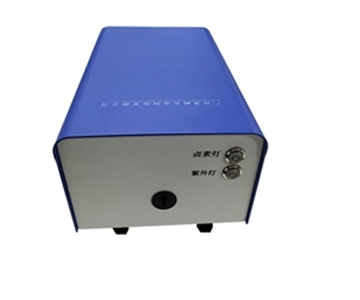
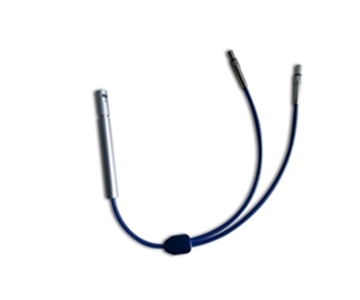
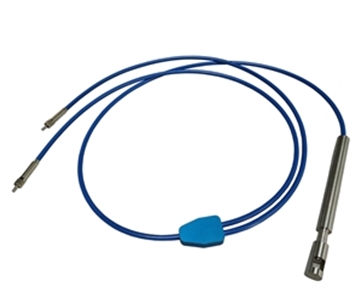
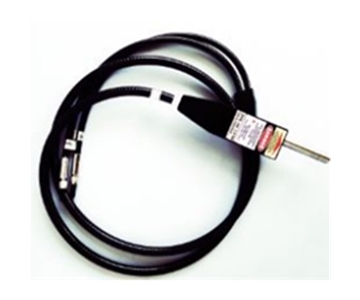
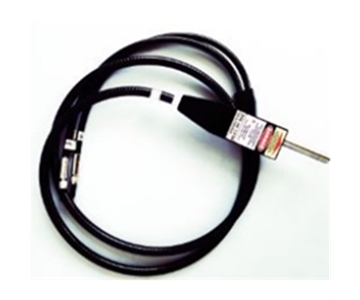
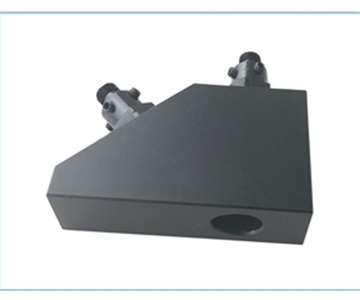
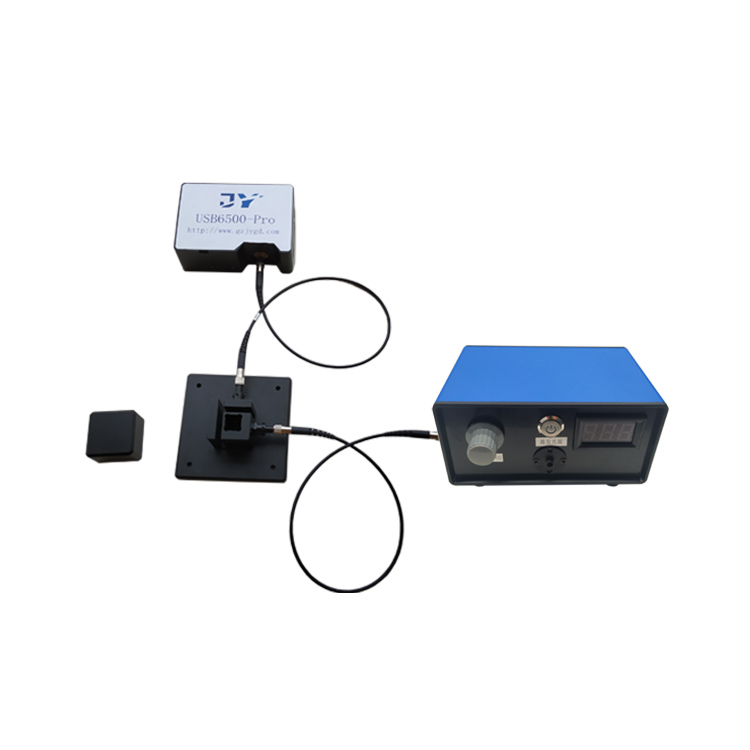
To ensure long-term measurement stability, Jingyi Optoelectronics integrates a custom-designed, long-life tungsten-halogen light source into the instrument’s illumination module. With continuous fault-free operation exceeding 10,000 hours, the system reliably supports both extended R&D testing sessions and round-the-clock industrial production shifts—eliminating frequent lamp replacements and recalibrations, thereby significantly reducing total cost of ownership. Fully non-contact throughout the measurement process, the system causes zero physical damage to samples. Beyond thickness, it simultaneously delivers auxiliary data including reflectance spectra and CIE color coordinates—enabling comprehensive, multi-dimensional thin-film performance verification with a single instrument.
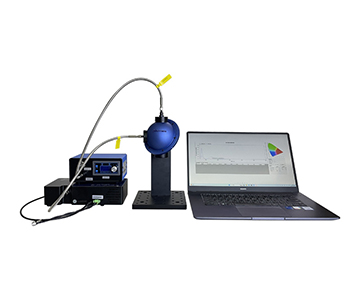
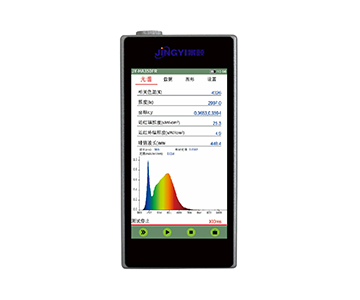
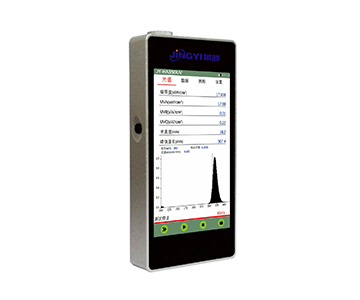
The accompanying OPTICAFILMTEST measurement software features deep localization across multiple dimensions. It embeds three independent, high-precision calibration algorithms—Fourier Transform, Optimized Decision, and Iterative Fitting—each calibrated separately. Users may select flexibly based on application needs: Fourier-based analysis yields results in just 10 seconds for rapid screening; iterative fitting achieves sub-0.1-nm resolution for demanding metrology tasks. Moreover, the system includes an editable, user-customizable refractive-index database. Whether common semiconductor coating materials, niche biomedical coatings, or novel battery separator films, users can directly upload material parameters without waiting for vendor-driven secondary development—greatly enhancing adaptability. Real-time visualization of interference fringes, FFT spectra, and thickness trend plots further empowers researchers to trace and analyze the full measurement process.
This instrument has already been successfully deployed and validated across diverse sectors:
- In semiconductor manufacturing, it enables non-contact spot inspection of 12-inch wafers—leaving no surface scratches—and achieves 40% faster throughput than conventional imported ellipsometers. Simultaneously outputting reflectance and color metrics, it allows production lines to perform dual verification of both film thickness and visual quality—effectively lowering chip defect rates.
- In optical coating applications—such as relief-grating films for AR glasses or bandpass filters for automotive displays—it supports point-by-point scanning to rapidly localize thickness deviations, helping coating engineers fine-tune process parameters and accelerate new-product development cycles.
- In biomedical research, its non-destructive capability enables precise measurement of drug-eluting layer thickness on biodegradable stents—and even tracks real-time degradation kinetics under simulated physiological conditions—providing accurate, actionable data for next-generation biomaterial development.
As Industry 4.0 advances, film-thickness metrology is evolving toward intelligence and closed-loop integration. Jingyi Optoelectronics is actively pursuing compatibility between its measurement systems and industrial IoT platforms. In the near future, the instrument will interface directly with factory MES systems, feeding measurement data in real time back to upstream coating equipment to automatically adjust deposition time, gas concentration, and other critical parameters—establishing a fully automated, end-to-end closed loop from metrology to process optimization, further reducing labor input and defect rates on the production line.
Precise nanoscale film-thickness measurement forms a foundational pillar for the ongoing evolution of advanced manufacturing toward ever-greater refinement. Widespread adoption of high-performance, domestically developed metrology instruments not only breaks the monopoly of imported systems but also enables rapid, user-driven feature iteration—freeing R&D and production teams across disciplines from measurement bottlenecks. Ultimately, it places control over microscale parameters firmly—and independently—in our own hands.
Film Thickness Measurement System #FilmThicknessTester #FilmThicknessAnalyzer #ThinFilmThicknessGauge #ThicknessGauge #FilmThicknessInspectionSystem #FILMTHICKC10