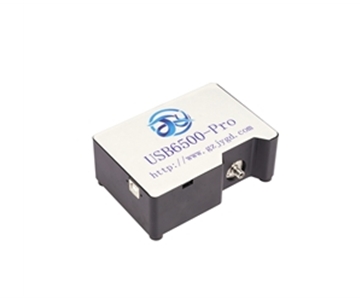
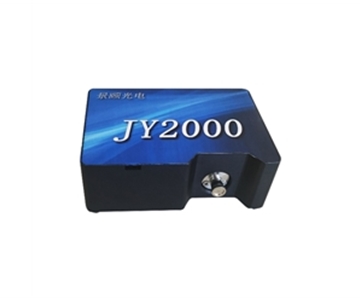
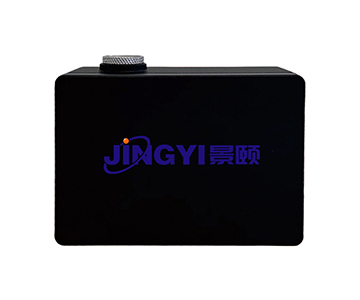
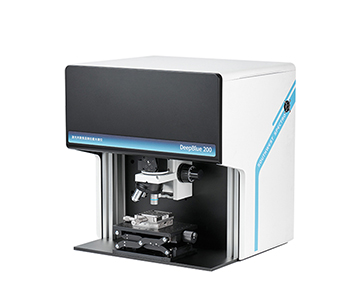
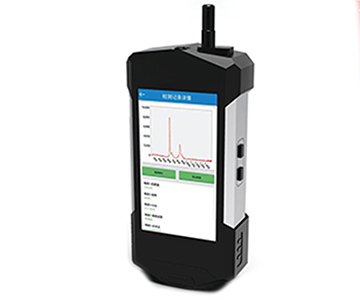
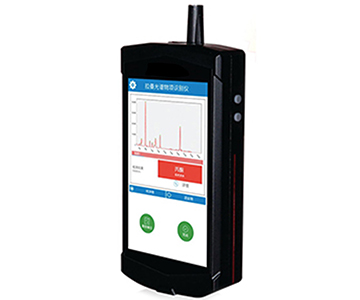
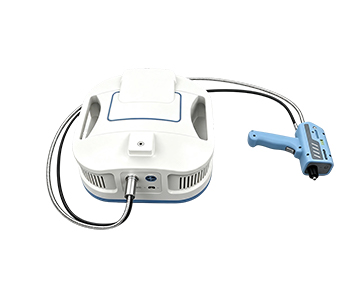
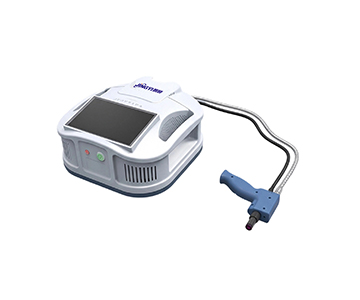
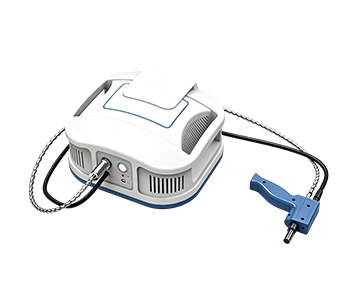
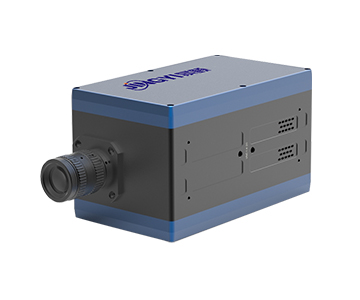
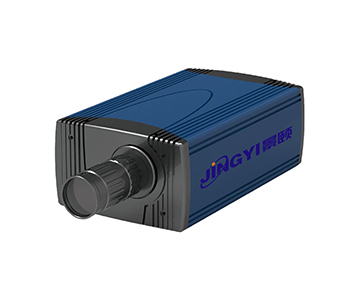
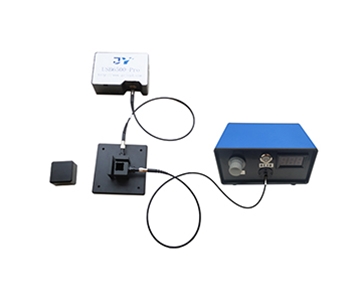
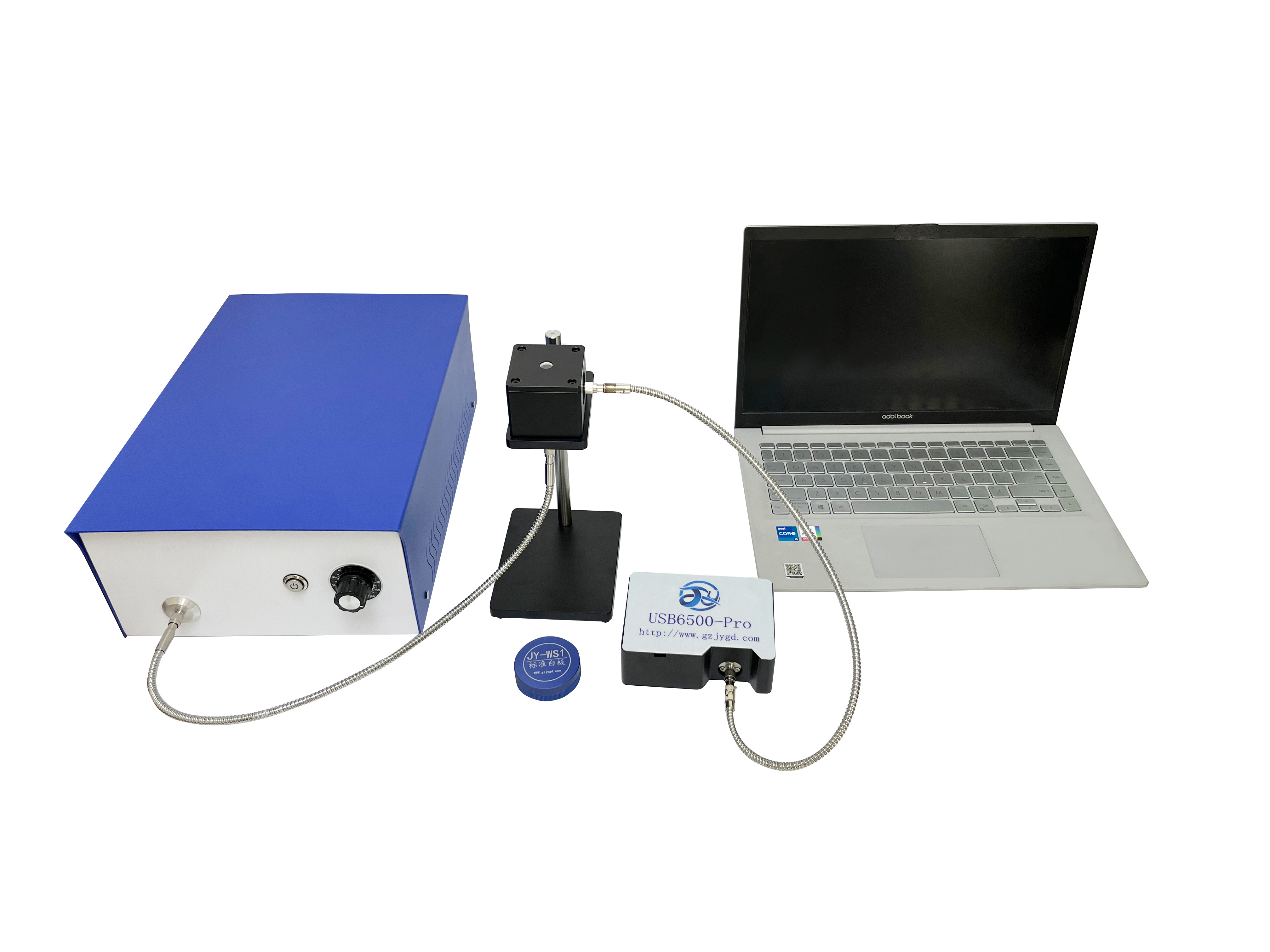
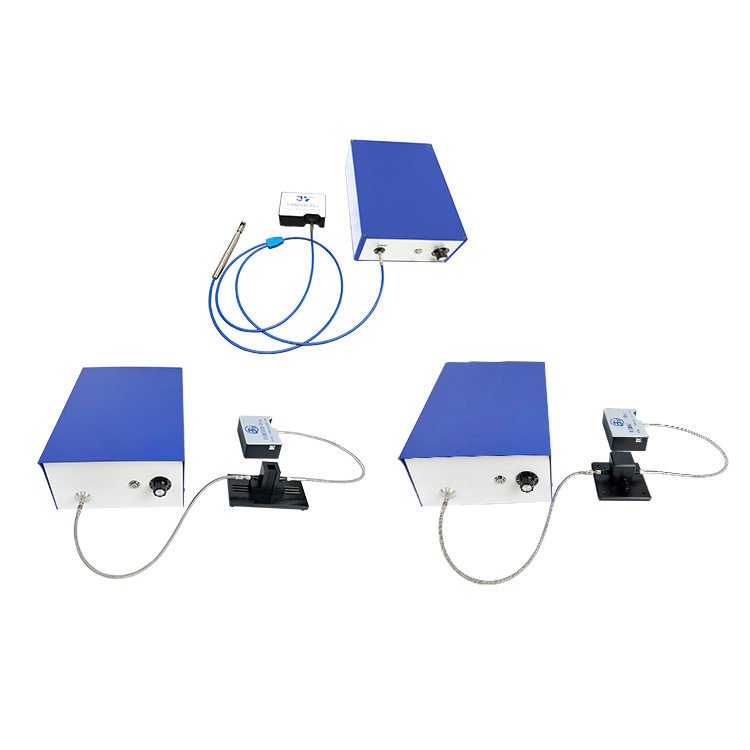
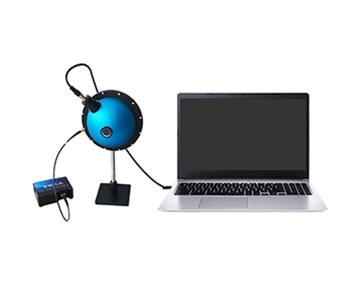
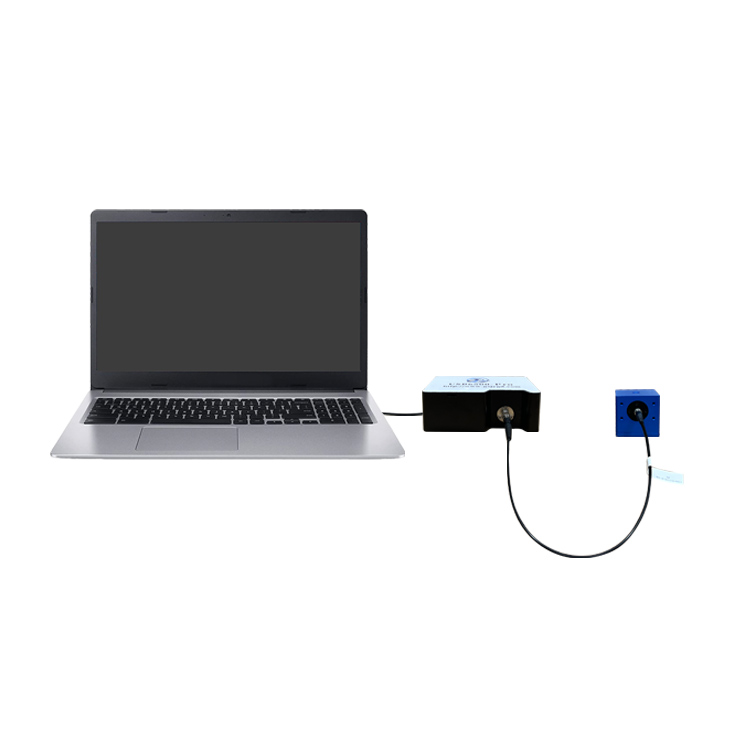
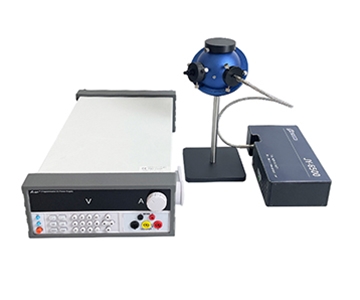
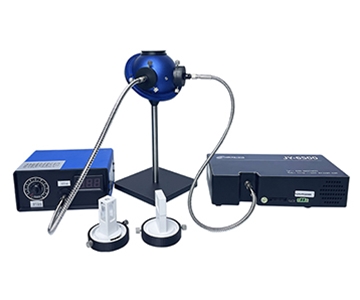
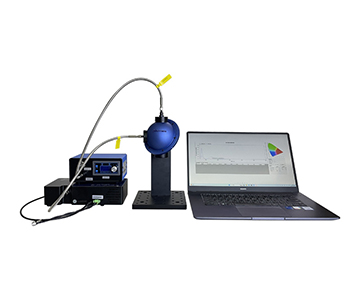
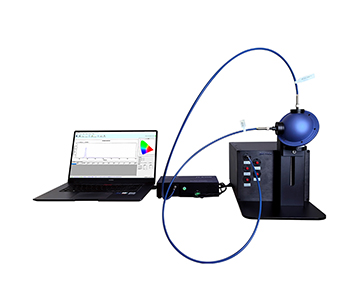
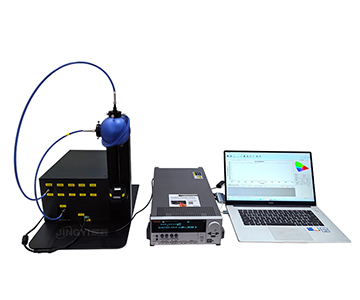
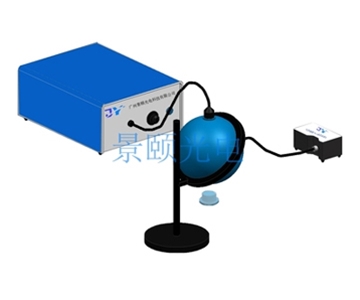
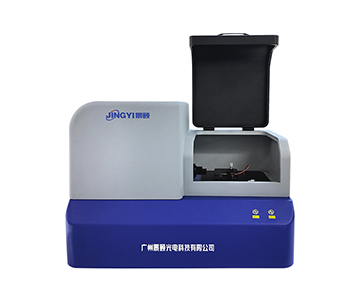
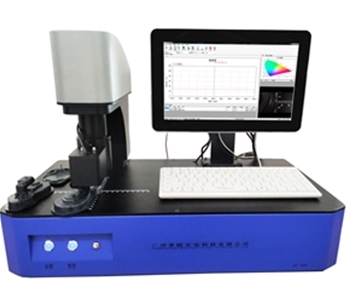
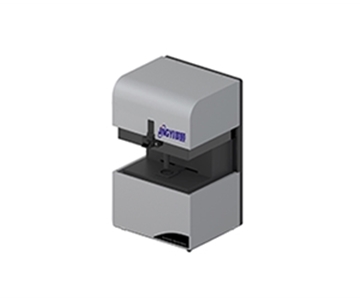
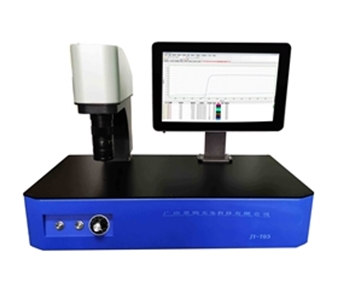
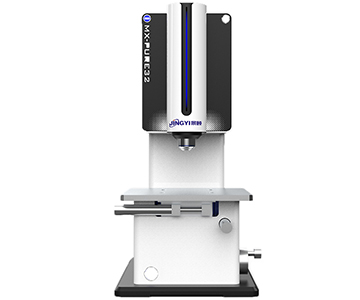
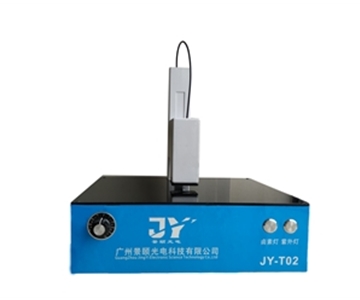
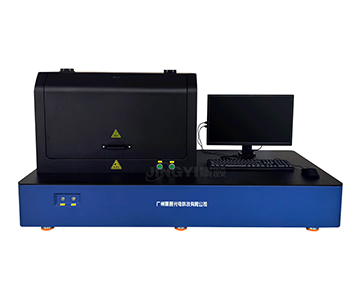
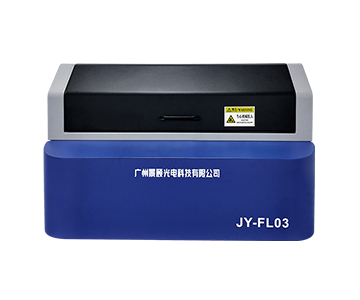
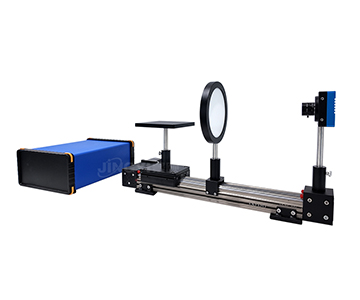
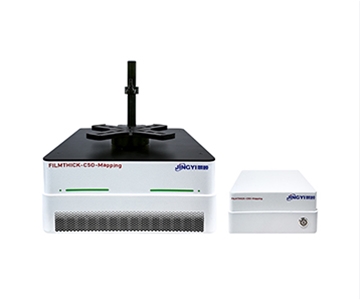
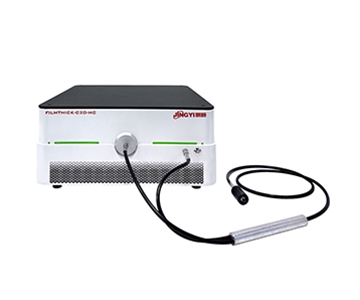
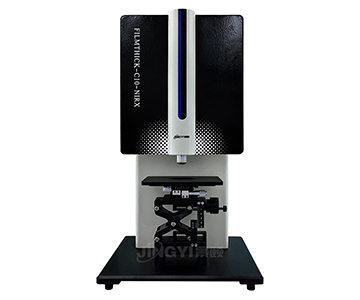
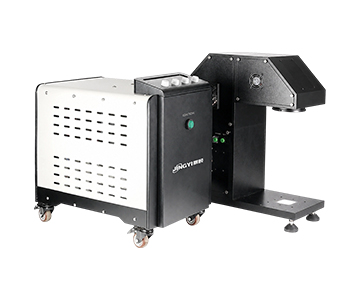
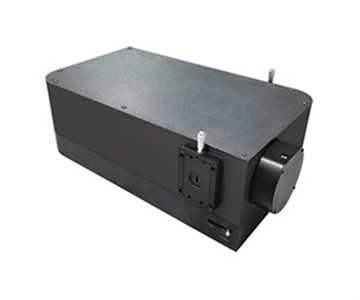
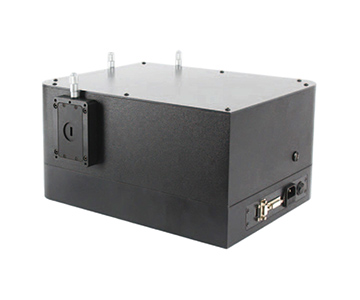
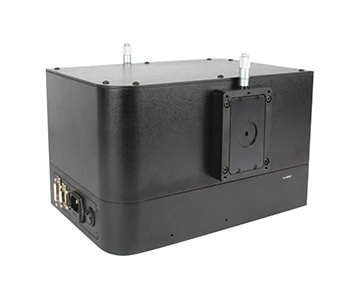
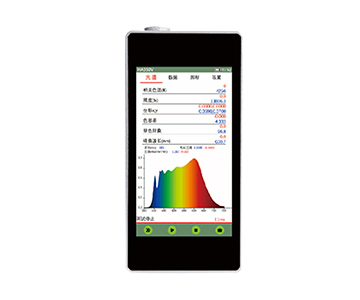
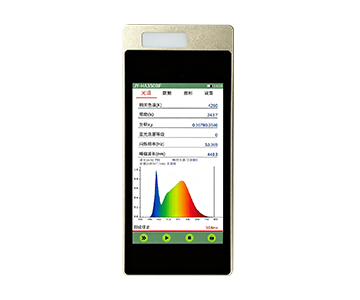
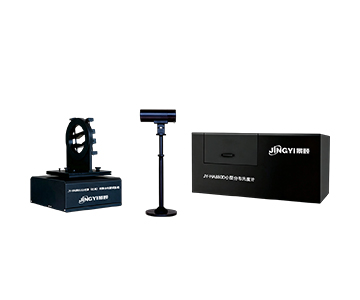
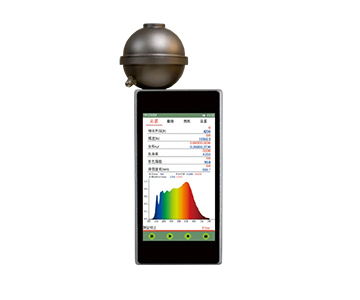
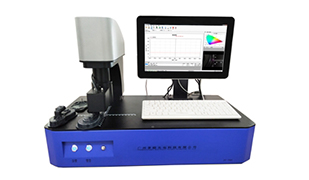
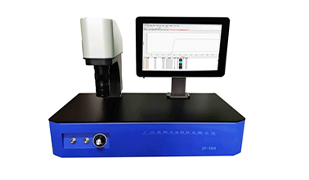
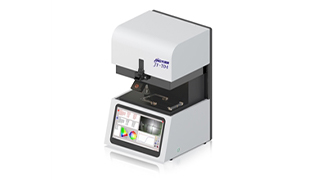
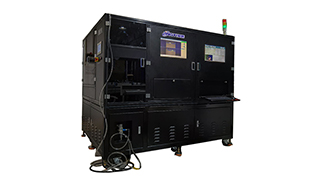
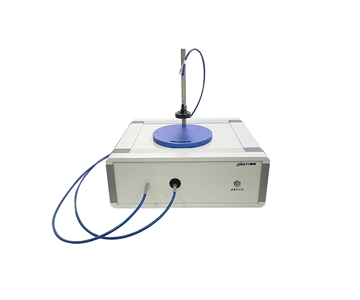
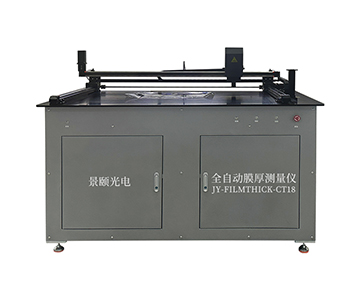
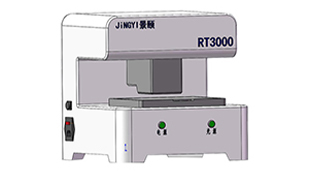
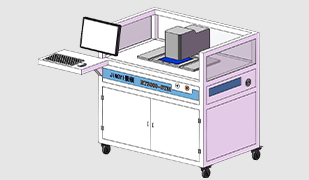
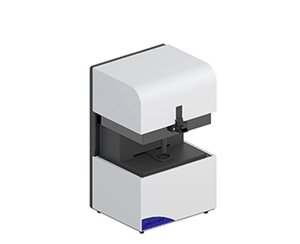
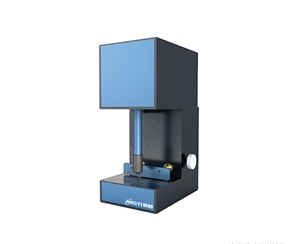
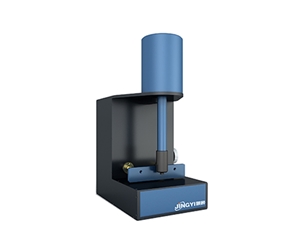
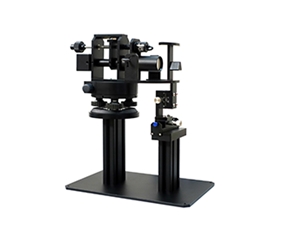
Current chemical analysis—serving as a cornerstone for scientific research innovation and industrial quality control—is confronting dual challenges of efficiency and accuracy: Conventional detection methods typically require several hours of sample pretreatment and rely heavily on analysts’ subjective experience. These approaches not only incur high reagent consumption and long turnaround times but also introduce human-induced variability that compromises result reliability—making them ill-suited for the rapid pace of R&D and real-time production-line monitoring.
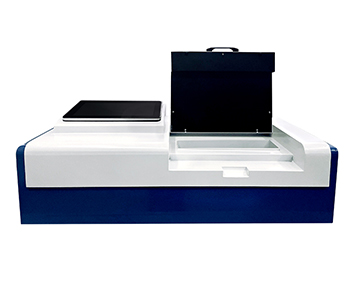
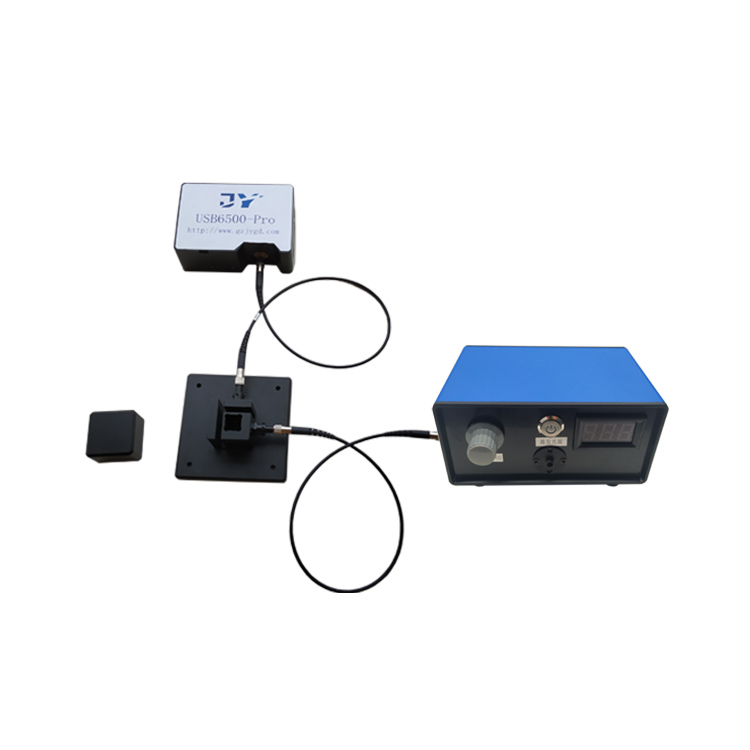
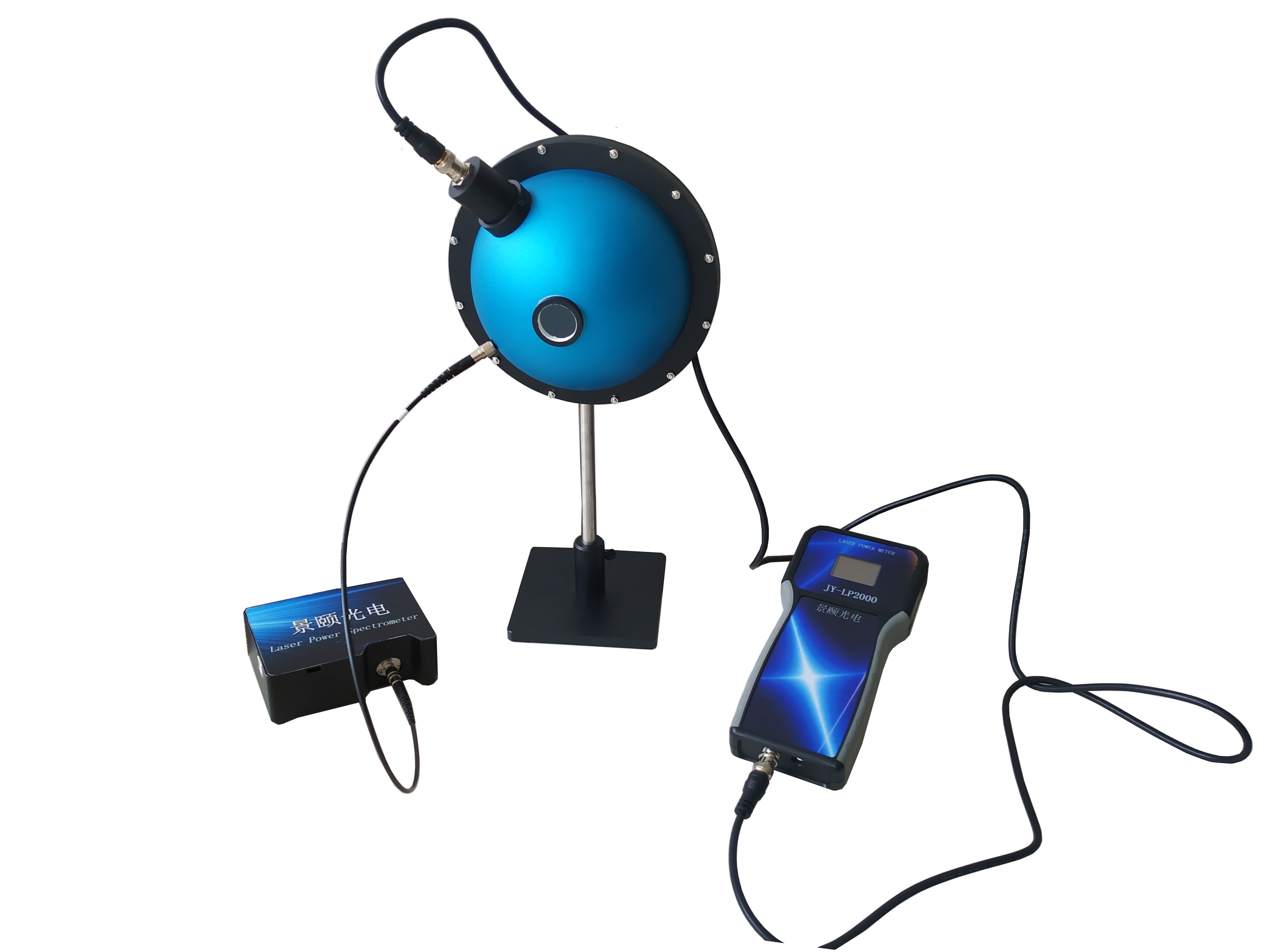
Fiber-optic spectrometers, leveraging their unique “molecular fingerprint” identification capability, are rapidly transforming the operational paradigm of chemical analysis—and delivering a novel, industry-wide solution for enhancing detection efficiency.
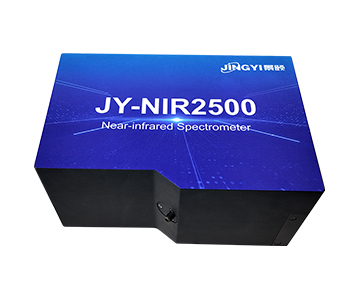
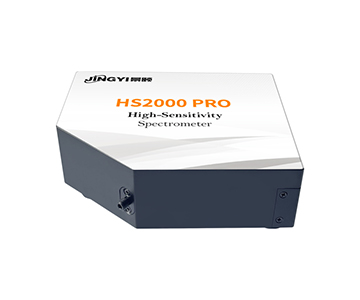
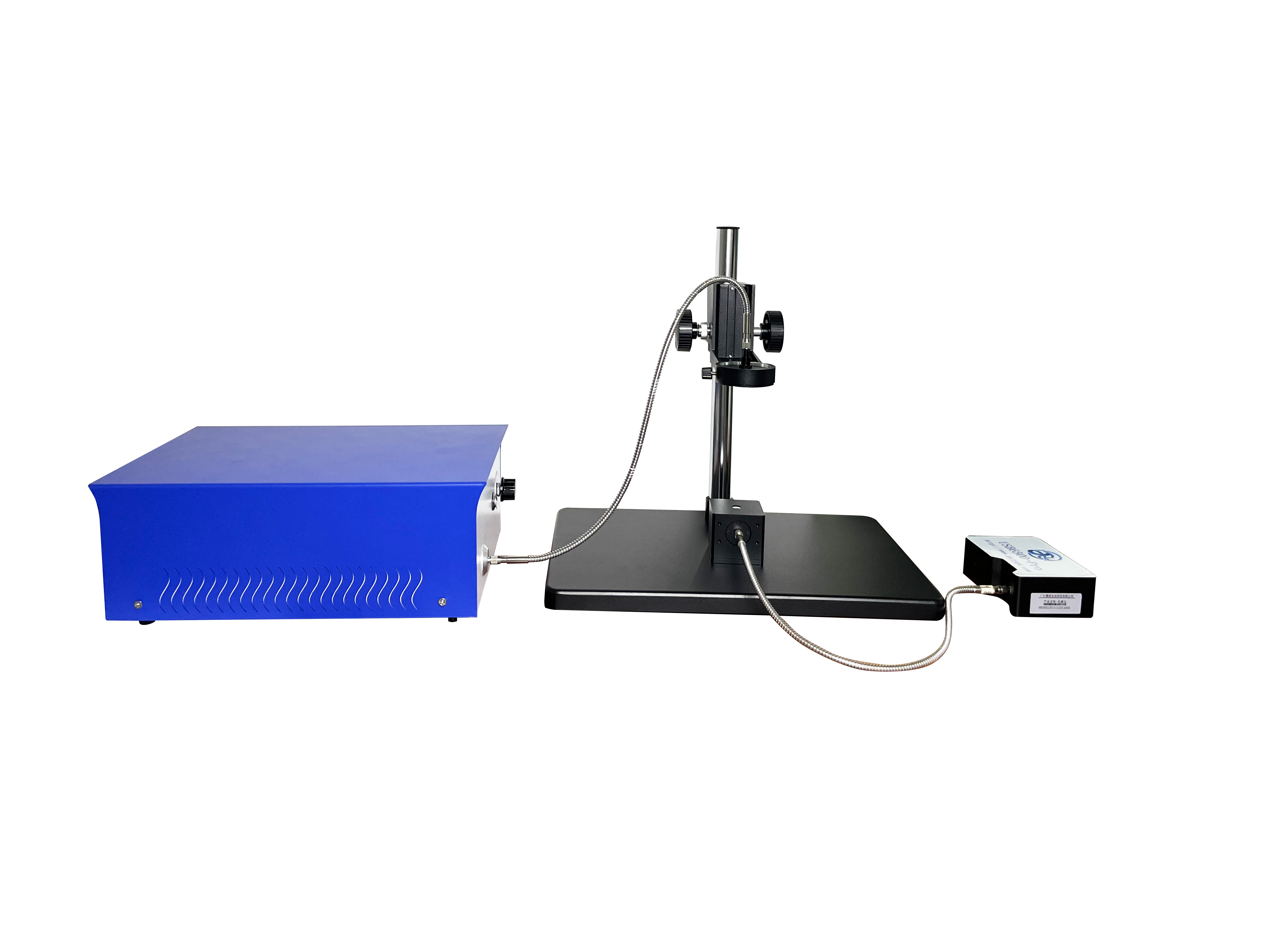
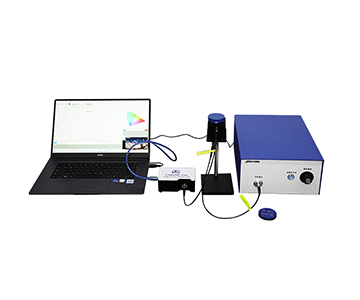
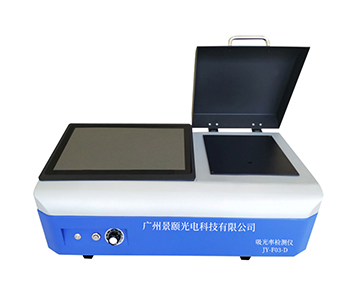
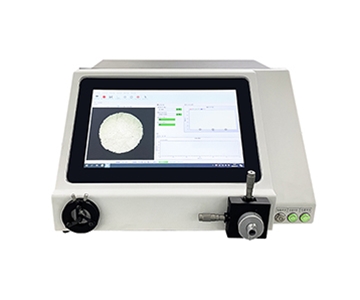
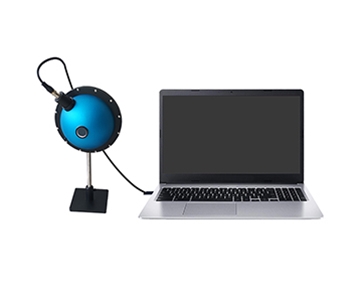
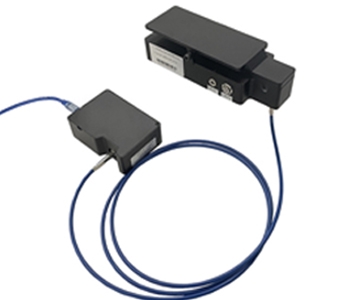
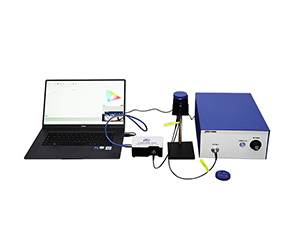
At the core of fiber-optic spectrometer detection lies the precise match between photon energy in the mid-infrared (MIR) band and vibrational energy levels of molecular functional groups. When infrared light at specific wavelengths irradiates a sample, distinct functional groups absorb photons of corresponding energies, generating absorption spectra uniquely tied to the intrinsic properties of the substance—enabling both qualitative and quantitative analysis without sample destruction. The key technical hurdle in deploying this technology lies in achieving high spectral acquisition precision and signal-to-noise ratio (SNR). Jingyi Optoelectronics, with years of deep expertise in spectral detection, has successfully mastered critical technologies—including high-quantum-efficiency detector integration, programmable-gain amplification, and high-speed 16-bit analog-to-digital (AD) conversion. Integrating these into fiber-optic spectrometer design significantly expands the instrument’s dynamic detection range, enabling accurate capture of even faint characteristic absorption peaks from trace components—thus providing robust technical support for complex detection scenarios.
In fundamental research, fiber-optic spectrometers have become standard equipment in organic synthesis and advanced materials laboratories. Previously, researchers relied on hyphenated techniques such as gas chromatography–mass spectrometry (GC-MS) to verify the structural identity of organic reaction products—a process requiring 1–2 days just for sample purification and pretreatment. In contrast, fiber-optic spectrometers equipped with high-sensitivity acquisition modules require only a microdrop of sample placed onto the detection window; a complete spectrum is generated within seconds. By matching peak positions and intensities against reference libraries, researchers can rapidly identify functional group composition, monitor reactions in real time, track concentration dynamics of functional groups, and thereby shorten reaction optimization cycles by over 70%. For multi-component mixtures, integrated multicomponent spectral unmixing algorithms further enable separation of overlapping spectral features—allowing simultaneous qualitative and quantitative analysis of all constituents, dramatically reducing analysts’ workload.
On the industrial inspection front, fiber-optic spectrometers directly address the longstanding bottleneck of conventional methods: their inability to keep pace with production-line throughput. Take the petrochemical industry as an example. Historically, parameters such as hydrocarbon composition of crude oil, gasoline octane number, and lubricant additive content were measured using distillation or chromatographic methods—each test taking several hours and necessitating sampling-based quality control, increasing the risk of nonconforming products slipping through undetected into the market. Today, deploying fiber-optic spectrometers at the end of the production line enables full-parameter online monitoring at one measurement per second. All parameters are streamed in real time to the production control system, with measurement deviation kept below ±0.5%—fully compliant with national standards. Moreover, eliminating sample pretreatment slashes reagent costs, saving hundreds of thousands of RMB annually per production line. In the polymer industry, fiber-optic spectrometers enable truly nondestructive testing: Scanning the sample surface alone allows precise assessment of polymer aging degree, copolymer composition, and molecular weight distribution—via characteristic peaks of carbonyl, hydroxyl, and other functional groups—bypassing destructive mechanical testing and enabling rapid screening of substandard raw materials to prevent costly product recalls due to material performance failures.
Beyond gains in speed and accuracy, fiber-optic spectrometers deliver even greater value by accelerating the digital transformation of chemical analysis. Traditional methods often depend on manual data recording—prone to error and incapable of end-to-end data traceability. Fiber-optic spectrometers, however, enforce fully standardized workflows; their output consists of structured, machine-readable data that integrates seamlessly with industrial Manufacturing Execution Systems (MES), environmental monitoring platforms, and pharmaceutical R&D data systems—automating data upload, analysis, and anomaly alerts, and eliminating human-introduced bias at its source. Jingyi Optoelectronics is further advancing deep integration of spectral instrumentation with AI algorithms and Industrial Internet of Things (IIoT) frameworks. By training domain-specific spectral analysis models, the company is pushing the limits of component separation accuracy for complex mixtures—extending applicability to rapid environmental field screening and quantitative analysis of active pharmaceutical ingredients (APIs) and trace impurities in biopharmaceutical development—providing reliable, actionable data across industries.
Looking ahead, as fiber-optic spectrometer technology becomes increasingly cost-effective—and portable and handheld variants gain wider adoption—this efficient, noninvasive, and precise analytical modality will progressively penetrate grassroots testing stations, agricultural fields, and frontline R&D labs. No longer confined to centralized laboratories, it will evolve into foundational data infrastructure for digitization and efficiency enhancement across chemical analysis—empowering high-quality, sustainable development industry-wide.
#NearInfraredSpectrometer #FiberOpticSpectrometer #SpectralQualityAnalyzer #Spectrometer #SpectralAnalyzer #MidInfraredSpectrometer