Selection Guide for Laser Beam Profilers in Laser 3D Printing (SLA/SLM)
Laser additive manufacturing has become the core production process for aerospace structural components, orthopedic medical implants, and high-end customized automotive parts. Yet many manufacturers face challenges during mass production—such as significant fluctuations in part strength, dimensional deviations exceeding specifications, and inconsistent yield rates. Root cause analysis often points to uncontrolled laser focus parameters: dynamic focal drift during equipment startup, non-uniform beam energy distribution, or insufficient actual power density to meet process requirements. These latent issues are impossible to anticipate using visual inspection or conventional end-product testing alone. Only professional beam profilers enable quality control at the process origin—ensuring final products comply with stringent standards such as aerospace certification requirements and FDA medical regulatory mandates.
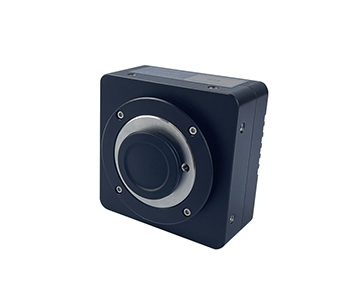
When selecting a beam profiler, prioritize direct-sensing detection systems. Such systems bypass complex imaging optical-path conversions: the laser beam impinges directly onto a photosensitive sensor, enabling precise calculation—pixel-by-pixel—of critical parameters including beam size, ellipticity, energy distribution, and divergence angle. They also capture dynamic focal shifts in real time at laser ignition. Compared to indirect computational methods, this approach improves measurement accuracy by over 30%, and its data fully satisfies all compliance audit requirements.
For different 3D printing application scenarios, consider the following selection logic:
**Type I: Industrial-scale large-format SLM metal 3D printing**
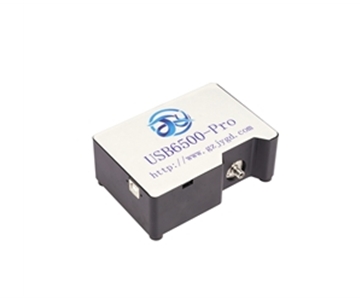
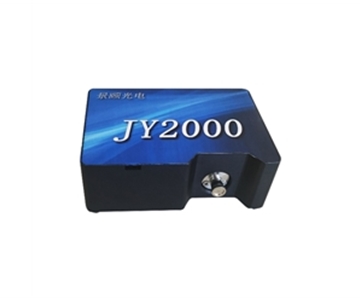
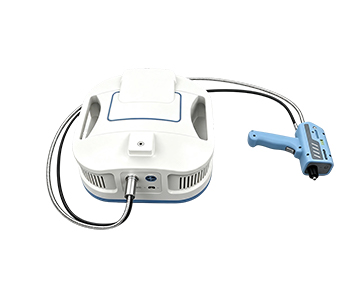
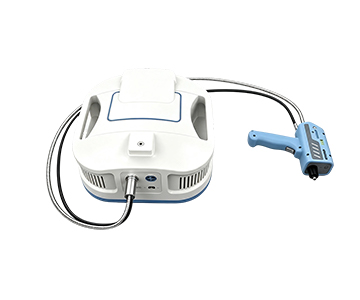
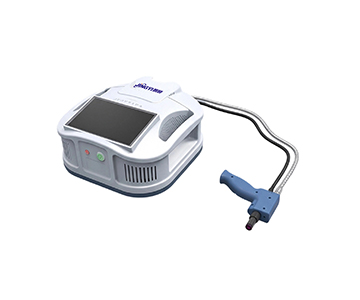
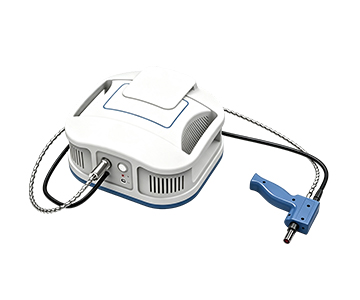
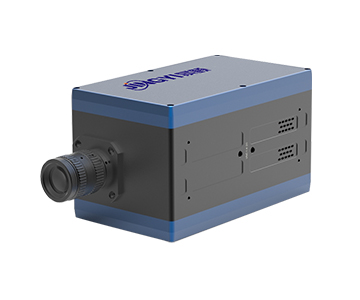
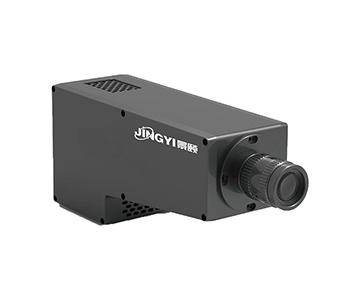
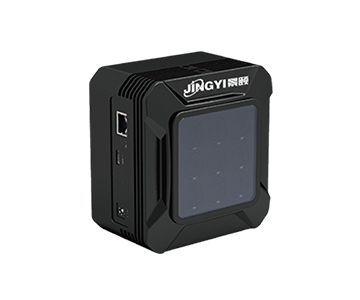
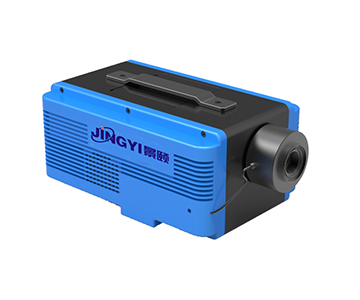
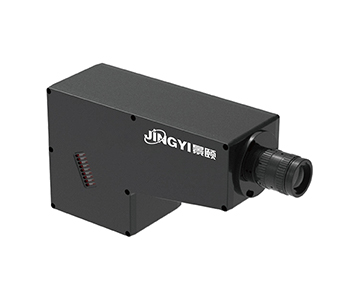
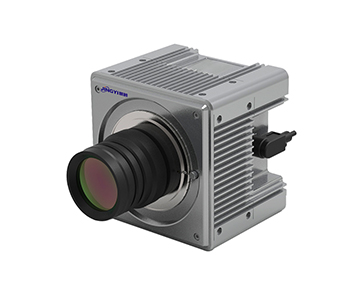
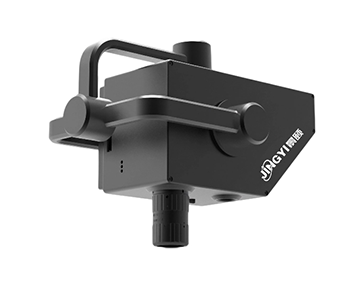
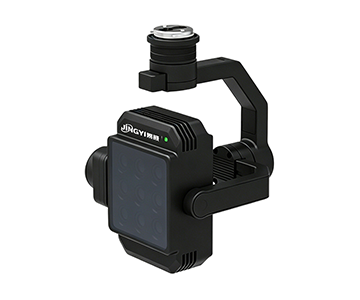
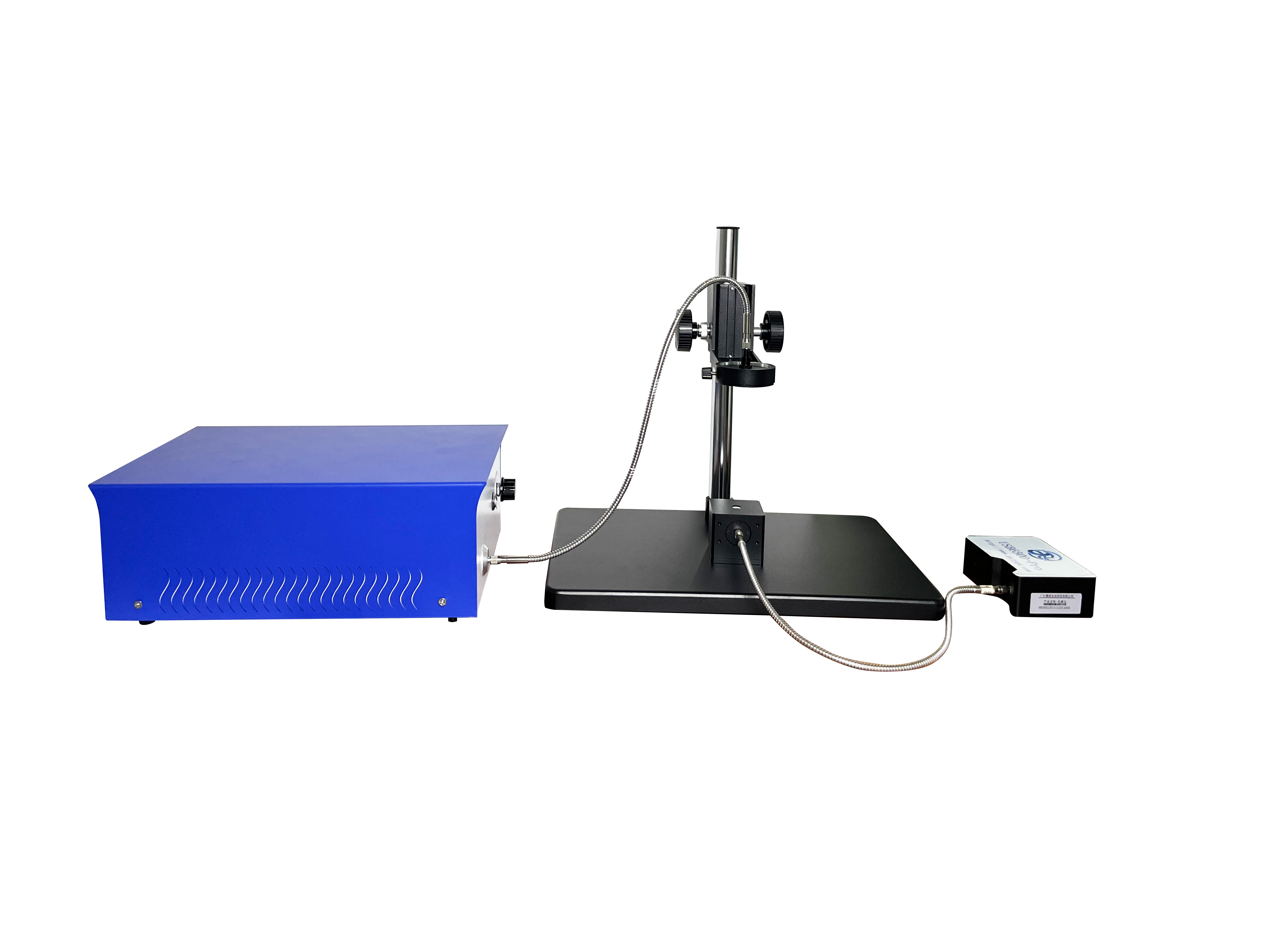
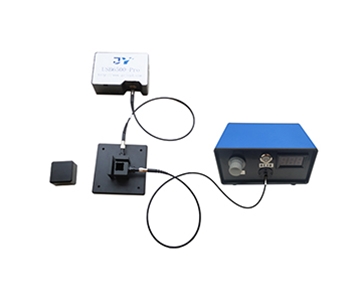
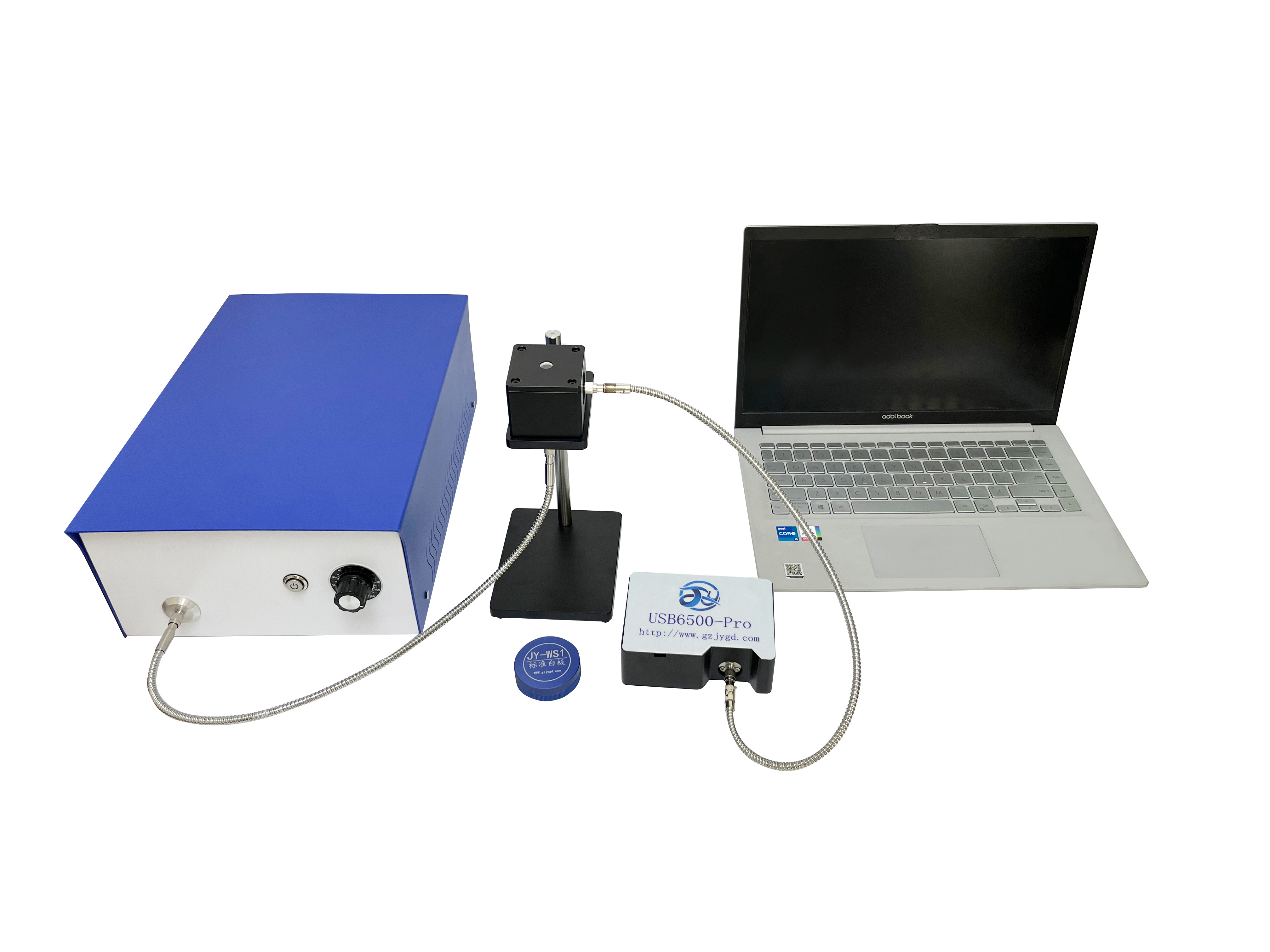
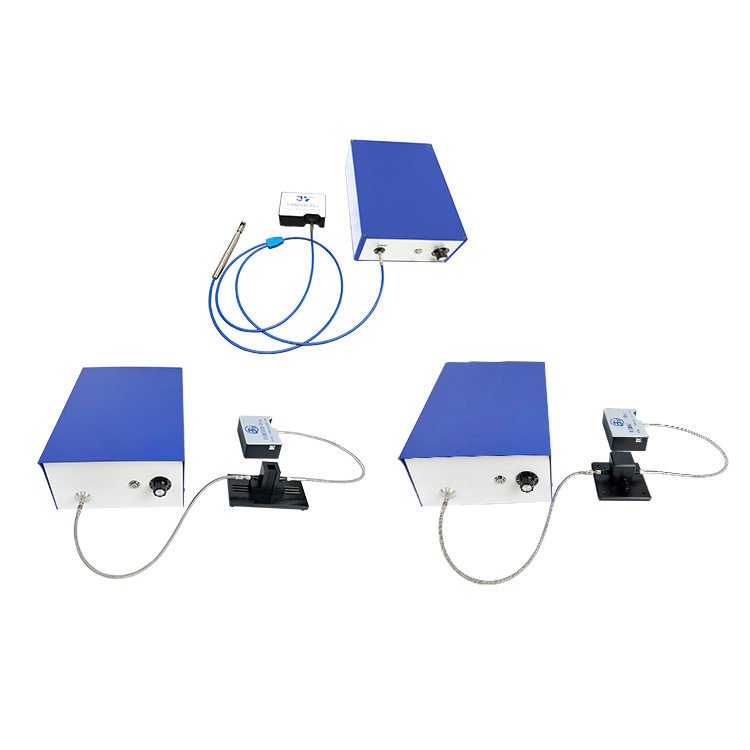
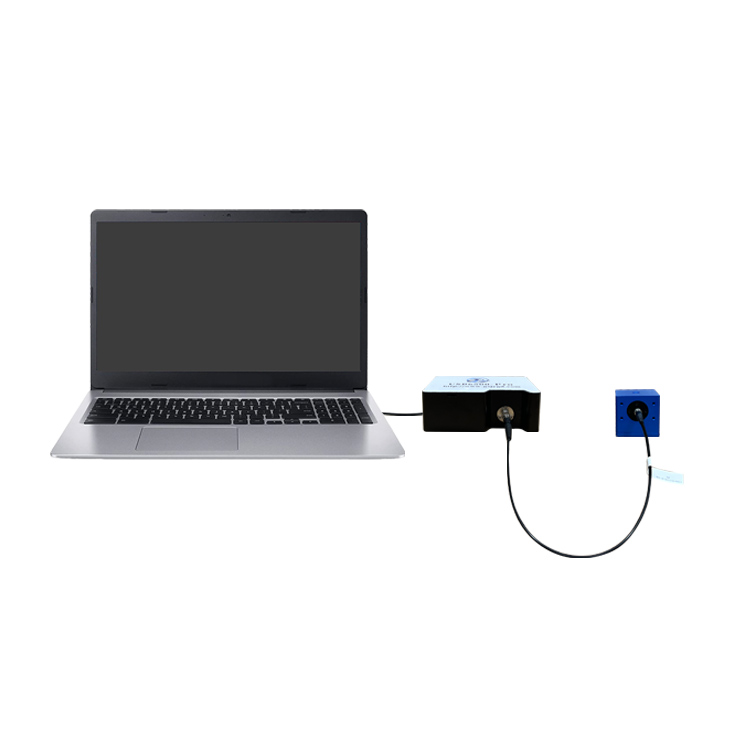
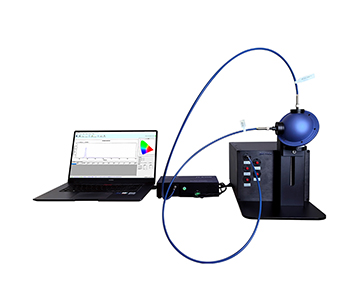
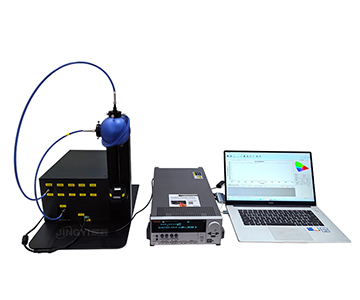
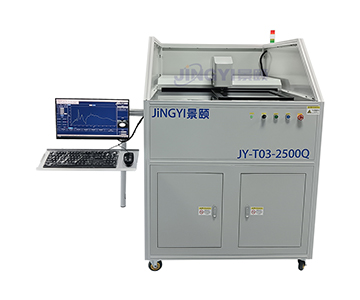
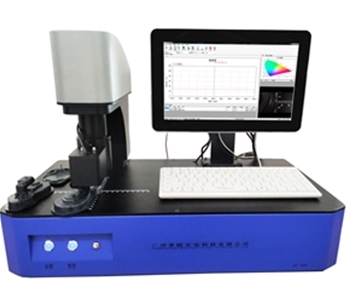
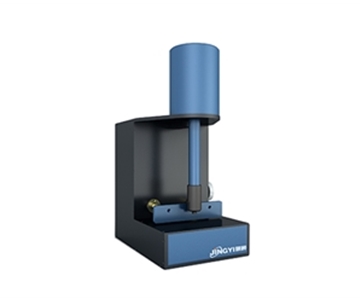
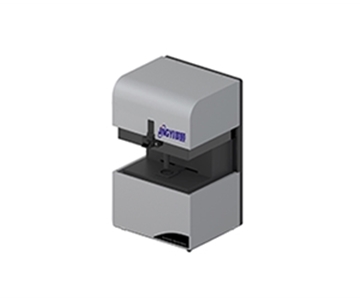
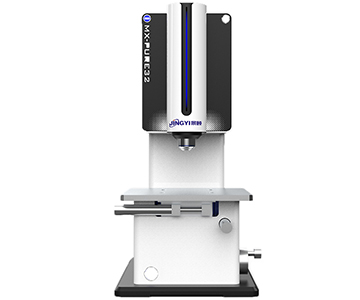
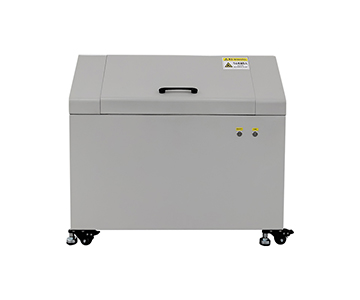
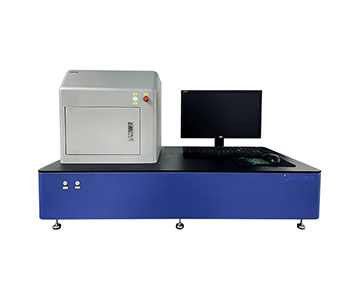
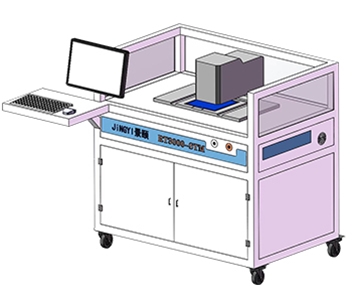
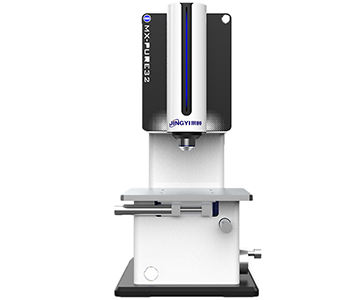
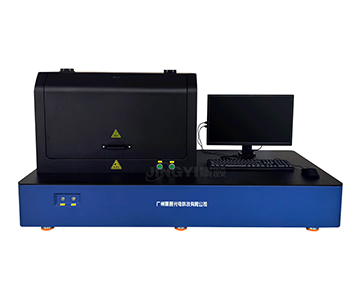
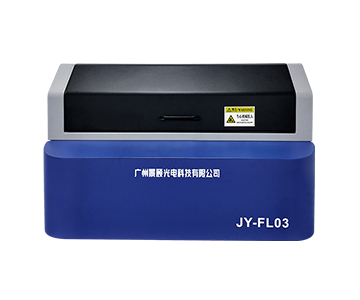
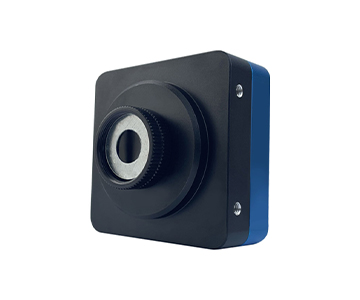
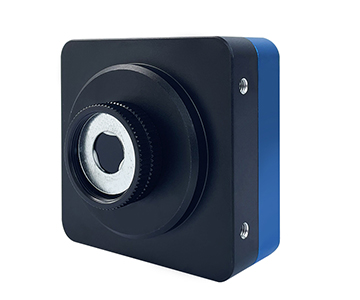
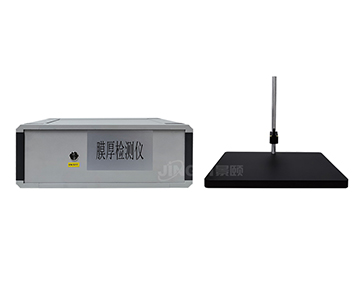
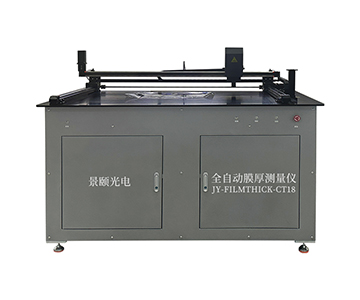
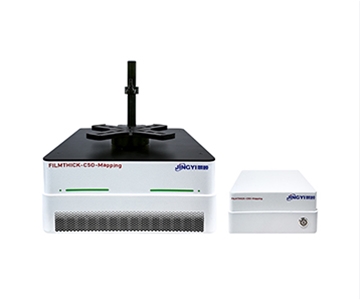
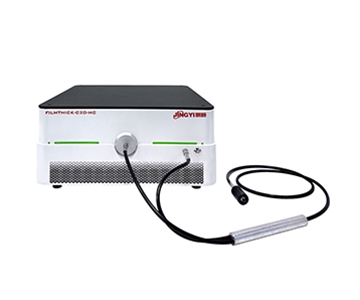
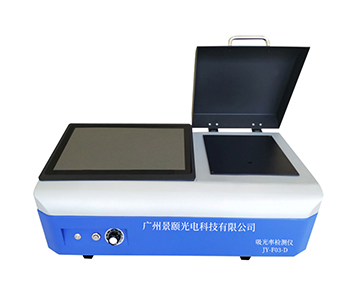
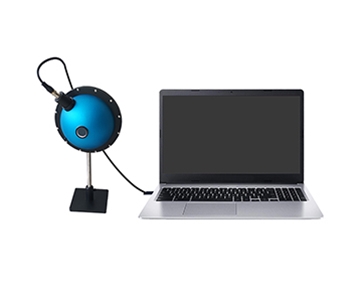
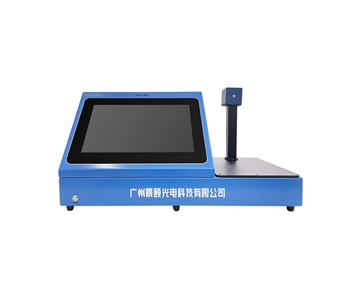
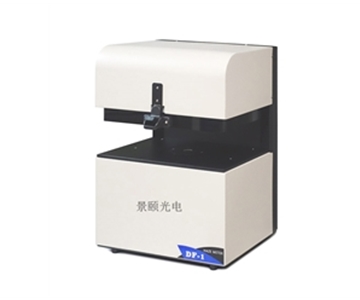
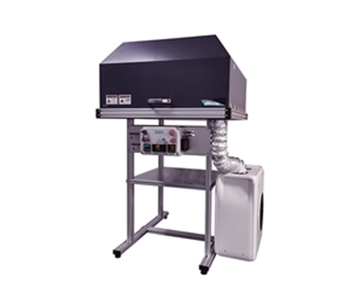
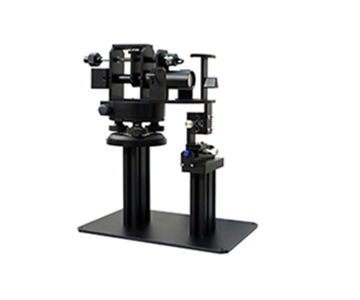
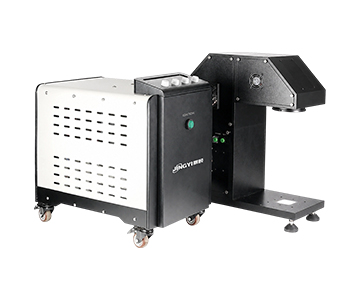
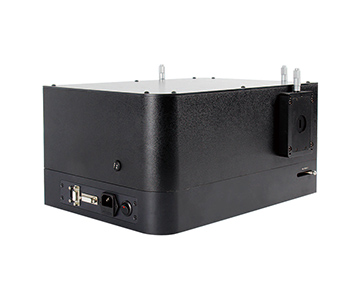
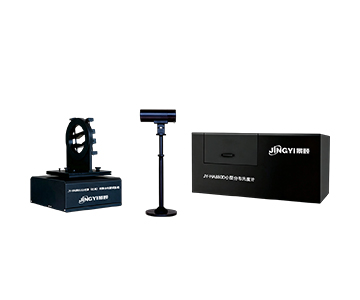
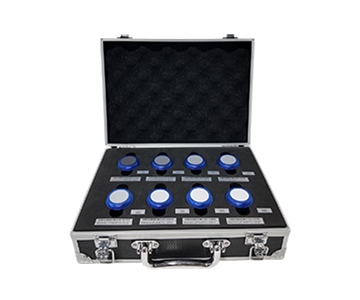
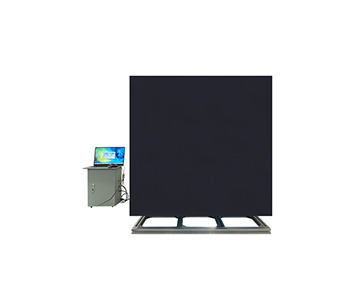
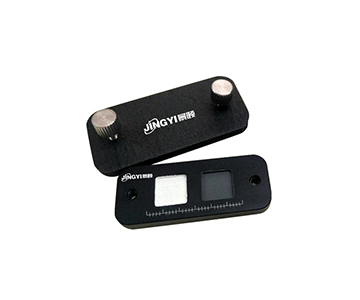
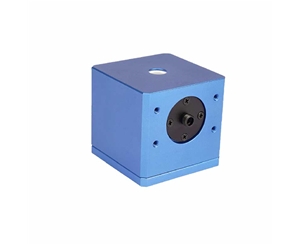
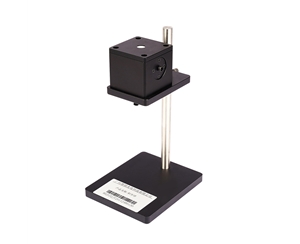
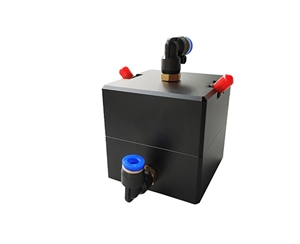
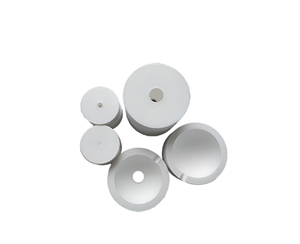
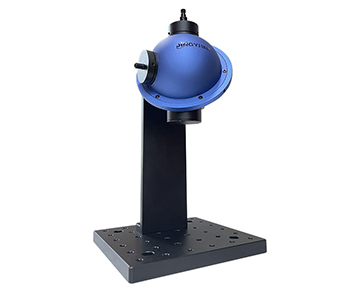
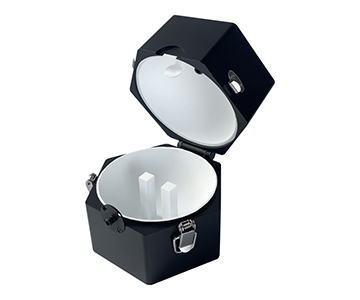
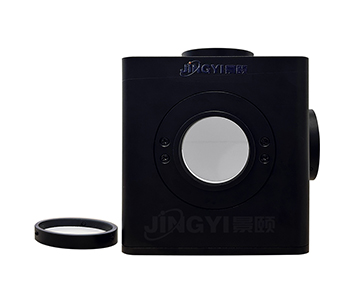
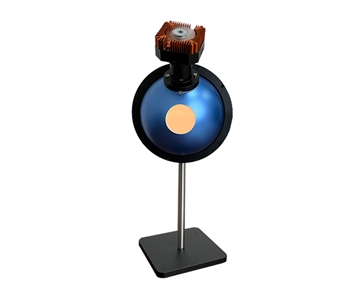
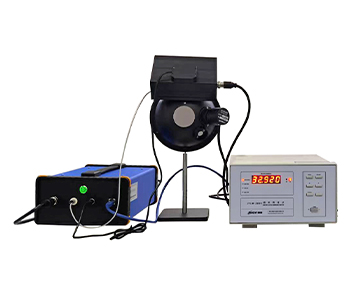
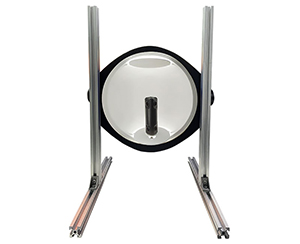
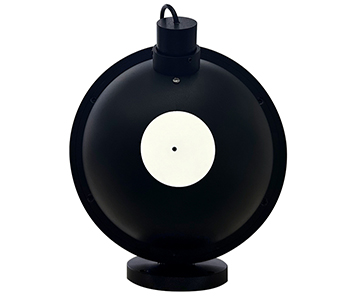
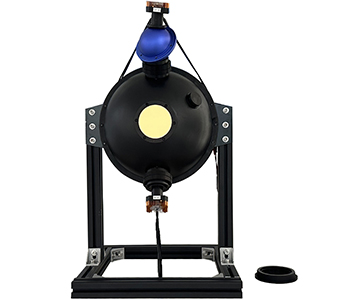
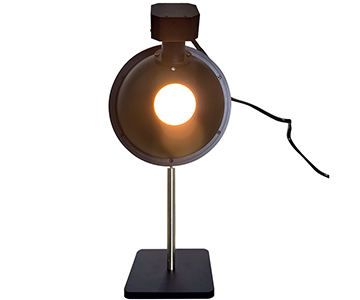
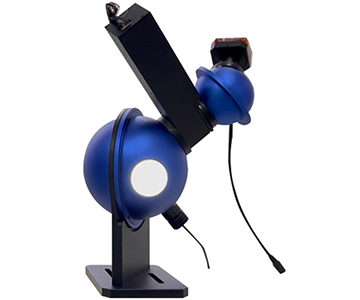
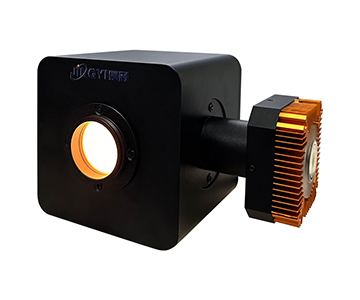
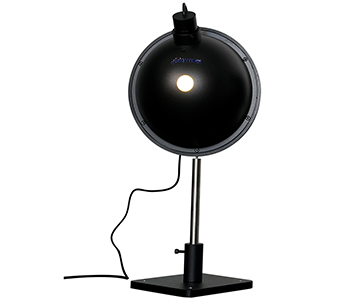
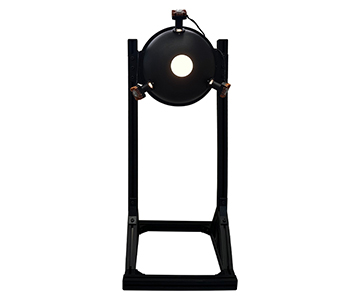
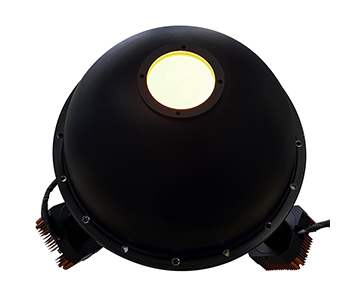
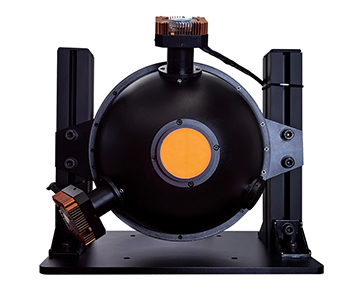
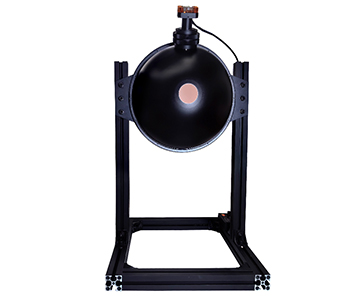
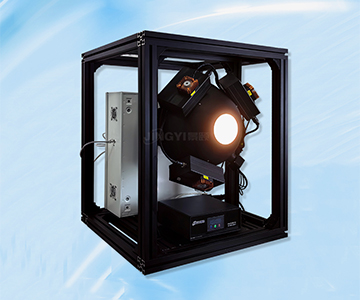
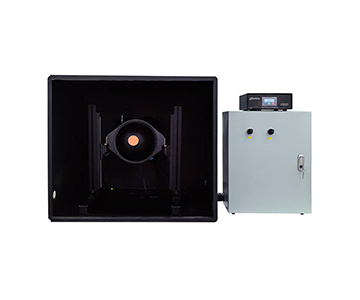
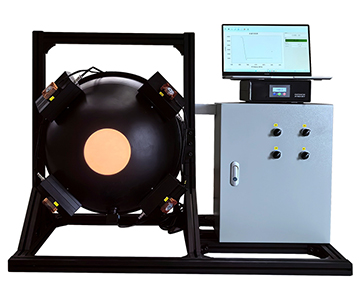
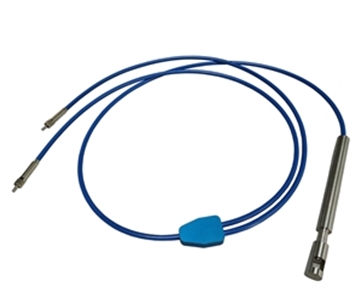
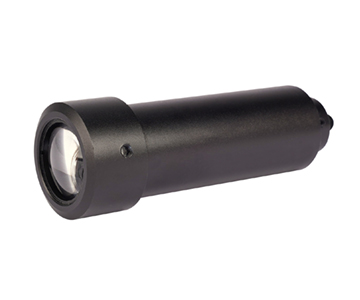
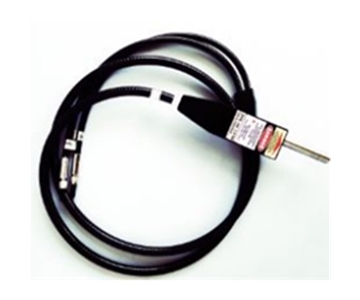
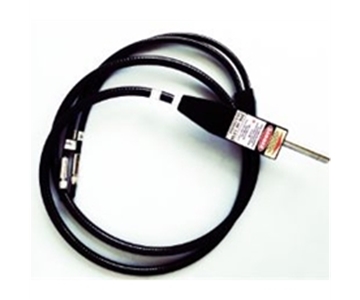
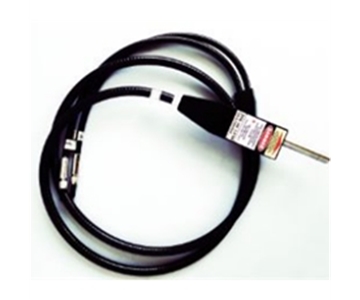
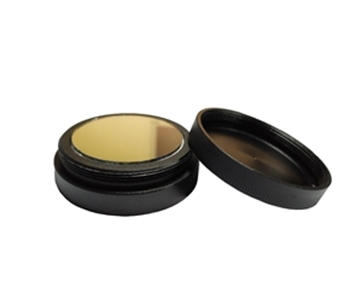
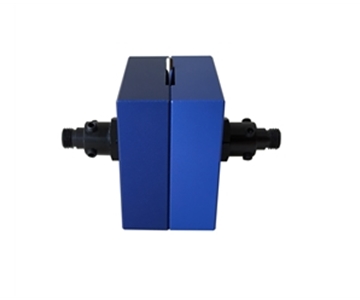
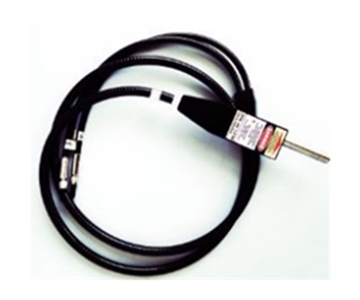
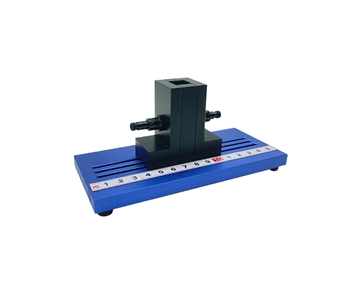
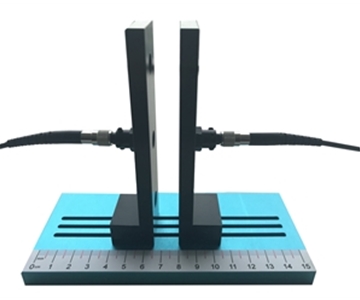
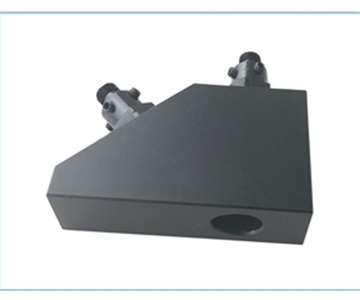
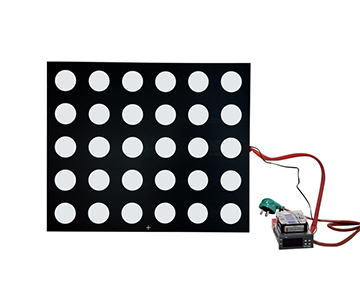
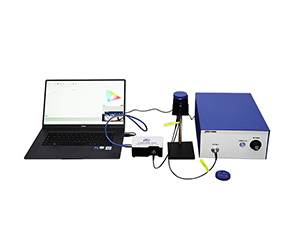
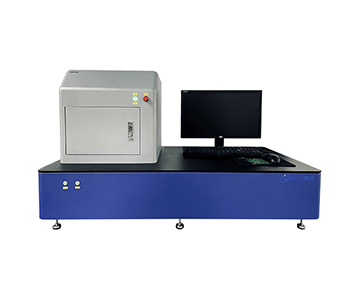
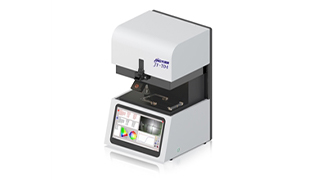
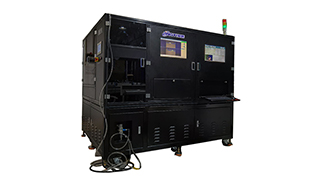
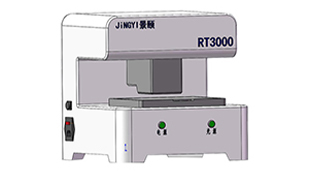
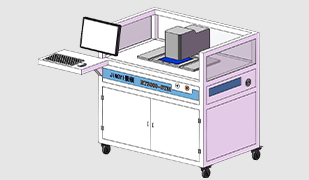
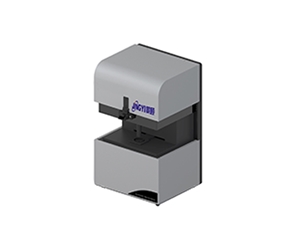
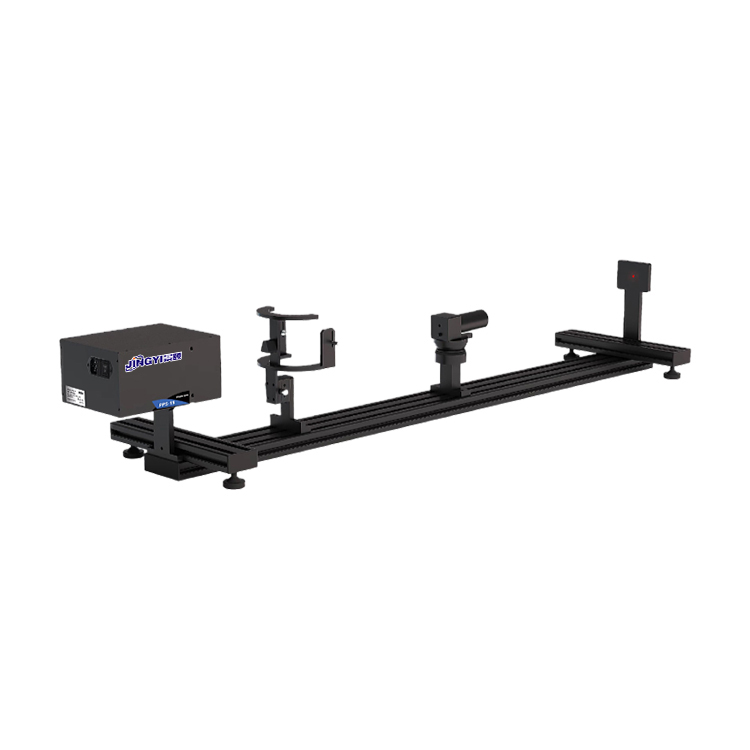
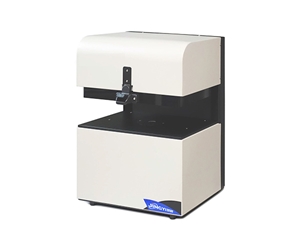
This scenario typically employs high-power lasers exceeding 500 W, with common print spot sizes ranging from 30 μm to 1 mm. Detection equipment must withstand high optical power and integrate seamlessly into production lines. Jingyi Optoelectronics’ self-developed *Standard Beam Quality Analyzer* is specifically designed for such applications. Its standard attenuation module supports up to 1000 W, and it achieves a minimum detectable spot diameter of 29 μm—eliminating the need for additional power-related image error calibration. It also enables wavelength-specific power calibration. With a modular, compact design, the analyzer accommodates both offline lab sampling and online real-time integration directly into printers. It is already deployed across multiple domestic aerospace component manufacturers’ SLM production lines—replacing imported equipment of comparable grade while reducing total inspection costs by over 40%.
**Type II: Low-to-medium-batch SLA photopolymer printing and R&D-oriented 3D printing**
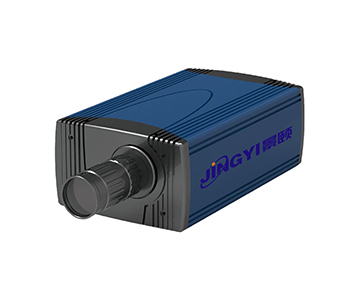
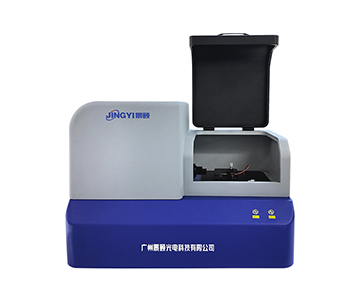
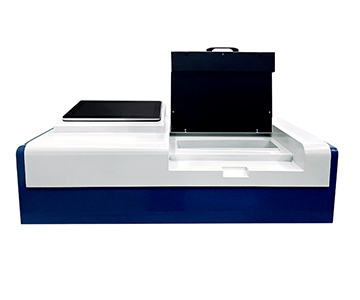
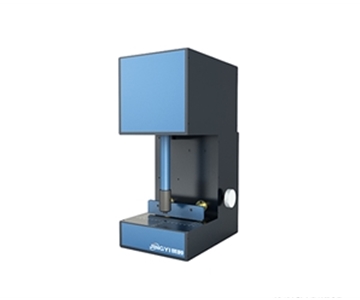
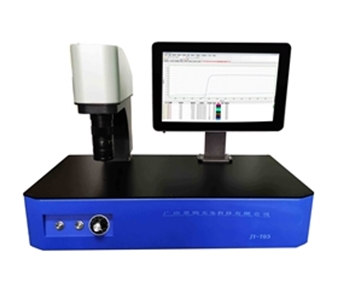
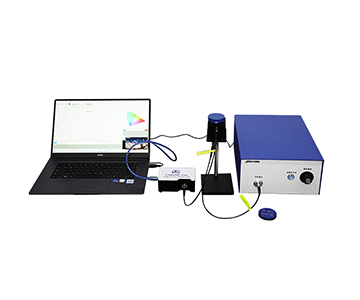
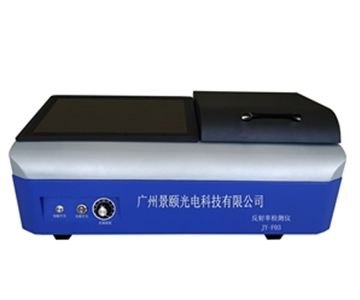
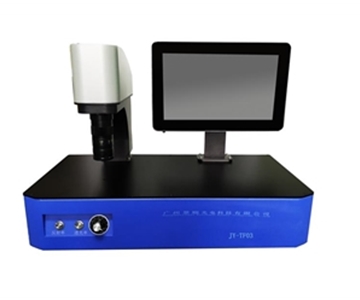
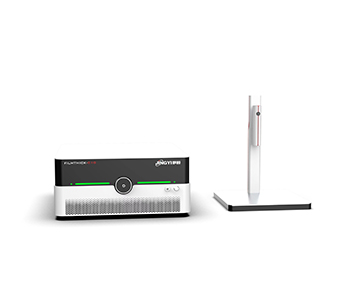
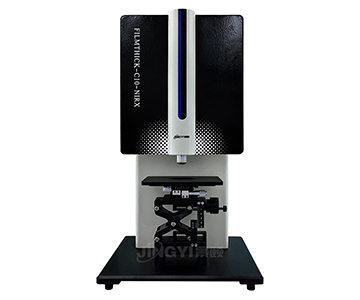
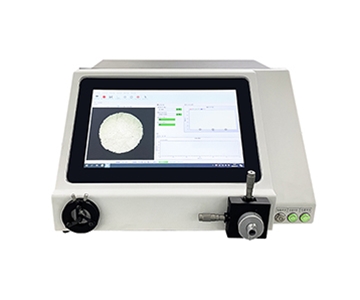
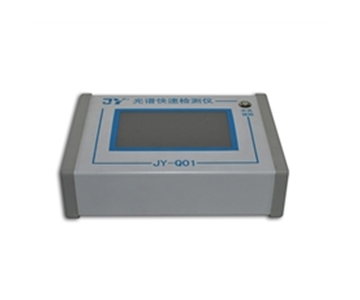
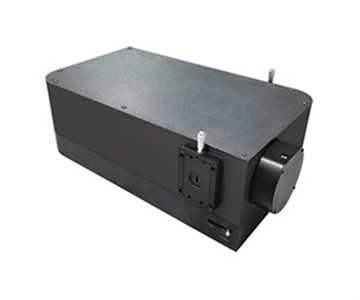
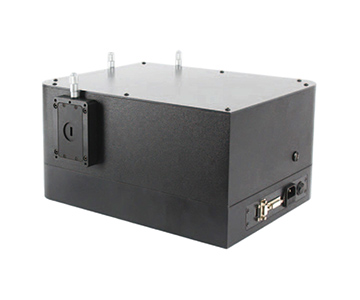
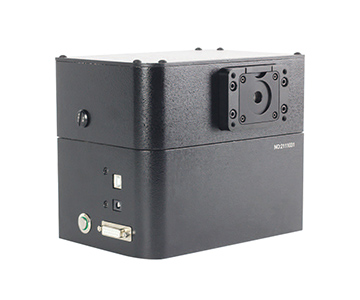
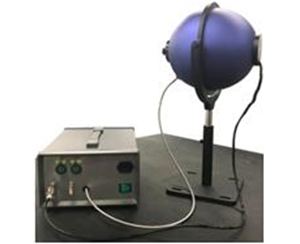
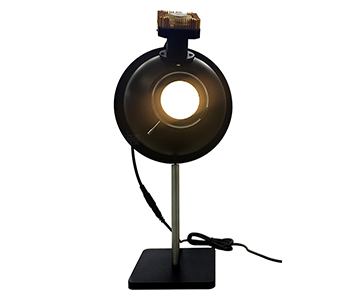
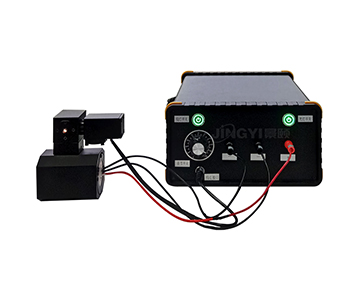
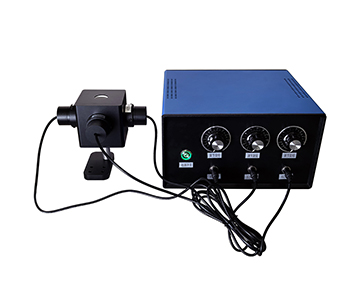
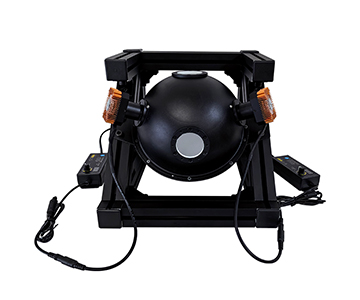
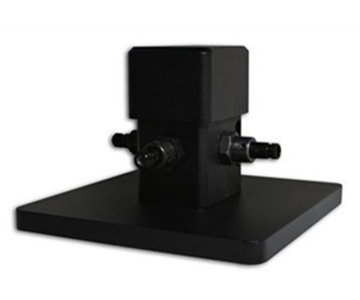
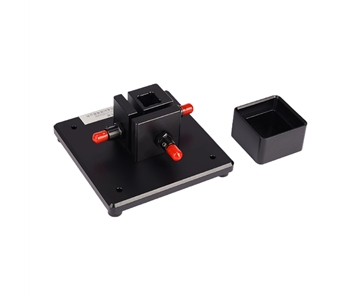
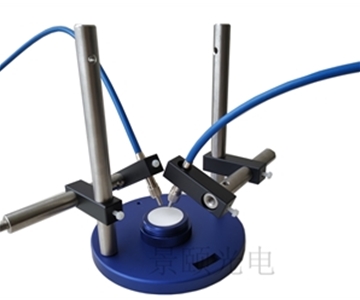
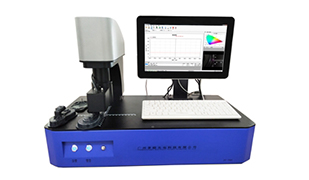
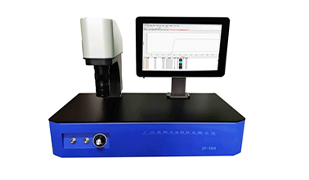
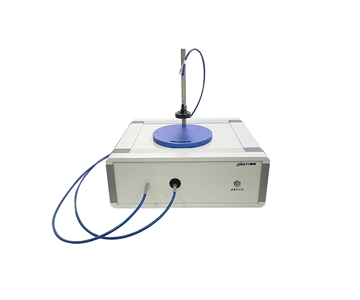
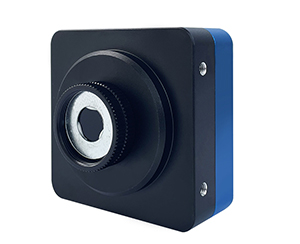
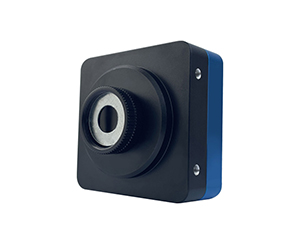
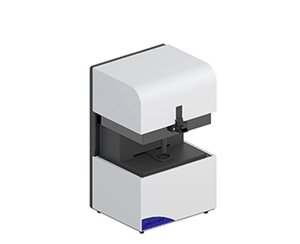
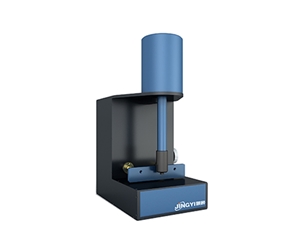
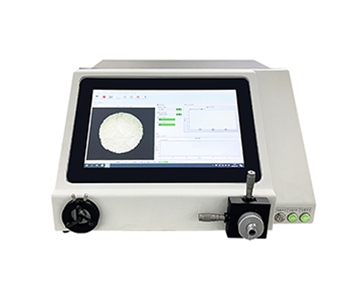
Cost sensitivity is high in this segment; lasers are generally below 200 W, and extreme high-power detection capability is unnecessary. Instead, users prioritize cost-effectiveness and operational simplicity. Jingyi’s Standard Beam Profiler meets these needs with an exceptional pixel resolution of 2.9 × 2.9 μm, ensuring high detection accuracy. It features dual manual/automatic real-time exposure and gain adjustment, an intuitive graphical user interface requiring minimal training, customizable Pass/Fail thresholds, and one-click export of standardized inspection reports. Users may select attenuation configurations aligned precisely with their requirements—avoiding functional redundancy and procurement cost waste. Compared to equivalent imported equipment, acquisition cost is reduced by over 50%, and delivery lead time is shortened to under two weeks.
**Type III: Microstructure 3D printing requiring sub-30-μm spot detection**, e.g., implant micropore fabrication or microelectronic component printing
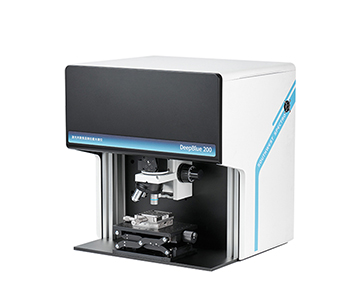
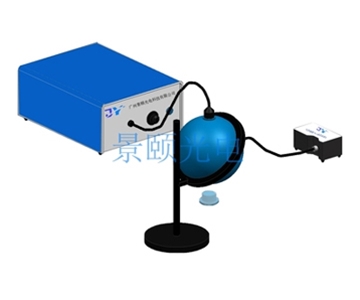
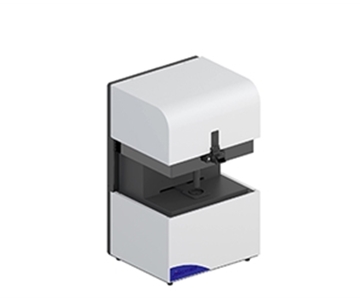
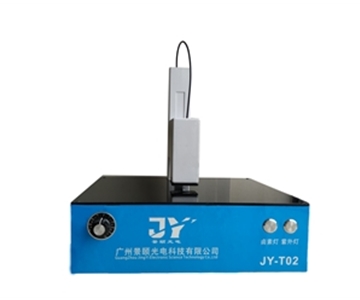
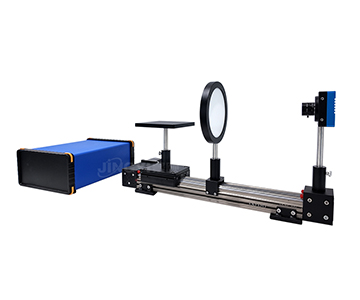
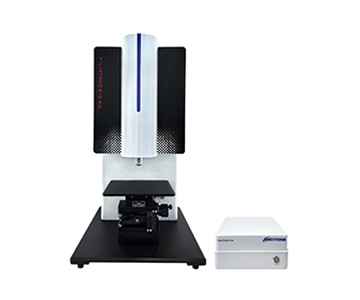
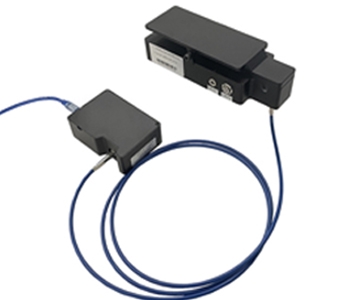
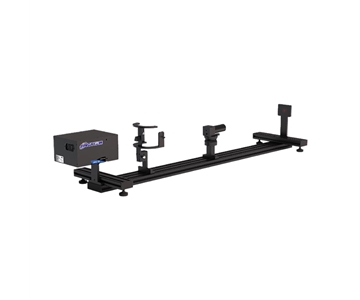
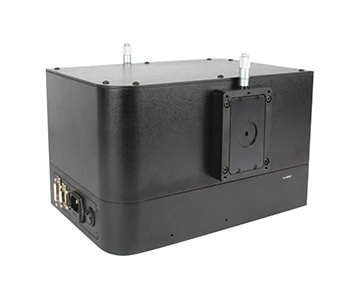
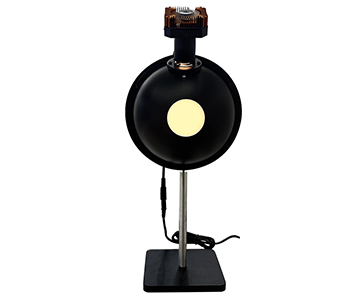
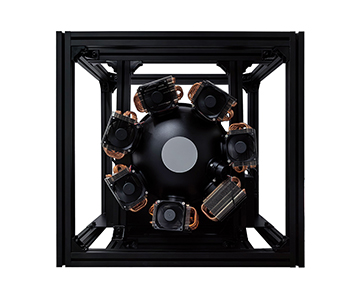
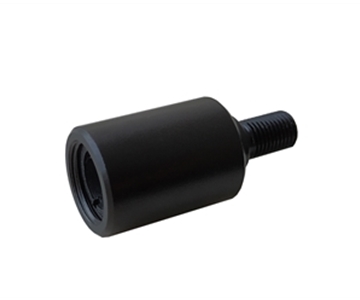
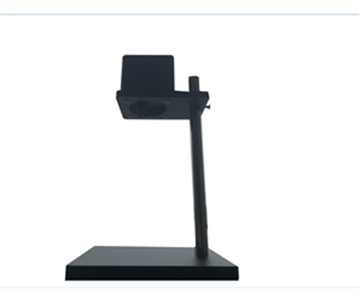
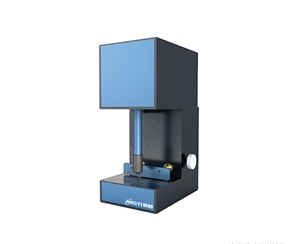
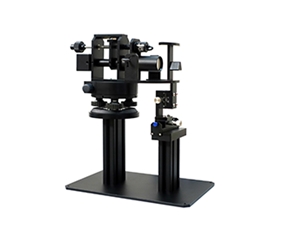
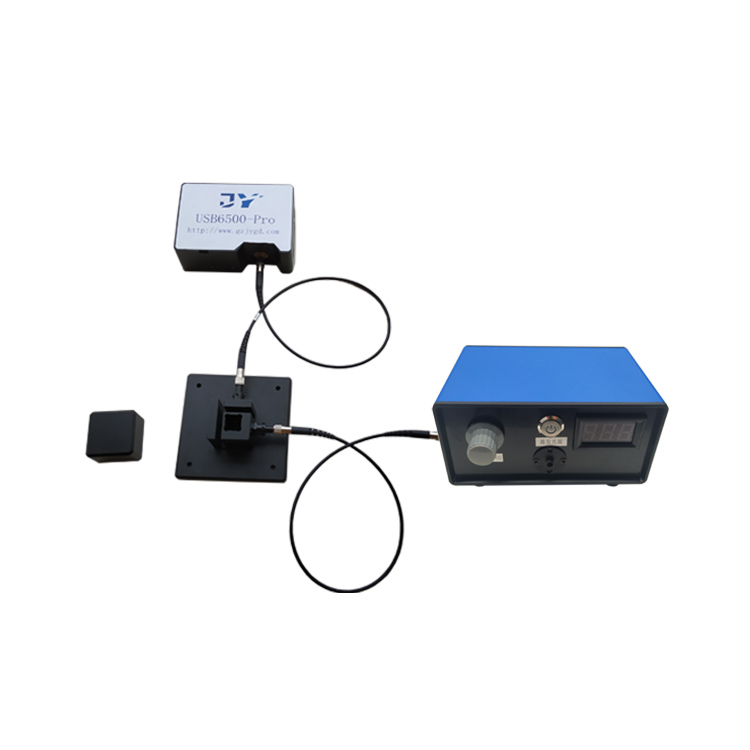
For such ultra-high-precision applications, Jingyi Optoelectronics offers *customized beam quality analysis solutions*. These integrate higher-resolution sensing modules and high-accuracy motorized translation stages, enabling stable, continuous detection of spots as small as 3 μm—meeting the most demanding precision requirements of advanced 3D printing.
Finally, here are three key pitfalls to avoid when selecting a beam profiler:
1. **Confirm alignment between the instrument’s detection range and your specific process parameters**: The smallest measurable spot size must be at least 10% smaller than your actual print spot to guarantee measurement accuracy.
2. **Verify compatibility of the power attenuation module with your laser’s output**: Prevent sensor damage caused by direct exposure to high-power beams.
3. **If integrating the device into production for online inspection**, ensure the system supports secondary development and modular customization—preventing costly retrofitting or integration difficulties later.
Jingyi Optoelectronics has long specialized in optical metrology. Addressing the full spectrum of detection needs across laser additive manufacturing, we deliver end-to-end beam quality analysis solutions—from hardware customization to software development—empowering 3D printing manufacturers to control print quality at the process source, reduce reliance on imported inspection equipment, and significantly enhance production line localization and operational stability.
#BeamProfiler #LaserBeamProfiler #BeamQualityAnalyzer #BeamMeasurementInstrument #BeamInspectionSystem #FocusSpotAnalyzer