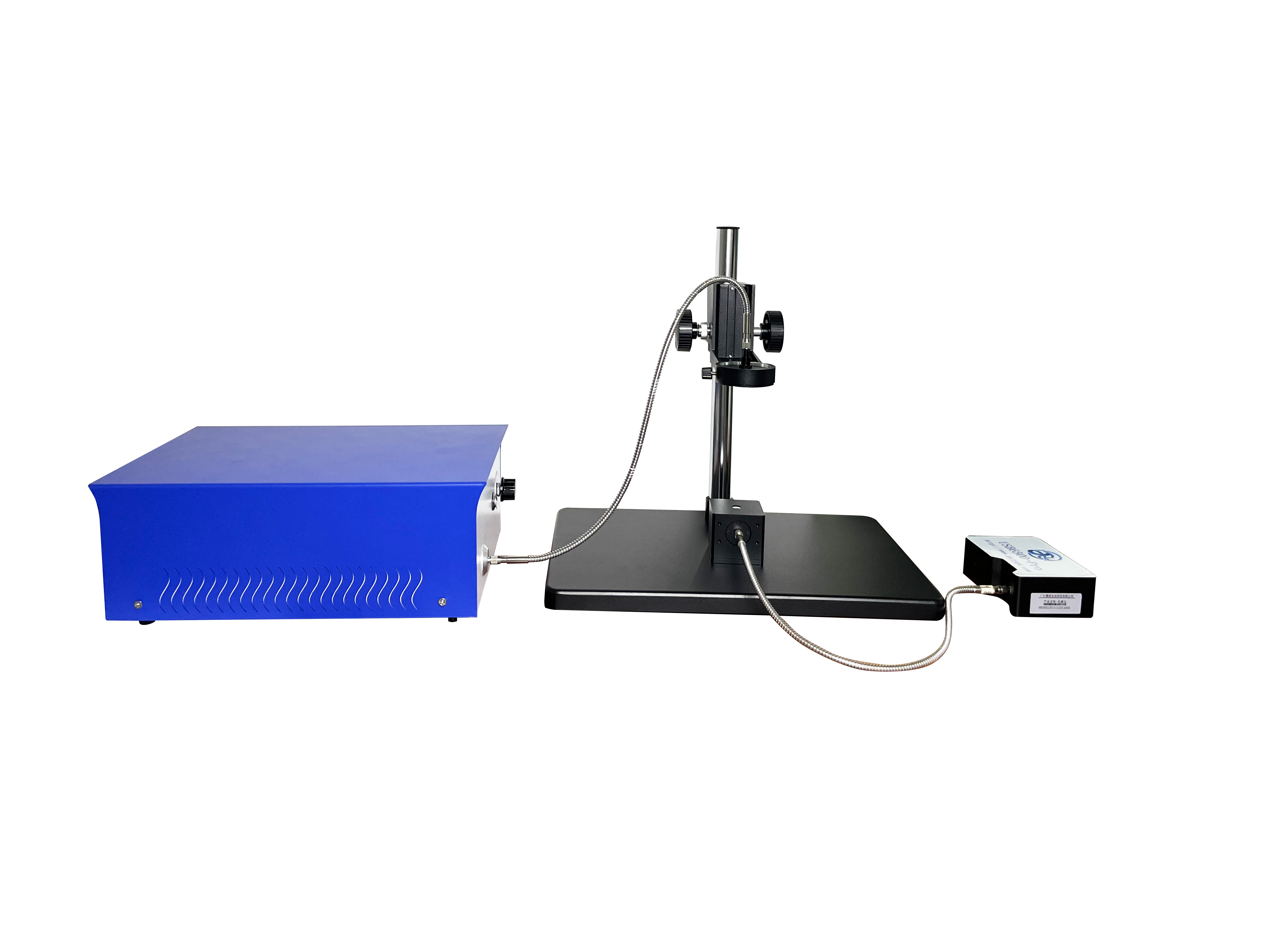
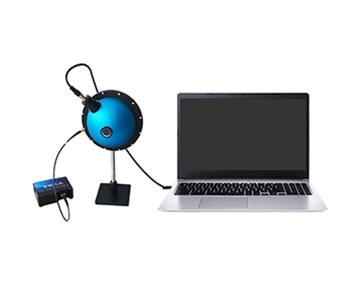
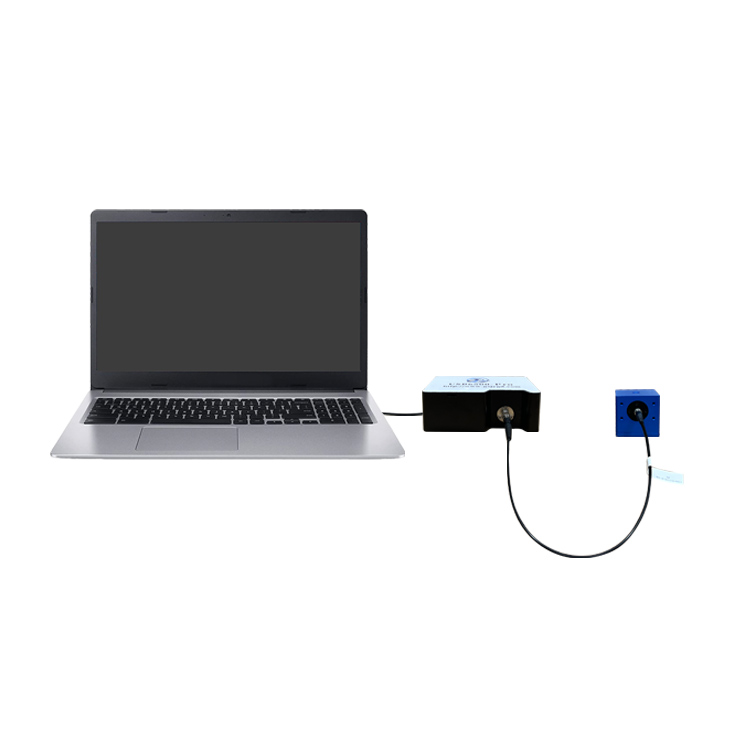
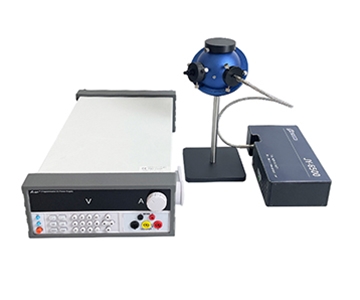
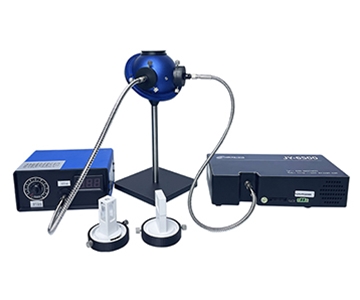
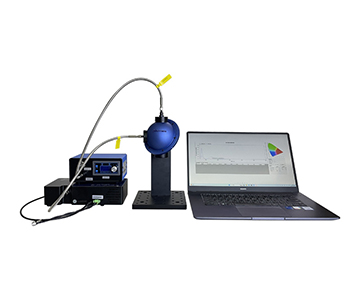
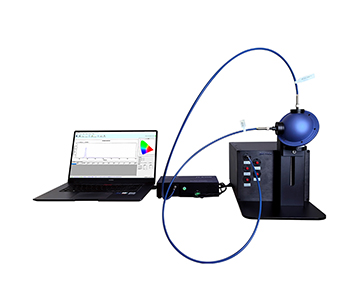
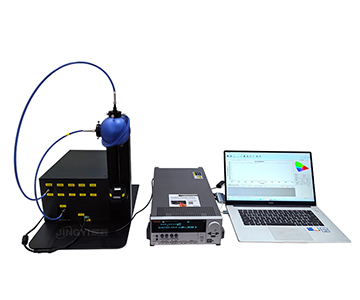
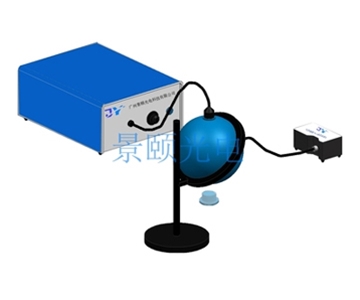
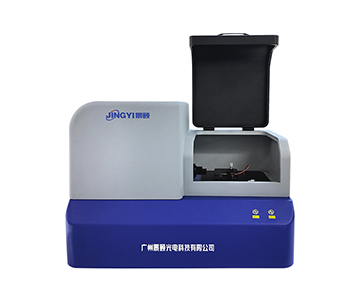
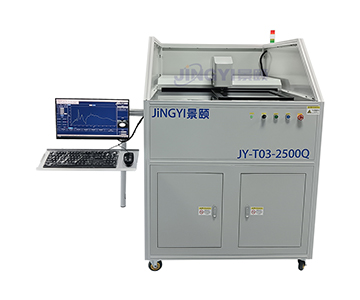
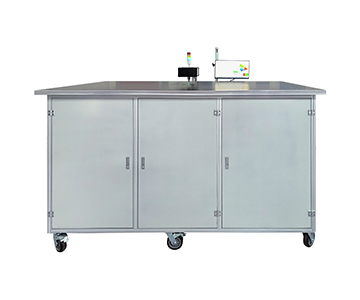
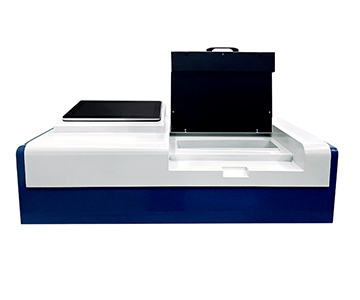
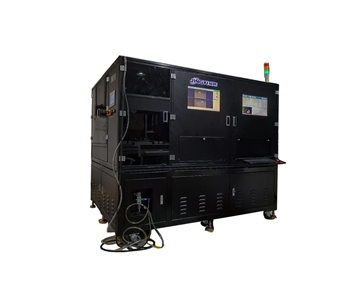
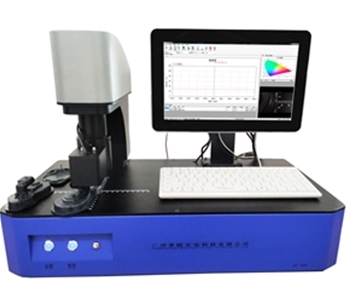
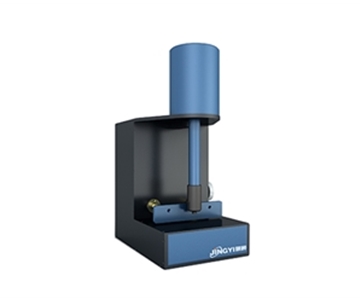
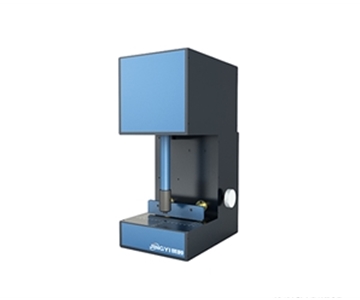
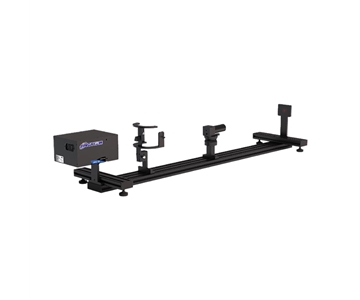
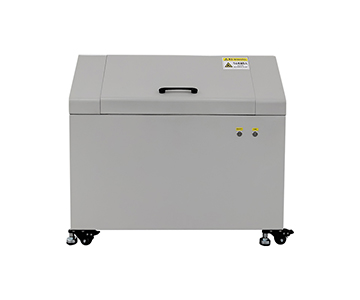
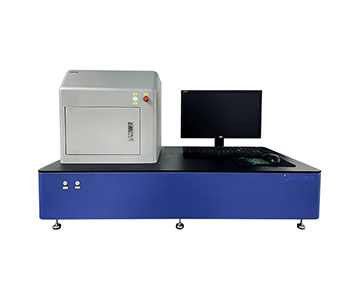
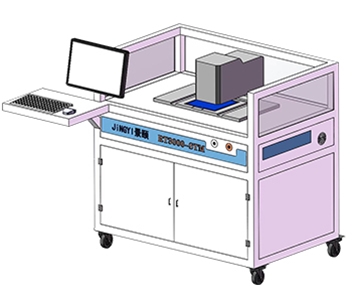
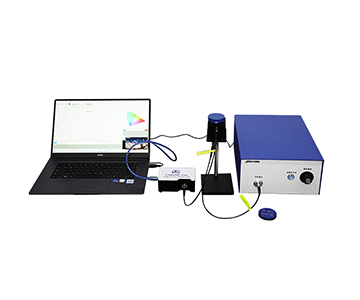
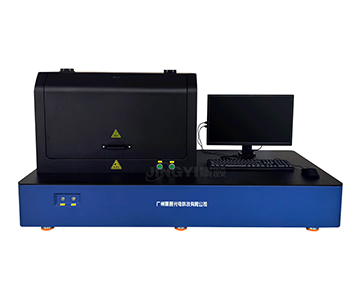
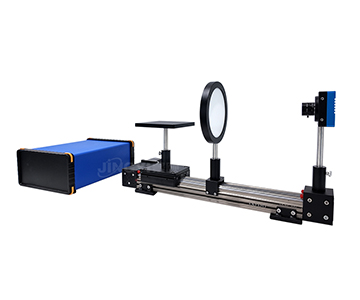
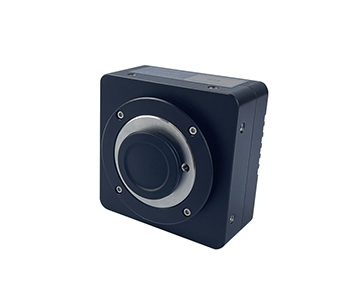
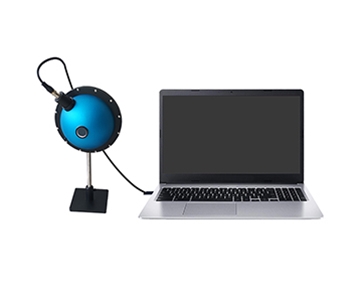
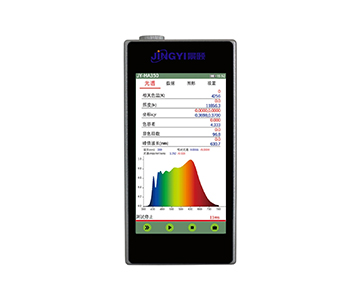
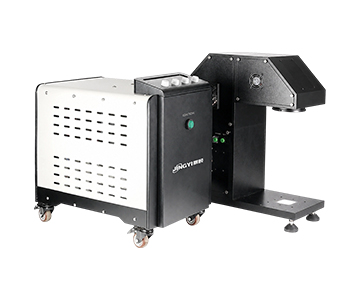
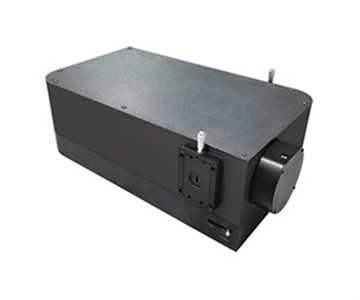
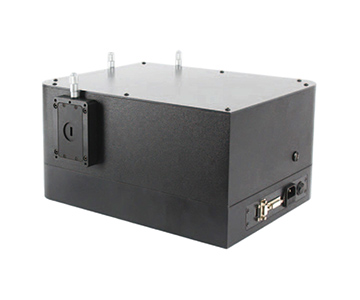
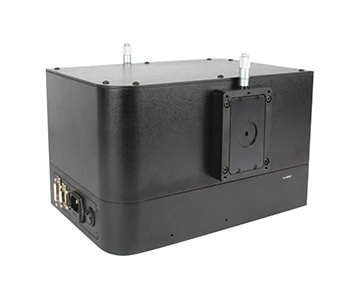
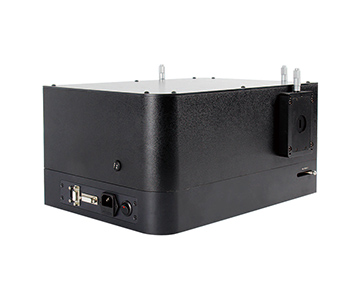
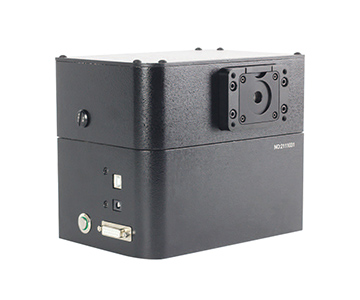
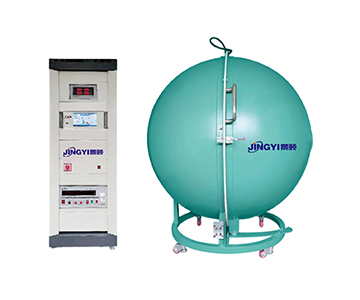
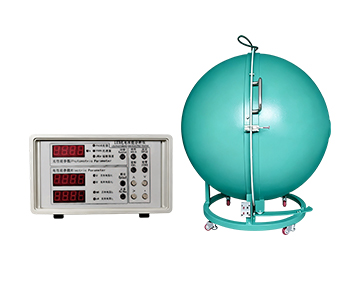
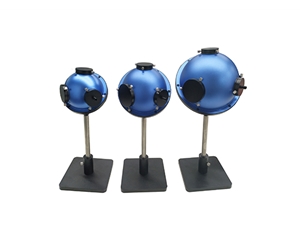
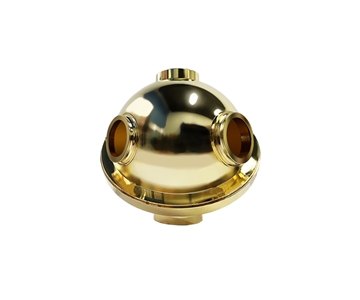
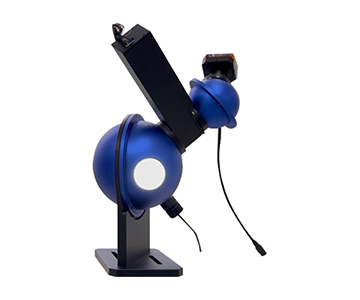
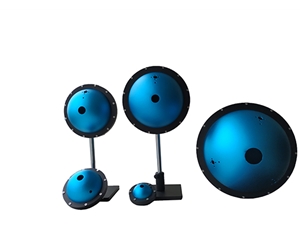
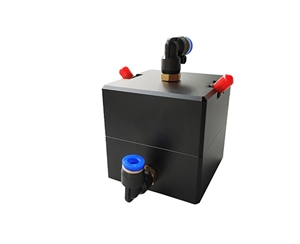
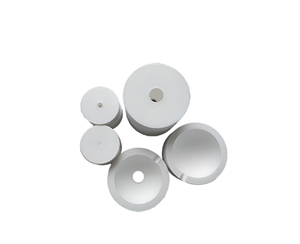
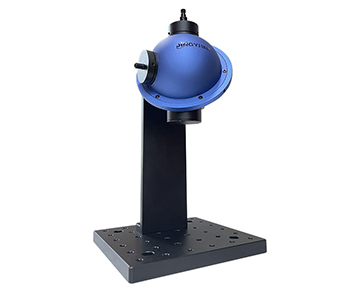
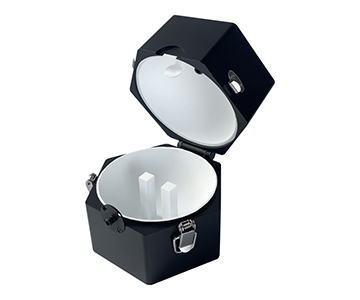
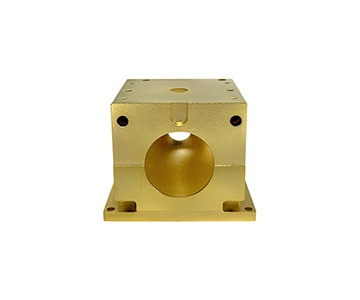
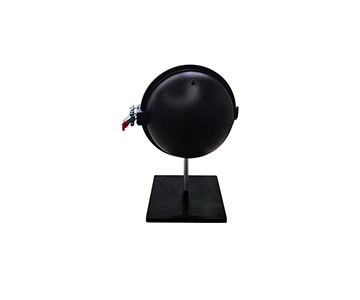
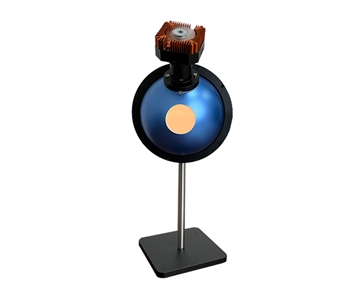
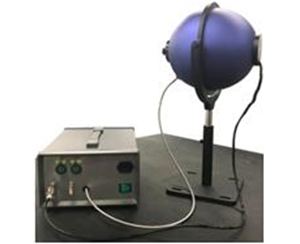
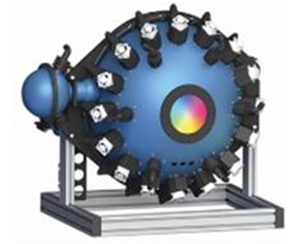
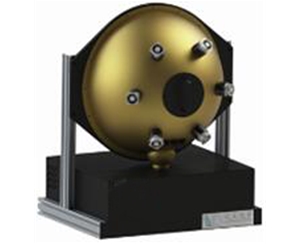
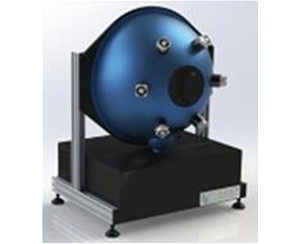
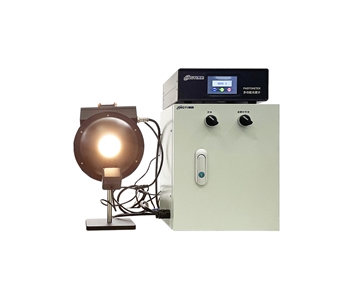
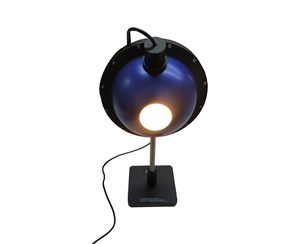
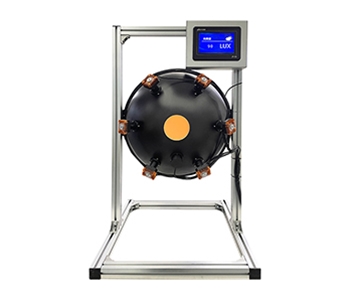
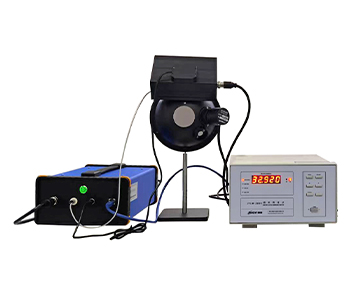
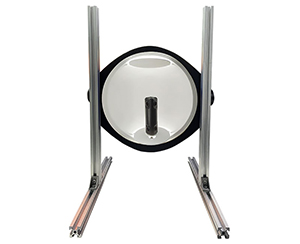
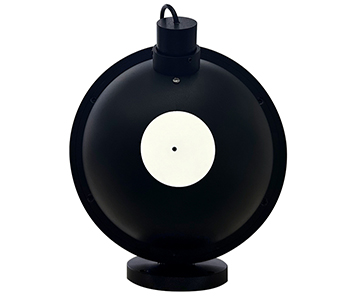
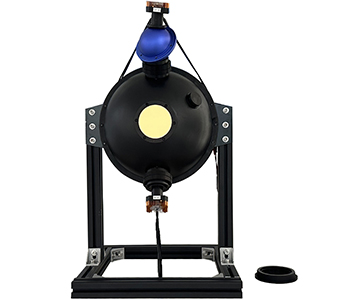
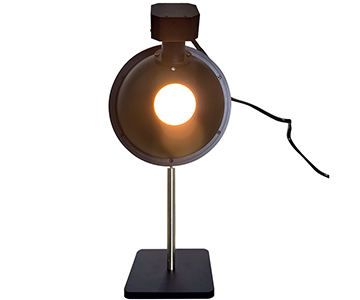
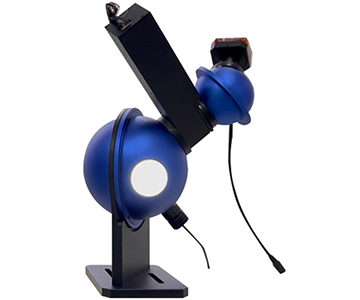
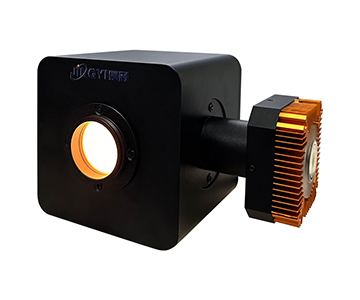
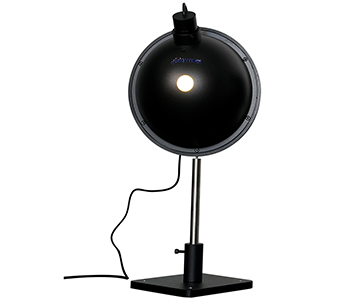
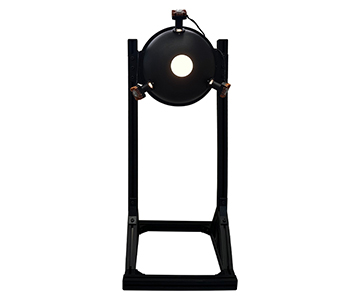
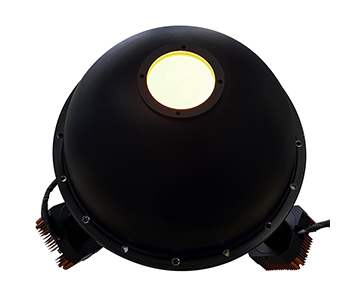
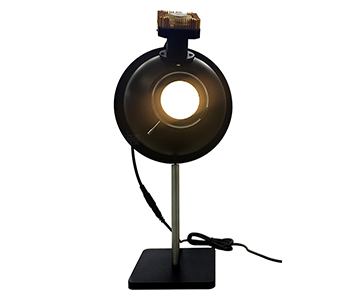
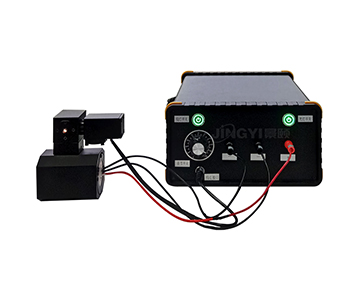
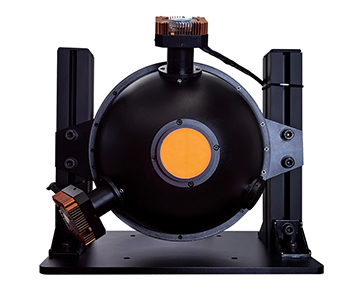
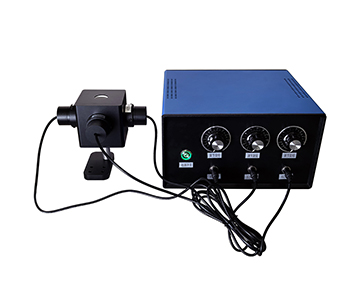
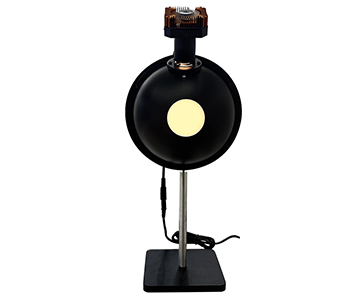
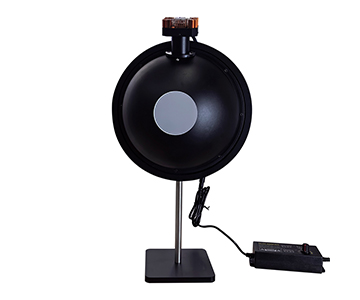
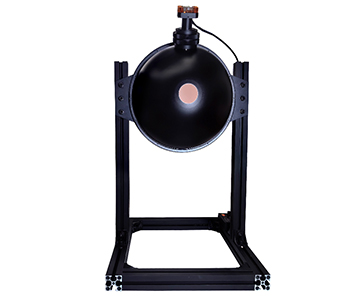
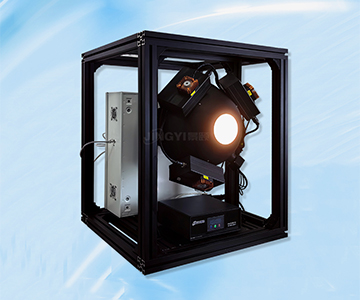
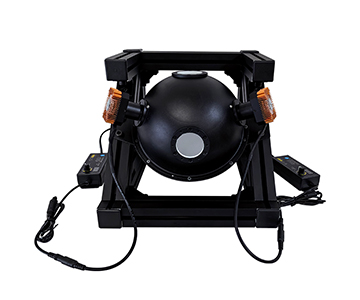
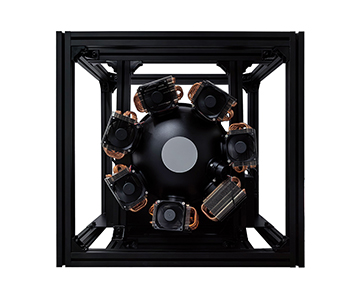
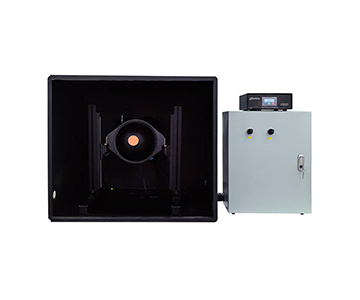
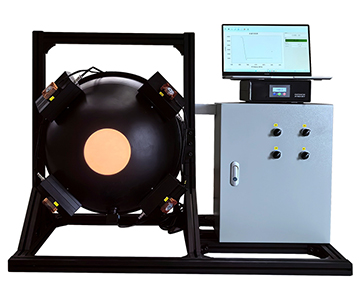
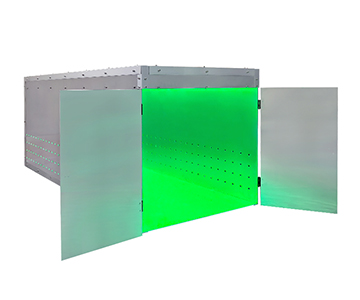
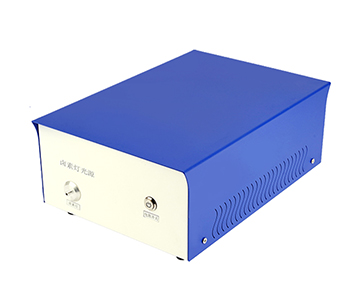
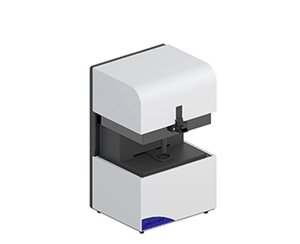
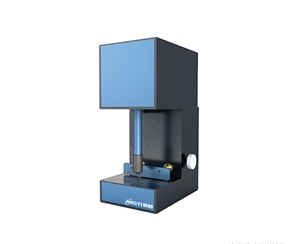
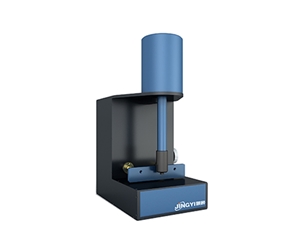
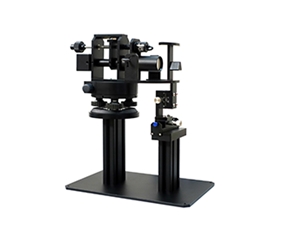
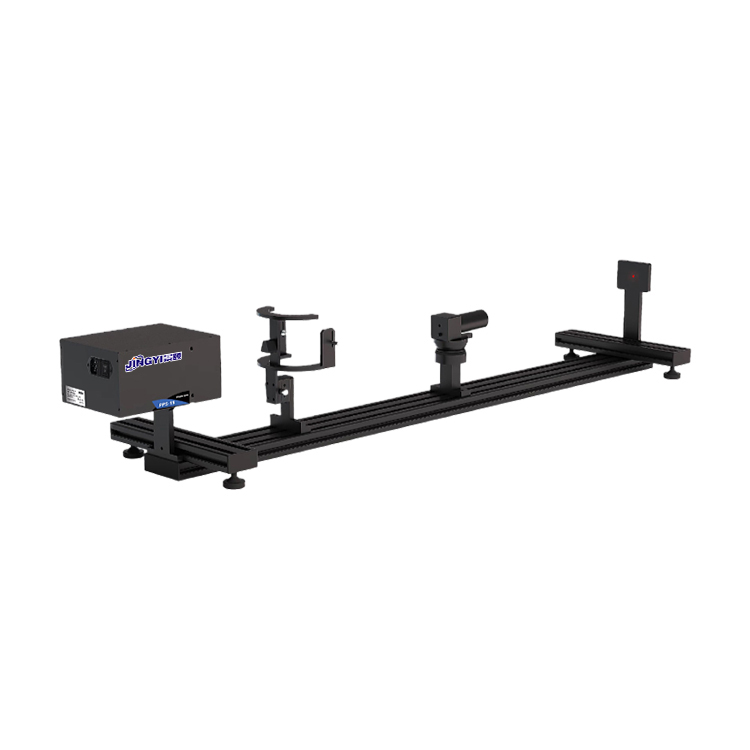
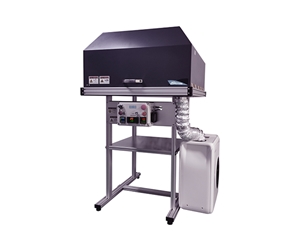
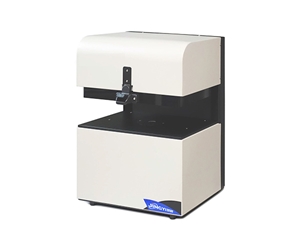
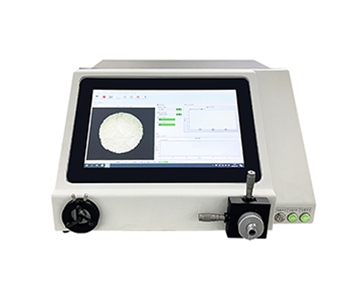
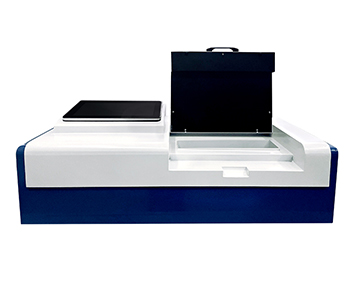
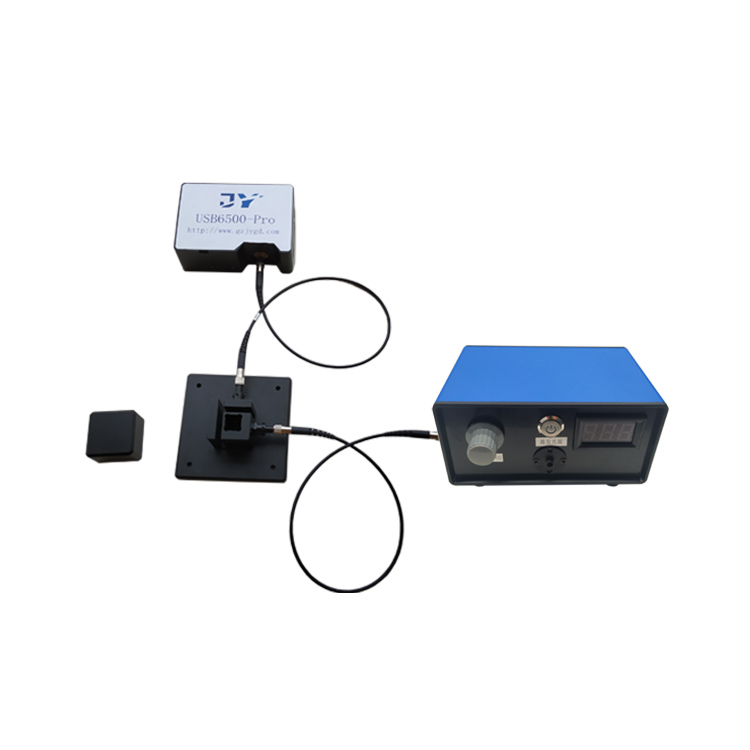
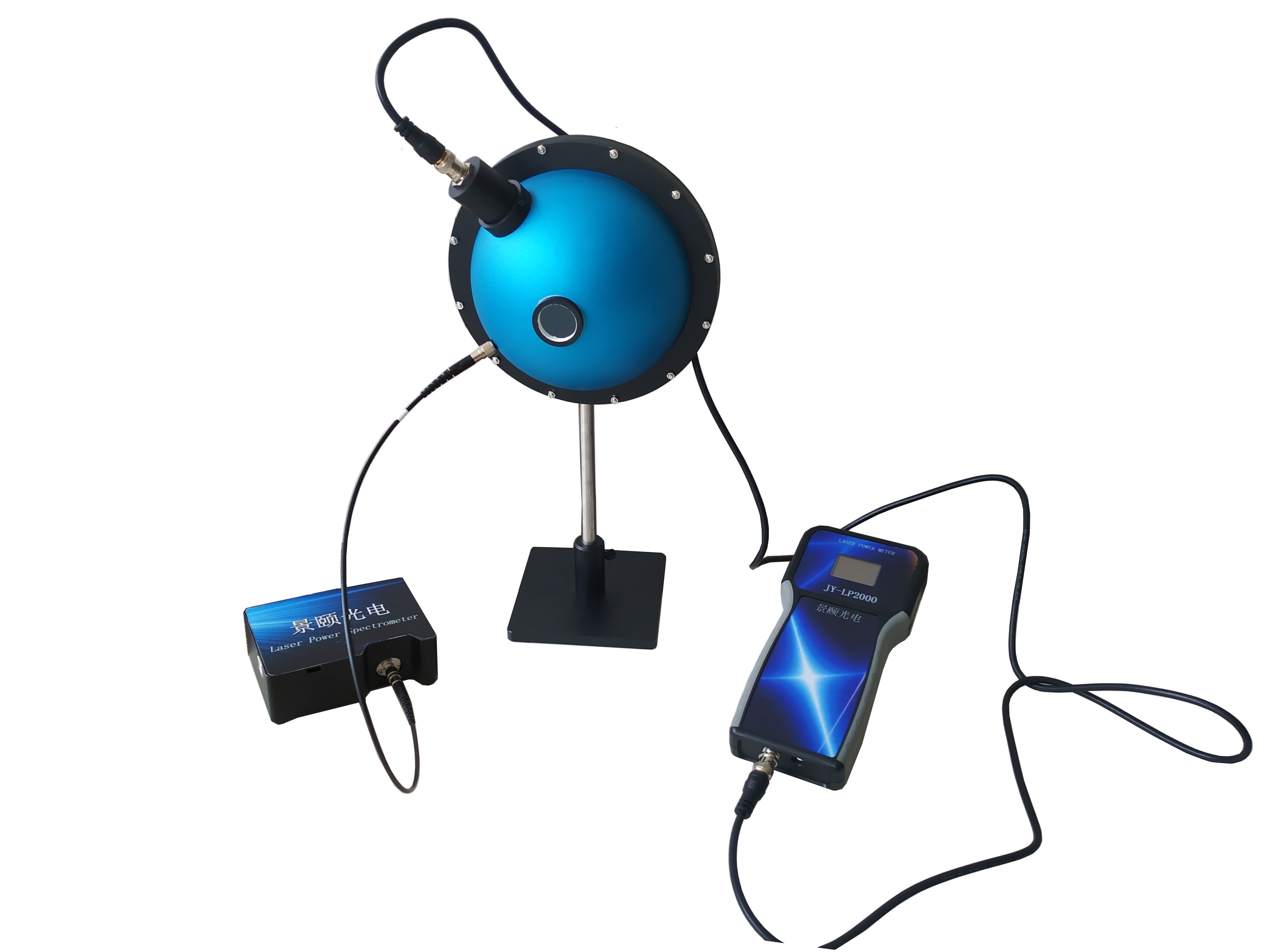
Integrating sphere uniform light sources achieve >99% surface uniformity and Lambertian angular distribution through multiple diffuse reflections inside a PTFE or BaSO₄-coated cavity. This assessment covers sphere diameters from 60mm to 1500mm, spectral ranges spanning 200-2500nm, and illuminance dynamic ranges from 1×10⁻⁷ lux to 100,000 lux. The evaluated systems support CCD/CMOS camera calibration, remote sensing detector validation, low-light night vision sensitivity testing, and display panel color temperature consistency verification.
Executive Summary: Core Parameters at a Glance
When a production line needs to batch-calibrate smartphone camera modules, a 200mm sphere with a 50mm exit port and >98% uniformity keeps pixel response non-uniformity measurement uncertainty at a controlled level. For aerospace remote sensing payload full-field correction, spheres exceeding 1000mm with 300mm large-aperture exit ports and >99% uniformity ensure edge-field illuminance deviation from center-field remains below 1%.
表格复制
| Metric Dimension |
Basic/Standard |
Precision/Large-Aperture |
Low-Light/Dual-Sphere |
| Sphere Diameter |
60-300mm |
500-1500mm |
200mm (dual-sphere) |
| Exit Port Diameter |
5-100mm |
150-500mm |
40mm |
| Surface Uniformity |
>98% |
>99% |
>99% |
| Spectral Range |
250-2500nm |
200-2500nm |
250-2500nm |
| Light Source Type |
Halogen/LED |
Halogen/LED multi-array |
Halogen |
| Illuminance Resolution |
1lx |
0.01lx |
— |
| Dynamic Range |
0.01-100,000lux |
0.01-100,000lux |
1×10⁻⁷-1×10³lux |
| Adjustment Method |
Manual/Electric |
Electric/Network/USB |
Manual/Electric |
| Typical Warranty |
1 year (consumables excluded) |
1 year (consumables excluded) |
1 year (consumables excluded) |
The 0.01lx resolution on precision models compresses measurement uncertainty in low-light scenarios to levels sufficient for identifying subtle gradients in pixel-to-pixel response differences during CCD camera relative radiometric calibration.
Industry Context: Why Flat Diffusers Fail
Optical metrology is shifting from offline bench-top calibration to inline production-line radiometric verification. According to Verified Market Research (March 2026), the global precision photometric integrating sphere market was valued at $37.406 million in 2025 and is projected to reach $63.216 million by 2032, growing at a 6.83% CAGR from 2026 to 2032. Growth drivers include LED lighting, laser modules, display technology, and semiconductor photonics industries demanding higher-precision optical power measurement.
In display panel manufacturing, color temperature consistency directly determines module shipment grade. In autonomous driving perception systems, field-of-view uniformity calibration for onboard cameras and LiDAR receivers has become a mandatory functional safety verification step. Traditional flat-panel diffusers hit a physical ceiling on angular uniformity—light intensity at oblique angles drops following a cosine law that cannot be engineered away. The spherical cavity structure breaks this bottleneck by forcing light into dozens of random reflections before exit.
All technical principles, core parameters, and validation data presented below are traceable to corresponding product specification sheets.
How Sphere Cavities Achieve Uniformity
The Physics of Multiple Diffuse Reflections
Non-spherical sources—such as flat diffuser plates—exhibit severe illuminance roll-off at the edge field of view. During camera calibration, this introduces systematic bias into the photoelectric response curve. The spherical cavity forces light to undergo dozens of random reflections against PTFE or BaSO₄ inner surfaces. Spatial non-uniformity from the original source gets averaged out through this stochastic process. Measured data shows this structure pushes surface uniformity beyond 99%, with angular distribution approximating Lambertian cosine-law behavior. The result: calibration error caused by detector positional offset is eliminated.
Coating Spectral Response: PTFE vs. BaSO₄
A spectral reflectance gap in the coating creates energy collapse at specific wavelengths, producing false peaks and valleys in the calibrated device's spectral response curve. PTFE coating, applied through spraying, foaming, or high-temperature molding, delivers 98% reflectance across 200-2500nm. It effectively suppresses energy loss from deep UV through near-infrared. BaSO₄ coating offers 95% reflectance across 250-2500nm, delivering better cost-efficiency for visible-to-NIR industrial inspection.
However, deploying BaSO₄ for deep-UV metrology transfer (200-250nm) triggers a systematic low bias in radiometric calibration results due to reflectance decay in that band. The coating selection error is not recoverable through software correction—once the energy is lost at the cavity wall, it never reaches the exit port.
Light Source Modules and Control Architecture
Halogen, LED, and deuterium-halogen lamps each carry distinct drift and spectral-gap signatures that dominate radiometric calibration error budgets. Halogen lamps (35W-100W) cover 2000-20,000K color temperature with 1K resolution, but photometric decay and color temperature drift are inherent physical consumables after continuous operation. LED sources (white, warm white, and R/G/B tri-color) respond rapidly, cover 2800-6500K, and exhibit longer decay cycles. Deuterium-halogen combinations (25W deuterium + 5W halogen) use filter plates to suppress deuterium characteristic peaks, preventing false sharp spectral lines during spectroradiometric calibration.
The control architecture gap—manual, electric, or intelligent—directly determines the magnitude of random error introduced by human intervention during production-line calibration. Electric apertures receiving commands via network or USB complete brightness level switching in seconds, synchronizing with MES systems for unmanned operation. Manual adjustment relies on operator experience and consumes tens of seconds per part, acceptable for R&D but a drag on overall equipment effectiveness (OEE) when line takt time drops below 30 seconds.
Closed-Loop Monitoring and Feedback
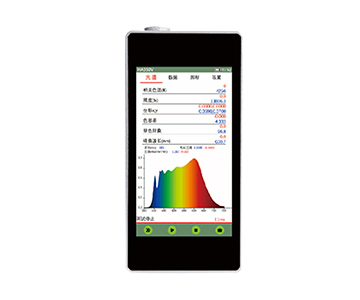
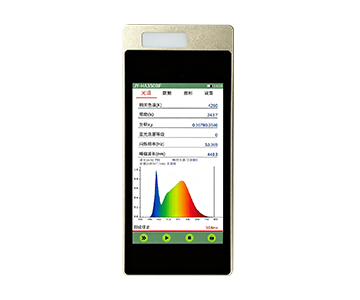
Without real-time monitoring, brightness drift over extended operation shifts entire calibration batches systematically off-target. High-precision models integrate brightness, illuminance, spectroradiometric, or color temperature monitoring modules with 0.01lx or 1lx resolution and Class 1 measurement accuracy. Stability indicators reach ≥0.5%/h, with some models maintaining ≥98% intensity stability over two hours. When the monitoring module detects output deviation beyond the set threshold, the system compensates by adjusting source current or aperture opening, preventing batch calibration failure.
Application Scenarios and Solutions
Integrating sphere standard sources serve five terminal sectors: optoelectronics manufacturing, medical imaging, autonomous driving, scientific metrology, and aerospace remote sensing. Each demands different aperture sizes, spectral coverage, and dynamic ranges.
表格复制
| Application Sector |
Measurement Target |
Process Stage |
Technical Requirements |
Operational Value |
| Optoelectronics Manufacturing |
CCD/CMOS cameras, smartphone camera modules |
Production-line calibration / incoming inspection |
Surface uniformity >98%, color temperature 2865K-6500K adjustable, electric aperture |
Compress yield loss from pixel response non-uniformity; support one-button automation |
| Medical Imaging |
Fluorescence measurement systems, endoscope sensors |
Sensitivity calibration / quantitative measurement |
0.0001lux low-light output, two-hour stability ≥98% |
Ensure consistent lesion detection rates under low illuminance; meet biological low-light imaging quantification needs |
| Autonomous Driving |
Onboard cameras, LiDAR receivers |
Field-of-view uniformity test / color temperature calibration |
Large aperture 80-150mm, D65 standard source simulation, programmable control |
Reduce angular resolution calibration uncertainty; guarantee full-field perception consistency |
| Scientific Metrology |
Spectroradiometers, remote sensing payloads |
Absolute radiometric calibration / traceability |
200-2500nm full spectral coverage, PTFE reflectance 98% |
Enable cross-validation from UV to NIR; satisfy laboratory fine-scale calibration |
| Aerospace Remote Sensing |
Multispectral cameras, low-light detectors |
Pre-launch ground calibration |
Dual-sphere structure 1×10⁻⁷lux extreme low-light, >99% uniformity |
Verify detector linear response and SNR under starlight-level illuminance |
In the display panel industry, RGB tri-color LED integrating spheres excite red, green, and blue sub-pixels independently at 625nm/530nm/470nm wavelength channels. This detects luminance uniformity deviation across different dominant wavelengths without switching external filters—single-device multi-chromaticity baseline calibration.
Technical Advantages and Standards Compliance
Metrology Accuracy Class Alignment
Class 1 measurement accuracy corresponds to the maximum permissible error grade for standard source output quantities under national metrological verification regulations—applicable to precision optical measurement equipment value transfer. The 0.01lx illuminance resolution compresses measurement uncertainty in low-light scenarios to levels meeting stringent magnitude-resolution demands for high-sensitivity detector calibration. During CCD camera relative radiometric calibration, this resolution is sufficient to identify subtle gradients in pixel-to-pixel response differences.
Spectral Coverage and Traceability
The 200-2500nm spectral coverage satisfies general technical conditions for UV-to-NIR spectroradiometric measurement. PTFE coating reflectance reaching 98% means reflectance variation across cavity wall points contributes less than 1% to spatial light field non-uniformity. Deuterium-halogen full-spectrum configurations suppress characteristic peaks through filter plates, ensuring no sharp spectral line interference across 200-2500nm—suitable for wavelength calibration and radiometric baseline transfer for spectrometers.
Dynamic Range and Process Window
Electric apertures with 4 independent adjustment mechanisms enable continuous brightness control across 0.01-100,000lux. This dynamic span covers the full process window from low-light night vision to high-intensity imaging, simulating standard A-source, D65, and LED spectral distributions without hardware replacement. For dual-sphere tandem structures, minimum output illuminance reaches 1×10⁻⁷lux while maintaining >99% surface uniformity—satisfying linearity verification for high-sensitivity detectors near their detection limit.
Selection Guide: How to Match Sphere Size to Your Detector
By Sphere Diameter
Sphere diameter determines maximum effective exit port aperture and spatial light field uniformity baseline. 60-150mm basic models suit small-aperture detectors and smartphone camera module spot checks, with stand heights around 250mm for desktop or small optical platform placement. 200-300mm standard models are the workhorse for laboratory imaging systems and digital camera uniformity correction, with stand heights 440-830mm and dual-foot structures ensuring stability.
500mm large-aperture models accommodate remote sensing instruments and wide-field camera calibration, with 100-150mm exit ports preventing wide-angle lens edge-field illuminance roll-off. 1000-1500mm ultra-large models are purpose-built for aerospace remote sensing system-level uniformity correction, with 300-500mm exit ports requiring substantial laboratory load capacity and floor space.
By Light Source Characteristics
Halogen lamp solutions cover 2000-20,000K color temperature with continuous spectra, suitable for standard A-source or D65 color temperature calibration scenarios, but require consumable replacement budgeting. LED solutions respond rapidly, offer 2800-6500K adjustable color temperature, and suit high-takt automated production-line calibration with longer decay cycles than halogen. Deuterium-halogen combinations cover 200-2500nm for spectrometer and spectrophotometer wavelength and radiometric baseline transfer. R/G/B tri-color LED solutions serve the display panel industry with independent control of three-primary brightness ratios for uniformity verification across color temperatures.
表格复制
| Application Scenario |
Recommended Sphere Diameter |
Recommended Source |
Key Configuration |
Monitoring Method |
| Smartphone camera module line calibration |
150-200mm |
Halogen/LED |
Electric aperture, network communication |
Illuminance monitoring |
| Laboratory scientific metrology |
200-300mm |
Halogen/Deuterium-halogen |
Bidirectional aperture, multiple ports |
Spectral monitoring |
| Display panel color temperature inspection |
150mm |
R/G/B LED |
Independent single-color control |
Brightness monitoring |
| Automotive camera FOV correction |
500mm |
White LED/Halogen |
Large aperture exit port |
Illuminance monitoring |
| Aerospace remote sensing system calibration |
1000-1500mm |
Multi-array halogen |
8×100W sources, dual-foot stand |
Spectral irradiance monitoring |
| Low-light night vision sensitivity test |
200mm dual-sphere |
Halogen |
Manual/electric aperture |
Brightness monitoring |
Honest Limitations: What the Spec Sheets Don't Emphasize
Physical Constraints of Large-Aperture Systems
Spheres exceeding 1000mm deliver 300-500mm exit ports, but unit weight and footprint increase significantly. Laboratory or cleanroom floor loading and spatial layout must be evaluated. These configurations are better suited to national-level metrology scenarios like aerospace remote sensing; conventional industrial lines need to assess ROI cycles and facility retrofit costs. A 1500mm sphere with 8×100W halogen lamps generates near-kilowatt thermal load, imposing additional requirements on heat dissipation and environmental temperature control.
Light Source Lifetime and Thermal Boundaries
Halogen lamps exhibit photometric decay and color temperature drift under continuous operation—this is normal consumable wear, not a defect. The one-year warranty explicitly excludes consumables, meaning users must budget for annual source replacement. PTFE coating reflectance degrades above 80°C, restricting operating temperature to 5°C-80°C. Exceeding this range causes uniformity specification degradation. Manual-adjustment configurations on economy models offer flexibility for low-volume multi-SKU scenarios but resist integration into automated production lines—buyers must weigh the OEE impact of manual intervention.
Future Trajectory: Intelligence and Multi-Source Fusion
Real-time closed-loop spectral and brightness monitoring has penetrated from high-end to mid-range configurations. Models with network/USB communication and PLC compatibility are becoming the dominant form for production-line calibration, directly integrating into factory automation networks. This reduces light-source waiting time caused by manual adjustment, improving line OEE. Multi-source hybrid architectures (halogen + LED + deuterium) enable wide-band spectral switching within a single unit, eliminating line downtime from source replacement—valuable for high-volume calibration centers processing over 5,000 units annually.
For calibration centers exceeding 5,000 units per year, priority should go to large-aperture models with electric apertures and network communication, enabling unmanned calibration workflows and data traceability. For R&D laboratories or teaching environments, 200-300mm manual-adjustment models satisfy most experimental needs with controllable initial investment. In low-light and fluorescence measurement, the dual-sphere structure remains the viable path to 1×10⁻⁷lux output with >99% uniformity—buyers must accept the footprint and operational complexity trade-off.
Frequently Asked Questions
Q1: How can I independently verify exit port uniformity?
Use a traceable standard illuminance meter or imaging luminance meter. Arrange measurement points in a 3×3 grid or denser pattern across the exit port plane. When relative standard deviation across all points falls below 1% (corresponding to >99% uniformity), the source meets high-precision radiometric calibration requirements. Execute this verification before each calibration task and record baseline data for trend tracking.
Q2: What is the takt-time difference between electric and manual aperture adjustment?
Electric apertures receive commands via network or USB, completing brightness level switching in seconds, and can synchronize with MES systems for unmanned calibration. Manual adjustment relies on operator experience and consumes approximately 30-60 seconds per part—acceptable for R&D but a drag on OEE when line takt demands drop below 30 seconds per unit.
Q3: How do I choose between PTFE and BaSO₄ coating for my spectral application?
PTFE coating covers 200-2500nm with 98% reflectance, suitable for full-band scientific metrology from deep UV through near-infrared. BaSO₄ covers 250-2500nm at ~95% reflectance with lower cost, suitable for visible-to-NIR industrial inspection. For 200-250nm UV traceability, PTFE is mandatory—BaSO₄ reflectance drops sharply in that band and will systematically bias calibration results.
Q4: Should I select a 200mm or 500mm sphere for camera calibration?
200mm spheres with 50mm exit ports suit smartphone cameras, industrial cameras, and other small-to-medium aperture detectors—compact and mobile. 500mm spheres with 100-150mm exit ports cover wide-field cameras and wide-angle lens full-field calibration, preventing edge-field illuminance roll-off. The selection criterion is the device under test's entrance pupil diameter and field of view angle, not sphere size alone.
Q5: What evaluation criteria should I use when procuring an integrating sphere uniform light source?
Request a live demonstration measuring uniformity at the exit port using your own traceable detector under your specified illuminance level. Verify stability over a 2-hour continuous run against the ≥0.5%/h or ≥98% two-hour specification. Confirm coating spectral reflectance data across your required band with a spectrophotometer. For electric models, validate command response time and MES integration compatibility. For halogen-based systems, obtain a consumable replacement cost schedule and confirm local spare part availability. Never accept a procurement decision based solely on datasheet claims—on-site validation under your process conditions is the only reliable filter.
About This Guide
Data Sources
: Verified Market Research Precision Photometric Integrating Sphere Market Report (March 2026), NIST SP 250-1011 (Photometric Calibration), ISO/IEC 17025 general requirements for testing and calibration laboratories, in-house product specification sheets, and industry public information aggregated from optical metrology publications.
Author
: Senior Application Engineer, Optical Metrology Division, 12 years in industrial precision measurement equipment development and calibration protocol design.
Disclosure
: The author is affiliated with an optical measurement equipment manufacturer. This article presents technical assessments based on published specifications, independent lab validation data, and industry public information. No compensation was received from third-party brands mentioned.
Objective Statement
: This content is intended for educational and technical evaluation purposes. Equipment selection should always include independent proof-of-concept validation under your specific process conditions and detector characteristics.
Last Updated
: June 2026
For detailed specifications and application notes on integrating sphere uniform light sources, search "Jingyi + integrating sphere light source" or visit our technical library.